In Peru’s remote regions, Indigenous communities still experience energy poverty. About 30% of rural Amazonian neighborhoods do not have electricity, and in the Andes, access remains intermittent or completely inaccessible.
Not having electricity is an immense barrier to health services, education, food security, and basic connectivity, while also forcing people to rely on diesel generators and wood-burning stoves for costly, polluting, unsustainable power.
So, six students from the Federal University for Latin American Integration started Aylluq Q’anchaynin, which means “the energy of the community” in Quechua.

In 2020, while their studies were on hold amid the COVID-19 pandemic, they began their solar energy project, deploying photovoltaic power in the Alto Mishagua Rural Settlement, a remote and borderland area with no access to roads, healthcare, clean water, or electricity.
“Our idea was to be independent [and] promote the autonomy and self-management of the energy and communication systems,” Roxana Borda Mamani, the leader of Aylluq Q’anchaynin, told The Guardian.
Prior to Aylluq Q’anchaynin’s help, the community had to travel by boat to the nearest city with internet or electricity access, a round trip that takes five to eight hours and consumes up to 10 gallons of fuel.
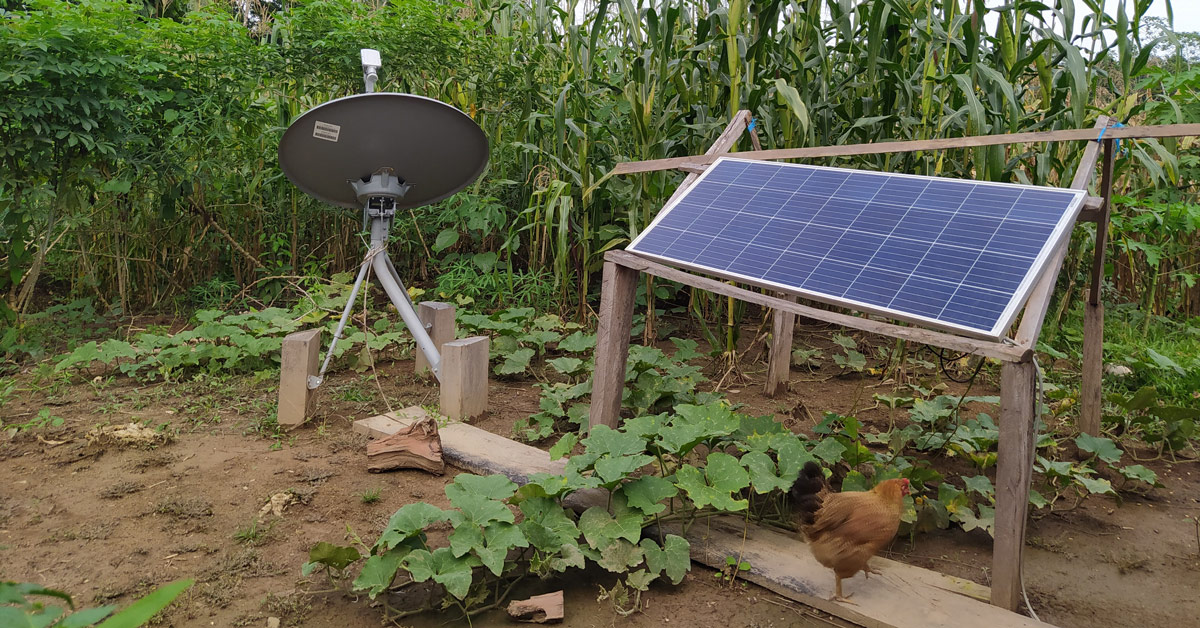
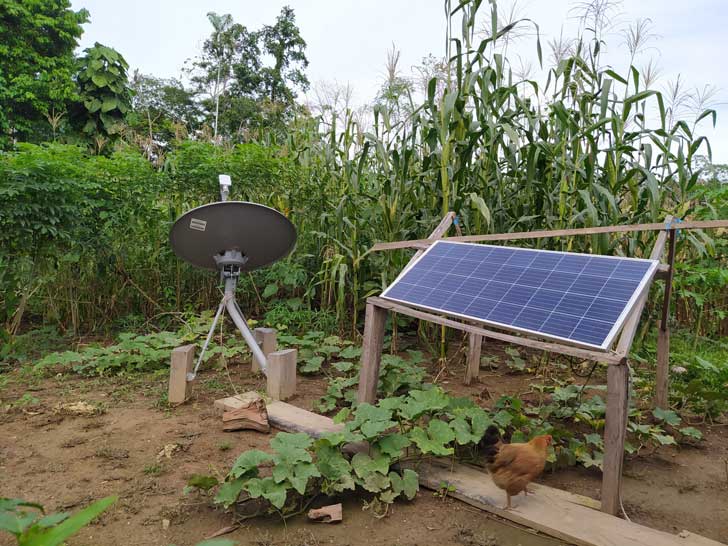
First, they installed a satellite internet connection supported by a small solar-powered system where people could charge essential devices like phones and flashlights.
Then, the group installed a complete solar energy system for 40 households in the settlement, giving an entire community the ability to respond to emergencies, access public services, and improve their education and economy.
Their mission is to continue installing solar power in remote Indigenous communities that need it most.
“For us, fighting climate change means more than just resisting it — it means finding solutions, exploring alternatives, and transforming our way of life,” Borda wrote for the United Nations.
“It also means learning to adapt to increasingly frequent heatwaves, forest fires, and the growing scarcity of natural resources.”
You may also like: A viral video of adoptable dogs choosing their owners was debunked as AI. So this shelter made it a reality
A version of this article was originally published in The 2026 Environment Edition of the Goodnewspaper.
Header image courtesy of Roxana Borda Mamani