With COVID-19 spreading across the United States and the world, many of us are asking how we can make a difference.
Surely, if you're a doctor, nurse, or epidemiologist, how you can make a difference may seem obvious. But for the rest of us, it's much less clear.
Here are 5 ideas on ways to make a tangible difference during this unprecedented time:
Stay Home
Social distancing is the best way we can help ensure that our healthcare system doesn’t get overwhelmed by a sudden influx of new patients. By limiting the people we interact with, we limit opportunities for the virus to spread.
Choose video calls over IRL hangs. Download cocktail recipe apps instead of going out for drinks. Try a new recipe instead of going out to eat. And pick up a new at-home hobby instead of going out to the movies.
If you have to go outside, practice social distancing by staying 6 feet away from others.
Donate to Feeding America
30.3 million children receive free or reduced-price lunches at their public schools each year. We have the opportunity to make sure kids have enough to eat as schools across the country are closing.
The number one way you can help provide food to children in need is to donate money to food banks. (Food banks can get way better deals on groceries than you can. So they make a dollar go way farther.)
Your donation to Feeding America will make a difference in food banks across the country. You can make a donation today.
Buy Gift Cards
As more and more cities are encouraging people to self-distance and avoid public spaces, this could have a devastating effect on small businesses that may not have the cash to weather the storm.
Buy a gift card from their website to give them the cash they need to weather the storm. Then redeem it in a few months. They'll be grateful for your support and it's a great way to pay it forward.
Tip Really Well
Healthcare professionals are encouraging everybody to stay home and not congregate in public spaces.
This is important advice to follow — but unfortunately, it’s going to have a huge impact on independent restaurants, bars, salons, coffee shops, and more. Business owners and part-time employees are going to be hit hard by this.
If you order delivery or takeout, consider giving an extra-generous tip.
If you have appointments with a hairdresser, counselor, massage therapist, or anyone else — consider finding a way to still pay them for their services or send them the money you would have tipped.
Support Artists, Speakers, Musicians, Freelancers, Etc...
Art, creativity, and inspiration are going to be what help us get through this difficult time.
But artists and creators who work independently are going to be disproportionately affected by coronavirus and its economic fallout as conferences and events are canceled, people spend less money, and less art is enjoyed outside the home.
Think about the creators who have made a difference for you and buy something from their online shop, become a supporter on Patreon, or just ask them for their Venmo. They’ll be grateful for the support.
Volunteer Online With Crisis Text Line
If you’re suddenly finding yourself with more time on your hands — put it to good use by volunteering as a Crisis Text Line counselor.
Crisis Text Line is the free, 24/7 text line for people in crisis in the United States. The service is powered by volunteer Crisis Counselors who work remotely — anywhere with a computer and secure internet connection works.
They'll provide you with free training — and you'll be able to support people who are struggling during this difficult time. You can apply today.
Be Kind
Smile at the garbage man.
Call your family.
Check on your friends who are part-time.
Only buy what you need.
Send long emails to people you love.
Help people feel less lonely.
Share positive posts on social media.
Until now, Mukuru residents have had no option but to buy polluted water from informal vendors charging exorbitant prices
— Cartels sell water to slum dwellers at hugely inflated prices
— Dispensers let residents buy clean water with rechargeable tokens
— Nearly half of Kenya's urban population lives in slums
NAIROBI, Sept 14 (Thomson Reuters Foundation) - In the 30 years that Josephine Muthoni has lived in Nairobi's Mukuru slum, she has never had a steady supply of clean water.
The only way to get water was from vendors dotted around the slum, who charge exorbitant prices for the often polluted water they buy from government water points or steal straight from the municipal pipes, the 62-year-old mother of nine explained.
Muthoni said filling a 20-liter (5-gallon) jerry can cost as much as 50 Kenyan shillings ($0.45) - a potentially crippling amount in a city where the majority of slum dwellers earn less than $1.90 a day, according to the World Bank.
"We would sometimes walk five kilometers to get water. I thought that was how life should be until I worked for a family and saw water flowing full time from their taps," the retired housekeeper told the Thomson Reuters Foundation.
The more than 600,000 residents living in one of Nairobi's largest slums have struggled with water access for years, a problem exacerbated by frequent bouts of city-wide water rationing, which has been ongoing since 2017.
But soon, Mukuru residents will be able to fill a jerry can with clean water for as little as 50 Kenyan cents, using token-operated vending machines that the city government is installing in an effort to ease the slum's water stress.
With the new system, residents will receive plastic tokens - similar to key fobs - that they can charge using the M-Pesa mobile money platform.
They then insert the tokens into a machine at one of the 10 water stations being set up around Mukuru and select how much water they want dispensed.
Kagiri Gicheha, an engineer at the Nairobi City Water and Sewerage Company (NCWSC), which is helping develop the system, said the project is in the final stages, only awaiting the installation of the vending machines.
The dispensers, each costing 200,000 shillings, mean Mukuru residents will no longer be at the mercy of the slum's informal, exploitative water market, Gicheha said.
"This is a way of controlling the cartels that have long been stealing water in the slums because this is an automated system that is very easy to manage," he said.
Until the system is operational, residents can fetch clean water for free from boreholes that have been dug for the project, each of which will feed up to four water dispensers.
Since starting the project in April 2020, the city government has drilled nearly 200 boreholes across five Nairobi slums and hopes to expand to more areas depending on funding and demand, Gicheha said.
Cheap, Clean, Reliable
Officials decided to launch the system in Mukuru after seeing the success of a similar program run by the local nonprofit Shining Hope for Communities (SHOFCO) in Kibera, Nairobi's largest slum.
Currently, there are 23 machines dispensing water to Kibera residents, who pay two shillings to fill a jerry can, said Johnstone Mutua, a program officer at the grassroots group.
"The project is very efficient. Most residents now know how to use the system and we installed solar-powered lights for security at night," said Mutua.
"This means someone can get water anytime they want."
Maureen Adhiambo, a 28-year-old mother of three in Kibera, says the vending machines cost half of what she used to pay water vendors and finally offer her a reliable source of water.
"(Before), the queues were too long and water would come only once a week," she said.
"Now, I can buy five 20-liter jerry cans of water per day ... and there's no queue."
Mutua said the first attempt at setting up a water vending system was in Mathare slum in 2015.
But the machines were being fed from large tankers, not boreholes, he said, which meant during drought there was no water to fill them with - so now the machines in Mathare stand empty.
Risky Walk for Water
Fueled by explosive population growth, demand for water in Kenya's capital has shot up over the past decade, but broken municipal water pipes and frequent drought leave the city chronically thirsty.
While residents need more than 810,000 cubic meters daily, the city's dilapidated water infrastructure can only supply 526,000 cubic meters, according to figures from the NCWSC.
Across Kenya, the water crisis hits hardest in slums, where nearly half the urban population lives, according to the World Bank, and where homes are not connected to the water grid.
Before the vending machine project came to Mukuru, Gideon Musyoka, an elder of one of the villages inside the slum, said the taps at the government water points rarely flowed and when they did the water was often tainted by raw sewage.
For women, the search for water was time-consuming, expensive, and dangerous, exposing them to sexual assault or rape. "Women were almost getting used to being raped, even in broad daylight, as they went to water points to fetch water," said Muthoni, the Mukuru resident.
Efficiency
Jamlick Mutie, an independent water and sanitation expert working in Nairobi's slums, applauds the water dispensers as a safe, affordable and efficient solution.
Mutie noted that at the subsidized cost of 25 shillings per cubic meter, Mukuru residents will be able to buy water for less than half what other Nairobi residents pay to get it piped into their homes.
Efforts to get clean water to the slums are especially urgent during the coronavirus pandemic, with health experts pointing to hand-washing as one of the best ways to curb the spread of COVID-19, he said.
"For the slum residents, it would be a disaster without water," he said.
The price of the water is enough to cover the costs of maintenance and electricity to run the machines, making the project sustainable, he added.
The biggest challenge, Mutie warned, is protecting the machines from the cartels who see the project as a threat to their business.
Mutua at SHOFCO said Kibera residents are tackling that problem by having volunteers guard the water stations.
To discourage tampering with the vending machine pipes, the charity built an aerial water network, suspending the pipes overhead rather than burying them underground, and is encouraging the government to do the same in Mukuru, he said.
As the people in Mukuru wait for their water vending machines to arrive, Musyoka, the village elder, said having abundant, clean water is something many of them never could have imagined.
"Seeing so much water in Mukuru slums is what we call magic. Now, we can say that people are clean and healthy," he said.
($1 = 109.7500 Kenyan shillings)
Reporting by Dominic Kirui, Editing by Jumana Farouky and Zoe Tabary. This article was originally published by the Thomson Reuters Foundation, the charitable arm of Thomson Reuters, that covers the lives of people around the world who struggle to live freely or fairly. Visit news.trust.org.
Colorado will use federal COVID-19 relief funding to establish a grant program for primary care doctors to either boost existing efforts to vaccinate hesitant patients or begin offering the shots, Gov. Jared Polis announced.
The COVID-19 Primary Care Vaccination Program will distribute up to $60 million on a first-come, first-served basis, with applications accepted now through Feb. 28, according to information from the state Department of Public Health and Environment, which will oversee the initiative with help from the Colorado Health Institute.
Polis said the program is designed to give primary care doctors—often a patient’s most-trusted and well-known medical provider—additional tools to encourage vaccination in their practices.
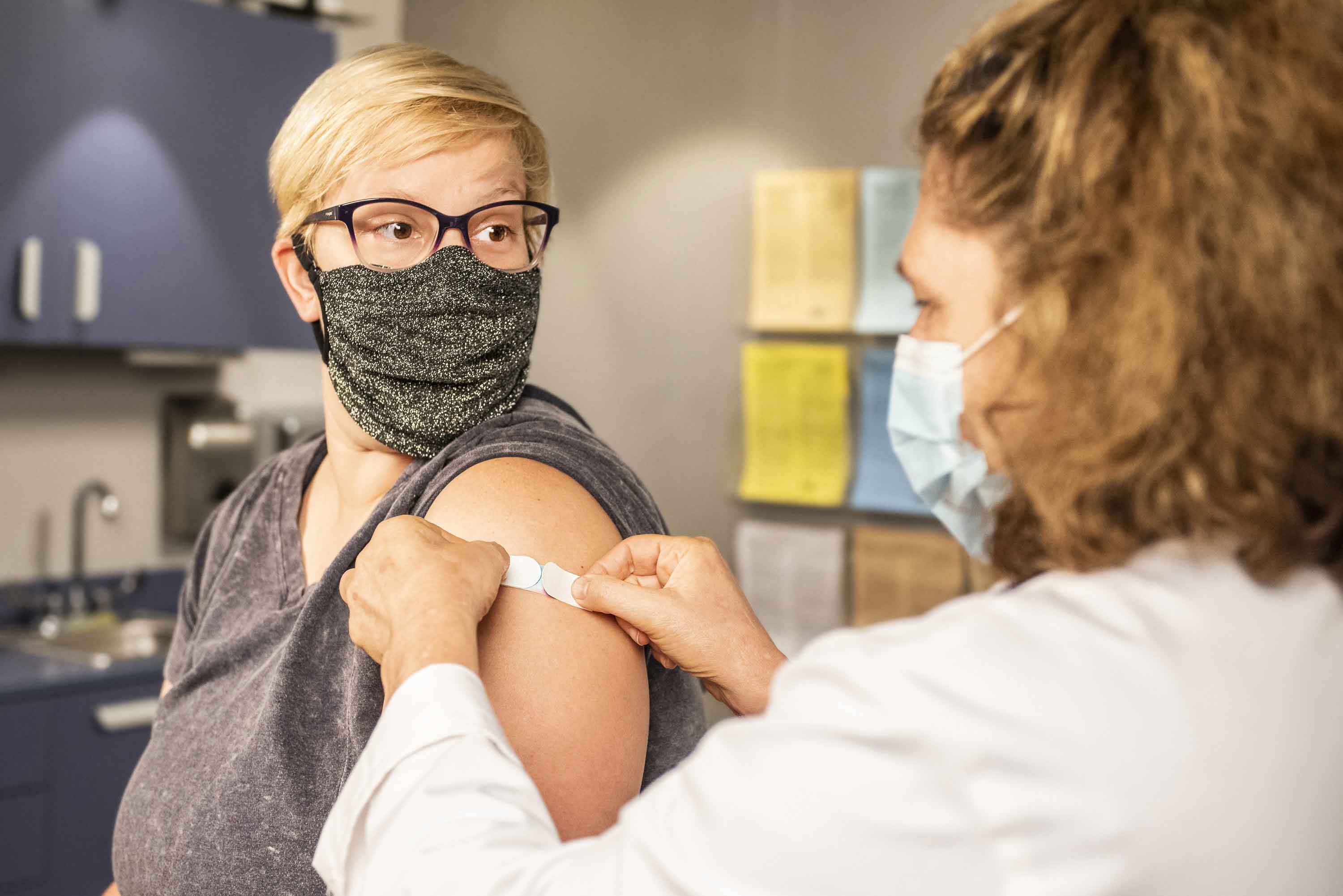
"When primary care providers, especially those in smaller practices, don't have the tools they need to offer [the COVID-19 vaccine], that’s really a missed opportunity,” Polis said at a news conference.
Other states and municipalities have launched relief programs to help medical practices regain revenue lost during the pandemic, but it's unclear if any have implemented grant initiatives focused on vaccine distribution for primary care physicians.
Eligible applicants include private practices, pediatrician groups, and family doctors, Polis said—any office licensed by the state as a primary care facility that has either enrolled as COVID-19 vaccine providers or begun the process to do so.
Health care facilities can receive between $60,000 and $120,000 depending on the number of primary care providers working on-site. The money can be used to shore up vaccine distribution in a number of ways, including hiring additional staff to help with scheduling, establishing outreach programs, or purchasing supplies or technology, including IT upgrades to help with reporting or marketing materials.
Physicians said they would welcome the extra resources. Dr. Marc Moss, head of the Division of Pulmonary Sciences and Critical Care Medicine at the University of Colorado School of Medicine-Anschutz, told reporters Thursday that frontline healthcare workers are approaching a breaking point after providing around-the-clock care for COVID patients for more than 18 months.
Before the widespread availability of vaccines, he said, “There was a sense of purpose-driven by a common mission that COVID patients needed our help. It was what we trained to do.”
Doctors, nurses, and support staff were buoyed by the early distribution of vaccines and the ensuing dip in COVID cases, Moss continued. But as the virus mutates and intensive care units fill up once again, the “psychological distress” in health care workers is apparent.
“This new wave of COVID patients in predominantly unvaccinated people may ultimately break the souls of my colleagues,” he said. “We will continue to provide excellent care to our patients even though many healthcare workers are simply exhausted… No one else needs to die from this preventable disease.”
As of Wednesday, nearly 75% of adults in Colorado had received at least one dose of the COVID-19 vaccine and 67% were fully immunized, according to state data. Polis said he estimated that roughly 10% to 15% of the remaining eligible population are estimated to be “open to” vaccination, and will be among those targeted by the grant program.
“We have to remain vigilant against the virus,” he said in a statement. “We know that the best way to reach the remaining 25% is through their family doctor, whom they trust to treat them for common health issues which is why we are empowering our local doctors across Colorado to order and administer the COVID vaccine right then and there.”
This story is part of the SoJo Exchange from the Solutions Journalism Network, a nonprofit organization dedicated to rigorous reporting about responses to social problems. It was originally published by Route Fifty on September 3rd, 2021.
The initial reaction among soccer fans to the vegan menu at the stadium food stand was outrage. “Some said they wouldn’t eat anything,” club chairman Dale Vince, 59, remembers with a laugh.
Instead of hot dogs and cheeseburgers, attendees of Forest Green Rovers games in Gloucestershire, UK, found themselves confronted with a meatless menu of shiitake burgers, katsu pickled vegetables, and vegan Q-pie.
“It’s a bit unusual,” the trim entrepreneur admits, “but I say, you only come to games once every two weeks, you might as well try something you haven’t tried before.”
The Forest Green Rovers are an anomaly in the world of European football, a sport not typically known for its progressive bona fides. Though its moniker was actually inspired by the neighborhood of its origin — a tiny village in Gloucestershire — the club, founded in 1889, could hardly have been more aptly named.
FIFA, soccer’s international governing body, recently recognized the Forest Green Rovers as the greenest soccer club in the world. The United Nations has certified the FGR as the world’s first carbon-neutral football club. It is also the first and only vegan pro soccer club on the planet.
“Every day we all make decisions about how we power our homes, how we travel, what we eat, and how we choose to spend our money,” says Vince. “If we go in a different direction, we can get a different outcome.”
Algae and oat milk
FGR’s stadium, “The New Lawn,” is powered with 100 percent renewable energy from the solar panels on its roof and windmills on a nearby hill. A solar-powered robot mows the lawn. The field itself is managed entirely without artificial fertilizer — the groundskeeper sprinkles Scottish sea algae and rips out weeds by hand, making it far greener than your typical pesticide-soaked soccer pitch.

“Of course, the stereotype is that soccer fans wouldn’t be receptive to this at all, but this made it all the more compelling to me,” says Vince via Zoom from his fortress-like home in Stroud, walking distance from the stadium.
“People told me I’d be killing the club, and nobody would come. I thought to myself, that means we’d be taking our message, our work in sustainability, to a new audience, one that’s relatively untouched by this kind of stuff, the world of soccer fans. Soccer gives us a fantastic platform to promote sustainability.”
Vince gets a kick out of discussing his innovations with fans at the stadium, such as the practice of recycling cooking oil from the vegan kitchen into biofuel. He remembers meeting a “crestfallen fan” who couldn’t believe there was no milk to put in his tea. “I explained to him how they take the baby cows away shortly after birth and he was completely shocked. He’d never heard that before. I said, hey, we have oat milk, soy milk, rice milk, try it!”
It’s not just the fans who forgo meat — a vegan nutrition coach advises the players on building muscles with nut butters and tofu. And though some tabloids gleefully posted paparazzi pictures of players biting into fried chicken in their free time, many of them have embraced the vegan diet.
“I feel way more energy,” FGR midfielder Dan Sweeney says, “and recovery time is faster.” They’re in good company: Formula One champion Lewis Hamilton, U.S. soccer star Alex Morgan and tennis star Venus Williams have all achieved athletic superstardom on plant-based diets.
“The club was in trouble”
Vince first arrived in Stroud in the 1990s as a new-age hippie living in an old army van. The son of a truck driver, he had dropped out of school at 15. He used a small windmill on top of his van to power his habitat, and liked the area so much that he eventually built a bigger windmill on the hill. Today, his renewable energy company Ecotricity is one of Stroud’s biggest employers with 700 workers.
Initially, when the Green Rovers were seeking financial help in 2010, “the club was in trouble and needed rescuing.” Vince, a soccer fan, “wanted to help out a local soccer club that was 120 years old and an important part of my community.”
But at their first meeting, the long-term vegan was horrified by the amount of meat lasagna served. “That made me part of the meat trade, so I asked them to change it on the spot.” They did. “Then I bumped into all kinds of things I couldn’t tolerate.” Vince set out to change them one by one, “to build a new kind of soccer club.”
Two years ago, the club joined the United Nations’ Climate Neutral Now program, which involves three steps: “Measure our carbon footprint, reduce it as far as we can and offset the residual,” Vince explains.
He built the cost for the carbon offset into the ticket price, about $1 per ticket. “It’s a way we get to talk to fans about an issue that might otherwise have gone unnoticed.”
About 250 sports organizations around the world have now signed up for the UN program. “They represent every sport that you could possibly name, and there’s an awful lot of momentum there,” Vince says. “Between us, we can reach billions of people.”
He believes his club will reach carbon neutrality without offsetting by next year.
To get there, he established eco-management and audit scheme (EMAS) accreditation, the gold standard of environmental management. He encourages ride-sharing and outfitted the stadium with electric car charging facilities so fans can travel to games sustainably.
Even the fizz in the carbonated drinks is funneled directly from the CO2-capturing facility on the stadium roof, a new venture from Vince who also uses the CO2 to make carbon-negative diamonds. “It fits perfectly with our message that living a green life isn’t about giving stuff up. Whether it’s burgers, cars, soccer, or even diamonds, it’s about doing it in a different way.”
The players wear neon green jerseys manufactured from discarded coffee grounds and recycled plastic. “When I learned that most soccer shirts were made from plastic, I was shocked,” he says. “Apart from the sustainability issue, it’s all kinds of wrong to wear plastic to play soccer.” The new shirts “perform much better,” he has found, and this is a point he stresses repeatedly about becoming the vanguard of eco-consciousness in sports.
“Our food has to taste better, and our field has to be better than your average field,” he says. “When you go green and offer an alternative to the conventional, you have to be better. Otherwise people say, yeah, I get that it’s green, but…”
It’s working. The Green Rover’s catering service, the Little Green Devils, has won numerous awards for its vegan pies and is serving 3,000 school meals outside the stadium every day. FIFA and several soccer clubs have sent representatives to learn how they, too, can move their stadiums and kitchens toward carbon neutrality.
The next step: the world’s first stadium built entirely from recycled wood, designed by the late award-winning architect Zaha Hadid, which Vince is currently seeking the permits to build.

Even the players have improved. Since switching to vegan food and other climate-friendly routines, the club has started winning and was promoted to League Two in 2017. The number of visitors has quadrupled, the amount of food sold at the stadium has quintupled, and the club now has 100 fan clubs in 20 countries.
“In the last year, we had six billion social media impressions,” Vince says. The club has just added a women’s team which will play under the same roof, and Vince hired a woman to lead the club’s Academy.
Vince believes that he not only created a new kind of soccer club, but “a new kind of soccer fan. These people bond with the club because of our stance on the environment.”
His prediction for what comes next? “I think we get to League One this season.”
This story is part of the SoJo Exchange from the Solutions Journalism Network, a nonprofit organization dedicated to rigorous reporting about responses to social problems. It was originally published by Reasons to be Cheerful on September 14th, 2021.
Climate change is consistently being left out of relevant reporting about climate change-caused disasters like hurricanes, wildfires, and flooding.
We put together a guide on how to contact local and national media — and what to say to encourage them to change their reporting.
Climate change feels overwhelming. Beyond the impacts on human life, we're already seeing, what makes it so paralyzing is all the areas of life where it intersects with other injustices. Extreme weather events already disproportionately impact low-income, marginalized, and under-resourced communities. The scientific community agrees that climate change is intensifying already extreme weather events — and consequently, intensifying the devastation to those communities.
Consistent weather patterns and seasons are critical to the production of our food. Climate change is disrupting those weather patterns, the harvests that depend on them, and our food supply which depends on those harvests. Again, this cycle disproportionately impacts marginalized communities around the globe which already lack access to nutritious food.
Climate change caused by human activities is an undisputed fact that’s already impacting so many areas of life. And the science is clear: we need to drastically change systems and behaviors if we’re to avoid the worst impacts of it.
Positively, a growing number of people around the world are acknowledging this reality, and according to a recent Pew Research study, 80 percent of people surveyed across 17 countries said they were willing to make some or a lot of changes in how they live and work to help address global climate change.
As we’re collectively recognizing that climate change is already significantly affecting our everyday lives, we’re seeing many mainstream news outlets consistently under-report on (and even fail to simply mention) climate change issues.
But the good news is that, as thoughtful media consumers, we can play a role in shifting this for the better.
Climate change is not being covered enough in broadcast and cable news
In a recent analysis by Media Matters for America, during the record-breaking Western United States heat wave in July 2021, 38 percent of broadcast and cable news segments from July 8-12 connected it to climate change, and 36 percent of wildfire coverage from July 21-27 made the connection.
In a combined 95 segments on broadcast and cable TV news shows from August 11-18 on various global extreme weather events, just over 30 percent of them referenced climate change — and only 13 percent referenced the latest IPCC Report on Climate Change.
While this is an improvement over years past, it’s still not enough.
Notably, in the recent coverage of Hurricane Ida (which made landfall in Louisiana on August 29, 2021), of 774 total news segments covering the storm from August 27-30, only 34 of them, or 4 percent connected the extreme weather event to climate change, according to Media Matters for America.
On July 20, 2021, when Blue Origin launched into space, it received almost as much media coverage as climate change did in all of 2020.
If it seemed like Bezos got a lot of coverage for his space launch today, he did. Consider this: pic.twitter.com/MHEANb2LQp
— Evlondo Cooper III (@EvlondoCooper) July 20, 2021
2019 was the second-warmest year on record at the time, but news networks spent a combined 238 minutes on climate change, which was an improvement on the 142 minutes in 2018.
Many people still get their information from their local station (or national news) and it’s important that they give climate change the airtime it’s due.
Climate change coverage has improved in print news coverage
When it comes to print media, there is some good news to report. A recent study from the Media and Climate Change Observatory at the University of Colorado (MeCCO) found major print media outlets in five countries have been covering climate change factually, with 90 percent reporting the scientific consensus view over the last 15 years, and a small percentage reporting a “false balanced” or “denialist” view.
Previously, to be “unbiased,” print outlets would frequently cite “opposing” sources to human-caused climate change. That reporting has now mostly aligned with scientific consensus is really good news.
And coverage isn’t where it needs to be globally, but it is increasing.

We need to hold news media outlets accountable for poor climate change coverage
Even the news you get on social media generally comes from the same place: journalists and media outlets. Most information that people get on a daily basis originally comes from their local news station or newspaper, or a national news station or newspaper.
Most of these journalists have a code of ethics, are generally committed to fair and accurate reporting, and seek to uphold high journalistic standards.
Leaving factual information surrounding climate change — which is backed by decades of research and evidence — out of relevant reporting does not align with these standards. The good news is: most media outlets are open to, and even welcoming of feedback from their audience!
And we all have a role to play in helping to give feedback when we see poor reporting. The next time you see a news outlet leave climate change out of a relevant story, let them know that you noticed and that you want them to correct the story and do better in the future.
Follow our guide below on how to contact journalists and media outlets and what to say to help them improve their climate coverage:
How to contact news media outlets about improving their climate coverage
Step 1: Take notice when you see a media outlet fail to cover climate change
In the coming days and weeks, you’ll likely find yourself reading an article or watching a news segment on a natural disaster, weather anomaly, or access to food and water, only to be surprised to reach the end without even a brief mention of how climate change played a role in this story. (You’ll probably be even more likely to take notice now that you’ve read our article.)
Taking notice of this is a great opportunity to take action and create change. And the good news, it’s easy.
Step 2: Find the journalist’s or outlet’s publicly available contact information
When you’re watching the local news, they’ll likely mention a phone number or website where you can send in tips, and send in feedback. Their website will have a “Contact Us” link — it’s usually at the top or bottom of the page.
For national broadcast news, while they may not advertise a website or phone number on the show, they will likely have a way to contact them on their website.
When you’re reading a physical newspaper, look for a “Letters to the Editor” section. This section will include information on how you can submit a letter, too.
If you’re reading a story online or through an app, look for that “Contact Us” link at the top or bottom of the webpage. Sometimes, a journalist’s byline will even include a link to email or get in touch with them. (Note: Especially for national outlets, this is a sign of a really good, reputable news publication!)
Step 3: Write a respectful and constructive email
When composing your feedback, remember to be respectful. Good journalists spend days, weeks, sometimes even months and years researching their stories, vetting sources, working with colleagues, and gathering information — you want them to be receptive to your feedback, so be sure to acknowledge the important work they do.
Present the information factually — because it is factual! Just as they would quote or cite any other research or factual information, climate change is a fact that deserves coverage in their story.
Use this sample script to help you get started:
Dear [News Outlet name, ie: Good Good Good] editorial team,
I wanted to thank you for your continued commitment to covering news relevant to me and my community. I believe strongly in the role of journalists and media outlets to hold power to account, sharing well-researched, fact-checked, fair, and balanced information that we all need to make choices in our lives individually, and as members of a collective society.
To that end, one of your recent [articles/segments] left out a critical piece of information. In the [article/segment], [Name of article or story covered], your reporting failed to reference the impact of climate change on this event.
Per the latest report from the Intergovernmental Panel on Climate Change (IPCC), released in early August 2021, we have more evidence than ever proving that human activity involving the burning of fossil fuels has caused the climate to warm exponentially — and that warming climate directly affects weather patterns, intensifies already extreme weather events, destroys wildlife and ecosystems, farming, and arguably every aspect of life.
Leaving out this factual information does not uphold your journalistic standards. Readers need to be informed about the impact of climate change because it impacts their everyday life — and the IPCC report and the scientific community agree that it will continue to do so for the foreseeable future. You have a responsibility to your readers to inform them of what is happening in the immediate, and what they can expect in the coming days and years.
As the research concluded, human activity is to blame for these impacts, and we all need to be making significant, systemic changes to how we live our lives. Your readers are busy people, and are likely not spending the hours you do researching or fact-checking your reporting — because they trust you to. Readers won’t know that individually and collectively, we need to make those significant changes unless you provide accurate reporting about what’s actually happening — and climate change is happening.
Please [correct this article/update this segment] immediately, and include climate change in your future reporting. The IPCC has resources you can use to help source the information in your reporting, too!
Thank you,
[Your name]
Final ways to make a difference
While a problem as large and significant as climate change can feel overwhelming and daunting — it’s important to remember that none of us have to be the singular person who solves this problem.
By finding small ways to have an outsized impact in the fight against climate change, you can feel confident that you’re doing your part, and then some.
Small, everyday, individual actions like recycling and being a conscious consumer are valuable — but when you take actions like contacting media outlets or lobbying your elected officials, you can affect a significant number of people positively and help change the larger systems that have led to climate change.
The great thing about actions like this is that they’re simple and easy to share. The next time you use this guide to reach out to a media outlet or journalist about a story, go a step further and share about the experience with your friends or on social media.
Even better, when you get a response back from the journalist or see a change in an outlet’s future reporting (which you absolutely will — if you continue these efforts over time), then celebrate that change publicly.
Positive changes should be encouraged and rewarded. Consider tagging the journalist and outlet in a post on social media, or even writing a public letter to the editor for publication in their outlet.
And lastly, while it’s important to play a role in changing the way that climate change is discussed in mainstream news, that doesn’t mean that you need to rely on subpar climate reporting as your primary source of news.
Some media outlets have intentionally built their ethos around climate reporting. Explore outlets like Grist, Mother Jones, Currently, and a growing number of other outlets — and intentionally support their work by sharing their content and becoming a subscriber.
We're so glad to see progress being made in climate reporting, but we can't settle, because there's more work to be done. And we can play a role in it.
Around the world, technological innovations to capture, store, reuse, or replace carbon pollution are on the rise.
WASHINGTON, Sept 16 (Thomson Reuters Foundation) - A long-forgotten industrial fermentation process is allowing a small share of climate-changing carbon pollution to be turned into household products, with the first items available this year.
Backers say the process, known as gas fermentation, uses carbon captured from the air, industrial smokestacks, municipal solid waste, or other sources to create "green chemicals" that can be turned into plastics, soaps, fabrics, perfumes, and more.
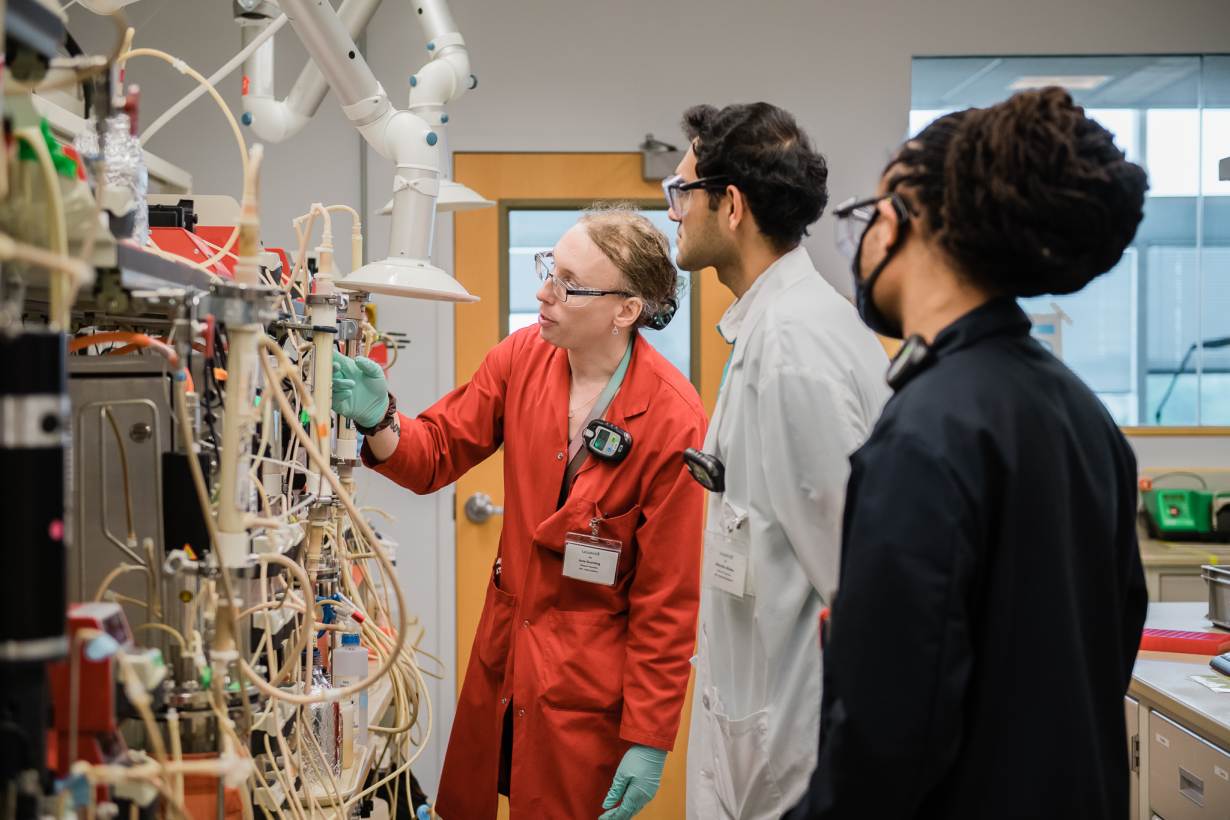
"A lot of people think stuff like this is science fiction. They don't realize there are already plants running," said Jennifer Holmgren, chief executive of LanzaTech, a "carbon recycling" company based in Chicago but with operations worldwide.
Holmgren said the company's process is similar to that used to make wine or beer, but instead of sugar its engineered microorganisms eat industrial emissions such as carbon dioxide, carbon monoxide, and more to produce ethanol.
That, in turn, can be used to make the basic components for a variety of everyday products that typically rely on fossil fuels as their building blocks.
In April, LanzaTech, together with Unilever and India Glycols, announced a new laundry detergent made using carbon emissions captured at a steel mill in China.
In July, sportswear company Lululemon Athletica announced it would start selling clothing made with polyester yarn created through LanzaTech's gas fermentation.
"It's really about the circular economy - we imagine a world where you take your waste back and reuse it," Holmgren told the Thomson Reuters Foundation.
Around the world, technological innovations to capture, store, reuse or replace carbon pollution are on the rise.
Last week, the world's largest plant designed to suck carbon dioxide from the air opened in Iceland, and President Joe Biden announced a goal of converting the U.S. airline industry to fully sustainable jet fuel by mid-century.
Synthetic biology - like that used to make LanzaTech's products - could play a key part in the transition away from fossil fuels and to a climate-smarter economy, backers say.
Michael Jewett, a professor of chemical and biological engineering at Northwestern University in Illinois, said that finding ways to use carbon emissions to replace the "raft of products made from chemicals from petroleum" could have a significant impact on climate change.
Fossil Fuels Everywhere
Industrial gas fermentation dates back at least a century but the technology was ultimately overtaken by products based on cheap petroleum, said Jewett, whose lab has worked with LanzaTech.
Today carbon-based products include "the carpet we set our feet on in the morning, the toothbrush in our mouth, the shampoo for our hair, the clothes we wear and the detergents used for our laundry," said an April report from the Nova-Institute, a German research group looking at greening the chemical industry.
Currently, 85% of carbon used in such products comes from fossil fuels, the report found. It is estimated that demand for such items will more than double by mid-century.
LanzaTech, created in 2005, aims to supplant that need for fossil fuels by instead tapping carbon dioxide.
It currently has two commercial plants in China making more than 15 million gallons of ethanol a year, using carbon captured from the flues of an alloy and a steel plant.
The process is drawing attention from other companies, though Holmgren said none is as far along as LanzaTech, which also is working on producing greener jet fuel, perfumes, and product packaging.
"We are seeing a rapid development of industrial biotechnologies, which is making high-performance ingredients with a low CO2 impact much more accessible," Jonathan Hague, a vice president with Unilever Home Care, told the Thomson Reuters Foundation in a statement.
The U.S. government is now backing LanzaTech's efforts, this year awarding it a U.S. Department of Energy grant worth $4.1 million to try to bolster its ability to turn waste carbon dioxide into a fossil fuel substitute.
"We have to develop entirely new types of technologies to enable a new carbon economy - one that captures, efficiently uses, and stores more carbon than it emits," said David Babson, a program director with the department's Advanced Research Projects Agency-Energy initiative, or ARPA-E.
"Traditionally ARPA-E and others have been thinking about new energy technologies as a means to replace petroleum or fossil carbon or to reduce emissions," he said.
But as it has become increasingly clear that global climate goals no longer can be met through emissions reductions alone, as globally emissions continue to rise, the initiative has also looked at ways to get climate change-driving emissions already in the air back out, he said.
"We have to engineer a bunch of negative emissions pathways," he said.

$1 Trillion Market
"Upcycling" carbon emissions to create consumer products offers a potential $1 trillion annual market in the United States alone, according to a 2018 estimate from Carbon180, a carbon removals non-profit.
It points to fuels, building materials, and plastics as some of the biggest opportunities.
But such industries are still nascent, said Noah Deich, co-founder and president of Carbon180.
He estimated there are dozens of startups and research projects today but few that have generated "meaningful" revenue.
LanzaTech is one of the few companies building full-scale commercial projects, Deich said, suggesting that lessons from the company's work will "help the whole industry move faster".
He said the sector is at an "inflection point" as the technology advances and "the first wave of carbontech companies are moving beyond demonstration scale into commercial pilots".
Removing carbon from the atmosphere remains hugely expensive, he said, but turning captured carbon into consumer products can provide an important revenue stream, driving down the overall costs.
"These early efforts can flip the paradigm of carbon dioxide from pollutant to resource," he said.
Reporting by Carey L. Biron ; editing by Laurie Goering. This article was originally published by the Thomson Reuters Foundation, the charitable arm of Thomson Reuters — and was republished by Good Good Good with permission. Visit news.trust.org/climate.
Contested medical treatment for children seeking to transition gender is back in the spotlight, after a British court ruling reawakened a global debate about the merits of puberty-blocking drugs.
The Court of Appeal for England and Wales said it was up to doctors, not courts, to decide if a child under 16 was capable of consenting to drugs that pause puberty.
The ruling comes after a U.S. federal judge in July suspended a landmark Arkansas state law that would have banned doctors from providing puberty blockers, cross-sex hormones, or gender transition surgeries to minors.
So, what do puberty blockers do, and why are they so controversial?

What are blockers?
Puberty blockers are used to delay the onset of puberty or stop a child's body from maturing to become sexually reproductive, according to U.S. academic medical center Mayo Clinic.
They act as hormone-obstructing agents, administered by injection or implants, that hinder the signs of puberty, such as the growth of facial hair and testes or breast tissue growth and the onset of menstruation.
Who uses blockers?
Puberty blockers have been used for decades to treat precocious puberty, a rare condition in which a child's body matures early, usually before they turn eight.
More recently, doctors have prescribed puberty blockers for children who are experiencing gender dysphoria, a discomfort that their gender identity does not match their body, to delay physical changes.
"It's to stop the clock," Joshua Safer, executive director of the Mount Sinai Center for Transgender Medicine and Surgery, told the Thomson Reuters Foundation.
"The entire point is to allow the child and the parents and the medical providers time to think about what is most logical for that individual."
What are the benefits of blockers?
Puberty blockers help offset the stress of gender dysphoria, according to the World Professional Association for Transgender Health, a global body of doctors specialized in trans people.
"Those who take them are less likely to have a history of suicidal thoughts or suicide attempts by their mid-30s."
A study by Boston Children's Gender Multispecialty Service found those who take them are less likely to have a history of suicidal thoughts or suicide attempts by their mid-30s.
The same study found nine in 10 trans adults who were denied access to the medication experienced suicidal thoughts.
What are the criticisms of blockers?
Experts say the medication could lead to lower bone density and might hamper bone growth.
Research from the Journal of Endocrine Society, which looked at several dozen children taking puberty blockers for less than two months, concluded that "later pubertal onset" as a result of puberty blockers "leads to lower adult bone mineral content."
The Provincial Health Services Authority, the publicly funded health service provider in the Canadian province of British Columbia, also found that the medication will temporarily delay growth in height and fertility.
Reporting by Rachel Savage @rachelmsavage and Matthew Lavietes; Editing by Lyndsay Griffiths. This story was originally published by the Thomson Reuters Foundation, the charitable arm of Thomson Reuters, that covers the lives of people around the world who struggle to live freely or fairly. It was republished by Good Good Good with permission. Visit news.trust.org
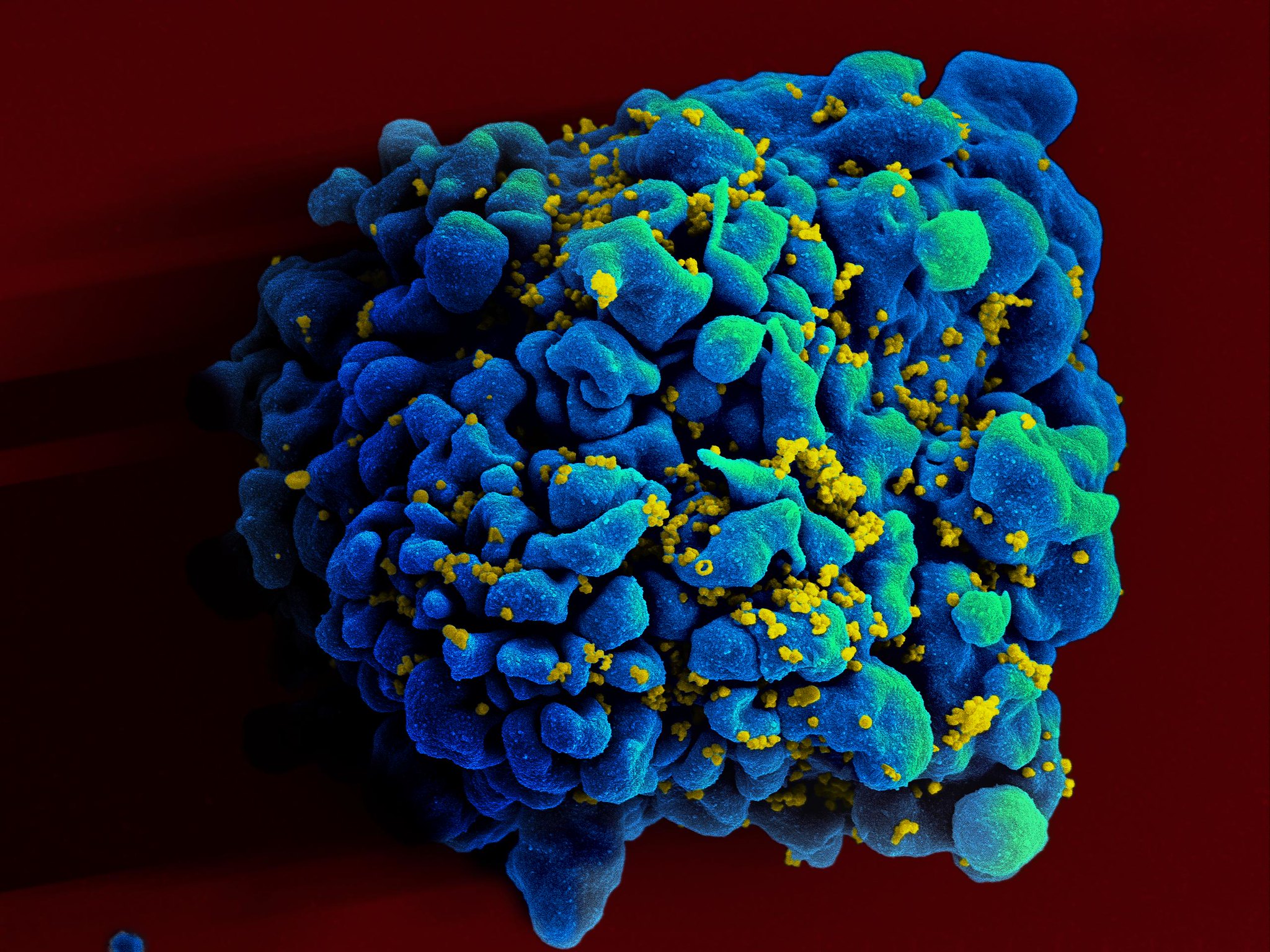
HIV/AIDS is a pandemic that, as of 2018, affects nearly 40 million people worldwide, leading to hundreds of thousands of deaths.
Human immunodeficiency virus (HIV) and acquired immune deficiency syndrome (AIDS) interfere with the body’s immune system, increasing the risk of developing common infections.
Between the early 1980s — the time that AIDS was identified — and 2018, the disease caused an estimated 32 million deaths worldwide.
All the more tragic is that without access to medication, mothers can pass on HIV to their babies, creating a vicious cycle that has the potential to span generations.

How Does HIV/AIDS Affect Communities?
While about half of cases are in eastern and southern Africa, the impact of HIV/AIDS is far-reaching and global.
Not only does HIV/AIDS have major health consequences, but it’s also closely associated with discrimination, including violence against HIV-infected individuals.
This stigma-related violence or the fear of violence prevents many people from seeking HIV testing, returning for their results, or securing treatment, possibly turning what could be a manageable chronic illness into a death sentence and perpetuating the spread of HIV.
These stigmas play out largely in tandem with other stigmas — particularly related to homosexuality, promiscuity, prostitution, and intravenous drug use.
In developed nations — including the United States — HIV/AIDS is closely associated with homosexuality, leading to higher instances of homophobia. And it wasn’t until 2003 that people living with AIDS in China could legally marry.
These stigmas perpetuate the myth that transmission usually occurs during sexual encounters between two men, when in fact, the dominant mode of spread worldwide for HIV remains heterosexual transmission, according to a study published in 2012 by researchers with Emory University and the Centers for Disease Control and Prevention.
Why Should I Be Hopeful?
There is no cure or vaccine (yet), but thanks to medical advances, treatment can slow the course of the disease and may lead to a near-normal life expectancy.
Early detection and treatment with strict adherence to medication can allow an HIV-positive person to live a long and healthy life.
Thanks to the good advocacy work of organizations such as (RED), which supports programs on the ground that help millions of people impacted by HIV/AIDS by partnering with globally known brands to raise funds, now people around the world have access to life-saving medication.
"AIDS-related deaths have declined by 60 percent since their peak in 2003, and the number of babies born each day with HIV has declined by more than two-thirds since 2000."
AIDS-related deaths have declined by 60 percent since their peak in 2003, and the number of babies born each day with HIV has declined by more than two-thirds since 2000.
Medication is just a small portion of the whole picture, though. To eradicate HIV/AIDS worldwide, a multi-pronged approach is necessary, including prevention, testing, and education.
With strong support and the fight against discrimination, people at risk of contracting HIV can get the help they need to lower the risk of transmission.
The best news is that the scientific community has been working for decades to find a cure, and the HIV cure landscape has seen a number of vaccine trials achieving varying degrees of success.
This includes the possibility of an mRNA vaccine, similar to the COVID-19 vaccine, to protect against HIV.
According to a study record posted to the United States National Institutes of Health Clinical Trial registry, it's estimated that Moderna could begin phase 1 of human trials for a vaccine as soon as September 19th. We're hopeful it could prove highly effective.
Three Ways to Join the Fight Against HIV/AIDS
While we've made significant progress in the fight against HIV/AIDS, there are still millions of people affected. On top of that, COVID-19 has made access to healthcare, checkups, and medication more difficult to access.
We each have an opportunity to step up and make a difference to bring about an end to HIV/AIDS in our lifetime.
Here are three simple ideas for how you can get involved:
Change your shopping habits.
Shop (RED) products and save lives. (RED) partners with brands you love to create products and experiences that fund the fight to end AIDS.
And since the start of 2020, (RED) has expanded its efforts to include another pandemic: COVID-19.
When you shop Apple, Durex, The Honey Pot, Truff, Moleskine, and more, simply choose the (RED)-branded version of their product — and those brands will make a donation to support life-saving health programs in the world's most vulnerable communities.
Make a donation.
Donate to The Mercury Phoenix Trust, a nonprofit that supports people living with HIV/AIDS.
According to their website, "The Mercury Phoenix Trust was founded by Brian May, Roger Taylor, and their manager Jim Beach in memory of rock band Queen’s iconic lead singer Freddie Mercury who died in 1991 from AIDS."
They provide direct funding to both large NGOs and grassroots organizations doing meaningful projects around the world.
Volunteer your time.
Volunteer with ONE — a global movement campaigning to end extreme poverty and preventable disease by 2030, so everyone, everywhere can lead a life of dignity and opportunity.
By signing up as a volunteer, you'll get the opportunity to advocate to elected officials for relevant policy change, organize grassroots events, or give or receive training and education.
A VERSION OF THIS STORY ORIGINALLY RAN IN THE Health Heroes EDITION OF THE GOODNEWSPAPER IN September 2020. THE GOODNEWSPAPER IS OUR MONTHLY PRINT NEWSPAPER FILLED WITH GOOD NEWS.
YOU CAN JOIN THOUSANDS OF SUBSCRIBERS WHO GET ACCESS TO MORE EXCLUSIVE STORIES LIKE THESE, OUR PRIVATE COMMUNITY SPACE, A FREE INSPIRING POSTER, AND SO MUCH MORE. BECOME A SUBSCRIBER TODAY.
Innovations in medicine have grown exponentially since the dawn of the 20th century.
It’s easy to see that health care looks drastically different than it did just a few generations ago — and it’s for the betterment and wellbeing of our communities.
These advancements rely not just on chance discoveries or the rare genius of an individual but rather the collective dedication of scientists, researchers, doctors, and other professionals across years and even decades, building upon discoveries past.
We rounded up some of the top medical advancements from the last century.

These medical advancements from the last century will wow you →
1924: The Electroencephalogram
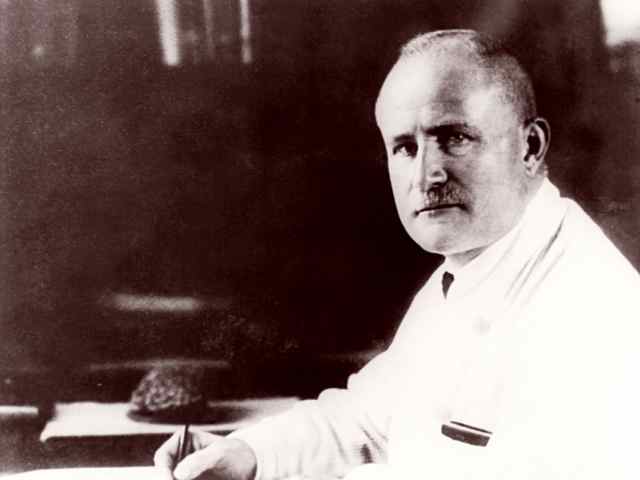
Hans Berger recorded the first human electroencephalogram (EEG), charting the electrical activity of his son’s brain.
1928: The Iron Lung

Although it’s now virtually obsolete, the original iron lung varied the air pressure in the enclosed space to stimulate breathing and was especially useful in treating polio patients.
1928: Discovery of Penicillin
Scottish bacteriologist Sir Alexander Fleming discovered penicillin, a group of antibiotics and one of the first medications effective against many bacterial infections.
Antibiotics turned once-feared bacterial infections into curable conditions.
1932: The Pacemaker

Dr. Albert Hyman devised a spring-wound, hand-cranked electro-mechanical instrument to apply electrical impulses to stimulate the heart.
It would be years be almost two decades before pacemakers would be made portable — but Hyman's invention laid the groundwork for nearly a century of innovation.
1943: Dialysis
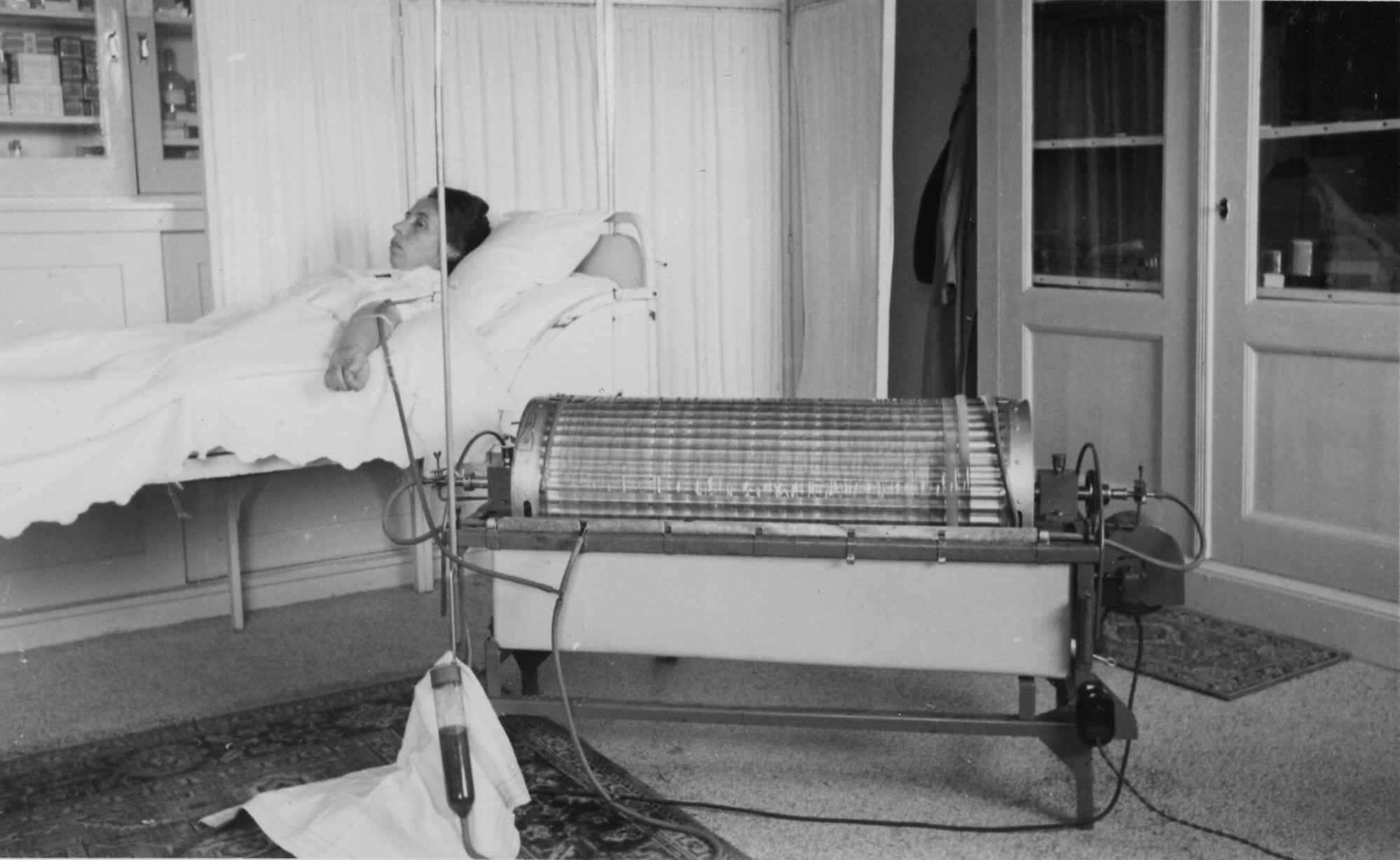
Dr. Willem Johan Kolff is credited with the first working dialyzer, which removes excess water, solutes, and toxins from the blood in people whose kidneys can no longer perform these functions naturally.
1947: Cardiac Defibrillation

Dr. Claude Beck was the first to use cardiac defibrillation on a human. He first used the technique to deliver a shock successfully on a 14-year-old boy who was being operated on for a congenital chest defect.
1953: Cochlear Prosthesis

The first cochlear prosthesis, which stimulated the cochlear nerve to facilitate hearing, came out this year. Innovator André Djourno performed the first cochlear implantation in 1957.
1954: Organ Transplants
The first successful kidney transplant was carried out by Dr. Joseph Murray and Dr. David Hume in Boston, Massachusetts in 1954.
1958: Fetal Ultrasound

Although the Doppler ultrasound had been used in a variety of applications prior, in 1958, Dr. Edward Hon first used it to detect a fetal heartbeat.
1963: The Insulin Pump

Dr. Arnold Kadish invented insulin pumps, which eliminate the need for multiple insulin injections each day and make controlling blood glucose levels more possible.
A decade later in 1973, Dean Kamen (also the inventor of the Segway) invented the first wearable infusion pump for diabetics.
1971: CT Scanner

Dr. Godfrey Hounsfield is credited with developing the first commercial
CT scanner.
1978: First “Test Tube” Baby
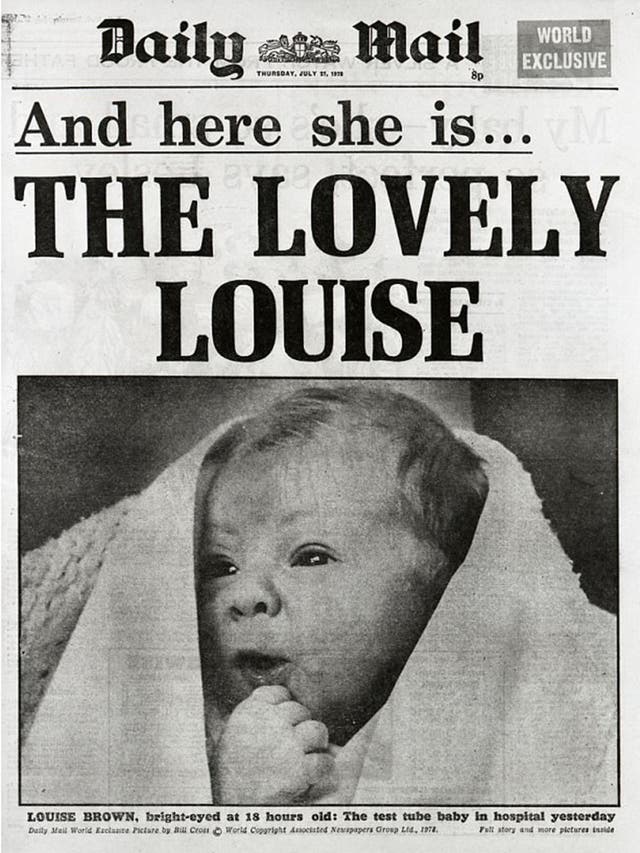
This year the world’s first in-vitro baby was born in the United Kingdom. In 2013, in vitro fertilization (IVF) accounted for more than 1.5 percent of all babies born in the United States (more than 63,000 births).
1982: First Successful Implantation Of An Artificial Heart
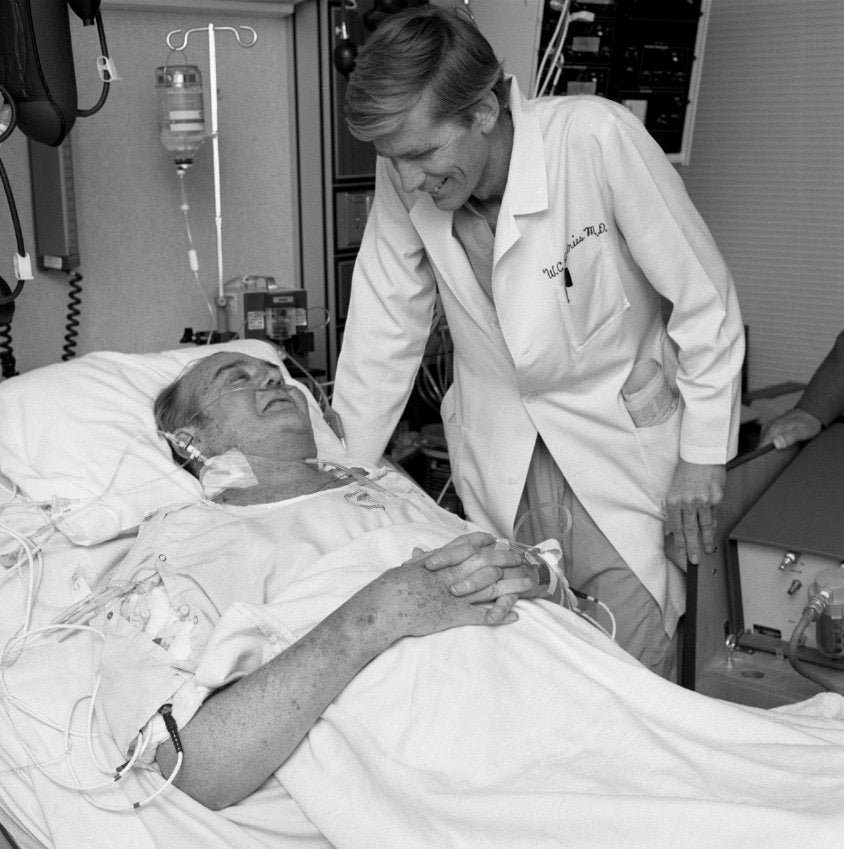
Dr. William DeVries implanted the Jarvik 7, named after the device’s inventor, Dr. Robert Jarvik, giving patient Barney Clark the first permanent artificial heart. Today, artificial implants are used as a bridge until a heart is secured for transplant.
1993: First Bionic Limb
Robert Campbell Aird, a patient with muscular cancer received the first bionic limb. The patient wore a cap that contained micro-sensors, which detected brain impulses sent to his missing limb and used them to control the arm.
2013: 3D-Printed Body Parts
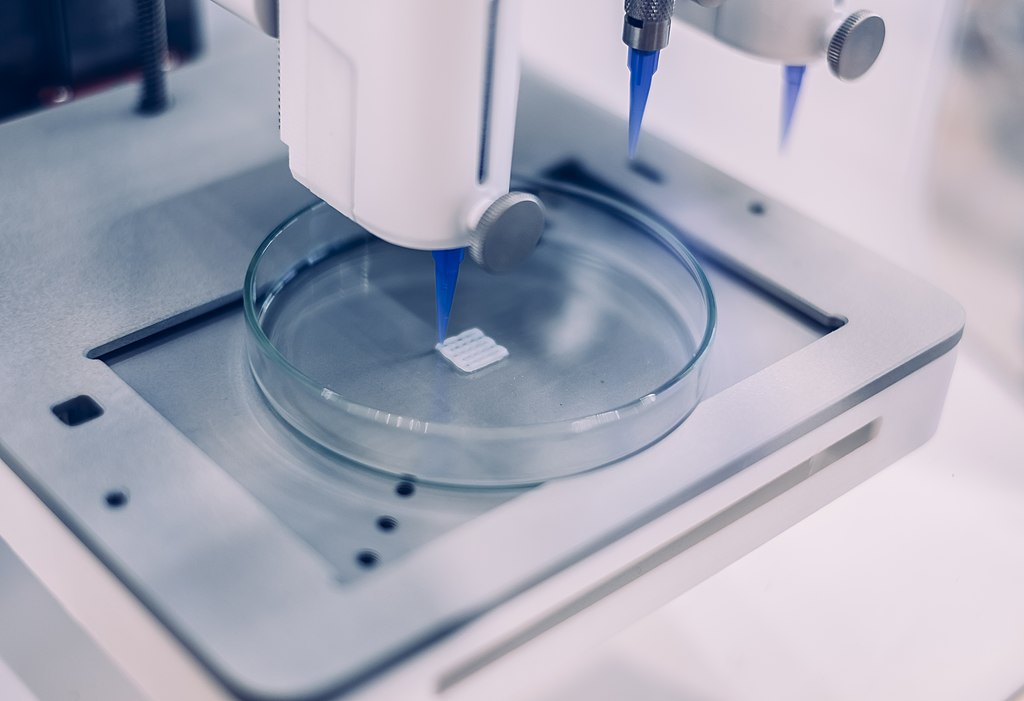
3D printing technology enables researchers to print body parts, not just with synthetic materials, but using bioprinting — growing cells from a patient’s stem cells to, for example, print skin to encourage faster burn or wound healing.
2015: Restoring Sight to the Blind
Terry Byland became the first person in the world to have two retinal prostheses — one in each eye — and was able to regain
some sight.
2020: mRNA Vaccine

While the development of mRNA technology began in the late 1980's, it wasn't until the COVID-19 pandemic that it became a household name.
Now more than 372,563,861 doses of mRNA vaccines have been administered in the United States in response to COVID-19, preventing an estimated 279,000 deaths and up to 1.25 million hospitalizations.
And now mRNA vaccines are in development and testing to combat HIV/AIDS and certain kinds of cancer.
A VERSION OF THIS STORY ORIGINALLY RAN IN THE Health Heroes EDITION OF THE GOODNEWSPAPER IN September 2020. THE GOODNEWSPAPER IS OUR MONTHLY PRINT NEWSPAPER FILLED WITH GOOD NEWS.
YOU CAN JOIN THOUSANDS OF SUBSCRIBERS WHO GET ACCESS TO MORE EXCLUSIVE STORIES LIKE THESE, OUR PRIVATE COMMUNITY SPACE, A FREE INSPIRING POSTER, AND SO MUCH MORE. BECOME A SUBSCRIBER TODAY.
Imagine this: In a hospital in eastern Montana, the presiding emergency physician might never step foot inside the emergency room during a shift. Instead, he sits at a desk more than 700 miles away and connects via video call.
Hospitals and physicians are becoming few and far between in rural America, but a technology company is working to fill that void.
Avera eCare operates a telemedicine center out of a suburban industrial park in South Dakota, providing remote emergency care for nearly 200 hospitals across 30 states.

The number of doctors and hospitals in rural America has declined by up to 15 percent in the last decade, according to the Washington Post.
Some standalone emergency rooms are fighting off bankruptcy, while others can’t find doctors to hire or can’t afford one. That’s where telemedicine comes in.
Instead of exam rooms, Avera’s physicians work out of high-tech cubicles. They wear scrubs but never directly see or touch patients.
Instead, they use remote controls to move high-resolution cameras within emergency rooms, where nurses and other health care professionals work directly with patients under the guidance of these remote physicians.
All of the Avera doctors have trained for years inside standard ERs, so they’re well-acquainted with the emergencies they see on-screen. And because they are available at the push of a button, doctors at the virtual hospital begin treating a patient an average of 21 minutes faster than doctors on call.
Remote care also allows hospitals to treat more patients on-site rather than having to transfer them to bigger facilities, resulting in increased billing charges.
In medical emergencies, every second counts. Services like Avera, which has been around since 1993, are essential to fill gaps in health care, especially in places where hospitals struggle with access to a network of specialists.
With this creative solution, Avera has helped treat more than 1.5 million patients at more than 400 sites through their on-demand, 24/7 care.
(Editor's Note: Since this article was published in the Goodnewspaper, Avera has sold their e-care business. In a press release published on July 29th, 2021, Bob Sutton, president and CEO of Avera Health, said, “During the pandemic, people nationwide recognized the value of telehealth, and telehealth grew in significance. The time is right for us to fulfill this piece of our strategic plan so Avel eCare can scale and help even more people. Avera will continue its tradition of being an innovator in the virtual care space well into the future. And, Avera will maintain a relationship with Avel eCare as a recipient of telemedicine services.”)
A VERSION OF THIS STORY ORIGINALLY RAN IN THE Health Heroes EDITION OF THE GOODNEWSPAPER IN September 2020.
THE GOODNEWSPAPER IS OUR MONTHLY PRINT NEWSPAPER FILLED WITH GOOD NEWS.
YOU CAN JOIN THOUSANDS OF SUBSCRIBERS WHO GET ACCESS TO MORE EXCLUSIVE STORIES LIKE THESE, OUR PRIVATE COMMUNITY SPACE, A FREE INSPIRING POSTER, AND SO MUCH MORE.
BECOME A SUBSCRIBER TODAY.
Over the last several years we've heard a lot of conversations around voting — and that's for good reason.
Voting is important. People marched and died to ensure that the right to vote is not denied. And because we have the right and the ability, we absolutely should.
But voting isn't the end-all-be-all. We can't just show up every one or two or four years to vote and expect to see the world or our country or our communities become the places that we want them to be.
We have to continue to show up and do the work in between elections, too. We get to take on the responsibility of holding our elected officials accountable, whether we voted for them or not.
While not every representative is open-minded, a majority of representatives really do want to listen to their constituents, if for no other reason than to ensure that they get re-elected.
So hold them accountable all term long so that they know what it will take to get your vote.
The best ways to hold your elected political leaders accountable:
Call Your Representatives
I know that calling your elected officials (or calling strangers on the phone in general) sounds difficult or nerve-wracking, but it's really easy and simple.
When you have something that you care about in your community, and especially if you've heard that there is an opportunity for your elected representative to take action — whether through a vote, statement, or co-sponsoring of a bill — make a call.
What's going to happen is one of their staffers is going to pick up, and you can simply tell them, in a minute or two, what it is you care about.
Use everyday language. For example: “Hey, I saw this thing in the news and it really matters to me. I'm asking that the representative/the senator/the congresswoman takes action to prevent this from happening.”
You can be as specific or as general as you want. You can even ask questions about what the representative's position is or what they might be able to do about it.
Next, the staffer will probably ask you for your zip code and maybe your name to verify that you live within their district. Then they'll say thank you and you'll both hang up.
It's that simple.
A great way to cut through the noise is to share personal stories. Have you been affected by a particular law? Have you been affected by something happening in the news? When you tell your elected representative this story, it gives them the power to humanize what can otherwise feel like a very legalese process.
They may even use this anecdote in conversations with their fellow representatives, and it can truly have the power just to shape things.
Just dial 1-844-USA-0234 or visit usa.gov/elected-officials to learn how to get connected with your elected officials.
Pro-Tip: If you're too nervous, call after hours when the office is closed and leave a voicemail.
Pro-Tip: Set aside time to call your elected representatives each week by setting up a recurring event on your calendar. It can be 10 minutes or less. It will also help to add your representatives' direct phone numbers as contacts in your phone for easy dialing.
Pro-Tip: Talking with your elected representatives can feel daunting, but in reality, it's surprisingly simple. Once you've experienced that for yourself, teach a friend or record a tutorial to share on Instagram Stories.
Check out our Guide on how to contact your federal, state, and local elected officials.
Send Emails, Letters, And Postcards To Your Representatives
Write it yourself. Don't use a form letter. (If you use a form letter, edit it pretty significantly — that way makes it through all the filters.)
Be brief, but be honest and transparent. Tell your representative how you're really feeling and, if you have a personal story, use that to connect to people through empathy.
If you’re looking for an easy tool, try Resistbot, a fast and easy tool for contacting your representatives. Text RESIST to 50409 to get started.
Listen to our podcast episode with the founder of Resistbot.
Meet Face-to-Face With Your Representative
Part of your representative's job is to meet with constituents, and their staff should be able to help you schedule a meeting IRL or over Zoom.
(Plan ahead because you can’t always schedule something immediately.)
It could feel nerve-wracking, but it's a great opportunity to have a face-to-face conversation with your representative, and you can even bring some friends — or organize the meeting through a nonprofit.
Similarly, another great way to get face time with your representative is through town halls. Representatives should be accountable to their communities by hosting open forums (even digitally).
You can find town halls in your community at townhallproject.com.
Protest
Show your officials that their constituents truly care about an issue within your community by protesting.
You have the power to put pressure on your elected officials to do better, to create improvements, and to respond accordingly. This genuinely can matter.
You can find community organizers and thoughtful activists in whatever community you live in and follow their lead. If you can't find any for the issue you care about, start something on your own with a friend.
How and why contacting your elected officials is important and effective:
It may feel like one phone call, one email, or one letter may not matter, but representatives regularly have meetings with their staffers, who give them the highlights of the conversations they've had that week.
When they hear even a handful of people reaching out about a particular topic, they absolutely bring it up in their internal staff meetings.
You can inspire a conversation within their office by just gathering a few friends to all make a few phone calls.
By continuing to stay involved in politics beyond Election Day, you have the power to hold your elected officials accountable and help ensure that they are taking actions that represent you and your community well.
At the end of the day, your representatives represent you and your community. Elections are a way of voting people out when they don't, but you still have the power to create change in between elections.

This story was originally published in The Politics Edition of the Goodnewspaper in October 2020. The Goodnewspaper is our monthly print newspaper filled with good news.
You can join thousands of subscribers who get access to exclusive stories like these, our private community space, a free inspiring poster, and so much more.
Houses of worship own billions worth of empty, deteriorating, or underused real estate.
Some local governments and denominations are overcoming obstacles to carve it into badly needed housing for their communities.
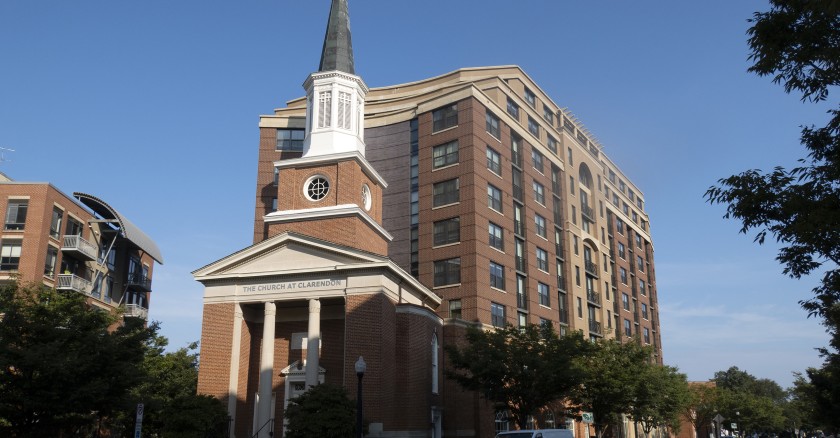
Many houses of worship own empty and underused buildings and land. Cities and counties need properties for affordable housing. Seems like a match made in, well, heaven.
But matchmaking between houses of worship and local governments is not quite so simple. Houses of worship can be frustrating, sometimes almost impossible, to work with. Members tend to be elderly and get stuck on what their church, synagogue, or other house of worship used to be, not on what it currently is.
Convoluted management structures are common in the religious world, meaning that a congregation, pastor, trustees, bishop, and sometimes even a regional body may need to be on board to approve a sale or redevelopment project.
Cemeteries requiring perpetual care may be part of the property, and deeds may include reversionary clauses, returning the property to original owners (even from the 19th century) if the property is used for anything but religious services.
Cities can be intransigent as well. Zoning may not allow uses other than houses of worship and, if it does, city councils may crater before the opposition of neighborhood NIMBYs. (NIMBY is an acronym for "Not In My Back Yard" and references community members who are oppositional about developments in their area, without raising similar objections to similar developments in other areas.)
Some municipalities sic their tax administrators on properties and begin charging property taxes the moment a parcel is vacant, even if the taxes will kill a future development. Others sic planning and preservation officials on a house of worship or its property to make it as difficult as possible for the large, open void known as a sanctuary to be carved into housing units.
Nevertheless, some municipalities have rolled up their sleeves and embarked on initiatives to smooth out the kinks and actively transform empty faith properties into affordable housing.
In San Diego, the City Council unanimously endorsed Mayor Kevin L. Faulconer’s “YIGBY” (Yes In God’s Back Yard) housing reforms. San Jose is following suit. San Antonio’s Neighborhood and Housing Services Department has launched a Mission Oriented Development pilot project to help religious partners get through the development process. And Montgomery County, Md., staffs a volunteer-based Religious Land Use Working Group that assists the county’s large immigrant population on faith-based property use and acquisition.
Other municipalities may fall short of organizing initiatives but are progressive and patient about working with the faith community on redeveloping or repurposing their real estate.
Initiatives Far and Wide
Some religions and denominations are preparing for the journey as well. The United Church of Christ, one of the smallest mainline Protestant congregations, has established a Building and Loan Fund that assists with planning, financing, and developing projects.
The Western North Carolina Conference of the United Methodist Church has set up Wesley Community Development, a nonprofit that does the same.
Bricks and Mortals emerged from Judson Memorial Church in New York City and, north of the border, the Trinity Centres Foundation arose from the United Church of Canada; both organizations have begun to work from coast to coast.
Well-funded national community development institutions like the Local Initiatives Support Corporation and Enterprise Community Partners also have formed initiatives on faith-based properties.
And, for the past 30 years, Partners for Sacred Places, headquartered in Philadelphia, has assisted houses of worship across the country suffering from “declining attendance, constrained resources, and the burdens of aging, under-maintained, and over-scaled places of worship.”
A philanthropic champion of church reuse is the Indianapolis-based Lilly Endowment. Lilly has made sizable grants to Partners for Sacred Places, Bricks and Mortals, and the Episcopal Dioceses of Indianapolis and Northern Indiana, which currently are looking at the potential of their church properties throughout the Hoosier State.
But most church-affiliated foundations, particularly local ones, find themselves stuck supporting the same old repair projects — fixing a roof, replacing an HVAC system, repairing a steeple — often throwing good money after bad to maintain a house of worship whose membership and attendance have been declining for years.
The scale of the issue is large.
By itself, the United Methodist Church, with the largest number of mainline Protestant congregations in the U.S., is estimated to own upwards of $50 billion in real estate. The UMC estimated that 25 percent of its $1.2 billion in church properties in one state are on life support — small congregations, deteriorated buildings, bills going unpaid — and an additional 40 percent are in serious condition.
Orange Township, N.J., with a population of just 30,000, has 18 churches in its small downtown area, most of them struggling for survival on valuable property a 35-minute train ride from Midtown Manhattan.
Redevelopment Whack-a-Mole
Unfortunately, most municipalities and denominations treat church redevelopment — whether for affordable housing or other civic uses such as community and arts centers or even office and retail space — not strategically but like a whack-a-mole game, touching one house of worship at a time with no real advocate in either the bishop’s office or the mayor’s office.
In hot real-estate markets, private developers target struggling houses of worship, often taking advantage of inexperienced negotiators and building whatever the market demands.
Such one-off development doesn’t necessarily produce bad results: Earlier this year, the business publication Bisnow listed 10 church redevelopment projects completed or underway in metro Washington, D.C., totaling 1,200 units of housing, most of it affordable or aimed at seniors.
But that’s in one of the hottest real estate markets in the country. What about struggling houses of worship in colder markets like Adams County, Colo.; Jefferson City, Mo.; or Madison, Ind.?
And vacant land is vacant land, just as suitable for luxury housing as it is for providing homes for lower-income families, and therein lies temptation: Cash-strapped cities may hunger for property-tax revenues and distressed denominations may thirst for operating money, making it all too convenient to disregard affordable-housing advocates’ arguments that promoting luxury projects on religious land is both a missed opportunity for a municipality and a horrible mismatch for a house of worship and its mission.
Some guidance and coordination — and perhaps even fiscal incentives — from higher levels of government could help localities as they struggle to navigate this emerging real-estate and social services landscape. But state governments and the U.S. Department of Housing and Urban Development’s Office of Faith-Based and Neighborhood Partnerships have so far been uninvolved.
Isn’t it time for a broader and deeper effort to make matches between empty and underused houses of worship and the affordable housing our communities need?
This story is part of the SoJo Exchange from the Solutions Journalism Network, a nonprofit organization dedicated to rigorous reporting about responses to social problems. It was originally published by Governing on September 9th, 2021, and was republished by Good Good Good with permission
Air pollution is the world’s fourth leading cause of death, contributing to about 13 premature deaths every minute. The gases and tiny particles can travel deep into your lungs, enter your bloodstream and damage your cells.
Even when you can’t see air pollutants, and even when their levels are below legal limits set by many countries worldwide, they can cause serious health problems that affect multiple organ systems in people of all ages.
A lot has changed in scientists’ understanding of these health risks in recent years. Air pollution levels that seem low are now linked to dangerous health outcomes such as low birth weight, respiratory problems, heart disease, and Alzheimer’s disease.
That’s why the World Health Organization announced on September 22nd, 2021, that it is tightening its recommended limits for almost every pollutant. The new global air quality guidelines reflect an overwhelming scientific consensus that countries need to more aggressively limit air pollution and protect everyone’s health.
As an epidemiologist at Tufts University who studies the health effects of air pollution, I recognize the damage air pollutants can cause. I also recognize the inequities in who is most exposed to poor air quality.
Risks to lungs, heart, and other body systems
The new air quality guidelines are the WHO’s first update since 2005, and major scientific, medical and public health societies support the ambitious implementation of the new guidelines.
The WHO cut in half its recommended limit for exposure to PM2.5, tiny particles commonly produced by cars, trucks, and airplanes and a major component of wildfire smoke, lowering the average maximum exposure from 10 micrograms per cubic meter per year to 5.
It also tightened the limits for gaseous air pollutants like nitrogen dioxide that are produced when fossil fuels are burned by vehicles and power plants. The WHO now recommends limiting nitrogen dioxide to one-quarter of the previous level, from 40 to 10 micrograms per cubic meter.
Lowering PM2.5 levels by 5 micrograms per cubic meter per year could result in major health benefits.
Research shows that each 5 micrograms per cubic meter increase in exposure to PM2.5 during pregnancy is associated with a 4% increased likelihood of having a baby with low birth weight. In adulthood, 5 micrograms per cubic meter per year exposure is associated with a 13% increased likelihood of heart events, like heart attacks and cardiovascular-related deaths; a 4% increased likelihood of lung cancer; and more than a twofold increased likelihood of Alzheimer’s disease.
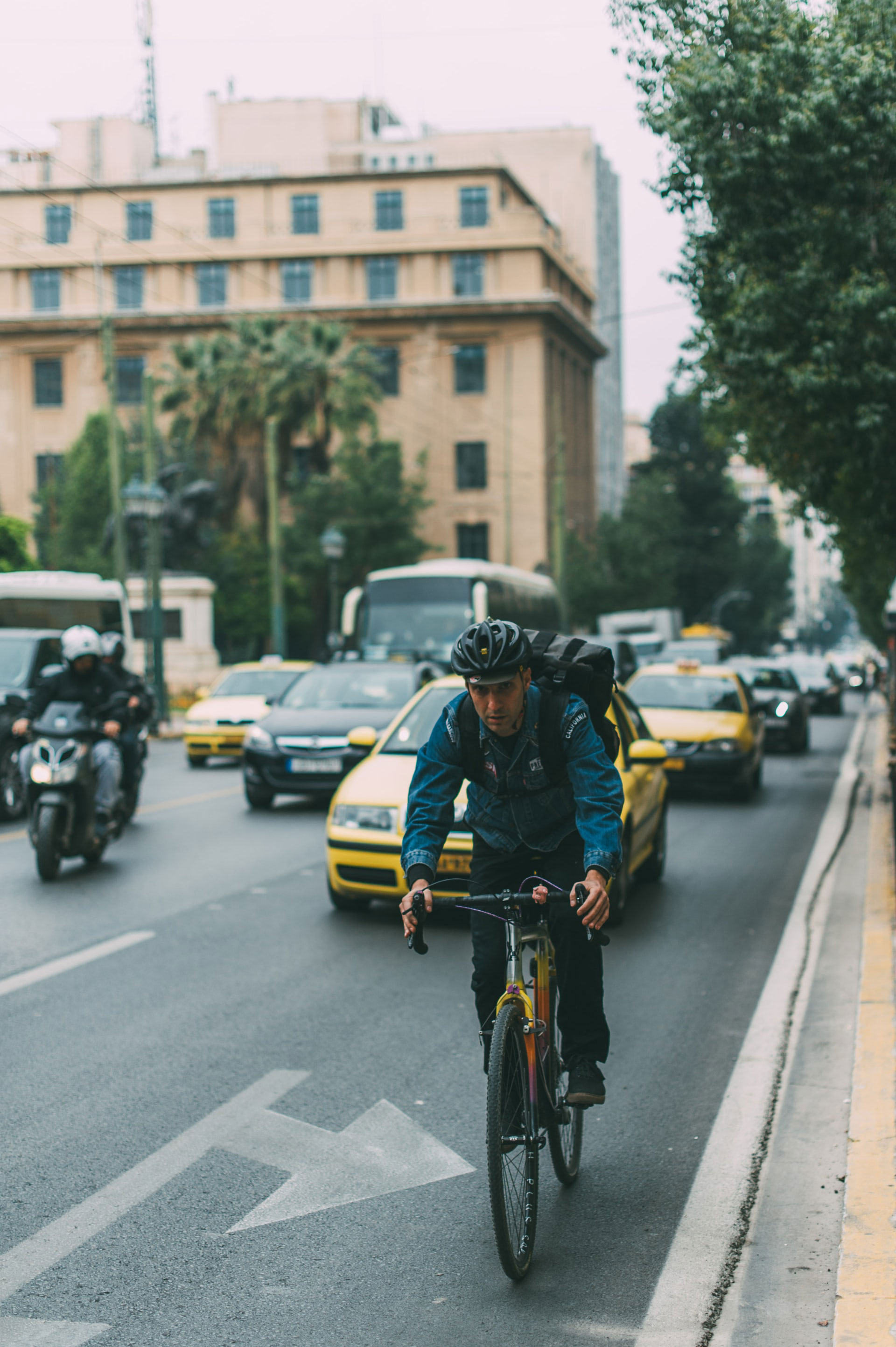
Lowering the health burden associated with air pollution exposure like this could save US$5 trillion annually in health-related costs and $225 billion in labor productivity, according to World Bank estimates.
Reducing the drivers of air pollution can also help fight another global crisis – climate change. That’s because some air pollutants directly contribute to global warming, and some of the solutions for reducing air pollution reduce greenhouse gas emissions.
No country’s pollution limits come close
The new guidelines are based on hundreds of scientific studies that reflect recent advances in scientists’ ability to quantify how much air pollution people are exposed to in different contexts, and in their ability to study larger groups of people over longer periods of time in more places around the world.
These studies show that exposure to even very low levels of air pollution is associated with premature death, and that there does not seem to be a safe exposure level.
Over 90% of people worldwide are exposed to levels of PM2.5 that exceed even the old WHO guidelines.
In some places, like India, the yearly average PM2.5 concentration is nearly 12 times higher than the new WHO levels. Moreover, no country has legal air quality standards that meet the new WHO recommendations.
In the United States, the National Ambient Air Quality Standards are 2.4 times higher than WHO’s recommended level for yearly average PM2.5 exposure and roughly 10 times higher for yearly average nitrogen dioxide.
Inequity in pollution exposure is a problem
Not everyone is equally protected by the existing air quality laws: Nearly 97 million people in the United States live in counties with air pollution concentrations above the National Ambient Air Quality Standards.
Globally and locally, the people who bear the greatest burden of exposure to air pollution are generally those producing the least amount of air pollution.
For example, in the United States, studies have found that people who identify as Black and Hispanic inhale about 60% more air pollution than they are responsible for based on their consumer behavior. In contrast, people who identify as non-Hispanic white inhale about 17% less pollution than their consumer behavior would suggest.
While the United States cut yearly average PM2.5 concentrations by 41% and yearly average nitrogen dioxide concentrations by 53% between 2000 and 2020, the people and places most exposed to air pollution in the 1980s are still the most exposed today.
Ways to improve air quality for everyone
Countries can improve their air quality by moving to cleaner sources of energy and cutting out fossil fuels, which are a major source of PM2.5. Electric vehicles can help reduce traffic-related air pollution.
Investing in more equitable air pollution monitoring networks that capture real-time air quality levels can help recognize risks. And policymakers worldwide can use the new evidence-based recommendations to develop and enforce air quality policies that protect public health and the environment.
The disparities in air pollution exposure are often linked to structural racism, such as historic redlining and locating polluting industries and freeways in low-income or predominantly Black or Hispanic neighborhoods. The result shows up in the communities’ health. The new WHO air quality guidelines could help governments set limits on average air pollution exposure that better protect everyone’s health.
This article was originally published by The Conversation on September 22nd, 2021, and was made available to Good Good Good.

Ice-chilled, powered by the sun, and cold for weeks without electricity —the future of refrigeration is here, and just in time.
It was through years of installing battery-powered refrigerators in far-flung parts of the world — from Nigeria to India to Vietnam — that Ian Tansley came to realize their massive flaws.
“It came to a head for me in the early 2000s,” says Tansley, now based in the rural Welsh town of Machynlleth. “The conventional thinking for many years was that the fridge should be run from a battery. But over time it became very clear to me that the battery was causing all the problems.”
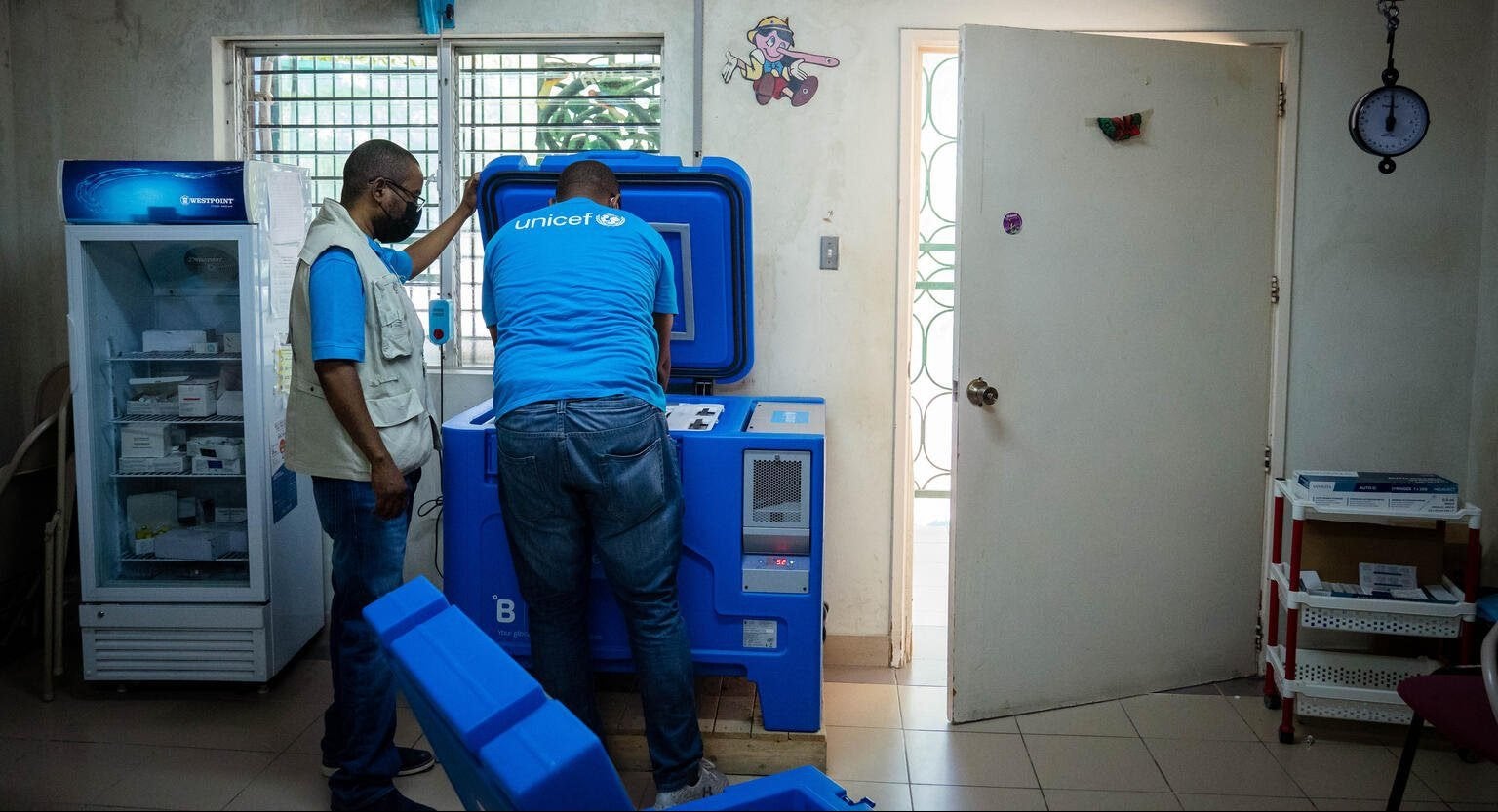
For those living in remote areas, when a fridge stops working the problem can be difficult to diagnose. Has the battery failed, or the fridge itself?
Some of the fridges Tansley installed had poor temperature control, meaning food or precious vaccines could freeze or spoil. Gas and kerosene-powered devices risked catching fire. And even if well-looked after, the fridges would only last for a few years, and repairs were expensive.
So Tansley started developing an alternative — one that would be much more reliable in the testing conditions of the tropics.
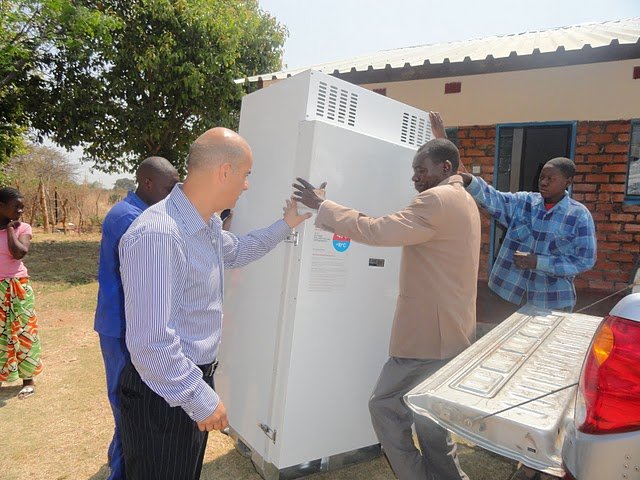
The idea struck him on a walk near his home in Snowdonia National Park, where he saw a frozen lake and thought about how the ice floated on the surface while fish swam below.
Later, in his garden shed, Tansley reflected on this as he noodled with different concepts.“ The challenge was to make something that can stand up to the conditions in these remote areas,” he says.
The result of his research, funded with $100,000 from The Bill and Melinda Gates Foundation, was the SureChill fridge, a solar-powered device that in some models can last for up to two weeks without electricity, even in sweltering external temperatures up to 43C.
During the day solar power is used to freeze a stock of water inside the refrigerator, which then maintains the cool, steady interior temperature overnight.
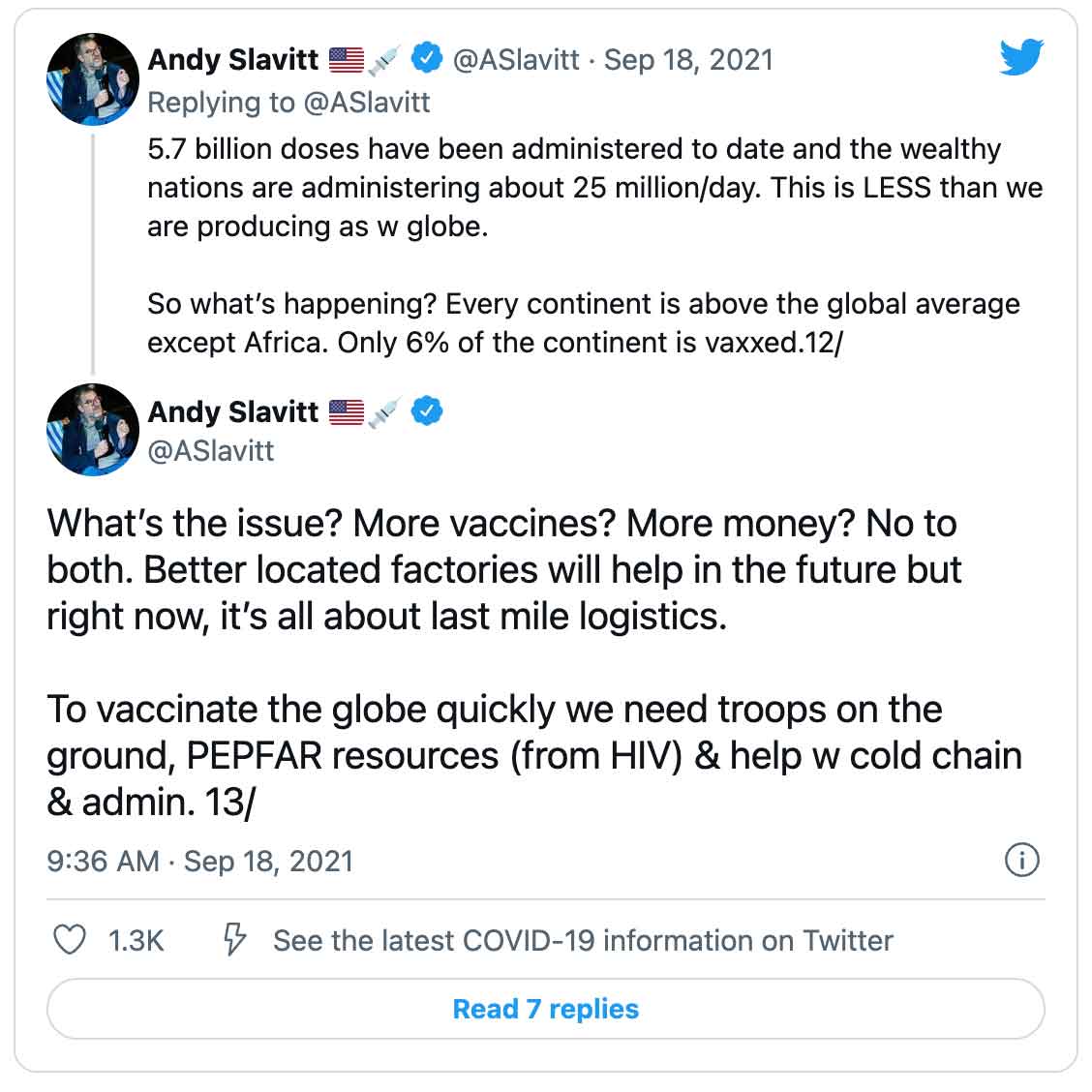
Today, SureChill is one of the world’s largest producers of these fridges, known as “solar direct drives” (SDD). The concept has been adopted widely — there are around 20 models using similar technology that are on the World Health Organization’s list of devices approved for use in the vaccine cold chain. They are now being deployed in over 50 countries.
Tansley’s research all those years ago helped spawn a new generation of solar fridges that is revolutionizing the fight against COVID-19 and other treatable diseases around the world.
The Pfizer vaccine must be stored at approximately minus-100 degrees Fahrenheit — a huge challenge for countries in Sub-Saharan Africa, South America, and beyond, where heat and humidity are abundant but, particularly in remote regions, electricity often isn’t. UNICEF and GAVI, the vaccine alliance, have as a result been pushing to deploy these fridges as the solution.
According to Thomas Sorensen of the Cold Chain Unit in UNICEF’s Supply Division, the organization has helped install some 40,000 SDD units. While costing roughly $2,000 each — double the price of a standard fridge — they will last for a decade before needing to be replaced.

“These fridges are very, very important,” says Sorensen. “Their emergence is really a significant achievement that is being made [for global healthcare]. The other critical thing is that it’s being rolled out at scale. With the scalability, it has generated capacity for new vaccines coming in, especially bulky ones like lung and diarrhea vaccines.”
But while solar fridges have provided a powerful shot in the arm for distribution, Toby Peters, a professor specializing in cooling systems for food and medicine at Britain’s University of Birmingham, throws cold water on any assumption that the issues surrounding vaccine supply have been entirely solved.
“These fridges deliver sustainable, resilient cooling using renewables,” he says. “It’s very environmentally friendly and sustainable. However, a fridge, while important, is only one part of the supply chain.”
Peters says efforts must also address issues such as “last mile” provision — the logistical challenges in delivering medicine to the final destination — citing research from 2019 that found 25 percent of vaccines lose their efficacy through cold chains breaking. “It’s really important the whole chain works in an integrated way,” he adds.
But progress, according to GAVI, has already begun on that front. Some fridges now come with “integrated energy harvesting capabilities,” which allow extra solar power to be available for a variety of uses at health facilities, including charging cell phones, laptops, radios, and lanterns, a spokesperson said in an emailed statement.
Another issue on the horizon is that while many medicines, including the Oxford AstraZeneca COVID vaccine, only need to be maintained between 2 and 8C, the Pfizer vaccine must be kept down to -70C (-94F). That is possible, according to Peters, but not all fridges have that capacity yet.
“You can theoretically take ice down to that temperature, but you need the refrigeration cycle to work at that temperature,” he says. “It’s a really important area of research, particularly in the developing world.”
This story is part of the SoJo Exchange from the Solutions Journalism Network, a nonprofit organization dedicated to rigorous reporting about responses to social problems. It was originally published by Reasons to be Cheerful.
The climate crisis is already exacerbating the housing crisis. Last year, wildfires burned and damaged about 17,700 structures in the U.S. It was one of the most destructive seasons on record, and frighteningly, part of an upward trend.
Wildfires are already contributing to housing shortages in California and Oregon. Texas, Washington, and Colorado have also lost a significant number of buildings to fire in recent years.
In the past decade, climate change-fueled natural disasters drove internal displacement worldwide and forced 20 million people from their homes each year, per the U.N. That’s why some wildfire-prone areas are reworking emergency pandemic housing initiatives to shelter residents affected by extreme weather.
Oregon and California are renting and purchasing hotels to house residents who have lost their homes to wildfire, as well as unhoused people living in fire-prone areas. They’re also converting some of the units into transitional and permanent affordable housing, depending on the needs of the community.
“In one single investment, you can add emergency shelter and also address the root cause of long-term lack of affordable housing,” says Megan Loeb, program officer at Oregon Community Foundation.
The foundation oversees the state’s Project Turnkey, which launched in October 2020 to convert hotels to various types of housing. She adds that hotels and motels can almost immediately shelter people — plus they’re more welcoming to families and LGBTQ+ people, and safer during a pandemic, than congregate housing.
As pandemic initiatives showed, hotels and motels are much easier to adapt than, say, office buildings, and retrofitting is a faster and cheaper solution than building from scratch. Plus, repurposing existing structures like hotels is more environmentally friendly.
Even people living in encampments who are loath to go into shelters tend to be more open to staying in hotels, advocates say. Many hotel owners are open to selling, given how COVID-19 has decimated the tourism industry, and owners are generally reimbursed well, according to Bloomberg.
California’s Project Homekey launched in June with $846 million in state and federal emergency funds to purchase hotels and establish permanent housing for people experiencing homelessness. Over six months, it created 6,029 new units of permanent housing. On July 12, Gov. Gavin Newsom expanded the program with $12 billion over two years to create an added 42,000 units — the largest such investment in state history.
Seeing California’s success, Oregon launched a Project Turnkey in the wake of the 2020 Labor Day fires, the state’s most destructive blaze on record. In one weekend, 4,500 homes were lost, many of them affordable. The wildfire devastation plus the ongoing pandemic meant shelters were full and also dangerous. The state was already mulling a program like Turnkey, and the fire created a new urgency.
As part of a larger wildfire relief package, Oregon allocated $65 million for nonprofit partners to purchase and renovate 18 to 20 hotels, with the goal of housing 1,000 people for up to a year, providing them with tailored supportive services, and funneling them into other permanent housing.
$30 million of this was for six rural counties hardest-hit by the fires, and the remaining $35 million for shelter throughout the state for anyone experiencing homelessness.
“Project Turnkey really represents the state’s biggest investment in direct homeless services,” says Rep. Pam Marsh (D-Ashland), a key champion for Project Turnkey whose district was hard-hit by the fires.
“I think this can be game-changing, because we’re able to give communities real assets that will be centers of activity for homeless services. Once you have a foot on the ground, more things are possible.”
In its first phase, Turnkey added almost 900 beds over 19 properties in 13 counties in less than eight months — a roughly 20% increase in Oregon’s supply of emergency year-round shelter beds.
The program partners are gradually adapting the hotel units into permanently affordable housing, adding amenities like kitchenettes to bring them up to code, Loeb says.
At the end of April 2021, Oregon passed a bill that eases the ability to convert hotels into shelter and housing. In June 2021, Oregon approved another $9.7 million for Turnkey to fully fund approved projects and create 132 more units of emergency housing.
“[Project Turnkey] addresses about one-tenth of the need in Oregon. It’s a very important piece of the puzzle, but it’s only a piece,” says Gina Nikkel, executive director of the Association of Oregon Counties, which has been involved with Project Turnkey since its inception.
She says many of the Turnkey clients have experienced trauma, and stresses the importance of wraparound services in helping the project succeed.
“Those displaced by COVID might need food brought to them, those hit by wildfires might need services to help them rebuild their home or to find permanent affordable housing, and those with mental health issues or addiction also need specialized help.”
Temporarily housing people in hotels isn’t a new idea, but the practice accelerated during the pandemic as cities rented out hotels to shelter the homeless and give hotels a boost.
Converting them into permanent shelter is more novel, but King County near Seattle — where the coronavirus first began to spread in the U.S. — is one making a large investment. The county ran a successful hotels-to-shelter experiment that it’s reworking to address chronic homelessness, with $350 million to buy and convert hotels into long-term housing. It just purchased its fourth hotel.
Adding to the urgency of this moment, the CDC’s eviction moratorium is set to expire at the end of July. (Editor’s Note: The moratorium's extension was struck down by the U.S. Supreme Court in August 2021.)
Housing advocates have been sounding the alarm about a potential wave of evictions, and Black and Latinx tenants and small landlords will likely be hardest-hit. Wildfires and other natural disasters tend to impact marginalized communities the most — including people of color, low-income people, and people with disabilities — who tend to be more exposed to dangerous conditions and have fewer resources to turn to afterward.
Essentially, extreme weather multiplies existing housing shortages and inequalities, a 2019 Center for American Progress (CAP) study shows.
It’s important to consider affordable housing and climate change together, according to Guillermo Ortiz, formerly a housing and climate researcher with CAP who worked on the report.
After a natural disaster, typically “this housing is not replaced on a one-to-one basis. Often the little affordable housing you have is being destroyed by these extreme weather events.”
“Policy issues are looked at in silos, but the problem with climate change is that it affects everything,” Ortiz says. “When we’re thinking about climate resistance plans, housing should absolutely be part of the discussion.”
Santa Barbara, California, is trying to do exactly that. It recently approved a pilot initiative to lease a hotel and provide wraparound services for homeless residents living in “fire-prone encampments” for 120 days.
In May, the city saw a streak of 18 small fires in densely vegetated homeless encampments. Amid this was the Loma Fire, which was reportedly set on purpose by a person using methamphetamine. It forced the evacuation of a neighborhood, ultimately consuming 9 acres and sparking panic among residents that a similar blaze in different conditions could burn the city.
“The Loma Fire was really the impetus to make something happen now,” said Jeff Shaffer, a housing advocate in Santa Barbara with S.B. Alliance for Community Transformation who is involved in the project.
He says two weeks in, the county has already housed 39 people in the Rose Garden Inn and put them on the path to permanent housing — and no neighbors have complained. He chalks this up to extensive relationship-building.
“You’ve got to get the community behind it, so they’re not opposing it, and you’ve got to get the people on the streets on board so they’re supporting it. These are the two key things,” said Shaffer.
He says it’s important to ask people experiencing homelessness what they want, and to ensure that business owners and other community members feel heard and understand the program.
Depending on his audience, he emphasizes the cost-saving benefit of housing the homeless, or the ethical mandate to do so.
“That balance ultimately helps us push our solutions through when we need to.”
This story originally appeared in Next City and is republished here as part of the SoJo Exchange from the Solutions Journalism Network, a nonprofit organization dedicated to rigorous reporting about responses to social problems.
Greta Thunberg's Fridays for Future movement has resumed mass street protests for the first time since the pandemic began.
— Fridays for Future activists resume mass street protests
— Protesters demand swifter climate action ahead of COP26
— Numbers are lower than pre-pandemic turnouts
Young climate activists from Greta Thunberg's Friday for Future movement resumed mass street protests on Friday for the first time since the pandemic began, demanding drastic action from global leaders ahead of U.N. climate talks in November.
From Nairobi to Washington, marchers - including Thunberg, who joined protests in Berlin - carried placards and homemade banners during the demonstrations, which drew fewer protesters than before COVID-19 in most cities.
"It's slightly disappointing there are less people than there used to be - but people will come back. The problem is not going away," said Erin Brodrick, 17, one of about 250 protesters in London's Parliament Square.
Before the pandemic, the square often overflowed with activists during larger Friday marches.
Great to see the @Fridays4future activists back in Parliament Square today @fridays4future #UprootTheSystem london pic.twitter.com/M0pj1b4bwU
— Laurie Goering (@lauriegoering) September 24, 2021
Brodrick said young people "feel really scared about the future of the planet" as they see climate change impacts strengthen and emissions continue to rise, despite a raft of political promises to slash them.
But because underage protesters cannot vote, "what else can I do but come out here?" she said, wielding a green "Planet Over Politics" sign.
In Barcelona, about 200 youth activists, children, and parents joined a protest around a cloth depicting the Earth, showing their support for a court action launched in June aimed at forcing the Spanish government to boost its climate policy.
Gathered in the Catalan capital's main square, they also demanded a stop to a planned expansion of Barcelona's airport.
Plenty of music, chanting, plus calls for #climatejustice, more climate action from Spanish government and a stop to airport expansion plans at @f4f_barcelona protest in Barcelona! #GlobalClimateStrike #UprootTheSystem @Fridays4future https://t.co/vA65pK75qh pic.twitter.com/Po2S0zGhHz
— Megan Rowling (@meganrowling) September 24, 2021
Filip Frey, a 23-year-old Polish activist studying engineering in Barcelona, said younger people will be the ones who pay for the selfish actions of politicians who "only care about their publicity, their money, their power".
"We are just furious and angry," he said, urging society as a whole to join the youth protests. "If we don't do anything, nothing will change and we will just burn or drown."
'Not Being Heard'
In Nairobi, where about 30 activists in green-and-white t-shirts gathered in a central park, many said there was little evidence politicians were listening to their pleas to work faster to cut emissions and curb climate risks.
"Young people have been speaking up for years now and there is a lot of impatience ... We want to begin seeing governments taking rapid action," said Elizabeth Wathuti, head of campaigns for the Wangari Maathai Foundation, a local environmental group.
"We've been speaking out about this but our voices are not being heard," she said, adding that "we're the ones that have to live with the consequences of the inaction."
Youth activists from Fridays For Future Kenya call for climate justice at the Global Climate Strike in Nairobi @fridays_kenya @patriciakombo @GretaThunberg pic.twitter.com/ZMZgiZ1p5u
— Nita Bhalla (@nitabhalla) September 24, 2021
Patricia Kombo, another activist, said one aim of the protest was to push politicians to commit to more aggressive action on climate change ahead of the upcoming international COP26 U.N. climate negotiations in Glasgow, starting Oct. 31.
"We've had a lot of climate talks but what we get is empty promises. We want real climate action at COP26 because we can't wait any longer," she said as activists waved signs saying, "Stand up for climate justice" and "Later is too late".
Protesters gathered in Washington said they were pushing for a comprehensive $3.5 trillion national U.S. climate bill and an immediate transition to green energy, said Magnolia Mead, one of the organizers.
Today, we joined the Friday for Future's Global Climate Strike to #UprootTheSystem for #ClimateJustice in DC with @sunrisemvmtau.
— CODEPINK (@codepink) September 25, 2021
To address the climate crisis we need to #CutThePentagon, the single largest institutional consumer of fossil fuels in the world. #WarIsNotGreen pic.twitter.com/GXTE86G7o3
Jamie Minden, 18, a student at Washington's American University, said the movement's return to large-scale protests was crucial to keeping up pressure for climate action.
"It is so critical to get back out in the streets - it's not the same online," she said. Street protests "get a lot more attention".
Activist Shelby Grace Tucker, 14, who had come to the protest from Baltimore, said getting back on the streets felt "really empowering" and was a way for younger people - who might not otherwise be able to garner attention, to "still make a difference".
Merging Movements
To weather the pandemic, Fridays for Future largely moved online, with education programs and other events, though small groups continued to protest on the streets.
But the group also used the time to try to broaden the movement and coordinate its work with social pushes on other issues including race.
Sasha Langeveldt, 24, a Black Fridays for Future activist now working for the Friends of the Earth nonprofit, said that as activists grew older the movement needed to focus more on turning protesters into voters.
Langeveldt said young people were increasingly taking climate action into their own hands as well, citing an online green jobs summit in London she is helping organize in October.
"We want to show politicians things can actually change," she said.
Rowan Riley, 29, a London architect at the protest, agreed, saying he was now part of the London Energy Transformation Initiative, working on changing building design and regulation with climate change and renewable energy in mind.
"We have to find other ways to influence things. It's not always about the numbers at protests," he said.
📍: Colombia
— Fridays For Future (@Fridays4future) September 26, 2021
On 24.09, the youth in colombia took to the streets to demand No more empty promises from world leaders.
🗣: What do we want?
🗣: Climate Justice!
🗣: When do we want it?
🗣: Now! pic.twitter.com/LY4U2lbLYx
Carrying a "Grandparents and Elders" flag at the London march, Pat Farrington, 78, said she wanted to see governments "take everything more seriously".
That should include training more young people for green jobs like installing insulation or solar panels, and doing more to help the public understand the potential economic benefits of a climate-smart transition.
"Right now, people say, 'I can't afford a posh electric car', and they feel their pockets are being picked," she said.
Reporting by Laurie Goering @lauriegoering in London, Nita Bhalla in Nairobi, David Sherfinski in Washington and Megan Rowling in Barcelona; Editing by Helen Popper. This article was originally published by the Thomson Reuters Foundation, the charitable arm of Thomson Reuters — and was made available to Good Good Good. Visit news.trust.org/climate.
At Freetown Farm, members of the community can learn the names of medicinal herbs and harvest vegetables, all while developing a deeper relationship to the land and local community.
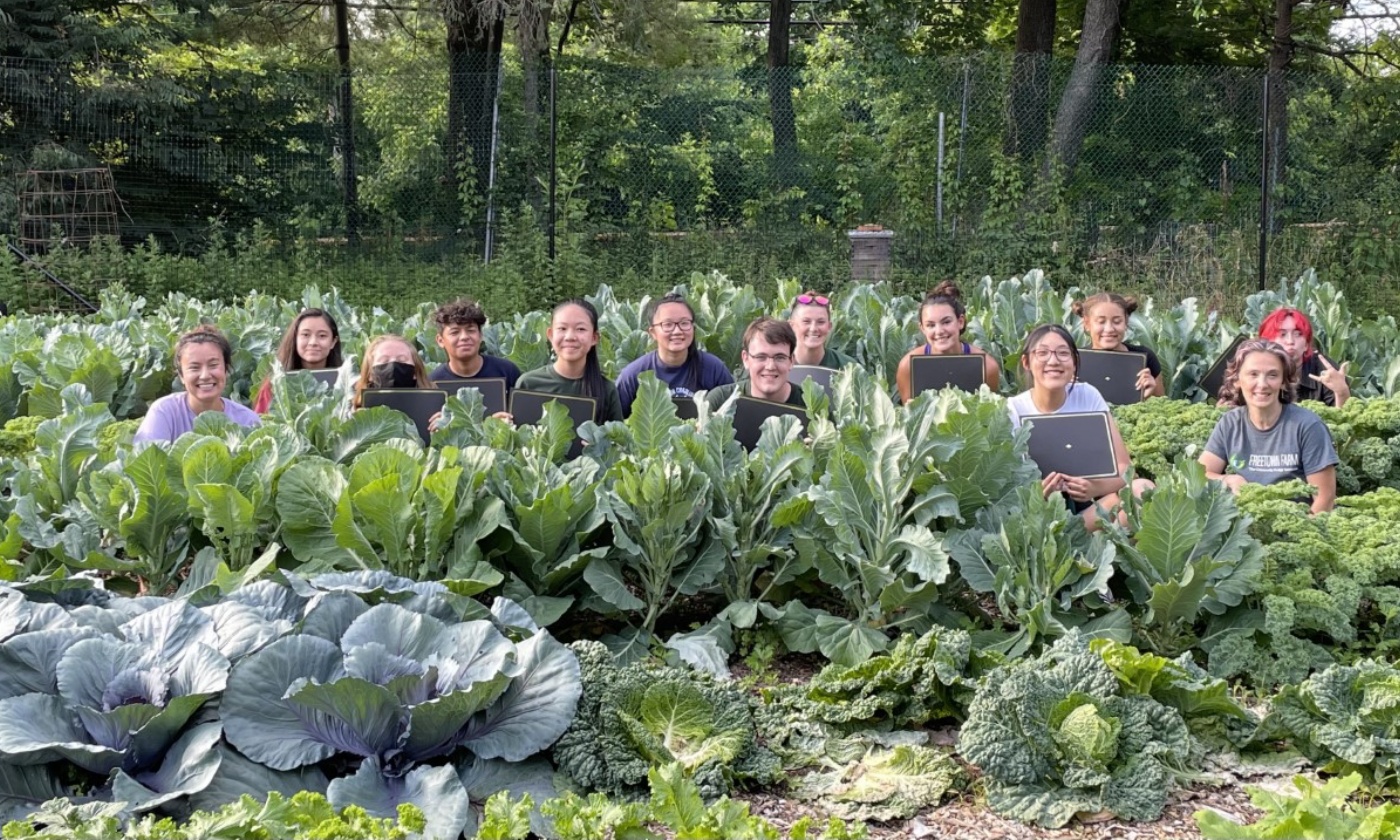
On a busy July day at Freetown Farm, young people of all backgrounds can be seen mulching vegetable gardens, smelling wildflowers, learning about the medicinal properties of herbs, and harvesting ripe cabbages, kale, carrots, and tomatoes.
“When I come here, I see East Asians. I see Black people. I see people with different abilities, mental and physical. And they are all welcome here. And no one is being condescended upon,” says Akil Cole, an 18-year-old participant in the youth internship program at Freetown Farm.
Having worked on the farm for the past year, he says he feels rooted here, which has helped both his mental and physical health. Cole, who commutes from Washington, D.C., reports feeling happier, more confident, and more social on the farm.
Freetown Farm, in historic Columbia, Maryland, is a 6.4-acre farm founded by Chiara D’Amore, Ph.D., an environmental educator who dreamed of creating an experiential education farm where diverse members of the community could learn the names of wildflowers and medicinal herbs and harvest vegetables, all while developing a deeper relationship to the land and to the community.
“It is a learning farm,” D’Amore says, “where the intention is to demonstrate on a small scale what people can take home to their neighborhoods—things they can do that would be good for developing a better world.”
Unequal Access to the Benefits of Green Space
Regular contact with nature at places such as Freetown Farm improves young people’s respiratory health and physical fitness as well as their cognitive functioning and psychological well-being, says Alessandro Rigolon, an assistant professor in the Department of City and Metropolitan Planning at the University of Utah. But such access to nature is unequal for lower-income young people of color.
A recent report by the Center for American Progress and the Hispanic Access Foundation finds that lower income communities of color experience “nature deprivation” at three times the rate of White Americans, with Black communities experiencing the highest levels of nature deprivation.
“There is some evidence suggesting that racial/ethnic health disparities among youth are in part linked to inequities in access to green space,” Rigolon says.
“Because low-income youth of color have access to fewer parks and to parks with lower quality than more affluent White youth, youth of color have fewer opportunities for daily contact with nature, which has several benefits for physical and mental health.”
That makes programs like Freetown Farm’s all the more essential.
Freetown Farm was founded in 2019 as an initiative of the Community Ecology Institute, an environmental nonprofit based in Howard County, Maryland, which aims to cultivate communities where people and nature thrive together.
Located on land that was once an important stopover point in the Underground Railroad, the name “Freetown” speaks to the history of the land, an area where a colonial landowner freed 17 people he had enslaved, providing them with access to 150 acres of land.
D’Amore was able to buy the land from a local farm owner with support from city leaders in Howard County, the Columbia Association, private family foundations, and a loan from the Conservation Fund.
“People fight for things they care about,” says Veronica Adler, the community engagement coordinator for the farm’s internship program. Adler says it’s a lesson D’Amore has instilled in everyone at Freetown Farm: “It is really hard to care about the environment if you don’t have positive experiences and a positive relationship with the environment.”
Empowering the Next Generation of Environmental Activists
In fall 2020, the Community Ecology Institute initiated its youth internship program at Freetown Farm with the goal of educating young people on food security, health, and environmental disparities.
Fifteen young people, ages 15 to 21, from all backgrounds, participated. For about 10 hours each week, they learned how to grow food, plant native pollinators, and harvest fresh produce.
Adler says the yearlong internship is about giving young people “opportunities to have a voice, and to practice whatever they want to practice, and to be themselves in a green space.” These are opportunities she says they may not get in the school system.
In addition to youth getting their hands dirty among rows of vegetables, the internship program also offers art and photography classes, environmental education courses, and public speaking workshops that teach young people how to better articulate the environmental challenges affecting their communities.
Perhaps the greatest outcome of the internship program, Adler says, is its potential to inspire a new generation of environmental activists.
“One of the most important things ever is being able to communicate and be confident and to convince people that you know what you are talking about,” Adler says. “To show up to a town meeting, that is great. But if you can’t voice what you are feeling, what you are seeing in your community, that also doesn’t help.”
For many of the young people participating in the summer program at Freetown Farm, the experience has inspired them to move into an environmentally oriented career.
“Going into this internship, I had no idea what I wanted to do,” says Yan Yang. “Now I have a general path. I don’t know if I want to go into environmental policy, or if I want engineering, but at least I have some sort of path going forward.”
Resources and Policy Incentives Needed
While spaces like Freetown Farm bring numerous health benefits to the youth who participate in their programs, there are still many barriers when it comes to ensuring all youth have regular access to green spaces.
One barrier is that young people from lower-income communities cannot afford to engage in unpaid internships like Freetown Farm’s, says Akil Cole, now a college student at Georgetown in D.C, who is serving as a mentor for the farm’s high school internship program.
“I applied for a fellowship, which gave me a stipend that allows me to work here,” Cole says. “Otherwise I wouldn’t be able to afford the trip up here. …If not for that fellowship from my school, I just can’t do it.”
In addition, Cole says that local governments should introduce policies that prioritize the protection of natural spaces over commercial development. He says what draws people to Freetown Farm is the fact that it is a physical place, not just an idea or a lesson plan.
“It is beautiful!” Cole says. “We need policies that favor the preservation of natural resources and encourage the creation of spaces like this.”
This article was originally published by YES! Media on September 9th, 2021 and was made available to Good Good Good.
Food banks and charities do an amazing job helping people who live with food insecurity.
But the stigma around asking for help causes some people to go without.
— Using mobile technology and existing food sector systems, this startup is connecting hungry people with sources of help.
— Safeguarding people’s dignity in times when they are in need of support is vitally important, too.
More than one-in-10 households in the U.S. found themselves without enough food on at least one occasion during 2019, according to data from the U.S. Department of Agriculture (USDA).
It’s a surprising statistic from a country that simultaneously struggles with the spread of obesity – 42.4% of Americans were classed as obese in the year 2017/18 by the Centers for Disease Control and Prevention.
But the reality of daily life for millions of people in the world’s richest country is that they don’t always know where their next meal is coming from.
Almost half of all households that faced food insecurity had very low food security, according to the USDA. That’s around 5.3 million homes in all. For people with underlying health problems, or who are living with other forms of vulnerability, the problem becomes exaggerated.
A surplus of food
The problem is not a lack of food, says Mick Ebeling, the CEO and co-founder of a tech startup called Bento. No, he says, “this is America – there’s a surplus of food in this country.”
The company has developed an app – called Bento – that connects food suppliers with people who need to eat.
It integrates with a range of existing food-ordering platforms (including UberEats, OrderMark, and Toast), which plugs Bento into a network of restaurants, grocery stores, and other food suppliers.
Going hungry affects a disproportionately higher number of households with children, the USDA says.
In 2019, 13.6% of households with children were living without enough food. Although in around half of them, the adults deliberately went hungry so their children could eat; in 6.5% of households, both children and adults experienced instances of very high food insecurity.

In 213,000 households across the U.S., the USDA found that “both children and adults experienced instances of very low food security.”
Part of the problem, according to Ebeling, is connecting available food to those who need it in a way that is easy, effective, and – perhaps most importantly – allows people to maintain their dignity.
For people struggling to feed themselves and their families, a visit to a food bank may be tainted by stigma. Some people feel such shame at the prospect of asking for help, they let themselves go hungry, Bento believes.
Related Stories
What Is Upcycled Food?
Waste to Watts: India is Generating Green Energy From Food Leftovers
These Two Young Entrepreneurs Are Combating Food Waste With Delicious Vegan Cookies
How Feeding America Has Shifted Their Operations During The Coronavirus Pandemic
How To Prevent Food Waste & Make a Difference For the Planet
Safeguarding people’s dignity
For anyone using Bento, it will feel similar to many other food delivery apps and, according to a report by Fast Company, many of the restaurant staff handing meals over to Bento users have no idea whether they are dealing with a regular paying customer or someone struggling with food insecurity.
App users simply text the word HUNGRY and they are connected to a service that lets them pick a restaurant, grocery store, or other food outlet, choose what they want, then go and collect it.

“Mobile technology has been used to disrupt so many unmet needs for at-risk communities,” Ebeling says in a video explaining how the Bento service works. “But its full potential has never been directed toward food insecurity, until now.”
In addition to safeguarding people’s dignity, the app also allows a full range of choice. “If you’re a Bento user, you’re able to declare that you’re a vegan, or you’re vegetarian, or any dietary constraints you have,” Ebeling told Fast Company.
Frictionless help
Bento is also connected with community organizations, municipalities, and healthcare systems. These bodies help enroll people who are eligible for help and fund the meals for their most vulnerable communities.
Participants are eligible based on each particular community organization’s criteria. One agency Bento is working with, has helped put together a program for low-income people living with HIV and AIDS.
In addition to offering access to food, Bento helps identify health targets for each of the participants and then sends customized communications to encourage people towards their goals — from learning more about food and nutrition to engaging more regularly with clinics and healthcare facilities.
“We aim to make this as frictionless as possible,” a Bento spokesperson told the World Economic Forum. “We’re trying to improve healthcare outcomes by lowering the barrier to support for people experiencing food insecurity. Everything we’ve designed is meant to do this, and keep dignity intact.”
Bento joins a growing list of businesses working closely with governments, charities, and community organizations to fight hunger around the world.
Africa Improved Foods is a $70m public-private partnership with the government of Rwanda that works with 35,000 smallholder farmers, primarily women, to improve livelihoods. It is helping to feed 100,000 of the poorest mothers and infants in Rwanda.
Based in Egypt, Sekem has been working in sustainable farming and development since 1977. It has transformed large tracts of virgin desert into fertile land, using only compost and water. Improving fertile soil structures, agro-biodiversity, and promoting organic composting are all part of the organization’s vision.
From production to distribution right through to branding, Javara works across agricultural value chains in Indonesia to promote biodiversity and high-quality organic produce. The company sells over 800 artisanal products (of which 250 are certified organic), serving over 700 businesses (retail outlets and foodservice industry) in Indonesia. It also exports to 22 countries.
This article was originally published by Stateline, an initiative of The Pew Charitable Trusts, and was republished with permission.
There has been a lot of focus on COVID-19 vaccine inequalities between high-income and low- and middle-income countries. For instance, it is estimated that up to 70% of all vaccines to be produced in 2021 were pre-booked by a handful of countries.
This has caused severe bottlenecks in vaccine supply to low- and middle-income countries, leading to huge differences in vaccination rates.
On average, out of 100 people in a high-income country, 61 have received at least one dose of the COVID-19 vaccine.
In the 29 low-income countries, only 3 out of 100 people have received one dose of the vaccine.
In the whole of Africa, about 10 out of 100 have received at least one dose, and only 4 out of 100 are fully vaccinated.
Such inequity means that while economies of high-income countries recover and life returns to normal, low-income countries will continue to struggle with slower economic recovery and the knock-on effects.
As time goes on, another picture is emerging. That is one of the inequities among African countries. While on average 4 in 100 Africans are fully vaccinated, there are more than 30 countries where less than 5 in 100 people have received a single dose.
The top five vaccinated countries in Africa include three island states and two countries in North Africa with full vaccination rates ranging from 20% to 72%.
Almost half of the countries in Africa have full vaccination rates below 2%.
Related stories
This Innovative Fridge Will Make the COVID-19 Vaccine Accessible to All
The World Is Celebrating the Life of Abebech Gobena — the Ethiopian Humanitarian Known as ‘Mother Teresa of Africa’
From Teen Pregnancy to HIV, Malawi's Youth Radio Shows Tackle Taboos
To help us keep track of vaccine roll-out across the continent, The Conversation Africa teamed up with Africa Data Hub to provide a map with regularly updated data illustrating vaccine distribution.
At a time when the vaccine supply to Africa has increased, partly due to donations from high-income countries and partly due to access to more vaccine options such as Sinopharm and J&J, it is important to understand how that translates to vaccines into people’s arms. And to be able to track whether existing inequalities among African countries persists.
In the medium term, the map will be invaluable in tracking how an increase in the COVID-19 vaccine uptake affects the countries’ ability to withstand new waves of infection.
The goal of the world should be to have all countries achieving high rates of vaccination necessary to protect their whole population from further outbreaks. Such tracking tools help us to see how much progress we are making.

This article and map were originally published by The Conversation on September 28th, 2021, and were made available to Good Good Good.
The MacArthur Foundation helps helpers. For the past forty years, the MacArthur Foundation has supported generations of innovators, entrepreneurs, and creatives who are using their passion and skills to build a better, cleaner future.
According to their website, “MacArthur is placing a few big bets that truly significant progress is possible on some of the world’s most pressing social challenges, including advancing global climate solutions, decreasing nuclear risk, promoting local justice reform in the U.S., and reducing corruption in Africa’s most populous country, Nigeria.”
By investing in solution-makers, the MacArthur Foundation remains committed to doing real, actionable good. As part of their program, the foundation has an annual fellowship where some of the brightest minds are given a no-strings-attached grant of $625,000 over the course of five years to pursue their visions.
Needless to say, recipients of the fellowship have gone on to accomplish life-changing work that ultimately makes the world a better place.
Previous notable fellows of the MacArthur program are poet Ocean Vuong, economist Isaiah Andrews, neuroscientist Damien Fair, physicist Monika Schleier-Smith, and historian Natalia Molina.
This year’s class of recipients promise the same zest and ingenuity to identify and fix some of the world’s greatest problems, ranging from climate change to racial injustice.
“As we emerge from the shadows of the past two years, this class of 25 Fellows helps us reimagine what’s possible. They demonstrate that creativity has no boundaries,” said Cecilia Conrad, the Managing Director for the MacArthur Fellows.
“It happens in all fields of endeavor, among the relatively young and more seasoned, in Iowa and Puerto Rico. Once again, we have the opportunity for exultation as we recognize the potential to create objects of beauty and awe, advance our understanding of society, and foment change to improve the human condition.”
Meet 5 Members Of The 2021 MacArthur Fellowship:
Cristina Ibarra: Documentary Filmmaker

Cristina Ibarra is a documentary filmmaker creating long-form narratives about Latino families. Her work to portray the real lives of the people who live in borderland communities is also a lens into issues like intergenerational life, displacement, labor struggles, and community violence.
“Ibarra recently developed a digital essay documenting her family’s history in El Paso. The online project sets the stage for a feature-length work, currently in development, about the challenges and resiliency of this border community. Ibarra’s studies of human connectivity in the wake of difficult histories offer new perspectives from which to consider identity, family, aspiration, and the role of history in the vitality of American communities today.” — MacArthur Fellowship
Marcella Alsan: Economist and Physician
Marcella Alsan is an economist and physician investigating discrimination and racial disparities in healthcare. Not only does she study and identify the issues in healthcare, her data is also used to come up with solutions to provide equal access to healthcare for marginalized communities.
“Alsan is currently engaged in a number of projects to further explore how physician messaging affects patient health behaviors, including if non-Black physicians’ acknowledgment and discussion of the medical field’s past injustices improves take-up of health care services among Black patients. She is also working with a group of interdisciplinary collaborators to tailor communications about the COVID-19 vaccine for communities that have limited confidence in and connection to the health care system. Through these and other projects, Alsan is bringing powerful evidence to bear on the importance of diversity in the medical profession and on efforts to improve health outcomes for historically marginalized and mistreated populations.” — MacArthur Fellowship
Joshua Miele: Adaptive Technology Designer
Joshua Miele is a blind adaptive technology designer developing devices for blind and visually impaired (BVI) people.
Miele’s work is centered on using the science of sound and directional aspects of hearing; he is creating effective and affordable solutions to everyday problems blind people face, particularly in regards to digital information.
“Currently, Miele is an accessibility researcher at Amazon, where he has contributed to projects such as Braille compatibility with Fire tablets and a “Show and Tell” feature on camera-enabled Echo devices that can identify pantry and food items. Miele’s expertise in information accessibility and commitment to making solutions available for mass use will be increasingly important as we move into an ever more digitized world.” — MacArthur Foundation
Hanif Abdurraqib: Music Critic, Essayist, and Poet
Hanif Abdurraqib is a music critic, essayist, and poet. Abdurraqib’s essay collections and books (They Can't Kill Us Until They Kill Us, Go Ahead In the Rain: Notes to A Tribe Called Quest, A Little Devil in America: Notes in Praise of Black Performance) aims to uplift Black voices and bodies through the lens of music.
“In addition to his writing on music, Abdurraqib is a noted poet. Pop culture and music feature heavily in his poetry, which ranges across subjects both personal and public and addresses themes of race, class, and the politics of our present moment. Omnivorous in his influences and prolific in his output, Abdurraqib is forging a new form of cultural criticism, one that is informed by lived experience and offers incisive social and artistic critiques.” — MacArthur Foundation
Lisa Schulte Moore: Landscape Ecologist

Lisa Schulte Moore is a landscape ecologist working with local farmers to build more sustainable and resilient agricultural systems. Her work ties together the environmental, economical, and policy aspects of large-scale agriculture and promises greener practices in food production.
“Schulte Moore does intensive outreach to encourage uptake of the prairie strips program. Prairie strips are now being used in 14 states on over 115,000 acres of cropland, and that is sure to increase: the Conservation Reserve Program in the 2018 Farm Bill includes prairie strips as a conservation practice eligible for financial support. By approaching the serious challenges of food security, climate change, and conservation of our environment as networked pieces of a larger system, Schulte Moore opens new possibilities for a transformation in sustainable agriculture.” — MacArthur Foundation
You can find the full list of fellows (including Ibram X. Kendi, Jawole Willa Jo Zollar, and more) for the 2021 MacArthur Grant here. Congratulations to all recipients and thank you for all of the important work you do.