Architect Boonserm Premthada has long watched as humans and elephants coexist in Thailand’s Taklang Village, a relationship that began nearly four centuries ago.
The surrounding forest around Taklang Village once provided wild elephants with their primary source of nutrition.
But in recent years, elephants have begun to face an ecological issue as a result of their human neighbors: The steady decline of food sources caused by deforestation, land development, human encroachment, and climate change.
Premthada decided it was time to step in.

The architect has upcycled former rice barns into what he calls Elephant Food Homes, small structures built with timber frames and handwoven bamboo winnowing baskets.
Scattered throughout the forest, the barns have been repurposed from their previous role storing grain for humans, now as checkpoints for elephants to shelter and dine on bundles of fresh plants placed there by local villagers.
“An abandoned rice barn becomes a shelter for elephants and humans alike,” Premthada shares poetically in a social media post about the structure.
“The old timber frame remains, but its soul has shifted. Walls of woven bamboo trays reveal scars of the past, holding space for a new kind of care … This is not about power, but empathy. A gentle architecture that begins to heal the distance between us and the natural world.”

Along with feeding the elephants, the placement of the food houses is strategic, with walks to and from the shelters supporting the digestion and overall health of the giant animals, which once came naturally in seasons of migration to forage freely in the previously lush forest.
The breathable and lightweight surface of the bamboo baskets also offers protection and natural ventilation for the barns to act as resting points for both humans and animals trekking through the forest.
The design was displayed at the 24th International Exhibition of Triennale Milano, with a theme of Inequalities. The displayed food home also features what Premthada has named the Vitruvian Elephant — inspired by Leonardo da Vinci’s famous Vitruvian Man — a puppet sculpture made from elephant dung paper.

He calls the use of this material “a quiet reminder that nature, not humans, should be at the center of design.”
This wasn’t the only instance in which Premthada used elephant dung in his work. Another piece displayed in the Triennale Milano exhibition is the Elephant Chapel, an arched structure crafted from 4,211 elephant dung bricks.
This piece is also intended to be a shelter for elephants and humans alike, similar to Premthada’s Elephant Museum, a massive structure built for the nonprofit Elephant World, where rehabilitated elephants can retire in peace and harmony.
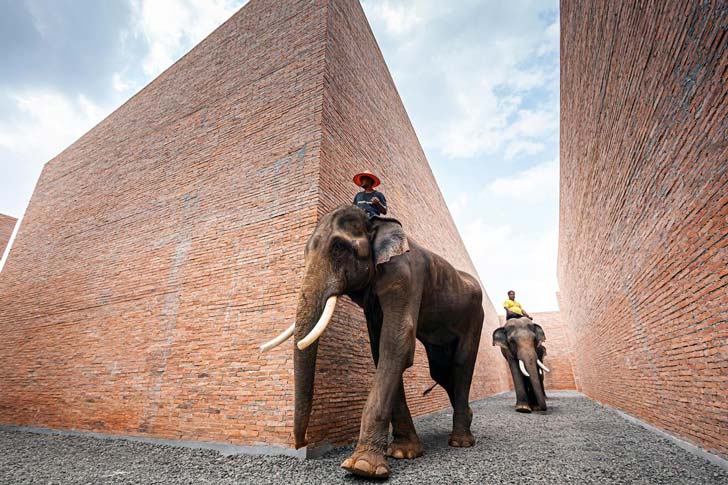
The Elephant Chapel — and its bricks — were formed by local craftspeople, further illustrating Premthada’s message of human-animal coexistence.
“To me, Elephant Chapel is not just a structure, but a gesture of coexistence — between the sharpness of human intellect and the still wisdom of the elephant, the largest land mammal we share this earth with,” Premthada writes.
“If we learn to keep the right distance, to respect differences, and to move toward each other with humility, then true harmony becomes possible.”

Both of these pieces — the Elephant Food Home and Elephant Chapel — traveled to Venice as examples of ecological inequality and Premthada’s call to action to protect the endangered species.
By reimagining architecture from a purely human tool, Premthada hopes to build a “human and non-human” framework that supports and serves nature.
“To me, inequality isn’t about demanding rights for animals; It’s about planting empathy in the human heart,” Premthada shares.
“Coexistence begins when we realize we depend on one another. This project wasn’t built for humans, but to restore forests, watersheds, and balance — by letting go of ego. Architecture has long served humans. Elephant Food Home offers another way: to share, not to dominate.”
Header image courtesy of Boonserm Premthada/Bangkok Project Studio
Laughter — closely tied to language and a sense of humor — has long been thought to be uniquely human.
But in a new study out of Indiana University, researchers have discovered that bonobos, the closest living relative to human beings, along with chimpanzees, tend to be more optimistic after hearing similar vocalizations during play with their fellow apes.
“We know that other apes, like chimpanzees, have contagious laughter during play,” said Dr. Sasha Winkler, a visiting research scholar in the Cognitive Science program at IU said in a statement
“We were wondering if that behavior could be explained by positive emotions produced from the sound itself.”
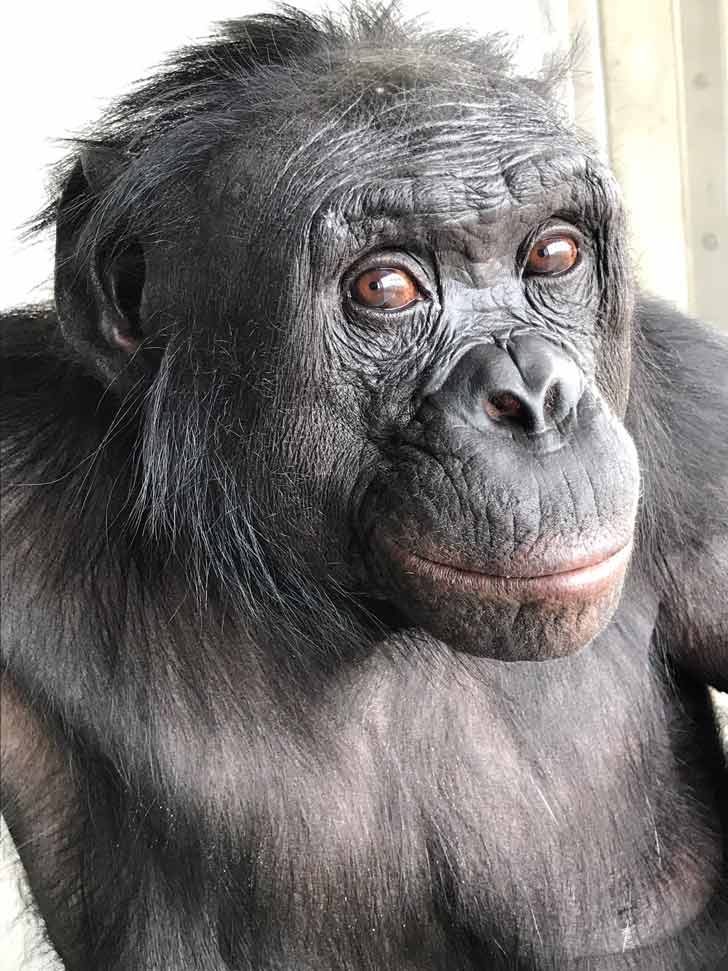
The findings, which were recently published in the journal “Nature,” have implications for understanding the evolution of positive emotions in humans and primates alike.
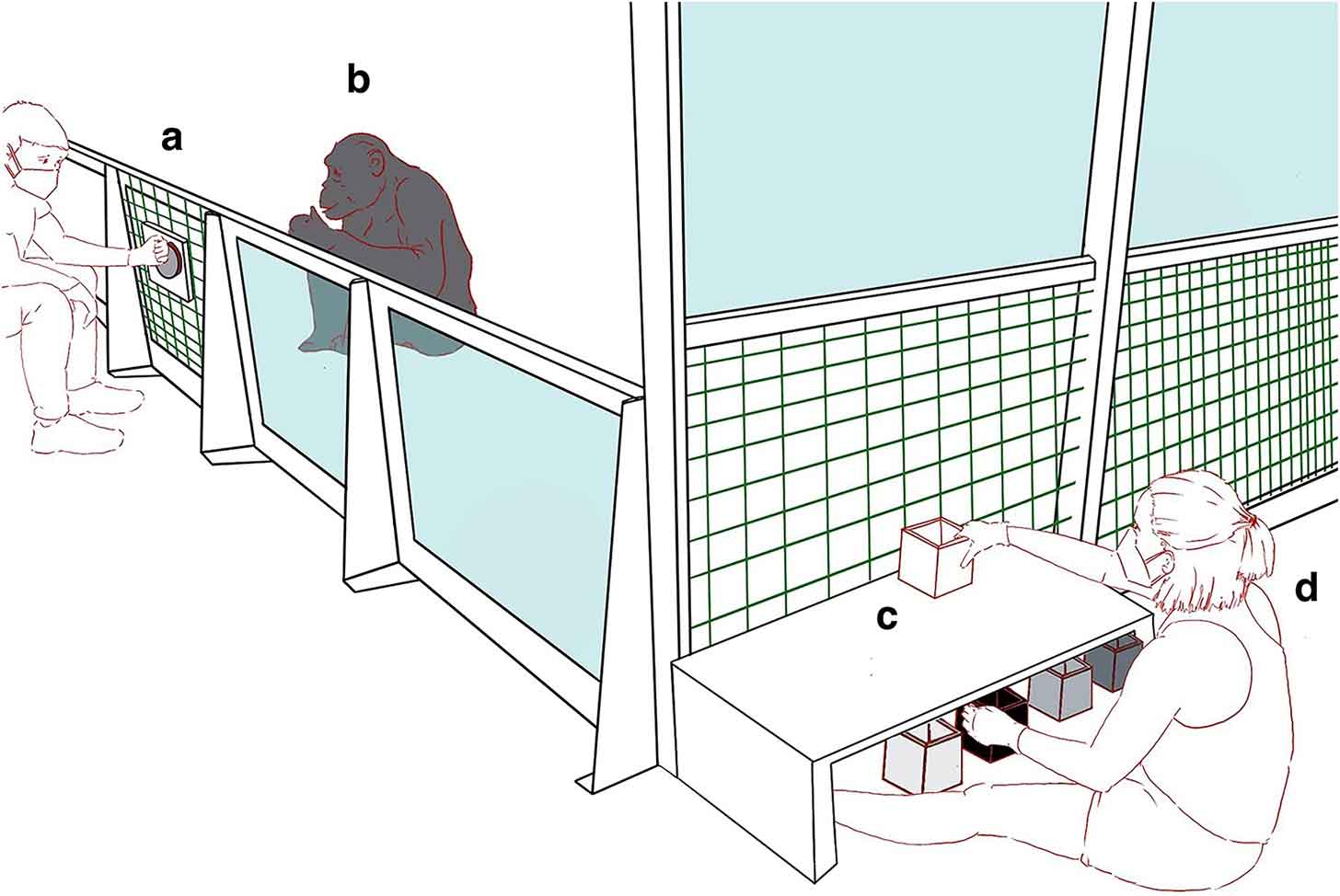
In the study, the researchers conducted a “cognitive bias test,” an animal psychology methodology that assesses the mood of animals based on how they interpret uncertain situations: More positively or more negatively.
First, they trained the bonobos to approach black boxes that always contained food rewards and to avoid white boxes that were always empty. Then, they would be exposed to either a control sound or bonobo laughter, and they would be presented with a grey box they had never seen before.
Their goal was to see if hearing laughter would make the bonobos more likely to approach an ambiguous stimuli, which is coded as a behavioral indicator of optimism.
Similar to humans, the laughter indeed made the bonobos feel more optimistic. Hearing the laughter of their fellow apes, the bonobos anticipated greater rewards when faced with ambiguous cues, namely, the grey boxes.
“Think of it like the rose-colored glasses effect,” explained Winkler. “The bonobos were much more likely to approach the grey boxes after hearing laughter, treating them like the rewarded boxes, and indicating a more optimistic expectation of finding a treat.”
“The tendency to behave more optimistically after hearing laughter suggests that the sound alone induced a positive emotional state in bonobos,” added Erica Cartmill, another lead researcher on the project and professor of anthropology.
“This is the first study of which we’re aware to measure a positive affect shift in non-human primates from a brief experimental intervention.”
The study also indicates that the bonobos experience emotional contagion, or the tendency to “catch” emotions from others, a concept researchers believe to be an important aspect of empathy.
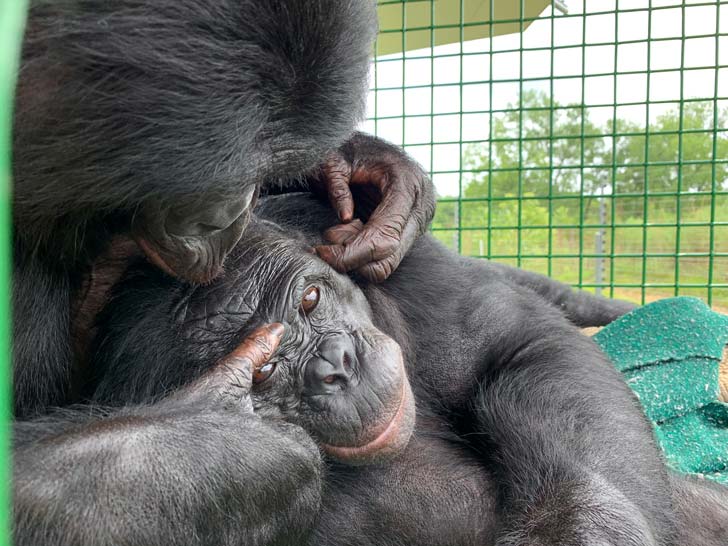
“Studies like ours can help to untangle the evolutionary building blocks of empathy, communication, and cooperation in humans,” Winkler said.
Observing the positive emotional response in the apes encouraged the researchers to draw the conclusion that not only do great apes share laughter as an evolutionary trait with humans, in fact, human laughter likely stems from these sounds made by our primate ancestors.
The researchers also believe that, outside of the acoustic and behavioral similarities, laughter offers shared cognitive and emotional effects between humans and primates.
“Our results suggest that laughter in other apes shares not only phylogenetic and behavioral similarities with human laughter but also perhaps some of the same cognitive-emotional underpinnings,” said Winkler.
“This emotional contagion appears to have been present in the primate lineage long before the evolution of language.”
Beyond the stunning research further expanding on the relationship between humans and great apes, this research also paves the way in a growing body of research into the positive emotional states of animals.
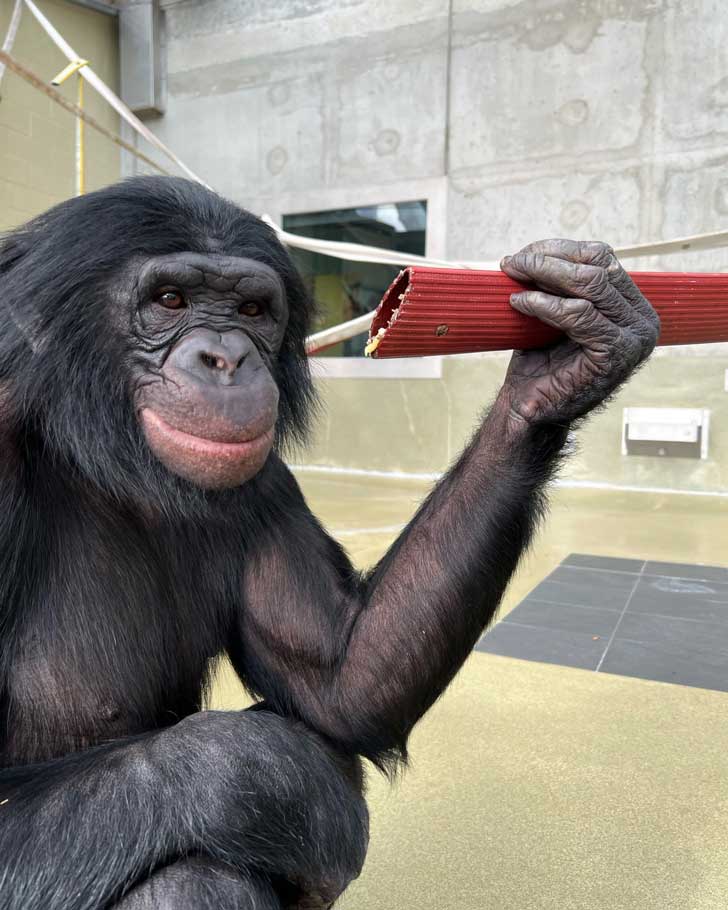
“Our emotions influence many aspects of cognition, including memory, attention, and decision making,” Cartmill said.
“But research has historically focused on negative emotions with clear behavioral correlates, like fear and aggression. We wanted to better understand the relationship between positive affect and cognition in our closest living relatives.”
Hopefully, the researchers added, their work will encourage more studies on positive emotions in animals, especially those closely related to humans.
“We hope this brings greater public awareness to the remarkable similarities between us and bonobos, who are an endangered species,” Winkler said. “We have so much to learn from these incredible animals.”
Header image courtesy of The Ape Initiative
First, the orcas were sinking boats. Then, they reportedly started doing skincare routines with kelp. Now, they’re trying to share their lunch with humans.
Orca whales — often referred to as “killer whales” for their penchant for hunting other marine mammals like them — are fascinating creatures. They are hailed as the ocean’s apex predator, and their brains come in second place to modern-day humans in terms of their size in relation to their body.
This suggests — and has proved — an ability to engage in advanced communication, and if beloved Shamu is any indication, orcas are skilled in cognitive and social intelligence.
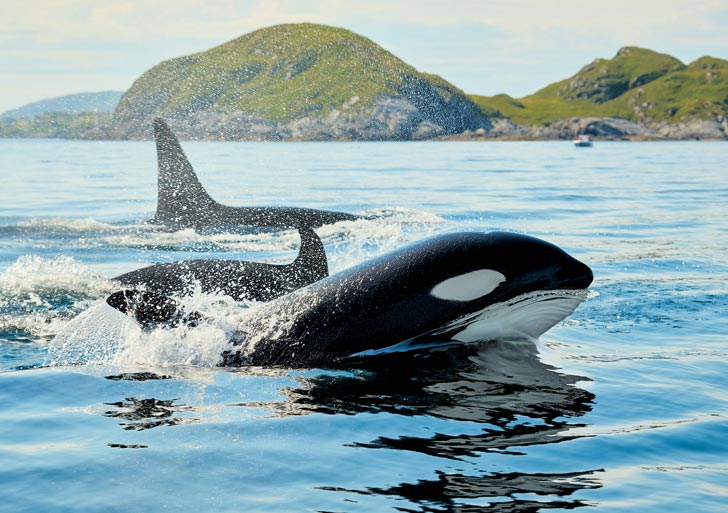
Among their own whale circles, they have long shared their prey with one another, but in a new study, recorded over the course of the last two decades, wild orcas were spotted trying to share their food with human beings.
These wild whales, on 34 occasions, across four oceans, were documented approaching humans on their own, dropping a fresh kill in front of the people, and waiting for a response.
“You are left with a feeling of disbelief in the moment, did that just happen?” Jared Towers, executive director of research nonprofit Bay Cetology, told The Seattle Times, after he was presented with a limp harbor seal pup off the coast of Vancouver Island.
“I just froze, you don’t naturally want to reach out and grab something if a killer whale just left it in front of you,” he added. “Maybe if you had a few moments to think about it, you’d think ‘Maybe I should accept this, or give it back,’ but in the moment, it was going on before you realize what is happening, they retrieved the item and swam away.”
Researchers, including Towers, recently published their observations in the “Journal of Comparative Psychology,” featuring a few theories as to why this behavior kept popping up in their orca studies.
“Orcas often share food with each other — it’s a prosocial activity and a way that they build relationships with each other,” Towers said in a statement. “That they also share with humans may show their interest in relating to us, as well.”

Of the 34 instances of orcas attempting to share their prey, 11 took place with people in the water, 21 on boats, and two cases in which people were on shore and were approached by the whales. Some were captured on video and photographs, while others were simply described to the researchers.
“Orca are very social and we frequently see them food-sharing,” another author of the study, Ingrid Visser, of New Zealand’s Orca Research Trust, told The Seattle Times. “To document and describe behavior of them attempting to food-share with humans in various places around the globe is fascinating.”
Across the occurrences, orcas of every age tried to share their prey, which ranged from sea otters, seals, and gray whales, to green turtles, rays, and jellyfish. Sometimes, they even served up seaweed.
In all but one case, the orcas waited to see what happened after they made the offering, suggesting that their methods come from a place of pure curiosity.
In seven cases, the whales tried more than once to offer the food after being initially rejected. Towers even likened it to a game of fetch, throwing the prey back into the water and the whale retrieving it and bringing it back.
“It gives you a lot to think about, it feels special, you spend a lot of time trying to understand these animals, and they don’t give up their secrets easily,” Towers added to The Seattle Times. “So when they actually stop and pay attention to you, it is a bit of a shock.”

Unlike domesticated animals like dogs and cats, who have been documented offering food to humans, this research includes some of the first detailed descriptions of the behavior occurring in non-domesticated animals.
“Offering items to humans could simultaneously include opportunities for killer whales to practice learned cultural behavior, explore or play and in so doing learn about, manipulate or develop relationships with us,” the researchers wrote.
“Giving the advanced cognitive abilities and social, cooperative nature of this species, we assume that any or all these explanations for, and outcomes of such behavior are possible.”
Vanessa Prigollini, another researcher on the study, from the Marine Education Association in La Paz, Mexico, said that the food-sharing behavior was “indicating their interest in building relationships outside of their own species.”
In the abstract of the research, the authors suggest that these cases may represent “interspecific generalized altruism,” marking them, perhaps, among the first accounts of “any wild predator intentionally using prey … to directly explore human behavior.”
Ultimately, they conclude, this new observation “may highlight the evolutionary convergence of intellect between highest order primates and dolphins.”
Still, the researchers caution, even if humans (those “highest order primates” they speak of) are approached by orcas in the wild, it’s best to keep your distance as best you can, as not to cause harm to either species.
Header image by Vidar Nordli-Mathisen on Unsplash
In February, national parks across the country were walloped by federal budget cuts and mass layoffs — at a time when the national parks were more popular than ever.
According to the National Parks Conservation Association, the National Park Service saw a 13% reduction in full-time staff in the first 100 days of the second Trump administration.
In March, two federal judges, in tandem with the Merit Systems Protection Board, determined that the firings were illegal and ordered that 1,000 staff members be reinstated.
But the damage had been done.
“Some [rangers] may not be able to afford to travel back to their jobs,” Bill Wade, executive director of the Association of National Park Rangers, told The Daily Beacon this spring. “And some might decide they don’t want to work any longer for the federal government, given the way they were treated.”
For the park employees who remained — or returned — the federal budget cuts have had lingering consequences on the National Park Service. Maintenance projects have been deferred, student field trips have been cut, and new credit limits have been imposed.
“Several weeks ago, with almost no warning, a limit was placed on the use of government credit card purchases, capping the charge limit at $1 — that’s correct — $1,” Rick Mossman — president of the Association of National Park Rangers — said in April, explaining that park rangers once used the government-issued cards to pay for toilet paper and maintenance tools.
Then came the signs.
The memo from the U.S. Department of the Interior reads: “[This national park site] belongs to the American people, and the National Park Service wants your feedback. Please let us know if you have (1) any areas that need repair; (2) any services that need improvement; or (3) any signs or other information that are negative about either past or living Americans or that fails to emphasize the beauty, grandeur, and abundance of landscapes and other natural features.”
The signs then invite visitors to visit a website or scan a QR code, which brings them to a feedback form to report “negative” history.
The signs were issued by Secretary of the Interior Doug Burgum in support of President Trump’s Executive Order 14523, which is titled: “Restoring Truth and Sanity to American History.”
The order, issued in March, claimed that a “revisionist movement” was “replacing objective facts with a distorted narrative driven by ideology rather than truth.”
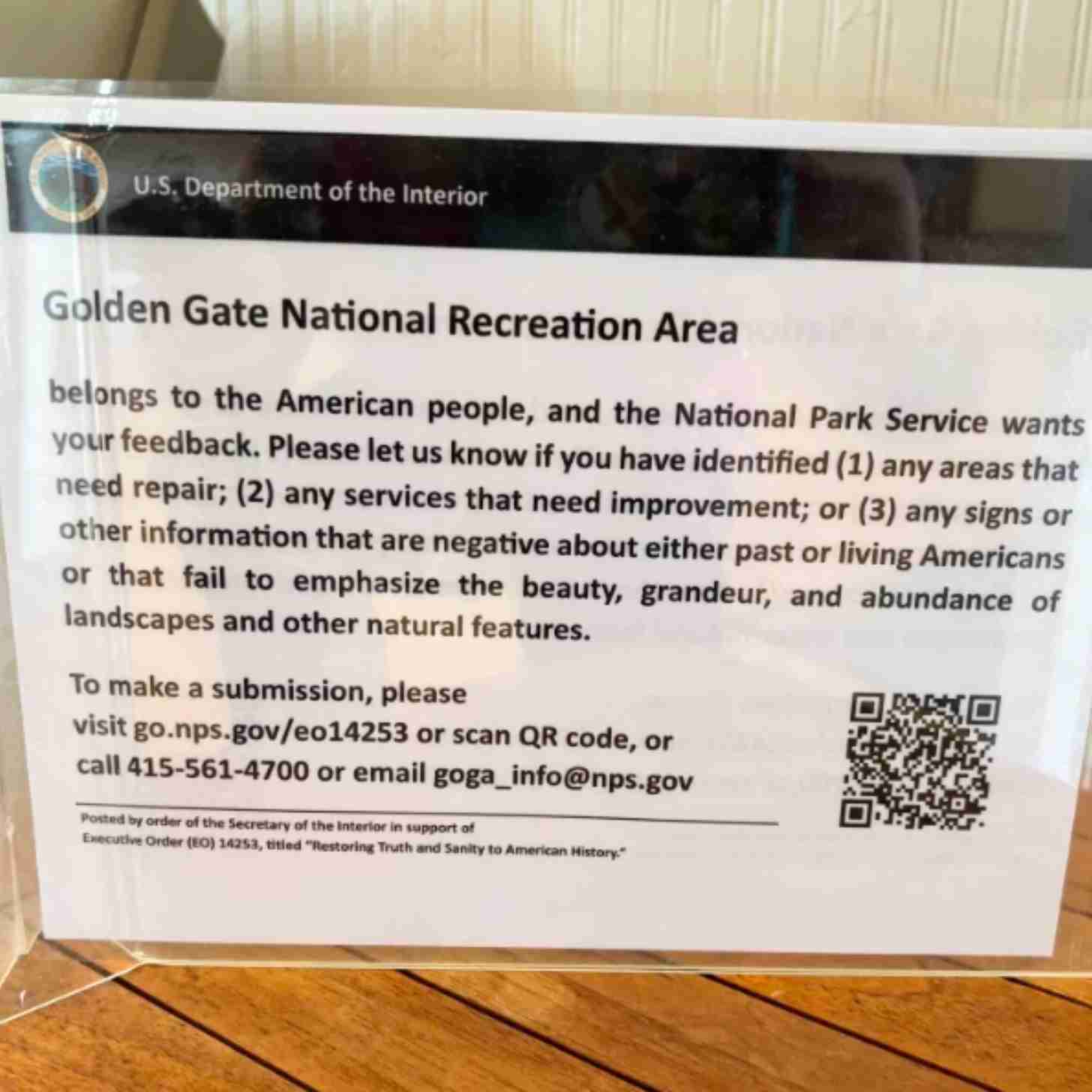
According to NPCA president Theresa Pierno, the signs, which were installed in all 433 national park sites, “could have a chilling effect on rangers just trying to do their jobs and tell the truth.”
“When the Trump administration tries to rewrite American history, it is the American people who will suffer most,” Pierno warned in a statement.
“Should rangers at Harriet Tubman Underground Railroad National Monument avoid speaking negatively about slavery?” she asked. “Should rangers at Manzanar National Historic Site avoid talking about the imprisonment of Japanese Americans during World War II? This new order sets a dangerous precedent of prioritizing nostalgia over truth at our parks.”
Fortunately, despite Pierno’s concerns — and the administration’s intentions — the new signs, which activists have nicknamed “snitch signs,” had the opposite effect.
Recently, Forbes reviewed screenshots of 274 comments submitted through the feedback site between June 5 to 19 of this year. They found that the vast majority of visitors used the forms to praise park programs, rangers, tour guides, and more.
“The staff at Valley Forge do an excellent job of interpreting the history of the encampment … I hope they stay funded and well-staffed to continue this important work,” a visitor submitted to the Vietnam Veterans Memorial in Washington, D.C.
“[I] was really happy to see that the Visitor Center had enough staff because it was busy!” one visitor, at the Cape Cod National Seashore in Massachusetts, commented. “I really hope that DOGE doesn’t cut additional funding or staff … it’s an amazing place!”
“The park rangers and volunteers at Catoctin are fantastic and go above and beyond to tell the full American story,” one visitor commented from the Catoctin Mountain Park in Maryland.
“Placing the nation’s full trust in their knowledge and expertise is the only way that the NPS’s mission of preserving this nation’s natural, cultural, and historic resources for current and future generations will be fulfilled.”
Other visitors made direct reference to concerns of whitewashing park histories.
According to Forbes, a visitor to the Birmingham Civil Rights National Monument in Alabama said the park does “an incredible job of portraying the complicated and dark history of the civil rights movement in a way that is needed for the education of us all.”
And in Alaska’s Denali National Park, many visitors used the feedback form to criticize Trump’s decision to rename Mount Denali “Mount McKinley.”
“You cannot erase indigenous stories,” one passionate comment read.
“My heart hurts knowing that the families and adventurers visiting this special park will be forced to bear witness to revisionist history as part of a pathetic attempt at signaling power.”
NPCA associate director Kyle Groetzinger pointed out that the signs had inadvertently created the perfect portal for people to “band together” and show their support for the national parks during an unpredictable time.
For prospective park visitors, Groetzinger even offered a script:
“This is a message for the Trump administration: Hands off our history. The rangers at this National Park are doing a great job. They are providing an essential service, protecting our history and beautiful natural landscapes for future generations. Instead of undermining them, you should support them.”
“Let’s seize this opportunity to speak out and tell the Department of the Interior to support our rangers and stop trying to rewrite American history,” Groetzinger encouraged. “Make them hear you.”
You may also like: The first-ever National Parks Edition of The Goodnewspaper
Header image via National Parks Gallery (PDM 1.0)
Plant-filled rooftops, or green roofs, aren’t just pretty. They have been shown to reduce urban “heat island” effects, reduce energy costs in buildings, curb stormwater runoff, and provide safe havens for native species.
And now a group of researchers from Tongji University in China have uncovered an unexpected benefit: Green roofs are also effective when it comes to capturing microplastics.
Microplastics are small fragments of plastic that are often smaller than 5 millimeters in size. They are increasingly found in the environment — the soil, water, and air — and even in our own bodies.
With the acknowledgment that green roofs can filter contaminants and excess nutrients, the researchers set out to see if they can filter microplastics in urban environments, too.
“These nature-based solutions can offer unexpected co-benefits in mitigating airborne pollution in densely built environments,” researcher Shuiping Cheng told Anthropocene.
To conduct their study, Cheng and his colleagues set up a “blank” roof, a green roof module “without plants,” a green roof full of Rhodiola rosea (a perennial flowering plant), and a green roof teeming with Sedum lineare (a sun-loving succulent).
Both Rhodiola rosea and Sedum lineare are common rooftop plants in Shanghai, China, where the study took place.
After the roofs were readied, the researchers created their own “artificial” weather simulations using rainfall generators.

“Before starting the experiments, each green roof module underwent a 30-day stabilization period, during which they were watered every four to five days using tap water,” Cheng and his team wrote in their study, which was published in the journal Communication Earth & Environment.
“Subsequently, simulated rainfall events were introduced every three days. The study employed four types of rainfall events (light, moderate, heavy, and torrential) classified by intensity … with each event repeated three times and lasting one to two hours per feeding.”
In the end, the researchers found that the green roofs captured 97.5% of the microplastic particles that fell in a “light” rainfall generator. Surprisingly, they found that it was the soil, more so than the plants, that retained and filtered the microplastics.
“This study highlights the promising potential of green roofs in mitigating microplastic pollution in coastal urban areas,” the researchers concluded.
“Green roofs demonstrated an impressive average interception efficiency of more than 97.5% for trapping microplastics from atmospheric deposition.”
Currently, Shanghai has 3.56 million square meters of green roof space.
Although that number is microscopic compared to the amount of rooftops without plants in the city, the researchers estimated that even the present number of green roofs could capture 56.2 metric tons of microplastic particles annually.
Still, the Tongji University researchers approached their conclusion with caution.
“It is important to note that this estimation is based on controlled experimental conditions and does not universally represent the efficiency of all green roofs in Shanghai,” Cheng and his team pointed out in their study.
“In practice, green roof performance may vary due to differences in roof inclination, substrate composition, plant selection, and local climate conditions.”
Despite endless combinations of “temporal variations” and “seasonal weather patterns,” the study could have broader implications — not just for green roofs throughout Shanghai, but green roofs throughout the world.
“A key next step is to validate these results under real-world conditions on full-scale green roofs,” Cheng concluded. “We are actively exploring opportunities to carry out such long-term field studies to better understand microplastic retention and release dynamics over time.”
Header image via Free Range Stock (CC0 1.0) / Stock Cake (PDM 1.0)
When faced with a big decision, it’s not uncommon to be given the advice to “sleep on it.” And while that might feel like a great way to ignore your problems and opt for a little extra rest, as it turns out, it might actually help you out of a pickle.
Researchers at the University of Hamburg recently published a study in the journal “PLOS Biology” that details a sleep study with 90 participants, all helping the scientists discover if snoozing can actually lead to a eureka moment.
The researchers — Anika Löwe, Marit Petzka, Maria Tzegka, and Nicolas Schuck — began by posing a question: How does sleep possibly lead to insight while problem-solving?

Recruiting 90 people for the study, participants were first asked to track a series of dots across a screen. They were given instructions about a seemingly simple task that required them to respond to the dots on a keyboard. However, the instructions left out a trick that could make the task easier.
After four sets of the dot-sorting trial, the subjects were put down for a 20-minute nap and connected to an electroencephalogram to track their sleep.
After the nap, participants were tested again, and 70.6% of them had an “aha moment,” in which they figured out the hidden trick that made the task easier.
All groups improved in the dot-sorting test after their nap, but 85.7% of those who achieved the first deeper sleep phase — called N2 sleep — had the breakthrough.
“I think a lot of us have made the subjective experience of having important realizations after a short nap,” Löwe said in a statement. “It’s really nice to not only have data on that, but also a first direction of what processes are behind this phenomenon.”
Compared to those who had an “aha” moment, 55.5% of those who stayed awake, and 63.6% of participants who dropped into light sleep (also called N1 sleep) experienced a moment of insight.
Reviews of the electroencephalogram patterns showed that a “steeper spectral slope,” the representation of deeper sleep, was associated with a problem-solving breakthrough.
“It’s really intriguing that a short period of sleep can help humans make connections they didn’t see before,” Schuck said. “The next big question is why this happens. We hope that our discovery that it may be linked to the EEG spectral slope is a good first lead.”
In previous work, the authors used the same task to compare how many people might experience “aha” moments without a chance to take a nap, with less than half experiencing a creative breakthrough. But this new body of research — especially that indicator of N2 sleep — suggests that the key to waking up with a stroke of genius is deeper rest.
“The EEG spectral slope has only recently been considered as a factor in cognitive processes during sleep,” Löwe added.
“I find the link between the spectral slope steepness during sleep, aha-moments after sleep and the down regulation of weights — which we identified as crucial for aha-moments in our previous computational work — very exciting.”
For those who often rely on their creative problem-solving skills, the results of this study are especially reflective of their lived experience, Lowe added.
“What really struck me when telling people in my environment — particularly creatives — about these findings was how much they resonated with people,” Löwe said. “Many of them could relate to our results with a personal experience of having a creative breakthrough after a nap.”
Next time you find yourself dozing off at work, you can thank these researchers at the University of Hamburg for giving you a productivity-approved reason to drift off to dreamland.
Header image by Jamie Street on Unsplash
This story was originally published by The 19th and was republished with permission.
The Ohio Lesbian Archives in Cincinnati’s Over-the-Rhine neighborhood started with a friendship.
Phebe Beiser said that when she and co-founder Victoria “Vic” Ramstetter met in the 1970s, they bonded over being “hidden, secret, teenage lesbians,” growing up in what was then a conservative city and region where there were few gay role models.
For a time in their 20s, they shared group houses in Clifton, where they now joke that they “survived the lesbian commune together.” They were young and idealistic. They wanted to “turn being an activist lesbian into something fun and interesting, and maybe help change the world.” Beiser, now in her mid 70s, told The 19th that they had a mantra: “We never wanted to be invisible again.”
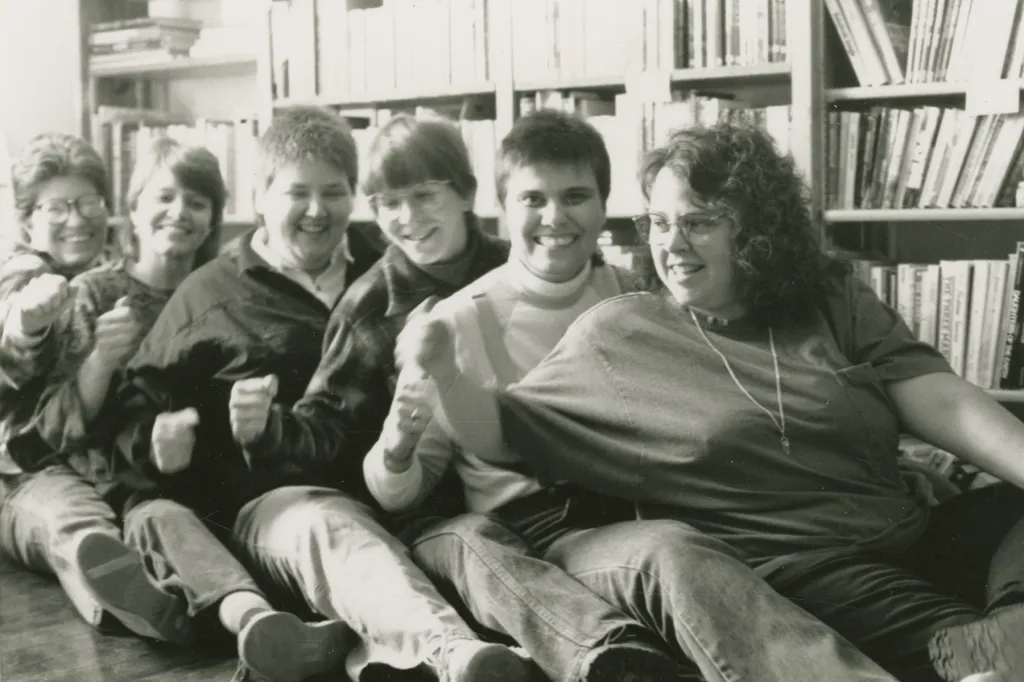
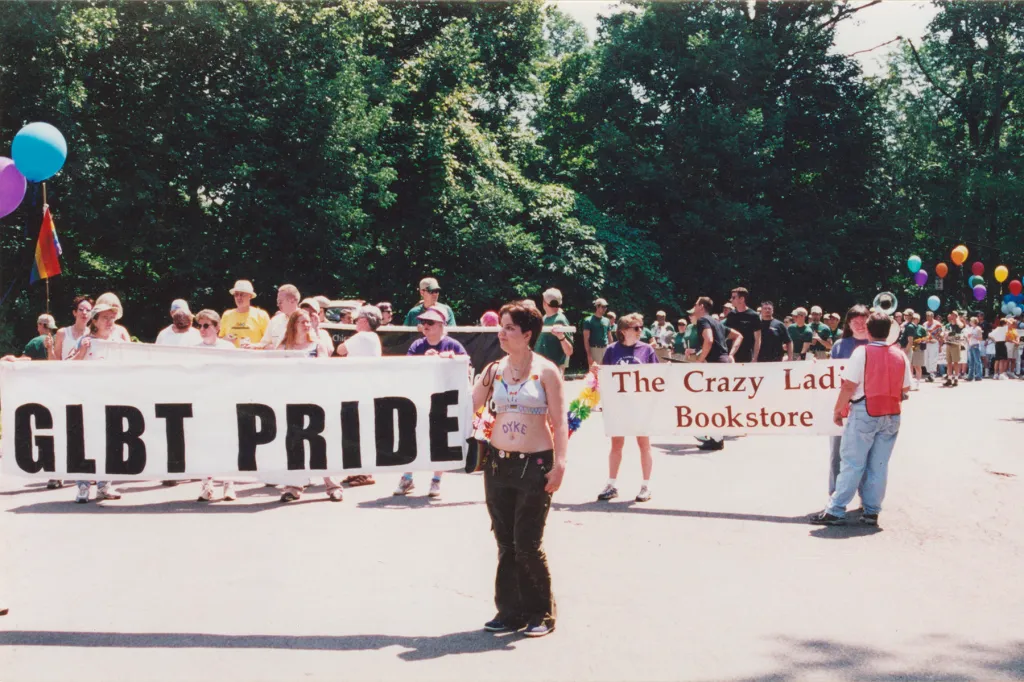
When the Crazy Ladies Bookstore, named for the women who history brushed off as “crazy,” opened in Northside in 1979, it became the center of gravity in the Cincinnati lesbian community of which Beiser and Ramstetter were a part. Women bought homes in the neighborhood, gathering at the feminist bookstore for coffee, tea, and conversation about being women, and about being gay. In 1989, the Archives opened on an upper floor.
It seemed that the visibility of the Crazy Ladies Bookstore and the Ohio Lesbian Archives — and of the women who made them happen — would be cemented in history in 2023, when the Ohio History Connection, the state’s nonprofit historical society, “embarked on a three-year project to diversify Ohio’s historical markers to include ten new stories of LGBTQ+ Ohioans” via its Gay Ohio History Initiative, or GOHI.
At the time, there were roughly 1,800 historical markers in Ohio’s program, but only two commemorated places, events or people from the state’s queer history. A third, recognizing Summit Station, a lesbian bar in Columbus that operated from 1970 to 2008, was dedicated during Pride Month that year. The Archives and bookstore were selected for joint recognition.
That long-overdue acknowledgement has been derailed by the Trump administration’s sweeping war on DEI, which extends beyond diversity, equity and inclusion programs to seemingly include anything that acknowledges the country’s diversity of experience.
But the archives — and the volunteers who sustain it — are undeterred, carrying on as the queer community has throughout history, documenting their existence.
"We never wanted to be invisible again.” — Phebe Beiser

The Marking Diverse Ohio program was financed by a $250,000 grant from the Institute of Museum and Library Services, an independent agency created by a Republican-led Congress in 1996 that is the main source of federal funding for libraries and museums.
Beiser and Branstetter were interviewed for an oral history. Ohio History Connection researchers visited the Archives to peruse the collection. A location was secured in a city park near where the since-shuttered Crazy Ladies Bookstore once was. By early this year, preparations to forever commemorate the Archives and bookstore with a plaque were all but complete.
Its installation was expected in June, Pride Month.
Then, in late March, President Donald Trump issued an executive order regarding “The Continuing Reduction of the Federal Bureaucracy,” singling out seven agencies for elimination — including the Institute of Museum and Library Services, or IMLS. Nearly all of its employees were put on leave and their emails were disconnected.
Days later, his administration’s Department of Government Efficiency, or DOGE, canceled $25 million worth of already-awarded IMLS grants, including the $250,000 for Ohio History Connection’s Marking Diverse Ohio program. The federal agency’s seemingly final Instagram post stated: “The era of using your taxpayer dollars to fund DEI grants is OVER.” The last photo listed erecting “LGBTQIA+ historical markers across Ohio” among the alleged government excesses that would be cut.
Svetlana Harlan, a former project coordinator for Marking Diverse Ohio, recalled that when she looked at the list, and saw the program with other projects she admired, “it almost seemed like a positive thing, I was like, ‘Oh yeah, these are nice initiatives!’”
“And it turns out that [DOGE] was just taking over the account. So then I was like, ‘Oh, they’re cutting those. Oh, our name is on the list,’” she said.
DOGE’s cancellation of the $250,000 IMLS grant to Ohio History Connection threw into question the future of the markers that were supposed to ensure that Ohio’s public displays of its history include LGBTQ+ people.
Along with the Ohio Lesbian Archives and the Crazy Ladies Bookstore, there were markers in the works for an LGBTQ+ district in Akron; the first professor of gay and lesbian studies at Kent State University; 19th-century sculptor Edmonia “Wildfire” Lewis; LGBTQ+ journalism in Ohio; Toledo’s first LGBTQ+ member of city council; a Columbus hospice care center for HIV and AIDs patients; an open lesbian pastor in Athens; the screen-printing company Nightsweats and T-Cells in Lakewood; and the Rubi Girls, a Dayton-area drag group that has raised more than $3 million for HIV/AIDs and LGBTQ+ causes since the 1980s.

Preservation on hold
Marking Diverse Ohio and other programs recognizing specific communities weren’t the only programs impacted in the state when DOGE cut IMLS grants and the federal agency essentially shuttered. And, given that more than $250 million is granted annually to libraries and museums nationally, the economic chaos at the country’s museums, libraries and historical institutions wasn’t confined to Ohio.
In Ohio, other entities that received recent IMLS funding include the Frank Lloyd Wright-designed Westcott House in Springfield, for post-pandemic, on-site programming; the Cincinnati Zoo for a big cat breeding program; Dayton Metro Library programs that helped low-income Ohioans secure Internet access; and Cincinnati’s Contemporary Arts Center, which lost $175,000 slated for programming aimed at the 3,000 or more teens it serves each year.
Institutions in Pennsylvania warned the economic upheaval could scuttle the digitization of The Rosenbach museum’s collection of rare books and manuscripts; the Woodmere Art Museum was mid renovation on a building to house its collection and expected to be reimbursed.
In Wisconsin, small-town libraries said without the $3 million from the IMLS they’d received the year before they would have to reduce staff and therefore services. The American Library Association, or ALA, and the American Federation of State, County and Municipal Employees, or AFSCME, the labor union representing government workers, sued the Trump administration.
ALA President Cindy Hohl said at the time that, “Libraries play an important role in our democracy, from preserving history to … offering access to a variety of perspectives.” AFSCME President Lee Saunders added: “Libraries and museums contain our collective history and knowledge.”
Earlier this month, a federal judge ruled that the Trump administration could continue dismantling the Institute of Museum and Library Services as the case continues.
For now, Ohioans who want LGBTQ+ history represented among the 1,800 markers in the state will not get the federal funding that was granted and must search for alternative resources in their communities. A couple of the markers look poised to move forward with outside funding from community foundations and other organizations. Others, like the Ohio Lesbian Archives and the Crazy Ladies Bookstore, are still waiting. The remaining cost to install the marker would likely be $3,000-$5,000.
When The 19th reached out to Ohio History Connection to ask if any alternative funding sources were being explored to install the Archives’ marker, spokesperson Neil Thompson said that he was “not able to provide any additional information for an Ohio Historical Marker application that is not in the public domain” and that it is only considered in the public domain once “the markers are finalized, cast and ready to be installed and dedicated.”

‘A reflection of themselves’
The Ohio Lesbian Archives has always been a DIY endeavor, powered by a group of passionate volunteers.
When the Crazy Ladies Bookstore’s founder, Carolyn Dellenbach, moved out of the area, she handed it over to its patrons to be run as a feminist collective. A lesbian newsletter called Dinah operated out of the upper floor — they referred to the National Organization for Women’s Task Force on Sexuality and Lesbianism, established in 1973, as FOSAL, or fossil, and Dinah was a play on 'dinosaur.'
Beiser laughed explaining the name: It was the 1970s; maybe there were drugs involved. For a time she wrote for Dinah and loved interviewing famous arrivals from the “women’s music circuit” when they came to town.
At some point, the women working shifts at the bookstore, writing for Dinah and organizing talks and other events related to feminist and lesbian issues, realized that the community they had built, and the ephemera they were collecting and creating, were an important part of history — theirs, lesbians,’ Ohioans,’ and women’s.
“We held on to them because we knew they could not be replaced,” Beiser said of the collection. “It’s proof of our existence … so we held on to these things to never be invisible again.”
"We held on to them because we knew they could not be replaced. It’s proof of our existence.” — Phebe Beiser

In a 1991 issue of Dinah, letters to the editor included one from “Ma” who updated the “wimmin” in the community — they often spelled variations of their gender in ways that did not include “man” — that she was homesteading outside the city with her partner and building a log cabin.
Another was from a woman who said she was “shocked” to find out that her being fired for being a lesbian was not a violation of civil rights laws and she was disappointed that the LGBTQ+ community did not come out to support her recent picket, writing: “I hope that in my lifetime I will see the gay and lesbian community get off their asses and together start fighting for their rights.”
Across from the metal filing cabinet at the Archives that houses the Dinah issues, a modern-looking poster from before the Supreme Court decided Bostock v. Clayton County in 2020, which extended employment protections to LGBTQ+ Americans, reminded Ohioans that it was still legal for them to be fired for their sexual orientation or gender identity. Today, Trump’s Equal Employment Opportunity Commission is aiming to curtail those hard-won workplace protections established by Bostock.
Lüdi Rich, a 27-year-old librarian, was working a recent Sunday afternoon at the Archives’ twice-weekly open hours, organizing books and research materials while the space was open to members of the community to drop in.
When Rich moved to Cincinnati nearly two years ago, she didn’t know anyone in the area, so she looked online for queer spaces so she could start building her community. When she attended a panel on local queer history, one of the speakers was Beiser, a longtime librarian herself in the country’s second-largest public library system.
Beiser mentioned at the panel that the Ohio Lesbian Archives would be having an open house that night at its new location next to Over-the-Rhine’s Washington Square Park, where Beiser was among those who met to march in Cincinnati’s first Pride Parade in April 1973. Rich asked Beiser how she could volunteer.
A couple months later, Rich showed up for her first shift, “And I’ve been here working ever since,” she said.
Nancy Yerian, the 34-year-old president of the Archives’ board, said that when she graduated from college in Massachusetts, she didn’t know if she could return to Cincinnati, where she grew up — until she discovered the Archives.
“I thought that to live the kind of life I wanted to lead, I had to get out of what I thought was a very conservative place,” said Yerian, who has been volunteering at the Archives in some capacity since shortly after she finished school.
“Finding the Archives and the people I’ve met through the organization and the community we’re creating, as well as the history we’re preserving — it gave me a lot of hope that I could create a life for myself here,” she added.
"It really is just us, preserving our history.” — Lüdi Rich

The Archives’ volunteers have helped digitize old photos, some of which are now in a collection at the Cincinnati Public Library. They organize the books, arranged by first names instead of last, since so many women, especially in those early years, published works after taking on their husbands’ surnames.
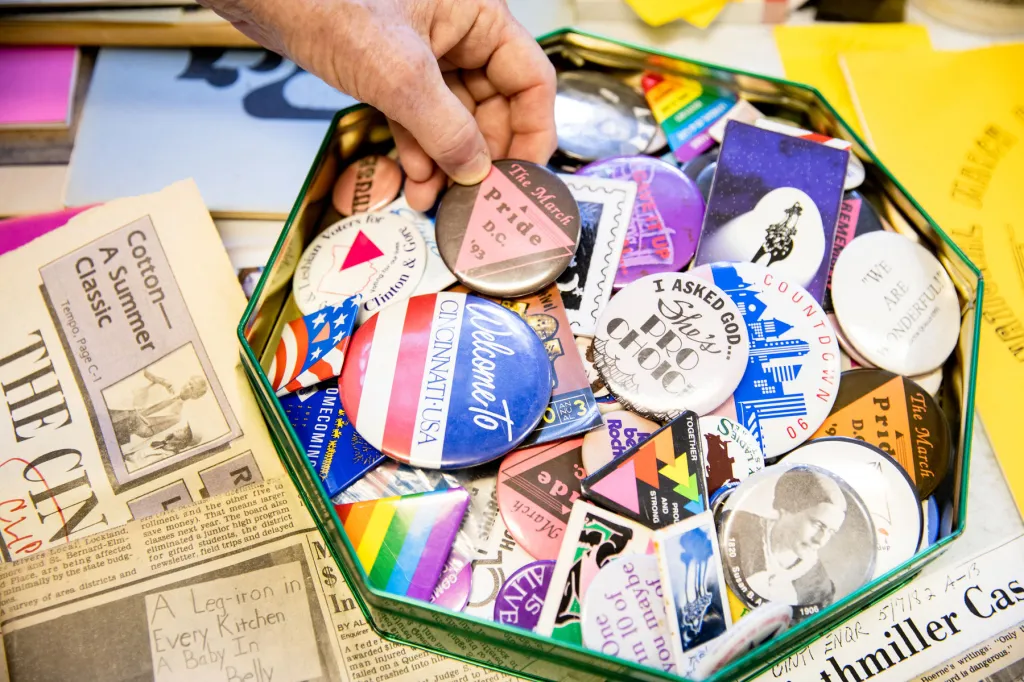
There are filing folders of Dinah newsletters. A cabinet holds multiple VHS and DVD copies of the early aughts television drama “The L Word.” A collection of buttons includes those from past Pride marches; supporting Hillary Clinton’s presidential campaigns; and one with “REMEMBER” and an inverted pink triangle, the Nazi symbol that Adolf Hitler used to identify gay and trans people. There is also one with the logo of the Crazy Ladies Bookstore, the silhouette of a woman reading while reclined in a chair, a cat by her side.
“Many people who are coming to the archives are looking for a reflection of themselves, and in many ways, that’s why Vic and Phebe started it. It shows models of ways to be in the world and a feeling of not being alone and not being the first queer person or lesbian,” Yerian said.
The Ohio Lesbian Archives, marker or not, is and will keep doing what it always has: making sure that lesbian Americans are visible in the country’s historical record.
“It really is just us, preserving our history,” Rich said.
This story was originally reported by Amanda Becker of The 19th. Meet Amanda and read more of her reporting on gender, politics and policy.
CINCINNATI — The Ohio Lesbian Archives in Cincinnati’s Over-the-Rhine neighborhood started with a friendship.
Phebe Beiser said that when she and co-founder Victoria “Vic” Ramstetter met in the 1970s, they bonded over being “hidden, secret, teenage lesbians,” growing up in what was then a conservative city and region where there were few gay role models. For a time in their 20s, they shared group houses in Clifton, where they now joke that they “survived the lesbian commune together.” They were young and idealistic. They wanted to “turn being an activist lesbian into something fun and interesting, and maybe help change the world.” Beiser, now in her mid 70s, told The 19th that they had a mantra: “We never wanted to be invisible again.”
When the Crazy Ladies Bookstore, named for the women who history brushed off as “crazy,” opened in Northside in 1979, it became the center of gravity in the Cincinnati lesbian community of which Beiser and Ramstetter were a part. Women bought homes in the neighborhood, gathering at the feminist bookstore for coffee, tea and conversation about being women, and about being gay. In 1989, the Archives opened on an upper floor.
It seemed that the visibility of the Crazy Ladies Bookstore and the Ohio Lesbian Archives — and of the women who made them happen — would be cemented in history in 2023, when the Ohio History Connection, the state’s nonprofit historical society, “embarked on a three-year project to diversify Ohio’s historical markers to include ten new stories of LGBTQ+ Ohioans” via its Gay Ohio History Initiative, or GOHI. At the time, there were roughly 1,800 historical markers in Ohio’s program, but only two commemorated places, events or people from the state’s queer history. A third, recognizing Summit Station, a lesbian bar in Columbus that operated from 1970 to 2008, was dedicated during Pride Month that year. The Archives and bookstore were selected for joint recognition.
That long-overdue acknowledgement has been derailed by the Trump administration's sweeping war on DEI, which extends beyond diversity, equity and inclusion programs to seemingly include anything that acknowledges the country’s diversity of experience. But the archives — and the volunteers who sustain it — are undeterred, carrying on as the queer community has throughout history, documenting their existence.
We never wanted to be invisible again."
Phebe Beiser

The Marking Diverse Ohio program was financed by a $250,000 grant from the Institute of Museum and Library Services, an independent agency created by a Republican-led Congress in 1996 that is the main source of federal funding for libraries and museums. Beiser and Branstetter were interviewed for an oral history. Ohio History Connection researchers visited the Archives to peruse the collection. A location was secured in a city park near where the since-shuttered Crazy Ladies Bookstore once was. By early this year, preparations to forever commemorate the Archives and bookstore with a plaque were all but complete. Its installation was expected in June, Pride Month.
Then, in late March, President Donald Trump issued an executive order regarding “The Continuing Reduction of the Federal Bureaucracy,” singling out seven agencies for elimination — including the Institute of Museum and Library Services, or IMLS. Nearly all of its employees were put on leave and their emails were disconnected. Days later, his administration’s Department of Government Efficiency, or DOGE, canceled $25 million worth of already-awarded IMLS grants, including the $250,000 for Ohio History Connection’s Marking Diverse Ohio program. The federal agency’s seemingly final Instagram post stated: “The era of using your taxpayer dollars to fund DEI grants is OVER.” The last photo listed erecting “LGBTQIA+ historical markers across Ohio” among the alleged government excesses that would be cut.
Svetlana Harlan, a former project coordinator for Marking Diverse Ohio, recalled that when she looked at the list, and saw the program with other projects she admired, “it almost seemed like a positive thing, I was like, ‘Oh yeah, these are nice initiatives!’”
“And it turns out that [DOGE] was just taking over the account. So then I was like, ‘Oh, they're cutting those. Oh, our name is on the list,’” she said.
DOGE’s cancellation of the $250,000 IMLS grant to Ohio History Connection threw into question the future of the markers that were supposed to ensure that Ohio’s public displays of its history include LGBTQ+ people. Along with the Ohio Lesbian Archives and the Crazy Ladies Bookstore, there were markers in the works for an LGBTQ+ district in Akron; the first professor of gay and lesbian studies at Kent State University; 19th-century sculptor Edmonia “Wildfire” Lewis; LGBTQ+ journalism in Ohio; Toledo’s first LGBTQ+ member of city council; a Columbus hospice care center for HIV and AIDs patients; an open lesbian pastor in Athens; the screen-printing company Nightsweats and T-Cells in Lakewood; and the Rubi Girls, a Dayton-area drag group that has raised more than $3 million for HIV/AIDs and LGBTQ+ causes since the 1980s.
(Courtesy Ohio Lesbian Archives)
Preservation on hold
Marking Diverse Ohio and other programs recognizing specific communities weren’t the only programs impacted in the state when DOGE cut IMLS grants and the federal agency essentially shuttered. And, given that more than $250 million is granted annually to libraries and museums nationally, the economic chaos at the country’s museums, libraries and historical institutions wasn’t confined to Ohio.
In Ohio, other entities that received recent IMLS funding include the Frank Lloyd Wright-designed Westcott House in Springfield, for post-pandemic, on-site programming; the Cincinnati Zoo for a big cat breeding program; Dayton Metro Library programs that helped low-income Ohioans secure Internet access; and Cincinnati’s Contemporary Arts Center, which lost $175,000 slated for programming aimed at the 3,000 or more teens it serves each year.
Institutions in Pennsylvania warned the economic upheaval could scuttle the digitization of The Rosenbach museum’s collection of rare books and manuscripts; the Woodmere Art Museum was mid renovation on a building to house its collection and expected to be reimbursed. In Wisconsin, small-town libraries said without the $3 million from the IMLS they’d received the year before they would have to reduce staff and therefore services. The American Library Association, or ALA, and the American Federation of State, County and Municipal Employees, or AFSCME, the labor union representing government workers, sued the Trump administration. ALA President Cindy Hohl said at the time that, “Libraries play an important role in our democracy, from preserving history to … offering access to a variety of perspectives.” AFSCME President Lee Saunders added: “Libraries and museums contain our collective history and knowledge.”
Earlier this month, a federal judge ruled that the Trump administration could continue dismantling the Institute of Museum and Library Services as the case continues.
For now, Ohioans who want LGBTQ+ history represented among the 1,800 markers in the state will not get the federal funding that was granted and must search for alternative resources in their communities. A couple of the markers look poised to move forward with outside funding from community foundations and other organizations. Others, like the Ohio Lesbian Archives and the Crazy Ladies Bookstore, are still waiting. The remaining cost to install the marker would likely be $3,000-$5,000.
When The 19th reached out to Ohio History Connection to ask if any alternative funding sources were being explored to install the Archives’ marker, spokesperson Neil Thompson said that he was “not able to provide any additional information for an Ohio Historical Marker application that is not in the public domain” and that it is only considered in the public domain once “the markers are finalized, cast and ready to be installed and dedicated.”
‘A reflection of themselves’
The Ohio Lesbian Archives has always been a DIY endeavor, powered by a group of passionate volunteers.
When the Crazy Ladies Bookstore’s founder, Carolyn Dellenbach, moved out of the area, she handed it over to its patrons to be run as a feminist collective. A lesbian newsletter called Dinah operated out of the upper floor — they referred to the National Organization for Women’s Task Force on Sexuality and Lesbianism, established in 1973, as FOSAL, or fossil, and Dinah was a play on dinosaur. Beiser laughed explaining the name: It was the 1970s; maybe there were drugs involved. For a time she wrote for Dinah and loved interviewing famous arrivals from the “women’s music circuit” when they came to town.
At some point, the women working shifts at the bookstore, writing for Dinah and organizing talks and other events related to feminist and lesbian issues, realized that the community they had built, and the ephemera they were collecting and creating, were an important part of history — theirs, lesbians,’ Ohioans,’ and women’s.
“We held on to them because we knew they could not be replaced,” Beiser said of the collection. “It’s proof of our existence … so we held on to these things to never be invisible again.”
We held on to them because we knew they could not be replaced. It’s proof of our existence."
Phebe Beiser

In a 1991 issue of Dinah, letters to the editor included one from “Ma” who updated the “wimmin” in the community — they often spelled variations of their gender in ways that did not include “man” — that she was homesteading outside the city with her partner and building a log cabin. Another was from a woman who said she was “shocked” to find out that her being fired for being a lesbian was not a violation of civil rights laws and she was disappointed that the LGBTQ+ community did not come out to support her recent picket, writing: “I hope that in my lifetime I will see the gay and lesbian community get off their asses and together start fighting for their rights.”
Across from the metal filing cabinet at the Archives that houses the Dinah issues, a modern-looking poster from before the Supreme Court decided Bostock v. Clayton County in 2020, which extended employment protections to LGBTQ+ Americans, reminded Ohioans that it was still legal for them to be fired for their sexual orientation or gender identity. Today, Trump’s Equal Employment Opportunity Commission is aiming to curtail those hard-won workplace protections established by Bostock.
Lüdi Rich, a 27-year-old librarian, was working a recent Sunday afternoon at the Archives’ twice-weekly open hours, organizing books and research materials while the space was open to members of the community to drop in.
When Rich moved to Cincinnati nearly two years ago, she didn’t know anyone in the area, so she looked online for queer spaces so she could start building her community. When she attended a panel on local queer history, one of the speakers was Beiser, a longtime librarian herself in the country’s second-largest public library system.
Beiser mentioned at the panel that the Ohio Lesbian Archives would be having an open house that night at its new location next to Over-the-Rhine’s Washington Square Park, where Beiser was among those who met to march in Cincinnati’s first Pride Parade in April 1973. Rich asked Beiser how she could volunteer.
A couple months later, Rich showed up for her first shift, “And I’ve been here working ever since,” she said.
Nancy Yerian, the 34-year-old president of the Archives’ board, said that when she graduated from college in Massachusetts, she didn’t know if she could return to Cincinnati, where she grew up — until she discovered the Archives. “I thought that to live the kind of life I wanted to lead, I had to get out of what I thought was a very conservative place,” said Yerian, who has been volunteering at the Archives in some capacity since shortly after she finished school.
“Finding the Archives and the people I’ve met through the organization and the community we’re creating, as well as the history we’re preserving — it gave me a lot of hope that I could create a life for myself here,” she added.
It really is just us, preserving our history."
Lüdi Rich
The Archives’ volunteers have helped digitize old photos, some of which are now in a collection at the Cincinnati Public Library. They organize the books, arranged by first names instead of last, since so many women, especially in those early years, published works after taking on their husbands’ surnames. There are filing folders of Dinah newsletters. A cabinet holds multiple VHS and DVD copies of the early aughts television drama “The L Word.” A collection of buttons includes those from past Pride marches; supporting Hillary Clinton’s presidential campaigns; and one with “REMEMBER” and an inverted pink triangle, the Nazi symbol that Adolf Hitler used to identify gay and trans people. There is also one with the logo of the Crazy Ladies Bookstore, the silhouette of a woman reading while reclined in a chair, a cat by her side.
“Many people who are coming to the archives are looking for a reflection of themselves and in many ways that’s why Vic and Phebe started it. It shows models of ways to be in the world and a feeling of not being alone and not being the first queer person or lesbian,” Yerian said.
The Ohio Lesbian Archives, marker or not, is and will keep doing what it always has: making sure that lesbian Americans are visible in the country’s historical record.
“It really is just us, preserving our history,” Rich said.
Feeling overwhelmed by the news? The 19th is considering new ways to keep you informed. But we need your input! Fill out this quick survey to share your thoughts.
Header image courtesy of Ohio Lesbian Archives
Billie Eilish knows what she was made for.
The pop star has long had a reputation for her devotion to sustainability initiatives in the music industry, from paying for fans to use public transportation to get to concerts, creating vinyls with recycled plastics, headlining solar-powered festivals, and more, she walks the walk when it comes to changing the industry for the better.
Her latest venture is working with her music label, Universal Music Group, to “upcycle” unsold concert merchandise.

Along with UMG’s merchandise arm, Bravado, Eilish and her mother, Maggie Baird, have been spearheading an initiative that would take decades’ worth of unsold apparel from a massive Nashville warehouse and give them a new life.
“We are drowning in clothes on this planet, much of which is in landfills, much of which is shipped to other countries to pollute their waters and their land,” Baird said in a statement.
“I think we have to be extremely thoughtful about what merch gets put out in the world — why does it exist, how is it made, and what happens to it in its second life?”
Now, thanks to Eilish and Baird’s help, Bravado will send 400,000 shirts from that warehouse to Morocco, where Spanish clothing designer and manufacturer Hallotex will turn many of them back into cotton yarn, spinning them into new, recycled cotton shirts.

For the items that can’t be recycled, shirts will be shredded and turned into fabric for housing insulation. According to a press release, once the process is complete, Bravado will have about 280,000 new shirts to use for artist merch in Europe this fall.
Eilish and Baird have long been proponents of upcycling merch, with the option already available in Eilish’s online store.
“We asked for [sustainable merch options] even before she was big,” Baird said. “It was a little bit like pushing a boulder up a hill for a long time.”
For Earth Day this year, the singer partnered with three small clothing labels to create one-of-a-kind iterations of her merch.
“Billie has teamed up with three rising businesses that are leading the charge in the sustainable production space,” her website reads. “These capsules showcase how style, innovation, and creativity can coexist in the things we make, while being mindful of the impact on our planet.”
While these unique collections are exciting for fans, the new initiative at UMG, which is home to dozens of recording brands and labels, will scale up the “upcycled” offering to reach a more mainstream audience.
“Billie Eilish’s mother, Maggie Baird, was at the forefront of challenging us to develop products and practices that were less harmful to the planet. In a way, this scalable upcycling effort is a credit to her passion — she and Billie show the power that one artist has to really make a difference,” Bravado president Matt Young said in a statement.
“What started with Billie now includes dozens of artists, an upcycling program at scale and a passionate desire to continue our progress in this area.”
UMG’s head of sustainability Dylan Siegler added that, to the company’s knowledge, this marks “the most ambitious upcycling project ever undertaken in the artist merchandise space.”

Although more sustainable options often mean a higher cost, leaders in the industry are interested in seeing how the chips may fall, especially given the role merchandise plays in the market as artists turn to posters, tees, and tote bags to pay the bills over record sales.
As Young told Fast Company, this initiative is intended to “unlock the economies of scale that come with mass production of sustainable options.” And for now, he said, Bravado will absorb any additional costs associated with the recycled shirts from Hallotex.
Plus, Eilish’s stamp of approval helps get other artists on board.
“If we get more participation [from artists], we can figure out how to get companies with the technology in America to scale to where we can do this locally,” Young added. “Our ultimate goal is to get this to be such a widely accepted practice that the price drops to the point where people won’t even care or notice that a shirt is an extra couple bucks.”
And as Eilish describes for her existing “upcycled” collection with Lost Love, this kind of merchandise carries much greater significance than a mass-produced tee with a singer’s face on it.
“[These] garments reflect the belief that sustainability isn’t a trend — it’s a responsibility,” Eilish shares on her web store. “And that the most beautiful things are often the ones with a history.”
Header images courtesy of Billie Eilish/UMG/Bravado
Recently, nearly 200 Pennsylvania voters — across the political spectrum — gathered together in a single room for four days in a row.
Given the current political climate, it’s a situation that many Americans might regard as a personal nightmare.
But over a handful of days, as voters talked to each other and listened to scheduled speakers across the political aisle, something remarkable happened: People changed their minds.
According to Politico, the number of voters favoring a plan to work with other nations to adopt net-zero greenhouse gas emission policies rose from 42 to 55%. Support for a national proposal to offer more visas to “low-skilled workers” doubled from 25 to 50%.
The study also found that a proposal to expand in-person early voting rose from 61 to 71%, with opinions shifting largely among Republicans.
And ideas didn’t just shift left. Select conservative policies also gained favor by the end of the proceedings, when those in favor of stricter voter ID requirements rose from 68 to 73%, with the largest shift happening among Democrats.
Likewise, six in 10 voters initially sided in favor of public colleges offering free college tuition, but support dropped to 46% by the end of the event after speaking to voters in opposing parties.
Political scientist James Fishkin, who leads Stanford University’s Deliberative Democracy Lab, spearheaded the experiment, which is titled: “America In One Room: Pennsylvania.”
“When people have strong views, they very often have never considered the other side. And a lot of political scientists say, ‘Well, that’s because they’re entrenched and calcified and they’re in their filter bubbles,’” political scientist James Fishkin told Politico.
“But they’re not quite calcified. They are movable.”

Henry Elkus, the founder of the Los Angeles-based nonprofit Helena, is all about creating communities to tackle societal issues. He helped co-organize the Pennsylvania experiment, and he believes in the power of one-on-one interactions.
“When you have long-form ability to discuss politics face-to-face, you can convey nuance and you can understand the emotions, drivers and backgrounds of the people that you’re speaking to,” Elkus said.
“I think that’s the real lesson here,” he added, “is that democracy does work as intended when people actually are civil and can sit down with one another.”
The “America In One Room” study is indicative of a larger cultural and academic movement that’s attempting to bridge political divides through conversation and debate.
In 2023, the University of Virginia added a “Political Dialogue” class to its course catalog. Since then, colleges across the country have adopted similar syllabi, like Harvard’s “Political Dialogue in Polarized Times” reading group and Stanford’s “Polarization & Partisanship” course.
And last fall, the University of Michigan Museum of Art hosted an exhibit titled “We Need To Talk,” to encourage healthy political conversation.
Their main event was the “Common Sense” dinner, a 2-hour meal that “requires participation” from everyone at the table.
“The first action is to have a conversation,” Artist and museum curator Philippa Pham Hughes told PBS News. “And for me, I mean, it sounds simple and kind of obvious, except that having a conversation in this day and age feels like a radical thing to do.”
Associate Professor Rachel Wahl, who created the Political Dialogue class at the University of Virginia, said that — in her experience — it was “very rare” for students to change their minds on hot-button issues within the scope of their class.
However, they did walk away finding that their perspective on people across the political aisle had improved.
“They do frequently change their mind about the people on the other side,” Wahl confirmed in an interview with the University of Virginia. “I think what they see is that there’s actually a whole range of beliefs and aspirations that are recognizably good.”
Carolyn Carbaugh, a student who took the course, said it changed the way she engaged with friends and family members outside of class, especially when it came to de-escalation.
“I learned that not every political discussion needs to be an argument,” Carbaugh said. “It helped me surrender this idea that I need to change people and that all political discussions are a zero-sum game.”
Wahl hopes that her class readies her students for the future, as they graduate and wade into the increasingly polarizing waters of real-world politics.
“[Philosopher] John Dewey believed that democracy is a way of life,” Wahl said last year. “One that depends on people cultivating minds that are flexible, willing to experiment, and willing to entertain the ideas of others and respond dynamically, rather than rigidly, to other possibilities for how to live together.”
You may also like: Americans share their hopes for the country on 'wish walls' nationwide. The responses are surprisingly unifying
Header image via Luis Quintero / Pexels
In May of this year, lifelong explorer and author Robin Hanbury-Tenison decided to ring in his 89th birthday with a unique challenge: Rowing 22 miles to help restore Britain’s historic rainforests.
Hanbury-Tenison set off in the middle of May, rowing along Cornwall’s River Tamar, with a goal of raising £200,000 (or about $272,00) for the Thousand Year Trust, a charity dedicated to tripling the amount of temperate rainforests in the United Kingdom.
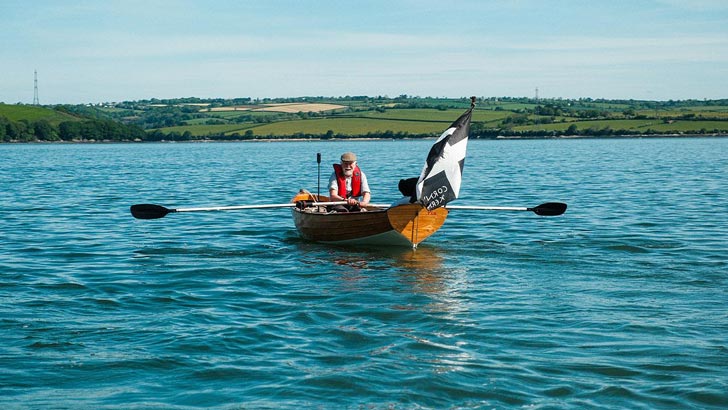
He completed his journey, one that was no easy feat for the near-90-year-old, raising a total of £64,030 from nearly 500 supporters, according to his Crowdfunder page.
Although he didn't reach his total funding goal, Hanbury-Tenison did achieve a milestone of £50,000, which the charity called “a game changer.” Plus, Henbury-Tenison was personally proud of the achievement, especially after a life full of adventures.
In 1958, he rose to acclaim when he became the first person to cross South America from east to west, later crossing the continent from north to south less than a decade later.
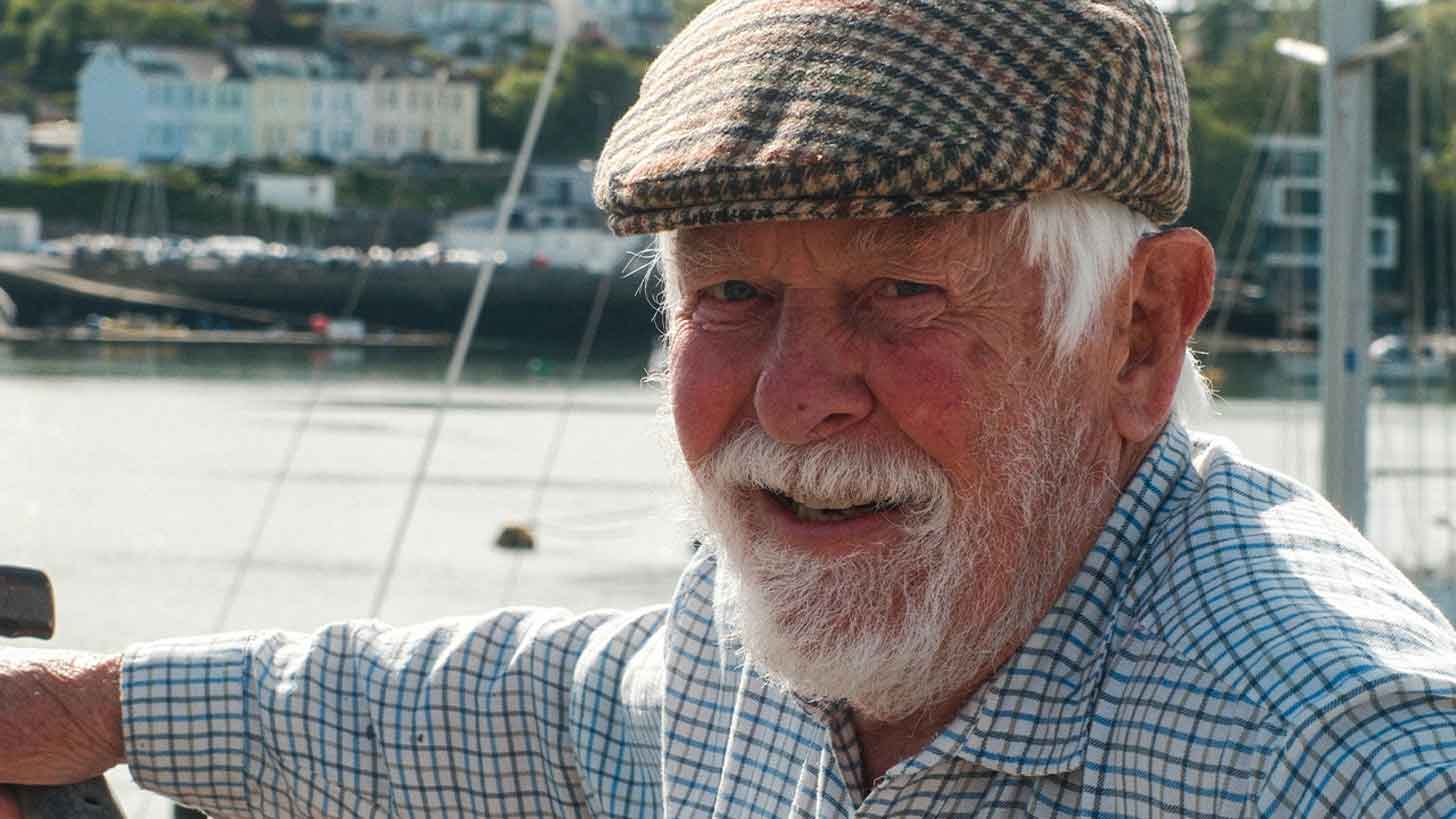
His adventures have taken him across the world and have led to countless contributions to sustainability and biodiversity research, including the Royal Geographical Society’s largest scientific expedition to date, 15 months in Borneo, studying habitats and ecosystems.
“My legs have pretty well given out now, so no more running or climbing mountains, but the arms are still pretty strong,” Hanbury-Tenison said after his rowing expedition in May.
“Thanks to training, I was pleased just to get out and do alright. I hope I’ll raise quite a lot of money for a cause close to a lot of people’s hearts.”

The cause closest to his heart these days is the preservation of Atlantic temperate rainforest, a 5,000-year-old habitat that is under more threat than tropical rainforests, according to The Guardian.
In 1960, Hanbury-Tenison purchased a fragment of this rainforest habitat on the edge of Bodmin Moor, where he has raised his family to care deeply about the natural world and reflect on the habitat that used to surround the United Kingdom a couple millennia ago.
In fact, this piece of property is what inspired the creation of the Thousand Year Trust. The nonprofit Hanbury-Tenison is supporting was created by his son, Merlin, after he transformed the family estate into a healing destination, where over 3,000 people have come to spend time in the woods over the years.
Now, the family is working to rewild their land, bringing back grazing cattle, horses, and pigs, only after planting 100,000 more trees in the surrounding areas.

“Up to 20% of the British Isles was once shrouded in temperate rainforest. This is the most vibrant, nourishing and folkloric habitat that we have ever known,” the Thousand Year Trust website reads.
“Over the last few thousand years, we have slowly and steadily deforested this ecosystem until now less than 1% remains. The time to reverse that destruction is now.”
The goal of the organization is to research, rewild, and reinvigorate the land, recreating the ancient forests in a future-focused way, “a legacy that will live beyond us all,” the website adds.
“This forest is a 4,000-year-old living entity,” Merlin Hanbury-Tenison told The Guardian.
“Our purpose is to make sure that with each human generation it is slightly bigger, more biodiverse and more harmonious.”
The money funded through Hanbury-Tenison’s row will go toward creating the U.K.’s first Rainforest Research Station and Community Hub. The state-of-the-art facility would serve as an on-location research base and gathering location for scientists, volunteers, and communities alike.

“There are hundreds of research stations dedicated to studying tropical rainforests worldwide, yet not a single one exists for Europe’s temperate rainforests,” Hanbury-Tenison’s Crowdfunder page reads.
“There is almost no dedicated research into their role in storing carbon, supporting biodiversity, or enhancing human well-being.”
Supporting these efforts is also the University of Plymouth, an institution that awarded Hanbury-Tenison with an honorary doctorate in 2012. For the charity row, the university’s staff and students were especially helpful.
Working closely with the Plymouth Exploration and Discovery Research Unit, experts monitored Hanbury-Tenison’s physical health and psychological wellbeing leading up to, during, and after the row.
Medical cover and logistics support was also provided by the university, and even a creative writing student was part of the process, documenting Hanbury-Tenison’s journey as part of her final academic portfolio.
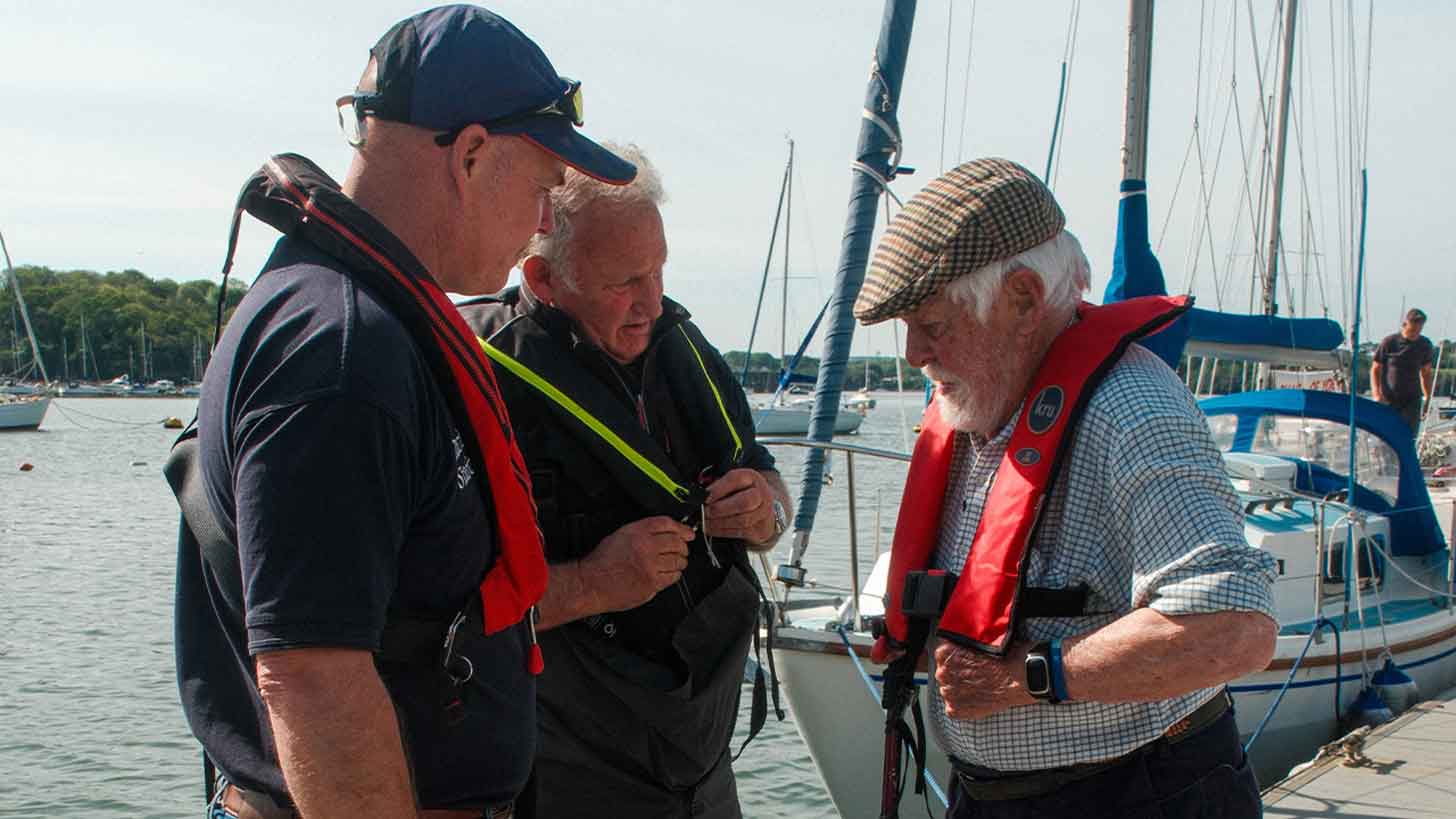
“It’s been great working with Robin and especially brilliant to bring students on board his preparation journey,” Dr. Jon Rhodes, a psychology lecturer at the University of Plymouth, said in a statement.
“It truly captures all fields, highlighting the importance of interdisciplinary work to achieve a goal. We were so pleased to be able to support him and take inspiration from everything he’s done.”
Although Hanbury-Tenison’s adventures may slow down, he doesn’t show signs of quitting.
“A lot of people my age stop trying, but if there is a bit of you that still works,” he offers Psychology Today, “Don’t give up.”
You may also like: Study finds seniors who embrace this activity feel 'just as happy' as they did in their 20s, 30s
Header image by Philip Habib/University of Plymouth
On June 17, Sweden celebrated a historic milestone.
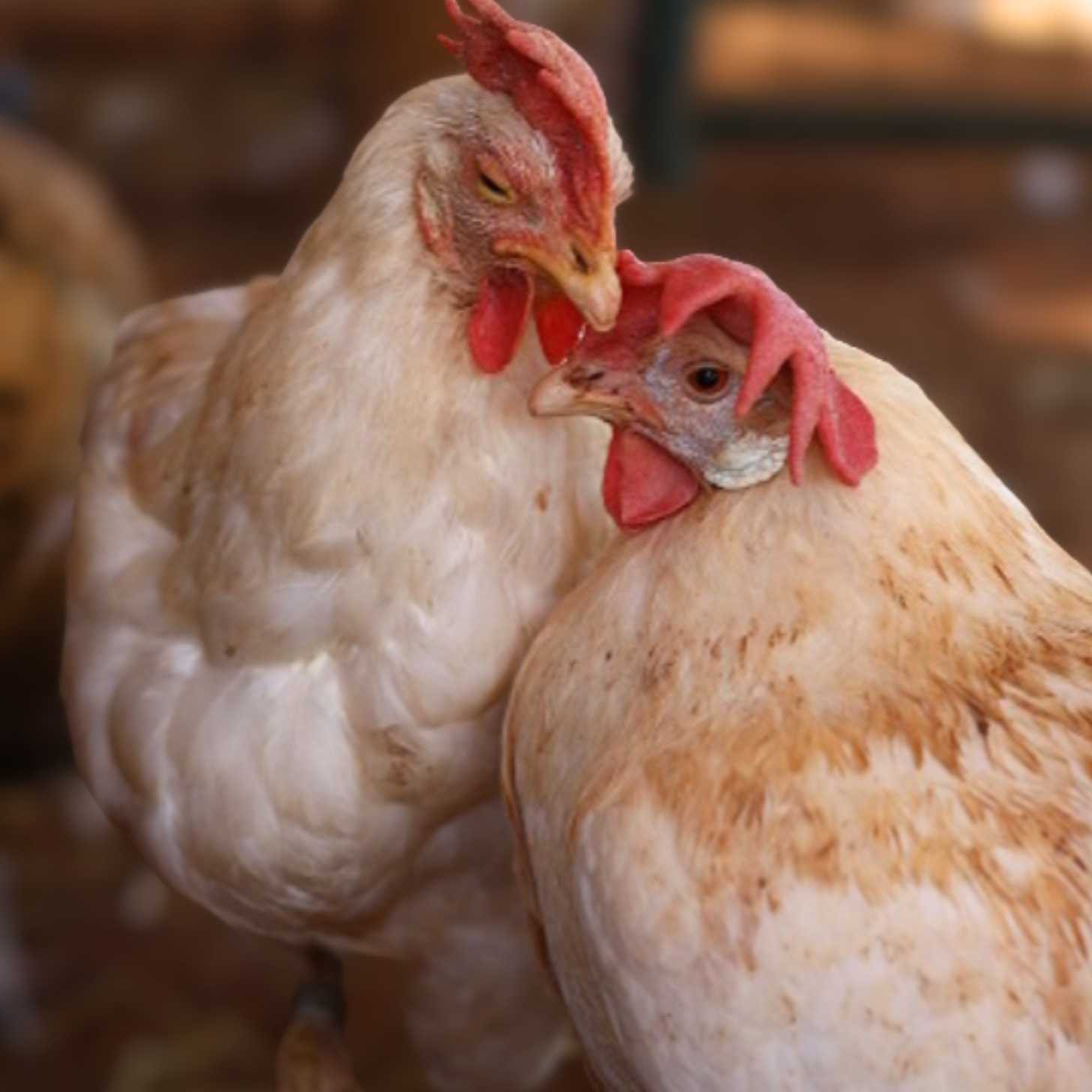
“After decades of determined work, there are no longer any hens kept in cages in Sweden,” Project 1882, a global animal justice league, said in a press statement. “Sweden is also the only country in the world that has become cage-free without a legal ban.”
That’s not to say that Sweden doesn’t have humane farming legislation. Compared to European Union law, Sweden does have stricter legislation when it comes to how many chickens farmers can raise per plot of land.
Specifically, EU law mandates that farmers can have 42kg/m2 (roughly 46 chickens per 10 square feet) the Swedish law says they can only have 36kg/m2 (39 of chickens per 10 square feet).
Chickens are also protected under Sweden’s Animal Welfare Act, which specifies that animals used for farming “shall be housed and provided with food, water and care…appropriate to their physiological and ethological needs.”
But when it comes to cage-free practices, Benny Andersson — the CEO of Project 1882 — said that this latest milestone is a victory that comes at the heels of grassroots activism and public pressure from consumers, not government legislation.
“Since the 1980s, more than 85 companies, from retail to foodservice, have taken a stand against cage eggs following our discussions,” Andersson told Food Ingredients First.
“These corporate commitments have played a crucial role in eliminating cages from Swedish egg production. This progress is also possible for other regions, even though we would have preferred a legal ban already in the 80s.”
Andersson added that Sweden’s shift sets a “a powerful example for the rest of Europe.”
“It demonstrates that NGO animal welfare advocacy drives real change,” Andersson emphasized. “It also proves that retailers, restaurants, and food companies can make a difference for the animals, even when politics fails.”
For Andersson, and Project 1882 at large, this milestone is just the beginning.
“F&B companies have a big responsibility toward the animals that are kept on factory farms. Cage-free commitments are one step in the right direction, but more is needed,” Andersson said.
“Project 1882 is now focusing heavily on ‘Frankenchickens,’ urging companies to adopt the European Chicken Commitment as a new minimum standard.”
The European Chicken Commitment, which began as the UK Better Chicken Commitment, is a six-point welfare policy that urges global food companies — such as KFC, Nando’s, and Burger King — to commit to better standards of chicken care in regards to housing, stocking density, slaughter, and methods of breeding.
That includes breeding restrictions that curb the aforementioned “Frankenchicken” crisis.
“Frankenchickens” are chickens that are genetically-engineered to grow beyond their natural weight, to the point of intentional malformation.
According to Kate Parkes, a poultry expert at the RSPCA — the largest animal welfare charity in the U.K. — the standard organic chicken grows to its desired weight in 81 days. But fast-growing “Frankenchickens” reach their weight for slaughter in just 35.
“They generally spend most of their time either sitting or eating,” Parkes told the BBC. “It's not much of a life.”
As Project 1882 pushes forward to secure better welfare for chickens across Europe, farmers and business owners throughout Sweden are taking a moment to rest on the laurels of their latest milestone.
In fact, for Björn Olsson, who operates the family-owned farm Viking Fågel, cage-free farming practices don’t just entail extending coops outward — it means extending them upward as well.
“Consider how you feel when the ceiling is just above your head, and when it’s 10m high,” Olsson posed to Swedisness. “Which makes you feel better?”
Header image via Washington State Department of Agriculture (CC BY-SA 3.0 US)
Science proves that regular cervical cancer screenings lead to early detection and have reduced rates of cervical cancer over the past 50 years.
But the percentage of women overdue for their screenings has increased over the past five years, with one in four women in the United States behind on their cervical cancer screenings.
This is partially the result of a lack of accessible health care or public health knowledge, but another factor is the discomfort that comes with these screenings.
Right now, the standard way to be screened for cervical cancer is through a Pap smear, which uses a tool called a speculum to widen the cervix and swab the patient to collect a sample of cells. It is widely known to be vulnerable and uncomfortable, but for some, it can cause pain and even trauma, especially for patients who have histories of sexual abuse.
A new at-home, self-testing option — the Teal Wand — has recently been approved by the FDA to make the screenings more comfortable and accessible. But Canadian researchers CT Murphy and Ibukun Elebute believe that science can still be doing more to make women more comfortable, and therefore, more likely to catch cancer before it spreads.
The pair is behind CELLECT Laboratories, a startup exploring the feasibility of placing nanomaterials in menstrual pads to detect human papillomavirus (HPV), a leading cause of cervical cancer.

“Our goal is to make health care more inclusive and less intimidating,” Murphy told the University of Waterloo in a statement. “By integrating screening into a product that people are already familiar with, we’re removing a barrier to care, making it simpler and more accessible.”
Although Murphy acknowledges that her work is built on the backs of other startups that have worked to make screenings more accessible, she still sees room for improvement.
“The swab simply does not alleviate the correct pain points,” Murphy told CTVNews, adding that at-home kits still may trigger the same discomfort and pain as Pap smears, especially for survivors of sexual abuse, or individuals experiencing gender dysphoria.
“Women are desperate for proper health care that is made for them, by them and that they can trust … this technology is not only wanted, but desperately needed.”

Murphy was inspired to begin her journey after her first experience with a Pap smear as a student studying nanotechnology at the University of Waterloo.
“They are one of the most uncomfortable and archaic experiences I’ve ever had in the medical industry,” Murphy told CTVNews. “I was really taken aback with how little pain management there was.”
Down the line, she partnered with Elebute, a fellow alum who studied biomedical and mechanical engineering. Together, they founded CELLECT Laboratories and have won over $150,000 to fund their research into nanomaterials.
While the CELLECT pads are still in development, the science behind the idea is to use menstrual blood as a tool to study important health indicators.
Murphy developed a nanomaterial that can be inserted into tampons or pads, which passively captures and preserves DNA and cells of interest from menstrual blood. From there, it can be tested for HPV, cervical cancer, and other DNA-based diseases, including sexually transmitted infections.
“We see different fluids used [in health care]: blood, urine, stool; and you begin to wonder why the one thing that we’re able to collect pretty much every month is not being used,” Elebute told CTVNews.
“It’s almost like a gold mine that we need to use to catch up on all the years we’ve fallen behind in women’s health.”
For women who do not menstruate, CELLECT shares on its website that they are actively exploring the use of other vaginal fluids as an alternative sample.
“Our proprietary technology is designed to work with very small fluid volumes — as little as 15 mm³ — allowing us to achieve the same diagnostic goals,” the website reads. “This ensures that our solution remains inclusive and adaptable, providing a non-invasive, accurate method for women across different health stages.”
Abnormal test results still may require more invasive screenings like a colonoscopy or biopsy, but removing the barrier to entry is key in getting people the care they need, CELLECT argues.
“[Women’s] lives are at stake because of certain social stigmas surrounding one of the main diagnostic techniques for cervical cancer,” Murphy added.
“I think innovating in a way that makes [screening] more inviting and easier to use will mean a genuine improvement in not only quality of life, but the chances of survival for tons of women who are affected by HPV and cervical cancer every single day.”
Right now, CELLECT has an open waitlist for healthcare providers, research trials, and those interested in the technology for personal use. It is unclear if and when it may be widely available to the public, but Murphy and Elebute are determined to make it so.
“Innovation is messy and never straightforward,” Murphy told the University of Waterloo. “We had to rethink and re-engineer multiple times, but each iteration brought us closer to a practical, effective, and scalable solution.”
You may also like: Scared about heavy metals in tampons? Here are 4 alternatives for your next period
Header image courtesy of Polina Zimmerman/Pexels
Most dog lovers don’t need a formal research paper to tell them that snuggling up with a pup is good for their mental health.
But researchers at the University of British Columbia wondered: Does watching videos of dogs have a similar comforting effect?
To test their hypothesis, researchers recruited more than 900 student participants and 120 community members, who were asked to watch a five-minute pre-recorded video featuring a therapy dog and their handler.
The videos were designed to mimic an in-person therapy dog experience, including guided reflections, visual engagements with the dog, and calming narration from the handler.
All participants completed a short survey before and after watching the video and rated their stress using a visual analog scale, from one (“not stressed at all”) to five (“very stressed.”)

In the end, they found that stress decreased significantly for both student and community member groups after watching the video. For students, average stress scores went from 3.33 to 2.53, and the general public’s scores fell from 3.07 to 2.43.
According to the study, women experienced greater stress reduction than men, though both benefited.
“Our findings demonstrate that even with a virtual session, there was a significant reduction in stress among both the student population and the general public, regardless of age,” Dr. John-Tyler Binfet, Director of UBCO’s Building Academic Retention through K9s (B.A.R.K.) program.
“This suggests that virtual canine comfort modules are an effective, low-cost and accessible resource for those seeking mental health supports.”
The inspiration for this study came from the need to increase accessibility to therapy dogs. Most therapy dog programs are located in urban centers and are often very popular, but during COVID-19 lockdown, restrictions on in-person interactions left a gap in services and wellbeing support.
During this time, the university’s B.A.R.K. program created “virtual canine comfort modules,” which included similar pre-recorded videos of therapy dogs and volunteers. This study, researchers said, gave them the opportunity to replicate the service and study its implications.
The study, which was completely free, easy to access online, and required no appointment or other human interaction, suggests that even very short, low-cost virtual interventions like this can have a positive impact on stress.
“The results suggest that virtual therapy dog interventions can also benefit the broader public, particularly those who face barriers to accessing in-person mental health support, such as access outside of normal operating hours or from a remote location,” a statement from the University of British Columbia said.
“This format may also be ideal for individuals who are hesitant to seek formal mental health support.”

There were some limitations to the study, including no control group that compared the dog videos to other types of calming content. The researchers also only measured immediate stress reduction, so it is unclear whether these benefits can last long-term.
Still, the researchers say, the study opens the door to further research, comparing how virtual therapy dog interventions can best be applied to different audiences and demographics, as well as how to best structure such offerings.
“Regardless, this does reinforce our theory that canine-assisted interventions, whether in person or via teleconferencing, can be beneficial and can help people reduce their stress,” they conclude.
Header image courtesy of the University of British Columbia
Every day the Good Good Good team collects the best good news in the world and shares it with our community. Here are the highlights for this week!
If you want to get good news in your inbox every day, join the Goodnewsletter — the free daily newsletter designed to leave you feeling hopeful.
The Best Positive News We’re Celebrating This Week —
Texas saw a new record number of endangered sea turtle nests on its coastline
As of mid-June, biologists in Texas have documented 383 Kemp’s ridley turtle nests — breaking the previous record of 353 set in 2017. Last year, there were only 340. Nesting season is still underway, so that number could end up being even higher.
Most of the world’s Kemp’s ridley turtles nest on a beach in Mexico, but Texas has become an important nesting ground thanks to joint conservation efforts.
Decades of collaboration, patience, and the involvement of “thousands of people” volunteering to help have helped raise the number of nests.
Why is this good news? The Kemp’s ridley is the smallest and most endangered sea turtle on the planet. The commitment of both Texas and Mexico, along with local coastal communities, to aid their recovery demonstrates the importance of dedicated conservation efforts.
Jamaica’s ‘crocodile guardian’ has spent four decades fighting to save the island’s last remaining crocs
Jamaica’s American crocodile population long dominated mangroves and coastal lagoons on the island. More recently, its numbers have ben decimated due to illegal hunting, habitat loss, plastic pollution, and killings based on lingering fears among locals.
Known as the “Crocodile Guardian” on the island, Lawrence Henriques is on a mission to change that and has been working to save the feared predator for four decades.
He runs the Holland Bay Crocodile Sanctuary, a grassroots conservation project located on the edge of what he says is one of Jamaica’s last viable crocodile habitats.
After USAID cuts hit Jane Goodall’s reforestation initiative, an internet search engine stepped in to fill the gap
In 2019, the Jane Goodall Institute received funding support from USAID to create its Landscape Conservation in Western Tanzania initiative, a five-year, $29.5 million program that would help mitigate threats to chimpanzees and their ecosystems and uplift surrounding communities.
The program officially launched in 2023, but under the Trump administration’s budget cuts, lost its funding, threatening the future of the entire initiative, but one particularly crucial reforestation effort in Tanzania’s Gombe Masito Ugalla biosphere reserve.
So, Ecosia — the search engine that donates 100% of its profits to climate action and has planted over 200 million trees across the globe — stepped in, providing $100,000 in support over the next three years to help save the Gombe reforestation project.
Why is this good news? Preserving critical ecosystems around the world impacts all of us — whether we’re nearby or far away. While short of the full funding amont, Ecosia’s support will plant 360,000 seedlings, protect 20 existing nurseries, and preserve local jobs overseeing the care of these trees.
Providing a safe place to play, a summer camp in Ohio hosted wounded children from Gaza
Three dozen wounded Palestinian children and their families got a break from the war raging in Gaza at a summer camp in Ohio’s Mohican State Park.
They were hosted by HEAL Palestine, which helps the youngest victims of the war in Gaza, running field hospitals and food kitchens, and providing educational programs.
After realizing they were confronting “the largest population of child amputees in modern history,” the nonprofit organized the summer camp for the dozens of children they’ve brought to the U.S. to receive specialized care.
Why is this good news? All children deserve to laugh, play, and grow in safety, peace, and stability. At the camp, the children could experience all of those things alongside others like them, in a space designed for them.
Elementary schoolers invent remote-control ‘orca’ robot to clean up beach trash
Charitable giving grew to nearly $600 billion in 2024
An annual report found that U.S. charitable giving increased 3.3% to US$593 billion in 2024, the second-highest level on record after adjusting for inflation.
Giving grew at the fastest pace since 2021, when the COVID-19 pandemic led many Americans to make larger-than-usual donations. It was also the first time since then that growth in giving outpaced inflation.
The report found that a strong economy, which grew 2.8% in 2024, bolstered individual and corporate giving and allowed foundations to maintain historically high levels of giving. Additionally, stock markets performed well that year, personal income rose, and inflation eased.
An Interior Department policy asked national park visitors to report ‘negative’ content — they’re complimenting rangers instead
Even after funding and staffing cuts, the national parks were hit with a new Interior Department policy: posted signs asked visitors to report not just maintenance needs or service improvements, but “negative” history.
Fortunately, the new signs had the opposite effect. A review of hundreds of comments submitted found that the vast majority of visitors used the feedback forms to praise park programs, rangers, tour guides, and more.
“The park rangers and volunteers at Catoctin are fantastic and go above and beyond to tell the full American story,” one visitor commented from the Catoctin Mountain Park in Maryland.
Why is this good news? National parks and monuments are beautiful, no doubt — and they tell the whole truth about the country’s history. National parks and monuments help us remember even the dark parts of U.S. history, like the Underground Railroad and slavery, and the imprisonment of Japanese Americans during World War II.
→ Read more
‘America In One Room’: Study put 200 voters together for days — they changed each other’s minds on hot-button issues
Over 5,000 people expressed interest in running for office following the New York City mayoral primary
Now officially the nominee for the Democratic Party in November’s general election for mayor of New York City, Zohran Mamdani’s win in the primary election last month saw a range of reactions.
But there’s one that goes beyond any one city or election. A week after the primary election, Run For Something shared that it had seen a total of 5,000 new prospective candidates — its “biggest candidate recruitment surge ever.”
While Run For Something does specifically promote progressive values, reduced civic engagement and participation impacts all Americans. The organization also specifically works with Gen-Z and millennial candidates, potentially pointing to a renewed sense of hope and faith in the electoral process among young Americans.
More good news of the week —
Horses on a Kentucky farm are helping men live sober, train for jobs, and reunite with their families. After struggling with addiction himself, Frank Taylor’s idea for the Stable Recovery program was born out of a need for help on his family’s 1,100-acre farm that has foaled and raised some of racing’s biggest stars in the heart of Kentucky horse country.
Scientists discovered a new butterfly species that’s been “shaped by 40,000 years of evolutionary solitude.” The important discovery was given the common name of “curiously isolated hairstreak,” and there was “no evidence of contemporary or recent gene flow” between another hairstreak species, indicating that it had evolved in isolation.
In a groundbreaking partnership, Florida’s Miccosukee Tribe is working to protect environmentally significant lands for wildlife. The tribe says it has a “moral obligation” to protect the same lands that provided refuge for them almost two centuries ago during the Seminole wars, when the federal government tried to banish them to Indian lands in what would become Oklahoma.
After more than 500 years of absence, the beaver is back in Portugal. This significant step in river rewilding in the country, the beaver’s return follows around two decades of the species recovering in neighboring Spain.
In a major win for global bird conservation, three chicks from one of the rarest bird species in the world hatched in Brazil. Experts at Ohio’s Toledo Zoo played an integral role in planning protection and recovery efforts of the blue-eyed ground dove after a recent count showed that only 11 adults remained in the wild.
Endangered fish saved from the Palisades fire were returned to their Malibu home. With the impacts of the fires threatening to kill off the fish, scientists and citizen volunteers rescued 760 northern tidewater gobies from Topanga Lagoon, an unassuming biodiversity hotspot located off the Pacific Coast Highway that drains into the Santa Monica Bay.
The Supreme Court upheld a program that provides subsidized internet and phone service to rural communities across the United States. The program operates through the Federal Communications Commission, which Congress established 90 years ago to regulate and ensure reliable and affordable telecommunications services nationwide.
A movement of Black dads is helping support and shape the conversation around autism diagnoses. Their hope is not only to be considered more than sidekicks to mothers of the children, but also to help other Black dads accept autism diagnoses and not prolong getting kids the help that they need.
After decades of pollution, a California community secured a $550 million settlement from Chevron. The Chevron refinery in Richmond, California, produces over 200,000 barrels of oil a day and in the process, it contributes to air pollution in nearby areas, where many residents have asthma.
A UN expert called for the criminalization of climate disinformation and a ban on fossil fuel lobbying. The special rapporteur said that the U.S., U.K., Canada, Australia, and other wealthy fossil fuel nations are legally obliged under international law to fully phase out oil, gas, and coal by 2030 — and compensate communities for harms caused.
A university student in Utah created “Sea Brooms” to prevent waste and fight plastic pollution. Initially just a class project, “Sea Broom” has now turned into a community project, with 21-year-old Luz Garcia selling the brooms at farmers’ markets and doing workshops to show the importance of recycling.
Norway offered residents a $1,000 lottery for recycling, and now 97% of all plastic bottles are returned. People also have the option to choose between a guaranteed refund or the chance to win anywhere from 5 to 100,000 euros, and now, similar programs are being tested in Canada.
A California-based startup developed a plant that continuously upcycles hard-to-recycle plastic waste. The plant is capable of cranking out up to 70 metric tons of thermoplastic polyurethane (TPU) per year that can be used in everything from sneakers to car seats.
Researchers in Japan developed a plastic that dissolves in seawater within hours. A potential solution for ocean pollution and harming wildlife, researchers say their new material breaks down much more quickly than other “biodegradable” plastics and leaves no residual trace.
The U.S. Supreme Court ruled to save free access to HIV prevention medication, cancer screenings, and vaccines. The court upheld a key provision of the Affordable Care Act, ruling that health insurance companies must continue covering preventive services recommended by a federal task force.
The largest group of flamingos seen in the state in over a decade was spotted in the Florida Everglades. The group of 115 flamingos was the latest indication of the iconic bird’s renewed interest in the Sunshine State, where the native population was obliterated more than a century ago. (Paywall)
A new study proves the “deterrence logic” behind criminalizing homelessness doesn’t reduce homelessness. The analysis found that policies like encampment bans did not reduce homelessness in any of the cities studied as a result of such ordinances.
People incarcerated at a Florida county jail are growing mangrove seedlings to protect the state's coastlines. The initiative in Volusia County is part of a broader inmate rehabilitation effort that includes growing fresh foods using hydroponic towers, with future donations of produce going to local homeless shelters and community programs.
Texas became the first Republican-led state to pass a ‘right to repair’ law. Giving Texans access to parts, tools, and repair documentation for digital devices like phones, laptops, and tablets, the law was signed by the governor after it passed unanimously in both the state Senate and House.
Flint, Michigan has replaced most of the city’s lead pipes more than 10 years after contaminated water was found in the city’s water system. The water crisis, which exposed an estimated 100,000 residents to lead, led to national outrage, and state officials said they had now replaced 11,000 lead pipes in the city and restored more than 28,000 affected properties.
An endangered bird that’s native to South Carolina returned to the state for the first time since the 1970s. Endangered mostly due to loss of habitat, the red-cockaded woodpecker population was plummeting for years, but recent recovery efforts, including land protection and habitat management, have proven successful.
Hundreds of residents in east Denver voted to spend “The People’s Budget” to add sun shade to a local park. Denver’s participatory budgeting program — known semi-officially as “The People’s Budget” — asks residents what improvements they want to see in their neighborhood and citywide, giving them a direct vote on what gets funded.
A new study from researchers at the Royal Melbourne Institute of Technology found that saving kelp forests is not only good for the oceans — it’s good for the economy as well.
In the study, which was published in Ecosystem Services, the team addressed the declining population of kelp forests, which are dense, biodiversity-boosting groupings of algae that grow in shallow coastlines around the world.
Although pollution and climate change have a hand in kelp forest destruction, lead author and RMIT senior lecturer Paul Carnell focused his attention on one kelp-munching culprit in particular: Sea urchins.
“Managing the bay’s sea urchin population is a practical step we can take to ensure the health of Port Phillip Bay, which is crucial to local ecosystems, tourism, and food security,” Carnell said in an interview with RMIT.
The research team gathered their data through exploratory dives in Port Phillip Bay, a horsehead-shaped body of water in southeastern Australia.
Their calculations were based on dive depth, travel time, local sea urchin density, and the potential nitrogen storage capacity of kelp.
In the economic impact report, Carnell and his colleagues estimated that a $50 million investment in targeted sea urchin culling and kelp restoration could lead to a cumulative return of $92 million.
“Now we have the figures to show this is also a smart economic investment,” Carnell said. “This approach can be targeted to specific areas of the bay, so we can get the greatest bang for our buck.”
Carnell said that the $50 million investment would create jobs in commercial diving sectors by paying crews to harvest sea urchins and cultivate emerging kelp forests.
The $92 million return-on-investment was attributed to boosts to recreational fishing in the region, as well as the economic benefits of planting carbon-storing kelp and removing nitrogen from the bay.
In the United States, marine biologists and researchers are also finding direct links between culling sea urchins and safeguarding kelp forests.
This April, researchers at Stanford University’s School of Humanities and Sciences published a study on the influence of predators in marine ecosystems. They found that fishing bans in protected areas could be the key to keeping kelp forests alive.
Joy Kumagai, a biology student who led the study, observed that spiny lobsters and California sheephead are tantamount to keeping sea urchins in check along the California coastline, a conservation effort which “indirectly promotes kelp growth.”
“In southern California, the two species that eat large adult urchins are fished,” Kumagai told Stanford.
Kumagai and her colleagues explained that prohibiting fishing from certain coastal areas can help kelp forests withstand extreme temperatures by preserving “trophic cascades,” or the indirect impacts of predators.
“This analysis provides robust evidence that protecting marine predators promotes the recovery of marine forests even in the face of prolonged marine heatwaves that have damaged ecosystems all along the California coast,” said co-senior author Fiorenza Micheli, the co-director of the Stanford Center for Ocean Solutions.
Similarly, a 2024 study published in PLOS Climate asserted that sea otters “can have an impact which cascades through the ecosystem” simply by snacking on sea urchins.
“Most notably, we found that kelp canopy declines along northern and southern mainland regions of [California] were offset by gains within the central coast, corresponding with the presence of sea otters,” observed lead researcher Kyle Van Houtan.
“Our results suggest that otters are critical to maintaining kelp forest health throughout their range, buffering long-term kelp loss where their population densities are highest in central California.”
This research was backed by an additional study, published in Nature in 2024, that found that otters slowed erosion of Central California’s creekbanks and marsh edges by 69%.
“It would cost tens of millions of dollars for humans to rebuild these creekbanks and restore these marshes,” co-author Brian Silliman, marine biologist at Duke University’s Nicholas School of the Environment, told the Center for Coastal Solutions.
“The sea otters are stabilizing them for free in exchange for an all-you-can-eat crab feast.”
You may also like: Ocean Cleanup in new TED Talk: 'We can clean up the Great Pacific Garbage Patch in 5 years' time'
Header image via David Ciani (CC BY-NC-SA 3.0 US)
Over the Independence Day weekend, catastrophic flooding hit six counties in central Texas, where, as of the most recent reports, at least 80 have been killed.
In Kerr County, home to Kerrville and the nearby Guadalupe River, officials have reported 75 deaths, according to CBS News. The Guadalupe River surged 20-26 feet, causing widespread damage, and taking the lives of 27 young campers and counselors over the holiday weekend.
West of Austin, Kerrville and surrounding areas, like Ingram, Texas, are still at risk of further flash flooding, as search and rescue efforts continue.

To help in recovery and relief efforts, firefighters and first responders from Mexico have arrived in Kerr County. More than 20 firefighters from Ciudad Acuña, Mexico and Fundación 911 arrived in the area Sunday morning and got right to work alongside the Mountain Home Fire Department.
Amid tense political discourse around immigration and the intensifying efforts to detain Mexican migrants by the Trump administration’s recently-bolstered Immigration and Customs Enforcement agency, members of the search and rescue team from Fundación 911 say they believe in “solidarity without borders.”
“In close collaboration with Mountain Home Fire Dept. our elements actively participate in search and rescue efforts, reaffirming their commitment to serve where it is needed most, regardless of borders or distances,” the organization shared on Facebook in a statement that was auto-translated by the social media site.
“Our duty is with life, hope, and solidarity.”
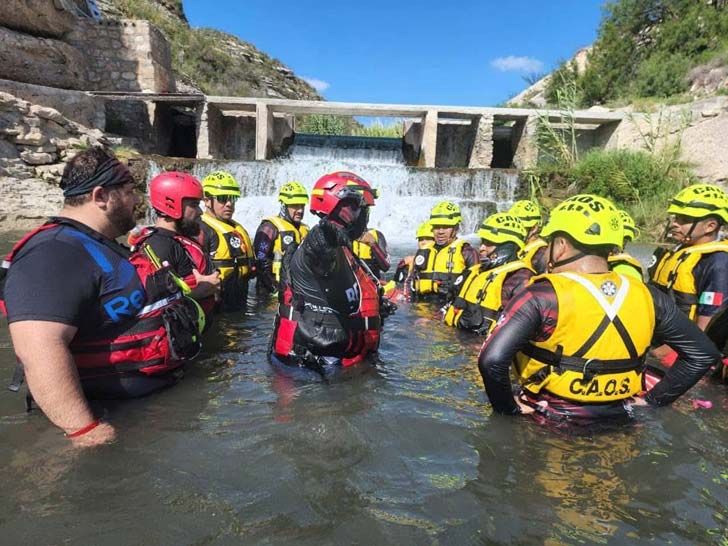
The volunteers from Mexico responded to the call for support from Texas nonprofit Equusearch, a search and recovery organization founded by a man named Tim Miller whose daughter was abducted and murdered in 1984. Since 2000, he has helped mobilize volunteers to thousands of cases in Texas and beyond, providing resolution and closure to families.
When the floods hit Texas, Miller’s organization reached out to their contacts in Mexico.
“Our foundation will be giving logistical support, coordination and communication during the work,” Fundación 911 shared in a statement on July 5. “May everyone return safely and we are waiting for you back.”
In addition to having extra boots on the ground, the first responders from Mexico are also providing drones and other technology to help locate Texans who are still missing.
On Sunday, Texas Gov. Greg Abbott said that there were still 41 people confirmed to be unaccounted for across the state, and more could be missing, according to WSAW News.
The organizations have shared updates and videos on their social media pages as the search and rescue efforts continue into a new week.
“Thank you for your readiness to serve, your strength in uncertainty, and your willingness to stand by families in their darkest hours,” Equusearch Texas shared in a social media post, thanking volunteers.
“We currently have boots on the ground conducting reconnaissance and developing a strategic search plan … This will be a continuous effort, and we anticipate an ongoing need for assistance in the coming days.”

The organization closed its statement with a prayer.
“May strength rise for those in sorrow, may peace find those who wait, and may we each be guided to where we are needed most.”
Header image courtesy of Civil Protection and Fire Department of Acuña, Coahuila/Facebook
Today, Maryland’s Chesapeake Bay is home to the highest concentration of bald eagles in the contiguous United States (but not the entirety of the U.S. — that honor belongs to Alaska, which hosts nearly half of the world’s 70,000 bald eagles).
According to regional experts, this momentous milestone has been a long time coming.
Back in 1985, bald eagle biologist Glenn Therres began counting nests for the Maryland Department of Natural Resources. From the window of a four-seater plane, Therres peered down at the Chesapeake Bay — the largest estuary in the country with a shoreline of 11,684 miles — and took stock of breeding pairs from 200 feet above.
“It took a strong stomach and inner ear because we were flying donuts around the nests,” Therres, now retired, told the Maryland DNR in early July.
“The biologists would rely on their eyesight to see the nests — binoculars in the small moving plane would only increase the chances of making yourself sick,” he noted. “Luckily, the nests were large, and the planes had high wings to increase visibility. The pilot was always someone skilled in flying low.”
If a bald eagle nest appeared active, Therres would return a few months later to count nestlings as they approached their juvenile height and weight.
“[They were] a little easier to see than when they’re a puffball the size of a grapefruit in a nest,” Therres reasoned.
Therres’ job began only seven years after bald eagles were listed as endangered under the Endangered Species Act. Their population had rapidly declined in the early 1970s due to illegal shootings, habitat loss, and widespread pesticide use.
In his first year on the job, Therres only spotted 62 breeding pairs. By 1990, he and his colleagues counted 123. By 2004, Therres and the larger DNR had found 390 breeding pairs of bald eagles in the state of Maryland.
“Every year we would find additional nests and map the new locations,” Therres said.
“In the early days, we flew three days, then another three [for the young eagles],” he said. “By the end, we were flying nine or 10 days each survey period just to cover all the nests.”
In 2004, the species had well surpassed its recovery goals in the Chesapeake Bay, and Therres ended the department’s survey. It was a sign of a larger conservation trend across the country, and on June 28, 2007, bald eagles were officially removed from the Endangered Species List.
Although Therres’ survey was discontinued, local conservation efforts rallied on. For the last two decades, the Maryland Bird Conservation Partnership (MBCP) has coordinated a nest monitoring program for bald eagles in the state.
Through the program, volunteers submit nest locations and act as on-site monitors, providing the department with critical data on the species’ local population increase.
“MBCP’s Bald Eagle Nest Monitoring Program is a great example of how anyone can help make sure eagles remain a common sight in Maryland,” said Gabriel Foley, executive director of the partnership.
“The data our nest monitors provide help us understand nest success, population trends, and any potential threats to eagles. This information helps ensure effective conservation efforts.”
Today, the MBCP estimates that there are over 1,400 breeding pairs in Maryland — meaning that the population size has grown by over 250% in the last two decades alone.
“To recover a species that is so widely distributed and that declined to such a serious level — that is something to celebrate,” said Gwen Brewer, a DNR science program manager.
Chicks born this past April during the latest “baby boom” are now juvenile fledglings — many of which are leaving, or have left, their nests to fly north for the summer.

This winter, when cold winds drive the northern populations back down to Maryland, the slightly warmer waters of the Chesapeake Bay will welcome them home.
Dave Brinker, a DNR conservation ecologist, hopes that broader conservation efforts can take a note or two from the statewide playbook used to save bald eagles.
“Bald eagles are a very good example of what happens when you find the solutions and take action, and now you can look at how they’ve come back,” Brinker told the DNR. “If we could do the same thing with something like climate change, we could start to see changes. But we’re in denial.”
He pauses, then offers a counter to his point: “We were in denial about eagles for a long time.”
And that pivot towards acceptance and change gives Brinker hope.
Header image via Murray Foubister / Wikimedia Commons (CC BY-SA 2.0)
As search and rescue efforts, aid distribution, and emergency resources sweep across central Texas in the aftermath of deadly floods over the July 4th weekend, even the youngest of residents are playing a part.
In the wake of the devastating loss of an estimated 27 campers and counselors at Camp Mystic, an all-girls summer camp on the banks of the Guadalupe River, young Texans are serving up support for the camp and the families most affected by the catastrophic floods.
How are they doing it? Lemonade stands.

In Harris County, Texas, a local law enforcement office shared a Facebook post about an “inspirational teen,” Brylee Livesay, whom Constable Terry Allbritton stumbled upon while on patrol in the teen’s neighborhood.
As the post describes, the 14-year-old opened a lemonade stand to support those most impacted by the floods at Camp Mystic.
“Brylee raised more than $600 — all of which is going directly to help flood victims,” the Harris County precinct wrote in the social media post. “Her compassion and drive set a powerful example for us all.”
Courtney Birdsong, a realtor in Lake Jackson, Texas, posted a photo of her kids, “the Birdsong babies,” at their own lemonade stand over the weekend.
“All proceeds and donations will go to the camps affected by the Guadalupe River flooding,” she wrote, adding that her son is a Camp La Junta attendee, a boys’ camp near Camp Mystic.
“We are just heartbroken over the devastation in Hunt, Texas,” she continued. “Please continue to pray for Camp Mystic and all the families affected.”

Following in the footsteps of the Birdsongs is the family of Omari Armstrong Woodard, whose sons also felt empowered to set up a lemonade stand, with a goal of raising $1,000.
“Our great state of Texas is hurting, and now is the time to step up for one another. The Woodard boys are doing their part to help families impacted by the recent flooding at Camp Mystic,” Woodard wrote in a Facebook post, crediting Birdsong for the idea.
Later in the day, she updated her post to reflect that the boys were just a couple hundred dollars shy of their goal.
“Let’s show what community, compassion, and Texas heart really mean,” she said.

Then there’s Shan, son of Anjali Patel, who whipped up a speedy lemonade stand with his mom for her birthday, which she said was “the perfect opportunity to teach my son about giving back.”
His lemonade stand raised funds for therapeutic services provided to Camp Mystic families affected by the flood. She also encouraged direct donations to a GoFundMe that would cover the therapy costs for survivors and families connected to Camp Mystic. So far, the fundraiser has already generated over $350,000 in donations.
“Every donation helps,” Anjali concluded in her post. “Thank you for your support.”

Perhaps the most notable of the lemonade stand efforts comes from Corrigan and Cannon Camp, 9-year-old twins in Fort Worth, Texas, who raised more than $5,000 for Camp Mystic in the weekend of the floods.
Corrigan attended Camp Mystic for two weeks in June, while Cannon attended Camp La Junta around the same time. When they heard about the floods, Cannon asked what the family could do to help and decided on a lemonade stand.
The twins stood outside for about six hours over the weekend, as generous neighbors — and cups of refreshing cheer — poured in quickly.
“I feel like a lot of people, like, care for Mystic and how damaged it is,” Corrigan told NBC News.
“It made me feel good because we’re donating money to the camp,” Cannon added.

Lisa Camp, the kids’ mother, told the Fort Worth Star-Telegram that she was in communication with camp leadership to figure out the best place to donate the money to have the greatest impact.
“The … community really showed up,” Lisa said. “It was just incredible. Everybody was so friendly and wanted to talk and to share how they were affected and just kind of grieve together, even though we’re strangers.”
Header images courtesy of Courtney Birdsong and Lisa Camp
On Tuesday, July 8, over 20 scientists from research institutions across the nation — whose grants have been canceled by the Trump administration — showed up to the Rayburn House Office Building on Capitol Hill with one mission in mind: Remind the public why funding scientific research matters.
The researchers gathered, alongside the House Committee on Science, Space, and Technology, to present posters in a good, old-fashioned science fair, titled “The Things We’ll Never Know: A Science Fair of Canceled Grants.”

“These individuals come from across the country and their work ranges across disciplines, from neuroscience to astrophysics,” U.S. Representative Zoe Lofgren, a Democrat from California, said in a statement.
“They represent discoveries that won’t be made, diseases that won’t be cured, disasters that won’t be easy to recover from, and more. These are the things we’ll never know. Our hope [is] that our message is clear: science must not be silenced, and when it is, everyone loses.”
More than $1.5 billion in federal grant money has been terminated by the Trump administration since April of this year, with cuts impacting the National Science Foundation and National Institutes of Health in particular.
But the researchers who presented on Capitol Hill came from agencies including the NSF and NIH, the Environmental Protection Agency, the Department of Homeland Security, USAID, and the Department of Defense.
One researcher, Michael Reichert, who traveled from Stillwater, Oklahoma, lost his 3-year, $2.7 million project funded by the NSF, which aimed to build STEM careers among college graduates. His grant was canceled weeks before the third and final cohort of nine students was due to arrive at work.
“Most people still don’t know about these cuts,” he told Science. “So, I thought it was important to come here and speak about the opportunities being lost.”
About two dozen other researchers presented their work, much of which was halted months, or even years, into their efforts.

There’s Peter Goldsmith, whose research on soybean innovation, funded by USAID, was designed to advance agricultural development in Africa.
Sumit Chanda, a professor of immunology and microbiology at Scripps Research, lost his NIH grant studying pandemic response, citing an email he received saying, “now that the pandemic is over, these funds are no longer needed,” he told NPR.
His work was designed to develop broad-spectrum antiviral drugs targeting pathogens that could cause future pandemics and have them globally available the moment a dangerous outbreak is detected, NPR reported.
Kimiko Kreiger, an assistant professor of biochemistry and molecular biology at the Bloomberg School for Public Health at Johns Hopkins University, was studying prostate tumors in African American men, who are twice as likely to be diagnosed with the disease compared to other demographics.
BREAKING: Scientists are staging a “science fair” in the lobby of a Congressional building to tell elected officials about the critical knowledge the US will lose because their research grants have been canceled.
— Dr. Lucky Tran (@luckytran.com) July 8, 2025 at 9:31 AM
[image or embed]
Julie Cidell, a professor and department head of the University of Illinois Department of Geography and Geographic Information Science, also lost funding for her research into sustainable urban development as it relates to electric vehicles.
These are only a handful of examples of the research lost to these funding cuts, with others including hyperlocal weather forecasting, treating childhood deafness, curriculum development for quantum physics, and more.
Democratic members of Congress, along with other advocates and researchers, delivered remarks and offered a Q&A at the event.

“Research fuels innovation, saves lives, and deepens our understanding of the world,” Rep. April McClain Delaney, a Democratic House Representative from Maryland, shared on social media site X.
“We must protect scientific minds — not target them under the guise of ‘efficiency,’” she added. “A strong research community is vital to our nation’s future and global leadership … I stand with these scientists and will continue to fight for our nation’s institutions.”
The event was open to members of the public, with a handful of activist organizations joining in. Moms Clean Air Force, an affiliate of the Environmental Defense Fund fighting for clean air for their children, shared on X that they attended the event “to learn from scientists about what we stand to lose when science is cast aside.”

Adam Riess, who won the Nobel Prize in physics in 2011, was also in attendance and expressed his frustration to NPR.
“These discoveries may not just save our own lives, but the lives of people we love,” he said. “Nearly every innovation that defines our era, every breakthrough from my field and from those of my colleagues, traces back to basic science research.”
Although Democrats remain stuck in a Republican-controlled Congress and likely will not be able to politically reverse the Trump administration’s funding cuts to research grants any time soon, they say they haven’t given up on “the things we’ll never know.”

“Thank you to all the scientists who came out to show their critical research,” Rep. Suhas Subramanyam, a Democratic Congressional Representative from Virginia, shared on Bluesky.
“I’ll continue to fight for science in Congress.”
Header images courtesy of Moms Clean Air Force and University of Illinois Government Relations Team/X
At age 15, Cedar Connell was diagnosed with B-cell acute lymphoblastic leukemia, an aggressive type of blood and bone marrow cancer.
Suddenly, the Boston teenager’s very active life screeched to a halt.
“When I received the prognosis, everything in my life stopped: school, tennis training, travel, and socialization,” Connell, now 18, wrote on his blog. “Fighting cancer became my only job.”
But Connell was not one for sitting still. Even from the hospital, he always found ways to keep moving.
“The week after I was admitted to the hospital on March 9, 2022, I asked the nurses if I could have a stationary bike in my room so I could exercise,” Connell said.
At first, Connell could only manage to do two minutes at a time on the stationary bike. Eventually, the two minutes stretched to 30, as the hospital staff cheered him on.
“Just as the doctors were doing their jobs to cure my cancerous cells, I would do my job in mitigating muscle atrophy by keeping myself active,” he recalled.
Connell’s approach to his cancer treatment later inspired “3 for 31:” a fundraiser that challenges participants to exercise three miles a day for 31 days to raise awareness for blood cancer patients and research.
“This can be done in any form of exercise you prefer, whether that is running, walking, biking, paddle-boarding, rowing, climbing, and anything else,” Connell encouraged. “Just get moving!”

The challenge was one small part of ConneLLS for a CURE: a fundraising team for The Leukemia & Lymphoma Society's 2025 National Student Visionaries of the Year.
For more than 75 years, theLLS has been working to cure blood cancers and improve the quality of hospital treatments for cancer patients, including Connell himself.
ConneLLS for a CURE, which he launched with his sister Posey, was just one of over 2,000 student groups across the country that set out to raise money for cancer awareness and research.
The Connells set their fundraising goal at $35,000.
And in just seven weeks, they raised $620,438. They were named the LLS Student Visionaries of the Year.
“The incredible young philanthropists involved in Student Visionaries of the Year have a vision for a better future and are truly helping cancer patients live longer, better lives,” Coker Powell, LLS's chief revenue officer, said in a press release honoring the Connell siblings.

“We wanted to give back to the organization that made my brother's recovery possible,” Posey said.
Today, Cedar is in remission, and his treatment is scheduled to end this month.
“My chemotherapy came with so many terrible side effects, and we hope our fundraising efforts will lead to safer and more effective treatments for future patients,” Cedar said when he accepted the award alongside his sister. “I'm so humbled to pay it forward.”
You may also like: A cancer survivor hated wearing underwear during treatment — so he invented the pair he wishes he had
Header image via The Leukemia & Lymphoma Society