Thanks to a new discovery by researchers at the Massachusetts Institute of Technology, painful injections and intravenous drugs could potentially be a thing of the past.
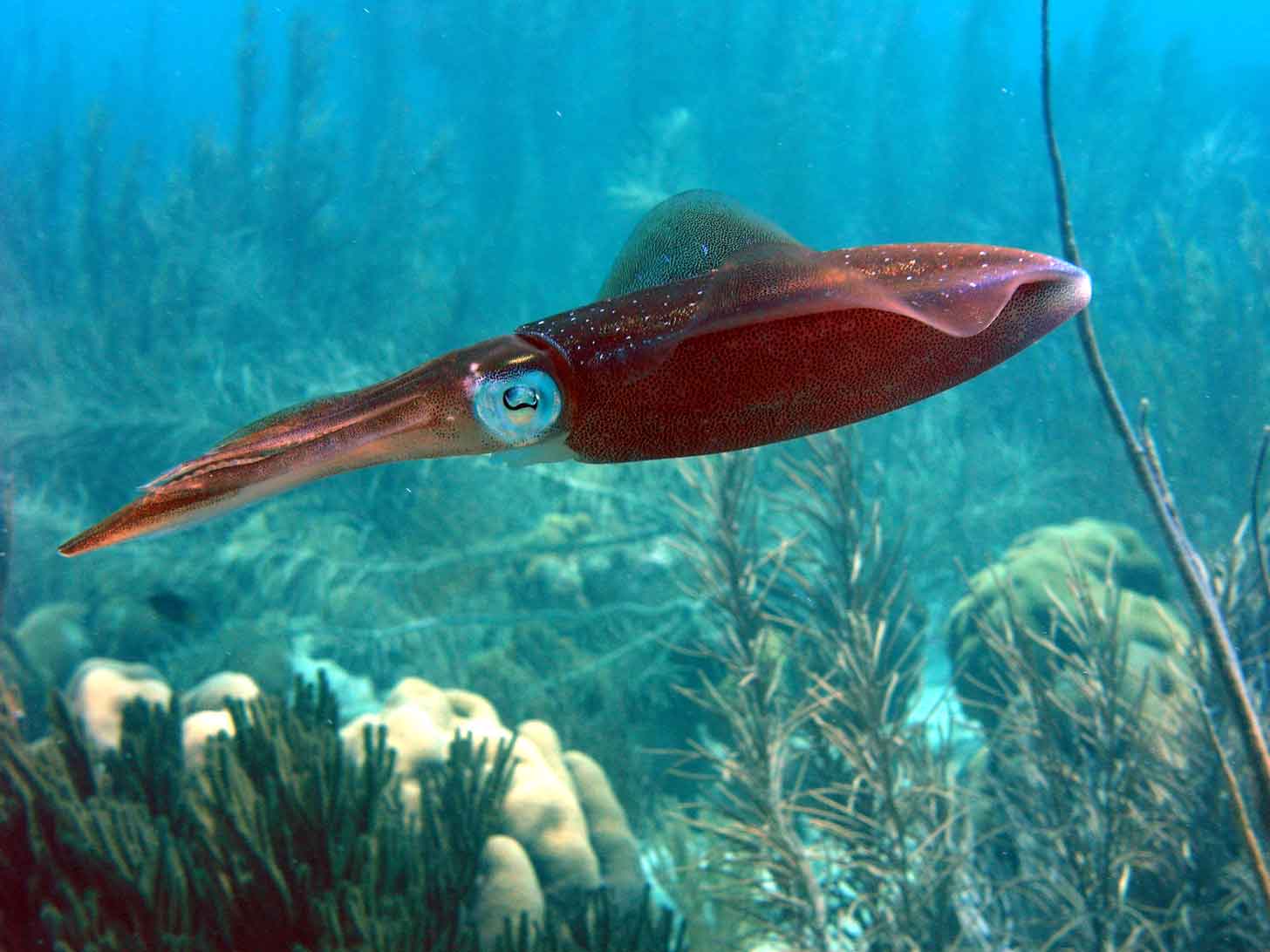
Inspired by the way squids (yes, squids!) use jets to propel themselves through the ocean, shooting ink clouds, researchers took this biological process to the lab.
The result is an ingestible capsule that “releases a burst of drugs directly into the wall of the stomach or other organs in the digestive tract,” developed by researchers from MIT and Novo Nordisk.
“One of the longstanding challenges that we’ve been exploring is the development of systems that enable the oral delivery of macromolecules that usually require an injection to be administered,” Giovanni Traverso, a mechanical engineering professor at MIT and gastroenterologist said.
“This work represents one of the next major advances in that progression.”
Traverso was the senior author of the study, which concludes that the capsule could offer an alternative to delivering drugs that normally have to be injected, like insulin, antibodies, and even mRNA.
The reason these drugs cannot be taken orally is because they consist of large proteins that are easily broken down in the digestive tract, rendering them ineffective.
For years, Traverso’s lab has been working on a solution, encapsulating these drugs in small devices that protect them through their journey in the body until they reach the lining of the digestive tract, where they can be injected directly into the system.

In previous iterations, he and his colleagues devised capsules that use microneedles to deliver the drugs once they enter the digestive system.
But in this new study (recently published in Nature), the researchers went completely needle-free.
Taking inspiration from cephalopods — or squids and octopuses — the researchers came up with two ways to mimic their siphon organ, which allows these animals to shoot jets of ink to distract predators.
They utilized compressed carbon dioxide and tightly coiled springs to generate a force that would propel liquid drugs out of the capsule. Either the gas or spring would be kept in a compressed state by a “carbohydrate trigger,” which dissolves when exposed to humidity or acid (both of which can be found in the stomach).

Once that trigger dissolves, the gas or spring expands and propels the necessary drugs out of the capsule and into the body.
“Aside from the elimination of sharps, another potential advantage of high-velocity columnated jets is their robustness to localization issues,” researcher Graham Arrick said.
“In contrast to a small needle, which needs to have intimate contact with the tissue, our experiments indicated that a jet may be able to deliver most of the dose from a distance or at a slight angle.”
In a series of experiments, the researchers calculated the pressures needed to push the drugs out with enough force to get past the body’s tissues and accumulate in the stomach.
They also designed the capsules to target various parts of the digestive tract. The first is about the size of a blueberry and can carry 80 microliters of a drug, sitting in the lining of the stomach and ejecting downward into the tissue.
The other is more of a tubular shape that can align in organs like the esophagus or small intestine, where drugs are ejected out to the side, delivering 200 microliters of medicine.

And don’t fret — once the drugs are administered, the capsules (which are made of metal and plastic) simply pass through the digestive tract naturally.
Although researchers have only tested the device on animals so far, the trails have shown resounding success. In these tests, the capsule successfully delivered insulin, a drug similar to Ozempic, and a type of RNA that can be used in treating genetic disorders.
In this research, success was calculated by measuring the concentration of drugs in the animals’ bloodstream, which reached the same levels as drugs administered by injections. Plus, there was no tissue damage after the fact.
“This technology is a significant leap forward in oral drug delivery of macromolecule drugs,” Omid Veiseh, a bioengineering professor at Rice University said in a statement.
Veiseh was not involved in the research but saw promise in its future implementation.
“While many approaches for oral drug delivery have been attempted in the past, they tend to be poorly efficient in achieving high bioavailability,” he continued. “Here, the researchers demonstrate the ability to deliver bioavailability in animal models with high efficiency.”
According to MIT, the researchers will now work to further develop the capsules, in hopes of testing them in humans.
Their ultimate vision is that the capsules could be used at home by patients who need to take insulin or other injected drugs frequently. The approach also eliminates the need to dispose of sharp needles, creating a safer — and more comfortable — experience for patients and providers alike.
Header image courtesy of YVC Biology Department (CC BY 2.0)
To date, there are nine active wolf packs that call California home — and one of them just shocked conservation experts by entering a new territory.
According to the California Wolf Watch, a pack of endangered gray wolves has been spotted living in Lassen Volcanic National Park — a first for the park in recorded history.
California Wolf Watch said that Axel Hunnicutt, a state wolf coordinator for California Department of Fish and Wildlife, confirmed the reports.
“It’s official! Wolves have been confirmed living in Lassen Volcanic National Park in Northern California!” California Wolf Watch wrote in a Facebook post.
“While gray wolves have been confirmed dispersing through the park such as OR-54 — a female wolf born in 2016 to Oregon’s Rogue Pack — this is the first time a pack has been confirmed inside the national park.”
The pack — consisting of “two breeding adults” and a “minimum of two pups” — was first sighted on a trail camera in October 2024, but the information only recently came to light when the California Department of Fish and Wildlife shared the news with the public in mid-November.
According to California Wolf Watch, the new, yet-to-be-named wolf pack likely descends from neighboring members of the Lassen Pack, a group of wolves that reside in Lassen County outside of Lassen Volcanic National Park.

The Lassen Pack is one of the most well-known and oft-photographed gray wolf packs in California.
In 2017, young pups from the Lassen Pack were spotted playing on trail cameras set up by the California Department of Fish and Wildlife — and it is possible that one of those same pups is now leading a new pack of their own.
Gray wolves are classified as federally endangered in the state of California under the U.S. Fish and Wildlife Service Endangered Species Act.

Their population decline is attributed to habitat loss and human interference. In recent years, up to 58% of known, collared wolf deaths were caused by humans — and that’s due in large part to farmers defending their cattle.
Unfortunately, shrinking habitats have led wolves to attack local livestock instead of wild prey, which is all the more reason to protect and expand their natural habitat.
While much is still to be learned about the wolf pack spotted in Lassen Volcanic National Park, experts agree that the growing number of gray wolves is a testament to reforestation efforts and public awareness campaigns centered on the importance of conserving the species.
“Wolves rewild the landscape, and that’s good not just for the wolves but for entire ecosystems,” Amaroq Weiss, senior wolf advocate for the Center for Biological Diversity, told the Los Angeles Times last year.
“California years ago laid out a welcome mat for wolves, and we can keep it there if we don’t get led astray by old fears and misconceptions.”
Header image via the California Department of Fish and Wildlife
Sure, plastic straws in your iced coffee are largely a thing of the past. But have you ever wondered what happens to that black plastic lid that sits atop your hot latte?
According to the American Chemical Society, not all plastics are created equal, and some types and colors are easier to recycle than others.
Those black foam or plastic coffee lids, often made with polystyrene, typically end up in landfills. They are made with a color additive that leads to ineffective sorting in recycling facilities that cannot detect black colors in their scanners.

Instead of reflecting light, these items absorb it, making it nearly impossible for automated recycling processes to catch black polystyrene.
Plus, breaking down the molecular bonds of these plastics requires intense heating that is costly and ineffective, making it easier to toss these items instead of properly recycling them.
Fortunately, scientists from Cornell and Princeton Universities have leveraged the chemistry behind these stubborn plastics to create a solution.
Mixed with a little sunlight or white LED light, the scientists say they can convert black and colored polystyrene into reusable materials.
While it’s not novel science to utilize light to help break down plastic into new, more useful materials, this strategy requires an additional compound to help convert light into heat to break apart the plastics’ chemical bonds.
“Simple, visible light irradiation holds the potential to transform the chemical recycling of plastics, using the additives already found in many commercial products,” said the paper’s authors, Sewon Oh, Hanning Jiang, and Erin Stache, in a statement.
However, finding those “helper compounds” or additives can be difficult, as they may create more waste or are hard to easily incorporate into recycled materials.
But Jiang and Stache utilized a compound that is already found in black polystyrene: Carbon black.
Carbon black is an additive found in most black plastics, like food containers and packaging. The researchers first tested this method through lab-made black polystyrene.
They ground a mixture of the plastic and carbon black into a fine powder, placing it into a sealed glass vial. From there, they set the vial of powder under a high-intensity white LED light for 30 minutes. The carbon black converted that light into heat, breaking apart the polystyrene’s molecular structure.

This led to the creation of shorter one-, two-, and three-styrene units, which makes them easier to separate and use in new plastic products, creating a circular recycling method.
“By taking advantage of existing photothermally active additives in black plastics, we use light to depolymerize commercial plastics back to monomers,” the researchers wrote in their study, which was recently published in ASC Central Science.
Applying the technique to post-consumer food materials and coffee cup lids, the researchers found that up to 53% of the polystyrene turned into styrene monomer under LED lights.
Though waste samples contaminated with things like canola oil or soy sauce broke down slightly less efficiently under LEDs, under sunlight outdoors, they found a higher rate of efficiency for all colored polystyrene.
This is especially exciting because the method’s use of sunlight and existing materials makes it a cost-effective and sustainable approach.
While it’s unclear what comes next for this method, the scientists are eager to be one step closer to creating a closed-loop recycling process for this type of plastic.
“Our work addresses the poor recyclability of black plastics and is amenable to mixed plastic waste,” they write in the conclusion of their research, “and our mild yet powerful technique makes the circular economy of black plastics more viable.”
Header image courtesy of Tima Miroshnichenko/Pexels
Virtual — or “invisible” — fences aren’t just for suburban golden retrievers anymore.
In Montana, a new fund has just been established to help farmers and ranchers implement virtual fencing to help reduce physical fences and protect native wildlife and grasslands.
Across the Western United States, physical fencing spans more than 600,000 miles but, according to the World Wildlife Fund, can be detrimental to local wildlife populations.
“Nothing’s changed with barbed wire fencing in 150 years; nothing’s really changed with fencing on ranches for the last 150 years, until this new technology — virtual fencing — came around,” Brian Yablonski, CEO of the Property and Environment Research Center, told NBC Montana.
The Property and Environment Research Center has allocated $250,000 to be dispersed to applicants who want to pivot to the new solution.

Virtual fence technology works by outfitting cattle with GPS-enabled collars (that look a lot like chain necklaces) that keep them within a designated location, just like a dog might wear a collar that keeps them in their yard.
The collars emit a warning sound or a mild static correction if the animal attempts to leave the designated location.
According to WWF, this type of virtual fencing is a “tech revolution” for farmers and ranchers, who may also utilize the solution to assist with rest-rotation grazing.
Rest-rotation grazing involves moving cattle to a certain area to allow areas of the land to recover and grow new life. Instead of attempting to build or maintain physical fences, farmers can draw a new fence line on their smartphone to modify where their cattle can roam.
“The decision about where and for how long cattle roam can be modified or adapted instantaneously, allowing ranchers to better respond to seasonal forage availability, protect sensitive environments, such as riparian river systems, or manage the growth of invasive plants through grazing,” WWF explained.

WWF’s Sustainable Ranching Initiative has also funded and supported virtual fencing pilot projects in the U.S., with five in Montana and one in South Dakota.
“Part of what our Sustainable Ranching Initiative team at WWF has been doing is trying to support individual ranchers in lowering the risk of adopting certain conservation practices, and also helping people who want to test new technologies and techniques, accomplish that,” said Aaron Clausen, program manager with WWF’s Sustainable Ranching Initiative.
“Virtual fencing is one of those things that people have an interest in, but it hasn’t been tested at scale.”
As more pilot projects emerge, it’s clear that this technology can also lend itself to conservation efforts.
“Virtual fencing can be a really beneficial tool for endangered species and other species conservation,” Yablonski said.
Prior to establishing the new $250,000 fund, PERC also ran a pilot project over the summer, outfitting 2,000 cows with GPS collars and replacing 16 miles of a ranch’s traditional barbed wire fencing with the virtual alternative.
“This project is pretty unique to the region,” Travis Brammer, the nonprofit’s director of conservation, told Mountain Journal earlier this year.
“It’s one of the only virtual fencing projects where the priority is to remove barbed wire fences.”

Barbed wire fences are a major barrier to wildlife migration in the region, making this project particularly noteworthy to conservationists and ranchers alike.
Virtual fences can help conserve migration corridors for endangered species in Montana, like pronghorn and elk. They can also help reduce cattle conflict with predators like grizzly bears and wolves. And they can block off sensitive ecosystems to help them recover from rogue grazers.
While the method proves to be mostly successful, implementing the technology is pricey, with base stations costing approximately $12,000, along with an annual fee of about $50 per GPS collar.
Funding through PERC and WWF aims to offset these costs.
Applications for PERC’s new grants are open now for eligible ranchers, landowners, and conservation groups in Montana.
“The purpose of the fund is to try to advance this pioneering, innovative technology in a way that works not only for the rancher but works for conservation outcomes as well,” said Yablonski. “We think that’s a win-win.”
Header image courtesy of WWF-US/Aaron Clausen
Actress Chandler Kinney and professional dance partner Brandon Armstrong were the first Black duo on ABC’s “Dancing with the Stars” to make it to the show’s final competition round.
On Tuesday night’s finale episode, the pair made even more history with their third-place finish, as well as their “freestyle dance,” which featured an ensemble cast of all Black dancers — a first in the show’s 33-season history.

“Everyone who has come before us, who has broken down barriers for us to even be in this space, that’s what that freestyle was about,” Kinney said in an interview after the show.
“We wanted to honor them and dedicate it to their work, their talent, their joy, for us to be able to come and display ours. We’re proud of that and we could not be more grateful.”
The freestyle dance opened with the pair watching a black and white television screen, featuring Black dancers and upbeat swing music, including “Hellzapoppin” by Eyal Vilner Big Band and “Move On Up” by Curtis Mayfield.

Then, Kinney and Armstrong debuted on stage with a black and white filter, paying homage to Black music and dance from American history, as the dance later transformed into a full-color spectacle of 70’s glam.
They were also joined by an ensemble of other professional dancers, all of whom are Black.
Earlier in the season, Kinney told Blavity that she grew up watching the show and was honored to have made it so far in the competition.
“It’s a moment in history, and to be the one standing here, like a part of that moment, is unreal. I feel so honored and proud, and I’m stoked,” Kinney said.
Some fans were disappointed with Kinney and Armstrong’s third-place prize, though Kinney made it clear that she was thrilled to have the experience, regardless of the outcome of the competition.

“I think it’s about time that we’ve had a Black couple make it to the finale,” she told Blavity. “But even just to make it this far and have a freestyle that is a celebration and acknowledgment of that, I think, is a win in and of itself.”
Moving forward, both Kinney and Armstrong will go on tour together alongside other finalists, including stars Ilona Maher, Stephen Nedoroscik, and Season 33 champ Joey Graziadei.
While the dancing might just be getting started, the reality competition has come to a history-making end.
“[It’s] been a really incredible experience,” Kinney told Blavity, “And it’s taught me so much more about myself than I ever even could imagine.”
Header image courtesy of Disney/Eric McCandless
Great news for adults who rely on the ease of air-frying their favorite frozen appetizer after a long day at work: Researchers at the University of Birmingham have confirmed that air fryers are the “least polluting” cooking method in your kitchen.
As indoor air quality becomes a hot topic amid airborne viruses and ongoing concerns about health and climate safety, scientists agree: Cooking is a key source of indoor air pollution.

Considering most people spend more than 80% of their time indoors, indoor pollutants can have major impacts on health, including chronic conditions like cardiovascular, neurodegenerative, and respiratory diseases.
The researchers, based in the University of Birmingham’s School of Geography, Earth, and Environmental Sciences, noted that air fryers have been studied for their energy efficiency but have not been widely considered for their potential environmental benefits.
Their study, which was recently published in Indoor Air, involved using a campus research kitchen, as opposed to a laboratory chamber, to most accurately measure pollution from different cooking methods where they are most likely to be used.
In the introduction of the study, the authors wrote: “Although previous studies were conducted in a variety of venues, including domestic and commercial kitchens, canteens, and laboratory chambers, there are fewer cooking emission assessments carried out in a well-controlled, but fully equipped research kitchen that can simulate a real-life domestic kitchen with controlled conditions, specifically fixing the ventilation to a relatively low level.”
Once they were set up at their cooking stations, they ran a number of experiments, cooking a chicken breast using five different methods: Pan-frying, stir-frying, deep-fat frying, boiling, and air-frying. They measured the levels of particulate matter and volatile organic compounds (VOCs) emitted by each.

“There are a number of factors that will affect the levels of pollution from cooking alongside the method used, including the amount of oil used, and the temperature of the stove,” lead author Professor Christian Pfrang said in a statement.
“What we can say with certainty, however, is that improving the ventilation in kitchens by opening windows or using extractor fans, will help to disperse polluting particles and reduce personal exposure.”
What they can also say is that the air fryer method measured in at a fraction of the air pollution of pan-frying and stir-frying.
The team measured particulate matter in peak concentrations in micrograms per cubic meter of air. Pan-frying saw a peak concentration of 92.9, and stir-frying at 26.7.
But boiling saw 0.7 and air-frying weighed in at 0.6.

In measuring VOCs, the results were measured in ‘parts per billion.’ Pan-frying recorded 260 ppb of VOCs, deep frying 230 ppb, and stir-frying ppb. But boiling once again came out just above air-frying, with 30 ppb and 20 ppb, respectively.
While air-frying was confirmed as the “least polluting” cooking method when it comes to indoor air quality, it, of course, doesn’t entirely remove air pollution from the act of cooking indoors.
“It’s also really important to understand that particles will remain in the air for quite some time after you have finished cooking,” Professor Pfrang added.
He provides some simple tips to keep air pollutants at bay, no matter how you like your chicken nuggets.
“Continuing to ventilate, or keeping extractor fans turned on for a period of time will really help to avoid the buildup of this indoor pollution,” he said, “and reduce the potential for the pollutants to be transported and distributed throughout the house with the associated higher personal exposures.”
Header image courtesy of I Am R (CC BY 2.0)
D’Arcy Carden knows you’re not perfect.
In a new Yellow Dot Studios comedy short, written by “Reductress” author Casey Rand, the actress — who’s known for her roles in “The Good Place” and “Nobody Wants This” — wants to give you the benefit of the doubt.
She says she knows about that time you “stole a pen from the bank” or “borrowed money from your kid’s college fund” to pay for lip filler.
Thankfully, she has “good news” for people trying to change their karmic balance.
“There’s an easy way to cancel out all the bad things you do in your life,” Carden says, entering the kitchen. “Reducing your food waste!”
Citing a study by the United Nations Framework Convention on Climate Change, Carden says that food loss and waste accounts for 10% of annual greenhouse gas emissions.
“That’s five times the amount of all airplanes,” Carden cautions. “And that makes the planet hotter than your undies when your office crush walks by.”
That’s where Carden’s “karma score” comes in.
“In just a few easy steps, you can make your karma score go way up,” Carden explains, pulling up a karma score scale reminiscent of “the point system” from “The Good Place” — which tallied up all of the good deeds and bad deeds that characters committed on the show.
“Did you start a rumor that your ex can’t do basic math?” Carden asks, as the karma score scale dips down to the “evil” side.
“[Then] start storing food properly to keep it fresh,” Carden advises, tossing bread in the freezer drawer as the scale’s needle flew back over to the “good” side.

“Maybe you slept with your subordinate, but he’s older than you, so it’s confusing,” Carden says, as the karma score tilts back and forth.
“There’s always going to be food scraps, so make sure they go in the compost and not the trash,” she added, dropping carrot tops in a small compost bin.
Carden’s PSA is this year’s latest installment in a series of sketch comedy shorts from Yellow Dot Studios, a nonprofit production studio founded by Adam McKay. Each short highlights environmental concerns and encourages viewers to take action.
“By shining a light on the urgency, responsible parties, and scientifically proven solutions, we aim to empower more people to be part of the conversation about what we’re facing and what we can do about it,” reads a mission statement on the Yellow Dot Studios website.
Climate change won’t be solved overnight, but reducing food waste is a “good place” to start.
“You could even axe murder someone,” Carden jokes cheerfully at the end of the video, “as long as you plan to eat the remains!”
Then she pauses, knife in hand.
“Oh, I guess that’s too far,” she admits.
Carden continues pretending to chop vegetables with an innocent smile as the camera zooms out with the message:
“Reduce food waste. Boost your karma. Help the planet.”
You can click below to watch the short:
Header image via Yellow Dot Studios
Every day the Good Good Good team collects the best good news in the world and shares it with our community. Here are the highlights for this week!
If you want to get good news in your inbox every day, join the Goodnewsletter — the free daily newsletter designed to leave you feeling hopeful.
The Best Positive News We’re Celebrating This Week —
For the first time in history, the world has all the tools it needs to completely eliminate one form of cancer
Thanks to groundbreaking vaccines, diagnostics, and treatment, the world today not only has the power to stop cervical cancer — but it could be the first cancer in history to be eliminated entirely.
This is further evidenced by the fact that some high-income countries are already close to eliminating cervical cancer, with fewer than four cases per 100,000 women.
Where the world has the most room to improve is in low- and middle-income countries, which have been given disproportionately low access to these tools and therefore now account for 94% of cervical cancer deaths.
Why is this good news? Every year, around 660,000 women are diagnosed with cervical cancer, and 350,000 women die — leaving as many, if not more, children without a caregiver, leading to greater poverty, and families grieving the loss of a loved one.
The fact that we have all the tools we need is incredible news — now, we need to get those tools to all parts of the world where they’re needed.
Led by progress in Brazil, poverty in Latin America just hit a 33-year low
While severe inequality still persists, poverty levels in Latin America fell to a 33-year low in 2023. This progress was primarily led by Brazil.
Poverty is defined as those living without sufficient income to afford their basic needs, and extreme poverty includes those who can’t afford to buy a basic basket of food.
In 2023, 27.3% of the population in Latin America were impacted by poverty, a decrease of 1.5 percentage points from the year prior, and over a 5-point drop from 2020.
While this is good progress to celebrate, millions of people still live in poverty — particularly in Haiti, Nicaragua, and Honduras. And with an increase in GDP predicted this year, experts anticipate the poverty rate could decline further.
The world’s first and largest offshore solar farm is now online in China
Located off the coast of eastern China, the first solar units in the world’s largest offshore solar farm have now officially been connected to the grid.
Once fully complete and online, the solar farm is expected to generate 1.78 billion kilowatt-hours of electricity every year, which is enough to power around 2.67 million homes.
It’s expected to save around 503,000 tons of coal and cut carbon emissions by 1.34 million tons annually. Notably, the solar farm is dual-purpose and includes fish farming to integrate renewable energy with aquaculture.
Why is this good news? As carbon emissions in China continue to rise at a staggering rate, it’s critical that the country also be investing in massive renewable energy solutions like this to provide cleaner means to reach its energy demand.
A now-teenager in Missouri has spent years creating ways for other kids to get involved with community service
Every year before opening her own Christmas presents, Legacy Jackson’s family would serve meals to people experiencing homelessness in her community.
Then seven years old, it bothered Legacy that there were no other kids there helping. Wanting to figure out a way to involve them, she dreamed up an idea to make community service fun for kids, too.
And “Little Legacies” was born: Now 15-year-old Legacy’s organization that teaches young people that giving back can be a celebration. They deliver toys to young hospital patients, bring joy at senior centers, and more.
Perhaps most notably, Legacy’s impact is visible in the vibrant play space at Gateway 180, the largest emergency shelter for families in St. Louis — where she grew up giving back.
Making history for the endangered species, a gray wolf pack was just spotted in a California national park
A pack of endangered gray wolves has been spotted living in Lassen Volcanic National Park — a first for the park in recorded history.
The new, yet-to-be-named wolf pack likely descends from neighboring members of the Lassen Pack, a group of wolves that reside in Lassen County outside of Lassen Volcanic National Park.
In 2017, young pups from the Lassen Pack were spotted playing on trail cameras set up by the California Department of Fish and Wildlife — and it is possible that one of those same pups is now leading this new pack of its own.
Why is this good news? Gray wolves are classified as federally endangered in the state of California, due to habitat loss and human interference. Shrinking habitats have led wolves to attack local livestock instead of wild prey, which is all the more reason to protect and expand their natural habitat.
Black plastics are hard to recycle, so scientists are using sunlight to make it easier (and cost-effective)
By investing in early childhood literacy, Mississippi went from ranking 49th to 29th in reading achievement
Mississippi is the poorest state in the U.S. and consistently ranks the lowest in the country for quality of life measures.
But there’s one area it’s been making major improvements in: reading. And it’s all thanks to a package of educational reforms in the Literacy-Based Promotion Act that boosted support for early childhood literacy.
Among other things, it expanded access to full-day pre-K programs, focused on education phonics and the science of reading, invested in teacher professional development, increased screening tests, and more.
And the results have been staggering — and could provide a model for other states in the U.S. needing to improve childhood literacy.
Between 2013, when the legislation was passed, and 2019, Mississippi went from being ranked 49th in 4th-grade reading achievement to ranked 29th in the nation. And research shows it was thanks largely to the LBPA.
→ Read more
With the help of community donations, an Ohio restaurant is providing thousands of free Thanksgiving meals
For the fifth year in a row, Good Plates Eatery in Ohio is making sure its neighbors have a free meal to enjoy on Thanksgiving — no questions asked.
The restaurant’s twice-a-year tradition (they also do it on Christmas) started during the pandemic in 2020, when they provided 70 meals. This year, they’ll provide more than 3,000 meals.
Part of the reason for this incredible growth: the surrounding community. All the food that’s being given away this year was donated, including about 800 pounds of chicken and 2,000 pounds of potatoes.
Why is this good news? This year, as the cost of certain food items has increased, more families than usual may be experiencing food insecurity around the holidays especially. This local restaurant is using the skills and tools they have, with the help of others, to make a difference at a time when people really need it.
→ Read more
More good news of the week —
Corporations in America are investing in clean energy at record-breaking levels. U.S. businesses have installed nearly 40 GW of solar capacity both onsite and offsite through the first three months of 2024, and over 3 GWh of battery storage will come online in the next five years.
Researchers developed an AI model that can detect any cancerous brain tumor remaining during surgery in under 10 seconds. With “the potential to change the field of neurosurgery” the technology outperformed conventional methods for identifying what remains of a tumor by a wide margin.
Starting next fall, MIT announced it will offer free tuition for families earning less than $200,000. And for students whose families earn less than $100,000 per year, the university will also cover all other costs, including housing, dining, books, and more.
Helping solve inequitable access to internet, rural communities are building their own high-speed networks. Communities in Massachusetts are using federal, state, and city funding to build out fast, reliable internet networks to help close the gap of millions of rural Americans not having access.
For the first time in history, women will make up more than half of Colorado’s state legislature in 2025. A record number of women — at least 2,450, based on unofficial election results — will serve as state lawmakers nationwide in 2025, representing 33.2% of all positions.
In the first major trial to reduce poverty in the UK, people experiencing homelessness will be given cash payments. Last year researchers in Canada found that giving CA$7,500 to 50 homeless people in Vancouver was more effective than spending money housing them in shelters, saving around CA$777 per person.
A new, first-of-its-kind fund will help protect Montana’s grasslands and wildlife with “invisible fencing.” The fund’s purpose is to replace barbed wire fences, which are a major barrier to wildlife migration in the region, with virtual fences, that help conserve those migration corridors.
Businesswoman and philanthropist Michele Kang just made a historic donation to women’s soccer, pledging $30 million. Kang is the owner of the professional soccer team Washington Spirit, and the donation will go to the girl and women’s programs of U.S. Soccer.
Surgeons at NYU just performed the first fully robotic double lung transplant for a patient with COPD. A breakthrough in the potential of robotic surgery and minimally invasive patient care, doctors transplanted both lungs in a 57-year-old woman with chronic obstructive pulmonary disease.
Volunteers bagged 50,000 pounds of food for Thanksgiving dinner for Hurricane Helene victims. Communities throughout South Carolina are still reeling from the impacts of Hurricane Helene, which destroyed tens of thousands of households and businesses.
A first-of-its-kind “turkey tracker” outlines the environmental impact of your Thanksgiving feast, with tips to reduce emissions. In the U.S., 46 million turkeys are consumed on Thanksgiving alone, with the average turkey weighing over 30 pounds and shipped over 1,500 miles.
A school district in central Kentucky is helping students experiencing food insecurity over Thanksgiving break. According to Feeding America, more than 700,000 Kentuckians are currently facing hunger, and more than 200,000 of them are children.
A TikTok creator is helping families in need save on Thanksgiving dinner with “Dollar Tree dinner.” While the cost of a Thanksgiving dinner has dropped to an average of $58.08, the price of certain items has dramatically increased, so @dollartreedinners created a meal for $20-$25 from the Dollar Tree.
To alleviate rising food insecurity, an organization in Connecticut is providing 50,000 free Thanksgiving meals. Food insecurity in the state is 23% higher than last year, mainly from the high cost of groceries and the cost and lack of available housing.
Using bed sheets, hundreds of people in New Zealand came together to rescue more than 30 pilot whales stranded on a beach. New Zealand is a whale-stranding hotspot and pilot whales are especially prolific stranders, so a team monitored the site to make sure none were stranded again.
“Dancing with the Stars” finalists just became the first-ever Black duo to make it to the show’s final competition round. On Tuesday night’s finale episode, Chandler Kinney and Brandon Armstrong took third place and their “freestyle dance” featured an ensemble cast of all Black dancers — a first in the show’s 33-season history.
The University of Texas System announced it would provide free tuition to students whose families earn less than $100,000 annually. Helping improve equitable access to higher education, the program will impact undergraduate students in the fall of 2025 and cover tuition and fees.
This employee at Mequon Nature Preserve in Wisconsin isn’t exactly motivated by holiday bonuses or big promotions.
Tilia the chocolate labrador is fueled by toys and treats.
Tilia is a vest-wearing conservation dog that the 444-acre nature preserve relies on for vital conservation and restoration work.
The dog’s responsibilities include sniffing out invasive and endangered species in the prairies, forests, and wetlands of Mequon.

Conservation dogs have become more commonplace in wildlife organizations, tapping into their astonishing scent-detecting abilities.
“Dogs in general already have up to 200 million olfactory sensors,” Cory Gritzmacher, the director of operations at the nature preserve, told Wisconsin Life.
Humans, on the other hand, have about 5 million.
“[Dogs are] already set up and designed for scent detection,” Gritzmacher added. “It’s really just finding a dog that’s motivated, that wants to do it on a regular basis and is excited to do it.”
Tilia was the pup for the job.
One of her main roles is to detect wild parsnip, an invasive species that staff removes once it is found on the property.
Compared to humans, Tilia can find parsnip in its first year, while it’s still close to the ground and camouflaged by other plants. This is vital, since parsnip will start to spread rapidly by the time it reaches its second season in the preserve.
Studies show that the estimated damage caused by invasive species has cost the United States around $120 billion annually, as it impacts agriculture, recreational industries, and wildlife management.
By catching invasive species that take hold of local flora and fauna early, Tilia achieves something no humans can.
“The best trained volunteers or staff in the world won’t even be able to find what a canine can,” Gritzmacher said. “That’s the pretty impressive part of it. And who doesn’t want to go to work with a dog?”
Although dogs like labradors and shepherds are eager to please, they still need to be trained before hitting the field.

Tilia began training as a puppy, and now nearly seven years old, she’s a pro at scent detection — which all started with some treats hidden in cardboard boxes.
“Eventually, we’d start taking the treat away,” Gritzmacher explained the training process.
“As she continues to hit on the correct scent, then she gets rewarded. So, she’s going to get paid again. We do our work, we get paid. She does her work, she gets paid.”
Tilia can also spot Blue-Spotted and Easter Tiger Salamanders, which are endangered in the area. Her other scents include Wood Turtle and Garlic Mustard.
Of course, her workload remains balanced with time off. Her official owner is the director of Mequon Nature Preserve, who is happy to embrace her as the family dog when she’s not out sniffing.
But Gritzmacher, who trains and works alongside Tilia, adores her, not only for her companionship, but for the miracles she is able to work as an asset to Wisconsin’s conservationists.

“Canines are going to start to play a huge role in the conservation field just because of their amazing detection skills,” Gritzmacher said, “especially when resources are limited, staff is limited and you have to search potentially thousands of acres or miles.”
In fact, Tilia was joined by a partner in crime a few years ago: Timber, another chocolate lab who is actually the offspring of Tilia’s sister.
By following in her pawprints, Timber’s “powerful nose will be a key tool” in the preserve’s “land restoration efforts,” according to its website.
“For years, scientists have tried to replicate the power and efficiency of the canine nose,” Mequon Nature Preserve adds on a webpage for Tilia and Timber.
“The results keep coming back the same: The canine nose is second to none. Coupled with an insatiable desire to work and serve, Tilia and Timber help us find things humans often can’t.”
Header images courtesy of Mequon Nature Preserve
Accessing reproductive health care in Illinois just got a whole lot easier.
Hey Jane, a United States-based virtual clinic that provides reproductive and sexual healthcare — including abortion care — announced today that it is now accepting Illinois Medicaid for medication abortion services.
Nationally, 45% of abortion patients are enrolled in Medicaid, with Illinois Medicaid covering over 3.4 million residents, many of whom face barriers to health care.
This is the latest of many groundbreaking moments for the provider, which last year became the first clinic to accept private insurance for telemedicine abortion care.
With this announcement, Hey Jane now accepts both public and private insurance in Illinois, with sights set on expanding Medicaid coverage in other states.

“By accepting Illinois Medicaid, we’re ensuring that cost is no longer a barrier for people seeking abortion care in one of the nation’s key haven states,” Hey Jane’s co-founder and CEO Kiki Freedman told Good Good Good.
Freedman added that following the Supreme Court’s Dobbs decision in 2022, in-person clinics in Illinois experienced a “significant influx of patients traveling from surrounding restrictive states, stretching their capacity.”
Illinois is a “sanctuary state” for reproductive care, which makes it a destination for folks seeking abortions from surrounding areas that have stricter laws in place. According to Freedman, Hey Jane, too, has seen a 93% increase in patients in Illinois compared to pre-Dobbs.
However, that strain on the reproductive healthcare system in Illinois can lead to even more barriers for people in need of abortion care.
“Hey Jane, alongside other providers, has stepped up to fill these gaps,” Freedman said, “offering safe, private, and affordable care to meet the growing demand.”
Hey Jane is known for its telemedicine support, which allows patients to access medication abortion care in a timely manner and without additional costs for travel, accommodations, and lost wages.
Freedman said that a medication abortion at an in-person clinic in Illinois costs $490, on average.

“Abortion care is time-sensitive,” Freedman said. “Our virtual model allows patients to complete intake 24/7 online, hear back from a provider within one business day, and get abortion pills mailed to them quickly and discreetly, all while having Hey Jane’s expert clinical care team always just a text away.”
Medication abortion care includes administering pills Mifepristone and Misoprostol, which are a safe and effective way to terminate a pregnancy at home. Platforms like Hey Jane provide support with licensed telemedicine providers, who can prescribe these medications, as well as counseling, as patients navigate the procedure.
According to a press release, since Hey Jane’s launch in 2021, the platform has helped over 70,000 patients access the care they need. Hey Jane is available in 20 states, as well as the District of Columbia.
“Accepting Illinois Medicaid is a crucial step in addressing rising demand and ensuring that reproductive healthcare is financially and logistically accessible,” the press release added.
Expanding Medicaid coverage is also a “top priority,” for Hey Jane, according to Freedman, who said that the company is actively working to accept Medicaid in more states.
“While each state has unique barriers, we’re committed to doing the work to ensure Medicaid patients across the country have access to the high-quality telemedicine abortion care they need,” she said.

Ahead of President-Elect Donald Trump’s inauguration in January of next year, reproductive health experts continue to work around the clock to ensure people have access to the care they need.
It is unclear what the future of abortion care will look like during Trump’s second presidency, though some say Republicans will attempt to enforce the long-dormant Comstock Act, which makes it a federal crime to send or receive materials “designed, adapted, or intended” for “obscene,” or “abortion-causing” purposes, per The New York Times.
This, as well as potential nationwide restrictions on abortion mentioned by officials during Trump’s 2024 presidential campaign, could heavily impact the work of providers like Hey Jane, which ship medication abortions nationwide.
But according to Freedman, the work to provide life-saving care continues.
“We’re committed to continuing to work to address barriers to care in the year ahead — regardless of the political climate,” she said in a statement.
Freedman added that this work includes “expanding both Medicaid and private insurance coverage, launching services in more states, and expanding our strategic partnerships to ensure that we’re able to support as many people as possible during this critical time.”
Header image courtesy of Hey Jane
The year was 2002.
Tobey Maguire was Spiderman, Nickelback's “How You Remind Me” was the biggest single of the year, and researchers at Yale University released a groundbreaking study that showed that older people with more positive beliefs about aging lived an average of 7.5 years longer.
22 years — and many Spidermans — later, that research still holds true.
Recent studies published in The Journals of Gerontology and The Journal of the American Geriatrics Society have added validity and additional context to the notion that optimism is linked to longer living, even across varying racial and ethnic groups.
In a new video produced by CBS Sunday Morning News, activist and actress Jane Fonda joined her friend — and fellow anti-ageism advocate — Ashton Applewhite to get the word out: living with positivity can literally extend your life.
“In the next few minutes, Ashton and I are going to add seven and a half years to your life,” Fonda pledged, in a direct address to the viewer.
“People with more positive age beliefs lived an average of seven and a half years longer than people who equated aging with disease and decline,” Applewhite said, in reference to the study from Yale.
“In other words,” Fonda cut in. “One way to live longer is just to have a good attitude.”
And she’s not saying it’s necessarily easy. As Fonda notes, there are a lot of influential factors at play that make it difficult for most people to feel good about aging.
For example, the beauty industry depends on selling “anti-aging” products that promise to eliminate or hide the natural effects of aging, like wrinkles, laugh lines, and locks of silver hair.
The news, too, is seemingly a never-ending cycle of bad news, which can spur feelings of depression and nihilism.
And many people associate getting older with becoming sickly, or losing their mental fortitude — but social decline and isolation both pose a greater threat to health than aging itself.
Even so, Fonda and Applewhite said that aging is a privilege — and it could be one of the best chapters of one’s life.
In fact, a study in the National Library of Medicine shows that there’s a global “U-curve of happiness” that indicates that people “are happiest at the beginnings and ends of their lives.”

But how do people set positive intentions to age with enthusiasm?
The answer, Fonda says, lies in aging with other people.
There’s a lot of different ways to expand and fortify your community, but Fonda narrowed them down to one actionable goal in particular: join an art class.
“We know that being in a community is good for us,” Applewhite said. “We know that having a purpose is good for us. But the health benefits of being in an art class, [specifically] it turns out, are fascinating.”
“Art classes are a great way to build community,” Fonda agreed, citing a study from the National Endowment for the Arts. “Art classes for older adults increased mental engagement, increased physical activity. They found new — or stronger — relationships.”
“They visit the doctor less often,” Applewhite added. “They are less likely to fall.”
Both women noted that that includes art in all forms: it can be singing, theater, dance, flower arranging — even graffiti. But the key is sharing one’s art with other people, and forming new relationships over time.
Above all else, Fonda and Applewhite want people to know that there’s a lot to look forward to.
“So much of your life gets better as you age,” Fonda emphasized. “We get less stressed. We become kinder to ourselves and braver. We’re less judgmental. And best of all — we stop caring so much about what other people think of us.”
“Which believe me,” Fonda laughs, “saves a lot of time.”
“Aging is the one universal human experience,” Applewhite added. “It is a process of growth and self knowledge that is a joy.”
Header image via Pexels
Young people have exciting, educational breakthroughs every day.
But it’s rare for those milestones to take place in a local park, a wad of goose poop in hand.
For a group of young students from the James R. Jordan Boys and Girls Club in Chicago, Illinois, that’s exactly what happened.
These middle schoolers became “bonafide biomedical scientists,” thanks to a STEM program led by Professor Brian Murphy at the University of Illinois at Chicago.

Murphy led the students in collecting and analyzing environmental samples from the Garfield Park Lagoon as part of a 14-week applied science program designed to bring STEM projects to underrepresented groups.
According to the researchers, there are three components to the Chicago Antibiotic Discovery Lab program: Field work, applied science experiments, and environmental literacy.
“Each week builds upon one another, all while a near-peer mentoring team links each module to different careers in the sciences,” Murphy explained.
“Middle school students build mentorship connections with graduate students or postdoctoral scientists, who help guide the project through joint decision-making throughout the program.”
Aside from integrating hands-on STEM studies into the students’ education, their goal was to find new antibiotic candidates from natural sources.
One unique sample — goose poop found by student Camarria Williams — stood out among the rest.

The sample contained both a bacterium that showed antibiotic activity and a novel compound that slowed the growth of human melanoma and ovarian cancer cells in lab tests.
After gathering their samples, the students used laboratory robotics to program a specialized robot to isolate bacteria and test for antimicrobial activity.
“You can expect that only about 1 to 5% of any isolates would really be a hit,” Jin Yi Tan, a UIC graduate student who volunteers with the youth, told Illinois-Indiana Sea Grant.
“Some of the samples did have antibiotic properties that were already known—they had been previously discovered. It’s still really exciting for the kids when we tell them that we found an active antibiotic molecule in their sample.”
The bacterium was identified as Pseudomonas idahoensis, and Murphy’s lab of researchers went on to study it with more advanced technology.

Murphy, Tan, and the university team published their findings in the American Chemical Society’s ACS Omega journal earlier this year. Williams, who found the goose poop sample, is also credited as a co-author on the research.
Their findings point to a previously unknown molecule, named orfamide N, which did not account for the compound’s antibacterial activity but did have an ability to inhibit the growth of human cancer cells in lab cultures.
“We identified some compounds to be cyclic peptides, which are famous for having biologic activity,” Murphy told Sea Grant. “Amazingly, it turns out these particular compounds don’t have antibiotic activity, but they do have cytotoxic activity — activity against some cancer cell lines.”
Moving forward, Murphy’s team will further investigate orfamide N to understand its additional pharmacological benefits or how it may work with other compounds.
According to a press release from ACS, further studies could reveal other advantageous properties of this newly characterized molecule.
While it’s unclear what the future holds for this exciting new compound, one thing is certain: These young scientists have a bright future ahead of them.
“Chicago has a long history of disparities, whether they’re rooted in socioeconomics or race-based policies — this is an opportunity to use high-end biomedical science to help bridge some of the documented gaps in STEM participation,” Murphy told Sea Grant.
“By working with local organizations or community centers we can bring citizens into the process of discovering antibiotics.”
Header images courtesy of Chicago Antibiotic Discovery Lab and Shashank Verma/Unsplash
Ahead of Taylor Swift’s historic Eras Tour stint in Toronto last month, the City of Toronto unveiled a series of “Taylor Swift Way” street signs — all of which would be auctioned off at the end of her time in the city to benefit Daily Bread Food Bank.
The signage was covered by the Rogers Centre (the venue in which Swift played), with the company matching funds up to $113,000 as a nod to the singer’s lucky number.
Well, as much as fans would like her to “Stay, Stay, Stay,” Swift said “it’s time to go” after six performances in Toronto.

But with her departure came a final tally for the Taylor Swift Way signs: The auction raised a total of $216,842.96 for Daily Bread Food Bank, according to a statement from Rogers.
This includes $103,842.96 raised from bidders, as well as the pledged $113,000 from Rogers, to double the impact of fans.
“As presenting sponsor of ‘Taylor Swift: The Eras Tour’ in Canada, Rogers is proud to partner with the City of Toronto and Daily Bread Food Bank to help raise funds for the critical mission of the food bank,” said Jana Masiewich, head of partnerships at Rogers.
“We know every dollar matters so we’ve rounded up the donation to contribute $113,000, Taylor’s favorite number.”

In total, 22 ceremonial street signs were displayed along an honorary route during November to welcome the singer and her thousands of fans.
The auction wrapped up Sunday night, and yesterday, Masiewich joined Deputy Mayor Jennifer McKelvie and Daily Bread’s CEO Neil Hetherington for a check presentation.
“We don’t know about you, but today, we’re feeling 22 very special reasons to be grateful,” the food bank posted on Facebook Monday.
“At a time when more than one in 10 people in our city are relying on food banks to make ends meet, the funds raised through this auction will enable us to ensure that neighbors in need of emergency food support have a place to turn. Thank you… to everyone who participated in the auction for supporting us in the fight to end hunger.”
Swift has her own “reputation” for donating to food banks along her tour stops. Later this week, she will finish off The Eras Tour in Vancouver, B.C., closing a celebratory chapter of kindness and generosity that has taken the superstar around the world.
“As always, the fans in Toronto treated us like it was a hometown show,” Swift wrote on Instagram after her time in Toronto.
“Couldn’t have asked for more love or generosity from the people who came out.”
Header images courtesy of Paolo V (CC BY 2.0) and Daily Bread Food Bank
Kristine McDivitt Tompkins was one of the first six employees of world-renowned outdoor gear company Patagonia.
Under the leadership of Yvon Chouinard, she helped build an iconic, ethical brand which she later ran as CEO — and met her late husband, Doug Tompkins, who co-founded The North Face and Esprit.
But after decades in outdoor entrepreneurship, Kristine and Doug decided to pivot to outdoor preservation, or what Doug called “paying his rent for living on the planet.”
Once she retired from Patagonia the company, Kristine joined Doug in Patagonia the place, prepared to dedicate the rest of their lives to conservation.
Watching the “decimation of nature” unfold as a result of what Kristine called “the dark side of industrial growth,” she and Doug became part of the resistance.
Using their family foundation — Tompkins Conservation — the couple began buying land and donating it to create national parks in South America, acquiring wildlife habitats across Chile and Argentina.

Kristine said, despite initial hostility from locals, the organization’s can-do spirit won over local leaders (namely, a total of 12 presidential administrations in two countries).
This led to the largest private land donation in history, and over the last 27 years, the permanent protection of over 15 million acres of land.
Those lands, protected by Tompkins Conservation, include temperate rainforest, Patagonian steppe grasslands, coastal areas, freshwater wetlands, and importantly, 13 national parks.
A major part of this conservation work, Kristine said, has been getting people in these regions to care about these uninterrupted wild lands — similarly to how Americans feel about their own national parks.
“I need you to fall in love with your national parks. You walk through the gates of Yellowstone, you’re pulling your suspenders. That is your park, and it’s mine, and it’s [theirs],” Kristine told Good Good Good.
“Somebody tries to monkey around with Yellowstone Park today, they’re not going to be able to because you have tens of millions of people in the United States who are saying ‘These are our parks.’ In a country like Chile, for example, that’s what needs to happen.”
Planting seeds
It’s all possible through the strategic and years-long partnerships she has with government leaders and other like-minded conservation organizations. It also takes the instillation of responsibility among everyday individuals — the people who care but likely can’t purchase millions of acres of land.
“The first thing people have to do is to decide that they don’t want to abdicate their future,” Kristine told us. “We have to decide that it’s a lot more fun and imperative to stand up and fight for your future. If you're doing nothing, you have handed over your future to people whom you don't know, maybe not even like.”
Kristine is not angling to build an army of people like her, but rather, an army of people who can do any small thing to protect their planet. From putting postage stamps on educational mailers, to counting the birds in their neighborhoods, she said, “it can be anything, but it’s got to be something.”
Her thing? Rewilding, or “allowing ancient nature the space and the freedom to heal itself,” she defined in her 2024 TED Talk. “And when that’s not possible, actively restoring territories and bringing back species [that] have gone missing.”

Purchasing, protecting, and finally, rewilding these South American lands has led to the successful reintroduction of a total of 24 nearly-extinct native species, such as giant anteaters, pampas deer, peccaries, and green-winged macaws.
In Chile, the critically endangered huemul deer is no longer losing ground, and even apex carnivores like jaguars, which were missing from the region since the 1930s, are rebounding.
“One of the [jaguar] babies just took off out of this 1.8 million acre protected area and swam across the second largest river in South America, the Pardana, and hit the other side into Paraguay,” Kristine shared with Good Good Good, in awe of a baby jaguar’s resilience in its native habitat.

“Here’s the offspring of a situation that hadn’t seen jaguars in 90 years, and now they’re dispersing,” she added, signaling an indication that the species is thriving enough to migrate to new areas. “The little sucker swam all the way across this river, got to the other side, and became a national hero in Paraguay.”
A continent-scale change
It’s this little jaguar’s journey that symbolizes the next audacious step in Kristine’s work: the development of border-free wildlife corridors across South America. The goal of this continent-scale approach is to reconnect fragmented ecosystems across the La Plata basin, which spans four countries and numerous ecosystems.
The creation of these corridors would populate new protected areas for key species to disperse and strengthen their populations — beyond human-imposed borders.
“The speed and power of the climate crisis and the extinction crisis demand that we change our tactics again, and this time it's got to be on a massive scale,” Kristine said in her TED Talk.

While she is heartened by the fact that national parks offer refuge to animals and that ecosystems can indeed be restored, even massive parks like this are disconnected “islands” that keep species from reaching their full freedom.
“In order to survive and become resilient, ecosystems need to be connected,” she added. “One way or the other, flora and fauna have to be able to expand over territories as they once did.”
Tompkins Conservation has created two new offshoot organizations — Rewilding Chile and Rewilding Argentina — to carry out a 20-year plan to make these wildlife corridors a reality. It includes protecting the spine of the Andes Mountains, as well as bodies of water like rivers, to create “wild highways.”
Creating something that will outlive us
It is a project that Kristine herself likely will never see to the end.
“I’m 73, and for the first time in my business and conservation life, I know I’m not going to see the end of this new story. But that’s OK with me,” she said, quoting a friend, Wes Jackson, as she added, “If your life’s work can be accomplished in your lifetime, you’re not thinking big enough.”
But just as she holds tight to the legacy Doug leaves behind, Kristine’s prerogative is to stay focused on the future, empowering a new generation to care for the wild world in bold and unprecedented ways.

“People just want to be invited in, in a way,” she told Good Good Good. “People want to be needed. They want to be part of something.”
Those people, she said, the ones who “refuse to accept a future without wildness,” — and the countless species they will save — “are the legacy long after our story is told.”
Besides, making the world a more wild, beautiful, and equitable place might just be the greatest adventure of all. At least, it was for Doug and Kristine.
“Participate in your future and the future of all life,” Kristine told Good Good Good. “It's a gas.”
A version of this article was originally published in The 2024 Animals Edition of the Goodnewspaper.
Get your own Goodnewspaper by becoming a good news subscriber today.
In a recent poll from the American Psychiatric Association, at least one-third of Americans said they feel lonely every week. Experts have called loneliness a public health epidemic.
And between technology, worsening social divides, and systemic inequities, successfully connecting with other human beings feels worthy of a Nobel Prize.
The disconnect we feel with one another, the fear we find in our division, and the isolation of suffering in our silos can make it feel impossible to improve our material conditions.
Even if we know how to make a difference in the world, feeling like we’re doing it alone — or worse, that we’re the only ones who care — keeps us from doing anything at all.
It’s clear: We must be vulnerable enough to build bonds within our communities — to help and be helped.

“There’s a connection between social skills and helping one another,” Danielle Bayard Jackson, TikTok’s resident “friendship expert,” and author of the book “Fighting for Our Friendships: The Science and Art of Conflict and Connection in Women’s Relationships,” said.
“When we feel comfortable, we feel more confident to ask for help. Communities thrive on exchanges and gestures of support and solidarity. It’s communal, and it’s reciprocal, and there’s trust there. I trust that if I give to you, I’m not stressed about you being immediately reciprocal. I trust that eventually, it’ll come back around to me in some way. That’s what a lot of us are looking for. But social skills are the things that help to get us started.”
Jackson knows it can be hard to reconnect in a lonely world. So, she imparted some advice to build the social skills that are ultimately the bedrock of a better future.
Ask your people how you can show up better.

Many of us often think of “building community” as expanding our social circles or making new friends, but Jackson said that work can happen in the relationships we already have.
“Ask the people who you’re already connected with, ‘How can I show up better for you?,’” she said. “Or, ‘What do you need right now?’ Even if you can’t directly supply it, ask ‘What would be the one thing that would make your life easier right now?’ Sometimes it’s just giving them the space to share that, but it might also be data that you can take to know how to better show up for them.”
The best community members aren’t mind-readers or people who can ingeniously intuit what needs to be done to improve a situation. They’re nimble, thoughtful, and considerate. They’re simply willing to show up with what they have.
Engage with strangers more.

While going deeper to build quality relationships is vital, so is meeting new people. But you also don’t have to invite everyone in the grocery store to a dinner party. Sometimes the art of community really does take place in the genuine small talk with your cashier.
This is called social cohesion, Jackson said. According to the Scanlon Foundation Research Institute, social cohesion involves building shared values, reducing disparities, and generally enabling a sense of commonality: The belief that people are members of the same community.
“I feel embedded with the people I’m with,” Jackson summarized the concept.
Creating that connective tissue requires many of us to look inward.
“How often are your fears or social anxieties causing you to withhold generous acts of saying hello or offering help?” Jackson posited.
Both Jackson and the Scanlon Institute know that a lack of social cohesion among strangers doesn’t just make it hard to meet new people, it also makes it hard to build thriving societies and democracies.
“Studies show that there’s an increasing mistrust, not only in our institutions and government, but in one another — and in America more than other countries,” Jackson said. “So, how does a general feeling of mistrust keep you from connecting with others?”
It’s worth considering — and overcoming.
Look for opportunities to improve your shared environment.

One way to connect with acquaintances is by improving where you and other people live.
“Where can you lend your voice to help shape the conditions of your environment?” Jackson poses.
Whether at work or in your neighborhood, instilling a sense of collective responsibility enables members of a group to want to make progress together.
“It’s not with a critic’s heart, but to help make things better,” Jackson said. “How can you show up in your city or town? Instead of letting other people do it, how can you contribute to the well-being of your area? Honestly, this sounds really silly, but it can even be picking up trash.”
Truly, a trash clean-up group would also be a great place to make connections. Or at a city hall meeting. Or by decorating for the annual fall festival. Or while planting herbs in a community garden.
Jackson added that the goal is to get to a place of being able to say: “I didn’t necessarily do this for me. I did this because I feel collectively responsible for where I live.”
Let go of the need to be transactional.

Without noticing, many of us have likely taken on a habit of building transactional relationships, considering that the “tit-for-tat” motif is so intrinsic to how business and politics work all around us.
But Jackson said the healthiest, most genuine relationships come from giving without expecting anything in return. Having social skills inherently requires you to decenter yourself.
“Community means I’m giving to you because I want to be a contributing member of my community. I’m not necessarily looking to get something back for it,” Jackson said. “If you think about it, how communal is it if we’re just going back and forth to one another? It has to be expansive in some way. It has to go beyond me.”
That can look like tangibly helping someone in need or from a marginalized community. Provide resources like money, food, or childcare, or know how to connect people to resources that you might not be able to provide yourself.
“Just look for opportunities to be generous,” Jackson said.
Connect to something greater than yourself.

While the desire to be a better friend or neighbor may come from a place of self-fulfillment, all of these ideas culminate in the reality that truly acting in solidarity with one’s community means building something beyond our individual lives.
Jackson summarizes three kinds of loneliness: Intimate, relational, and collective.
@thefriendshipexpert Three types of loneliness // friendship research// friendship expert // emotional regulation // female friendship
♬ original sound - Danielle Bayard Jackson
Intimate loneliness is the lack of feeling deeply known and is usually alleviated by relationships with romantic partners or best friends.
Relational loneliness is a lack of relationships among friends and colleagues who know you (and you know them) well.
“Collective loneliness,” Jackson said, “is when you feel like you don’t belong to something greater than yourself.”
Some people might satisfy this by being part of a specific religious institution, or a special interest group or organization. But many of us lack this kind of larger kinship. That’s where volunteering, showing up at town halls, picking up litter, or creating deeper bonds with the people we already know come into play.
“If we want to feel that way,” Jackson said, “we have to start acting like we’re a part of something bigger than ourselves, something bigger than our little bubbles.”
A version of this article was originally published in The 2024 Helpers Edition of the Goodnewspaper.
Get your own Goodnewspaper by becoming a good news subscriber today.
This holiday season, one in five children in the United States will face hunger, according to Feeding America.
Simultaneously, nearly half of all kids in the U.S. play Roblox every single day.
These overlapping statistics presented an opportunity: leveraging the virtual world of Roblox to solve a real-world problem.
Enter: Roblox’s new game “Mission: Hunger,” which features a virtual community kitchen that provides real-life meals for every one served in the digital world.

“Mission: Hunger” features mini games that teach players about the root causes of hunger, while interacting with other characters who have AI-driven back stories based on real-life experiences with food insecurity.
Players can also engage in hands-on challenges like restocking shelves, preparing meals, and giving back all at the same time.
“Every child should have access to nutritious food, and ‘Mission: Hunger’ gives young people the power to help make that a reality,” Stephen Grimaldi, executive director of New York Common Pantry, said in a statement.
“As we work to serve nearly a million meals at our brick-and-mortar and mobile locations this holiday season, we're hoping kids can match that in the game, where virtual meals lead to real donations.”

The “Mission: Hunger” web page features a leaderboard, but unlike normal video games, the stats are based on the meals served and dollars donated — not who has the highest combat score.
One million NPCs (non-playable characters) in the game will mirror the real-life goal of feeding one million people through New York Common Pantry, which has been operating in the Bronx since 1980.
“Mission: Hunger” also encourages non-video game enthusiasts to get involved, providing easy links to make a donation to the pantry or volunteer IRL.

But ultimately, the masterminds behind “Mission: Hunger” hope the platform will connect young audiences to an immersive and engaging experience that has real-world implications.
“With more and more brands entering the virtual world of Roblox, why shouldn’t causes?” said Dina Peck, the chief creative officer of Omnicom Health Group’s The Purpose Group, the data and communications platform behind this new offering.
“‘Mission: Hunger’ bridges the gap between play and purpose, turning game-playing into game-giving, to tackle a real-world public health crisis.”
Users will need a Roblox account to play “Mission: Hunger.” While accounts are free, the virtual world is run by a digital currency called Robux, which can be traded for real-life donations in these mini games.
For the young people who will surely receive Roblox gift cards in their stockings this year, this is one way they can use their digital savvy for good.
Deb Deaver, chief executive officer of The Purpose Group said: “‘Mission: Hunger’ is a great example of how virtual tools can be used to create good through something as simple as a video game.”
Header image courtesy of Roblox
These snoots are made for more than just booping.
SpotitEarly, a biotech startup working to transform cancer screening, just released a new study, pointing to the successful results of using both artificial intelligence and canines to detect cancer early in breath samples.
The researchers call this a “bio-AI hybrid” cancer screening approach. By using AI to assist cancer-sniffing dogs — which have long been utilized by various laboratories to detect disease — cancers including breast, lung, prostate, and colorectal cancers were able to be detected with high rates of success.
The research, dubbed “The Rainbow Study” has just been published in Nature and marks the largest clinical trial to date for cancer detection using both AI and trained canines.

SpotitEarly’s team analyzed breath samples from over 1,400 individuals between the ages of 22 and 94. The participants provided a non-invasive breath sample in a specialized mask, which was then sent to the lab (which may or may not have been staffed by labradors).
The sniffer dogs did their jobs, but this time, with the help of dynamic sensors, AI-based models, and machine learning algorithms, which, according to SpotitEarly, could mark the presence or absence of cancer odor signatures in just fractions of a second.
AI tech decodes hundreds of real-time signals from the sniffer dogs, analyzing their physical and behavioral responses and integrating it with medical data to deliver an accurate cancer screening.
“Discovering cancer early is critical to recovery. I am pleased to see these promising results and that this new research supports and validates our non-invasive, self-administered cancer screening method,” Len Lichtenfeld, MD, chief medical officer of SpotitEarly and former deputy chief medical officer for the American Cancer Society, said in a statement.
“In combining the unique, scent-based biometrics of dogs and the power of AI, we have successfully unlocked the technology to detect different common cancers, in its early stages, with a single test. I expect that these results will pave the way for the development of a new generation cancer screening test to enhance cancer screening capabilities.”

The test demonstrated exceptional accuracy, achieving high sensitivity markers across the four targeted cancer types, including:
- Breast cancer: 94% sensitivity
- Lung cancer: 97% sensitivity
- Prostate cancer: 97% sensitivity
- Colorectal cancer: 86% sensitivity
The test also showed efficacy in identifying other cancers as well, according to SpotitEarly.
“Taken together, these results are a very encouraging step toward improving cancer survival rates, especially given the ease of obtaining the breath samples used to perform the test,” Lichtenfeld added.
Considering the invasive methods used to screen for a variety of cancers, the success of breath samples signals exciting potential in medicine.
The tests conducted by SpotitEarly are based on the detection of “cancer odor signatures,” which include unique patterns of volatile organic compounds that secrete into the respiratory system in the early stages of cancer.

While it was already clear that sniffer dogs could help in this arena, integrating their superior snouts with cutting-edge AI could take breath sample screenings to a new, scalable frontier.
Following the success of this study, SpotitEarly plans to collaborate with leading U.S. medical centers in two upcoming clinical trials, which aim to strengthen the evidence for these screening tests.
“SpotitEarly’s solution demonstrates effectiveness in the early detection of cancer,” Professor Nadir Arber, principal investigator and director of the Integrated Cancer Prevention Center at Sourasky Medical Center, said in a statement.
“After rigorously reviewing the clinical validation, I am deeply impressed by its potential to revolutionize cancer screening and set a new standard in early detection.”
Header image courtesy of SpotitEarly
The World Wildlife Fund is a nonprofit known for its international conservation campaigns, from safeguarding huge swaths of the Amazon to rehabilitating the wild tiger population worldwide.
But the WWF has also been a critical resource when it comes to highlighting the importance of wildlife surveys in remote regions, and a new, groundbreaking WWF study revealed how much of the world is still waiting to be discovered.
The report, titled “New Life in the Congo Basin: A Decade of Species Discoveries,” breaks down the discoveries of 742 new species in the Congo Basin, the second-largest rainforest and river basin in the world.
“It gives me pleasure to introduce this report, which delves into the remarkable biodiversity of the Congo Basin — a vast and ecologically diverse region that spans the countries of Cameroon, Central African Republic, Democratic Republic of Congo, Equatorial Guinea, Gabon, and the Republic of Congo,” Martin Kabaluapa, the WWF’s regional director of the Congo Basin, wrote in the foreword.
Assembled from data collected across a decade — from 2013 to 2023 — the report catalogs the existence of a slew of new plants, spiders, fish, amphibians, reptiles, birds, and mammals.
According to the report, researchers in the Congo Basin have discovered one new mammal species a year on average, including a new monkey species, four species of shrew, three mice, and two bats.
Of the mammals discovered, one included the Colomys lumumbai, an elusive semi-aquatic mouse with “kangaroo-like” feet, waterproof fur, and a bright, white belly.
Another notable discovery was the sighting of a new owl in Príncipe Obô Natural Park on Príncipe Island off the coast of Equatorial Guinea.
Lead author Christian Thompson described the owl as a “charismatic” species that was small in stature, with “distinctive ear-tufts.”
“It inhabits tall trees, where it feeds on insects,” Thompson wrote. “Researchers say it has a distinctive ‘cat-like’ call which sounds like ‘tuu tuu,’ a call that is emitted at a higher pitch among the females of the species.”
When it came to the reptile branch of the animal kingdom, the study had plenty to report on, including 25 snakes, 10 geckos, three chameleons, two skins, one turtle, and a new species of crocodile — the Central African Slender-Snouted Crocodile (Mecistops leptorhynchus).

Thompson pointed out that the crocodile was once mistakenly surveyed as the West African slender-snouted crocodile, but careful analysis in “molecular sequencing” revealed that the species was “hiding in plain sight.”
“Journal papers show the animals’ genetics first diverged more than eight million years ago, as volcanos arose in and around what is now Cameroon,” Thompson said.
“This volcanic activity created impassable mountains that split the range of the reptiles in two, cutting off gene flow, and separating the two populations ever since.”
The study also detailed 101 new fish species — some of which produce electric pulses! — and an “incredible chorus of 22 new frog species,” from the long-fingered frog (Cardioglossa annulata) to the Upland Clawed Frog (Xenopus parafraseri).
One nocturnal frog species (Congolius robustus), found south of the Congo River, is considered “a flagship species for the central Congolian forests” and “a key indicator species for the health of the habitats found here.”
By far, the compilation of 121 new insects discovered accounted for the most “fun” sounding species names: from the Swordbearer Emperor (Anax gladiator), the Goldsmith Threadtail (Elattoneura aurifex), Bongo Leaftail (Phyllogomphus bongorum), and Blue-spotted Pricklyleg (Porpax mezierei).

Speaking of bugs, scientists were also excited to discover a new species of firefly (Afrodiaphanes pulcher) because they are on the decline globally, and each new discovery adds a glimmer of hope for the future of fireflies, which are pivotal to healthy, water-based ecoystems.
“Today, the greatest diversity of fireflies can be found in the Democratic Republic of Congo and South Africa where the tropical and equatorial regions produce great biodiversity hotspots,” Thompson said. “It’s very likely that a large number of firefly species have yet to be described and studied in Africa.”
A common thread throughout the report is the notion that there are still plenty of species waiting to be discovered.
“The rainforests of the Congo Basin and surrounding highlands are incredible hotspots of tropical diversity, but are also under great threat of habitat destruction,” emphasized WWF zoologist Julian Kerbis Peterhans.
“Based on our work to date, dozens of new species of rodents await discovery along with many species of bats, shrews, and other small mammals. These findings are critical for informed conservation of the Congo rainforests.”

It is also important to note that although many of these “new species” were unfamiliar to researchers, and previously unrecorded in taxonomy records, they were well known to the Indigenous communities that they have long traipsed through.
For instance, a monkey species called the Cercopithecus lomamiensis — a blue-bottomed monkey with a “booming” call — is known by natives of the Lomami Basin as the “lesula.”
“Known to locals for some time, but otherwise unknown to the international scientific community, the new species was only the second new species of African monkey to be discovered since 1984,” noted Thompson.
“For centuries, Indigenous communities in the Congo Basin have coexisted with these ecosystems, possessing deep knowledge of the flora and fauna that inhabit them,” Thompson added.
“Many of these species, while newly described in scientific literature, have been familiar to local communities through generations. Recognizing this knowledge is integral to conservation efforts, and WWF is committed to working alongside these communities to honor and preserve this shared heritage.”
The full report is 80 pages long, and Kabaluapa invited readers to take a look for themselves and scroll through to see stunning new photographs of the flora, fauna — and overall beauty of the Congo Basin — as a reminder of why we should continue to protect it.
“As we delve deeper into this report, let us celebrate the diverse life that exists in the Congo Basin and recognize the urgent need for conservation,” he encouraged.
“Our collective efforts can ensure that future generations inherit a world where the lesula monkey’s call still echoes through the canopy, and where the peatlands and forests continue to sequester carbon for the well-being of people and our whole planet.”
Header image via World Wildlife Fund / Jean-Francois Trape
One of the most beloved events of the holiday — Giving Tuesday — wrapped up earlier this week, and organizers already have exciting results from the annual day of altruism.
With increased totals in monetary donations, volunteers, and donated goods, it’s clear: People showed up.
“In a world that can feel increasingly divided, we saw people unite through simple acts of kindness that will have profound ripple effects for years to come,” GivingTuesday — the nonprofit that leads the annual charge — wrote on Instagram.
“Over the past day, we saw volunteers give their time, donors generously give their dollars, and countless people advocate for issues they care about.”

So, what are the stats?
In the United States this year, $3.6 billion was donated on Giving Tuesday, an increase of 16% from last year.
36.1 million people in total participated, as well, with 18.5 million giving money and 12.9 million donating goods.
In addition, the nonprofit tallied that 9.2 million people volunteered. This represents a 4% increase in volunteering from 2023.
GivingTuesday estimates the amount of money and goods donated and the number of participants using data from donor management software companies, donation platforms, payment processors, and donor-advised funds, according to the Associated Press.
But the official nonprofit is not the only one to clock this increase in volunteerism. Benevity, global provider of corporate social responsibility solutions, reported that it saw a 17% increase in volunteering on its platform from 637 participating companies.
This evens out to about 260,000 volunteer hours logged by more than 21,000 individuals from these companies, showing that Giving Tuesday goes beyond employee-matched donations (though, those also brought in a reported $140 million through Benevity, as well).

“In a year marked by polarization, economic uncertainty, and an increasingly challenging social climate for companies, the corporate community has demonstrated the power of standing united in purpose and generosity, showing how collective action can bring us together,” said Christopher Maloof, CEO of Benevity.
“This year’s remarkable GivingTuesday results are a testament to the corporate community’s unwavering commitment to doing good, even giving both of their wallets and time with a notable growth in volunteering time committed to nonprofits. GivingTuesday continues to inspire ongoing action, showing the powerful impact of aligning corporate influence with employee-driven purpose and passion.”
While increases in financial contributions signal an exciting success for the nonprofit (and all the nonprofits it supports), increases in volunteerism and collective fundraising indicate something special too, according to GivingTuesday CEO Asha Curran.

“For us, it’s not just about the number of dollars,” Curran told AP. “It’s about the number of people who feel like they have agency over the way their communities progress forward into the future.”
When people show up to collect trash in their communities, serve meals at a food bank, or lead read-alongs at their local libraries, they commit to improving the environment and social landscape of the places in which they live.
Curran says this is especially important right now.
“This country is undeniably in a lot of pain and very divided right now,” Curran added to AP. “And so to have a day that felt as hopeful and as optimistic as yesterday did, I’m sure was not only comforting to me, but to many, many millions of people.”
“When millions unite with a shared purpose, we don’t just give what we can—we create real, tangible change,” she added in a press release. “Each donation, each act of generosity, is a building block for community solutions that actually make a difference.”
Header image courtesy of Julia M. Cameron/Pexels
Long hair down, plaid jacket on, and sarcastic wit on display, folk singer Noah Kahan was totally himself when he strolled into Bitty & Beau’s Coffee in Charleston, South Carolina last weekend.
Ahead of a Small Business Saturday concert in the Palmetto State, Kahan paid a visit to the local business to “fuel up” before his show. Bitty & Beau’s, which calls itself “a human rights movement disguised as a coffee shop,” employs people with intellectual and developmental disabilities.
With 20 locations across the country, the company employs over 400 individuals nationwide.
But Kahan clearly had a sweet spot for the workers at the Charleston location. A video posted to the company’s social media accounts shows the highlight reel of his visit.

“Nice to meet you,” Kahan said, giving a hug to the famous Bitty as he walked into the shop. “Thanks for having me in to your spot!”
The establishment appeared empty, making it easy for Kahan to navigate with camera crews and team members. He greeted every employee, having learned their names ahead of time.
“Dee Dee?” he asked one employee, who responded with an enthusiastic “Yes, sir!”
The singer (who was just named to Forbes’ “30 Under 30” list) placed an order at the counter, where employees explained how they manage busy times at the cafe and then made sure to make a few signature quips.
“This is actually ‘Undercover Boss,’” he joked with a crew of baristas, who laughed generously as they taught him how to make a drink.
After tasking the first sip of what seemed to be a festive frappuccino, he added: “Five stars, and the service was exceptional.”
Bitty & Beau’s has been in operation since 2016, when it was founded in Wilmington, North Carolina by Amy and Ben Wright. The Wrights are parents to four children — Lillie, Emma Grace, Beau, and Bitty. Lillie was born with autism, and Bitty and Beau were born with Down syndrome.
After learning that more than 80% of people with intellectual and developmental disabilities were unemployed nationwide, the Wrights decided to “create a place where people with disabilities are valued and given opportunity for meaningful work,” their website explains.

The model is what they describe as “a coffee shop, with an unforgettable staff that changes the way people see other people.”
It was clear from the video that the Charleston team gave Kahan that very unforgettable experience.
After posing for pictures, he stayed to chat with staff, asking about their pets, favorite music artists, and work history at Bitty & Beau’s.
Bitty also ended their time together by handing Kahan an apron of his own.
While Kahan has not yet shared about the experience, American Express shared a PSA on Small Business Saturday ahead of Kahan’s concert, with his tune “All My Love” playing in the background.
“Well I’m inspired,” he said in the video. “I feel like it’d be impossible to have a not-good experience in here. The staff is so cool, professional, super kind. And it’s one of the best cups [of coffee] I’ve had in a long time.”
Header images courtesy of American Express and Bitty & Beau's Coffee