As rising temperatures and inclement weather events become more commonplace in a changing climate, people have to adapt and prepare. But what about the animals that share our ecosystems with us?
The owners of Swiio Villa Yilan, a charming bed and breakfast resort in Taiwan, were worried about the call ducks that live on their property, vulnerable to harsh summer temperatures and turbulent typhoon seasons.

So, they called up artist and architect Cheng Tsung Feng and commissioned a floating shelter to help give the ducks a refuge from extreme weather, while still embracing their natural environment.
His design, called Nesting Plan VI Call Duck, is one in a series of “nesting plan” designs that draws inspiration from the ingenuity of plants and animals in nature.

Feng was especially inspired by animals that already have their own nest-building techniques and interpreted their knowledge through human construction methods. What he ended up with was a pinecone-style hut made with rope-weaving materials and techniques.

He also studied the behavioral patterns of the ducks to create something they would actually want to use. After noticing that the resident ducks would gather in four distinct groups in areas of the pond, he made four different pieces to place in their habitat.
“The structures were intended to provide a safe, comfortable, and weather-resistant habitat for the ducks, especially during Taiwan's intensely hot summers and frequent typhoons,” Feng told Dezeen.

“We noted their preference for dry, secluded corners where they gather leaves and straw to form hidden nests.”
Other preliminary research included placing a prototype hut into the pond for trial use. The on-site staff filmed the ducks’ interactions and documented how they approached and used the structures. Feng then adjusted details like window height and buoyancy until he found the perfect settings for the birds.
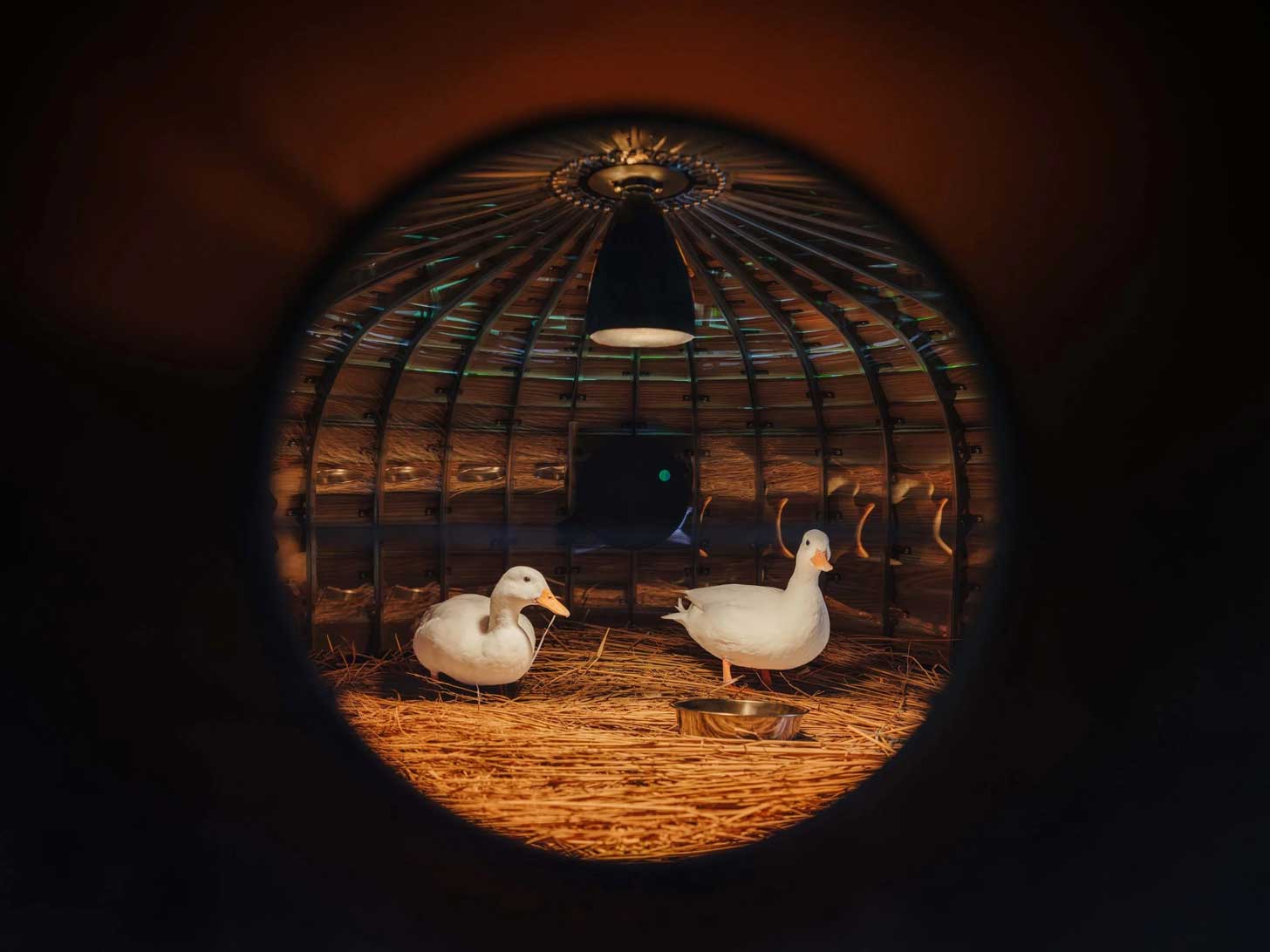
The final design was primarily made with pine wood, arranged in overlapping slats to provide prime ventilation, shade, and water drainage. Plus, it looked like the cacophony of pine cones already found in the area.
“Wood has an innate compatibility with lush, green environments, and its warmth makes it feel familiar and unobtrusive to animals,” Feng told Dezeen.

The four final huts were designed with various scales and heights to accommodate different groups of ducks, and circular windows were added, so the ducks could look out of their shelters.
Guests of the villa are also able to look through telescopes in their rooms to see the ducks in action.
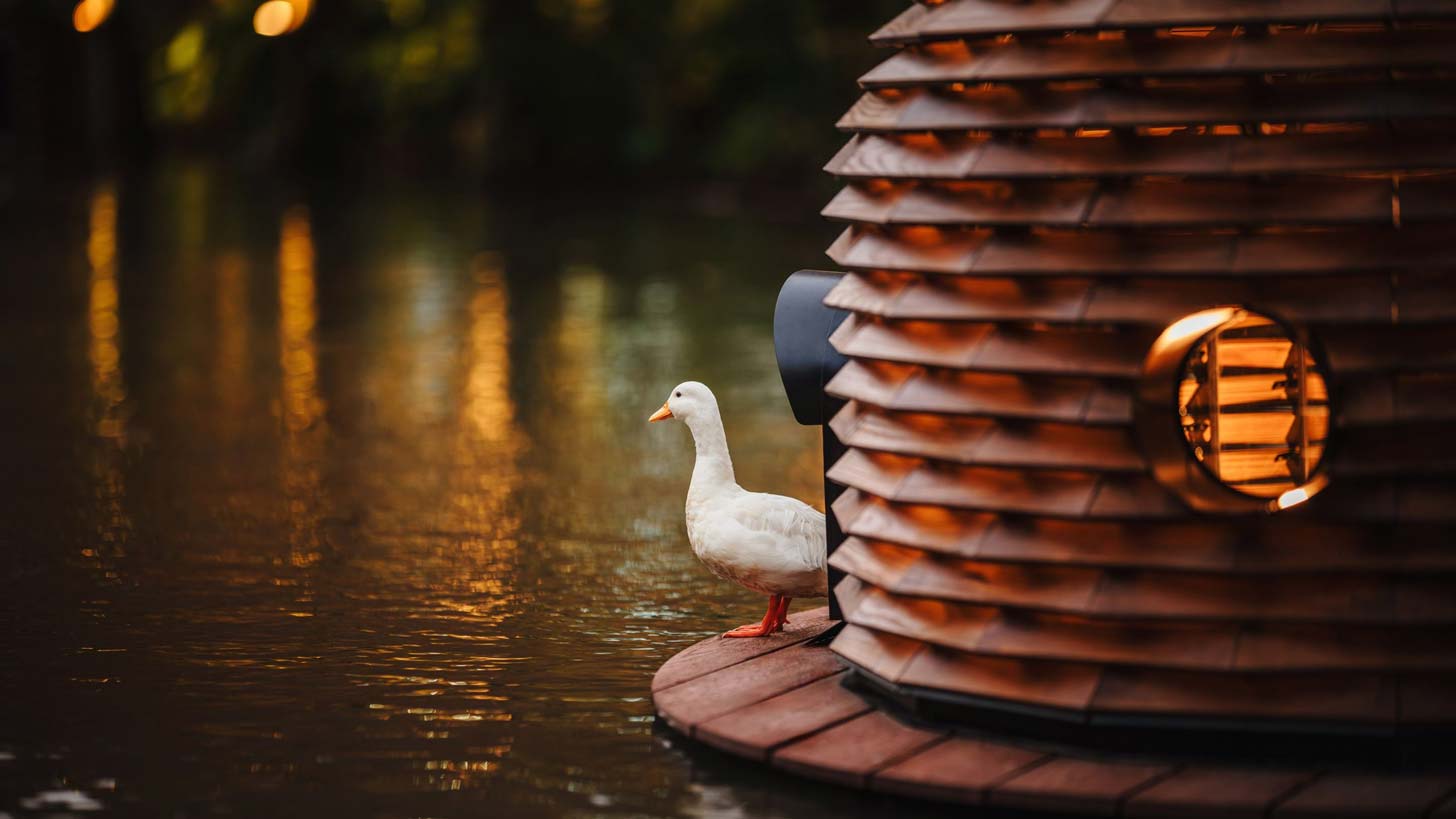
Perhaps most luxurious of all, though, each pinecone shelter includes automatic lighting that turns on during winter evenings or at set times, giving both the visitors and the ducks a warm and cozy ambiance.
About 25 ducks call the space home, and now, they get to enjoy a safe and sturdy upgrade when the rain starts to fall.

You may also like: Amid deforestation, elephants are running out of food. This architect built them a bamboo dining barn 'to restore balance'
Header image by FIXER Photographic Studio
Karie Fugett is a military widow, author, mother, and southerner. She is the author of the memoir “Alive Day,” about her experience as a military spouse.
Born and raised in Alabama, and intimately familiar with the inner workings of the United States military, she knows war. And she has watched what she calls “a war on knowledge” unfold in her community.
In March of this year, an Alabama board voted to defund a local library under a new book ban law, removing state funds from the Fairhope branch after parents criticized the library for carrying “sexually explicit books” that depict LGBTQ+ stories.

“Something about it happening so close to home struck a chord with me,” she told the Alabama Political Reporter.
“Now, Alabama is tossing around the idea of banning books portraying trans folks. It’s just wrong. Reading about perspective and ideas and lives of people different than us is what builds empathy. And, my goodness, we need so much more of that in this country right now.”
Fugett said she knows first-hand how this kind of censorship can impact someone’s life.
“As a kid, the adults in my life didn’t want me exposed to certain information, and I did and believed things out of ignorance that were so harmful to others,” she wrote in a GoFundMe campaign to raise funds for her new project.
“It wasn’t until I got to college that I experienced the kind of awakening that only comes from being exposed to stories and truths told from perspectives beyond my own. That experience changed my life. It made me a better human, and that experience fuels the work I’m doing now.”

The work she’s doing now? Converting a rusty 1940 Ford pickup truck into a traveling banned bookstore. She calls it “The Banned Wagon.”
“I was originally thinking of opening a regular bookstore, but after the fight over banning books in Fairhope, I was inspired to go this route instead,” Fugett shared with the Alabama Political Reporter.
Her goal with The Banned Wagon is to put banned and challenged books “back into the hands of the people who need them the most.” That includes LGBTQ+ youth, and other marginalized communities. But Fugett also knows that everyone needs access to books that challenge their worldview.
“Every American deserves the chance to learn and grow into empathetic, thoughtful citizens,” she wrote. “And that begins with access to voices, stories, and histories that expand their understanding of the world and the people in it, especially in today’s polarized political climate.”
With a background in teaching high school and college students, as well as her work as a writer, she also hopes the truck will serve as a meeting point for workshops and events.
She envisions book discussions, open mics, and chats about censorship meant to “show people [these books] aren’t as scary as some want them to believe.”

Fugett also plans to stock plants and antiques to curate a full bookstore experience.
She admits in a Facebook post that it’s a risky idea, especially in the South.
“That proves just how much it’s needed here,” she said. “It’s worth the risk, especially right now.”
In addition to the especially precarious nature of book ban policies in Alabama, challenges to books in schools and public libraries is on the rise nationwide.
The latest data from the American Library Association tracked 821 attempts to censor library materials and services in 2024. In those cases, a total of 2,452 unique titles were challenged.
In schools, PEN America tracked over 10,000 instances of book bans in the 2023-2024 school year, including challenges to 4,231 unique titles.
In that same year, the states that saw the most challenges included Iowa, Florida, and Texas, but southern states also show a large concentration of efforts to remove books from schools.
“Over the last three school years, book bans occurred in 43 states and 415 public school districts,” PEN America concluded.
These numbers add fuel to Fugett’s fire.
“Bless their hearts. They thought banning books in the South would keep folks from reading them,” Fugett wrote on her personal Instagram page. “Well, they’re wrong. All it’s done is make me want to fight back.”
She added that the project is bigger than just her.
“It’s a rebellion against the war on knowledge, right in the heart of the South where it’s needed the most,” she wrote. “It’s a rebellion against censorship. Against ignorance. Against apathy. And against the erasure of voices and histories.”
Right now, Fugett is working to raise funds to restore the truck and get the operation up and running. At the time of this writing, her GoFundMe campaign is a little over a quarter of the way to her $4,000 goal.
“I believe reading diverse stories is essential if we want to move toward a kinder, more peaceful world. Banning books is simply moving in the wrong direction as a species, and this is my small way of fighting back,” Fugett wrote in her call to action.
“My dream? A little truck full of banned books, rolling through the South, spreading truth, freedom, and hope — one story at a time.”
You may also like: Little Free Library debuts interactive map to find banned books in highly-restricted states
Header images courtesy of Karie Fugett
When graphic videos go viral, like the recent fatal shooting of Charlie Kirk, it can feel impossible to protect yourself from seeing things you did not consent to see. But there are steps you can take.
Social media platforms are designed to maximize engagement, not protect your peace of mind. The major platforms have also reduced their content moderation efforts over the past year or so. That means upsetting content can reach you even when you never chose to watch it.
You do not have to watch every piece of content that crosses your screen, however. Protecting your own mental state is not avoidance or denial.
As a researcher who studies ways to counteract the negative effects of social media on mental health and well-being, I believe it’s a way of safeguarding the bandwidth you need to stay engaged, compassionate, and effective.
Why this matters
Research shows that repeated exposure to violent or disturbing media can increase stress, heighten anxiety, and contribute to feelings of helplessness. These effects are not just short-term. Over time, they erode the emotional resources you rely on to care for yourself and others.
Protecting your attention is a form of care. Liberating your attention from harmful content is not withdrawal. It is reclaiming your most powerful creative force: your consciousness.
Just as with food, not everything on the table is meant to be eaten. You wouldn’t eat something spoiled or toxic simply because it was served to you. In the same way, not every piece of media laid out in your feed deserves your attention. Choosing what to consume is a matter of health.
And while you can choose what you keep in your own kitchen cabinets, you often have less control over what shows up in your feeds. That is why it helps to take intentional steps to filter, block, and set boundaries.
Practical steps you can take
Fortunately, there are straightforward ways to reduce your chances of being confronted with violent or disturbing videos. Here are four that I recommend:
- Turn off autoplay or limit sensitive content. Note that these settings can vary depending on device, operating system, and app version, and can change.

- Use keyword filters. Most platforms allow you to mute or block specific words, phrases, or hashtags. This reduces the chances that graphic or violent content slips into your feed.
- Curate your feed. Unfollow accounts that regularly share disturbing images. Follow accounts that bring you knowledge, connection, or joy instead.
- Set boundaries. Reserve phone-free time during meals or before bed. Research shows that intentional breaks reduce stress and improve well-being.

Reclaim your agency
Social media is not neutral. Its algorithms are engineered to hold your attention, even when that means amplifying harmful or sensational material.
Watching passively only serves the interests of the social media companies. Choosing to protect your attention is a way to reclaim your agency.
The urge to follow along in real time can be strong, especially during crises. But choosing not to watch every disturbing image is not neglect; it is self-preservation.
Looking away protects your ability to act with purpose. When your attention is hijacked, your energy goes into shock and outrage. When your attention is steady, you can choose where to invest it.
You are not powerless. Every boundary you set — whether it is turning off autoplay, filtering content, or curating your feed — is a way of taking control over what enters your mind. These actions are the foundation for being able to connect with others, help people, and work for meaningful change.
More resources
I’m the executive director of the Post-Internet Project, a nonprofit dedicated to helping people navigate the psychological and social challenges of life online. With my team, I designed the evidence-backed PRISM intervention to help people manage their social media use.
Our research-based program emphasizes agency, intention, and values alignment as the keys to developing healthier patterns of media consumption.
You can try the PRISM process for yourself with an online class I am launching through Coursera in October 2025. You can find the course, Values Aligned Media Consumption, by searching for Annie Margaret at the University of Colorado Boulder on Coursera. The course is aimed at anyone 18 and over, and the videos are free to watch.
This article was written by Annie Margaret from the University of Colorado Boulder, and was originally published on The Conversation.
Header Image by charlesdeluvio on Unsplash

Scientists already know that nature is medicine, with some doctors even prescribing visits to national parks as a way to reduce stress and inflammation.
But researchers at the University of Copenhagen and the University of Verona were curious to know how nature compares to other environments when people are already doing something good for their health: Exercising.
“It is not new or surprising that nature is good for our health. But there has been a lack of research examining both the mental and physical effects of exercise in nature compared to the gym and the city,” Stefano De Dominicis, professor in the Department of Nutrition, Exercise, and Sports at the University of Copenhagen, said.
“Our study shows that nature is superior to the other two environments in several areas.”
In fact, an hour of brisk walking in the forest, on the beach, or in a green park reduces stress hormones, improves mood, and makes exercise easier to enjoy, the study found.
To achieve these results, researchers recruited 25 young men to participate in the experiment, in which they were required to walk at the same pace in three different environments.

They were placed in a natural area, an urban route, and an indoor fitness facility. After each walk, their mood, stress levels, and physical exertion were measured.
“The participants felt significantly more relaxed and had lower levels of the stress hormone cortisol after walking in nature,” De Dominicis said.
“At the same time, they reported greater joy and less fatigue.”
A major finding is that exercise in nature provided far greater mental benefits than urban and indoor environments, with participants reporting much higher levels of joy, calm, satisfaction, and optimism after working out in the outdoors.
On a physiological level, researchers measured that the participants’ heart rates dropped more quickly after a walk in nature. Additionally, heart rate variability, which shows how well the body’s nervous system goes into recovery, was 20-30% higher than the indoor walk.
Participants also reported lower levels of anxiety, irritation, and boredom after exercising in nature. Boredom levels actually increased after walking indoors, the researchers shared.

“Humans were born in nature and we have undergone most of our evolution in it,” De Dominicis said. “Therefore, it is not surprising that we feel good when we are in it.”
“Our brain loves nature,” a press release from the university added.
Perhaps most exciting for those who struggle to stay disciplined, the participants in the study had a significantly greater desire to repeat their exercise in nature.
“The figures show that nature not only gives a short-term boost to mood — it also reduces negative feelings and increases motivation to continue being physically active,” De Dominicis explained.
This finding could be especially useful in public health applications, with researchers recommending that municipalities consider green spaces in their public health strategies and exercise programs.
“We see great potential in using nature as a driving force for physical activity — especially for those who find it difficult to get started,” De Dominicis said.
While the study concluded that the great outdoors might be the “superior” location for exercise, De Dominicis clarified that no matter where you exercise, you’re doing something good for your health.
In fact, there are other benefits to working out in a gym, like social perks from team sports or small talk at the elliptical. Plus, it’s a reliable place to go when there might be inclement weather.
But, De Dominicis recommended, try to transfer your workout to nature at least once a week.
“The mental and physical benefits seem to be significantly greater when exercising in nature,” he said, “so people can benefit greatly from replacing just one of their weekly indoor workouts with 30 minutes of exercise in green surroundings.”
You may also like: 75% of people more likely to visit nature if ordered by a doctor, finds new 'park prescribing' study
Header image by Markus Spiske/Unsplash
In the lobby of the YMCA in Reading, Pennsylvania, stands a row of vending machines – but one machine is different from the rest.
Instead of stocking chips or soda, this vending machine has drug-testing strips, hygiene kits, socks, soap, wound care supplies and naloxone, a medication also known by its brand name Narcan that is used to reverse opioid overdoses — all completely free.
The Health To Go vending machine has been in the Reading YMCA for over a year. Another one is in Harrisburg, outside of the UPMC Harrisburg Emergency Department. The machines list the names of resources such as mental health care, food banks, housing assistance, and substance use disorder treatment on the screen and provide contact information and a QR code to scan for more info.
We are a physician and assistant professor of family and community medicine and a criminal justice professor at Penn State University and have been part of a collective effort to put these two Health To Go vending machines in place. The vending machines are part of a growing movement in the United States to provide easy access to harm-reduction resources.
Naloxone, wound care kits and more
Harm-reduction vending machines became popular in cities across the U.S. during the COVID-19 pandemic, when people could not easily access in-person services and when drug overdose deaths also rose dramatically.
Most machines dispense naloxone nasal spray to reverse overdoses and other items such as syringes and fentanyl test strips. Some, like the Health To Go machines, also offer general health and hygiene items such as soap, toothpaste and toothbrushes, and pregnancy tests.
If a person is seen at the machine, they could be getting a toothbrush and socks, or they could be getting naloxone — no one watching would necessarily know.
Also, the nature of the vending machine means the people using them don’t need to interact with a person to obtain Narcan or drug-checking strips, as many people with substance use disorder feel stigma or embarrassment about their addiction.
The Health To Go vending machines are interactive, with a large touch screen in the front. The vending machine is connected to WiFi and cellular data and is able to capture anonymous information on how people are using the machine.
The machine can also ask users survey questions to get their feedback, such as whether there are other items they would like to see in the machine or whether they think the machine is having an impact on reducing stigma on substance use.
These machines in Pennsylvania, where over 3,300 people died of drug overdose in 2024, down from over 5,300 in 2021, are funded by grants from Penn State College of Medicine, the National Institute on Drug Abuse, UPMC Pinnacle Foundation, and opioid settlement funds from Dauphin and Berks counties.
All of this data helps the team know how to improve the machine to better serve people with opioid addiction, as well as people experiencing homelessness and having trouble affording basic needs.
The touch screen is also able to play videos, such as a quick explainer on how to use fentanyl testing strips and testimonials from people in recovery, and display local community resources and services where people can get help.

Over the past year, the two Health To Go vending machines in Reading and Harrisburg have dispensed more than 11,000 items. The most popular items are the hygiene kits, with over 3,300 dispensed. The kits contain toothbrushes, toothpaste, socks, combs, nail clippers, ChapStick, mouthwash, soap, and towels.
The machines have also dispensed nearly 1,900 doses of naloxone, 1,700 wound care kits, and over 1,500 safer sex kits.
We interviewed 10 vending machine users in Reading in the winter and spring of 2025.
“I was homeless and I didn’t have any money,” one woman shared with us. “It sounded too good to be true, and then I got here and got all that stuff for free. … Just having a clean pair of socks, that’s awesome.”
More than 2,300 distinct usernames were registered to the two machines in the past year. The usernames are the person’s birth year, a color and a nature or animal icon. This allows us to track individuals anonymously over time as they use the machine and get information as they answer survey questions.
Nearly 40% of users reported being unemployed, and almost a quarter said they are experiencing homelessness or housing insecurity.
Out of those surveyed, 4 in 5 said they had trouble paying for basic needs, and over a third had not seen a health care provider in the past year.
A judgment-free alternative
Health To Go vending machine users reported that they used the machines because the supplies were free, available 24/7, and they could get what they needed easily and without facing judgment.
For people who feel uncomfortable in traditional health care settings or talking to someone in person, these vending machines offer a judgment-free alternative.
“You don’t have no one looking over your shoulder, you have no one condemning you for, you know, getting an HIV kit or getting a pregnancy test kit or getting a wound kit,” a vending machine user we surveyed told us. “There’s no one there behind you, just like, ‘Oh my God, you have HIV.’”
“Nobody wants to walk up to somebody and say, ‘Hey, excuse me, can I get a Narcan kit, or can I get a fentanyl test strip?’” another vending machine user said. “It just makes you feel … like not whole. I don’t want other people to know that I’m in an addiction.”
We think that putting naloxone and drug-checking strips alongside other health and hygiene items helps to normalize them. We also believe calling it Health To Go puts the focus on health, not just on substance use.
The team plans to install at least two more machines in central Pennsylvania within the next year. By removing barriers such as cost, hours of operation and potential stigma, the Health To Go vending machines are able to reach people who may otherwise fall through the cracks of traditional health care.
As one machine user explained, “They are saving people from STDs and stuff like that. They’re saving people from overdosing. They’re saving people from dying.”
This article was written by Alice Zhang and Jennifer Murphy from Penn State, and was originally published on The Conversation.
Header Image by Penn State College of Medicine

Microplastics seem to be everywhere — in the air we breathe, the water we drink, the food we eat. They have turned up in human organs, blood, testicles, placentas, and even brains.
While the full health consequences of that exposure are not yet known, researchers are exploring potential links between microplastics and negative health effects such as male infertility, inflammation, liver disease and other metabolic problems, and heart attack or stroke.
Countries have tried for the past few years to write a global plastics treaty that might reduce human exposure to plastic particles and their harm to wildlife and ecosystems, but the latest negotiations collapsed in August 2025.
Most plastics are made with chemicals from fossil fuels, and oil-producing countries, including the U.S., have opposed efforts that might limit plastics production.
While U.S. and global solutions seem far off, policies to limit harm from microplastics are gaining traction at the state and local levels.
As an environmental lawyer and author of the book “Our Plastic Problem and How to Solve It,” I see four promising policy strategies.
Banning added microplastics: Glitter, confetti and turf
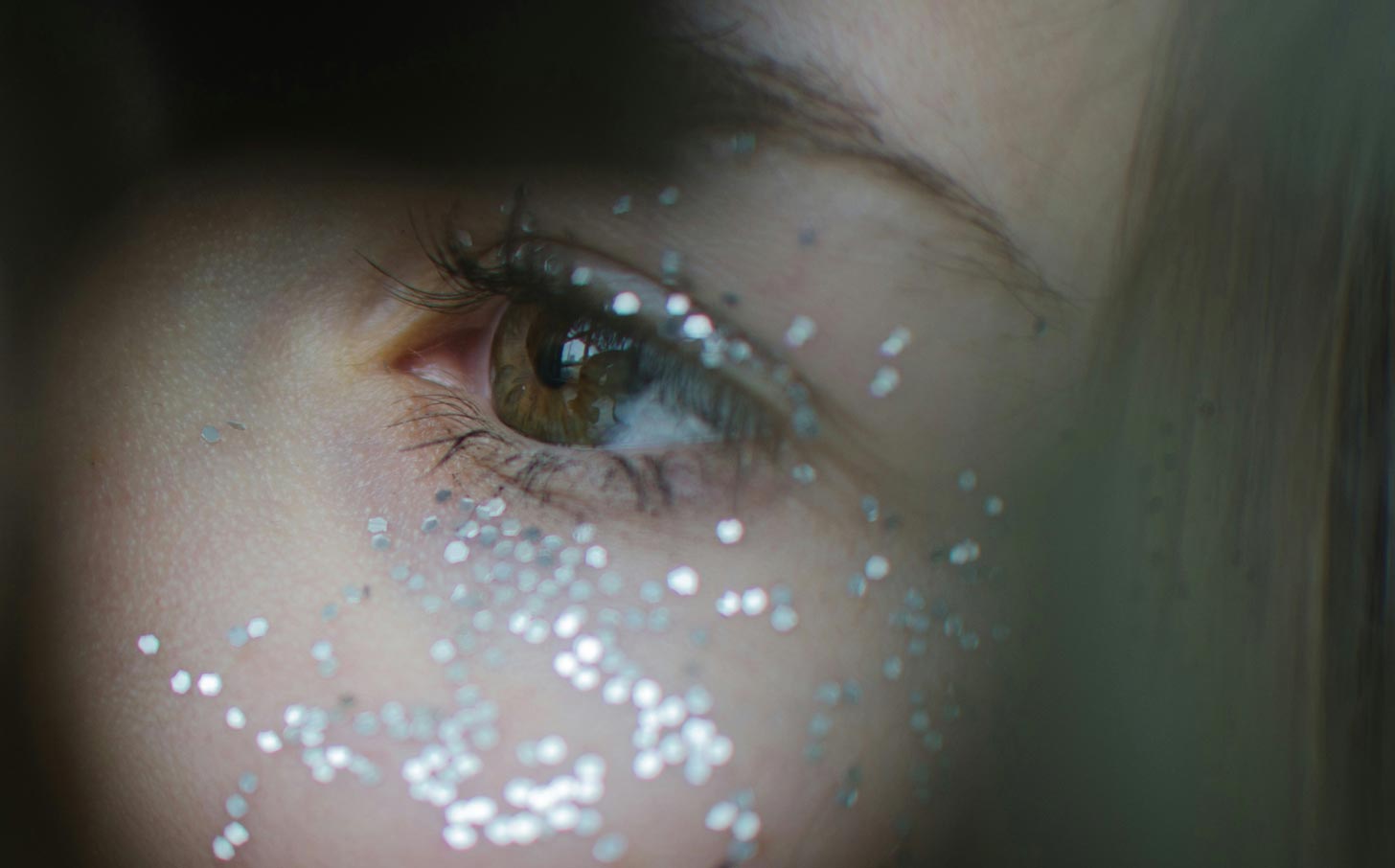
Some microplastics are deliberately manufactured to be small and added to products. Think glitter in cosmetics, confetti released at celebrations, and plastic pellet infill, used between the blades in turf fields to provide cushion and stability.
These tiny plastics inevitably end up in the environment, making their way into the air, water, and soil, where they can be inhaled or ingested by humans and other organisms.
California has proposed banning plastic glitter in personal care products. No other state has pursued glitter, however some cities, such as Boca Raton, Florida, have restricted plastic confetti. In 2023, the European Union passed a ban on all nonbiodegradable plastic glitter, as well as microplastics intentionally added to products.
Artificial turf has also come under scrutiny. Although turf is popular for its low maintenance, these artificial fields shed microplastics.
European regulators targeted turf infill through the same law for glitter, and municipalities in Connecticut and Massachusetts are considering local bans.
Rhode Island’s proposed law, which would ban all intentionally added microplastics by 2029, is broad enough to include glitter, turf and confetti.
Reducing secondary microplastics: Textiles and tires
Most microplastics don’t start small; rather, they break off from larger items. Two of the biggest culprits of secondary microplastics are synthetic clothing and vehicle tires.
A study in 2019 estimated that textiles accounted for 35% of all microplastics entering the ocean — shed from polyester, nylon, or acrylic clothing when washed. Microplastics can carry chemicals and other pollutants, which can bioaccumulate up the food chain.
In an effort to capture the fibers before they are released, France will require filters in all new washing machines by 2029.
Several U.S. states, including Oregon, Illinois, New York, New Jersey, and Pennsylvania, are considering similar legislation.
California came close in 2023, passing legislation to require microfiber filters for washing machines, but it was ultimately vetoed due to concerns about the cost of adding the filters. Even so, data submitted in support of the bill showed that such filters could cut microplastic releases from laundry by nearly 80%.
Some states, such as California and New York, are considering warnings on clothing made with synthetic fibers that would alert consumers to the shedding of microplastics.
Tires are another large source of microplastics. As they wear down, tires release millions of tons of particles annually, many of which end up in rivers and oceans. These particles include 6PPD-quinone, a chemical linked to mass die-offs of salmon in the Pacific Northwest.
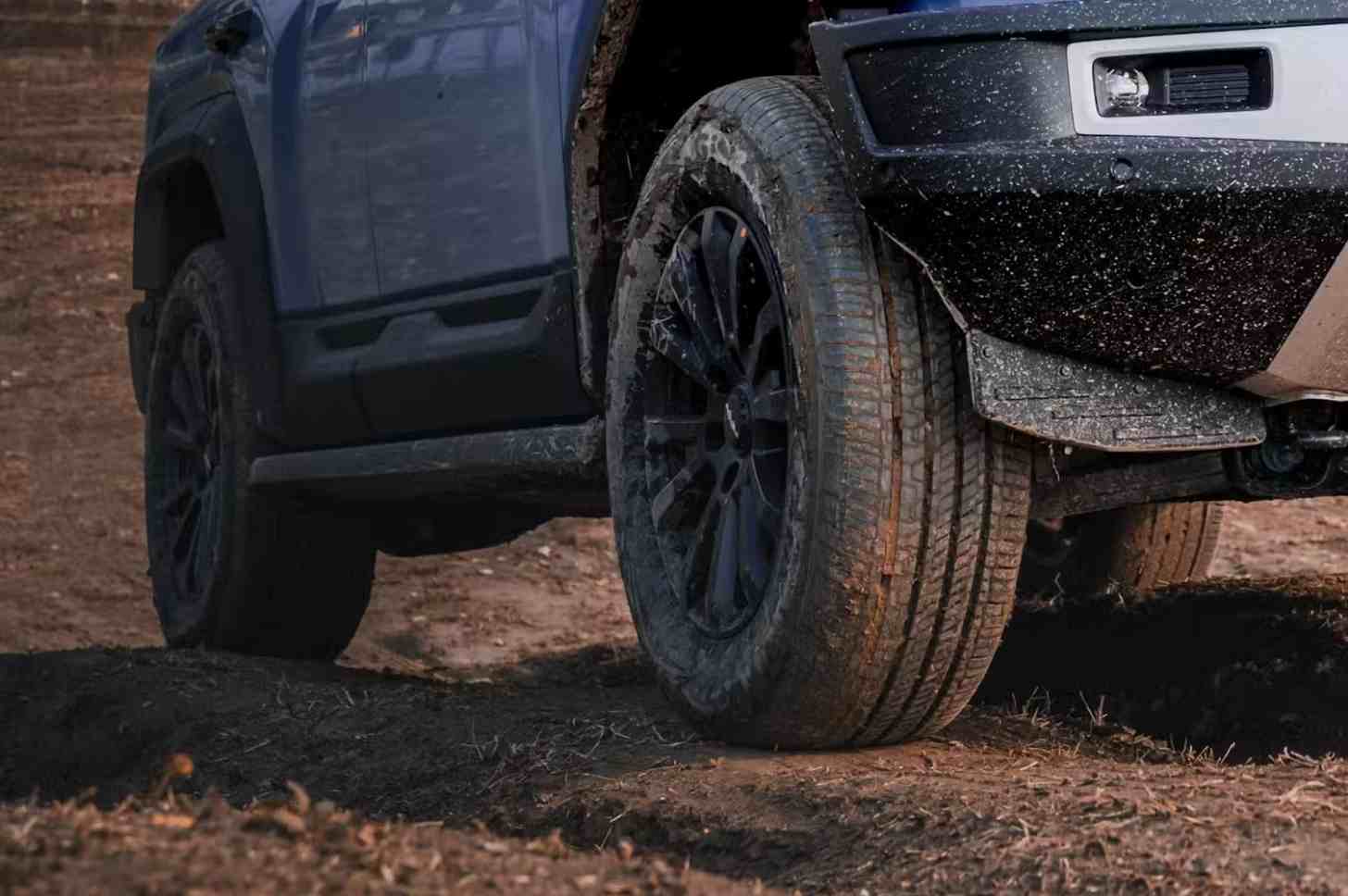
One approach would be to redesign the product to include safer alternatives. California’s Department of Toxic Substances Control recently added 6PPD-quinone to its priority product list, requiring manufacturers to explain how they will either redesign their product or remove it from the market.
Regulating disposal
Microplastics can also be dealt with at the disposal stage.
Disposable wipes, for example, contain plastic fibers but are still flushed down toilets, clogging pipes and releasing microplastics. States such as New York, California, and Michigan have passed “no-flush” labeling laws requiring clear warnings on packaging, alerting consumers to dispose of these wipes another way.
Construction sites also contribute to local microplastic pollution. Towns along the New Jersey shore have enacted ordinances that require builders to prevent microplastics from entering storm drains that can carry them to waterways and the ocean.
Such methods include using saws and drills with vacuums to reduce the release of microplastics and cleaning worksites each day.
Oregon and Colorado have new producer responsibility laws that require manufacturers that sell products in plastic packaging to fund recycling programs. California requires manufacturers of expanded polystyrene plastic products to ensure increasing levels of recycling of their products.
Statewide strategies and disclosure laws
Some states are experimenting with broader, statewide strategies based on research.
California’s statewide microplastic strategy, adopted in 2022, is the first of its kind. It requires standardized testing for microplastics in drinking water and sets out a multiyear road map for reducing pollution from textiles, tires, and other sources.
California has also begun treating microplastics themselves as a “chemical of concern.” That shifts disclosure and risk assessment obligations to manufacturers, rather than leaving the burden on consumers or local governments.
Other states are pursuing statewide strategies. Virginia, New Jersey, and Illinois have considered bills to monitor microplastics in drinking water.
A Minnesota bill would study microplastics in meat and poultry, and the findings and recommendations could influence future consumer safety regulations in the state.
State and local initiatives in the U.S. and abroad — be they bans, labels, disclosures, or studies — can help keep microplastics out of our environment and lay the foundation for future large-scale regulation.
Federal ripple effects
These state-level initiatives are starting to influence policymakers in Washington.
In June 2025, the U.S. House passed the bipartisan WIPPES Act, modeled on state “no-flush” laws, and sent it to the Senate for consideration.
Another bipartisan bill was introduced in July 2025, the Microplastic Safety Act, which would direct the FDA to research microplastics’ human health impacts, particularly on children and reproductive systems.
Proposals to require microfiber filters in washing machines, first tested at the state level, are also being considered at the federal level.
This pattern is not new. A decade ago, state bans on wash-off cosmetic microbeads paved the way for the Microbead-Free Waters Act of 2015, the only federal law to date that directly bans a type of microplastic. That history suggests today’s state and local actions could again catalyze broader national reform.
Small steps with big impact
Microplastics are a daunting challenge: They come from many sources, are hard to clean up once released, and pose risks to our health and the environment.
While global treaties and sweeping federal legislation remain out of reach, local and state governments are showing a path forward.
These micro-solutions may not eliminate microplastics, but they can reduce pollution in immediate and measurable ways, creating momentum for larger reforms.
This article was written by Sarah J. Morath from Wake Forest University, and was originally published on The Conversation.
Header Image by the Oregon State University via Wikimedia Commons, CC BY-SA

Modern shark conservation can largely be traced back to Australia’s grey nurse shark. In 1984, the gentle giant became the first protected shark in history when the government of New South Wales declared it a protected species.
Today, the grey nurse shark — widely considered the most docile and friendly shark species in the world — has similar protections throughout Australia, South Africa, and Namibia.
It’s been a long and harrowing journey for the shark, which is one of Australia’s most endangered marine species. After being nearly hunted to extinction in the 1950s, the population struggled to recover in the decades since.
According to the Independent, a survey from 2000 estimated that their numbers in New South Wales (NSW) dwindled down to as low as 292.
David Harasti, a senior research scientist at the New South Wales Department of Primary Industries, said the sharks have earned their reputation as the “labradors of the sea” due to their harmless nature.
“It's one of the more placid sharks; they come and look at you really inquisitively, they follow you around,” the marine biologist told the Australian Broadcasting Company on September 13.
“They're a very ferocious-looking shark with big pointy teeth, but they're not known to bite people.”
Harasti has been observing the species’ decline throughout his 20-year career in marine biology. He said that scuba divers were the first to raise the alarm.
“Divers went actively searching for grey nurse sharks, and where they used to find dozens, they could only find a handful,” he said.
Fortunately, new research from the NSW Department of Primary Industries and the Commonwealth Scientific and Industrial Research Organisation is giving experts like Harasti renewed hope for the species.
“The adult population is now estimated to be around 1,500 along the east coast and rising,” Harasti said. “It's increasing around five percent a year, so this is a really good thing.”
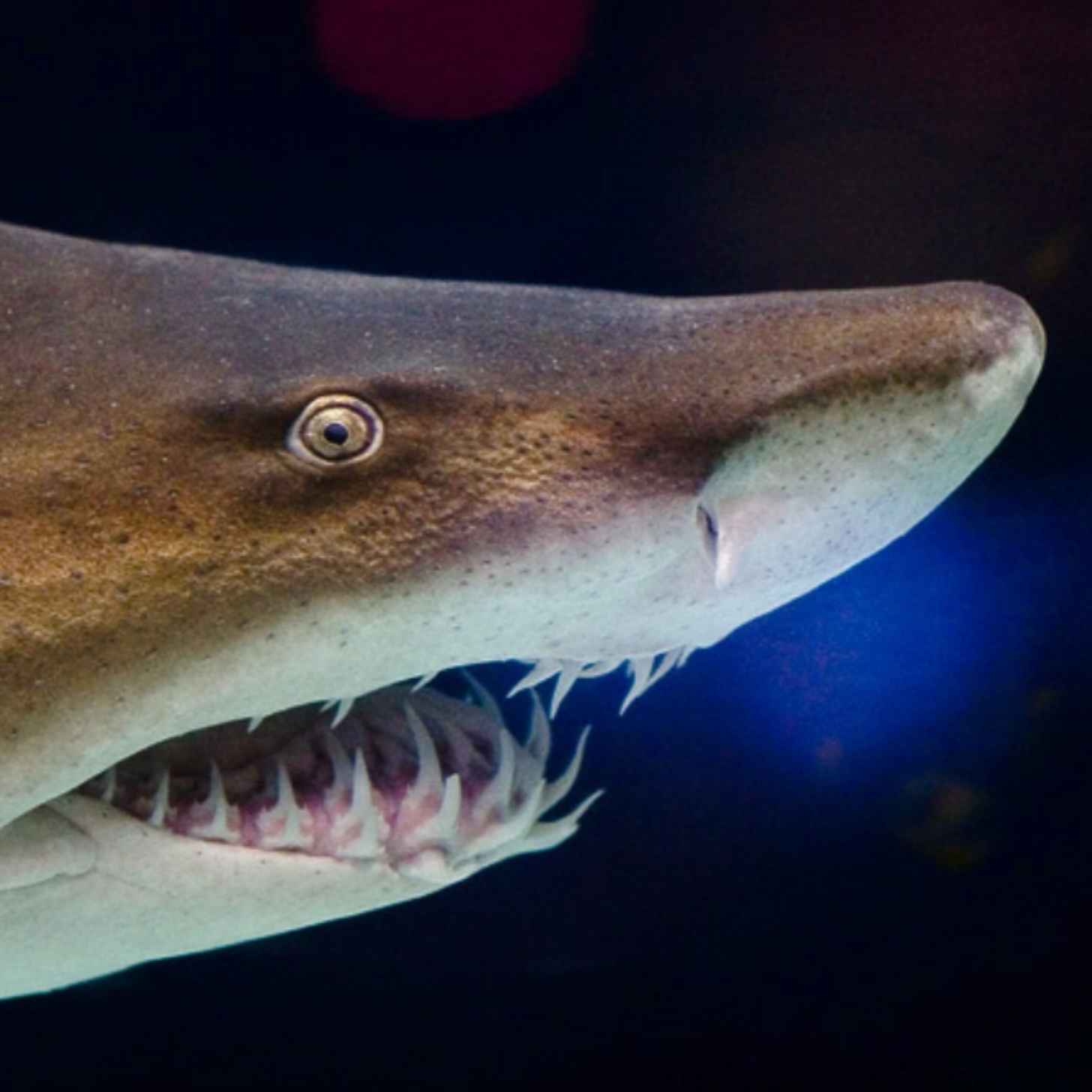
To conduct the research, divers had to “sneak up” upon grey nurse sharks in the wild and carefully collect samples for genetic modelling.
“Quite often, underwater, you're contorting your body to get these samples,” he said. “The results back up what divers have been noticing in the wild.”
Despite their recent recovery, grey nurse sharks remain vulnerable to recreational and commercial fishing, according to University of the Sunshine Coast researcher Ross Dwyer.
“These results are really promising, it shows the population does seem to be increasing, but the numbers are still very low,” Dwyer said.
“The genetic testing is exciting, but it's still in its infancy and needs to be corroborated.”
The sharks, which grow to roughly 10 feet in length, tend to swim along the ocean floor of coastal waters along the eastern shorelines of Australia.
Like all sharks, the species plays a crucial role in ocean health. As an apex predator, grey nurse sharks feed on prey populations like fish, squid, and octopus. This behavior, in turn, keeps local food webs from destabilizing.
In addition to New South Wales DPI and CSIRO’s recent efforts to monitor the population, conservationists have been encouraging local divers to log encounters with the species on the Spot A Shark app.
As Harasti and his peers harbor hope for the grey nurse shark’s continued recovery, he took a moment to celebrate the latest milestone.
He said: “This is one of our first good news marine stories for a threatened species.”
You may also like: In the vast Namib Sand Sea, a chorus of thousands of 'dropping marbles' led scientists to a new species of gecko
Header image via David Harasti
According to Four Paws, a global animal welfare organization, the leather industry kills an estimated 1 billion cattle, sheep, and goats per year.
And that statistic doesn’t account for the millions of wild animals used for exotic leather goods, like lizards, stingrays, kangaroos, ostriches, alligators, and crocodiles.
In addition to the toll it takes on animals, the leather industry also has a high cost on the environment.
Leather is largely a byproduct of the cattle industry, which contributes to deforestation and greenhouse gas emissions on a global scale.
When demand for beef outpaces demand for leather, unused hides are burnt or sent to landfills.
According to the Leather and Hide Council of America, up to 5.5 million hides were wasted in 2019 in the US alone — enough leather to make 110 million footballs.
It’s a problem that’s led to a myriad of “vegan” leather alternatives in the last decade, with fashion, furniture, and automobile companies turning to leather made from pineapple waste, seaweed, mushrooms, and cork.
In 2019, Mexican entrepreneurs — and longtime friends — Adrián López Velarde and Marte Cázarez Duarte threw their hats in the vegan leather trade by becoming the first people to make leather from nopales, or prickly pear cactus.
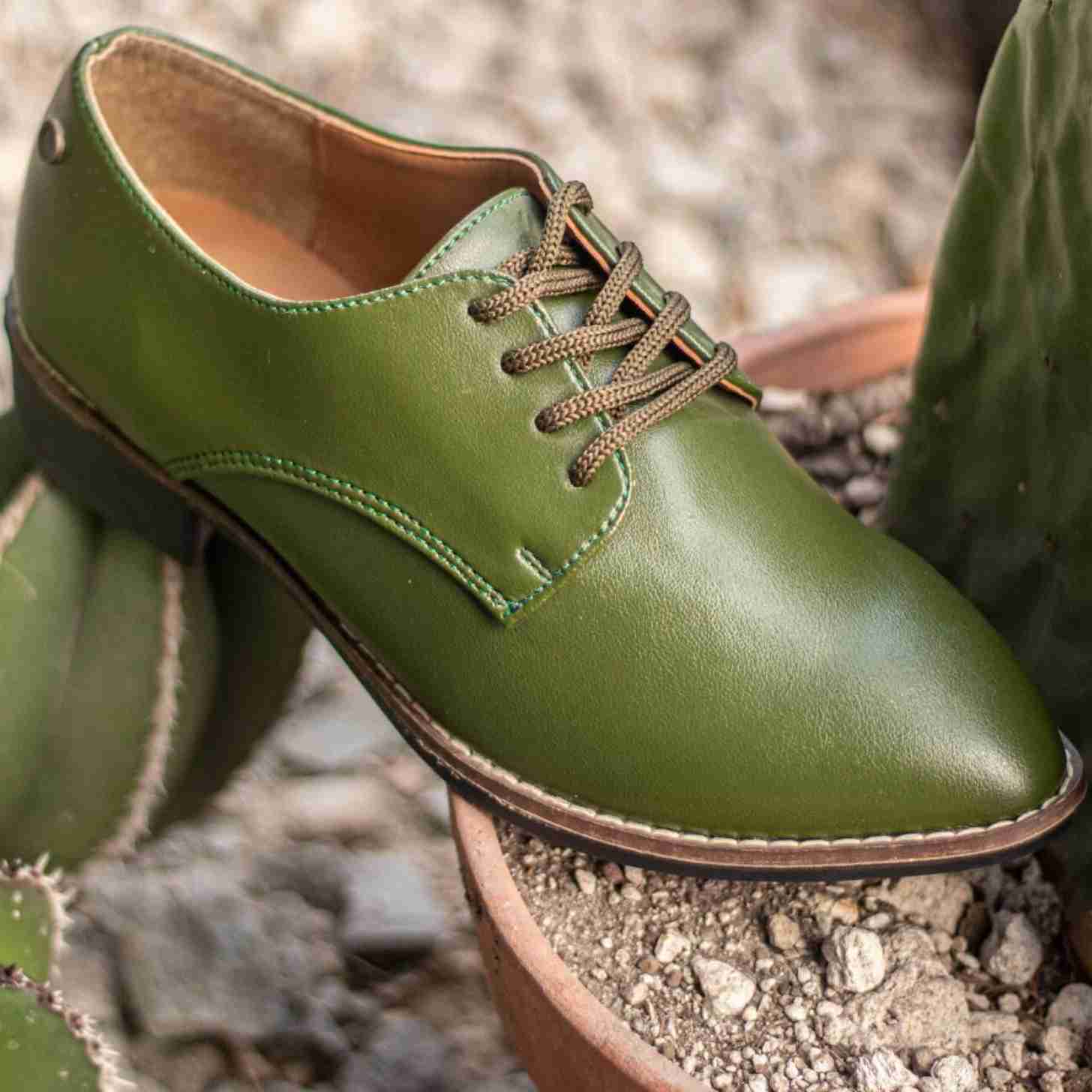
The two initially met while studying abroad in Taiwan, when they became fast friends over their shared birthdays.
They stayed in touch even as Cázarez Duarte pursued fashion and López Velarde entered the automotive industry — and later found that they had a shared interest in challenging the spaces they were soon leading.
“We were not happy about all the contamination that we were causing the environment,” Cázarez Duarte told Elle in 2024. “We started asking, ‘How can we improve this industry [from within]?’”
On a ranch they shared in Zacatecas, Mexico, the duo began planting prickly pear cacti, watering the crops with rainwater, and then cutting off the leaves as they matured.
In the last six years, Desserto has partnered with Adidas, Otterbox, Michael Kors, Fossil, BMW, and more to make plant-based outfits, shoes, bags, phone cases, watch bands, and whole car interiors.
“What we want to achieve is to create a material as sustainable as possible, but at the same time, complies with the standards of the different industries,” López Velarde said in a statement.

“We are conscious of the environmental impact that the materials have in the world, and we are here to change them,” Cázarez Duarte added.
Since 2019, the spotlight on López Velarde and Cázarez Duarte has grown even larger.
In 2023, the team was celebrated at the inaugural Latin American Fashion Awards as a Responsible Project of the Year honoree.
In 2024, actress Morena Baccarin wore a cocktail dress made out of Desserto cacti leather at the premiere of “Deadpool and Wolverine.”
More recently, they helped Chipotle pull off their latest “Responsible Restaurant” design by furnishing their new dining rooms entirely with prickly pear cactus leather.
“There are many changes happening in the world,” López Velarde said, “and Desserto is one of them.”
You may also like: This tropical resort in Bali asks one thing of its guests: plant coral before you leave
Header image via Desserto
Every day the Good Good Good team collects the best good news in the world and shares it with our community. Here are the highlights for this week!
If you want to get good news in your inbox every day, join the Goodnewsletter — the free daily newsletter designed to leave you feeling hopeful.
The Best Positive News We’re Celebrating This Week —
A new nature preserve in Ohio will protect 3,000 acres of Appalachian foothills
In one of the largest private land protection initiatives in state history, nearly 3,000 acres of forest in the foothills of Appalachian Ohio, and the wildlife that call it home, will be protected and open to the public.
The family that has owned the land for the last century donated it to a local landbank, which will manage it as a nature preserve, protecting wildlife and adding trail markings and parking to make it more accessible and safe for the public.
And with a conservation easement on the land, The Nature Conservancy will ensure the property is protected long-term.
Why is this good news? In Ohio specifically, public lands are limited compared to the rest of the country, with “only about 4.2% public land.” Nature preserves, especially large ones like this, not only protect critical species and ecosystems, but they keep public lands and nature available and accessible to the public — bringing its own wide range of benefits.
→ Read more
A retired teacher sheltered 18 students fleeing the Colorado school shooting in his home
Last week, a 16-year-old male student opened fire at Evergreen High School in Evergreen, Colorado, a mountain town near Denver, shooting and injuring two students and himself.
Don Cygan lives about 300 yards from the school and was finishing up lunch when he heard pounding at his door. About seven young men told him what was happening and asked if he’d let them in.
As a retired teacher who taught public school for 25 years, Cygan quickly welcomed them in — along with a second group that followed. His wife, a retired nurse, was also able to help calm the students down, treat them for shock, and comfort them.
Africa has provided school meals to 20 million more children in the past two years
Demonstrating both a shift away from dependence on foreign aid and toward a stronger commitment to education, a new report found that governments in sub-Saharan Africa have provided school meals to approximately 20 million more children over the past two years.
The largest rise in school feeding of any region in the world, 87 million children total received school meals in 2024. Countries like Ethiopia, Rwanda, Madagascar, and Chad all fed six times as many children.
The report also found that local farmers were benefiting from the additional school meals. In Benin, the government’s purchase of local food contributed over $23 million to the economy last year, and more than one-third of Sierra Leone’s school meals came from food from smallholder farmers.
Why is this good news? The entire African continent has been seeing rising numbers of hungry people due to climate change-related extreme weather, armed conflict, and food inflation. A recent report found that one in five Africans was chronically malnourished, news that comes amidst wealthy countries like the U.S. cutting foreign aid.
When kids are hungry, it’s harder for them to learn — all kids deserve to eat at school.
→ Read more
New beekeeping program helps prison inmates heal through nature: ‘Already producing honey’
→ Read more
Child poverty has declined globally, with nearly 100 million fewer children living in poverty in the last 10 years
For the past 10 years, child poverty has been steadily declining. In 2024, globally, an estimated 412 million children under the age of 17 lived in extreme poverty, down from an estimated 507 million children in 2014.
Some of the most significant reductions in child poverty have occurred in South Asia and East Asia and the Pacific. In South Asia, extreme poverty declined by more than half in the last decade, and India saw the largest reduction of children living in extreme poverty.
While that’s important progress, areas like sub-Saharan Africa have seen child poverty rates remain about the same over the course of the decade, and other regions have seen child poverty increase, due in part to war and conflict. Progress is possible, and we must continue to work to see fewer children living in poverty.
New York City is turning millions of pounds of food waste into ‘black gold’ to improve the city’s soil health
In many U.S. cities, waste items like watermelon rinds, greasy pizza boxes, and yard trimmings are bound for the landfill — in New York, they become “black gold,” a rich compost used throughout the city to improve soil health.
The Staten Island Compost Facility has long processed landscape waste, but it now also takes in residential organic waste — an average 100 to 150 tons of organic material every single day.
The end product is sold to some landscapers, but the rest is distributed free of charge to residents, schools, and community gardens. The city said it’s given out nearly 6 million pounds to residents so far this year.
Why is this good news? Food scraps and yard waste make up the most volume in household trash, and when they enter a landfill, they generate methane, a greenhouse gas even more potent than carbon dioxide. When these waste items are composted, not only are those emissions prevented — they help improve soil health, manage stormwater, and keep city greenspaces thriving.
Plus, composting can be daunting for the average individual to manage, so a city-wide service allows people interested to benefit.
Boston is the first US city to plant green roofs on bus stops, and it’s already inspiring other cities to do the same
The Global Fund partnership has saved 70 million lives since 2002
A new report found that the Global Fund partnership has saved 70 million lives since 2002, reducing the combined death rate from AIDS, tuberculosis, and malaria by 63%.
Last year alone, 25.6 million people were on antiretroviral therapy for HIV, up from 17.5 million in 2017. The Global Fund also joined PEPFAR in committing to reaching 2 million people with the groundbreaking twice-yearly, long-acting injectable drug lenacapavir that showed up to a 100% success rate in preventing new HIV infections.
In 2024, 7.4 million people were treated for TB, with the Global Fund investing over $193 million between 2021 and 2024 in AI-powered TB screening tools in over 20 countries, helping beat TB and more effectively and efficiently use resources.
It also distributed 162 million insecticide-treated mosquito nets to protect families from malaria.
→ Read more
For the first time, wind and solar power made up over one thirds of Brazil’s electricity generation in a single month
For the first month on record, wind and solar power generated more than a third of Brazil’s electricity in August, accounting for 34% of the country’s electricity generation.
The two clean energy sources produced a record 19 terawatt hours, enough to power 119 million average homes in the country for the month and surpassing the previous record of 18.6 TWh set in September of last year.
Another renewable energy source, hydropower, still generates the bulk of the country’s electricity, providing 48% of electricity in August — just the second month ever that it supplied less than half of Brazil’s power.
Why is this good news? Despite hydropower reaching somewhat historic lows in the country, the decline is not being made up by fossil fuels, but by other renewable energy sources. Wind and solar continue to prove their worth as a reliable, efficient source for countries to supply their power grids.
More than just bags: Vera Bradley pickleball, golf tournaments raise over $40M for breast cancer research
→ Read more
An eight-time Grammy winner donated $1 million to a shop that repairs students’ instruments for free
The subject of the Oscar-winning documentary “The Last Repair Shop,” a facility in Los Angeles is one of the last publicly funded repair shops for musical instruments in the country. It provides free instruments and repairs to students in the Los Angeles Unified School District, where 80% of students come from low-income backgrounds.
The facility just received a $1 million donation from eight-time Grammy winning musician, producer, and philanthropist Herb Alpert — who got his start playing trumpet in the LAUSD.
The facility helps ensure students have equitable access to high-quality instruments — and the costly repairs that often come with them. With so many facilities like it closing down around the country, Alpert wanted to make sure this essential part of the district’s music program could continue its vital work.
→ Read more
One week after the Evergreen High School shooting, hundreds of Denver-area high school students protested to demand action against gun violence
One week after two students were wounded in a shooting at the Denver-area Evergreen High School, more than 200 students from schools around the city rallied at and marched around the Colorado State Capitol building to demand change.
Students wore “Students Demand Action” shirts and held signs with phrases like “we stand with Evergreen” and “no more silence, end gun violence.”
There were also multiple school walkouts planned at other schools across the state, including at Columbine High School, that occurred exactly one week, down to the minute, from the start of the shooting at Evergreen.
Why is this good news? Some of the students who participated in this protest said they’d been demanding action for years — they deserve to attend school and learn in safety. Their unwillingness to give up the fight for a better, safer future for themselves and future students is inspiring — and one we should all join in on.
This former Iraqi military site used to hold 45M tons of waste — now, it’s being transformed into a massive ‘urban forest’
In August, global electric vehicle sales increased 5% month-over-month and 15% year-over-year
In August 2025, 1.7 million electric vehicles were sold globally, including 1.16 million Battery Electric Vehicles and 0.57 million Plug-in Hybrid Electric Vehicles. That represents a 5% increase over sales in July 2025, and a 15% increase over August last year.
It also brings the total number of global EV sales to 12.5 million cars in the first eight months of the year, a 25% increase over the same time period last year.
Notably, the North American market — the U.S., Canada, and Mexico — reached a record monthly high with sales up 6% year to date. This comes as U.S. consumers take advantage of tax credits set to expire in September.
More good news of the week —
Researchers just discovered a new way to build an EV battery that makes it easy to break apart and recycle. As the demand for electric vehicles soars, there’s a looming concern for industry experts: figuring out the best way to repurpose the several-hundred-pound batteries that power these vehicles — and MIT researchers just had a breakthrough.
Handling large-scale cruelty cases, a nonprofit has rescued 10,000 neglected and abused animals. Recognizing that organizations and law enforcement agencies lacked the resources to address large-scale cruelty cases, Tim Woodward co-founded Animal Rescue Corps to make sure the animals affected weren’t left behind.
After years of work, researchers have bred the endangered red and yellow mountain frog for the first time. Seven of the tiny frogs were released into the wild in Australia, and more releases are expected in the future as scientists continue to monitor the frogs to determine the success of the release program.
To help tackle the state’s educator shortages, New Jersey is giving teachers student loan relief. Almost 170 public school teachers are currently participating in the New Jersey Teacher Loan Redemption Program that offers student loan redemption in exchange for up to four years of service.
Former Chicago Cubs player and cancer survivor Anthony Rizzo retired from baseball wearing a jersey signed by cancer patients. Rizzo is a Hodgkin lymphoma survivor and 2017 Roberto Clemente Award winner for community service, and the Anthony Rizzo Family Foundation has raised funds for cancer research and support for patients’ families.
Lawmakers in California are working on a $23 billion plan to restore funding for scientific research. They want to create a state-level equivalent of the National Institutes of Health, but the plan would need to be approved by other state lawmakers and voters.
Researchers in Brazil presented a groundbreaking new drug that can reverse spinal cord injuries. During the experimental phase of the antidote, which is applied directly to the spine, patients experienced full recovery of their conditions, with no aftereffects and resuming a routine without restrictions.
Following negotiations between member states, the EU officially introduced binding 30% reduction targets on food waste. The EU wastes almost 60 million tons of food annually, at an estimated loss of $155 billion, which has a significant climate impact, generating about 16% of the total greenhouse gas emissions from the EU food system.
Trader Joe’s donates 100% of its unsold products everyday — it donated 98 million pounds of food last year alone. In 2024, the then-579 stores nationwide donated the tens of millions of pounds of products to more than 2,000 partners on a daily basis.
A privately funded national civil rights museum in Atlanta is expanding its exhibits at a critical time in history. The National Center for Civil and Human Rights’ nearly $60 million renovation adds six new galleries as well as classrooms and interactive experiences, creating a space where people are encouraged to take action supporting civil and human rights, racial justice, and the future of democracy.
Researchers created a miniaturized microscope for real-time, high-resolution, non-invasive imaging of brain activity in mice. The first-of-its-kind imaging system will advance insights into how the brain works, which is expected to benefit human health by empowering the development of new and improved therapeutic strategies for brain disorders.
Canada announced a new federal agency dedicated to building affordable housing. In an effort to help solve the country’s housing crisis, the agency will be supported by an an initial $9.39 billion investment and help reduce upfront costs and leverage public lands for housing.
A rare, endangered night parrot that was thought to be extinct was rediscovered after 100 years of no sightings. A focused effort in Australia also sought to assess the bird’s habitat for threats so that it could better protect the species.
A beneficial bacterial probiotic is helping mitigate disease spread in Florida’s coral reefs. Scientists have previously tested the bacterial probiotic on adult corals, but now have published research on how this probiotic could limit disease spread in young corals, too.
A new study found that an ultrasound “helmet” could provide non-invasive treatment for Parkinson’s. The device can target brain regions 1,000 times smaller than ultrasound can, and could replace existing approaches in treating Parkinson’s disease, and even have potential for conditions such as depression, Tourette syndrome, chronic pain, Alzheimer’s, and addiction.
A Pittsburgh-area animal rescue installed a 24/7 microchip scanner to make it easier for lost pets to reunite with their owners. The microchip reader has step-by-step instructions, and after scanning the pet and finding the microchip, you can search it in a nationwide registry, which connects you to the microchip company and ultimately the owners.
Google partnered with a U.K. nonprofit to detect and remove nonconsensual intimate images from Search. The massive search engine will start using StopNCII, which helps adults prevent their private images from being shared online by creating a unique identifier, or hash, representing their intimate imagery.
Tufts University announced it will start providing free tuition for U.S. families earning less than $150,000 annually. One of the few universities committed to meeting 100% of the demonstrated financial need for all students, the new policy aims to ensure that the university is accessible to students from all socioeconomic backgrounds.
Dozens of celebrities took the stage in London for a “Together for Palestine” fundraising concert. Held at Wembley Arena, the event included performances from Bastille, James Blake, and Palestinian artists, as well as appearances from actors like Florence Pugh and Nicola Coughlan, footballer Eric Cantona, and more.
A Boston church unveiled a monument to the more than 200 slaves once held by members of the congregation. The historic King’s Chapel is located along the city’s Freedom Trail, a red-brick path through the city that visits key sites in America’s revolutionary history.
Chrysogorgiidae is a family of soft corals, commonly known as “golden corals,” which stand out in the deep-sea thanks to their eye-catching iridescent displays.
And one Chrysogorgiidae coral species, from the family Iridogorgia, has finally been added to the scientific record after scattered sightings in rocky ocean bottoms off the Hawaiian island of Molokaʻi in 2006 and the Mariana Trench in 2016.
Les Watling, professor emeritus at the University of Hawaiʻi at Mānoa’s School of Life Sciences, recorded the findings on September 4 after reviewing research from colleagues at the Institute of Oceanology Chinese Academy of Sciences in Qingdao, China.
“Seeing this coral for the first time was unforgettable,” Watling said in an interview with the University of Hawaiʻi at Mānoa. “Its long, flexible branches and shape immediately reminded me of Chewbacca.”
Despite its uncanny resemblance to the 7-foot-tall Wookie, once described by Carrie Fisher’s Princess Leia as a “big, walking carpet,” the newly discovered Iridogorgia chewbacca does not actually have hair.
Rather, it has a shiny framework of long, flexible branches that resemble flowing locks of hairy tendrils.
The Chewbacca coral ranges in size: The creature first spotted near Molokaʻi in 2006 was roughly 4 feet in length, while the Mariana Trench specimen was 20 inches.

Like other coral species, soft corals in the Iridogorgia genus are filter feeders, capturing food particles known as “marine snow” that drift down from the ocean’s surface.
In turn, the coral then processes those nutrients and transfers them to organisms living along the ocean floor.
Their overflowing, tree-like structures also play host to smaller sea creatures — including shrimp, feather stars, and lobsters — that live among their branches.
Although the Chewbacca coral is making headlines due to its memorable name, Watling and his peers confirmed three additional new species in their research: Iridogorgia curva, Iridogorgia fontinalis, and Iridogorgia splendens — the latter two being species specific to the Western Pacific Ocean.

“There are currently fourteen species of Iridogorgia with twelve species in the Pacific,” Watling explained in the study, which was published in the scientific journal Zootaxa. “Among them, 10 species were found in the tropical western Pacific, showing a high diversity.”
Watling took pride in his research, which drew from his early career working in Hawaii’s waters.
“Even after years of deep-sea work, discoveries like this still make me stop and take notice.”
You may also like: Critically endangered shark, called the 'labrador of the sea,' rebounds in Australia
Header image via Xu Y 2025 Zootaxa via Unversity of Hawaiʻi at Mānoa
As the world begins to rapidly shift its focus toward battery-powered electric vehicles, threats to the environment — and its people — still loom.
The intense demand for nickel used in electric vehicle batteries has compounded human rights concerns and conflict in mining areas like Indonesia and the Philippines.
Rapid nickel mining in these regions has resulted in deforestation, water pollution, and land disputes among local communities and laborers.
Founders at startup Genomines figured there had to be a better way.

Instead of the traditional approach to mining, which includes dangerous extraction practices to extract rocks from the earth, the startup is successfully mining nickel through plants.
It’s called “phytomining.” Genomines uses a type of daisy known as a hyperaccumulator to get the job done. The plant species is known for its ability to pull metal from the soil through its roots, storing high concentrations of nickel in its stems and leaves.
Better yet, using gene editing, Genomines made a version of the plant that is three times larger — and able to soak up twice as much nickel.
“It’s important because we need a lot of metal, especially for the energy transition in batteries in electric vehicles,” Fabien Koutchekian, co-founder and CEO of Genomines, told Fast Company.
“Not only in batteries, but [nickel is] widely used in stainless steel as part of infrastructure. The problem is that with current traditional mining methods, we will not be able to produce enough.”
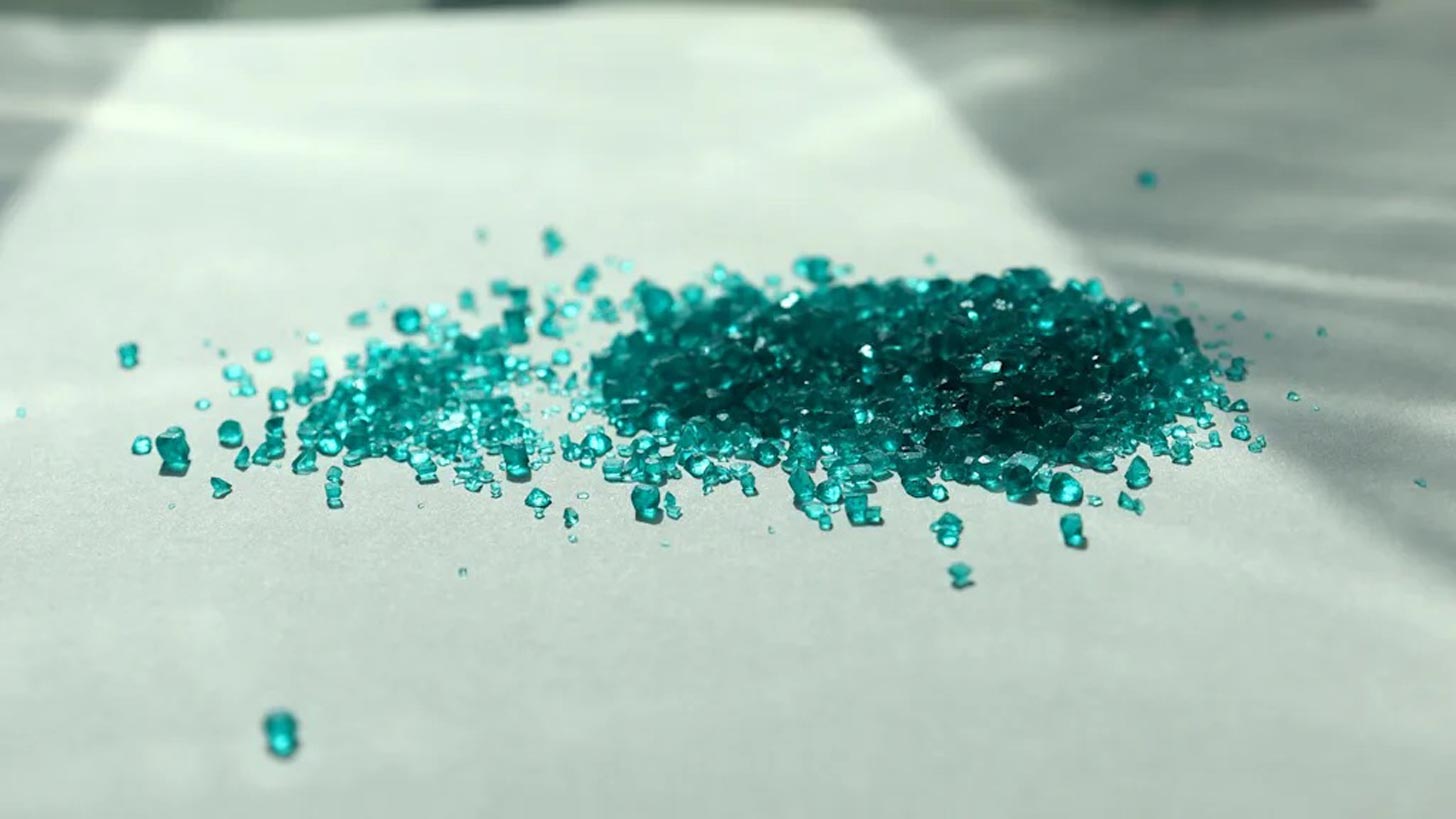
According to the Genomines website, hitting the 2040 goals set out by the Paris Agreement to transition to electric vehicles will require six times today’s global metal output. Not only would extracting more metal through mining cause more damage to the environment, but it would further the human rights crisis at the heart of this industry.
“Indigenous Peoples and rural communities are paying a heavy price for the world’s scramble for energy transition minerals,” Veronica Cabe, Chair of Amnesty International Philippines, said in a statement earlier this year.
But with these high-absorbing daisies, these pitfalls may be avoided.
Genomines just raised $45 million in a Series A funding round and says it plans to scale up sustainable and affordable extraction of nickel from soil.

On a pilot site in South Africa, Genomines has found the ideal spot for a phytomine. The location is relatively high in nickel and isn’t suitable for farming, since other plants don’t grow well. But the daisy crop grows within four to six months, absorbing nickel from the ground in the process.
From there, it can be harvested, dried, and heated, creating battery-grade nickel oxide that is sold and refined.
“The plants that we are using have the ability to concentrate the metal that they find in the soil — they concentrate it in their biomass,” Koutchekian told Fast Company. “We’ve managed to reach close to 7.6% metal within the plants.”
The process is also significantly cheaper, more sustainable, and efficient. Compared to a traditional nickel mine, the agricultural site takes up a lot less space and requires minimal infrastructure, with sites able to be up and running in just a year or two.
The plants also capture carbon as they grow, making the whole process carbon neutral.
And instead of deforestation and pollution that comes with traditional mining, the daisies simply remediate the soil.
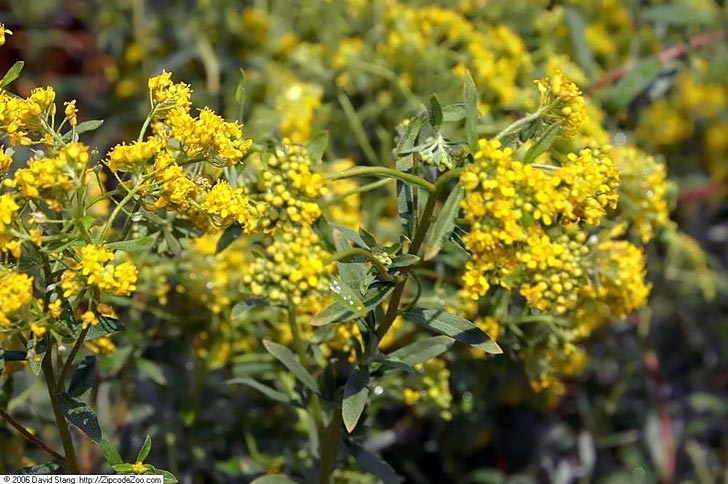
But as appealing as the environmental impact (or lack thereof) is, Koutchekian said the money-saving potential is a major benefit.
Genomines expects to produce nickel oxide at about $10,000 per ton, compared to the current industry median of $16,000 per ton, according to Fast Company.
And with the genetic engineering in mind, Genomines believes it can scale up nickel production to meet growing demand — without the cost of people or planet.
Genomines estimates that about 30 to 40 million hectares of land across the globe contain enough nickel for their phytomining processes. (That’s about 74 to 99 million acres.)
If all of that land were used, the company estimates it could produce 7 to 14 times as much nickel as the traditional mining industry does now.
“Our mission is to harness plant biotechnology to extract resources essential for clean energy technology via scalable processes that preserve biodiversity, soil health and human well-being,” Koutchekian said in a statement.
“Our vision is to create an entirely new industry of plant-based metals. Genomines unlocks a scalable new resource base. We can fundamentally rebalance global mineral supply chains for decades to come.”
You may also like: Lithium has a chokehold on green tech, but new sodium batteries could change that
Header image courtesy of Genomines
Brian Stokes is a “birder,” and his specialty is green jays. As a Ph.D. candidate at the University of Texas at Austin, Stokes spends his free time scrolling online, sleuthing around for bird sightings across the state.
In late May 2023, Stokes stumbled upon a curious sight in the Facebook birding group “TEXBIRDS:” A bird with a green jay's crown, a blue jay's tail, and a peculiar blue throat patch.
The local who posted it, Donna Currey, asked for help in identifying it. At Stokes' request, Currey invited him to come over to her backyard and see it for himself.
“The first day, we tried to catch it, but it was really uncooperative,” Stokes told the University of Texas at Austin. “But the second day, we got lucky.”
Using a mist net — rectangular mesh and black nylon threads stretched between two poles — Stokes caught the bird as it was soaring through the backyard (after incidentally catching and freeing a dozen other birds in the process).
Quickly, Stokes took a blood sample of the bird, banded its leg to identify it in the future, and then set it free.
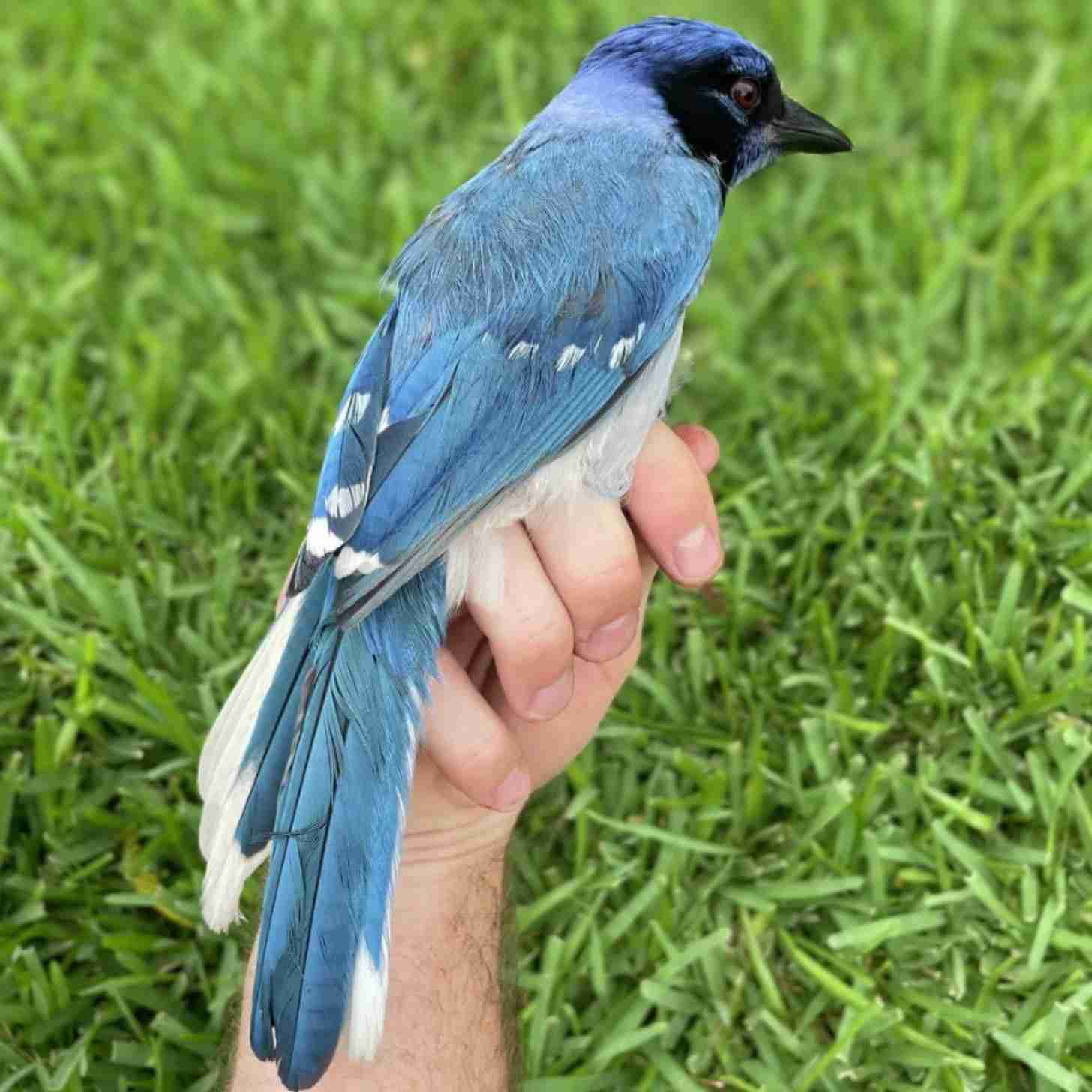
Remarkably, the bird appeared in Currey’s backyard again two years later, in June 2025.
“I don’t know what it was, but it was kind of like random happenstance,” Stokes said, as he questioned why the bird preferred Currey’s home. “If it had gone two houses down, probably it would have never been reported anywhere.”
On September 10, Stokes finally published his findings about the curious bird he caught in the scientific journal Ecology and Evolution.
Joined by his faculty advisor, integrative biology professor Tim Keitt, Stokes confirmed that the bird was, in fact, a male offspring of a green jay mother and a blue jay father.
Marc Airhart, who interviewed Stokes for the University of Texas at Austin's College of Natural Sciences, jokingly referred to it as a “grue jay” — but the hybrid does not have an official name.
Stokes and Keitt estimate that this is the first hybrid bird species driven by the effects of climate change.
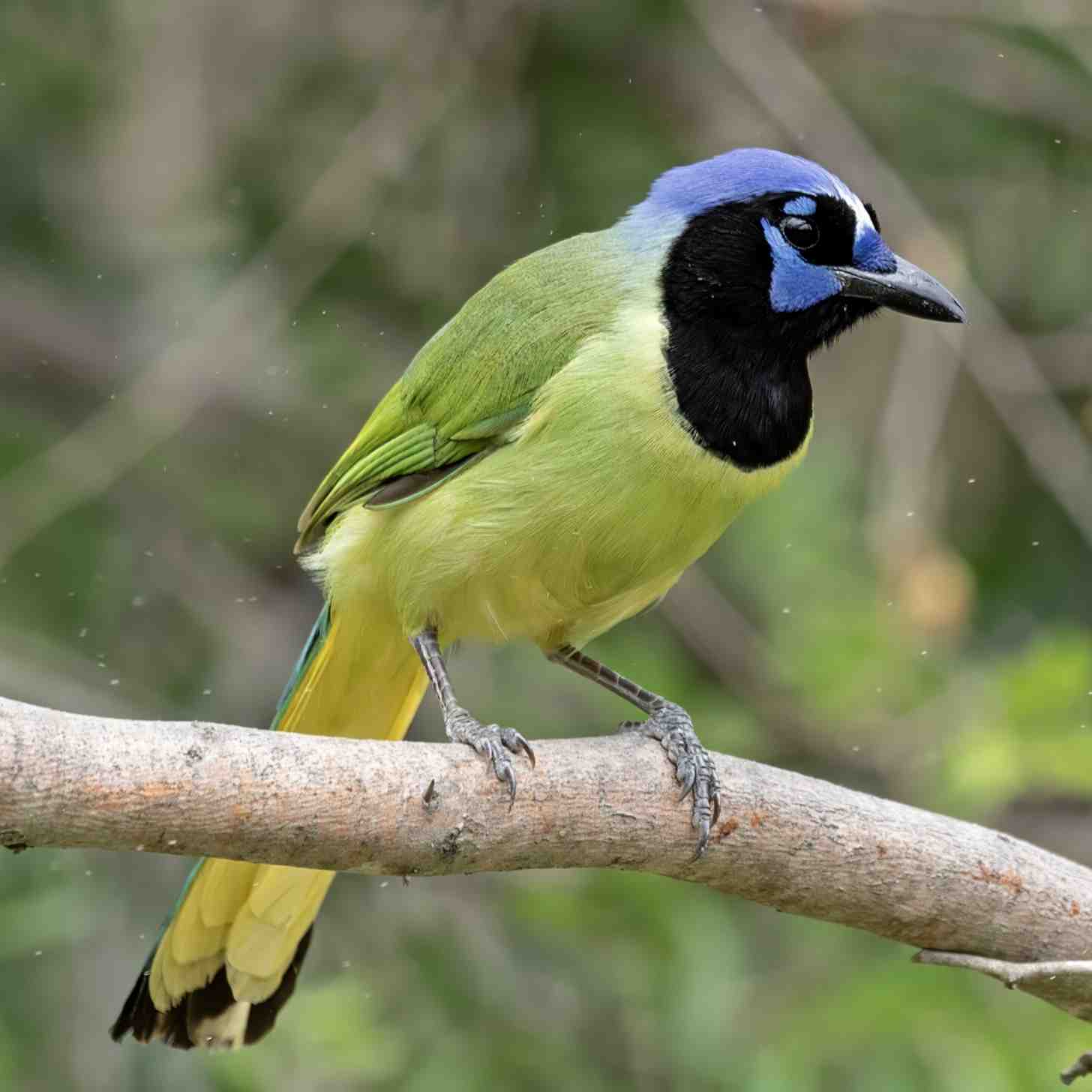
Historically, the two distinct species have occupied separate ecosystems. Green jays are tropical birds found across Central America, Mexico, and southern Texas, while blue jays are temperate birds found across large swaths of the Eastern United States.
The researchers estimate that the two species have encountered each other with greater frequency as winters have warmed in recent decades, which has caused them to expand their natural habitats.
Although a blue jay-green jay hybrid was once bred in captivity at Fort Worth Zoological Park in 1965, this specimen marks the first time that such a bird has been found in nature since the two parent species diverged “7 million years ago.”
“We believe this hybridization event joins a growing list of increasingly unexpected outcomes of contemporaneous range expansions fueled by anthropogenic global change,” Stokes and Keitt stated.
In their study, the authors lauded the hybrid as an example of nature’s remarkable ability to adapt under pressure.
“Expansion is a major mechanism leading to hybridization,” Stokes and Keitt observed. “Given the accelerating pace of global change, we expect that novel hybrids will be an important component of future ecosystems.”
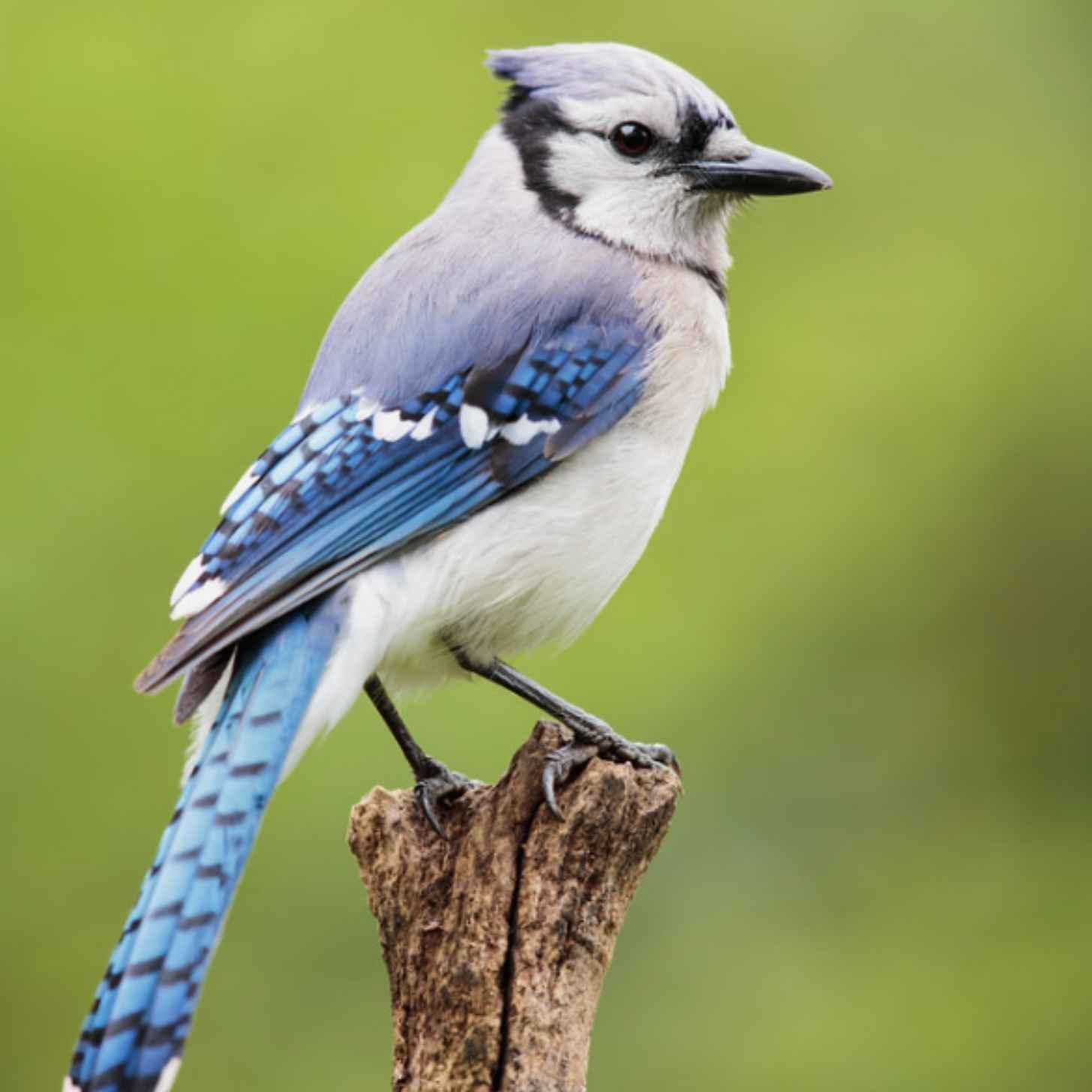
“Our observation of a novel hybrid with parents of distant ancestry highlights the increasingly surprising nature of rapidly changing ecosystems.”
In addition to noting the resilience of wild animals to adapt to their changing environments — which paints a fuller picture of how climate change is impacting vulnerable species — the authors also estimate that future hybrid species could help ecologists better analyze climate trends.
And possibly, allow them to predict climate shifts before they occur.
“As species continue to shift their ranges in response to climate change, habitat shifts, and other ecological pressures, encounters among historically allopatric taxa may become increasingly common,” the authors noted.
“Anticipating the nature and consequences of these novel interactions represents a central challenge for ecologists in the coming decades.”
They concluded their report by writing: “Our report of a novel species interaction further serves to highlight the urgency of documenting these emergent dynamics, which may foreshadow ecological shifts as climatic and broader anthropogenic changes continue to reshape biotic communities.”
You may also like: In the vast Namib Sand Sea, a chorus of thousands of 'dropping marbles' led scientists to a new species of gecko
Header images via Shenandoah National Park, Brian Stokes, Chuck Homler / FocusOnWildlife.Me (CC BY-SA 4.0)
Global solar installations are up 64% in the first half of 2025. There’s no denying it: More and more of the world is running on solar power.
And with that growth comes even more innovation.
In a new study, led by a research team at Nanjing University, scientists have created a transparent solar coating that turns ordinary windows into solar panels.
The researchers used a transparent, colorless, and one-directional solar concentrator that can easily and directly be applied to standard window glass. It’s made with a coating of “cholesteric liquid crystal,” a substance that has a unique ability to reflect wavelengths of light.
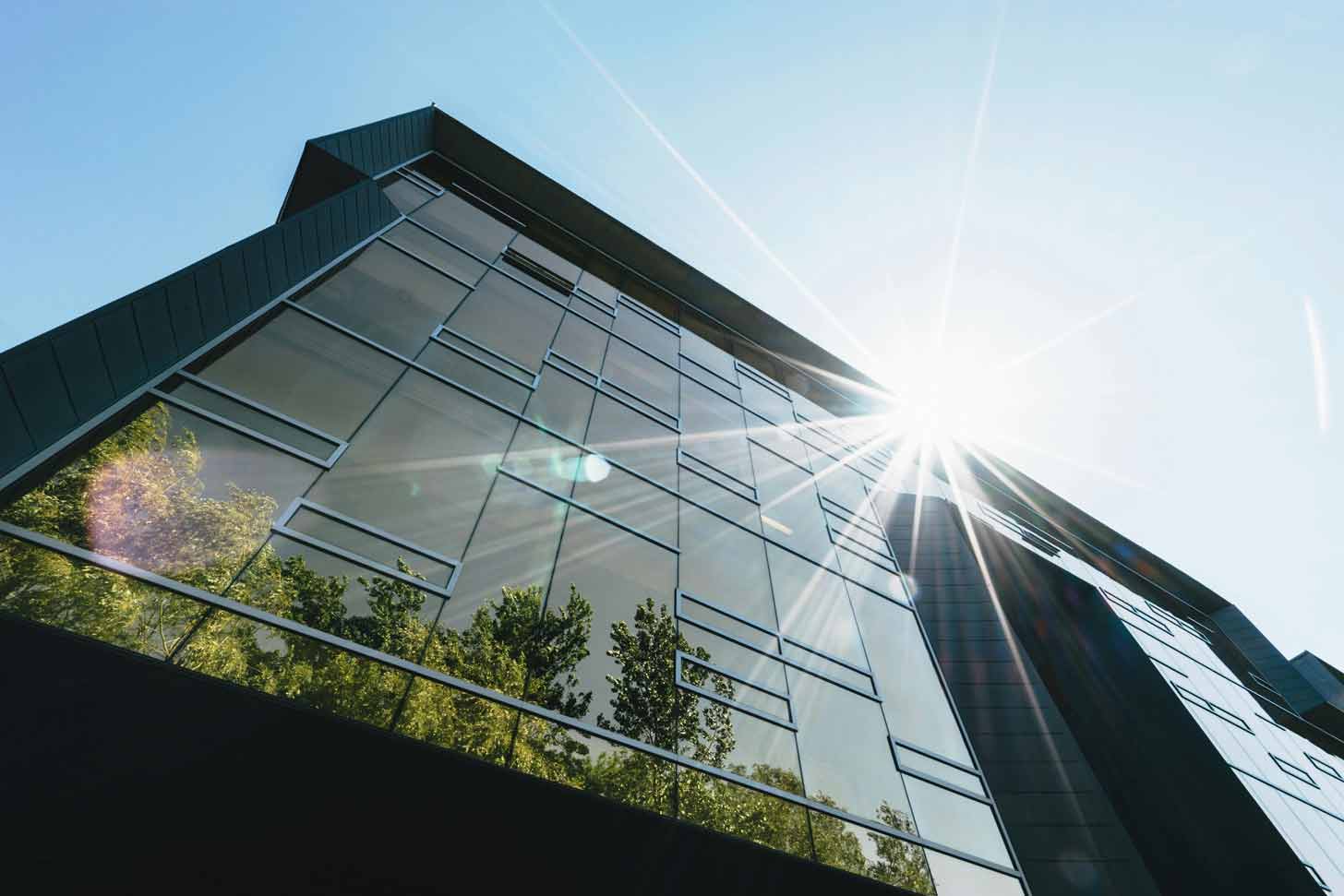
Then, the coating redirects sunlight toward photovoltaic cells on the edge of the windows.
“By engineering the structure of cholesteric liquid crystal films, we create a system that selectively diffracts circularly polarized light, guiding it into the glass waveguide at steep angles,” said Dr. Dewei Zhang, the co-first author on the study, in a statement.
“This allows up to 38.1% of incident green light energy to be collected at the edge.”
Some conventional “scattering-based” systems concentrate solar power by using large mirror surfaces to follow the daily movement of the sun.
This window coating, however, avoids the pitfalls of those systems, which include visual distortion, low efficiency, and poor scalability.
It maintains the clarity of a standard window — not a mirrored surface. The coating still lets in 64.2% of visible light through the window and maintains 91.3% color accuracy of a window without the coating applied.
Plus, it streamlines solar installation without the use of a clunky new solar module.

Experiments in the study showed that a typical 2-meter-wide window coated in the solar-capturing material could concentrate sunlight by 50 times. This, in turn, would reduce the number of photovoltaic cells required by up to 75%.
The result? Scalable and high-performance solar cells in infrastructure that already exists.
Scientists say the liquid crystal films can be scaled through roll-to-roll manufacturing, allowing them to be retrofitted onto existing windows. They also found that the design remains stable under long-term exposure, making this a feasible and lasting upgrade.
As the researchers continue to bring their invention to life, their future work will focus on enhancing the film’s efficiency, controlling how to guide the sunlight, and adapting the technology for greenhouses and transparent solar displays.
The ultimate goal is to turn passive glass into energy-generation surfaces across the globe.
“The CUSC design is a step forward in integrating solar technology into the built environment without sacrificing aesthetics,” Professor Wei Hu said in a statement.
“It represents a practical and scalable strategy for carbon reduction and energy self-sufficiency.”
You may also like: Solar is now 41% cheaper than fossil fuels, new UN report finds: 'The sun is rising on a clean energy age'
Header image courtesy of Thirdman/Pexels
Watch a group of college students play beer pong, and you’ll notice the revolving use of plastic party cups they leave in their wake.
Lauren Choi certainly noticed, and as an engineering student at Johns Hopkins University, decided to do something about it.
These party cups — most often created by the brands Solo and Hefty — are very difficult to recycle due to the type of plastic they are made with. Instead of completely breaking them down, Choi wondered if the cups could be spun into a kind of fabric.

During her senior year in 2019, she created an extruder machine that spun plastic waste into textile filaments. With the help of campus fraternities, she and her team gathered thousands of red cups to refine the process.
“College students use a lot of party cups. We probably knew that already, but to prove it, we launched a pilot collection program on the Johns Hopkins campus during my senior year (right before the pandemic),” Choi told Brené Brown in an interview.
“We onboarded six student clubs and were collecting 5,000-plus cups a month. Johns Hopkins has an undergraduate population of around 6,000. We got immense support from the student community, and it’s been inspiring to see how excited people are about recycling and sustainability.”

All of this led to The New Norm, Choi’s textile company that now makes 3D-knitted sweaters and beanies out of these plastic cups.
The company’s first direct-to-consumer collection, released in late 2023, was made from 5,000 upcycled party cups collected by frats. The drop sold out in two months.
Choi recently told The Guardian she has long been concerned about the plastics crisis, as well as the fashion industry’s impact on the planet.
“I’ve always thought long-term. And that helps me look beyond the next couple years, [to the] bigger picture, where globally, [the plastic crisis] is something we need to address,” Choi said. “[The New Norm] really tied my interests together.”
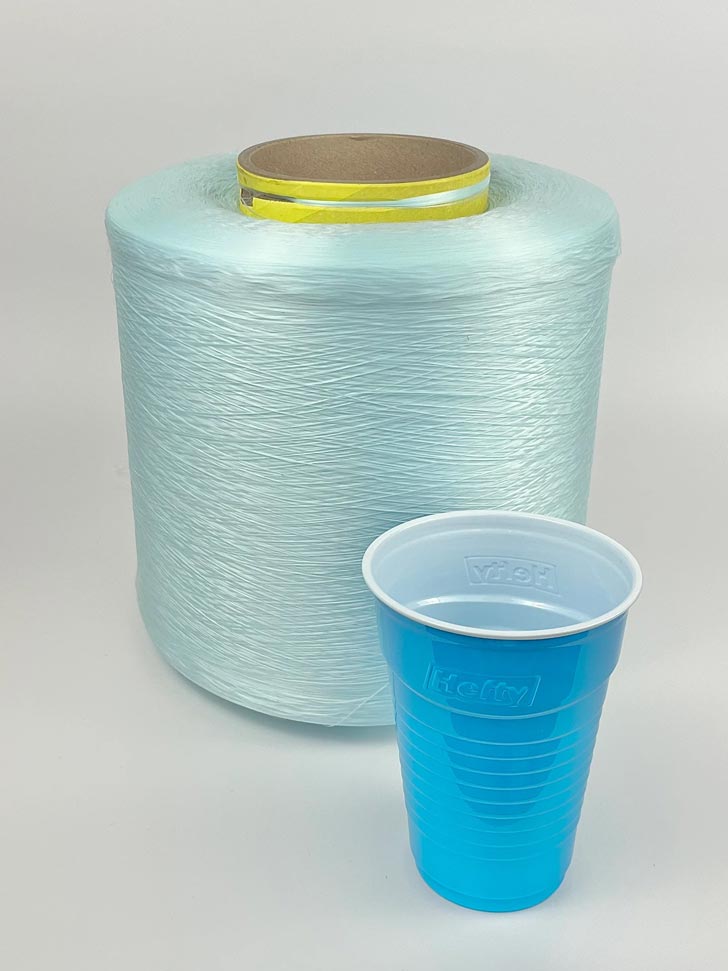
After she graduated, Choi dove headfirst into The New Norm, applying for grant funding for product development and working with suppliers that source plastic from recycling facilities across the United States.
But the mix of plastics was yielding unstable results. Plus, the fabric coming from the extruder still didn’t feel as soft and comfortable as a sweater should.
“If you’re going to produce a knit garment, it needs to be comfortable,” Jasmine Cox, Gaston College’s Textile Technology Center, told The Guardian.
“It needs to be breathable, cozy, things that people love. It can’t feel like a plastic cup.”

Choi enlisted the help of Cox and the Textile Technology Center, as well as the Polymers Center, both in North Carolina. They helped her develop a custom formula that would produce soft textiles from the extruders, achieving what Choi called “plug and play.”
Now, they’ve finally streamlined the process.
With some assistance from grant funding (which came from big names like Johns Hopkins, Garnier, and even Hefty’s parent company, Reynolds Consumer Products), The New Norm has an online store where beanies and sweaters are available for purchase, ranging from $45 to $85.
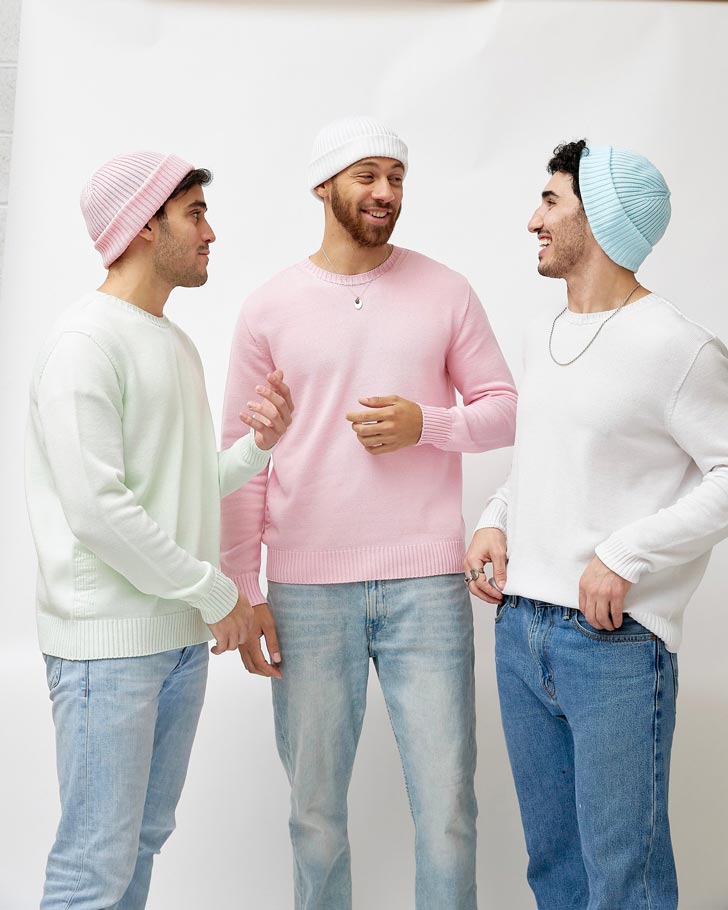
The “plug and play” process is an intriguing one. The company works with textile facilities in North Carolina and Virginia to extrude the plastic-based yarn, which is shipped to Brooklyn. Here, manufacturers utilize 3D knitting to produce the garments.
“3D knitting is similar to 3D printing but for apparel. Our sweaters and beanies are knit straight out of the machine without any sewing,” The New Norm’s website explains.
“Traditional industrial cut-and-sew can waste over 30% of the fabric used. Additionally, our garments are made on demand. When you click purchase, your garment starts knitting. This means no wasted inventory.”
This process also means there are little to no microplastics shed from the garments, even though the raw material in each garment is plastic.
“To combat fiber shedding and microplastic pollution, we are only producing filament yarns. Filament yarns are made from continuous filaments, not individual fibers,” The New Norm details.
“The majority of apparel is made from staple (spun) yarns, which are created by spinning staple fibers together into a yarn. When a garment is put into the laundry machine, these staple fibers shed easily and enter the water stream.”

The company now uses a myriad of plastics in its production, but the main base remains multicolored party cups. Because the cups often come in bright colors like pink, blue, green, or red, the colors of the final product typically do not require any added dyes. The New Norm’s website also shares that no water is used in the production process.
Choi is now living in Boston as an MBA student at the Massachusetts Institute of Technology, but she said The New Norm is just getting started.
Over the last two years, she told The Guardian, production has expanded from tens of pounds of plastic per run to thousands of pounds.
“From the beginning, our goal has been to get to a place where we can scale production and work with really large brands who are using significant quantities of materials,” she said.
She dreams of integrating plastics like food containers and packaging into the production line, similar to the party cup’s process.
Although a lean venture right now, Choi knows there’s a long, if not impossible, road to a totally plastic-free world. But at least with The New Norm, she hopes to make a dent.
“Addressing challenges like climate change is overwhelming. These are global issues caused by numerous interconnected industries. The problems are ingrained in decades-old systems and have an impact on all parts of our environment. It sometimes feels like one person can’t make a significant difference,” she told Brené Brown.
“I’d say to anyone thinking about making a positive impact that you’re not alone — you’re just joining the team.”
You may also like: Electronic waste is out of control. So this university student invented a WiFi router out of dissolvable paper
Header image courtesy of Laura LaRose (CC BY 2.0)
While a standard reusable travel mug might get you a discount at your local coffee shop, the reality is that single-use disposable cups are still as pervasive as ever, piling up in landfills with your name still written in marker on their exterior.
This problem led the creative minds at Jun Aizaki’s creative design studio, Crème, to ask: “What if we could grow vessels instead of manufacturing them?”
The result is The Gourd Project: An innovation that uses 3D-printed molds to shape gourds to take the form of cups and vessels as they grow.
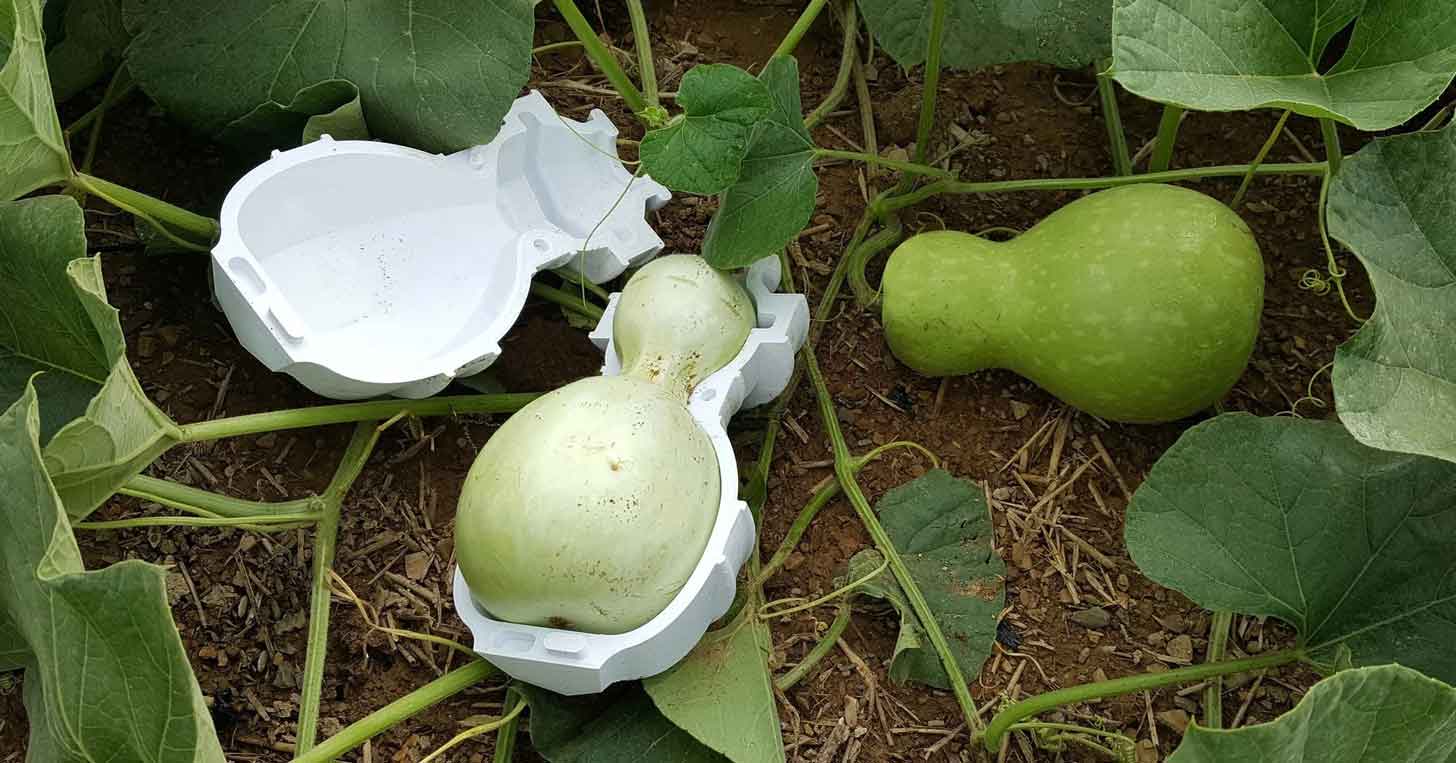
“We are in an urgent need to shift our current cradle-to-grave paradigm. Take-away cups and packaging are a standard of everyday life but they produce an incredible amount of waste that ends up in landfills and contaminates our precious waterways and landscapes,” a design statement from Crème states.
“What if aside from being a material resource, nature could also provide a solution for this worldwide issue?”

To execute this idea, the studio looked for a fast-growing plant that would fruit each season. It led them to gourds, which have a strong outer skin and fibrous inner flesh. Once dried, they become watertight, making them an ideal replacement for to-go cups.
This isn’t a new discovery; people around the world still dry and use gourds as receptacles like cups, but Crème wants to take the technology to a more modern and replicable scale.

“Crème is exploring this centuries-old craft through a modern lens to create a product that we believe can be mass produced while maintaining its sustainability,” the studio writes.
“Through the use of 3D-printed molds, we can grow gourds into customizable functional shapes, such as cups and flasks that can be composted instead of filling up landfills like the plastic alternative.”

Aizaki was already inspired by gourd containers used in Asia, South America, and Africa, as well as watermelons, which are often shaped into box-like containers in Japan to make them easier to stack and transport.
“If there was a way to control that process and create something that’s more uniform and more predictable, we thought it could potentially become an alternative to the way we make things,” Aizaki told Fast Company

After a handful of prototypes, the studio created a 3D-printed mold that mimics the silhouette of a classic faceted glass cup. Aizaki calls it the “HyO-Cup.”
They are 100% biodegradable and can be discarded or composted with food waste, since they are made without synthetic materials or chemicals.
At first, the design team experimented by growing a few gourds in a backyard garden, and later, at a farm. With uncontrollable variables like weather and pests, they decided to move things inside. Now, the Gourd Project Indoor Lab aims to make a more consistent product.

Although the cups are not available on the market yet, The Gourd Project’s website displays a banner indicating that a Kickstarter campaign for the project is coming soon.
“Like all new projects, we are starting small and hope to scale up to increase quantity and lower the price per gourd,” Crème told Dezeen, “so that the HyO-Cup can be a viable challenger to the plastic waste industry.”
You may also like: This college student was tired of seeing red Solo cups litter her campus. She invented a way to turn them into sweaters
Header image by Chris Collie for Crème
According to the Centers for Disease Control and Prevention, falls are the leading cause of injury for adults aged 65 and older in the United States every year. These falls often lead to injuries that can be debilitating and even fatal.
Researchers have long known that these injuries are preventable, but new research out of Syracuse University looks at ways to combat nerve deterioration — instead of bone and muscle loss — that puts seniors at risk of injuries from falls and other accidents.
Postdoctoral researcher JoCarol Shields and exercise science professor Jason DeFreitas believe simple resistance training could be the answer.
According to a press release from Syracuse University, the nerves that control our muscles naturally degrade and become slower as we age. This is called denervation.
“For people in their 70s and 80s, it’s about preserving what you have,” Shields, who is working in the Neural Health Research Laboratory, said. “The aging process is going to happen no matter what, but can we slow it down.”
Denervation is especially problematic in people who are sedentary, meaning even just integrating some simple exercise can help seniors maintain their independence and quality of life longer.
To study this, the researchers charted the effects of resistance training on nerve conduction velocity, a measure of how quickly electrical signals travel along a nerve.
With 48 subjects ranging from 18 to 84 years old, the researchers recorded NCV in the forearm, as well as each subject’s maximal strength, or the greatest amount of force a muscle can generate in a single contraction.
They tested these metrics before and after four weeks of handgrip resistance training in both arms.
The results? Every senior showed improvement in their nerve conduction after four weeks of resistance training.
This is a significant finding, especially for the implications of denervation.
As the researchers explain, a nerve contains both fast and slow motor neurons, with the fast neurons being the first to deteriorate. This typically manifests as the nerve disconnecting from the muscle and becoming inactive with age.
“When you lose fast neurons, you also lose the fast muscle fibers that are activated by them, and then your power, or the speed at which you can produce force, decreases,” DeFreitas explained.
They hypothesized that the training helped reactivate these fast neurons in older participants.
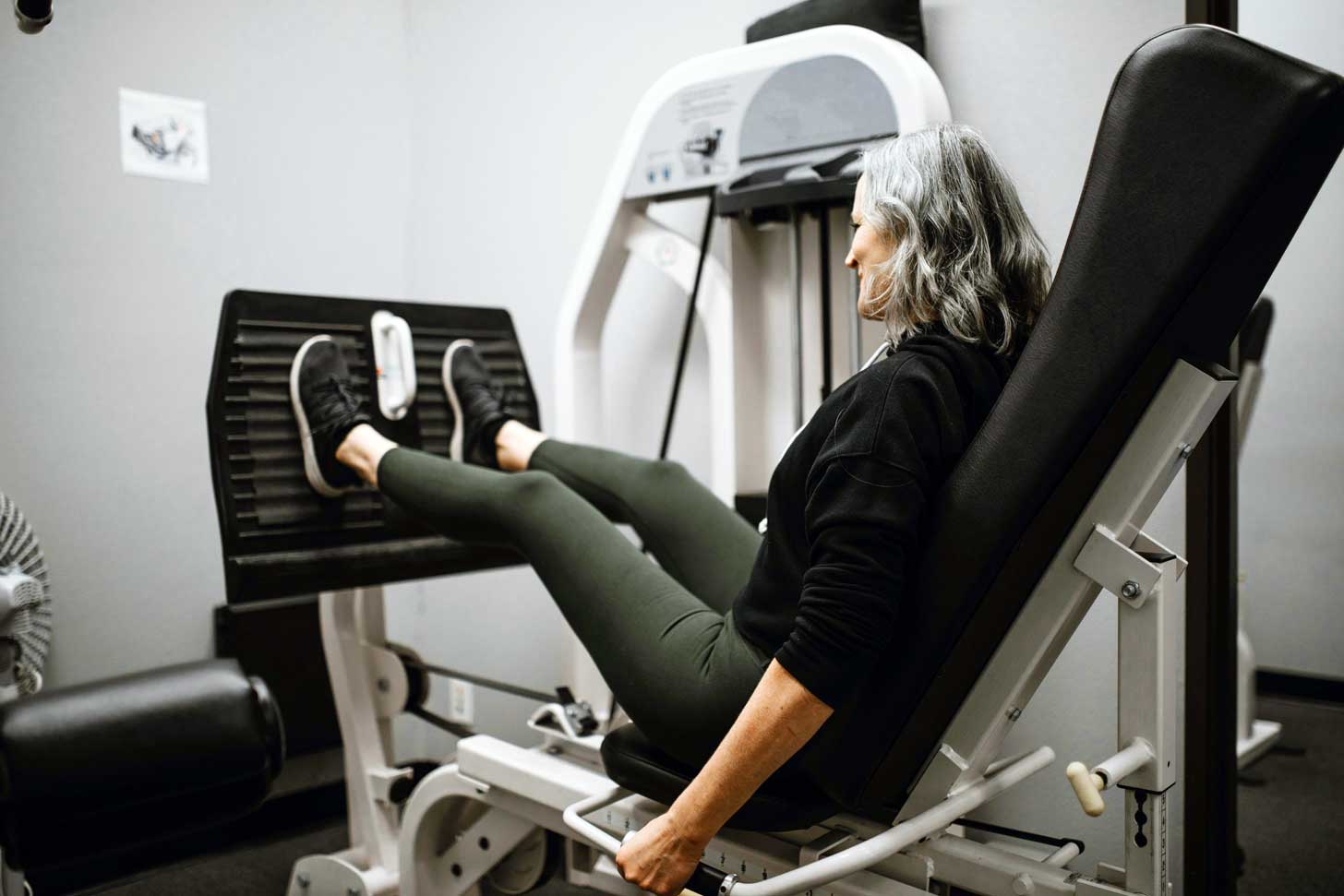
“If you can reactivate those lost neurons, you can produce force faster again, and that has practical implications so that a slip or a trip doesn’t become a terrible fall,” he added.
The researchers’ work was published in the journal “Medicine & Science in Sports & Exercise” earlier this month. The journal’s editor-in-chief, Andrew Jones, praised their findings.
“Research on the adaptations to resistance training has historically been focused on muscle and bone, with very little known regarding the adaptability of the nerves,” Jones wrote.
“Because nerve health and function deteriorate with both age and prolonged sedentary lifestyles, it is important to know if resistance training is an effective countermeasure to combat this degradation.”
He went on to add that the research shows that nerve function in older adults is trainable and could hold further implications for nerve health, motor function, independence, and quality of life.
“This work could stimulate investigations into whether resistance training is an effective countermeasure for other, non-age related sources of nerve degradation (for example, nervous system disorders),” he added.
The researchers hope to conduct additional studies to determine the role that exercise may play in mitigating age-related nerve deterioration, and if the reactivation of fast neurons can be translated to other parts of the body (this study only documented nerves in the arms).
“If we’re reactivating those neurons that started to die, that can play a significant role in the preservation of strength and avoiding disability with aging,” DeFreitas said.
“That to me is the likely hypothesis, so that’s the premise of the follow-up work we’re conducting.”
You may also like: New study finds exercising outdoors is 'superior' to the gym or city: 'Our brain loves nature'
Header image by Kampus Production/Pexels
In May, nature photographer and ornithologist Tomasz Sczansny was walking through Poland’s Upper Silesia region when he heard a male Eurasian scops owl yelling out “with a territorial voice.”
When he returned the next night, the same owl sounded off again.
It’s an occurrence others might dismiss as innocuous, but the sound took Sczansny by surprise. Although Eurasian scops owls have a wide range across Europe, they are incredibly rare in Poland.
In fact, no breeding activity had been confirmed for the species within the country’s borders for over a century.
“Initially, we were very skeptical about the possibility of breeding,” Sczansny and his peer Slawek Rubacha noted in a shared Facebook post for Poland’s Stowarzyszenie Ochrony Sów Owl Conservation Association.
“This year's spring was not favorable to this species — there were quite low temperatures, and it rained often.”
But Rubacha and Sczansny returned to the site, hoping for the best. That’s when they spotted an owl in the same territory, with a “completely different voice.”
They had the proof they needed: The male was not alone.
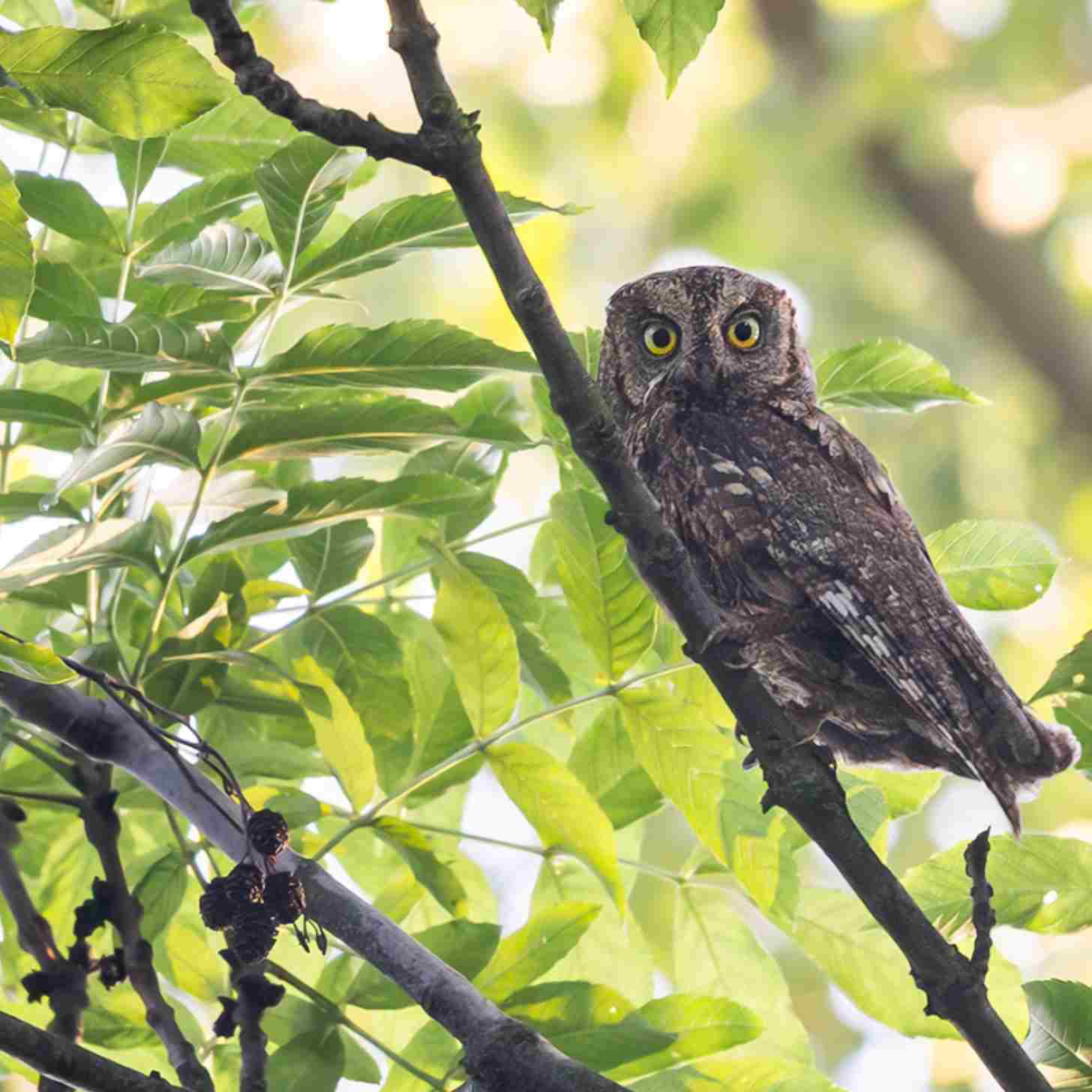
“On June 26, we managed to register two birds for the first time: male and female,” Rubacha and Sczansny noted. “Their behavior was a clear indication that we might be dealing with a nesting pair.”
On July 19, Rubacha and Sczansny returned to the area with a thermal-vision camera and were able to confirm the owls’ breeding activity.
“We were so happy — what's more, we didn't turn off the microphone, so the whole moment was recorded,” they wrote.
“Unfortunately, the material is rather not suitable for publication,” the pair added cheekily in their post.
At dawn, Rubacha and Sczansny returned with a ladder and a camera to peer inside the nest. Alongside the female, they found three chicks, which they estimated to be two to three days old at most.
Unfortunately, when they returned two weeks later to “ring the young” for future identification, only two chicks remained.
Still, their “owl stakeout” in the Polish woods proved to be fruitful. The two chicks — and additional audio recording — marked the first evidence of the Eurasian scops owl reproducing in Poland in over 100 years.
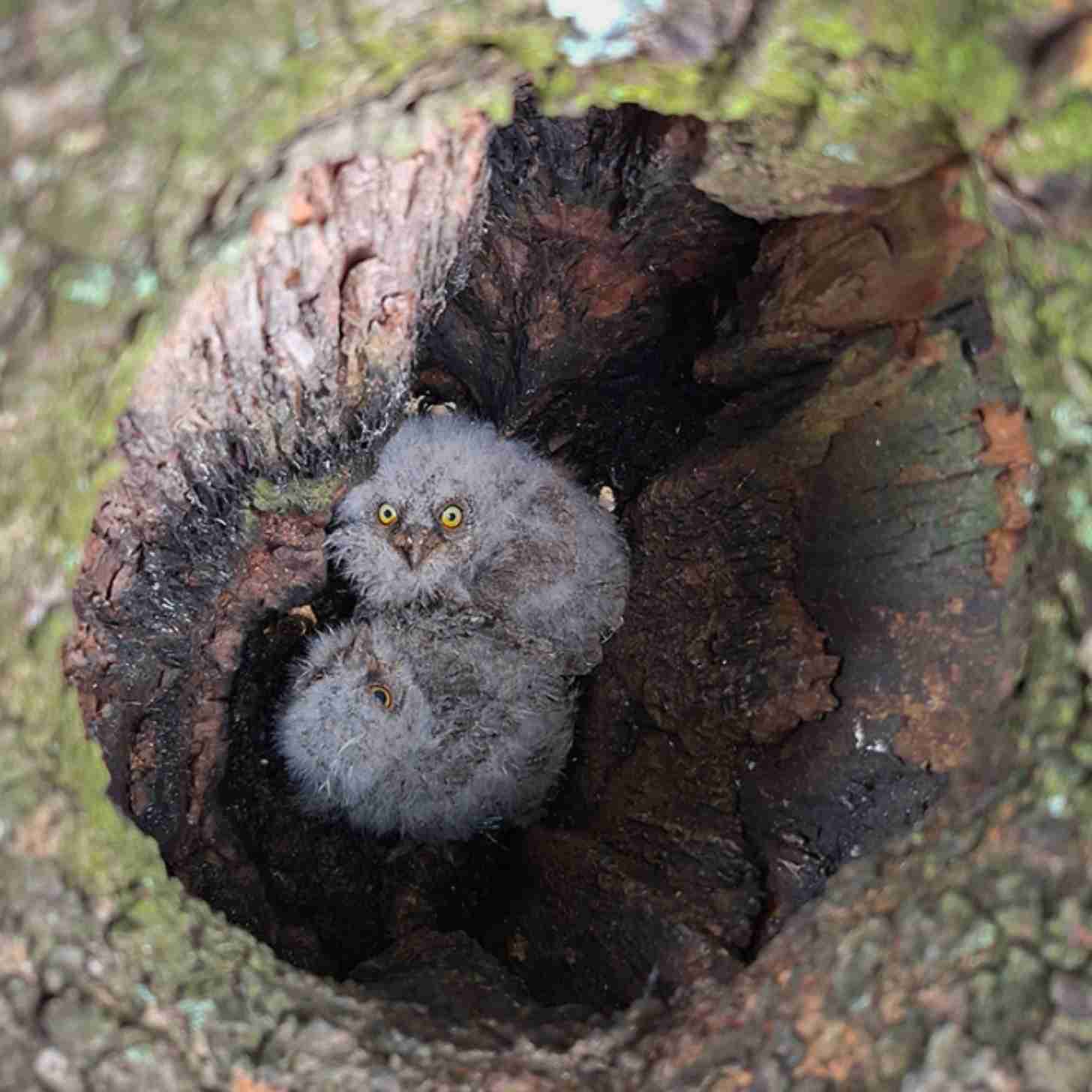
On a broader scale, owl species around the world have been facing decline due to deforestation and habitat loss — dangers that the World Wildlife Fund has been actively combatting, as groups like The Nature Conservancy and the International Owl Center raise awareness for owl conservation.
Although Eurasian scops owls are not listed as an endangered species by the International Union for Conservation of Nature, they are scarcely seen in Poland.
Reports from 2006 estimated the regional population size to be “very thin,” although new data, like this latest report from the Stowarzyszenie Ochrony Sów Owl Conservation Association, is painting a more optimistic portrait of the owl’s presence in Poland.
“During all the inspections, we collected a lot of information about food, feeding frequency, adult bird behavior, etc,” the ornithologists wrote. “We are sure that these observations will help others with [the future] of this species.”
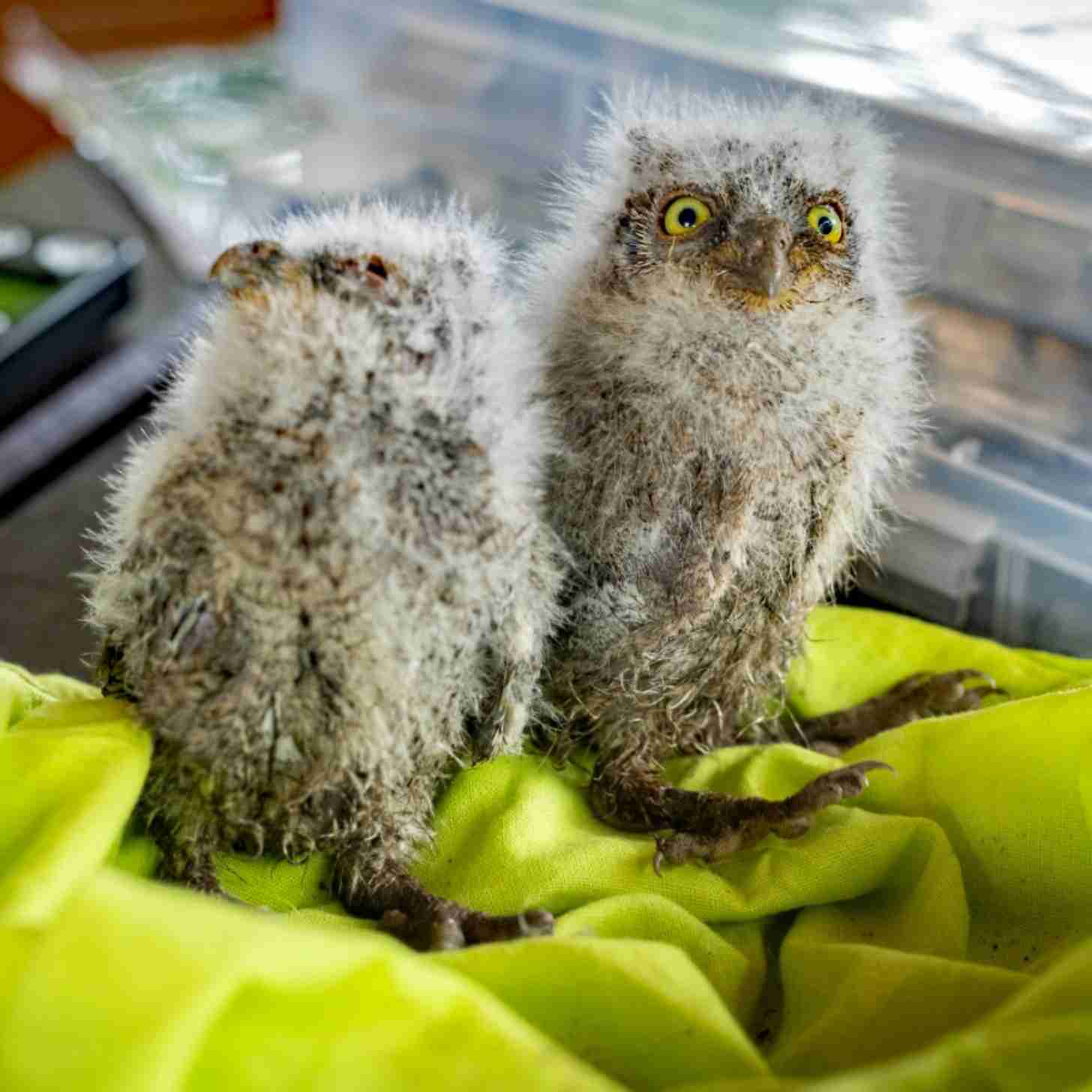
In an interview with Vectra Publishing, Sczansny explained that every photo he takes is the result of hours of research, careful planning, and a lot of patience.
“The greatest joy in my life comes from observing the incredible spectacle that nature puts on for us,” Sczansny said. “It is my priority, and I have bound my future to it. Photography allows me, even if only to a small extent, to capture the beauty that Mother Nature shows me.”
Note: All quotes have been translated from Polish into English using Google Translate.
You may also like: This 'blue-green jay' may be the first climate change-created bird hybrid found in nature. Here's why that's good news
Image via Tomasz Sczansny / Stowarzyszenie Ochrony Sów Owl Conservation Association
At the Dialogue Express Café in East London, lattes come with a side of British Sign Language classes.
Run entirely by deaf and hard-of-hearing staff, the café is operated by an organization called Dialogue Hub, which has a mission to increase visibility and inclusion for the deaf community.
Turning the tables for hearing individuals at the takeaway counter is just one way this is achieved.
“We train them and then we invite Londoners to get in touch and communicate with them in their language,” Dialogue Hub founder Hakan Elbir told the BBC.
When customers arrive, they are invited to interact with a touchscreen to learn how to order their drink or pastry of choice. The screen shows various videos with BSL tutorials, which the customer then copies to the barista at the counter.
Want to practice ahead of time? The same tutorials are available via the café’s online menu, too.

But the program isn’t just about teaching the community sign language. It also provides employment opportunities and empowerment to disabled Londoners.
“This opportunity is very exciting for me because it connects deaf people with the community,” Dialogue Express Café trainee Karissa told the BBC.
“It means a lot for me,” another trainee, Victor, said. “It’s more than just a job.”
Elbir founded the organization 12 years ago after he noticed how his disabled relatives were so often excluded from everyday moments in society.
“At Dialogue Café, deaf people not only find a job,” he told content creator Sam Bentley, “but also find a social life … friends and friendships.”

Dialogue Hub also offers a multipurpose space for sensory experiences set in total darkness, where visitors are led by blind tour guides. It’s just one way the organization attempts to bridge the gaps across society and help people stand in each other’s shoes.
By welcoming community members into the café to try something new, Elbir told Secret London, he hopes it will bring people together “over something as simple as coffee.”
The café is located in a renovated train carriage at Stratford Station. In addition to its daily operations, the space also holds more formal BSL classes to anyone wanting to learn more than just their go-to coffee order.
“Some places aren’t just cafés, they’re experiences that stay with you. Dialogue Express Café in Stratford is one of those,” vegan content creator Lauren Karl said after a recent visit.
“It’s not just about coffee or food,” she continued. It’s about connection, inclusivity, and learning from one another. It’s the kind of place that makes you feel hopeful for the future, where everyone is seen, included, and celebrated.”
You may also like: Innovative 'sign language ambulance' service aims to save more lives in emergencies, reduce barriers
Header image by Cottonbro Studio/Pexels
It might be the most polarizing question of our time: Are you a dog person or a cat person?
The debate continues with new findings from Dartmouth College researchers: Cat owners donate more money to charity than dog owners.
In a recent study published in the journal “Anthrozoös,” researchers studied data from 788 million transactions made by 63 million donors, totaling nearly $70 billion, between 2013 and 2022.
The researchers examined donation amounts between $20 and $100,000, noting their frequency, as well as demographics like age, gender, income, political affiliation, and education.
And, yes, pet ownership status.

After processing the data through a machine learning model, researchers found the following: Cat owners donate slightly more than dog owners, and also donate more often and more diversely.
“Of the variables studied … pet ownership was the fourth most important factor, after income, education, and gender,” the study’s abstract explained.
In the dataset, researchers found that cat owners donated a total of $780 at a frequency of 15 donations between 2013 and 2022. Dog owners, on the other hand, donated a total of $700 across 13 donations.
People with both dogs and cats donated a total of $630 across 14 donations in the same time period.

However, people without pets donated the most.
Still, the study speaks to some personality differences among canine and feline fanatics.
“My research shows how pet ownership reflects complex personality differences, even when it comes to philanthropy,” the study’s author, Herbert Chang, said in a statement.
Chang is an assistant professor of quantitative social science at Dartmouth.
“They’re not huge divergences, but they are meaningful and reflect everyday intuitions toward dog and cat owners.”
Prior research indicates that dog owners are often associated with personality traits like sociability and being community-oriented, while “cat people” are seen as introverted and more open-minded.
Prior research has also suggested that openness is often correlated with higher levels of giving.

“If some cat owners are in fact more open and more neurotic than dog owners, these personality traits may have been a contributing factor to explain the recent study’s results, including why cat people gave more and did so more often,” a press release explained.
Chang also added that the differences in donation behavior could be useful for marketers in their efforts to reach people for charitable campaigns.
“This study offers insight into how pet ownership can serve as a complex indicator for personality,” Chang’s abstract concluded, “and engages with the larger literature around social ties, tie strength, and social information in philanthropy.”
And maybe it will also give cat people bragging rights — at least for now.
You may also like: 11 Best Animal Shelters & Rescues To Follow on Instagram & TikTok
Header image by Sam Lion/Pexels
Devoted podcast listeners often spend hours a day streaming the news and listening to political discourse. While informative, it might not always be the best experience for one’s nervous system.
And urgent, scary news doesn’t always show us the full picture.
In fact, a media diet without good news is seriously lacking.
That’s part of why The Global Goals, a United Nations project amplifying 17 development goals for a more sustainable and equitable future, launched the Be Hope campaign.

Be Hope includes a podcast takeover with some of the world’s most popular podcasts, like “Pod Save the World” and “The Rest Is Politics,” to feature stories of real progress and solutions to some of the world’s biggest challenges.
The Global Goals calls it “a powerful week of conversations designed to cut through the noise, spotlight stories of real progress, and remind the world that change is possible.”
Premiering in tandem with the UN General Assembly in New York this week, the episodes in the campaign speak to the UN’s sustainable development goals, 17 goals agreed by all world leaders to end poverty, reduce inequality, and tackle climate change by 2030.

If it seems lofty, that’s because it is. But that’s why stories of hope and milestones of progress are so vital to the cause.
The podcast episodes, listed below, premiered during the week of September 17-25, 2025 and are all available to stream now.
They include interviews with leaders, activists, and experts, questions from high-profile figures, and conversations about holding hope – even when the challenges look impossible.
- The Rest Is Politics: Leading with Alastair Campbell and Rory Stewart: With special guest England Rugby Captain Maro Itoje
- The Rest Is Politics US with Katty Kay and Anthony Scaramucci: Reflecting on what gives them hope in these challenging times and areas of progress and innovation that can still drive the world forward
- Electoral Dysfunction with Beth Rigby, Harriet Harman and Ruth Davidson: Guest Harriet Harman, UK Special Envoy for Women and Girls, asks: How far have we come with gender equality? And what progress do we need to make?
- Pod Save the UK with Nish Kumar and Coco Khan: With special guest Josie Fernandez Marelli, CEO and Co-Founder of Choose Love
- Rosebud with Gyles Brandreth: With special guest author Jung Chang and her thoughts on hope
- Pod Save the World with Tommy Vietor and Ben Rhodes: With special guest Tom Fletcher, UN Under-Secretary General for Humanitarian Affairs
- Outrage and Optimism with Christiana Figueres, Tom Rivett-Carnac and Paul Dickinson and special co-host Sophia Li: With special guests Adam Met, musician and climate activist, and Peter Neronha, Rhode Island’s 74th Attorney General
- Cities 1.5: A hopeful look at how cities can put economist Herman Daly’s ideas into practice to create a climate-safe, healthier, more prosperous future for all
- How To Change The World: A History and Future of Innovation: Exploring how humanity can build new systems to overcome the growing challenges of the 21st century
- The Week Junior Show: With special guest Jimmy Wales, Founder of Wikipedia
- Political Currency with Ed Balls and George Osborne: With questions submitted by Comic Relief Co-Founder Richard Curtis, Mayor of London Sadiq Khan and Seyi Akiwowo, Advisor on Tech & Democracy, hosts ask: Is there room for optimism in politics?
- The Rest Is Money with Robert Peston and Steph McGovern: With special guest Helle Thorning-Schmidt, former Prime Minister of Denmark
Spotify supported the campaign by spotlighting episodes on its homepage, but according to Alastair Campbell, co-host of “The Rest Is Politics,” listeners have already been seeking out more hope-inducing content.
“Last week a listener wrote to me saying she needed more hope and less despair from our podcast. I suppose she was reacting to the many hours we’ve spent discussing reasons for despair — Gaza, Russia-Ukraine, the climate crisis, the rise of the far right, and more,” he said.
“But she is right: amid the darkness we must always search for hope.”

As a first-time participant in the Be Hope collaboration, Campbell added that he felt inspired by this listener — and all the young people who are building a better future.
“History has shown that even in the bleakest times, the world keeps turning, producing great people, movements and cultures,” Campbell said in a statement.
“Every time I visit a school, I feel hope. Young people seem to understand the scale of the challenges we face, and they know we need fresh energy and ideas to fix them.”
Christiana Figueres, host of “Outrage and Optimism,” also found the takeover to be a much-needed perspective shift.
As the executive secretary of the UN Framework Convention on Climate Change, she said: “Too often, climate narratives lean towards despair. And while the threats we face are real, a constant focus on alarmist news can paralyze rather than mobilize.”

In her Be Hope episode, Figueres explored how cities, states, and communities are “holding the line” on climate progress, even when federal leaders fail to do so.
She added that climate narratives leaning towards despair “misses the point.”
“We need to lift up the voices, innovations, and movements that show progress is not only possible, but already happening,” Figueres said.
“This week, I’m proud to stand alongside fellow podcasts to turn up the volume on hope, and to remind the world that we are far from powerless in the face of challenge.”
The global podcast initiative was backed by Project Everyone, a nonprofit marketing arm of The Global Goals. Its co-founder Kate Garvey said bringing together these audiences is especially important in 2025, as it marks the final five-year push for The Global Goals.
“For the first time, leading podcasts are coming together for hope — harnessing their powerful connection with millions of listeners to inspire action,” she said in a statement. “It’s never been more important to spotlight progress and remind the world that change is possible.”
While the goals of eradicating poverty, hunger, and inequality may still seem out of reach, the most influential voices have come together to remind anyone listening: It’s still possible.
“The Global Goals remain the best plan we have to end poverty, fight inequality, and tackle climate change,” Campbell concluded. “This is the moment to find pockets of hope and use them as momentum.
You may also like: Michael Barbaro debuts 'The Nightly,' reporting 'good news' as bedtime stories, with his signature soothing voice
Header image courtesy of The Global Goals