In the new documentary, “Anxiety Club,” stand-up comedian Marc Maron admits that his relationship with anxiety has changed through the years, but it’s never gone away.
“There's a lot of things I don't give a s--- about that I used to, that were big, anxiety-producing things. I think, with age and certainly with money, a lot of that stuff is sort of just null and void, and it's a relief," the “WTF” podcast host explains.
“But then you start to get into deeper issues, like, ‘Why am I still not enjoying myself?’” he asks. “‘Why am I still feeling less than or uncomfortable in certain situations?’ What is that about?”
“Anxiety Club,” which blurs the lines of vulnerability and humor, promises an unflinching look at how deeply rooted anxiety and depression are in the stand-up comedy scene, all while inviting viewers to have “some laughs along the way.”
In the documentary, Maron is joined by six other comedians: Tiffany Jenkins, Aparna Nancherla, Mark Normand, Joe List, Eva Victor, and Baron Vaughn.
“With a mix of stand-up performances, sketch videos, exclusive interviews, and relatable everyday life experiences, they candidly share their personal struggles with anxiety, the world’s most prevalent mental health condition,” the film’s synopsis reads.
“Viewers will also discover why Hollywood's Laugh Factory took the groundbreaking step of hiring a psychologist-in-residence to support its comics.”
From Jenkins’ personal therapy sessions to List’s attempts to ward off anxiety through meditation, the documentary gives each comic a chance to open up about their relationship between comedy and mental health.

While many comedians talk about using their stand-up acts to work through their mental health struggles, Nancherla recently admitted that performing comedy only elevates her anxiety.
But she forges ahead nonetheless.
“I think some people, it's sort of, like, the stage is where they can let everything go,” she told NPR’s Rachel Martin.
“And for me, it’s like up until I get on stage, it's kind of, like, why did I do this? Where, why, how did I end up here again?” She laughed. “Like a little crackpot...Who did this to me?”
According to streaming platform Jolt.film, a portion of every rental goes to two nonprofits — Comedy Gives Back and the Anxiety and Depression Association of America — to support “those suffering from anxiety, on and off stage.”
Anxiety Club is now available to stream worldwide on Jolt.film.
You may also like: Nick Kroll, Aparna Nancherla, Nikki Glaser are using humor to combat climate change: 'Let’s not die!'
Header image via Jolt.film / Anxiety Club
Jamaica’s University of Technology alum Rayvon Stewart grew up in a poor, rural farming community called Mount Prospect. Along with his cousin, the now 30-year-old software engineer was the first in his family to go to college.
In school, Stewart discovered his love of inventing, but it wasn’t until he was 23 and volunteering at a hospital that he realized he could solve a real problem with his designs.
It was this time in healthcare facilities that led him to invent a door handle that could disinfect itself after every touch. He calls it Xermosol.
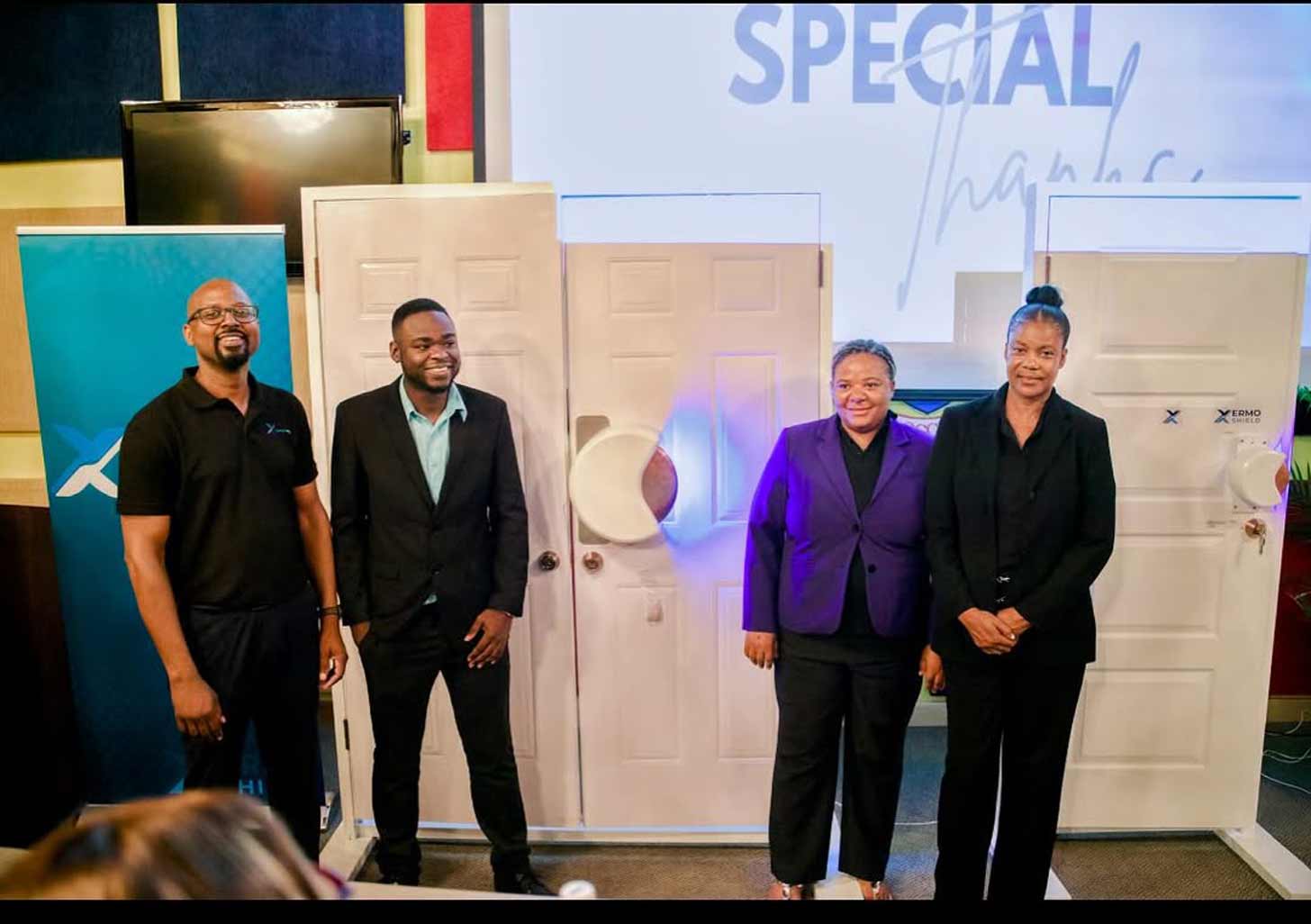
“I saw how patients were suffering, the assistance that they needed, and how difficult it was for the nurses,” Stewart told The Guardian.
Xermosol is a pioneering ultra-violet self-sanitizing door handle, which Stewart says can kill 99.9% of pathogens but is safe for people and animals. It currently has provisional patent protection and has won Jamaica’s Prime Minister’s National Youth Award and the Commonwealth Health Innovations Award.
Alison Drayton, the assistant secretary-general of Caricom, a 15-member group of Caribbean countries, said the invention is a “life-saving design that fits our reality.”
“[It’s] a powerful expression of what happens when innovation is rooted in purpose and fueled by resistance,” she added.

The smart door handle has received over $200,000 in initial investments and has been hailed as a game changer for hospitals, hotels, and other businesses to control the spread of disease, the Xermosol website shares.
The device is shaped into a specialized ring that encircles a cylindrical handle on a door. The ring is fitted with an internal sponge saturated with a disinfectant. Once a person grabs the handle to open the door, a set of ultraviolet lights activates via a touch sensor and sets in motion a disinfectant process that takes about 30 seconds.
The system doesn’t rely on batteries, sensors, or electricity, but rather uses the very motion of the door opening and closing to set off the disinfection process.
While experts say it doesn’t replace the need for World Health Organization cleaning guidelines in hospitals, Xermisol is an innovative tool that can be used alongside traditional methods to prevent infection in highly-trafficked areas.
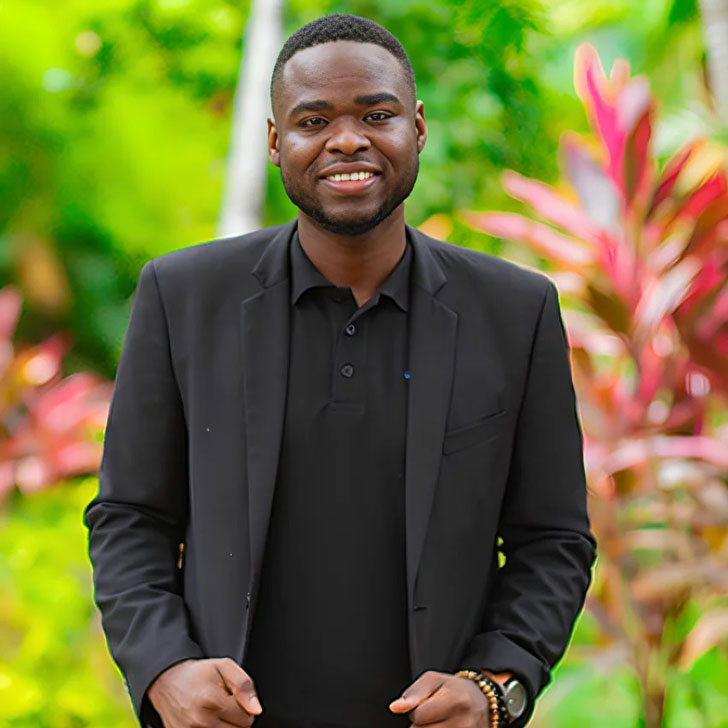
“We’re very proud of him,” Dr. Camille-Ann Thoms-Rodriguez, a University of the West Indies consultant microbiologist, told The Guardian.
“A lot of the innovation that we see in healthcare is often from a first-world country where there are more resources … but it doesn’t mean that we don’t have good ideas here,” she added.
The power of Xermosol has already gone international, with clients like Fort Lauderdale International Airport. But right now, most of the installed door handles remain in Jamaica, including at the Kingston Freeport and the University Hospital of the West Indies.
Future iterations will be available in three sizes to fit offices and workspaces, bathrooms, homes, and commercial spaces, according to an Instagram post from Xermosol.
“The Xermosol team continues to push boundaries, transform challenges into opportunities and innovate with purpose,” the company shared on social media.
“Together we stand committed to building solutions that protect and inspire lives.”
You may also like: College students invent 'smart car seat' to prevent hot car deaths in infants: 'Protects vulnerable lives'
Header images courtesy of Xermosol
In the throes of the COVID-19 pandemic in 2021, Kim Franks saw a Facebook post from John Hunter Children's Hospital asking for knitted goods for their Neonatal Intensive Care Unit.
“They weren't getting people donating blankets and beanies and stuff, because people just couldn't go anywhere and do anything,” she told the Australian Broadcasting Company.
“I thought, ‘I can help with this, I’ll knit up what I've got at home.’”
Infants born before 37 weeks of pregnancy are considered premature and are often at risk for health issues due to underdeveloped organs, which can cause heart conditions, breathing problems, and developmental delays.
For some babies born prematurely, hand-knit clothes may be all that fits them as they receive critical treatment in the NICU.
“I do blankets, wraps, beanies, booties, and the trauma teddies,” Franks told ABC Newcastle reporter Keely Johnson.
As someone who suffers from the chronic inflammatory skin condition psoriasis, which often leaves her bedbound, Franks said that knitting for NICU babies has been a welcome hobby in recent years.
Since that first call for help in 2021, Franks has continued donating knitted goods on a semi-monthly basis and estimates that her impact is in the thousands.
“It keeps my mind active, keeps your hands busy,” she said. “And it takes away from you thinking about yourself, and you just start thinking about how you're helping others.”
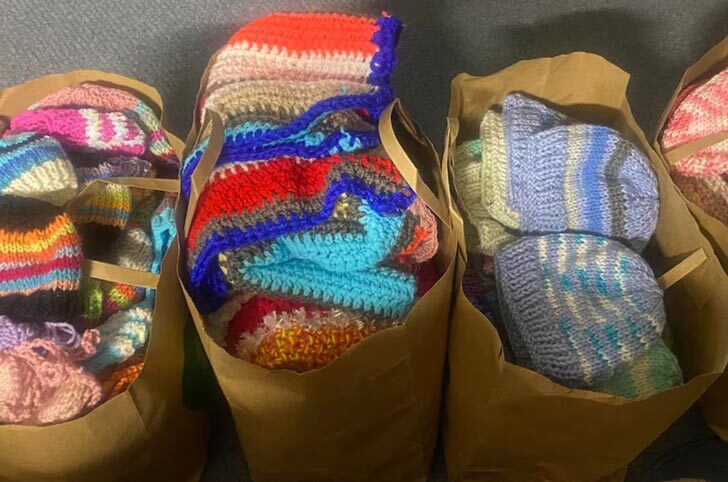
John Hunter Children’s Hospital’s NICU service manager, Natalie Butchard, said donations like Franks’ are desperately needed. She estimates that roughly 1,500 babies are treated at the unit annually.
“Our volunteers put together a pack for each family and that might include a quilt, bonnet, booties, and a cardigan,” she said. “Some of these tiny little babies can be 500 grams, and nothing fits them commercially.”
“It's a really lovely milestone for parents to be able to dress their baby, so to have something that fits the baby, and looks cute, is really special for the families,” she added.
The donations go to grateful parents like Lucy Woods and Brant Collinson, who had their son Nash at 34 weeks. When they spoke to ABC Newcastle, Nash had been in the NICU for three weeks.
Woods said the “lovely” knitted bundle was a source of comfort during a stressful time, and Collinson noted the selflessness of the act.
“To know there are ladies knitting at home [and] they’ll never see the baby that they help,” he said. “It's really cool. It just makes you feel like everyone's here to look after your baby.”
For knitters and needle workers looking to help with the cause, the nonprofit Ray of Hope has a full list of knitting patterns for premature babies, including blankets, booties, bedsocks, and more.
They also include patterns for ventilator bonnets, which allow healthcare providers to access and monitor a baby’s endotracheal tube while keeping their heads warm.
Yarn shops like Black Sheep Wools also accept mailed-in donations to create knitted bundle kits for families, although they encourage people to support hospitals in their region by reaching out to see what items are most needed in their local neonatal units.
In a statement, the company said that they’ve been blown away by the donations they’ve raised through their charity knitting program.
“The kindness of knitters and crocheters is truly overwhelming.”
Header image via Rawpixel
This story was originally published by The 19th and was republished with permission.
In America, diapers have long been treated as a luxury good rather than a necessity.
Half of families with young kids struggle to afford all the diapers they need. A quarter of families miss work as a result, often because they don’t have enough diapers to send with their children to child care.
It’s a largely invisible issue with enormous consequences for the health of parents and children. Studies have found that diaper need is a greater contributor to postpartum depression than food insecurity and housing instability. And when parents don’t have enough diapers, they make do with sanitary pads, rags, or other materials. Some report having to leave their children in soiled diapers for extended periods, raising the risk for urinary tract infections and diaper rash.
So Amy Kadens, who has worked in the diaper space for nearly 15 years, wondered: What if diapers were free for the parents who need them most?
For decades, the United States has not had a good answer. So she came up with her own.
Diaper banks started popping up across the nation in 2011, collecting donations and dispersing diapers to families through a complex network of local partnerships. They are one of the few lifelines for parents.
Kadens, who co-founded a nonprofit that provides diapers called Share our Spare in 2011, knew that diaper banks often operate with limited staff and resources, and operationally can only address a small percentage of a massive need. Without more government support, they can only get at a slice of the problem.
Federal assistance programs that help low-income families, such as food stamps and the Special Supplemental Nutrition Program for Women, Infants and Children (WIC), have never allowed families to use those funds to purchase diapers.
“Diaper banks are doing heroic work with very little. I didn’t want to reinvent the wheel,” Kadens said. But, “I wanted to continue to sink my teeth into this.”
So Kadens started to work on a solution that could give people the funds to get whatever diapers they needed, without the warehouses to store donations or the teams to get those donations out.
That solution was Diaper Dollars, a $40 e-card that users get in their email every month. The virtual card comes with a barcode they can scan at checkout at most major retailers, including Walmart, CVS, and Walgreens, that will cover the cost of diapers. So far, users in Illinois and Ohio can access the program.
The idea, Kadens said, was to make it as simple as possible, while also giving parents the ability to choose what brands they preferred.
“Families have brand loyalty,” Kadens said. “I wanted to keep dignity and choice at the forefront of everything we did.”
The Diaper Dollars team went through months of market research to refine the tech to work well for participants. They didn’t want coupons because there was too much fraud in the system, and gift cards meant users could be limited on where to shop.
Instead, they landed on a system that allowed them to build out a catalog of diapers at 6,200 retail locations in the country. The bar code on the digital card recognizes the diapers when it’s scanned and deducts the price from the total purchase. That catalog of diapers is monitored daily and updated in case brands come out with new box sizes or products. It also works for online purchases.
The system does have some limitations. It’s not valid in Amazon or Target, two retailers that don’t yet accept that form of payment.
And it also likely only covers a portion of the need: The average family spends about $100 on diapers a month, but families earning a median income can only afford to cover about $65, according to an analysis by the Urban Institute.
It’s also more expensive — parents are paying retail prices plus sales tax (23 states charge sales tax on diapers, including Illinois). By contrast, products at diaper banks are donated or sold to the banks from the manufacturer at deeply discounted rates.
To find participants, Diaper Dollars partners with organizations such as WIC clinics and local hospitals to refer people to the program, which is funded from a mix of philanthropy and financial support from those same partners. Partners establish the eligibility criteria, how long participants can be a part of the program, and whether the stipend will be higher for those with multiple babies.
A pilot program launched in 2023 with 100 people, then in 2024, the Illinois Department of Human Services dedicated $1 million to run its own pilot at a larger scale. Nearly 8,000 people have been served so far, with 10,000 projected by 2026.
Illinois Lt. Gov. Juliana Stratton told The 19th that she had been looking for solutions that could support people in the postpartum period, when maternal mortality is high, particularly for Black women.
Diaper need, specifically, is linked to maternal mental health and considered a potential risk factor for moderate to high maternal depressive symptoms. According to the Centers for Disease Control and Prevention, in 2023, the maternal mortality rate for Black women was 50.3 deaths per 100,000 live births. For White women it was 14.5 deaths.
So when Illinois launched a birth equity initiative to address the needs of postpartum parents, from a home visiting program to better diaper access, it chose to partner with Diaper Dollars.
“Giving someone a card where they can go to the store of their choice, decide what’s best, that is what’s part of dignity,” Stratton said. “Every woman deserves to bring life into this world safely and with dignity.”
Brendan Kitt, Diaper Dollars’ program director, said the program was able to offer an operational solution to a problem the state wanted to address but didn’t have a mechanism for. The system works similarly to a universal basic income, where people in need are given a cash stipend, but it’s more targeted.
“Both for funders and supporters, it’s always a question when you talk to people about where the money goes,” he said.
“The fact that we can limit the transactions to the specific needs that we’re trying to serve, I think, is one of the biggest things that legitimized our operation over just giving basic cash assistance.”
Parents who benefited from Diaper Dollars told the organization in testimonials that they’ve had to turn to using underwear or old T-shirts when they didn’t have the money for diapers, often making decisions between paying for rent or diapers.
After going through the program, parents reported that the funds gave them the wiggle room to buy their children other essentials or to make them better meals.
About 90% of those who went through the program reported being able to better afford essentials like food, rent, and other bills. Some 95% felt less stressed about not having enough diapers.
Joanne Samuel Goldblum, the CEO of the National Diaper Bank Network, which has more than 240 partners nationwide, said a model like Diaper Dollars can address unmet needs, particularly in rural areas where it’s harder for diaper banks to distribute products.
“The need is really so big, and it’s not going to be addressed through just one sort of answer or one type of program,” Samuel Goldblum said. “It’s really important to have ways to reach people in all sorts of different communities.”
The Diaper Dollars program has raised about $2 million so far — 45% from the state of Illinois, 35% from philanthropic donors, and 20% from grants from community partners. It is now also running in Ohio and expected to expand to Washington soon.
Kadens’ dream is to take the program to every state. Since Roe v. Wade was overturned and some red states instituted abortion bans, conservative lawmakers have been looking for ways to support postpartum parents.
In Tennessee, for example, where abortion was banned in 2022, the state rolled out a new policy in 2024 that allowed families enrolled in Tennessee’s Medicaid program to receive up to 100 free diapers a month for the first two years of life.
Samuel Goldblum said the National Diaper Bank Network has seen more bipartisan support for addressing diaper needs this year “than we’ve ever seen before.”
It should be that simple, Kadens said: “It doesn’t matter if you’re blue or red. Babies need diapers.”
Header Image by Šárka Hyková on Unsplash
This story was originally reported by Chabeli Carrazana of The 19th. Meet Chabeli and read more of her reporting on gender, politics and policy.
In America, diapers have long been treated as a luxury good rather than a necessity.
Half of families with young kids struggle to afford all the diapers they need. A quarter of families miss work as a result, often because they don’t have enough diapers to send with their children to child care.
It’s a largely invisible issue with enormous consequences for the health of parents and children. Studies have found that diaper need is a greater contributor to postpartum depression than food insecurity and housing instability. And when parents don’t have enough diapers, they make do with sanitary pads, rags or other materials. Some report having to leave their children in soiled diapers for extended periods, raising the risk for urinary tract infections and diaper rash.
So Amy Kadens, who has worked in the diaper space for nearly 15 years, wondered: What if diapers were free for the parents who need them most? For decades, the United States has not had a good answer. So she came up with her own.
Diaper banks started popping up across the nation in 2011, collecting donations and dispersing diapers to families through a complex network of local partnerships. They are one of the few lifelines for parents.
Kadens, who co-founded a nonprofit that provides diapers called Share our Spare in 2011, knew that diaper banks often operate with limited staff and resources, and operationally can only address a small percentage of a massive need. Without more government support, they can only get at a slice of the problem.
Federal assistance programs that help low-income families, such as food stamps and the Special Supplemental Nutrition Program for Women, Infants and Children (WIC), have never allowed families to use those funds to purchase diapers.
“Diaper banks are doing heroic work with very little. I didn’t want to reinvent the wheel,” Kadens said. But, “I wanted to continue to sink my teeth into this.”
So Kadens started to work on a solution that could give people the funds to get whatever diapers they needed, without the warehouses to store donations or the teams to get those donations out.
That solution was Diaper Dollars, a $40 e-card that users get in their email every month. The virtual card comes with a barcode they can scan at checkout at most major retailers, including Walmart, CVS and Walgreens, that will cover the cost of diapers. So far, users in Illinois and Ohio can access the program.
The idea, Kadens said, was to make it as simple as possible, while also giving parents the ability to choose what brands they preferred.
“Families have brand loyalty,” Kadens said. “I wanted to keep dignity and choice at the forefront of everything we did.”
The Diaper Dollars team went through months of market research to refine the tech to work well for participants. They didn’t want coupons because there was too much fraud in the system, and gift cards meant users could be limited on where to shop.
Instead, they landed on a system that allowed them to build out a catalog of diapers at 6,200 retail locations in the country. The bar code on the digital card recognizes the diapers when it’s scanned and deducts the price from the total purchase. That catalog of diapers is monitored daily and updated in case brands come out with new box sizes or products. It also works for online purchases.
The system does have some limitations. It’s not valid in Amazon or Target, two retailers that don't yet accept that form of payment. And it also likely only covers a portion of the need: The average family spends about $100 on diapers a month, but families earning a median income can only afford to cover about $65, according to an analysis by the Urban Institute. It’s also more expensive — parents are paying retail prices plus sales tax (23 states charge sales tax on diapers, including Illinois). By contrast, products at diaper banks are donated or sold to the banks from the manufacturer at deeply discounted rates.
To find participants, Diaper Dollars partners with organizations such as WIC clinics and local hospitals to refer people to the program, which is funded from a mix of philanthropy and financial support from those same partners. Partners establish the eligibility criteria, how long participants can be a part of the program, and whether the stipend will be higher for those with multiple babies.

A pilot program launched in 2023 with 100 people, then in 2024 the Illinois Department of Human Services dedicated $1 million to run its own pilot at a larger scale. Nearly 8,000 people have been served so far, with 10,000 projected by 2026.
Illinois Lt. Gov. Juliana Stratton told The 19th that she had been looking for solutions that could support people in the postpartum period, when maternal mortality is high, particularly for Black women. Diaper need, specifically, is linked to maternal mental health and considered a potential risk factor for moderate to high maternal depressive symptoms. According to the Centers for Disease Control and Prevention, in 2023, the maternal mortality rate for Black women was 50.3 deaths per 100,000 live births. For White women it was 14.5 deaths.
So when Illinois launched a birth equity initiative to address the needs of postpartum parents, from a home visiting program to better diaper access, it chose to partner with Diaper Dollars.
“Giving someone a card where they can go to the store of their choice, decide what’s best, that is what’s part of dignity,” Stratton said. “Every woman deserves to bring life into this world safely and with dignity.”
Brendan Kitt, Diaper Dollars’ program director, said the program was able to offer an operational solution to a problem the state wanted to address but didn’t have a mechanism for. The system works similarly to a universal basic income, where people in need are given a cash stipend, but it’s more targeted.
“Both for funders and supporters, it's always a question when you talk to people about where the money goes,” he said. “The fact that we can limit the transactions to the specific needs that we're trying to serve, I think, is one of the biggest things that legitimized our operation over just giving basic cash assistance.”
Parents who benefited from Diaper Dollars told the organization in testimonials that they’ve had to turn to using underwear or old T-shirts when they didn’t have the money for diapers, often making decisions between paying for rent or diapers.
After going through the program, parents reported that the funds gave them the wiggle room to buy their children other essentials or to make them better meals.
About 90 percent of those who went through the program reported being able to better afford essentials like food, rent and other bills. Some 95 percent felt less stressed about not having enough diapers.
Joanne Samuel Goldblum, the CEO of the National Diaper Bank Network, which has more than 240 partners nationwide, said a model like Diaper Dollars can address unmet needs, particularly in rural areas where it’s harder for diaper banks to distribute products.
“The need is really so big, and it’s not going to be addressed through just one sort of answer or one type of program,” Samuel Goldblum said. “It’s really important to have ways to reach people in all sorts of different communities.”
The Diaper Dollars program has raised about $2 million so far — 45 percent from the state of Illinois, 35 percent from philanthropic donors and 20 percent from grants from community partners. It is now also running in Ohio and expected to expand to Washington soon.
Kadens’ dream is to take the program to every state. Since Roe v. Wade was overturned and some red states instituted abortion bans, conservative lawmakers have been looking for ways to support postpartum parents.
In Tennessee, for example, where abortion was banned in 2022, the state rolled out a new policy in 2024 that allowed families enrolled in Tennessee’s Medicaid program to receive up to 100 free diapers a month for the first two years of life.
Samuel Goldblum said the National Diaper Bank Network has seen more bipartisan support for addressing diaper needs this year “than we’ve ever seen before.”
It should be that simple, Kadens said: “It doesn’t matter if you’re blue or red. Babies need diapers.”
Amazon: It’s Jeff Bezos’s 2-day shipping giant that seems almost impossible to avoid.
But the company’s impact on both the environment and the lives of its workers has catalyzed conscious consumers to switch to alternative companies that are more ethical, environmentally friendly, and aligned with their personal values.
The good news? There are plenty of options online to meet a variety of needs. (Not to mention all of the in-person, small business, and secondhand shopping you can do, too!)
One area in which people spend so much of their money on Amazon is in grocery and household essentials. According to a corporate blog post from Amazon, the company reported over $100 billion in grocery and household essential sales in 2024.
And in the first quarter of 2025, Amazon’s everyday essentials category grew more than twice as fast as all others in the United States, representing one out of every three units sold.
If you’re looking for a more ethical and sustainable alternative to fill your home goods and cleaning product needs, we’ve got your back.
And if you’re looking to learn more about why Amazon is problematic, what other alternatives you can shop, and ethical places for online clothes shopping, we’ve got you covered there, too.
Our Criteria
Below, we’ve outlined our favorite online Amazon alternatives for your home essential shopping. But first, here is the criteria we followed in recommending these brands and marketplaces to you:
- Sustainability & Ethics: The brands on this list have made clear their commitment both to the environment and to fair labor practices. Many have third-party certifications to back up these commitments.
- Accessibility & Experience: We know that many use Amazon for its delivery speed, variety of products, accessibility in rural communities, cheap pricing, and wide range of products. We aimed to find alternatives that offer at least some similar benefits to help consumers who must prioritize affordability and accessibility.
Reminder: It’s still progress if you’re able to switch away from Amazon for some of your purchases, if not all of them.
By the way, some of the links in this article are affiliate links, which means if you make a purchase after clicking a link, we may earn a commission at no extra cost to you. Thank you!
The Best Alternatives to Amazon For Home Essentials
Cleaning & Personal Care
Blueland

Flagship products: Refillable soaps and cleaners
Why it’s better than Amazon: Instead of buying pre-packaged cleaning products and soaps, Blueland offers refillable hand soap, as well as dish, laundry, bath, and spray cleaners.
After purchasing a Starter Kit, shoppers can buy refill tablets and powders, which are packaged in industrially compostable packaging. Plus, you can get a discount when you buy refills in bulk.
Blueland is also a B Corp and certified cruelty-free by Leaping Bunny. The brand also works with Black-owned businesses and partners and gives all team members paid time off for political and civic engagement. (This is in addition to Blueland’s own policy work to reduce single-use plastics on both state and federal levels).
Public Goods

Flagship products: Body and home cleaning products
Why it’s better than Amazon: All of the body, home, and cleaning products sold by Public Goods are packaged in bottles made from 100% recycled, post-consumer plastic. The brand also sources biodegradable alternatives to single-use plastics and tree-free materials for all paper products.
Whether you’re shopping for menstrual products or coffee filters, Public Goods carries eco-friendly options for all shoppers.
A membership of $49 a year will get you 20% off all of your purchases, and free shipping on orders $45 or more — or you can just shop the list price.
Public Goods also works with Eden Reforestation to restore healthy forests and donates all near-expired food products to partner nonprofits fighting food insecurity. Additionally, every shipment is carbon offset.
Package Free Shop

Flagship products: Cleaning and personal care products
Why it’s better than Amazon: Package Free Shop is an online marketplace committed to helping shoppers find the most sustainable versions of their daily essentials. From beeswax birthday candles to toothpaste tablets, it’s got it all.
Package Free’s shipping materials are 100% plastic-free (making the company’s name very fitting), and the brand touts policies and principles that are thoughtful to both people and the planet.
You can also set up “Subscribe & Save” orders through Package Free, just like you might on Amazon.
Good.Store

Flagship products: Eco-friendly cleaning supplies, coffee, tea, soap, and personal goods
Why it’s better than Amazon: Created by internet philanthropists John and Hank Green, Good.Store sells everyday items with 100% of proceeds going to charity. With soaps, teas, coffee beans, socks, and eco-friendly cleaning products, the shop is the perfect place to find gifts or set up monthly subscriptions for everyday goods.
All purchases benefit Partners in Health, a global nonprofit that improves healthcare equity in low-income areas worldwide. As of April 2025, Good.Store purchases have led to over $10 million in donations.
Good Good Good readers can take 10% off their Good.Store purchase with code GOODGOODGOOD!
→ Learn more about Good.Store!
EarthHero

Flagship products: Cleaning, personal care, beauty, and office supplies
Why it’s better than Amazon: EarthHero’s goal is to make sustainable shopping simple — and it lives up to that mission. Every product on EarthHero’s site goes through its “proprietary 5-Step Sourcing Methodology.”
Additionally, EarthHero is a certified B Corp, a member of 1% for the Planet, and allows you to filter and shop by values like vegan, plastic-free, LGBTQ+ empowering, made in the USA, Black-owned, and more.
You’ll find a wide range of daily products, like laundry detergent sheets, bars of shampoo and conditioner, and even colored pencils made of recycled newspapers. Plus, you can save up to 15% on subscription products.
Dropps
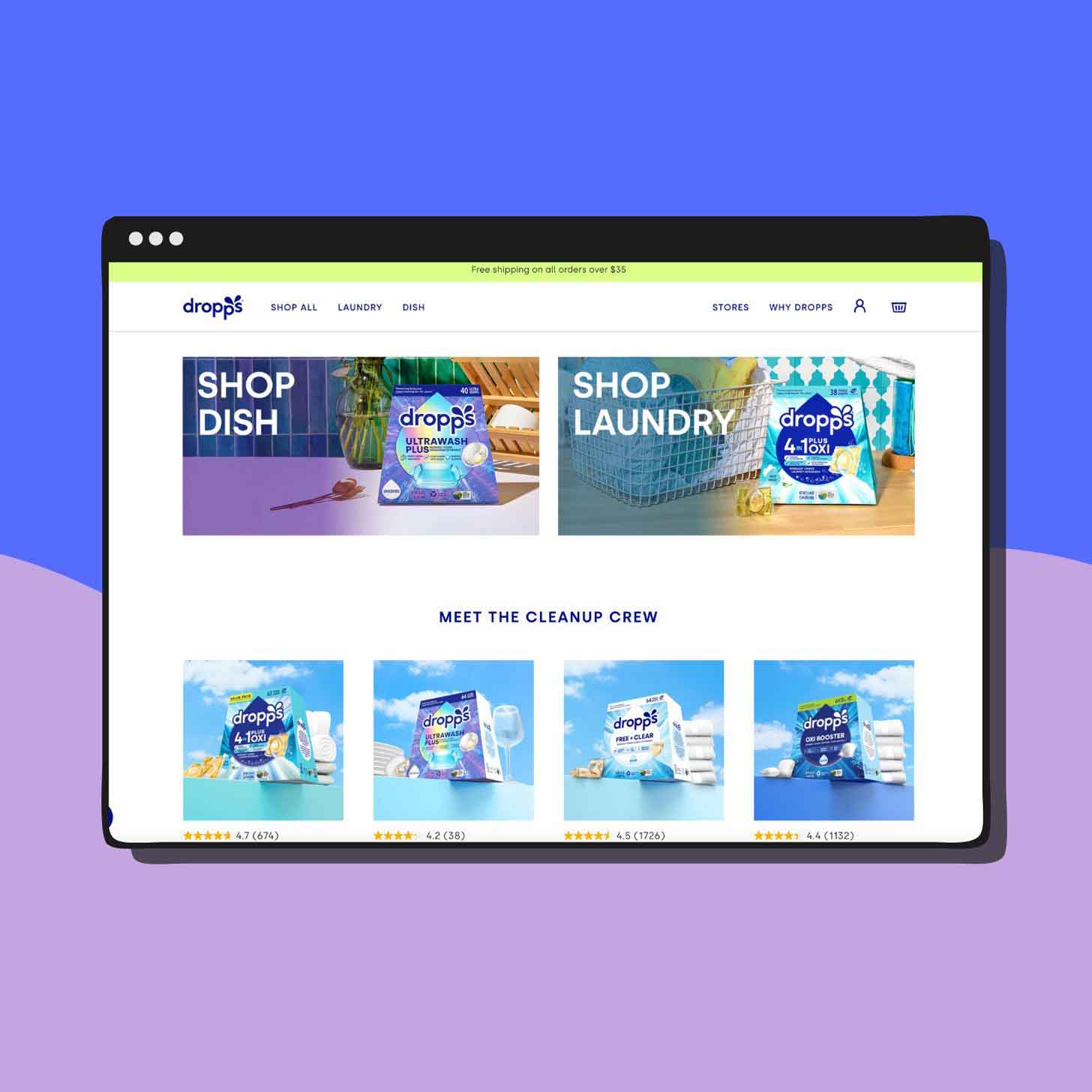
Flagship products: Laundry and dishwasher detergent
Why it’s better than Amazon: Dropps is a certified B Corp and cruelty-free company that makes cleaning products you can feel good about.
Instead of plastic jugs, Dropps packages all its products in recyclable paper and only uses ingredients derived from renewable resources. The brand also practices responsible manufacturing and offsets all its carbon emissions.
No matter what scent you gravitate towards, there are plenty of laundry and dishwasher detergent options to choose from, and you can save on your purchase when you subscribe to a product or buy in bulk.
Cleancult

Flagship products: Laundry and dishwasher detergent, hand soaps, and cleaning sprays
Why it’s better than Amazon: Cleancult is a certified plastic-neutral soap and cleaning product refill company, with all of its products available in paper carton or aluminum packaging.
Free from harsh chemicals, all products also feature ingredient lists — none of which include phthalates, phosphates, dyes, or parabens.
Start by purchasing an aluminum bottle of your desired hand soap or cleaning spray, and then set up a “Subscribe & Save” plan for your paper carton refills! Cleancult also offers laundry detergent sheets and toilet bowl cleaner sheets.
Dirty Labs

Flagship products: Laundry detergent and home cleaning products
Why it’s better than Amazon: Dirty Labs is on a mission to make “traditional petrochemical-based cleaning obsolete.” This means that the brand makes cleaning products that are allergen-free and better for the environment, using 100% biodegradable and traceable ingredients, packaged in aluminum and cardboard.
From laundry detergent and baby essentials to dish and toilet bowl powders, Dirty Labs adheres to a “no list” with toxic byproducts that are kept out of all its formulas.
You can also set up Autoship subscriptions.
Saalt
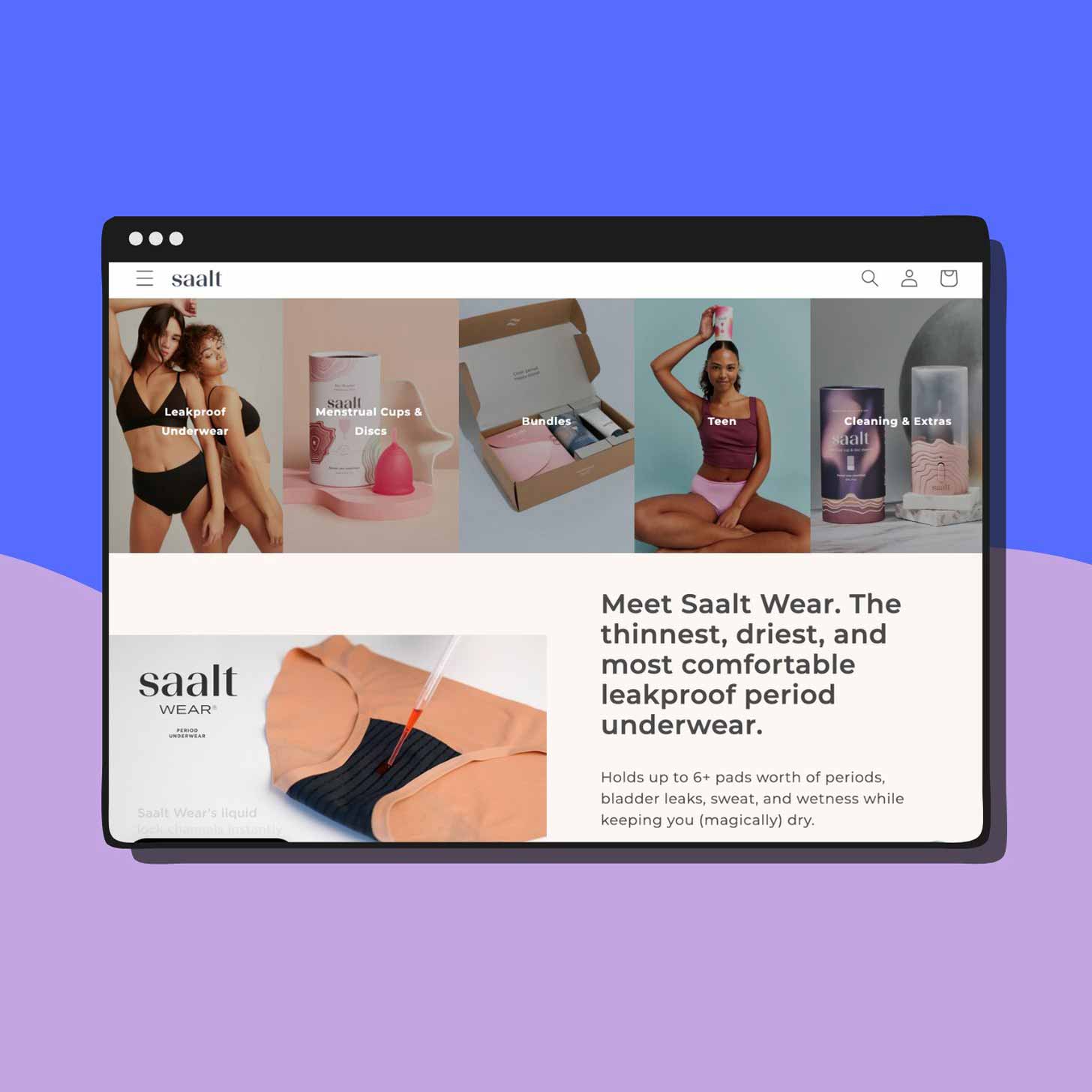
Flagship products: Reusable menstrual products
Why it’s better than Amazon: Saalt sells reusable period products, including menstrual cups, menstrual discs, leak-proof underwear, cleansing wipes, and more.
While swapping tampons and pads for reusable menstrual care products is a sustainable choice on its own, shopping with Saalt is also a way to help other women and girls across the globe access the period care they need. Every purchase with Saalt gives a percentage back to empowering girls through menstrual hygiene and education programs.
The brand has already donated nearly 150,000 products, funded over 1.3 million days of school, and has diverted over 30 million waste products from landfills.
→ Check out more sustainable period care alternatives!
Bite
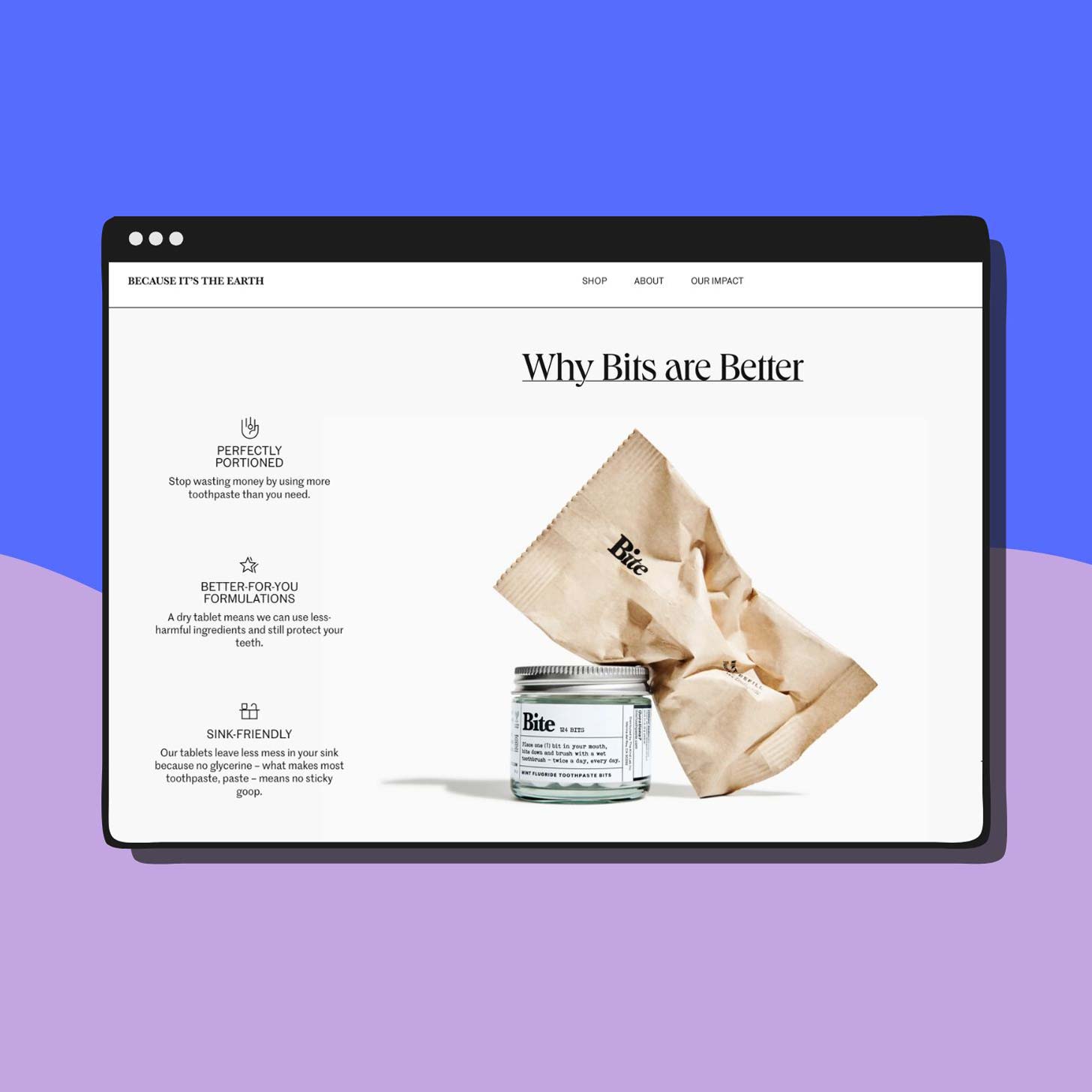
Flagship products: Plastic-free toothpaste tablets
Why it’s better than Amazon: Bite — Because It’s The Earth — was founded by a surfer who learned about the impact of plastic toothpaste tubes on landfills and oceans and decided to invent something different.
Bite now sells toothpaste tabs that come in reusable glass jars, is B Corp and Carbon Neutral certified, and is cruelty-free and vegan. Shoppers can buy a 4-month supply and subscribe to a product for a discounted renewal rate.
Dr. Bronner’s
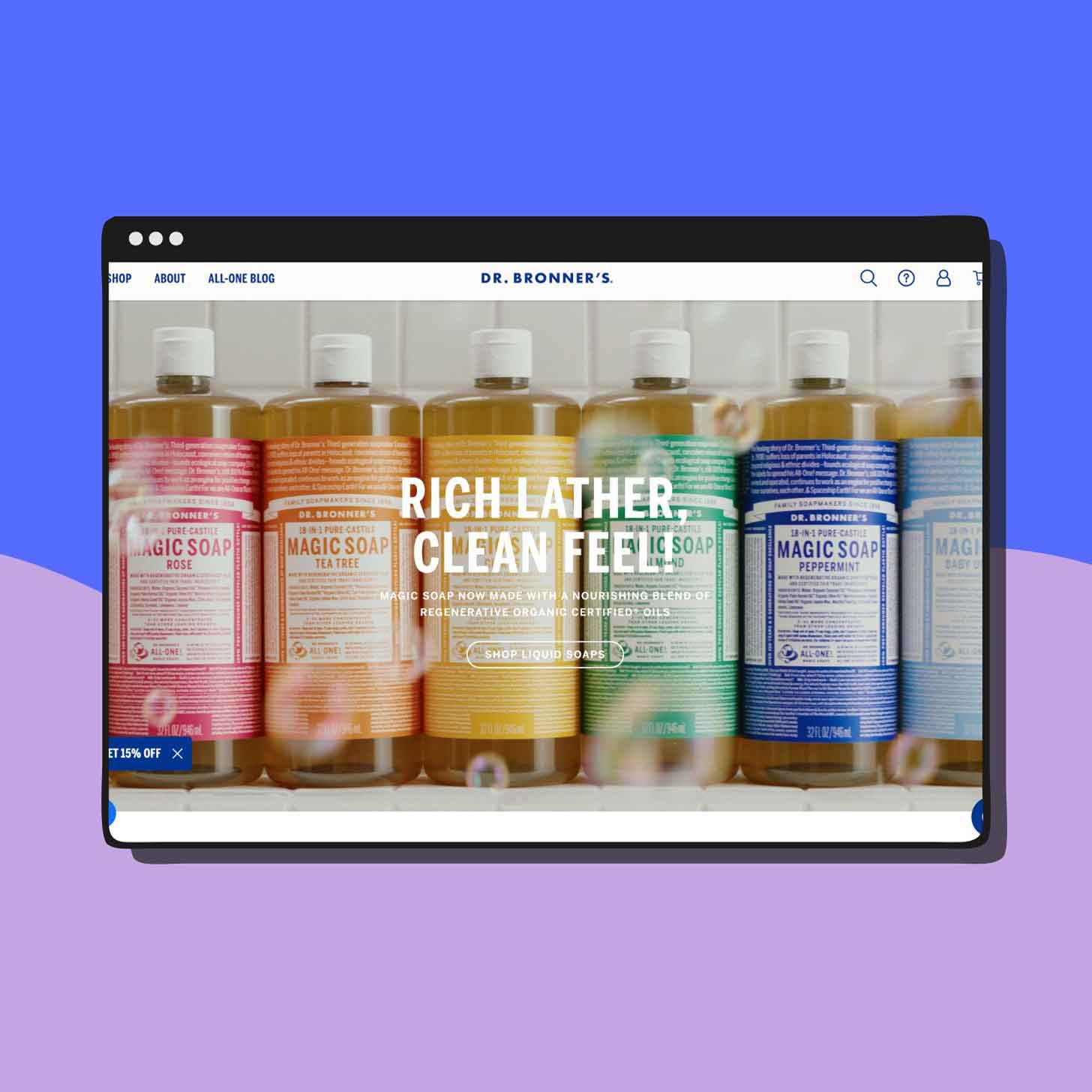
Flagship products: Soaps and lotions
Why it’s better than Amazon: Dr. Bronner’s has long practiced what it calls “constructive capitalism” by sharing all its profits with its workers and the environment.
The company touts ethical supply chains, as well as generous benefits for employees, like 100% free healthcare, caps on executive salaries, and a 10% yearly bonus for full-time employees.
Dr. Bronner’s also gives back to environmental and social justice organizations, uses packaging recycled from post-consumer plastics, and even advocates for political reform around animal advocacy, criminal justice, and community betterment.
Plus, its soaps and lotions are just great quality. All Regenerative Organic Certified, you can get soaps and refills in a myriad of scents, all safe enough to meet the “all-in-one promise,” which urges customers to use the soap far beyond the shower. Plus, you can subscribe and save!
Paper Goods
Who Gives A Crap

Flagship products: Toilet paper, tissues, and paper towels
Why it’s better than Amazon: Who Gives A Crap has all of your paper towel, toilet paper, tissue, and trash bag needs without any ethical dilemmas. Paper products are made with bamboo or recycled paper, and waste bags are made with recycled plastics or compostable materials.
As a B Corp, Who Gives A Crap also donates 50% of profits to clean water and sanitation initiatives around the globe. So far, it’s donated over $9.5 million to help people access vital services.
Plus, Who Gives A Crap uses electric vehicles for delivery, partners with Pachama to ensure its shipping is carbon neutral, and its warehouse is powered by solar panels that spell out “CRAP.”
Customers can also choose subscription options to save on recurring orders or shop with bundle discounts.
Reel

Flagship products: Toilet paper, tissues, and paper towels
Why it’s better than Amazon: Reel sells paper products made entirely with biodegradable bamboo and shipped in recyclable cardboard packaging.
The brand is a B Corp, certified by the Forest Stewardship Council, and offsets 100% of the carbon emissions it produces in overseas transportation.
Whether you need toilet paper, tissues, or paper towels, you can put your deliveries on auto-ship right from the Reel website.
Save Trees
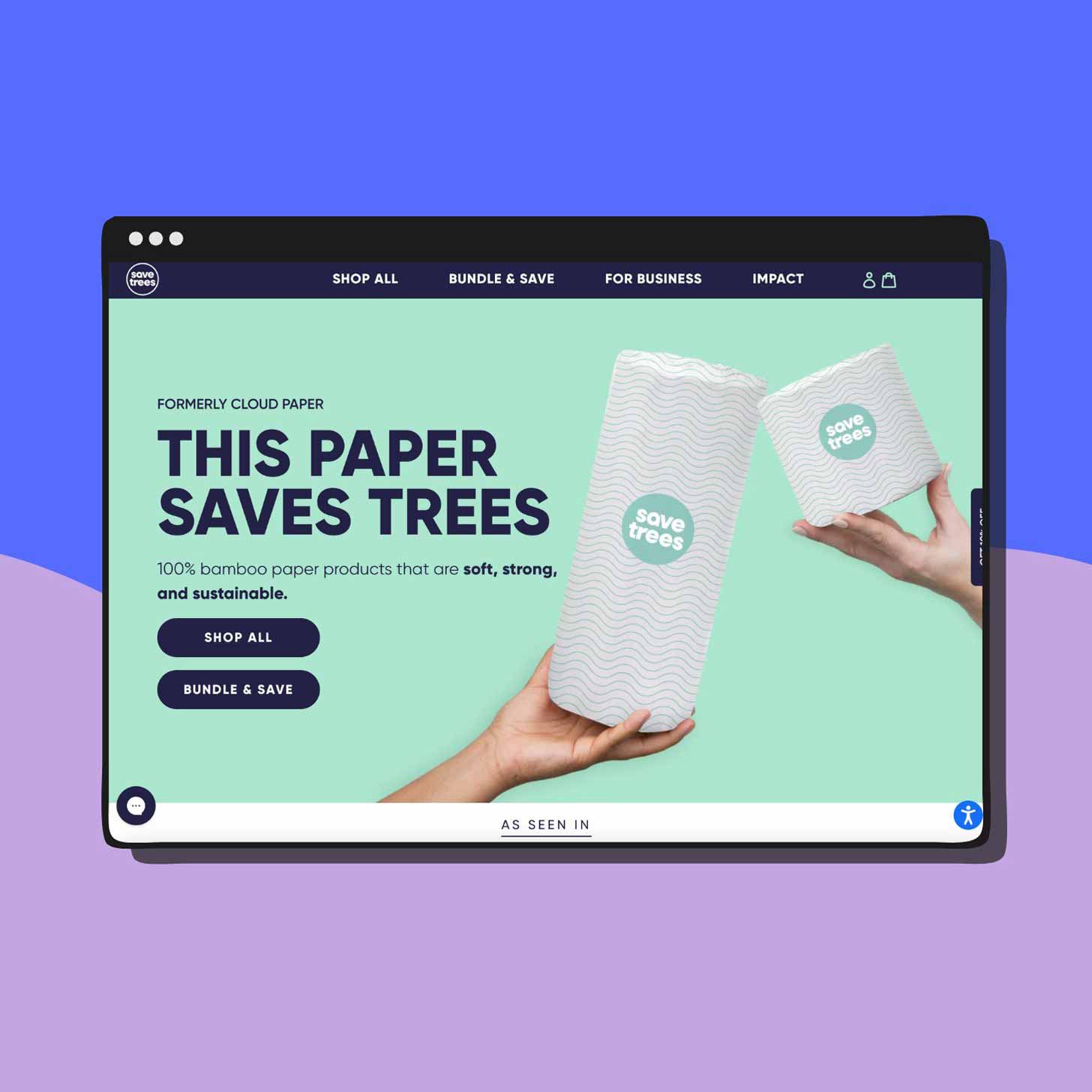
Flagship products: Toilet paper, tissues, and paper towels
Why it’s better than Amazon: Another bamboo-based paper product company, Save Trees is a Forest Stewardship Council-certified company that offers chlorine-free bamboo-based products like toilet paper, tissues, and paper towels.
The brand ships in 100% recycled cardboard boxes, offers carbon-neutral delivery, and has received the highest score possible from the Natural Resources Defense Council in its annual report ranking toilet paper brands by sustainability.
Plus, Save Trees gives back to charitable organizations like Food Lifeline and One Tree Planted.
You can set up auto-ship orders for your home, or even buy in bulk for commercial businesses.
Repurpose
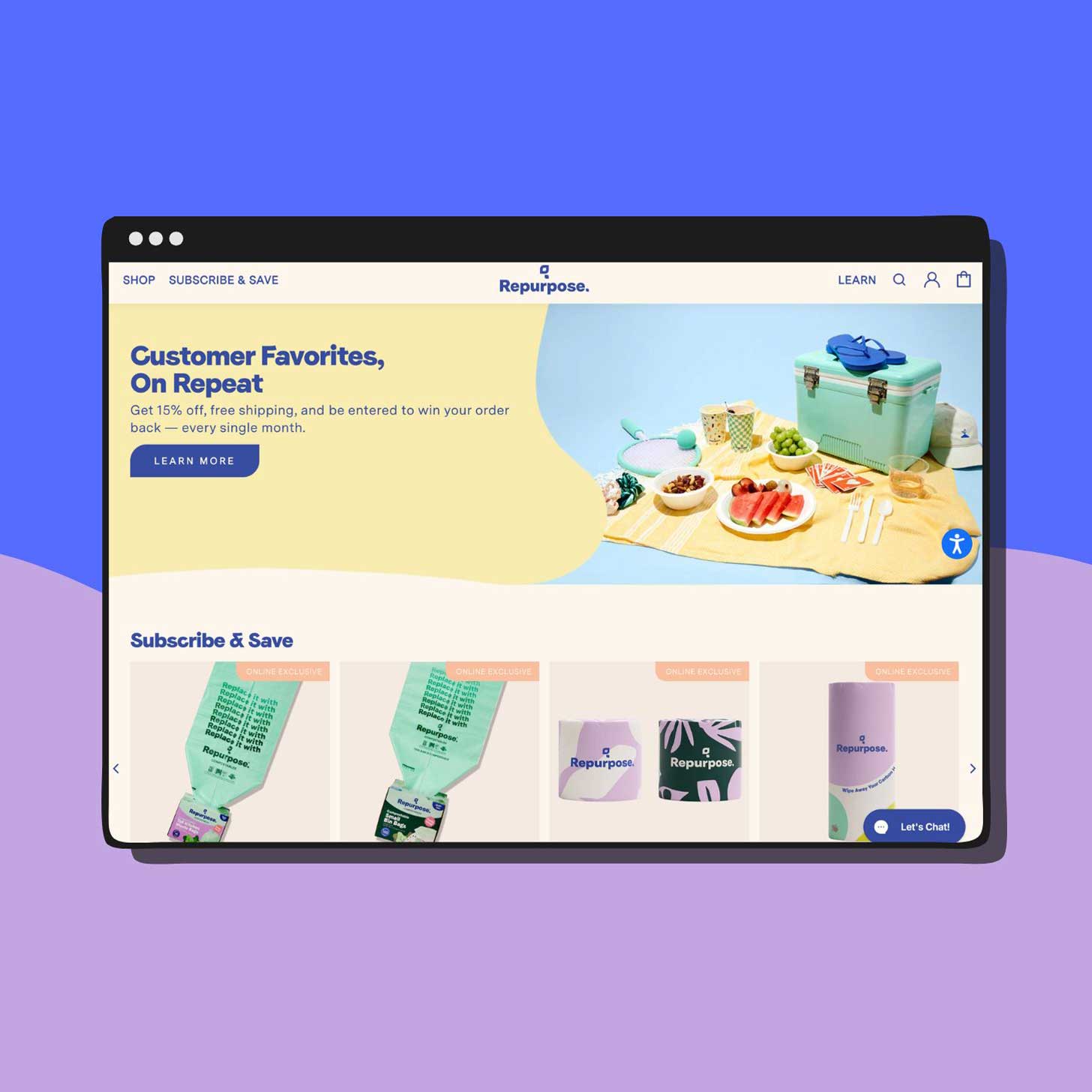
Flagship products: Compostable single-use drinkware, tableware, and paper products
Why it’s better than Amazon: Repurpose is a female-founded company that understands that sometimes, we still need a paper plate or plastic cup for a party. So it made a compostable version of the items that traditionally end up in landfills.
Its products are made with plant-based materials, are shipped to you with carbon emissions offset, and include no additional PFAS or plastics.
From disposable cutlery and to-go cups to dinner plates and trash bags, Repurpose has what you need for everyday use and even entertaining. Plus, you can subscribe to save!
Repurpose also cares about diversity and inclusion. Its team is made up of about 43% people of color and LGBTQ+ folks, and the leadership team is 83% women.
Grocery and Pantry
Grove Collaborative
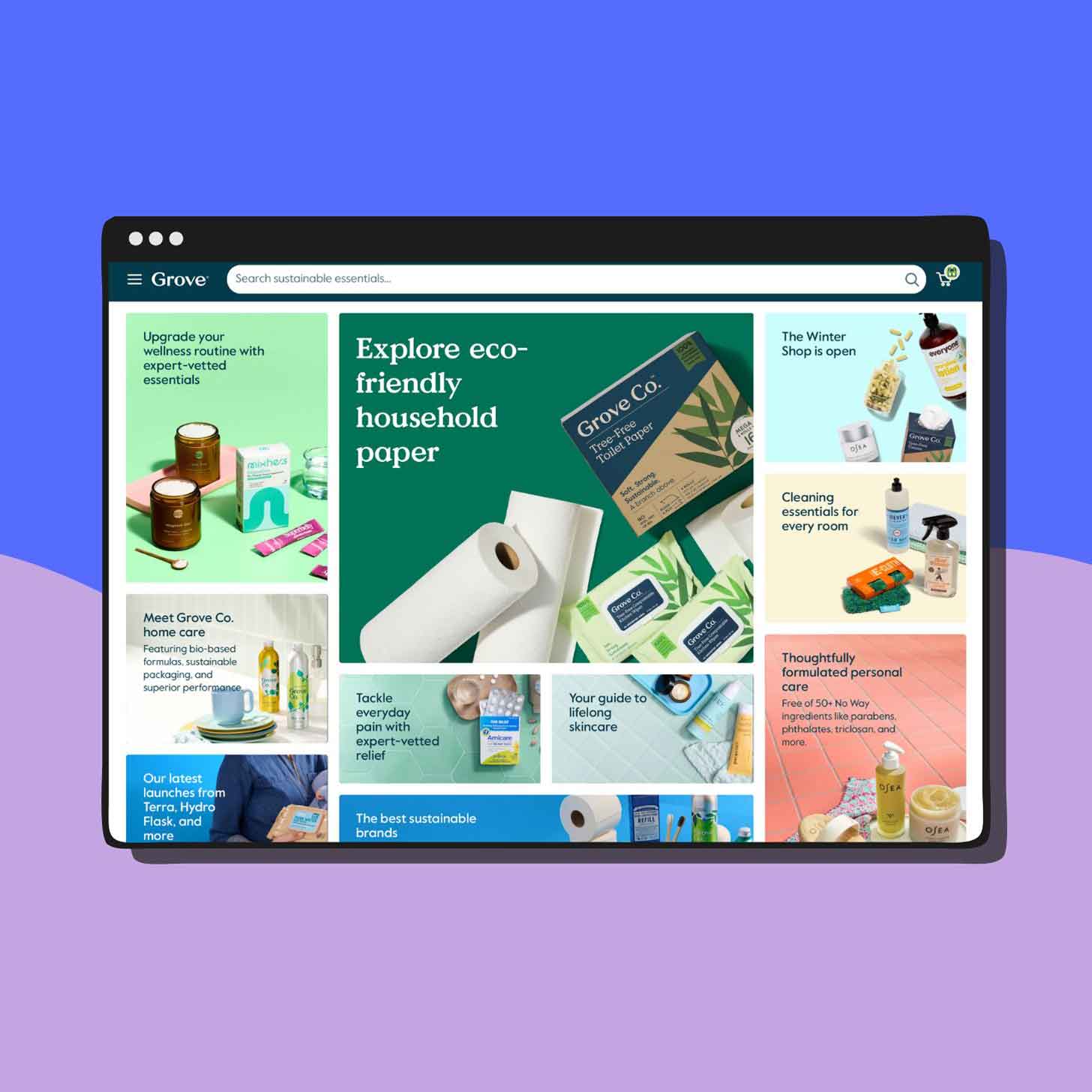
Flagship products: Pantry staples, cleaning and personal care, pet essentials, gifts, school supplies, and more
Why it’s better than Amazon: Grove Collaborative takes the ease of shopping for home essentials on Amazon and makes it ethical. The site exclusively offers products that meet the brand’s core standards.
And it has nearly anything you could need for any room in the house. Seriously, it offers like 20 categories!
The Grove Collaborative site and app make it easy to order products and get regular refills shipped at an appropriate cadence with Subscribe & Save deals. Plus, the company will never sneakily charge you for a new shipment without letting you know (three times) first.
All of Grove’s shipments are carbon neutral, and it’s also a certified B Corp. The brand also prides itself on “building a diverse and inclusive work environment.”
Thrive Market

Flagship products: Grocery, cleaning, vitamins, personal care, and pet products
Why it’s better than Amazon: On Thrive Market, you can become a Member for roughly $5-$12/month (depending on if you pay annually or monthly) and easily do all your shopping through its site.
With grocery and pantry staples, your go-to vitamins and supplements, cleaning supplies, and even wine, you’ll find everything you need, while feeling confident that every product on the site aligns with your values.
Thrive Market works to ethically source all of its products, ensures that 90% of waste in its warehouses is recycled, composted, or reused, and offers carbon-neutral shipping in sustainable packaging. Thrive is also a certified B Corp and transparently shares its sourcing and curation standards.
Hive
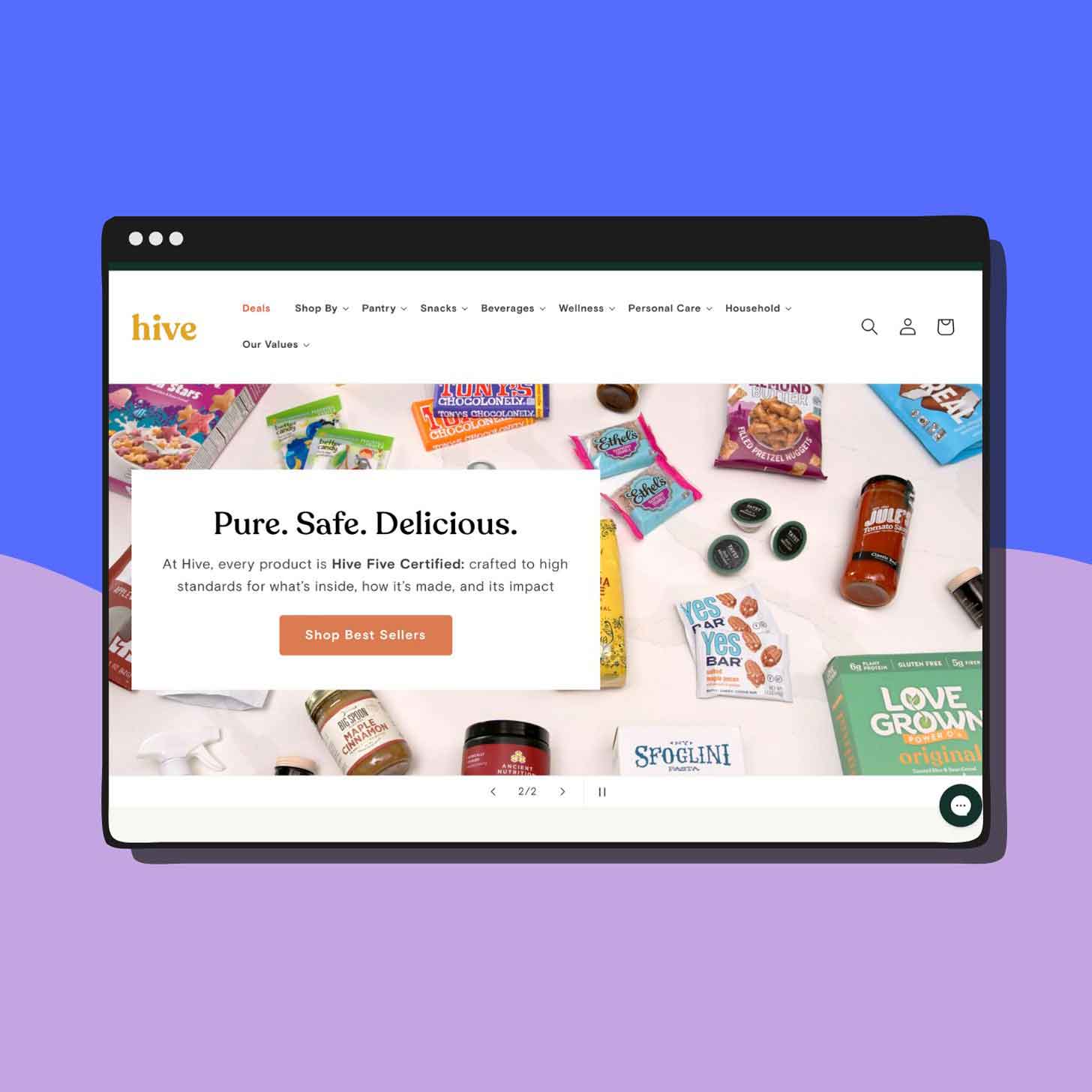
Flagship products: Pantry, personal care, and wellness products
Why it’s better than Amazon: Hive is an online grocery and personal care marketplace that sticks to five core values: Ingredient integrity, responsible production, clean packaging, leading change (like social and industry impact efforts), and “raveworthy” quality.
Each product page details which of these criteria are met — as well as how and why.
Hive also has a robust recycling guide for the various kinds of packaging you might encounter in your grocery products, like cans, cartons, and more. Hard-to-recycle items can be processed through TerraCycle — Hive will even send you a prepaid envelope to do so!
Misfits Market

Flagship products: Grocery, pantry, and cleaning products
Why it’s better than Amazon: Misfits Market is an online grocer that makes high-quality food more affordable and accessible, and helps break the cycle of food waste.
By working directly with farmers and food producers, the brand “rescues” food that is still perfectly good to eat, saving shoppers up to 40% compared to traditional grocery options (like Amazon delivery or ordering through Whole Foods).
It also offers other pantry staples, wine, and grocery items, and does not require you to pay a set subscription fee, and its new “household aisle” offers kitchen basics, laundry care, and more.
Once you sign up, you can access the items offered in the market and add as few (as long as you meet the $35 order minimum) or as many items as you’d like.
→ Check out our full review of Misfits Market
Home Decor & Organization
Uncommon Goods

Flagship products: Unique gifts and home goods from artisan makers
Why it’s better than Amazon: Uncommon Goods is passionate about discovering creative and unique goods from all over the world while uplifting independent makers and merchants. Get some cozy candles or woven blankets and make your house feel like home.
The site divides products up to make it easy to shop for eco-friendly products, goods from Black makers, or from women-owned businesses. You can also become a Perks Member and receive free and fast shipping.
Uncommon Goods is a founding B Corp and donates $1 for every purchase you make. Plus, its products have always been leather, feather, and fur-free.
Etsy
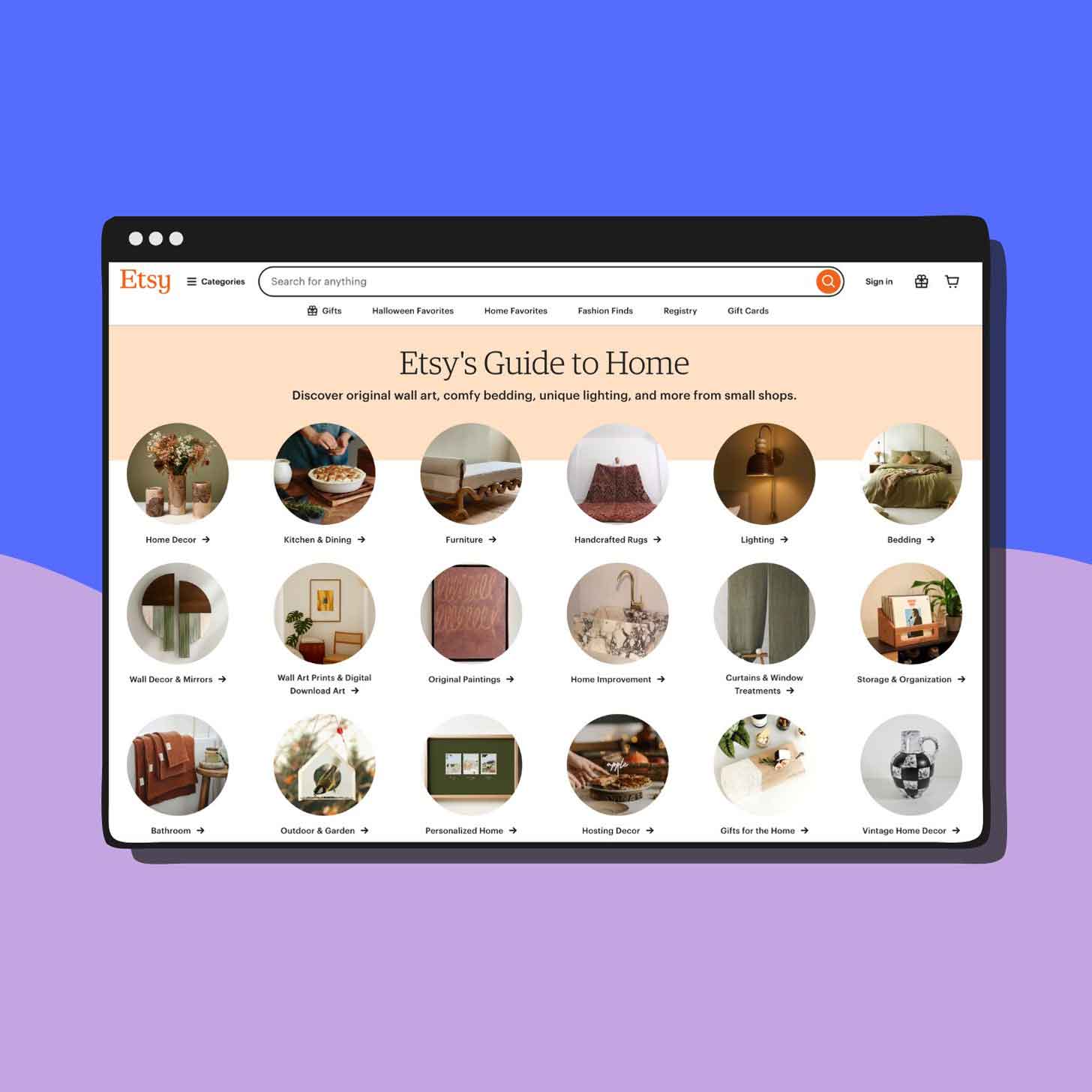
Flagship products: Unique gifts and home goods from artisan makers
Why it’s better than Amazon: Rather than giving your money to big corporations, every Etsy purchase is an opportunity to support an individual creator or entrepreneur. It’s the perfect place to find a new piece of art for your walls, get a handmade side table for the living room, or even a new favorite mug for your morning coffee.
Etsy uses 100% renewable energy for the power used by its data centers, global offices, and its remote employees — plus, the company offsets carbon emissions on all shipping and packaging.
YouCopia

Flagship products: Home organization
Why it’s better than Amazon: YouCopia is a woman-owned brand that makes home organization tools entirely from post-industrial recycled materials.
Instead of buying yet another plastic container from you-know-where, YouCopia offers well-designed organizers like spice racks, egg dispensers, and even microbe-busting toothbrush holders for the bathroom.
Plus, every order gives 5% back to charity, specifically to organizations that empower women, teach children about climate change, and home improvement projects for low-income communities.
Scientists have invented a pollen-based sunscreen, which their results suggest is as effective in blocking harmful ultraviolet rays as sunscreens containing chemicals that contribute to coral bleaching and pollution in oceans.
In a recently published study, the researchers also showed their pollen sunscreen doesn’t harm corals. They added 1 milliliter (0.034 ounces) of both their pollen-based and a commercial sunscreen to separate 10-liter (2.6-gallon) seawater tanks with healthy coral for 60 days.
The commercial sunscreen caused coral bleaching in two days and coral death in six days, but the pollen sunscreen gel had no impact on corals, which remained healthy for the duration of the experiment.
“We wanted to develop an affordable and effective natural sunscreen that is non-allergenic to humans and eco-friendly to the environment,” Nam-Joon Cho, the study’s lead author and a materials science and engineering professor at Nanyang Technological University, Singapore, said in a statement.
The team tested sunscreens with pollen derived from both sunflowers and camellias. However, only the camellia pollen sunscreen reached a high sun protection factor (SPF) of about 27.3, meaning it blocks around 97% of the sun’s ultraviolet rays that can cause skin damage and cancer.
Camellia pollen also generally doesn’t cause allergies. By comparison, sunflower pollen-derived sunscreen reached an SPF of less than 5, and the flower’s pollen can be allergenic.
“We know that pollen is naturally UV-resistant, as its shell needs to protect its inner contents from harsh environmental conditions, including sunlight,” Cho said. “Our research aimed to develop a way to process pollen grains into a gel-like form, so that they can be easily applied to human skin.”
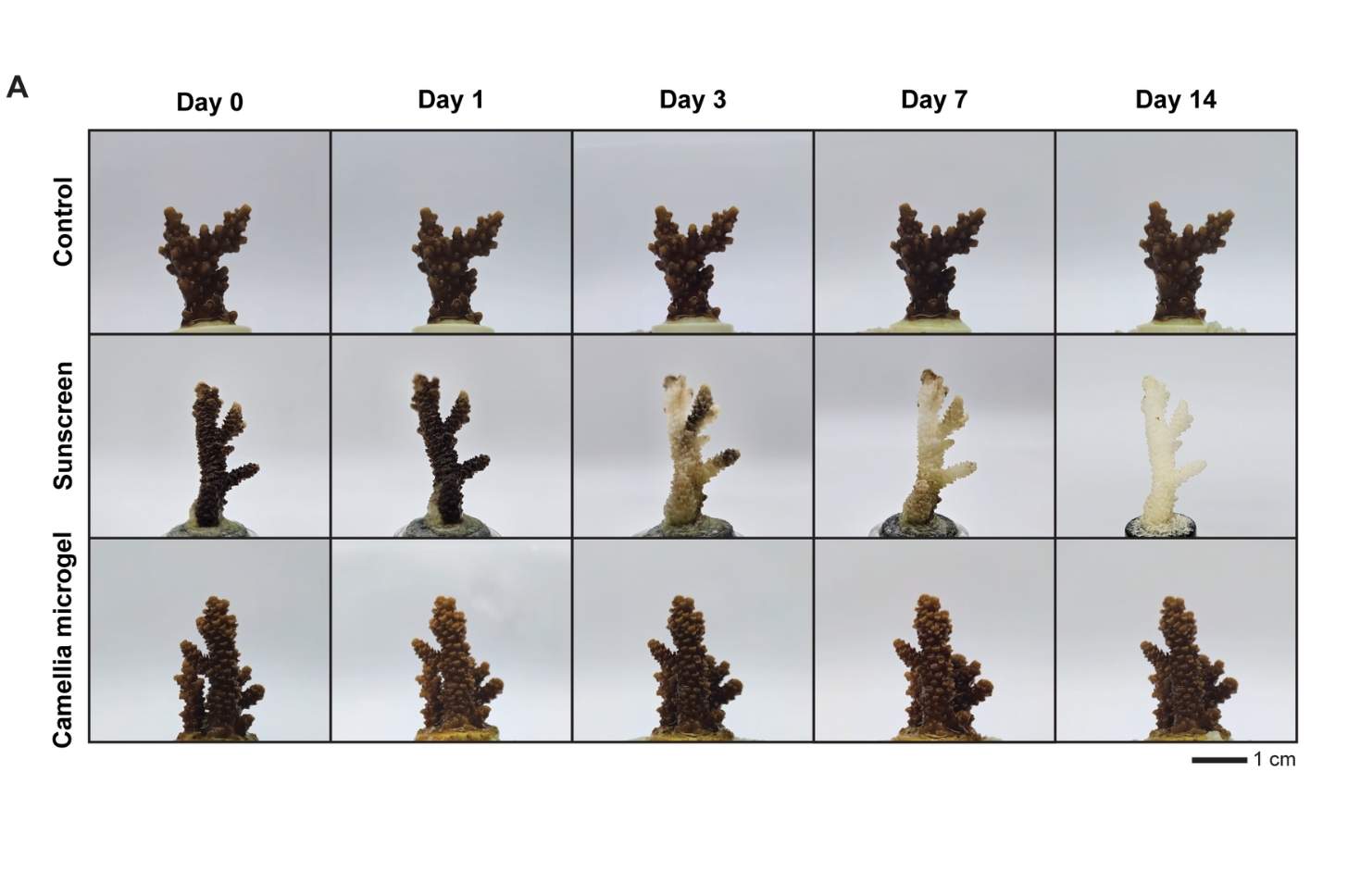
An estimated 6,000-14,000 metric tons of UV filtering chemicals from commercial sunscreens, such as zinc oxide and titanium oxide, are released into coral-rich coastal regions every year, contributing to the widespread decline of reef health.
One study found that some sunscreen chemicals also disrupt seagrass and other marine life on a molecular level, while another found the chemicals in species like rainbow trout, dolphins, and threatened loggerhead turtles.
Previous research also suggests that sunscreens labeled as “coral-safe” are only slightly less toxic than ones not making the claims.
Several scientists are advocating for an “urgent investigation” of sunscreens, including the health impacts of humans consuming sunscreen-contaminated seafood.
“This is the type of research we want to see in the development of sunscreen alternatives that are more sustainable,” David Andrews, acting chief science officer at the research and advocacy nonprofit Environmental Working Group, who wasn’t involved in the study, told Mongabay by phone. “It is important initial work.”
“This study is highlighting one of the deficiencies in sunscreen regulation with respect to fully considering the impact that these products could be having on coral or marine environments,” Andrews added. “The bigger picture here is that our chemical regulations and the regulation of sunscreen products are not encompassing enough.”
This article was originally published on Mongabay.
Header Image courtesy of NTU Singapore
Alabaré is a British charity dedicated to ending homelessness — primarily for “rough sleepers:” people who do not have a safe, conventional place to live and resort to sleeping outside in tents, sidewalks, doorways, and parks.
“At Alabaré, we support hundreds of people who are homeless every year,” the charity wrote in a mission statement. “We help each person with their finances, health, and self-esteem and provide a stepping-stone approach back to independent living.”
That includes people like Bryn, a veteran, who served for 14 years in the Royal Air Force Regiment and became homeless in stages. First, he couch-surfed, and then he spent his remaining savings on a hotel. When his money ran out, he resorted to sleeping under a bridge in the throes of winter.
“You don’t really sleep,” Bryn said in the Salisbury Journal. “You’re constantly watching whether anybody is going to try and steal your stuff.”
“You have people calling you names, although I wasn’t begging,” he added. “I didn’t have anything. I couldn’t even buy any water because I couldn’t go into a shop or supermarket with all my stuff.”
Fortunately, after receiving help through Alabaré’s Homes for Veterans program, Bryn’s life changed overnight.
“When I got to the house, lay on the bed, I finally felt I could breathe again,” he said. “That day changed my life. I’m focusing on the future and my family.”
In their 2024-2025 impact report, Alabaré supported a total of 3,272 people — a 12.3% increase from the year prior.
Their growth was, unfortunately, outsized by the community’s need. According to Alabaré there are over 3,500 homeless veterans across England and Wales.
“Last year, we received 350 referrals for our veteran services, an increase demand of 122% on our service,” they noted in their impact report.
Ultimately, Alabaré was able to provide housing services to 158 veterans in the past year.
As 2026 approaches, they hope to broaden their reach through their annual flagship event: The Big Sleep.

For 15 years, Alabaré has invited hundreds of participants “to give up their warm beds for one night” and sleep rough in the name of raising money for people experiencing homelessness.
Past venues have included the Cloisters of Salisbury Cathedral, The Tower of London, and Gwrych Castle.
And this year, they’re hosting it in Stonehenge.
“We are asking you to get sponsored to sleep out for one night and by doing so, raise funds so Alabaré can provide the support needed to help more homeless veterans across Wiltshire and the South West,” Alabaré wrote on the event page.
“To add to the poignancy, we will also be joined by the fabulous Cranborne Chase National Landscape team, who will talk us through the astronomical dark night sky after we walk down to the stones in the evening … there, we will look through telescopes where we (hopefully) can see the constellations for ourselves.”
The event — which will take place on Friday, November 14 — is now available for registration and is limited to 200 participants.

“Together, we can break the cycle,” the charity pledges. “Together, we can bring homes, hearts, and minds together to support vulnerable veterans.”
In their impact report, Alabaré describes their Homes for Veterans program as a “tailored pathway of support” for veterans in crisis.
In addition to providing “physical and mental health, financial wellbeing, and employment readiness,” the program sets up residents for long-term success.
“We collaborate closely with each veteran to help them secure stable, lasting accommodation, enabling successful transition to independent living, which therefore reduces the risk of future homelessness as they rebuild their lives with confidence and hope.”
Header image via Image via Andrew Dunn / Wikimedia Commons (CC BY-SA 2.0)
Every day the Good Good Good team collects the best good news in the world and shares it with our community. Here are the highlights for this week!
If you want to get good news in your inbox every day, join the Goodnewsletter — the free daily newsletter designed to leave you feeling hopeful.
The Best Positive News We’re Celebrating This Week —
A military widow, mom, and author turned her old pickup truck into a traveling banned book store
In addition to being a military widow, mother, and southerner, Karie Fugett is also the author of the memoir “Alive Day,” about her experience as a military spouse. Familiar with the inner workings of the military, she’s now fighting what she calls a “war on knowledge” in taking shape in her home state of Alabama.
Earlier this year, a state board voted to defund a local library under a new book ban law after parents criticized the library for carrying “sexually explicit books” that depict LGBTQ+ stories. Similar efforts are happening in states like Florida.
Knowing first hand the impact this kind of censorship can have, she wanted to help, so she’s converting a rusty 1940 Ford pickup truck into a traveling banned bookstore called “The Banned Wagon.”
Why is this good news? The Banned Wagon will help put banned and challenged books “back into the hands of the people who need them the most.” That includes LGBTQ+ youth, and other marginalized communities — but also to help anyone and everyone access books that challenge their worldview.
From an expert: How to avoid disturbing content on social media and protect your peace
Global solar panel installations surged by 64% in the first six months of 2025
In the first half of this year, the world added 380 gigawatts of new solar capacity, a 64% increase over the same time period last year. In 2024, it took until September to surpass 350 GW of new capacity — this year, that milestone was achieved back in June.
This continued rapid expansion of solar has made it the fastest-growing source of new electricity generation, with global solar output rising by 28% in 2024 compared to 2023.
And China is still leading the charge, installing more than twice as much solar as the rest of the world combined in the first six months of the year. Competing against itself, its installations more than doubled compared to the first six months of 2024.
California’s first solar panel-covered canal is now fully online and providing clean energy
A 1.6-megawatt solar power project just came online in California’s Central Valley. It’s not on a rooftop or massive field — these solar panels stretch across canals and generate clean electricity in a remote area where cotton, tomatoes, and hundreds of other crops grow.
Called Project Nexus, it’s the second canal-based solar project operating in the U.S. — the first started producing power in October 2024 for the Pima and Maricopa tribes near Phoenix, Arizona — and one of just a handful in the world.
A 20-foot-wide stretch of Project Nexus was finished in March, and a 110-foot-wide portion completed at the end of August. Researches will continue to monitor the project’s performance, while a separate initiative is working to fast-track more projects like it.
Why is this good news? This unique solar project has a multitude of benefits, with research showing that placing the panels above water both helps keep panels cool, which improvies their efficiency and electricity output, and prevents water loss from evaporation, especially in drought-prone areas.
→ Read more
Mexican entrepreneurs create vegan leather out of prickly pear cactus, helping save 1 billion animals a year
A Florida woman is single-handedly saving tortoises from getting hit by drivers at a state park
One of the Florida’s most-visited parks, Honeymoon Island State Park is also a critical habitat for the state’s gopher turtle population.
When park volunteers told Maggie Serus that they were seeing a rise in tortoise road kills at the park — coinciding with a statewide population decline in recent decades, due in large part to cars — she wanted to help.
So, the retired special education teacher started spending her days near the park entrance holding a sign that reads “Drive slow, look below,” encouraging drivers to ease up on the gas pedal. And her efforts have been paying off, with none killed during the first two weeks of her outreach.
Arizona State University received its largest-ever grant to launch a new school dedicated to preparing the next generation of conservation leaders
At Climate Week in New York City this week, Arizona State University announced its brand new school dedicated to preparing the next generation of conservation leaders — thanks to the university’s largest-ever philanthropic investment.
Rob Walton, a philanthropist, conservationist, and the former chairman of Walmart, made a historic $115 million investment to establish the School of Conservation Futures, which will be named after him.
The school will be “laser-focused” on conservation, because “protecting the planet’s future is protecting our future.”
What’s the nuance? Walton is the eldest son of the founder of Walmart, which, as the largest retailer in the world, is not known for being particularly environmentally friendly.
But investments like this are critical in developing the people and solutions we’ll need in the future to manage the planet’s resources wisely. Do we wish the damage wasn’t being done in the first place? Definitely. Do the solutions we need require the best minds and a lot of money? Also definitely.
This college student was tired of seeing red Solo cups litter her campus — she invented a way to turn them into sweaters
A new report found that 80 million more children are now supported by national school meal programs worldwide
According to a new report from the United Nations, nearly 80 million more children are now receiving school meals through government-led programs than in 2020. That’s a 20% increase, bringing the global total to at least 466 million children.
Notably, low-income countries saw even larger progress, increasing the number of children receiving school meals by 60% in the last two years alone. This is led by Africa, which is feeding another 20 million children in countries like Kenya, Madagascar, Ethiopia, and Rwanda.
This progress is backed by global funding for school meals that’s more than doubled from $43 billion in 2020 to $84 billion in 2024 — 99% of that coming from national budgets.
Why is this good news? Governments can do a lot of good for their citizens. These meal programs not only support the health, education, and overall well-being of children but also benefit small farmers, boost local employment, encourage planet-friendly diets, and reduce carbon emissions.
→ Read more
New survey finds Narcan vending machines really work: ‘They’re saving people from dying’
→ Read more
Dozens of Atlanta residents worked together to build a $10K bike lane in their community
In 2020, city officials in Atlanta launched a program to support and empower neighborhood groups who were leading and funding alternative street design and safety changes through lower-cost, temporary interventions.
Taking just a year from concept to execution, 36 volunteers just completed the 20th project under the initiative. Supported by $10,000 total in donations from 42 community members, they converted street parking into a pop-up, protected bike lane to connect a local high school and elementary school.
Ultimately, projects like this also advance longer-term goals of the city regarding street safety and designing public spaces for the best use of those who use them. This one made the road safer for students to bike to school.
Global land use for agriculture peaked in the early 2000s and has been falling ever since, replaced by nature
During the 20th century, the world lost vast areas of natural forest and grassland due to humans’ growing demand to use that land for agriculture. And while today around half the world’s land is farmed, the amount actually peaked in the early 2000s and has been falling ever since.
The abandoned farmland is being replaced with grasslands, trees, and bush, and seeing the wild animals it was once home to returning to the area. Europe and North America are leading the way in reforestation efforts.
The trend is due to a number of factors, like more efficient farming and productive land, replacing land-hungry crops with ones that use much less, or none at all.
Why is this good news? Land use and farm-stage emissions account for more than 80% of the carbon footprint for most foods. Reforesting these carbon-intensive lands into areas filled with trees, bush, and grasses that capture and store carbon is a huge part of combating the climate crisis — and even improving human health.
At this café run entirely by deaf baristas, you must order in sign language. (Don't worry; they’ll teach you)
→ Read more
A Colorado city gave $500 a month to 200 low-income households — it helped them afford basic needs, education, and more
For two years, the city of Boulder, Colorado gave $500 monthly payments to 200 low-income households starting in 2023 using $3 million from its American Rescue Plan Act funds.
The pilot project results have been released, and say participants reported more easily paying for basic needs, being able to receive more education or training, and having stronger mental and physical health.
The program had no restrictions on how participants could use the money, but a number of participants shared how they used the money: to get braces for their daughter, to grow healthier food, to pay for unexpected vet bills, and even to buy a guitar to pursue a passion for music.
Notably, the report also showed that participants still found costs like childcare and health insurance too high for the added funds to help cover.
More good news of the week —
Las Vegas Aces’ star A’ja Wilson became the first player in WNBA history to be named MVP four times. Wilson averaged 23.4 points, 10.2 rebounds, 3.1 assists, 1.6 steals, and 2.3 blocks per game while leading the Aces to the No. 2 seed in the playoffs with a 30-14 record.
After decades of decline, a critically endangered shark called the “labrador of the sea” is rebounding in Australia. Modern shark conservation can largely be traced back to Australia’s grey nurse shark. In 1984, the gentle giant became the first protected shark in history when the government of New South Wales declared it a protected species.
A bipartisan bill was introduced in Congress in an effort to reinstate the dedicated LGBTQ+ youth suicide hotline. In July, the Trump administration terminated the 988 hotline’s LGBTQ+ services, which connected young people in crisis with counselors trained in supporting LGBTQ+ youth, who are at a higher risk of mental health crisis and suicide.
An anonymous donor paid off all lunch debt for students across an entire Ohio school district. With a bill that totaled over $3,500, the donation covered the costs at every building, stretching from elementary through high school.
Scientists developed a new, clear coating that can invisibly turn any standard window into a solar panel. The “colorless and unidirectional diffractive-type solar concentrator” coating directs some sunlight photons to the sides of the window panel, where mounted photovoltaic cells convert them to electricity, while other light passes through.
To improve security and study conditions, Sweden is implementing a nationwide mobile phone ban in schools. Earlier this year, Denmark also said it would ban mobile phones in schools and after-school clubs on the recommendation of a government commission that also found children under 13 should not have their own smartphone or tablet.
Apple’s new AirPods Pro 3 have a feature that can perform live translations. When the user turns the feature on, the AirPods will listen to people around you speaking a different language, and a synthesized voice will translate the phrases they’re saying as they come in.
Pakistan rolled out a nationwide HPV vaccination campaign to millions of girls in the country. The country aims to vaccinate more than 13 million girls aged nine to 14 in an initiative aimed at protecting them from cervical cancer, a disease with often few symptoms that kills more than 3,000 women in Pakistan each year.
The U.S. Forest Service will now provide wildfire fighters with N95 respirators as part of standard equipment. The decision reverses a decades-long police that banned the use of respirators to reduce exposure to toxins and carcinogens, with only bandanas approved for use as facial coverings.
The Gates Foundation pledged $912 million to fight AIDS, tuberculosis, and malaria and urged governments to take stronger action, too. Global development assistance fell by 21% between 2024 and 2025 and is now at a 15-year low, and if that trajectory remains the same, Gates said that the progress that cut child mortality in half since 2000, saving 5 million lives a year, could be in jeopardy.
Researchers were able to embed digital fingerprints into 3D-printed parts, which could help make ghost guns more traceable. The fingerprinting process adds a permanent marker to the object, which can be deciphered later to determine any data factors that were put in during the printing process, such as the owner of the printer that was used.
A California city adopted an ordinance banning retail sales of nearly all live animals. West Hollywood has banned retail sales of dogs and cats since 2010, but has now extended it to amphibians, arachnids, birds, fish, hermit crabs, mammals like rodents and rabbits, and reptiles.
🇫🇷 In France, farmers are reducing pollution and saving energy by using powder made from algae grown on wastewater instead of conventional fertilizer. The results are encouraging: when mixed with mineral fertilizers, the bio-based product can reduce their use by up to 25% without sacrificing crop yields.
🇨🇳 In China, doctors just performed the world’s first 5G remote robotic urological surgery at an extreme altitude. The operation connected two hospitals thousands of kilometres apart, and despite the distance, they worked together in real time to carry out the groundbreaking procedure.
🇧🇷 In Brazil, a retired mechanic created a homemade solar heater made from plastic bottles that has changed thousands of lives. Beyond economic savings, the project helped create a recycling culture in a region where there was hardly any selective garbage collection — one city even adopted periodic collection programs thanks to the popularity of this system.
🇵🇭 In the Philippines, a new national protected area will protect some of the world’s most climate-resilient coral reefs. The country designated more than 200 square miles of its coastal waters in the new Panaon Island Protected Seascape, which hosts vibrantly colored and dense coral reefs teeming with schools of juvenile fish, sea turtles, sea anemones and other marine life.
🇦🇺 In Australia, the government vowed to cut its emissions by 62 to 70% by 2035, following the advice of the Climate Change Authority. The country’s emissions have already fallen by about 27% since the baseline year of 2005, and the government previously projected emissions to fall by 51% by 2035.
A Virginia woman who won the lottery immediately donated the entire $150K prize to charity. Carrie Edwards made three $50K donations to charities that support dementia research and education, farm and food justice, and active-duty military members and their families.
California lawmakers passed a bill to become the first U.S. state to ban ultra-processed foods from school meals. The legislation must still be signed by the governor, but is also believed to be the first law in the world defining UPFs, industrially formulated products that are often high in fats, starches, sugars, and additives that make up 73% of the U.S. food supply.
A study found that well-preserved areas of the Amazon rainforest on Indigenous land can protect people from diseases. Indigenous people have long believed that every time the Amazon is cut, burned, or destroyed, it makes people sick, and now, new scientific evidence supports it, showing that disease incidence was lower in areas where the forest was set aside for and maintained by Indigenous people.
Portland, Oregon rolled out a $100 million tree planting and tree care expansion program with a nonprofit. The initiative aims to plant a total of at least 15,000 trees over the next three years, more than doubling the city’s annual plantings, which currently stand at about 3,500 per year.
The Sandy Hook Promise tip line stopped a potential school shooting at a Bay Area high school. Sandy Hook Promise was co-founded by a parent of one of the children killed in the Sandy Hook Elementary school shooting, and a student used the anonymous tip line it established to report a concerning post they saw online.
A researcher created a hydrogel shampoo that could prevent hair loss from chemotherapy affordably and painlessly. (May require login) The gel is applied to the scalp before treatment and washed out afterwards, and it works by constricting the blood vessels in the scalp, limiting blood flow to reduce the volume of cancer-killing drugs that reach hair follicles.
A massive, volunteer-run operation has saved 250 million pounds of food from the landfill. In the United States, as much as 40% of the food we produce goes to waste — contributing substantially to greenhouse gas emissions along the way — while one in seven people goes hungry, and Food Rescue Hero is helping bridge that gap.
Researchers in Germany developed a mushroom-based insulation that absorbs carbon and resists mold. Traditional insulation materials often consist of synthetic or mineral materials produced with high energy-intensive consumption and a poor environmental balance, so this offers a more environmentally-friendly, compostable alternative.
In August 2023, deadly wildfires hit Lahaina, Maui. Just over two years later, survivors are still rebuilding.
Fortunately, a new milestone will give 900 Hawaii residents a safe place to begin anew.
Just last week, Hawaii Governor Josh Green joined state leaders and community members to unveil Ka La‘i Ola, Maui’s largest interim housing development for wildfire survivors.
Made up of modular tiny homes, the new housing community spans 57 acres and is already home to 320 families, or nearly 900 people. A press release from Green’s office shares that more are on the way.

“Ka La‘i Ola represents the very best of Hawai‘i,” Green said in a statement. “It symbolizes our resilience, compassion, and determination as a community.”
The homes were built specifically for wildfire survivors who were not eligible for federal FEMA assistance, the first project of the state to provide relief to this group. According to Maui Now, the fires in Lahaina destroyed about 2,200 structures, most of which were residential units in which renters lived.
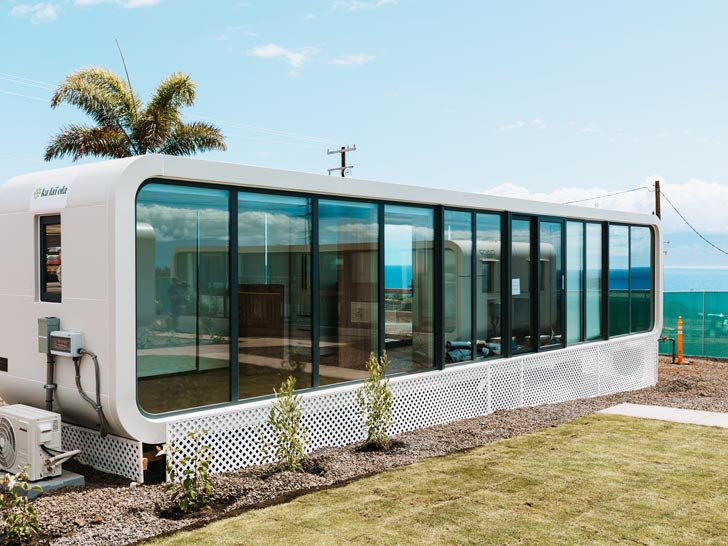
By utilizing modular home structures, the new development was completed in less than 18 months, using emergency proclamations that made permitting and construction even faster. Families have been able to move in just months after the project broke ground.
“In less than 18 months, we turned a vision into a thriving community where nearly 900 people, who lost so much in the Maui wildfires, now have safe and stable homes. Every key we hand to a family is a promise that they are not forgotten, that Hawai‘i stands with them as they rebuild their lives,” Green said.
“This project proves that when government, nonprofits, and community work hand in hand, we can overcome extraordinary challenges and deliver hope and healing for our families.”
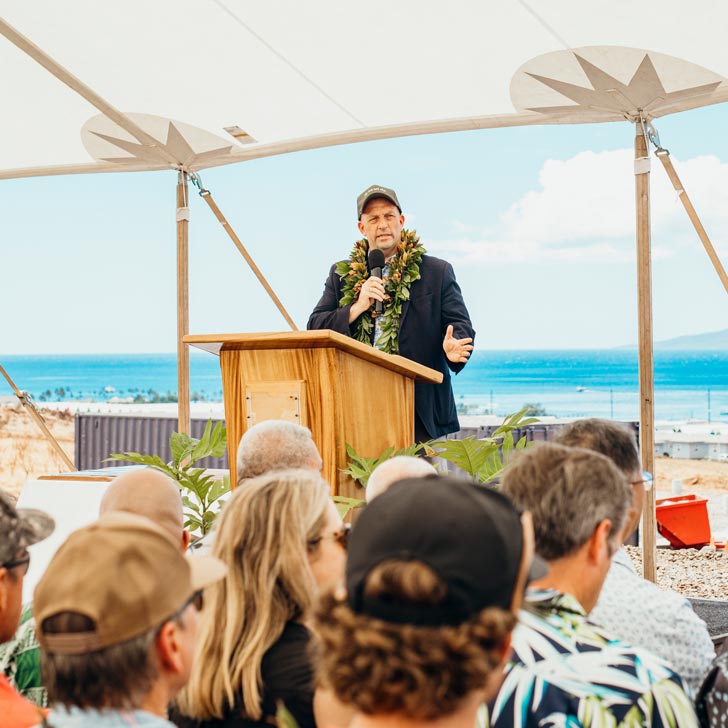
As Green emphasized, the project was created through a public and private partnership between the State of Hawai‘i, the Department of Human Services, nonprofit HomeAid Hawai‘i, and the Hawai’i Community Foundation. The project cost about $187 million to complete.
Ka La‘i Ola is Hawaii’s largest modular housing community and makes history as the second largest in the nation. Stakeholders say it stands as a potential model for disaster recovery housing across the nation.

“By bridging modular innovation with Hawai‘i trade industries, we achieved the speed, scale and cost-effectiveness that made Ka La‘i Ola the largest and most innovative disaster recovery development in the nation,” Kimo Carvalho, chief executive officer of HomeAid Hawai‘i, said in a statement.
“We reduced costs by 42%, ensuring families can focus on earning, saving, and rebuilding their futures.”
The development has enacted a “no-rent policy” until 2027, ensuring the people who live there do not have to pay for their housing until then.
“I didn’t intend to say this until much later, but we are going to support people in their rent all the way through a third year,” Green said at an event for Ka La‘i Ola. “We’re going to make sure that people don’t have to struggle with housing.”

Up until now, wildfire survivors who did not receive federal assistance have relied on shelters, hotels, and short-term housing to get by. Even with nearly 1,000 new people in safe homes, a waitlist of over 500 remains for Ka La‘i Ola.
Juliet Mosqueda-Santos and her husband moved into the complex earlier this year. The space is small, the 68-year-old told Maui Now, but a blessing.
“We only have one bedroom and one bath, but it’s good enough for us,” Mosqueda-Santos said. “We are just grateful to have this opportunity to live here in this community.”
Ka La‘i Ola translates to “Place of Peaceful Recovery,” and speaks to the history of the ʻāina. The tiny home village will serve as an interim housing facility until 2029, when the site and its infrastructure will be transferred to the Department of Hawaiian Home Lands and will become housing for Native Hawaiians.
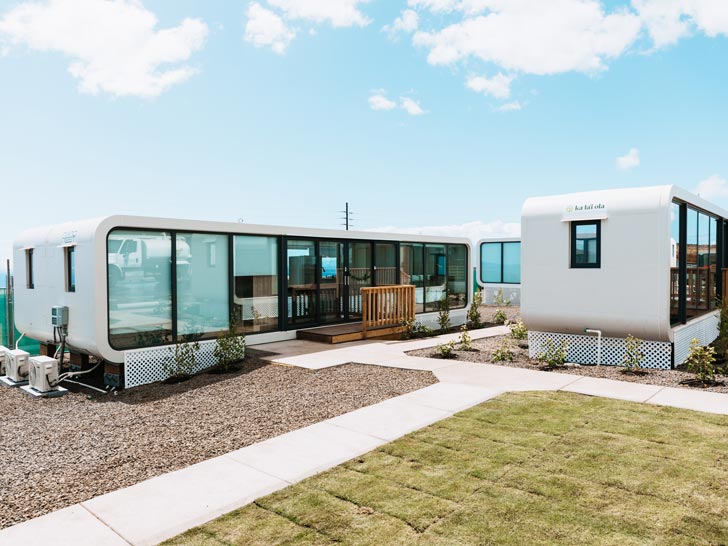
In fact, by fast-tracking the land for this tiny home development, it will advance the state’s timeline of advancing home ownership for Native Hawaiians by 17 years.
Upon the Ka La‘i Ola opening, Maui Mayor Richard Bissen said 68% of all the dwellings lost in the fires are in some stage of permitting or building, meaning this project’s completion marks a milestone in recovery.
“[It’s a] huge, huge task, accomplishment for the state, all their partners, all the agencies, all the builders,” Bissen told Maui Now. “But really, the credit goes to the survivors who’ve had to endure this period.”
Iuni and ‘One are two of the residents in the new village. They are a Polynesian genealogist and artist, respectively, who lost their business in the fire. They tried to rebuild in other states, including Florida and Utah, but nothing stuck.
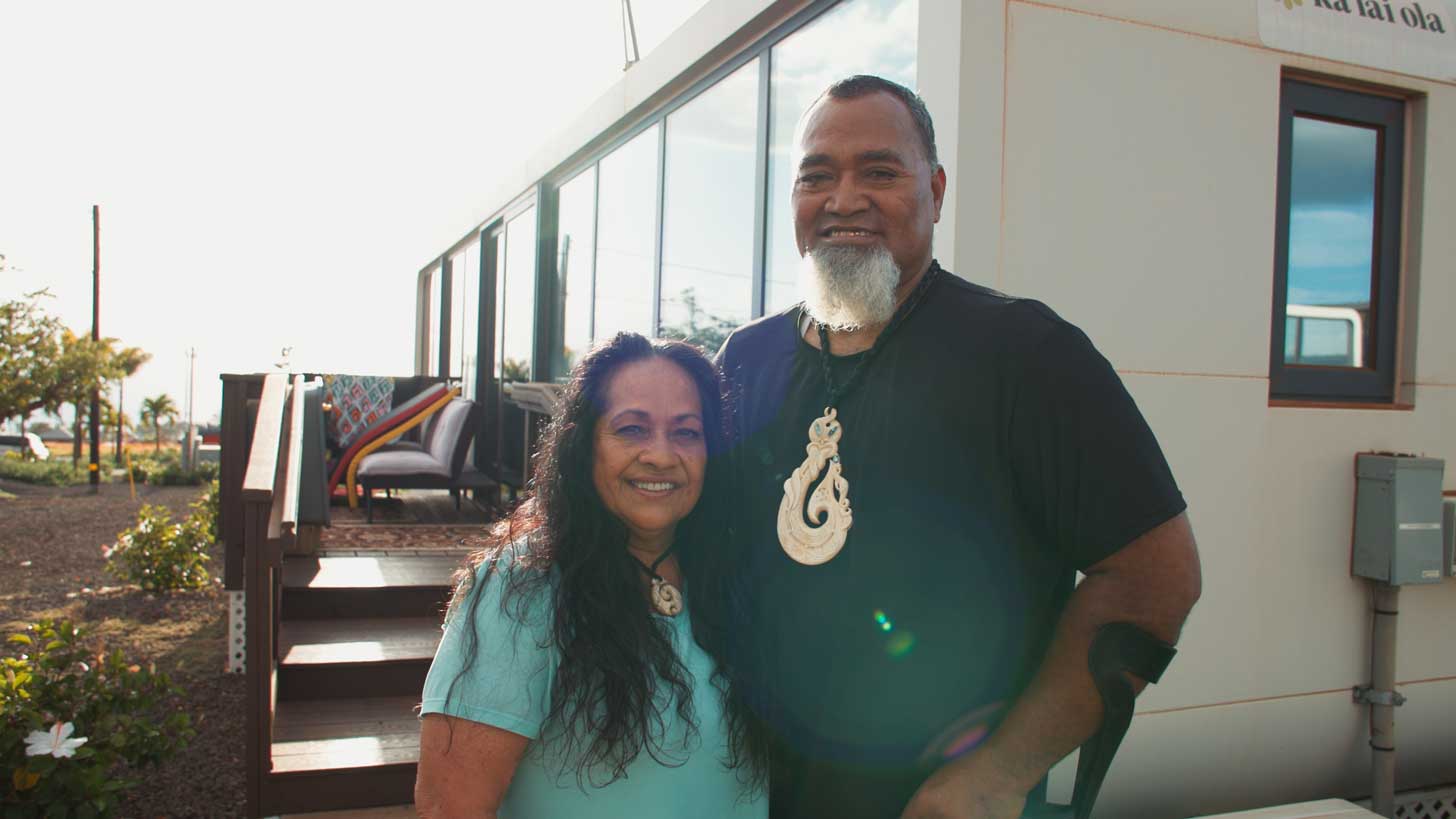
That is, until they found a new home at Ka La‘i Ola.
“With all the hardships and all the problems that we faced, it makes you humble,” Iuni said in a testimonial for HomeAid Hawai’i.
The new community, filled with people who have lost so much, too, has been a place to heal in more ways than one.
“I see our neighbors just kind of come together and they give you whatever they have, they don't have much, but they're there to help,” Iuni said. “And this is what it’s all about.”
You may also like: Hurricane Katrina survivor builds 'durable' shipping container homes for others displaced by disaster
Header image courtesy of Home Aid Hawai‘i
Mikhail V. Nazarkin is an ichthyologist, or fish specialist, at the Zoological Institute of the Russian Academy of Sciences.
Recently, the senior researcher — who has contributed to over 150 scientific publications — was poring over the academy’s archive collections in St. Petersburg, Russia, when he stumbled across his latest discovery.
Nazarkin was looking at collections from a 1989 research expedition off the coast of Eastern Antarctica when “two unusual” fish prompted him to take a closer look.
Through radiography, he was able to conclude that the specimens belonged to a new species of eelpout — a coldwater ray-finned fish.
And now, the peculiar fish, which sat in St. Petersburg’s for nearly four decades, has finally been added to the scientific record.
“The new species has low number of vertebrae [less than 100] and can be distinguished from other congeners by the ventrolateral configuration of its lateral line,” Nazarkin wrote in the new study, which was published in the scientific journal “Polar Biology” on September 6.
“This character is rare among eelpouts and inherent only for few species of another genus, Lycodes. The new species is the sixth representative of Ophthalmolycus found in the Antarctic.”
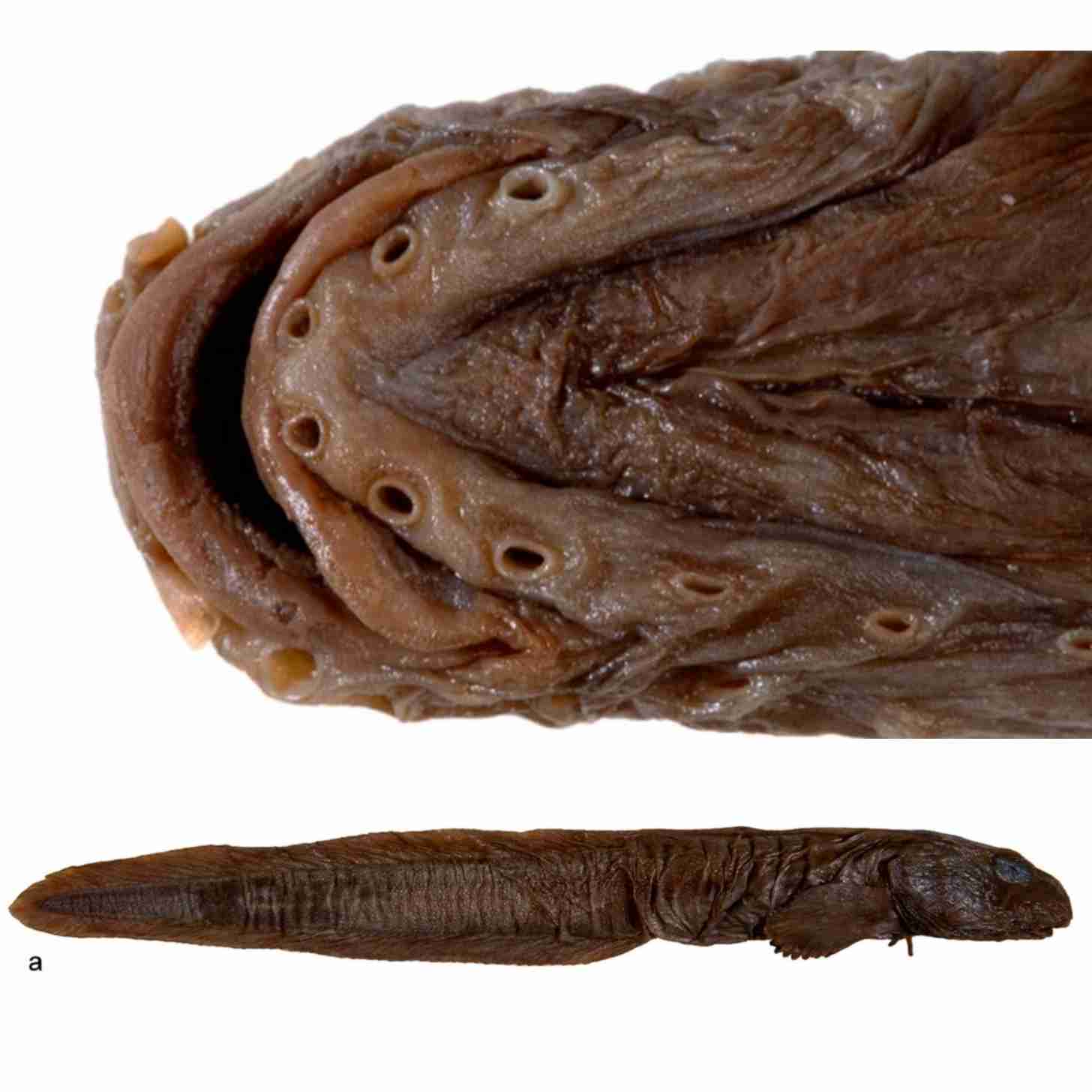
Inspired by the location where it was discovered, Nazarkin named the new species Ophthalmolycus kosmonautis, or Cosmonauts Sea eelpout.
According to the International Institute for Law of the Sea Studies, the section of the Southern Ocean near Antarctica has been recognized as the “Cosmonauts Sea” since 1962 under the Soviet Union and Russian Federation, but it is still unnamed in the eyes of “leading geographic authorities and atlases.”
That section of the Southern Ocean — which extends 270,000 square miles — was named after a Soviet Antarctic Expedition in honor of “the world’s first cosmonauts and the beginning of crewed space exploration era.”
Cosmonauts Sea eelpouts, which are roughly 7 inches in length, have “large” eyes, “thin” upper lips, and a row of several “large” sensory pores on the underside of their throat.
“All the pores on the head of these, and many other fishes, are connected to canals inside the bones of the head,” Nazarkin told the Miami Herald via email.
“These canals contain receptors sensitive to mechanical vibrations of water. This system helps fish navigate in space and perceive the movements of other objects.”

“Due to their rarity, little is known about lifestyle features of these fishes,” Nazarkin said. “They are bottom dwellers which feed on small benthic invertebrates.”
Benthic invertebrates are spineless aquatic animals, including worms, snails, clams, and crustaceans. By eating these organisms, bottom dwellers like the Cosmonauts Sea eelpouts can sequester carbon and keep it off the ocean floor.
In his study, Nazarkin encouraged further research into the genus as a whole.
“Little is known about the biology of these fishes,” the ichthyologist wrote, noting that the unique brown fish occupies a wide range of depths — from 73 meters to over 3 kilometers (1.9 miles) — along the bottom of the freezing arctic waters.
You may also like: New, 'hairy' coral discovered in Hawaii named after Chewbacca
Header image via Alfred-Wegener-Institut / Christian R. Rohleder, DWD
Brielle Bird is a 9-year-old “Wicked” super-fan. She also has stage 4 cancer.
On social media, she and her family have documented her cancer journey with candor and conviction.
“She’s been fighting stage 4 cancer for five years, she’s currently on hospice,” Bird’s mom wrote on a recent Reel posted to Instagram.
“We thought her earthly mission was over on August 16th, but here we are, still checking things off her bucket list.”
About a month ago, “Wicked” star Ariana Grande sent Bird a care package, complete with movie-related merch, nail polish and makeup, and some comfort items like plush toys.
“Thank you so, so, so, so much, Ariana Grande,” the overjoyed 9-year-old said to her camera.
Grande replied: “I've seen your videos and I think you are the most amazing, most inspiring little light beam in this universe. You're just so incredible, so thank you for being you. I'm sending you so much love and many, many, many virtual hugs. I hope this makes you smile, and I'll speak to you soon. Love you.”
She wasn’t lying.

As the release of “Wicked: For Good,” — the franchise’s grand conclusion — nears, Bird’s mom expressed how much it would mean for her daughter to see the film, unsure of whether she would be able to upon the theatrical release slotted for November 21.
“Under the circumstances, November seems so far away,” Bird’s family shared in an Instagram caption. “This dream might be silly to some, but the thought of her not being able to see this movie had me in tears at night.”
So, two months early, folks at Universal Pictures set up an exclusive screening for Bird and her family.
In an Instagram post documenting the special event, Bird is seen in a pink, Glinda-inspired dress. Walking into a Cinemark theater, she is met with an illuminated “Welcome, Brielle” sign above the theater, and she is seen picking out sweets for her siblings.
Bird also got her own goodies, sitting for the show with a big “Wicked” branded popcorn container and tumbler.
The social media post also shared that she was able to invite a handful of cousins, friends, and extended family members.
The film’s director, Jon M. Chu, wrote a comment on the post, sharing some more details about how the whole project came together.
“You are loved by so many people around the world, Brielle!! I can’t tell you how many messages I got telling us all about how amazing you are and demanding we get this movie to you,” he said.
“So the team worked all weekend to get a work-in-progress version over to you and the family,” he continued, adding that the final movie hasn’t been finished for the public yet.
“I hope you can feel the love,” Chu concluded. “You have inspired us all and changed us For Good. Sending much more love your way and hope you enjoyed the film with your cousins.”
Based on the social media post, filled with smiles from Bird and her loved ones, it’s clear she did.
“Thank you, NBC/Universal for making this an amazing experience,” Bird’s family shared. “Not only did she get to see the movie, with a drink and popcorn in hand, but they also provided her with all of the ‘Wicked’ swag.”
Although the movie’s stars — Grande and her counterpart, Cynthia Erivo — were not in attendance, they both left heartfelt messages on her Instagram page.
“We love you so,” Grande wrote, with her signature heart and bubble emojis. “Sweet, amazing girl.”
Erivo’s words of encouragement also echoed the resilience of her on-screen persona, Elphaba.
“Sweet sweet girl, thank you for spending your time with us. Your love of this movie and of us means the world,” Erivo said, later punctuating her message with two green hearts.
“I hope that we brought you a little joy. I hope that this film has made you believe you can fly … that anything is possible. We love you to the moon and back.”
You may also like: These teen siblings raised $620K for cancer research in just 7 weeks, while one was battling leukemia himself
Header images courtesy of @briestrongerthancancer and Universal Pictures

It’s a tradition dating all the way back to 1948: UNICEF’s “little orange box” that encourages children to raise funds for other kids in need every year on Halloween.
It all started when Presbyterian minister Clyde Allison and schoolteacher Mary Emma Allison looked at the kids in their Philadelphia neighborhood and wondered how they could turn trick-or-treating into something even better.
They began asking kids to collect old-but-repairable shoe donations, in addition to their candy haul.

Two years later, in 1950, they decided to pivot their efforts to collecting coins, which were then given to UNICEF as a donation. The first year participants raised $17, and Trick-Or-Treat for UNICEF was born.
Now in 2025, as UNICEF celebrates the 75th anniversary of the fundraiser, donations have totaled nearly $200 million.
According to the nonprofit, which provides children with lifesaving interventions in more than 190 countries and territories, it’s the longest-running youth engagement campaign in the United States.

“As we celebrate this landmark anniversary, we’re reminded that the youngest voices often inspire the greatest change,” UNICEF USA president and CEO Michael J. Nyenhuis said in a statement.
“With each donation, Trick-or-Treat for UNICEF supports a global lifeline — one that responds to emergencies within hours and builds healthier futures for children worldwide.”
Over the years, countless beloved icons have backed the fundraiser, ranging from Presidents John F. Kennedy and Lyndon B. Johnson to Lassie and Kermit the Frog.
In 1965, the organization even won the Nobel Peace Prize, cementing Trick-or-Treat for UNICEF’s “little orange box” as a symbol of philanthropy.

This year, the beloved “Queen of Halloween,” Heidi Klum, is once again helping the nonprofit celebrate in style, with a playful public service announcement and ambassadorship of the fundraiser.
“Halloween is all about fun and imagination and what’s more powerful than turning that fun into impact?” Klum said in a statement.
“I’ve collaborated with UNICEF for nearly 15 years and have watched this campaign inspire generations of changemakers. I’m honored to celebrate its 75th anniversary with the kids of all ages around the world.”
In her PSA, Klum taps into her signature “Project Runway” glam.
“Timeless. Legendary. Charitable. For Halloween, there’s nothing more iconic than the UNICEF trick-or-treat box,” Klum says, holding up a bedazzled version of the little orange box.
“Look good, do good, and feel even better. Because giving back is always in fashion.”
While the impact has been pivotal in UNICEF’s work to support children globally, the nonprofit’s work is far from over. That means the fundraiser continues, with little orange boxes available to order online starting today, October 1.

“People of all ages can participate by collecting donations with the signature orange box, starting an online fundraiser, or sharing more about the initiative with their communities,” a press release from the organization states.
“Funds raised help UNICEF deliver critical services like safe water, education, emergency relief, and vaccines to children, especially in times of crisis.”
To learn more or order free boxes, visit trickortreatforunicef.org.
Header image courtesy of UNICEF USA
Located off the coast of the Ieura Port in Japan’s Teshima Island is Tashima Factory.
What was once an ironworks factory — later called “Garbage Island” for a scourge of industrial waste and illegal dumping — is now a sleek and renovated cafe that pays homage to the site’s “trashy” history and future sustainability.
Designed by Schemata Architects, the transformation of the space has taken the original factory building and turned it into a brewery and cafeteria, split roughly in half across 360 square meters (about 3,875 square feet).
“The original single open-plan space was divided into two sections at the centre,” Schemata Architects told Dezeen. “Functional areas such as the kitchen and brewery were enclosed within boxes and positioned within these sections.”
The architects also swapped the original metal walls of the facility with polycarbonate, which allows ample light into the building and creates a welcoming space for visitors.
Other features in the cafeteria include light fixtures made of reclaimed trash, furniture made in concert with local artisans, and surfaces that are emblematic of the industrial and fishing communities on the island. Everything is brought together with green and turquoise accent colors.

“The interior design features furniture and fixtures based on the color of the existing steel frame. The spherical lighting fixtures suspended from the ceiling are made from recycled marine plastic waste collected from the ocean,” the architects shared in a design statement.

“Beneath them are chairs jointly created by Dutch artist Sander Wassink and the islanders.”
The studio, which is led by architect Jo Nagasaka, told Dezeen that they wanted to use warm materials like wood, fabric, and tiles for the surfaces people touch, while maintaining and leaning into the rougher industrial atmosphere in other places.

“Given the cafe’s programme, it needed to be a comfortable place to dine,” the architects said.
“However, as the existing structure was a factory, it had an overly stark, industrial feel. Yet, removing that impression entirely would diminish the appeal of the unusual experience of dining within a factory setting.”

Striking that balance between comfort and ruggedness was a key goal of the architects, and working with the people of Teshima made that possible.
The unique chairs, made by Sander Wassink and locals, are representative of this collaboration.
“Sander’s aluminium components have been employed with diverse materials across various projects,” the studio told Dezeen.
“When considering what material would suit Teshima, we concluded that, much like agriculture and fishing, sourcing materials from within the island itself would be ideal.”

The furniture was produced through a series of islander-led workshops, a poetic nod to how the transformed space will serve the island.
“This cafeteria has become a new place for communication,” Schemata Architects write, “where islanders and tourists gather to enjoy the island’s cuisine.”
You may also like: This abandoned office building was transformed into a floating bookstore — and you'll never want to leave
Header image by Kenta Hasegawa for Schemata Architects
The youth mental health crisis is on the rise.
In 2023, the Centers for Disease Control and Prevention found that 40% of high school students experienced persistent sadness or hopelessness, and 20% seriously considered suicide, all data points that increased over a 10-year time period.
In an attempt to help students access the help they need, one Atlanta, Georgia school district is trying something that, to some, might seem a bit counterintuitive.
They have introduced a therapy text line to students in grades six through 12.
It’s called Talk It Out, and it is a free and confidential text line for eligible students in Atlanta Public Schools. On the other line are licensed mental health counselors who are available 24/7. And it’s completely free for students to use.
“To have someone that's a real person on the other end helps, because no matter what you're going through, there's another person who can help talk you through it,” Kipp Atlanta Collegiate senior Brooke Smith told 11 Alive News.
Smith is a member of the Atlanta Board of Education’s senior advisory board, which found that mental health is one of the top concerns of students in the citywide district.
“We’re just doing this in honor of those who we’ve lost in Atlanta Public Schools due to mental health,” Smith added. “It’s something that's more comforting than I can put into words.”
As many schools move to ban smartphones, Talk It Out encourages turning to technology when students are in crisis. To use the service, all they have to do is text a specific school code to a phone number to be connected to a real person in minutes.
A webpage for the service affirms that Talk It Out is not a replacement for long-term therapy or treatment for mental health conditions (nor is it a place to ask for homework help). But rather, it’s a confidential space where students can discuss feelings of anxiety or stress, relationships, family challenges, sadness or loneliness, or get help in a crisis situation.
The program, which is sponsored by the district but operated independently, costs a $50,000 investment over three years, according to 11 Alive News. The program director, Dr. Kyra Caldwell Templeton, is the director of student engagement in the district. She said the service helps students learn better in the classroom.
“The slogan is any time, any place, your time, your space,” Templeton told 11 Alive.
“So Talk It Out is preventative, it’s supportive. It doesn’t replace therapy, ongoing therapy, but it’s the first point of contact if you’re feeling anxious, or if your parents are making you upset, or your teacher is making you upset.”
Student privacy is protected and the platform requires no sign-ups, meaning no identifying information is stored or shared. That said, if a student shares details of an emergency situation, clinicians may contact emergency services to protect the safety of the student or others.
And while therapy chatbots make a splash and teens attempt to get mental health support from tools like ChatGPT, adults at Atlanta Public Schools hope Talk It Out will provide a real outlet where these others may fail.
“The more we listen to students, we learn they [are] already using things like ChatGPT, AI to get mental health advice,” Jennifer Wilson, school counseling coordinator, told 11 Alive.
“We’re finding Gen Z and Gen Alpha are interested and engaged about talking about their mental health. We wanted to give them that resource that is that licensed therapist that's a real person talking to them.”
As the program gets off the ground, students are being surveyed about their experiences to see if the program truly helps them with their mental health concerns.
“We know that education is important,” Atlanta Public Schools director of social work services, Dr. Jacquelyn Anthony, said. “But the students have to be prepared to learn and be in a headspace and wellbeing space to be able to learn.”
You may also like: Can smartphones actually enable teens to get outside? How tech is empowering youth to 'touch grass'
Header image courtesy of Charlotte May/Pexels
A backyard in the heart of London hosts an array of animals that you’d just as easily find in yards across the United States, including squirrels, rabbits, foxes, and local birds.
But there’s one critter in particular that sticks out in Britain: The hedgehog.
Found throughout England and Wales, European hedgehogs are one of the most beloved wild animals in the United Kingdom — but they're also on the decline.
In 2024, hedgehogs were listed as “near threatened” on the International Union for Conservation of Nature’s red list, largely due to habitat loss and lack of wildlife corridors, which allow them to move safely between nests and find mates.
“Hedgehogs are well established in our urban habitat,” the British Hedgehog Preservation Society noted on its website.
“[They] can, somewhat surprisingly, survive very well in our cities, making extremely good use of cemeteries, railway land, wasteland and both public and private gardens — as long as they are joined up with others.”

To encourage people to make their backyards more hedgehog-friendly, the British Hedgehog Preservation Society created the Hedgehog Street project in 2011.
The project, which is supported by the People's Trust for Endangered Species, helps people across England link their gardens by cutting 13-centimeter-by-13-centimeter holes out of the underside of their fences.
To ensure that no hedgehog holes are blocked accidentally, registered “hedgehog champions” can also get a miniature decal made of recycled plastic that reads: “Hedgehog Highway: Please keep this hole open!”
At the time of publication, 133,385 hedgehog holes had been registered across the country.
Throughout the last 14 years, Hedgehog Street has hosted hedgehog highway competitions to boost awareness for the cause. Categories have included “community effort,” “decorated highways,” and “creative solutions,” with the grand prize going to the “most connected gardens on one street.”
In 2022, Dale Road, in Keyworth, Nottinghamshire, was named Britain's Biggest Hedgehog Street, with 40 connected backyards.
“For one of our roads in Keyworth to be awarded the title of Britain's Biggest Hedgehog Street is a huge achievement and has shown a lot of community spirit,” Keyworth resident Jennifer Manning-Ohren told the BBC.
Manning-Ohren, who runs the animal welfare group Wild Things Keyworth, said that her neighbors had been setting up feeding stations and hedgehog houses in the backyards for years.
“We have been appointing ‘Super Hedgehog Carers’ to create a kind of pit stop for hedgehogs where we provide feed stations, hedgehog houses, and gaps, and we encourage these contacts to spread the hedgehog love on their road,” Manning-Ohren explained.
“We focused our efforts on Dale Road, doing garden visits, drillings, creating ramps, and decorating gaps. Some residents were able to do their own gaps too.”

Through the years, Hedgehog Street has hosted an array of friendly competitions, all in the name of helping hedgehogs.
In May 2025, Hedgehog Street hosted a camera competition to encourage neighbors to track hedgehogs for the National Hedgehog Monitoring Programme.

“We’re using a combination of camera traps, AI, and citizen science to monitor hedgehogs, and we need your help to tag hedgehogs and other wildlife in the camera images,” Hedgehog Street shared in a post. “By becoming a ‘spotter’ you’ll be contributing to vital conservation work.”
The spotter who tagged the most NHMP images was awarded a high-tech NatureSpy camera, the WiFi WildCam 2.

As more neighbors join the hedgehog highway each year, the project has allowed hedgehogs to thrive as they traverse gardens across the country, finding mates, making nests, and eating pests like beetles, slugs, worms, caterpillars, and millipedes — a behavior that has earned them the title “gardener’s best friend.”

“Hedgehogs are a much-loved native species, and helping them, particularly in urban areas, is easy and affordable,” Grace Johnson, the “Hedgehog Officer” for Hedgehog Street, told the BBC.
“We know gardens can be havens for hedgehogs, but only if they're connected to let hedgehogs in and out.”

You may also like: Rare 'vampire hedgehog' discovered in wild, 80 years after the species was first stored in the Smithsonian
Header image via Chris Morgan / Hedgehog Street
In Kentucky’s Jefferson County Public School District, cell phone bans have made way for students to read for pleasure.
The district is following a new state law that prohibits cell phone use during class and lunch. School district leaders were tasked with creating their own plans for the new school year on how to manage the policy.
Just a few months into the semester, they’re seeing the effort pay off.
During the times when students would typically be on their phones, they’re visiting the library instead.
At Pleasure Ridge Park High School, students have already checked out over 1,200 books since the start of the school year, nearly half of a typical year’s total.
“I thought it’d be hard to get used to,” Michael, a senior at the school, told Wave 3 News. “I had nothing to do. So I thought, why not come grab a book and see if I’m interested again? After I started reading, I liked it.”
It’s a shift librarians are hoping to encourage.
“I see that this is a movement that we are reclaiming attention, rediscovering joy, and reconnecting with one another,” Dr. Lynn Reynolds, the district’s director of library media services, told WLKY News.
“In this country — and I’m a bit of a nerd — but reading for pleasure has decreased,” she added.
It’s true. A recent study saw rates of reading for pleasure drop 40% over the last two decades.
Could this movement in Kentucky schools be a culture shift?
“What I have found is that kids are rediscovering the library again, so we’re turning from phones to pages,” Reynolds told Wave 3. “I see that there’s going to be a shift across the nation.”
It’s not just Pleasure Ridge Park High School where library checkouts are increasing. Wave 3 shared data from other schools in the district:
- Ballard High - 798 checkouts this August, up from 341 last year
- Butler High - 40% of the student body currently has a book checked out, double the number who borrowed books all last year
- Central High - 857 checkouts this August, up from 341 last year
- Seneca High- 953 checkouts this August, up from 575 last year
- Waggener High - 1,069 checkouts this August, up from 232 last year
- Western High - 568 checkouts this August, up from 354 last year
- Crosby Middle - 1,085 checkouts this August, up from 570 last year
- Farnsley Middle - 1,003 checkouts this August, up from 92 last year
At Ballard High School, librarian Stephanie Conrad said the school planned to see a spike in book circulation and spent time over the summer planning how to accommodate the growing interest.
About 31% of the school’s roughly 2,000 students meet state reading proficiency standards, according to Newsweek, so seeing an increase in checkouts is a sign of progress.
Progress Conrad wants to nurture.
“In order to support the kids’ needs when they aren't allowed to have their cell phones during the day, I’ve worked with teachers so that they have a regular rotating schedule to come to the library,” she told Newsweek. “So, they'll come once every two to three weeks, depending on their curriculum and schedule.”
Growing reading rates are certainly a plus, but students and teachers alike are also seeing a trend in strong community bonds.
Conrad, for instance, said she has been hosting book talks and introducing titles to students with more regularity.
“We’ve made sure we have lots and lots of book displays,” she told Newsweek. “Books that people have read, books that they want to talk about. We’re just doing everything we possibly can to make sure books are readily available and enticing.”
Michael, the senior who has traded scrolling for turning the page, told Wave 3 it’s been a noticeable shift.
“At first, I was real dramatic about the policy, I thought it was going to end my whole life,” he said.
“I just realized this was a good chance for me to put my phone down and start focusing back … on school. [It] helps people socialize, because this year I have talked to people more than in all the 12 years of me being in school.”
You may also like: To combat the youth mental health crisis, this school district lets students text a therapist for free
Header image courtesy of RDNE Stock Project/Pexels
Evan Budz, a 15-year-old from Ontario, Canada, is receiving global recognition for his invention: An autonomous bionic sea turtle robot.
The robot, which uses artificial intelligence to monitor ecological systems underwater, won Budz a first-place prize in the European Union Contest for Young Scientists.
“I became inspired for this project after I observed the fluent motion of a snapping turtle while camping,” Budz said in a video for his invention.

He saw potential in the way the turtle moved, compared to traditional propeller-based systems of other autonomous robots. He created a propulsion approach that imitates the way green sea turtles maneuver underwater by using computational fluid dynamics simulations.
Not only is it a unique and more seamless way to move through the water, but it also has less impact on the very environments scientists are trying to protect.

“Aquatic habitats are vital to humanity, and the routine surveying of these environments has become critical,” Budz explained in the video. “Utilizing an innovative biomatic robot for such analysis ensures low ecological disruption.”
Budz said the robot uses a computer vision imaging system powered by AI to quantify coral health, which can detect coral bleaching with 96% accuracy.
The information gathered by the robot will ideally allow the right organizations “to identify where these threats may be occurring, increasing awareness and supporting efforts to increase the overall health of impacted areas,” Budz said.

“For ecological monitoring, I want to be as low as possible in terms of disruption to the environment,” he told CBC News. “So, by mimicking the turtle, I can ensure that I don’t disrupt or distract any other organisms while I'm conducting the monitor.”
He tested the device in his grandparents’ backyard pool and determined that the robot showed “accuracy and reliability.”
After winning the EUCYS, the 36th competition hosted by the E.U., Budz took home a prize of €7,000 (or a little over $8,000 USD).

“Evan’s success at EUCYS 2025 shows that his project is truly world-class,” Reni Barlow, the executive director at Youth Science Canada, told CBC. “A remarkable innovation that showcases the ability of Canadian youth to tackle complex technical and environmental challenges.”
For Budz, it’s just another step in protecting the planet, a cause he has cared about for much of his adolescence.
“I’ve been really interested in the environment for a while,” Budz told Burlington Today.
“I’ve been conducting a lot of different research, literature, and articles and find that the environment is becoming increasingly more impacted by global warming and other human-caused impacts.”
You may also like: Groundbreaking AI tech aims to reduce wildlife collisions — and it was invented by teen girls
Header images courtesy of Youth Science Canada and Dalia Esposito
Anyone proposing to offer a master class on changing the world for the better, without becoming negative, cynical, angry ,or narrow-minded in the process, could model their advice on the life and work of pioneering animal behavior scholar Jane Goodall.
Goodall’s life journey stretches from marveling at the somewhat unremarkable creatures — though she would never call them that — in her English backyard as a wide-eyed little girl in the 1930s to challenging the very definition of what it means to be human through her research on chimpanzees in Tanzania.
From there, she went on to become a global icon and a United Nations Messenger of Peace.
Until her death on Oct. 1, 2025 at age 91, Goodall retained a charm, open-mindedness, optimism, and wide-eyed wonder that are more typical of children.
I know this because I have been fortunate to spend time with her and to share insights from my own scientific career. To the public, she was a world-renowned scientist and icon. To me, she was Jane — my inspiring mentor and friend.
Despite the massive changes Goodall wrought in the world of science, upending the study of animal behavior, she was always cheerful, encouraging and inspiring. I think of her as a gentle disrupter. One of her greatest gifts was her ability to make everyone, at any age, feel that they have the power to change the world.
Discovering tool use in animals
In her pioneering studies in the lush rainforest of Tanzania’s Gombe Stream Game Reserve, now a national park, Goodall noted that the most successful chimp leaders were gentle, caring, and familial.
Males that tried to rule by asserting their dominance through violence, tyranny, and threat did not last.
I also am a primatologist, and Goodall’s groundbreaking observations of chimpanzees at Gombe were part of my preliminary studies. She famously recorded chimps taking long pieces of grass and inserting them into termite nests to “fish” for the insects to eat, something no one else had previously observed.
It was the first time an animal had been seen using a tool, a discovery that altered how scientists differentiated between humanity and the rest of the animal kingdom.
Renowned anthropologist Louis Leakey chose Goodall to do this work precisely because she was not formally trained. When she turned up in Leakey’s office in Tanzania in 1957, at age 23, Leakey initially hired her as his secretary, but he soon spotted her potential and encouraged her to study chimpanzees.
Leakey wanted someone with a completely open mind, something he believed most scientists lost over the course of their formal training.
Because chimps are humans’ closest living relatives, Leakey hoped that understanding the animals would provide insights into early humans. In a predominantly male field, he also thought a woman would be more patient and insightful than a male observer. He wasn’t wrong.
Six months in, when Goodall wrote up her observations of chimps using tools, Leakey wrote, “Now we must redefine tool, redefine Man, or accept chimpanzees as human.”
Goodall spoke of animals as having emotions and cultures, and in the case of chimps, communities that were almost tribal.
She also named the chimps she observed, an unheard-of practice at the time, garnering ridicule from scientists who had traditionally numbered their research subjects.
One of her most remarkable observations became known as the Gombe Chimp War. It was a four-year-long conflict in which eight adult males from one community killed all six males of another community, taking over their territory, only to lose it to another, bigger community with even more males.
Confidence in her path
Goodall was persuasive, powerful, and determined, and she often advised me not to succumb to people’s criticisms. Her path to groundbreaking discoveries did not involve stepping on people or elbowing competitors aside.
Rather, her journey to Africa was motivated by her wonder, her love of animals, and a powerful imagination.
As a little girl, she was entranced by Edgar Rice Burroughs’ 1912 story “Tarzan of the Apes,” and she loved to joke that Tarzan married the wrong Jane.
When I was a 23-year-old former NFL cheerleader, with no scientific background at that time, and looked at Goodall’s work, I imagined that I, too, could be like her.
In large part because of her, I became a primatologist, co-discovered a new species of lemur in Madagascar, and have had an amazing life and career, in science and on TV, as a National Geographic explorer.
When it came time to write my own story, I asked Goodall to contribute the introduction. She wrote:
“Mireya Mayor reminds me a little of myself. Like me she loved being with animals when she was a child. And like me she followed her dream until it became a reality.”
Storyteller and teacher
Goodall was an incredible storyteller and saw it as the most successful way to help people understand the true nature of animals. With compelling imagery, she shared extraordinary stories about the intelligence of animals, from apes and dolphins to rats and birds, and, of course, the octopus.
She inspired me to become a wildlife correspondent for National Geographic so that I could share the stories and plights of endangered animals around the world.
Goodall inspired and advised world leaders, celebrities, scientists, and conservationists. She also touched the lives of millions of children.
Through the Jane Goodall Institute, which works to engage people around the world in conservation, she launched Roots & Shoots, a global youth program that operates in more than 60 countries.
The program teaches children about connections between people, animals, and the environment, and ways to engage locally to help all three.
Along with Goodall’s warmth, friendship, and wonderful stories, I treasure this comment from her: “The greatest danger to our future is our apathy. Each one of us must take responsibility for our own lives, and above all, show respect and love for living things around us, especially each other.”
It’s a radical notion from a one-of-a-kind scientist.
This article has been updated to add the date of Goodall’s death.
This article was written by Mireya Mayor from Florida International University, and was originally published on The Conversation.
Header Image by Charles Sykes/Invision/AP
One consequence of the Trump administration’s increased Immigration and Customs Enforcement raids across the country has been the mass surrendering of pets to shelters.
The issue is especially prevalent in Los Angeles.
“The animals have become sort of a victim in this situation because, to no fault of their own, they're finding themselves in the care centers," Christopher Valles, public information officer for the Los Angeles County Department of Animal Care and Control, told Reuters this summer.
In July, The Los Angeles Times reported that pet surrenders more than doubled at the county's Palmdale shelter compared to June 2024, with another shelter nearby jumping to nearly 50% during the same period.
Whether people are surrendering their pets because they may self-deport or believe they may be deported or detained, beloved pets are ending up in shelters.
While new foster dog mom Monica Matute doesn’t know the full story of her newest foster, Nacho, she realized, after a now-viral video of the dog understanding Spanish, that he may be among the dogs of L.A. migrant families.
Earlier this week, Matute posted a video on TikTok speaking to Nacho in Spanish.
“Do you know Spanish?” she innocently asked the Chihuahua. “¿Qué pasó?”
The dog tilts his head at her and begins to cry. Her jaw drops.
The cycle continues, with him eventually jumping for joy at “vamos afuera” or “let’s go outside.”
In two days, the video racked up over 10 million views and 2 million likes.
@themobtrio Our little Latin boy! I hope his previous family is doing okay — Nacho gives me the impression he was previously loved ❤️🩹🥺 #fyp #rescuedog #fosterdog ♬ autumn - Gede Yudis
A day later, Matute — who has long shared the journeys of fostering rescue dogs in L.A. — posted another video in response to the viral moment.
“Yesterday, over a million of you shared the joy of me realizing my foster dog, Nacho, speaks Spanish. In just hours, he had gained the love of so many internet tíos and tías,” she said, calling viewers Nacho’s “uncles and aunts.”
“I don’t know much about Nacho’s story, but what I do feel pretty certain about is that he must have been very loved.”
She went on to add that she and her family decided to foster him because he was having a hard time coming out of his shell at their local rescue facility.
“Within hours of being in foster [care], he was in our laps asking for pets, like he had been searching for something that finally felt familiar,” she said.
“My mind keeps going back to the what-ifs. What if his family was affected by the current political climate? What if he finally felt safe when I spoke to him in Spanish?”

The comments on the video echoed her sentiments.
“I didn’t even think of all the pets affected by ICE,” one commenter wrote. “I’m sobbing.”
“So many pets separated from their families in these ICE raids,” another added. “That’s absolutely devastating.”
But as much as viewers were heartbroken by the what-ifs of Nacho’s story — and the realities that many migrant families are facing — they were grateful for Matute’s compassion amid it all.
“I’m so glad Nacho could connect with his culture,” one viewer said.
“I pray that his owners are okay,” another added, “and that he is loved in your home.”
It’s unclear what Nacho’s future will look like, but Matute has been liking comments suggesting that she may adopt him. (He is still available for adoption inquiries through a local rescue, though.)
Regardless, he has a safe place to stay — and clearly feels more understood than ever.
“Nacho reminds us all that being understood, even in the smallest ways, is part of what helps us come alive again,” Matute said in her video.
“I hope whoever was lucky enough to love Nacho first knows that he’s safe and loved — not just by me, but by the whole internet.”
@themobtrio I hope whoever was lucky enough to love him first knows how loved he is ❤️ @Wags & Walks Rescue #fyp #rescuedog #fosterdog ♬ original sound - …
You may also like: Here's How You Can Help Migrant Communities in LA
Header images courtesy of Monica Matute/TikTok
On a recent research expedition, scientists discovered a cave-dwelling creature in China, which was hiding in an underground river outlet near the small farming village of Xiaoganxi.
The new species, which is a type of cavefish known as a loach, is notable for its near-translucent appearance, which allows its internal organs to shine through.
Its body, which is “scaleless” and “lacks pigment,” gives it an overall “semi-transparent” look similar to that of a jellyfish.
According to the study, which was published in the scientific journal “Zoo Keys” on September 23, research was evenly divided among Min Shi, Yuan-Chao Chen, Xing-Jin Che, Wei Dao, Wen-Ming Liu, Deng-Shan Wang, Jun-Xing Yang, and Xiao-Ai Wang.
The researchers named the new species Triplophysa baishuijiangensis, or Baishuijiang high-plateau loach, after the Baishuijiang National Aquatic Germplasm Resources Reserve for Endemic Fish.
It’s the first — and possibly only — location known to host the creature.
“So far, the new species has only been found at the outlet of an underground river in Xiaoganxi Village [in] Zhaotong City, Yunnan Province,” the researchers noted.
“[The] outlet is clear year-round. The new species is active and feeds near the outlet, rarely far from the outlet, responding to light but is insensitive to vibrations, moves slowly, and is easy to capture.”
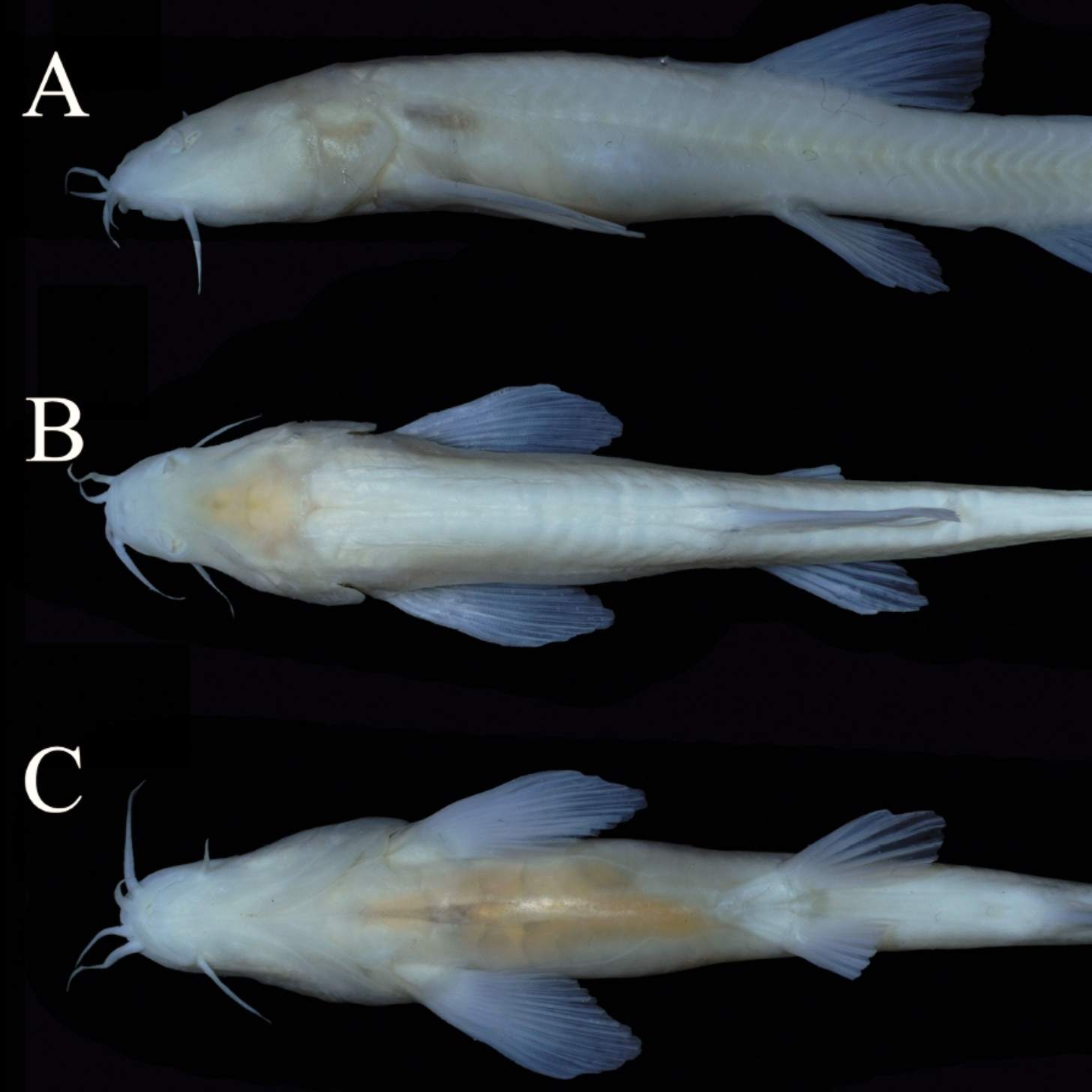
Loaches possess whisker-like organs called barbels around their mouths, which help them navigate cave systems and detect food in dark spaces.
The presence of a large loach population is a strong indication of a healthy habitat, making them an indicator species.
Northern Yunnan, where the Baishuijiang high-plateau loach was discovered, is a province at the easternmost edge of the Himalayas that boasts the largest diversity of plant life in China.
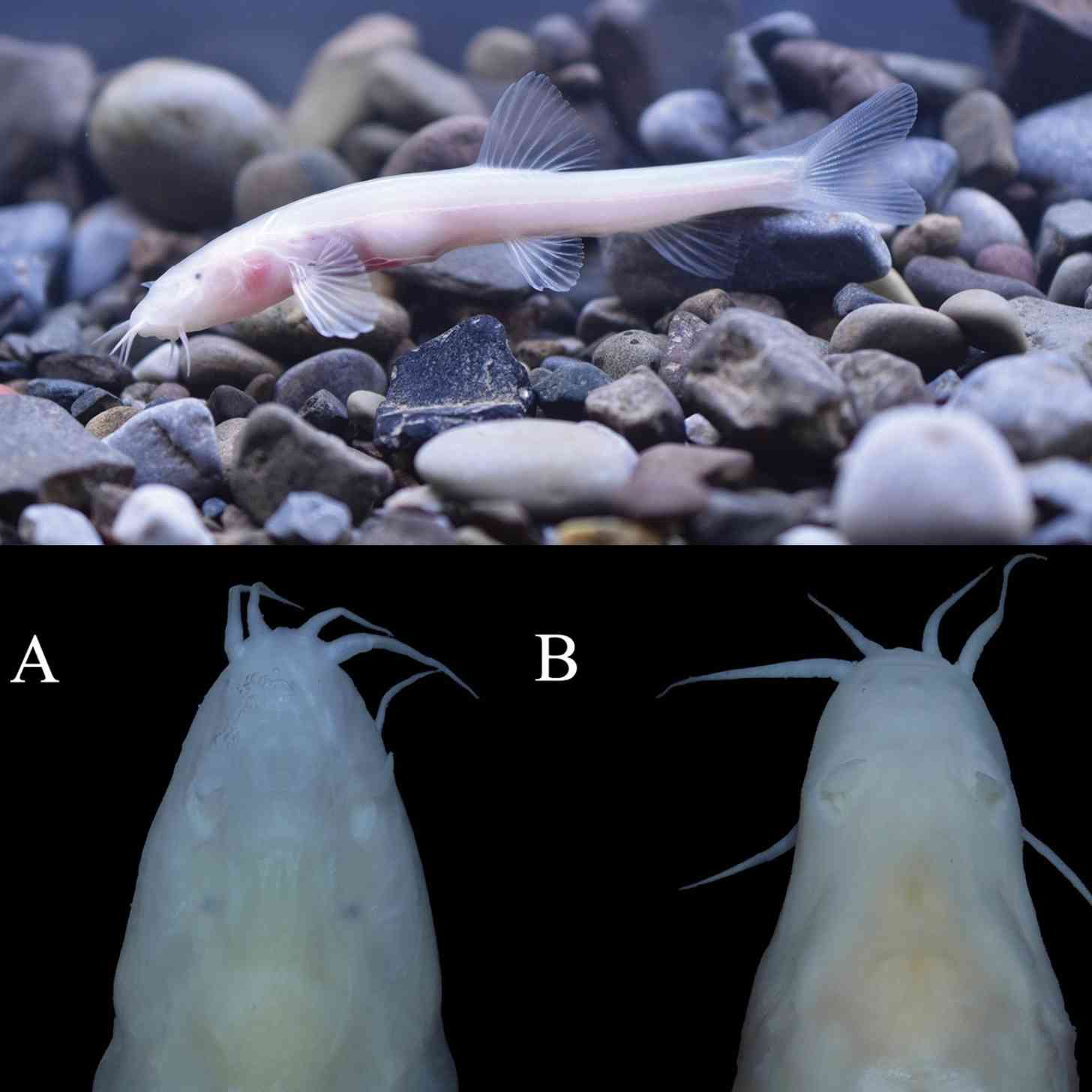
The province is also known for its rich animal diversity.
In early August, researchers from the Chinese Academy of Sciences’ Kunming Institute of Zoology published a study on a different new species found in the region: The Tongbiguanen horned toad.
In their research, the herpetologists noted the toad’s distinct diamond-shaped pupils and copper-brown irises ringed with gold.
Lead author Yun-He Wu speculated that more discoveries awaited explorers in the Yunnan province.
“The Tongbiguan Provincial Nature Reserve may harbor more hidden herpetological diversity than previously postulated. It is one of the richest regions in Yunnan for amphibians and reptiles,” Wu noted in the study, which was published in the scientific journal “Zoosystematics and Evolution.”
“In recent years, a series of new species, new record genera, new national record species, and new regional record species have been discovered in the Tongbiguan Provincial Nature Reserve.”
They wrote: “Our new finding of X. tongbiguanensis further confirms that the herpetological biodiversity of Tongbiguan Provincial Nature Reserve is yet to be fully documented.”
You may also like: This creature found off the coast of Antarctica looks like something straight out of 'Stranger Things.' It's a new species
Header image via Theglennpalacio / Wikimedia Commons (CC BY-SA 4.0)