As it drives an almost unlimited marketplace of ultra-cheap, low-grade garments, Amazon has quietly become the biggest titan in the fast fashion industry.
And with millions of third-party sellers and very little supply chain transparency, it’s nearly impossible for shoppers to know how their clothes were made — and under what conditions.
On top of questionable working conditions and labor exploitation, fast fashion overall has a massive environmental cost.
The global fashion industry already produces tens of billions of garments each year, with huge portions going unsold or barely worn, and Amazon accelerates that cycle by making clothing more accessible — and disposable — than ever.
Add in the environmental cost of shipping and returns, and that carbon footprint grows even larger.
At the same time, affordability matters. And oftentimes, fast fashion can feel like the most accessible option. So if you’re looking for more ethical and sustainable options out there for a range of prices, we’ve got your back.
And if you’re looking to learn more about why Amazon is problematic and what other alternatives you can shop, we’ve got you covered there, too.
Our Criteria
Below, we’ve outlined our favorite Amazon alternatives for buying clothes online. But first, here is the criteria we followed in recommending these brands and marketplaces to you:
- Sustainability & Ethics: The brands on this list have made clear their commitment both to the environment and to fair labor practices. Many have third-party certifications to back up these commitments.
- Accessibility & Experience: We know that many use Amazon for its delivery speed, product range, accessibility in rural communities, and lower prices. We looked for alternatives that offer at least some comparable benefits to help consumers who must prioritize affordability and accessibility.
Reminder: It’s still progress if you’re able to switch away from Amazon for some of your purchases, if not all of them.
By the way, some of the products and links in this article are partners and affiliates, which means if you make a purchase after clicking a link, we may earn a commission at no extra cost to you. Everything in this article was independently and honestly written by the Good Good Good team. Thank you!
The Best Ethical Places To Shop For Clothes Online (That Aren’t Amazon)
Men’s & Women’s Clothing
Toad&Co
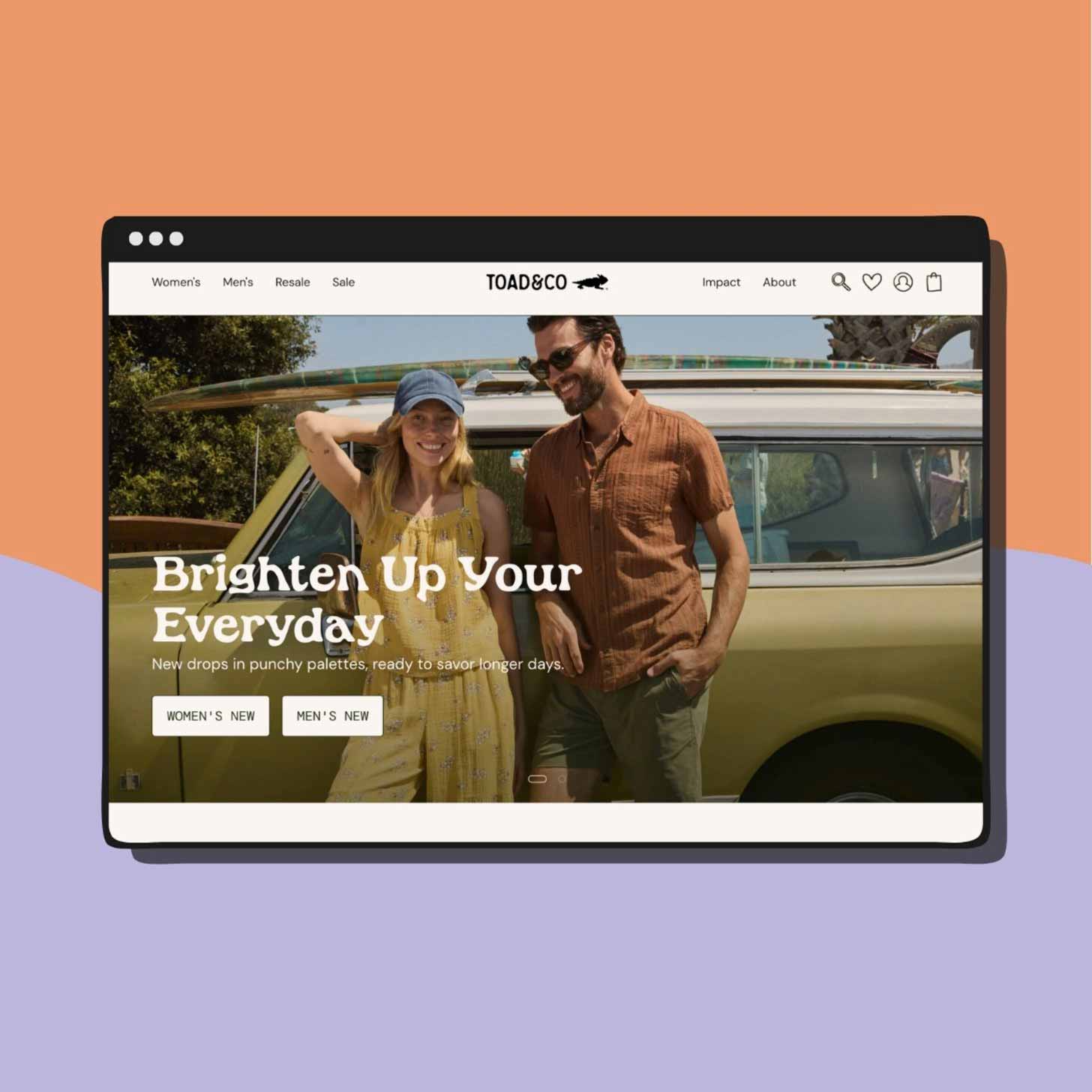
Why It’s Better Than Amazon: Since 1996, Toad&Co has been crafting high-quality, durable clothes with low environmental impact.
With punchy patterns and colorful outfits, Toad&Co is transparent about the material it uses, from dresses made from hemp and plant-based fibers to shirts woven from recycled fabrics and organic cotton.
As a 1% for the Planet member, it also gives 1% of all sales to environmental nonprofits. Its latest impacts centered on coral reef conservation, habitat restoration, wildfire relief, and outdoor education opportunities for children in low-income and marginalized communities.
Shop: Toad&Co
Bombas

Why It’s Better Than Amazon: After learning that socks are the #1 most requested clothing item in U.S. homeless shelters, David Heath and Randy Goldberg founded Bombas in 2013. Famously, their “buy-one-give-one” model ensured that new, clean socks were given to those in need every time a pair was purchased by a customer.
Bombas has since expanded beyond socks to shirts, underwear, bralettes, and more. And its one-for-one model expanded with it: For every clothing item purchased, an item of the same kind is donated to someone experiencing homelessness.
As a B Corp-certified business, Bombas has been actively lowering its environmental impact in the last decade by using more recycled fabrics and engaging in circular fashion systems. It currently has a B Impact Score of 103.1 (compared to a B Corp industry-wide average of 50).
Shop: Bombas
Outerknown
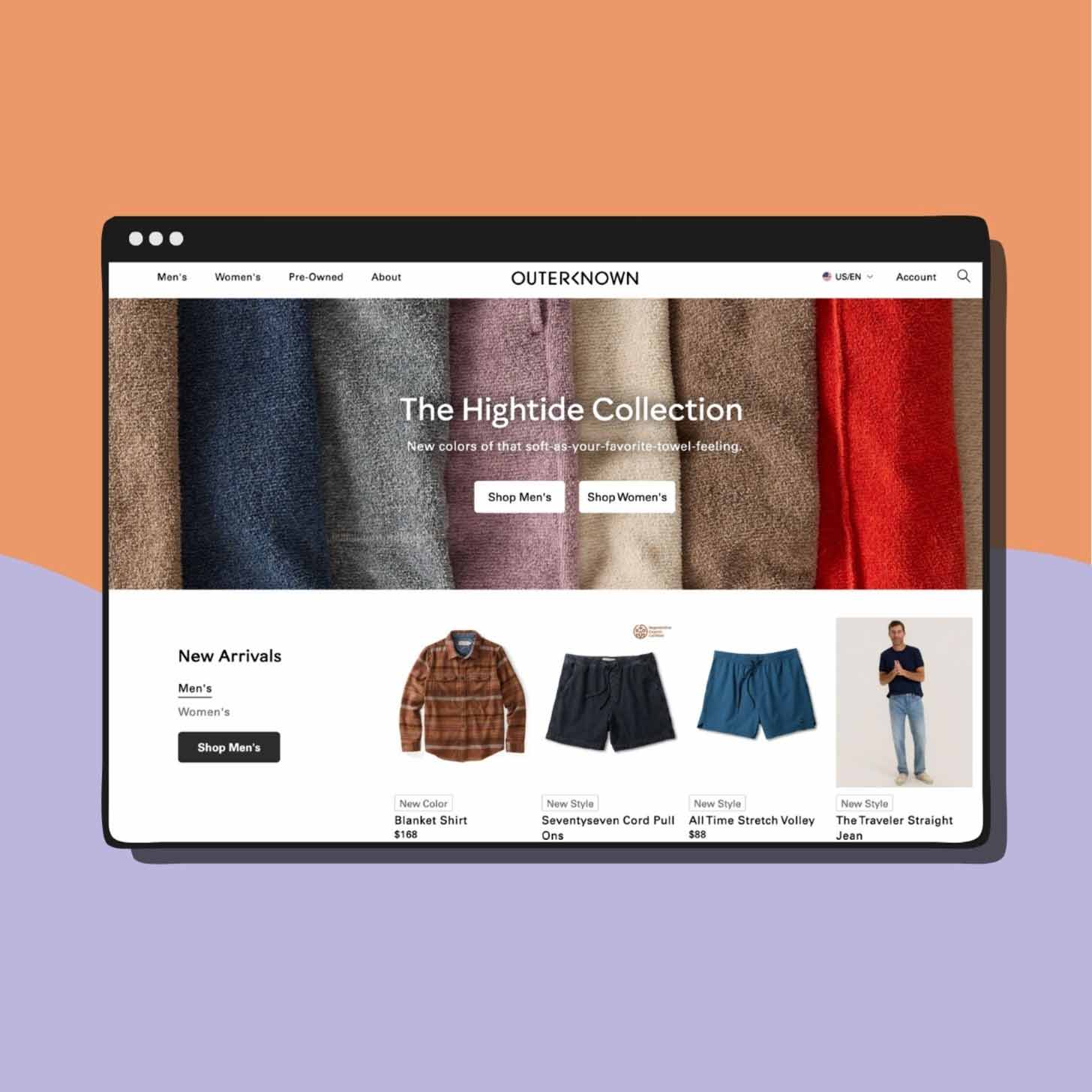
Why It’s Better Than Amazon: Outerknown has the “California casual” aesthetic down — and it does it sustainably, using materials like recycled wool and cashmere, organic cotton, reclaimed nets, and seaweed.
To keep its clothes in circulation, Outerknown takes previously used garments and sells them again through its pre-owned platform: Outerworn.
Through its peer-to-peer marketplace, its “Second Spin” collection made from discarded scraps, and its easy process for repairing select garments, Outerknown has pledged to go fully circular by 2030. Thanks to its secondhand shop, Outerknown estimates that it’s kept more than 1,800 garments out of landfills.
Shop: Outerknown | Outerworn
Pact
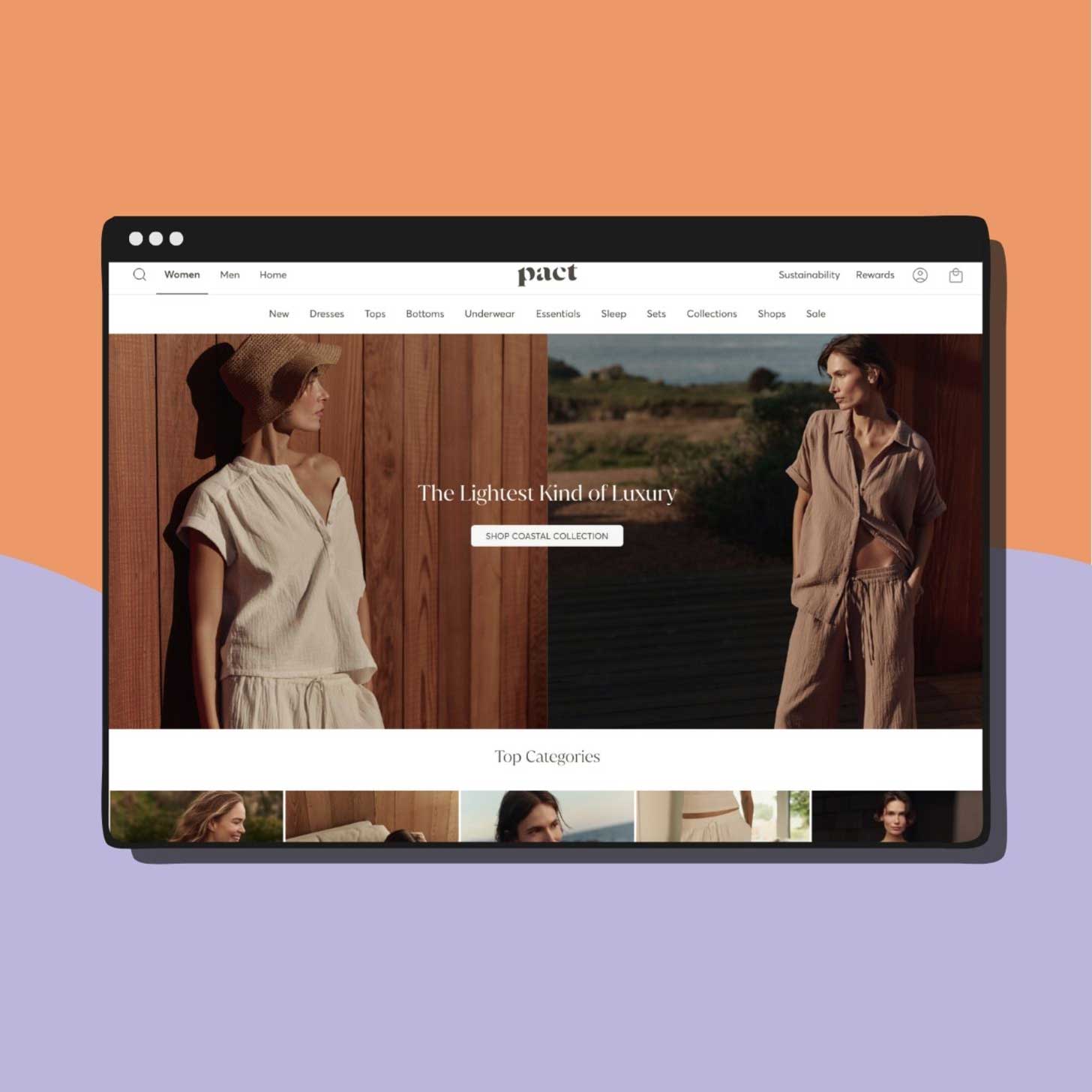
Why It’s Better Than Amazon: Pact is a clothing retailer that emphasizes comfort in everyday wear. In addition to swapping plastic packaging for paper, Pact primarily uses cotton that is Global Organic Textile Standard-certified — a fabric alternative that has saved 1.3 billion gallons of water.
Pact also works with Fair Trade-Certified factories to ensure that workers are paid fair wages and provided with safe working conditions, with every purchase going to fair trade premiums that put money back into the same communities that manufactured them.
Additionally, in partnership with ThredUp, Pact encourages consumers to mail back items when they’re done wearing them, so Pact can resell them secondhand.
Shop: Pact
Sézane

Why It’s Better Than Amazon: Founded in 2013 by Morgane Sezalory, Sézane was the first French fashion brand born online. As part of its mission to “cut out the middleman,” the women’s clothing brand set out to focus on zero-waste production as much as possible.
Releasing its archives twice a year helps ensure that nothing goes unworn, which means there’s no overproduction, no sales, and no unsold stock.
A portion of purchases also goes to Sézane’s philanthropic initiative, DEMAIN, which helps expand access to children’s education around the world. To date, it has given over 4.5 million euros (roughly 5.1 million USD) to its flagship charities.
Shop: Sézane
Children’s Clothing
Sustain by Kat

Why It’s Better Than Amazon: Sustain by Kat offers playful designs, earthy tones, and soft fabrics for babies and toddlers, from tees and pants to onesies and dresses.
Sustain's clothing is made with natural fibers, like cotton and linen, and dyed with plants. Even better, those plants remove more carbon from the air than is released during the manufacturing process, giving Sustain’s clothing a negative carbon footprint — even before it's shipped in recyclable packaging.
Sustain also prioritizes human health and ethical production. By eliminating toxic dyes and chemicals, workers aren’t exposed to harmful substances, and every partner in the supply chain is held to standards around fair wages and safe working conditions. Pieces are often made in small batches using traditional, low-impact techniques, reinforcing a slower, more intentional approach to fashion.
Shop: Sustain by Kat
Mightly
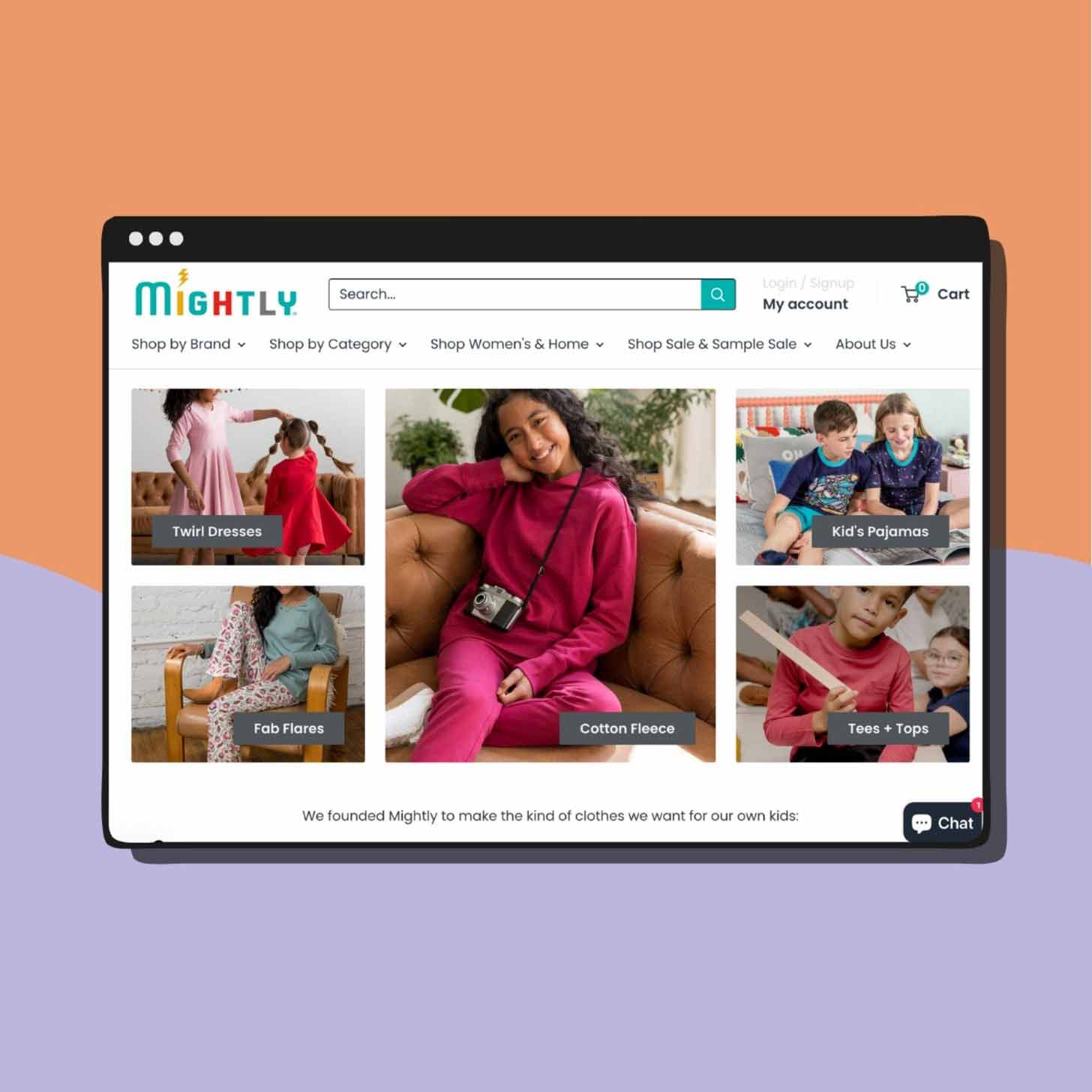
Why It’s Better Than Amazon: Mightly offers a wide range of options for babies, girls, boys, and pre-teens (and their maternity brand, Of an Origin, has nursing-friendly dresses, tops, and bras.)
As a Certified Fair Trade brand, Mightly sells sweatshop-free garments made from organic cotton and mails them in zero-waste shipping bags. Compared to many mainstream and even “eco-friendly” fashion brands, Mightly stands out by combining ethical production, durability, and secondhand options — all designed specifically for families.
Founded by three moms, Mightly is made to be durable enough for kids without showing too much wear and tear over time. It also provides pre-owned options for those who prefer shopping secondhand.
Shop: Mightly | Of an Origin
Colored Organics

Why It’s Better Than Amazon: Colored Organics has an array of baby and toddler clothing that it describes as “honest, ethical, and absolutely adorable.”
Its organic cotton is grown naturally and sustainably, without herbicides, pesticides, or any other harmful chemicals, which provides a safer working environment for farmers and reduces environmental harm. Its fabrics also use water-based dyes, making them safer for babies’ sensitive skin.
And with each purchase, Colored Organics supports organizations that help improve children’s lives. Past partners include the Boys & Girls Club of America, Moms for Moms, Sharebaby, Room to Grow, Safe Haven Foster Shoppe, and more.
Shop: Colored Organics
Secondhand Clothing
ThredUp
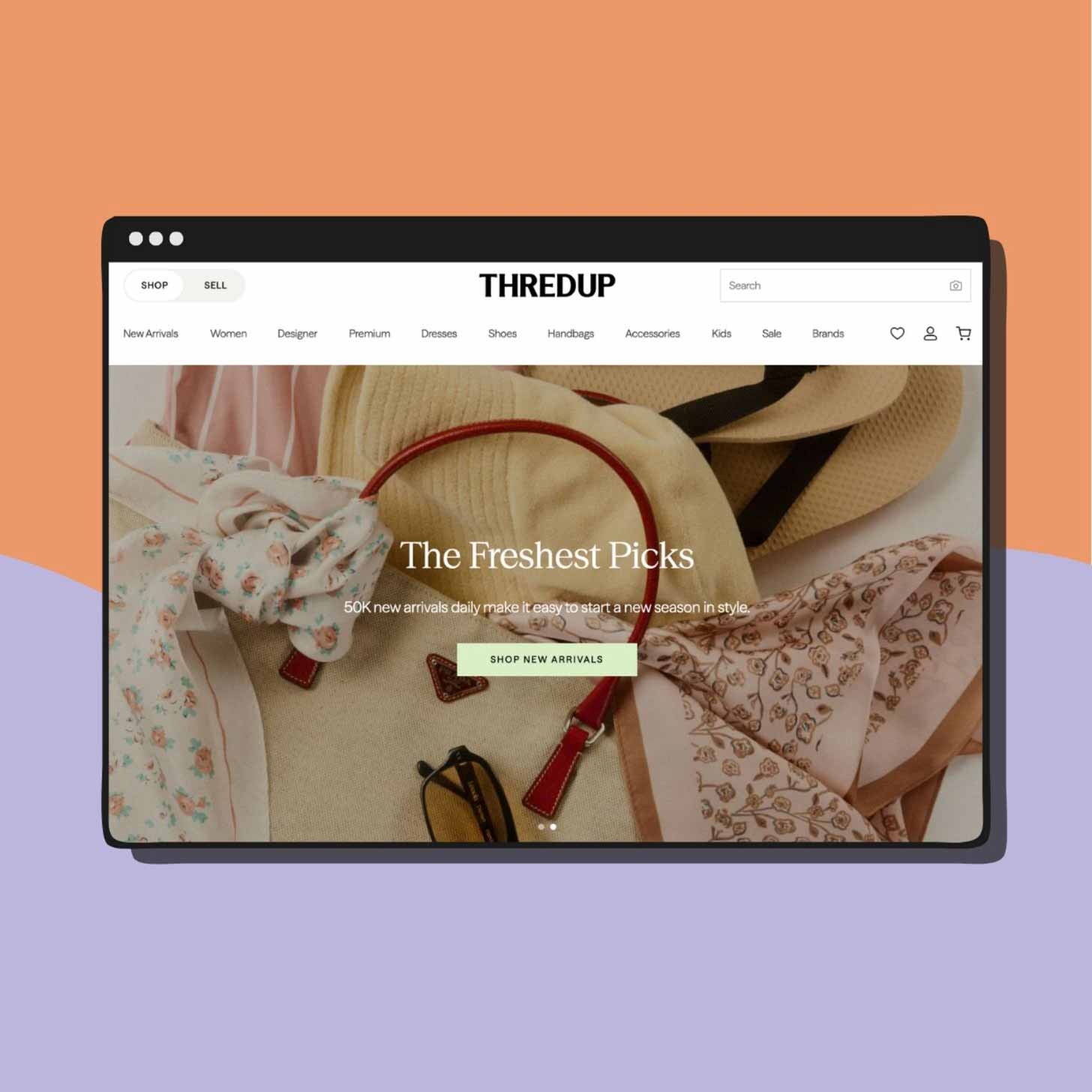
Why It’s Better Than Amazon: ThredUp is one of the world’s largest online secondhand clothing platforms and estimates that it’s given 76 million garments a second life.
In addition to direct listing, ThredUp makes circularity even easier for shoppers through its Clean Out program, where people can send in unwanted clothes to the company for cash. Once it receives the clothes, ThreadUp puts 90% back into the platform and recycles everything else.
ThredUp also tracks and publishes its impact data — offering transparency that many fast‑fashion retailers and “sustainable” brands lack. According to its latest impact report, it has diverted 1.1 billion pounds of carbon emissions, saved 11.5 billion gallons of water, and saved 2.1 billion kilowatt-hours of energy.
Shop: ThredUp
Depop

Why It’s Better Than Amazon: Depop’s mission is to make fashion circular by keeping existing items in use longer and inspiring millions to choose secondhand over new, helping reduce waste and the environmental footprint of fashion.
The community‑powered fashion marketplace has helped shoppers give more than 25 million items a second life, and more than three in five purchases on Depop prevent buying brand‑new items elsewhere.
In addition to promoting a circular fashion economy, Depop is a leader in sustainable fashion. It sources 100% of its electricity from renewable sources and offsets 100% of its measured greenhouse gas emissions. It also offers affordable packaging to sellers made from 100% recycled paper that buyers can recycle easily at home.
Shop: Depop
Poshmark

Why It’s Better Than Amazon: Like other online thrift stores, Poshmark makes it easy for people to buy and sell secondhand clothes, home decor, and beauty products online — sending millions of items back into the marketplace instead of off to the landfill.
In 2020, Poshmark also launched Reposh, a website tool that makes it easy for shoppers to sell back items bought on Poshmark. To date, Poshmark says that shoppers have “reposhed” 3.7 million items.
Poshmark offers an online alternative to thrifting at a time when secondhand is “in vogue.” The brand also shared that interest in vintage items has soared in the last two years, with vintage sales on its platform increasing by 85%.
Shop: Poshmark
Business Casual Clothing
Everlane
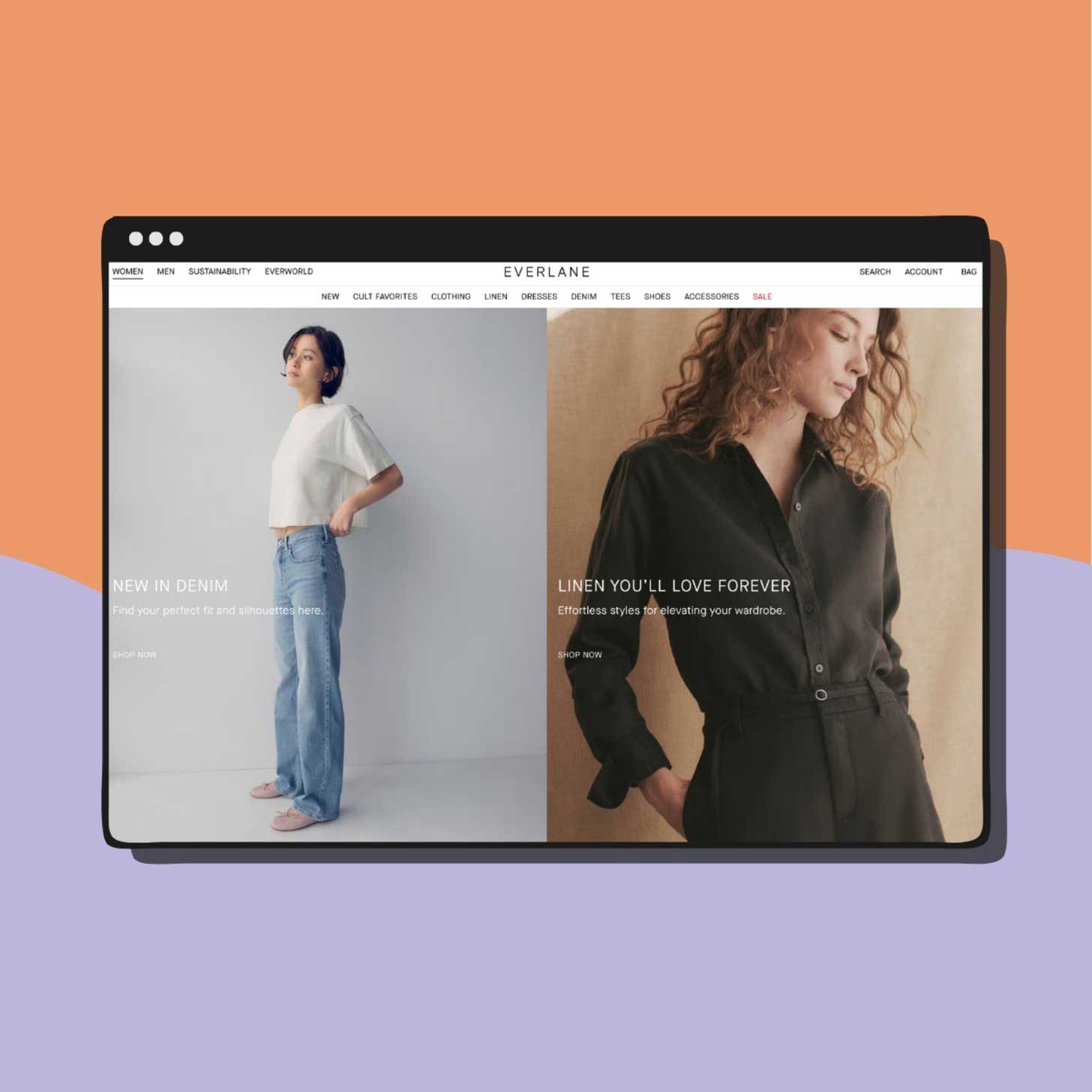
Why It’s Better Than Amazon: Everlane has a soft-toned, minimalist aesthetic to its business-casual attire, professional footwear, and handbags.
A direct-to-consumer retail brand formed in 2011, Everlane prioritizes transparency and sustainability, breaking down the material, labor, and transportation costs for customers.
The retailer plans to cut its product carbon footprint in half by 2030 and reach net zero by 2050. Its denim factory alone is a prime example of its sustainability goals in action, as it recycles 98% of water and uses renewable energy.
Shop: Everlane
Buck Mason

Why It’s Better Than Amazon: Buck Mason is an American-made, sustainable menswear brand that uses natural and some recycled fabrics. Each garment is made in Buck Mason’s knitting mills in Mohnton, Pennsylvania, and spun with American-grown cotton.
In 2022, the Mohnton Knitting Mill shut down after 150 years of operation. Within a year, Buck Mason brought it back to life under fair working conditions, reviving what had long been the economic backbone of the small Pennsylvania town.
It’s led to better working environments for employees, while still offering fair prices to shoppers.
Shop: Buck Mason
Grey State
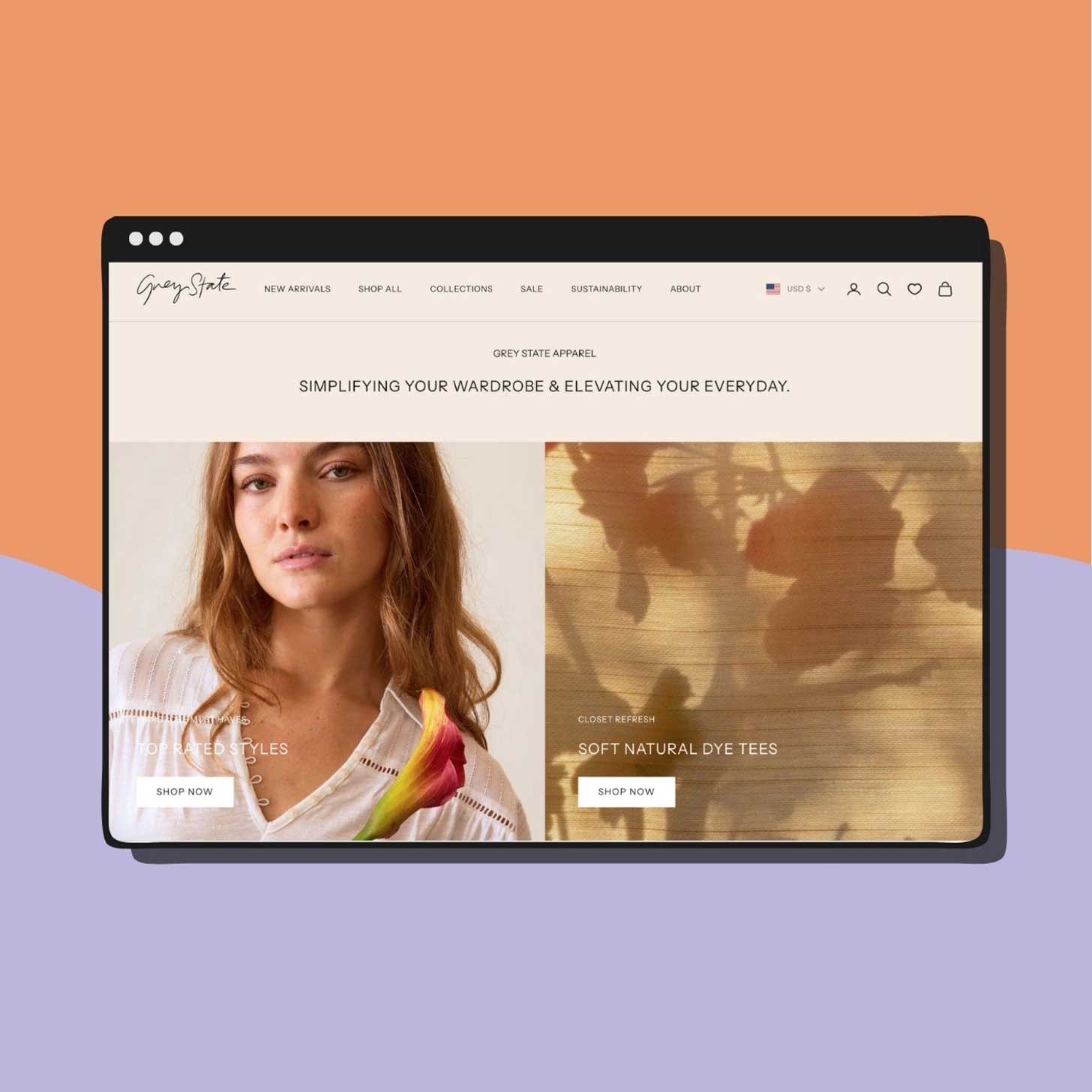
Why It’s Better Than Amazon: Grey State offers high-end business clothing that’s better for people and the planet. Every piece is made with traceable, eco‑friendly materials like organic and regenerative fibers, recycled textiles, and low‑impact dyes.
Compared to other fashion brands that label themselves “sustainable” without clear evidence, Grey State’s supply chain is fully transparent and backs up its claims with visible standards and verifiable sourcing.
The brand also invests in worker wellbeing and gender equity. Grey State provides childcare for parents at its production facilities and works with the GEAR (Gender Equality and Returns) initiative, which identifies female floor workers with leadership potential and promotes them to supervisory roles to help correct gender imbalances in the garment industry.
Shop: Grey State
Outdoor Gear & Clothing
Patagonia

Why It’s Better Than Amazon: While its humble origins as a climbing gear company go back to 1957, Patagonia officially formed in 1973.
Today, the retailer specializes as a premier designer for outdoor clothing and gear needed for climbing, surfing, skiing and snowboarding, fly fishing, trail running, and outdoor adventuring.
Patagonia proudly states that “Earth is their only shareholder,” and it regularly donates to grassroots environmental organizations. Additionally, 95% of their products are made in Fair Trade Certified factories.
Patagonia also makes it easy for customers to trade in worn clothing and gear to give it a second life in its “Worn Wear” section, diverting it from landfills and giving customers store credit in exchange.
Shop: Patagonia
Tentree
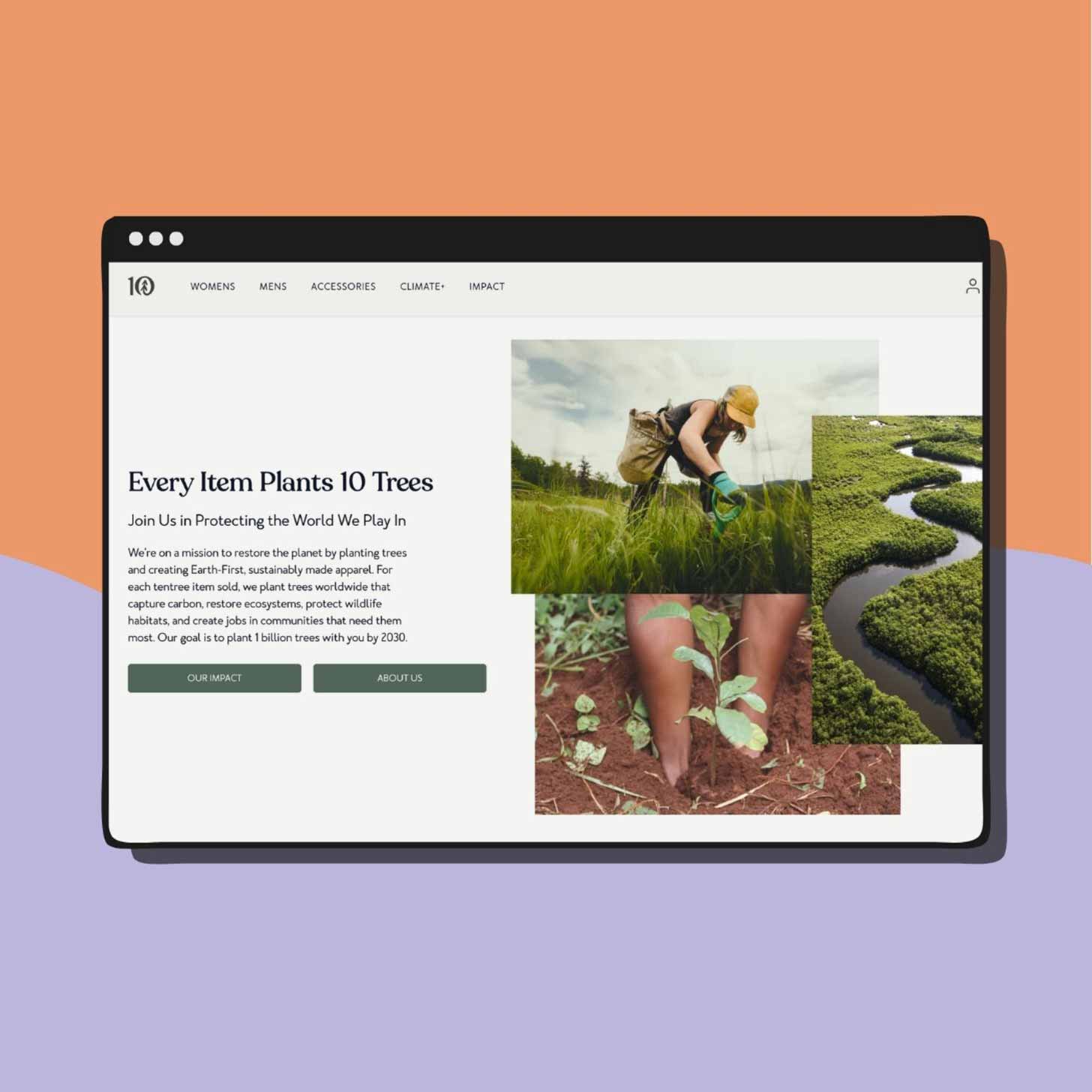
Why It’s Better Than Amazon: Tentree started in 2012 with the idea that online shopping could drive large-scale environmental action. Its titular commitment? Plant 10 trees for every item sold.
Over the last decade, the outdoor clothing brand and its customers have helped plant over 110 million trees across global ecosystems, with a promise to plant 1 billion trees by 2030. Its reforestation projects aim to capture carbon, restore habitats, improve soil health, and create jobs in communities around the world.
Beyond tree planting, Tentree weaves sustainability into every part of its operations, using materials like organic cotton, recycled fibers, and lyocell.
It’s also launched initiatives like Circularity by Tentree, a take‑back and recycling program that keeps garments — even those from other brands — out of landfills and in use longer. In 2024, Tentree shoppers returned over 16,400 items.
Shop: Tentree
Huckberry
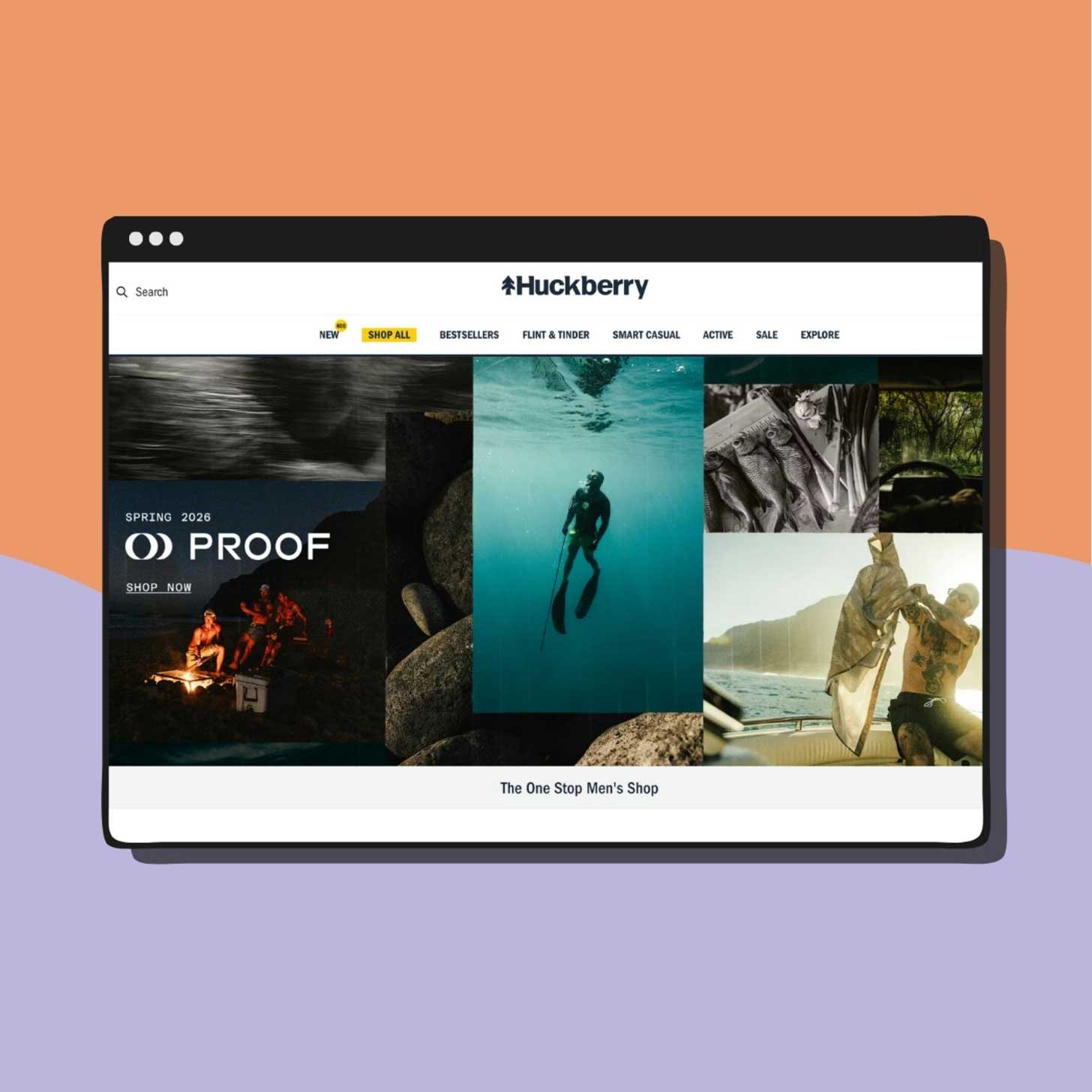
Why It’s Better Than Amazon: Although it dubs itself the “one stop men’s shop,” the woodsy and smart-casual clothing retailer Huckberry also boasts a substantial women’s wear section.
Huckberry emphasizes sustainable, high‑quality materials that are designed to last longer and reduce waste. Their Proof 72-Hour line uses merino wool, a breathable fiber that’s resistant to odor and wrinkles — leading to more wears between washes.
Beyond merino, it also often uses hemp, a plant that uses significantly less water to grow than conventional fibers and is fully biodegradable at the end of its life. Huckberry also routinely posts informative articles on how consumers can care for their clothing and gear to get the longest-possible use out of a product.
Shop: Huckberry
Size-Inclusive Clothing
SeamsFriendly

Why It’s Better Than Amazon: Thanks to its “made-to-order” model, SeamsFriendly offers more than 1,700 styles for “all body types.”
With SeamsFriendly, shoppers can choose jumpers, rompers, dresses, and more that are handcrafted to their exact measurements, with sizing that ranges from 4XS through 16XL and beyond at no extra cost.
After shoppers select the neckline, sleeves, and length of their dreams, SeamsFriendly creates tailored outfits from low-impact materials like organic cotton and linen. Also, its entire product range is vegan, ensuring that no animals were harmed for production.
Shop: SeamsFriendly
The Standard Stitch

Why It’s Better Than Amazon: The Standard Stitch is a size-inclusive loungewear brand made from sustainably sourced materials, including harvested wood pulp — like eucalyptus, beech, and spruce — and recycled cotton from cutting waste and leftover fabrics.
The Los Angeles-based brand also ships its clothing in compostable and recycled packaging and has a carbon offset program with the environmental solutions organization Native Energy to counteract its net emissions.
And when shoppers want to upcycle their old clothes after wear and tear, they can do so through The Standard Stitch’s Re-stitch x Retold program and get a $15 credit in exchange for reducing textile waste.
Shop: The Standard Stitch
Girlfriend Collective

Why It’s Better Than Amazon: In 2016, Girlfriend Collective became one of the first brands to make activewear from recycled materials. In addition to being more size inclusive than traditional brands (offering 2XS to 6XL), the brand uses lower-impact materials and is fully OEKO-TEX Standard 100 certified, which means it's free from heavy metals, toxic dyes, and carcinogens.
Today, all five of its fabrics — Compressive, FLOAT, Reset, Luxe, and SuperTrack — are made from post-consumer plastic waste and shipped in recycled packaging.
Girlfriend Collective also donates 1% of every order to a nonprofit chosen by the customer. Options include social justice initiatives like the NAACP Legal & Defense Fund and humanitarian relief efforts through Doctors Without Borders.
Shop: Girlfriend Collective
Luxury Brands
Stella McCartney
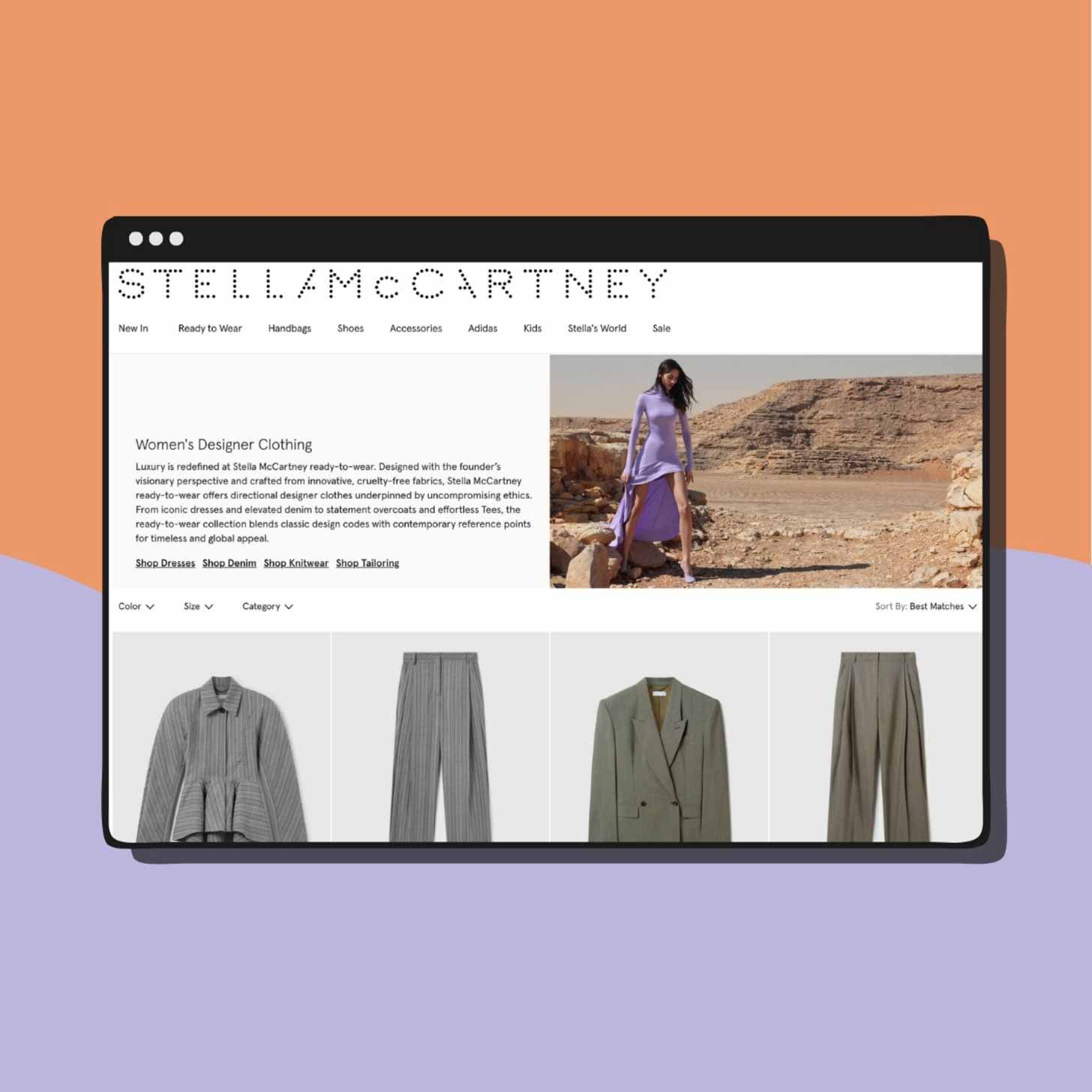
Why It’s Better Than Amazon: Since its founding in 2001, British luxury fashion brand Stella McCartney has maintained a strict cruelty-free policy, never using leather, fur, feathers, or skins, and instead prioritizing ethical alternatives.
After switching to “forest-friendly” viscose in 2017 in place of cashmere, Stella McCartney officially became a zero-deforestation brand.
Stella McCartney was also an early adopter of low-impact, bio-based or recycled materials — such as plant-based textiles, fungi leather alternatives, recycled cashmere, and regenerated nylon.
Shop: Stella McCartney
Jenni Kayne

Why It’s Better Than Amazon: Offering a “timeless California style,” Jenni Kayne’s collections are made from recycled or undyed materials and shipped in recycled packaging.
Jenni Kayne emphasizes ethical sourcing by working with trusted factories and artisan groups like a women’s cooperative in Peru, and producing some goods locally in Los Angeles.
The luxury brand also prides itself on fair labor practices and exercises transparency through factory audits, promotes circular fashion through repair events, and plants one tree for every eco-friendly garment sold.
Shop: Jenni Kayne
Sleeper
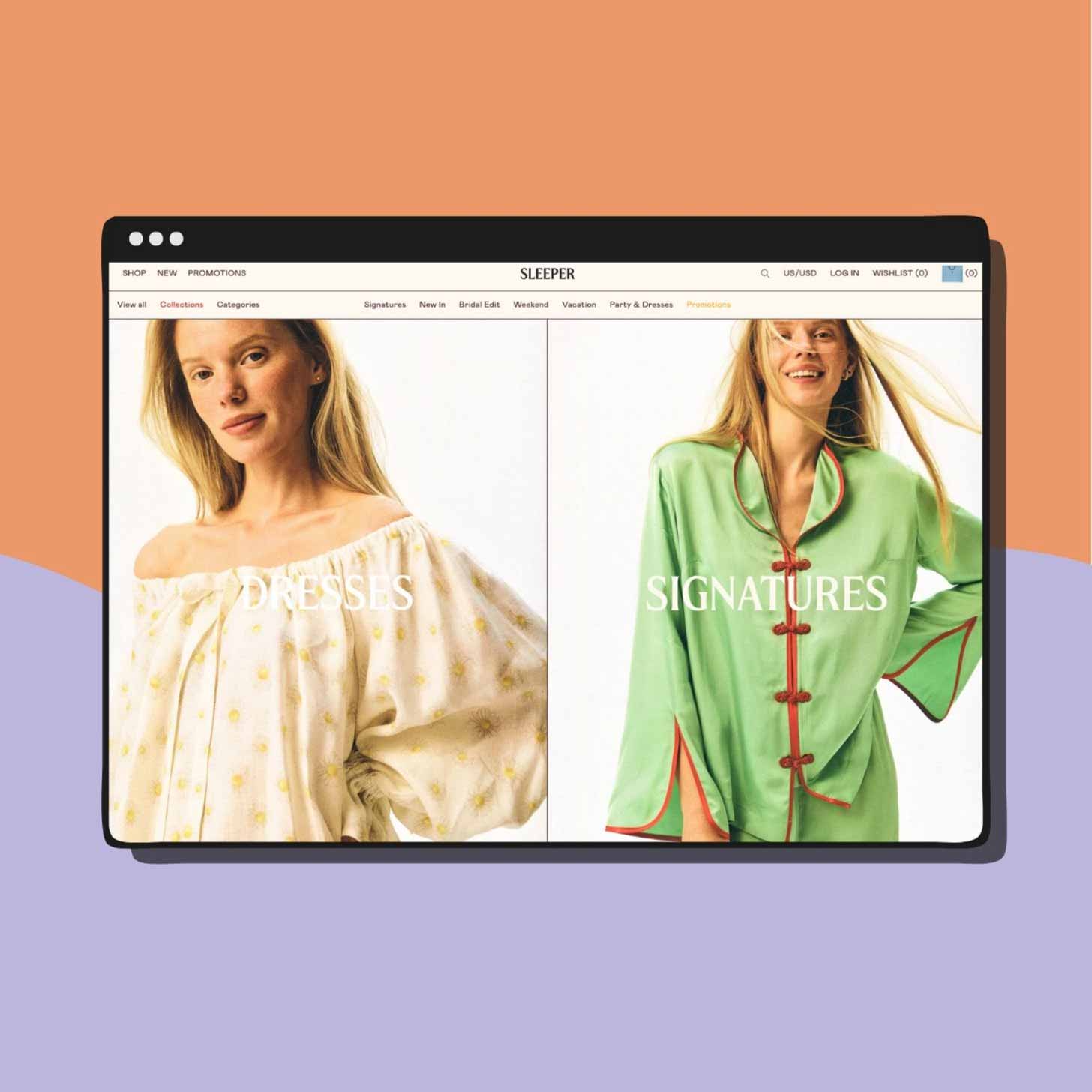
Why It’s Better Than Amazon: Sleeper is more than pajamas; it’s high-quality loungewear. Using responsible suppliers and zero-waste production, each Sleeper garment is locally handmade in safe and fair working conditions and shipped in recyclable packaging.
Throughout its history, Sleeper has raised more than $56,000 to support women with cancer. As a Ukrainian fashion brand, it has also donated 1 million Ukrainian hryvnia (roughly 22,000 USD) to the Armed Forces of Ukraine, and in April 2023, they donated an additional $12,920 for prosthetics for Ukrainian war veterans.
Shop: Sleeper