The Minnesota senator was treated for breast cancer this year.
She has bipartisan legislation that would encourage people to catch up on health screenings, which plummeted during the pandemic.
This story was originally published by The 19th.
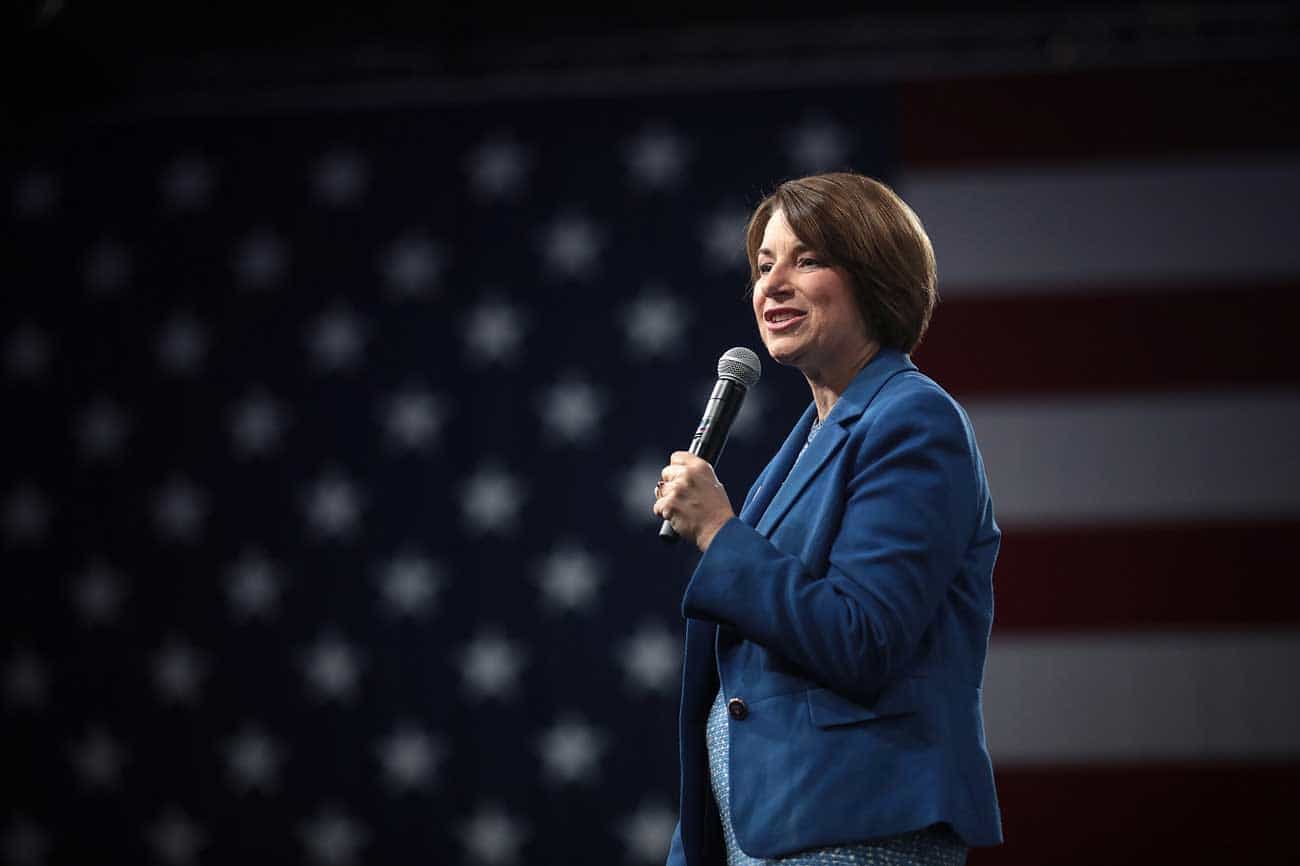
Sen. Amy Klobuchar was overdue for her routine mammogram.
After all, the Minnesota Democrat had a lot on her plate. She was running for president. Then, her husband fell seriously ill with COVID-19 and was hospitalized. She was put in charge of the Rules Committee.
By the time Klobuchar went in for a screening in February, she was a year or two late, and her doctors at the Mayo Clinic found small calcifications, which were biopsied, revealing she had Stage 1A breast cancer.
She had a lumpectomy, then started radiation treatment two days after her father died in May.
She told the public about the ordeal for the first time in September, when announcing that she was cancer free.
Now, Klobuchar wants those who put off preventive screenings for breast cancer and other diseases because of the COVID-19 pandemic to get caught up.
“There was a realization that I wasn’t alone in delaying my own treatment, that there are so many awomen that have done the same thing, and men, with other types of preventative screenings,” Klobuchar told The 19th.
“When I told my story a few months ago, that was when I really realized it. That is when I heard the stories that people were putting it off. I had people texting me who were in the waiting room waiting for their mammograms,” she added.
Klobuchar is introducing bipartisan legislation Thursday that would encourage Americans to get preventive care by awarding grants to states, localities, and tribal organizations to address health care disparities; creating a task force to make recommendations about preventive care during public health emergencies; and directing the Department of Health and Human Services to launch a cross-agency public education campaign.
The odds that a woman was screened for breast cancer in 2020 were 20 percent lower than in 2019.
Studies have shown that 1 in 3 adults reported delaying or skipping health care during the pandemic. Health screenings for children decreased by 40 percent. The odds that a woman was screened for breast cancer in 2020 were 20 percent lower than in 2019, Klobuchar said.
“Thousands of women are walking around with undetected breast cancer,” she said.
As Klobuchar started putting together the bill, she first approached Republican Sen. Susan Collins of Maine, whom she called a “good friend” and who sits on several relevant committees.
Then she went to Sen. Mike Rounds, a Republican in neighboring South Dakota, because his wife was treated for cancer at the Mayo Clinic last year. They both signed on, along with Democratic Sens. Tammy Baldwin of Wisconsin and Jacky Rosen of Nevada, and Sen. John Thune of South Dakota, the No. 2 Republican.
Collins said in a statement that their bill will “strengthen education and outreach initiatives, particularly in rural and underserved communities.”
Klobuchar said as she’s heard from more women about their own breast cancer experiences, she’s noticed “what the mind does” to convince you it might be okay to skip a screening as you’re focused on other things: family, work, other illness.
Thank you @amyklobuchar for sharing your breast cancer story. Proud to be a part of the annual softball game @YSCBuzz @DWStweets https://t.co/lrGuPEzHiv
— Dana Bash (@DanaBashCNN) October 28, 2021
Klobuchar’s lumpectomy and radiation were in what she called a “sweet spot” between her vaccination and the rise of the more-contagious Delta variant. Her husband’s experience with the virus was nevertheless on her mind.
She said she felt safe throughout her treatment and believes that delayed screenings could result in sicker patients, or lost lives.
Klobuchar kept her diagnosis private from her Senate colleagues.
Her dad was dying. Then she had to plan his funeral. She was heading a probe into how a mob broke into the Capitol during the Jan 6 insurrection and holding hearings on restrictive election laws.
She was not going to hide it, but “it was too much at once,” she said. “I didn’t want the focus on me, honestly.”
“It made it much easier after I told them, actually,” she added.
Talking about her personal experience with breast cancer during the pandemic has now given her a platform to encourage other people to get the screenings they may need.
She’s scheduled for her next mammogram in November.
A group of “holistic engineers” wants to return the arid Sinai peninsula to the lush, green landscape it once was.
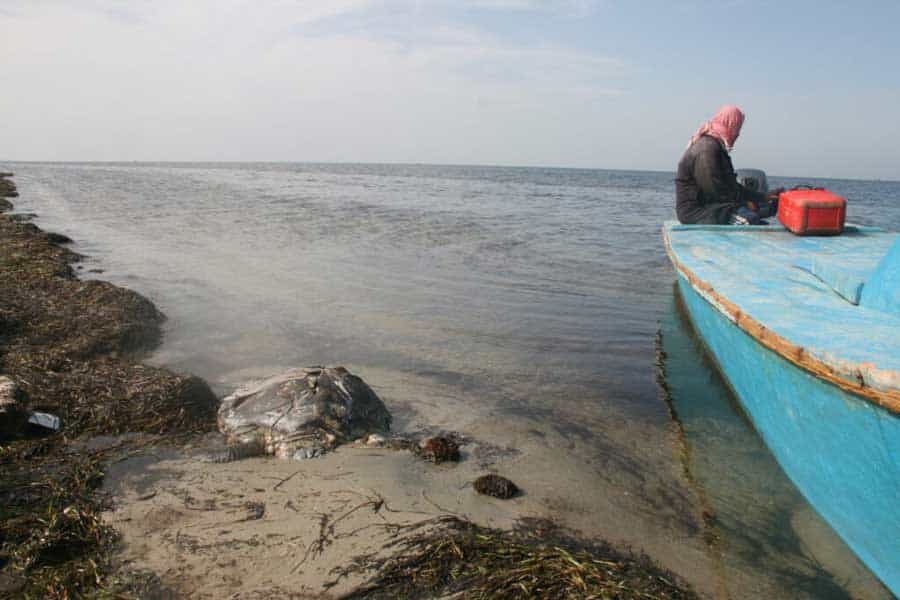
Ties van der Hoeven can already picture it: Not too far into the future, the bearded 41-year-old engineer will be standing on the hills above Lake Bardawil.
At the moment, it’s little more than a diminished lagoon amid parched land on the North Coast of the Sinai peninsula, the battered triangle that connects Africa to Asia.
Someday, however, Van der Hoeven believes it will be a fully restored reservoir, ringed with trees and wetlands, and teeming with fish, sea grasses, and fields from which the locals will once again harvest vegetables.
“This used to be the land flowing with milk and honey, the promised land, the Garden of Eden,” the Dutch engineer says. “We can turn it into paradise again.”
Van der Hoeven might be a maverick morphological engineer, having grown up with hippie parents on a sailboat. But his vision is no pipe dream. Engineers around the world have already shown that it is possible to effectively regreen deserts and arid plains.
One of the most spectacular examples is the Loess Plateau in northwest China, an area roughly the size of France and home to more than 50 million people.
Launching its rehabilitation project in 1994, the Chinese government and the World Bank restored the once fertile region over a period of 25 years by banning tree cutting, terracing the terrain, planting indigenous plants, and reestablishing a healthy ecosystem.
“2.5 million people were lifted out of poverty,” the World Bank reports. “Through the introduction of sustainable farming practices, farmers’ incomes doubled, employment diversified and the degraded environment was revitalized.”
All this for a project cost of $252 million.
Adjacent Mongolia, too, just announced a plan to plant one billion trees by 2030 to combat desertification.
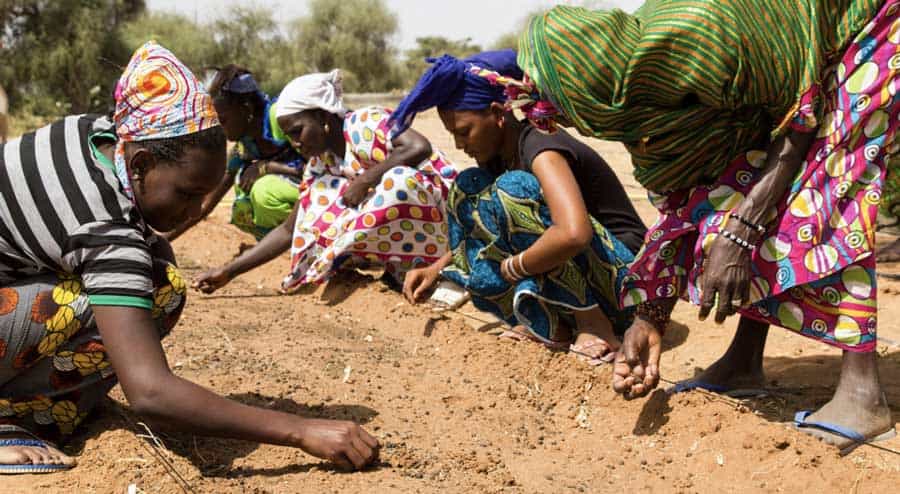
The second monumental example is the Great Green Wall, an 8,000 kilometer greenbelt traversing 11 countries of Africa’s Sahel region, including Senegal, Mali, Nigeria, Niger, and Ethiopia. Temperatures there are rising 1.5 times faster than the global average, and the project’s urgency is matched by its ambitious scope.
Governments, locals, activists, and engineers hope to restore 100 million hectares of degraded land by 2030 and bring drought relief to some of the poorest regions in the world.
Supported by 20 African countries, the UN, the EU, and the World Bank, the Great Green Wall is about 15 percent complete.
According to its initiators, it will be “the largest living structure on the planet, three times the size of the Great Barrier Reef,” and “is already bringing life back to Africa’s degraded landscapes at an unprecedented scale, providing food security, jobs and a reason to stay for the millions who live along its path.”

Outside of these massive projects, there are innumerable smaller reforestation efforts across the world: WildEast in England, Familial Forestry in India, and Geoff Lawton’s Permaculture Research Institute in Australia. The United Nations declared ecosystem restoration a priority and hopes to restore 350 million hectares in 70 nations by 2030.
The logic: It was humans who caused the loss of roughly 50 percent of biomass over the last 50 years, and accelerated desertification by grubbing and overgrazing once fertile land. This human activity set into motion a vicious cycle of erosion, desiccation and desertification.
Van der Hoeven named his company The Weather Makers, after Tim Flannery’s book about the Anthropocene. The plot: Humans caused desertification, and humans can also reverse it.
An experienced large-scale dredger, Van der Hoeven was originally asked only for advice on how to dredge the Sinai lagoon, which the Egyptian government believes would boost its fish stock. But the longer he studied its geological makeup, the more intrigued he became. Could the 1.2-meter-deep lagoon, which was once 20 to 40 meters deep, be returned to its original state as the first step in restoring the peninsula’s ecosystem?
When he saw the documentary Green Gold by the journalist and environmentalist John Liu about the transformation of the Loess Plateau into a green oasis, he was hooked.
He got to work mapping out the steps to regenerate the ecosystem of the Sinai. “Heck, we can change the livelihood for hundreds of thousands of people!” he says.
He was already familiar with the Middle East, having spent years dredging the Dubai coast to build the city’s artificial palm-shaped islands. “Money, alcohol, parties,” he recalls. “I lost a bit of my soul.”
After spending a week on the Loess Plateau to study how the Chinese accomplished the regreening, he and his team flew to the presidential palace in Cairo two years ago to pitch their plans to representatives from President Abdel Fattah el-Sisi’s government.
The Sinai region is one of the most hostile and barren on earth. But just like the Loess Plateau, it was probably fertile as recently as 5,000 to 8,000 years ago. Cave paintings show trees and plants.
“The solution is relatively simple, though it is of course hard work,” says Van der Hoeven. “The land tells you where to start.”

He mapped out restoration in five steps.
Steps One and Two: revitalize the lagoon and expand the wetlands around it. “If you want to do something to help planet earth you need to restore the coastal areas because they are by far the most productive systems in the world,” he says.
Step Three: Desalinate “the rich marine sediments in the lagoon, the indigenous soils” as fertilizer to regenerate the water cycle, grow salt-tolerant plants and aquatic greens.
Step Four: fog nets capture freshwater condensation on the nearby hills and use it to regreen the desert.
And finally, Step Five: the natural watersheds are restored. “By adding the vegetation cover and increasing humidity, you get rain again,” Van der Hoeven explains.
These five steps follow the same basic principles that have successfully regreened other areas of the world, with modifications to customize the process for the Sinai region specifically.

“If we were to reverse engineer [the downward spiral of desertification], we might have the possibility to return to the virtuous circle instead of the vicious cycle feedback loop,” John Liu says via Zoom from his patio in Irvine, California.
“This is the most serious moment in civilization, where we can see predictable catastrophic and unnecessary outcomes of human activity. We are obligated to understand this and find a solution, not only for ourselves but for life and human civilization.“
The process of regreening the Sinai would take 20 to 40 years, as it has with comparable projects, simply because it takes decades for the lost plants and trees to grow back, but progress would be noticeable after just three years and could be sped up by bringing in additional water.
The cost of the entire project: $31 to 39 billion — a huge sum, but tiny in comparison to the boon regreening would bring.
As just one example and based on his calculations — which themselves are based on the historic data from when the lagoon was at its original size — Van der Hoeven is convinced that the hydraulic regeneration of the lagoon and regenerative fish management can provide 50,000 tons of fish (up from the 5,000 tons of fish that are there now) and thus feed the locals like it did in the past.
The Egyptian government seems willing to fund at least the first phase, but unrest in the Sinai has so far delayed the project. Still, Van der Hoeven hopes to begin soon. He believes the restoration will serve as a “peace plan,” and help bring stability and prosperity to a region in crisis.
Local conflict can quickly derail any well-intentioned environmental project, as has happened with the One Million Trees initiative in Dubai, where megaprojects diverted the tree nursery’s supply of water and destroyed many of the saplings.
A crucial element in Van der Hoeven’s plan are the “eco-machines,” or “living machines,” created by now-retired biologist John Todd, a pioneer in ecological design and founder of the New Alchemy Institute in Massachusetts.

Van der Hoeven has built an eco-machine in his backyard in the city of s’Hertogenbosch. From the outside, the setup looks like a greenhouse. Inside are transparent plastic barrels where Van der Hoeven grows phytoplankton, the basic component of the food web, as well as algae, fungi, worms, and insects that restore soil health.
Condensation is captured and fed back to the plants as freshwater, allowing the eco-machines to revitalize the marine sediments. Once restored, these sediments will eventually support larger plants and fish, like tilapia. The process also cleans the water, until life inside the barrels becomes self-sustaining and the greenhouses are no longer needed.
Now imagine this process repeated 100 times across the banks of the Bardawil lagoon, slowly restoring the fertility of the land. In addition to furthering biodiversity and lowering the region’s temperature, the rejuvenated peninsula would serve as a carbon sink “for billions of tons of CO2,” as Van der Hoeven estimates, though it’s impossible to verify this ambitious estimate.
More importantly, Van der Hoeven believes that restoring the watersheds in one crucial region such as the Sinai can have “consequences for the world climate. We are changing the wind pattern and the weather. The Sinai is the climate heart of the earth, an acupuncture point of climate change.”
Currently, the Sinai draws moist air from the Mediterranean Sea, but regreening it would likely increase rain across the Middle East. “It’s not just Egypt; it’s really on a planetary scale, and this is the only scale that makes sense given the size of the problem,” says John Liu.
Ecosystem Restoration Camps, where John Liu is an adviser, teach the process of restoring the land all across the earth, including North America, where many regions also suffer from drought.
“We need to have strategies on reversing human climate change. This is the holy grail. The size of the solution needs to be equal to the size of the problem.”
This story is part of the SoJo Exchange from the Solutions Journalism Network, a nonprofit organization dedicated to rigorous reporting about responses to social problems. It was originally published by Reasons to be Cheerful on October 21st, 2021.
Voting in America is as old as the country itself. From the first election in 1788, which saw George Washington unanimously elected president, to 2020, when President Joe Biden defeated former President Donald Trump, voting for our leaders is one of the few parts of the political process that hasn’t changed much — though in 2020 both the process and the results became highly polarized.
Voting is so important because it is one of the few ways regular people can make their voices heard and the only way a government that represents the best interests and needs of the people is established.
That being said, who could vote has changed tremendously.
In early elections, only white male landowners over the age of 25 were allowed to cast ballots. Today — with the exception of people with felony convictions in some states — U.S. citizens of all genders, races, and income levels can vote.
Related:
— Why We Should Lower the Voting Age in the United States to 16
— Meet the High School Senior Who Created 'Project Teal' to Get Young People Politically Engaged
— Why Ranked Choice Voting Could Save Us
— How To Hold Your Elected Officials Accountable
In 2020, 158.4 million citizens — almost two-thirds of estimated eligible voters—voted in the presidential elections, according to the Pew Research Center. The number represented a higher than average turnout, with people voting in numbers not seen since 1980 and possibly well before.
Still, that leaves many eligible voters who didn't vote in a highly contested election. There are numerous reasons people don't engage in the voting process, according to a Pew Research study on the topic.
Voting can be inconvenient to fit in around work and childcare schedules — a problem cited even before the COVID-19 pandemic complicated matters. ID requirements, limits on mail-in and absentee voting, and polling place and drop-box reductions all make voting difficult.
Coming out of the 2020 election, more than a dozen Republican-held states have imposed voting restrictions that critics say make it harder for poor people and people of color to vote — demographics that reliably support democrats.
Stacker compiled a list of ways voting can be encouraged using various websites for government, civic organization, voting rights, and voting information.
In addition, there are a handful of ways you can sign up to work as a poll worker. Poll workers are the backbone of the country’s free and open elections. However, due to the coronavirus pandemic, the country is currently facing a shortage of folks who are willing to volunteer their time for this all-important work while risking exposure.
So to start, here’s everything you need to know about being a poll worker and then a handful of resources to help you get out the vote:
1. Know what’s expected of poll workers
An essential part of any election, poll workers fill a variety of roles on the actual day. Before signing up, be sure to know what may be expected in the “State Compendium of Election Worker Laws and Statutes.” For example, some poll workers may be registering or checking in voters, others may be distributing ballots, and still others may be acting as a resource for non-English speaking voters.
2. Register with Power the Polls
If you feel confident in your ability to handle these tasks, then head over to the Power the Polls website. The organization’s goal is to eliminate the poll worker shortage by signing up thousands of new poll workers nationwide. After entering some basic information on the website, you’ll be notified if workers are still needed in your area and point you in the right direction to apply for open roles.
3. Check your registered voter status
While the requirements for poll workers vary by state, most require you to be a registered voter. If you’re unsure of your status, check on the National Association of Secretaries of State website, or by clicking here.
4. Check the age requirements in your state
Although being a registered voter is a requirement for poll workers in most states, many also make allowances for individuals under 18 who wish to be involved in the democratic process. Some states require these young adults to hold a certain GPA or obtain a signed permission slip in order to participate. Enter your zip code on Power the Polls to discover the requirements in your city or county.
5. Check party residency requirements in your state
Nearly every single state requires poll workers to be residents in the area they’re applying to work. However, some states also require poll workers to have lived in the state for a certain length of time. Ensure you’re eligible by reading through the U.S. Election Assistance Commission’s compendium of election worker laws and statutes.
6. Check party affiliation requirements in your state
Being a poll worker is a nonpartisan activity, and your party affiliation will not affect your eligibility. That being said, some states use party affiliations to match poll workers to election locations in order to provide a fair and balanced voting experience. Check whether this practice is in place in your state at Fair Elections Center, and ensure you’re comfortable with it, before filling out your application.
7. Sign up to be a poll worker
After ensuring that you’re eligible and can commit to all that’s asked of poll workers in your area, head over to Work Elections to fill out an application. It’s as easy as selecting your state and county from a drop-down menu and entering some basic information.
8. Mark all important dates on your calendar
Everyone knows that Nov. 3 is the big day for presidential elections, however, many are unaware that poll workers are needed to cover shifts on other days as well. For example, most states offer early in-person voting, sometimes beginning as early as a month before election day. Poll workers are also needed for smaller state and local elections. Write down the full days or half days and times you’re assigned to work so that nothing gets missed in the shuffle.
9. Review the training materials
All states require poll workers to undergo some degree of training before election day. Some states do all of this training online, while others require participants to complete in-person preparation. Make sure you review all the materials given to you, and ask any additional questions you may have before showing up for your first shift.
10. Know what to bring on election day
Certain things — like snacks, water, and portable cell phone chargers — have been “must-bring” items for poll workers on Election Day. However, in light of the coronavirus pandemic, many states are requiring masks for all poll workers and voters this year. A quick Google search of your state and county will let you know what is required in your area.
11. Make sure your friends and family are registered to vote
If you don’t feel comfortable volunteering to be a poll worker this year, there are plenty of other ways to help with the upcoming election. For example, you can check in with friends and family to ensure they’re registered to vote. State-by-state deadlines can be found on Vote.org.
12. Help loved ones establish a voting plan
After checking that friends and family are registered to vote, take things a step further and make sure they have a voting plan. Do they plan on voting in person or by mail? Early or on Election Day? Do they know where their polling place is located? Do they have time in their schedule to get to the polls and a way to get there?

13. Review the facts about mail-in voting
Due to the coronavirus pandemic, many states allowed voting by mail, or absentee voting without reason, in 2020. With midterm elections, some of those rules may remain, while others are being challenged and could change. Check to see how your state approaches mail-in voting on Vote.org, then head over to the U.S. Vote Foundation to find mail-in deadlines by state.
14. Get ready for the congressional elections in 2022
The 2022 United States House of Representatives elections will be held on Nov. 8, 2022. All of the House's congress members will be decided on this date, including reps from all 435 congressional districts across (as well as D.C.’s five non-voting delegates four of the five inhabited U.S. territories). Additionally, 34 Senate seats will be determined on Nov. 8, 2022. Nonpartisan platforms, such as Ballotpedia, give a nation-wide overview of where congressional elections will be held in 2022.
15. Don't forget about state and local elections
In addition to Congress and Senate seats up for grabs in 2022, a number of governors, state executives, and state legislators will be on the ballot. Head to Ballotpedia's 2022 elections page to find out if your state will be holding an election for one or more of these positions. And don't forget about the local elections that are easy to miss, as they don't receive the same outsize attention as presidential elections.
16. Check to see what will be on your ballot
Other offices, propositions, and issues will be on the ballot come 2022. Check Vote411 to find out exactly what you’ll be voting on so that you can make educated decisions and encourage others to make educated decisions as well.
17. Volunteer to phone bank
In 2020, phone banking, or cold-calling potential voters to inform them of your favored candidate, become a popular campaign tactic. Reach out to a local campaign office and offer to volunteer your time as a phone banker. You’ll receive a script to read, a list of phone numbers to call, and you’re off and running — bringing awareness of your preferred politicians and their platforms.
18. Volunteer to text bank
For those who go cold at the idea of a phone call with a stranger, text banking can be a preferred alternative. The idea is the same: You’ll be making a pitch for local or national candidates, only via text messages rather than over the phone. Reach out to the office of any candidate for a list of numbers to get started.
19. Write letters encouraging people to vote
Writing letters to unregistered voters or those who are unlikely to vote is another proven way to increase voter turnout. Vote Forward, a grassroots, nonpartisan organization is still looking for volunteers to help it reach 15 million letters sent by mid-October.
20. Offer to drive folks to the polls
One commonly cited obstacle that keeps many voters from reaching the polls is a lack of affordable or accessible transportation. If you have a car and a few hours to spare, consider volunteering as an Election Day driver. Check with folks in your circle who may need a little extra help first, then volunteer with an organization like Carpool Vote.
21. Provide election day child care for loved ones
Another major obstacle for would-be voters is a lack of child care. If you have the flexibility, offering free child care for those in your circle or community can be an incredible way to affect voter turnout.
22. Offer your skills to a local campaign office
A very hands-on way to impact voting and elections, on both local and national levels, is by offering your skills to a campaign free of charge. Whether you’re good at speech writing, organization, outreach, or event coordination, there’s certainly a politician that needs and would appreciate the help. Reach out to campaign offices in your area to see what gaps they need filling.
23. Make a donation to a voting organization
If you aren’t comfortable with in-person volunteering this year, consider making a monetary donation. You can give money to organizations that encourage voting, aim to end voter suppression, or work to help individuals restore their right to vote. Examples of good places to donate include the Florida Rights Restoration Coalition, When We All Vote, and the American Civil Liberties Union.
24. Volunteer with Rock the Vote
Rock the Vote is an organization founded by music executives that aims to politically empower young people and encourage them to vote. There are a number of volunteer opportunities available within the organization, including participating in its Relational Organizing initiative. Submit your information on the Rock the Vote website and get matched with a volunteer opportunity that fits your skills and availability.
25. Pledge to register to vote
If you’re under 18 and not eligible to cast a ballot in the next election, you can still make your voice heard by pledging to register on Vote.org. Teenagers 13 and older can enter their information on the website, and Vote.org will reach out on their 18th birthday to walk them through the registration process.
26. Sign up to monitor the polls with Election Protection
Poll monitors are individuals who show up to the polling stations on Election Day to ensure everyone is able to cast a ballot safely, securely, and fairly. These individuals act without the backing of a particular political party or government organization in order to ensure all voters are able to exercise the right granted to them by the constitution. Election Protection, a nonpartisan coalition, got so many volunteers that they're now looking for social media monitors and people to help voters make a voting plan.
27. Write letters on behalf of Fair Vote
Fair Vote is a nonpartisan organization that seeks to give voters a stronger voice and a more representative government by transforming how elections are run. The group hopes to pass the Ranked Choice Voting Act and is gathering support for the cause by hosting a letter to the editor campaign. You can write your own letter by following its handy guide, inspiring other Americans to have a more active role in politics along the way.
28. Share a first-time voter checklist on social media
For many, the 2022 election will be their first time casting a vote. Help assuage any fears these folks may have and demonstrate how easy the process really is by posting the Vote 411 “First Time Voter Checklist” to your social media platforms.
29. Join your local branch of League of Women Voters
Founded six months before the 19th Amendment, which gave women the right to vote, was ratified, the League of Women Voters has shifted its focus to ensuring that all Americans can and do register to vote. Folks of all genders are now able to join their local branch, impacting voting on national and local levels. The League of Women Voters is also accepting charitable donations of all sizes.
30. Give your employees paid time off to vote
If you’re a business owner or manager, consider giving your employees paid time off to cast their ballots. Whether it’s the whole day or a couple of extra hours at the start or end of their shift, giving voters dedicated time to hit the polls is an easy way to eliminate the “I had no time to vote” excuse.
31. Support Ballotpedia and Vote Smart
With the rise of social media and fake news, it’s harder than ever to determine what’s true and what’s not. This is why nonpartisan organizations like Ballotpedia and Vote Smart, which dedicate themselves to presenting the bare facts of politics and politicians without spin, are more important than ever before. Consider making a donation to either organization, and help fellow Americans know exactly what and who they’re voting for this election.
32. Volunteer with HeadCount
HeadCount is a nonpartisan organization that stages voter registration drives at concerts and music festivals around the country. Sign up to work with the organization and be a part of this grassroots effort encouraging political participation and activism.
33. Download the Greenhouse browser extension
Many people abstain from voting because they feel that the entire system is rigged, with major corporations “buying” candidates in an effort to push their own agendas. The Greenhouse browser extension helps to combat this distrust by breaking down the campaign contribution data for every senator and representative, empowering individuals to pick candidates they truly feel have their best interests at heart. This election season, recommend this tool to anyone you know who may keep from voting over fears of shady campaign financing.
34. Offer discounts to voters on election day
It’s been proven time and again: People love a good discount. Business owners, both large and small, can do their part to encourage voting — especially in state and local elections — by offering discounts to individuals who can provide proof that they voted. After all, who knows, maybe that dollar off a coffee will be just the nudge some people need to cast their ballots.
35. Plan a virtual town hall
Local offices have an incredible impact on our day-to-day lives. Far too often, communities don’t get a chance to hear from the politicians vying for these roles and walk into the election blindly or refuse to vote on these offices at all. One way to combat this problem is by working with local community groups to organize virtual town hall meetings where candidates can express their platforms and answer voter questions.
36. Continue to have open conversations
Perhaps the biggest way to drive more voters to the polls this year is by continuing to have open conversations with those in your circle. Be loud about the fact that you plan on voting, and continue to encourage those around you to vote as well. Have frank, but kind, chats about who you’re voting for and why, and there’s a good chance you’ll encourage your circle to join you.
37. Get the word out on social media
Social media is one of the most powerful tools at your disposal, so use it to bring as much attention as possible to this year’s election. Try “register to vote” stickers on Instagram, “reminder to vote” frames on Facebook, and whatever other buttons and filters you can find to encourage your followers to head to the polls.
This article was originally published by Stacker — and was made available to Good Good Good via a CC BY-NC 4.0 license. Good Good Good made slight changes for tone and style.
The Vermont judge helped lay the groundwork for marriage equality in 1999 when she argued for legal protections for same-sex couples.
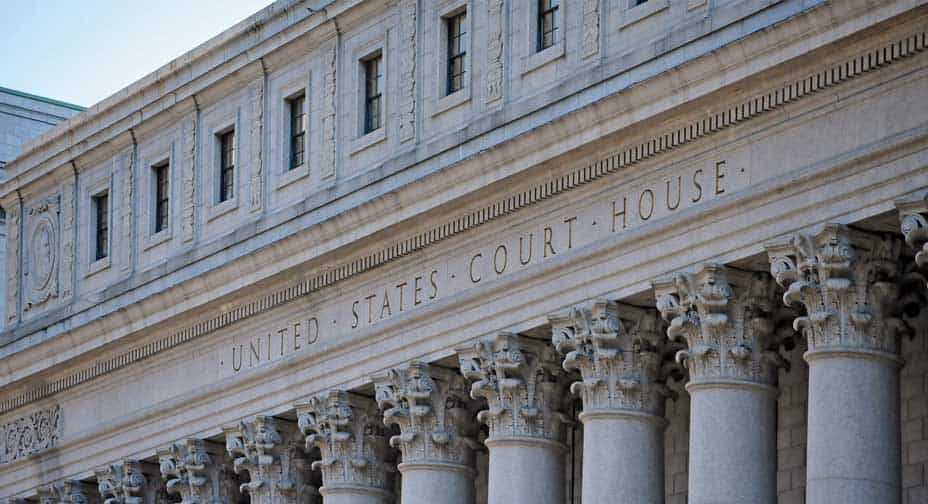
Beth Robinson, a Vermont Supreme Court judge who served as co-counsel in the country’s first case to establish that LGBTQ+ couples deserve the same legal protections afforded to straight married couples, was confirmed by a 51-45 Senate vote on Monday as President Joe Biden’s nominee to the U.S. Court of Appeals for the 2nd Circuit.
Robinson is the first out LGBTQ+ woman to serve on a federal appeals court, following the appointment of Judge Todd Michael Hughes in 2013 — the first LGBTQ+ person to hold such a position. Experts say that her confirmation is a historic moment that should be celebrated, but it also signals that much more LGBTQ+ representation is needed in the country’s federal judiciary.
“There are 870 federal judgeships, but only 12 — now 13 — are held by openly gay or lesbian judges. Four federal circuits do not have a single openly LGBT judge,” Sharon McGowan, legal director at Lambda Legal, said in a statement following Robinson’s confirmation vote.
An openly bisexual or transgender person has never been nominated to the federal judiciary, Ezra Ishmael Young, a civil rights attorney and assistant professor at Cornell Law, and Karen Loewy, senior counsel at Lambda Legal, told The 19th.
“The representation of LGBTQ people on the federal judiciary is miniscule,” Loewy said. Out LGBTQ+ judges currently make up just over 1 percent of the federal judiciary, she said, citing internal data from the advocacy group.
LGBTQ+ judicial elected officials in the U.S. largely serve on county and district courts, with the highest concentrations in California, Texas, and Illinois, according to the current count from the Victory Institute, which works to elect LGBTQ+ officials.
“We are stunningly underrepresented” in judgeships across the U.S., said Annise Parker, president and CEO of the LGBTQ Victory Fund, over text. As the former mayor of Houston, she appointed Phyllis Frye, the first openly trans judge in the United States, in 2010.
That underrepresentation matters especially in courts where judges need to understand a broad range of lived experiences, Loewy said.
Robinson’s legacy arguing in the landmark 1999 Baker v. Vermont case — and her extensive background lobbying for LGBTQ+ rights as a lesbian born in Karachi, Pakistan — is an important step toward the country’s judicial system actually reflecting the communities it serves, experts say.
Having an out lesbian serving on a federal appeals court should also “be the norm by now,” Young said. “She just broke a major glass ceiling here. It’s the fact that such a ceiling had to be broken in 2021 that we should be appalled by.”
Robinson is aware of the importance her past work holds, and empathetic to the emotional toll that activism can take, after chairing the Vermont Freedom to Marry Task Force off and on for 15 years.
“For a lot of people in the queer community in Vermont, 2000 was an incredibly intense time, an incredibly difficult time … that’s left its marks on people for some time thereafter,” Robinson said, reflecting on the year that ruling took effect, in a June 2020 interview with the Pride Center of Vermont.
In that interview, Robinson said that during the three-year window that culminated with the country’s first recognition that LGBTQ+ relationships deserve legal protections, queer people in Vermont “found themselves called to speak up,” whether they liked it or not.
“That debate really caused people all around the state, in our community, people who were living quietly, they didn’t think of themselves as activists … suddenly they found themselves called to speak up. And to speak honestly about the truth of their lives,” she said.
After arguing that case, which Robinson described in that June 2020 interview as one of the first conversations that brought marriage equality and civil unions into the broader body politic, she went on to work as counsel to the Vermont governor in 2011 and joined the Vermont Supreme Court later that year.
As an associate and then partner at Langrock Sperry & Wool, the private practice that Robinson worked at while arguing Baker v. Vermont, her areas of focus included family law, employment law, employment discrimination, among other areas.
Alongside Robinson’s nomination by the Biden administration in August, the president also nominated Charlotte Sweeny to serve as a United States District Judge for the District of Colorado — marking another first for LGBTQ+ representation.
If confirmed, Sweeny — who is currently in private practice — would be the first out LGBTQ+ federal judge in the state, and one of the few LGBTQ+ women to serve as a federal district court judge in the country. The Senate Judiciary committee held her confirmation hearing in late October.
Parker, while reflecting on how LGBTQ+ and trans judicial representation has improved since she appointed Frye in 2010, said that the need for more LGBTQ+ officials has not gone away.
“We keep reaching milestones. The problem with milestone appointments is, when you see a milestone, it means you haven’t reached the end of the turn. So, we need more … to even move the needle in the federal benches,” Parker said.
This article was originally published by The 19th on November 1st, 2021.
A series of antisemitic incidents around Central Texas — including a potential arson outside an Austin, Texas synagogue this weekend — drew condemnation from a coalition of interfaith leaders and local politicians Monday.
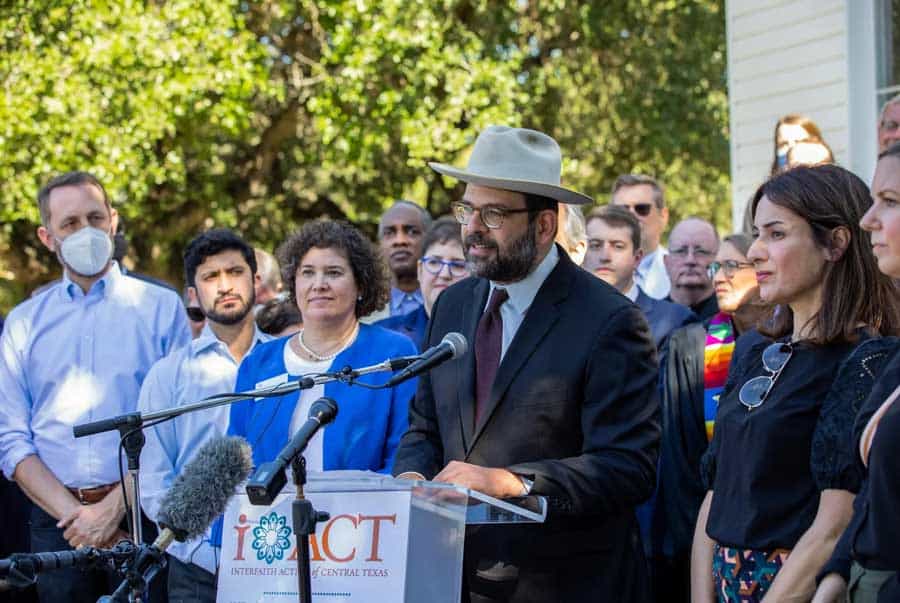
“Hateful acts of intimidation to incite violence is unacceptable, and we will not be silent,” Simone Talma Flowers, the executive director of Interfaith Action of Central Texas, said at a press conference Monday. “We stand united with our Jewish community as they are targeted and victimized by acts of antisemitism.”
Flowers read from a statement signed by more than 500 people, including Austin Mayor Steve Adler and all 10 of his City Council colleagues.
The incidents come as nearly 1 out of every 4 Jews in the U.S. indicate experiencing antisemitism over the past year, according to a recently released report by the American Jewish Committee.
Related: How to Fight Antisemitism in Your Community and Around the World
On Sunday night, the Austin Fire Department received reports of a “small exterior fire” outside Congregation Beth Israel, a reform Jewish temple in Central Austin. While no injuries occurred, Capt. Brandon James said Monday that the fire caused about $25,000 in damages. A flammable liquid appeared to have been used to accelerate the fire, James said, and the event is under investigation as a potential arson.
The temple is continuing normal operations, Harold Wilensky, the director of community engagement at Congregation Beth Israel, told The Texas Tribune on Monday morning. It added additional security Monday, he said, because many doors were opened to air out smoke.
“We feel fortunate no one was really hurt,” Wilensky said.
Steve Vladeck, a University of Texas at Austin law professor who belongs to the temple, wrote on Twitter that he is “horrified” such acts are happening in 2021.
The fire came after several recent instances of antisemitism in the Austin and San Antonio areas. On Oct. 22, students vandalized Austin’s Anderson High School with swastikas, homophobic language and anti-Black racist slurs. On Oct. 23, about a dozen people displayed a banner targeting Jewish people at an overpass on North MoPac Expressway. The banner included a link to a website for an antisemitic group that the Anti-Defamation League says includes neo-Nazis.
The same group’s name was printed this weekend on flyers scattered across the Willow Creek neighborhood in San Marcos. On Saturday, Melanie Liddle discovered a flyer espousing antisemitic tropes about media ownership in her driveway. Every driveway on her street had at least one. A police officer told Liddle that more than 200 flyers had been collected.
Liddle said she felt “disgusted and a little alarmed” upon finding the messages.
“I call this hate speech,” Liddle added. “To me, this is threatening our Jewish neighbors.”
A neo-Nazi group also reportedly protested outside a fundraiser for Israel in San Antonio, and two neighborhoods in that city saw antisemitic flyers left on lawns last month, according to Texas Public Radio.
At Monday’s press conference outside the Dell Jewish Community Center, Adler said it is important for leaders to disavow such acts because such hate could spread beyond the fringe. As a member of the Jewish community himself, Adler also thanked those who showed up.
“As a community, we have everyone’s back,” Adler said Monday, flanked by leaders including state Reps. Donna Howard and Celia Israel. “That’s what this is today. That’s the message that we need to send.”
Given the recent events, Renee Lafair, regional director of the Anti-Defamation League in Austin, assured people at the press conference that her organization is working to ensure the safety of the Jewish community.
Kelly Levy, associate rabbi at Congregation Beth Israel, thanked the Austin Fire Department, which she said “greatly minimized the damage.” Levy called on public officials to condemn religious hatred and distance themselves from supporters who fuel it.
“The Jewish community stands with every marginalized community, with our interfaith siblings, with all of humanity,” Levy said. “We are asking you to continue standing with us now.”
This article was originally published by The Texas Tribune on November 1st, 2021.
Forested Bhutan, Suriname, and Panama now absorb more emissions than they produce.
Can other countries join them?
The heavily forested Himalayan kingdom of Bhutan — which measures its success in "Gross National Happiness" — hasn't made a net-zero pledge, like a growing number of nations.
That's because it is already "carbon negative", absorbing more climate-changing emissions each year than it produces.

The forests of the thinly populated country of less than a million people absorb more than 9 million tonnes of carbon each year, while its economy, designed to reduce fossil fuel use and waste, produces less than 4 million tonnes.
"We are showing the world what we can do if we have the political will," Sonam Wangdi, secretary of the National Environment Commission, told the Thomson Reuters Foundation in an interview at the U.N. climate talks in Glasgow.
A tiny but growing club of "carbon negative" forest countries is emerging, with Suriname — a small rainforest country north of Brazil — already a member and Panama expected to be certified later this year.
What they have in common is strong protection of their carbon-absorbing forests alongside increasingly tough measures to hold down climate-changing emissions, including efforts to adopt renewable energy, electrify transport and cut waste.
At COP26, they formed a formal alliance, signing a declaration calling for international finance, preferential trade, carbon pricing and other measures to support their economies and other "carbon negative" nations yet to emerge.
"We are taking the first step. What is the world doing for us? We're looking for support," said Albert Ramdin, Suriname's foreign minister, at the signing.
"What these three countries have achieved has been based on national efforts and national sacrifice," he added.
Wangdi said Bhutan's "carbon negative" path began in the 1970s, when its then-king rejected plans to grow economically by cutting forests to make way for farms and industry.
Instead, the king pushed for an economy built in part on sustainable forest management, with a focus on balancing conservation and development, Wangdi said.
That has ultimately helped the tiny, landlocked kingdom protect its environment while cutting its poverty rate from 36% in 2007 to 12% in 2017, according to the World Bank — though the pandemic has recently pushed the rate up slightly.
"We don't extract as much, we reuse, we recycle. It's an effort not just by government but by everyone," Wangdi said.
Bhutan's laws require the government to maintain at least 60% forest cover; currently trees cover 72-73% of the land.

Join the Club
Erika Mounes, Panama's foreign minister, said channeling economic benefits to nations that protect their forests is key to expanding the "carbon negative" club and helping drive global efforts to cut climate-changing emissions.
"Being carbon negative has a cost. There's surveillance — when you have a protected area you have to make sure it's actually protected," she told the Thomson Reuters Foundation.
Educating citizens about protecting nature is also crucial, she said, since "they are the actual forest-keepers".
Panama now hopes to share what it has learned on its path to being certified carbon negative by the U.N. climate secretariat — including lessons from its indigenous forest communities.
"If we're able to do it, then many more can do it."
Reporting by Laurie Goering; editing by Lyndsay Griffiths. This article was originally published by the Thomson Reuters Foundation, the charitable arm of Thomson Reuters. Visit news.trust.org/climate.
Researchers are teaching cows to pee in designated places where the urine can be collected and neutralized, sharply reducing methane emissions.
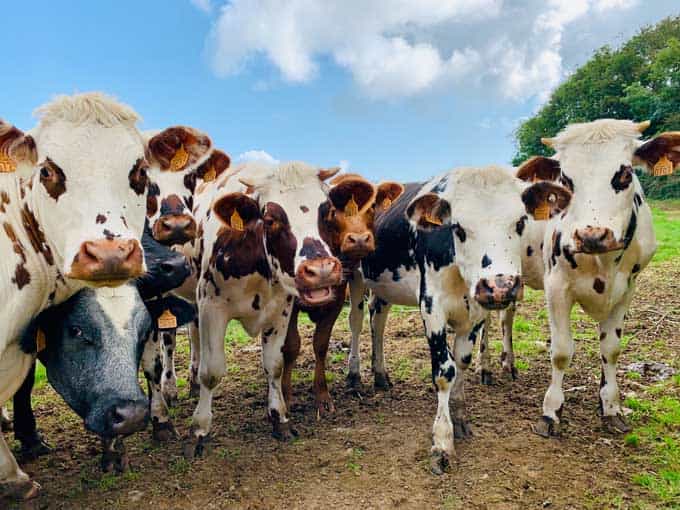
One small pee for cows, one giant leap for mankind. At least, that’s what a team of scientists in Dummerstorf, Germany, believe could be a potent solution for manmade climate change.
While grand experiments around the world are being tested to prevent disastrous global warming, including giant machines sucking up CO2 and large-scale seagrass restoration, the researchers from the University of Auckland and Germany’s Research Institute for Farm Animal Biology (FBN) say that potty training — or as they term it, “learned control of urinary reflexes” — is an “original and hitherto unrealized opportunity” in the fight against global warming.
During the study, the findings of which were published in the scientific journal Cell Biology in September, the team carried out potty training for 16 cows.
A two-by-two-meter pen acted as a designated toilet. Each time one of the young calves entered the so-called “MooLoo” and urinated, within a minute they were given a reward: a hatch opened up to offer them a sweet, electrolyte liquid (the same system used for robotic milking).
But if they urinated outside the MooLoo, they were given a mild punishment: a three-second squirt of cold water (any longer and the cows began to enjoy it). Their urine was then collected, treated, and neutralized.
As the training progressed, the cows were moved further and further from the toilet, increasing the effort required. Diuretics were given to the cattle to get them to urinate more because of the limited time to run the experiments under ethics guidelines.
After 15 sessions of just 45 minutes each, carried out over two weeks, researchers found that 11 out of the 16 cows were successfully toilet trained — 80 percent of their urination was done within the MooLoo.
“We were really impressed by the result,” says Dr. Jan Langbein of FBN, who for 20 years has been studying the cognitive abilities of farm animals. “While other animals — cats, dogs, and pigs — are toilet trained. The idea was that cattle weren’t capable of this.”

This isn’t just hot air. Cattle for milk and meat production are responsible for nine percent of global greenhouse gas emissions, and livestock as a whole produces more greenhouse gases than all the cars, trucks, and planes in the world.
Every day the planet’s 1.4 billion cows burp and fart large quantities of methane, which is 25 times more damaging to the atmosphere than CO2, and their urination produces 66 to 132 gallons of methane.
Urine contains nitrogen, and when mixed with feces a chemical reaction occurs and releases ammonia, which can lead to acid rain, create the airborne pollutant nitrous oxide, and pollute streams and rivers.
In Europe, ammonia pollution is a growing concern. The Netherlands is considering plans to force hundreds of farmers to cut livestock numbers by 30 percent to reduce ammonia pollution, which has gotten into lakes and streams via farm runoff, damaging natural habitats and causing algal blooms. In 2015, the European Union set a target to reduce ammonia emissions by 30 percent between 2005 and 2030.
But scientific modeling carried out by Dutch researchers has found that capturing 80 percent of cattle urine in latrines could lead to a 56 percent reduction in ammonia emissions. Researchers say that if 10 or 20 percent of global cow urinations were collected, it would significantly reduce greenhouse gas emissions and nitrate leaching.
Langbein and his fellow researchers also believe that by reducing contamination of the cows’ living areas, cleanliness, hygiene, and welfare of livestock can be improved.
Donald Broom, a professor of animal welfare at the University of Cambridge, who wasn’t involved in the study, says that the MooLoo could have both local and global benefits.
“There’s a local pollution advantage and a greenhouse gas advantage,” he says. “The significance for climate change is that if you can collect all of the urine and feces then you can process it in a way that is less likely to cause greenhouse gases. They did it comfortably enough that it is feasible on a large scale.”
Broom adds that the research shows that cattle management and feeding systems can be vastly improved to reduce greenhouse gas production and create sustainability. “We’ve underestimated what cattle can learn,” he says. “This is the kind of thing we ought to be trying to do.”
However, Andrew Knight, a veterinary professor of animal welfare at the University of Winchester, has concerns about the plausibility of scaling up MooLoos or similar cattle urine collection systems. While the experiment was carried out on cattle housed in a barn, he says, to do so year round would raise questions about animal welfare.
“So, what happens when they graze outdoors?” he asks. “Will we have to put MooLoos everywhere? You can’t keep them trapped inside all year.”
Professor Knight also argues that geographic and socioeconomic factors would be a serious obstacle in some parts of the world. “The problem is that the MooLoos might not be economically affordable for farmers in poorer countries or simply not geographically practical.”
Nonetheless, Langbein defends the MooLoo, which is set to be tested on a larger scale and under grouped housing conditions next summer.
In countries like New Zealand, where cows spend much of their day grazing in fields, the animals could be trained to only urinate during their twice-daily milking sessions at the barn.
In the U.S., where cattle are often reared in feedlots, this wouldn’t be as much of an issue.
To reduce the burden on farmers, Langbein says that automation is being explored — sensors could be installed at the barn to allow the use of the MooLoo 24 hours a day, for instance.
“We need a low-cost solution that doesn’t require more work from farmers,” he adds.
Bigger picture solutions such as reducing overall livestock numbers and the land area used for livestock are more likely to have the required impact on emissions, according to Knight. But he concedes that the MooLoo could play a part in that effort.
“The amount of greenhouse gases being produced by cows is enormous,” he says. “So even a small percentage could make a significant impact.”
This story is part of the SoJo Exchange from the Solutions Journalism Network, a nonprofit organization dedicated to rigorous reporting about responses to social problems. It was originally published by Reasons to be Cheerful on November 4th, 2021.
Where to find Black-owned businesses to support in your community and around the United States — and why it matters
Black-owned businesses have faced systemic barriers throughout American history — and the impact of the ongoing COVID-19 pandemic has made it clear that those racial barriers persist to this day.
Fortunately, many Black-owned businesses are finding success as consumers become more intentional about supporting them following mass Black Lives Matter protests and activism over the last several years.
As conscious consumers, we all have the opportunity to seek out Black-owned businesses to support.
What are the challenges Black business owners face?
According to the Center for American Progress, "While Black Americans make up 13 percent of the U.S. population, they own less than 2 percent of small businesses with employees. By contrast, white Americans make up 60 percent of the U.S. population but own 82 percent of small employer firms.
If financial capital were more evenly distributed and Black Americans enjoyed the same business ownership and success rates as their white counterparts, there would be approximately 860,000 additional Black-owned firms employing more than 10 million people."
In a 2019 report commissioned by American Express, businesses owned by Black women represent the highest rate of growth in the number of total women-owned businesses.
But at the same time, these businesses earned an average revenue of $24,000 vs. an average of $142,900 for all-women-owned businesses. Among all businesses owned by women of color, Black-owned businesses experience the biggest disparity in average revenue.
These problems have been compounded by the COVID-19 pandemic. Before the pandemic, roughly 58 percent of Black-owned businesses were at risk of financial distress — versus just 27 percent of white-owned businesses.
According to a report from the Federal Reserve Bank of New York, it's estimated that "the total decline in active business ownership between February and April among Blacks at 41 percent, twice the drop in active business ownership among whites."
On top of that, Black-owned businesses have less access to strong bank relationships, report being discouraged to apply for loans at higher rates than white-owned businesses, and receive less access to federal relief funds during the coronavirus pandemic.
What's the good news about Black-owned businesses?
People all across the United States are intentionally choosing to support Black-owned businesses. And it's actually having a positive effect.
After the murder of George Floyd, a (long-overdue) conversation around systemic racism erupted in the United States and around the world. In a quest to find ways to shift the unjust power structures that disproportionately affect entrepreneurs of color, consumers began supporting more Black-owned businesses.
Between February 2020 and February 2021, searches for Black-owned businesses on Yelp increased by 3,085%. And 31% of U.S. consumers said they purchased more from minority-owned businesses in the past 12 months than they had the previous year.
In a 2021 interview with Bloomberg, Mandy Bowman, who runs Official Black Wall Street, described the difference between past efforts to increase support for Black-owned businesses and this new surge of support as a positive one. “This go-round, the push to buy Black was bigger than I’ve ever seen before in my five years of running Official Black Wall Street,” he said.
On a bigger scale, many top U.S. retailers have increased the number of Black-owned businesses they stock on their shelves. LaToya Williams-Belfort, the executive director of the Fifteen Percent Pledge, told Axios that her nonprofit "moved $4 billion of opportunity to Black businesses" as they worked to get 23 major retailers to commit 15 percent of shelf space to Black-owned businesses. One Black founder described to Bloomberg how her beauty brand, Camille Rose, saw a 70 percent year-over-year increase in sales to retailers as a result.
While some of the initial hype has waned, Black-owned businesses are describing feeling a sense of confidence around a positive future for their businesses.
How can I find lists and directories of Black-owned businesses to back?
While we're seeing increased conversations around the struggles that Black business owners face — there's still a lot of room for growth and improvement.
To make progress sustainable, we all have the opportunity to intentionally diversify the businesses we shop, visit, and support. Whether this is done in-person or online, there are always Black-owned business owners and brands who could use your support.
But it may sometimes feel challenging to find those businesses. We've curated the best directories, lists, and platforms for finding and supporting businesses owned and operated by Black entrepreneurs.
By the way, some of the links in this article are affiliates, which means we may earn a commission at no extra cost to you. Everything in this article was independently and honestly written by the Good Good Good team. Thank you for your support!
Find small Black-owned businesses to support near you in your community — and around the country:
EatOkra: Black-Owned Restaurant Near You
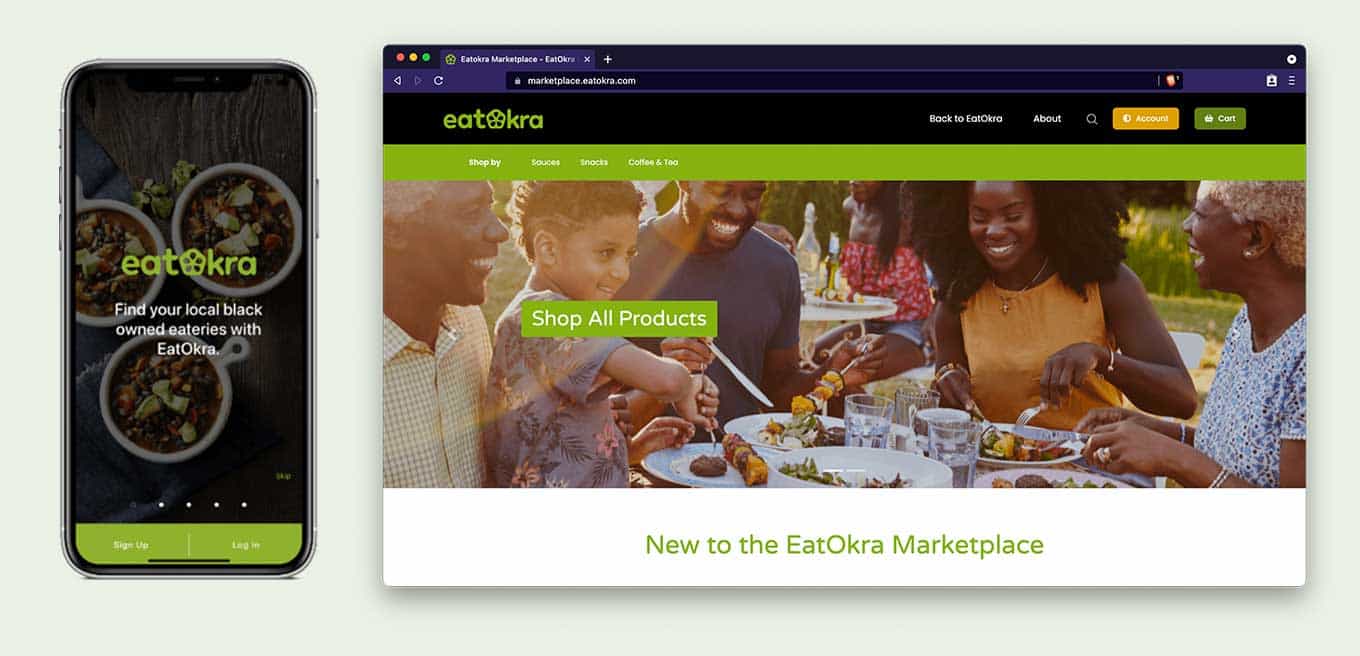
EatOkra is an app and website that connects "foodies to Black restaurants and culinary events while amplifying the dining experience for and by Black communities."
When founders Anthony Edwards and Janique Edwards moved into a new apartment in Brooklyn that didn't have a refrigerator, it required them to go out into their community and eat food at local restaurants.
Anthony loved tech and Janique loved food, so together they decided to develop an app that would help others to find great Black-owned restaurants, food trucks, and other shops.
They launched in 2017 and now have a national database with 9,500+ listings servicing 350,000 people and have partnered with brands like Apple, Uber Eats, Bacardi, and more.
"I think Black-owned businesses not only house Black culture, but also cultivate Black culture in a sense. And I feel like they're important because they create a safe space for Black people to see themselves," Janique shared in an interview.
Find Black-owned restaurants in your community and download the EatOkra app
BLK + GRN: All-Natural Marketplace By All Black Artisans
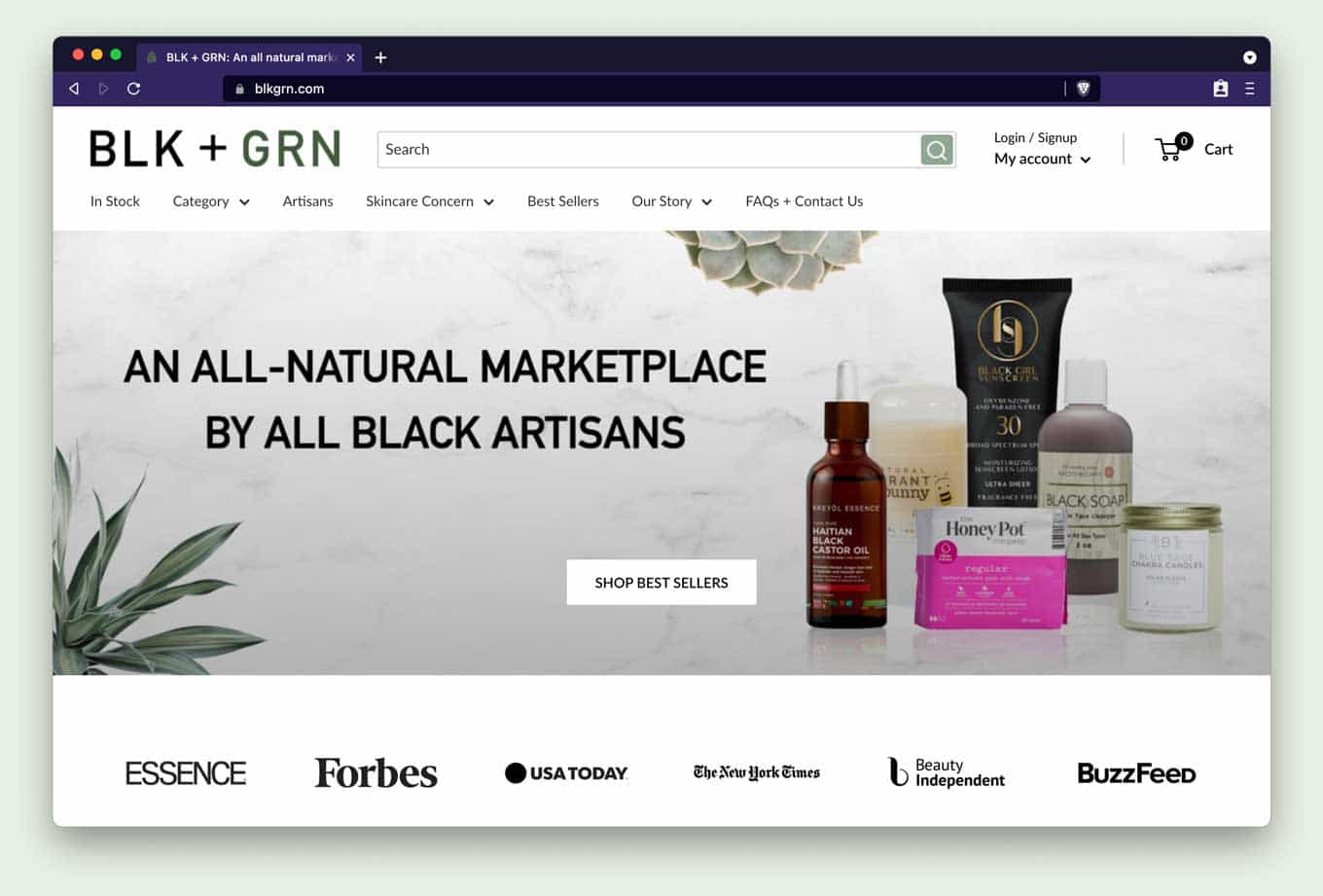
BLK + GRN is a marketplace that exclusively features products with natural ingredients made by Black artisans.
Due to the history of damaging effects of harmful ingredients for people of color, they ensure that none of the products listed on their site include harmful ingredients like petroleum, heavy metals, parabens, or any of the others on their "Toxic Twenty" list.
According to BLK + GRN, "all Black artisans are carefully chosen by Black health experts who know what an all-natural product truly looks like." They're providing a service to Black Americans looking for products that do-good — and for all Americans to support Black artisans.
When you shop the curated products from BLK + GRN, you're supporting Black-owned businesses and ensuring that your home is filled with products that are plant-based, sustainably made, ethically made, and cruelty-free.
Explore all-natural products from Black-owned businesses
Black Business Green Book
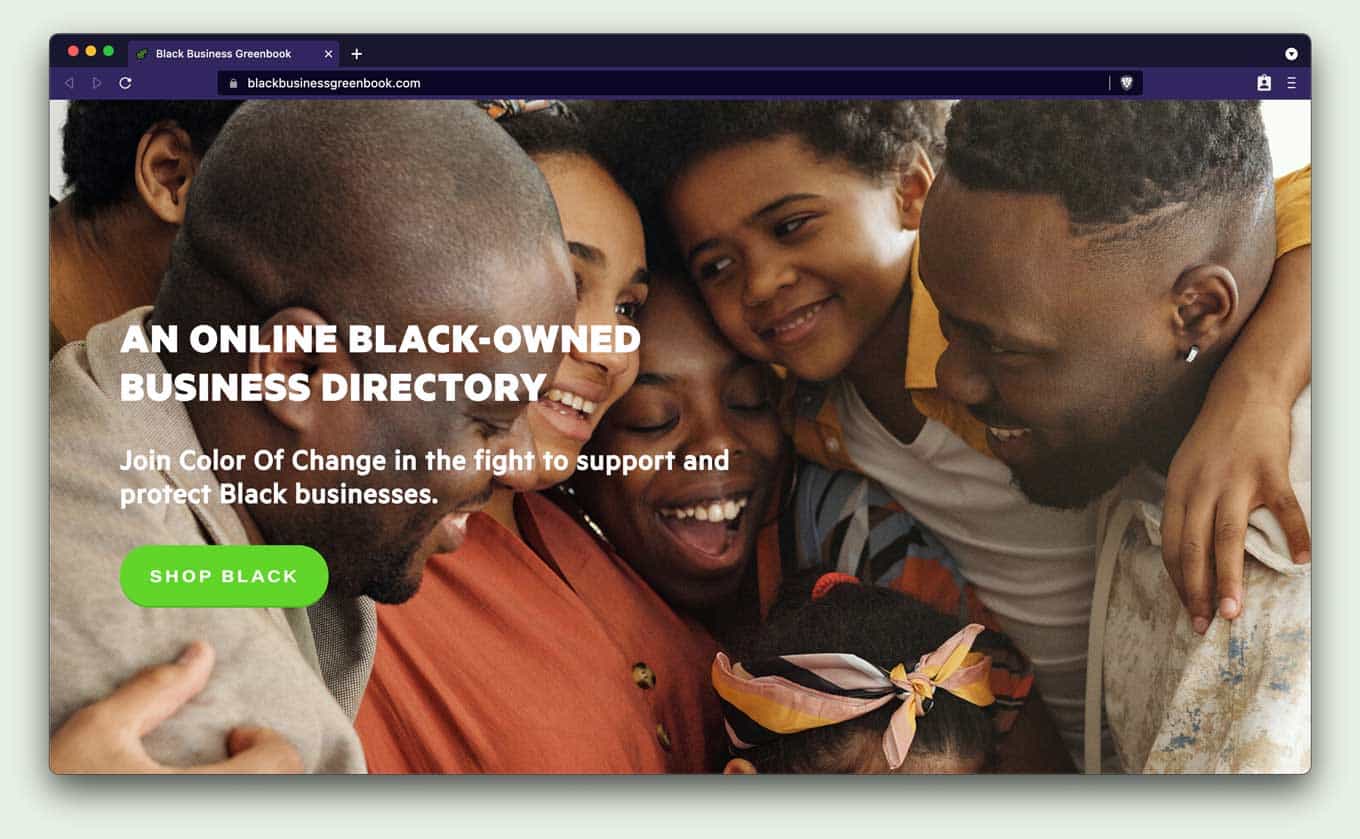
Created by the nonprofit organization, Color of Change, the Black Business Green Book is a directory of Black-owned businesses across the United States.
Their site features Black-owned businesses in each state — and also makes it easy to find Black-owned businesses you can shop online in categories like Media, Home Goods, Food & Drink, and Art & Photography.
As you make the intentional choice to shop Black-owned businesses during the holiday season and beyond, Black Business Green Book is a great resource.
Black-Owned Subscription Box Directory
We all know that getting delightful mail delivered is an absolute treat. (We created a monthly Goodnewspaper after all.)
Subscription boxes are a great way to get regular surprises in the mail and get exposed to new products, businesses, and experiences. And now, you can support Black-owned businesses in the process.
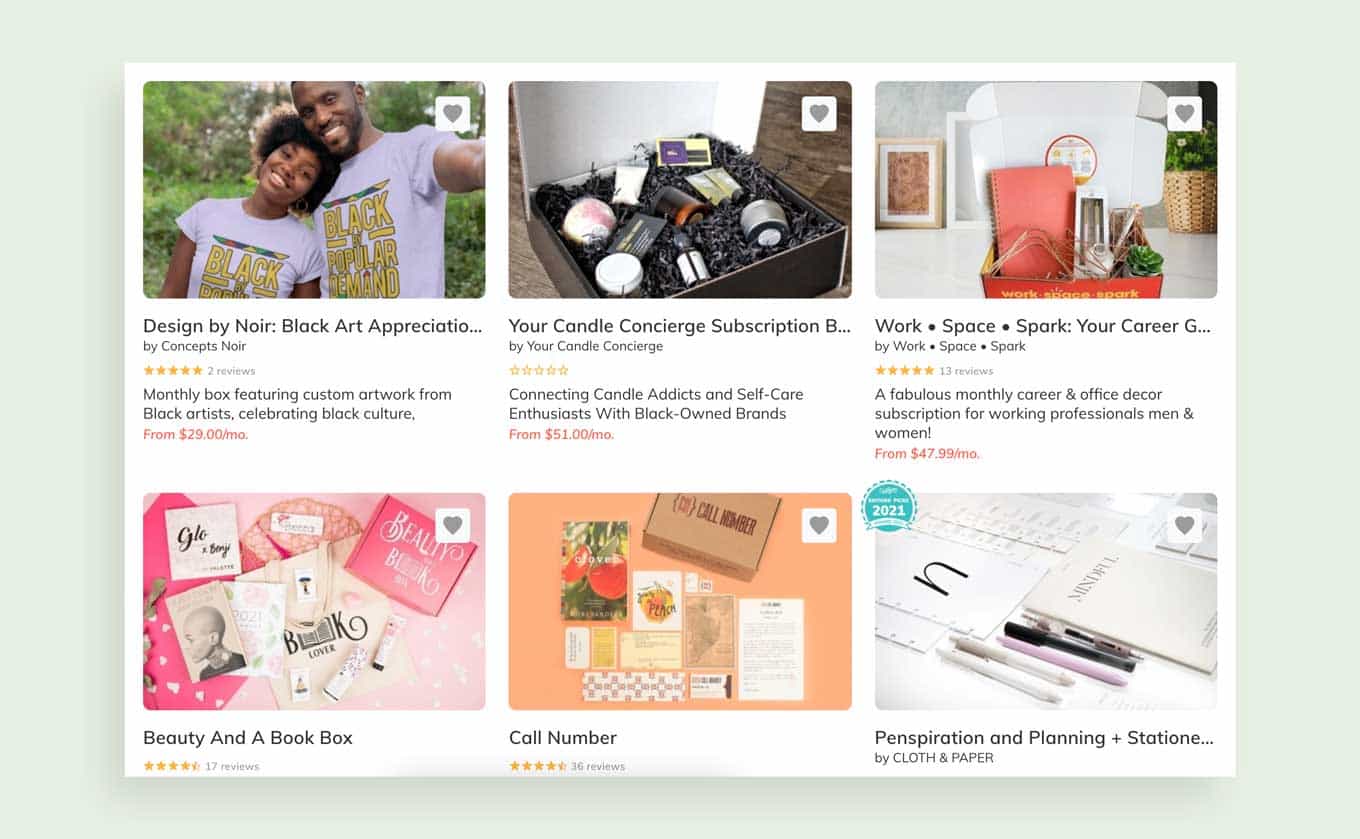
Cratejoy curates a list of small Black-owned businesses that thoughtfully create monthly subscription boxes around themes like self care, beauty, books, food, and more.
Whether you're looking for a gift for a friend who loves diversifying her reading list, a quarterly challenge to try baking new foods, or a monthly stationery box, there is a subscription box for you.
Get introduced to your next favorite brand and find your perfect subscription box
Shop Black Owned
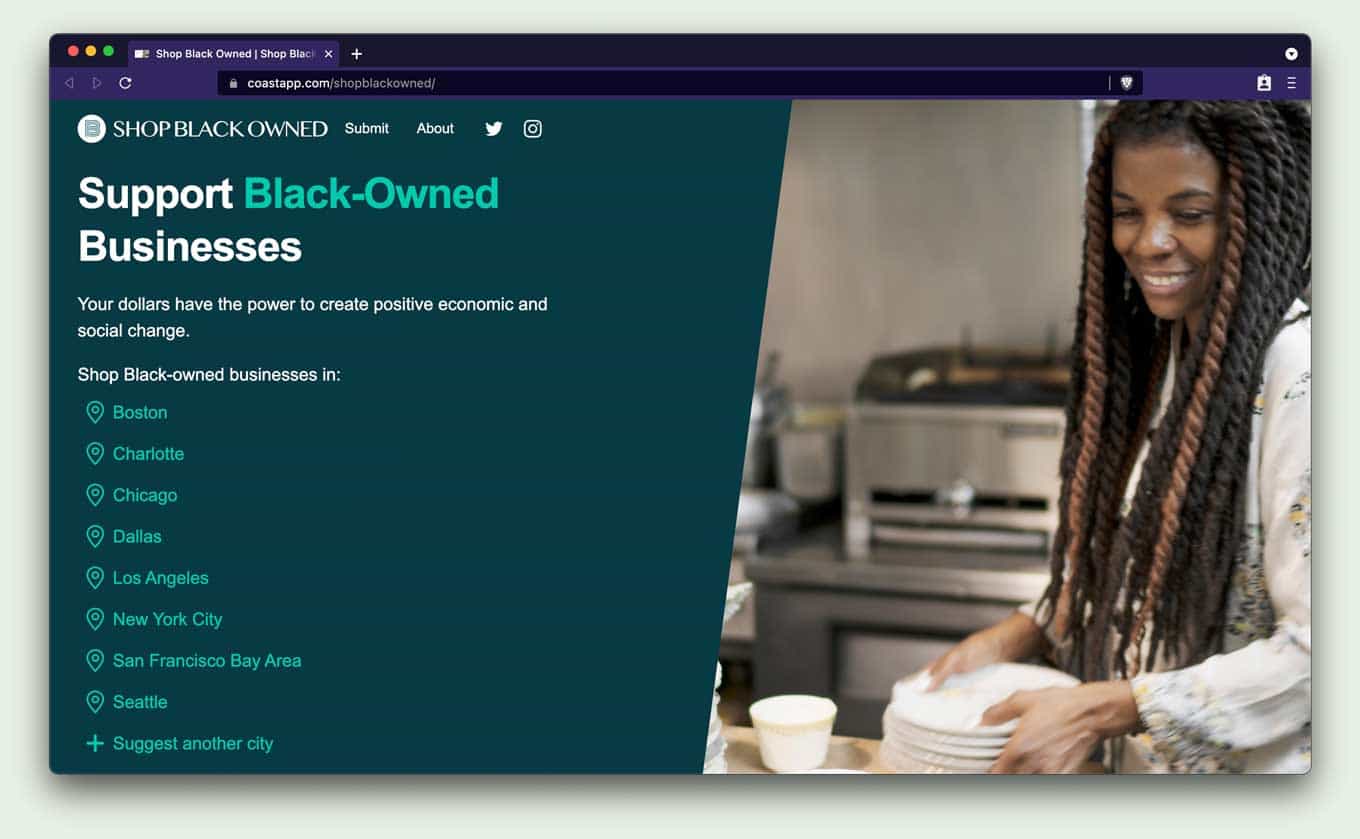
Shop Black Owned is an open-source tool that helps you find Black-owned businesses in Seattle, San Francisco Bay Area, New York City, Los Angeles, Dallas, Chicago, Charlotte, and Boston. They also give users the opportunity to suggest cities to add in the future.
When you shop local Black-owned businesses in your community, you have the power to create economic upward mobility and social change.
Explore Black-owned businesses in your community
Ethical and Sustainable Brands From BIPOC Founders

MadeTrade is a platform that exclusively sells ethical, sustainable, and beautiful products. They've curated a list of products that are made by brands that are at least 51%-owned and run by Black creators, Indigenous creators, or creators of color.
MadeTrade knows that, because of systemic reasons, BIPOC-owned businesses have had a more difficult time working in the ethical fashion and conscious consumerism space. So they're intentionally elevating and celebrating underrepresented communities that do good.
Explore ethical and sustainable brands run by people of color
Books by Black and BIPOC Authors Across All Genres
For too long, marginalized communities were largely shut out from opportunities to tell their own stories in mass culture. It’s important that we learn about the experiences of Black people and all marginalized communities through their own voices.
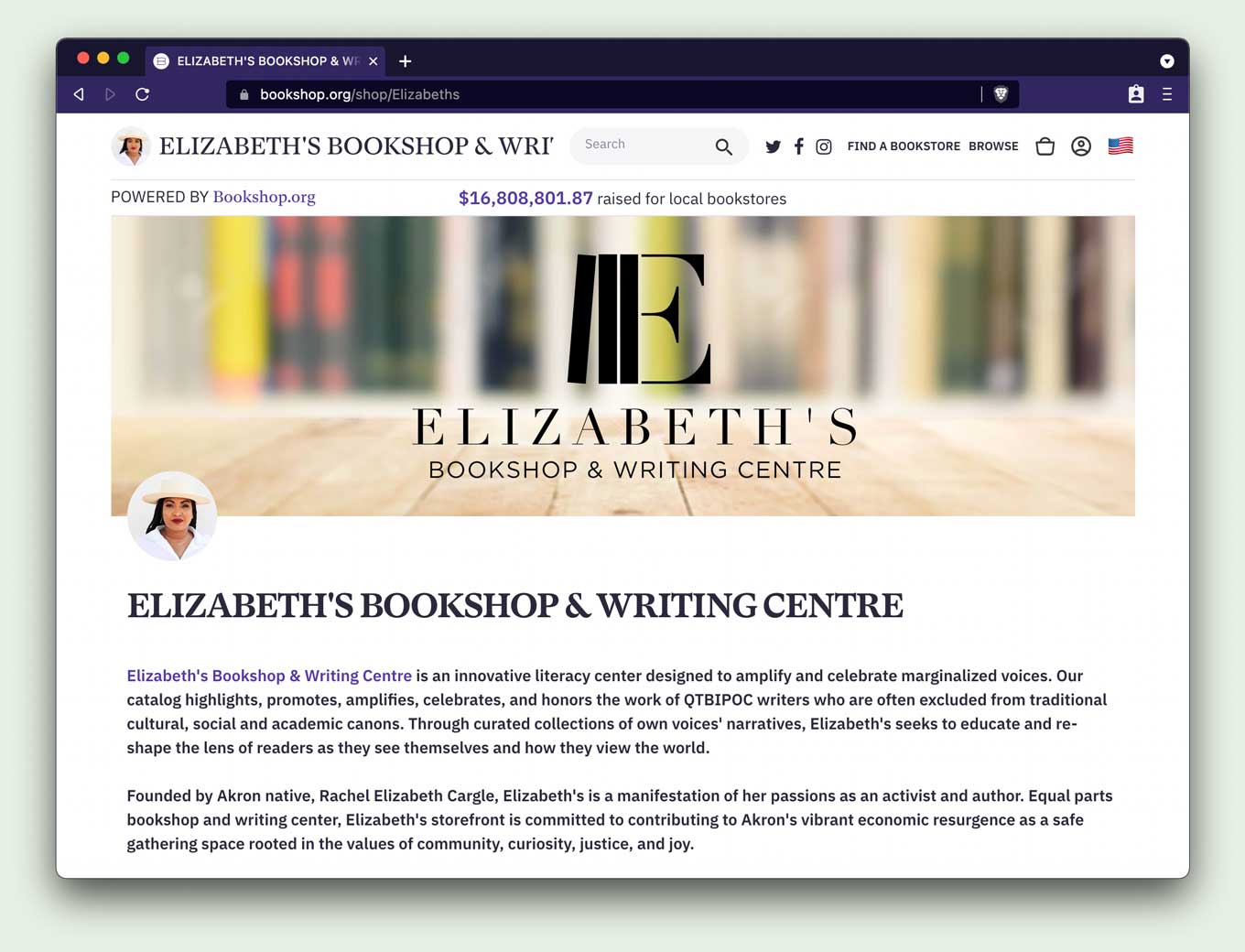
Founded by writer, educator, and activist Rachel Elizabeth Cargle, Elizabeth's Bookshop & Writing Centre is "an innovative literacy center designed to amplify and celebrate marginalized voices."
On Bookshop.org, they've curated a collection of highly-recommended books by Black authors across genres like YA Books with BIPOC Main Characters, Afrofuturism & BIPOC Speculative Fiction, Art & Activism for Early Readers, Black Women Writers, and Recommended Books to Preorder.
They also donate a percentage of sales to The Loveland Foundation to support therapy for Black women and girls.
Black-Owned Bookstores to Support
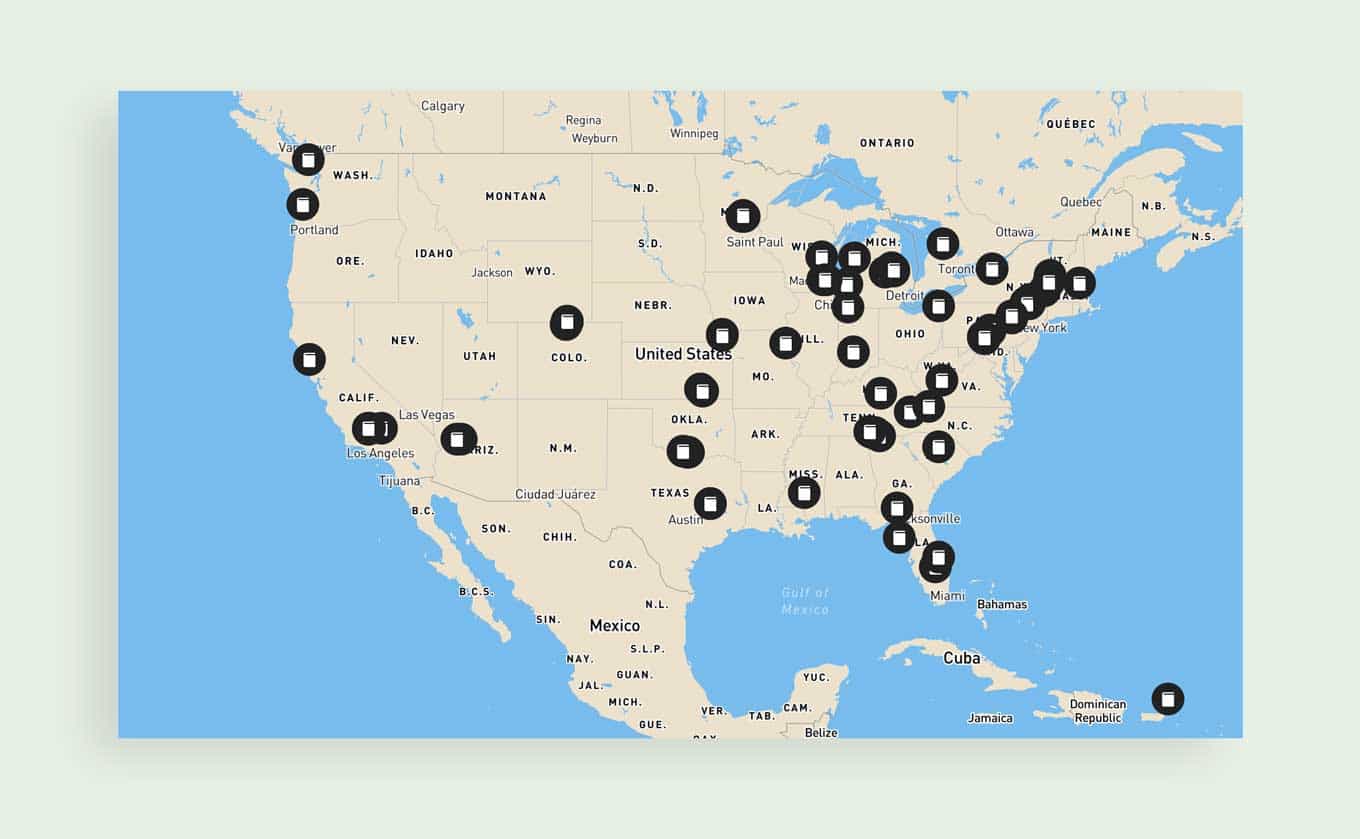
In addition to buying and learning from Black authors, you can support Black-owned bookshops all over the world. Libro.fm put together a helpful (growing) list of all the Black-owned bookstores in the United States, around the world, and online.
Libro.fm says, "Being an antiracist reader means not only educating ourselves, but also paying attention to the institutions we support financially."
You can support these bookstores in-person if they're in your town, or you can support them online. In fact, a great way to support them online is to sign up for a Libro.fm audiobook subscription — because you can assign any local bookstore to receive the profits from your monthly audiobooks.
Sign up for a subscription (using the code GOOD to get a free audiobook) — and then pick a Black-owned bookshop to give back to every month.
Find a Black-owned bookstore to support and then explore our best do-good book recommendations
Black-Owned Etsy Shops
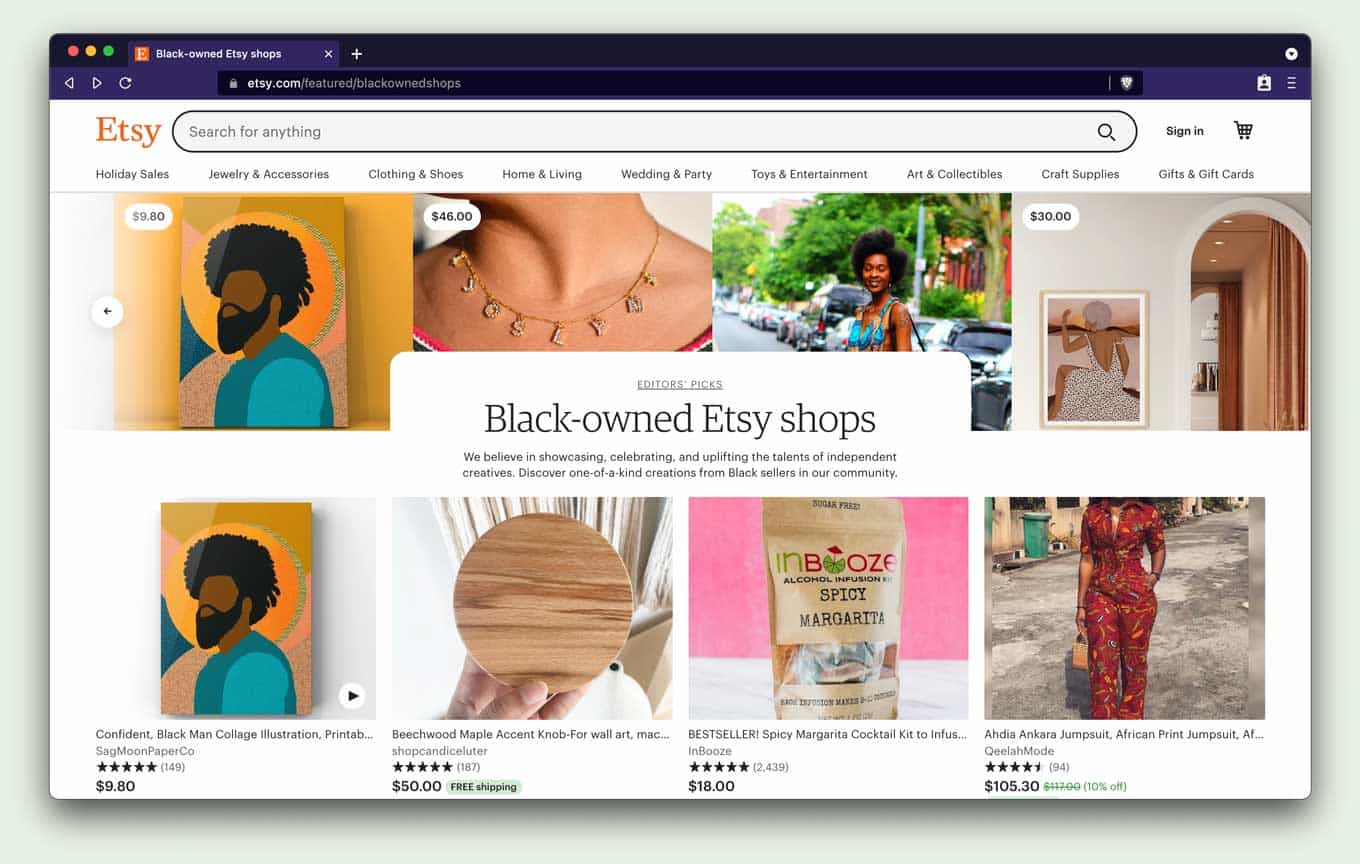
Etsy has long been a helpful platform for young businesses to find new customers and grow their businesses. Black creators and founders have found a lot of success on Etsy since the beginning. And now the team at Etsy is curating and elevating Black sellers who make their community what it is.
Explore home goods, art, gifts, and more from Black-owned shops on Etsy
Black Owned Association Directory
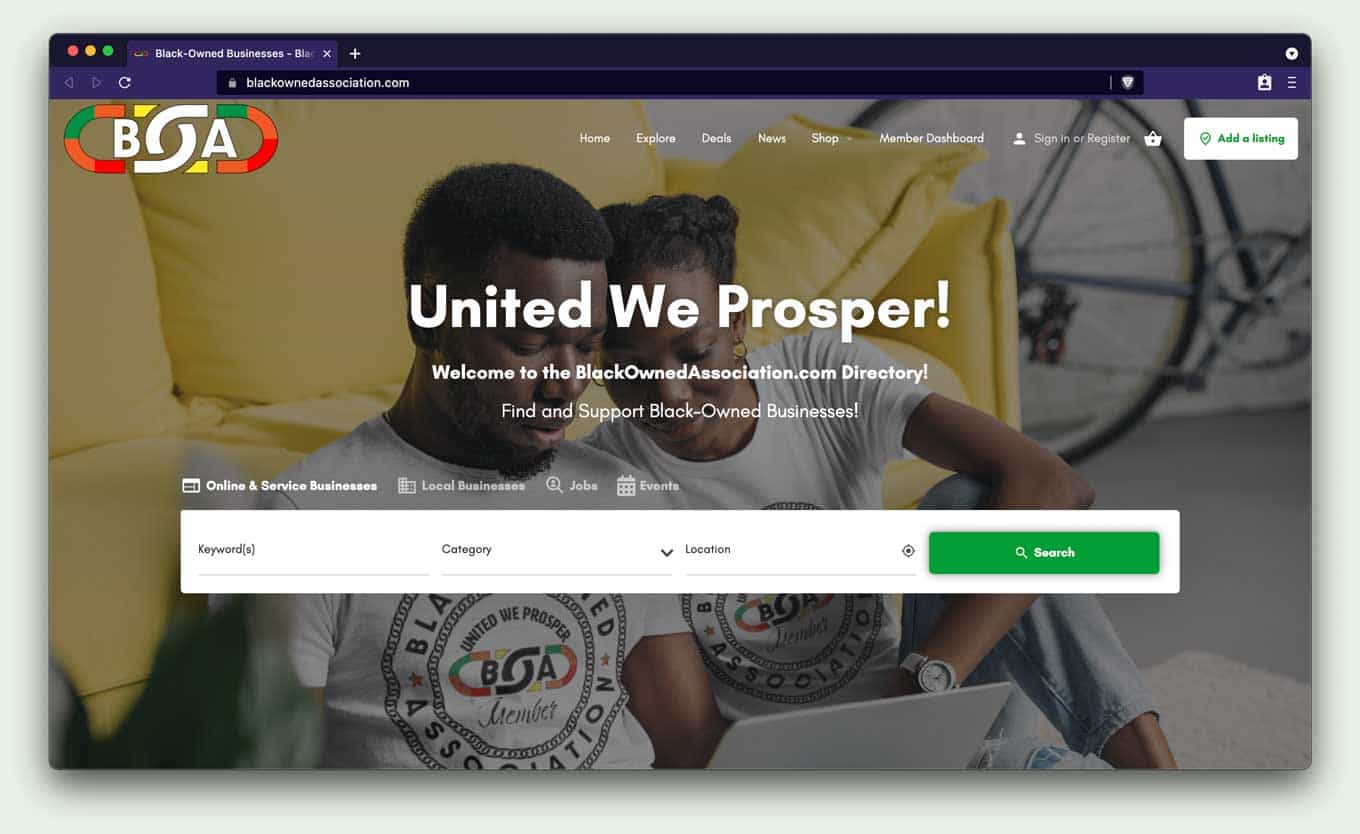
The Black Owned Association has created a directory of Black-owned businesses to support all over the United States. They currently have nearly 1,700 businesses listed — and they're growing that number every day.
The platform allows you to shop by Deals, Category, or City. It's free for Black business owners to list themselves on the platform.
Check out Black-owned businesses showcased by Black Owned Association
WeBuyBlack: Black-Owned Everyday Essentials
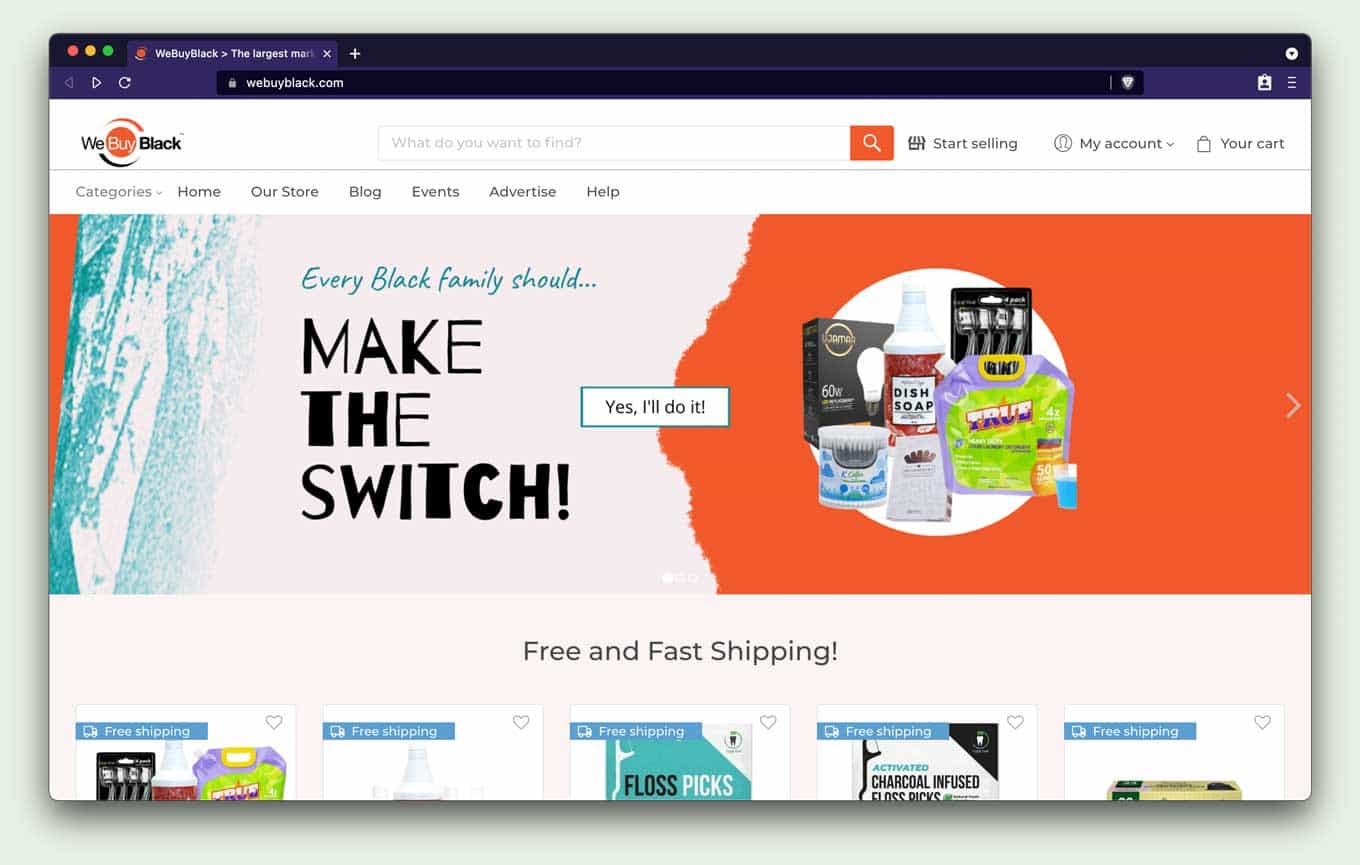
An incredibly simple way to create change in the world is to simply audit what we buy and then ask the question: How could these same purchases be used for good?
When we want to buy from brands that align with our values, it's not necessary to buy new things. We can simply swap out the everyday products that we already buy that don't have a positive impact on the world.
That's where WeBuyBlack comes in. It's a platform that sells clothing, jewelry, health and beauty products, toys, and more — all from Black-owned businesses.
When you make the switch to buying a product from a Black-owned business, you're joining "a movement to see social and economic justice globally."
Explore everyday Black-owned products from WeBuyBlack
Society6: Art From Black Artists

The Black community has played a significant role in shaping the culture of art and creativity in the United States for centuries.
Society6 has made it easy for you to discover your new favorite artist to buy art from. They've curated the work of Black artists like Morgan Harper Nichols from the Society6 community.
Whether you're looking for wall art, mugs and water bottles, apparel, or phone cases — you're bound to find a piece you love.
Find beautiful art from Black artists on Society6
More ways to support Black-owned small businesses:
- Uncommon Goods curated a list of products from Black makers.
- Amazon has a curated collection of Black-owned businesses to support. (And also, we’ve created a guide to ethical Amazon alternatives.)
- We've curated a list of the best places to find diverse stock photos (because representation in stock photography matters).
- In an effort to promote equity, Google now makes it possible for business owners to label their business as Black-owned.
- The 15% Pledge asks businesses to commit 15 percent of its shelf space to Black-owned businesses. You can explore the companies that have signed the pledge and shop the Black-owned businesses they stock.
- Call your elected officials and ask them to support legislation that will positively impact minority-owned businesses in your community.
- Make sure you’re supporting Black-owned businesses beyond Black holidays like Juneteenth and Black History Month.
Black farmers in Detroit have turned blighted properties into vital food sources.
Now, a new land fund is opening the door to official ownership.
In the center of a residential neighborhood in Detroit, surrounded by empty lots and houses in disrepair, is an oasis of brightly colored flowers, tomatoes, okra, and other crops.
Ten years ago, this space was neglected, overgrown with high grass, just one of several city-owned, abandoned lots on Helen Street.
But the vacant land made one homeowner feel unsafe, so her great-great-nephew and his wife planted flowers and started taking care of the property.
“Nine years later, we are still planting,” said Erin Cole, the great-great-niece-in-law.
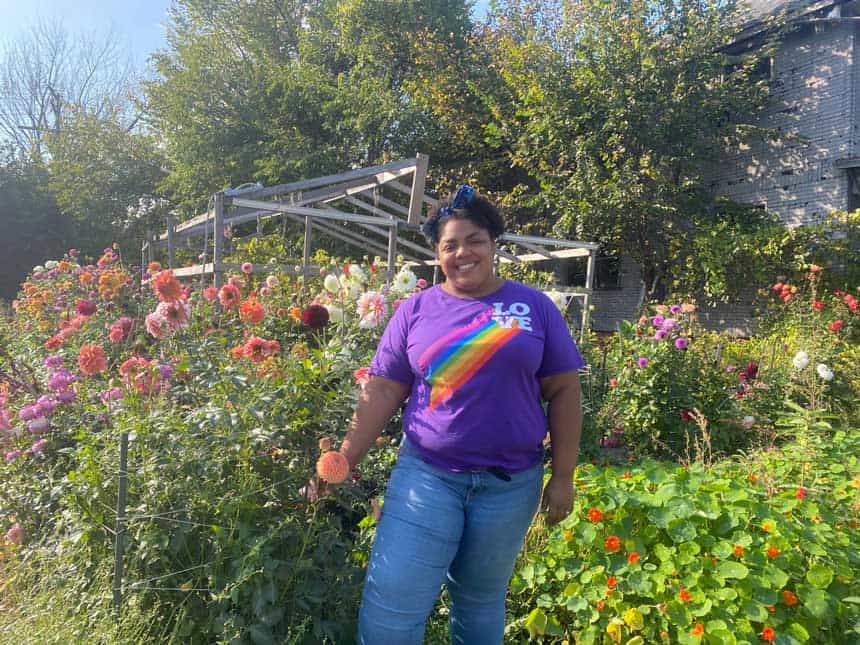
The once-abandoned lot has since been transformed into a community garden, called Nurturing Our Seeds, that now stretches across several lots on the street.
It has become an anchor for the neighborhood, providing affordable and nutritious produce, hosting events, and reminding the community that people still live on Helen Street, despite the derelict homes, and that they still care.
But for the nearly decade that Cole and her husband tended the land, they never actually owned it.
After the couple inherited the great-great-aunt’s house, they inquired with the city about purchasing the lot next door. But they were told they didn’t qualify for Detroit’s side lot program because of taxes they owed on the house leftover from the aunt.
Cole and her husband later inquired about buying a different abandoned lot across the street, which used to belong to a family member. For years, the answer was, “‘We’re not selling it,’” Cole told Grist.
Then, she said, the land was suddenly announced up for auction. It hadn’t been offered to anyone that already lived in the neighborhood.
Finally last year, Cole and her husband were able to purchase the farmland, buying several lots with the help of the newly created Detroit Black Farmer Land Fund.
Created in 2020 by three long-time nonprofit organizations in Detroit, the fund aims to address the historical racial land ownership disparity that has affected Cole and Black farmers across the country.
Related: Tilling North St. Louis, Planting for a Healthier Future
Related: Environmentalism Must Care for People and the Planet
Related: This Experiential Learning Farm Helps Youth Build a Better World
"In the 1910s, Black farmers made up 15 percent of all farmers, compared to less than one percent today."
Black farmers, and Black-owned farmland, are at a historical low. In the 1910s, Black farmers made up 15 percent of all farmers, compared to less than one percent today.
But Detroit bucks that trend, at least in the number of farmers. The city, which is almost 80 percent Black, has more than 1,500 farms and community gardens — a large portion of which are run by Black farmers.
Many, however, do not own the land they cultivate.
And it’s not for lack of available space. It’s estimated that between 24 to 40 square miles of Detroit land is vacant, out of the city’s total 139 square miles.
In the 1950s, Detroit’s population peaked at nearly 2 million. But in the decades that followed, that number steadily declined due to deindustrialization and white flight to the suburbs — leaving behind abandoned houses and land. Today, less than 700,000 people remain in a city that was once the fifth-biggest in the United States.
Black farmers have long struggled with historic and ongoing racial discrimination that has prevented them from buying property, and passing it down, like many white farmers have done for generations.
In rural areas, those discriminatory practices occur within the U.S. Department of Agriculture.
Farmers in urban centers face a slightly different set of challenges: land sales prioritized to big developers and a lack of institutional knowledge and time to navigate the bureaucratic system.
The ongoing hidden barriers to property ownership are evident in the housing mortgage sector in Detroit. A year-long analysis of 2016 data by Reveal and the Associated Press found that Black applicants in Detroit were almost twice less likely to be approved for a mortgage loan than white applicants.
“The legacy of predatory lending practices keeps Black farmers and landowners dispossessed of their land,” said Jillian Hishaw, an agricultural law attorney and founder of F.A.R.M.S, a legal nonprofit that helps landowners keep their land for future generations.
"In the 1910s, Black farmers made up 15 percent of all farmers, compared to less than one percent today."
To address the land ownership issue, the Detroit Black Farmer Land Fund was created last year on Juneteenth, a holiday that marks the ending of slavery for African Americans in the U.S.
“It’s been liberating, in many ways,” Shakara Tyler, a co-creator of the fund, told Grist.
Tyler, who works for the Detroit Black Food Community Security Network, started the fund alongside Tepfirah Rushdan at Keep Growing Detroit and Jerry Hebron at Oakland Ave Urban Farm.
In its first year, the group selected 30 farmers to award money too, one of whom was Cole. Now, in its second year, the fund has raised almost $100,000 and will be able to support 40 Black farmers to buy land.
All of the money raised goes directly to awardees to buy land. The amount each farmer gets is determined by how much their land costs, and how many plots they want to purchase.
The Land Fund also helps with the technical parts of buying the property on an as needed basis, such as figuring out who owns the land and navigating the time-consuming bureaucratic process.
The Land Fund is supported by small donations from community members, as well as a few wealthy white donors that wanted to do reparations work, Rushdan told Grist.
"She grows squash and collard greens, among other crops, and is working with Raphael Wright, who plans to open the city’s first Black-owned grocery store, to provide produce directly to the store from her farm."
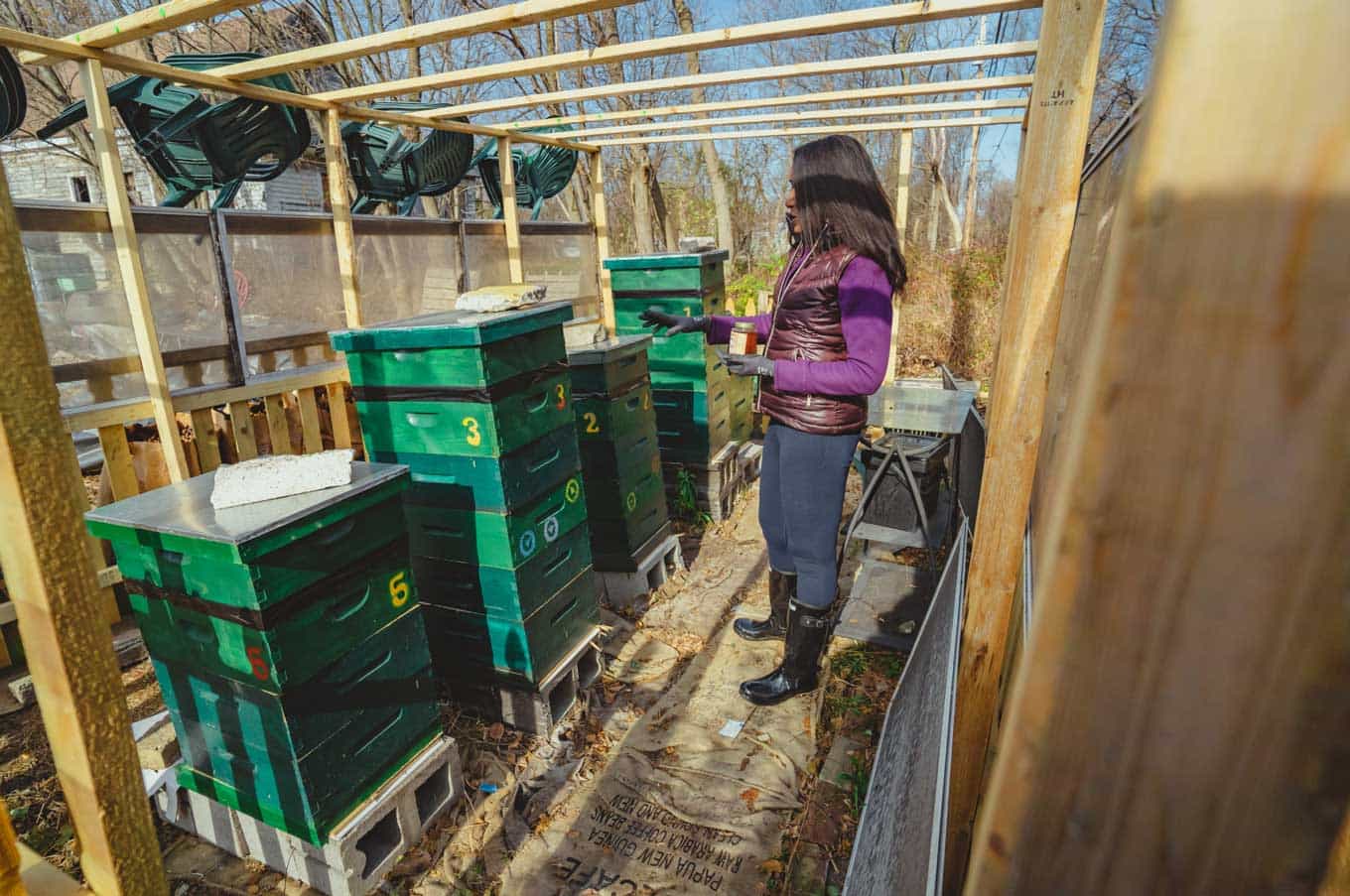
One of the beneficiaries of the program, Dazmonique Carr, owner of Deeply Rooted, a half-acre farm on the Eastside of Detroit, said the Land Fund helped her “step by step” in purchasing and expanding her property.
She grows squash and collard greens, among other crops, and is working with Raphael Wright, who plans to open the city’s first Black-owned grocery store, to provide produce directly to the store from her farm.
“It definitely feels autonomous,” she told Grist, “feeling like you can secure and protect the things that you’ve been working hard to maintain.” She has a son, whom she looks forward to passing the property down to in the future.
"Tracy Harris purchased two lots through the fund where she intends to grow food for local food pantries."
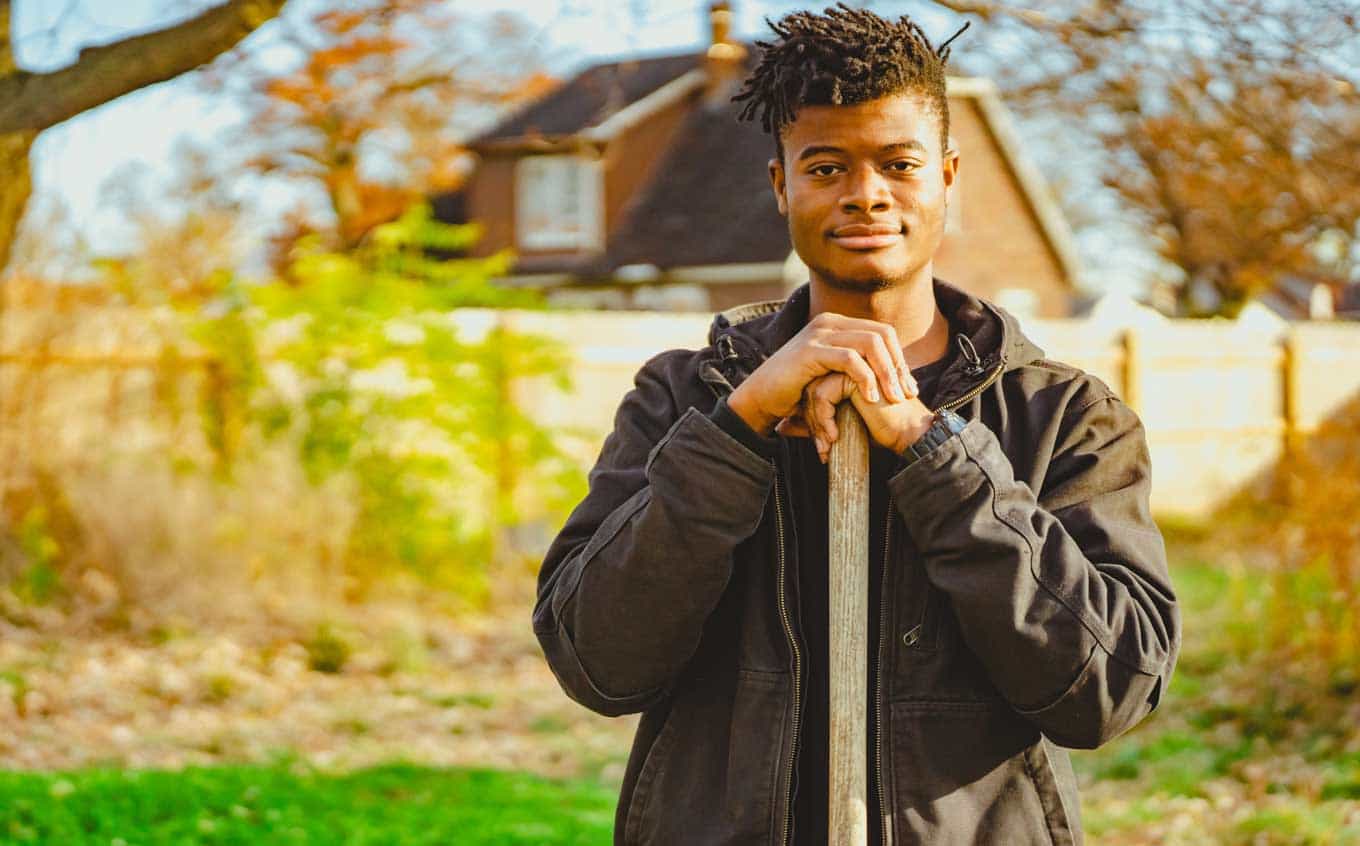
Also on the Eastside, long-time farmer Willie Patmon purchased land through the fund to double the size of his farm, to continue giving away produce and expand his free gardening program.
On the Westside of Detroit, Tracy Harris purchased two lots through the fund where she intends to grow food for local food pantries.
Rushdan told Grist that the city of Detroit unfairly prioritizes land for certain uses over others, like for big development projects. City officials and the Detroit Land Bank, a public authority created by the city and state that owns a quarter of Detroit properties, have been criticized over the years for who they sell land to, how difficult it can be to get property, and a lack of transparency about the process.
In the more than decade since the Detroit Land Bank was created it’s been wrought with criticism and complaints, from showing favoritism toward city officials, to threatening to seize houses it doesn’t own. There has also been outcry over which properties the Land Bank chooses to demolish. In a federal investigation into the city’s demolition program, several were charged with bid-rigging and bribes.
“Detroit is presented as this urban ag[ricultural] haven, the friendliest urban ag city in the country, and that the government is sort of shepherding it,” Tyler said. But it’s the grassroots organizations making that happen through initiatives like the Land Fund, not the government, she said.
“We’re literally alkalizing the little that we have into all of this abundance,” she said. “Imagine if we had support from the government.”
"Groups in Washtenaw County, Michigan, and in Philadelphia, Pennsylvania are trying to start funds and have reached out to the Detroit program for guidance and support. In New York, a similar model called the Black Farmer Fund was created."
More land funds are cropping up around the country to support Black farmers — and looking to the Detroit fund as a model, Tyler said.
Groups in Washtenaw County, Michigan, and in Philadelphia, Pennsylvania are trying to start funds and have reached out to the Detroit program for guidance and support. In New York, a similar model called the Black Farmer Fund was created.
”Funds like Detroit Black Farmer Land Fund and F.A.R.M.S. emergency funds are essential to combating the loss of land in the Black community,” said Hishaw.
Earlier this year Congress promised $4 billion to farmers of color for debt relief, grants, and education. Since the bill’s passage, however, there have been 13 lawsuits filed claiming reverse racism.
Now, it’s unclear if Black farmers will ever see the relief — highlighting the importance of local efforts to combat racial disparities in farming.
Cole told Grist that purchasing land with the help of the Land Fund was a big deal, because it meant avoiding jumping through hoops and a years-long drawn-out process.
“We’re feeding communities and we are building relationships to bring healthy food systems across Michigan,” she said.
“Owning the land is key. It allows people to keep those generational practices going. It’s something that after 10 years, the community is able to say, ‘we’re not going anywhere.’”
This story is part of the SoJo Exchange from the Solutions Journalism Network, a nonprofit organization dedicated to rigorous reporting about responses to social problems. It was originally published by Grist on October 26th, 2021.

Social media has transformed the way that we communicate, empathize, and act; it’s been a powerful tool for humankind to connect with each other in ways beyond our wildest imagination.
While we’ve seen the ways the social internet has had harmful effects on the world, we’ve seen significantly more good being done by creative people around the globe.
To celebrate how far we’ve come and how folks are using social media to help each other, we’re highlighting five of the people who are using it for compassion and community:
The Power of Plus
Gianluca Russo and Shammara Lawrence were fashion journalists who saw a big problem in the industry: there wasn’t space for plus-sized talent.
To start conversations about what body diversity and body authenticity looked like, they started the Power of Plus, an online community on Instagram for folks who have been traditionally left out of fashion.
“We aim to create a safe space grounded in engaging, forward-thinking conversations around the topics of fashion, body positivity, fat politics, and acceptance,” their Instagram reads.
“As the fight for true, authentic inclusivity advances, it is vital that we create a platform where we may openly broach sensitive and sometimes difficult conversations.”
Thanks to their advocacy, the Power of Plus is now an active community paving the way for a better and more inclusive future.
BTS Army for Crisis Text Line
AHC is joining hands with Crisis Text Line to connect UK, US, and Canadian ARMY with trained volunteers in whom they can confide when facing hardships.
— BTS_ArmyHelpCenter ⁷ (@BTS_AHC) January 25, 2020
RT to comfort a soul, RT to save a life.@CrisisTextLine#AHCxCTL #BTS_ArmyHelpCenter#CrisisTextLine pic.twitter.com/VkK82QBgs8
A text can save a life and ARMY (the K-pop group BTS’ name for their fan community) wants to help their community do just that.
In 2020, BTS ARMY Help Center (a fan-organized group with 66k+ followers on Twitter) collaborated with Crisis Text Line — a text-based hotline where anyone in crisis can reach a trained Crisis Counselor — to destigmatize mental health.
Their collaboration aimed to host honest conversations around mental health on Twitter. BTS ARMY Help Center now regularly shares Crisis Text Lines’ number in their viral tweets about mental health, offering it as a valuable resource to those who need it within their large digital community.
“[ARMY Help Center] began as a platform for the fandom to lean on and has grown into a community of helpers pioneering to bring mental health everywhere,” ARMY Help Center and Crisis Text Line said in a joint statement made available to Teen Vogue.
“As we enter this new decade, we want to continue following BTS’ footsteps by staying true to our fandom and promoting these important values of goodwill.”
We’re Not Really Strangers
Photojournalist Koreen Odiney created the We're Not Really Strangers card game with the intention of empowering meaningful connections.
The viral game is a set of cards with questions like, “How are you, really?” and “What's been your happiest memory this past year?” that are meant to people closer together with vulnerable conversation starters.
Additionally, the WNRS online community is a strong one: Koreen posts card game questions on Instagram and Twitter (collectively an audience of 4.9m people) for followers to answer and engage with each other, offering support to those who need it.
“Social media has become a place where I create meaningful connections, and I think it’s because I’ve been intentional, shared my real emotions, and the things that I care about,” Odiney told Vogue.
She hopes the game will be a “passport” to each other and have players re-examine their assumptions about the people in their lives, as well as themselves, for the better.
Aundre Larrow
Photographer Aundre Larrow has worked with clients like Apple, The North Face, and Adobe, and his photography has been published in the New York Times and the Wall Street Journal; but his real mission is to help other creators of color in the industry.
His work aims to show the fundamental value in each person and commonly captures the intersection of art and racial justice.
Larrow uses his Instagram platform as a teaching tool for photographers, generously sharing valuable resources about topics like how to edit diverse skin tones and how to reduce inequity in visual art.
As an experienced artist, Larrow’s knowledge is valuable and with a platform like Instagram, he’s able to share his insights with others. Not only is he making the world of photography more inclusive, but he’s setting an example for other photographs to follow in his footsteps.
We Are Fluide
The future of beauty is inclusive. That’s what We Are Fluide, a mission-driven beauty brand that creates vegan, cruelty-free, and paraben-free cosmetics designed for all skin shades and gender expressions, is working towards.
On Instagram, they’re providing a platform and amplifying the voices of queer and gender-expansive identities. By showcasing queer beauty, they’re making sure no one’s self-expression is getting left out.
Furthermore, they’re using their online platforms to empower their community.
“What sets Fluide apart from other beauty or conscious brands is that we are made up of a team that's as diverse as the models and values we talk about and represent,” said Catherine McMahon, their social media manager.
“By working with, hiring from, and really listening to the LGBTQIA+ communities (and donating part of our sales and holiday campaigns to various mutual aids/collectives and nonprofits), we actively involve and show up every day for the communities by involving them within our brand and storytelling.”
This article originally appeared in The Small Business Edition of the Goodnewspaper — and was supported by PLANOLY.
Nearly every day we hear about yet another small business making a difference and having a positive impact in their community, and for their customers and employees.
PLANOLY sees their positive impact, too — and their tools help simplify social marketing for small business owners so they have more time to focus on the important stuff — like doing good work and growing their business!
Use the code 'goodnewspaper' for 2 months free of PLANOLY.
(Expires: 12/31/2021)
Sen. Kirsten Gillibrand plans to invite Meghan to D.C. to have dinner with all the women senators and advocate for paid leave.
Royal help has been enlisted.
In a furious dash to ensure a universal paid leave policy — however small — makes it into the final version of a care package weaving its way through Congress, the Democratic legislators who have advocated for the policy for years are trying everything — including working with the Duchess of Sussex.
Meghan recently called Sen. Kirsten Gillibrand of New York, who in 2013 proposed her own paid leave bill, and expressed her desire to help. Last month, Meghan wrote a letter to House Speaker Nancy Pelosi and Senate Leader Chuck Schumer as an “engaged citizen and parent” who recently gave birth to her second child, Lilibet Mountbatten-Windsor, with Prince Harry.
Leave for their family was essential to provide the best care they could for their daughter, she wrote, but it’s a benefit most Americans go without.
“No family should have to choose between earning a living and having the freedom to take care of their child,” Meghan wrote, adding that for the United States to “continue to be exceptional, then we can’t be the exception” on paid leave. It is one of only a handful of nations that does not offer the benefit.
When Gillibrand and the duchess spoke, the senator offered to give her the numbers of her Republican colleagues, including Sens. Shelley Moore Capito of West Virginia, Susan Collins of Maine and others. They received direct calls from Meghan.
“I could hear how sincere she was about advocacy,” Gillibrand told The 19th.
Gillibrand said she plans to invite Meghan to Washington, D.C., for a bipartisan dinner she is hosting in the coming month with all the women senators, a tradition Vice President Kamala Harris restarted this year, to give her a platform to discuss paid leave.
Gillibrand said Sen. Deb Fisher, a Republican from Nebraska, told her she is “delighted and looking forward to that conversation.”

Working with Meghan on advocacy is one piece of a larger concerted effort that has largely been focused on helping to bring Sen. Joe Manchin, the most vocal holdout on paid leave, on board with some version of the proposal that this week is back in contention after seeming all but dead in the water just a week ago.
Initially, the Democrats’ massive domestic policy package included a 12-week universal paid leave provision that would cover up to 80 percent of wages for the lowest earners, bringing the United States more in line with the rest of the world. Workers would be reimbursed for at least two-thirds of their pay up to a maximum of $4,000 a month.
The Democrats’ proposal needs the support of nearly every Democrat in the House and all Democrats in the Senate, including Manchin, whose concerns about how the policy would be funded ultimately led to its exclusion from the $1.75 trillion package.
Because President Joe Biden has vowed to not raise taxes on low- and middle-income Americans, the paid leave proposal would have been paid through raising taxes on the richest Americans.
Nine states and Washington, D.C., already offer paid leave, but most do it through a payroll tax and an employer contribution, a combination that creates a fund similar to disability insurance that employees can tap into when they need it.
Manchin opposed the idea of funding it through general revenue, arguing there was not a specific funding stream, and supported an employee-employer match system instead.
That opposition was enough to strip paid leave from the plan entirely last week. But then on Wednesday, a new paid leave proposal surfaced. House Democrats included a version of the initial plan in their version of the package, cutting down the paid leave provision to four weeks instead of 12.
The new proposal provides leave for the birth of a new child, adoption, to care for an ailing family member, or for personal illness. It excludes leave for bereavement, which was initially part of the plan.
It does, however, retain a broad definition of family that is different from what other countries offer, including extended family and friends who are close enough to serve as the “equivalent” of family.
Full- and part-time workers, as well as self-employed workers, would be covered. The new plan also shifts how much of workers’ salaries are repaid so that the lowest earners get more coverage and the highest earners get less than what was initially proposed.
Those earning less than $290 a week (about $15,000 annually) would see 90 percent of their pay covered. Those earning about $1,200 a week, or $62,000 annually, would have about half of their pay covered. Benefits would begin to roll out in 2024.
Dawn Huckelbridge, the director of Paid Leave for All, a national advocacy organization pushing for federal paid family and medical leave, said four weeks is far from what advocates initially wanted. Twelve weeks is at the lowest end of what medical groups consider to be the ideal time frame of leave that is most beneficial to parents and babies, without impacting workforce mobility.
Four weeks, too, is sooner than most child care centers will accept infants. Most will not take infants until they are about six to eight weeks old, a burden that will fall heaviest on mothers, who are the most likely to leave their jobs to care for children. Still, Huckelbridge said it is a starting point.
“There have been real compromises made,” Huckelbridge said. “But to the majority of Americans who don’t have a single day of guaranteed paid leave, [four weeks] will still be transformational.”
About 95 percent of the lowest-paid workers in the country, most of them women, don’t have paid family leave and 67 percent of those workers don’t get paid sick leave.
The package that Democrats are putting forth could include investments in three key areas that could have a transformational impact on women and mothers, in particular.
A historic investment in child care would raise wages for child care workers — 95 percent of them women — lower costs so many parents pay up to 7 percent of their income on care and no more, and increase the supply of child care so families can more readily access the service, which has a direct correlation with how much parents can engage with the workforce.
It would also create the country’s first universal preschool program for 3- and 4-year-olds — completely free to families.
But without paid leave, advocates argue, families are not covered during the earliest years of their children’s lives.
“Paid leave is an issue that carries you throughout the lifespan, from welcoming a new child to holding the hand of a dying parent,” Huckelbridge said. “Those care issues are meant to be three legs of the stool and if you cut one of them off, American families are the ones that will fall.”
Still, what is on the table now will fall short of providing full access and equity. The paid leave plan doesn’t include a job protection provision, for example, meaning there is no anti-retaliation provision that protects workers who seek to take leave.
Research by the Department of Labor and in states like California, which has its own paid leave policy, has found that workers who are eligible for paid leave will forgo it if there is no job protection attached.
Jocelyn Frye, the incoming president of the National Partnership for Women & Families, a group that has been advocating for paid leave for three decades, said that though the proposal on the table falls short of equity markers, it does meet some objectives and could be expanded on.
“For me, the question is: Will this give people benefits that they do not have?” Frye said. “The truth of the matter is there are people who need protections today. The people who are likely to benefit the most are disproportionately low-income and women of color.”
But to even get there, the bill still needs to get enough support in the Senate, and Manchin is a key hurdle. Huckelbridge pointed out that the senator has opposed other elements of the plan, like the expanded child tax credit, then ultimately stood down.
Gillibrand, meanwhile, is working another angle.
Manchin’s vision of a paid leave program that employees and employers both pay into is similar to her original vision in the bill she co-authored with Rep. Rosa DeLauro in 2013. Manchin wants to break off paid leave from the current package and try to pass it on its own with bipartisan support he said believes he can obtain.
But, Frye said, that option has been available for nearly a decade, and it’s never been able to get bipartisan support.
“It is inaccurate to suggest that there has not been ample opportunity to have a conversation about how you could move a paid leave bill forward using that structure,” she said. “It is simply not accurate to say this is a new idea or a new moment where we can focus on it.”
Gillibrand said that based on conversations she’s had, Republicans likely won’t support that plan right now. Instead, she thinks she can work with Manchin to get closer to his version of paid leave in the next few years.
She hopes “he fully understands that [Republicans are] not with us on universal coverage today, and they’re not with us on an employer-employee match,” which could help him support the House proposal as a starting point.
She then envisions a system where they work with states to create regional paid leave funds, similar to what he is proposing. Small states could band with larger states to pool their resources into one fund that employees in that region could tap into.
“[Then] he and I will work with our Republican friends long-term to get to the full 12 weeks, fully sustainable, fully paid-for employer-employee match system that could maybe be crafted long term through the states,” Gillibrand said.
The idea is to bring people to the table by first passing the House version, she said. Then perhaps employers can fill in extra weeks to help families who can’t yet get their kids in child care, for example.
“It creates the possibility of greater generosity and businesses meeting us halfway,” she said. “So that’s the case I’m going to make to Sen. Manchin over the days to come together to get everyone to ‘yes.’”
This article was originally published by The 19th on November 4th, 2021.
The early 2000s have been a prosperous point in time, particularly for women. Despite an ever-persistent wage gap, women-owned businesses are on the rise.
A report commissioned by American Express found that, between 2014 and 2019, the number of women-owned businesses climbed 21 percent to a total of nearly 13 million.
The same report found that businesses owned by Black women represent the highest rate of growth in the number of total women-owned businesses.
Despite the prevalence of workplace sexism over the course of history, more women are starting their own businesses than ever.

• The number of women-owned businesses increased 21%, while all businesses increased only 9%.
• Total employment by women-owned businesses rose 8%, while for all businesses the increase was 1.8%.
• Total revenue growth of women-owned businesses was about the same as for all businesses: 21% and 20% respectively.
/ Graphic and data courtesy of American Express
Yet, not everything is rose-tinted. Despite the strides that working women have made in the 21st century, women-owned businesses are still in the minority.
According to Third Way, there are still roughly two male entrepreneurs for every one woman entrepreneur in the United States.
The discrepancy between men and women in the world of entrepreneurship is due to a number of factors, such as disparity in education and networking, as well as a lack of access to financial capital.
When Karen Hartman first dreamt of her idea of creating an ethical jewelry store, it was in a manufacturing agency in Shanghai, China where she worked. She paired up with American sculptor, Tomas Wittlesbach, who uses a 3D sculpting technique to make art.
Karen wanted to create a jewelry line that was ethically made and gave back to her community in some capacity. Born was Astor+Orion, a small jewelry line created with recycled metals.
The company was born from Hartman’s belief that women need more space to exist within the entrepreneur industry. Karen also believes in the responsibility businesses have to give back to their communities.
Because women are constantly inspired to use their platforms to do good, Astor+Orion sends a portion of their proceeds to Tomas’s alma mater, the California Institute of the Arts. CalArts uses these funds for their youth-centered, art-focused after-school programs.
"Equity in business would add up to $28 trillion, or 26 percent, to annual global GDP by 2025."
Evidence shows that in “full potential” scenarios — in which women participate in the economy identically to men — equity in business would add up to $28 trillion, or 26 percent, to annual global GDP by 2025.
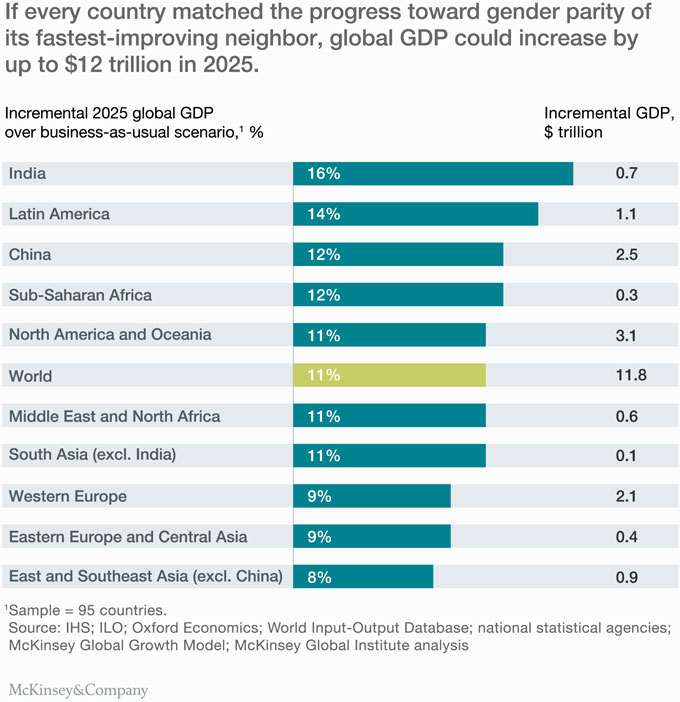
Other research finds that mixed-gender boards outperform all-male boards and that the Fortune 500 companies with the highest proportion of women on their boards performed significantly better than firms with the lowest proportion, according to a PIIE study.
Creating a diverse workplace has been historically proven to encourage businesses to weed out racism and sexism from their workplace, through training such as anti-racism and anti-sexism workshops.
The benefits of having female representation in positions of power and influence are simply undeniable.
When women are able to break glass ceilings and take on more entrepreneurial roles, it actually makes the world a better place for everyone.
This article originally appeared in The Small Business Edition of the Goodnewspaper — and was supported by PLANOLY.
Nearly every day we hear about yet another small business making a difference and having a positive impact in their community, and for their customers and employees.
PLANOLY sees their positive impact, too — and their tools help simplify social marketing for small business owners so they have more time to focus on the important stuff — like doing good work and growing their business!
Use the code 'goodnewspaper' for 2 months free of PLANOLY.
(Expires: 12/31/2021)
The gesture was created by the Canadian Women’s Foundation in April 2020 as the pandemic left many isolated in their homes.
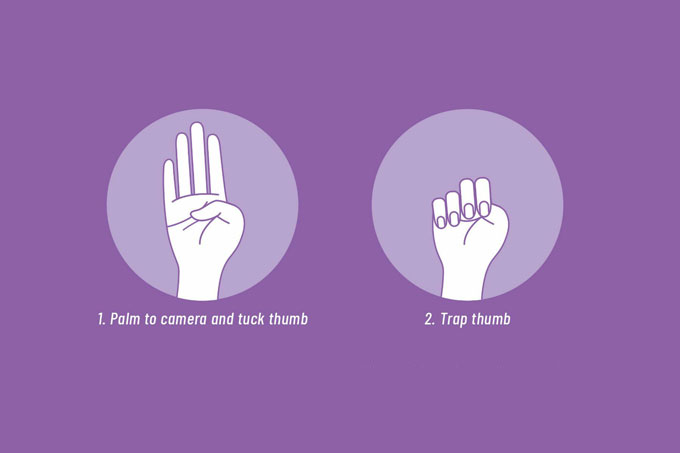
This story was originally published by The 19th.
Palm facing outward, other fingers curled around the thumb.
This simple gesture — resembling a closed fist — led to the recent rescue of a 16-year-old girl who had been reported missing from North Carolina days before.
The girl sat in the passenger seat of a silver car traveling southbound on a Kentucky interstate and appeared to be “making hand gestures” to other vehicles, officials said.
A driver recognized the hand gesture from a viral TikTok video, knew it meant the girl was in danger, and immediately called the police.
When the silver car exited, officers from the Laurel County Sheriff’s Office were waiting to arrest 61-year-old James Herbert Brick, who was charged with kidnapping, unlawful imprisonment, and possession of matter portraying a sexual performance by a minor.
The gesture was created by the Canadian Women’s Foundation in April 2020 as the pandemic left many isolated in their homes. As people had fewer chances to interact with others or be seen, the organization saw a need to find other ways to signal distress.
By July 2020, about 1 in 3 people in Canada knew about or had seen the signal used, according to public opinion polls.
“This new reality requires new methods of communication to help those facing gender-based violence,” Paulette Senior, the president and chief executive of the foundation, said in a statement at the time.
Andrea Gunraj, the foundation’s vice president of public engagement, said that she was surprised to see how quickly knowledge of the hand gesture disseminated.
In addition to the teenager in Kentucky, Gunraj said she heard a Turkish woman used the signal on her YouTube channel and was assisted by a viewer.
Another person reached out to the foundation and said they saw the hand gesture being used on a Zoom call and were able to support a victim of family violence.
“Certainly our hope was that it would spread and be useful,” Gunraj said. “It is a surprise, however, that it was shared on channels we weren’t even on. We didn’t have a TikTok at the time … It’s no surprise to me that social media has become a space for marginalized people to speak about things that they’ve been silenced on in other spaces.”
"Maybe it’s a tale as old as time, and now we have TikTok instead."
— Hilary Fussell Sisco, a professor and chair of strategic communication at Quinnipiac University
Discreet hand gestures, signs and codes are not new when it comes to women’s safety. For years, people have developed ways to covertly ask for help, from printed flyers to coded language. However, innovations in technology continue to change the landscape.
Hilary Fussell Sisco, a professor and chair of strategic communication at Quinnipiac University, said the role of technology in keeping victims safe should not be overlooked. Sisco pointed to two recent high-profile missing cases in which social media played a role.
“Technology, and social media specifically, are having a major impact on crime as well as public awareness of victim assistance,” Fussell Sisco said.
“Between the recent story of the TikTok rescue in Kentucky and the overwhelming social media response to the Gabby Petito case, the public and law enforcement are sharing information widely. If used in the right way, it can be very successful in finding out more information and even helping those in need as these two cases have shown.”
Fussell Sisco said she remembers a time when it was more typical to see hotline numbers on bathroom stall doors to assist people who might need help. Now, there are secret websites, safety apps, and social media platform initiatives.
“We found ways to transfer intimate knowledge to people in specific situations,” she said. “Maybe it’s a tale as old as time, and now we have TikTok instead.”
A public service announcement about domestic violence aired during the 2015 Super Bowl, and it featured a former 911 dispatcher who once received a phone call from a woman asking for a pizza. He eventually realized she was actually asking for help. Then in November 2019, a woman in Ohio made headlines when she used the same strategy.
Afterwards, a controversial TikTok trend emerged as users posted reenactments of an abuse victim calling 911, pretending to order a pizza and then asking about the specials. In these videos, the operator, recognizing the coded language, contacted the authorities and sent help.
TikTok has also notably played a role in magnifying a missing persons case. When 22-year-old Gabby Petito went missing while on vacation with her fiancé in September, many social media users mobilized to find her, sleuthing for clues online. Many of these amateur detectives used TikTok to post updates, analyses, and share the missing notice widely.
Still, the vast majority of missing persons cases and domestic violence incidents go unpublicized — particularly when it comes to Black, Indigenous, and transgender women. And the reality is innovations in technology can also be used by abusers and perpetrators, according to experts.
Kris Macomber, an associate professor of sociology at Meredith College, said technology can often be used to further abuse or manipulate people. For example, GPS trackers can be used to stalk or control someone’s whereabouts. Social media accounts can be accessed without consent to monitor interactions.
The rise of dating app usage led to its own challenges as more people began to meet with strangers from the Internet. In 2016, a restaurant in Florida posted a sign in the women’s restroom that read: “Is your Tinder or Plenty of Fish date not who they said they were on their profile?” If yes, then order an “angel shot,” it said, to alert the staff that someone needs help.
Jennifer Pencek, director of the Office for Prevention of Interpersonal Violence at Juniata College, said one consideration is not everyone will understand these codes or beware of the latest signals for help.
“We always encourage bystanders to pay attention to how others are acting and what is happening around them,” Pencek said.
So many violent crimes thrive in silence. It’s good to talk about these issues, think about ways to be active bystanders, and really pay attention to the meaning behind what others are saying or doing, Pencek added.
“The hand gestures and viral TikToks show how prevalent this problem is and raises awareness of abuse that isn’t always talked about,” Fussell Sisco said.
“Domestic violence and abuse and sexual violence and abuse remains unspoken a lot of the time. But it’s hard to navigate the peaks and valleys of viralness. How deeply will this resonate with people? Next month, what will it be?”
For Gunraj, the hand gesture is just one tool and won’t be the right thing to use for everyone. The next step, she said, is teaching people how to better assist victims of abuse. Next month, the Canadian Women’s Foundation plans to release a guide for people to help them respond appropriately when they see someone asking for help.
“People often say they’re afraid of making things worse,” Gunraj said. “That’s a fair comment, and we need to build up our competencies to be able to speak to these things. Just as the signal went viral real quick, we’re hoping the training around being a great responder to people in need will similarly go viral.”
Related: The 5 Ds of Bystander Intervention
Related: A Georgia Brewery is Using Code Words to Curb Sexual Harassment
Related: This Art Therapist Uses TikTok for Good
The Western Fire Chiefs Association, a nonprofit that started in California during the 1800s, sees much potential in a new tool that can save substantial time and manpower in wildfire recovery missions.
Artificial intelligence stands to change wildfire recovery and containment forever during a time when fires in the West are doing things that seasoned firefighters of 40 years have never seen.
"You could not hire enough firefighters," stated Brent VanKeulen, deputy director of the Western Fire Chiefs Association (WFCA). "You can’t fly enough planes. You can’t get enough dozers on the ground to meet the challenge of what we’re facing now."
Over the last year, public safety teams have tested a new tool in western states like California and Oregon, and results have been promising. The tests involve imagery taken by a 360-degree camera both before and after a fire.
Thanks to cloud computing and machine learning, that visual product can be transformed into mapping data that shows "what was damaged, where it was damaged and how badly it was damaged," said David Blankinship, chief technology adviser with WFCA.
Perhaps the most impressive aspect of the tool is the resources it saves. The machine learning component parses massive amounts of data in a matter of hours — something that could take weeks with "hundreds of inspectors with clipboards or phone apps," Blankinship remarked.
"We’re comfortable with saying we can image these fires and turn this data into a useful product within 24 hours," he added.
WFCA wants to push the boundaries to where the product could come in less than 24 hours. In fact, it's possible results could eventually be seen in real time, according to Blankinship. To that end, WFCA is working to find the best hardware sensors, software processing, and algorithms to expedite the process.
Although WFCA couldn't reveal the private organization with which it has collaborated on these tests, one might infer from a recent Techwire article that Google is involved.
The new tool can be a "game-changer" for communities that need to rebuild after fire disasters, said Robert Horton, fire chief for Jackson County Fire District #3 in Oregon.
The challenge to recovery lies in assessing what resources, such as the number of dump trucks, need to be brought into a damaged community to start the cleanup and rebuilding process.
Horton remembers the effort it took a traditional task force to assess damages wreaked by the Almeda Fire last year in Jackson County.
"It was easily days, if not a week, for the task force to navigate through all the buildings and provide their damage assessment," Horton recounted. "The team with the pilot technology drove through in maybe 2.5 or 3 hours."
Horton said the new tool can aid firefighting by freeing up task forces. The logic is simple: Any task forces that would otherwise have to be assigned to a recovery effort can instead be sent to help other teams contain active fires.
In Horton's eyes, this type of tech could play a part in a larger support system when it comes to protecting and assisting community members.
"A lot of these houses that were burned [by Almeda] were owned by low-income people in Jackson County ... there was simply nowhere else for these people to go, so they leave our community," Horton explained.
"To me that’s heartbreaking. They're part of our community … I think we can do better, and we know this technology is a great step in building resiliency in our community to help prevent fires but also help recover from disasters when they do strike."
While innovation in tech might lead to better outcomes against fires, VanKeulen said the real innovation is in the culture shift he has seen in public safety in terms of its motivation to go after the latest solutions. In the last two years, he has observed an engagement with tech that has no precedent.
Public safety's willingness to try new things has drawn attention from both tech companies and venture capitalists, creating a "big stir that didn't exist, say, five years ago."
"If you look at public safety and its actual adoption of technology compared to what a regular consumer would consider to be innovative in their phone or wearable, they [consumers] are using really old stuff," VanKeulen concluded.
This story is part of the SoJo Exchange from the Solutions Journalism Network, a nonprofit organization dedicated to rigorous reporting about responses to social problems. It was originally published by Government Technology on November 3rd, 2021.
Hundreds of Afghan girls and women are continuing to learn online and in hidden classrooms, despite Taliban restrictions on education
NEW DELHI / LONDON / ISLAMABAD - Cooped up at home in Herat, Afghanistan, Zainab Muhammadi reminisces about hanging out with her friends in the cafeteria after coding class. Now she logs on every day to secret online lessons.
Her school shut down after the Taliban took control of the country in August. But that did not stop Muhammadi from learning.
"There are threats and dangers to girls like me. If the Taliban get to know ... they might punish me severely. They might even stone me to death," said Muhammadi, who requested to use a pseudonym to protect her identity.
"But I have not lost hope or my aspirations. I'm determined to continue studying," the 25-year-old told the Thomson Reuters Foundation on a video call.
She is one of an estimated hundreds of Afghan girls and women who are continuing to learn - some online and others in hidden makeshift classrooms - despite the Taliban's closure of their schools.
Fereshteh Forough, the CEO and founder of Code to Inspire (CTI) - Afghanistan's first all-female coding academy - created encrypted virtual classrooms, uploaded course content online, and gave laptops and internet packages to about 100 of her students, including Muhammadi.
"You can be locked at home (and) explore the virtual world without any hesitation, without worrying about geographical boundaries. That's the beauty of technology," she said.
In September, the government said older boys could resume school, along with all primary-age children, but told older girls roughly aged 12 to 18 to stay home until conditions permitted their return.
The Taliban, who barred girls from education during their last rule about 20 years ago, has promised it will allow them to go to school as it seeks to show the world it has changed.
A senior U.N. official who met the Taliban earlier this month said the government was working on a framework, which would be published by the end of the year.
"The education gains of the past two decades must be strengthened, not rolled back," said Omar Abdi, deputy executive director of the U.N.'s children's agency UNICEF.
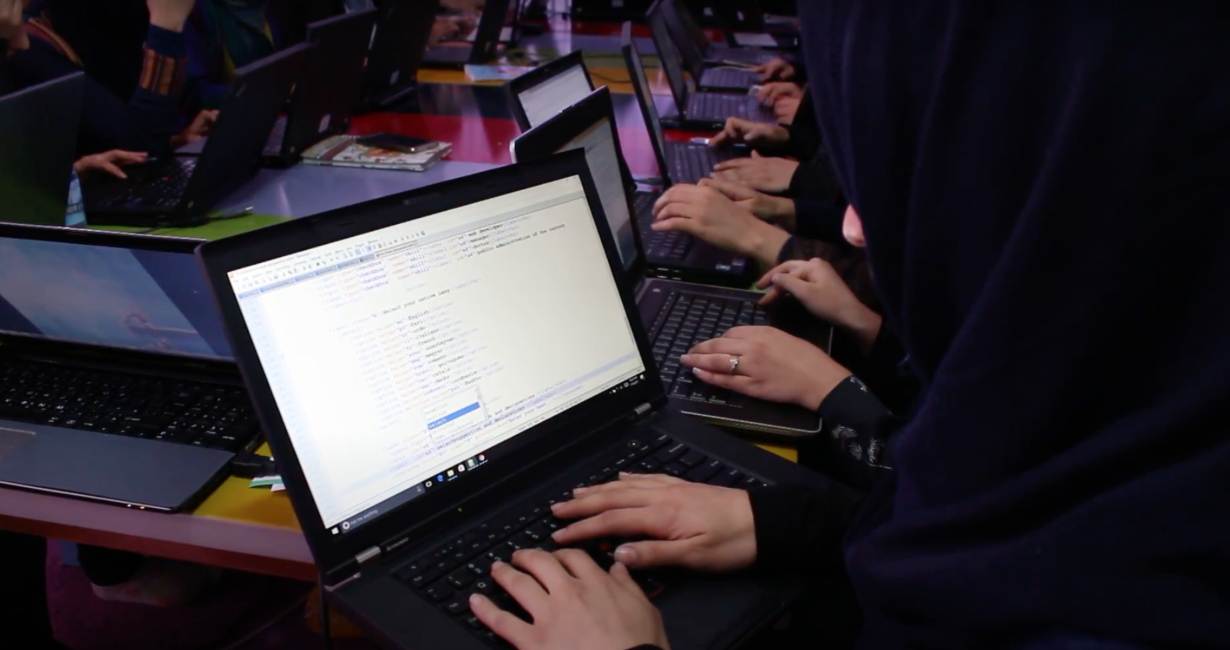
Missed Opportunities
After the Taliban were ousted in 2001, school attendance rose rapidly, with more than 3.6 million girls enrolled by 2018, according to UNICEF.
The number going to university, now in the tens of thousands, also jumped. Nearly 6% of women were accessing tertiary education in 2020, up from 1.8% in 2011.
Nonetheless, the country has one of the world's biggest education gender gaps, with UNICEF saying girls account for 60% of the 3.7 million Afghan children out of school.
Failing to let girls finish their education bears a huge cost, including poverty, child marriage, early childbearing, and a lack of understanding of their rights and ability to access basic services, campaigners say.
"Education allows them to take care of their health, have a stronger voice in their family, prevent domestic violence, and become breadwinners," said Forough, whose school teaches everything from English to graphic design and mobile application development.
"We didn't want to wait. We wanted to continue our mission."
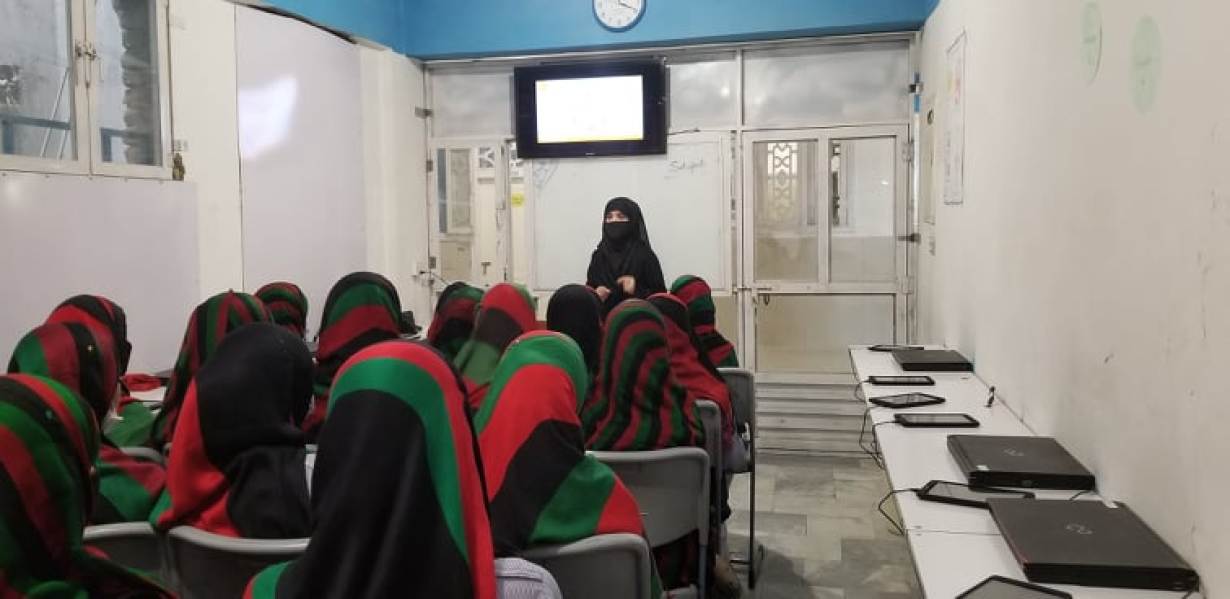
Scared to Study
The Taliban have also suggested that they may turn to technology to help some women continue to study.
The education minister, Abdul Baqi Haqqani, said at a news conference last month that women would be allowed to study in universities, but gender-segregated classrooms would be mandatory and female students should be taught by women.
Where this was not possible, he indicated teaching could be done through streaming or closed-circuit television.
While some private universities have reopened, public universities remain closed.
Psychology student Aisa had hoped to use her degree to help the mental health of young Afghans - which she says is a major, but poorly understood issue in the country.
But her dreams evaporated as the Taliban swept to power and she is now in hiding following threats to her family.
Aisa is about to start a health science degree with the University of the People, a U.S.-based organization providing online courses to students worldwide who face barriers to higher education.
The university is offering 1,000 scholarships to Afghan women who can no longer study.
"Without this scholarship I have no opportunities, and my future is broken. This is my last chance to get a degree," said Aisa, whose name has been changed to protect her identity. "It's safer for women like me to study underground."
All her girlfriends back in Afghanistan had been forced to give up their studies, she added. Even if the Taliban eventually allow women to return to university, she said many would be too scared to do so. The University of the People said students only required a smartphone or tablet to take one of its four degree courses - business, education, computer science or health science.
"These women don't have any alternatives except for online education. Most cannot get out of the country. We are trying to give them some hope," said university president Shai Reshef.
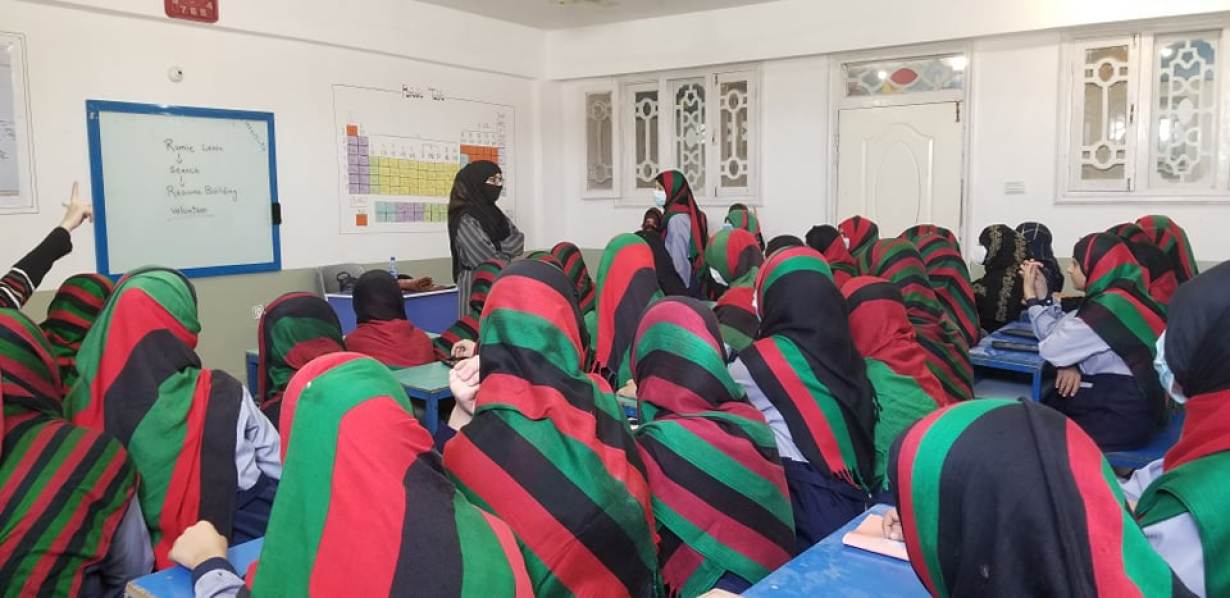
Surveillance
Digital experts fear that the cash-strapped Taliban will not be able to maintain energy supplies, communication networks, and tech infrastructure.
Not only could satellite companies and fiber providers from neighboring countries such as Iran snap services, but the Taliban may start snooping on and censoring communications, said Mustafa Soltany, a Kabul-based IT consultant.
"The Taliban are very likely to put in place strict restrictions, monitoring and even spying in the digital arena where they can hunt dissidents, critics," said Soltany, who has seen Taliban soldiers snatching and searching people's mobile phones at checkpoints.
But this does not worry Pashtana Zalmai Khan Durrani, founder of non-profit LEARN that has enrolled about 100 girls in an underground school where they are learning science, technology, engineering, and mathematics (STEM) on tablets.
She is working with U.S. finance and tech firms to launch satellite internet to circumvent any Taliban curbs.
"I have my bases covered. They can't do anything even if they try to cut internet access. We will be doing our own thing," said the 23-year-old, who is hiding at an undisclosed location from the Taliban.
Like some of the students at LEARN, Muhammadi and her CTI classmates have been working remotely with global tech firms on app development and graphic design.
This allows them to earn up to $500 a month - mostly paid in cash or money transfers - and provide for their families, an unthinkable feat during the Taliban's previous rule.
But Muhammadi does not want to stop there.
"It is always said that Afghan women are weak and can do nothing ... but I want to prove that we are strong," she said.
"I want to continue to study and inspire more students ... and be known as one of the best coders in the world."
Writing by Annie Banerji, Editing by Zoe Tabary. This article was originally published by the Thomson Reuters Foundation, the charitable arm of Thomson Reuters, that covers the lives of people around the world who struggle to live freely or fairly. Visit news.trust.org
On October 31, 2021 disability rights activist Engracia Figueroa passed away due to complications caused by damage done to her wheelchair by United Airlines.
Last July, Engracia’s wheelchair, which was custom-designed to support her spinal cord injury and left leg amputation, was destroyed by United Airlines. Engracia’s wheelchair was critical to her independence, as well as essential to maintaining her health.
Instead of replacing the wheelchair, United insisted that they would only pay to have it repaired.
What non-disabled people often fail to understand is that a motorized wheelchair which has undergone that much damage poses a severe risk of fire, and is unsafe for its user.
United provided a loaner chair that was ill-fitted to Engracia which further exacerbated her injuries.
Ultimately, United Airlines agreed to fully replace Engracia’s chair valued at $30,000. However, the months in which they fought against the replacement took a toll on her body.
Because the loaner chair United provided was not properly fitted to her body, Engracia suffered from muscle spasms, body sores, severe edema, and an inability to eat, as well as two additional hospitalizations.
Her sores became infected, and the infection eventually reached her hip bone, requiring emergency surgery to remove the infected bone and tissue. These complications directly caused Figueroa’s death.
Airlines continually break wheelchairs and fail to support people with disabilities
While shocking and devastating, stories like Engracia’s aren’t rare. The Bureau for Transportation reports that 3.9 million people use wheelchairs and The Air Travel Consumer Report states that 834 wheelchairs were damaged by US Airlines in July 2021 alone, and that airlines damage or destroy 29 wheelchairs per day.
Engracia said in multiple interviews, “Mobility devices are an extension of our bodies. When they are damaged or destroyed, we become re-disabled. Until the airlines learn how to treat our devices with the care and respect they deserve, flying remains inaccessible.”
Air travel with a wheelchair is incredibly inaccessible and impossible for the millions of wheelchair users around the world.
Many wheelchair users do not travel by air at all due to the frequency of damaged wheelchairs, with the costs of replacement being at least $20,000 depending on the model, and is only covered under Medicaid or insurance every 5 years.
How to support the disability community’s fight for safe air travel:
When you hear these stories, you might feel like there’s nothing you can do to make a difference or affect change inside these huge companies — but that’s not true.
When we all come together to use our voices and demand change, companies listen. As their customers, they are accountable to each of us. You have the power to make a difference.
Here are some ways you can help:
1. Sign the petition to hold United Airlines accountable for the death of Engracia Figueroa
In situations like this, justice isn’t possible because justice would mean that Engracia is here with us.
While we mourn the loss of this incredible activist, we can continue her legacy of advocacy by fighting for the civil rights of disabled people.
One of the most simple ways to do that is to sign this petition organized by her organization and others to hold United accountable for their actions and inaction that led to Engracia’s death.
2. Tell United Airlines (and other airlines) that they need to change the way they handle wheelchairs and disabilities
We know that when consumers speak, brands listen. When we come together and use our voices to speak out about issues we care about, businesses have to pivot and do better.
Reach out to United Airlines (and other airlines) via Twitter and customer service — to demand that United Airlines hire disabled people and experts to help train their employees from the top down how to accommodate for passengers with disabilities and properly care for wheelchairs.
The cry of the disability justice movement has always been “Nothing About Us Without Us!” citing that disabled people should always be present when decisions and policies are being made about our well-being.
When using your social platforms to elevate your concerns about this devastating story, be sure to center people with disabilities and their expertise in your outreach.
Some important talking points may include:
a. Airlines need to hire experts to teach staff how to properly care for wheelchairs
Wheelchair users and their care teams know how to look after wheelchairs because they have to do so. These pieces of equipment cost $20,000+ and are typically only covered by insurance every 5 years so the necessity of treating electric wheelchairs with care is imperative to their independence.
By hiring disabled people to lead these trainings, they will be able to help team members understand how to handle, transport and store wheelchairs while mitigating risk and eliminating chances of damage to the device.
b. Airlines need to listen to experts in disability safety
We’ve figured out how to bring electric wheelchairs on city buses, subway systems and boats across the world - why is this such a mystery then for commercial airlines?
Organizations such as All Wheels Up have developed and tested solutions for airlines so that disabled people can stay in their wheelchairs ensuring that their wheelchairs not only do not get broken, but that the individuals also have a safer and more comfortable experience in flight.
c. Airlines need to hire disabled team members to handle disability-related concerns
United has acknowledged their responsibility for the damage of Engracia’s chair, but the damage of her chair isn’t what ultimately led to her death.
United’s refusal to listen to disabled people when they say that their proposed solutions will not work due to safety regulations is what caused Engracia to endure months of hardship, sores, and sickness which eventually led to her death.
By having a team of disabled people and wheelchair users who would have understood the complexities of using electric wheelchairs the catastrophic ending to this story could have been prevented.
3. Choose not to spend money with brands that don't align with your values
You can send a clear message that this is a priority issue for you by voting with your dollar.
Make a conscious decision to not fly with United Airlines until they come out with a plan to ensure the civil and human rights of all passengers with disabilities are prioritized by employing experts with disabilities to oversee these programs.
Posting publicly while booking your holiday travel why you are prioritizing other airlines above United will continue to remind them that this is ongoing work they must commit to.
4. Educate yourself and support the disability community 24/7
If you’re new to the topic of disability justice or the disability civil rights movement, a lot of this might be brand new information to you. Welcome to the team, we’re happy to have you!
One in five people have a disability, yet disability is the least represented marginalized community in media, marketing, and entertainment.
This leaves many people thinking that disability is rare or obscure, but the reality is that not only are we the world’s largest minority group, but we’re also the only marginalized community that you could join at any time.
At some point in your life either you or someone you love will be disabled, so learning about disability proactively will help you be a better citizen and ally to all people now.
Some amazing activists and accounts to follow to help expand your knowledge base of disability rights issues are Imani Barbarin, Ashley Harris Whaley, Cripple Media, Alice Wong, and Judy Heumann.
Featured image photo by Shayan Asgharnia, © 2021
The country is seeing a growing trend in green spaces governed by local residents, bringing conservation, educational benefits, and income to urban and rural communities
Charlottesville, Virginia — Chris Gensic swept his arms around him as he sought to fully explain the scope of the surrounding Virginia forest - as a project, a green space, and an opportunity for local residents.
A parks and trails planner for Charlottesville, Gensic was standing just off a new trail in the 142-acre Heyward Community Forest, which he helped the city buy and which opened to the public just before the pandemic hit.
The new parcel connects other forestlands in the area.
"To have a huge, unbroken forest tract that's been a forest for a long time - you feel like you're in a national park, even though you're two miles out of the city," he said, surrounded by towering tulip poplars and oaks, their leaves rustling in a warm October breeze.
While the city owns Heyward, it is designated as a community forest, purchased in part with funding from a federal program that has helped establish dozens of similar projects across the country in the past decade.
They are all part of a growing movement of creating urban and rural green spaces that involve residents in local conservation efforts, backers say.
"The community is the one that's been coming up here and creating trails. The nonprofits come up here and remove invasive species. Groups (ask) if they can bring kids up here and educate them," Gensic told the Thomson Reuters Foundation.
"To me the word 'community' means all of that - it's not one agency, one nonprofit, but rather the entire community that sees the value in this," he added.
Community forests have long been a fixture internationally - in countries such as Nepal and Guatemala — but they have only gained attention in the United States recently, said Shelby Semmes, a director with the nonprofit Trust for Public Land.
Over the past decade, there has been "mounting energy" with a spectrum of local aims, like conservation, tourism and watershed protection, as well as halting Black land loss and helping Native American tribes regain their land, she said.
"These forests are permanently conserved, and the benefits from that land are flowing directly to the community and reflecting their values," Semmes said.
Senator Patrick Leahy of Vermont, who in 2008 authored legislation on community forests, said they serve the public "in numerous ways," pointing to activities such as hiking and birdwatching and the tourism potential of outdoor recreation.
"They provide children with a place where they can explore the outdoors, and outdoor play is more crucial than ever as we face an epidemic of child obesity," he said in an emailed statement.
The movement could soon get another boost with the major "Build Back Better" package under discussion in Congress, which includes $100 million for acquisitions of urban and community forests.
Employment and Revenue
Forests owned by counties and towns in certain parts of the country have played vital roles for years, Semmes said, but the idea started gathering steam when the U.S. Forest Service program launched its community forest grants in 2012.
Since then, the program - which is open to local and tribal governments as well as nonprofit groups - has helped create more than 60 projects totaling more than 24,000 acres, according to the Forest Service.
The program has so far provided about $20 million in funding, and helped prompt an additional $38 million from other sources.
"People are embracing the idea that the forests they rely on for their water and recreation aren't somewhere else - they're the woods next door," said Scott Stewart, a program manager with the Forest Service's community forests program.
From 2001 to last year, the United States lost 42.2 million hectares (104 million acres) of tree cover, according to data tracked by the Global Forest Watch monitoring service.
A first-ever analysis of the benefits of community forests was released in June by the Trust for Public Land, in partnership with the Forest Service.
The report looks at 17 projects and details how, for instance, visitors to a trail system in and around Foy's Community Forest in Montana spend at least $3.4 million a year in the local economy.
Randolph Town Forest in New Hampshire leases 35,000 taps a year to produce maple syrup, helping bring jobs and revenue to the town, while the Urban Food Forest in Atlanta includes seven acres of orchards and edible gardens, freely available for harvest and public distribution, the report notes.
"These (forests) are proving to be incredibly important financial investments for the communities," said Stewart.
Shaping the Land
For years, John Littles and his team have focused on righting racial disparities in farming across the southern United States, but increasingly came to realize that many of those same concerns existed among Black landowners in general.
"Programs out there to assist landowners weren't getting to our African American communities and landowners," said Littles, executive director of McIntosh Sustainable Environment and Economic Development, a Georgia-based nonprofit.
The group wanted to use sustainable forestry to help Black residents keep and make the most of their land but needed the space to run educational programs, he said: "Most of the land in our area is privately owned - we don't have access to it."
That changed around 2015, when land in Long County, Georgia, came up for sale, Littles recalled.
"We would be able to control that land, shape that land and use it as a demonstration site," he said.
With assistance from the nonprofit Conservation Fund and philanthropic groups, the group today owns nearly 1,150 acres, where it hosts training sessions on forestry and conservation for youths, landowners, professionals and more.
Local access and control over land is also driving a project in Butte Falls, Oregon.
The tiny town of 450 people was once a company town for the timber industry and remains surrounded by timberland.
It has never controlled that land, however, which has increasingly become a concern for wildfire management, said Mayor Linda Spencer, who said the town also wants to tap into the area's tourism and educational opportunities.
Butte Falls is now slated to buy from a timber company 430 acres of former timberland, including a nearby waterfall that Spencer said the town has been trying to get access to for years.
"There's a bit of astonishment in the community over this - we're actually going to acquire that land," she said.
Reporting by Carey L. Biron, Editing by Jumana Farouky and Zoe Tabary. This article was originally published by the Thomson Reuters Foundation, the charitable arm of Thomson Reuters, that covers the lives of people around the world who struggle to live freely or fairly. Visit news.trust.org
Header image: A birdwatcher stands in the Bethel Community Forest in Bethel, Maine. / Handout photo by Jerry and Marcy Monkman, courtesy of the Trust for Public Land
The Research Brief is a short take about interesting academic work — from our partners at The Conversation.
The big idea
A new laboratory-stage mRNA vaccine that teaches the immune system to recognize the saliva from tick bites could prevent these bugs from feeding on and transmitting tick-borne diseases to people, according to a recent study my colleagues and I conducted in the Fikrig Lab at the Yale School of Medicine.
Some animals repeatedly exposed to tick bites are eventually able to develop resistance to tick feeding, where the ticks either detach soon after biting or cause skin redness that alerts the host to remove them.
Scientists have observed this tick immunity in several animals that don’t typically serve as hosts to ticks, including guinea pigs, rabbits, and cows.
In laboratory settings, guinea pigs bitten 2-3 times by ticks are able to develop robust immunity against them.
While there have not been any formal studies on tick immunity in humans, people who have been repeatedly exposed to ticks can get itchy skin after getting bitten, a symptom that may be associated with tick immunity.
Lyme disease, a tick-borne illness that can cause long-term problems in some who catch it, is a growing health threat.
— Bloomberg Opinion (@bopinion) July 31, 2021
Unfortunately, no vaccine is available — yet https://t.co/MAPcNK8Rar
Our lab was curious if we could induce tick immunity without tick bites. So we developed an mRNA vaccine called 19ISP that teaches cells to recognize 19 selected proteins present in the spit that Ixodes scapularis, also known as the deer or black-legged tick, leaves on the skin during a bite.
Instead of targeting proteins on the invading pathogen – like the spikes on the outside of the coronavirus – our vaccine targets proteins naturally found in the tick’s saliva.
We found that guinea pigs vaccinated with 19ISP developed skin redness after they were bitten, indicating that their immune system was activated and recruited inflammatory cells to the site to fight off infection.
Like other animals that developed tick immunity after repeated bites, the ticks were unable to feed on the guinea pigs and quickly detached. None of the vaccinated guinea pigs tested positive for Borrelia burgdorferi, the bacteria that causes Lyme disease. Conversely, almost half of the non-vaccinated guinea pigs tested positive for Borrelia infection.
Why it matters
Tick-borne diseases, including Lyme disease, are rising in North America and Europe, with almost 40,000 annual reported cases in the U.S. Ticks aren’t just a cause of trouble for wilderness hikers – they also pose a danger to farmworkers and anyone outdoors.
Beyond Lyme disease, ticks also transmit several other pathogens that can cause serious and potentially life-threatening conditions.

What’s unique about the 19ISP mRNA vaccine is that instead of directly targeting the pathogen that causes the disease like traditional vaccines, 19ISP was able to stimulate resistance to the carrier of the disease, ticks, and prevent them from transmitting the pathogen in the first place.
Our study also suggests that this form of tick-based vaccination – teaching the body to rapidly recognize and react to being bitten by a tick – may be sufficient to prevent infection.
What still isn’t known
While guinea pigs were able to develop tick immunity, we’ve found that animals like mice do not. We plan to test this mRNA vaccine model in other animals, such as rabbits, to better understand how tick immunity varies in different tick hosts.
We also plan to develop vaccines for other tick-borne pathogens and test for whether immunity extends to different tick species as well.
Our hope is that vector-based mRNA vaccines targeting the disease carrier can be applied to other vector-borne diseases.
However, the feeding strategies of each disease vector is different – tick bites are not the same as mosquito bites, for instance. Because the way disease-carriers transmit pathogens may be different, vaccines may need to be modified for each vector.
What’s next
We plan on conducting studies on people who already have Lyme disease or who are repeatedly exposed to ticks to see if they have developed antibodies that recognize the proteins in 19ISP.
This will further clarify how tick immunity works, and may eventually lead to clinical trials testing these vaccines in people.
Emma Watson — actor and UN Women’s Goodwill Ambassador, hid more than 40 books around Glasgow during COP26 for people to find.
— The inspiring reads on climate issues are part of the #COPBookFairies campaign.
— Titles include How Women Can Save The Planet by Anne Karpf and Why We Swim by Bonnie Tsui.
— Alongside her acting work, Emma Watson campaigns on gender, social, and climate issues.
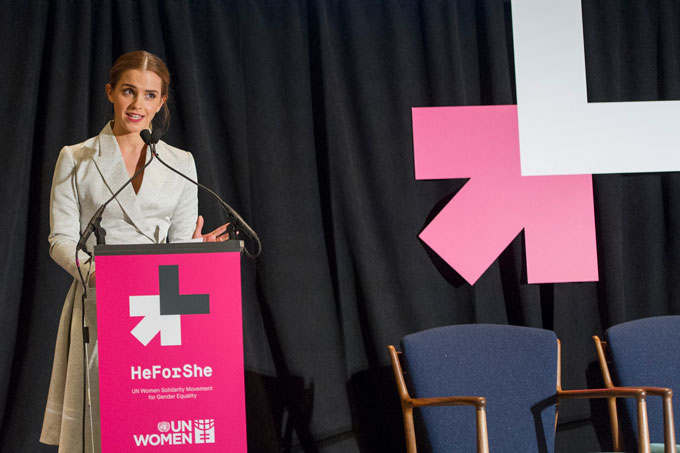
Actor Emma Watson – best known for her role as Hermione Granger in the Harry Potter films – has been hiding books on climate activism around Glasgow during COP26.
The secret stash of more than 40 titles is part of a campaign by The Book Fairies, a global book-sharing organization, to plant inspiring reads on climate change.
Yes... #EmmaWatson has launched #COPBookFairies! Book fairies around the UK this weekend will be sharing hundreds of incredible books related to climate change, activism and caring for our planet! #COP26 #IBelieveInBookFairies pic.twitter.com/FpTjqEnYeO
— BookFairies Scotland (@BookfairiesScot) November 5, 2021
Related: Get inspired by alternatives to Amazon for books and alternatives to Audible for audiobooks
Here are six of the #COPBookFairies titles Emma Watson has been hiding:
Why We Swim — by Bonnie Tsui
Why We Swim, Bonnie Tsui – swimmer, journalist and author Bonnie Tsui dives into the world of swimming to explore humankind’s relationship with water.
(Amazon) (Bookshop) (Libro.fm)
Who Cares Wins — by Lily Cole
Who Cares Wins, Lily Cole – this book curates creative solutions to climate change from the minds of entrepreneurs and activists including Stella McCartney and Extinction Rebellion co-founder Dr Gail Bradbrook.
(Amazon) (Bookshop) (Libro.fm)
A Honeybee Heart Has Five Openings — by Helen Jukes

A Honeybee Heart Has Five Openings, Helen Jukes – writer, beekeeper, and tutor Helen Jukes charts how a year looking after a beehive helped her reconnect with nature and friendships.
(Amazon) (Bookshop) (Libro.fm)
The End of the Ocean — by Maja Lunde

The End of the Ocean, Maja Lunde – this novel by the Norwegian author and climate campaigner Maja Lunde, envisages a world without enough water and how it impacts a father and daughter.
(Amazon) (Bookshop) (Libro.fm)
How Women Can Save The Planet — by Anne Karpf

How Women Can Save The Planet, Anne Karpf – poor women of color are most impacted by the climate crisis - yet are rarely at the negotiating table. Sociologist Anne Karpf calls for visionary global climate policies that promote gender equality.
(Amazon)
All We Can Save — edited by Ayana Elizabeth Johnson and Katharine K Wilkinson
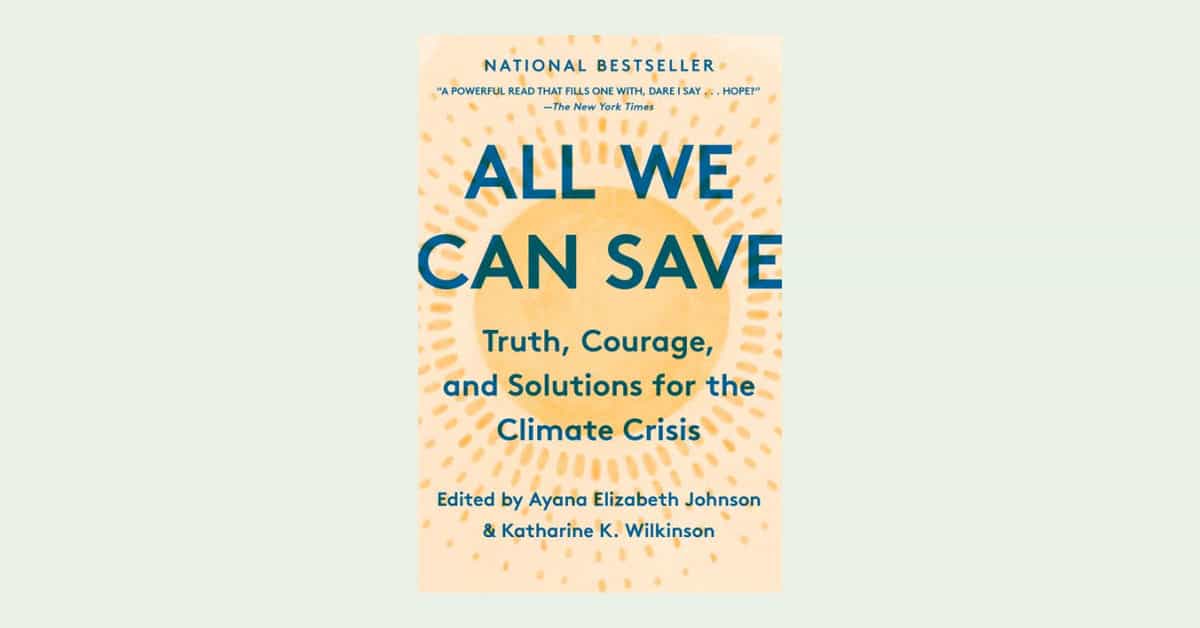
All We Can Save, edited by Ayana Elizabeth Johnson and Katharine K Wilkinson – a powerful collection of essays from some of the women leading on climate issues in the United States, from scientists and teachers to activists, farmers, and lawyers.
(Amazon) (Bookshop) (Libro.fm)
Promoting gender equality
Alongside her acting work, Emma Watson campaigns on climate, social, and gender equality issues. She is a Goodwill Ambassador for UN Women – the United Nations organization which promotes gender equality and the empowerment of women.
During COP26, Watson’s official Instagram site was taken over by “an anonymous Feminist Collective”.
More than 300 books were shared around the UK as part of The Book Fairies’ #COPBookFairies campaign.
A version of this story was originally published by World Economic Forum.
Some of the links included in this article are affiliate links — which means that Good Good Good may earn a commission if you choose to make a purchase — at no cost to you. Thank you for your support!
Growing up as first-generation Asian-American in this country, shame was my inherent state of being. It was the only context in which I could understand my Korean identity; yet I now realize, it was never my shame to carry. No, that was the systemic burden of white supremacy.
White supremacy is the most complex labyrinth of a system that we are born into in this country: where every single person, whether their race or privilege, is born into a place in its layered webs in society and serves a subliminal purpose to upholding it.
As a Korean-American woman, that looked a lot like feeding into the model minority myth. My whole life, I was taught to be quiet and suppress my innate Asian identity to be more white to assimilate — all while staying grateful for what I’m given, even if it was the pity handouts and scraps. But it didn’t serve me and it certainly didn’t serve the sacrifice my parents and ancestors made to get me to where I am today.
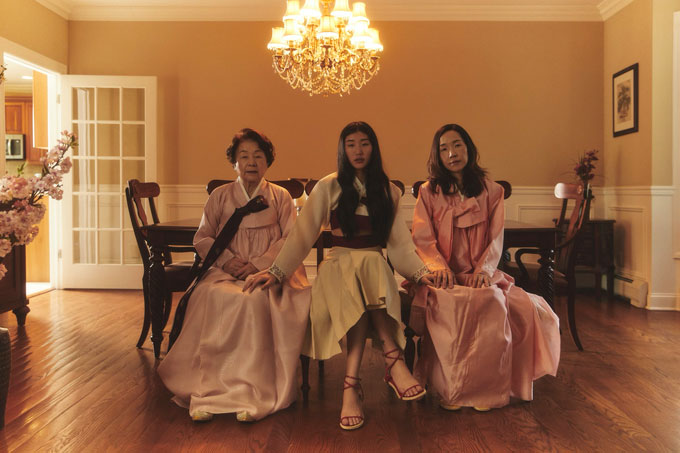
My grandmother and mother taught me sacrifice, respect, and humanity. My grandmother is a Korean War refugee. She taught my mother, who taught me, to always advocate for my power. But growing up, I can’t count how many times I stood beside my mother with white teachers and parents and witnessed her sacrifice her power.
I used to resent her for never talking back. But now I realize, she never talked back so I could. She was silent, so I could be loud. She sacrificed her power, so I could find mine.
I am only loud because I know the pain that lies behind our silence too deeply.
I am only a disruptor of these myths because I feel how suffocating it is to be conditioned under them.
I am an activist because it's the only way I could make sense to heal and come back together with my Asian identity and the parts of myself I thought I had forever lost. This is how I reclaim the power that the young Asian girl within me thought she had to sacrifice to survive.
"Activism, to me, as much as it is about protesting and organizing large-scale demonstrations, is about speaking my truth."
Activism, to me, as much as it is about protesting and organizing large-scale demonstrations, is about speaking my truth. I didn’t intend to be an activist. I just possessed this burning question of: “What do I need to say in order to feel free standing in my truth? What do I need to create in order to try to heal?”
We are at a rare moment where history can be rewritten and where it will go will determine whether another generation of young Asian girls will have to carry this trauma. We have an opportunity to make sure they don’t — and to break the cycles of anti-Asian racism that have long been here.
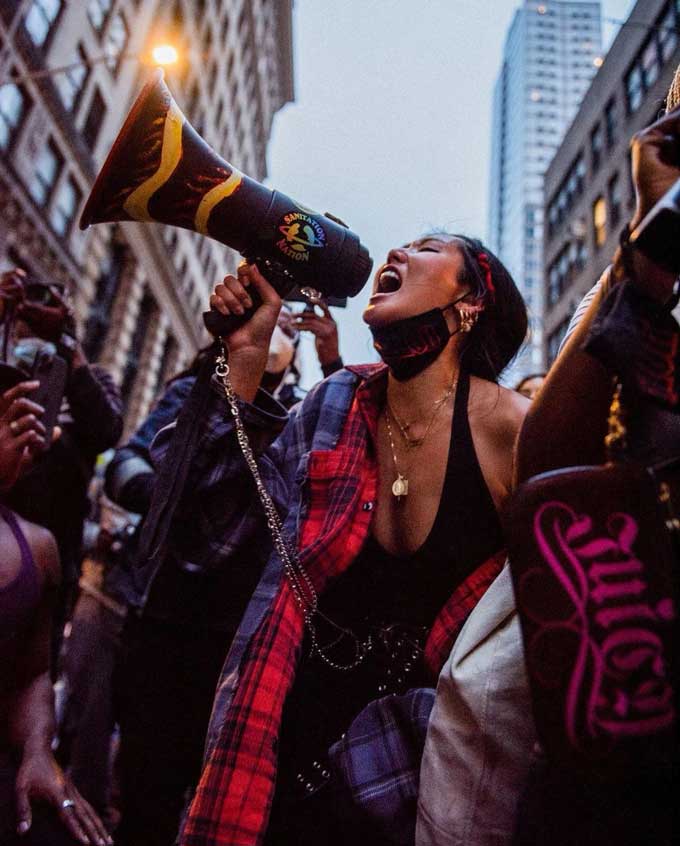
What we are seeing is nothing new. It’s important to remember that the term “Asian-American” was initially created by Asian women activists in the 1960s who mobilized Americans of various Asian ancestries in the spirit of unity and transnational solidarity by working with other communities of color. Take Japanese-American activist Yuri Kochiyama, for example, who notably worked with Malcolm X in the 1960s.
As an Asian-American youth, I know that we are inherently connected to a strong history of protest and rebellion in this country. We must learn and continue to build upon these histories of solidarity and coalitional politics that our community has.
Our parents’ generations may have been silenced, but our generation of AAPI is not. We are done being America’s model minority, and by uniting with our voices (voices many of our parents and ancestors did not have the privilege to exercise), we hold this power. With social media as well, our generation harnesses greater powers than before to mobilize and push for true sustainable reform and collective action.
The headlines and media attention around COVID-19 and the Atlanta shooting is all so temporary, but what about the intrinsic ways America has pushed an anti-Asian agenda from the start?
What about Hollywood and its harmful tropes of “dragon lady” and Asian women as submissively docile sex objects? What about the fast fashion that came at the cost of exploited Asian laborers? What about America’s agendas throughout Asia of globalized modern warfare and settler colonialism? How are we committing to combat and bring light to those, beyond this moment of time?
"We cannot find safety to heal within the same structures that have routinely caused harm to our people."
For me, this starts with organizing safe spaces for collective healing in the face of the most recent waves of anti-Asian racism, because we cannot find safety to heal within the same structures that have routinely caused harm to our people.
Many looked to increased policing as a solution to the recent upticks of violence. But what about 19-year-old Christian Hall, a Chinese-American who was killed by the police last year with his hands up during what was a mental health emergency where he should have been tended to with care?
In reality, more policing will only further endanger our most vulnerable communities that have far too long been underrepresented and exploited by a system that many immigrants and elders have simply lost trust in (as we saw by the data gap in the lack of officially reported hate crimes).
Hate crime legislation, such as the recent COVID-19 Hate Crimes Act, only expands the power of anti-Asian abuse at the hands of its biggest perpetrators, the police, and fails to get to the root cause of the violence: white supremacy.
Instead, through centering the community through protesting and mutual aid, which is more about creating sustainable alliances between people in our communities in the first place, we see the lasting value of intersectionality and transformative justice. We see activism extending beyond the streets, into people’s homes, and beyond the temporal moments of tragedy.
Mutual aid efforts such as Safe Walks in NYC, an organization which recruits volunteers to escort elderly Asian neighbors safely to and from home, provide restorative, community-centric care in much-needed acts of solidarity.
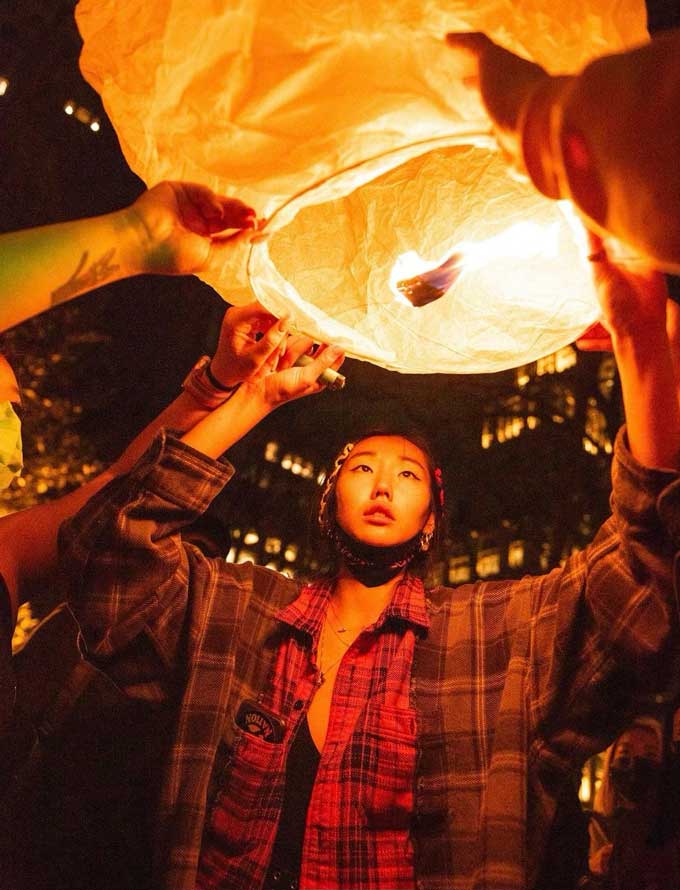
The first protest I ever organized was a BIPOC women's solidarity march in the wake of Atlanta with Warriors in the Garden, because I felt it was vital for us as AAPI to unite with all BIPOC communities during this time. It was a celebration of women of color coming together in solidarity and protest of not only the lives lost in Atlanta, but all BIPOC women's lives stolen from us.
We must stand grounded against the common root of our violence: white supremacy. And we can only truly combat white supremacy when we all stand united and work together in solidarity.
Warriors in the Garden is a non-violent, abolitionist protest collective in New York City that I now organize with. Centering abolition and transformative justice in all the spaces we create, we are warriors dedicated to eradicating all forms of white supremacy and protecting our communities of color.
Intersectionality is all about uplifting these communities — specifically the ones that lie at the most vulnerable margins and intersections in our collective fights. The fight is nothing if not intersectional.
Author Jason Reynolds best said, “If we understand how the tree works, how the trunk and roots are where the power lies, and how gravity is on our side, we can attack it, each of us with small axes, and change the face of the forest. So let’s learn all there is to know about the tree of racism. The root. The fruit. The sap and trunk. The nests built over time, the changing leaves. That way, your generation can finally, actively chop it down.”
"I never realized just how quiet I was, until I saw how radical it was seen as for me to be loud."
I never realized just how quiet I was, until I saw how radical it was seen as for me to be loud. I was blind to just how suffocating my conditioned silence and shame had become, until I broke free from it. In a desperate effort to heal the hearts of Asian mothers I did not know but felt like could be my own, I ended up finding my own awakening to my repressed Korean identity.
I think about the radical imagination the young Asian girl within me once had; the way she saw the world, before the world saw her. I want to get back to that.
A radical imagination of who we could be, if fully liberated from the wrath of white supremacy.
Jeannie Jay Park is a Korean-American intersectional activist, creator, and model.
She is the founder of Sanitation Nation, a not-for-profit brand merging fashion and activism focused on building intersectional solidarity, and co-lead organizer with Warriors in the Garden, a leading protest collective in NYC.