Every Fourth of July since 2006, the Carnegie Corporation of New York has commissioned comic books that feature the stories of real-life naturalized citizens and their extraordinary lives for a series titled “Great Immigrants, Great Americans.”
On the first page, against a sky-blue backdrop dotted with cityscapes, the introduction reads: “In this comic book, naturalized U.S. citizens tell their immigrant stories in their own words: how they built careers, fled war zones, united with family, found belonging, created a new home, and made America a better place.”
In June, Carnegie partnered with the National Council of Teachers of English to bring the comics into classrooms nationwide. The initiative kicked off with a summer cohort, where teachers met to create middle and high school classroom resources based on the comic book series.
“I’m really pleased and excited that Carnegie wanted to bring in teachers from across the country to lead this work, rather than create something on their own and have teachers react to it,” Emily Kirkpatrick, executive director of NCTE, told K-12 Dive. “That’s something that I wish a lot of other entities in our world would model.”
The stories within each comic are as diverse as the people they portray. One includes the story of Mona Hanna, who was born in the United Kingdom after her family fled Iraq during the Baath regime. She later immigrated to the U.S. and would go on to become the pediatrician and public health advocate whose research uncovered the Flint water crisis.
“It’s impossible for me to separate me from my background,” Hanna writes in her self-authored comic. “The circumstances that shaped me led me to advocate for children. My story is an immigrant’s story.”
All of the immigrants in the comic series are modeled after superheroes, a colorful and eye-popping parallel that, according to Kirkpatrick, makes it easier to draw kids in.

“We know that the more that an individual reads, the better a reader they become. So one of the most important things an educator can do is find the type of content that’s most attractive to a student,” said Kirkpatrick.
Kirkpatrick praised the comic book series — and the Carnegie cohort — as a creative way for teachers to share resources.
“This is really important, especially when we’re seeing so much turnover in the teaching profession,” Kirkpatrick said. “We need to find new and novel ways to encourage and engage teachers, and NCTE really sees evidence that we’re on to something.”
A version of the article originally appeared in the 2025 Education Edition of the Goodnewspaper
Header image via Mikhail Nilov / Pexels
There’s no question that the COVID-19 pandemic disrupted the education of millions of children. According to the BBC, U.S. literacy rates dropped significantly in 2020, a trend that educators have been working hard to reverse.
Despite efforts to continue classes through remote learning, school closures disproportionately affected the country’s most vulnerable students, including students in low-income families and non-English-speaking households.
In Colorado, the issue is especially stark. A 2025 report found that over half of children in grades three through eight are reading below proficient levels. Alfred Tatum, Ph.D., is an executive director at Colorado’s Literacy Research Center and Clinic, which opened its doors to Aurora locals in February. He said that their mission is twofold.
“The goal of this research center is to do what we can to ensure that fewer and fewer students are being underserved by literacy instruction in this state,” Tatum told MSU Denver RED. “While we’re conducting statewide research, we will also provide direct clinical services to students and adults who may want to identify if they have a reading difficulty.”
“Having no guidance is really stressful,” said Christina Smith, whose 9-year-old daughter is currently being tested for dyslexia. “To have something like this program, where they are experts in that space and want to help, providing resources is really critical and honestly a huge relief.”
In Sonoma County, California, teachers and school districts are also mobilizing. The Sonoma County Office of Education recently launched a regional campaign to improve literacy by third grade, which has long been considered a critical milestone in child development.
The fellowship attracts grade school teachers from across 40 counties to share what works — and what doesn’t. The biggest takeaways emphasized day-to-day phonics learning and instilling confidence in their students.
Natascha Simpson, a second-grade teacher at Bellevue Elementary School, said that she’s seen the impact of the fellowship program firsthand.
“I had a boy who started second grade as a non-reader … at the end of the school year he was reading at the end of a first-grade level,” Simpson told The Press Democrat. “It’s unlocked something for him. [The fellowship speakers] talked about confidence, and that’s there for him now.”

In Canton, Ohio, the Black Assistance Foundation is bridging educational and nutritional gaps with the “Breakfast & Books” program, which provides a quiet space for students in grades three through eight to do their homework on Sunday mornings.
And the allure of a free, hot breakfast buffet doesn’t hurt either.
"[It’s about] children being able to come someplace positive and expand on their reading skills, and also being able to feed them as well during that time," Chanda Robinson, who serves on the foundation's board, told The Canton Repository.
Across the country, teachers are joining forces with universities, nonprofits, and families to create what researchers call a “literacy ecosystem.” This community-based approach prioritizes early intervention, one-on-one coaching, and ensuring that books are freely available in students’ lives.
In Worcester, Massachusetts, Beth Orsini knew she could help with the latter. According to NBC News, several of the town’s public elementary schools don’t have libraries at all.
So Orsini, who runs the indie bookstore Hygge House Books, teamed up with Sandy Burgers of the Changemakers Rotary Club of Central Massachusetts to create free libraries throughout the city.
At first, they installed them on the sides of community fridges provided by Woo Fridge, a nonprofit combating food insecurity.
Then they recruited a network of volunteers to build a book nook inside Vernon Hill Elementary School. The new library — and its freshly donated books — inspired the staff to increase their reading goals for the year.
"If we work together … it can happen pretty quickly and pretty easily," said Orsini, who has more book nooks planned for the coming school year. "I think literacy is really one of the keys to success."
A version of this article originally appeared in the 2025 Education Edition of the Goodnewspaper.
Header image via Lina Kivaka / Pexels
Luiz Rocha has always dreamed of being an explorer.
“I had aquaria starting from age 5 or 6,” said Rocha. “And I decided to be a biologist when my third-grade science teacher brought in fish for a class. I’ve just always had this attraction to fish and going out in the ocean.”
Today, as the ichthyology curator for the California Academy of Sciences, Rocha has fulfilled his childhood dreams. Whether he’s boating on the open water or studying fish on a cellular level in the lab, the biologist has tackled some of his field’s biggest questions.
Rocha told National Geographic that there’s “nothing better for an explorer than going to a place that nobody has ever been, finding a species that nobody has ever seen before.”
And now, by venturing into the ocean’s twilight zone — the watery depths between 180 and 330 feet deep — Rocha’s latest expedition led to the collection of 2,000 specimens.
Remarkably, 100 had never been recorded in the region, and 20 were entirely new to science.
Rocha said that the expedition centered on the retrieval of autonomous reef monitoring structures, or ARMS, in Guam.
“[They] are essentially small underwater hotels that coral reef organisms colonize over time,” Rocha explained.
Some of the new species included a goby fish with a visible skeleton, a yellow-dotted sea slug, an orange cardinalfish, and a baby octopus marked with polka dots.
In an email interview with Forbes, Rocha emphasized just how monumental the Guam expedition was.
“As deep-reef scientists, our biggest limitation in studying the mesophotic zone is time, due to the long decompression needed to ascend,” he wrote. “While we humans can only spend 15-25 minutes surveying at these depths, ARMS have been collecting data 24/7 for eight years.”
“This long-term snapshot of deep reef biodiversity is unparalleled, revealing everything from never-before-seen species to evidence of a clear and steady warming trend at depth,” he continued.

“Understanding twilight zone ecology, connectivity, and vulnerability is essential for effective conservation planning in a rapidly changing ocean.”
Robert Lasley Jr., a curator at the University of Guam who specializes in crab diversity and evolution, said that this latest tactic for monitoring sea life “captures a remarkable diversity of marine life that cannot be obtained any other way.”
“Two weeks of processing the ARMS plates yielded more data and species records than we’ve ever seen before in Guam at these depths,” Lasley said. “Our findings highlight the complexity and richness of mesophotic ecosystems and underscore their need for protection.”
When Rocha and his team took the plunge in November, it marked the start of a two-year effort to retrieve 76 ARMS from deep Pacific reef, meaning countless discoveries have yet to be unpacked.

For Rocha, it’s just the beginning. He once told the California Academy of Sciences that the process of discovering and describing new species presents an ever-evolving puzzle.
“There’s been a lot of resurrecting names, or negatively validating names, or outright describing animals as new species. It’s a sort of Wild West of correcting and reclassifying things that continuously changes and advances what we know,” he said with a laugh. “It’s incredibly exciting.”
You may also like: 16,000 new species are discovered every year. Experts say discovery 'far outpaces the rate of species extinctions'
Header image via the California Academy of Science
Although Americans know them as “ladybugs,” the beloved red-and-black beetle is better known as a “ladybird” in the United Kingdom — and the entomology world at large.
A family of spiders bears an uncanny resemblance to the “ladybird” beetle — earning it the name velvet ladybirds. Their striking appearance has put them on many lists as one of the “most beautiful spiders on the planet.”
There are 38 species of velvet ladybirds, and they can be found across North Africa, southern and central Europe, the Middle East, and Asia.
And now, new research has uncovered a ladybird spider in the wilds of a cork oak forest in southern Morocco — and it’s unlike any previously known to science.
Typically, male ladybird spiders have black heads covered in small black hairs, but the Eresus rubrocephalus has red hairs covering its head, front body, and chelicerae (mouthparts).
In their research, which was published in the scientific journal Animals, János Gál and his peers described the discovery of the “red-colored oddball.”
“After reviewing the available literature, we found no species among those described so far as exhibiting the morphology of the so-called ladybird spider whose pars cephalica was completely red, either in Europe, North Africa, or Asia,” the researchers wrote.

“Our aim was to prove, based on characteristic morphological marks and genetic analysis, specimens found by us belong to a new species.”
As natural predators of beetles and ants, ladybird spiders prevent local insect populations from ballooning out of control by trapping them in vertical silk-lined burrows in lowland heathland ecosystems.
Unfortunately, due to widespread habitat loss, the spiders have suffered population decline in Sweden, Germany, and the United Kingdom.
In the U.K., one ladybird spider — the Eresus sandaliatus — vanished for over 70 years, leaving scientists to assume that they had gone extinct.
After being rediscovered in Dorset, England in 1980, conservationists came together to save the striking spider through the Back from the Brink project.
“The ladybird spider depends on lowland heathland, but so much of this habitat has been lost over the last century, for forestry, farmland or built on … Conservation work means there are now 19 populations and nearly 1,000 individuals, but it is still very vulnerable,” Back from the Brink wrote on their website.
The newly discovered Eresus rubrocephalus now joins a family of spiders that scientists would like to preserve.
“As our study highlighted, the diversity of the Eresus genus justifies further and wider surveillance of variable geographical regions,” Gál and his peers concluded.
You may also like: Scientists discovered thousands of new species in 2025. See 9 that wowed them, from the 'curiously isolated' butterfly to the screaming pika
Header image via Hard To Concentrate / Wikimedia Commons Attribution-ShareAlike License
Every day the Good Good Good team collects the best good news in the world and shares it with our community. Here are the highlights for this week!
If you want to get good news in your inbox every day, join the Goodnewsletter — the free daily newsletter designed to leave you feeling hopeful.
The Best Positive News We’re Celebrating This Week —
Stingless bees from the Amazon rainforest are the first insect in the world to be granted legal rights
The planet’s oldest bee species and primary pollinator in the Amazon rainforest just made history as the first insects anywhere in the world to be granted legal rights.
Supporters hope that giving stingless bees the right to exist and flourish will set a precedent for similar protections for other bee and insect species around the world.
The native bees have been cultivated by Indigenous peoples since pre-Columbian times, and unlike their European cousins, they have no sting.
Why is this good news? Critical pollinators in the rainforest, sustaining biodiversity and a healthy ecosystem, stingless bees face threats from climate change, deforestation, pesticides, and competition from other bee species — scientists have been racing to get them on conservation red lists.
→ Read more
This Florida program reduced preterm births by 30%. Could it be a model for other states?
Over two decades, a couple planted over 2.5 million trees to restore a Brazilian nature preserve
In 1998, award-winning photojournalist Sebastião Salgado and his wife, Lélia Deluiz Wanick Salgado, founded their nonprofit nature preserve, Instituto Terra. They spent the next two decades planting over 2.5 million trees.
They were inspired after Salgado returned from covering the Rwandan genocide to his father’s degraded cattle ranch, which was “as sick as I was.”
They started with a 100,000-seedling donation from a local mining company, and began to restore their little plot of land. Now, it’s so covered in trees, it can be seen from space.
More good news of the week —
Assisted fertilization is helping revive and restore disappearing coral reefs in the Dominican Republic. The technique is gaining momentum in the Caribbean to counter the drastic loss of corals due to climate change, which is killing them by heating up oceans and making it more difficult for those that survive to reproduce naturally.
Scientists discovered two new subtypes of MS, a breakthrough that could revolutionize and personalize treatment. With the help of artificial intelligence, the discovery could pave the way for personalised treatments and better outcomes for patients.
A rare jaguar sighting in Arizona is giving conservationists hope for the species’ recovery. Even after jaguars were listed as endangered in 1997, they continued to face widespread habitat loss due to deforestation, draining wetlands, and border wall construction along the U.S.-Mexico border.
Researchers found and mapped ‘climate change safe havens’ that are more resilient to warming around the world. The study of climate change refugia — places that are buffered from the worst effects of global warming — has grown rapidly in recent years.
To ring in the new year this weekend, Impact Ministries, a church in Boonville, Indiana, announced an audacious goal for 2026: Raise $1 million to build a homeless shelter.
“There is not a homeless shelter in Warrick County, and we firmly believe there should be,” the church’s pastor and director, Brad Shuck, said in a social media video announcing the campaign.
The church itself has already been a place of shelter and respite for people in the community facing homelessness, with a makeshift warming center set up during the winter, and a 15-day program for anyone who enters the church’s door in need of help.

During that period, the church works with individuals to help them find a job and start receiving an income. Once this milestone has been achieved, they are able to stay at the church and save their money so they can find a permanent home.
“In the course of one year,” Shuck said, “we have been able to take 24 people who were living on the streets and get them into homes.”
The fundraising campaign is a natural next step for these efforts, the church shared on social media, calling their future shelter “a place of safety, dignity, and life-changing support for our neighbors in need.”
The fundraising campaign asks 2,000 Impact Ministries congregants and supporters to give $500 to make the homeless shelter a reality.
“I’ll be the first,” Shuck said in the video. “My wife and I will give $500 toward this endeavor.”
Although the $1 million goal seems out of reach, he is firm in the belief that it can be raised by the community.
“We believe this goal can be reached, because we’ve already seen what God can do through the generosity of this community,” the church shared on Facebook, reminding readers about the 24 individuals they already helped in 2025. “That’s the power of compassion in action.”
Those who want to donate can contact the church at 812‑641‑0067 or give directly at People’s Bank in Boonville, Indiana by asking to donate to the Impact Ministries Building Fund.
“Every dollar placed in that fund will go only toward the construction of the new shelter,” Shuck emphasized.
While a location for the shelter has not yet been determined, Shuck said they want to stay within the city of Boonville in Warrick County.
“We are looking right now for a place where we can either build, or an existing structure we can utilize as Impact Ministries,” he said.
Once a location has been identified and built, the church added, the shelter will not just provide beds to people in need but will also offer mental health support, life coaching services, job coaching, and day-to-day assistance for people facing poverty and homelessness.
This endeavor comes as a growing number of churches use their properties and congregations to confront the housing crisis across the United States, stepping in to bridge gaps in services local and federal governments cannot — or will not — fill.
“Impact Ministries is taking the lead because we’ve been doing the day‑to‑day work with our homeless neighbors for a while now, and we feel a responsibility to move forward instead of waiting for someone else to do it,” the church shared in a comment on social media.
“That said, we’ve already had churches, organizations, and individuals express interest in partnering with us as the project grows. This isn’t something we’re trying to do alone — we’re simply the ones willing to start.”
And with the generosity of members of the community, Shuck said, transformation is possible.
“With your help, we can begin construction this year or early next year,” Impact Ministries concluded on Facebook. “Together, we can — and we will — make a difference.”
You may also like: Church to demolish existing worship space, creating 110 units of affordable housing
Header image by Jonny Gios on Unsplash
Making friends as an adult is hard. Outside of coworker happy hours or obsessively pre-planned outings with a lifelong best friend, making time for cultivating relationships can be inaccessible to most adults.
And reliance on social media and digital platforms doesn’t help what the World Health Organization has called a global public health concern: Loneliness.
One major Swedish pharmacy chain has stepped up with an idea to reduce loneliness and improve social relationships among its employees.
Apotek Hjärtat, the pharmaceutical company, has launched a pilot program for “friendcare” after the Swedish government called on businesses to play a part in combating loneliness.
“I’m really tired when I go home. I don't have time or energy to meet my friends,” Yasmine Lindberg, one of 11 participants taking part in the trial, called “Friendship Hour,” told the BBC.
She added that she spends most of her free time with her teenage children, who she sees every other week following a divorce four years ago. She admitted feeling “quite lonely.”

But under the Friendship Hour program, Lindberg receives 15 minutes a week — or an hour per month — during working hours to focus on her friendships and new connections. During this time, she is allowed to chat on the phone, make plans via text, or meet up with someone in person.
Participants are also given 1,000 kronor (or $100 USD) from the company to help pay for social activities during the year-long trial. Employees are also encouraged to take an online training to help them recognize and address loneliness.
While the allotted time and stipend aren’t exactly enough to fully cultivate a relationship, Lindberg said it helps.
“I wanted to make it better for myself … like, kick myself in the back to do stuff,” she told the BBC. “I feel happier. You can’t live through the internet like most people do these days.”
The program is an extension of what many Swedish companies already offer: “friskvård,” or a benefit for employees that offers a tax-free annual wellness allowance to spend on fitness activities, massages, or other perks. Some companies also offer a weekly wellness hour for staff called “friskvårdstimme.”
Apotek Hjärtat’s “friendcare” program came from a previous collaboration with mental health charity Mind, which found that short, meaningful conversations between pharmacists and customers helped pharmacists feel less isolated at work.

The company’s CEO, Monica Magnusson, said they wanted to test if this short dose of “friendcare” could also have a positive impact on employee wellbeing. Apotek Hjärtat again worked with Mind to develop the pilot and loneliness training program.
“We try and see what the effects are from having the opportunity to spend a bit of time every week on safeguarding your relationships,” Magnusson said.
“Employees in workplaces are an important target group for us. We hope to promote a humane work environment, teach more people how to spot warning signs and encourage them to nurture social relationships,” Rickard Bracken, Secretary General at Mind, said in a statement.
“It doesn't have to be complicated. A text message to check on the situation may be seen as a small gesture, but can mean a lot in the long run.”
Although the pilot was launched in April 2025, Mangusson says it is too soon to decide whether the “friendcare” efforts will roll out widely. But, she added to the BBC, self-assessment surveys from the small pool of participants indicate higher levels of life satisfaction compared to before the program started.
“I think this is very interesting and I’m following what they’re doing,” Swedish Health Minister Jakob Forssmed told the BBC. “[But] I’m not going to give you any promises that the government is going to scale this up or give a tax deduction or something like that.”

Still, Apotek Hjärtat is eager to lead the movement to reduce loneliness on a corporate level. The company is also part of a business network called “Together against involuntary loneliness,” which Forssmed formed in 2023. It includes about 20 major Nordic brands (including Ikea), whose leaders meet and discuss strategies for tackling loneliness.
“It’s quite a different approach to working together,” Magnusson said, “collaborating as companies in an area where you just let competition go, and instead try and figure out ‘how can we tackle this common obstacle that we have?’”
While some experts believe loneliness is a structural issue, requiring people to have access to communal living, events, and socialization, interventions like Apotek Hjärtat’s may be key to “lowering the threshold” that makes it difficult to prioritize friendships.
“In our business, we encounter loneliness daily, and our employees will also go through the stages of life when the risk of involuntary loneliness is greatest,” Magnusson said in a statement.
“We want to give them knowledge and tools to better prevent this for themselves and those close to them.”
You may also like: After 4-day workweek success, this company is letting employees work whenever and wherever they want
Header image by Brooke Cagle on Unsplash
In Olivehurst, California, a town a bit north of Sacramento, a new “micro-community” of homes hopes to do it all: Resist climate change, provide affordable housing, and act as a blueprint to scale 3D printing to mitigate the housing shortage statewide.
The block of five homes is called Corduroy Castles, and the first house is nearly done printing.
For the past few months, the first home has been squeezed out of a large 3D printer, its concrete foundation emerging one inch at a time. It’s a project of 4dify, a Sacramento-based startup that hopes to scale 3D-printed homes in a state crunched by the housing crisis.

“We are extremely excited to be working with an innovative investment and development team in Olivehurst, California — where, like much of California — there is an ongoing and increasing need for affordable housing,” Endemic Architecture, the firm supporting the development of Corduroy Castles, shares on its website.
“Consisting of five houses, this project deploys 3D printing construction methods that reduce the cost of home ownership to well below market rates without sacrificing the architecture.”
The approach of 3D printing homes is gaining traction quickly, with a 100-home community emerging in Texas, and other smaller projects popping up in cities nationwide.
It has a lot of perks. For one thing, it’s a lot faster than traditional construction.
In just 24 days, the printer layered the first 1,000-square-foot house 13 feet high in Olivehurst.
“These … homes will feature unique designs and layouts, offering character across the development,” 4dify shared on its website. “The remaining four homes will be printed two at a time, accelerating the overall timeline.”

“We want the machine to do the heavy lifting,” Nan Lin, owner of 4dify, added to The Sacramento Bee. “We want the humans to do detailed work that the machines can’t do yet.”
Another benefit to using this technology is the cost. The machine itself costs about $1.5 million, but labor costs are reduced, as crews of three to five people work with the machine to build a house in about four to six weeks. This is in contrast to the traditional team of five to 10 people needed to build a “regular” home over several months.
The homes in Olivehurst are not ready to be sold yet, but Lin said they will likely be listed between $350,000 and $375,000.
Lin also said the machine is capable of printing eight to 10 houses a year, ideally scaling up to have 10 machines printing 100 homes a year.

“Long term, we definitely want to be a leader in the industry,” Lin added. “Short term, we want to dial this in for the next few houses and we want to start scaling this.”
In fact, Corduroy Castles will serve as a case study for an even more ambitious project: A community of 75-100 3D-printed duplexes being designed in Southern California.
The cost and time efficiency are surely a benefit for developers looking to fight housing shortages in California, but in a state still recovering from deadly wildfires last January, they are also a beacon of resilience amid the devastating effects of climate change.
The concrete mixture used in the 3D printing process is strong, durable, and weather-resistant. The base and walls could also provide energy savings when it comes to heating and cooling.
“It’s water, fire, wind, mold, pest, people resistant,” Lin told The Sacramento Bee. “You can’t punch a hole through the wall. If this was a rental product, it would last so much longer than a traditional product.”

Samples of the Corduroy Castles’ walls even underwent ballistic testing, taken to a range and shot with guns.
“They’re bulletproof,” Lin said. “The bullet just stops on the wall.”
The homes in Olivehurst will have metal roofs held up by wood trusses, but architects are considering a 3D-printed concrete roof in future designs, which would remove any flammable materials from a home’s exterior.
While it’s unclear exactly what the future holds for the Corduroy Castles and its developers, local leaders are abuzz with potential.
“It is redevelopment, which is great,” Gary Bradford, Yuba County supervisor of the project, told The Sacramento Bee. “It’s adding density, which is also great, and helping to revitalize an older, lower income part of the county.”
You may also like: First-of-its-kind 3D-printed neighborhood gives 100 homes to 'chronically' homeless
Header image courtesy of Endemic Architecture
Amy Hendricks is an internal medicine doctor who has spent much of her career in the Northwest Territories of Canada, practicing medicine in rural areas and caring for patients where they already are.
When she and her husband, Paul Davie, moved to Antigonish, Nova Scotia, he had a vision to build a medical clinic on the first floor of their new home.
But they struggled to find the perfect plot of land.
“We thought, how hard could it be?” Davie told The Canadian Press. “Then we spent a year or 18 months looking around Antigonish trying to find a place where you feel the click. It needed the right zoning, it needed space for parking.”
Once their realtor found them their dream property on the foot of Sugarloaf Mountain, everything started coming together.
They could put a medical clinic on the main floor and their living quarters right on top. Hendricks could still walk to the nearest hospital.
“It was a no-brainer,” she said.
But after buying 46 acres of land, they quickly realized it was far more than two people needed.

“Paul said, can’t you imagine an affordable housing development here?” Hendricks said.
They connected with Colleen Cameron, the chair of the board of directors for Antigonish Affordable Housing Society. After a benefit concert about three years ago, Hendricks approached Cameron and offered the organization the land.
“It’s a dream for us not-for-profits to receive free land,” Cameron said. “That is a big part of our expenses.”
Now, the forthcoming Sugarloaf development is being designed alongside the AAHS, The Naomi Society, an organization that helps domestic abuse survivors find transitional housing, and Inclusion Canada, which supports people with disabilities.

Each organization was given a parcel of land for development, right next door to Hendricks and Davie. Once complete, it will include housing for disabled individuals, affordable units by AAHS, and transitional housing for people fleeing domestic violence.
“We give huge thanks to Amy Hendricks and Paul Davie, our future neighbors and generous land donors,” a March 2025 Facebook post from AAHS reads.
“AAHS is modelling 54 homes for a first phase of development. This will be a transformative project providing community-supported, high quality, energy-efficient affordable housing, along with supports to tenants to navigate services and facilitate community. Estimated opening is 2027. What an exciting gift!”
So far, the CACL and medical clinic are already in the works, but Hendricks and Davie are anxious to get the rest of the housing built, hoping to fill an urgent need in their rural community.

“We have multiple nursing homes in Antigonish,” Hendricks said. “At the wages people earn from working in a nursing home, they can’t actually live in the community.”
The couple said they also hope to one day add a daycare and corner store in the new community, hoping to provide a walkable and communal area for everyone who lives nearby.
“It’s land we don’t need for ourselves,” Davie said. “It seemed a bit of a waste to just leave it there.”
You may also like: Billionaire buys apartment complex to slash rents for Colorado mountain town workers
Header image: THE CANADIAN PRESS/Handout - Amy Hendricks and Paul Davie (Mandatory Credit)
Every year, the Yale Program on Climate Change Communication surveys a representative sample of Americans to gauge “top public worries” about climate change, policy, and general concerns among those living in the United States.
In September 2025, the program revealed a few key findings about what Americans — often across political divides — said were causing them the most amount of stress.
The top three sources of worry were government corruption (54%), cost of living and the economy (48%), and the state of democracy in the U.S. (44%).
About a third of respondents also said they were “very worried” about issues like global warming, and about one-fourth shared their fears over job security.
Around 43% of U.S. adults also reported that their screen usage is higher than they would like, with 30% reporting that they were online “almost constantly,” according to Digital Journal.
At the same time, mental and physical health care is increasingly inaccessible. According to the National Alliance on Mental Illness, nearly half of the 60 million adults and children living with mental health conditions in the U.S. go without treatment every year.
And those who do seek care must navigate a fragmented and costly system full of prohibitive obstacles.
With the passage of the Senate’s “One Big Beautiful Bill Act” in the summer of 2025, these issues will be even more compounded. The bill significantly cuts Medicaid, making it even harder for low-income Americans to access care. The Congressional Budget Office estimates 11.8 million people will lose Medicaid coverage by 2034.
With all of this in mind, we called licensed therapists and mental health professionals to gather some wisdom for how we can all best move ahead in these uncertain times.
We distilled the top five issues plaguing the majority of Americans — political unrest, climate change, workplace stress, personal issues, and digital burnout — and asked these experts: How do we keep going?
Their answers are below. They absolutely do not replace traditional therapy or mental health treatment, but we hope they can provide some relief and direction in a time where we could all use a bit more of both.
Answers have been edited for length and clarity.
Meet the experts: 3 therapists help us navigate modern American life
Dr. Jenny Taitz | @drjennytaitz

Dr. Jenny Taitz is a clinical psychologist with specialties in acceptance and commitment therapy and dialectical behavioral therapy. Her latest book “Stress Resets: How to Soothe Your Body and Mind in Minutes” provides practical solutions to help you cope with whatever comes up in daily life.
Crystal Britt | @itscrystalbritt

Crystal Britt is a licensed clinical social worker providing psychotherapy for neurodivergent clients and highly sensitive folks like herself. Diagnosed with ADHD and autism later in life, she provides resources to people experiencing burnout, helps identify sensory needs, and leads "therapeutic gaming” through Dungeons & Dragons.
Alex Mammadyarov | @alexmammadyarov

Alex Mammadyarov is a licensed mental health counselor and psychotherapist. She works with clients processing all types of grief — from losing a loved one to family estrangement — as well as those navigating transitions, experiencing anxiety, and working through trauma. Her debut book “Growing Through Grief” is on shelves now.
These are the things worrying Americans most — and how to cope with them
Political Unrest

Jenny Taitz: Let’s start by validating your worry. You’re a caring person that cares deeply. But you can also do something that helps. Can you donate to someone in need? Can you get involved in a grassroots organization? It’s easy to minimize the impact of a difference, but it’s not nothing.
Crystal Britt: With the kind of political atmosphere we find ourselves in today, a lot of my clients frankly feel a responsibility to fix every problem or heal the whole world.
A great practice in this case would be to consider your own capacities and one issue you're most passionate about, and focus time and energy there, as opposed to spiraling about every issue that is upsetting to our nervous system.
Our brains are doing their job when they are triggered by something unjust or cruel, but our brains were not meant to see the volume of cruel and unjust things in the world at the rate we do.
Alex Mammadyarov: Political unrest is another area of American life that can make us feel powerless and even hopeless. What tends to amplify those feelings is self-isolation. For that reason, it is vital that we tap into community. By taking care to spend time with our people, we can exchange feelings and ideas, create a sense of unity, and foster hope.
Climate Anxiety

Jenny Taitz: Climate anxiety is so understandable, and it’s a sign that you care about the world, which is a beautiful thing.
One of the biggest things that helps with anxiety is to be productive and do something that’s actually helpful.
Can you eliminate meat on Mondays? Can you use a refillable water bottle? Identify a way you can instill small, positive change, rather than thinking “the world is burning.”
Crystal Britt: Specifically for neurodivergent folks, the number one thing I would recommend to confront climate anxiety is spending time in person with other people.
This can even mean parallel play hangouts — they don’t need to be task-oriented! Because of our individualistic society, a lot of us are dealing with all of these big, scary issues in isolation, leaving us with highly sensitive nervous systems that like to ruminate, in addition to even feeling helpless or powerless.
Knowing we are together in these feelings can give us a lot of power back.
Alex Mammadyarov: We can cope with climate anxiety in two parts: Allowing ourselves the space to grieve what once was and what may be, and channeling that grief into healing action.
We might use a mantra such as, “This grief is a natural response to the loss of seasons, traditions, and places as I once knew them, and it is safe and even productive to allow this feeling.”
To reclaim some sense of agency, which loss often strips us of, we can do our part in our respective corners, perhaps by joining climate initiatives.
Digital Burnout

Jenny Taitz: Social media apps are designed to suck you in, so it’s important to take a step back and figure out what would help you with stimulus control. Get data on how much time you are spending on your phone, and then figure out what you need to do.
Maybe remove an app from your phone and just keep it on your desktop, or set a timer to keep track of where you want to be spending your time.
Crystal Britt: If you want to spend less time on screens, consider how your body feels, and instead of setting timers to get off your phone (since all of us ADHD folk know that doesn’t work), maybe set a timer for a body check-in where you ask yourself, “How does my brain feel? How does my body feel? Do I need water? Do I need to stand up?”
Engaging with the physical space around us can sometimes help us move from the digital space and into our bodies (where all the anxiety from the digital burnout goes).
Alex Mammadyarov: Digital burnout is so common today because we use devices and social media for multiple aspects of daily life – work, entertainment, connection. It can feel like the only way to be informed; however, it’s extremely important to put a cap on this.
Consider turning off notifications at a certain hour, trusting you have become informed enough for today, and pivoting to relaxing or tactile activities that don’t involve devices like reading a book or doing a puzzle.
Workplace Stress

Jenny Taitz: An acronym I love to use is by psychiatrist David Burns, who came up with TIC-TOC, or task-interfering cognitions and task-orienting conditions.
What we want to do is replace a thought that interferes with your task with one that orients you back to your task. For example, a TIC might be “This is too much work; I can’t do it,” and a TOC would be, “I know I can do this for 20 minutes.”
Crystal Britt: I recommend a shielding meditation to clients before they go into work (or start their day working inside their home!) and a clear-your-energy meditation afterwards.
Emotional shielding meditations sometimes include imagining a Glinda-type bubble around you, where you allow all of the day’s mess and inconveniences to bounce off of you.
A clearing energy meditation can help you do a reset after work ends at the end of the day, so your body can return to a more rested state.
Alex Mammadyarov: When we don’t create clear boundaries between our personal and professional selves, we run the risk of experiencing workplace burnout.
Workplace and digital burnout often overlap because our devices create too much of a link between those parts of self, which can then feel challenging to separate. We also may subconsciously utilize work as a distraction from other aspects of our lives that need tending to.
Try to notice if you are taking on more than is expected of you, and if that is the case, ask yourself this question: “What might I be avoiding outside of work?”
Personal & Relational Stress

Jenny Taitz: I love the mantra “avoid avoiding.” We don’t need to have difficult conversations when emotions are big and intense, but when emotion comes down, we need to have difficult conversations.
Things won’t get better if you let them fester, and you can approach any challenge with warmth rather than hostility.
Crystal Britt: Anecdotally, a lot of the clients that I see that are neurodivergent or highly sensitive also previously spent a lot of time masking and people-pleasing to help other people around them cope well, sacrificing their own emotional well-being and not even realizing it.
The first step is noticing these patterns and finding ways to unmask or live authentically within our relationships, which then gives us the tools we need to navigate external stressors to the best of our ability.
Alex Mammadyarov: When it comes to personal and relational stress, it’s important to remember that we have to put our metaphorical oxygen mask on first before helping another. Sometimes, this idea brings up guilt; however, if we work on lessening our own stress, we can actually be of greater support to those around us.
Check in with yourself to make sure you’re not pouring from an empty cup, and remember that you also deserve to experience fullness in any way that is available to you.
A version of this article was originally published in The 2026 Mental Health Edition of the Goodnewspaper.
Header image and illustrations by Carra Sykes/Good Good Good
One design firm in Kenya wants to make it even easier for Blind and visually impaired shoppers to style their clothes.
Hisi Studio started as Angela Wanjiku’s senior project at the University of Nairobi, where she studied textile design.
Now, she has a full-fledged label, where textile artists sew beaded Braille patterns and phrases onto shirts, skirts, and more.
One shirt reads: “The less you see the eyes, the more you see the heart.”

In addition to Braille designs, each garment comes with a QR code tag that describes clothing descriptions and care instructions for visually impaired wearers. It utilizes tools like Google Talkback on mobile devices, which reads the information from the scanned QR code back to the user.
And some designs are made specifically to help improve the everyday lives of people who are Blind or visually impaired.
For example, a leather belt bag featured in Hisi Studio’s first two collections was made to help reduce the amount of theft many Blind Kenyans said they faced, with a holster that fits close to the body and allows the wearer to account for all of their belongings.

“I believe fashion plays an important role as a communicator of information in social interactions and as an aid in establishing self-identity,” Wanjiku told Teen Vogue.
“Fashion designers and clothing manufacturers should choose to be intentional about their consideration for disabled consumers.”
Julius Mbura, a visually impaired customer, told The Associated Press that he enjoys being able to know what his T-shirts say “without having to depend on someone else.”
“This is one brand that ensures people who are blind and visually impaired appreciate textile and fashion and clothes that represent who they are and what they are,” Mbura said.
A version of this article was originally published in The 2025 Fashion Edition of the Goodnewspaper.
You may also like: This clothing swap app lets shoppers use their own clothes as currency: 'An ever-changing wardrobe'
Header image courtesy of Hisi Studio/Facebook
Search-and-rescue dogs have long been vital partners to emergency responders, able to find a scent trail, locate their subject at the end of that trail, and alert their handler, guiding assistance to someone who might be lost, trapped, injured, or, tragically, dead.
But artificial intelligence company Scientific Systems is working on a tool that combines the brilliance of canines with digital information gathered by AI systems, relying on humans as a bridge to analyze them both, helping save people faster than any of the three ever could alone.
It’s called Collaborative Intelligence for Olfactory Search Missions Integrating Canines and Technology, or COSMIC-T.
As dogs do their sniffing, a drone gathers information about the dog’s movements along with environmental factors, like weather conditions, wind patterns, and geography.

From there, AI software makes predictions about where someone might be. Handlers watch as a tablet displays color-coded maps, using infrared sensors to refine predictions that help them to direct their dog colleagues in the right direction.
Or, if faster than on four legs, an autonomous drone moves in the direction of the person in need.
After three years of testing, Scientific Systems found that mock victims were located five to 10 times faster than they would have been without the help of AI.
The system can also monitor a dog’s physiological and behavioral state in real time, ensuring that a mission is not too physically or emotionally draining on the pup.
COSMIC-T’s canine training data was captured during training missions conducted by the Boone County Missouri Fire District.
“It’s been a privilege to assist Scientific Systems in its COSMIC-T program,” Scott Olsen, Fire Chief of Boone County Fire Protection District, said in a statement.
“Canine Search Teams are one of the most important components of our disaster response capabilities, and we’re proud to have contributed data and expertise towards technologies that can help advance the Search and Rescue mission.”
But never fear: These dogs, and their human counterparts, won’t be out of their jobs due to the emergence of AI.
“We’ve spent hundreds of millions of dollars trying to make a sensor that is as good as a dog’s nose, and we’ve never gotten close,” Mitchell Colby, the group lead for AI and machine learning at Scientific Systems, told Nautilus.
“AI is making great strides, but I have not seen any AI that can compete with the intuition of an operator with a lot of experience.”
You may also like: Shelter dog makes history as first-ever 'morale dog' stationed on a US Navy ship
A version of this article was originally published in The 2025 Dogs Edition of the Goodnewspaper.
Header image courtesy of DFID - UK Department for International Development (CC BY 2.0)
In November 2024, residents in St. John’s County, Florida, overwhelmingly backed a property tax hike reserved for boosting teacher salaries, increasing school safety, and expanding student programs.
The county’s teachers' union estimated that it would generate $23.7 million specifically for better teacher pay.
“It is huge for St. Johns County and we are thrilled and we are grateful,” Kate Dowdie, president of the St. Johns Education Association, told Action News Jax.
The newly padded paychecks range based on teacher experience, from teachers with less than five years of experience receiving a $4,500 boost, to teachers with more than 21 years under their belt getting up to $8,888. Checks will be distributed over the course of 10 to 12 months, during the 2025-2026 school year.
For teachers in the county, that new bonus amounts to 10% of their annual salary — a number that can make a world of difference.
“It’s a difference between them staying and taking a job elsewhere,” said Charlena Retkowski, president of the St. Johns Educational Support Professional Association. “We’re hoping that will retain and bring in more people.”

The measure, which passed with the support of 68% of voters, is a “big relief” to people like Dowdie.
“This has been a critical need for us,” said Dowdie, who teaches elementary school students when she’s not leading the union. “With such a low pay, having teachers say ‘Okay, I can come back and serve my community — that’s huge.”
A version of this article originally appeared in the 2025 Education Edition of the Goodnewspaper.
Header image via Max Fischer / Pexels
When people imagine national park sites, they probably envision the geysers of Yellowstone or the crisp ocean breeze of Acadia.
But national park sites aren’t just a feature of the great outdoors. Of the 433 park sites in the National Park System, only 63 are actually parks.
The rest are a mix of national historic sites, memorials, preserves, or other designations — all full of rich, nuanced American history and cultural significance.
National monuments in particular are areas of federal land protected for their significant historical, cultural, or scientific importance, established under the Antiquities Act of 1906, which preserves and protects the archeological heritage of the U.S.
Though many might get their first taste of national monuments on a tour of Washington, D.C., they also include land, buildings, statues, or even underwater areas all over the country.
Unlike national parks, which are known for their natural beauty, national monuments are dedicated to preserving the stories and legacies of people and events responsible for shaping the land and history of the U.S.
Some major monuments that immediately come to mind include the Martin Luther King Jr. Memorial, Abraham Lincoln’s Birthplace, and Mount Rushmore. But here are 10 others that are must-visits.
10 must-visit national monuments
Stonewall National Monument | New York, NY
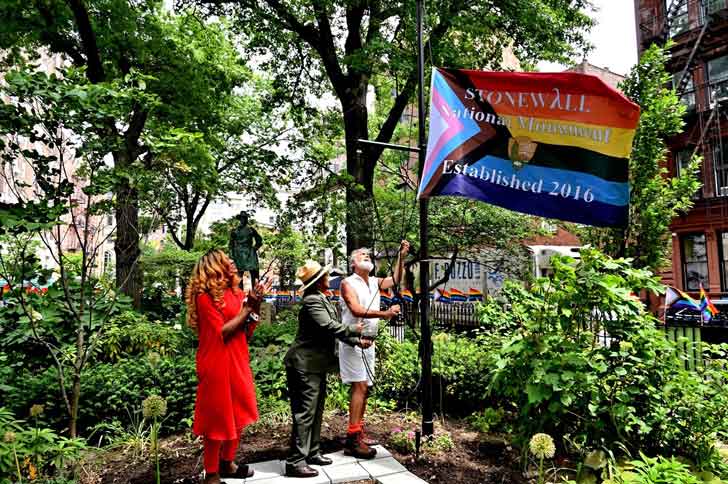
A 7.7-acre national monument in Greenwich Village honors The Stonewall Uprising of 1969, which paved the way for LGBTQ+ equality in the U.S. It includes an immersive museum, educational center, and art programming.
Montezuma Castle National Monument | Camp Verde, AZ

The country’s third-ever national monument, Montezuma Castle preserves Native American culture found in a 20-room home nestled in a limestone cliff overlooking an unforgiving desert.
Birmingham Civil Rights National Monument | Birmingham, AL
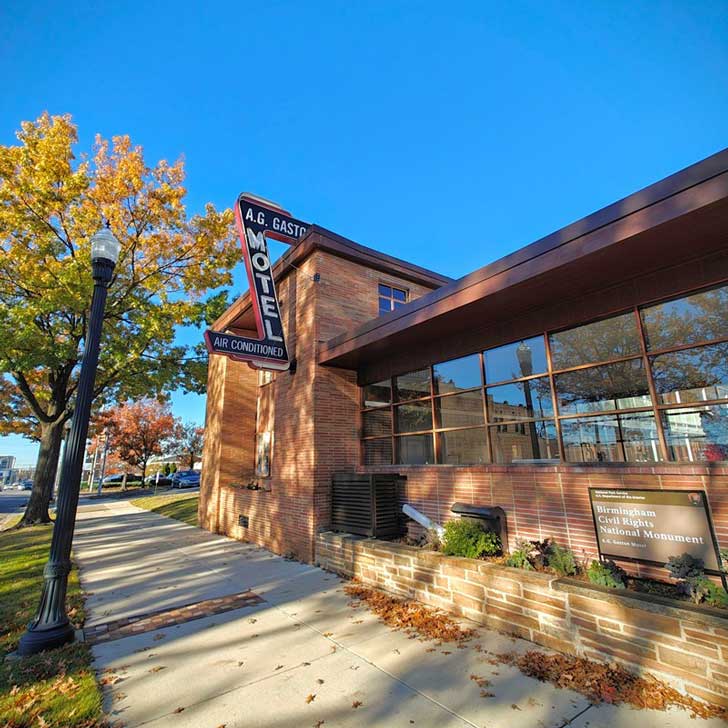
This monument preserves and commemorates the work of the 1963 Birmingham campaign, with a number of sites that served as a crucial setting to the Civil Rights Movement.
Craters of the Moon National Monument | Acro and Carey, ID

A unique geological monument and preserve, Craters of the Moon includes three lava fields and grasslands that cover over 1,000 square miles. The monument sits along the Great Rift of Idaho, home to the deepest known open rift crack on Earth.
African Burial Ground National Monument | New York, NY

Located in the Financial District, this monument contains the remains of more than 419 Africans buried during the late 17th and 18th centuries, some of whom were free, though most were enslaved.
Carlisle Federal Indian Boarding School National Monument | Carlisle Barracks, PA

One of the newest national monuments, this site tells the shameful and traumatic history of family separation and abuse within Native communities. Established in December 2024, it is being preserved in close consultation with Tribal Nations.
Katahdin Woods and Waters National Monument | Stacyville, ME
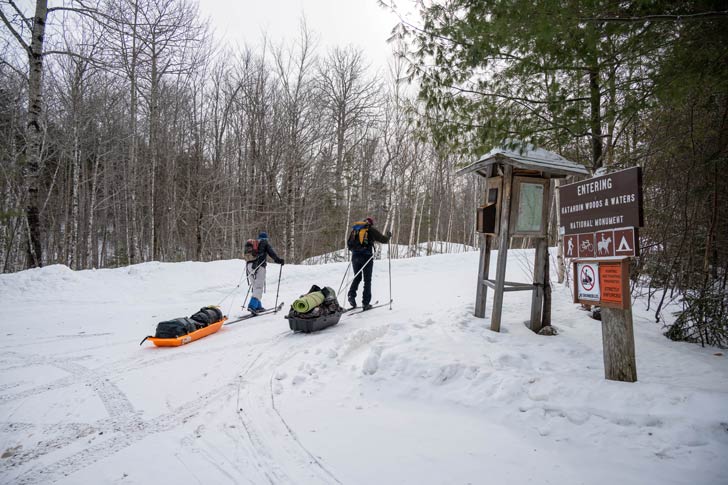
87,500 acres of Maine’s North Woods are protected through the designation of this national monument. A beloved recreation area, it is also home to a rich 11,000-year history of the Wabanaki people.
Emmett Till and Mamie Till-Mobley National Monument | Chicago, IL

Including three sites, this monument occupies a total of 5.7 acres in Illinois and Mississippi, documenting the heartbreaking torture and lynching of 14-year-old Emmett Till, and the brave actions of his mother, Mamie Till-Mobley, which set the Civil Rights Movement in motion.
César E. Chávez National Monument | Keene, CA

This monument commemorates the home and final resting place of Latino civil rights and labor activist César E. Chávez. The property also served as the former headquarters for the labor movement he helped create: the United Farm Workers of America.
Dinosaur National Monument | Vernal, Utah
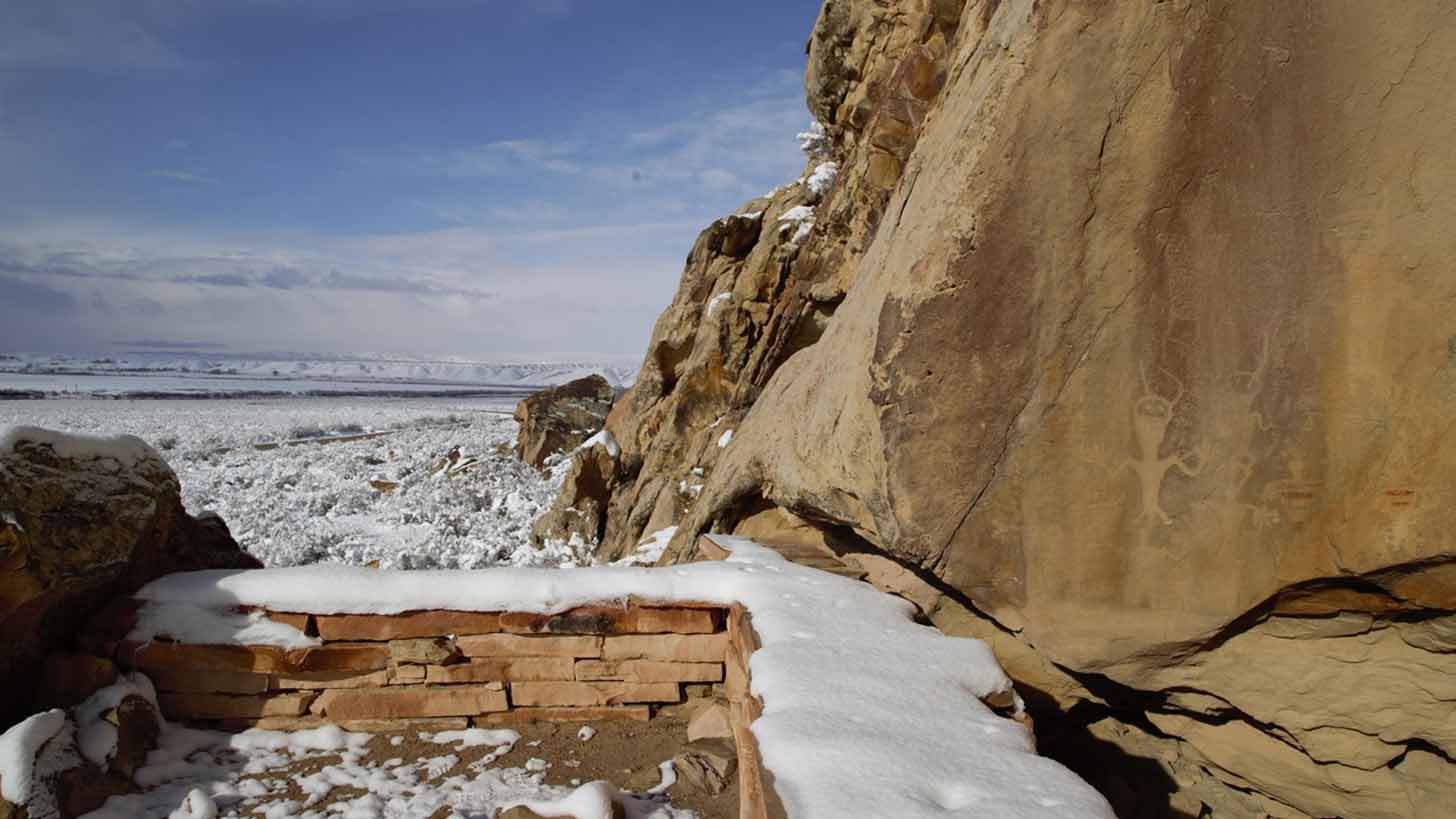
Situated on the border between Colorado and Utah, this national monument is home to rich scientific, geological, and paleontological history. Containing over 800 sites, visitors can view fossils of dinosaurs that roamed the region over 150 million years ago.
A version of this article was originally published in The 2025 National Parks Edition of the Goodnewspaper.
You may also like: Yosemite National Park puts mules to work in the busy season: 'If you've used the bathrooms, thank a mule'
Header image: NPS Photo / Jacob W. Frank
Classically trained as a landscape painter, Mariah Reading realized that using new canvases and materials was harming the environments she loved to depict in her work. Pivoting to a “zero-waste practice,” she started collecting litter during her cross-country travels to the country’s national parks.

From discarded helmets and leather gloves to plastic boxes and even a folding chair, she uses found objects as her canvas, painting protected landscape environments on their surfaces and photographing them against their real-life references.
As an Artist in Residence at Denali, Zion, Guadalupe Mountains, and Acadia National Parks, Reading has expanded her body of work right from these park sites.
She also volunteers as an Arts in the Parks coordinator, leading conservation workshops and creative curriculum for students of all ages.

She’s logged thousands of miles traveling across the country’s historic parks and told People Magazine that she realizes the materials she uses now will never be in short supply.
"There's a lifetime of work to be done," she told the magazine.
“It is now more critical than ever to leave no trace,” Reading added in an artist statement on her website.
“When our public lands are not vigilantly protected, the detrimental effects cannot be ignored. My practice revolves around ways I can lessen my footprint upon Earth and leave it better than I found it.”
In recent months, as park rangers have been instructed to remove informational materials around topics like social injustice, colonialism, and climate change, Reading has shared that her work takes on an even greater importance.
“I originally made this piece during Covid and titled it ‘Lend a Hand,’” Reading wrote about an artwork she painted on a discarded glove in Acadia National Park.

“However, with [this week being] the week park employees were forced to take down messaging and facts about climate change and Indigenous history, I think this title takes on a new meaning. Continue to teach and share science, continue to protect the public lands nearest you, continue to support your community.”
A version of this article was originally published in The 2025 National Parks Edition of the Goodnewspaper.
You may also like: Yosemite National Park puts mules to work in the busy season: 'If you've used the bathrooms, thank a mule'
Header image courtesy of Mariah Reading
In South Africa, manufacturers of pineapple juice and other pineapple products discard thousands of tons of pineapple leaves every year, with most ending up in dumpsites.
The leaves are seen as agricultural waste and usually treated as useless. However, they can be converted into something that solves real-world problems — a powerful resource for both environmental protection and security.
This involves turning them into a special kind of nanoparticle. (Nanoparticles are very tiny materials, no bigger than 0.0001 millimetres.)
I’m part of a team of nanomaterial chemists who focus on making new materials from waste like pineapple leaves. We set out to discover if we could turn pineapple leaves into a nanoparticle powder that would adsorb (to hold a substance on the surface of a material, forming a thin film) copper, or Cu²⁺, from wastewater. We found that it could.
Once the pineapple leaf-based nanoparticles had adsorbed the copper, they could be ground into a powder that forensic investigators can use to dust for invisible fingerprints.
Our research filled a gap. It is the first time that an agricultural waste-derived adsorbent made into nanoparticles has been used to soak up heavy metals from water — and then reused afterwards in forensic science, at a low cost.
A bonus is that pineapple leaves cost nothing. While some are being turned into disposable diapers, and others are left on pineapple fields to compost, most are thrown away in landfills or even burnt on site.
Transforming the waste into a useful product supports the idea of a circular economy: keeping products in use by reusing and regenerating them as much as possible.
Products that clean up the environment and those used in forensic science have traditionally been researched separately. Developing one product that can do both at a low cost is important.
Effective and sustainable ways to remove toxic heavy metals from water sources are vital to protect human health and ecosystems, and finding improved ways to uncover invisible fingerprints is crucial in combating crime.
Why society needs the power of pineapple leaves
Wastewater contains toxic copper ions that flow into it from industries such as mining, electroplating, and manufacturing.
Copper pollution is a well-known problem in South Africa. Sludge often contains very high amounts of copper, and industrial wastewater can also contain copper that is higher than safe limits. Too much copper can harm people’s health, causing stomach problems and damage to the liver and kidneys over time. It’s also dangerous for aquatic life — fish and other species can be poisoned by it.
Most adsorbents are expensive when deployed to clean up wastewater that’s been contaminated by heavy metals like copper. Another hidden cost is that this contaminated water can’t be used again in industry or agriculture until the copper has been removed.
Society is also affected. Polluted water sources undermine public trust in water safety, can trigger community health crises, and use up scarce public funds for cleanups. So a cheap adsorbent really helps.
Police and other forensic investigators also need the power of pineapples. They currently use fingerprint powder that contains chemicals which pose potential health risks to the people handling them.
A material derived from pineapple leaves provides a safer, more sustainable, and eco-friendly alternative. The novelty here is the fabrication of a cheap powder from biomass waste.
How we made this discovery
We first coated carbon nanoparticles made from pineapple leaves with zinc oxide. Then we checked how well the nanoparticles could remove copper from water.
Our research found that pineapple-leaf-based nanoparticles coated with metal oxide (in this case, zinc oxide) form a material that sucks up copper in large quantities.
The reason the pineapple leaf nanoparticles work so well is because of how their parts work together. The zinc oxide (ZnO) coating and the sponge-like carbon structure make a great team. The coating helps the particles grab onto other materials more easily, while the porous (hole-filled) carbon gives them lots of surface area to react on.
Together, they create more spots where chemical reactions can happen and help the materials stick together more strongly, which boosts their overall performance.
We then tried to see if there was a further use for the spent adsorbent (the nanoparticles that were full of the copper they’d adsorbed). We powderized these nanoparticles and spread them over a porous surface.
We found that the powder showed up clear ridge patterns and could be used to dust for latent fingerprints (invisible fingerprints left by people’s natural oil and sweat).
What needs to happen next
Our study suggests that there is strong potential for scaling up this technology in water treatment facilities and forensic laboratories.
To start this off, research institutions and universities should test the performance of these nanoparticles in municipal or industrial wastewater treatment plants. Longer tests would also show whether the pineapple leaf nanoparticles are cost-effective over the long term.
The nanoparticles also need to be tested to see whether they remain stable for a long time in water and don’t break down.
Forensic laboratories and law enforcement agencies should explore ways of including the spent adsorbent into their work in uncovering invisible fingerprints. Using the spent adsorbent instead of ordinary fingerprint powders could reduce costs.
Government bodies and policymakers should support this new discovery through funding and incentives for sustainable, multifunctional materials.
Nanoparticles that enhance agricultural waste and address both environmental and societal needs should be prioritized for development.
At some point, regulations will also be needed.
Industry partners, particularly those in agricultural processing, mining, and manufacturing, can play a role by supplying crop waste and coming up with ways to commercialize the products.
By fostering collaboration between academia, industry, government, and law enforcement, this technology can help address heavy metal pollution. It could also reduce waste and spur the creation of new pineapple leaf products.
This article was written by Bienvenu Gael Fouda Mbanga from the Nelson Mandela University, and was originally published on The Conversation.
Header Image by Alfred Quartey on Unsplash

Maybe you’ve been sitting in church or listening to a lecture that, though provocative, sends you into a dozing dreamland, despite getting plenty of sleep the night before. Or maybe you’ve fought to stay awake during a long car ride. These experiences often have as their root cause a common factor — poor indoor air quality caused by a buildup of carbon dioxide because of poor ventilation.
In addition to sleepiness, poor indoor air quality has been shown to reduce productivity, negatively affect test scores, and spread disease. Simple ways to improve your indoor air quality, like replacing furnace filters and running air purifiers, can have a huge impact on your health and quality of life.
Poor air quality and ventilation harm your health
Outside air has a carbon dioxide, or CO2, level of about 427 parts per million (ppm), but that percentage can get much higher in closed spaces. As CO2 increases, brain function suffers, with school-age children more vulnerable than adults. At CO2 levels over 1,000 ppm, common effects include sleepiness, reduced productivity, and significant declines in the ability to perform complex cognitive tasks.
In one study, adults subjected to CO2 levels of 1,000 ppm saw a 15% drop in test scores; a 44% drop occurred at CO2 levels of 2,500 ppm. High CO2 makes you dumber!
At CO2 levels above 2,000 ppm, we often see headaches, fatigue, poor concentration, increased heart rate, and nausea. So it is important to keep the levels of CO2 in indoor air low through improved ventilation.
I carry around a portable CO2 monitor to test indoor air quality, and it is shocking to see how many buildings have CO2 levels far in excess of the recommended 500-800 ppm level. I’ve measured CO2 levels of 2,000-3,000 ppm in numerous places, including restaurants, doctor offices, meeting rooms, churches, and airplanes.
With climate change likely to drive people to spend more time indoors to escape increasing heat and wildfire smoke, ensuring that we have good indoor air quality is essential.
If you haven't listened to this yet, I highly recommend it. All your basic questions about indoor air quality -- what are the pollutants? what tech can keep them out? what policies do we need? -- are answered.
— David Roberts (@volts.wtf) November 23, 2025 at 4:23 AM
[image or embed]
Unfortunately, there are no federal regulations regarding the maximum CO2 level allowed in buildings. According to indoor air quality expert Dr. Georgia Lagoudas of Brown University, the only U.S. requirement for building ventilation is that 80% of building occupants do not complain about odor, but CO2 is both invisible and odorless.
Thus, as long as it doesn’t smell bad, indoor air in the U.S. is allowed to have health-damaging levels of CO2 — plus volatile organic carbons (VOCs) such as formaldehyde, and all six of the outdoor pollutants that the EPA regulates: PM2.5 (fine particles less than 2.5 microns in diameter), ozone (O3), carbon monoxide (CO), nitrogen dioxide (NO2), sulfur dioxide (SO2), and lead.
The American Society for Heating, Refrigeration, and Air Conditioning Engineers (ASHRAE) writes building codes (including indoor air quality standards) that are adopted across the world. Still, these standards are optional and are only adopted at the state and city levels.
Unfortunately for air quality, during the 1970s energy crisis, many buildings were designed to be more airtight, with less outdoor air ventilation, in order to improve energy efficiency. The result was an increase in “sick building syndrome” — a situation in which the building occupants feel unwell — because of poorly-ventilated buildings with high CO2.
Meanwhile, we know that most respiratory pathogens, such as COVID and flu, are airborne and will spread more easily when there is poor ventilation. CO2 is used as a marker for the portion of air in a space that was exhaled from people’s lungs. At a CO2 of 800 ppm, 1% of the air you breathe in comes from someone else’s breath, and your COVID risk rises dramatically. At 2,000 ppm, the percentage climbs to 4%. At that level, it’s pretty likely that if anyone in a crowded indoor space has a respiratory illness, they will spread it to multiple people.
There has been an increasing push in recent years to improve indoor air quality, since people spend over 90% of their time indoors. There are relatively cost-effective ways to improve indoor air quality that have a huge return on investment.
In September, a Global Pledge for Healthy Indoor Air was made at the United Nations, culminating in the formation of the Global Commission on Healthy Indoor Air. This pledge is the first international declaration that clean indoor air is a fundamental human right.
In the U.S., the Clean Indoor Air Initiative, led by Brown University, says that cleaner indoor air could cut respiratory disease by 80%, reduce student absences by 13%, boost workplace productivity by 11%, and provide a $23 billion annual benefit to the U.S. economy through a 35% decrease in sick leave.
Monitor CO2 and PM 2.5 to know your hazards
It’s a good idea to invest in a portable CO2 monitor to judge your indoor air quality; Boston public schools monitor every classroom for CO2, CO, and PM2.5. There are many commercially available ones available; one of the ones most widely used by indoor air quality professionals is the Aranet4 (I have one and have been very happy with it). They cost $179 on Amazon.
An excellent low-cost CO2 monitor (under $40) is the INKBIRD PTH-10C (see review here). My wife has also made a cheap homebuilt CO2 sensor for about $30 using Arduino technology (see instructions here) that we plug into a USB battery and carry around. There’s a free app called Sensirion MyAmbience that will show graphs of the data.
Ikea is now selling in Sweden its Alpstuga air quality sensor, which measures CO2, PM2.5, temperature, and humidity for only $32. The company has not announced when it might be available in North America.
Great overview of CO2 monitoring. High CO2 is associated with COVID spread, and causes sleepiness, headaches, fatigue, and lower test scores (15% drop at 1000 ppm; 44% drop at 2500 ppm). I’ve found 2000-3000 ppm in restaurants, doctor offices, meeting rooms, churches, and airplanes.
— Dr. Jeff Masters (@drjeffmasters.bsky.social) December 5, 2025 at 7:52 AM
[image or embed]
Similarly, it’s important to monitor and reduce your indoor PM2.5 levels. Globally, more than 4 million deaths per year are estimated to be triggered by outdoor PM2.5 air pollution, according to the World Health Organization.
But the toll could be much higher. A 2019 study concluded that outdoor air pollution from PM2.5 and ozone causes about 8.8 million premature deaths globally each year, with the large majority of the deaths from PM2.5.
A 2021 study found that PM2.5 pollution from burning fossil fuels kills 8 million people per year. An additional 3.2 million deaths per year occur globally because of indoor PM2.5 pollution, primarily from burning dirty fuels for cooking. A premature air pollution-related death typically occurs about 12 years earlier than it otherwise might have.
According to a 2018 study done by the Health Effects Institute, a U.S. nonprofit corporation funded by EPA and the auto industry, PM2.5 pollution in the U.S. contributes to approximately 87,000 premature deaths per year from a wide range of causes, such as cardiovascular disease, cerebrovascular disease, lung cancer, and dementia.
But other research has put the number higher: A 2019 study estimated that PM2.5 killed 197,000 people per year in the U.S., and a 2018 study estimated the toll was 230,000-300,000 deaths, with 40-60% of that total potentially from exposure indoors, primarily from outdoor air that had high PM2.5 levels being brought indoors and not properly filtered.
HEPA filtration is very effective at removing PM2.5, and I highly recommend that you make sure you have enough air filtration occurring to reduce indoor PM2.5 levels below an AQI of 50. Thus, you should buy a PM2.5 monitor to check your indoor PM2.5 levels.
Breathesafeair.com is a great source of reviews, and you should also check out the performance tests done by the South Coast Air Quality Management District of California. They have an extensive database showing how well the most popular home monitoring devices perform compared to expensive official units.
I have a portable Temtop PM2.5 sensor (which is now sold for $60 on Amazon with the capability to also measure VOC and formaldehyde). My 3-year-old Temtop has been valuable in letting me know when to run extra HEPA indoors, but I’ve been unhappy with the random spurious spikes of a factor of three in AQI lasting one to two minutes that it often gives. For outdoor PM2.5, I highly recommend the PurpleAir sensor, which I’ve had for over 10 years (see review here).
Monitor your indoor PM 2.5 levels to understand your filtration and ventilation needs. The South Coast AQMD tests how well the most popular home monitoring devices perform compared to expensive official units: www.aqmd.gov/aq-spec/sens.... And this site has some super-detailed reviews:
— Dr. Jeff Masters (@drjeffmasters.bsky.social) December 11, 2025 at 7:14 AM
[image or embed]
Five ways you can improve the safety of indoor air
1. Replace your furnace filter
Furnace filters will remove small particles (including viruses) but will not reduce your CO2 levels. Consult with your HVAC maintenance person to make sure furnace filters in all buildings are changed regularly.
When our area gets one of those nasty Canadian wildfire smoke episodes, we have to change the filters even more frequently than usual, since the smoke makes the filters fail faster than regular air gunk does.
The efficiency with which filters remove particles in the air is given by the Minimum Efficiency Reporting Value, or MERV, scale. The higher the MERV number of the filter, the better it is. ASHRAE recommends using a minimum MERV-13 filter, which is at least 85% efficient at capturing particles in the 1 to 3 micron (µm) size range, which includes fine dust, wildfire smoke, pollen, mold spores, bacteria, and the respiratory aerosols that harbor COVID and flu viruses. A MERV-14 filter is at least 90% efficient at capturing those same particles.
In contrast, a typical MERV-8 filter is only around 20% efficient in the 1-3 µm size range. One study found a 42% lower chance of getting COVID in a space using MERV-13 filtration compared to MERV-8 filtration. However, older ventilation systems are often limited to using a MERV-8 filter, since their fans have trouble forcing enough air through the MERV-13 filter. Using a MERV-13 filter might damage these older systems.
Tip: An easy way to reduce your COVID risk is to run your ceiling fan. It will mix the air around and fling virus particles into the walls, where they are likely to get absorbed and removed from the air.
2. Get an air purifier (or several!)
One of the easiest ways to improve indoor air quality is to use a plug-in air purifier.
I stay away from units that use UV light to treat the air, since UV light creates ozone, which causes lung damage. Well-designed UV air purifiers (with 254 nm lamps, proper sealing, no corona/ionizer/ESP elements) — when used appropriately — can minimize ozone generation and remove harmful viruses and small particles from the air. But because of the lack of standardized independent testing of consumer UV purifiers under real-world conditions, I think it is better to stay away from UV purification entirely.
You’re better off sticking with the most common and effective air purifiers — “high efficiency particulate air” (HEPA) units — which have pleated filters attached to a fan. HEPA filtration makes a huge difference in reducing COVID risk, as well as the poor health impacts of PM2.5 when there is a wildfire smoke episode. Always run it at the highest level that you can tolerate the noise of, since air mixing is important.
HEPA units typically have a black prefilter with activated charcoal (replace every three months if you want the best performance to remove VOCs like formaldehyde) and a pleated white main filter (replace every 6-12 months). You can brush the gunk accumulated on the black prefilter to extend its life.
You will need to modify the filter replacement time interval depending upon how much you run the fan, the fan speed, and the amount of gunk in the air. If you have a pet that sheds, it’s good to get a HEPA unit with a prefilter that you can periodically brush off.
Note: HEPA filtration will not decrease a space’s carbon dioxide level – just reduce the number of particles (including viruses) in the air.

If you don’t want to pay $150-$900 for a commercial HEPA unit, make your own using a box fan, duct tape, and MERV-13 filters. These make a really effective HEPA unit, and are called Corsi-Rosenthal boxes. The EPA and a bunch of universities have been testing these and have found that the ones using four filters are on par with commercial $900 HEPA units.
My wife has built a four-filter Corsi-Rosenthal box for about $75 using a 20-inch Lasko Windmachine fan ($49 on Amazon) and a four-pack of 3M Filtrete MERV-13 or MERV-14 filters ($52 at Costco, but they regularly have good sales).
She’s also built a two-filter Corsi-Rosenthal box using a nine-inch Black and Decker fan ($18 on Amazon) and some battery-powered portable ones using a 12-volt computer fan (Amazon has a five-pack for $32, or a single fan for about $10) for our tent for when wildfire smoke moves in.
Homebuilt Corsi-Rosenthal boxes should be good to run continuously for about a year; at that time, check to see if the filters look visibly dirty. If so, it’s time to discard them (but keep the fan and buy new filters to make a replacement unit). Cleanaircrew.org and UConn Indoor Air Quality Initiative have instructions on how to make Corsi-Rosenthal boxes.
Tip: Don’t skip making the cardboard shroud, as it makes the system more efficient.

To figure out how many HEPA or Corsi-Rosenthal units are needed to purify a room with a given CO2 level, you’ll want to calculate the clean air delivery rate, or CADR, of the units. My wife created a CADR calculator that tells you how much filtration you’ll need to achieve adequate infection control, as outlined in ASHRAE Standard 241-2023.
The CADR calculator has a CADR HEPA spreadsheet for the U.S., and indicates that an excellent HEPA unit that we own, the Coway Airmega AP-1512-HH “mighty” ($230 on Amazon), running on the highest level (fan speed 3), has a CADR of 253 cubic feet/minute, but is a bit loud (64 dBA).
An AirFanta 3Pro has a CADR of 413 cubic feet per minute, puts out 59 dBA of noise, and is $160 at Amazon (see detailed review here). A homebuilt four-filter Corsi-Rosenthal HEPA unit can deliver a CADR of 900 cubic feet/minute on medium speed (but is louder and takes up a lot of space).
If you’re using a four-filter Corsi-Rosenthal box, you can consult the chart below from the Corsi-Rosenthal Foundation to assess your filtration needs, based on the square footage of your space.
How many CR Boxes do you need for a particular space? Check out our new handy charts to help gauge your needs for: - school settings - residential settings *Notice the guidance is different based on your goals: - mitigating wildfire smoke - mitigating bioaerosols
— Corsi-Rosenthal Foundation (US) (@crfoundationus.bsky.social) October 9, 2025 at 11:22 PM
[image or embed]
3. Get an Energy Recovery Ventilator
Improve your ventilation by buying an Energy Recovery Ventilator, or ERV, unit. A professionally installed one will cost $2,000 and up for a home, but the investment pays off over time through improved air quality and energy savings.
ERVs suck in fresh air from the outside and expel stale air from inside, using the heat from the stale air to heat the incoming air before it is expelled. CDC recommends at least five air exchanges per hour to minimize COVID risk. There are ERVs that one can buy that can be installed without a professional’s help.
4. Get rid of your gas stove
Gas stoves are seriously bad for indoor air quality and are a public health concern, according to the American Public Health Association. The American Medical Association warns that cooking with a gas stove increases the risk of childhood asthma, and a 2023 study found that gas stoves were responsible for almost 13% of all childhood asthma in the United States.
Gas stoves emit harmful levels of three pollutants regulated by EPA: CO, NO2, and PM2.5; they also emit cancer-causing benzene. A study published earlier this year suggests that high gas stove usage without proper ventilation increases the risk of cancer due to emissions of benzene.
Gas stoves can also emit harmful amounts of CO2 in excess of 1,000 ppm. (Although this CO2 will not lead to increased COVID risk, it will contribute to headaches and lowered brain function.)
A 2024 study of emissions from a home gas stove found that the U.S. EPA’s Air Quality Index “safe” limit of 100 for CO, NO2, and PM2.5 (Unhealthy for Sensitive Groups) was exceeded for an average of 99 minutes per day. The NO2 emissions from gas stoves are particularly bad. If you do use a gas stove, make sure the overhead ventilation fan is on and open windows in the kitchen to improve ventilation.
If you are running a gas- or propane-powered stove in the kitchen (38% of all U.S. homes do), consider buying a single-burner induction stove to reduce the amount of cooking you do on your gas stove (cost: about $70, though you will also need steel or cast iron pans to cook with).
According to Rewiring America, a full four-burner induction stove/oven costs about $1,300. Like electric stoves, they require a dedicated 240-volt outlet connected to a 40- to 50-amp circuit breaker, and you may need to install high-capacity wiring, a new outlet, and upgrade your electrical panel. There are some induction stoves coming out that use a high-capacity battery to power them (cost: $6,000-$7,000), which would eliminate the need to do an expensive electrical system upgrade, though.
Gas stoves play an outsized role in Americans’ exposure to harmful nitrogen dioxide pollution, a new study finds.
— Inside Climate News (@insideclimatenews.org) December 11, 2025 at 1:45 AM
[image or embed]
5. Wear an N95 mask and test for COVID
Since former President Joe Biden declared the COVID pandemic over in September 2022, the U.S. has seen several hundred thousand COVID deaths. My father was one of them last year.
The long-term costs of COVID to society are going to be astronomical when you tally up the deaths, health costs of long COVID, and the likely unknown health costs. The casual way we treat COVID in our society is bananas, on par with how we treat the climate crisis.
I continue to take the COVID threat seriously, and since the beginning of the pandemic have unashamedly worn a well-fitting N95 mask at all indoor gatherings — even when eating out (it’s not hard to slip one’s mask aside for a few seconds and eat a bite of food without breathing in). I have yet to contract COVID.
It’s not a big deal to wear a piece of fabric over your face that protects you very effectively from one of the great scourges of modern civilization. Experimental studies have shown that wearing a mask does not appreciably increase the CO2 level of the air that you breathe — it’s equivalent to extending the length of your airway a few centimeters, which doesn’t have much of an impact.
The only reasonably sure way to have a COVID-free indoor gathering is to have everyone wearing an N95 mask. My favorite is the 3M VFlex 9105 ($42 for a pack of 50 from Amazon), which I’ve worn for 12 hours straight on cross-continent airplane flight days without serious discomfort.
But surgical masks are about 80% effective in stopping the virus and are more comfortable. Put a box of free masks out in your indoor space and encourage everyone to wear one. Some above-average surgical masks that have a wire at the bottom and top so they can conform to most faces are available on Amazon at a cost of just 17 cents each if you buy 400. We’ve also found that Korean KF94 masks are comfortable (KF94s are better than surgical masks, but not as good as N95s).
COVID testing is something I continue to do regularly. My wife and I were at a wedding three years ago where everyone tested (70 people), and it worked great. Nobody tested positive, and nobody got sick.
But we were at a wedding last year where this strategy was discussed but not enacted, and the wedding turned out to be a superspreader event where more than 30 people got sick. My wife was one of them, despite wearing an N95 mask indoors and being fully vaccinated. Her downfall appeared to be an outdoor party with light winds that we attended without masks. Near-field (aka spitting distance) is still a risk for transmission even with excellent ventilation and filtration. My wife now suffers from COVID-induced heart failure.
Hear how frequent illness and poor air quality posed major problems for students at Red Rock Elementary, and how Corsi-Rosenthal Boxes boosted their health and ability to learn. Learn more at: CleanAirK12.com CorsiRosenthalFoundation.org #CRBox #CleanAirK12 Full Video: youtu.be/dUYLPUfkv0g
— Corsi-Rosenthal Foundation (US) (@crfoundationus.bsky.social) February 25, 2025 at 7:25 AM
[image or embed]
This article was originally published by Yale Climate Connections.
Header image by Tim Witzdam on Unsplash
You certainly don’t have to be a snowman named Olaf to like a warm hug. In fact, a recent study from researchers at Queen Mary University of London has found why exactly those hugs feel so good.
It has a lot to do with temperature.
For most of academic history, temperature has been seen purely as a physiological signal, but researchers Dr. Laura Crucianelli and Dr. Gerardo Salvato wanted to dive into “thermoception,” or our perception of changes in skin temperature and how those changes influence how strongly we experience our bodies as “our own.”
There’s plenty of anecdotal evidence to suggest that temperature changes how we feel in our bodies; think of your flushed cheeks on a cold winter day or the tingly feeling you get after warming up after being outside in the snow.
Crucianelli and Salvato’s latest research, published in the journal “Trends in Cognitive Sciences,” reviews decades of research in neuroscience, psychology, and clinical science to expand the understanding of bodily self-awareness to include temperature.
This work reveals a “previously overlooked pathway through which the body communicates with the brain,” a press release from Queen Mary University stated.
“Temperature is one of our most ancient senses,” Dr. Crucianelli also said in the press release.
“Warmth is one of the earliest signals of protection — we feel it in the womb, in early caregiving, and whenever someone holds us close. It keeps us alive, but it also helps us feel like ourselves. By studying how the brain interprets warmth and cold, we can begin to understand how the body shapes the mind.”
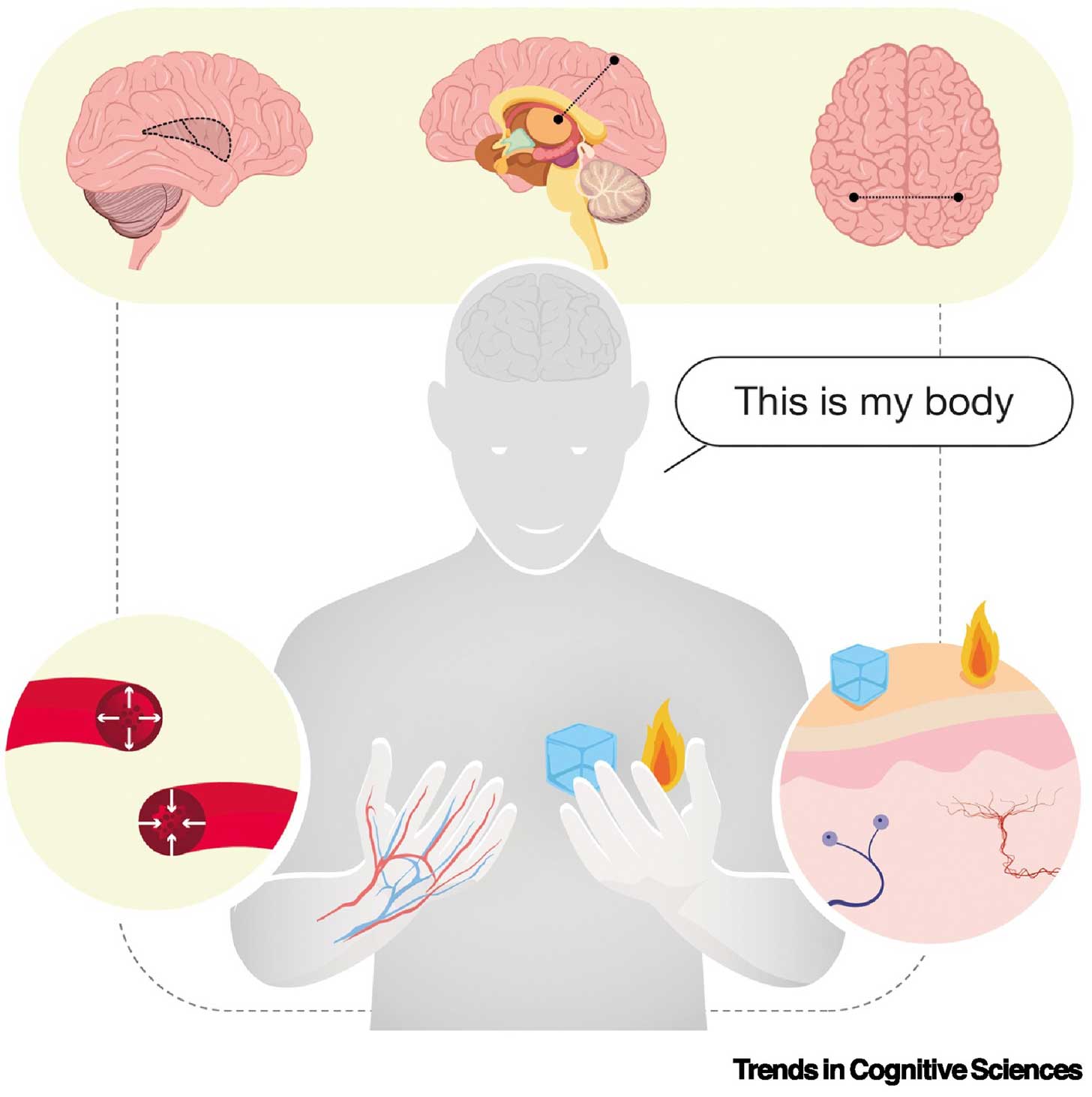
Researchers know that altered bodily awareness is present among many mental health conditions, like eating disorders, depression, anxiety, and trauma-related conditions. People might feel a sense of detachment, disconnection, or dysphoria in their bodies.
The scientists went into their research wondering if disruptions in temperature or perception of temperature may also accompany disturbances in “body ownership.”
“For example, we now know from experimental studies that thermal signals play a fundamental role in clinical conditions,” Dr. Salvato said.
“People with altered temperature regulation and temperature perception, due to a brain stroke, may develop pathological conditions according to which they do not recognize part of their bodies as belonging to themselves”.
The connection of thermal signals and the “skin-to-brain” dialogue, therefore, also contributes to possible sensory-focused interventions for mental health.
In addition to somatic psychology, this research also unlocks the potential for sensory rehabilitation among neurological patients, and may even inform the design of prosthetics that feel more natural.
And when it comes to everyday mental health maintenance, a nice, long hug really could have a major impact.

“When we hug, the combination of tactile and thermal signals increases our sense of body ownership, so we are more connected to our embodied sense of self,” Dr Crucianelli explained.
“Feeling warm touch on the skin enhances our ability to sense ourselves from the inside and recognize our own existence. We feel, ‘this is my body, and I am grounded in it.’”
Scientifically, warm interpersonal contact engages thermosensitive pathways that facilitate brain activity associated with safety and affective regulation. Combined with oxytocin release and reductions in stress, hugs support social bonding and enhance our connection to our bodies.
“Warm touch reminds us that we are connected, valued, and part of a social world,” Dr. Crucianelli concluded.
“Humans are wired for social closeness, and hugs briefly dissolve the boundary between ‘self’ and ‘other.’”
You may also like: How are we going to survive 2026? Here's what 3 therapists recommend
Header image by Ivan S via Pexels
Europe’s largest 3D-printed housing development has just been completed.
Called Skovsporet, or “The Forest Trail,” the development is now home to 36 student apartments in the town of Holstebro, Denmark.
It all started when NordVestBO, an affordable housing organization in Western Denmark, reached out to 3DCP Group to produce multiple housing units using the COBOD BOD 3D construction printer — a method that is widely known as cheaper, more efficient, and more sustainable than traditional construction methods.

The 3DCP Group used the printer to create 36 units, ranging from 431 to 538 square feet. With the exterior made from a cement-like mixture, which is printed in layers out of a nozzle, the basic structure of the apartments is now complete. Each apartment, when fully move-in ready, will include a kitchen, study area, lounge, bathroom, and double bed.
The structures also have large roof windows and slanted ceilings, which bring natural light into each space. Designed by firm SAGA Architects, they are also completed with coated plywood and glass complements to add character.
Arranged into six buildings, the development sits around a shared courtyard with landscaped gardens and walking and biking paths.

While the development looks aesthetically pleasing, it was also easy to build.
By automating the process, 3DCP Group achieved accuracy across all printed walls, which was overseen and operated by a small, three-person team. And they finished the project rapidly.
“Over the course of the project, printing productivity increased significantly,” a statement from COBOD explained.

“The first six units [of the] apartment building required several weeks to complete, while the final one was finished in only five days, equal to more than one apartment per day. This productivity gain demonstrates how 3D construction printing can scale efficiently, producing multiple housing units with consistent quality, lower labor requirements, and optimized project timelines.”
Sustainability was also a major factor in this approach. The Skovsporet project was made using D.fab concrete, a low-carbon cement material.
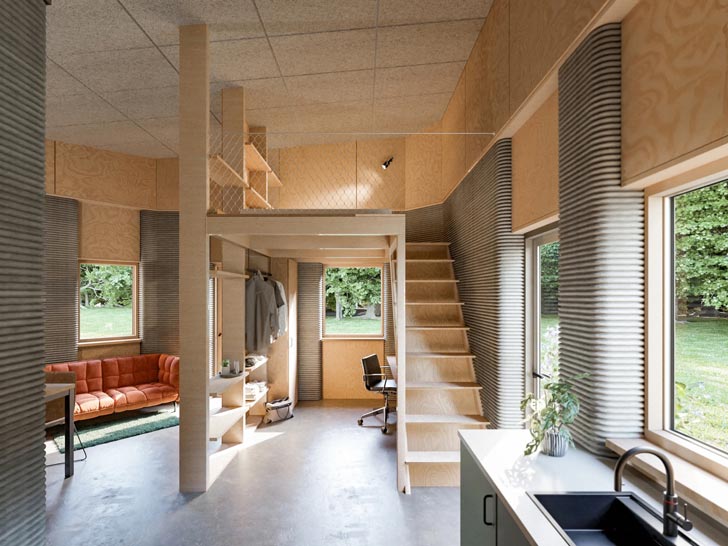
“Because the printing process deposits material only where it is structurally required, waste generation is significantly lower than in conventional construction,” COBOD explained.
“The project was also designed to respect its natural surroundings, with print beds carefully positioned between existing trees to preserve 95% of the site’s trees, a clear demonstration that advanced construction methods and sustainable design can coexist.”
With all of this in mind, 3D-printed homes continue to scale worldwide. And for 3DCP group, Skovsporet represents the future of building more affordably and sustainably.

“Skovsporet proved that 3D construction printing can meet the strict requirements of subsidized housing while delivering high precision and productivity,” Mikkel Brich, co-founder of 3DCP Group, said in a statement.
“As we deepened our understanding of the technology, we increased productivity from one building to the next, and are confident we can build even faster in future projects.”
You may also like: California's first 3D-printed neighborhood is nearly complete. The concrete homes are bulletproof and fire-resistant
Header image courtesy of SAGA Architects
According to the national construction federation Embuild, Belgium needs to build 375,000 new homes in the next five years to avoid a housing crisis.
That’s why engineering architect Agnieszka Gansiniec founded KiteHouse, a Brussels-based startup that has been rethinking construction since 2021.
If Gansiniec wanted to make homes quickly — and make them sustainable enough to meet the mounting needs of the climate crisis — she knew she needed to act fast.
But “acting fast” is a notion generally hampered by traditional construction timelines.
“The entire construction process as we know it today is fundamentally flawed,” Gansiniec said in a press release. “It takes years to obtain a permit; architects, engineers and contractors do not communicate with each other; and budgets explode due to spiralling costs, sometimes resulting in projects being halted.”
“The environmental impact of traditional construction methods is enormous too, both in terms of water and raw material consumption as energy consumption and CO₂ emissions — not to mention the tons of construction waste that are left behind,” she cautioned. “And yet we continue as if there were no other option.
Deciding that “enough is enough,” Gansiniec knew she had to opt for an untraditional building method.
So she and her team built Eco Kits: modular, prefabricated flatpack systems that she describes as “LEGO for professionals” or “IKEA for houses.”
“With the Eco Kit, we are rethinking the entire construction process, from permit to completion, combining certainty with speed, sustainability, and affordability,” Gansiniec said. “This allows us to build 50% faster on average, according to a fixed timeline and budget at market-based prices: no surprises.”
It’s also more sustainable than standard construction.

“Our materials are 97.7% renewable, while we also reduce the amount of waste on site by 95%, in line with the principle of ‘zero waste construction,’” she said, adding that the average energy bill is “barely a few dozen pounds.”
And she doesn’t just want to limit their model to new-build homes.
“Social housing, offices, pop-ups and other volumes are possible too, as are renovations and extensions,” she emphasized. “All of those will be needed if we want to keep housing affordable for young people and families alike.”
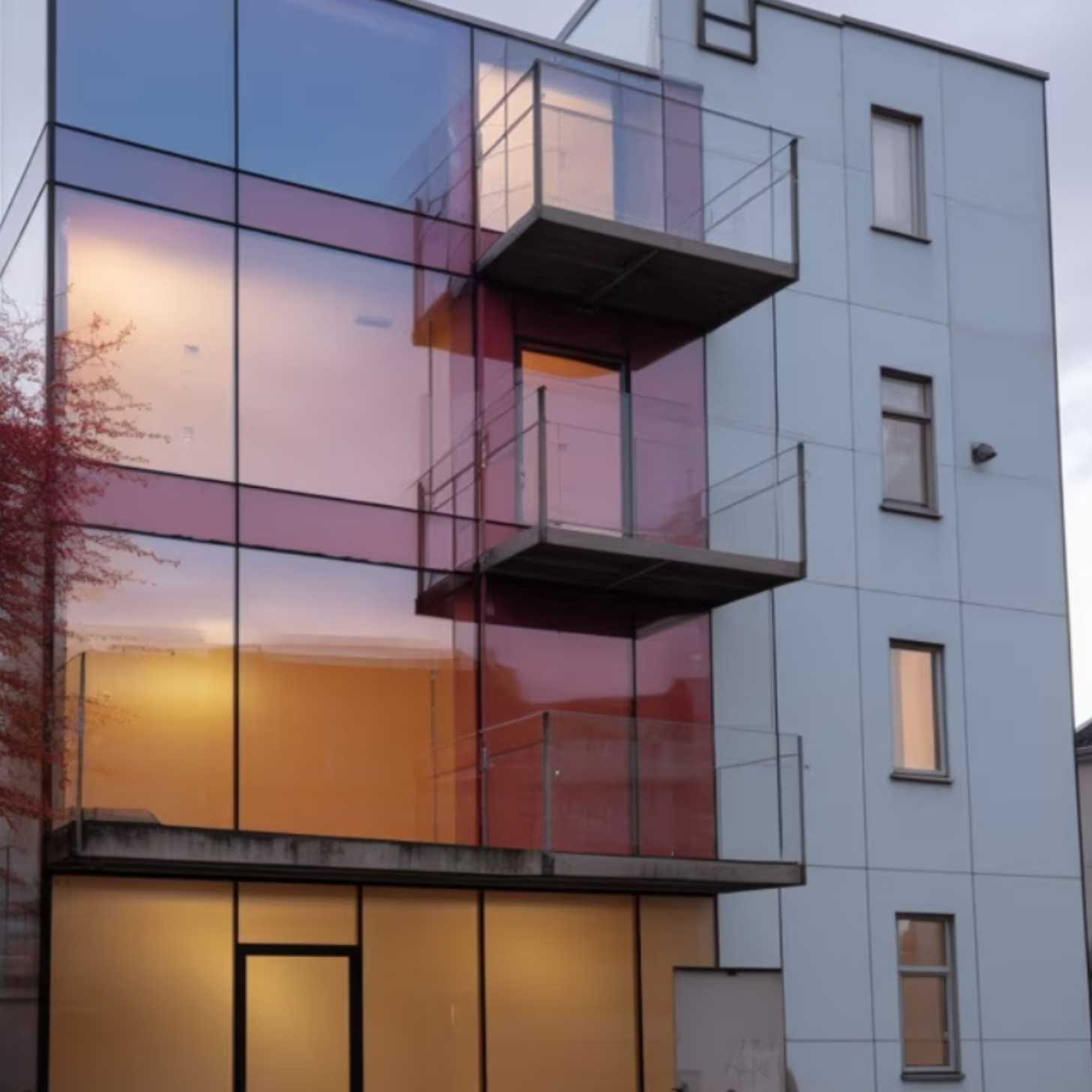
Gansiniec has also used her flatpack homes to champion polycarbonate — a form of advanced polymer — as one of the “building materials of the future.”
In October, KiteHouse reached a major milestone by revealing the first new-build home made entirely out of polycarbonate.
“[It’s] light, superstrong, heat-resistant, multi-purpose and easy to work with … However, legislation in Belgium currently does not allow for it to be used as the main building material,” Gansiniec said.
Due to those regulatory limits, KiteHouse constructed the first fully polycarbonate house just over the border in Vlissingen, a city in the southwestern Netherlands.
Gansiniec called it “one of the many regulatory hurdles” that are holding modern architects and engineers back from a more sustainable future.
But the engineering architect is undeterred.
“We’re not just builders,” Gansiniec pledges in KiteHouse’s company slogan. “We fix the process.”
You may also like: $20k foldable tiny home can be installed in just 60 minutes: Meeting the growing demand for housing
Header image via KiteHouse