Designing for bikes has become a hallmark of forward-looking modern cities worldwide.
Bike-friendly city ratings abound, and advocates promote cycling as a way to reduce problems ranging from air pollution to traffic deaths.
But urban cycling investments tend to focus on the needs of wealthy riders and neglect lower-income residents and people of color.
This happens even though the single biggest group of Americans who bike to work live in households that earn less than $50,000 and this group includes many who earn less than $10,000, and studies in lower-income neighborhoods in Brooklyn and Boston have found that the majority of bicyclists were non-white.
I have worked on bicycle facilities for 38 years.
In a 2019 study, I worked with colleagues from the Harvard T.H. Chan School of Public Health and Boston groups focused on health and families to learn from residents of several such neighborhoods what kinds of bike infrastructure they believed best met their needs.
Some of their preferences were notably different from those of cyclists in wealthier neighborhoods.
Cycling infrastructure and urban inequality
Bike equity is a powerful tool for increasing access to transportation and reducing inequality in U.S. cities. Surveys show that the fastest growth in cycling rates since 2001 has occurred among Hispanic, African-American and Asian-American riders. But minority neighborhoods have fewer bike facilities, and riders there face higher risk of accidents and crashes.
Many U.S. cities have improved marginalized neighborhoods by investing in grocery stores, schools, health clinics, community centers, libraries and affordable housing.
But when it comes to bicycle infrastructure, they often add only the easiest and least safe elements, such as painting sharrows — stencils of bikes and double chevrons — or bike lane markings, and placing them next to curbs or between parked cars and traffic.
Cycle tracks — bike lanes separated from traffic by curbs, lines of posts or rows of parked cars — are more common in affluent neighborhoods.
Compared with white wealthier neighborhoods, more bicyclists in ethnic-minority neighborhoods receive tickets for unlawful riding or are involved in collisions. With access to properly marked cycle tracks, they would have less reason to ride on the sidewalk or against traffic on the street, and would be less likely to be hit by cars.
In my view, responsibility for recognizing these needs rests primarily with cities. Urban governments rely on public participation processes to help them target investments, and car owners tend to speak loudest because they want to maintain access to wide street lanes and parallel parking.
In contrast, carless residents who could benefit from biking may not know to ask for facilities that their neighborhoods have never had.

Protection from crime and crashes
For our study, we organized 212 people into 16 structured discussion groups.
They included individuals we classified as “community-sense” — representing civic organizations such as YMCAs and churches — or “street-sense,” volunteers from halfway houses, homeless shelters and gangs.
We invited the street-sense groups because individuals who have committed crimes or know of crime opportunities have valuable insights about urban design.
We showed the groups photos of various cycling environments, ranging from unaltered streets to painted sharrows and bike lanes, cycle tracks and shared multi-use paths. Participants ranked the pictures according to the risk of crime or crashes they associated with each option, then discussed their perceptions as a group.
Studies have shown that awareness of criminal activity along bike routes can deter cyclists, and this is an important concern in low-income and minority neighborhoods.
In a study in Boston’s Roxbury neighborhood, I found that African-American and Hispanic bicyclists were more concerned than white cyclists that their bikes could be stolen. Some carried bikes up three flights of stairs to store them inside their homes.
From an anti-crime perspective, our focus groups’ ideal bike system was a wide two-way cycle track with freshly painted lines and bike stencils plus arrows, free of oil or litter. Conditions around the route also mattered.
Our groups perceived areas with clean signs, cafes with tables and flowers, balconies, streetlights and no alleyways or cuts between buildings as safest. They also wanted routes to avoid buildings that resembled housing projects, warehouses and abandoned buildings.
For crash safety, participants preferred cycle tracks separated from cars by physical dividers; wide cycle track surfaces, colored red to designate them as space for bicyclists; and bike stencils and directional arrows on the tracks.
In their view, the safest locations for bike facilities had traffic signals for bikers, clearly painted lines, low levels of traffic, and did not run near bus stops or intersections where many streets converged.
It's been four years since the City installed the popular Penn Ave bike lanes. However, they end at 16th St, where riders are confronted with chaotic traffic patterns. We support extending the Penn Ave Bike Lanes into the surrounding neighborhoods! https://t.co/PeVmTh0bFg pic.twitter.com/xzPsCZELyF
— BikePGH (@BikePGH) July 8, 2018
Rules for the road
We compared our results with widely used bicycle design guidelines and Crime Prevention Through Environmental Design principles to see whether those sources reflected our participants’ priorities.
The guidelines produced by the American Association of State Highway and Transportation Officials and the National Association of City Transportation Officials provide engineering specifications for designing bicycle facilities that focus on road elements — paint, delineator posts and signs — but do not describe design features that would protect vulnerable humans bicycling through an environment at night.
Our study asked people about what kinds of surface markings and features in the surrounding area made them feel most comfortable.
As an example, our groups preferred street-scale lighting to brighten the surface of cycle tracks. In contrast, tall highway cobra-head lights typically used on busy urban streets reach over the roadway, illuminating the road for drivers in vehicles that have headlights.
In higher-income neighborhoods, cyclists might choose bike routes on side streets to avoid heavy traffic. However, people in our study felt that side streets with only residential buildings were less safe for cycling.
This suggests that bicycle routes in lower-income ethnic-minority neighborhoods should be concentrated on main roads with commercial activity where more people are present.
Decisions about public rights-of-way should not be based on how many car owners or how few bicyclists show up at public meetings.
Our study shows that city officials should create networks of wide, stenciled, red-painted, surface-lighted, barrier-protected, bicycle-exclusive cycle tracks in lower-income ethnic-minority neighborhoods along main streets.
This would help residents get to work affordably, quickly and safely, and improve public health and quality of life in communities where these benefits are most needed.
This article by Anne Lusk, from Boston University, was originally published by The Conversation.

On June 5, 2024, the Boston Red Sox placed relief pitcher Chris Martin on the 15-day injured list. It wasn’t for a sore shoulder, a tight elbow or a tweaked groin.
It was for anxiety.
Historically, the MLB’s injured list was used for players with physical injuries. If players missed time due to mental health ailments, the explanation given to the media and public was often intentionally vague: “personal reasons.”
When players did open up about their struggles, many reporters and fans criticized or questioned these diagnoses. In 2009, The New York Times published an article quoting a psychiatrist who doubted that a professional baseball player could suffer from social anxiety disorder.
“In baseball, you don’t hit most of the time and you make errors some of the time. You learn to deal with it,” the psychiatrist told the paper. “A person with social anxiety disorder would never have played to begin with.”
A lot has changed since 2009. There’s a growing focus on ensuring that professional athletes have access to mental health support.
The NBA in 2018 launched its Mind Health Program, which requires each team to have a licensed mental health professional available for players and staff. The NFL also mandates teams to retain a behavioral health clinician who is on site at least twice per week.
But what do fans think? Are athletes with mental health issues seen as weak? Do they become less likable?
In a series of studies, my colleagues and I have looked at how fans have responded to athletes opening up about their mental health struggles, and even missing time because of them.
Expectations of mental "toughness"
Even though strides have been made over the past couple of years, many people still have a difficult time opening up about their mental health struggles in the workplace.
According to a 2022 global survey, 58% of respondents said they felt uncomfortable discussing their mental health issues on the job. Many of them fear being penalized for their struggles.
In sports, the situation can be even worse.
Elite athletes experience a higher prevalence of mental health problems than the general population, exacerbated by a sports culture that emphasizes mental toughness. Getting regular treatment for physical injuries is viewed as part and parcel of the job. But seeking help for mental health problems can be seen a sign of weakness.
This cultural stigma discourages athletes from talking about their mental health. Some of them might fear rejection or disbelief from teammates and fans. Others might worry about losing out on sponsorship opportunities or bigger contracts. Poor mental health literacy among many athletes and coaches also serves as an additional barrier.
However, the narrative is slowly changing, thanks in part to high-profile athletes like Kevin Love, DeMar DeRozan, A’ja Wilson and Michael Phelps who have come forward with their mental health struggles in recent years.
Their stories, featured across mainstream media and sports networks, have helped the public recognize that these admired athletes are just as vulnerable to mental health conditions as anyone else.
A turning point
A pivotal moment came when tennis star Naomi Osaka withdrew from the 2021 French Open, citing mental health reasons.
Grand Slam tournament organizers had fined Osaka and threatened her with disqualification and future bans if she did not fulfill her media obligations, which eventually led Osaka to withdraw from the tournament.
The decision sparked a heated debate. Various media outlets and fans criticized Osaka, arguing that as a professional athlete, managing media duties was part of her job.
However, some notable personalities, including Serena Williams and Martina Navratilova, praised her for prioritizing her mental health. Nike, one of her main sponsors, publicly supported her decision and stood by her during the controversy.
In a 2022 study, we analyzed the public’s response on social media to Osaka’s actions. On Twitter — now known as X — we were surprised to find an outpouring of support: 51% of all related posts and replies applauded her decision. Just 19% expressed negative sentiments, while the remaining 30% were neutral.
Osaka went on to be featured on the cover of Time magazine — not because she had won another Grand Slam tournament, but because she had sparked broader conversations about mental health in sports. Later that summer, gymnast Simone Biles withdrew from the women’s team gymnastics final at the Tokyo Olympics, citing mental health reasons.
Osaka’s actions also spurred changes in league governance. The Grand Slam committee, which had fined her for missing a press conference during the 2021 French Open, went on to make a commitment to address players’ mental health concerns.
Humanizing athletes
In our most recent study, we wanted to explore how fans perceive athletes who disclose mental health issues as opposed to those who talk about their physical injuries.
Was there any truth to the stigma feared by some athletes and coaches?
We presented 255 participants living in the U.S. with two scenarios. In one, there was an athlete who took a break because of mental health struggles. In the other, the athlete took time off to deal with a physical injury.
The only difference between the conditions was the reason for the athlete’s time off. Respondents were randomly assigned to one of two conditions. After reading their assigned scenario, they then conveyed the level of warmth they felt toward the athlete and the extent to which they viewed the athlete as competent.
Based on our findings, it appears that fears of backlash are largely unfounded.
In fact, the study’s participants actually felt more warmth toward athletes with mental health conditions. And they viewed them as just as capable of performing as athletes who had to deal with physical injuries.
In other words, fans seem to appreciate athletes who initiate these difficult conversations and prioritize their mental well-being. As for players who fear losing sponsorship deals because of going public with their mental health issues, if anything, fans may see them as more personable and relatable, enhancing their appeal as brand ambassadors.
That’s just what happened with Chris Martin.
Fans, teammates and the media were by and large supportive. The club’s manager, Alex Cora, applauded Martin for his openness about his struggles, as did chief baseball officer Craig Breslow.
To me, it’s clear that the tide is turning. Athletes no longer need to suffer in silence.
This article by Dae Hee Kwak, from University of Michigan, was originally published by The Conversation.

— Based on their findings, the researchers recommend emphasizing roses (Rosa sp.), clovers (Trifolium sp.), red raspberry (Rubus idaeus), tall buttercup (Ranunculus acris), and Tara vine (Actinidia arguta) in wildflower restoration projects, citing their ideal protein-to-lipid ratios in pollen for wild bee nutrition.
— The research found that bees require a diverse diet from multiple plant sources to obtain a balanced intake of fatty acids and essential amino acids, as no single plant species provides the optimal nutrition.
— With many bee species facing significant threats, the researchers say they hope these findings can inform conservation efforts from policy changes to individual actions like planting native flowers and reducing pesticide use.
What’s on the menu for a healthy bee? A team of researchers has delved into the world of bee nutrition, analyzing pollen to identify the best food sources for these vital pollinators. Their findings could have implications for bee conservation efforts and pollinator-friendly landscaping.
The research, published in Frontiers in Sustainable Food Systems, analyzed the nutritional content of pollen collected from 57 plant species native to North America. The study team, led by Sandra Rehan of York University in Canada, examined levels of essential fatty acids, amino acids and other key nutrients in the pollen samples.
“Despite public interest and a rise in pollinator plantings, little is known about which plant species are best suited for bee health,” Rehan said. “This study aimed to better understand the nutritional value of plant species.”
Based on their findings, the researchers recommend emphasizing roses (Rosa sp.), clovers (Trifolium sp.), red raspberry (Rubus idaeus), tall buttercup (Ranunculus acris), and Tara vine (Actinidia arguta) in wildflower restoration projects, citing their ideal protein-to-lipid ratios in pollen for wild bee nutrition.
They found that tall buttercup (Ranunculus acris) was the most aligned with honey bee dietary requirements, closely followed by hardy kiwi (Actinidia arguta), bird’s-foot trefoil (Lotus corniculatus), red osier dogwood (Cornus sericea), multiflora rose (Rosa multiflora), red raspberry (Rubus idaeus), Virginia rose (Rosa virginiana), rose of Sharon (Hibiscus syriacus), staghorn sumac (Rhus typhina), and European cranberrybush (Viburnum opulus).
When comparing native and introduced plant species, the study found no significant differences in the overall nutritional content of their pollen. This suggests that both native and nonnative plants can potentially provide valuable nutritional resources for bee populations.

Bees rely on two primary food sources: nectar and pollen. While nectar provides bees with carbohydrates and water, pollen is their main source of protein, lipids, vitamins and minerals. Adult bees consume both nectar and pollen, but pollen plays a crucial role in larval development.
When foraging, bees collect pollen using specialized structures on their bodies, such as pollen baskets (known as corbiculae) on their hind legs, or scopal hairs on their abdomen or legs, depending on the species. They then bring this pollen back to the hive or nest.
In social bees like honey bees, worker bees mix the pollen with nectar and their own glandular secretions to create “bee bread,” which is used to feed developing larvae. For solitary bees, females provide each brood cell with a mixture of pollen and nectar before laying an egg. This pollen is the sole food source for the developing larva until it emerges as an adult. Therefore, pollen’s nutritional quality directly impacts the health, development and survival of bee populations.
Bees require a diet rich in specific nutrients, particularly omega-6 and omega-3 fatty acids. These compounds are essential for the bees’ longevity, immune function and ability to handle environmental stress. However, the balance of these fatty acids is crucial.
Too much or too little can impair their cognitive abilities. Additionally, bees need essential amino acids for brain health and reproduction.
But there’s a catch: consuming excessive amounts of these amino acids may increase their susceptibility to certain parasites. Therefore, a well-balanced diet is critical for maintaining bee health and vitality.
The study found that bees require a diverse diet from multiple plant sources to obtain a balanced intake of fatty acids and essential amino acids. No single plant species provided pollen with an optimal nutritional profile.
“There is a potential tradeoff between fatty acid and amino acid content within pollen, suggesting that a diverse floral diet may benefit bees more than a single pollen source,” Rehan said. “No one plant species is optimal for generalist wild bee health.”
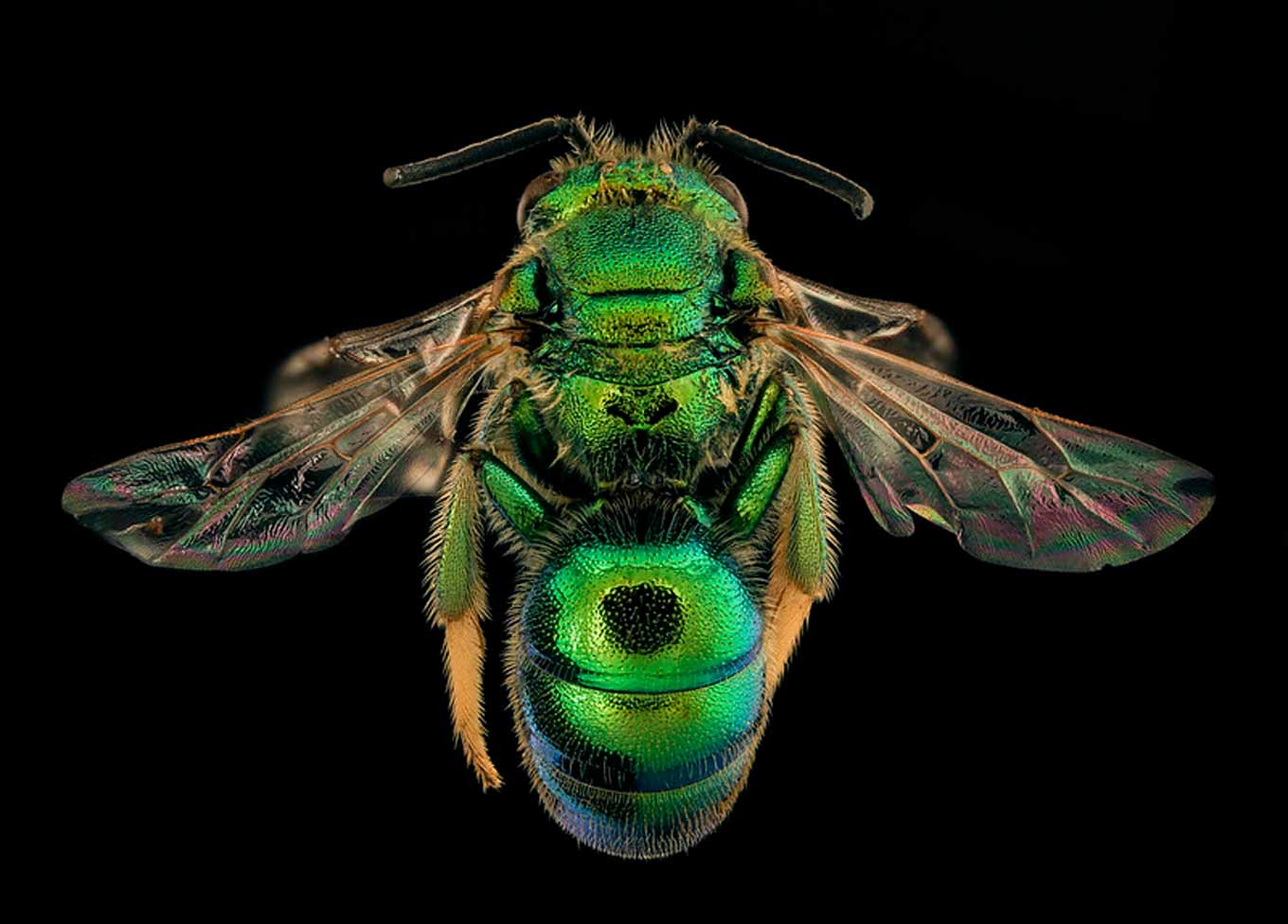
For amino acid content, the study found that almost all plant species contained the ten essential amino acids required by bees in their pollen. However, levels varied considerably between species. Interestingly, pollen from plants in the Asteraceae family (which includes daisies and sunflowers) stood out as particularly rich in essential amino acids. Seven Asteraceae species had essential amino acid levels exceeding 20% of their total pollen content.
The researchers also examined protein-to-lipid ratios and omega-6 to omega-3 fatty acid ratios in the pollen samples, as these are considered important factors in bee nutrition. They found wide variation between species, even within the same plant genus.
“This diversity of pollen nutritional profiles likely enables bees, especially specialist species, to selectively forage on the resources that best meet their unique dietary requirements,” the study authors noted.
The study’s findings are particularly relevant given the alarming decline in bee populations worldwide. With more than 3,600 species in the U.S. and Canada, bees represent a remarkably diverse group of pollinators. However, many bee species are facing significant threats.
“Approximately 16% of vertebrate pollinators, such as birds and bats, and 40% of invertebrate pollinators, such as bees and butterflies, are at risk of extinction,” according to a comprehensive review published in May in CABI Reviews.
Habitat loss and fragmentation; pathogens and disease; pesticides, insecticides such as the neonicotinoids, herbicides and fungicides used in agriculture and landscaping; invasive species; climate change; and competition between honeybees and native bees are some of the reported causes of pollinator declines.
The loss of preferred host plants is a contributing factor to the decline of some bee populations. Additionally, the spread of pests and pathogens poses a serious threat to both wild and managed bee species, with the transportation of managed bee colonies for commercial pollination often exacerbating this problem.

Bee conservation efforts are multifaceted, involving both large-scale policy changes and individual actions. At the policy level, initiatives include protecting key habitats, regulating pesticide use, and supporting research on bee health.
Organizations like the Xerces Society have successfully advocated for federal and state protections for several bee species. They also work with farmers and land managers to implement bee-friendly practices.
Individuals can also play a crucial role in bee conservation. Planting native flowers, reducing pesticide use, and creating nesting habitats are all effective ways to support local bee populations. Even small actions, like converting part of a lawn into a wildflower meadow or leaving bare patches of soil for ground-nesting bees, can make a significant difference.
Rehan and her colleagues say they hope their findings will help inform the selection of plant species for pollinator gardens and habitat restoration efforts. However, they caution that the analysis only looked at 57 plant species out of thousands that exist.
“We hope this work will help inform flowering plant selections for pollinator gardens,” Rehan said. “But here we examined only 57 plant species, and there are thousands to examine to understand nutritional profiles. We hope this will inspire future similar research as well as follow-up studies on the preference and survival of bees on different diets.”
This article was originally published by Mongabay.
A large clinical trial in South Africa and Uganda has shown that a twice-yearly injection of a new pre-exposure prophylaxis drug gives young women total protection from HIV infection.
The trial tested whether the six-month injection of lenacapavir would provide better protection against HIV infection than two other drugs, both daily pills. All three medications are pre-exposure prophylaxis (or PrEP) drugs.
Physician-scientist Linda-Gail Bekker, principal investigator for the South African part of the study, tells Nadine Dreyer what makes this breakthrough so significant and what to expect next.
Tell us about the trial and what it set out to achieve
The Purpose 1 trial with 5,000 participants took place at three sites in Uganda and 25 sites in South Africa to test the efficacy of lenacapavir and two other drugs.
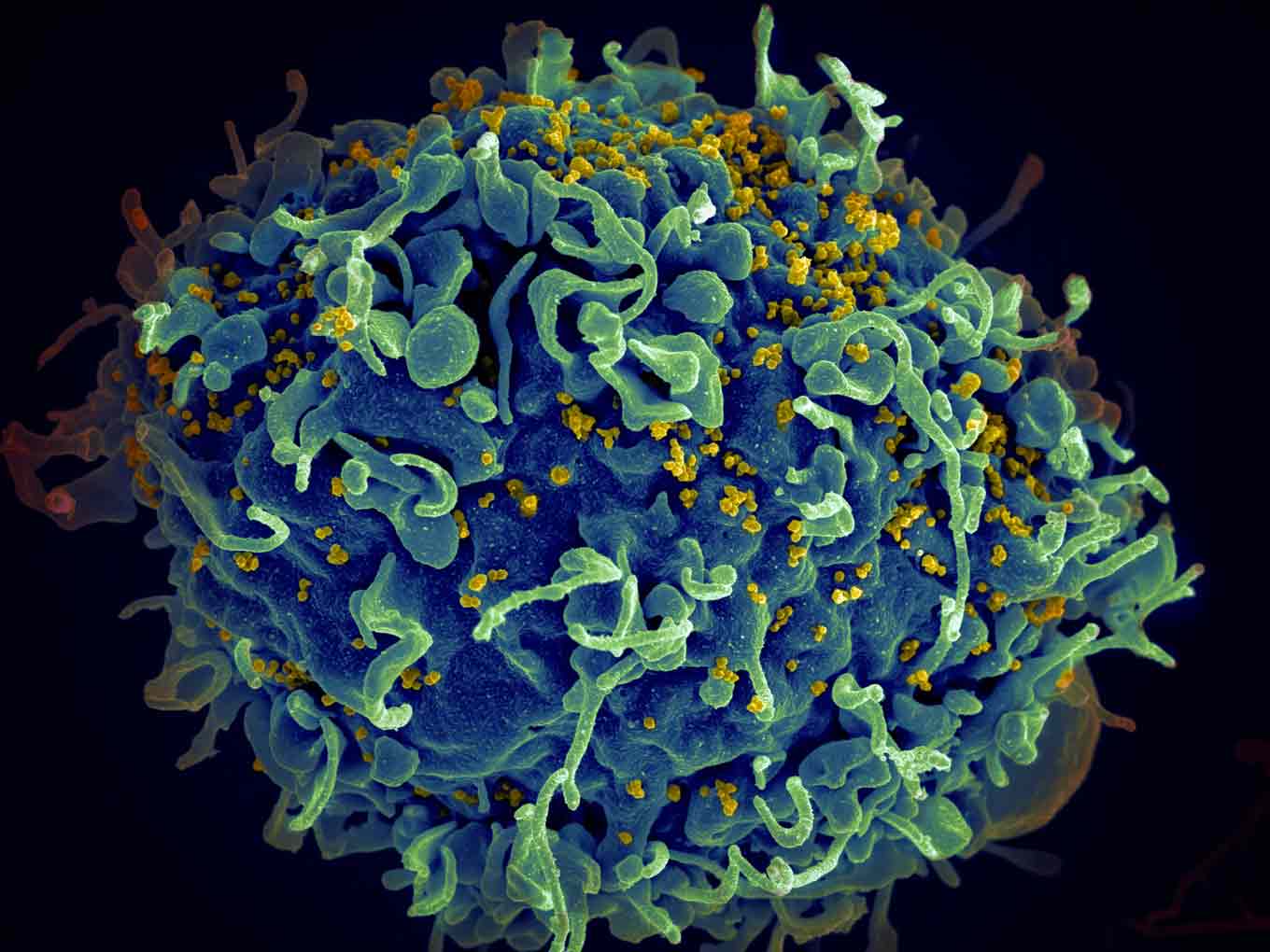
Lenacapavir (Len LA) is a fusion capsid inhibitor. It interferes with the HIV capsid, a protein shell that protects HIV’s genetic material and enzymes needed for replication. It is administered just under the skin, once every six months.
The randomized controlled trial, sponsored by the drug developers Gilead Sciences, tested several things.
The first was whether a six-monthly injection of lenacapavir was safe and would provide better protection against HIV infection as PrEP for women between the ages of 16 and 25 years than Truvada F/TDF, a daily PrEP pill in wide use that has been available for more than a decade.
Secondly, the trial also tested whether Descovy F/TAF, a newer daily pill, was as effective as F/TDF. The newer F/TAF has superior pharmacokinetic properties to F/TDF. Pharmacokinetic refers to the movement of a drug into, through, and out of the body. F/TAF is a smaller pill and is in use among men and transgender women in high-income countries.
The trial had three arms. Young women were randomly assigned to one of the arms in a 2:2:1 ratio (Len LA: F/TAF oral: F/TDF oral) in a double blinded fashion. This means neither the participants nor the researchers knew which treatment participants were receiving until the clinical trial was over.
In eastern and southern Africa, young women are the population who bear the brunt of new HIV infections. They also find a daily PrEP regimen challenging to maintain, for a number of social and structural reasons.
During the randomized phase of the trial none of the 2,134 women who received lenacapavir contracted HIV. There was 100 percent efficiency.
By comparison, 16 of the 1,068 women (or 1.5%) who took Truvada (F/TDF) and 39 of 2,136 (1.8%) who received Descovy (F/TAF) contracted the HIV virus.
The results at a recent independent data safety monitoring board review led to the recommendation that the trial’s “blinded” phase should be stopped and all participants should be offered a choice of PrEP.
This board is an independent committee of experts who are put in place at the start of a clinical trial. They see the unblinded data at stipulated times during the trial to monitor progress and safety. They ensure that a trial does not continue if there is harm or a clear benefit in one arm over others.
What is the significance of these trials?
This breakthrough gives great hope that we have a proven, highly effective prevention tool to protect people from HIV.
There were 1.3 million new HIV infections globally in the past year. Although that’s fewer than the 2 million infections seen in 2010, it is clear that at this rate we are not going to meet the HIV new infection target that UNAIDS set for 2025 (fewer than 500,000 globally) or potentially even the goal to end Aids by 2030.
PrEP is not the only prevention tool.
PrEP should be provided alongside HIV self-testing, access to condoms, screening and treatment for sexually transmitted infections and access to contraception for women of childbearing potential.
In addition, young men should be offered medical male circumcision for health reasons.
But despite these options, we haven’t quite got to the point where we have been able to stop new infections, particularly among young people.
For young people, the daily decision to take a pill or use a condom or take a pill at the time of sexual intercourse can be very challenging.
HIV scientists and activists hope that young people may find that having to make this “prevention decision” only twice a year may reduce unpredictability and barriers.
For a young woman who struggles to get to an appointment at a clinic in a town or who can’t keep pills without facing stigma or violence, an injection just twice a year is the option that could keep her free of HIV.
What happens now?
The plan is that the Purpose 1 trial will go on but now in an “open label” phase. This means that study participants will be “unblinded”: they will be told whether they have been in the “injectable” or oral TDF or oral TAF groups.
They will be offered the choice of PrEP they would prefer as the trial continues.
A sister trial is also under way: Purpose 2 is being conducted in a number of regions including some sites in Africa among cisgender men, and transgender and nonbinary people who have sex with men.
It’s important to conduct trials among different groups because we have seen differences in effectiveness. Whether the sex is anal or vaginal is important and may have an impact on effectiveness.
How long until the drug is rolled out?
We have read in a Gilead Sciences press statement that within the next couple of months the company will submit the dossier with all the results to a number of country regulators, particularly the Ugandan and South African regulators.
The World Health Organization will also review the data and may issue recommendations.
We hope then that this new drug will be adopted into WHO and country guidelines.
We also hope we may begin to see the drug being tested in more studies to understand better how to incorporate it into real world settings.
Price is a critical factor to ensure access and distribution in the public sector where it is badly needed.
Gilead Sciences has said it will offer licenses to companies that make generic drugs, which is another critical way to get prices down.
In an ideal world, governments will be able to purchase this affordably and it will be offered to all who want it and need protection against HIV.
This article by Linda-Gail Bekker, from University of Cape Town, was originally published by The Conversation.

As adorably dog-like as they may appear, Australia’s dingoes have had a complicated, bad-to-the-bone reputation throughout history.
Farmers and land-owners Down Under have long seen the canine species as a pest that threatens their livestock, but dingoes have also been lauded as an iconic species by ecologists, conservationists, and First Nations Australians alike.
However, a new DNA discovery has reimagined the dingo for all.
In a new study published by Sally Wasef, a paleogeneticist at Queensland University of Technology, DNA research indicates that Australia’s dingo populations are more closely related to ancient canine lineages that pre-date European colonization than they are with modern dog breeds.
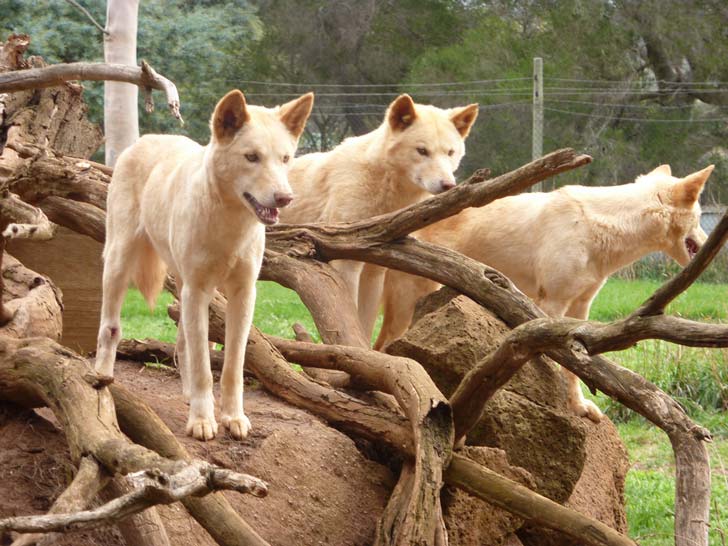
These so-called “wild dogs” are actually a distinct species.
The study compared modern dingo populations from 10 sites around Australia, using 16 ancient dingo DNA samples, ranging from 400 to 2,746 years old. Results suggested that there are two different populations of dingoes — north-west and south-east groups — neither of which are the result of post-colonial hybridization.
Dr. Kylie Cairns, a genomics researcher and conservation biologist at the University of New South Wales, was not involved in this particular study, but has been a devoted dingo researcher for over a decade.
“This new study through the use of ancient DNA demonstrates the population structure existed 2,700 years ago,” Dr. Cairns told ABC Australia. “[This] supports evidence that dingoes and domestic dogs rarely interbreed and adds to the growing body of evidence that dingoes are distinct from modern domestic dogs.”

Cairns’s own recently-published research also indicates that the populations of “wild dogs” in Namadgi National Park — an estimated 200 to 400 canines — are pure dingoes, showing no evidence of domesticated dog genetics.
These findings contribute to a large debate over the origins of dingoes and how much they have been hybridized with domestic dogs. This could determine whether rural farmers have the right to shoot dingoes as pests when the canines hunt sheep and other livestock.
In fact, the Australian Capital Territory — home to Canberra and located between Sydney and Melbourne — is moving toward classifying the dingo as a protected native species.
This would update the terminology used in the territory’s Pest Plant and Animals Act and would move dingoes away from a “pest animal declaration” and to a protected class as a native species under the Nature Conservation Act, according to The Guardian.

“For many years it was assumed that wild dogs in Namadgi National Park were not native, and that they were therefore to be managed as a feral pest species,” said Minister for the Environment, Parks and Land Management, Rebecca Vassarotti, in a statement.
“Contrary to this, a recent scientific study undertaken by Dr. Kylie Cairns has shown that our ‘wild dog’ animals in Namadgi National Park are in fact 100% dingo. As a result of this research, the ACT government will now look at exploring policy options to recognize the dingo as a native animal protected under the Nature Conservation Act 2014 to reflect their ecological and cultural values.”
According to the Guardian, some local farmers are concerned about restrictions on the use of lethal pest control methods and what a protected dingo species might look like for their livestock.
Some farmers do employ other non-lethal control methods like exclusion fencing and livestock guardian dogs, as well.
Although dingoes have a long history of hunting farmed animals and are revered as an apex predator, they are at risk themselves. In fact, many of the DNA samples used in Cairns’ most recent study were from 20 animals trapped between the border regions of Namadgi National Park and Kosciuszko National Park.

“Dingoes play a crucial role in Australian ecosystems as a top order predator. They prey and scavenge on native and invasive species and may also reduce populations of introduced predators such as foxes and feral cats,” Vassarotti said.
Dingoes are also a sacred species for many First Nations communities.
“Dingoes also hold a special place within the Ngunnawal community, representing resilience and protection. They were raised with families as an effective hunting aid and protection against invaders,” Vassarotti continued. “Many First Nations communities have tracked dingo footprints to find waterholes, food sources and neighboring nation groups.”
Richard Swain, a Wiradjuri man who has worked in Kosciuszko National Park for 30 years, told The Guardian that farmers have “persecuted” the dingo for years. He said that lethal control methods disrupt a dingo’s natural life cycle, leading packs to “overbreed and overeat.”
“It’s a credit to them that they survived,” Swain said. “For me, it’s about respect for what belongs here and what was here.”
While dingoes have not yet seen a change in classification, the ACT government plans to consult with the Ngunnawal community, as well as rural land-owners, to figure out the best path forward.
“While it’s important we act to recognize dingoes as a native species, it is equally important that we proceed with care and in consultation with our First Nations and farming communities before making any major changes to current management practices,” Vassarotti said.
“I want to create a sustainable and long-term future for Dingoes in the ACT that will work for everyone.”
Header image courtesy of Robert Lynch (CC BY 2.0)
One way to beat the heat this summer? Get out on the water and play.
Surfing is America’s fastest-growing water sport, according to the Sports and Fitness Industry Association. And in the summer, wakesurfing, wakeboarding, water-skiing, paddle boarding, and tubing swell in popularity in lakes and waterways across the country.
But this summer, you can do good while you’re out on the water having fun.
For the second year in a row, MasterCraft boating company teamed up with St. Jude’s Children’s Research Hospital and added a special feature to the MasterCraft Connect app.
Now, users can track their water sports activities, and for every minute logged, Mastercraft will donate $1 towards children’s cancer research.
“As boaters hit the water this summer, we encourage them to download the app and log their time behind the boat doing their favorite activities and help us raise funds for St. Jude,” MasterCraft’s president of marketing Krista Schipner said in a press release.
Meagan Ethell, a seven-time world champion of wakeboarding, also joined in on promoting the “Surf to Save Lives” campaign.
“What makes this campaign so great is that you don’t even need a MasterCraft [boat] to participate in this campaign,” said Ethell told FOX 35 Orlando.
“All you need to do is have the MasterCraft app and log any on-water towed activity. It’s just such an easy way to [be] a part of this campaign.”

While St. Jude is not immune to criticism, the nonprofit has provided free cancer treatments to children across the globe for decades. Moreover, their research hospital has been instrumental in increasing the survival rate of childhood cancer from 20% to 80% since 1962.
Pro-wakeboarder Alexa Score is the spokesperson for MasterCraft’s campaign. As a survivor of childhood leukemia, Score said that she’s deeply passionate about the cause, which is “near and dear to her heart.”
“We had a very successful campaign last year, and I hope even more people will join me this year by downloading the MasterCraft Connect app and getting out on the water to help us help St. Jude carry out its mission,” Score said in a press release.
“Together, we can make a difference.”
Through the app tracking, MasterCraft aims to match last year’s donation of $75,000.
The campaign runs now through October 1, 2024.
Header image via Ron Lach / Pexels
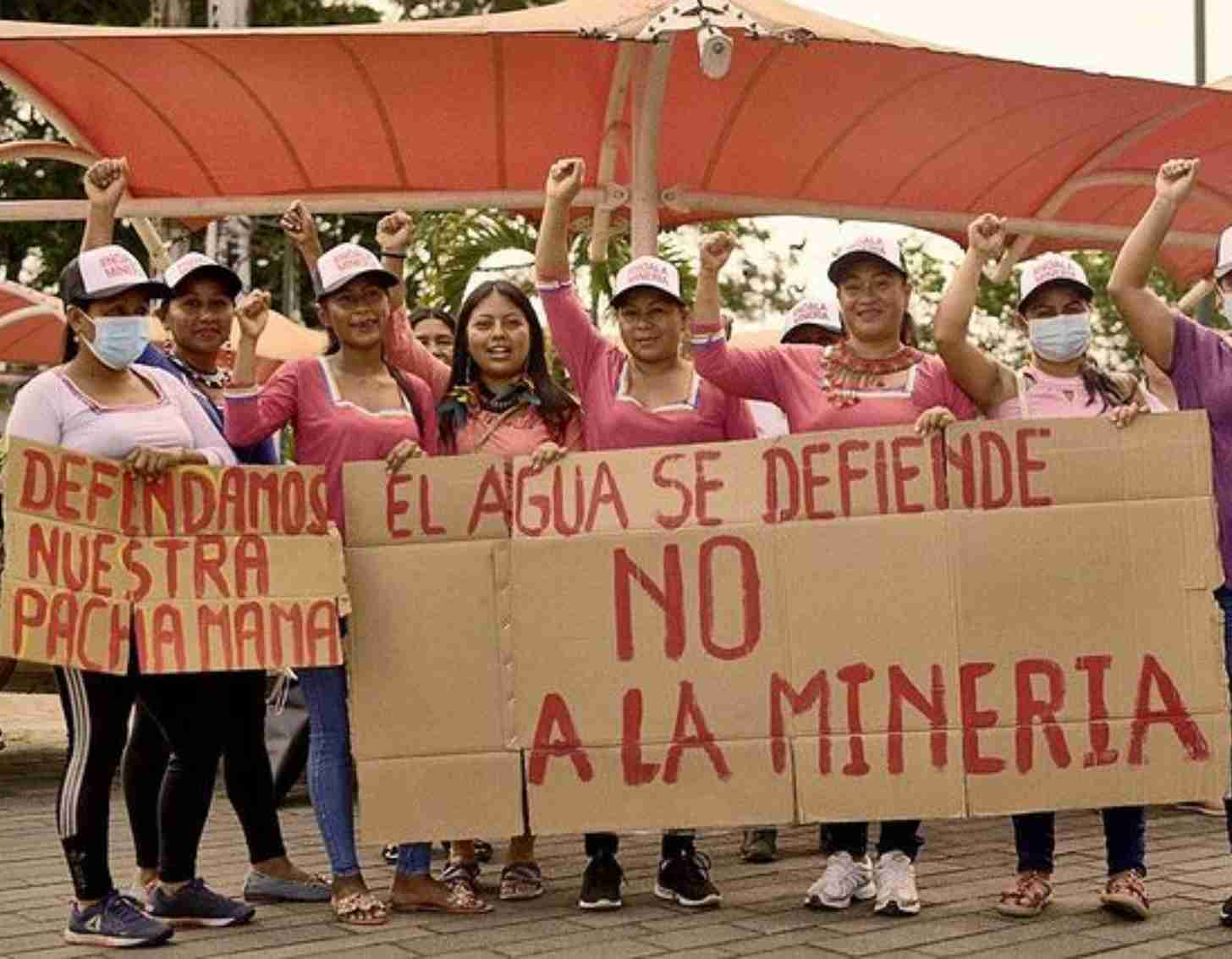
— In 2020, over 40 Kichwa women began organizing themselves to defend their territory and expel mining from the Ecuadorian Amazon. This is how Yuturi Warmi, the first Indigenous guard led by women in the region, began.
— María José Andrade Cerda, one of the leaders of Yuturi Warmi, explains that Indigenous women have an integral vision for territorial defense. Accordingly, Yuturi Warmi’s work includes not only physically guarding and overseeing their territory but also the defense of their culture, ancestrality, language, education, and health.
— In May 2023, María José Andrade Cerda spoke with Mongabay Latam about how they organize themselves and the challenges that women face when defending their territory.
Yuturi ants are peaceful until their territory is threatened.
This species, also known as the ‘conga ant,’ is considered a warrior in Amazonian Kichwa Indigenous culture, as these bugs don’t allow anyone to enter their home without permission — just like the women of Serena, an Indigenous community located on the banks of the Jatunyacu river in the upper part of the Napo river in the Ecuadorian Amazon.
Yuturi Warmi first decided to come together to increase their families’ income through making and selling handicrafts, but when their territory was increasingly threatened by mining, they stepped up in its defense.
Today, they are the first Indigenous guard led by Kichwa women in all of Ecuador. Over 40 members are organized against all forms of interference in their territory, including the contamination of their rivers and the destruction of the forest.

Yuturi Warmi translates to ‘conga-ant women.’ “We are getting organized against the systematic attack of illegal mining,” María José Andrade Cerda affirms, ‘in fact, all forms of mining in our territory in Napo province, are illegal.”
Majo, as friends and family call her, is 28 years old and one of Yuturi Warmi’s younger leaders. Mongabay Latam spoke with Majo about the group’s organization, the challenges they face as women, and their vision for defending their territory.

Mongabay: How has life changed in Serena since the miners arrived?
María José Andrade Cerda: Since the miners arrived, we’ve lost our sense of peace. Now, we are constantly on alert so that the miners, operators, and agents who work for the mining companies don’t set foot on our land or try to talk to our leaders, families, or other community members. We’re also now less connected with other communities. They’ve turned against us because we defend our territory and because we don’t want mining here, while other communities along the Jatunyacu River have succumbed to the miners. The connection and solidarity between pueblos have been lost. This is what hurts us most.
Life itself has changed. Although we have always been vigilant and watched our backs, there is now special interest in our community and ancestral territory because they are focal points of the resistance.

What I’ve heard from communities downstream is that the supays, the spirits of the forest, are moving and have been agitated. Atacapi, the seven-headed boa, has been seen around the Shandia community, where he didn’t often appear before.
The communities say that the large boas are rising up the river, because the river there isn’t deep enough for them anymore and the water feels too hot, it feels different to them because of the mining operations and the pollution they’re releasing into the river. All of this alters the way of life of the water spirits, too. And this affects the way we feel within our territory.
Lower down the river, we are also seeing the color of the water change. The children and all of us who bathe in the river have sensed this change. It’s about how we, as people who have always lived next to the river, know and interpret it. When there’s pollution, we feel it, not just physically in our skin, but also spiritually.

Mongabay: How did you begin to defend your territory? Did the arrival of mining lead you to dedicate your life to this work?
María José Andrade Cerda: I’m one of the few people who left the community to study. I never thought this [destruction] would happen in my territory. As we are far away, forgotten, and abandoned, we never thought the extractive industries and the capitalist ideals of the state and these companies would reach us here.
However, in February 2020, our territory — the Jatunyacu river basin in the upper part of the Napo River — was granted to a mining company. This really affected me, because I had to decide whether to continue my professional career in international relations and business or return to my territory with no job, nothing, to defend my territory and my home. There was no other option but to return to my community.

Mongabay: Was it at that moment that the women-led Indigenous guard came to be? How did you begin to organize?
María José Andrade Cerda: In 2016, alongside other young people in the community, we began to realize that we needed to empower women in the Amazon. Leo Cerdo launched the Hakhu project, which is all about making handicrafts and selling them online.
Us women started to get together regularly: we would run workshops around recuperating weaving techniques, one here and there to talk about designs, another to bring together all the pieces we had designed… We started as a group of seven to nine women, later growing to a little more. Now, in the Artisan’s Association, we are 14.
We started to become a really empowered group not only because we had economic independence but also because we had independence of thought. We were able to generate income for our families, so we didn’t have to depend on the men going off to mine; we didn’t have to go out rain or shine under the heat of the sun to pick plantain, yuca, and other regional products.
Instead, we sat comfortably making a necklace or some earrings, and we’d sell them for the same price as we’d have earned going out to work all day, tiring ourselves out. This started to change women’s perception. We said to ourselves, ” Why would we get involved in mining or oil companies if we have our own source of income?”

When we were notified [in 2020 that the territory had been granted for gold mining], the women, together with some young people from the Ecuadorian Amazon who had been involved in an audiovisual workshop, went out to march. We went out there asking: “How is it possible that after so many years of being forgotten, now they want to come and enter our territories to mine them?” We said that we would “not allow any of this.” It was the women who sowed the seed.
After that, other women in the community and nearby areas said they would not allow it either: “We are with you, comrades, sisters,” they said. And they started to get together.
Now, we are around 30 women who are permanently active in the group, but with our sisters and compas both inside and outside the territory, we are more than 40. And the beautiful thing about all this is that now men are supporting us too. It has been very, very difficult to break with the machista [male chauvinist] idea that we are “crazy,” but now the community supports us from the heart. They know that we are protecting the territory not only for ourselves but for everyone.

Mongabay: What makes Yuturi Warmi different from other Indigenous Guards? How do you work?
María José Andrade Cerda: When we declared ourselves a Guardia Indígena, there was some skepticism because people said that women couldn’t be guards. The perception of an Indigenous Guard in Ecuador — and in all of South America — is that of armed men who go out defending the territory. We took a closer look at what an Indigenous Guard should be. We decided that if the men weren’t going to do what they ought to — get together, organize, and expel the miners — then we’d do it ourselves.
What is different about us is that we have a much broader view, and we also try to focus on the many small things that are important for defending our territory. We have six areas of work. The first is guardianship and territorial defense.
Second is handicrafts, because that is how this group was born, it is who we are.
Third, education, because we promote intercultural and bilingual education for the children and women of the community.
Fourth, ancestral medicine: since we began our struggle during the pandemic, this medicine has been our savior; we must ensure we do not lose it.
Fifth, tourism: we want to focus on a different kind of tourism that’s based on resistance and is conscious of the impacts of disingenuous ‘ecotourism development’ in which Indigenous communities are not taken into account.
And the last one is culture, in general: our traditions and our ancestry as Kichwa people.

We encompass all of this. It was difficult for us to try to separate out these different aspects because, really, without unifying these approaches, we can’t defend our territory: if our language is lost, if our ancestral practices are lost, we won’t have an Indigenous Guard, we won’t have a territory in harmony.
It is important to be aware that more than one aspect must be remedied for us to protect the territory.
Yes, the physical aspect is important because we want to expel the mining companies from our territory, but it’s also about the internal — our spirit, our culture, and our meaning of life.
Mongabay: Was there machismo around the establishment of a women’s guard? What challenges have you faced?
María José Andrade Cerda: There was so much skepticism, but it is because of the patriarchal structure of our society; it’s not so much to do with being Indigenous. At the beginning of the project, the men threw away the muyus [seeds] we used for handicrafts and hid our knitting needles. They would say to us: “This is no good, you’d better go to the farm and work.”
Once they realized that the economic alternative generated high income, they helped collect and separate the seeds to make the handicrafts themselves. This acceptance was gradual, but it was heartfelt because the change was visible.
In the city, other Indigenous organizations would say: “These crazy women; they’ll only support us for a while, then they’ll forget about it.” That’s what we consistently heard: “They’ll be shouting here for a while, but sooner or later they’ll have to go back to their chacras (gardens), to cook and take care of their children and their husbands, because they are going to be deceived.”
We women said it doesn’t matter; what our husbands do is their responsibility, but we need to preserve the territory for our children and grandchildren. That’s what motivates us to continue.
We were united. We went out to the marches, to protest and to support other women who have also been victims of political violence in the city. People started to recognize us because we had a strong presence. We began to go out to nearby cities to march in solidarity with our Sápara sisters, for example, always offering protection and sisterly support – sorority is a word that is just beginning to be understood here. We are sisters who need each other. If they lose their struggle, we lose ours. If we lose ours, they will also feel more vulnerable.

Mongabay: How does the organizational structure of Yuturi Warmi work? What activities do you carry out?
María José Andrade Cerda: You could say we’ve adopted our structure from other Indigenous organizations, but we have our own president. She is a very fierce woman: her name is Elsa Cerda. We say that she is our comandanta, because she is the leader of the whole group and the one in charge of this struggle. We, as a guard, are slightly different from traditional guards, because we are also an association.
Within Yuturi Warmi we not only dedicate ourselves to territorial defense in a physical way, touring the territory and working on protection tactics – we do do this – but we also have another vision because we are women, because we are mothers and daughters.
We feel and organize ourselves in a different way than men do. We also have meetings to share what’s going on, we hold meetings to remember how Kichwa plates and cups were traditionally made with clay and not with products from outside of the community. We have a secretary and a treasurer who administers the funds to manage the organization. We have these kinds of structures.
I, for my part, am the coordinator of all the activities that are being done inside and outside the territory.

Mongabay: As a women’s guard, what have you achieved in your fight against mining in your territory?
María José Andrade Cerda: Yuturi Warmi understands that the anti-mining struggle is a collective struggle and that it will not be achieved if we only have the help of the community and us women who are organized, but it will be achieved through joint work with the Indigenous organizations which we belong to — in this case, FOIN (the Federation of Indigenous Organizations of Napo) — and also with the city-based collectives who have been very attentive and active with everything that is being done.
Together, we have achieved two important milestones. On February 14, 2022, an operation was carried out to remove and seize the machinery in Yutzupino [a community upriver from Serena towards Tena]. More than 150 backhoe loaders were removed, and the miners were also expelled from the sector.
Another important milestone is that the provincial court, when we filed a class action lawsuit, issued a partially favorable ruling, recognizing the violation of the rights of nature.
However, it was a loss when the rights of the Indigenous peoples were not recognized. On the other hand, within this same partially approved sentence, recently, the Court also ruled that the planned restoration and reparation of the damaged area must be complied with.
However, this has not yet happened. The only thing we achieved through the sentence is that the competent ministers who did not carry out the entire restoration process were dismissed.

We want to expel the miners from our territory. Mining operations are constant; they occur daily. Illegal miners — which they all are — but those who are currently operating are always there, and we have been spreading the word through social networks, sending reports to the authorities so that they are removed.
It is a long process to achieve the total expulsion of mining companies, but it is a process that is happening little by little, day by day.
Mongabay: Have you found a listening ear in the Ecuadorian state?
María José Andrade Cerda: The only direct response from the state has been in the courts. That is the only response they have given us. They have told us that they are not the ones mining, that it is the fault of the illegal miners, and they have just excused themselves.
The relationship we have had with the government has been very tense. Firstly, because the authorities that represent the State, in this case, those who are legislating, are the Assembly members. They have also been involved in corruption scandals. When the machines were seized, it came to light that many local authorities, like the mayors, owned machinery inside the illegal mining sites.
The relationship is very tense with the assembly members; they have also been linked to networks of mining concessions that have been irregularly approved. We Indigenous peoples were never consulted.
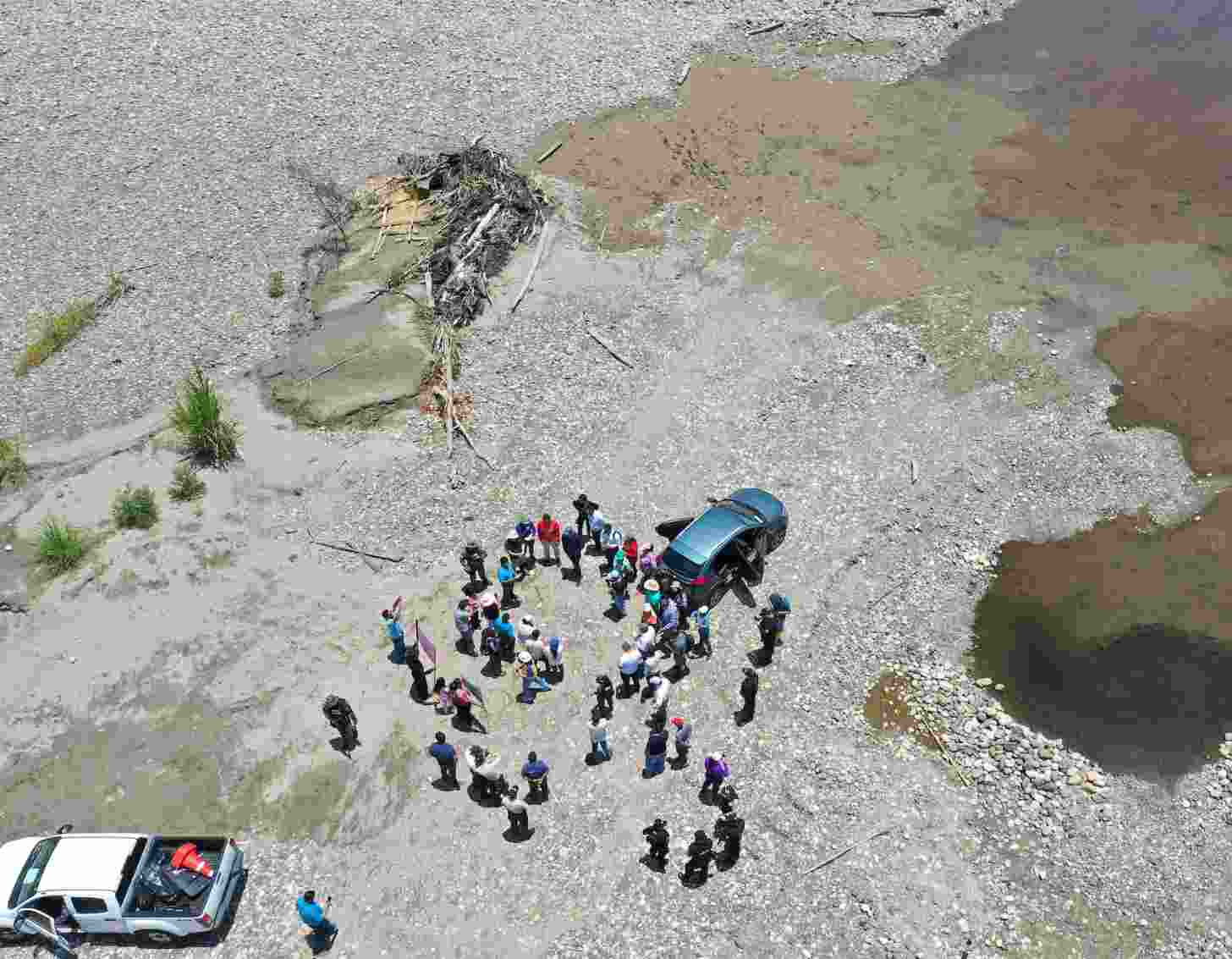
Mongabay: What lessons have you learned from working as a collective?
María José Andrade Cerda: What I always keep in mind is what my grandmother taught me. I reaffirm it on a daily basis with my sisters: everything we do, everything we are, and everything we will be is for the community and for the territory we come from.
When I’m speaking in international spaces, it is not just my voice, as Majo Andrade, that I share, but the voices of all the girls in our community, of all the young women who are giving me their support, of all the mothers and grandmothers who give me their wisdom and also of all of our ancestors, who trust us to continue defending the territory that they left as an inheritance for us.
They wanted us to live here, they saw in their future that we would grow up here. All those voices, all that strength that we feel — their strength — always accompanies us.

Mongabay: What is the relationship between the younger and older members of Yuturi Warmi?
María José Andrade Cerda: In 2021, one of the strongest grandmothers of the association passed away. We remember her every day, and we will never forget her. She set the bar very high for us. She taught us that we always have to be ready with our spear, to keep it close, as well as our shigra [woven bag] and cuya [bowl] when we go out anywhere.
When she passed away, it was very hard for us, we were devastated, because she was a pillar for us. However, we felt that she was with us at all times: in the marches, in the chants, and in the songs of struggle and resistance that she taught her daughter. The grandmother’s name was Rita Tapuy.
We believe a lot in our abuelitas [grandmothers]. Serena was founded by four big families, and we are all cousins. We see each other as brothers and sisters. We are all one family.
Currently, we have very few grandmothers; we have three wise women still alive in the community. We respect them a lot, we listen to them, we are always attentive to them. Above all, they are the ones who keep the language alive. Two of them do not want to speak Spanish and only speak Kichwa. Although my own grandmother passed away several years ago, what they all teach us is that we have to respect our grandparents and love them all as if they were our own.

The relationship between us all has always been one of support, of communication, of being able to talk. We encourage each other. We young women understand that thanks to all the wisdom of our ancestors and our grandmothers, we can continue to live in community.
We are very interested in learning ancestral practices and traditions. We feel proud to belong to our people, to tell our mothers not to be ashamed, not to hide because we are Indigenous.
It has been an exercise of support, considering all the situations we went through at home. For us, this connection, this reminder that we have to be united, arises from the need to be together: young people, girls, mothers, grandmothers.
Mongabay: What collective learning have you gained thanks to this way of organizing?
María José Andrade Cerda: Hope and resistance. We look at each other today and we barely recognise ourselves in comparison to how we were three years ago. Before, we would never have come out to speak in public, to confront corrupt politicians, judges who see us only as crazy people and who thought that our traditional knowledge had no worth.
We hope to continue resisting because we are going to continue having children, we are going to continue living in our territory, and we are going to refuse to be eradicated little by little. This is our inheritance. Everything is for our future generations. The fact that we continue to be violated will not take away our will to keep living.

Mongabay: You have been to national and international meetings, how useful is it to leave the territory and take a message outside the communities to the decision makers?
María José Andrade Cerda: The value is in this process of reciprocity. I go to the meetings knowing that my family and all the women support me and that I am not speaking only for myself but for all of us. And perhaps not only for the community, but also for other sisters and for the alliances we have made along the way.
At the same time, we head to these international spaces to knock on doors and touch people’s hearts, telling them about our local work in the hope that they and the world will listen to the true meaning of life.
The value in this for me is that I am echoing the voices of women who perhaps did not have the opportunities that I had, but who continue to have the support of an entire people, of an entire community, because that is who we are. Not all of us will always be able to leave the community, but the value is in how we coordinate, how we give back, how we feel as a community.

Nowadays, a lot of attention is being paid to what we Indigenous peoples are doing, and they say that they are taking us into account, but that is not the full truth. They have opened many national and international spaces for us, but there is still this bias of: “You are not capable of generating alternatives on your own, someone always has to support your projects.” There is this figure of the ‘vigilant’ or the ‘observer’ – they do not let us, as Indigenous peoples, continue to manage our own issues.
That is what angers me because this invalidates our whole process, an issue that has been going on for two or three generations. My grandparents worked hard, walking thousands of kilometers so that their children could have a place to study, just like my parents. Now that we, a few young Indigenous people, have managed to get our university degrees, they tell us: “We are going to assign you a technician because you can’t manage it yourselves.” This is hugely unfair to our historical struggle.
There are very few of us Indigenous youth who also speak a dominant language, such as Spanish or English, in our cases. I didn’t learn English because I have parents who speak the language, I had to learn it by force in college. It has been one of the platforms with which we are making ourselves known. We are raising our voices because we do not want third parties to speak for us.

Mongabay: What does the word ‘territory’ mean to you?
María José Andrade Cerda: Territory, for me, is life itself. It is not so much about the physical representation of the territory but about the spiritual, the company, the people, and the state of mind in which I find myself when I am in my territory.
Here, I feel I am in my safe space.
Territory is who I am: my body and my ancestry. My territory always goes with me when I am outside. What I ate as a child is reflected in who I am now.
Territory means not forgetting everything I am, everything I have learned, no matter where I am. Territory can be understood as the physical, but, for me, it is what I carry with me: life.
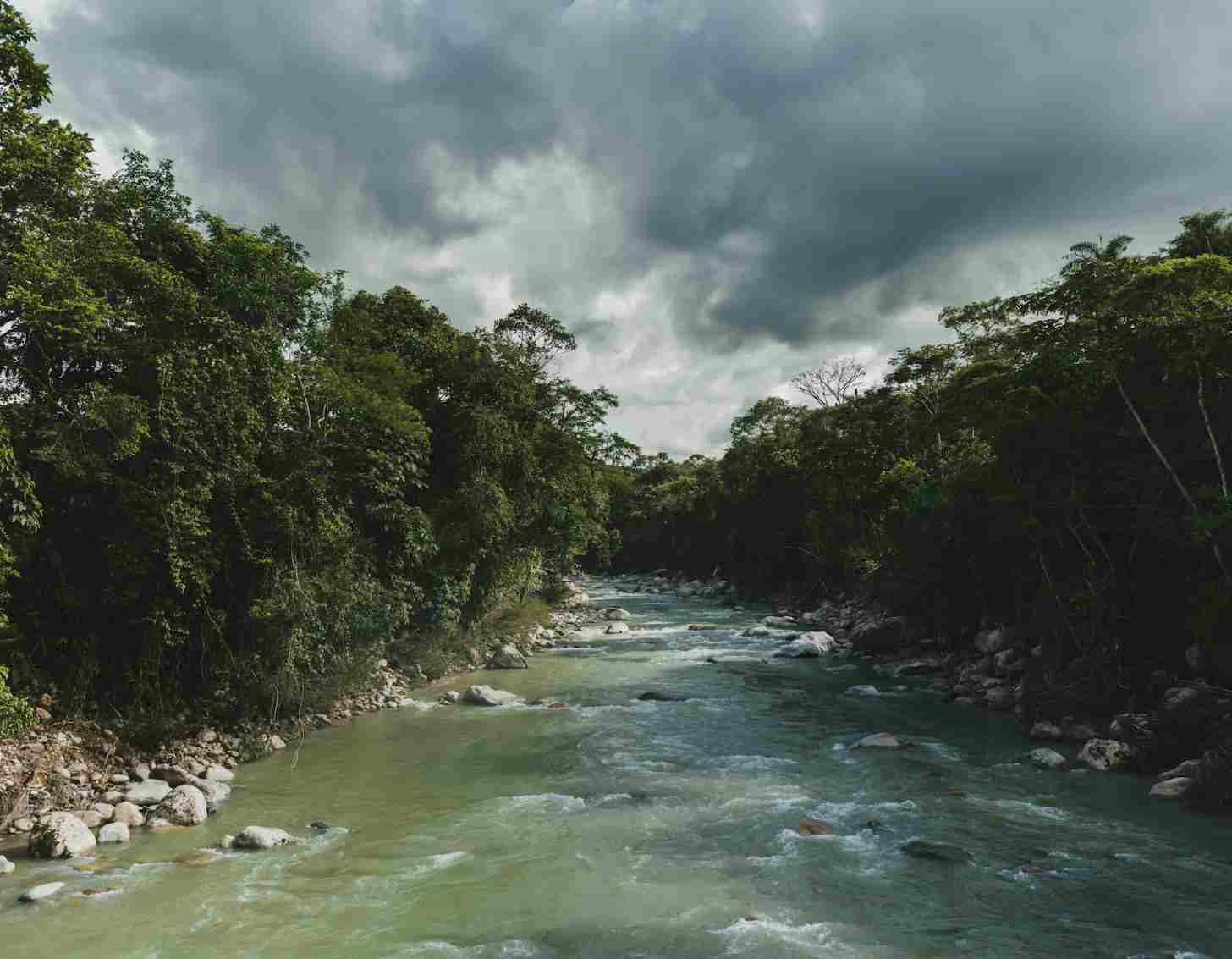
This article was originally published by Mongabay.
Header image by Yuturi Warmi Archive.
There are so many factors that can influence healthy living and weight loss. Genetics and psychology both play a major role, but so can a person's environment. That's why Hers set out to rank the 50 most populous cities from best to worst according to which make it easy to live a healthy lifestyle.
We analyzed four data sets around key pillars that contribute to overall health, including nutrition, behavior, movement, and medical treatment.
We used the following data points to determine the best cities for healthy living in the U.S.:
- Concentration of grocery stores compared to the population: Access to healthy food is one factor associated with a longer life expectancy, according to a study by the American Cancer Society.
- How many people are getting enough sleep: The Office of Disease Prevention and Health Promotion reports that consistently getting too little sleep increases the risk of a number of health issues, including obesity, diabetes, heart disease, and even cancer.
- Walkability of the city: Walking on a regular basis improves a number of health outcomes, including weight loss, decreased risk of breast cancer, reduced arthritis pain, and better immunity.
- Access to psychologists and psychiatrists: Mental and physical health go hand in hand. People with depression, for instance, are at a significantly higher risk (40%) for both cardiovascular and metabolic diseases.
Ready to see how your city stacks up? Let's jump into the results.
Key Findings

- New York City dominates when it comes to grocery stores, walkability, and mental health care access. However, it truly is the city that never sleeps: Nearly 40% of New Yorkers get less than seven hours of shuteye a night.
- West Coast cities account for half of our 10 healthiest cities. Areas that made the list include San Francisco, San Diego, Sacramento, Portland, and Seattle.
- Raleigh, North Carolina is the only Southern city to make it in the top 10 best cities for healthy living. The tech-centric city ranked particularly well for sleep, walkability, and access to psychologists and psychiatrists.
- Las Vegas ranks as the worst city for healthy living in America. The concentration of grocery stores and mental health professionals is low compared to the size of the population, and Las Vegas isn't considered very walkable.
The Best Cities for Healthy Living in the U.S.: Trends and InsightsBefore digging into the final rankings, let's look at the breakdown of best and worst cities based on each individual category we analyzed: prevalence of grocery stores compared to the population, amount of sleep, walkability, and access to mental health professionals.
Which Cities Have the Most Grocery Stores?
Eating the right foods plays a huge role in losing weight and staying healthy. From focusing on protein-rich meals to stocking up on healthy snacks, having access to fresh, whole foods makes a big difference in your ability to plan nutritious meals. The goal is to eat real food that's not ultra-processed, and that's not going to happen if you don't have a grocery store near you.We looked at the number of grocery stores per capita in each city. Here's what we discovered when looking at the best and worst locales in this specific category.
Most Grocery Stores Per 100K Residents
- New York-Newark-Jersey City
- New Orleans-Metairie
- Boston-Cambridge-Newton
Fewest Grocery Stores Per 100k Residents
- Oklahoma City
- Phoenix-Mesa-Chandler
- Indianapolis-Carmel-Anderson
You may expect to see large metropolitan statistical areas (MSA) like New York and Boston with a high prevalence of grocery stores. But New Orleans is more surprising since food insecurity impacts an estimated 15% of the population. Its neighbor Metairie may play a role in boosting its ranking.
Which Cities Get the Best and Worst Sleep?
According to the CDC, the recommended amount of sleep each night is at least seven hours. Quality sleep reduces the risk of a variety of diseases and contributes to weight loss. What's even better is that getting the right amount of sleep can be an easy win for better health.The CDC tracks the percentage of adults getting less than seven hours of sleep. So we've ranked the best cities for sleep as having the lowest percentage of adults sleeping less than the minimum recommended amount. The worst cities for sleep have a higher number of adults getting under seven hours of shut eye.
Cities Getting More Sleep in the U.S.
- Denver, CO
- Austin, T
- Seattle, WA
Cities Getting the Least Amount of Sleep in the U.S.
- Detroit, MI
- Baltimore, MD
- Cincinnati, OH
What Are the Most Walkable Cities?
Walking has an incredible impact on health and is an accessible, low impact way to lose weight. You don't need expensive equipment or a gym membership to get outside and walk. But some cities are better suited for daily walking than others. We looked at the walkability score for each city based on their city hall location in order to find the best and worst places for getting in those daily steps to get healthy.
Most Walkable Cities in the U.S.
- Chicago, IL
- New York, NY
- Philadelphia, PA
Least Walkable Cities in the U.S.
- Virginia Beach, VA
- Columbus, OH
- Houston, TX
Larger cities like Chicago, New York, and Philadelphia have plenty of pavement to hit each day. You may be harder pressed to walk out of your office or apartment in more sprawling cities like Virginia Beach, Columbus, and Houston.
Where Is It Easiest to Find a Psychologist or Psychiatrist?
Your mental health is just as important as your physical health; and in reality, the two are inextricably linked. Most people eat to combat stress. By addressing mental health issues, like anxiety or depression, you may be able to decrease the habit of eating for mood elevation.Cities with larger concentrations of psychologists and psychiatrists make it easier to find a mental health professional you like and get on their schedule in a timely manner.From avoiding stress eating to managing anxiety, accessing mental health care can be just as important when it comes to healthy living as finding the right doctor for your physical needs.
Cities With the Highest Concentration of Psychologists and Psychiatrists
- Providence, RI
- New York, NY
- Baltimore, MD
Cities With the Lowest Concentration of Psychologists and Psychiatrists
- Oklahoma City, OK
- Las Vegas, NV
- Memphis, TN
The 25 Best Cities for Healthy Living in the U.S.
Based on our criteria mentioned above and methodology outlined below, these are the best cities for healthy living in the U.S.
- San Francisco, California
- Boston, Massachusetts (tied for second)
- New York, New York (tied for second)
- San Diego, California
- Chicago, Illinois
- Providence, Rhode Island
- Sacramento, California
- Portland, Oregon
- Seattle, Washington
- Raleigh, North Carolina
- Baltimore, Maryland
- Miami, Florida
- Hartford, Connecticut
- San Jose, California
- Philadelphia, Pennsylvania
- Washington, D.C.
- Los Angeles, California
- Tampa, Florida
- Buffalo, New York
- Indianapolis, Indiana
- Denver, Colorado
- Pittsburgh, Pennsylvania
- Minneapolis, Minnesota
- Milwaukee, Wisconsin
- Salt Lake City, Utah
The 25 Worst Cities for Healthy Living in the U.S.
Based on our criteria mentioned above and methodology outlined below, these are the worst cities for healthy living in the U.S.
- Las Vegas, Nevada
- Birmingham, Alabama
- Memphis, Tennessee
- Columbus, Ohio
- Phoenix, Arizona
- Kansas City, Missouri
- Oklahoma City, Oklahoma
- Orlando, Florida
- Detroit, Michigan
- Charlotte, North Carolina
- Cincinnati, Ohio
- Cleveland, Ohio
- Nashville, Tennessee
- Atlanta, Georgia
- New Orleans, Louisiana
- Houston, Texas
- St. Louis, Missouri
- Virginia Beach, Virginia
- Louisville, Kentucky
- Jacksonville, Florida
- Richmond, Virginia
- Riverside, California
- Dallas, Texas
- San Antonio, Texas
- Austin, Texas
Note: Based on data collected in May 2024.
Data and Methodology: How We Scored the Cities
To rank the best and worst cities for healthy living, we looked at the 50 most populous MSAs in the U.S. We analyzed data across four categories contributing to overall health and applied a score to each city based on these factors:
- Number of grocery stores per 100,000 people: Access to grocery stores makes it easier to prioritize healthy eating. We used data from the U.S. Census Bureau's 2021 County Business Patterns survey by MSA.
- Percentage of adults sleeping less than 7 hours a night: This data is at the city level and from the Centers for Disease Control and Prevention's 2019 release of Local Data for Better Health.
- Walk score: The EPA assigns a walk score based on specific addresses. We used city hall to find out how walkable downtown areas are for those who live and work there.
- Access to psychologists and psychiatrists: We averaged the location quotients for psychologists and psychiatrists in each MSA, using data from the U.S. Bureau of Labor Statistics.
Tips for Healthy Living Wherever You Live
It's possible to live a healthy life and maintain an optimal weight no matter what city you call home. Concentrate on four pillars for weight loss and healthy living. Whether you're just starting your wellness journey, or if you're ready to break a weight loss plateau, these tips are a good place to start.
Nutrition: Increasing your servings of fruits and vegetables is a great way to boost your vitamin and mineral intake. They're also a major source of fiber; research reveals that fiber intake lowers the risk of heart disease and type 2 diabetes. Upping your protein is another way to keep you energized and satiated while working on your health.
Behavior: Building healthy habits helps you both physically and mentally. In addition to eating nutritious foods, find ways to get active, increase your mental stimulation, and socialize. Making healthy lifestyle choices can have a big impact on longevity. The World Economic Forum attributes 70% of global deaths to four behaviors: physical inactivity, poor diet, excessive alcohol consumption, and smoking.
Movement: Being active on a regular basis is an important part of any weight loss plan. Research indicates that consistent weekly exercise improves the odds of keeping those extra pounds off. If you have trouble staying motivated, consider finding an accountability partner who can help you stay consistent. Also look for realistic options for your schedule and where you live. In sprawling areas that are less walkable, you may need to use a treadmill or stationary bike. But that doesn't have to be prohibitively expensive. You can find relatively inexpensive gyms that charge just $10 to $20 per month to use their basic equipment.Not only does regular movement help make you healthier, it could also help improve the quality of your sleep—another foundational component of healthy living.
Medical treatment: In some cases, your doctor may recommend prescription medication to help with weight loss. According to the FDA, GLP-1 medications like Ozempic or compounded semaglutide can be effective in regulating appetite and blood sugar levels. When paired with other healthy behaviors, like movement and nutrition, you can take a multi-pronged approach to healthier living. Taking the Next Step in Your Health JourneyLocation is only one part of healthy living. Ultimately, it's individual behaviors executed on a daily basis that have the most impact on getting and staying healthy. The best part is that you don't have to do it alone. Get connected with a healthcare provider who can look at your personal and medical history to create an action plan that's realistic for your life and goals.
This article was originally published by Stacker and was republished with permission.
Header image by Sean Pavone on Shutterstock
One factor people consider when looking for a new home is how easy it is to get around. Driving and walking are the most common modes of transportation, but prospective buyers and renters are also increasingly considering public transportation.
In 2018, only 30% of buyers said a new home's proximity to public transit was "very important" or "extremely important," according to the 2023 Zillow Consumer Housing Trends Report. But in 2023, 43% said so — the largest increase of any neighborhood characteristic.
Thirty-seven percent of renters said living near public transportation was "very important" or "extremely important," the highest level in the past six years. While many people may want to be close to public transit for career purposes, the benefits may extend beyond work.
"Living near public transportation is more important to today's buyers and renters than it's been in at least the past several years.
Still, it's likely not the deciding factor for many movers — more say living in a walkable neighborhood, living near leisure amenities and living near family are important to them," Zillow senior economist Nicole Bachaud told ConsumerAffairs.
"While the importance of living near public transportation has been on an upswing for homebuyers, the importance of commute times has stayed relatively steady. That could indicate buyers are interested in public transit for more than just their trips to the office and back."
Knowing how you'll get around your new hometown is vital before hiring movers to take you there. To help, the ConsumerAffairs Research Team investigated and ranked the nation's 50 largest cities to see which have the best public transit systems. The analysis is based on 2022 data from the U.S. Department of Transportation's National Transit Database, and it takes into account how useful, safe, affordable and efficient transit services are in the nation's top cities.
Key insights
Bigger isn't always better. While the country's most populous metro area, New York City, had the highest-scoring transit system, second place went to the much smaller San Francisco metro area.
Only three of the top 10 transit systems are in the nation's top 10 most populous cities. Good transit spans the country.
Among large cities, the top 20 for transit include locations on the Atlantic and Pacific Coasts, the South, the Mountain West, the Midwest and along the Great Lakes.
Transit is safe. The average rate of major safety events across the 50 largest U.S. cities' transit systems is 3 per 1 million miles traveled by transit vehicles.
Transit is affordable. The average transit trip in the nation's largest cities costs $2.56 one way, even when accounting for varying prices by distance, peak hours and monthly passes.

Major advantages of public transit
Some advantages of public transit systems include their eco-friendliness, shorter commute times and connectability.
Transit vehicles emit far fewer greenhouse gases per passenger mile than a regular car, and you don't have to fight traffic yourself or pay for parking at your destination.
Transit lines also usually connect, making longer trips possible, such as weekend getaways.
Personal advantages abound, too. Riding on local public transit can allow you to see diverse neighborhoods and meet other people you share the city with. Relieved from driving, you can also rest, read or otherwise relax during the journey.
Artificial intelligence can also make public transit systems more efficient and save riders time by analyzing different routes and schedules to get you to your destination faster and without as much of a hassle.
A 2020 report from the International Association of Public Transport found AI offers the potential to adjust transit services in real time, responding to heavy traffic, heavy ridership and sudden emergencies.
The report found that AI systems can also help users plan journeys that combine multiple stops and interconnecting services and adapt fares to meet specific goals for both revenue and equity. They can also save agencies money by optimizing fuel efficiency and maintenance services.
Since that report came out, the U.S. federal government has spent millions of dollars helping transit agencies around the country develop AI systems that aim to improve service, reliability and cost in transit systems.
The starting point for many of the nation's most populous cities is already quite good — but there is still much room for improvement everywhere.
U.S. public transit systems, ranked
In this study, we examined a range of data points from the U.S. Department of Transportation's National Transit Database and calculated a score for each city, with a maximum number of 100 points achievable. You can read the full methodology below.
Here's how the cities stacked up:
1. New York, New York
- Annual public transit trips per metro area resident: 144.2
- Share of stations ADA-compliant: 51.4%
- Safety score (combining fatalities and serious injuries): 13.07 out of 20
- Average fare revenue per trip: $1.75
The nation's most populous metro area is served by a large number of transit agencies, with trains and buses covering the five boroughs of New York City itself, as well as areas well into New Jersey, Connecticut and downstate New York. While the average fare revenue is higher than most, it's still cheaper per trip than in Pittsburgh, Pennsylvania, and Buffalo, New York.
2. San Francisco, California
- Annual public transit trips per metro area resident: 53.6
- Share of stations ADA-compliant: 97%
- Safety score (combining fatalities and serious injuries): 13.91 out of 20
- Average fare revenue per one-way trip: $1.63
With the third-worst commuter traffic in the nation, San Francisco residents might be desperate for other ways to get around. Fortunately, Bay Area Rapid Transit connects the city with its suburbs, and the Muni bus and train system – including the city's famous cable cars – gets people around the city itself. There are also free shuttles to get people to and from public parks.
3. Los Angeles, California
- Annual public transit trips per metro area resident: 29
- Share of stations ADA-compliant: 100%
- Safety score (combining fatalities and serious injuries): 16.48 out of 20
- Average fare revenue per one-way trip: 49 cents
Los Angeles, well known as a sprawling car-oriented metropolis, has a transit system that doesn't get as much use per capita as other cities' services. However, it's one of the safest and most affordable transit systems nationwide.
4. Richmond, Virginia
- Annual public transit trips per metro area resident: 8.5
- Share of stations ADA-compliant: 100%
- Safety score (combining fatalities and serious injuries): 18.27 out of 20
- Average fare revenue per one-way trip: 24 cents
With free local bus fares across the city, including high-speed buses with some dedicated lanes that provide service every 10 minutes on weekdays and every 15 minutes on weekends, Richmond's public transit system is safer and more efficient than many other large cities' services. Unfortunately, it is used less frequently than any other system mentioned in our top 10 list.
5. San Diego, California
- Annual public transit trips per metro area resident: 21
- Share of stations ADA-compliant: 100%
- Safety score (combining fatalities and serious injuries): 14.74 out of 20
- Average fare revenue per one-way trip: $1.10
A new safety initiative, expanded service and upcoming investments in new vehicles, including electric buses, are drawing riders to San Diego's trolleys and buses, which serve the downtown area and the surrounding communities.
6. San Antonio, Texas
- Annual public transit trips per metro area resident: 12.6
- Share of stations ADA-compliant: 100%
- Safety score (combining fatalities and serious injuries): 18.44 out of 20
- Average fare revenue per one-way trip: 58 cents
San Antonio's bus service spans the city and is set to expand in the coming years. The agency that runs it, VIA Metropolitan Transit, is also working to make its service schedules and maps more comprehensible to prospective users. The city is also considering new zoning rules that would make denser housing along high-capacity bus lines easier for developers to build.
7. Boston, Massachusetts
- Annual public transit trips per metro area resident: 47.5
- Share of stations ADA-compliant: 78%
- Safety score (combining fatalities and serious injuries): 14.57 out of 20
- Average fare revenue per one-way trip: $1.63
In Boston, a city well known for confounding even local drivers with one-way streets and hairpin turns, it's tempting to let someone else handle navigation. Even with a relatively expensive average fare and incomplete ADA compliance at stations, the city's MBTA trains and buses are relied on more heavily than transit vehicles in other large cities.
8. Seattle, Washington
- Annual public transit trips per metro area resident: 36.7
- Share of stations ADA-compliant: 99.1%
- Safety score (combining fatalities and serious injuries): 14.52 out of 20
- Average fare revenue per one-way trip: $1.57
Seattle's public transit system, which includes buses, trains, and ferries, links its suburbs, downtown area and nearby islands. In 2024, the city is asking voters to raise their taxes to pay for a 20-year transportation plan that includes pothole repair and expanded transit services.
9. Washington, D.C.
- Annual public transit trips per metro area resident: 36.7
- Share of stations ADA-compliant: 100%
- Safety score (combining fatalities and serious injuries): 15.41 out of 20
- Average fare revenue per one-way trip: $1.29
The D.C. area's roads are so famously congested that people joke there is no rush hour at all — except all the time. Fortunately, the Metro system encompasses trains, buses and subways run by city officials and state and local agencies in neighboring Maryland and Virginia.
10. Salt Lake City, Utah
- Annual public transit trips per metro area resident: 26.7
- Share of stations ADA-compliant: 100%
- Safety score (combining fatalities and serious injuries): 11.83 out of 20
- Average fare revenue per one-way trip: $1.07
Bus and rail lines crisscross the city and the surrounding county. The city's plans for transit expansion call for additional services by 2030 and are being used to tempt Olympic officials to consider it as a location for the 2034 Winter Games.

Why you should consider moving to a city with a good public transit system
When you're looking for your next place to live — whether near where you already call home or somewhere farther afield — it's worth noting how close transit services are and how well they'll get you where you want to go.
According to Nicholas Julian, the senior program manager for land use at the National Association of Home Builders, builders and developers are noticing this interest. He observed that the move toward "transit-oriented development" has been decades in the making, with governments and private companies working to build housing along existing transit routes to reduce traffic and pollution.
He noted that many cities are also rethinking minimum parking requirements to reflect residents' desire to drive less and discourage additional cars from clogging the roads.
Although Julian works most directly with people involved in suburban development projects not designed explicitly around transit, he notes that "any type of access to public transit ... will be advertised" to prospective buyers or renters.
He pointed out that some developers are stepping forward to reduce driving while improving people's ability to get the services and experiences they want. For example, Culdesac Tempe, in Arizona, is a development that actively discourages residents from owning cars while providing free transit, reduced ride-sharing costs and free e-bikes to at least some residents.
"If you can build a car-free community in Tempe, it's probably possible just about anywhere," Julian said. That may also mean you can live a car-free or car-light lifestyle in just about any other city, too.
Methodology
The ConsumerAffairs Research Team conducted a comprehensive analysis of the public transit systems in the 50 most populous metropolitan areas across the United States and scored each on a point scale from zero to 100. To determine which cities had the best public transportation, we looked at the following metrics:
- Usefulness to riders: We defined how useful a transit system was to its city's residents based on three factors:
- First, we calculated how many independent passenger trips the population took in 2022 in relation to the metro area's population. This information was based on the National Transit Database annual metrics for 2022. (25 possible points)
- Second, we calculated how far passengers traveled in 2022 per resident in the metro area. (20 possible points)
- Third, we looked at how easy the main public transit system was to access for people with physical disabilities. We used the 2022 National Transit Database information on transit stations to calculate the percentage of all ADA-compliant systems. (10 possible points)
- Safety: Based on the National Transit Database's Safety & Security Major Event Time Series data for 2022, we calculated the number of major events, including collisions and derailments, per vehicle revenue mile in 2022. (10 possible points)
- We also calculated the rate of fatalities and injuries in major events per 2022 vehicle revenue mile. (5 possible points each)
- Affordability: We looked at the fare revenue per unlinked passenger trip based on the National Transit Database annual metrics for 2022. We compared that with the median household income in 2022 for that metro area according to the U.S. Census Bureau's American Community Survey. (15 possible points)
- Efficiency: We determined the average operating cost per passenger mile based on the National Transit Database annual metrics for 2022. (10 possible points)
This article was originally published by Stacker and was republished with permission.
For over a decade, the Yosemite toad has been recognized as a federally threatened species, after experiencing a 50% population decline during the Rim Fire of 2013.
The wildfire, which encompassed a mass of land near Yosemite National Park, made the amphibian species especially vulnerable in its home habitat.
Native to the Sierra Nevada, the toads play a key role in the area’s ecosystem — and conservationists stepped in to secure their future.
In 2017, the San Francisco Zoo’s conservation team began working with the National Park Service, Yosemite Conservancy, U.S. Fish & Wildlife Service, California Department of Fish & Wildlife, and the U.S. Geological Survey.
The goal of all of these stakeholders? To raise their own Yosemite toads, re-establishing a self-sustaining population in the wild.
“Over the past several years, SF Zoo’s conservation team has been busily raising hundreds of these small but significant amphibians from tadpole stage, a species found only in the Sierra Nevada, for the purpose of reintroducing them to an area of Yosemite National Park where it was last seen 11 years ago,” the zoo shared on social media.

By 2022, a group of toads were deemed ready for release — and at the end of June of this year, 118 toads were flown via helicopter back to their habitat.
“It’s the first time anyone has ever raised this species in captivity and released them to the wild,” Rochelle Stiles, field conservation manager at the San Francisco Zoo, told SFGATE. “It’s just incredible. It makes what we do at the zoo every day worthwhile.”
Over the past two years, these toads were fed a diet of crickets and vitamin supplements and were examined individually to ensure they were ready for wildlife release.
Zoo team members inserted a microchip into each toad to identify and monitor its health. In addition, 30 of the toads were equipped with radio transmitters, allowing their movements to be tracked using a radio receiver and antenna.
The project doesn’t end with this single wildlife release; it’s slated to take place over the next five years, as conservationists continue to collect data about the toads’ breeding conditions and survivability in an ever-changing climate. They will also continue to raise future toad groups at the zoo’s wellness and conservation center.
Living in high elevations over 11,000 feet, experts do have concerns about how the toads will fare, since they require pools of snowpack runoff and spring recharge, which are in decline as temperatures rise.
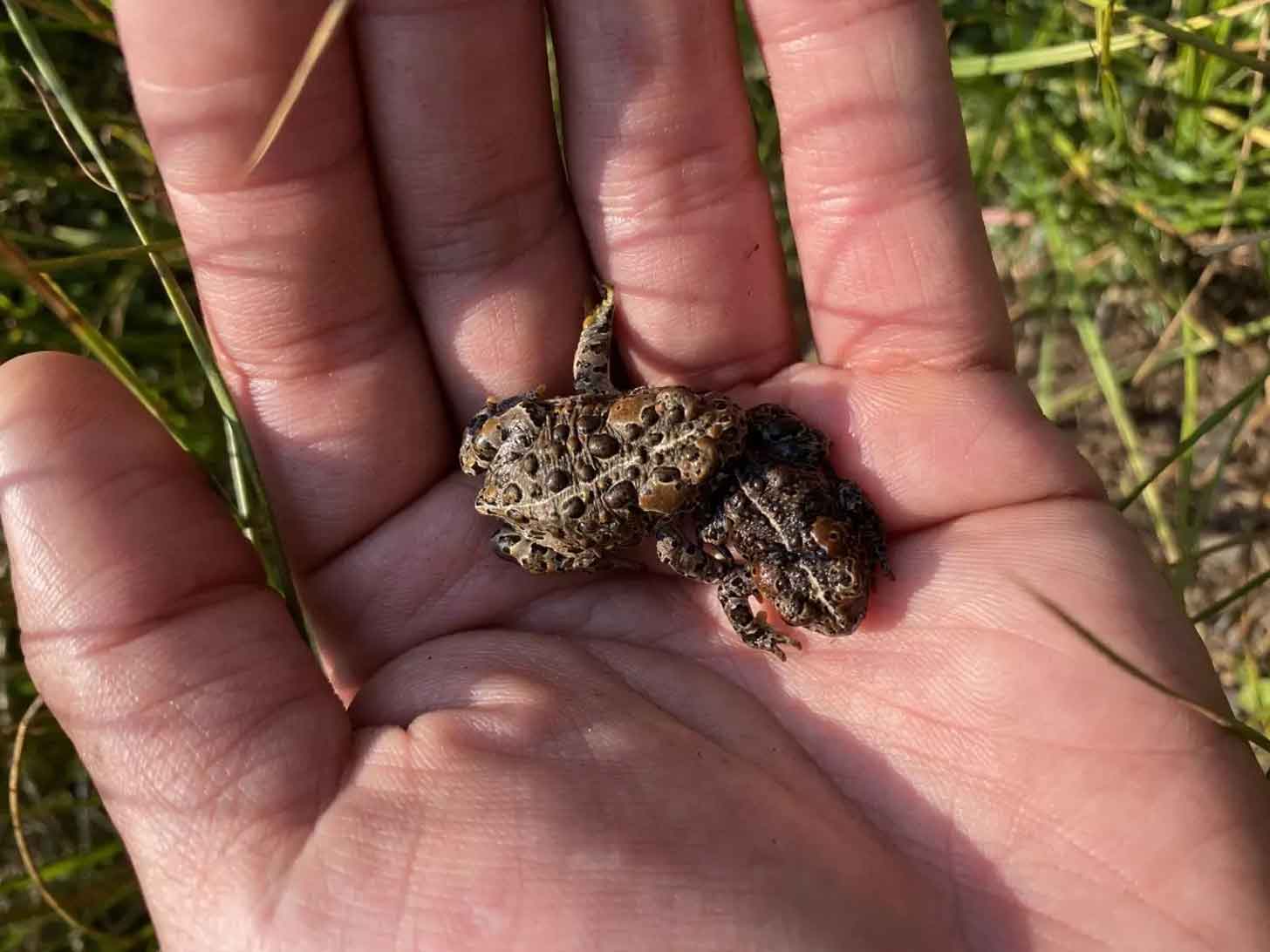
These bumpy-skinned, yellow and green amphibians need ideal moisture conditions in their native meadows to allow tadpoles the chance to metamorphose.
While the future of the Yosemite toad is still up in the air — and the uncertainty of climate change makes this a particularly audacious leap of faith — the reintroduction of these amphibians could have positive ripple effects for all of Yosemite.
Their re-entry could restore the population balance of invertebrates and small vertebrates that the toads consume, as well as balance the food web, serving as prey for snakes, birds, and other local predators.
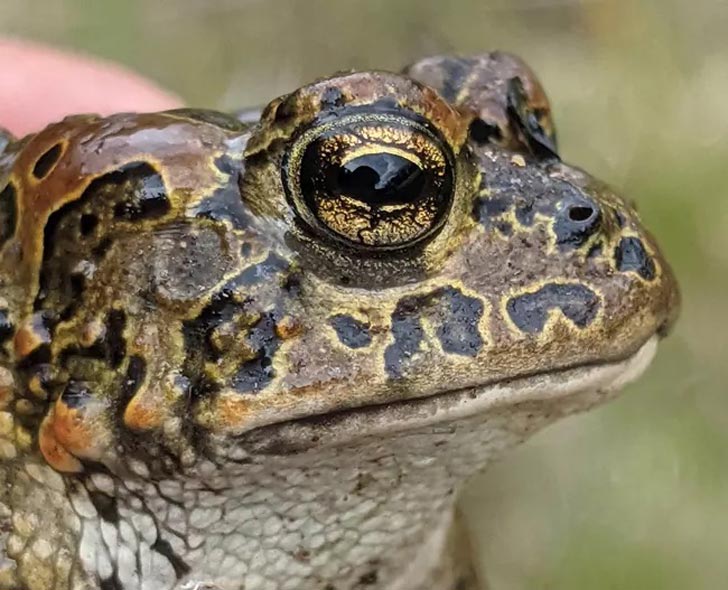
“Zoo-reared toads can restore historic populations,” Nancy Chan, director of communications at the San Francisco Zoo, told SFGATE.
Stiles continued: “This is our backyard, our home, and we want to bring native species back to where they belong.”
Header image courtesy of Beau Rogers (CC BY-NC 2.0)
The transportation industry is reaching sustainable new heights nearly every day.
From the electric vehicle boom to solar-powered high-speed rails, a clean energy future is upon us.
The latest in innovation? San Francisco’s hydrogen-fueled ferry.
The Sea Change ferry, created by Zero Emission Industries, is now running in the Bay Area (between San Francisco’s Ferry Building and Pier 41 by Fisherman’s Wharf, to be exact).
An entirely different experience from a traditional diesel ferry, the Sea Change is quiet and emits only heat and water vapor.
“It’s all electric drive,” Joe Pratt, CEO of Zero Emission Industries, told Fast Company. “What that means is you don’t have the engine noise. You don’t have the vibration. It’s kind of like a really big sailboat that’s just cruising silently through the bay.”

But how does it work?
Hydrogen is stored on the top deck of the ferry and sent to fuel cells on the main deck, which convert hydrogen to electricity. Once the power is generated, it is sent below deck to power an electric motor.
The Sea Change is able to travel up to 300 nautical miles (345 miles) at speeds of up to 15 knots (17 mph).
It also uses the water vapor emitted in its bathrooms on board — and to supply a drinking fountain.
“It’s the only vessel in the world where you can actually drink the exhaust,” Pratt added.
While Zero Emission Industries designed the hydrogen tech in the ferry, it is officially owned by startup Switch Maritime and managed by San Francisco Bay Ferry. The 70-foot-long ferry can hold 75 passengers, and the fare to board is no more expensive than its traditional counterparts.

Refueling is simple, too. The Sea Change gets deliveries of hydrogen from a truck, which is comparable to what boats already do, receiving a refueling of diesel. There’s no new infrastructure required; just a new kind of power.
Other cities across the globe — like Seattle, Oslo, and Northern Ireland — are trying their hand at electric ferries; which have also received praise for their innovation and sustainability.
But the Sea Change is the first to use hydrogen.
Despite the higher cost of hydrogen fuel (some estimates say it costs about $25 per kilogram), experts are confident the cost will soon come down.
John Motlow, the chief strategy officer at Zero Emission Industries told Fast Company: “If you look at the next 10 years, there’s a very good chance that the price per kilogram of hydrogen will be cheaper than the price of a gallon of diesel.”

The caveat of it all is that most hydrogen is still made from fossil fuels, so it’s not fully “clean.” The Sea Change ferry will use hydrogen fuel that is available locally, but eventually, designers hope it could use green hydrogen, which is made from water and renewable electricity.
For now, this new ferry will run for a trial period of six months. But it could become a permanent service in the Bay Area, especially as the California Air Resources Board now has a requirement for all short-run ferries to transition to zero-emission technology.
“A lot of municipal ferry operators in populated cities are under pressure to decarbonize, as are most transit systems,” Switch CEO Pace Ralli, told Canary Media, last fall. “The technology exists; now it’s just about learning how to adopt these new decarbonized technologies and getting them to scale.”
The Sea Change is a nautical mile in the right direction.
“We think it’s a huge step to clean up the vessel,” Pratt told Fast Company, “getting these diesel fumes off the water.”
Header image courtesy of Switch Maritime
Panic ensued this week when a new study hit the stratosphere (or the journal Environment International, to be specific), revealing that toxic metals were found in a wide range of tampons sold in the United States and Europe.
The study analyzed 30 tampons from 14 different brands, looking for 16 heavy metals: Arsenic, barium, calcium, cadmium, cobalt, chromium, copper, iron, manganese, mercury, nickel, lead, selenium, strontium, vanadium, and zinc.
Twelve of the metals were present in all of the tampons tested.
Immediately, people with periods took to social media to sound the alarm, especially upset that organic tampons — often marketed as the “safer” option — were included in this list.
According to the research, nonorganic tampons had higher levels of lead, but organic tampons had higher levels of arsenic. The paper does not name specific brands.
While the results certainly sound scary, and even one of the study’s authors said they were “shocked by the results,” many experts are attempting to tamp down public anxiety.
“Should you immediately throw out your tampons after reading this study?,” OB-GYN and public health educator Dr. Jennifer Lincoln began a TikTok video in response to the outcry.
“If this worries you, you absolutely can. I personally wouldn’t because these levels are very low, but I hear you if you say ‘there’s no acceptable level for lead.’ I totally get that.”
Dr. Lincoln shared some numbers about how much lead was found in these products (the study determined that there was an average of 0.12 micrograms of lead in the tampons examined), and how that compares to the FDA guidelines about lead levels in the blood of “females of childbearing age.”
The numbers are indeed below the FDA guidelines’ limits, and the study does not detail how much of these metals might be absorbed into the bloodstream.
That said, some still believe that there is cause for concern, especially considering the cumulative exposure people might have to these metals over the course of their lifetimes.
Ultimately, while more research is needed, and menstrual product companies do need to responsibly create products that are safe for consumers, the choice is up to individuals about what period products they want to use moving forward.
If you’re looking for alternatives to tampons following this news, here are a few options that may be a good fit.
By the way, some of the links in this article are from our partners and affiliates, which means we may earn a commission at no extra cost to you. Everything in this article was independently and honestly written by the Good Good Good team. Thank you for your support!
Tampon-free alternatives for your next cycle
Menstrual Cup | SAALT

Menstrual cups are a period care option that can be inserted just like a tampon, where they rest in the vaginal canal below the cervix. However, instead of absorbing the flow, menstrual cups collect it. And they collect three to four times more than a standard tampon!
SAALT’s menstrual cups are made with 100% medical-grade silicone, and are marketed as odor-free, biocompatible, and free of BPA, latex, and toxins. They are not known to contain any heavy metals.
If it’s your first time switching to a menstrual cup, note that it’s important to clean your menstrual cups regularly. Some companies offer steamers or compact sanitizers, though you can always simply clean your products in boiling water right on your stove.
→ Explore menstrual cups from SAALT
Menstrual Disc | SAALT

Menstrual discs are similar to menstrual cups, collecting fluid instead of absorbing it.
Where they differ, however, is that menstrual discs don’t rely on suction to stay in place and rest around the cervix, rather than in the vaginal canal. This reportedly makes for a more flexible and comfortable experience — and can even be worn during sex.
Just like their menstrual cups, SAALT’s menstrual discs are made with 100% medical-grade silicone. They are not known to contain any heavy metals and are reportedly free of BPA, latex, and toxins.
That being said, it’s important to stay safe and sanitary by cleaning your menstrual discs regularly. SAALT offers wipes and cleaners you can use between wears, but be sure to clean your disc between cycles using boiling water.
→ Explore menstrual discs from SAALT
Period Underwear | The Period Company

Period underwear has risen in popularity among the zero-waste community — and for good reason. They are often touted as being more comfortable than traditional pads or tampons and are reusable and easy to wash again and again.
While some period underwear companies have been caught up in lawsuits for using PFAS toxins in their fabrics, The Period Company reportedly uses a polyester knit fabric that is laminated on one side with polyurethane to wick moisture away and prevent leaks during periods, which is not known to contain toxins or heavy metals.
“We prefer to use this fabric instead of water-resistant sprays and chemical treatments, which have a risk of containing PFAS toxins,” the brand explained in an FAQ page.
“Our fabrics have been rigorously tested by a third party company to ensure we are compliant with industry standards and best practices. We are proud to use fabric that is free of PFAS toxins.”
→ Explore period underwear from The Period Company
Organic Cotton Reusable Pads | Rael

If you like the idea of period underwear but don’t want to commit to a whole new garment, reusable pads are also a great option. Like a standard menstrual pad, these secure onto a pair of underwear to provide leak-free protection.
Rael offers organic cotton reusable pads in four sizes that can be used up to 120 times. They are reportedly made with 100% organic cotton layers, with one absorbent layer lined with polyurethane. They have a nickel snap closure, as well.
While this brand has been involved in a class action lawsuit for its feminine wipes, there have been no reported issues with Rael’s reusable pads.
Rael has also written about concerns with PFAS toxins in period products in the past, publishing its third-party test results to help shoppers make a decision that’s best for them.
→ Explore reusable pads from Rael
Header image courtesy of Sora Shimazaki/Pexels
Skipjack is a 23-year-old SciComm artist who promotes marine animal conservation. And they want you to forget what you think you know about goblin sharks.
“The internet lied to you,” Skipjack in a recent TikTok video, as he pointed to a picture of a goblin shark with grotesquely distended jaws. “Goblin sharks don’t look like this. At least — not 99% of the time.”
“Most of the time, they look like this,” Skipjack continued — sharing multiple photos of goblin sharks with a retracted mouth. “Just a normal shark with a big ol’ nose.”
“Honestly,” Skipjack admitted, “they’re pretty cute.”
Goblin sharks are a rare species of deep-sea shark that can be found globally around the world. Although information about them is limited, the main threat to goblin sharks is deep-sea longlining and trawling, when they get swept up as bycatch for commercial fishing.
According to the U.S. Fish & Wildlife Service, there’s no records of goblin sharks ever harming humans. They largely keep to themselves, slowly swimming from the open surface to at least as deep as 4,265 feet.
So what’s with all those unflattering pictures of goblin sharks that float around the internet, with captions like “pure nightmare fuel,” and “alien of the deep?”

Skipjack says it all comes down to the goblin shark’s “extendable jaws.”
“They slingshot out of their head when they attack,” Skipjack explained. “They can do this because shark jaws aren’t actually directly attached to their skull.”
This “anatomical quirk” is seen in a lot of shark species, but Skipjack says that goblin sharks display this on a much more dramatic scale.
“Despite this being so weird, it’s actually an adaptation of their environment,” he said. “Goblin sharks are deep-sea fish, and in the deep sea, food is scarce and animals need to conserve energy.”

Goblin sharks typically grow 12 feet long, but they weigh up to 460 pounds, which makes them sluggish predators.
“So instead of wasting energy moving that big, slow body around to try to catch prey, they just move their mouths instead,” Skipjack said, showing footage of a goblin shark thrusting its jaws forward three inches to swallow a fish whole.
So why do goblin sharks have such an “ugly” reputation?
Unfortunately, Skipjack explained, most of the goblin shark pictures that go viral online are images taken of them when they’re dead.
@ya.boy.skipjack Why goblin sharks DONT look like those pics and why they’re so 𝓕𝓻𝓮𝓪𝓴𝔂 . . All image and video authors are listed on screen with the photos. All photos without credits are listed as public domain images. . . . This is a remake of an old video as the old video was not that good and was also lacking captions! . . . #marinebiology #goblinshark #ocean #shark #sharktok #sharks #deepsea #weird #spooky #fish #deepocean #seacreatures #mythbusting #debunk #fyp #zycbca #animalfacts ♬ original sound - ya.boy.skipjack
“It’s kind of a blobfish situation where the deceased fish — often photographed on the decks of deep-sea fishing boats or at markets — don’t always resemble the fish in life,” Skipjack said.
Skipjack was referring to a viral moment in which National Geographic scientist Richard Arnott set the record straight on the real appearance of the blobfish, defending the animal from “a vast bullying campaign.”
Goblin sharks — like blobfish — are just misunderstood.
“I think just by nature of how these elusive sharks are photographed and seen, we all kinda got the wrong idea of how they really look,” Skipjack said.
Header image via Dimitris Siskopoulos (CC BY 2.0)
Kelly McDuff and her family had just moved into her new home when she was greeted by an unexpected gift: a homemade cake.
“We just moved into a house and my 98-year-old neighbor just dropped off a cake to welcome us to the neighborhood,” McDuff wrote in the caption of a TikTok video, which currently has 20.1 million views.

As she filmed herself with her hand over her mouth, speechless, the next caption read: “He’s lived here for 52 years and ‘hopes we love it as much as he has.’”
The next day, McDuff returned the favor by making a lemon pie.

“Bless you, sweetheart, I love lemon pie,” her neighbor said as she dropped off the baked goods.
“You didn't have to do that, but I'm just delighted you did,” he continued, off-camera. “If my stepdaughter wasn’t asleep, I’d tell her to come here and meet you, she loves lemon pie.”
“I loved your cake and it was so sweet for you to bring it over,” McDuff replied.
McDuff added something special to the pie too: her family’s names and numbers so she could be just a phone call away. He immediately offered his number too, wanting to stay in touch.
When she got back home, McDuff said she had “no words.”
“I am simply on cloud nine and will be recovering the rest of the week,” McDuff said as she wrapped up her video.
@kellyann2339 I love it here
♬ Little Things - Adrian Berenguer
Just days later, McDuff befriended another neighbor, a woman who was recently widowed.
“She gave us her contact information the other day, with her kid’s information [too], and her hobbies, which are golf and dance — so cute,” McDuff said, smiling.
In exchange, McDuff made a list of her family’s contact information — and hobbies — and dropped it off with a fresh bundle of yellow chrysanthemums.
“If you’re watching this and you think this is something sweet and something cool, go meet your neighbor,” McDuff told viewers.
“Go knock on their door and bake them some cookies.”
Feeling overwhelmed by bad news? Join 51,000 happy subscribers who get a positive good news story delivered every day — FREE! 🥰🤩🥳
Header images via Kelly McDuff / TikTok
This article was originally published on 07/15/2024.
Every day the Good Good Good team collects the best good news in the world and shares it with our community. Here are the highlights for this week!
If you want to get good news in your inbox every day, join the Goodnewsletter — the free daily newsletter designed to leave you feeling hopeful.
The Best Positive News We’re Celebrating This Week —
Heat pumps are decarbonizing a 17-story building in Manhattan that was built in 1931
Under a new law in New York City that goes into effect this year, buildings more than 25,000 square feet are required to meet certain emissions standards — and they get even stricter in 2030.
To meet those standards now rather than waiting until the last minute, a cutting-edge, state-backed project is underway at a 17-story office building that was built in 1931. It’s swapping its fossil-gas boiler for much more efficient electric heat pumps.
The state has invested millions in backing the project because they’re hopeful it will serve as a model in decarbonizing over 6,000 other high rises in the city.
Why is this good news? Most of America’s 125 million buildings run on fossil fuels — and the energy they use contributes significantly to the climate crisis. Investing in this project could be a key climate tipping point and serve as a model for not just New York City — but major cities with big buildings all across the country (and the world).
Eight young Alaskans are suing the state to block construction of a massive gas pipeline
A group of young Alaskans is suing the state and the state-owned Alaska Gasline Development Corp. to block construction of the corporation’s long-planned trans-Alaska natural gas pipeline.
In the suit, they argue that the corporation’s founding laws are unconstitutional because the gas pipeline would result in so much climate-altering greenhouse gas — it would endanger their constitutionally guaranteed ability to access Alaska’s fish, wildlife, and other natural resources.
Ranging in age from 11 to 22, the young people are helping set what could be a global precedent: the pipeline project they’re fighting is one of several similar projects being considered globally.
If they’re successful — it could mean more legal protections for people all over the world.
→ Read more
Thanks to successful rewilding efforts, Brazil’s most trafficked, endangered bird is making a comeback
The great-billed seed finch is thought to be the most trafficked endangered bird species in Brazil. It has long been coveted in the caged-bird trade, which has led to the local extinction of the species.
Experts estimate fewer than 2,500 mature individuals still exist in total — and no more than 250 in any given population.
Thanks to the help of a thriving community of legal breeders, conservationists are working to bring them back through research and environmental education — and ultimately, to bring the species back to the wild.
Why is this good news? Especially given a thriving market for captive breeders, there’s simply no reason for there to be an illegal trafficking market for these endangered birds. The collaborative effort of conservationists and breeders is great news to celebrate — especially because we know conservation efforts work.
Taking them from reactive to proactive, an activist mom helped change child abuse laws in the U.S.
Erin Merryn is a mother and social worker who also endured abuse as a child. As an adult, her advocacy efforts have resulted in 38 states passing legislation named Erin’s Law that aims to prevent child abuse through education of children in schools.
Prior to Erin’s Law, much of the legislative response was limited to mandatory reporting of child abuse after it had occurred, which did little to prevent or detect abuse.
But Erin’s Law aimed to prevent abuse before it starts through education, which is a proactive approach, rather than a reactive approach that focuses on abuse that has likely already happened.
Thanks to Merryn’s tireless efforts to visit, interact with, and speak to lawmakers — she was able to present a protective, preventive, and empowering approach to protect children, rather than a reactive one.
And it’s helped protect countless children since.
For the first time in history, the Olympic Village will have a nursery for athletes with children
Thanks to the advocacy of Allyson Felix — the most decorated track and field athlete in history — the Olympic Village will be home to its first-ever nursery.
Felix acknowledged “how difficult it was to compete at the top level” after having her daughter,” and sees the nursery as “a shift in the culture” for women athletes — proving they can choose to become parents and continue to compete at the highest level.
The nursery includes a designated space for childcare, as well as access to diapers, wipes, and other essentials. And it’s another way the Paris 2024 Games are making history by caring for its athletes.
Even more good: Outside of sports, Felix has long been an advocate for parents — especially moms. Most recently, she received a $20 million grant from the Melinda French Gates Foundation to put toward Black maternal health.
For the first time in history, scientists spotted the magnificent tree frog in a never-before-seen blue coloring
The magnificent tree frog just lived up to its name in a never-before-seen way: scientists spotted a bright blue-colored version of the frog, which is typically green.
The blue coloring is due to a genetic mutation that results in the frog missing the yellow pigment in its skin. And while this could potentially impact the amphibian’s survival — scientists believe the frog is at least a few years old.
The magnificent tree frog is already an incredibly rare species found exclusively in an Australian wildlife sanctuary, demonstrating the importance of these protected areas for wildlife conservation.
Why is this good news? Feats of nature like this frog are an awe-inspiring reminder of how spectacular the world around us really is — and that we should do all we can to protect, preserve, and care for it, whether the creatures that call it home are magnificent, or maybe a little less obviously so.
University students built a tiny home for a man who’d been houseless for two decades
As part of the university’s UrbanBuild program, Tulane students submitted a tiny home design that would eventually benefit someone in their community.
The winning design was chosen by a team of professional architects — and the students got to work building it. Then they learned who would eventually get to call it “home.”
The 440-square-foot tiny home’s permanent resident, Benjamin Henry had been previously experiencing homelessness for nearly two decades. Henry had at one point lived under an interstate in New Orleans and was in temporary housing for years.
It’s the smallest home the program has ever built but is already having a massive impact on Henry.
As one student said, “Good design and good architecture can be affordable and accessible to everyone. And it should be.”
→ Read more
Sweden just launched a groundbreaking new childcare law, extending paid parental leave to grandparents
Fifty years after it became the first in the world to introduce paid leave for fathers and not just mothers, Sweden just extended paid leave benefits to include grandparents.
Under a groundbreaking new law, grandparents providing child care can get paid for up to three months of a child’s first year. A two-parent household can transfer 45 days of paid leave to others, while a single parent can transfer 90 days.
This latest move adds to the country’s already generous parental leave benefits, provided to both parents, for about 16 months of a child’s life.
More good news for parents:
- A community college in Austin launched a guaranteed income pilot program for student parents to help them afford bills while completing their education.
- Around 50,000 people in 60 countries are volunteering as “stand-in parents” for LGBTQ+ people in need of support for major life events.
- Thanks to mother and track star Allyson Felix, the 2024 Olympics in Paris will be the first-ever Games to include a nursery for athletes with children.
- Libraries across the U.S. are installing “cubicles” for parents who need to study but can’t find childcare.
A marine biologist’s infectious optimism has helped fuel record growth for ocean conservation
Sylvia Earle has explored the oceans deeper and longer than any other woman on the planet.
She was the first woman to dive with scuba gear in the early 1950s, the first person to walk on the ocean floor 1250 feet under the surface in 1979, and the first female chief scientist of the U.S. National Oceanic and Atmospheric Administration in 1990.
When she returns to spots that once brimmed with fish and vibrant corals, she often only finds a gray underwater desert. And while about 12% of the land around the world is under some form of protection — less than 3% of the ocean is protected.
She’s been working to change that. In 2009, she started the nonprofit Mission Blue with 19 Hope Spots, defined as “areas critical to ocean health in that they have a significant amount of biodiversity.”
Thanks to her efforts, there are now 158 Hope Spots… and counting.
More good news of the week —
Often overlooked, even smaller-scale green spaces can help keep cities cool during heat waves. Heat waves were the “deadliest meteorological hazard” from 2015 to 2019, affecting people living on all continents, and setting new national heat records in many regions.
Both a climate mitigation and adaptation solution, removing dams provides a cooling effect on surrounding areas. Dam removal ensures that rivers flow and stay cooler, cleaner, and healthier in a climate-changed world.
A study found that white paint and more plants can hospitalization rates in half during heat waves. From 2008 to 2020, there was an increase in heat-related emergency room visits in every single region of the US.
An international maritime court just gave small island nations a massive climate victory against big polluters. The court unanimously ruled that state parties to the United Nations Convention on the Law of the Sea have an obligation to reduce greenhouse gas emissions.
Young climate activists are translating important climate change information into more than 100 languages. Climate Cardinals has 8,000 volunteers in 41 countries, translating and sharing information to “make the climate movement more accessible to those who don’t speak English.”
California just secured its largest deal ever to utilize “100% clean” geothermal energy. Geothermal power plants tap hot underground rocks and reservoirs to generate renewable electricity and have, until now, been too expensive to compete with wind, solar, and fossil fuels.
New research finds that floating solar panels could generate a substantial amount of energy worldwide. “Floatovoltaics” can simultaneously gather energy from the sun and shade the water, reducing evaporation — especially helpful where droughts are worsening.
Michigan’s clean energy industry is expanding — and the state is helping workers with the transition. New clean energy and climate legislation created a special office to facilitate a just transition by retaining and creating jobs in autos, manufacturing and energy.
“Climate grannies” are fighting for climate action to protect their grandchildren. They have generational wisdom, environmental activism experience, free time — and they're not afraid of getting arrested.
New breakthrough research found tiny ocean creatures can capture and store carbon better than direct-air capture. Zooplankton are part of the “biological pump” that keeps hundreds of billions of tonnes of carbon in the ocean and out of the atmosphere.
Once dubbed “Ocean S****y”, a popular vacation spot is on track to become the first zero-waste resort town in the U.S. An environmental nonprofit has even helped divert over 650,000 pounds of food waste through a citywide compost program.
AI is helping revolutionize closed captioning for people with disabilities. Declining error rates in transcribed captions are helping make videos accessible to the estimated 15.5% of U.S. adults with difficulty hearing.
An entrepreneur is using AI to detect motor vehicles that may hit bicyclists. The device utilizes a camera and AI algorithms to spot and gauge the speed and location of approaching vehicles, as well as the type of vehicle and its projected trajectory.
An innovative double-detection approach is using AI to both diagnose and treat tuberculosis. The method also ensures patients battling the disease receive high-quality care without suffering catastrophic costs.
Soccer clubs in Spain are helping migrants flourish and find community in their new homes. In 2023, nearly 57,000 migrants arrived in Spain, and there were more than 160,000 first-time applications for asylum, including 2,505 minors.
Chinese battery giant says it’s successfully flown a 4-ton plane using ultra-high density “condensed batteries.” CATL says it now expects to have an 8-ton electric aircraft with a range of 2,000 to 3,000 km (1,240-1,865 miles) operating in 3-4 years.
Cutting the energy needed to make it by 600%, researchers made a breakthrough in using waste and sunlight to produce clean hydrogen. Hydrogen is considered by many experts to be a clean-burning fuel, producing mostly water vapor as a byproduct.
California’s newest state park is a “rewilded ranch” that will also protect communities from floods. Until a little more than a decade ago, the area was productive farmland, used for growing crops like tomatoes, alfalfa, melons, and almonds.
A Denver nonprofit is giving $10,000 grants to help women purchase their first home. Since 2021, Project I See You has awarded 70 grants to Colorado women — but demand has skyrocketed and it’s working to continue meeting it.
A wind farm developer is using advanced floating radar technology to prevent bird collisions. Ecowende is working to reduce the number of bird collisions with turbines in its new offshore wind farm in the Netherlands.
Scientists finally pinpointed a viral fungus that’s impacted hundreds of frog and toad species. Since the 1990s, scientists estimate that the chytridiomycosis disease caused by the fungal pathogen Bd has led to the extinction of 90 amphibians.
Australia’s new national park is home to hundreds of animal species, including 13 frog species. Cameroo Station spans over 144 square miles, roughly the same size as the city of Las Vegas, is home to 158 native species, 12 of which are endangered.
Critically endangered northern corroboree frogs were spotted in an Australian national park for the first time in five years. Working to restore their population for more than a decade, ecologists have been releasing frogs and eggs into the park as part of a breeding program.
Previously hunted as pests, Australia is re-classifying dingoes as a protected species. A new DNA discovery found the “wild dogs” are a species all their own, more closely related to ancient canine species than modern dog breeds.
New thermal sensing technology is helping prevent pedestrian deaths from car collisions. It’s the same groundbreaking technology created by a group of teenage girls that’s being used to prevent wildlife deaths from car collisions.
Researchers are working to create a biodegradable bioplastic from food waste. With an estimated 30 to 40% of food produced ending up in landfills in the U.S., the researchers are looking to help address both plastic pollution and food waste.
After a wildfire devastated their numbers, 100+ rare toads were just released back into Yosemite National Park. After the Rim Fire of 2013, the Yosemite toad’s population declined by 50% in its home habitat — it’s been a protected species ever since.
A new law in Vermont will protect libraries and schools from book bans and censorship. In response to a rise in book bans nationwide, the state says books can no longer be banned or restricted for discussing politics, sexual orientation, gender identity, race, and more.
Researchers developed a water-based battery with twice the energy density of lithium batteries. The design replaces traditional, combustible components with a safer, more stable water-based electrolyte, resulting in a battery that can pack way more energy into the same space.
— The Lima leaf-toed gecko (Phyllodactylus sentosus) today occurs mostly in archaeological sites in Peru’s capital, where it has become critically endangered.
— A unique cross-disciplinary conservation project, has brought together biologists and archaeologists since 2018 to save the species from extinction.
— The project involves in-situ and ex-situ conservation, environmental education and, soon, plans to translocate individuals between the archaeological sites to boost genetic diversity.
For more than two decades, José Pérez Zúñiga, a researcher at Cayetano Heredia University in Lima, has set out at night to search by the light of a flashlight through the pre-Inca ruins of the city for hidden treasure — not ancient artifacts of gold, but a tiny gecko with gold-flecked eyes.
“When I first started my research, my interests were scientific, and my goal was just to study this species, but today, my focus is on its conservation,” he says of his work with the critically endangered Lima leaf-toed gecko (Phyllodactylus sentosus).
Endemic to the valley of Lima and occurring almost entirely in a handful of archaeological sites scattered across the Peruvian capital, the lizard is threatened by urbanization, invasive species and inbreeding.
However, local archaeologists and conservationists have been working together to bring the rare reptile back from the brink of extinction.
Displaced from the desert
The Lima leaf-toed gecko has a beige body striped and blotched in yellow and brown, and measures just 10 centimeters (4 inches) from head to tail.
Each of its long toes tapers into a leaf-shaped adhesive pad. Unlike other geckos, though, it struggles to climb vertical surfaces; for much of its history, it had no need to.

The gecko’s natural habitat was once a barren area of the Peruvian coastal desert, flanked by the Rímac and Chillón rivers.
Here, it thrived for eons, hiding beneath boulders during the day and darting across the sands at night to hunt insects and spiders.
But with the first mass influx of humans, the lizard’s luck finally began running out.
The Lima civilization arose in the Peruvian desert nearly two millennia ago and began to alter the landscape to feed its growing population, redirecting the rivers to irrigate crops. “There was a decline in gecko population around this time due to habitat loss,” says Alejandra Arana, a researcher at the National University of San Marcos who has studied the species’ genomic history and co-authored a recent study on the subject.
“It later recovered in numbers, but genetic diversity was lost, and the species entered a genetic bottleneck.”
After five centuries, the Lima culture collapsed due to war and environmental factors, but the civilizations that followed, such as the Wari and the Inca, would reduce the gecko’s habitat even further.
Yet it was the arrival of the Spanish conquistadors in 1526 and the conquest of Peru that saw the reptile face its greatest reckoning.

Accompanying the invaders were invasive species. Domestic cats and dogs, brown rats and house mice introduced by the colonists to the new capital soon became prolific predators of the gecko, which became easy prey due to their poor climbing skills.
“The only natural predators are barn owls, scorpions and a larger species of lizard,” says Pérez Zúñiga, also a co-author of the study. “So when they [cats and rats] first appeared, the species couldn’t cope.”
But predators weren’t the only threat. The city grew, and its urban sprawl devoured the desert. When the gecko was finally described by science in the 1970s, it was thought to have vanished everywhere except for several archaeological sites where it clung to survival.
“It’s almost ironic that, nowadays, the remnants of these pre-Incan cultures are the last refuges for this species,” Arana says.
A refuge among ruins
After their collapse, the Lima left not only their bones and artifacts but more than 400 enigmatic adobe and clay pyramids known as huaca, scattered across what would become the capital city that bears their name.
“For the Lima, the huacas were centers that combined religion, ceremony, and politics,” says archaeologist Pedro Espinoza Pajuelo, director of the Complejo San Mateo Salado archaeological site in the north of the city.
“But today, these are important sites not just for the country’s heritage and archaeology but also for biodiversity. Actually, these are some of the last green areas in the city.”

The geckos have found fragments of their former desert habitat in 12 of the huacas, with suitable microclimates, abundant insect prey and labyrinthine hideaways among the nooks and crannies of the structures.
Nevertheless, for these reptilian refugees, the sites are, at times, less than ideal sanctuaries.

Rats and stray cats sneak into the sites to prey on the lizards, taking a heavy toll on their already fragile populations. “A single cat or rat can do a lot of damage. Even in the largest huacas, populations barely exceed 500 individuals, so for such an endangered species, each loss is significant,” Pérez Zúñiga says.
Still, a more pernicious threat comes from urbanization. Surrounded on all sides by urban sprawl, each huaca has become an island for the geckos it supports, which are cut adrift from each other by the city.
Already suffering from a lack of genetic diversity, this isolation complicates matters further; populations have begun to show signs of severe genetic inbreeding, increasing their likelihood of disease and extinction within the next decade.
Gecko guardians
During the late 1990s, when Pérez Zúñiga first began visiting the huacas to monitor and study the Lima leaf-toed gecko, he saw that archaeological excavations and the restoration of the structures had inadvertentlydisturbed the lizards.
“Some restoration practices, like covering crevices with plaster, were preventing the geckos from escaping predators, and debris that served as hiding spots and nest sites were being removed,” he tells Mongabay.
To find a solution, Pérez Zúñiga and his colleagues discussed with the archaeologists how they could work together to improve gecko conservation in the huacas; this developed into a full-fledged conservation program, the Gecko de Lima project. Since then, changes in the management of the sites have reduced the numbers of predators by nonlethal capture, and have maintained areas of habitat for the gecko, which endeared itself to archaeologists when it was found to feed on insects such as beetles that damage the structures. “Both the huacas and the gecko are the patrimony of Peru, so we’re working together to protect both of them,” Espinoza Pajuelo says.
Over the years, discoveries of remnant populations of Lima leaf-toed geckos outside the huacas in the hills surrounding the city have increased the species’ known range.
One hilltop, Cerro La Milla, where a substantial population of lizards has been found, is surrounded by one of Lima’s most dangerous slums.
“It can be quite dangerous work to monitor the species there,” says Rosa Maria Urbano Cueva, a biologist and environmental educator with the Gecko de Lima project.
With every new population of the gecko discovered, the need for conservation becomes more urgent, experts say. In 2019, several local universities and Parque las Leyendas Zoo, which has a huaca within the grounds, focused on building a captive insurance population.
So far, results have been mixed.
“We’ve had breeding in captivity, but hatchling survival has been too low to call it a success, but we’ll keep trying,” Pérez Zúñiga says.

The conservation program is currently planning other options, including the translocation of geckos between the huacas to boost genetic diversity. “At the moment, we’re mapping the populations and studying the genetics of each population to determine how we can improve gene flow, and we’re looking for areas of the historic range where populations could be safely reintroduced,” Pérez Zúñiga says.
The Limeño lizard
In one of Latin America’s largest cities, getting the public to care about the plight of a little brown lizard was never going to be easy, but the Gecko de Lima conservationists hit another obstacle.
“There’s a common belief in our country that geckos are venomous, like snakes. People are scared of them and sometimes kill them even though they are actually harmless,” Urbano Cueva says.
To change these perceptions, the team has posted information about the species at the archaeological sites and given talks to visitors at the huacas, the zoo, local schools and online. An illustrated children’s book about the gecko is also planned for release next year, to be distributed in schools.

“Many Limeños [residents of Lima] know about endangered species from the Andes, like the spectacled bear and the condor, but most people don’t know that the gecko exists. So this is something we’re actively trying to change with the next generation,” Urbano Cueva says.
The project’s work in raising public awareness of the species’ conservation is essential, according to Chris Woolley, a gecko researcher at the University of Wellington in New Zealand.
“Urbanisation can be a major threat to lizards, and I think very often cities are undervalued for the opportunities they offer for conservation,” Woolley tells Mongabay by email.
“It’s easy for people to believe that conservation is something that happens in remote locations. This is an excellent example that reminds us that we share cities with a huge variety of wildlife and that our actions in the places we live determine their future. The Lima leaf-toed gecko is a great ambassador for urban conservation.”
Though the gecko may lack the size and charisma of other threatened species, Urbano Cueva says the reptile has something else going in its favor: its location.
“People from the capital can be very proud, and the gecko is only found here; it’s a true Limeño. So we hope that the more people learn about this species, the more they’ll support its conservation.”
This article was originally published by Mongabay.
Header image courtesy of Gecko de Lima project
Throughout the pandemic, one of the key questions on everyone’s mind was why some people avoided getting COVID, while others caught the virus multiple times.
Through a collaboration between University College London, the Wellcome Sanger Institute and Imperial College London in the UK, we set out to answer this question using the world’s first controlled “challenge trial” for COVID — where volunteers were deliberately exposed to SARS-CoV-2, the virus that causes COVID, so that it could be studied in great detail.
Unvaccinated healthy volunteers with no prior history of COVID were exposed — via a nasal spray — to an extremely low dose of the original strain of SARS-CoV-2. The volunteers were then closely monitored in a quarantine unit, with regular tests and samples taken to study their response to the virus in a highly controlled and safe environment.
For our recent study, published in Nature, we collected samples from tissue located midway between the nose and the throat as well as blood samples from 16 volunteers. These samples were taken before the participants were exposed to the virus, to give us a baseline measurement, and afterwards at regular intervals.
The samples were then processed and analyzed using single-cell sequencing technology, which allowed us to extract and sequence the genetic material of individual cells. Using this cutting-edge technology, we could track the evolution of the disease in unprecedented detail, from pre-infection to recovery.
To our surprise, we found that, despite all the volunteers being carefully exposed to the exact same dose of the virus in the same manner, not everyone ended up testing positive for COVID.
In fact, we were able to divide the volunteers into three distinct infection groups (see illustration). Six out of the 16 volunteers developed typical mild COVID, testing positive for several days with cold-like symptoms. We referred to this group as the “sustained infection group”.

Out of the ten volunteers who did not develop a sustained infection, suggesting that they were able to fight off the virus early on, three went on to develop an “intermediate” infection with intermittent single positive viral tests and limited symptoms. We called them the “transient infection group”.
The final seven volunteers remained negative on testing and did not develop any symptoms. This was the “abortive infection group”. This is the first confirmation of abortive infections, which were previously unproven. Despite differences in infection outcomes, participants in all groups shared some specific novel immune responses, including in those whose immune systems prevented the infection.
When we compared the timings of the cellular response between the three infection groups, we saw distinct patterns. For example, in the transiently infected volunteers where the virus was only briefly detected, we saw a strong and immediate accumulation of immune cells in the nose one day after infection.
This contrasted with the sustained infection group, where a more delayed response was seen, starting five days after infection and potentially enabling the virus to take hold in these volunteers.
In these people, we were able to identify cells stimulated by a key antiviral defense response in both the nose and the blood. This response, called the “interferon” response, is one of the ways our bodies signal to our immune system to help fight off viruses and other infections.
We were surprised to find that this response was detected in the blood before it was detected in the nose, suggesting that the immune response spreads from the nose very quickly.
Protective gene
Lastly, we identified a specific gene called HLA-DQA2, which was expressed (activated to produce a protein) at a much higher level in the volunteers who did not go on to develop a sustained infection and could hence be used as a marker of protection.
Therefore, we might be able to use this information and identify those who are probably going to be protected from severe COVID.
These findings help us fill in some gaps in our knowledge, painting a much more detailed picture regarding how our bodies react to a new virus, particularly in the first couple of days of an infection, which is crucial.
We can use this information to compare our data to other data we are currently generating, specifically where we are “challenging” volunteers to other viruses and more recent strains of COVID. In contrast to our current study, these will mostly include volunteers who have been vaccinated or naturally infected — that is, people who already have immunity.
Our study has significant implications for future treatments and vaccine development.
By comparing our data to volunteers who have never been exposed to the virus with those who already have immunity, we may be able to identify new ways of inducing protection, while also helping the development of more effective vaccines for future pandemics.
In essence, our research is a step towards better preparedness for the next pandemic.
This article written by Marko Nikolic and Kaylee Worlock from the University College London was originally published by The Conversation.
Header image by JC Gellidon on Unsplash

Most know Auli’i Cravalho as the powerful voice behind Disney’s ‘Moana,’ but the Hawaiian actress doesn’t just play an ocean defender on-screen.
In a partnership with coral preservation nonprofit Kuleana Coral Reefs and cat food company SHEBA, Cravalho is starring in a three-part short film series called “Growing Hope in Hawai’i.”
The 23-year-old actress and “proud cat mom,” is Hawaiian herself, making her the perfect candidate to take viewers on this journey.

The series will “highlight how important coral reefs are to the Hawaiian culture and how working to preserve them represents a vital step towards ensuring our oceans have more fish for the future,” a press release said.
In the first installment of the series — which premieres today, July 15 — Cravalho will introduce viewers to the people behind Kuleana Coral Reefs, including local fisherman, ocean advocates, firemen, surfers, and more.
“These are people who took it upon themselves after noticing there are less fish than when they were growing up, and [are exploring], ‘How can we find a solution to that?’” the actress told People Magazine.
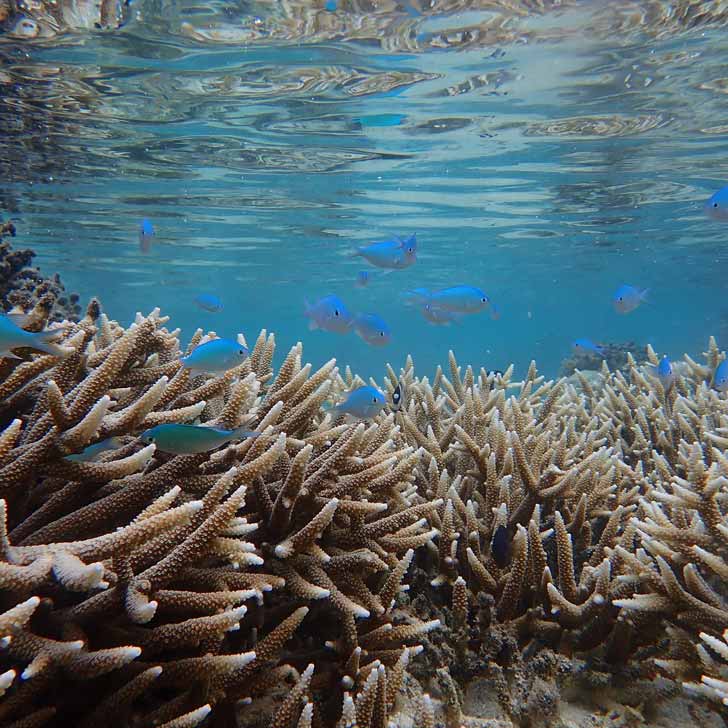
Kuleana Coral Reefs’ team is truly the first-line of defense to protect Hawai’i’s coral reefs. Using both modern science and Indigenous knowledge from coastal communities, the organization deploys “scalable restoration methods unique to Hawai’i,” and supports workforce training to help monitor and preserve the area’s reefs.
It’s a mission Cravalho can get behind.
“I’ve always had a strong love and respect for the ocean, growing up in Hawai’i. It’s what truly connects us across the world, and I was raised to understand that we are the stewards of our natural world and need to protect it,” Cravalho said in a press release.
The actress went on to say that having worked with SHEBA in the past, she was inspired to pursue her scuba certification and continue her efforts to protect her local environment.
This new short film series marks the second year she has worked with the company.
“I am certain that this second year of our partnership will continue to inspire people that there is hope,” she said.

In another installment of the short film series, viewers will get a first-hand look into those ocean ecosystems, learning more about healthy and unhealthy coral. Cravalho told People that diving has become a great way to “become invigorated and learn about what’s going on in the ocean floor.”
Lastly, the series will invite viewers into Cravhalo’s home, where they can fawn over her adorable cat, Rocco, as they explain more about the sustainability practices behind SHEBA.
In 2021, the cat food brand announced its efforts with Hope Reef, to restore coral reefs in Indonesia. According to SHEBA, since this partnership began, coral growth has increased from 2% to 70%, fish populations have increased by 260%, and experts have seen a 64% rise in the number of fish species.

The company works to sustain reef locations across the globe, but its flagship Hope Reef location in Salisi’ Besar, Indonesia stands out in the crowd, with a group of coral spelling out the word ‘HOPE’ in the reef.
The next step in the brand’s sustainability journey is to support Kuleana Coral Reefs — closer to home in Hawai’i. SHEBA has already donated $1 million to Kuleana to support the organization’s efforts, and now hopes to spread the message of hope with ocean lovers — and pet parents — near and far.
“In… our Hawaiian creation story, the first living organism that’s mentioned is the coral polyp, the ko’a ko’a,” Kapono Kaluhiokalani, co-founder and director of outreach at Kuleana, told Cravalho in a video.
“What that means to us is that every living thing from the top of the mountain to the bottom of the ocean is originated from the ko’a ko’a. We are the great grandchild of the ko’a ko’a, so we’ve got to take care of our coral like it’s our grandfather.”
The first episode of Cravalho’s “Growing Hope in Hawai’i” series drops on July 15, with the other two episodes to follow. All installments will be available to view on SHEBA.com, as well as on Instagram.
Kaluhiokalani continued: “Now we can go out and spread our knowledge and share with our communities.”
Header images courtesy of SHEBA and Kuleana Coral Reefs
With its sandy beaches and subtropical waters, Florida is home to one of the largest loggerhead sea turtle nesting populations in the world.
Despite living up to 70 years, loggerheads have been on the decline due to ocean pollution, human interference, and the gradual destruction of its nesting habitats — leading to their protection under the Endangered Species Act as a threatened species.
But in early July, on the gulf coast of Florida, Anna Maria Island celebrated a huge milestone for sea turtle conservation when Turtle Watch volunteers counted 546 nests on the island, breaking a 42-year record for the island.
“We broke our all-time annual nest number count this week,” Kristen Mazzarella, executive director of the Anna Maria Island Turtle Watch and Shorebird Monitoring, told the Anna Maria Island Sun.
Because nesting season continues through late August until early September, Mazzarella predicted that they would be beating the record “by quite a bit by the end” of the season.
“We are excited that so many sea turtles have decided to nest on Anna Maria,” Mazzarella said.
“We can thank the conservation efforts of patrollers that protected nests 25 years ago for producing the hatchlings that are coming ashore [as adults] to nest in such high numbers this year.”

Mazzarella is not exaggerating.
Loggerhead sea turtles take roughly 25 to 35 years to mature and often return to the same beaches where they were born, meaning that the turtles currently nesting on the island could have hatched on the beach as far back as 1989.
And that’s not the only conservation win for Anna Maria Island this summer. 2024 marked the first time that least terns — a tiny, threatened bird species — successfully nested on the island in 15 years.
Suzi Fox, the director of Anna Maria Island Turtle Watch and Shorebird Monitoring, said that she can’t remember the last time least terns nested on the gulf beaches.
“I’m very excited,” Fox told the AMI Sun.
Fox dates the last successful nesting colony of least terns to 15 — or even 16 — years ago at Bean Point, on the very tip of the island.
A few terns have tried to nest on Anna Maria Island in the years since, to no avail.
In 2013, the black-and-white birds attempted to nest across from Bradenton Beach City Hall, but their nests were destroyed by racoons — and even local cats and dogs.
But now, when new yellow-billed chicks hatch in the burgeoning colony, they’ll have added protection from carefully placed wooden palettes that keep them safe from osprey and other winged predators.

Fox chalks up the least tern’s return to beach renourishment efforts and island’s coastal shore protection program. The next step comes down to community awareness, like keeping pets off the beach and teaching children to leave the birds and their chicks in peace.
“If everyone could just go the extra mile and help us get these eggs off to a good start,” she urged locals.
When it comes to the sea turtle nests, Mazzarella echoed a similar message to the community, adding a warning about the dangers of artificial light drawing hatchlings in the wrong direction.
“In order to ensure that this incredible number of nests results in a record number of hatchlings making it to the water, we need to do our best to provide a turtle-friendly beach.”
One thing’s for sure: Between the sea turtles and the least terns bouncing back on the beaches, there’s a lot to celebrate this summer.
“It’s great news, for a change,” Fox said.
Header image via FWC Fish and Wildlife Research Institute (CC BY-NC-ND 2.0)
By 2021, Michel Costa had become a frustrated veteran of an obscure yet devastating war in Europe.
The enemy: invasive Asian hornets, which had been massacring his honey bees by the thousand.
Costa had fought the invaders on the outskirts of Bordeaux, France, swatting them with an electric racket as they hovered outside his hives. He had taken the battle to the trees, crystallizing them by injecting their nests with a chemical disinfectant. And he had fought them from the ground, blasting the highest of their nests into oblivion with a troop of local hunters armed with shotguns. But whatever Costa and his comrades tried, the hornets kept coming.
So that year, when Costa, a retiree and avid beekeeper, discovered a new weapon with the potential to change the course of the entire war, he was intrigued. Several companies had begun selling so-called "electric harps," which they claimed could kill the hornets in droves by electrocuting them as they flew through.
When a nearby apiary reported problems with a swarm of them, he leapt at the opportunity to test one, placing it on top of a bin where hornets had gathered. Costa then watched in awe as the harp killed "hundreds" of them, one by one, within minutes. "The demonstration of its effectiveness was staggering," he says.
As Reasons to be Cheerful reports, until that day, Costa and many other European beekeepers had struggled to find any efficient means of repelling the hornets' attacks.
Asian hornets first arrived in France from China in 2004, having hitched a ride in a shipping crate.
Back in their Asian homeland, they predate a diverse diet of other creatures, including honey bees. The honey bees indigenous to those territories have evolved strategies to evade the marauding hornets over time.
But the hornets' invasion of Europe caught local honey bees defenseless.
According to one estimate, an Asian hornet can decapitate, dismember and feed the vulnerable European honey bees to their larvae at a rate of 30 per day.
The hornets have been causing chaos in apiaries across western Europe, penetrating deeper into the continent every year.
First France fell, then Spain, Portugal, Italy, Britain, Austria, Germany, Belgium and others. One scientific analysis estimated that up to 29 percent of France's bee colonies could collapse every year as a result. Other countries came to similar conclusions.
This not only increases the cost of honey production, but also places entire ecosystems at risk as a result of the reduced pollination activity, in which honey bees play a significant part.
And this threat is no longer contained within Europe. In August 2023, scientists confirmed that Asian hornets had flown into U.S. airspace for the first time.
Because European honey bees are unable to protect themselves, beekeepers and scientists have, over the past couple of decades, been experimenting with different means of defending them. They tried trapping the queen hornets, hunting the hornets' nests and protecting the honey bees' hives with special "muzzles" that prevented the hornets from entering. But whatever they tried, the solution proved unsustainable (because of expense or time), ineffective or unacceptably harmful to other animal species.
Even concerted, organized attempts to search for and destroy the nests have proven unsuccessful in eliminating the hornets, according to French entomologist Denis Thiéry, one of the first to start studying them. "Even if you trap 20 queens," he says, "it is like a drop of water in the sea."
Beekeepers and scientists defend the honey bees

It's unclear exactly who developed the initial idea for electric harps, but the earliest mention of it online is in a blog post by a French beekeeper, published in 2015 — several years before Costa first discovered them.
The concept remained relatively unknown for a while, but as scientists have produced more research that supports claims of their efficacy, more European beekeepers have adopted them. According to a recent survey of beekeepers across southwest Europe, 16 percent now use them.
Although the harps take different forms, each one is made of some sort of large frame, which is then "strung" with conductive metal wires. These are then connected to a source of electricity, often solar panels, so that the wires conduct simultaneously positive and negative charges.
When a hornet flies through, its wings touch the wires on either side, completing a circuit, and thereby delivering a fatal current of electricity.
Beekeepers then place the harps around their hives in positions along the hornets' frequent flight paths.
Thiéry and other scientists have found that hives protected by harps fare better than those without. Honey bees need to be able to collect enough food throughout summers to survive the subsequent winters. Any hives in areas where hornets are present suffer as their workers neglect foraging duties out of fear.
"This is terrible for the hives," Thiéry says.
His and other scientists' research has shown that the harps can reduce predation pressure by 89 percent — enough to give hives the chance to replenish their stores. In one study only 56 percent of unprotected hives survived through winter, while 78 percent of those protected by harps did.
One crucial benefit is the harps' specificity in targeting Asian hornets. Their metal wires are spaced about two centimeters apart, which is wide enough for a bee to fly through unharmed — but not a hornet.
Because of these selective dimensions, the harps offer a means of killing hornets that is better for biodiversity than other methods.
A 2023 study by a group of Spanish scientists found that 91 percent of the insects that the harps killed were Asian hornets. Only one percent were domesticated honey bees.
Harps are also cheaper than other methods for beekeepers to install and operate. Beekeepers can buy them in complete kits that cost around $300 from commercial suppliers online, as Costa did.
When combined with solar panels, maintenance costs are minimal. This is important for any defensive measures because beekeepers, depending on the country they live in, receive no or limited central government funding to protect their hives (although Thiéry hopes that this will change in France in the near future).
Thiéry and Costa, who have become close friends in the face of a mutual enemy, are now trying to teach other beekeepers how to construct their own harps with cheap, accessible materials. Thiéry describes this as an easy process, which can cost as little as $160.
The two enthusiasts hosted a workshop for 10 other beekeepers from their region earlier this year. They shared blueprints for a "DIY" model that they designed themselves and recommended suppliers for the materials.
While the electric harps offer a promising new weapon, Thiéry admits that no existing tool can end the war.
After seeing the hornets' rapid rate of spread across Europe, he believes that it's now impossible to eradicate them (not all of his peers agree with this).
But in combination with "search and destroy" programs targeting hornet nests, beekeepers can use ensembles of electric harps to protect their bees from the worst harm.
"It is the solution," Costa says.
This article was produced by Reason To Be Cheerful, reviewed and distributed by Stacker Media, and republished with permission.
Header image by S. Richard Cervera // INRAE