As clean energy wins continue to surge across the globe, individual countries and industries are lauded for their commitment to pivoting away from greenhouse gasses and reducing carbon emissions.
But what about the public sphere?
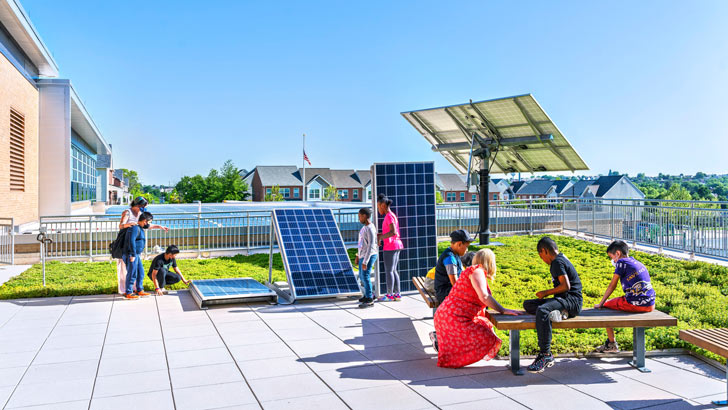
Namely, what about the clean energy movement for America’s public schools?
As it turns out, there’s good news on that front, too.
A new report, published by Generation180, a clean energy nonprofit, found that one in nine K-12 schools in the United States now use solar energy to power their buildings.
These numbers indicate that the use of solar energy has more than quadrupled in U.S. schools since 2014, which Generation180 believes is thanks to an influx of federal investments and tax incentives for schools.
“The benefits of solar energy are now reaching a broad range of schools across the country, including schools in under-resourced communities that stand to gain the most from the cost savings and educational opportunities that solar technology provides,” said Tish Tablan, the lead report author and senior director of the nonprofit’s Electrify Our Schools Program.
“We want all schools and communities, regardless of their size, geography, or wealth, to have access to affordable, clean energy,” she added.

According to the report, over 6.2 million K-12 students now attend a school that utilizes solar power. And in the 2022 and 2023 school year alone, over 800 schools added solar arrays, which the study said is “enough for at least one school to go solar every day.”
The report also found that the nation’s K-12 schools currently generate 1,814 megawatts of cumulative solar capacity, which is enough to power the electricity of all 330,000+ households in Denver, Colorado.
“While we’re excited to see growth in solar uptake, too many schools are still missing out on the many benefits that solar energy brings to students, communities, and the climate,” Stuart Gardner, Generation180’s executive director, said in a statement.
“We hope this report helps more schools to see what’s possible in their own districts and inspires them to take part in our country’s clean energy transition.”
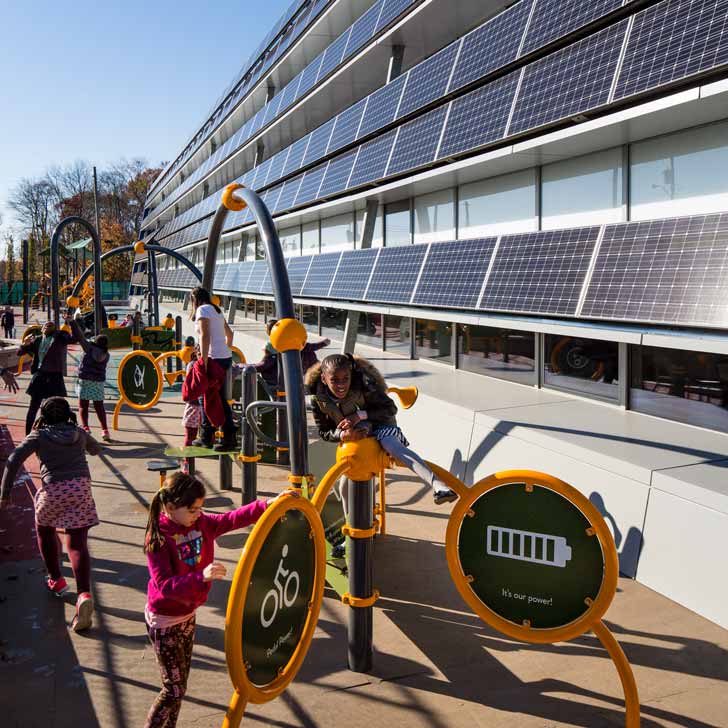
Fortunately, the transition to clean energy has never been easier.
Generation180’s report found that most of the schools switching to solar were able to fund their projects through third-party ownership models, which removed the barrier of upfront costs.
Additionally, the historic Inflation Reduction Act offers schools tax credits — which are paid as cash reimbursements — for solar panels, battery storage, and other clean energy technologies.
How do schools stack up when it comes to solar?
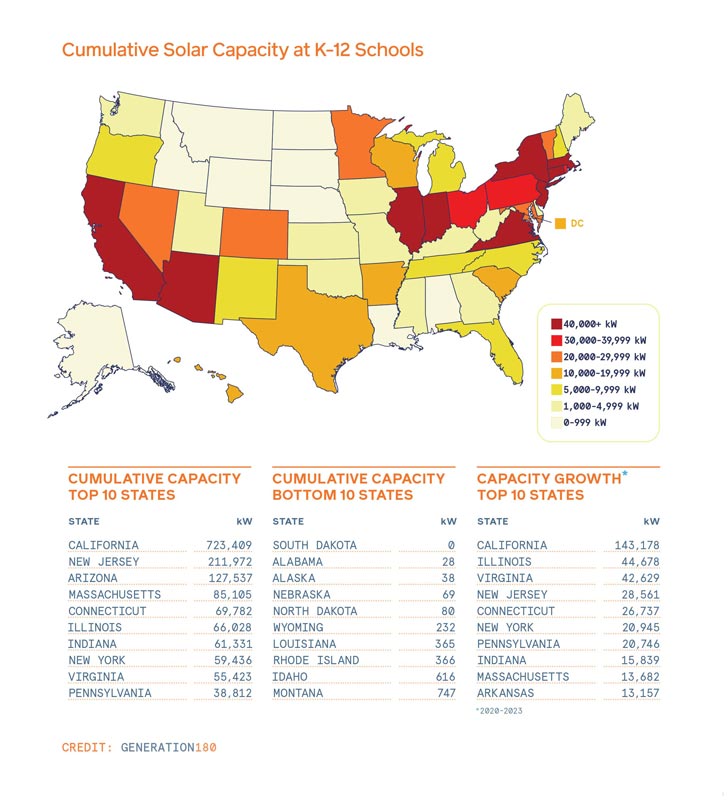
Generation180’s report also features an interactive map, depicting which states are leading the way for the solar movement.
California, New Jersey, Arizona, Massachusetts, and Connecticut are the top five states for solar capacity at schools, though Minnesota, Maryland, and Pennsylvania have created state-funded grant programs to support solar adoption in schools.
Additionally, a number of programs across the country were highlighted as case studies.
In Denver, for instance, the city’s public school district uses its school solar canopies to extend electric bill savings to households in the area.
Instead of just powering the school, these canopies also provide affordable, clean energy to low-income families in the Denver Public Schools community. According to a press release from Generation180, this program currently saves 44 local families an estimated 64% on their household electricity costs.

“My hope is that this unique partnership serves as a model for others to replicate as the need for a healthier, brighter, and more just world for all becomes more urgent,” LeeAnn Kittle, executive director of sustainability at Denver Public Schools, said.
Meanwhile, Wayne County Public Schools has committed to being the first district in West Virginia to solarize all of its school buildings by 2025.
“While historically relying on coal power in the past, the district is now installing 10,000 solar panels across its school sites,” the report shared.
This comes with a projected energy cost savings of $6.5 million over 25 years, which is enough to fund the salaries of three additional teachers for the duration of their careers.

In addition to this, Wayne County Public Schools will also offer apprenticeships that will provide job training to high school students, enabling them to help install solar in their schools.
In neighboring North Carolina, Tar Heel School in Bladen County has become a trailblazer for its net positive energy building, which generates more onsite clean electricity than it consumes.
The school has also integrated its clean energy design into the curriculum, “using the school building as a teacher,” to get students excited about green careers.
“We wanted to include sustainable features to the structure, but we were also thinking about the impact a building like this has on the environment,” Superintendent Dr. Jason Atkinson said.
“The building itself is a teaching tool for students that displays building functionality in real time — it’s an on-site science experiment. The students love it.”
These programs represent just a few examples of how solar energy in schools can make a major impact, which makes Generation180’s study a positive indication that more schools are steadily joining the solar revolution.
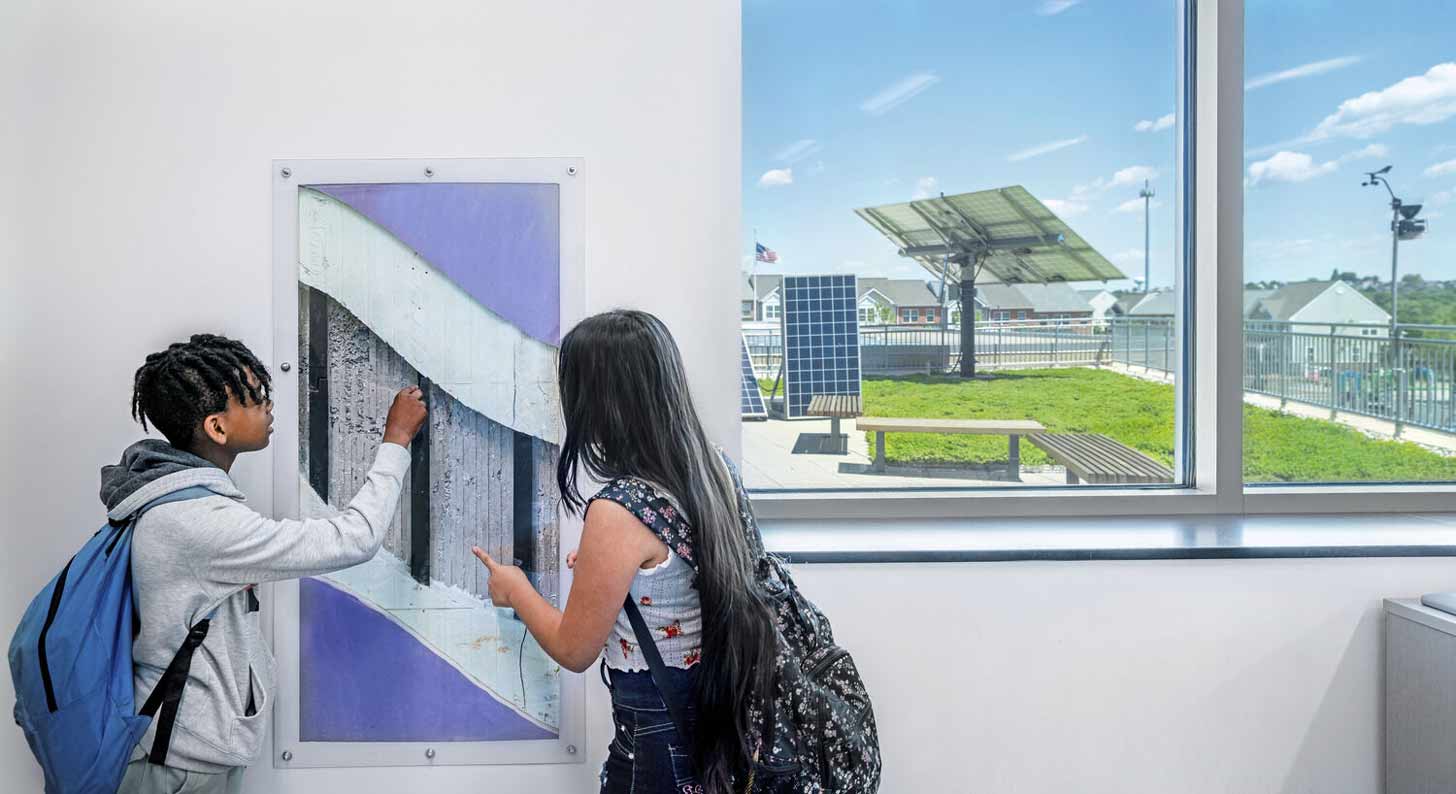
“We know that when people see solar-powered buildings in their neighborhood, they are more likely to go solar at their own homes and businesses,” Tablan told Good Good Good.
“Since schools are hubs in their communities where families play and neighborhood groups gather, they can have a positive ripple effect that inspires and normalizes clean energy adoption across the country.”
Combined with exciting educational benefits, she added, solar power sets a precedent for today’s students.
Tablan said, “This generation is growing up with the expectation that this is just how our buildings should be powered.”
Header image courtesy of Grimm + Parker
A 6-year-old girl lost one of her white Adidas lace-up sneakers as she and her 21 classmates practiced fleeing for their lives after an imaginary intruder entered their school.
The girl’s teacher told her to keep moving without her shoe, then grabbed it herself and gave it back to the girl when the class settled into their designated safe location.
The girl recently recounted the story of losing her shoe during a morning car ride to school. It was just one of several times the girl or her siblings described what they were supposed to do — run “over to that fence,” “across that field” or “into those woods” — if an intruder enters their school building.
The reason I know this story is because the girl is my daughter.
In the quarter-century since the Columbine High School massacre of April 20, 1999, a whole generation of children, including my own, have lived under the threat of school-related gun violence. More recent tragedies, like those occurring at Sandy Hook Elementary School in Connecticut in December 2012 and Robb Elementary School in Texas in May 2022, reveal the persistent nature of this threat.
Regrettably, gun violence stands at the backdrop of all contemporary American education. As such, active shooter and intruder drills have become standard fare, not only for my children but for nearly all American schoolchildren.
I am concerned about the fact that preparedness exercises — such as the one in which my daughter temporarily lost her shoe — sometimes cause students harm. For example, a recent study showed that active intruder drills can result in distress and anxiety for students. In another case, one of these drills led to hysteria and a stampede in a school in Florida as students attempted to flee their faux intruder. Students and teachers alike experienced terror at the pronouncement of a real threat, that it was “not a drill.”
As a researcher in developmental and educational psychology — and as a faculty member who trains future teachers — I understand the need for schools to ensure the safety and security of the nation’s 55 million school-age youth. But might there be a better way to protect children in the post-Columbine era?
I’m not the only one raising this question. A new initiative by the National Academies has been initiated to assess the effects of active shooter drills on student health and well-being and to determine best practices in preparing schools to respond to threats of violence.

A look at the trends
To gain insight on the prevalence of school-related gun violence, my colleagues and I conducted a study of school shootings and school mass shootings that took place in America’s K-12 schools from 1997 through 2022. We used two public databases to count school shootings and school mass shootings that occurred each school year.
School shootings in our study were defined as “each and every instance a gun is brandished, is fired, or a bullet hits school property for any reason, regardless of the number of victims, time of day, or day of week.” School mass shootings were defined as those that happened at a K-12 school site and met the federal definition of a mass shooting in place at the time of the shooting: four or more victims killed, up to December 2012, or three or more victims killed, from January 2013 onward.
During the 25 school years we examined, 1997-2022, there were 1,453 school shootings. More than half of those, 794, occurred in the last five years, 2017-2022. Our analyses revealed a sharp increase in school shootings after 2017, with the number of shootings jumping from a then-record high of 89 in the 2017-2018 school year to 328 in the 2021-2022 school year.
While the number of school shootings has increased dramatically in recent years, the number of school mass shootings has not increased at the same rate — though they have become more deadly. In total, 11 school mass shootings occurred across the 1997-1998 to 2021-2022 school years, with 126 fatalities and 122 injuries sustained overall. Five of those school mass shootings occurred in the 1997-2012 school years, while six occurred in the 2012-2022 school years. Nevertheless, the fatality rate nearly doubled in the last decade, rising from 7.6 deaths per mass shooting event from 1997-2012 to 14 deaths per school mass shooting event from 2012-2022.
Efforts to maximize student safety are paramount. To be sure, I want my children’s schools to do their utmost to protect their students. However, many current measures designed to keep students safe — like the appointment of school resource officers — have not been proven to prevent school shootings or lessen the severity of school shootings, in terms of injury or fatality, when they do occur.
Gun injury is now the leading cause of death for children and adolescents in the United States. While school shootings and school mass shootings represent only a portion of gun injuries sustained by school-age youth, gun violence — including school-related gun violence — is a public health crisis. As such, a public health approach is merited.
Relying on research
I see at least three ways that schools and communities can work to lessen gun violence occurring in and around schools:
1: Educate parents and families about safe gun storage
Educators and community health care providers — including pediatricians, primary care physicians and mental health clinicians — can engage in efforts to counsel families on safe firearm storage. Health care providers can also work to understand Extreme Risk Protection Order laws in their states; such laws allow them to coordinate with law enforcement to remove firearms from a home environment when an individual is identified who may be at risk of doing harm to self or others.
2: Utilize evidence-based, schoolwide approaches to promote school safety
School safety can be supported through evidence-based frameworks, such as Positive Behavioral Interventions and Supports, which aims to improve school-based practices affecting student outcomes. This positive approach can be used to proactively address students’ social, emotional and behavioral needs and promote school safety. This approach also allows school personnel to monitor and manage students’ mental health needs, attend to schoolwide behavior and discipline issues, and foster a safe school climate. Accordingly, it may help reduce potential threats of gun violence perpetrated by students.
3: Support legislation and regulations for gun safety and violence prevention
Community members, including parents and teachers, and policymakers can support legislation for gun safety, evidence-based violence prevention practices and regulations. For example, child access protection laws — laws that impose penalties on gun owners if children access firearms — decrease firearm injuries and gun carrying, and thus help promote safety in and around schools.
Hope for the future
The National Institute for Justice has made it a priority to support new research to study firearm violence and mass shootings, including research on the effectiveness of school campaigns to educate families on safe gun storage.
These efforts will provide important new insights about how to prevent school-related gun violence.
While my own children and their millions of peers attending school in the United States today continue to endure the threat of school-related gun violence, I hope future generations will experience school without having to worry about someone showing up at their school with a gun.
This article by Luke J. Rapa, from Clemson University, was originally published by The Conversation.

Every day the Good Good Good team collects the best good news in the world and shares it with our community. Here are the highlights for this week!
If you want to get good news in your inbox every day, join the Goodnewsletter — the free daily newsletter designed to leave you feeling hopeful.
The Best Positive News We’re Celebrating This Week —
For the first time ever, zero-carbon sources made up over 40% of the global electricity generated in 2023
The global clean energy transition is making record-breaking progress — and is projected to contindue doing so. New reports showed that zero-carbon sources made up over 40% of electricity generated globally last year.
In 2023, hydroelectric power made up 14.7%, wind and solar made up a new record high of 13.9%, and nuclear made up 9.4%. The reports also found that wind and solar made up 91% of net new power capacity additions in 2023 — a significant increase over 83% in 2022.
Importantly, new fossil fuel projects made up just 6% of new capacity — the lowest amount ever.
More good climate news:
- The first carbon-positive hotel in the U.S. is opening later this month in downtown Denver — and poetically, it sits on the same land where the state’s first gas station was permitted.
- More efficient than current methods, offshore wind farms connected by an underwater power grid could revolutionize how the East Coast gets its electricity.
- A technique called “wood vaulting” could both help prevent greenhouse-warming gases from entering the atmosphere — and eliminate fuel for wildfires.
Helping restore the surrounding ecosystem, the largest dam removal project in U.S. history is now complete
Completing the largest dam removal project in U.S. history, crews just finished demolishing the last of four dams on the Klamath River on the Oregon-California border.
It was an especially “celebratory moment” for tribal nations in the region who have been fighting for decades to restore the river and its surrounding ecosystem — specifically to allow its iconic salmon population to swim freely for the first time in over a century.
While decades of buildup may temporarily impact water quality, experts say the long-term benefits of removing the dams far outweigh these short-term impacts.
Why is this good news? Dam removal is an effective climate solution, offering both climate mitigation and adaption benefits far beyond habitat and ecosystem restoration — it reduces greenhouse gas emissions, restores biodiversity, transports sediment for coastal restoration, and more.
Helping reduce delays for survivors, new tech is helping speed up DNA collection in sexual assault cases
While nearly half a million sexual assault cases are reported every year in both the U.S. and Canada, countless more go unreported. The most common reason is a lack of trust in the justice system, partly because of how long the process takes.
And that distrust is not misplaced: the “rape kit backlog” has long been an issue for survivors and anti-violence advocates. While law enforcement systems must change to address the problem — DNA collection is also vital.
Newly published research outlines a technique for analyzing DNA evidence that could radically streamline the forensics pipeline — helping reduce delays and bring justice to survivors faster.
Why is this good news? As it stands now, processing evidence in sexual assault cases is highly technical and there are lots of hurdles — which can take days or weeks. Much of this time is spent transporting evidence to the lab, but delays are also due to a large queue of cases requiring analysis. This new forensic tech helps speed things along.
The world’s biggest battery is coming to Maine, and it uses a novel lithium-alternative system
An energy company just released plans to open the largest battery in the world in Maine, with capacity to store 8,500 megawatt-hours of energy once it is completed. That’s about 130 million times as much energy as a laptop computer can store.
The company estimates that a single megawatt-hour could provide enough power for an electric car to travel 3,600 miles. That means, if you could theoretically hook this battery up to an electric car, it could travel around 31 million miles on a single charge — or circle the Earth 1,228 times.
It will be built on the site of a former paper and pulp mill and notably uses novel iron-air batteries, which are cheaper to operate and have a lower environmental impact because they use no heavy metals like lithium.
Why is this good news? In addition to providing a lithium-alternative battery solution, once completed, this battery will bring some much-needed relief to a part of the country with an increasingly strained energy grid.
→ Read more
Paralympics Good News
The Paralympics are in the final days of competition, and there have been so many incredible inspiring moments from this year’s Games. Here are a few more highlights to celebrate:
- Both the Olympic and Paralympic medals have part of the Eiffel Tower in them, but the Paralympics’ medal also contains a tribute to the French inventor of the writing system for the blind.
- All the details on the Paralympic medals are so thoughtful and beautiful.
- All of the intentional, inclusive details — from the Phryge plushie to the medal podiums — are fantastic to see.
- Everyone watches the Paralympics: Ticket sales to watch the Paralympics have officially surpassed 2 million.
- We told you about the first-ever deaf person to host live sports coverage making her debut at the Paralympics — we found a clip so you can see her in action!
- A British archer became the first athlete to win a Paralympic medal while pregnant.
- The Paralympic spirit is alive and well.
- May we all have a support system like Paralympic swimmer Maisie Summers-Newton.
The Paralympics wrap up on Sunday, September 8 with the Closing Ceremony starting at 2:30 ET — but there’s still lots of action left! Catch the final gold medal moments in wheelchair basketball, para table tennis, blind football, and more.
A group of firefighters have raised nearly $1 million for shelter dogs by modeling in charity calendars
The respected first responders of Colorado’s fire departments are skilled at saving lives and combating wildfires, but once a year, they turn up the heat to make a difference for shelter animals.
The annual Fire Rescue Dogs Calendar features 18 male firefighters who have stepped out of their protective gear to model alongside adoptable puppies.
In the past 10 years of making the calendar, it’s raised over $950,000 — and they’re aiming to top $1 million this year.
All money raised benefits Lifeline Puppy Rescue, a no-kill shelter based in the Rocky Mountain region, to help pay for essential procedures like spaying and neutering, microchipping, and more.
Doing good even beyond the calendar, the firefighters also use the images to share social media reminders for pet safety tips, especially during the hottest months of the summer.
→ Read more
More good news of the week —
A coalition of publishers, writers, and advocates joined a lawsuit to fight the state of Florida’s book bans. Authors like John Green, Jodi Picoult, and Angie Thomas — whose books have all been banned in states across the U.S. — joined the fight to protect free speech.
The U.S. is sending $138.8 million to 18 states to provide better housing options for disabled people. The funding will help people access affordable homes, and help states develop strategies to identify and refer people to housing options, as well as provide rental assistance.
The first recorded births so far this year, three endangered Florida panther kittens were spotted in a state forest. So far in 2024, 18 Florida panthers have been killed, 14 of them by vehicles as habitat loss threatens the survival of the species.
After the first case of polio in 25 years was reported in Gaza, health workers have officially started an emergency vaccination drive (and so far, it’s “going well”).
Despite humanitarian aid struggling to reach Gaza, UNICEF was able to deliver 1.2 million doses of the polio vaccine to help boost the drive.
More than 100 U.S. cities have banned gas-powered leaf blowers. Gas-powered leaf blowers create extreme noise pollution (the antithesis of green noise), with the most powerful ones can produce sounds of up to 100 decibels of low-frequency noise.
A study found that a simple blood test could predict a person’s heart disease risk 30 years early. In addition to looking at cholesterol levels, doctors found that two other markers are important predictors of a person’s risk of heart attack, stroke, and coronary heart disease.
People in England experiencing a mental health crisis can now dial 111 for 24-hour support. While some worried support systems would be overwhelmed, mental health experts celebrated the addition of a dedicated mental health support hotline.
The U.S. FDA just approved the first automated insulin delivery system for people with Type 2 diabetes. Now approved for adults with Type 2 diabetes, the system had already been approved for people 2 years and older with Type 1 diabetes.
A new study found that the risk of death for people who donated a kidney has dropped by more than half in the last decade. While the risks for a kidney donor have always been low, advances in surgery and medical care, along with more careful donor selection, have made it safer than ever before.
LEGO is on track to replace the fossil fuels used in making its bricks with renewable and recycled plastic. The company has tested more than 600 different materials to completely phase out oil-based plastic as it aims to make all of its products from renewable and recycled materials by 2032.
[More good: LEGO also recently changed up its physical store design to better support autistic shoppers.]
Quadrupling in the last decade, a new study found that 1 in 9 U.S. schools now use solar energy. With over 800 schools adding solar arrays in the 2022-2023 school year alone, over 6.2 million K-12 students now attend a school that utilizes solar power.
[Related: To clean up the air even further for students, moms are driving the push to get more electric buses on roads.]
Thanks to a new Illinois law, homeowners associations in the state can’t ban native plants. Native plants have enormous ecosystem benefits, but HOAs in the state have taken to banning them for being too tall, weedy, attractive to rodents, and more.
The Biden-Harris administration is investing $11 million to support multilingualism in schools to preserve Indigenous languages. The funding will support the recruitment and retention of bilingual and multilingual educators and provide high-quality programming to Native students.
The science backs up what many of us already know to be true: Consuming news about the world’s challenges is stressful. It’s so stressful, in fact, that it can even keep us up at night.
Reading good news, on the other hand, can help provide a more even-keeled approach to media consumption, ultimately settling the nervous system, and hopefully regulating one’s sleep cycle.
Fortunately, one of the world’s most beloved podcast hosts is prepared to help you get a good night’s rest.

Michael Barbaro, host of The New York Times’ “The Daily,” has become a staple in the daily routine of millions, delivering 20- to 30-minute digestible news reports on the world’s biggest headlines every weekday.
In a new project, however, Barbaro is lending his voice to something a little different: Calm’s “Sleep Story” catalog.
The app, which offers a myriad of guided meditations, stories, and soothing sounds, will add Barbaro to its celebrity roster of Sleep Stories. This library already includes acclaimed voices like Harry Styles, Sheryl Lee Ralph, Matthew McConaughey, Lebron James, and more.
They feature melodious and comforting bedtime stories (both fictional and nonfictional) that promise to lull listeners to sleep. Barbaro’s 27-minute track, however, is described as a soothing — and non-partisan — good news report.
And it’s called “The Nightly.”
“I may have a soothing voice, but a lot of the stories I tell are not exactly relaxing,” Barbaro said in a statement for Calm.
“That's why I was so excited to work with Calm to tell a Sleep Story featuring nothing but good news that I hope can help you get to sleep.”

Barbaro’s Sleep Story includes three uplifting features, including “a curious job taken up by Icelandic horses, Australian trees receiving fan mail, and a surprising airborne incident involving saving flamingo eggs,” according to Calm.
To stick with the podcast bit, the track will also include “ad breaks,” which, contrary to actual advertisements, will “sell” listeners on the benefits of smiling and gratitude.
A Calm spokesperson told Good Good Good that the app’s writing team identified real news stories that would provide “only warm and fuzzy feelings” to help listeners “quiet their mind” before bed.
“Research shows positive thinking, which hearing good news offers, can help with lowering stress and calming the mind — things that prompt getting a good night’s rest,” the spokesperson continued.
“Our hope is by sharing a few uplifting stories paired with a familiar voice and calming music, we can help people wind down and find some calm at bedtime.”

Barbaro’s good news reporting promises to soothe the mind, meaning he won’t be offended if you doze off before the big headlines. In fact, in a recent poll of more than 8,000 Calm listeners, 91% reported that the app’s Sleep Stories improved their sleep.
That said, Barbaro’s Sleep Story will only be available to Calm Premium members. New listeners can start with a seven-day free trial, however, before committing to paying for the app’s permanent library.
Regardless, there are plenty of ways to consume good news. But Barbaro’s delivery might just become a new favorite.
“Particularly as we head into another election, we wanted to arm Calm subscribers with some good news to help them get to sleep,” Calm’s spokesperson said.
“And who better than Michael Barbaro — known for delivering people their daily news — to help us bring this to life.”
Header image courtesy of Calm
While strolling through neighborhoods throughout the United States, it has become increasingly common to stumble upon a Little Free Library — a small, often rectangular or birdhouse-shaped structure filled with free books to take at one’s leisure.

But what many don’t know is that Little Free Library is a nonprofit organization that oversees more than 180,000 registered library boxes worldwide. In urban, suburban, and rural communities, Little Free Library hopes to bridge accessibility gaps in literacy.
In a new partnership with the American Library Association and PEN America, this mission is clearer than ever.
Enter: Little Free Library’s new interactive book ban map.

As book banning continues to accelerate across the U.S., this map makes it easy to find data points about book bans — and encourages library boxes to function as a “vital distribution point for these restricted books,” according to a press release.
“Banned books are welcome in Little Free Library book-sharing boxes,” said the organization’s executive director, Greig Metzger.
“Our new interactive map allows you to find both the areas hit hardest by book bans and the nearest Little Free Library box locations, where you can share books that have been censored or just books you love.”
The map shows U.S. book bans on state and county levels using a color scale to show how many book restrictions are currently enacted in a given region. For instance, users can hover over the state of Florida and find 2,647 attempted book bans.
Users can also utilize a search bar to search for specific book bans in an area.

Simultaneously, the map includes pins of Little Free Library locations, along with corresponding charter numbers to help users learn more and locate a given distribution point.
From there, users can download Little Free Library’s mobile app to search a location by its charter number, view library details, check in via a digital guest book, or add it to a “favorites” folder. On the app, users can also filter their searches with a Banned Books indicator to find a nearby location that supports this issue.
All of the data in the map is sourced from PEN America’s 2022-2023 Index of Book Bans, and the American Library Association’s Book Ban Data. That said, the map may be limited by incomplete data, and users are encouraged to report a book ban or challenge to PEN America or the ALA to help keep things up-to-date.

“PEN America is proud to have our school book ban data put to such good use,” Sabrina Baêta, the program manager for PEN America’s Freedom to Read program, said in a statement.
“As we look to turn the page on book bans, it's important we find ways to keep books in the hands of our communities — in our schools, our libraries, and in this case, our sidewalks.”
The map cannot guarantee there will be a collection of banned books in any one library box, but the organization encourages its community to share these reading materials with intention.
After locating which states have been hit hardest by banned books, community members can explore a list of the most frequently challenged or banned books in the country and donate them to a nearby library box.
“The heart of our mission is to expand access to books,” Metzger said. “We hope this map inspires you to provide access to the banned books that are meaningful to you.”

Little Free Library also offers its community resources on how to fight book bans, including celebrating Banned Books Week, displaying a “This Little Free Library Shares Banned Books” sign, and adding one’s name to the ALA’s Unite Against Book Bans pledge.
“Book bans silence authors with diverse viewpoints and eliminate the chance for readers to feel seen and represented in their stories,” Metzger said in Little Free Library’s statement on book bans.
“At our core as an organization, we are book lovers who believe deeply in the power of books to share unique ideas and perspectives and ultimately enhance our human experience, understanding, and appreciation for one another. We’re hopeful that by working together, we can make a difference.”
Header image courtesy of Little Free Library
When photographer and content creator Kyana Sue Powers visited the volcanic islands of Vestmannaeyjar, Iceland for the first time, she was surprised to see families out patrolling the streets, boxes and flashlights in tow.
When she asked them what they were up to, they said they were searching for baby puffins — also known as pufflings. If found, they would be rounded up and gently tossed off the cliffside in the morning.
“It's just what you do, it's as normal to do as recycling cans,” Powers told NPR.
At six weeks old — when their fluffy down matures and their beaks are still black — a puffling is ready to fly the nest.
Once they head out to sea, they will spend three to four years of their life flying abroad, before returning to the cliff sides to start a family of their own.
However, each year (in late August or September) pufflings come crashing down on streets and residential homes, as their internal compass ushers them to the moon… and the “moon” turns out to be the electronic lights of the city.
In the same way that baby sea turtles can be disoriented — and misdirected — by city lights in coastal towns, pufflings will often fall for the allure of artificial lights.
Thankfully, the residents of Vestmannaeyjar know to keep an eye out for wandering pufflings, and they take the volunteer position very seriously.
According to Powers, it’s typical to find anywhere between four to 10 pufflings in a single night during puffling season. Before they release pufflings, locals are encouraged to record the weight of each puffling on an official “Puffin Patrol” website.

“Picking the pufflings up [does] not harm them and they are only kept in a box until the next day,” Powers explained in a blog post for Inspired by Iceland.
“The pufflings are brought to the south side of the Island. The location can be found on Google Maps as ‘Beautiful Puffin and Shore View.’ The cliffs and air are dotted with hundreds of adult puffins and families can be found releasing their puffins one by one into the wild.”
Typically, instinct takes over and the pufflings are able to fly toward the ocean without issue.
“Occasionally a lazy puffling will flop to the group and hobble off the cliff,” Powers added, “but they instinctively begin to soar as they fall through the air.”
For puffing patrollers, caring for the wayward baby birds is akin to helping little, lost friends. In fact, the scientific name for the Atlantic puffin subspecies, Fratercula arctica, literally translates to “little brother of the North.”

And the volunteer work is critical to keeping puffin populations up.
Globally the Atlantic puffin is considered vulnerable, but in Europe, it’s on the International Union for Conservation of Nature’s Red List of Threatened Species. And in Iceland, specifically, they are critically endangered.
This is due in part to declining fish populations, rising sea temperatures, and oil spills.
Oliver Kersten, a researcher of genomics and marine ecology at the University of Oslo, spoke to Inside Climate News about the species’ decline across Northern Europe and the North Atlantic.
“Twenty years ago, when you were on Rost [Norway] and you looked at the sky, everything was covered in puffins,” Kersten said. “It must have been this really, really extremely fascinating site.”
Last October, the Norwegian island of Rost was home to only 208,500 puffins total — which means it lost 80% of its breeding pairs in half a century.
“You can clearly see a difference,” Kersten said.
Thankfully, puffin lovers across Greenland, Norway, Russia, are doing their part by helping pufflings find their way out to sea. But nowhere is that more apparent than Vestmannaeyjar, which boasts the largest puffin colony in the world.
“If somebody says, ‘Tell us one thing that’s on your island,’ probably 99.9 percent will say, ‘puffins,’” Sandra Síf, a Vestmannaeyjar resident, told Smithsonian Magazine last year. “Everything here revolves around puffins.”
Header image via Ray Hennessy / Unplash (CC0 1.0)
Menus are usually something you’d expect to come across in a restaurant. But one social media influencer went viral recently for sharing a different kind of menu — a “dopamine menu” or dopamenu.
The dopamine menu concept comes from a 2020 YouTube video by Jessica McCabe (How To ADHD). In her video, she suggests that dopamine menus are a tool that people with attention deficit hyperactivity disorder (ADHD) can use when they find they need stimulation — but may be at a loss for what to do. Each person can design their menu based on what they like, dividing it into appetizers, mains, sides, and desserts.
Appetizers are activities that are quick to do and give immediate pleasure. Mains are activities that take longer to do, but are ultimately more rewarding. Sides can be paired with less enjoyable activities to make them more pleasurable. Desserts provide enjoyment, but should be taken in moderation.
The dopamine menu concept is based on the notion that people with ADHD have lower levels of dopamine (a neurotransmitter that plays a role in pleasure, learning and motivation) in their brains. As a result, they need more stimulation.
So, is there any scientific evidence to support the use of dopamine menus? Maybe — but to understand why, we must examine the brain reward pathway.
Brain reward pathway
The main pathway in the brain reward system is from the ventral tegmental area (VTA) to the nucleus accumbens, where dopamine is released. It’s hypothesised that evolutionary advantageous activities (such as sex, eating and socializing) cause activity in the VTA. This leads to an increase in dopamine levels in the accumbens, which makes us feel good.
Numerous activities can cause dopamine to be released — including many of those which are commonly included on dopamine menus, such as playing a board game or solving a puzzle, visiting with friends or family, playing an instrument or listening to a favorite song, cooking, baking or having a snack, exercising and trying something new.
But the amount of dopamine that’s released (and how sustained that release is) will depend on the activity. Some activities, such as running, can cause sustained low-level increases in dopamine for several hours. On the other hand, having a sugary drink, for example, leads to a high but only short-term increase in dopamine.
The frequency that we do certain activities in order to get bursts of dopamine can also work against us.
Some activities only provide a short burst of dopamine.
A good example of this can be found in rats, where we can measure dopamine levels directly in the accumbens. The first time a male rat meets with a female rat he gets a large burst of dopamine. But if you introduce another female rat shortly afterwards, it results in less dopamine. This phenomenon is called habituation or tolerance.
Similarly, illicit drugs (such as cocaine) that hijack the natural reward system can have large initial effects on dopamine. But rodent studies show that this effect is diminished the more often you use the drug. Tolerance to cocaine is also seen in humans.
This tolerance to short-acting rewards usually causes us to do one of two things: we move quickly on to a different activity to get a reward, or we do much more of the same activity to achieve the initial effect again.
Dopamine and ADHD
One popular hypothesis for ADHD is that it’s caused by a dysregulated dopamine system.
Dopamine levels in the brain come from “tonic” and “phasic” dopamine release. Tonic dopamine is the baseline level of dopamine that the resting dopamine neurons pump out.
But when something interesting happens to us or we do certain activities, we get a “phasic” (short, intense burst) of dopamine. This phasic release of dopamine is on top of the baseline tonic dopamine.
Dopamine levels in the brain are under a negative feedback mechanism, so when baseline levels are low, the phasic bursts tend to be higher. Conversely, when baseline levels are high (causing a lot of negative feedback) the phasic bursts are lower.
It’s hypothesised that people with ADHD have low background levels of dopamine. As a result, they continually seek the short-acting bursts of phasic dopamine, which are higher (and more rewarding) under these conditions. This is why drugs such as methylphenidate (Ritalin), which increase background levels of dopamine, work well for people with ADHD.
Brain imaging studies that differentiate between tonic and phasic dopamine levels confirm that people with ADHD have low levels of tonic dopamine at rest, and higher levels of phasic dopamine during a task that requires attention.
Taking the above information together, for someone with ADHD (who has reduced baseline dopamine), the best thing to include on a dopamine menu would be activities that provide sustained, low-level release of dopamine.
Examples of this might include doing some exercise, socializing or listening to music. Physical activity may be particularly beneficial in improving ADHD symptoms.
Activities involving novelty or having a sweet treat will do little to help people with ADHD as they only provide a short, sharp burst of dopamine — and we can quickly habituate to short-acting rewards.
Whether you have ADHD or not, engaging in healthy, long-acting pleasurable activities will invariably have a positive impact on health. So when it comes to dopamine menus, rather than having a three-course meal with sides and dessert, we suggest your menu should focus on healthy main courses that can give us a sustained boost in dopamine levels.
This article by Colin Davidson from the University of Central Lancashire and Claire Hutchinson from the University of the West of Scotland was originally published by The Conversation.
Header image by Igor Omilaev on Unsplash

Rachel Accurso — better known to babies, toddlers, and parents alike as online superstar Ms Rachel — has had a busy summer.
She’s gearing up to release her first children’s book “Ms. Rachel and the Special Surprise,” at the end of September. She released a “Speak & Sing” babydoll in her likeness. And her Youtube show just featured her most famous guest star yet: Elmo.
Even with a busy schedule, Accurso still finds time to connect with the parents of her “littles.”
In the last year she’s used her TikTok account to go beyond phonics and toddler milestones to speak — and sing — frankly about the more difficult aspects of parenthood: stress, discrimination, and the anguish of raising a child in safety while war rages on around the world.

On September 8, Accurso highlighted another poignant topic when she posted a TikTok video that was captioned: “You’re not a baby anymore, but you’ll always be my rainbow baby.”
“Rainbow baby, dream come true,” Accurso sang, playing a new original song on her piano. “Rainbow baby if you knew, every prayer we said for you. Rainbow baby, dream come true.”
In the video itself, the text reads: “[Trigger warning]: miscarriage.”

According to Cleveland Clinic Health Essentials, the term “rainbow baby” refers to something “beautiful after a dark time — a rainbow after the storm” and describes a baby born after an event such as miscarriage, ectopic pregnancy, stillbirth, neonatal death, or termination due to medical complications.
While the term is comforting to many parents, it is worth noting that some parents who have experienced infant loss actively avoid it.
In an interview with The Today Show, Meg Konig — a parent from Colorado — said that she views the loss of her daughter Hope and the birth of her son Everett as “two separate events.”
“We want to remember [Hope], herself, as the rainbow,” Konig explained.
Dr. Kern-Goldberger, a OB/GYN and high-risk pregnancy specialist, told the Cleveland Clinic that the discussion surrounding the topic is “emotionally charged.”
“There’s no right answer for everyone,” Kern-Goldberger said. “The term is meant to be helpful to those who connect with it, but disregard it if it causes stress or grief.”
In the case of Accurso’s latest video, the comment section was flooded with words of support, praising how “calming” and “beautiful” her song was.
The comments were also filled with stories that mirrored Accurso’s own experience, including infant loss, stillbirths, miscarriages and D&C — or dilation and curettage — procedures (which are performed after a first-trimester miscarriage).
“I have a sunshine baby, a baby girl in heaven who was stillborn, and a rainbow baby who was born on the same day my baby girl passed away,” read a top comment. “I do believe she sent our son to us.”
“I’m so sorry for your loss,” Accurso replied, with heart emojis sprinkled throughout her message. “That is beautiful.”
“Just went through a D&C, and needed to hear this,” another user commented.
“I had one, too — years ago,” Accurso responded. “So sorry!”
“I lost triplets back in February and now my rainbow baby is due in February,” another comment read.
“So sorry for your losses,” Accurso said. “So glad to hear about your sweet rainbow baby.”
@msrachelforlittles Youre not a baby anymore but youll always be my rainbow baby
♬ original sound - Ms Rachel
Accurso previously opened up about her past miscarriage in August 2023 with another original song.
“It wasn’t something small that you lost,” she sang, as her fingers carried the melody on her piano. “It was a world that you lost. You tried not to imagine and hope too much, you tried to catch it ‘cause it has a cost, but love can’t be stopped… Love doesn’t stop.”
In the video caption, Accurso tells fellow moms, “I’m sorry if you’ve gone through this or are going through this. You’re not alone.”
Header image via Ms Rachel / YouTube
Clowns can solve a lot more than just a broken funny bone, according to a new study.
As it turns out, spending time with a medical clown can shorten the length of hospital stays for children — especially those with pneumonia — per a recent study presented at the European Respiratory Society Congress in Vienna, Austria.

“Medical clowns undergo specific training to work in hospitals. They have been shown to reduce pain and alleviate stress and anxiety in children and their families during medical treatment, and have been gradually integrated into many aspects of hospital care,” said Dr. Karin Yaacoby-Bianu of the Carmel Medical Center, the lead author of the study.
“But their impact on children being treated for pneumonia has not yet been investigated.”
Pneumonia is one of the leading causes of hospitalization in children around the globe, and considering factors that improve their well-being, vital signs, need for antibiotics, and more, could be monumental in improving their care.
The research team followed 51 children between the ages of 2 and 18 years old who were hospitalized due to pneumonia. A control group received standard care, and the second group received standard care — plus a 15-minute visit from a medical clown.

Three clowns from The Dream Doctors Project came twice daily during the first 48 hours of hospitalization and employed a myriad of techniques to help the patients de-stress.
This included music, singing, and what they call guided imagination. The clowns also playfully encouraged the patients to eat and drink by themselves.
After this, the researchers found that the group of patients who interacted with a medical clown had a shorter hospital stay — 43.5 hours on average, compared to 70 hours. They also only needed two days of intravenous antibiotics, compared to three days for patients in the control group.
As far as stress relief goes, the researchers noted a significant decrease in respiratory rate, heart rate, and inflammatory markers in the children who met with the clowns.

“While the practice of medical clowning is not a standardized interaction, we believe it helps to alleviate stress and anxiety, improves psychological adjustment to the hospital environment, and allows patients to better participate in treatment plans, like adherence to oral antibiotics and fluids,” Dr. Yaacoby-Bianu said.
“This, in turn, helps the children to recuperate faster.”
The research also indicated that laughter and humor could have direct physiological benefits for children recovering from pneumonia, like lowering respiratory and heart rates, reducing air trapping, modulating hormones, and enhancing immune function.
These findings are aligned with other studies on the positive impacts of medical clowning, which have found that the practice improves sleep in sick children, reduces feelings of fear and helplessness in pediatric care, and can even lower costs for hospitals.

Some studies have also found that medical clowns can relieve stress for healthcare providers, and may even go as far as reducing physical pain in patients.
“This study indicates the positive effect that humor can have in healthcare settings,” Dr. Stefan Unger, a consultant respiratory pediatrician at the Royal Hospital for Children and Young People in Edinburgh, UK, said in a statement, in reference to Dr. Yaacoby-Bianu’s work.
Dr. Unger was not involved in the research but said that it “emphasizes the potential for non-pharmacological interventions to influence clinical outcomes.”
The researchers say that they believe a future investigation could reveal more “specific mechanisms by which humor influences clinical outcomes,” and hope to engage in further trials in larger patient cohorts.

In the meantime, however, medical teams all over the world — in hospitals, refugee communities, and crisis response — are confident sending in the clowns.
“The clowns have [shown] us that there’s a lot more to medicine than simply giving medications,” Professor Anthony Luder, the head of pediatrics at Ziv Medical Center Zefat, said in a video about The Dream Doctors Project.
“As they say, clowning is a serious business.”
Header image courtesy of The Dream Doctors Project
A disease dubbed “the silent killer” by the World Health Organization may now be detected using the sound of a patient’s voice.
Researchers at Klick Labs have announced their latest work using artificial intelligence to predict chronic high blood pressure — or hypertension — simply by using voice recordings.

This technology could not only revolutionize blood pressure screenings (like using an arm cuff at your doctor’s office) but could detect hypertension sooner, helping people get diagnosed and treated more quickly, and therefore reducing risks of heart attack and stroke.
But… how does it even work?
Klick researchers created an app that uses machine learning to analyze hundreds of vocal biomarkers, or unique characteristics in one’s voice that are “indiscernible to the human ear.”
These biomarkers included things like variability in pitch, patterns in speech and energy distribution, and the sharpness of sound changes.
In a study recently published in the peer-reviewed journal IEEE Access, 245 participants were asked to record their voices up to six times daily for two weeks, allowing the app to analyze a variety of data samples.

The app detected high blood pressure with accuracies up to 84% for female participants and 77% for males.
“By leveraging various classifiers and establishing gender-based predictive models, we discovered a more accessible way to detect hypertension, which we hope will lead to earlier intervention for this widespread global health issue,” Yan Fossat — senior vice president of Klick Labs and principal investigator of the study — said in a statement.
“Hypertension can lead to a number of complications, from heart attacks and kidney problems to dementia,” he added.
Klick Labs has also previously researched the use of vocal biomarkers to screen for Type 2 diabetes, and another recent study from the same team confirms a relationship between blood glucose levels and voice pitch.
So, while the idea of speaking into an app and getting back valuable health insights might sound like a plot from a science fiction drama, scientists are clear: This technology is not only possible — it’s here.
“Voice technology has the potential to exponentially transform healthcare, making it more accessible and affordable,” co-author and Klick Labs researcher Jaycee Kaufman said, “especially for large, underserved populations.”
It’s true; hypertension is especially prevalent in both Black and rural communities, both of which see glaring healthcare disparities, compared to white, urban-dwelling demographics.
An easy-to-use mobile app presents a promising solution to help bridge those gaps, offering a way to screen for hypertension that is more accessible than traditional means.
“Conventional methods of measuring blood pressure (and, accordingly, identifying hypertension) include using an arm cuff or an automatic blood pressure measurement device,” a press release from Klick Labs explained.

“However, these methods may require technical expertise, specialized equipment, and may not be readily accessible to people in underserved areas.”
Though this study marks an exciting step into using voice technology in medicine, scientists are still working on refining and improving their technology before it becomes widely available.
This latest breakthrough marks Klick Labs’ first venture into using AI to identify conditions beyond diabetes. The company said it will continue to expand its research “to assess its AI algorithms’ effectiveness in detecting and managing a broader range of health conditions.”
Building on collaborations with hospitals, academic institutions, and public health authorities worldwide, the Klick Labs scientists are eager to see — or hear — what comes next.
Kaufman said, “Our ongoing research increasingly demonstrates the significant promise of vocal biomarkers in detecting hypertension, diabetes, and a growing list of other health conditions.”
Header image courtesy of Egor Komarov/Pexels
The Washington State University Breadlab would like to set the record straight on a common assumption.
“The first thing you need to know about us,” says an introduction on the Breadlab website, “is that we are not a bakery.”
It’s true. The professors and research students at WSU place heavy emphasis on the “lab” in Breadlab, because they’re doing more than simply baking bread.
They are revolutionizing food on a grand scale by engineering new grains, growing and harvesting crops, and analyzing their yields on an agricultural, economic, and nutritional basis.
But, yes, technically — they do also bake bread.
Since 1998, the scientists at WSU have been breeding wheat crops with resiliency in mind.
Their first wheat variety, a soft white winter wheat, was named “Edwin” after Dr. Edwin Donaldson, a WSU wheat breeder who dedicated his career to improving crop options for low rainfall areas throughout the state of Washington.
In the decades since, they’ve continued tweaking and perfecting the “recipe” for their grains, with wheat for different seasons and regional climates.

That work became even more urgent as the climate crisis worsened.
According to the United States Geological Survey, droughts occur when dry conditions persist and rainfall is unevenly distributed. And the United States is historically susceptible to drought.
In 2012, the country faced an extreme drought that affected 81% of the contiguous United States — a drought that was so severe it rivaled the Great Depression.
Today, rising temperatures prime the country for droughts that are more extreme, both in longevity and intensity.
In August, the U.S. Department of Agriculture invested $400 million into 18 irrigation districts to address widespread drought.
“Agricultural producers are the backbone of rural communities across the West and many of them are struggling under prolonged drought conditions,” Agriculture Secretary Tom Vilsack said in a press release, on behalf of the USDA.
“USDA is taking an ‘all hands’ approach to help address this challenge, including these new partnerships with irrigation districts to support producers,” Vilsack continued. “We want to scale up the tools available to keep farmers farming, while also voluntarily conserving water and expanding markets for water-saving commodities.”
The scientists at Breadlab have been engineering wheat with all of this in mind. They’ve learned that the best way to make crops resilient in extreme climate conditions is to create greater genetic diversity in the wheat itself.
“If we have a chaotic climate, our strategy is to have genetic chaos in the field,” Dr. Stephen Jones — founder and former director of the Breadlab — told NPR. “To strike back, to fight chaos with chaos.”
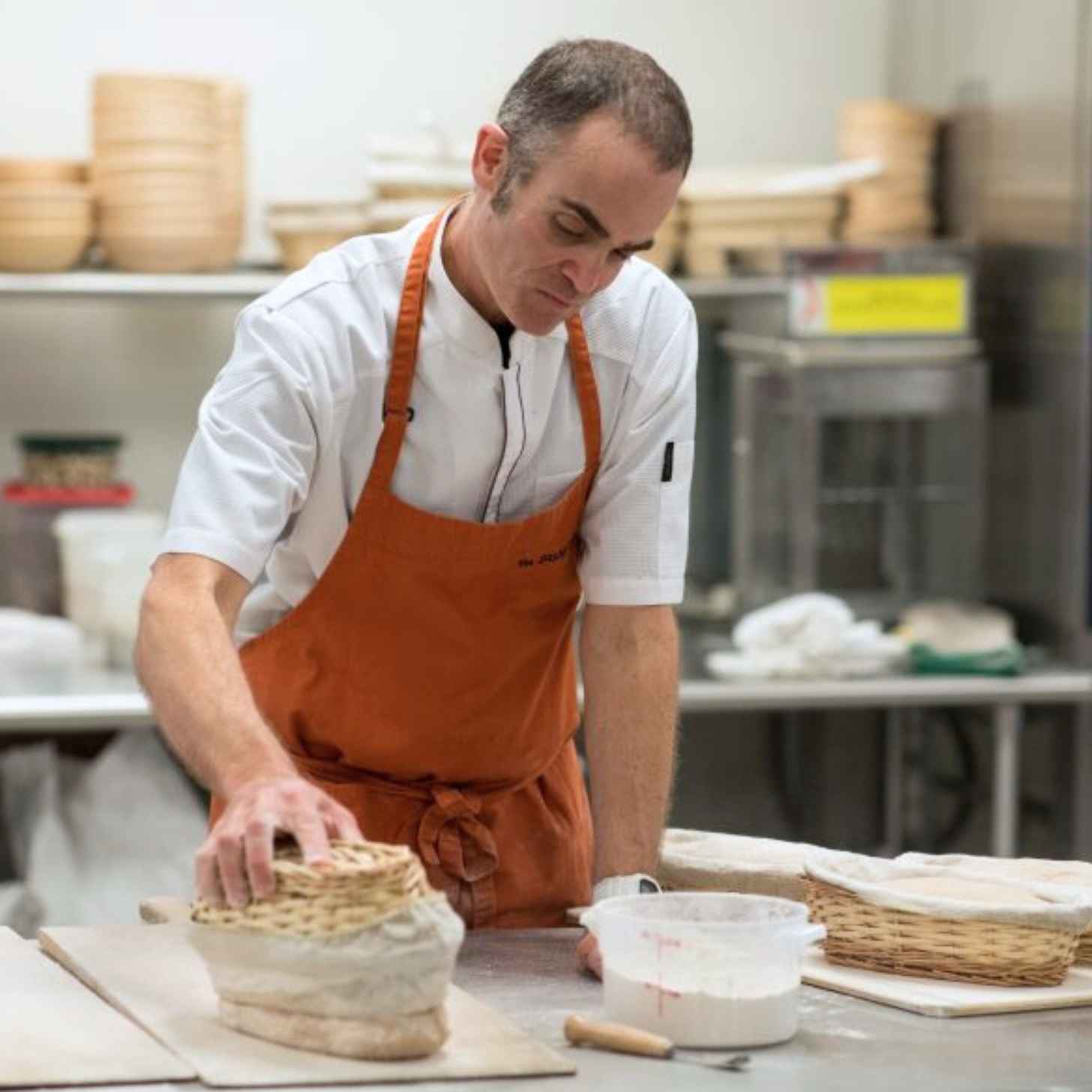
Made from 100% whole wheat, regeneratively grown “Climate Blend” flour is Breadlab’s answer to extreme weather brought on by climate change. The grain mix is a rainbow of colors and includes an array of seed profiles, like hard red spring wheat, blue wheat, and purple wheat.
Keith and Crystie Kisler, who run Chimacum Grainery in the Olympic Peninsula of Washington, planted “Climate Blend” seed varieties in 2021. They watched as it stood strong through a year of extreme heat, uneven rainfall, and heavy snowfall.
“Growing it in the field, it’s an amazingly stable crop,” Kisler told NPR.
But “stable” doesn’t translate to “perfect.” Due to the variety of wheat in the flour, the bread baked from Climate Blend is not always uniform in look, color, and hardiness.
Also, because of the added care involved in its production, it’s pricier than grocery store brand bags of flour (a 3-pound bag of Climate Blend flour costs $7.50.)
However, while it may not win people over by look or affordability, it might win them over by taste.
In early September, NPR journalists Alejandra Borunda and Ryan Kellman joined graduate students and bakers in the Breadlab kitchen, surrounded by the smell of freshly baked cookies and the sound of dough being slapped against countertops.
While they were there, Breadlab baker Mel Darbyshire pulled out a tray of bread loaves made from the Climate Blend. Jones stopped by to taste it.
“It’s buttery and rich,” Jones said, going to grab more. “It’s delicious.”
Breadlab manager Janine Sanguine took a bite too.
“I mean this in the best possible way,” she said, “but it tastes like it’s made with white flour.”

Header image via Chris R. Sims (CC BY-SA 4.0)
As climate change wages on, and wildfires become a greater — and more deadly — threat, innovation is necessary to save lives and ecosystems.
A group of four students from the Royal College of Art and Imperial College London were moved by that very threat. They created a device that functions seamlessly within forests to detect wildfires and rapidly alert communities and rescue crews.
It’s called Pyri — a name that stems from “pyriscience,” a natural phenomenon in which plants adapt to fire, releasing their seeds when exposed to high temperatures.
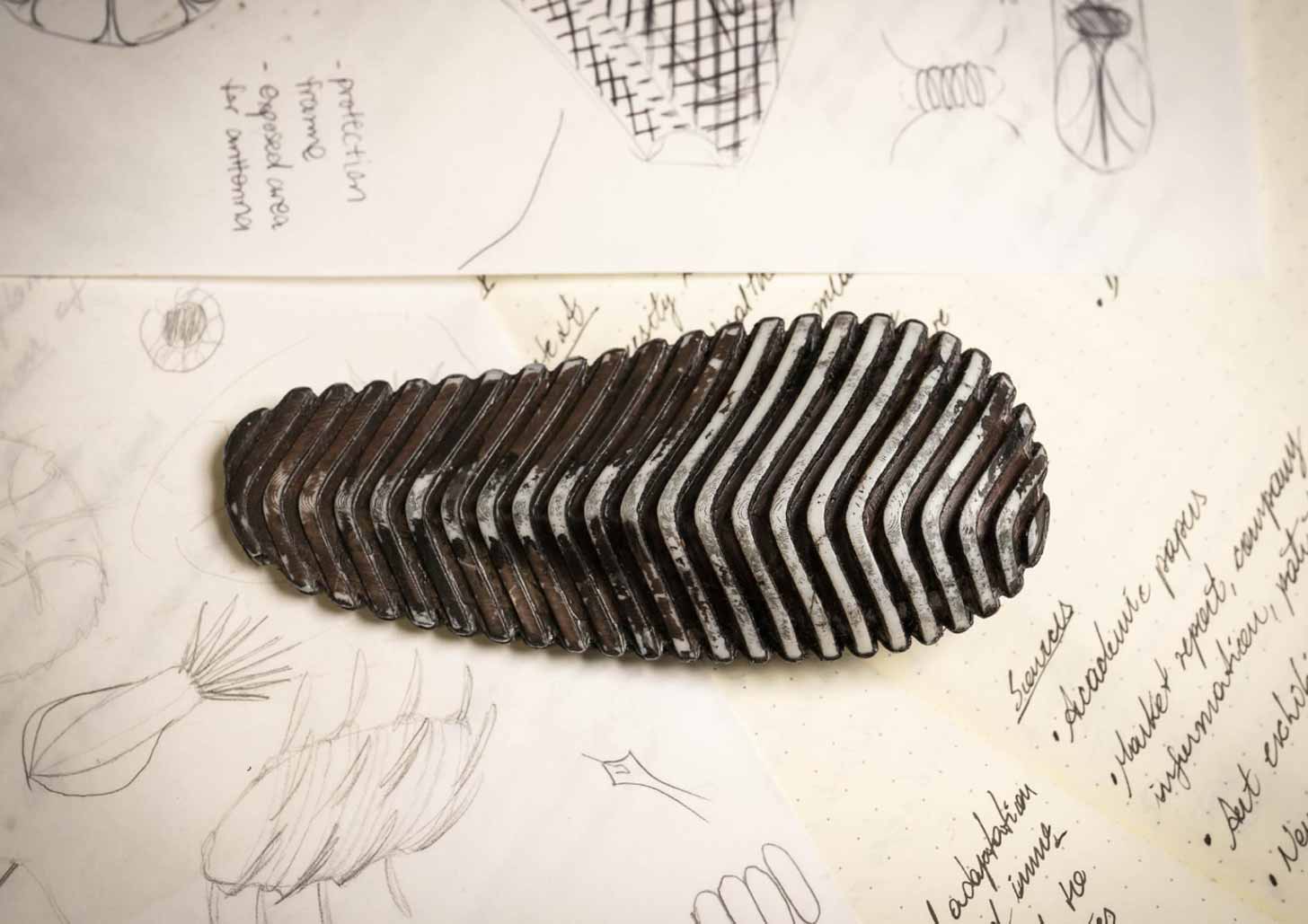
The device was intentionally modeled after serotinous pinecones, from trees in wildfire-prone areas known for this adaptation. Similar to how a tree might release its pinecones as a biological response to fire, Pyri works when it’s exposed to high temperatures.
The device — only a bit larger than the palm of one’s hand — is made of wax and charcoal. When a wildfire occurs, the heat melts Pyri’s wax shell and releases a saltwater, electrolyte-rich solution.

From there, the solution activates the internal electronics of the device, which sets off radio frequencies to nearby communities. A radio signal can be picked up by communication located tens of kilometers away.
Without needing expensive cameras, sensors, or satellites, Pyri uses minimal amounts of metal and prioritizes abundant and non-toxic materials. If the device is never activated, it can simply exist in the natural environment as a harmless and non-obtrusive object.
Pyri was created by Richard Alexandre, Richard ‘Blake’ Goodwyn, Karin Gunadi, and Tanghao Yu, all graduate students in Innovation Design Engineering at Royal College.

“We took inspiration from the natural world, trying to see how different species and plants are reacting to wildfire, and then we landed on the focus which is a pine cone that explodes trying to send out the seed when the fire approaches it,” Alexandre said in a video for the college.
“We realized that the wildfires, although they have a destructive power, they are also connected to natural processes in nature. So it's not just about mitigating the wildfire, but understanding how it's connected to a system that's relevant to nature, too.”
And these realizations have just won the research team the UK National James Dyson Award.
“We’re thrilled that Pyri has won the UK National James Dyson Award, allowing us to further progress our invention, with hopes to reduce the devastation that wildfires can cause globally,” Alexandre said in a statement.
His motivation to create this device is personal.
“As a Brazilian, I have a personal connection with the solution that we have created after seeing firsthand the devastation that wildfires caused in Pantanal,” he continued.
“As this devastation seems to continue around the world, we hope that with Pyri we can detect fires early enough to protect the earth from this kind of catastrophe in the future, bringing this solution to the communities that need it.”

The award will grant the Pyri team £5,000 to advance their work and develop a fully functioning prototype. This also puts the device in the running for a $37,000 grand prize in the international round of the competition, in which they will compete alongside 29 other country-level winners.
According to Interesting Engineering, the key materials of Pyri have been finalized, and this funding from Dyson will aid in the full development of the device. While each component of the design has been successfully tested individually, the researchers will now integrate them into a final design, followed by controlled testing for real-world applications.
Those materials are part of what made Pyri such a stand-out candidate for the Dyson awards. The design’s simplicity, low-cost, and zero maintenance make it a turn-key solution for so many large and remote areas that could be rocked by wildfires.
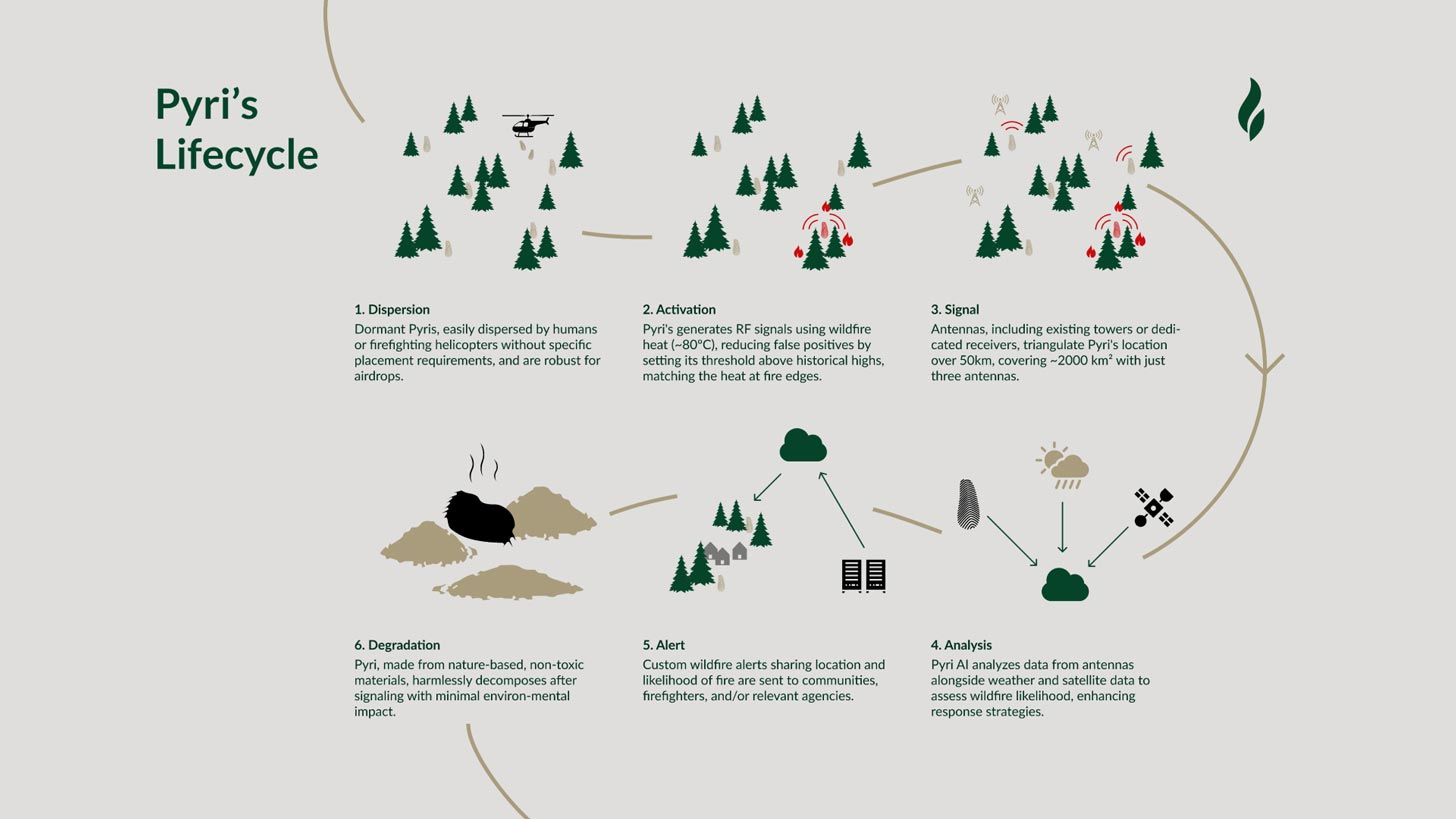
“These materials were chosen for their abundance, effectiveness, and non-toxicity to the environment compared to conventional materials like plastic and toxic metals like lithium and cobalt in batteries,” Alexandre told Dezeen.
“Unlike traditional methods, which rely heavily on sensors, cameras and satellites — often limited by coverage, accuracy and high costs – Pyri offers an effective, affordable solution suitable for extensive deployment, even in remote locations,” he added.
In a statement announcing the award, Dyson noted that in 2023, wildfires caused over 300 deaths and cost $50 billion globally. And with recent reports predicting that climate change will make wildfires more frequent and intense — even in the Arctic — innovations like these could be a matter of devastation or survival.
“Pyri… is a wonderful example of an innovative idea that solves an increasing global problem,” Rumyana Dancheva, a senior design engineer at Dyson and a judge for the awards said.
“The team has developed a compelling product with a fascinating take on functionality, technology, shape, and sustainability. Pyri has the potential to have a huge positive impact on both people and the environment through the early detection of wildfires.”
Header image courtesy of Dyson
In 2022, the American Library Association documented 1,269 attempts to ban or restrict books in libraries. Nearly half — over 45% — of the unique titles challenged were written by or about LGBTQ+ people.
And Maia Kobabe’s book “Gender Queer: A Memoir” was the most challenged of them all.
“Gender Queer” is a graphic memoir that was published in 2019 and documents Kobabe’s journey with gender identity and sexuality from adolescence to adulthood.
The book won an Alex Award and a Stonewall Honor from the American Library Association, but because of its straightforward depictions of sex and sexuality, the title has been banned from shelves in more states than any other book.
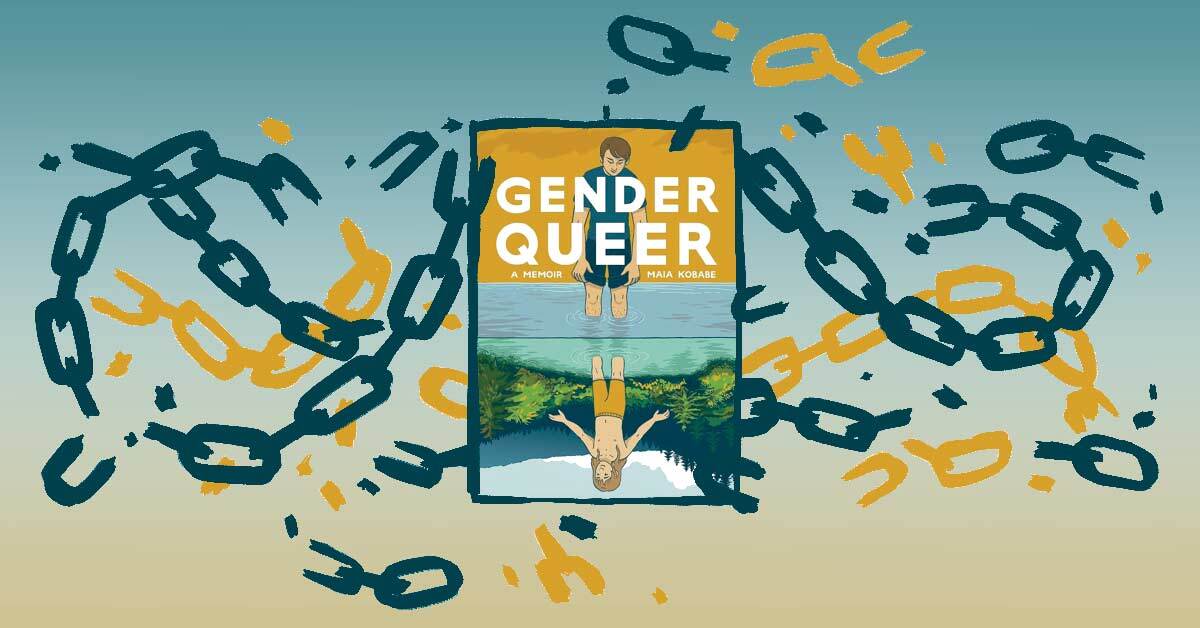
Kobabe (who uses the pronouns e/em/eir) has navigated the experience of being an author of a banned book the way many others have: by continuing to write.
Eir next book is a nonfiction comic titled “Breathe: Journeys to Healthy Binding,” and was written alongside Sarah Peitzmeier to tell researched, meaningful stories about chest binding as gender-affirming care.
Kobabe’s third book is coming in 2026 and is a middle-grade graphic novel called “Saachi’s Stories.” It was co-created with Lucky Srikumar and explores themes of gender, identity, sexuality, coming out, and more.

Ahead of Banned Books Week, Good Good Good spoke with Kobabe to more deeply explore the impact of book banning on the LGBTQ+ community — especially those who create and distribute resources they know to be life-saving.
“Gender Queer” has been the most banned book in America — can you tell me more about that experience and how harmful book bans are, both to authors and their audiences?
Maia Kobabe: Yes, “Gender Queer” was the most challenged book in the U.S. for the past three years.
Book bans and challenges especially impact the readers in a community who are already marginalized; readers who are young, readers who can't afford to buy books, queer readers who can't safely come out at home, and any reader who doesn't regularly see their identity well-represented in mainstream media.
When a community removes books from its libraries, or threatens librarian's jobs, or the very funding of a library itself, it's cutting off vital resources often from those who need them most.
My book has been the target of a huge number of attacks over the past three years, but I often watch them unfold at a few steps removed. I live in the Bay Area, California; the majority of the challenges are taking place in other states, other cities.
But I constantly hear how these challenges negatively impact teachers, students, and librarians. Librarians are being threatened and harassed at work, and several teachers have lost their jobs simply for providing access to books or online library resources to students.
How will you be honoring Banned Books Week in 2024?
MK: This Banned Book week I will participate in a panel with San Francisco's LitQuake festival to raise money and awareness for Fabulosa Books’ program that sends boxes of queer books to community centers in the most affected states.
You can find their Books Not Bans page online and donate to the effort. If you work with an LGBTQ+ organization in a state that's been affected by censorship, you can also apply to receive free queer books!
Additionally, I am also happily working on several more creative projects centering queer, trans, and nonbinary voices.
Clearly, book bans harm us all, but what is the impact of a majority of those restrictions targeting the LGBTQ+ community?
MK: A huge portion of the book challenges [we see today] are targeted at LGBTQ+ books. This is particularly upsetting because many times young queer people do not have an adult queer mentor to look up to in their immediate family, school, or other communities.
Queer people almost always have to turn to outside sources to find information about their identities, bodies, health, and futures.
Can you tell me more about the importance of young LGBTQ+ people having access to reading materials and media that reflect their experiences?
MK: As a queer young person I was absolutely desperate for queer stories of any kind, and I searched the library constantly for any title that might have a queer, trans, or non-binary character I could relate to.
The library was such a haven for me as a teen. I started volunteering at my local library just so I could spend more time there. I had so many questions, including what kind of relationships I might have in the future, and I searched for those answers in books.
I was very lucky to grow up in a very liberal and accepting area. In my library, the librarians left out bookmarks with suggestions of queer titles on them and I coveted those lists.
I also knew it was safe to bring queer books home and read them openly in front of my parents.
What can the average person do to make sure that reading materials like “Gender Queer” are accessible to all members of their community?
MK: If you hear about a book challenge at your local library or in your school district, speak up about it!
Write to your local representatives, show up to school and library board meetings if you can. It's so important to have folks show up to speak out against censorship, in defense of the freedom to read, the freedom of information, freedom of speech.
You can follow or email Authors Against Book Bans to get help with what to say when speaking up against book challenges, or to request an author show up at your local meetings to speak.
Make sure you pay attention to school board and library board members in local elections.
And if you heard about a book challenge, please report it to the American Library Association and PEN America, who track annual data and respond to book challenges across the U.S.
Meatless Monday might have just gotten a whole lot more interesting.
A research team at Germany’s University of Tübingen recently created a new protein product using some easy-to-source ingredients — a few you can even get from thin air.
Using carbon dioxide, hydrogen, oxygen, and a little electricity, added to microbes and some baker’s yeast, the team — led by Dr. Lars Angenent — created a protein source ideal for human nourishment.
By processing these ingredients in a laboratory bioreactor system, the result is a sustainable, nutrient-rich protein substitute full of vitamin B9.
“This is a fermentation process similar to how you make beer, but instead of giving the microbes sugar, we gave them gas and acetate,” Angenent told Interesting Engineering.
The bacterium deployed in this research could lead food scientists to create a vegan meat substitute, or even offer a long-term, climate-friendly solution to ending the hunger crisis.

Here’s how it works: The researchers used a two-stage bioreactor system to create their yeast. In the first stage of the reaction, a bacterium called Thermoanaerobacter kivui converts hydrogen and carbon dioxide into acetate — a compound found in vinegar.
In the second stage, baker’s yeast consumes the acetate and oxygen, generating both protein and vitamin B9. To create the hydrogen and oxygen needed for the process, the researchers split water using electricity from wind energy.
That level of sustainability is key to the entire process.
“This method could take food production away from farming and offer a sustainable way to make protein,” Angenent told The Independent.
Seeing as the process uses renewable energy — as well as carbon dioxide — it does not need farmland, and does not emit the kind of emissions that come from animal agriculture.
Plus, the yeast offers comparable nutritional benefits.
According to their research, published in Trends in Biotechnology, they found that yeast fed with acetate produces about the same amount of vitamin B9 as yeast that relies on sugar.
About six grams of this protein and nutrient-dense yeast would sufficiently supply a human with their daily dose of vitamin B9, per a press release from the university.
As far as protein goes, Angenent and his team discovered that the protein content in their yeast product not only met that of sources like beef, pork, fish, or lentils — but surpassed it.

A serving of 85 grams provides 61% of a person’s daily protein needs, as compared to that of beef, which supplies 34%, or fish and lentils, which provide 38%.
The yeast does need to undergo treatment to ensure safety for consumption, which reduces its total protein content to 41% of the daily protein requirement — still competitive with other protein sources.
“The growing world population is threatened by malnutrition, especially in countries that suffer from drought and whose soils are low in nutrients. In places like this, substitute products, such as ours, could improve the food situation,” Angenent said.
“The fact that we can produce proteins and vitamins at the same time in our bioreactor system at a high rate for sustainable vegetarian and vegan products with no significant use of land is a major step towards this goal.”
After preparation and drying, the yeast produced by the researchers resembles conventional yeast additives (like the nutritional yeast you might already add to your popcorn or macaroni).

That said, you aren’t going to see this high-protein yeast on grocery store shelves for quite some time; the research team must continue to refine production, ensure food safety (right now, there is a threat of gout if the yeast is eaten untreated), analyze technical and economic models, and assess consumer demand.
“Our product isn’t yet a finished foodstuff, but the food industry can use it to develop foods,” Angenent said.
Ideally, though, he said, “The end product is vegetarian/vegan, non-GMO, and sustainable, which could appeal to consumers.”
Beyond the consumer possibilities, the real intrigue is in the potential to use this high-protein yeast in combating food shortages and nutrient deficiencies, especially across low-income countries.
“We are approaching 10 billion people in the world, and with climate change and limited land resources, producing enough food will become harder and harder,” Angenent said.
“One alternative is growing proteins in bioreactors through biotechnology rather than growing crops to feed animals. It makes agriculture much more efficient.”
Header image ©Lisa Marie Schmitz/University of Tübingen
As the world grows “smarter” through the adoption of smartphones, smart fridges, and entire smart houses, the carbon cost of that technology grows, too.
In the last decade, electronic waste has become one of the fastest-growing waste streams in the world.
According to The World Counts, the globe generates about 50 million tons of e-waste every year. That’s the equivalent of 1,000 laptops being trashed every second.
After they’re shipped off to landfills and incinerated, the trash releases toxic chemicals including lead, cadmium, arsenic, mercury, and so much more, which can cause disastrous health effects on the populations that live near those trash sites.
Fortunately, Franziska Kerber — a university student at FH Joanneum in Graz, Austria — has dreamed up a solution that helps carve away at that behemoth problem: electronics made out of recyclable, dissolvable paper.
On September 11, Kerber’s invention “Pape” — or Paper Electronics — earned global recognition when it was named a national winner of the 2024 James Dyson Awards.
When she entered the scientific competition, Kerber demonstrated her invention with the creation of several small electronics made out of paper materials, including a fully-functional WiFi router and smoke detector.
“Small electronic devices are especially prone to ending up in household waste due to unclear disposal systems and their small size, so there is significant potential to develop a more user-friendly end-of-life system,” Kerber wrote on the James Dyson Award website.
“With this in mind, I aimed to move beyond a simple recycling solution to a circular one, ensuring long-term sustainability.”

Kerber’s invention hinges on crafting a dissolvable and recyclable PCB board out of compressed “paper pulp.”
A printed circuit board (PCB) is a board that can be found in nearly all modern electronic devices, like phones, tablets, and smartwatches.
But even companies that have started incorporating a “dissolution” step into the end life of their products require deconstruction to break down and recover the PCB board before it can be recycled.
With Kerber’s PAPE products, users don’t need to take the device apart to recycle it.
“By implementing a user-friendly return option, manufacturers can efficiently dissolve all returned items, potentially reusing electronic components,” Kerber explained.
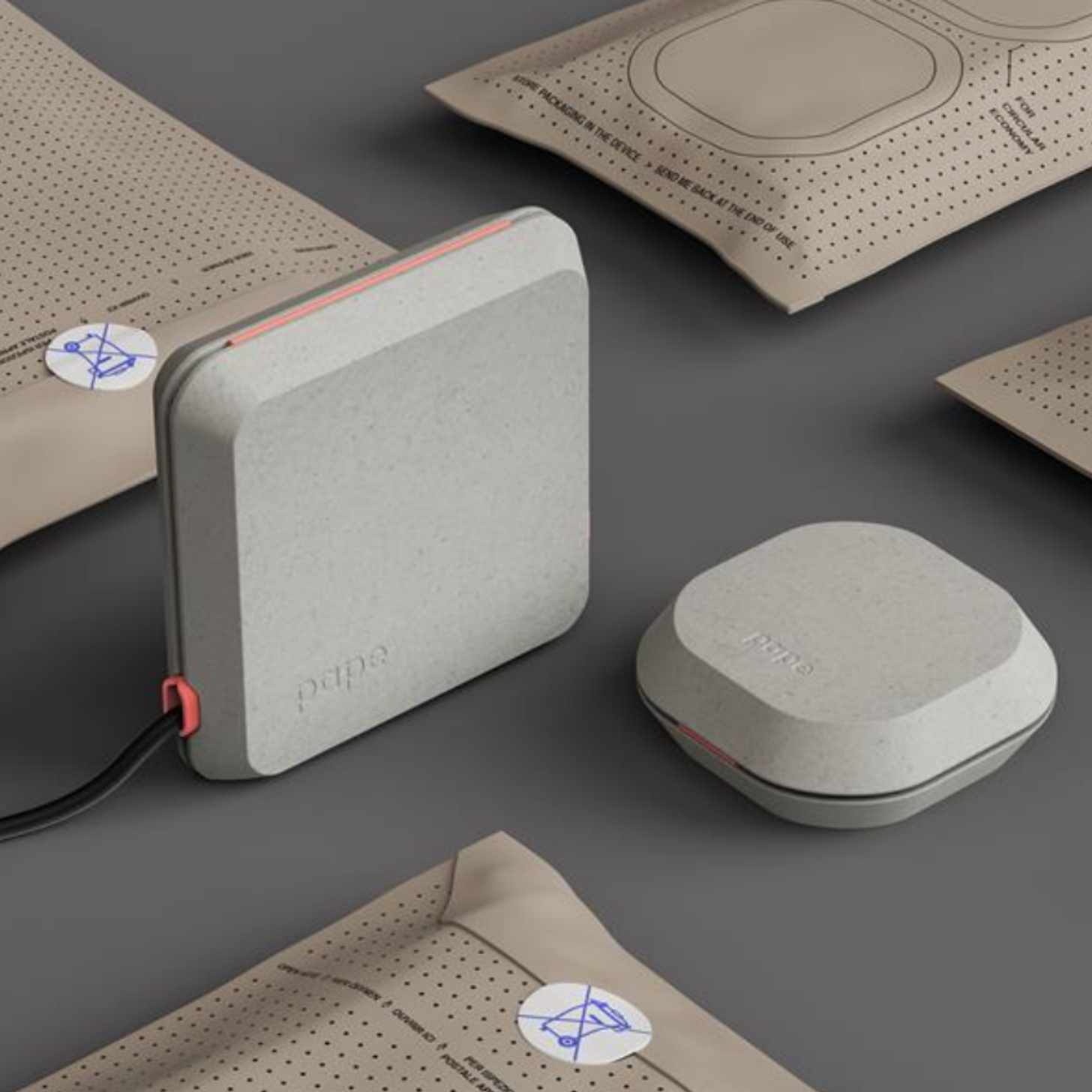
As a university student, Kerber does not currently have the means to produce her PAPE products on a massive scale or extend her scope beyond routers and smoke detectors.
But she’s hoping that her invention sparks a conversation about sustainable e-waste. And her recent James Dyson Award win adds validity to that dream.
“Rapidly advancing technology, which forms the core of many devices, becomes obsolete much faster than the structural elements, which are often made from plastics that can last thousands of years,” Kerber poses.
PAPE, Kerber says, has a “designed end-of-life system” which anticipates obsolescence.
“Does anyone want to use a thousand-year-old computer?” Kerber asks. “Of course not. … This ensures a sustainable and reliable system without hindering technological advancement.”
Click the video below to see Kerber's invention:
Header image courtesy of Dyson
Every day the Good Good Good team collects the best good news in the world and shares it with our community. Here are the highlights for this week!
If you want to get good news in your inbox every day, join the Goodnewsletter — the free daily newsletter designed to leave you feeling hopeful.
The Best Positive News We’re Celebrating This Week —
Once on the verge of extinction, gray wolves are making a historic comeback in California
The last gray wolf in California was killed in 1924. Going without a gray wolf for nearly a century, in 2011 a lone wolf crossed into the state from Oregon. And since then, their numbers have been slowly rising.
Now, there are over 40 gray wolves in the state, with a new pack reported just this year. The rise in their numbers is thanks to protections afforded by the Endangered Species Act.
Wolves have a number of environmental benefits and are a key part of a healthy, balanced ecosystem. When 41 wolves were reintroduced to Yellowstone National Park, for example, there was a cascade of benefits for the surrounding ecosystem — for plants and animals alike.
What’s the nuance? While conservationists are celebrating this news, some farmers and ranchers consider them to be a hassle for their livestock. Still, California has a successful program to reimburse and help farmers and ranchers for losses they experience due to wolves.
In 2023, 428 gigawatts of solar were installed worldwide — more than the previous two years combined
In 2023, solar panel installations shattered previous world records with 428 gigawatts of total capacity installed worldwide. That figure marks a 76% increase over 2022 when 243 GW of solar panels were installed worldwide.
In 2021, the figure was 175 GW — meaning more capacity was installed last year alone than in the previous (also record-breaking) two years combined.
One of the key drivers of this progress is that utility-scale solar remains the cheapest option for new electricity generation in most countries.
And importantly, the countries with the highest carbon emissions are leading the way in installations: the U.S. added 37 GW last year and China added 261 GW.
Other countries are also making notable progress, like Pakistan, which jumped from the 14th- to 5th-largest market for new solar. There, progress has been driven largely by rooftop solar.
Finland is building the world’s largest heat pump to warm 30,000 homes and reduce carbon emissions
Finland’s capital Helsinki is building the world’s largest heat pump to help warm as many as 30,000 homes in the winter. Powered only by renewable energy sources, the heat pump can operate in temperatures as low as -4 degrees Fahrenheit.
This project is part of the city’s larger effort to become carbon-neutral by 2030, switching a big portion of its energy consumption to a renewable source.
When complete, the heat pump will provide 200 GWh of heat for 30,000 homes in Helsinki annually, roughly saving 26,000 tonnes of CO2 emissions.
More good climate news:
- A new report found that solar power in U.S. schools has quadrupled in the last decade.
- A threat to environmental and human health, over 100 U.S. cities have now banned gas-powered leaf blowers.
- Scientists have created a new “living plastic” that can self-destruct in just 30 days.
A Nigerian teenager invented a pair of glasses to help visually impaired people
Looking to help the many people in his hometown who are blind or visually impaired, 18-year-old Khalifa Aminu put his penchant for invention to work.
He got to work creating a pair of “sensory glasses” that can help those with visual impairments walk safely and independently — without the use of a cane.
The glasses use “ultrasonic and infrared sensors” to detect when something is coming near the wearer, and then activate an alarm to alert them.
While Aminu’s glasses are still in development (and getting tested and feedback from people in real life who could benefit from them), he’s received interest from the National Commission for Persons with Disabilities to learn more.
→ Read more
The first in over three decades, California’s new marine sanctuary will protect 116 miles of coastline
More than 116 miles of California coastline, along with more than 4,500 square miles of offshore and coastal waters, are being designated as part of the Chumash Heritage National Marine Sanctuary.
It’s the third-largest marine sanctuary in the country, and the first to be designated in California in over three decades. It’s also the first “Indigenous-focused” sanctuary, a process that’s been in the works for many years.
The marine sanctuary will be the 17th in the National Marine Sanctuary system and part of the Biden-Harris administration’s America the Beautiful initiative supporting local conservation efforts to preserve and restore 30% of the country’s lands and waters.
→ Read more
More good news for marine ecosystems:
- Researchers are working on combining “grey” and “green” infrastructure systems that provide both coastline protection and growing coral reef habitat.
- Reducing ocean noise protects the environment, saves marine life, and even benefits the shipping industry.
- Ten nations in the western Indian Ocean are creating a network of marine conservation areas to help protect 30% of the oceans by 2030.
In the last few decades, core LGBTQ+ rights have become better protected in dozens of countries
Until the 1990s, no countries protected LGBTQ+ rights beyond allowing same-sex sexual acts — but in the last few decades, the world has made notable progress in the areas of adoption, marriage, gender identity, and more.
In 1992, Estonia became the first country to allow gender marker change without restrictions. In 1995, Canada became the first country to allow joint adoptions — more than 30 countries have done so since.
Later, in 2001, the Netherlands became the first country to legalize same-sex marriage. And in 2011, Australia became the first country to recognize a non-binary gender on its passports.
While there is still a lot of progress to be made globally in protecting these core rights, it’s important to see (and celebrate) the progress we have made globally.
→ Read more
Researchers discovered an antibody that offers protection against all variants of COVID-19 and other related viruses
Scientists from the University of Texas at Austin just discovered an antibody that could not only provide protection from all COVID-19 variants — but other related viruses, too.
The antibody, called SC27 works like other antibodies, except for one key difference: it can also recognize differences in the spike proteins on different virus variants, too.
This team of researchers has long been in the fight against COVID-19, and also helped develop the mRNA COVID vaccines — which saved tens of thousands of lives.
Why is this good news? The researchers are hopeful this new research will help them reach their goal of creating a universal vaccine “that can generate antibodies and create an immune response with broad protection to a rapidly mutating virus” — a game-changer for the current and any future pandemic.
The world’s largest wind-powered cargo ship just made its first delivery across the Atlantic Ocean
For the first time in nearly a century, a larg cargo ship crossed the Atlantic Ocean powered almost entirely by the wind.
French startup TransOceanic Wind Transport’s vessel is different from a traditional sailing ship though, taking inspiration from racing sailboats. Its masts are made from lightweight carbon fiber so they can be much taller, holding up larger sails that catch more wind.
A single remote control could control all the sails using a mechanized system, and custom routing software helps the ship best utilize the wind. It has backup diesel-electric engines, which can be used in hybrid mode — but 95% of the time, the ship can just use the sails.
→ Read more
More good news for cargo shipping:
- Political, economic, and technological stars are aligning to make the stubbornly carbon-intensive cargo shipping industry sustainable.
- The world’s first wind-powered electric ship-charging station just debuted in the Belgian North Sea.
- Normally consuming between 150-400 metric tons of fuel per day, new stationary cylinder sails could reduce that fuel consumption by up to 90%.
Four students created a wildfire-detecting “pinecone” that automatically alerts communities and rescue crews
Moved by the growing threat of intensifying wildfires around the world, a group of four students from the Royal College of Art and Imperial College London created a device that functions seamlessly within forests to detect wildfires and rapidly alert communities and rescue crews.
The device, called Pyri, was intentionally modeled after serotinous pinecones, from trees in wildfire-prone areas that drop their seeds when exposed to high temperatures. Pyri works similarly.
When not triggered by a wildfire, the device exists harmlessly within a natural environment, uses minimal metal and prioritizes abundant and non-toxic materials: wax and charcoal.
And it just won the UK National James Dyson Award, giving the team £5,000 to advance their work and develop a fully functioning prototype — and put them in the running for an even larger grand prize.
More good news of the week —
Profits from the UK’s largest community-owned wind farm are being used to plant a million native trees. To help reestablish forested areas, the Western Isles woodland project has already planted 211,000 trees on more than 200 plots of land.
Little Free Library just debuted a map to help locate banned books in areas most impacted by restrictions. As book banning accelerates across the U.S., this map encourages the library boxes to function as a “vital distribution point for these restricted books.”
Colorado gave out over 1,300 rebates for electric vehicle purchases — six times higher than what it expected. The unexpectedly popular Colorado Vehicle Exchange program offers point-of-sales discounts worth $6,000 off of a new plug-in electric vehicle or $4,000 off of a used plug-in electric vehicle.
A new genetic test gives a “platelet score” that can be used to determine a person’s risk level for stroke and heart attack. The test assesses whether a person's platelets are “hyperreactive,” and more prone to abnormal clotting that blocks arteries.
A free school lunch trial in Indonesia has improved child nutrition and student outcomes like attendance and focus. In addition to providing financial relief for families, the program was introduced to address the country’s high rate of stunted growth among children.
The U.S. Interior Department just retained protections for 28 million acres of public lands in Alaska. The department found that opening up any of the land to development could have lasting negative impacts on wildlife, vegetation, and permafrost, as well as Native communities.
A nonprofit in Africa is rewilding an entire herd of 2,000 white rhinos from a controversial breeding farm. The herd represents 12% of the white rhino population alive today, and Africa Parks will relocate them to well-managed parks across the continent.
A Philadelphia program to help first-time home buyers find affordable housing just sold its 100th home. The Turn the Key program essentially gives away city-owned land to developers so they can build 1,000 price-restricted homes for first-time buyers.
Thanks to a new clean-air policy, children in London are walking and biking to school more. Implementation of the city’s Ultra-Low Emissions Zone has helped to reduce roadside nitrogen dioxide concentrations by 53% in central London — reducing harmful air pollution and asthma.
A study found that “medical clowns” reduce stress and shorten hospital stays for children. Medical clowns are specially trained to work in hospitals and are especially helpful for children hospitalized for pneumonia — one of the leading causes of hospitalization in children.
A new AI device can detect high blood pressure through voice recordings with 84% accuracy. The disease has been dubbed the “silent killer” by the WHO, and it could now be detected just by using the sound of a patient’s voice.
The U.S. Department of Energy is giving Colorado $20 million to support its plan to limit carbon emissions from buildings. The funding will be used to help buildings in marginalized communities, whose owners may be less able to afford carbon-cutting measures like insulation and heat pumps.
Taylor Swift’s post endorsing Kamala Harris resulted in over 337,000 visits to a voter registration website. Swift shared a custom URL that directed people to vote.gov, which helps people register to vote in their respective states.
New technology “lights up” bacteria in wounds to provide better infection prevention. Over 6.5 million Americans experience chronic wounds, which contain bacteria that can lead to severe infection and resulting complications — including amputation — if not detected and removed.
An Oregon county helped 5,477 people become housed in the past year, a 28% increase over the previous year. A significant improvement, the agency tasked with addressing homelessness plans to expand permanent housing services, add shelter capacity, and help even more people in the coming year.
A rumor fueled by former President Donald Trump during last week’s Presidential debate — first circulated by his running mate, JD Vance — has taken the world by storm.
Trump posited that Haitian immigrants who have relocated to Springfield, Ohio, are stealing and eating local pets.
“They’re eating the dogs, the people that came in,” Trump said in a now-viral response. “They’re eating the cats. They’re eating the pets of the people that live there.”
This claim was quickly debunked by the moderators of the debate, as well as Springfield’s local officials. Additionally, in the days following, the woman who first accused her neighbors of such activities on Facebook, also retracted her statement.
But that has not lessened the impact on community members in Springfield.
Navigating bomb threats, as well as the closure of schools and municipal buildings due to those threats, members of the Haitian community in Springfield have continued to try to work peacefully amid the national attention.
Romane Pierre, a Haitian immigrant living in Dayton, Ohio, is the manager of Rose Goute Creole Restaurant, where he spent time fielding prank calls after the debate.
“Yesterday some people call, I think they make some joke, ask if we have cat, dog. I say ‘We don’t sell that. We sell chicken fish, goat pork, rice, beans,’” Pierre told the Springfield News-Sun.
“I know my people — dogs, cats — we don’t do that in Haiti,” he added, calling the rumors “a shock for us.”
Fortunately, Pierre’s neighbors weren’t dissuaded by the claims. In fact, they showed up to the restaurant in droves over the weekend, with social media posts documenting lines out the door.
Local community member Steve McQueen helped organize the dinner, encouraging locals to dine at Rose Goute, according to Dayton 24/7 Now News.
“We know Springfield is full of love,” McQueen said. “[It] does not have the hate that is being told to the rest of the country and world as they’re even talking about.”
McQueen called the effort “organized love,” bringing dozens together to support the local Haitian community.
As for the team at the restaurant? Well, they were hard at work.
“I don’t want people to think that Haitians are bad people, because we came here to work,” Pierre said. “We work very hard.”
Ohio Governor Mike DeWine also spoke up to dispel the myths.
“It’s unfortunate that this came up,” Gov. DeWine said on a Sunday morning ABC appearance. “Let me tell you what we do know, though. What we know is that the Haitians who are in Springfield are legal. They came to Springfield to work.”
And the diners who ate at the restaurant this weekend could see — and taste — that labor of love.
One diner, Stephanie Whittaker, even came from out of town, eating at Pierre’s restaurant during a pitstop on a road trip.
“Obviously there’s been a little craziness and rumors around here,” Whittaker told WYSO, a local radio station in Ohio.
“The Jesus that my mom taught me about told me to build bigger tables and help people. So I thought I would come and see if there was anything actually happening,” she added. “And we just got really good food.”
Community support also extended to church services on Sunday, as Carl Ruby, the senior pastor at the non-denominal Central Christian Church spoke before his community.
“There are risks to standing with oppressed people, and our Haitian friends are not oppressed out of any fault of their own,” Ruby said.
“They’re oppressed because of what people in our community are doing to them. They are a strong, proud, capable group of people, and we absolutely love them.”
Ruby printed out 15,000 cards in Haitian-Creole and English that people can hand out to community members, sharing welcoming messages that express that the cardholder is glad they’re here.
And then, he led his congregation in prayer.
“Where there has been chaos in our city, replace it with peace,” Ruby said, according to WYSO. “Where there has been sorrow in our city, replace it with joy. Where there has been division, replace it with unity. And where there has been hate in our city, replace it with love.”
Header image courtesy of Wayne Baker/Facebook
A new bombshell has entered the villa. And she is wearing a literal shell.
In the Florida Keys, conch specialists at the Florida Fish and Wildlife Conservation Commission (FWC) are on a mission to save the queen conch sea snail — an endangered species — by playing matchmaker.
In the last decade, the marine species has fallen victim to illegal fishing and ocean acidification.
But there’s a third, larger reason at play: the conches simply aren’t mingling.
“Nearshore conch are destined for a life of celibacy, and we’re trying to fix that,” Gabriel Delgado — a research scientist and conch specialist at the FWC — told The Guardian.
This summer, Delgado and his team designed a new program that’s essentially “speed dating for shellfish.”
“It’s like, ‘Hey folks, you guys are having trouble meeting another conch,’” Delgado joked. “Well, here’s some more to the party, now you can open up to each other a little bit more.’”
The main reason queen conch need help coming out of their shells? Extreme temperatures have kept them from testing the waters and finding mates.
“It’s because we’re dealing with very shallow water, too cold in the winter, OK in the spring, and in the summer it gets too hot,” Delgado explained.
“The animals shut down. Instead of going into reproduction, they shunt their energy into basically survival and never really develop their reproductive organs very well.”
Climate change has played a major role in the rapid decline of the queen conch population, as the global sea surface temperature continues to rise.
According to the National Environmental Education Foundation, the average global sea surface temperature has been “consistently higher during the past three decades than at any other time since reliable records began in 1880.”
And Florida is no exception. Last year in Manatee Bay — north of Key Largo — water temperatures reached “hot tub” level heat when they soared to 101.1 degrees Fahrenheit.
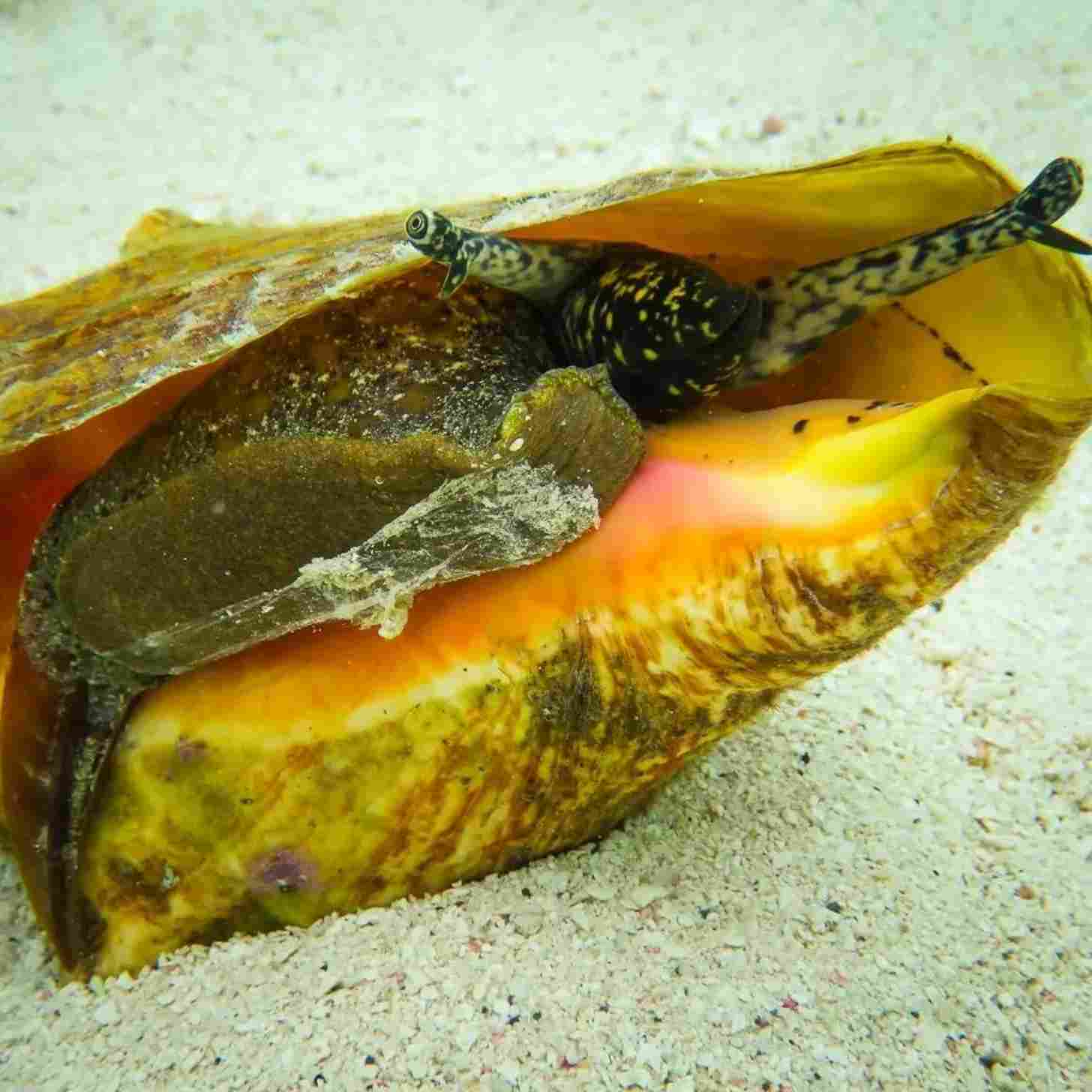
But scientists like Delgado aren’t sitting back. As threats mounted against the spiral-shaped creatures, he and his research team stepped up.
This past summer, they tagged and relocated 208 conch from the heart of the Florida Keys to cooler waters in an offshore reef further north. The refreshing drop in temperature wakes the conch up from their lethargic reverie, and it sets them up for success by giving them a wider dating pool to choose from.
Moving over 200 conch is no small feat. The average queen conch (or Aliger gigas) can grow up to 12 inches in length, weigh five pounds, and live over 30 years in a healthy environment.
Fortunately, it was all hands on deck for the FWC’s unique matchmaking operation.
“We asked the public to keep their eyes open,” Delgado said. “They reported them online, some people emailed, and we used community volunteers to gather up the 208 that we moved in June to an offshore aggregation.”
It will take up to a year to see how successful the “speed dating” program actually is, but Delgado has already spotted signs of sparks flying under the sea.
When the team went back to the reef in mid-August, the recently rehomed conches hadn’t crawled away from each other.
“So far, things are going as expected given the short timeframe,” Delgado said. “[Next time] we’re recording who is mating, who is laying eggs.”
Andrew Walker, the president and chief executive of the FWC, told The Guardian that helping the queen conch bounce back will “increase the health of Florida’s coral reef.”
“It’s a creative solution using a partnership of citizen volunteers and scientists to help a Florida protected species find their shell-mate,” Walker quipped.
Header image via Pickpik (Public Domain)
When Taylor Swift endorsed Kamala Harris last week — and shared a link in her Instagram story promoting voter registration — Vote.org saw a 585% spike in activity.
According to the organization, between 9 p.m. and midnight Eastern Time on Tuesday, September 10, following the presidential debate (and Swift’s fast-acting viral post), 585% more voters used the website’s registration and verification tools, compared to the same time interval just eight days prior.
It solidified what Vote.org already knew: That influencers and celebrities don’t just have social clout — they have political power, too.
A recent survey from influencer marketing software company IZEA found that 87% of influencers plan to use their social media channels to encourage voter registration and participation this year — and Vote.org wants to get in on the action.

The organization is partnering with Linktree — the digital host where content creators keep all of their important URLs (usually in the “bio” section of their profiles) — to launch a star-powered voter registration campaign today: National Voter Registration Day.
Their key players? Musicians and athletes like Olivia Rodrigo, Maggie Rogers, Stephen Curry, and Tara and Hunter Davis Woodhall. Content creators are also getting in on the action, including Hank Green, Bella Poarch, Hannah Chody, Michael Kosta, Connor Franta, and Erika Alexander.
All of them will turn their Linktree profiles into voter registration hubs.
“These influential figures are using their most valuable online real estate — their link-in-bio — to encourage their followers to check their voter registration status ahead of the November U.S. election,” a press release from Linktree said.
“Where you might typically find your favorite musician’s tour page, athlete’s merch website, or lifestyle creator’s shop link, visitors will be redirected to a voter registration page powered by Linktree and Vote.org, making it easy for U.S. voters to verify or update their registration.”

To do this, influencers and celebrities can add a straightforward voter registration link to their bio, or utilize Linktree’s redirect tool, which would send any visitor that clicks on their profile directly to a voter registration page instead.
Many will also change their Linktree display to feature a voter registration banner, while others will be featured as part of a massive marketing campaign across social media — and on billboards in Times Square — to promote voter registration and participation.
Vote.org CEO Andrea Hailey said that this approach is key to capturing people’s attention “in an age of increasing fragmentation and decreasing attention spans online.”
“By partnering with Linktree, voters who are naturally interested in any given creator’s content will be far more likely to encounter voter registration information through the Linktree voter registration hub linked in that creator’s bio,” Hailey said in a statement.
“This is the exact sort of partnership that has led Vote.org to help register young voters at unprecedented rates this election cycle — and partnering with Linktree will only help us reach more and more young voters on National Voter Registration Day.”
For the partnering creators, it’s an easy opportunity to build on the values they have already established among their fan communities.
Rodrigo, for example, inspired her swath of young female fans to get out the vote at a sold-out concert in Los Angeles last month.
Green, on the other hand, has long been advocating for voter registration. For years, he’s been teaching young viewers how to vote in all 50 states through a project with his digital education company, Complexly.
In fact, prior to this National Voter Registration Day campaign, Green posted to X (formerly Twitter) to champion Vote.org.
“Vote.org kicks ass and has everything you need in one place to make sure you’re registered, register if you aren’t, find out if you can vote by mail, find your polling place, etc,” he wrote. “All in one non-partisan place!!!”
All of this in mind, you don’t have to have millions of followers to boost civic engagement this fall. Any Linktree user can add a voter registration link or banner to their profile. Meanwhile, paid Linktree subscribers can use the redirect tool to send their audience directly to a voter registration page.
Lara Cohen — Linktree’s senior vice president of marketing, partnerships, and business development — said this partnership with Vote.org allows high-profile people — and everyday citizens — to “rally their communities in making sure their voices are heard in this crucial U.S. election.”

“With 50+ million of the most powerful voices on the internet, Linktree exists to empower creators to own their audiences, and drive their followers to the things they care about most,” Cohen said.
“For so many in our community that’s about looking to use their platform to drive social impact and good.”
While it’s unclear how impactful the project will be on voter registration numbers, the idea is that Linktree users can approach civic engagement without intimidation.
Cohen added, “We’re proud to simplify the voter registration process and bring it to the forefront of their digital spaces.”
Header images courtesy of Keith Allison (CC BY-SA 2.0), Linktree, and Justin Higuchi (CC BY 2.0)
As Palestinians continue to face mounting settler violence, the land they call home has also experienced death and destruction.
Since 2020, an estimated 4,000 olive trees have been uprooted from the West Bank by Israeli officials, which adds to the cumulative 800,000 olive trees that have been uprooted since 1967.
According to the Yale Review of International Studies, this number is equivalent to razing all the trees in New York’s Central Park 33 times.
Along with uprooted trees, some farmers have had to burn their trees for fuel and warmth amid the violence.

Olive trees play a prominent role in Palestinian culture and business, symbolizing the attachment Palestinians have to their land. In fact, the area is home to some of the world’s oldest olive trees, some dating back as far as 4,000 years.
They are also a main source of income for an estimated 80,000 Palestinian families, account for 70% of fruit production in Palestine, and contribute to about 14% of the economy, per a fact sheet by UNOCHA.
And that’s why nonprofit Treedom for Palestine continues to plant them.
For this year’s International Day of Peace — in accordance with the theme “Cultivating a Culture of Peace” — the organization is planting its tenth Freedom Farm, which will add 2,500 olive trees to the West Bank’s landscape.

Each of these Freedom Farms is planted with the support of the Palestinian Farmers Union — a collective of about 20,000 small-scale farmers.
The Freedom Farms empower families with the means to sustain themselves and their land. Each family’s farm is filled with 250 olive trees, which are irrigated and fenced, ensuring long-term sustainability.
“Planting olive trees is an act of peace and prosperity in the darkness of war,” Palestinian Farmers Union president Abbas Milhem said in a statement. “We’re not giving up on a peaceful future. Each tree is a step toward securing the future of our land and our people.”
One of the most recent farms planted by the group was for Zainab Awad Haj Ahmed, a nurse-turned-farmer. After achieving her dream of obtaining her nursing degree, she took on a caregiver role for her ailing father-in-law, a farmer of about 2.5 acres (or 10 dunams) of land.

Together with her brothers-in-law, she has become a resilient steward of the land.
“I’ve always cared for people, and now I care for the land,” Zainab said in a statement. “These trees are our future. They’ll provide for my family and help us stay connected to our roots, no matter what challenges we face.”
Treedom for Palestine approaches their Freedom Farms by planting them a safe distance from settlements and practicing sustainable farming by only irrigating them during dry summer months.

The group is also dedicated to gender equality, ensuring that 50% of Freedom Farms are planted for women farmers.
“There’s so much sadness in my country and my life, but this olive tree farm has brought hope, security, and a bit of happiness to our family,” another recipient, Saja Abu Daher, shared in a testimony.
While women are underrepresented in peace-building efforts worldwide — including in Israeli-Palestinian conflict negotiations — empowering women through the cultural and economic avenue of olive farming is a welcome approach to building resilience in conflict regions.
Plus, it’s a net-win for the land and economy.

According to Treedom for Palestine, 2,500 olive trees produce $360,000 in olive oil annually (that’s about $36,000 for each individual family farm). They also sequester 90 million pounds of carbon over the trees’ 500-year lifespan.
“In a land where olive trees are being torn from the soil, we’re planting them back — better and safer,” Cyrus Copeland, Treedom for Palestine’s executive director, said.
“We are planting prosperity, gender equality, land protection, and community rejuvenation.”
Zainab’s farm was planted in memory of Allard K. Lowenstein, a renowned anti-apartheid activist and former U.S. Representative to the United Nations Commission on Human Rights.

Everyone involved in its creation hopes it is a building block for peace. They’re doing it in honor of all who came before them — and with the faith of what a brighter future may hold.
“In these tumultuous times, our focus is on the future,” Copeland continued. “Our goal of planting 1,000 Freedom Farms in the West Bank is a testament to our belief that real change comes from planting, not fighting. We invite the world to plant with us.”
Header image courtesy of Mohammad Juber/Treedom for Palestine