When Jake Inglis sustained a fracture to his back at age 17 while playing hockey, his life suddenly turned upside down.
For six months, he was unable to play with his club team and spent his time ambulating with a wheelchair and doing intensive physical therapy.
Fortunately, he returned to the sport later on, but the life-changing experience lingered.
“Being immobilized and going through rehab gave me a deep understanding of the frustration and isolation that patients feel,” Inglis said in a press release for Nottingham Trent University, where he is studying architecture and design.
“Being an athlete who is used to moving your body all of the time, to becoming unable to move altogether, was incredibly frustrating for me.”

So, Inglis invented something new: Morphopaedics.
It’s an injection-molded lattice forearm cast, made with durable Nylon material that is lightweight, fully breathable, and a lot more comfortable than traditional fiberglass casts.
The Morphopaedics cast allows X-rays to be completed without removal, which eliminates unnecessary follow-up appointments and makes healing a breeze.
It also provides a lot more ventilation for the wearer and is fully water-resistant, meaning people can shower and practice hygiene freely, something unimaginable in traditional casts.
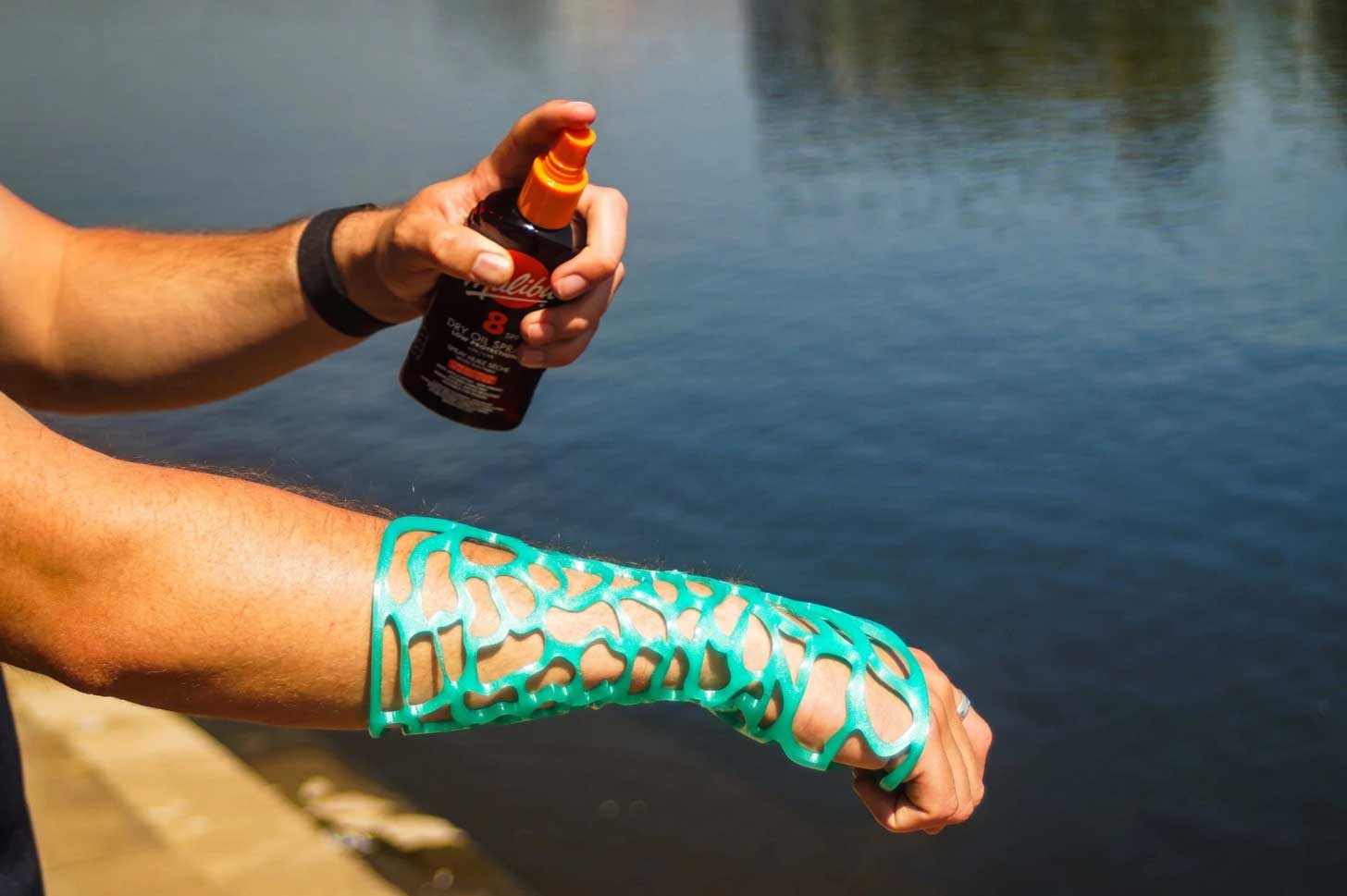
The Morphopaedics design also includes micro-adjustable fasteners to adapt to swelling and anatomical variation, and can be applied or removed without special tools or saws, making it a safer and more efficient alternative for doctors, too.
Considering his own time in physical therapy, Inglis also ensured that the cast would support technology like TENS and LIPUS, making it easier for patients to retain their strength and improve their mobility even faster, reducing overall recovery times.
“This cast was born out of that empathy,” Inglis told the university, “and a belief that we can do better — both for patients and for the healthcare system.”
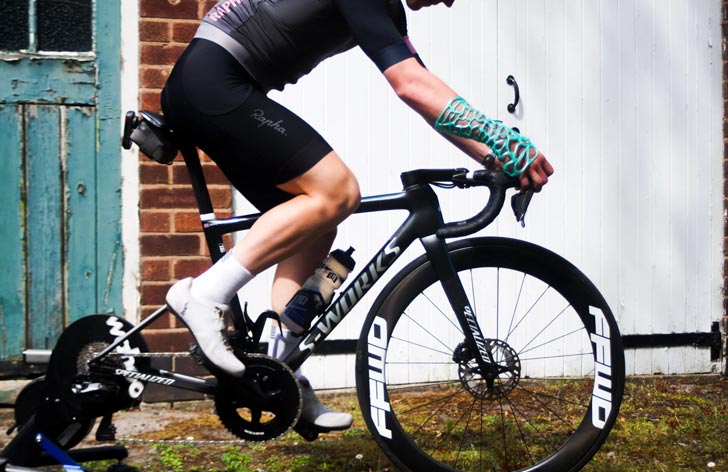
Right now, the cast is only designed for arm fractures and is formed directly onto the patient’s arm by heating it and shaping it properly. The Nylon 66 material is also hypoallergenic and breathable, with smoothed edges, making the wearer significantly more comfortable and reducing the risk of skin irritation.
It’s also fully recyclable.
“There’s a huge opportunity here to modernize a process that hasn’t changed in decades,” Inglis added to the university. “Medical imaging has advanced exponentially — casting hasn’t. I want to change that.”

Inglis has produced and tested a 3D-printed prototype, and future iterations will now be made through injection molding. He is also working on registering the design for trademark and refining the design during his Master’s degree studies.
“Jake has shown how simple design skills can radically modernize the way people are treated for common injuries such as fractures,” Dr. Joseph Stewart, one of Inglis’ professors, said.
“His design would not only lead to greater efficiencies for the NHS, but a better experience for patients, which would help improve their recovery times and overall wellbeing.”
Healthcare professionals have also reportedly shared positive feedback about the prototype, especially its potential to streamline treatment for specialist staff.
“By streamlining application, improving patient comfort, and lowering long-term costs, Morphopaedics not only enhances clinical care but also offers a sustainable, scalable solution that fits seamlessly into existing NHS workflows,” Inglis added on his own website portfolio.
“It’s more than a cast — it’s a step toward smarter, human-centred fracture treatment.”
Header image courtesy of Jake Inglis/Morphopaedics
U.S. state legislatures are where the action is for placing guardrails around artificial intelligence technologies, given the lack of meaningful federal regulation. The resounding defeat in Congress of a proposed moratorium on state-level AI regulation means states are free to continue filling the gap.
Several states have already enacted legislation around the use of AI. All 50 states have introduced various AI-related legislation in 2025.
Four aspects of AI in particular stand out from a regulatory perspective: government use of AI, AI in health care, facial recognition and generative AI.
Government use of AI
The oversight and responsible use of AI are especially critical in the public sector. Predictive AI — AI that performs statistical analysis to make forecasts — has transformed many governmental functions, from determining social services eligibility to making recommendations on criminal justice sentencing and parole.
But the widespread use of algorithmic decision-making could have major hidden costs. Potential algorithmic harms posed by AI systems used for government services include racial and gender biases.
Recognizing the potential for algorithmic harms, state legislatures have introduced bills focused on public sector use of AI, with emphasis on transparency, consumer protections, and recognizing risks of AI deployment.
Several states have required AI developers to disclose risks posed by their systems. The Colorado Artificial Intelligence Act includes transparency and disclosure requirements for developers of AI systems involved in making consequential decisions, as well as for those who deploy them.
Montana’s new “Right to Compute” law sets requirements that AI developers adopt risk management frameworks — methods for addressing security and privacy in the development process — for AI systems involved in critical infrastructure.
Some states have established bodies that provide oversight and regulatory authority, such as those specified in New York’s SB 8755 bill.
AI in health care
In the first half of 2025, 34 states introduced over 250 AI-related health bills. The bills generally fall into four categories: disclosure requirements, consumer protection, insurers’ use of AI, and clinicians’ use of AI.
Bills about transparency define requirements for information that AI system developers and organizations that deploy the systems disclose.
Consumer protection bills aim to keep AI systems from unfairly discriminating against some people and ensure that users of the systems have a way to contest decisions made using the technology.
Bills covering insurers provide oversight of the payers’ use of AI to make decisions about health care approvals and payments. And bills about clinical uses of AI regulate the use of the technology in diagnosing and treating patients.
Facial recognition and surveillance
In the U.S., a long-standing legal doctrine that applies to privacy protection issues, including facial surveillance, is to protect individual autonomy against interference from the government. In this context, facial recognition technologies pose significant privacy challenges as well as risks from potential biases.
Facial recognition software, commonly used in predictive policing and national security, has exhibited biases against people of color and consequently is often considered a threat to civil liberties.
A pathbreaking study by computer scientists Joy Buolamwini and Timnit Gebru found that facial recognition software poses significant challenges for Black people and other historically disadvantaged minorities. Facial recognition software was less likely to correctly identify darker faces.
Bias also creeps into the data used to train these algorithms, for example, when the composition of teams that guide the development of such facial recognition software lack diversity.
By the end of 2024, 15 states in the U.S. had enacted laws to limit the potential harms from facial recognition. Some elements of state-level regulations are requirements on vendors to publish bias test reports and data management practices, as well as the need for human review in the use of these technologies.
Generative AI and foundation models
The widespread use of generative AI has also prompted concerns from lawmakers in many states.
Utah’s Artificial Intelligence Policy Act requires individuals and organizations to clearly disclose when they’re using generative AI systems to interact with someone when that person asks if AI is being used, though the legislature subsequently narrowed the scope to interactions that could involve dispensing advice or collecting sensitive information.
Last year, California passed AB 2013, a generative AI law that requires developers to post information on their websites about the data used to train their AI systems, including foundation models. Foundation models are any AI model that is trained on extremely large datasets and that can be adapted to a wide range of tasks without additional training.
AI developers have typically not been forthcoming about the training data they use. Such legislation could help copyright owners of content used in training AI overcome the lack of transparency.
Trying to fill the gap
In the absence of a comprehensive federal legislative framework, states have tried to address the gap by moving forward with their own legislative efforts. While such a patchwork of laws may complicate AI developers’ compliance efforts, I believe that states can provide important and needed oversight on privacy, civil rights and consumer protections.
Meanwhile, the Trump administration announced its AI Action Plan on July 23, 2025. The plan says “The Federal government should not allow AI-related Federal funding to be directed toward states with burdensome AI regulations … ”
The move could hinder state efforts to regulate AI if states have to weigh regulations that might run afoul of the administration’s definition of burdensome against needed federal funding for AI.
This article was written by Anjana Susarla from Michigan State University, and was originally published on The Conversation.
Header Image by Caleb Perez on Unsplash

The Southeastern Pennsylvania Transportation Authority piloted a new enforcement tool in Philadelphia in 2023: AI-powered cameras mounted on seven of its buses. The results were immediate and dramatic: In just 70 days, the cameras flagged over 36,000 cars blocking bus lanes.
The results of the pilot gave the transportation authority, also called SEPTA, valuable data into bus route obstruction and insights into the role of technology to combat these problems.
In May 2025, SEPTA and the Philadelphia Parking Authority officially launched the program citywide.
More than 150 buses and 38 trolleys across the city are fitted with similar artificial intelligence systems that scan license plates for possible violations. The system uses AI-powered cameras that use computer vision technology to spot vehicles blocking bus lanes and scan license plates to identify the vehicles breaking the rules.
If the system flags a possible infraction, a human reviewer confirms it before a fine is issued: US$76 in Center City, $51 elsewhere.
This rollout comes as SEPTA faces a $213 million budget shortfall, with imminent service cuts and fare hikes.
I’m a professor of information systems and the academic director of LeBow College of Business’s Center for Applied AI and Business Analytics at Drexel University. The center’s research focuses on how organizations use AI, and what that means for trust, fairness, and accountability.
In a recent survey the center conducted with 454 business leaders from industries including technology, finance, health care, manufacturing and government, we found that the use of AI is often rolled out faster than the governance needed to make sure it works fairly and transparently.
That gap between efficiency and oversight is especially common in public-sector organizations, according to our survey.
That’s why I believe it’s important for SEPTA to manage its AI enforcement system carefully to earn public trust while minimizing risks.
Fairness and transparency
When cars block a bus lane, they clog traffic. The resulting delays can mess up a person’s day, causing missed connections or making riders late for work. That can leave riders with the feeling they can’t rely on the transit system.
So, if AI enforcement helps keep those lanes clear, it’s a win. Buses move faster, and commutes are quicker.
But here’s the issue: Good intentions don’t work if the system feels unfair or untrustworthy.
Our survey also found that more than 70% of the surveyed organizations don’t fully trust their own data. In the context of public enforcement, whether it’s transit agencies or parking authorities, that’s a warning sign.
Without trustworthy data, AI-powered ticketing can turn efficiency into costly mistakes, such as wrongly issued citations that must be refunded, lost staff time correcting errors, and even legal challenges.
Public confidence matters here because people are most likely to follow the rules and accept penalties when they see the process as accurate and transparent.
Furthermore, this finding from our survey really caught my attention: Only 28% of organizations report having a well-established AI governance model in place. Governance models are the guardrails that keep AI systems trustworthy and aligned with human values.
That’s troubling enough when private companies are using AI. But when a public agency like SEPTA looks at a driver’s license plate and sends the driver a ticket, the stakes are higher. Public enforcement carries legal authority and demands a higher level of fairness and transparency.
The AI label effect
One may ask, “Isn’t this ticketing system just like red-light or speed cameras?”
Technically, yes. The system detects rule-breaking, and a human reviews the evidence before a citation is issued.
But simply labeling the technology as AI can transform how it’s perceived. This is known as the framing effect.
Just calling something AI-driven can make people trust it less. Research has shown, whether a system is grading papers or hiring workers, that the exact same process draws more skepticism when AI is mentioned than when it isn’t. People hear “AI” and assume the machine is making judgment calls, so they start looking for flaws. Even if they think that AI is accurate, the trust gap never closes.
That perception means public agencies need to align AI-based enforcement with transparency, visible safeguards, and easy ways to challenge mistakes. These measures increase trust in AI-based enforcement.
We’ve seen what can go wrong, and how quickly trust can erode, when an AI-based enforcement system malfunctions.
In late 2024, AI cameras on Metropolitan Transportation Authority buses in New York City wrongly issued thousands of parking tickets, including nearly 900 cases where the drivers had actually followed the rules and parked legally.
Even if such errors are rare, they can damage public confidence in the system.
Build trust into the system
The Organization for Economic Cooperation and Development, the international body setting AI policy standards across dozens of countries, has found that people are most likely to accept AI-driven decisions when they understand how those decisions are made and have a clear, accessible way to challenge mistakes.
In short, AI enforcement tools should work for people, not just on them. For SEPTA, that could mean the following:
- Publishing clear bus-lane rules and any exceptions, so people know what’s allowed.
- Explaining safeguards, like the fact that every bus-camera violation is reviewed by Philadelphia Parking Authority staff before a ticket is issued.
- Offering a straightforward appeals process with management review and a right to appeal.
- Sharing enforcement data, such as how many violations and appeals are processed.
These steps signal that the system is fair and accountable, helping shift it from feeling like a ticketing machine into a public service that people can trust.
This article was written by Murugan Anandarajan from Drexel University, and was originally published on The Conversation.
Header Image by Han Zheng via Wikimedia Commons, CC BY-SA

When eating out at a restaurant, it’s not unusual to be greeted by a teenage hostess or served by a waiter who’s juggling college applications between shifts.
In fact, restaurants are the largest employer of teenagers. According to the U.S. Bureau of Labor Statistics, the restaurant industry employs 33% of working teens aged 16 to 19 years old.
But in Hudson, Wisconsin, the Urban Olive & Vine doesn’t just make a habit of hiring teens — they make a point of it.
For years, owners Chad and Carol Trainor have exclusively hired teenagers and supported them as they transitioned on to other opportunities.
“It was at a time when it wasn’t real easy to get a job, and Chad was the one who took me in and saw potential in me,” former employee Reid Filiatreaux told local news station KSTP news.
“There’s no one else in town, no one else in town who would hire as many high schoolers as he does,” he continued. “He goes out of [the] way to train them, to build them up.”
In early August, KARE 11 reporter Boyd Huppert stopped by to see the teens in action.
“Right now, we’re up to 30,” Chad told the Hudson outlet.
He did a quick head count to confirm.
“Yeah,” he said proudly, “30 teenagers.”
Chad went on to say that hiring ages range from “14 to 18.”
“They soak up information, they want to learn, they want to do well,” Chad reasoned.
But when Carol suddenly experienced a grand mal seizure in September 2023, everything changed for the couple. She spent the next eight months at the MHealth Fairview hospital in Minneapolis — largely in a coma — as Chad rarely left her side.
Early on, Chad considered shuttering the business completely. But their young employees didn’t let him consider it for long.
“I didn't ask one teenager to do anything extra,” Chad said. “They just did it.”
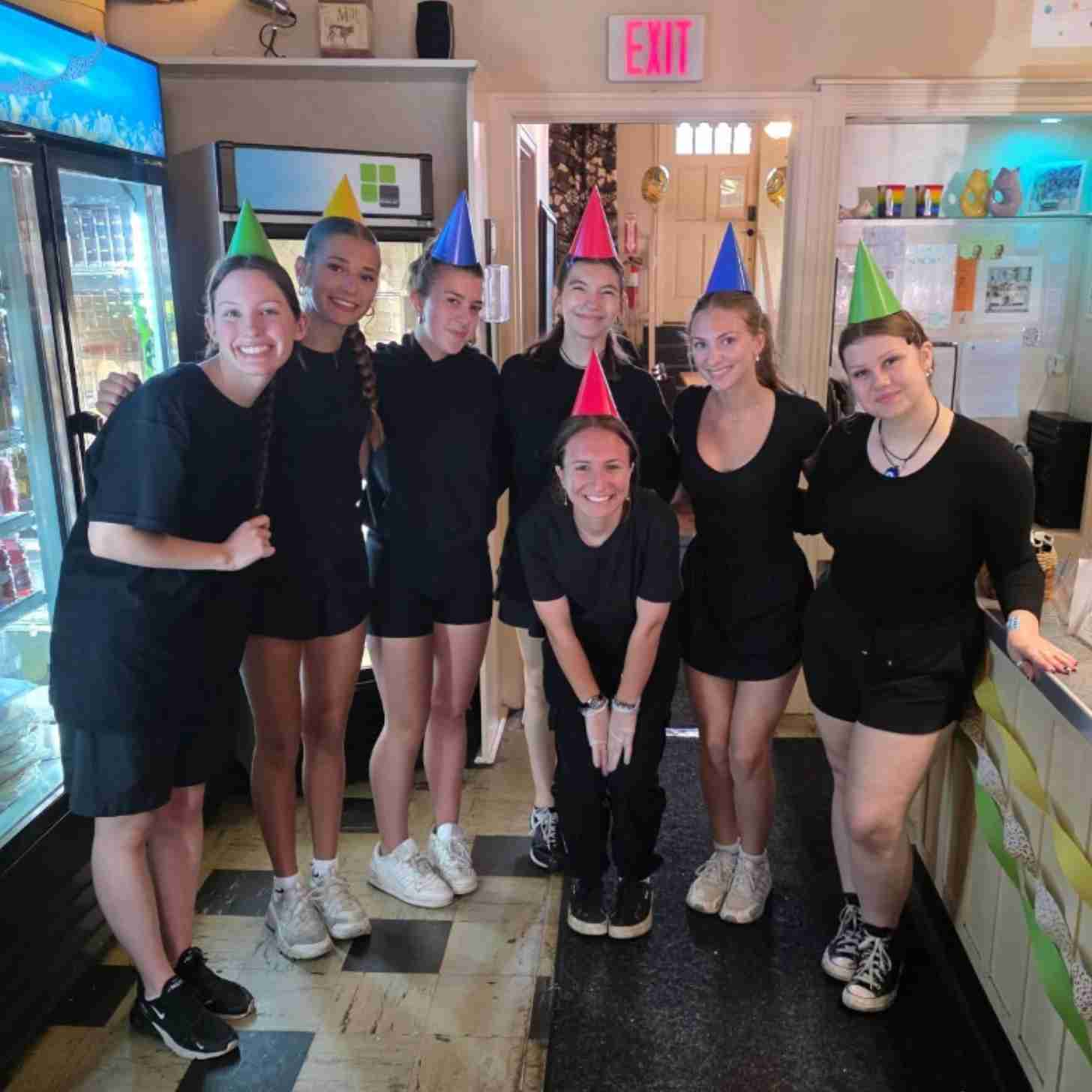
Before his days started by Carol’s side, Chad continued coming to the restaurant at the crack of dawn to work out weekly schedules. But the rest, he said, he had to turn over to the teens.
During those eight months, their employees came in early for opening, stayed late to close, watered Carol’s plants, and checked inboxes for monthly bills.
From high school sports games to local pageants, 18-year-old Lilly Benzer said that the Trainors were always in the crowd to support their staff.
“It's a family here,” Benzer said.
“Carol always offered help with school homework and just life in general,” Her 15-year-old coworker, Joe Stephenson, chimed in.
“It's almost unfair for it not to be reciprocated back to them,” Benzer said.
Sadly, Carol never clocked back into her beloved business.
“We didn't know it at the time; my wife was dying, and they just thought they were helping out because she needed help, they needed things covered until she came back,” Chad said, tearing up.
On May 5, Carol passed away at the age of 58. After its doors had stayed open for eight months straight, the restaurant briefly closed so that the employees — all 30 of them — could pay their respects.

“She was just a really amazing person,” Benzer said, her voice torn with emotion, as her coworker Acacia Kunkle gave her a reassuring hug.
Chad believes that without his staff, he wouldn’t have had a business to return to.
“Without them, the restaurant would not exist,” Chad says. “These kids became adults and ran our business and took care of me.”
You may also like: Small business tipped $50,000 in cash after owner donates 1,000 shawarmas to families in need
Header image via Urban Olive & Vine / Facebook
In 2024, the state of Washington had the third-highest population of people experiencing homelessness in the United States, just behind California and New York.
Homelessness has been on the rise across the country, and Washington certainly reflects that growing trend, with records pointing to a 12.5% increase in people experiencing homelessness between 2023 and 2024.
A majority of the state’s homeless population is concentrated in King County, which includes Seattle. The area reported more than 16,000 people experiencing homelessness last year.
Since the city has seen success with tiny home communities in various neighborhoods, it has decided to invest even further in the initiative, which experts call “a silver bullet.”
The King County Regional Homelessness Authority has invested about $6 million in tiny home solutions in the city, with two new villages planned to open this fall. They will add more than 100 units to the city’s shelter system.

Low Income Housing Institute is the organization behind these two new villages, which will be located across two different locations in the city.
The first, which will be located in the Olympic Hills neighborhood, will have about 44 tiny houses. The second, which does not have a specific location just yet, will be located closer to downtown Seattle, with room for 60 tiny houses.
Both villages will have security, hygiene setups, storage, and laundry, as well as a myriad of support services by trained staff.
“Being able to have your own space and have some quiet time to stabilize and to focus on your next steps are important,” Lisa Edge, spokesperson for the Regional Homelessness Authority, told the Seattle Times. “Overall, we see this as a win.”
The folks who will reside in these villages are people referred by the Unified Care Team and its outreach partners, which offer people living outside in tent encampments an opportunity to come indoors with their own space — and a door that closes and locks.

According to the Unified Care Team, shelter referrals like this have led to an 80% reduction in tent encampments from 2022 to 2024. Data from the organization also shows that offering a private and secure space can help encourage people to move indoors, leading to a more stable future.
“Addressing homelessness is a top priority for Seattle,” Mayor Bruce Harrell told the Seattle Times about the new project, “and we’ll continue to invest in proven solutions to help our unhoused neighbors heal and get on a path to permanent housing and long-term stability.”
It also helps that developing these kinds of shelters is an efficient and more cost-effective approach.
“If I was going to build affordable housing, it’ll cost millions and millions of dollars to build,” Low Income Housing Institute CEO Sharon Lee told King 5 News. “And it’ll take three years. A house village can be set up in like four months.”

Lee also added that the nonprofit plans to seek more support from the Seattle City Council to fund six more villages in the future, targeting areas like Chinatown, Little Saigon, and downtown Seattle.
“These two new tiny house villages will serve hundreds of people in the years to come. We are thrilled to find vacant land and aim to establish these villages as quickly as possible,” Lee added in a statement.
“Our goal is to help vulnerable individuals transition from cold, wet tents into heated tiny houses this winter. We thank the city for funding these two new villages.”
You may also like: High school students build tiny houses for homeless neighbors in construction class
Header image via Low Income Housing Institute
In the United States, traffic incidents are a leading cause of death, with an average of 120 people dying every day due to motor vehicle collisions.
On a global scale, a person dies from a road-related accident every 24 seconds.
But Finland’s capital city of Helsinki has pulled off something astonishing — the last recorded traffic-related death was over a year ago, in July 2024.
“A lot of factors contributed to this, but speed limits are one of the most important,” Roni Utriainen, a traffic engineer with the city’s Urban Environment Division, told Yle, a Finnish outlet.
According to Yle, more than half of Helsinki's streets, predominantly in school zones, now have a speed limit of 30 km/h (roughly 18 mph).
That’s 20km/h less than the average 50 years prior.
The traffic engineer went on to explain that motorists, cyclists, and pedestrians share the milestone as a community-wide effort. The more that people choose to walk, bike, and take public transport, the safer the city becomes.
“Public transport in Helsinki is excellent, which reduces car use, and with it, the number of serious accidents,” Utriainen noted.
Traffic-related injuries have also taken a sharp decline. In the past year, there were 277 injuries caused by traffic accidents in Helsinki. In the late 1980s, that annual count totalled over 1,000.

It is difficult to predict whether Finland’s success in Helsinki could be replicated in larger countries like the U.S. (for reference, the entire country is roughly the size of the state of Montana).
However, experts across the globe believe the country’s capital makes for a promising test case.
According to the National Transportation Safety Board, “lowering speed limits can lead to sustained traveling speed reductions and crash reductions in urban areas.”
Lower traffic fatalities is a cause that the European Union has taken to heart. In fact, the EU has a long-term goal of achieving zero traffic fatalities by the year 2050: a campaign called Vision Zero.
“Although the EU has the safest roads in the world, we still have a long way to go to eliminate deaths on our roads,” Adina-Ioana Vălean, the EU Commissioner for Transport, said in a statement when the campaign was announced.
“At the EU level we will endeavor through financing, legislation, and outreach to help deliver the safe system of safer infrastructure, safer vehicles, safer road use, and better post-crash care.”
“But this is a shared responsibility with Member States, the industry, and road users,” Vălean emphasized. “Every death and serious injury on our roads is avoidable.”
Utriainen said that the Vision Zero goal served as a beacon of inspiration for the Finnish capital — and it’s a goal that requires constant oversight.
“For us, it's more about how the goal guides our everyday actions,” Utriainen said. "We aim to assess all our decisions based on their long-term impact.”
You may also like: Finland lowered homelessness by 75% — here's their secret
Header image via Mstyslav Chernov / Wikimedia Commons (CC BY-SA 3.0)
Every day the Good Good Good team collects the best good news in the world and shares it with our community. Here are the highlights for this week!
If you want to get good news in your inbox every day, join the Goodnewsletter — the free daily newsletter designed to leave you feeling hopeful.
The Best Positive News We’re Celebrating This Week —
YouTubers MrBeast and Mark Rober launched the “biggest water campaign in history” to bring clean water to 2 million people
On the heels of two successful crowdfunding campaigns — #TeamTrees, which raised $20 million to plant 20 million trees in 2019; and #TeamSeas, which raised $30 million to remove 30 million pounds of plastic waste from oceans in 2021 — Donaldson and Rober have taken on a new cause: access to clean water.
Bringing together “more than 3,000 of your favorite creators,” the duo is aiming to raise $40 million to bring safe, clean drinking water to 2 million people around the world. The fundraiser kicked off with a $500,000 donation from Shopify, and YouTube is matching the first $2 million raised.
The fundraiser will support the nonprofit WaterAid, which provides clean water, hygiene systems, and dignified toilets to people in need across the globe, with programs in 22 countries.
Why is this good news? While access to clean water and sanitation is already a major and urgent global health issue, climate change is making things worse, with more extreme droughts drying up and floods contaminating water sources.
New study: Strengthening collective labor rights can help reduce economic inequality
→ Read more
After California expanded its paid family leave benefits, more people started using them
A new state law went into effect in January that increased paid family leave payments for parents in California. As a result, claims were up about 16% in the first half of 2025 compared to the same time period last year.
Before the expansion, most workers could receive up to 60% of their income when they took time off to care for a new baby. Now, workers making less than $63,000 a year can get up to 90% of their pay, and workers making more than that can get 70%.
The new legislation was to allow more families to take leave, especially low-income workers, and that seems to have worked. Claims for people making under $60,000 were up 17%.
→ Read more
A guaranteed income program helps formerly incarcerated parents find stability and rebuild relationships with their children
At the onset of the COVID-19 pandemic, the Center for Employment Opportunities’ Returning Citizens Stimulus program provided more than 10,000 formerly incarcerated people across 28 cities with monthly payments of up to $2,570.
Five years later, an assessment showed that even temporary, short-term cash assistance payments can lead to benefits like reducing parole violations, which often lead to reincarceration.
The program was particularly beneficial for parents: with recipients saying it helped them take the steps needed (like finding a home) to reconnect with their children after they were released.
Why is this good news? An estimated 80% of incarcerated women are mothers, and about 58% of them have children under 18 years old. Because of the cost of prison and jail phone calls, and challenges with in-person visits (women are incarcerated an average of more than 2 hours’ driving distance from their families), staying connected while incarcerated is difficult.
While that also needs to change, providing this kind of support upon release helps families reconnect and helps end recidivism.
→ Read more
Local bookseller donates proceeds of Republican senator’s book to immigrants: ‘We stand with our community’
→ Read more
Students in Denver are transforming a school lawn into a sustainable landscape that will dramatically reduce water use
The Neighborhood Resilience Corps’ Summer Climate Adaptation Academy is a summer program that provides both climate science education and hands-on experience in learning sustainable landscaping techniques.
And instead of sleeping in this summer, 13 teenagers from a local high school converted 2,500 square feet of Kentucky bluegrass into a “water-wise” landscape that includes 70 drought-tolerant plants.
This landscaping approach reduces water consumption by about 60% compared to traditional grass lawns, and trees help cool the surrounding area by up to 10 degrees.
Missouri is building a nearly 300-mile-long butterfly trail to attract monarchs and tourism
Passing through 12 counties in western Missouri, the state is building a 26-mile-wide, 292-mile-long corridor in what will become the Highway 13 Butterfly Trail.
The initiative is focused both on pollinator conservation, particularly for monarch butterflies, and on helping boost local economies by creating plantings and tourist attractions.
Led by a community alliance, the trail will feature gardens, art installations, educational centers, and research facilities.
Why is this good news? The monarch butterfly is proposed to be listed as a threatened species under the Endangered Species Act, and initiatives like this will help conserve and revive local populations.
It’s also good for business: a report found that nearly 25% of tourists to the state visit for outdoor activities, including ecotourism. Good for people, good for the planet.
→ Read more
This abandoned office building was transformed into a floating bookstore — and you’ll never want to leave
The IEA says renewable energy sources will overtake coal to be the world’s top power source ‘by 2026 at the latest’
Driven by the exponential growth of wind and solar power, the International Energy Agency is now predicting that renewable energy sources will officially overtake coal and become the top source of electricity by 2026 — if not sooner.
Depending on weather-related impacts on output, renewables could surpass coal as soon as this year.
Wind and solar together are projected to make up 17% of the share of global electricity generation this year, up from 1% in 2005 and 4% in 2015.
→ Read more
Illinois is the first U.S. state to provide free mental health screenings for students in 3rd through 12th grade
A new law in Illinois will require all public schools to offer third- through 12th-grade students a free, optional mental health screening once a year. Similar to vision or hearing screenings, the assessment will help “provide early identification and intervention” so students “can get help they need as soon as possible.”
One high school student, 17-year-old Abhinav Anne, had long been advocating for the law to prioritize and support students’ mental health after experiencing a crisis of his own.
The screenings will begin next school year, and the state’s Board of Education has one year to provide schools with guidance and policy on how to use the screening tools.
Why is this good news? Students deserve to have mental health support before they reach the point of a crisis — early detection and intervention tools like mental health screenings help do that. And now, the state of Illinois is making them even more accessible.
→ Read more
LA contest challenges 350 designers to create cutting-edge affordable housing — and the winners will actually be built
→ Read more
A Los Angeles librarian brings books and resources to unhoused people on Skid Row
Local libraries have it all — but only one has Amanda Mellor, an adult librarian at Los Angeles Public Library who doubles as the Persons Experiencing Homelessness Outreach Librarian. In this role, she goes out into the community and “connects people who are experiencing homelessness, or other life instabilities, with library resources.”
Whether that’s signing up for a library card or developing on-site programs for those more hesitant to visit the library in person, Mellor’s outreach approach brings the library’s resources to them.
And her work is being recognized nationally. Earlier this year, she was named to the Library Journal’s 2025 “Movers & Shakers” list, which honors 50 librarians who serve as advocates, community builders, educators, and innovators across the country’s library systems.
→ Read more
A student-run birth control delivery network was banned on campus, but members found a way to keep helping
DePaul University in Chicago has long banned the distribution of birth control on campus. But a group of students, the “Womb Service,” has kept up a contraceptive delivery network for classmates at off-campus locations for the past three years.
Their service confidentially provides students with supplies like condoms, emergency contraception, pregnancy tests, and more. They receive about 25 orders a week. They also host mini education sessions about sexual health and wellness — something group members quickly realized a lot of people did not have.
Recently, the university revoked its status as a student organization, meaning they couldn’t meet or advertise on campus, making it more difficult to reach people who need the resources they provide — both education and contraception — and recruit more people to help, but they’re committed to continuing to support students.
Why is this good news? Everyone deserves access to reproductive health care, and that includes contraception. College-age students are the most vulnerable to unintended pregnancy, which can prevent them from completing their degree — derailing their entire life, especially for those from lower-income families.
A colorful affordable housing complex looks like it came straight from a Wes Anderson movie
In what’s perhaps the biggest animal welfare victory of the 21st century, global fur production has collapsed
In 2014, more than 140 million minks, foxes, and other animals around the world were farmed and killed for their fur. Just a decade later, that number dropped dramatically to 20.5 million.
Pressure on major fashion brands to stop selling fur and on lawmakers to ban the production and sale of fur were instrumental in bringing about this rapid decline. It also demonstrates a shift in public perception of owning or wearing fur products.
While there are other animal welfare concerns that remain, largely in meat production, the decline of fur production reminds us that progress is possible.
→ Read more (Note: May require login)
More good news of the week —
A team of dentists provides free care for hundreds of homeless patients every year — with a new grant, they’ll help even more. In addition to the pain and lack of confidence that come from tooth loss, without access to dental care, people can also lose the ability to eat solid food, may suffer from pain and chronic disease caused by poor dental health, and others may struggle to find work.
Online bookselling platform Bookshop.org saw 65% growth in the first six months of 2025. The Amazon alternative now works with 2,471 independent booksellers, distributing 10% of all non-affiliate profits to them twice a year. In July, each eligible bookstore partner received at least $744.27.
A Kentucky public library is hosting a free supply store to provide gently used items to help teachers prepare for the new school year. Teachers can not only browse gently-used classroom and art supplies, chapter books, and more, but they can also use a large poster printer, Cricut machine, sticker printer, 3D printer, heat press, and more at two library branches.
A Sri Lankan court ordered the owners of a shipping container to pay $1 billion in marine pollution compensation. A Singapore-flagged container ship, which was carrying chemicals, sank near Sri Lanka’s capital in 2021, causing the most severe marine environmental catastrophe in the country’s history.
Ethiopia launched a national tree-planting campaign to plant 700 million trees in a single day. While it wasn’t possible to verify if they’d achieved their goal — part of a larger conservation effort to plant 50 billion trees by 2026 — around 6 a.m. local time, 355 million seedlings had already been planted by 14.9 million Ethiopians.
Volunteers in South Carolina are building and installing hundreds of manufactured reefs to restore Kiawah Island’s coastline. One of the area’s “most critical ecosystems,” the watershed marsh provides a buffer to storm surges and increased tides, a habitat for marine life, and water filtration.
Thanks to lower speed limits and smarter design, the capital of Finland went an entire year without a single traffic death. Street design for pedestrian and cycling infrastructure has been significantly upgraded in recent years, as well as cooperation with traffic police has intensified and more traffic cameras and automated enforcement systems have been introduced.
A way to give back to the community and serve a greater purpose, a restaurant in Texas has given away 15,000 free meals. Korea House in North Austin has been around for nearly 40 years, and since 2023, has provided a free meal to anyone who walks through its doors on the first Wednesday of every month.
The Long Beach Public Library is opening its e-book library so teens from other states can read banned books. In 2024, the American Library Association recorded challenges to 2,452 different books across the country, with the majority of those challenges coming from organized movements, many targeting sexual or LGBTQ+ content.
To help mitigate the rising cost of living, Australia wiped more than $10 billion in student loan debt for 3 million people. Under the plan, student loans would be reduced by one-fifth, meaning university graduates with an average loan of A$27,600 would have A$5,520 wiped, helping “take a weight” off the backs of young people in the country.
To tackle record-breaking levels of infections, the U.K. is rolling out gonorrhea vaccines in sexual health clinics across the country. The NHS predicts its world-first rollout could prevent as many as 100,000 cases and potentially save it nearly £8m over the next decade.
A soccer team in Vermont is the first in the U.S. to make climate action a central tenet of its business plan. Vermont Green FC’s approach is inspired by that of England’s Forest Green Rovers, which in 2018 became the first U.N.-certified carbon-neutral football club.
The Gates Foundation pledged $2.5 billion to “ignored, underfunded” women’s health. One of the largest recent commitments as part of Bill Gates’ plan to give away his fortune by 2045, this funding will address long-neglected conditions like endometriosis and menopause, fund research, product development, and equitable access globally.
As more people aged 45-49 are getting screened for colon cancer, more early stage diagnoses are being made. The recommended age to begin colorectal screening was lowered from 50 to 45 by the American Cancer Society, and earlier detection means it’s very likely to be curable.
Nigeria seized more than 1,600 exotic birds in one of the biggest wildlife trafficking busts in years. Nigerian customs said an investigation to find those responsible for the illicit cargo is ongoing, and that the birds will be handed to the National Parks Service for rehabilitation and release into the wild.
Volunteers are helping reunite people with items lost in the Texas floods. First responders, volunteers, and good Samaritans have spread out across the region to help reunite Texans with the cherished belongings, family heirlooms, and everyday household knick-knacks.
A Taiwanese company is building a “vacuum cleaner for the ocean” that uses AI to detect and remove plastic waste. CircularBlue is a marine debris cleanup initiative that’s “designed to intercept and process ocean waste along coastlines, the areas where 80% of this trash ends up.”
A philanthropist gave 500 free bikes to youth in Milwaukee to help them bike to school and around their community. Eric “Shake” James realized there was a lack of bikes in Milwaukee’s underserved communities, so he launched an annual bike giveaway called “Black on the Block” — every year, the number of bikes he’s given away has increased by 100.
Ghana launched an AMBER alert system to help locate missing or abducted children. The system was launched in collaboration with Meta, which will display all the necessary information about the missing child, like a photo description, location of the abduction, and other relevant and available information to aid in immediately identifying the missing child.
Italy’s constitutional court ruled that a nonbiological mother in a same-sex union is entitled to parental leave. The second ruling in as many months celebrated by LGBTQ+ activists, the court said that the child’s interest in having time with both parents, as well as the parents’ responsibilities, didn’t depend on their sexual orientation.
About 30 years ago, David Schapiro began what has become a lifelong duty of donating blood.
When he was a young man in the United States Navy, the now-62-year-old bus driver in Portland, Oregon, would visit a local donation center with his friends in the service, and then go out for a beer.
Once he moved to Oregon, he kept up the tradition for nearly three more decades.
This weekend, he celebrated the donation of his 100th gallon of platelets to the American Red Cross, enough to save over 400 lives.

He has donated about every two weeks for about 30 years. The maximum a person is allowed to donate is 24 times a year — so that’s what he did.
“If you were to take a 100-gallon fish tank and fill that up with product, I mean, that’s a large fish tank,” Schapiro told KOIN News.
“It’s not so much what I’ve given. It’s the fact that there are 400 people out there that it could have saved.”
Platelet donation is a bit different from regular blood donation. Whole blood, the most flexible and common type of blood donated to the Red Cross, contains red and white blood cells, along with platelets, all suspended in plasma.
At first, Schapiro didn’t know that just donating platelets was an option.
But once someone at the Red Cross explained that platelets are often used for cancer patients, it struck a chord.
“I have a sister who has had cancer three times,” Shapiro said, adding that it was “a little personal” for him.

Plus, people who donate platelets can save up to four people in need — two adults or four babies per donation — whereas whole blood only helps one person. So, with Schapiro’s 100 gallons — or 800 pounds — of donated material, an estimated 400 lives have been impacted.
His wife has also joined him on this journey, visiting the donation center every two weeks to do their part. Together, they share the mantra: “Because I can.”
“I know there are some people who do it for money — and to each his own — but I’ve always felt, if you can help, you should help,” Schapiro said.
“I’m fortunate enough where I can help somebody and I can save possibly two to four people. And I don’t need the money, so I would do it regardless if they paid me or not. I just choose to volunteer.”
At his latest donation, he brought in his own cake to celebrate. And then the phlebotomists surprised him with one, too. They had plenty of time to celebrate, as platelet donation can take two to three hours to complete.

“Basically you sit there, you get put in a big chair, there’s a machine next to you, they take the blood out,” Schapiro explained to KOIN.
“It’s put in basically a centrifuge, they spit it, they separate all the products from it and then they give you your blood back. Then they start the whole process over and over and over again until they get what they need.”
It’s a small price to pay for such a massive impact.
“Just do it,” he issued as a call to action for anyone considering donating to the Red Cross.
“There’s no reason not to. It’s two-and-a-half hours of your life. Everybody has time in their week or month where they’re doing nothing, that they’re sitting watching TV, reading a book, doing literally nothing. If you have that time, spend that two-and-a-half hours saving a life.”
Anyone interested in donating platelets — or whole blood or plasma — to the Red Cross can easily make an appointment online by entering their zip code.
And if you’re based in the Portland, Oregon area, you might just see Schapiro there, too. He has no intention to stop any time soon.
“If we stay on pace – because I’m 62 going on 63 – I might have to be 95 before I make it to 200 [gallons],” he told KOIN.
“But I have a new goal.”
Header image courtesy of the American Red Cross
A long-running agricultural show in Harrogate, England, just broke new records — all thanks to the popularity of their prized cheeses.
The Great Yorkshire Show was first held in 1837 in North Yorkshire as a way for farmers across the country to exhibit livestock and trade goods.
Traditionally, the Great Yorkshire Show caps off the festivities with a cheese and dairy auction, in which judges rate selected cheese and dairy products and visitors place bids on their favorites.
In recent years, the proceeds from the cheese auction have gone to local charities. From 2014 to 2024, the cheese auction garnered over £50,000 ($67,155.75 USD) for Herriot Hospice Homecare, The Samaritan’s Regional Rural Initiative, Addington Fund, and Yorkshire Air Ambulance.
Last year’s funds went to Royal Agricultural Benevolent Institution , a charity that works to reduce poverty and hardship in farming families across England.
Caroline Bell, who has served as chief steward of the Great Yorkshire Show’s cheese and dairy section for five years, said the cheese auction “is always a highlight” of the agricultural showcase.
“It really is our visitors who make it such a big success,” Bell said in a press release last summer. “The auctioneers do such a brilliant job and it’s amazing to have raised over £8,500 for RABI and their invaluable work.”
This July, the Great Yorkshire Show’s bids increased by 47%, with the cheese auction raising a whopping £12,502 ($16,786.84 USD) in bids — the highest amount raised in the auction’s history.
“We’re incredibly grateful to our generous cheesemakers for donating their award-winning cheeses, and to our brilliant auctioneers who bring such energy to the event,” Bell told Hull Live. “A heartfelt thank you as well to the public who joined in with such enthusiasm.”

The proceeds will be split between two charities: The Samaritan’s Regional Rural Initiative and Yorkshire Air Ambulance.
“What a brilliant result! I am delighted that the cheese auction continues to be such a great success and for two great charities,” said show director Rachel Coates.
“Samaritans have gone to great efforts over recent years to promote their freephone helpline to the farming community, while the Yorkshire Air Ambulance is another lifeline service which you hope you never have to use, but which is hugely appreciated by rural communities for their rapid response to emergency situations in difficult to reach locations.”
The winning cheeses included Snowdonia’s Black Bomber Cheddar, Barncliffe Brie, and Wensleydale cheese (a favorite in the eyes of British claymation duo Wallace and Gromit).
Coates and Bell said they looked forward to returning next year to raise more donations for people in need.
“It’s a true celebration of the spirit and generosity of our cheese community,” Bell said.
Header image via Nataliya Melnychuk / Unsplash
According to the Stanford Basic Income Lab, universal basic income is a periodic cash payment that is given to individuals unconditionally, requiring no work requirement or sanctions to access.
And as various nonprofits and cities across the country experiment with basic income programs, most have found that the money received is largely used to pay for the basic essentials many Americans struggle to afford.
A new pilot program in Boston, Massachusetts wants to find out if the same trend applies for a specific demographic: young adults facing homelessness.

The program is called BAY-CASH, or Boston Area Youth Cash Assistance for Stable Housing. Their plan is to offer a select group of 15 young adults ages 18 to 24 $1,200 per month for 24 months.
Each month, they will receive two $600 payments, and they will each have access to a one-time drawdown amount of $3,000, used to pay for things like a security deposit, a car repair, a medical expense, or other crisis.
“BAY-CASH is what we call a demonstration program,” the program’s director Matt Aronson told GBH, the local NPR affiliate.
Aronson has been working on developing a model for direct cash transfers to address young adult homelessness since 2017, when he also co-led the development of the City of Boston’s plan to prevent and end homelessness among young adults. Finally, his vision has reached a crucial next step.
“We’re trying to demonstrate to the state of Massachusetts that this kind of programming, a guaranteed-income program with supportive services, should be part of our toolkit that we use to prevent and end homelessness for young adults,” he continued to GBH.
Program participants will also receive two and a half years of supportive services, like a navigator who helps young people identify and access the resources they need, as well as financial coaching.
Aronson added that there is no penalty if a participant doesn’t use them, but they were built into the program based on the services young people asked for.
One of those young people is Deandre (who chose to omit his last name for privacy). Having grown up in Boston, he was out on his own, but after coming on hard times, he found himself involved in a few youth homelessness programs. That’s where he found out about BAY-CASH.
“I heard about … potentially getting cash payments to help with all the necessary things I have to go through on a regular basis,” he told GBH. “I was absolutely ecstatic.”

He told GBH that he plans to use the money to access food, clean clothes, and rent and housing expenses when he eventually has a place of his own again. He also hopes to one day save up to buy a car so he doesn’t have to rely on the city’s bus system.
The flexibility for him to choose how to spend the money is a key component to what Aronson believes is the magic of guaranteed income.
“Current homelessness resources for young adults in Massachusetts are scarce, can be slow to deploy and inflexible, and often lead to inequitable outcomes for historically and systemically oppressed populations,” BAY-CASH shares on its website.
“[We are] trusting that young people know their needs and communities better than anyone else.”
Aronson added that the pilot program will provide the state with more evidence to consider something “a little bit more flexible than what they’ve developed,” and ensure that a budget would be available to enact something similar in other regions of the state.
Right now, the pilot program is being funded by private donors and foundations, along with the city of Cambridge via a one-time cash infusion, and the Massachusetts Executive Office of Health and Human Services.
The hope, Aronson said, is that this program proves its efficacy for the long haul.
“There’s some skepticism around and moralizing why folks are poor, why folks who are experiencing homelessness that causes us to suspect, ‘Oh, they must be wasting their money,’” Aronson said. “Over and over, the evidence is consistent that folks use these to meet their basic needs.”
For Deandre, who has dreams of someday becoming an architect, the program represents something greater.
“Just because we’re experiencing homelessness doesn’t mean it has to be a barrier for us to stop living our lives and that we can’t escape it,” he told GBH.
“With more programs such as BAY-CASH and with more people spreading awareness about the issues that are going on in our community … it’s all about making sure that the next person doesn’t have to experience what you’ve had to experience. It’s about doing what you can to eradicate homelessness, and I think that should be everyone’s ultimate goal.”
Header image courtesy of Alexander Mils on Unsplash
Travel expert Cory Lee has been all over the world. He’s seen the changing of the guard at Buckingham Palace, fed elephants at a sanctuary in Thailand, and attended a traditional tea ceremony in Japan.
But as a wheelchair user, Lee has to constantly advocate for himself as he seeks adventure.
“At the age of 2, I was diagnosed with spinal muscular atrophy, a form of muscular dystrophy,” Lee told Travel + Leisure in January. “It basically means I have overall muscle weakness. By 4 years old, I was not able to walk at all and had to use a power wheelchair full-time.”
His first trip was to Disney World — a vacation that caught him off guard by being surprisingly accessible.
But it was at age 15, when he traveled to the Bahamas, that Lee fell in love with globetrotting.
“That’s when the travel bug really bit me,” Lee said.
Lee emphasizes that his trips have never been seamless. The world at large still has huge blind spots when it comes to accessibility, and Lee’s seen it all, from being trapped underground in the New York subway system to losing a wheelchair charger to an exploding outlet in Munich.
“As a wheelchair user, I’m scared to death every time I travel,” Lee wrote in an Instagram post. “I worry about my wheelchair being damaged by airlines, I worry about needing to use the restroom during flight, I worry about the hotel not being accessible, I worry about getting sick on a trip.”
“But I do it anyway,” he continued. “And because of that, I’ve been able to travel to 49 countries and all seven continents, and I’ve had some pretty remarkable experiences along the way.”
“If you’re scared of getting out there into the world, I get it… but I urge you to give it a try.”
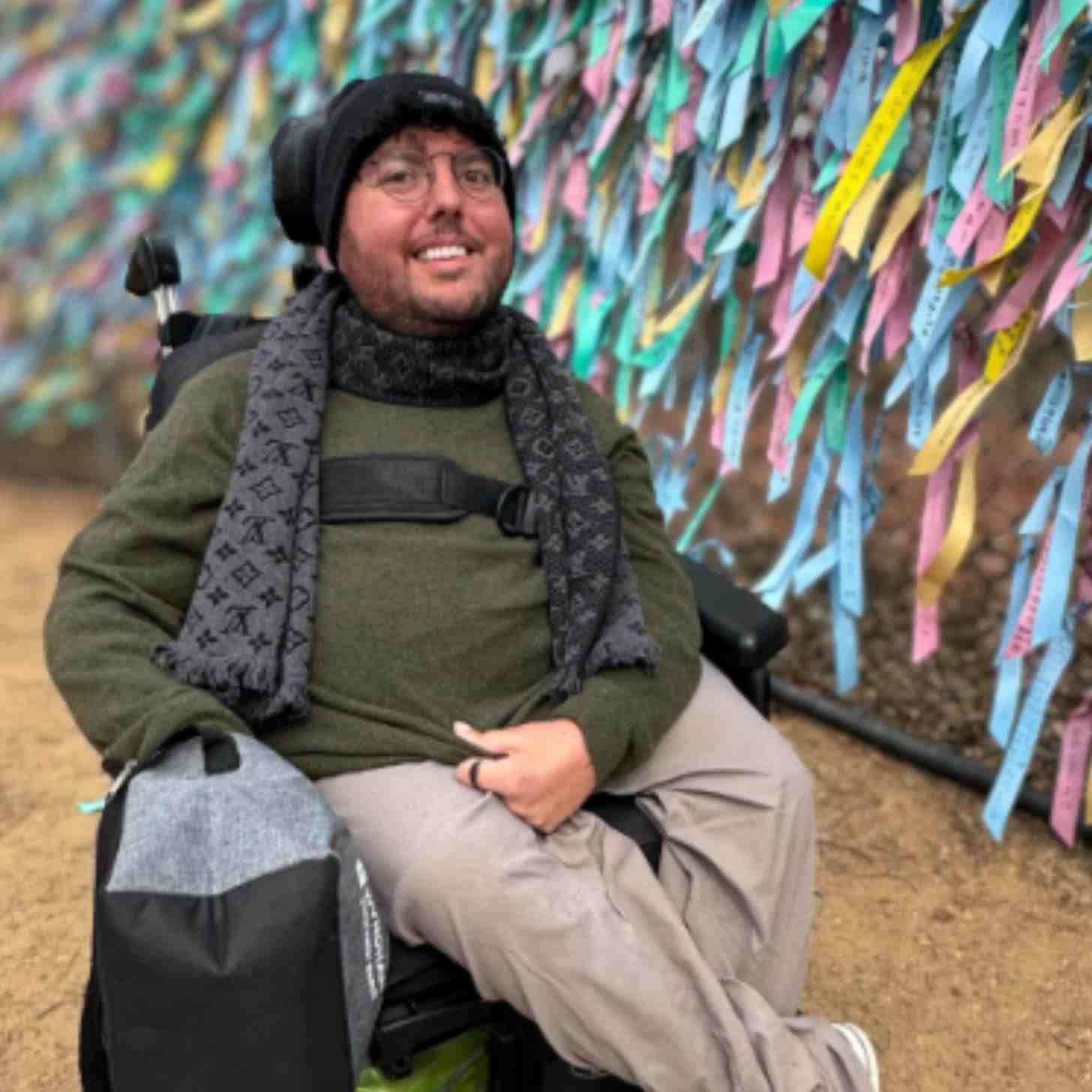
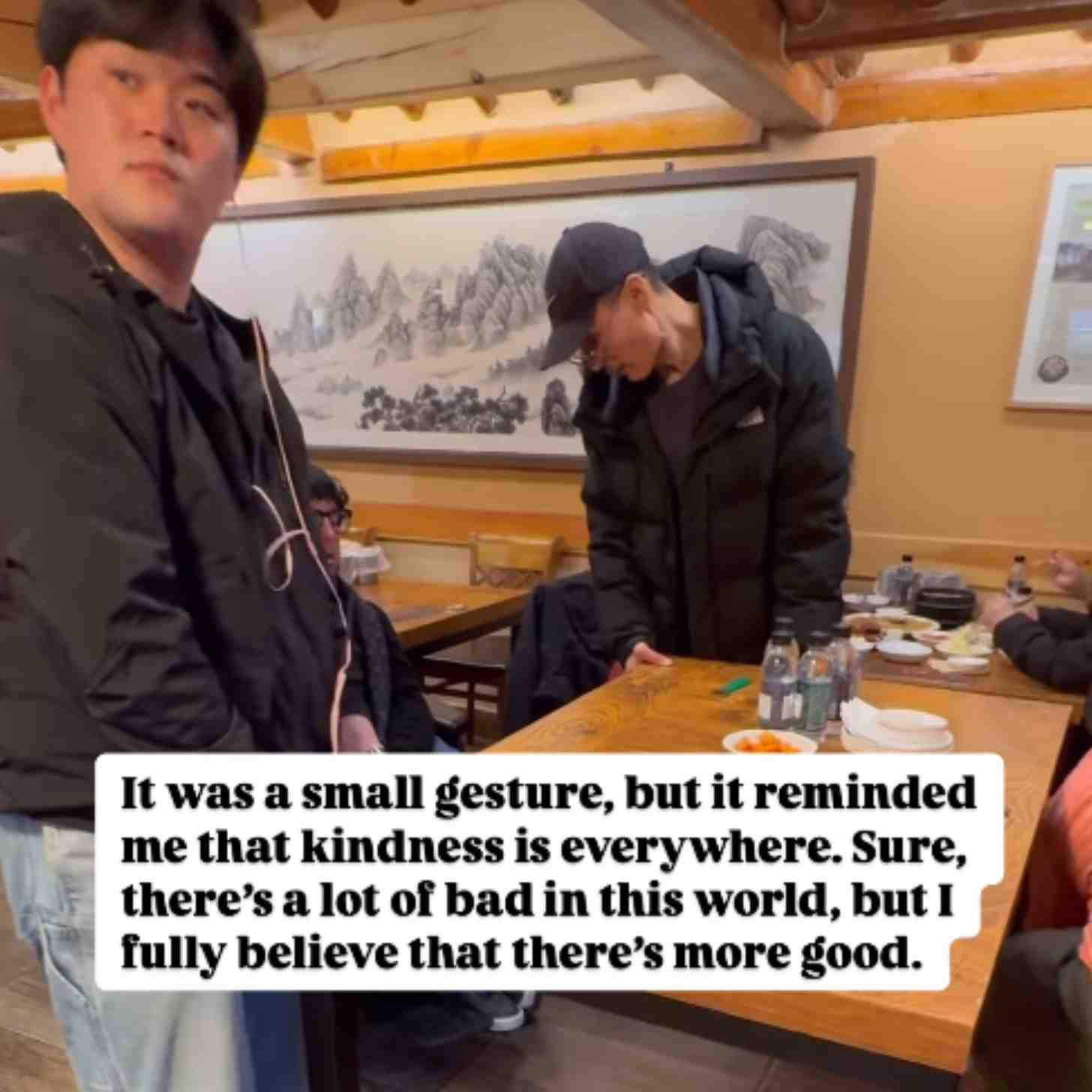
Recently, on a trip to Seoul, South Korea, Lee encountered another problem: The table at his restaurant was too low to eat at.
When the restaurant staff noticed that he was inconvenienced, they stepped into action, finding four cups to place underneath the table’s legs so that they could raise it accordingly.
“It was a small gesture, but it reminded me that kindness is everywhere,” Lee wrote in the video. “Sure, there's a lot of bad in this world, but I fully believe that there's more good.”
He added in the caption: “I love this world and the people in it.”
On his website, Curb Free with Cory Lee, the influencer created a wheelchair accessible travel guide for his full journey in South Korea, from his 123-story view in Lotte World Tower to the “foodie paradise” of Myeongdong.
His travel guides — of which there are many — are just one part of Lee’s larger mission to share information with fellow wheelchair users and inspire them to travel too.
“As a wheelchair user, I can stay at home and be comfortable for the rest of my life,” Lee told Travel + Leisure. “But when you get out there in the world, maybe things don't go as they're supposed to, but you’re gaining so much insight. Travel teaches empathy.”
“I always have to travel with a companion because I do need assistance throughout the flight or going to the restroom or transferring into bed at night or showering,” Lee noted.
“But I love that feeling of being pushed out of my comfort zone and being able to experience something new. The general public of able-bodied people need to see wheelchair users living these amazing lives and traveling around the world, and it will really change perspectives.”
In 2018, Lee started hosting Curb Free group trips, which are funded by his nonprofit: The Curb Free Foundation.
“I wanted to be able to open up the world to those who could otherwise not afford to have these experiences traveling,” Lee said. “So far, we have sent people to Disney World, the Caribbean, and soon Morocco.”
“A few months ago, we even sent an 80-year-old wheelchair user to the beach for the first time in his life,” He continued. “He had just been admitted to a nursing home, but got permission to leave for a week to visit Tybee Island. We've provided some incredible experiences through the foundation, and it's my favorite thing I've ever done.”
You may also like: This app makes it easy to find wheelchair-friendly restaurants & coffee shops (and downvote inaccessible shops)
Header image via ELEVATE / Unsplash
Earlier this year, a survey conducted by PetSmart Charities and Gallup found that 52% of pet owners in the United States have skipped or declined necessary veterinary care for their pets — despite 97% of them considering pets their family.
Veterinary care costs are especially prohibitive to lower-income pet owners, and some vets are even unable to provide care for their patients due to the owner’s economic limitations.
Free pop-up vet clinics have become one solution to this problem.

Last weekend, in Nashville, Brad Paisley and his wife, Kimberly Williams-Paisley, joined the crusade to help area pet owners access free care for their beloved furry friends.
It was their second-ever free vet clinic event, organized through their nonprofit, The Store, where they teamed up with The Companion Project, serving over 200 local pets with any essential care they needed.
From a standard annual checkup and vaccinations to microchipping and nail trims, volunteer vets with The Companion Project were at the service of community members. Attendees were also given a take-home pack with heartworm, flea, and tick medication, as well as pet food vouchers.

“Our model is that we partner with already existing human organizations that are helping people in need, and so then we partner with them to help the pets of those people,” The Companion Project co-founder Dr. Molly Brinkmann, told WSMV News.
Brinkmann went on to share more information on her Instagram story following the event.
“I could cry. Today was so great,” she said to the camera. “We saw even more pets this year than we did last year. We helped so many pets and their people, and I just am so honored that I was surrounded by all these amazing people in vet med who volunteered to do all of that today.”

Last year, Brinkmann was the one who reached out to The Store to see if she could use their platform to help more pets in need. For Williams-Paisley, it was a no-brainer.
“We would do anything for our dogs, and so to be able to partner with the Companion Project and allow our customers to have that same opportunity is really special,” Williams-Paisley told WSMV News.
Williams-Paisley and her country star husband launched their nonprofit in 2020, offering free groceries to those facing food insecurity in Tennessee, with the goal of building a “hunger-free community.”
Since then, they have opened a second location and expanded their services to reach even more needs community members have, including school supply drives, pop-up free toy stores around the holidays, and more.

“Overall health isn’t just about addressing food needs,” Williams-Paisley wrote in a social media post about this year’s clinic. “We love our customers and their beloved pets!”
She added, in an interview with WSMV News, that part of what she loves about doing this work is meeting the people who utilize The Store and its programs and learning their stories.
“People just talking about, they were making a great living and then all of a sudden, a couple of things happened,” she said. “It was a health issue, or someone had an accident, or whatever it was, and suddenly they weren’t able to make payments like they used to. And certainly, they’re not able to care for their animals the way they used to.”
Her husband, Brad Paisley, echoed the sentiment.
“If you can’t feed your family, if you’re having trouble doing that, this is going to fall by the wayside, too,” he said.
“There’s no pride, I think, lost in bringing an animal in for help.”

For Brinkmann, these services mean even more to the animal community at large.
“We want to keep pets out of shelters, which is part of the reason why we want to do this,” she said, “because this is the reason a lot of people relinquish their pets to shelters; they can’t afford veterinary care.”
After the first pop-up vet clinic at The Store, 100 animals received the treatment they needed, and the Paisleys vowed to host it again. After the growth of this second annual event, it’s clear that the need is there.
Fortunately, the support of caring experts is present, too.
“They’re getting the same level of care that they would be if they were in my office paying me to see them,” Brinkmann added to WKRN News. “It’s just really special to just do that and not have to worry about the money.”
Header image courtesy of The Store
This story was originally published by Grist. Sign up for Grist’s weekly newsletter here.
This coverage is made possible through a partnership between Grist and WABE, Atlanta’s NPR station.
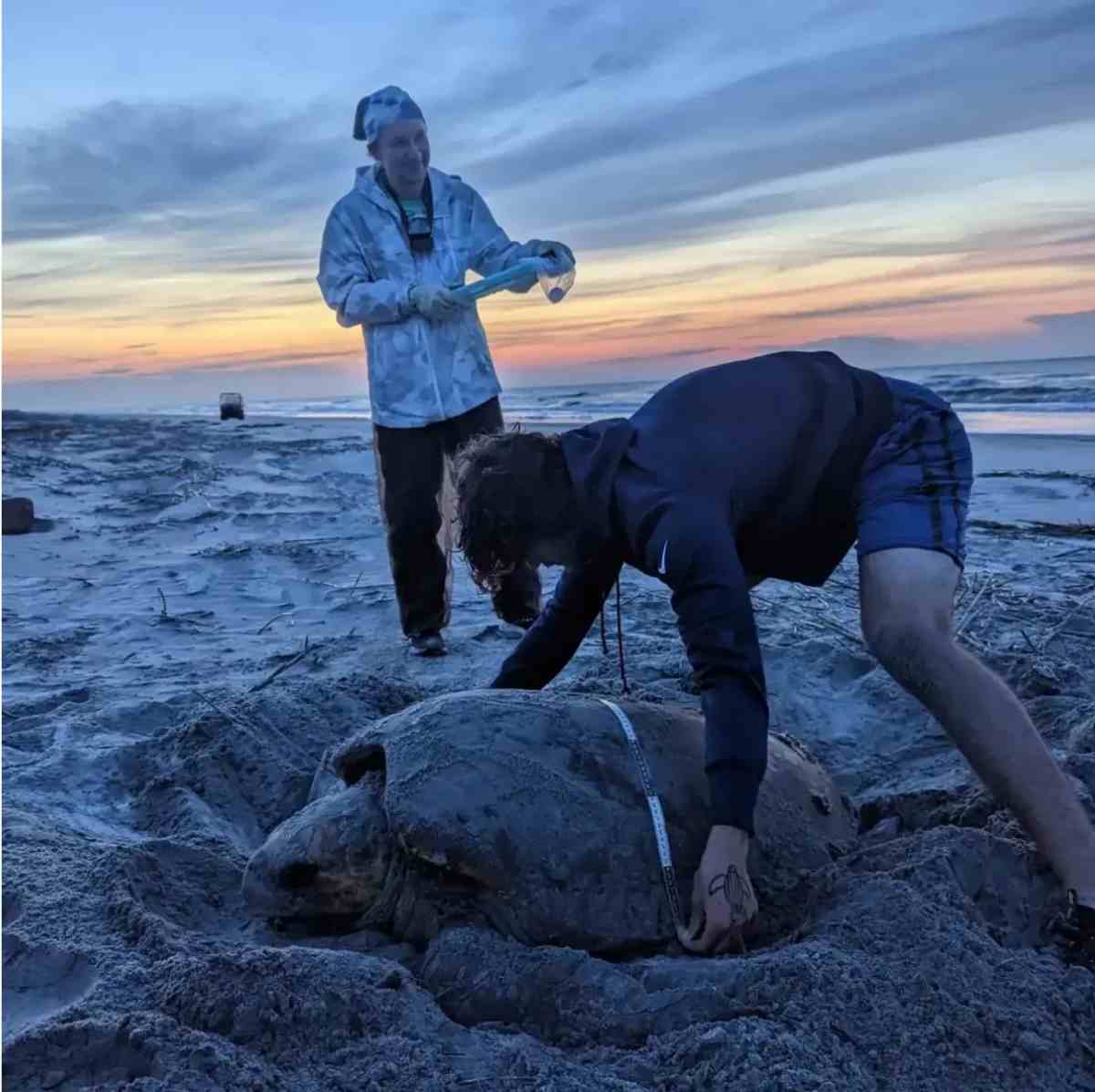
In the middle of a steamy July night on the Wassaw Island beach, near Savannah, Georgia, volunteer Gabi Steinbach plunged her arm shoulder-deep in the sand to reach a loggerhead sea turtle nest that hatched five days before.
She pulled out the remaining eggshells, and fellow volunteer Sheri Pittman sorted and counted them by the light of the moon and a red-tinted headlamp. Some fragments are too small to count, but Pittman uses the larger pieces to determine how many hatchlings made it out of this nest.
“Any eggshell that is over 50 percent counts as a hatched egg,” explained Kristen Zemaitis, who directed a team of volunteers with the Caretta Research Project.
The team also investigated the unhatched eggs for signs of development.
“Then we will categorize that by different stages to see the percentage of development in each egg.”
All that information tells the story of this nest, one that the Caretta team has been following for about two months since an adult turtle crawled up on the beach, dug a hole with her flippers, and laid these eggs. Whenever possible, these volunteer teams catalog the nesting mother as well, taking measurements and recording her tag number if she has one.
It’s an all-night, all-summer effort.

The Wassaw Island data makes up part of a vast mosaic of information collected by volunteers along all of Georgia’s 100-mile coastline, as well as the coasts of Florida, the Carolinas, and Virginia.
Patrolling the beaches overnight or at dawn, they inventory thousands of sea turtle nests each year. Volunteers amass reams of data about nest locations, the number of hatchlings, the nest success rates, the details of the mother, and more.
The data-gathering effort began in the 1960s on just a couple of Georgia’s barrier islands. That led to successful attempts in the late 1980s and early 1990s to protect sea turtle adults from shrimping nets and nests from human interference.
All this work has allowed scientists to gain deep insight into the sea turtle population over time, tracking their long decline and the extraordinary resurgence of the hatchlings who were protected in the 80s and 90s and finally returned to nest in the last decade.
It’s also helping researchers, armed with new technology, to monitor how turtles respond to the new threats posed by rising seas and temperatures. But it’s long, slow work — and much of today’s research likely won’t bear fruit for decades.
Like many turtles, loggerhead sea turtles’ sex depends on the incubation temperature of their nests — warmer incubation produces females.
So as climate change progresses, there could be far more females than males. Exactly how problematic that will be for the sea turtles is difficult to predict, Zemaitis said.
Sea turtle reproduction is a numbers game: The turtles lay lots of eggs in lots of nests to increase the odds that some of their babies will survive the numerous threats stacked against them. The turtles mate out in the ocean, then the females lay six to eight nests in a season, roughly two weeks apart.
Scientists know from DNA testing that the females often mate with multiple males, but they can also store sperm so they don’t have to find a male to mate with every time they lay a nest.
That means having fewer males than females won’t necessarily keep the females from nesting — but it could hurt the turtles’ genetic diversity.
“A population ecologist would tell you, you only need a couple males to populate, you know, as many females as they can get with, essentially,” said Zemaitis. “With fewer and fewer males, that just lowers the gene pool over the years. We don’t know what effect that will have.”
To help track the impacts, Caretta Research Project teams have been using thermometers inside sea turtle nests since around 2000.
Their work is also part of a broader effort to track sea turtle DNA.
University of Georgia researcher Brian Shamblin has been leading that effort since 2008, and his project now collects DNA samples from turtle nests all along the coast from North Florida to the North Carolina-Virginia border. They know far more about the females since researchers can take samples from the mothers while they lay their eggs and from each nest, but Shamblin and his team are now working to get more genetic information about male sea turtles so they can better follow the shifting population.
Sea turtles take around 30 years to reach sexual maturity. Hatchlings that crawl to the ocean today won’t be back until the 2050s. Although researchers can’t draw conclusions from their current data, it will be critical decades from now.
“It’s important to collect the data now and we can look back [in] 30 years and say, well, this is the temperature that they were incubating at, this is probably why we’re seeing this number of males,” said Zemaitis.
The same difficulty — having to move on turtle time — haunts research into the other major threat that climate change poses for sea turtles. Rising seas are eroding the beaches the turtles nest on, and could eventually render some historic nesting beaches unusable for the turtles.
“If we’re worried about climate change, we’re worried about sea level rise,” explained Shamblin. “How much wiggle room do we have in here for these females to choose new beaches to colonize?”
That’s a major focus of his work on turtle DNA. Although the Wassaw team patrols at night and can identify the turtles as they lay their nests, a lot of the data collection elsewhere happens in the morning after the mothers are gone. Shamblin uses DNA samples taken from each nest to match them with the turtles who laid them.
Conventional wisdom has long maintained that turtles return to the beach where they hatched to lay their own nests, but the reality is often less precise. Shamblin and his team use the DNA matching to track just how flexible the turtles are about where they nest.
So far, the answer is mixed. Some individual turtles stop at multiple beaches across different states in a single season, while others stick resolutely to the same stretch of sand.
Some of the strongest site fidelity — meaning that the same turtles consistently nest in the same spot — is on two islands in Cape Romain National Wildlife Refuge, near Charleston, South Carolina.
That’s cause for concern, Shamblin said.
“About 25 percent of all loggerhead turtle nests north of Florida are on those two islands,” he said. “So it’s a really high-density nesting area. Those also happen to be two of the most erosional islands in the state of South Carolina.”
But there’s cause for hope, too, because some turtles do try multiple beaches, especially younger ones nesting for the first time.
That means the population could gradually shift away from disappearing beaches as sea levels continue to rise. In Georgia, many of the beaches are less developed than in neighboring states, and they naturally share sand with one another, so it could become a destination for sea turtles as other beaches vanish — provided the turtles are flexible.
But, again, scientists won’t be certain for decades, which makes sea turtle conservation different from other challenges, said Mark Dodd, who leads the sea turtle conservation program for the Georgia Department of Natural Resources and has studied Georgia’s turtles for decades.
“We’re used to kind of working on a problem and fixing it in two or three years, feeling good about yourself, and moving on to the next thing,” he said. “With sea turtles it’s a long-term commitment. It’s one that, you know, it’s probably not going to be completely done in the course of my whole career.”
Even without the uncertainties of climate change, sea turtle hatchlings face long odds to survive.
After a long night digging up several successful nests, the volunteers on Wassaw found one nest where no hatchlings made it out — possibly trapped by heavy rainfall compacting the sand, just one of the many natural hazards they face.
But in another nest, they found a straggler — a tiny, living sea turtle who didn’t make it out with its nestmates. As morning began to dawn over the ocean, Zemaitis set it down on the sand.
“We’re just gonna give him a little space to stretch his legs, stretch his flippers, get warmed up for the big trek to the ocean,” she said.
The hatchling, just an inch and a half long, used its teensy flippers to drag its way bit by bit across the beach toward the water. The first waves buffeted the hatchling about as they broke over its head.
But eventually, to cheers from the watching volunteers and researchers, the turtle took to swimming. If it survives the predators and other dangers out in the wide ocean, this sea turtle could be back in 30 years to breed — even if it finds a coastline radically altered by climate change.
Header Image by Kristen Zemaitis of The Caretta Research Project
Exploring one of the United States’ 400+ national park sites is an adventure that should be for everyone. After all, advocates have fought tirelessly to keep public lands in public hands, especially in recent months.
But the American public is notably a diverse group, and one demographic is often left behind when it comes to outdoor excursions: Disabled visitors.

Fortunately, even amid record budget cuts and funding shortages in the National Park Service, things are changing.
As of today, about 28 national park sites offer adaptive equipment and mobility devices for visitors to check out for free when they visit. But one especially popular location, Rocky Mountain National Park, has recently announced an expansion of its accommodations.
These upgrades include new accessible picnic tables, an accessible bus to transport visitors across the park, and free all-terrain wheelchairs. In the face of federal funding cuts, these changes were made possible by the support of the Rocky Mountain Conservancy, the nonprofit arm of this NPS site.
“Each year, the Conservancy supports accessibility projects to research, create, and promote accessible experiences,” a summer newsletter from the nonprofit shared. “Each project continues our long-standing commitment to creating ways for all people to experience the wonders of our park.”

The first upgrade is the new Accessible Field Institute Bus, which includes two wheelchair spaces, a wheelchair lift, and 12 standard seats, for 15 visitors to ride around the park. These buses transport visitors as they learn about the native flora, fauna, history, and geology in Rocky Mountain National Park.
“We’ve long dreamed of having a wheelchair accessible bus for our Field Institute, and this winter, the R.C. Kemper Charitable Trust and Foundation made that dream a reality,” the Conservancy’s newsletter shared.
“This season, we have expanded our educational access to offer courses to individuals with mobility challenges who have previously been unable to take full advantage of education programs.”
Accessible picnic tables also aim to make the park’s campsites more inclusive for visitors. Plus, aging picnic tables across the park were in dire need of an upgrade. About 130 failing tables will be replaced with designs that comply with accessibility standards and will be made of reinforced concrete to last even longer.

Perhaps most exciting for adventurers is the purchase of three GRIT all-terrain wheelchairs, now making a fleet of four chairs available for visitors to check out. They can be accessed through the Estes Park Mountain Shop and used inside the park and around the surrounding Estes Park area.
“The people who rent GRIT wheelchairs are able to experience Rocky in a way that would not be possible without them,” said Zach Zehr, owner of the Estes Park Mountain Shop, in the newsletter.
“Adding these additional chairs more than doubled our fleet, and my hope is we always have a chair available to rent in the future.”

Along with this new supply of wheelchairs, the park’s education team also purchased a wheelchair sledge earlier this year, which allows students in wheelchairs to attend winter field trip programs in snowy terrain.
Essentially, the sledge provides a platform and skis with an adjustable brake so individuals can maintain control over rocky and snowy areas.
“It accommodates most manual wheelchairs and allows users to remain in their personal mobility devices without the need for transfers,” the Conservancy newsletter explained. “After the education team trained and practiced with the sledge, the team used the sledge on Conservancy-funded snowshoe field trips with elementary students this winter.”
In the future, Rocky Mountain National Park will also be creating an accessibility guide for the park, which has been “in the making for years,” according to the newsletter.
The Conservancy has funded the cost of accessibility evaluations, planning, and equipment, and the accessibility guide will offer a “know before you go” guide to the park, including location information, amenities, and any information that would be helpful to disabled visitors.

Organizers aim for the project to be completed in May of 2026. Once completed, it will be available in several formats, including PDF and print, braille, large-print, and an audio description with a written transcript.
A major advocate of national park accessibility is Quinn Brett.
“I worked as a climbing ranger here at RMNP for many seasons doing search and rescue,” Brett told 9News in Denver.
“In 2017, I fell while rock climbing in Yosemite National Park and broke my back. That left me paralyzed — and a person that uses a wheelchair.”
Now, she gets to see her home park make accessibility a priority.
“Realizing that there’s a lot of places in our national parks — the opportunities we’re providing are not really widespread,” she said.
This kind of progress has been years in the making, and does not seem to be slowing down due to new funding barriers anytime soon.

“After I was injured in 2017, I returned to the National Park Service in a unique role. I’ve been educating on the type of mobility devices out there, opening doors for us to explore and be recreationally more adaptive on our trails in national parks,” she wrote for Outside in 2023.
“I’m gonna be an advocate louder than I can be for people with disabilities recreating in our national parks and in our public lands … Let’s amp it up, man. We got places to go, things to do.”
For the organizers behind these specific improvements in Rocky Mountain National Park, the responsibility is a serious one.
Kaci Yoh, the communications manager for the Conservancy summed it up: “Our job is to steward the park for everyone,” she said, “forever.”
You may also like: Federal budget cuts are impacting national parks. Here are 5 ways you can help
Header image courtesy of NPS Photo
With his Aug. 11, 2025, announcement that he was sending the National Guard — along with federal law enforcement — into Washington, D.C. to fight crime, President Donald Trump edged U.S. troops closer to the kind of military-civilian confrontations that can cross ethical and legal lines.
Indeed, since Trump returned to office, many of his actions have alarmed international human rights observers. His administration has deported immigrants without due process, held detainees in inhumane conditions, threatened the forcible removal of Palestinians from the Gaza Strip, and deployed both the National Guard and federal military troops to Los Angeles to quell largely peaceful protests.
When a sitting commander-in-chief authorizes acts like these, which many assert are clear violations of the law, men and women in uniform face an ethical dilemma: How should they respond to an order they believe is illegal?
The question may already be affecting troop morale.
“The moral injuries of this operation, I think, will be enduring,” a National Guard member who had been deployed to quell public unrest over immigration arrests in Los Angeles told The New York Times. “This is not what the military of our country was designed to do, at all.”
Troops who are ordered to do something illegal are put in a bind — so much so that some argue that troops themselves are harmed when given such orders. They are not trained in legal nuances, and they are conditioned to obey. Yet if they obey “manifestly unlawful” orders, they can be prosecuted.
Some analysts fear that U.S. troops are ill-equipped to recognize this threshold.
We are scholars of international relations and international law. We conducted survey research at the University of Massachusetts Amherst’s Human Security Lab and discovered that many service members do understand the distinction between legal and illegal orders, the duty to disobey certain orders, and when they should do so.
Compelled to disobey
U.S. service members take an oath to uphold the Constitution.
In addition, under Article 92 of the Uniform Code of Military Justice and the U.S. Manual for Courts-Martial, service members must obey lawful orders and disobey unlawful orders. Unlawful orders are those that clearly violate the U.S. Constitution, international human rights standards, or the Geneva Conventions.
Service members who follow an illegal order can be held liable and court-martialed, or subject to prosecution by international tribunals. Following orders from a superior is no defense.
Our poll, fielded between June 13 and June 30, 2025, shows that service members understand these rules.
Of the 818 active-duty troops we surveyed, just 9% stated that they would “obey any order.” Only 9% “didn’t know,” and only 2% had “no comment.”
When asked to describe unlawful orders in their own words, about 25% of respondents wrote about their duty to disobey orders that were “obviously wrong,” “obviously criminal,” or “obviously unconstitutional.”
Another 8% spoke of immoral orders. One respondent wrote that “orders that clearly break international law, such as targeting non-combatants, are not just illegal — they’re immoral. As military personnel, we have a duty to uphold the law and refuse commands that betray that duty.”
Just over 40% of respondents listed specific examples of orders they would feel compelled to disobey.
The most common unprompted response, cited by 26% of those surveyed, was “harming civilians,” while another 15% of respondents gave a variety of other examples of violations of duty and law, such as “torturing prisoners” and “harming U.S. troops.”
One wrote that “an order would be obviously unlawful if it involved harming civilians, using torture, targeting people based on identity, or punishing others without legal process.”

Soldiers, not lawyers
But the open-ended answers pointed to another struggle troops face: Some no longer trust U.S. law as useful guidance.
Writing in their own words about how they would know an illegal order when they saw it, more troops emphasized international law as a standard of illegality than emphasized U.S. law.
Others implied that acts that are illegal under international law might become legal in the U.S.
“Trump will issue illegal orders,” wrote one respondent. “The new laws will allow it,” wrote another. A third wrote, “We are not required to obey such laws.”
Several emphasized the U.S. political situation directly in their remarks, stating they’d disobey “oppression or harming U.S. civilians that clearly goes against the Constitution” or an order for “use of the military to carry out deportations.”
Still, the percentage of respondents who said they would disobey specific orders — such as torture — is lower than the percentage of respondents who recognized the responsibility to disobey in general.
This is not surprising: Troops are trained to obey and face numerous social, psychological, and institutional pressures to do so. By contrast, most troops receive relatively little training in the laws of war or human rights law.
Political scientists have found, however, that having information on international law affects attitudes about the use of force among the general public. It can also affect decision-making by military personnel.
This finding was also borne out in our survey.
When we explicitly reminded troops that shooting civilians was a violation of international law, their willingness to disobey increased eight percentage points.
Drawing the line
As my research with another scholar showed in 2020, even thinking about law and morality can make a difference in opposition to certain war crimes.
The preliminary results from our survey led to a similar conclusion.
Troops who answered questions on “manifestly unlawful orders” before they were asked questions on specific scenarios were much more likely to say they would refuse those specific illegal orders.
When asked if they would follow an order to drop a nuclear bomb on a civilian city, for example, 69% of troops who received that question first said they would obey the order.
But when the respondents were asked to think about and comment on the duty to disobey unlawful orders before being asked if they would follow the order to bomb, the percentage who would obey the order dropped 13 points to 56%.
While many troops said they might obey questionable orders, the large number who would not is remarkable.
Military culture makes disobedience difficult: Soldiers can be court-martialed for obeying an unlawful order, or for disobeying a lawful one.
Yet between one-third to half of the U.S. troops we surveyed would be willing to disobey if ordered to shoot or starve civilians, torture prisoners, or drop a nuclear bomb on a city.
The service members described the methods they would use. Some would confront their superiors directly. Others imagined indirect methods: asking questions, creating diversions, going AWOL, “becoming violently ill.”
Criminologist Eva Whitehead researched actual cases of troop disobedience of illegal orders and found that when some troops disobey — even indirectly — others can more easily find the courage to do the same.
Whitehead’s research showed that those who refuse to follow illegal or immoral orders are most effective when they stand up for their actions openly.
The initial results of our survey — coupled with a recent spike in calls to the GI Rights Hotline — suggest American men and women in uniform don’t want to obey unlawful orders.
Some are standing up loudly. Many are thinking ahead to what they might do if confronted with unlawful orders. And those we surveyed are looking for guidance from the Constitution and international law to determine where they may have to draw that line.
This article was written by Charli Carpenter and Geraldine Santoso from UMass Amherst, and was originally published by The Conversation.
Header Image by Koshu Kunii on Unsplash

It’s taken over 20 years, but researchers at the Sichuan Academy of Forestry, in Chengdu, China, have finally confirmed two new species of pika in the Himalayan region.
Using data collected from 2003, 2023, and 2024, researchers Pan Xuan and Wang Xuming were able to delineate previously unidentified species as Ochotona galunglaensis and O. legbona.
“Our findings highlight the previously underestimated diversity within Conothoa and contribute to a more comprehensive understanding of pika diversity in the Himalayan region,” Xuan and Xuming observed in their study, which was published in Ecology and Evolution.
Pint-sized pikas, which resemble hamsters in appearance, are not rodents but lagomorphs, meaning that they are closely related to rabbits and hares.
They're known for their chirps, squeaks, and screams, which they use to attract mates and scare off mountain predators.

The two new species join an additional 30 types of pika species — found throughout Asia, North America, and Eastern Europe — all of which protect their native habitats through foraging, speed dispersal, and providing early indications of climate change.
Although most populations of pika are stable, there is one in dire need of conservation: the famous Ili pika.
Also known as the “magic rabbit,” the 8-inch critter resides in the Tian Shan mountains of northwestern China. The pika, which resembles a teddy bear, is listed as endangered on The IUCN Red List of Threatened Species.
The Ili pika was first discovered by conservationist Weidong Li in 1983. Despite the species’ protections under the local government, Li has been campaigning on their behalf for over 40 years.
“It is a cold-tolerant animal, and with global warming, shrinking range and numerous natural enemies, it could become extinct without manual intervention,” Li told Xinjiang Daily in 2023.
In 2014, thanks to Li’s efforts, the Xinjiang Uygur Autonomous Region approved the establishment of a “Tianshan No.1 Glacier” conservation area and Jinghe County established an entire Ili pika sanctuary.
As nearby plants and mines were shuttered permanently, the entire area became closed to tourists. In the decade since, native species like the snow leopard have rebounded, giving Li hope for the future of the Ili pikas.
Li, who is now 69, named the Ili pika after the Ili region in northern Xinjiang, China, where he was born and raised. He continues to work with volunteers at the sanctuary and safeguard the tiny mammal’s future.

“I can’t accept them going extinct since they [were] discovered and named by me,” Li said.
Tian Xiangdong, a volunteer who has worked beside Li for years, spoke to the passion evident in Li’s conservation efforts.
“Every time he goes into the wilderness, he drives hundreds of kilometers, taking rough mountain roads, and comes to mountain [bases] covered with gravel,” Tian explained.
“Then he climbs to mountain tops over 4,000 meters with bare hands, and sets up infrared cameras, checks [droppings] and stored straws of Ili pikas.”
“Only by doing so,” Tian said, “would he set his mind at ease.”

While the researchers of the two newly discovered species of Ochotona galunglaensis and O. legbona did not have an estimate of the species' respective population sizes — which will determine future conservation efforts — they said their findings invite further research.
“This finding highlights the previously underestimated diversity of pikas in the Himalayan region and contributes to a more comprehensive understanding of their taxonomy,” Xuan and Xuming noted.
“Future studies using whole-genome sequencing will be key to resolving remaining taxonomic uncertainties in this complex group.”
To see pikas test out their “warning calls,” watch the video below:
You may also like: Two new species of 'paintbrush-tailed' marsupials discovered in Australia: 'They are ferocious predators'
Header image via Rick Cameron / Flickr (CC BY-NC-ND 2.0)
Years ago, within the misty forests of the Meratus Mountain range on Borneo island, a team of researchers stopped in their tracks to listen to the throaty “bark” of a creature.
“Wwiikkk.....wekkk...wekkk...wekkk.”
Upon further examination, it was a creature that seemed to sport unusually large teeth.
It was on multiple expeditions, from 2016 to 2019, that the researchers visited Boreno — the third-largest island on the planet — to learn more about the creature.
On August 7, they confirmed that they had discovered a new species of “fanged frog:” the Limnonectes meratusiensis.
“Borneo is home to more than 180 anuran (frog and toad) species, including numerous endemic and unique anuran species which collectively contribute to the island’s extraordinary biodiversity,” lead author Ade Damara Gonggoli wrote in the August issue of Species Diversity.
“Despite this remarkable diversity, not all amphibians have been thoroughly studied — the fanged frogs Limnonectes Fitzinger [first discovered in] 1843, being a noteworthy example,” Gonggoli added.
“This [is a] highly diverse genus potentially with many unrecognized cryptic species distributed across Southeast Asia, including Borneo.”
The multi-year study was accomplished by Gonggoli and fellow herpetologists Tomohiko Shimada, Kanto Nishikawa, Masafumi Matsui, Thornton Larson, Eric Smith, and Amir Hamidy.
With researchers hailing from Tokyo University, Aichi University of Education, Indonesia’s IPB University, and beyond, the combined knowledge of the research team was key to the study’s success.

The Limnonectes meratusiensis — also known as the Meratus’ creek frog — has a complexion of an over-ripe avocado, with “relatively smooth” dorsal skin and a “radiating network of low wrinkles.”
The researchers also made note of the highly-detailed “distinctive double band pattern” on its back, which helped them differentiate it from other species in the larger Limnonectes family.
Despite their name, “fanged frogs” do not have actual teeth, but rather tooth-like protrusions on their lower jaws called odontoid fangs.
The fangs aren’t there to help frogs eat their food, per se — they prefer to swallow insects whole — but they do act as “weapons” to wield when subduing larger prey or engaging in male-to-male combat.
Like most frogs, the Meratus’ creek frog helps its native environment by keeping pest populations in check — especially disease-carrying insects like mosquitoes.
They are also indicator species, meaning that their absence in an ecosystem is often the warning sign of larger problems like pollution, erosion, and water quality decline.

In their study, Gonggoli and his peers acknowledged that locals native to the Meratus Mountain Range often use Limnonectes frogs “as a food resource.”
“Due to its thick meat, which is valued and consumed, it is commonly cooked or boiled,” they explained.
“While this practice is part of the local culture, it is important to consider that overutilization of this species, combined with the possibility of disturbances to its mid-elevation habitat in the Meratus Mountain Range (e.g., plantation expansion, illegal logging, and mining), could increase the vulnerability of the new species.”
The researchers said that the future conservation of the new frog species was dependent on intervention in deforestation and environmental degradation — as well as compromise and sensitivity towards the local culture.

“Understanding that the local community’s use of this species is rooted in tradition and necessity, it is crucial to find a balanced approach that respects these practices while ensuring the long-term sustainability of the new species,” they stated.
Gonggoli and his peers concluded their study by inviting more research into the Meratus’ creek frog and its impact on Borneo island, which they dubbed “one of the most important areas of global biodiversity.”
“Further studies are required to reveal more about the life history, distribution, and habitat, providing crucial insights for developing effective conservation strategies for this new species.”
You may also like: 'Mysterious' mountain creature spotted again after 26 year absence — take a look
Header image via Tim WikiBanua 2.0 (CC BY-SA 4.0)
Houston, we have an affordable housing problem.
The large Texas metropolis is known as one of the most affordable major cities in the United States, but home ownership is still out of reach for many. New reports point to a growing affordability gap between what people can afford and how much housing actually costs.
“We’re getting really, really close to a time when young Texas families will be unable to purchase a home and we know that home ownership is really foundational to the financial success of most American families,” Emily Brizzolara-Dove, a policy advisor with the non-partisan policy group Texas 2036, told ABC 13 News.

But an innovative new development aims to meet people where they are.
In partnership with the City of Houston and Cole Klein Builders, a 3D printing construction company, HiveASMBLD, is building a neighborhood of 80 hybrid 3D-printed homes across 13 acres.
It’s called Zuri Gardens.
The development will specifically serve households earning up to 120% of the Area Median Income through Houston’s Affordable Home Development Program.
The homes also qualify for up to $125,000 in down payment assistance from the city, which aims to subsidize costs for future and first-time homeowners.

“Zuri Gardens was born from the frustration of watching hardworking families get priced out of safe, resilient housing,” Vanessa Cole, co-founder of Cole Klein Builders told Culture Map Houston.
“We knew there had to be a better way — and with this project, we’re proving that there is.”
The development will include energy-efficient, high-quality homes with an average size of about 1,360 square feet.
HiveASMBLD plans to print two unique home designs, each with a two-bedroom and two and a half bathroom configuration, as well as an office or flex space, and a covered patio.

Pricing for these homes starts in the mid to high $200,000s.
“By combining visionary design, advanced construction technology, and powerful partnerships, we’re building more than just homes,” Cole added. “We’re creating a blueprint for the future of equitable homeownership in Houston and beyond.”
Zuri Gardens is being hailed as the world’s first large-scale affordable housing development to be built using 3D printing technology, and it’s set to be completed in October of this year.

As “hybrid” homes, the houses in Zuri Gardens combine traditional construction methods with newer 3D printing technology, resulting in stronger and more cost-effective housing.
“The community we envision for Zuri Gardens is modern, safe, and one that residents will be proud to call home,” Timothy Lankau, founder and co-CEO of HiveASMBLD, told Culture Map Houston.
“When completed using HiveASMBLD’s innovative technology, this 3D-printed multifamily community will exemplify the future of residential affordable living.”

According to its website, HiveASMBLD uses what they call a Precision Panel System to streamline the construction of roofs and non-structural wall panels by using prefabricated components. The goal is to accelerate home-building projects while minimizing waste.
“At the core of our innovation is a proprietary low-carbon mortar — delivering the same strength and durability at one-third the cost of commercially available alternatives,” HiveASMBLD’s website explains.
The HiveASMBLD 3D printing material is made of a proprietary concrete mix that is printed in layers until a final shell is complete. Mockups of the Zuri Gardens homes show these layered details visible within the home.

“The solid concrete walls are designed to resist hurricanes, fire, and pests far better than traditional wood frames,” a Zuri Gardens floorplan web page explains.
“[The home is] built with a low-carbon cement that is much better for the environment. Walls are filled with foam insulation, creating a super-tight seal that keeps your home comfortable and your energy bills down.”

The Zuri Gardens development is still in an “early launch phase,” though homes are expected to become available this fall.
“Zuri Gardens presents a remarkable opportunity to establish an innovative and flourishing affordable housing development in southeast Houston,” the Cole Klein Builders website states. “... striving to redefine the concept of affordable housing within the city.”
You may also like: This student's life-changing injury made him realize how 'outdated' traditional casts are. So he 3D-printed a better one
Header image courtesy of HiveASMBLD
This story was originally published by Grist. Sign up for Grist’s weekly newsletter here.
This is part of the Disaster 101 toolkit, a comprehensive guide to extreme weather preparation, response, and recovery.
Jesse Merrick was living in Alabama in 2017 when the Thomas Fire swallowed up his mother’s house in Southern California. Merrick, then a healthy sportscaster in his 20s, was on the next plane to help her salvage what was left of their belongings.
Weeks later, back at home, he started feeling weak, tired, and feverish. Then his body started to hurt. It felt like he had been whacked all over with a baseball bat.
When he put his feet on the ground, it felt like he was stepping on knives. Merrick’s doctors in Alabama tested him for every disease under the sun and pumped him full of antibiotics, but he just got sicker.
A month into Merrick’s inexplicable illness, his doctors X-rayed his chest and spotted a mass in his lung. He recalls being prepped for a biopsy when a team of infectious disease specialists burst into his hospital room and told the doctors to stop.
“It was like I was on an episode of House or something,” Merrick said.
The specialists knew something Merrick’s doctors didn’t: The ball in his lung wasn’t cancer, it was a fungal mass.
Merrick had a disease called Valley fever, caused by inhalation of the spores of a microscopic fungus called Coccidioides, which grows in the desert southwest. It is often misdiagnosed by doctors, particularly in states like Alabama, where Valley fever is found only in patients who have traveled elsewhere.
The fungus grows in the top few inches of soil and flourishes during periods of heavy rain. When the soil dries out, the tiny spores can be lifted into the air by any disturbance — a strong wind, an excavator on a construction site, or even, research suggests, a wildfire — and end up in someone’s lungs.
That’s what Merrick thinks happened to him in Ventura as he helped his mom dig out from the wildfire. He was quickly put on a course of antifungal medications and started to feel better immediately. Within a week, he was good as new.

Across the United States, worsening extreme weather events are jeopardizing the health of communities with increasing regularity every year. These health threats fall into two categories: direct and indirect.
Direct impacts, such as deaths caused by storm surge or falling trees, most often make headlines. But experts warn that it’s the indirect effects of hurricanes, wildfires, floods, and heat waves that typically end up taking the greatest toll on public health.
These include region-specific diseases like Valley fever, which you can learn more about from the Valley Fever Center for Excellence in Arizona. They also include much more prevalent threats like mold, air pollution, and E. coli.
This guide will walk you through some of the most common and widespread short and long-term health consequences to be aware of after disasters, and how to best prepare for them.
To make this guide, Grist consulted longstanding resources from federal agencies, including the Centers for Disease Control and Prevention, the Environmental Protection Agency, and the Federal Emergency Management Agency. Where federal information wasn’t available, Grist relied on resources compiled by state health agencies and trusted independent groups such as the Red Cross.
Mold
Drying out your house or apartment should be a top priority following any kind of flooding event. Mold can start growing on wet wood and fiber within 24 hours.
Mold spores can cause hay fever, asthma, and nose, throat, and lung irritation — particularly in children, older adults, immunocompromised people, and anyone who already has asthma.
The EPA and FEMA have a number of recommendations for responding to mold after a flood:
- Move everything that can’t be dried out thoroughly within 24 to 48 hours to the curb.
- Open windows and doors to promote airflow throughout your living space.
- Wear protective gear such as gloves, masks, and goggles when handling moldy or mildewed materials.
- Don’t paint over mold as it crops up — covering mold with paint or caulk doesn’t get rid of it.
- Don’t overuse bleach. You will likely see a lot of bleach at distribution sites to be used for cleanup. You can use bleach on hard, nonporous surfaces to kill mold, but do not use it on porous surfaces like wood. Instead, make sure those dry completely before deciding whether to keep them. And whenever you’re using bleach, ventilate the area.
- Don’t mix different types of cleaning solutions together — some combinations, like bleach and ammonia, can create a toxic gas.
Resources:
- Read FEMA’s guide to mold removal in English.
- Lea la guía del estado de Illinois para la eliminación de moho en Español.
Read more: How disaster response works and how to get help with cleanup
Water-borne disease outbreaks
Floods, the most common natural disaster in the U.S., can overwhelm septic systems and sewers and send sewage spilling into streets and local bodies of open water. People don’t often think about the status of their town’s sewage system, but much of the country’s aging water infrastructure is in desperate need of upgrades.
Local officials often warn residents never to wade into floodwater, and there’s a reason for that: It contains a hazardous mix of contaminants including gasoline, industrial waste, and a host of pathogens in feces and other human byproducts.
There are steps you can take to protect yourself from common waterborne pathogens like Vibrio cholerae, E. coli, or Leptospira, the last of which can cause diarrheal diseases, hepatitis A, and leptospirosis.
- Wash your hands with soap and water as often as possible.
- Pay attention to local health advisories, and boil compromised tap water for at least one minute or add household bleach (2 drops per liter) to disinfect it before drinking it.
- Don’t wade into floodwater, and be especially careful about direct contact with floodwater if you have an open wound.
Read more: How climate change impacts flooding and heavy rainfall
Resources:
- Read the CDC’s safety guidelines for flooding in English.
- Lea el cartel de los Centros para el Control y la Prevención de Enfermedades sobre cómo proteger a su familia después de un huracán en Español.
Mosquito-borne disease outbreaks
The country’s worst disasters — hurricanes, wildfires, and heat waves — tend to strike during the warm parts of the year. Warmth means more insects, and some insects carry disease.
Flooding makes things worse, since just a bottle cap full of standing water is enough moisture for a mosquito to breed in. When a hurricane hits the Gulf Coast, water often collects for days or weeks in ditches, car tires, potholes, and more.
Mosquitoes carrying West Nile virus and other diseases tend to benefit from heavy rainfall and erratic weather.
Broken roofs, open windows during power outages, and time spent outside cleaning up debris in the aftermath of disasters give the insects ample opportunity to bite people.
- Try to get rid of as much standing water near your home as possible. Empty out car tires, dump out your pots and planters, and call your local health department to report large pools of standing water you can’t drain yourself.
- Brush up on the symptoms of the mosquito-borne illnesses in your area. Look up the website for your state or local health department and search for “mosquitoes” to find out more. There’s often a week or two-week long delay between a mosquito bite and the first signs of illness, so stay vigilant.
- Keep an insect repellent containing DEET or picaridin in your home and in your emergency go bag.
Resources:
- Read the Mayo Clinic’s guide on mosquito-borne illnesses.
- Read the CDC’s guide on what you can do to protect yourself from mosquitoes after a hurricane in English.
- Lea el cartel de California sobre cómo protegerse de los mosquitos después de una tormenta en Español.
Air pollution
Wildfires, dust storms caused by drought, and extreme heat all degrade air quality and make it hard to breathe. Asthma attacks, lung irritation, and cardiovascular events like heart attacks tend to rise during and after these extreme weather events.
Children, pregnant people, older adults, and people living with chronic illnesses like COPD and asthma are at an especially high risk of adverse reactions to air pollution.
- Sign up for air quality index or AQI alerts from your county or state and keep an eye on those numbers. Any AQI over 150 is hazardous for all groups, and levels higher than 100 are unhealthy for sensitive groups such as people who are older, pregnant, or asthmatic.
- Buy a high-efficiency particulate air, or HEPA, purifier for your house — these appliances are affordable and can eliminate upward of 90% of the airborne contaminants from your home.
- Keep an N95 mask on you, and wear it whenever you’re outdoors in heavy pollution.
Resources:
- Read airnow.gov’s guide on how to protect yourself from smoke in English.
- Lea la infografía de ourair.org sobre cómo protegerse del humo en Español.
Extreme heat
In recent years, environmental, labor, and healthcare advocacy groups have pressured FEMA to classify heat waves as major disasters — a designation that would unlock federal aid and resources to states grappling with prolonged dangerous temperatures.
The federal agency hasn’t acquiesced, but there is growing awareness among state and federal health officials that extreme heat poses an ever-greater risk to populations across the country as climate change gets worse.
Anyone who has trouble thermoregulating, or maintaining a stable internal temperature, is physiologically more susceptible to heat-related illness and heatstroke during a heat wave. Children and older adults, as well as immunocompromised and pregnant people, fall into this category.
Socioeconomic and environmental factors like access to air conditioning and the number of trees in your neighborhood can modulate your risk.
People who rent their homes, particularly in low-income areas that already lack adequate tree cover due to government redlining and discriminatory housing practices, are more likely to lack access to life-saving air conditioning.
- Stay hydrated. Drinking water (not alcohol or caffeine, which can dehydrate you) helps your body keep its organs and tissues cool. Drink water even if you don’t feel thirsty — at least 64 ounces per day, and about 32 ounces every hour that you’re working outside in the heat.
- Stay indoors during the hottest portion of the day, and try to stay in a basement or lower level of your house or apartment building, if possible.
- If you don’t have an air conditioner, go to a local cooling center. Many cities set up such centers at libraries or sports arenas during heat waves, but they’re underutilized because people often don’t know they exist. Consult your city’s health department website.
- If you don’t have access to air conditioning, take cool showers and put damp towels or ice packs on your neck, wrists, or forehead.
- Older adults and people with disabilities who can’t easily get to a lower floor or take a cool shower, who have difficulty moving around or calling 911, or who might be slow to recognize the symptoms of heat-related illness or heatstroke, are especially susceptible to heat waves. Check in on your vulnerable neighbors, or make a plan with someone nearby if you know you’re at risk.
- Watch for symptoms like dizziness, nausea, headache, muscle cramps, rapid heartbeat, confusion, or loss of consciousness — those are signs of heat-related illness and indicate that you need to go to an urgent care center or the hospital ASAP.
Resources:
- Read the Red Cross’s extreme heat preparedness checklist in English.
- Lea la guía de preparación para el calor extremo de la Cruz Roja en Español.
Accessing medical care
Disasters can flood roads, wash away bridges, burn down community centers, and jam highways with traffic. They can destroy health clinics, displace doctors, and wreak havoc on emergency rooms.
Preparing for disruptions to your medical care ahead of time can save your life.
- Keep at least one week’s supply of prescription medications on hand at all times.
- Have a backup source of power if you rely on electric medical devices like a dialysis machine or a ventilator, and register your needs with your local emergency department so they’re aware. Ask your health care provider about what you may be able to do to keep your device running during a power outage.
- Keep a copy of your health records on hand — both digital and paper copies — in case you have to go to an emergency room or you’re not able to see your primary doctor.
- Anyone with a serious medical condition such as epilepsy, congenital heart disease, or severe allergies should wear a medical alert tag or bracelet. Also save pertinent medical information to the emergency settings on your electronic devices.
Read more: How to pack an emergency kit and make sure all your medical documents are in order
Resources:
- Fill out ready.gov’s Make a Plan form in English.
- Complete el formulario “Haga un plan” de ready.gov en Español.
- The Partnership for Inclusive Disaster Strategies has a list of things to think about before a disaster if you are a disabled person, and rights you should know if you need to access care.
Mental health issues
Disasters tear at the social fabric that makes a life worth living and have resounding mental health repercussions that can stretch on for months, even years, after the disaster makes its first impact.
These include anxiety, depression, sleep disorders, post-traumatic stress, and suicide. A study published last year, for example, showed more than 6,000 adolescents in Puerto Rico developed symptoms of post-traumatic stress disorder following Hurricane Maria in 2017.
Grist has a more detailed list of resources for those experiencing mental health issues or struggling with substance abuse here. Below are some of the most important things:
- Find your local mental health support hotline by searching online or calling your local health department, or call 988, which is the national mental health hotline.
- Talk to other people who have also lived through a disaster, either in person or online. Searching on Facebook for a support group is a good place to start.
- Talk to a doctor. Some primary care physicians have been trained in psychological first aid (PFA), an approach to helping survivors or witnesses exposed to disaster or terrorism. You can search “psychological first aid” on ZocDoc or another online healthcare database to find doctors and psychologists who specialize in disaster recovery mental health work. The Substance Abuse and Mental Health Services Administration also has a webpage where survivors of disasters can find helpful resources.
Resources:
- Lea los consejos de la Administración de Servicios de Abuso de Sustancias y Salud Mental para sobrevivientes de un evento traumático en Español.
- Read psychiatry.org’s webpage on how to cope after a disaster in English.
Header Image by Marcus Kauffman on Unsplash
New technologies usually follow the technology adoption life cycle. Innovators and early adopters rush to embrace new technologies, while laggards and skeptics jump in much later.
At first glance, it looks like artificial intelligence is following the same pattern, but a new crop of studies suggests that AI might follow a different course — one with significant implications for business, education, and society.

This general phenomenon has often been described as “AI hesitancy” or “AI reluctance.” The typical adoption curve assumes a person who is hesitant or reluctant to embrace a technology will eventually do so anyway. This pattern has repeated over and over — why would AI be any different?
Emerging research on the reasons behind AI hesitancy, however, suggests there are different dynamics at play that might alter the traditional adoption cycle. For example, a recent study found that while some causes of this hesitation closely mirror those regarding previous technologies, others are unique to AI.
In many ways, as someone who closely watches the spread of AI, there may be a better analogy: veganism.
AI veganism
The idea of an AI vegan is someone who abstains from using AI, the same way a vegan is someone who abstains from eating products derived from animals.
Generally, the reasons people choose veganism do not fade automatically over time. They might be reasons that can be addressed, but they’re not just about getting more comfortable eating animals and animal products.
That’s why the analogy in the case of AI is appealing.
Understand how AI is changing society
Unlike many other technologies, it’s important not to assume that skeptics and laggards will eventually become adopters. Many of those refusing to embrace AI actually fit the traditional archetype of an early adopter. The study on AI hesitation focused on college students who are often among the first demographics to adopt new technologies.
There is some historical precedent for this analogy. Under the hood, AI is just a set of algorithms. Algorithmic aversion is a well-known phenomenon where humans are biased against algorithmic decision-making — even if it is shown to be more effective.
For example, people prefer dating advice from humans over advice from algorithms, even when the algorithms perform better.
But the analogy to veganism applies in other ways, providing insights into what to expect in the future. In fact, studies show that three of the main reasons people choose veganism each have a parallel in AI avoidance.
Ethical concerns
One motivation for veganism is concern over the ethical sourcing of animal by-products. Similarly, studies have found that when users are aware that many content creators did not knowingly opt into letting their work be used to train AI, they are more likely to avoid using AI.
These concerns were at the center of the Writers Guild of America and Screen Actors Guild-American Federation of Television and Radio Artists strikes in 2023, where the two unions argued for legal protections against companies using creatives’ works to train AI without consent or compensation.
While some creators may be protected by such trade agreements, lots of models are instead trained on the work of amateur, independent, or freelance creators without these systematic protections.
Environmental concerns
A second motivation for veganism is concern over the environmental impacts of intensive animal agriculture, from deforestation to methane production.
Research has shown that the computing resources needed to support AI are growing exponentially, dramatically increasing demand for electricity and water, and that efficiency improvements are unlikely to lower the overall power usage due to a rebound effect, which is when efficiency gains spur new technologies that consume more energy.
One preliminary study found that increasing users’ awareness of the power demands of AI can affect how they use these systems. Another survey found that concern about water usage to cool AI systems was a factor in students’ refusal to use the technology at Cambridge University.
Personal wellness
A third motivation for veganism is concern for possible negative health effects of eating animals and animal products. A potential parallel concern could be at work in AI veganism.
A Microsoft Research study found that people who were more confident in using generative AI showed diminished critical thinking. The 2025 Cambridge University survey found some students avoiding AI out of concern that using it could make them lazy.
It is not hard to imagine that the possible negative mental health effects of using AI could drive some AI abstinence in the same way the possible negative physical health effects of an omnivorous diet may drive some to veganism.
How society reacts
Veganism has led to a dedicated industry catering to that diet. Some restaurants feature vegan entrees. Some manufacturers specialize in vegan foods. Could it be the case that some companies will try to use the absence of AI as a selling point for their products and services?
If so, it would be similar to how companies such as DuckDuckGo and the Mozilla Foundation provide alternative search engines and web browsers with enhanced privacy as their main feature.
There are few vegans compared to non-vegans in the U.S. Estimates range as high as 4% of the population. But the persistence of veganism has enabled a niche market to serve them. Time will tell if AI veganism takes hold.
This article was written by David Joyner from Georgia Institute of Technology and was originally published on The Conversation.

Header Image by Milad Fakurian on Unsplash