Seven years ago, Hurricane María tore through the Caribbean and left a whirlwind of devastation in its wake. Islands throughout the Caribbean were impacted, but it was Puerto Rico that was hit the hardest — accounting for a staggering 97% of the 3,059 total deaths.
In the years since the tragedy, Puerto Rico has made huge strides in recovery efforts, but scars from the hurricane remain.
Fortunately, two critical nonprofits on the island recently received a huge boost from FEMA to rebuild infrastructure that was damaged during Hurricane María.
The nonprofits include The Support and Therapy Center of the Puerto Rico Spina Bifida and Hydrocephalus Association and Bill’s Kitchen, a program that provides free food to those living with HIV/AIDS.
“The social and health needs of our island are different and precise,” José Baquero, FEMA’s federal disaster recovery coordinator, said in a press release.
“We have the great talent and dedication of communities that are ready to meet these needs and FEMA remains committed to assisting in the recovery of these organizations.”
According to the press release, FEMA has granted over $34.2 billion to more than 11,000 projects to address Puerto Rico’s recovery efforts in the aftermath of Hurricane María.
Most recently, FEMA granted the therapy center $35,000 to replace the waterproofing system for its roof and meet critical needs like air conditioners and floor mats for the therapy rooms. Bill’s Kitchen received $470,000 to repair major damages at their main facility.

Both of the nonprofits have proven to be invaluable to the people of Puerto Rico.
The therapy center, which is located in the city of Bayamón, serves over 200 patients with spina bifida — a condition that occurs when a baby’s spine and spinal cord don’t form properly during pregnancy.
In addition to education workshops for local parents, the center provides occupational and physical therapy services to infants and toddlers with the condition.
According to the association’s director, Isolina Laboy Arroyo, the therapy center recently celebrated the discharge of a 3-year-old patient, who “lives a full life, participates in extracurricular activities such as gymnastics and is a girl who enjoys having reached her full potential thanks to early intervention.”
The food service program Bill’s Kitchen is an ode to Bill Fitzpatrick, an architect who died of AIDS in 1992. His mother — Sara Metcalf — lived in San Juan and wanted to honor his memory by providing food and community care to neighbors living with HIV/AIDS.
At first, the program was formed by a group of island grandmothers who served eight clients.
Today, the program serves over 1,175 people a year across San Juan, Bayamón, and Fajardo.
“Although our food is prepared in a professional kitchen and meets the highest standards for medical nutrition therapy, it is still prepared with love, served with a generous heart, and delivered with a warm smile,” reads a mission statement on the nonprofit’s website.
Manuel A. Laboy Rivera is Puerto Rico’s executive director of the Central Office for Recovery, Reconstruction, and Resiliency (COR3). He praised the FEMA relief funds for assisting nonprofits like Bill’s Kitchen.
“Puerto Rico has thousands of non-profit entities like this one, which have the commendable work of supporting and contributing to the quality of life of our citizens,” Rivera said in FEMA’s press release.
“At COR3 we will continue to guide them in the process so that they can complete their works.”
Header image via Breezy Baldwin / Wikimedia Commons (CC BY 2.0)
As the need to confront climate change gets more and more urgent, the University of Chicago is hoping to put academia on the call.
Yesterday, UChicago unveiled its newest institute, one they call “groundbreaking.”
The Institute for Climate and Sustainable Growth will “balance the risks of a changing climate with the need for essential human progress,” according to its website, and will include a number of new degree programs for undergraduate and graduate students.
According to a press release, the institute will combine research in economics and climate policy, as well as key energy and climate technologies.
“The result is a first-of-its-kind institute that will produce new and deeper understandings of the climate challenge, as well as practical, effective solutions,” the press release reads.

Of course, plenty of academic institutions have turned their attention toward the climate fight. As more universities develop climate-related degree programming for incoming students, the need for solutions is front and center.
University President Paul Alivisatos said that the university is “distinctly poised” to be part of overcoming climate challenges.
“Faculty and students from across our ecosystem have expressed their enthusiasm and commitment to bringing our characteristic UChicago approach to the most difficult problems: asking the hardest questions, taking risks, joining ideas in surprising ways from across disciplines, and bringing rigor to every aspect,” Alivisatos said in a statement.
“This approach will inform an integrated set of new education programs which have the power to shape generations of critical thinkers and thoughtful leaders that is so urgently called for.”
The Institute plans to hire 20 new faculty members over the next five years, in interdisciplinary fields like law, political science, economics, materials engineering, and AI.
The existing Energy Policy Institute at the university will move into this new Institute and will continue to leverage its expertise on energy policy and market design.
On the education front, the Institute has announced a Curriculum on Climate and Sustainable Growth, which is foundational to a series of new degree programs.
“Through a 360-degree approach, the curriculum will expose students to the foundational ideas, tradeoffs, and complexities of the global climate and sustainable growth challenge in a way that no other university globally has to date,” the university shared.
Professor Michael Greenstone is the Institute’s founding faculty director.
“A game change is needed in the climate fight,” he said. “One that alters understanding of the climate and growth challenge — not just at the University of Chicago but around the world.”
“This is a once-in-a-generation opportunity to bring the power of the University of Chicago to bear on this challenge,” he added.
The new programs will include areas of research such as markets and policy, energy technologies, climate systems engineering, and more.
For undergraduate students, the Institute’s new curriculum will be diverse in nature while lending itself to specializing in areas of interest (like policy or data science, for example), so students can develop a vast knowledge base to confront climate change.
“The Institute’s interdisciplinary, collaborative approach is crucial for addressing the complexities of climate change,” Provost Katherine Baicker said.
“It will create a dynamic platform that engages the full breadth of insights across our campus community—from the arts and humanities, to the social sciences, to the biological sciences and beyond.”
For many faculty members involved with the Institute, this is an opportunity to help students achieve what those before them could never even dream of.

“To confront one of the greatest challenges of this generation, we must train the citizens, leaders, and workforce of tomorrow to have a comprehensive understanding of the problem and personally experience it and its many nuances from many different viewpoints,” said David Weisbach, the Walter J. Blum Professor of Law, who is leading the efforts to create the curriculum.
“Only armed with this foundational knowledge and authentic understanding can this next generation succeed in confronting the climate challenge in a way my generation was never able.”
This Institute is emblematic of UChicago’s long history of investing in groundbreaking fields of study. In fact, the university is responsible for founding fields of astrophysics, sociology, price theory economics, and molecular engineering, according to Alivasatos.
He believes the study of climate solutions and sustainable growth is among those legendary advancements.
“Throughout its history, the University of Chicago has revolutionized the world of general education, produced field-defining breakthroughs, and introduced entirely new disciplines and new ways of applying existing disciplines to novel problems,” Alivasatos said.
“It is this unique legacy that sets the University of Chicago apart and that will allow this new Institute to break down barriers to progress on climate change and create pathways for solutions where none were thought to exist.”
Header image courtesy of John Zich/University of Chicago
Election Day is right around the corner, and our nervous systems know it.
With nonstop coverage of all things politics across the United States, mental health company Calm and the San Diego Zoo Wildlife Alliance have partnered to offer Americans a “peaceful corner of the Internet” on that fateful day.
Starting at noon Pacific Time, and lasting until polls close across the country, Calm will host an exclusive live stream with the San Diego Zoo on Instagram Live.
Its stars? Wildlife such as capybaras, meerkats, penguins, and more.

“Research shows that watching animal videos can be a powerful stress reliever and mood enhancer, with even brief exposure reducing anxiety by up to 35%,” a Calm spokesperson told Good Good Good.
“While we know the weight of the election is significant, our mission to support everyone on their mental health journey led us to offer this small but meaningful touch of relief — something many Americans may need on November 5.”
According to a recent poll, about 7 in 10 Americans reported feeling anxious or frustrated about the 2024 presidential election, though many also said they remain interested in following the news surrounding the campaigns.

This combination of intrigue and anxiety is not inherently bad, but it certainly can lead to higher levels of stress, habits like doom-scrolling, and, according to the Associated Press, a general sense of uncertainty.
While cute animals can’t eliminate these complicated feelings, they sure can provide a temporary reprieve.
Calm says that folks can drop into the live feed whenever they need a moment away from all the alerts and breaking news. They can even tune in while waiting in line at the polls.
To up the ante, livestream attendees may also have the chance to receive a free one-year subscription to Calm to “help further ease any election anxiety as we await results,” the spokesperson added.
If cute critters aren’t your thing, or you still need support following the day’s activities, Calm has a library of free “Surviving Election Season” content.

This includes a Sleep Story by Michael Barbaro, the host of “The Daily,” who provides a soothing good news report to help listeners drift off to sleep.
And on Tuesday night, you’ll probably need it.
“Our goal is to create a calming corner of the internet, a moment of respite where people can drop in, whether it’s for five minutes or an hour,” Calm’s spokesperson said.
“We hope it brings some relief amidst the intensity of the election.”
Header image courtesy of Calm/San Diego Zoo Wildlife Alliance
African giant pouched rats have serious jobs to do.
In the past, the species has been trained to detect explosives, like landmines, as well as a tuberculosis-causing pathogen.
Their superior sniffers have been recruited by Apopo, a nonprofit that trains and researches scent-detecting animals, like rats and dogs.
Now, the rodents have been trained to sniff out the offenders of the global illegal wildlife trade.
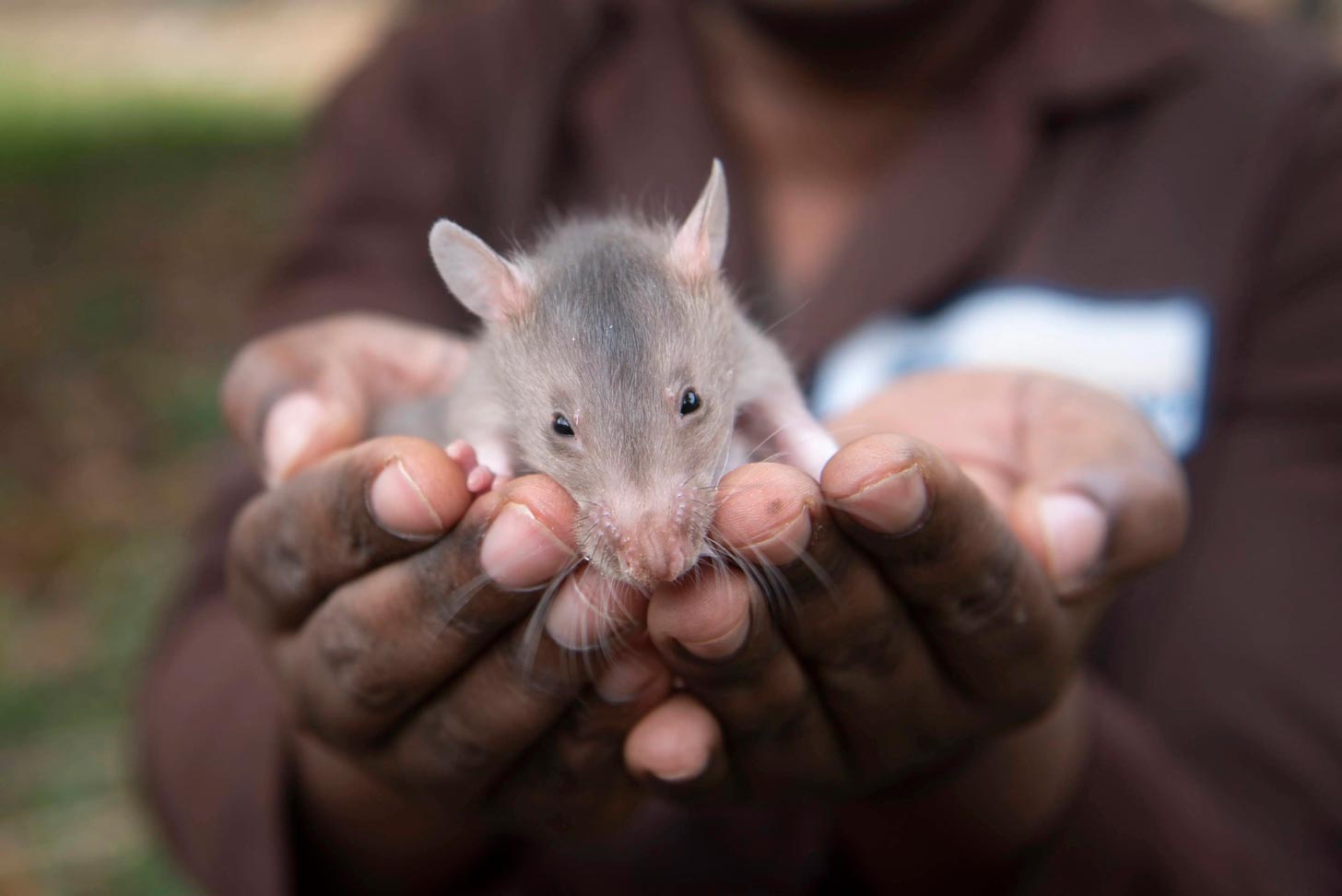
They can pick up the scent of pangolin scales, elephant ivory, rhino horn, and African blackwood — all animals and plants that are threatened and at high risk of extinction.
A new study showed off their skills, published in Frontiers in Conservation Science earlier this week.
“Our study shows that we can train African giant pouched rats to detect illegally trafficked wildlife, even when it has been concealed among other substances,” said Dr. Isabelle Szott, a researcher at the Okeanos Foundation, and first co-author of the study.
Training wildlife-sniffing rats
Many of the rats, who were studied at Apopo in Tanzania, were named after conservationists and advocates against wildlife trafficking: Kirsty, Marty, Attenborough, Irwin, Betty, Teddy, Ivory, Ebony, Desmond, Thoreau, and Fossey.
The critters each underwent several intensive training stages, including learning how to hold their noses in a hole for several seconds, while a target scent was introduced. This “nose poke” trick was rewarded with flavored food pellets and primed them for the next step of their training.

From there, the rats encountered non-target odors, like coffee beans, peanuts, leaves, and electric cables, which are objects often used to mask the scent of wildlife in real-world trafficking situations.
“During the discrimination stage, rats learn to only signal the odors of the wildlife targets, while ignoring non-targets,” Szott said in a statement.
Lastly, the rats were trained to remember smells, going months without exposure and still maintaining perfect retention scores. According to the scientists, this cognitive retention resembles that of scent-sniffing dogs.
Dogs are certainly still utilized in these kinds of operations, but Apopo’s goal is to make scent-detection even more accessible, and although “giant” might be in their names, these rodents can fit into much smaller spaces than their canine counterparts.

“Existing screening tools are expensive and time intensive and there is an urgent need to increase cargo screening,” Szott said.
“Apopo’s rats are cost-efficient scent detection tools. They can easily access tight spaces like cargo in packed shipping containers or be lifted up high to screen the ventilation systems of sealed containers.”
By the end of training, eight of the rats were successful in identifying four commonly smuggled wildlife species — among 146 non-target scents.
Vests fit for a hero
Once the success of the rats was proven, researchers had to develop a way for the rats to work in the environments in which wildlife is trafficked.
So, naturally, the rodents were given custom-tailored vests that enable them to pull a small ball attached to their chests to emit a beeping sound, alerting their handlers to a target.

They’re the perfect style for any occasion, too, the researchers said.
“The vests are a great example of developing hardware that could be useful across different settings and tasks, including at a shipping port to detect smuggled wildlife,” the study’s first co-author Dr. Kate Webb, an assistant professor at Duke University, explained.
While the rats have exhibited their skillset in a controlled study, they are still not totally ready to be deployed in the field and will need to continue training, as the researchers continue to refine their tactics.

And they’re optimistic.
In a 2023 field trial at the Dar es Salaam seaport in Tanzania, the Apopo rats found over 83% of planted wildlife targets, which made for increased support for the research behind their implementation.
“The trials showed that our rats were able to work confidently and effectively in an operational seaport,” Szott said in a blog post for Apopo.
“These findings are significant indicators of the potential of our rats to aid in the fight against the illegal wildlife trade. Not only can rats do the work, but in addition, the involved government parties were impressed and voiced their critical support.”

Moving forward, Apopo is scaling up its wildlife trafficking detection program. A new litter of rats is currently training, with valuable insights gained from the field, and fine-tuning the design and functionality of the rats’ vests.
“Within the next few years, wildlife detection could become Apopo’s next operational program,” Szott continued in the blog post.
“Building on the many years of lessons learned in training scent detection rats and developing new and innovative methods, we have been able to develop training protocols, implement lessons learned, and create new pathways for our rats.”
Header image courtesy of Apopo
In October 2023, a young Kemp’s ridley sea turtle was found entangled in a net off the coast of the Netherlands — over 5,000 miles from her home waters in the Gulf of Mexico.
She was named “Boeier” (pronounced boo-yare), after the commercial fishing boat that found her.
After she was rescued, Boeier was immediately transported to the Rotterdam Zoo so that she could receive medical treatment for minor injuries.
Now, a year after she was discovered, she’s fully recovered and returning home.
Mary Kay Skoruppa — who works for the United States Fish and Wildlife Service as a sea turtle coordinator — said that Rotterdam Zoo gave Boeier the best care possible in the past year. During that time, the FWS coordinated with the Convention on International Trade in Endangered Species of Wild Fauna and Flora to bring her home.
“We are so happy that Boeier was rescued, rehabilitated and deemed healthy enough to release so that she can rejoin the reproductive population and potentially contribute to the recovery of the species,” Skoruppa said in a press release.
“An added benefit is the opportunity to increase the Service’s and NOAA Fisheries’ knowledge about survival and movements of juvenile Kemp’s ridley sea turtles that strand in areas far outside of their normal migration routes.”

At the end of October, Boeier was flown across the Atlantic to the Houston Zoo.
But before Boeier officially returns home to the Gulf on November 4, she will be cleared by veterinarians and attached with a tracking device by the staff at Texas A&M University at Galveston’s Gulf Center for Sea Turtle Research.
This way, if Boeier wanders far again, the center can keep an eye out for her. This measure is crucial, considering Kemp’s ridley sea turtles are considered one of smallest — and most endangered — sea turtles in the world.
The species is largely found in the Gulf of Mexico, but some turtles — like Boeier — have been carried across the Atlantic by the powerful force of the Gulf stream.
According to biologist Cynthia Rubio, who works for FWS’ Texas coastal and central plains ecological services field office, Boeier’s grand ocean trek is becoming more and more of a common occurrence.
“We are starting to see more juvenile Kemp’s ridleys off the east coast, and due to climate change the warmer water is pulling them into the Atlantic,” Rubio said.
“I would bet that Boeier is probably one of those juveniles that was trapped there and drifted across the Atlantic.”

In fact, when Boeier was first rescued last October, she was discovered around the same time that one Kemp’s ridley sea turtle and seven loggerhead sea turtles washed up, cold-stunned, on Dutch beaches.
Last year, the Anglesey Sea Zoo in North Wales also saved two stranded Kemp’s ridleys. They’ve since been returned to the Gulf of Mexico after they were released in Galveston, Florida.
Ultimately, Skoruppa hopes that Boeier’s story brings attention to the way climate change has impacted this vulnerable species — in addition to threats they face from commercial fishing and plastic pollution.
“When you have an endangered species, every individual counts,” Skoruppa emphasized.
“In addition to working with a great group of international partners dedicated to recovering sea turtles, turtles like Boeier help to educate and spread the word about what everyone in the public can do to help these imperiled species.”
Header image via U.S. Fish and Wildlife Service
Every day the Good Good Good team collects the best good news in the world and shares it with our community. Here are the highlights for this week!
If you want to get good news in your inbox every day, join the Goodnewsletter — the free daily newsletter designed to leave you feeling hopeful.
The Best Positive News We’re Celebrating This Week —
The UK government announced a ban on single-use, disposable vapes starting in June
In an effort to both protect the environment and curb the use of vapes by young people, the UK announced new legislation that would ban single-use, disposable vapes starting in June 2025.
The government reported vape usage in England had grown by more than 400% from 2012 to 2023 — and notably, the number of people who vape, but had never smoked cigarettes before increased, driven primarily by young adults.
In 2022, vapes were discarded containing a total of more than 40 tonnes of lithium, which would be enough to power 5,000 electric vehicles.
Why is this good news? An estimated nearly 5 million single-use vapes are thrown away every week, four times higher than last year’s estimate. Not only is it an incredible amount of plastic waste, their batteries can leak harmful waste into the environment, too. Plus, they cause hundreds of household waste-related fires every year.
→ Read more
Over a decade in the making, a deaf engineer debuted an AI model that transcribes sign language to text in seconds
Intel software engineer Adam Munder and his wife — who are both Deaf — are often unable to use American Sign Language in daily interactions, instead defaulting to texting on a smartphone or passing a pen and paper back and forth with service workers, teachers, and lawyers.
In Arizona alone (where Munder lives) there are 1.1 million people with hearing loss and only 400 licensed interpreters. Plus, they’re expensive, and alternatives like writing or texting leave out emotion and detail in conversations.
Following thousands of frustrating interactions and miscommunications — including one key, pivotal one — Munder got to work developing an AI-powered platform called Omnibridge.
A “bridge between the Deaf world and the hearing world,” Omnibridge is engineered to transcribe spoken English and interpret sign language on screen in seconds.
Saved by a grassroots letter-writing campaign, a midwestern U.S. wildlife refuge is now celebrating 100 years of habitat protection
In 1922, the U.S. Department of Agriculture set plans in motion to drain wetlands along 300 miles of the Mississippi River.
Knowing the critical importance of the wetlands, a local conservation group led a grassroots effort to safeguard the land as a wildlife refuge instead. After two years of campaigning, Congress passed the “Upper Mississippi River Wild Life and Fish Refuge Act.”
Today, that refuge stretches across 261 river miles from Minnesota to Illinois and protects more than 240,000 acres of Mississippi River floodplain. It’s home to 518 distinct species, including 306 types of birds, 119 fish, 51 mammals, and 42 freshwater mussels.
Why is this good news? Aside from protecting critical habitat for countless wildlife species, the refuge is also a migration corridor for millions of birds each year, including 60% of all North American birds, and 40% of all North American waterfowl.
→ Read more
The Arctic is still melting rapidly, but slowing ocean currents provide hope — and time
A man in Brazil has planted over 41,000 trees in Sao Paolo over the last two decades, single-handedly creating a park
Retired business executive Helio da Silva single-handedly built a 3.2-kilometer-long and 100-meter-wide park known as Tiquatira Linear Park.
He did it by planting more than 41,000 trees over the course of 20 years to turn what was a dilapidated area of Sao Paolo into a strip of green space nestled between two of the city’s busiest roads.
His work started in 2002 with a mission to transform the banks of the Tiquatira River into a “green oasis” for his neighbors. And for every 12 trees, one is fruit-bearing to attract birds and animals — an effort that also paid off as there are now 45 different birds in the park.
In just the first four years, da Silva had planted 5,000 trees — a feat that impressed the city so much, it recognized his efforts and acknowledged the area as the first linear park in Sao Paolo.
The NPS released new templates for its annual pumpkin carving challenge — along with an important safety message
The National Park Service released a new slew of pumpkin carving templates for Halloween festivities as a part of its annual pumpkin carving challenge.
While most templates are mostly just festive depictions of wildlife, one design depicts a tourist being tossed in the air by a frightened bison, inspired by a number of viral videos depicting irresponsible visitors getting too close for comfort.
Along with the design, called “Close Encounter,” NPS shared a link to wildlife safety tips, encouraging visitors to have “unscary” wildlife encounters on park sites.
Even more good: All of this year’s designs come with an important safety reminder, educational material, resources to learn more about iconic species like bats and bears, and more.
→ Read more (and get the templates!)
Life expectancy is returning to pre-pandemic levels worldwide
From 2020 to 2021, life expectancy at birth dropped significantly all across the globe due to the COVID-19 pandemic. In 2020, there were around 5 million more deaths than in 2019, and in 2021, there were another 10 million more.
As a result, life expectancy dropped globally. But now, based on the latest data from the United Nations, life expectancy rates are returning to pre-pandemic levels — and that’s true globally.
Globally life expectancy had already matched the 2019 figure in 2022 at 72.6 years old, and it increased to 73.2 years in 2023.
While people are still being impacted by the COVID-19 pandemic, this life expectancy recovery is a hopeful improvement.
The Teal Pumpkin Project helps homes make Halloween more inclusive for trick-or-treaters with food allergies
Tonight, kids across the country will participate in a beloved Halloween tradition, but for children with food allergies, trick-or-treating can be life-threatening.
But they deserve to participate too — so the Teal Pumpkin Project was launched to help. Teal is the color of food allergy awareness, so neighbors set out a plastic or painted teal pumpkin to let trick-or-treating families know that their house is safe to stop at on Halloween night.
The program inspires neighbors to offer food alternatives like toys, trinkets, and games to hand out on Halloween.
→ Read more
More scary good news:
- Creating more opportunities for people to find their next furry family member, shelter pets are posing in donated Halloween costumes to dazzle potential adopters.
- Weeks before Halloween, scientists released their findings of a new “orange and black” colored newt species to the public.
- Superstar model and “Queen of Halloween,” Heidi Klum is supporting the return of UNICEF’s “Trick-or-Treat for UNICEF” program in its 75th year.
At least 16 U.S. states enacted laws restricting the use of “forever chemicals” in products so far this year
There was a historic amount of regulation passed to limit the use of toxic “forever chemicals” in states across the U.S. — with at least 16 adopting 22 PFAS-related measures.
Since 2007, 30 states have approved 155 PFAS-related policies — the vast majority have happened in the last five years.
Known as “forever chemicals” because they do not naturally break down, PFAS are found in the blood of 97% of Americans. They’ve been found to harm the immune system, increase cancer risk, and decrease fertility.
To curb their impact, the EPA released new standards to limit PFAS in drinking water this year, scientists are working create solutions to remove PFAS from water (and even more solutions) — these legislative efforts to restrict their further use are good progress to prevent them from becoming even more pervasive.
The University of Chicago just opened a “groundbreaking,” first-of-its-kind climate institute
The University of Chicago just unveiled the first-of-its-kind institute dedicated to climate change in higher education: the Institute for Climate and Sustainable Growth.
The “groundbreaking” institute “will produce new and deeper understandings of the climate challenge, as well as practical, effective solutions,” and will include a number of new degree programs for undergraduate and graduate students.
The Institute also plans to hire 20 new faculty members over the next five years, in interdisciplinary fields like law, political science, economics, materials engineering, and AI.
Why is this good news? Climate change impacts every area of human life — and while universities around the world have implemented it into their curriculum, this dedicated institute will invest an unprecedented amount of time, resources, and study in areas like markets and policy, energy tech, engineering, and more.
→ Read more
Actress Anna Kendrick donated her earnings from her “Woman of the Hour” movie to sexual violence survivors
In addition to acting in the film, Anna Kendrick makes her directorial debut in “Woman of the Hour,” a true-crime thriller about ‘The Dating Game Killer’ Rodney Alcala’s victims and survivors.
When it came time for the movie to make money, Kendrick said she “felt gross” being paid for a movie with this subject matter. Instead, she donated the money to RAINN and the National Center for Victims of Violent Crime, which was “the least that I should do.”
As the film’s director, Kendrick also handled the subject matter more thoughtfully than similar films have in the past, opting to use a “descending scale of violence” — and in some cases, not showing it at all.
More good news of the week —
In a world-first, researchers created a solar cell design that can convert 60% of sunlight into energy. We need more solar panels in more parts of the world to meet growing global energy demand, but a solar cell like this could also help make electricity generation more efficient.
Saving them from landfills, AI robots are helping recover recyclables from Chicago’s waste stream. The robots use an “optical scanner” trained to spot aluminum within 10-15 milliseconds, sending a robotic arm to grab it from the stream of trash.
A Colorado program is providing free tuition for students in in-demand fields. The state invested $40 million for free tuition at almost 20 community and technical colleges in the state for fields including forestry, construction, education, early childhood education, firefighting, law enforcement and nursing.
In the past four years, the U.S. power grid has added battery capacity equivalent to 20 nuclear reactors. Helping maintain renewable energy when the weather interferes with solar and wind generation, the batteries are already starting to help prevent power blackouts.
President Biden apologized for the government’s role in running abusive Native American boarding schools for more than 150 years. A recent investigation found that at least 973 children died in the schools, and this marks the first formal apology from a U.S. president.
A doctor is helping people in Ukraine continue to receive their fertility treatments — serving people in the military for free. Members of the military can preserve their reproductive cells for free, since, in addition to the risk of death, stress, extreme weather, and chemicals on the battlefield can impact those cells.
Thanks to Olympian Allyson Felix, parents across the U.S. can get free child care to vote on Election Day. Lack of access to childcare, especially for Black parents in underresourced communities, is a major barrier to voting for many people — Felix partnered with Chamber of Mothers to reimburse childcare costs.
With a goal of vaccinating over 45 million children, a week-long anti-polio drive is now underway in Pakistan. Pakistan has recorded 41 polio cases this year, adding new fears to the deepening crisis in one of only two countries, including Afghanistan, where polio remains endemic.
The Biden-Harris administration announced $2 billion in funding to strengthen the U.S. electric grid against extreme weather. Provided through a $10.5 billion initiative included in the 2021 Bipartisan Infrastructure Law, the funding will go to 38 projects in 42 states.
Seven years after Hurricane María devastated Puerto Rico, FEMA announced new aid for crucial nonprofits. Islands throughout the Caribbean were impacted by the storm, but Puerto Rico was hit the hardest — accounting for a staggering 97% of the 3,059 total deaths.
Empty Airbnbs will be used to house domestic abuse survivors in the UK free of charge as part of a new pilot program. More than half of domestic abuse survivors currently face homelessness after being turned away from traditional shelters due to a chronic national shortage of spaces.
The world’s largest geothermal project was just approved in the U.S. — it will produce enough power for 2 million homes. Geothermal is an abundant clean energy resource, and this new project will help the U.S. get closer to achieving its goal of a carbon-free power sector by 2035.
More restrooms in the U.S. have adult-sized changing tables for people with disabilities who need them. A new national effort is underway to make public bathrooms more accessible in places like airports, parks, arenas, and gas stations.
The U.S. is investing $428 million to expand clean energy projects in former coal communities. One of the downsides of the clean energy transition is the loss of jobs for those working in the fossil fuel industry — but investment like this helps revitalize those communities and help people keep working.
NASA is using new tools to detect methane and carbon dioxide “super-emitters” and prevent leaks. Originally intended for another use, the EMIT mission has also identified more than 50 “super-emitters” in Central Asia, the Middle East, and the Southwestern United States that emit methane at high rates.
For six nights at the end of November, Taylor Swift will round out her record-shattering Eras Tour in its last city, Toronto, Ontario.
Like the countless cities that have hosted the star before, Toronto is pulling out all the stops to welcome Swift and her fans to town.
Earlier today, the City of Toronto unveiled a “Taylor Swift Way” street sign in anticipation of her arrival — an official renaming agreed upon by Toronto’s city council this summer.
But that’s not all.
After the six-night stint, 22 “Taylor Swift Way” signs will be donated to Daily Bread Food Bank for auction.
The implementation of the signage was covered by the Rogers Centre, which will also match funds raised to $113,000 (in reference to Swift’s lucky number).
“It’s our honor to welcome Taylor Swift to Toronto for nearly a Fortnight of music and magic,” Toronto Mayor Olivia Chow said in a (pun-filled) statement.
“We hope fans are Enchanted by their walk down ‘Taylor Swift Way’ and will generously support the auction of these signs – each a keepsake for Evermore that will help a great cause.”
✨ "We had a blank space" and wrote her name... on street signs! ✨
— City of Toronto (@cityoftoronto) November 4, 2024
We’re getting ready to welcome @TaylorSwift13 to Toronto & today we unveiled Taylor Swift Way to show how excited we are for her visit.
Are you ready for it, Swifties? We are!🌈#TorontoTStheErasTour… pic.twitter.com/CRbQcifgHM
According to CityNews, Swift will be the first artist to perform this many shows in a row at the downtown Toronto stadium. It also marks her first Canadian tour dates since 2018, bringing in an estimated 20,000 more people to the area for each show.
The city recently shared a transit, traffic, and security plan for The Eras Tour, to help level expectations amid huge crowds. Aside from the crowds, the city will also likely see a boost to its economy, akin to other regions impacted by the megastar’s tour.
For those who are eagerly planning their concert outfits and stocking up on Swift-themed merch, the logistical details pale in comparison to their enthusiasm.

Hopefully, though, the exclusive auction will catch their attention and help provide more support to a worthy cause. After all, Swift has quietly donated to dozens of food banks throughout the length of the tour, already inspiring her fans to do the same.
“We are deeply grateful to the City of Toronto and Rogers for donating these invaluable ‘Taylor Swift Way’ signs to Daily Bread,” the charity said in a statement.
“At a time when one in 10 Torontonians is making use of food banks, the funds raised through this auction will go towards ensuring that neighbors in need of emergency food support always have a place to turn.”
Header images courtesy of the City of Toronto and Paolo Villanueva (CC BY 4.0)
Ahead of Election Day, colleges across the country teamed up with local art museums to turn campuses and gallery spaces into political spaces, voting centers, and resource hubs.
Colleges like the University of Wisconsin Madison, University of Nebraska Lincoln, and Rutgers served as registration or voting centers, as nearby museums ran specialty exhibits centered on protest art, gender representation, and the “politics in daily life.”
This October, in Ann Arbor, Michigan, the University of Michigan Museum of Art debuted its own take on the national collaboration to combine art, education, and civic engagement: talking it out.
The exhibit “Hey, We Need To Talk” centers on breaking down communication barriers in politics through a variety of art programs — including a “Make Art or Make Out” speed-dating style event.
But the museum’s most popular event is the “Common Sense Diner.”
At the dinner parties, which have been held every Thursday evening and Friday afternoon leading up to the election, eight people are invited to come together at the same table and share a meal.
A diverse mix of participants across political affiliation, background, and faith are invited, meaning the guest list is thoughtfully curated — and so is the conversation.
Artist and museum curator Philippa Pham Hughes, who helps facilitate the conversations, said that the exhibit was designed to help people open up at a time when political conversation has become increasingly divisive and polarizing.
Hughes told PBS News it’s a kind of artwork that “requires participation” from everyone at the table.
“The first action is to have a conversation,” Hughes said. “And for me, I mean, it sounds simple and kind of obvious, except that having a conversation in this day and age feels like a radical thing to do.”

It’s a unique type of interactive exhibit, and Hughes’ role is unique too — as she takes on the part of “social sculptor.”
“I’ve created this space for a dialogue, a relationship, to happen,” Hughes explained. “But that artwork is incomplete until the dialogue actually takes place.”
The dinner table itself sits at the center of the exhibit — at the heart of the UMMA — in a colorful room wallpapered with commissioned artwork that contains flowers from all 50 states.
“The flowers are also a metaphor for flourishing,” Hughes said in an interview with the University of Michigan. “Plenty of social science research says: ‘when you feel a sense of awe you feel more connected to your fellow humans,’ and this sense of awe and wonder is critical to connection.”
Hughes also told the university press that it’s a joy to see participants — even the ones who come in weighed down with anxiety — open up as they “break bread” together.
“Although the meal matters,” Philippa said, “there is a ritual of eating that really matters. One of the greatest challenges is the time constraint [2 hours].”
The exhibit is not just limited to the “Common Sense Diner” and “Make Art or Make Out.”
The space itself is a gallery that U-M students and community members are welcome to visit throughout the day. And the majority of visitors come in fresh from a Voting Hub downstairs, so they are primed to talk politics.
As visitors filter in and look at the curated artwork, one of Hughes’ colleagues asks questions like “What brought you into the exhibit today?” and “What does it mean to be American?”
To some, that may be a loaded question — but it’s something that is meant to inspire honesty and reflection.
“If we can’t speak to each other, I don’t know how we have a democracy,” Hughes told PBS.
Header image via University of Michigan Museum of Art
On November 3, legendary music producer Quincy Jones passed away at 91 years old.
Jones’ impact on the music, film, and art world can not be overstated.
Across seven decades, Jones produced some of the world’s most popular records and composed over 35 film scores. He worked with countless icons in the industry including Ella Fitzgerald, Frank Sinatra, Lesley Gore, and Michael Jackson.
He broke records throughout his life, not just as a best-selling music producer but as an activist. In 1995, he became the first African American to receive the Academy’s Jean Hersholt Humanitarian Award.
Jones’ career as an activist and humanitarian extends back to the Civil Rights era, and he often cited Martin Luther King Jr. as an inspiration.
“I had the tremendous honor of meeting Martin Luther King Jr. at Jackie Robinson's house in 1955, and from then on, my life was never the same,” Jones wrote on his Facebook page in 2019.
“Civil rights work and political involvement was no longer an activity to do on the side,” he continued. “It became an essential part of life and humanity.”
At the height of the George Floyd protests and the Black Lives Matter movement, Jones maintained his position as an activist against racism and oppression, saying that hatred could not go ignored.
“People have been turning their heads the other way, but it’s all the same to me — misogyny, racism,” Jones told the Hollywood Reporter in 2021. “You have to be taught how to hate somebody. It doesn’t come naturally, I don’t think.”

Jones’ strong sense of justice and equality led him to pursue a number of charitable efforts.
In 1985, Jones produced and conducted the charity single “We Are the World,” a celebrity-stuffed spectacle that raised over $80 million for famine relief and humanitarian causes throughout Africa — and continues raising money today.
In 2010, on the 25th anniversary of the song’s release, Jones re-recorded “We Are the World” with a new ensemble to raise funds for earthquake relief in Haiti.
A year later in 2011, Jones then worked with the Jazz Foundation of America to financially support elderly jazz musicians who had been injured and displaced by Hurricane Katrina.
Throughout his life, Jones championed a number of nonprofits and foundations that were close to his heart: We Are The Future, NAACP, GLAAD, and Healthcorps.
Jones was also a vocal proponent of inclusion and advocacy for all children, regardless of race, disability, background, or income.
In the 1970s, Jones formed the Quincy Jones Workshops to provide free music education and songwriting lessons to inner-city youth.
In 2001, he created the Listen Up Foundation to connect kids in underserved communities to music and STEM programs and built more than 100 homes in remote regions of South Africa.
As his nonprofit grew, he was particularly fascinated by the way that music therapy could benefit children who were neurodivergent.
“Music always engages the left and right sides of the brain,” Jones told Ability Magazine in 2011. “You’ve got emotion and intellect at work at all times, and that makes it easy to learn everything else. I’m a strong advocate of having music connected to your life. It’ll turn you upside-down. I see people with dyslexia and attention deficit disorder (ADD) benefiting from it.”

One of Jones’ most consistent philanthropic ties was his work in Down syndrome advocacy.
After his friend’s granddaughter was born with Down syndrome, he served as a spokesperson for the Global Down Syndrome Foundation and the Linda Crnic Institute for Down Syndrome — the latter of which was the first institute of its kind to provide research and care for people with Down syndrome.
In 2008, the institute established the Quincy Jones Exceptional Advocacy Award as a nod to Jones’ humanitarian efforts.
“I believe from the bottom of my heart that every child on this planet has something to offer mankind,” Jones said when receiving his award. “And they can soar to the highest mountain tops if they are given the opportunity to do so.”
Since his passing, friends, family, and colleagues reached out to pay tribute to the star, speaking to his generosity and spirit.
“Quincy Jones was so much more than just a musical genius,” actress and activist Lee Grant wrote on X, formerly known as Twitter. “He was a raconteur, film artist, and a good man. We were very lucky to have had him.”
“An icon, a legend, but most of all a beautiful spirit. It’s too many stories to share but I will cherish them forever,” Kenneth “Babyface” Edmonds wrote on Instagram. “Rest easy my friend.”
“He gave so much to the world,” Barbra Streisand wrote on Instagram, beneath a picture of her and Jones embracing. “I will miss you so much my dear friend.”
Header image via Los Angeles Times (CC BY 4.0)
Once thought to be extinct, black-footed ferrets are the only ferret native to North America, and are making a comeback, thanks to the tireless efforts of conservationists.
Captive breeding, habitat restoration, and wildlife reintegration have all played a major role in bringing populations into the hundreds after near total extinction.
But one other key development has been genetic cloning.
In April, the United States Fish and Wildlife Service announced the cloning of two black-footed ferrets from preserved tissue samples, the second and third ferret clones in history, following the birth of the first clone in December 2020.
Cloning is a tactic to preserve the health of species, as all living black-footed ferrets come from just seven wild-caught descendants. This means their genetic diversity is extremely limited and opens them up to greater risks of disease and genetic abnormalities.

Now, a new breakthrough has been made.
Antonia, a black-footed ferret cloned from the DNA of a ferret that lived in the 1980s has successfully birthed two healthy kits of her own: Sibert and Red Cloud.
These babies mark the first successful live births from a cloned endangered species — and is a milestone for the country’s ferret recovery program.
The kits are now three months old, and mother Antonia is helping to raise them — and expand their gene pool.
In fact, Antonia’s offspring have three times the genetic diversity of any other living ferrets that have come from the original seven ancestors.

Researchers believe that expanded genetic diversity could help grow the ferrets’ population and help prime them to recover from ongoing diseases that have been massively detrimental to the species, including sylvatic plague and canine distemper.
“The successful breeding and subsequent birth of Antonia's kits marks a major milestone in endangered species conservation,” said Paul Marinari, senior curator at the Smithsonian’s National Zoo and Conservation Biology Institute.
“The many partners in the Black-footed Ferret Recovery Program continue their innovative and inspirational efforts to save this species and be a model for other conservation programs across the globe.”

Antonia actually gave birth to three kits, after mating with Urchin, a 3-year-old male ferret. One of the three kits passed away shortly after birth, but one male and one female are in good health and meeting developmental milestones, according to the Smithsonian.
Mom and babies will remain at the facility for further research, with no plans to release them into the wild.
According to the Colorado Sun, another cloned ferret, Noreen, is also a potential mom in the cloning-breeding program. The original cloned ferret, Elizabeth Ann, is doing well at the recovery program in Colorado, but does not have the capabilities to breed.
Antonia, who was cloned using the DNA of a black-footed ferret named Willa, has now solidified Willa’s place as the eighth founding ancestor of all current living ferrets.
“By doing this, we’ve actually added an eighth founder,” said Tina Jackson, black-footed ferret recovery coordinator for the U.S. Fish and Wildlife Service, in an interview with the Colorado Sun.
“And in some ways that may not sound like a lot, but in this genetic world, that is huge.”

Along with the USFWS and Smithsonian, conservation organization Revive & Restore has also enabled the use of biotechnologies in conservation practice. Co-founder and executive director Ryan Phelan is thrilled to welcome these two new kits to the black-footed ferret family.
“For the first time, we can definitively say that cloning contributed meaningful genetic variation back into a breeding population,” he said in a statement.
“As these kits move forward in the breeding program, the impact of this work will multiply, building a more robust and resilient population over time.”
Header image courtesy of Smithsonian’s National Zoo and Conservation Biology Institute
In 1980, Mount St. Helens erupted in Washington State, lava burning every living thing within miles.
Uncertain of the ecosystem’s future, scientists decided to launch an experiment, and they sent one animal to work along the scorched mountain for just 24 hours: Gophers.
In a new paper published this week, researchers have outlined the benefits of that one fateful decision, one that still has visible impacts 40 years later.
The idea was that the gophers would descend upon the area (after the lava had cooled, of course), to help dig up the land, introducing beneficial bacteria and fungi to help regenerate life in the Mount St. Helens ecosystem.

“They’re often considered pests,” University of California-Riverside microbiologist Michael Allen said of the gophers.
“But we thought they would take old soil, move it to the surface, and that would be where recovery would occur.”
That prediction wasn’t just right — it has had lingering effects decades later.
“In the 1980s, we were just testing the short-term reaction,” said Allen. “Who would have predicted you could toss a gopher in for a day and see a residual effect 40 years later?”
In the recent paper, researchers note “an enduring change in the communities of fungi and bacteria where the gophers had been, versus nearby land where they were never introduced,” according to UC Riverside.
Just three years after the eruption, researchers noticed that there were only about a dozen plants that had learned to thrive in the ecosystem, growing through slabs of porous pumice created by the lava.
After the gophers were introduced to those pumice-filled areas, the land “exploded” again with new life, scientists said.
Six years following the experiment, there were 40,000 plants thriving on the gopher plots.
Decades later, scientists can see the monumental regrowth of an old-growth forest, full of pine, spruce, and Douglas firs.

Although the ash and lava from the volcano seemed to have killed the trees, mycorrhizal fungi was reintroduced to the area, thanks to the hard-working gophers.
This fungi helps exchange nutrients in plant roots, protecting them from pathogens in the soil, providing nutrients in barren places, and ultimately, helping plants survive.
“With the exception of a few weeds, there is no way most plant roots are efficient enough to get all the nutrients and water they need by themselves,” Allen explained. “The fungi transport these things to the plant and get carbon they need for their own growth in exchange.”
That’s exactly what happened to the trees once covered in ash.
“These trees have their own mycorrhizal fungi that picked up nutrients from the dropped needles and helped fuel rapid tree regrowth,” said UC Riverside environmental microbiologist and paper co-author Emma Aronson.
“The trees came back almost immediately in some places. It didn’t all die like everyone thought.”
On the other side of the mountain, scientists say there still “isn’t much of anything growing,” a drastic comparison to the area that was saved by the support of the gophers — and the fungi they unearthed.
This research underscores the importance of recovery following natural disasters, especially in the ecosystems so many species depend on.
“We cannot ignore the interdependence of all things in nature,” said mycologist Mia Maltz, who worked in a UC Riverside lab during this study, “especially the things we cannot see, like microbes and fungi.”
Header image courtesy of David A. Hoffman (CC BY-NC-SA 2.0)
Last summer, middle schooler Tina Jin was alarmed to learn that over 2 billion people lack access to clean drinking water.
With her heart set on finding a solution, Jin found inspiration in an unlikely place: on her dinner plate, in the tiny, porous holes of leftover bones.
“I realized that once we bought meat at the grocery store, there was about half of the meat that was actually just animal bone and we couldn’t use,” The 13-year-old told Society for Science, a nonprofit dedicated to expanding STEM programs to kids across the country.
“130 billion kilograms of animal bones are produced worldwide each year.”
After inspiration struck, Jin spent the last year perfecting a dual solution that would reduce excessive bone waste — and increase access to clean drinking water.
For months, she saved bones from family dinners and tested their honeycomb-like structures to create a natural water filtration system.
Over time, she refined the homemade invention by grinding smaller bones up into a powder and straining it all through the portable filter made from discarded bones and household supplies.
“My project was able to develop a method that turned dirty, contaminated water into water that was safe for drinking…utilizing animal bones and household materials to make it nearly zero cost and easily accessible,” Jin explained.
Upon applying for the Thermo Fisher Scientific Junior Innovator Challenge — a five-day STEM competition funded by Society for Science — Jin was selected as one of 30 middle school finalists.

In late October, Jin flew to Washington, D.C. to take part in the array of student challenges and demonstrate her filtration device to the judges.
After third-party testing by the San Jose Water Company showed that her filter successfully achieved potable standards, Jin took home the competition’s top award — and the $25,000 cash prize.
“Tina’s scientific ingenuity — coupled with her exceptional leadership, collaboration and critical thinking skills — illustrate what we are looking for in the Thermo Fisher JIC,” praised Maya Ajmera, President & CEO of Society for Science. “I look forward to seeing how Tina continues to innovate in the years to come.”
Jin was grinning ear to ear as she took the stage to accept the ASCEND (Aspiring Scientists Cultivating Exciting New Discoveries) Award.

“I was just so shocked, and I felt so happy,” Jin told Society for Science, while clutching her newly won award. “I want to partner with bigger organizations and I hope to be able to see people filter water using my method.”
When it comes to encouraging other young people to explore STEM, Jin says to just go for it.
“If you find something that you think can solve a problem, go pursue it,” Jin encouraged, “because chances are you’re finding something that can help save the world.”
Header image courtesy of Shane Adams / Wikimedia Commons (CC BY 2.0)
According to the Federal Highway Administration, an estimated 47,000 bicyclists are injured — and 850 are killed — in traffic crashes every year in the United States.
While infrastructure that prioritizes the safety of pedestrians and cyclists is of utmost importance, individuals themselves can also maximize their safety when cycling.
To make this even easier, a cycling company Lumos has invented a new bike helmet with safety features that could transform the way cyclists ride.
The new helmet, named the Lumos Nyxel, is currently the subject of a popular Kickstarter campaign, which has already surpassed its fundraising goal.

Equipped with a “smart” tail light, turn indicators, and a 360-illuminating and crash-detecting design, the helmet makes for dramatically increased visibility.
“Clearly indicate your intentions to everyone around you,” the Kickstarter reads. “Reduce the risk of accidents by making your movements predictable.”
The helmet features a strip of white LED lights in the front, as well as a strip of red lights in the back, ensuring that cyclists are visible from the front and back, while also allowing them the opportunity to indicate turns using lights on the side of the helmet.

Inside the helmet is an accelerometer that triggers the back LED lights to flash quickly when the bike suddenly slows — serving as a human-worn brake light for the cyclist.
Riders can also use an accompanying app to set the lights’ brightness and flash settings, and the helmet runs on a USB-charge that can last up to 14 hours of runtime, according to Lumos.
But that’s just one option.

With technology from Quin, another helmet design includes a crash detection module, which measures movement and force in three directions at once, 1,000 times a second.
If those factors indicate an oncoming crash, the system will automatically alert an emergency contact in the cyclist’s phone. It will also save data of any crashes for doctors and medical professionals to review.
And in the U.S. and Europe, Quin also has a feature to call the nearest ambulance immediately after a crash is registered.
“Quin’s technology uses high-quality sensors and real-life data to accurately detect crashes,” the Kickstarter page adds. “It monitors impact location, peak gForce, rotational acceleration, and more, all specifically calibrated for the Nyxel helmet.”

The creators of the helmet say that this provides “an accuracy no other phone-based or wearable device can.”
“Our goal is simple: To keep you safe,” CEO of Quin, Ani Surabhi, said in a video.
“It’s like having a fully functioning crash test lab in your helmet,” he continued. “The average crash happens in just 10 milliseconds, which is too fast for most sensors, watches, or wearables. But Quin takes 1,000 measurements a second so we never miss a thing.”
While the helmet claims to meet all industry safety standards, folks can also consider adding a mips liner that helps reduce the chances of brain injustice caused by rotational impacts.
“With Nyxel, you’re not just wearing a helmet. You’re wearing a complete safety system,” a promotional video states.
The Nyxel comes in two different options: one for cyclists and one for e-bike riders. Lumos also offers three sizes for the best possible fit for every rider, as well as customizable colors and designs for those who are both safety- and style-conscious.
Kickstarter pledge prices are cheaper than MSRPs for the helmet and range from $99 for a basic model to $174 for all the bells and whistles. Following the campaign, the planned retail prices will range from $129 to $209.
Folks who support the campaign can expect to start receiving their helmets in the mail in the spring and summer of 2025, as the company finalizes the details, beta testing, and manufacturing.
Lumos has already released other models of its helmets and “smart” bike lights in years’ past, but the Nyxel promises to be its most advanced product yet.
“We’ve always believed in inspiring people to move freely with confidence,” Lumos CEO and co-founder Eu-Wen Ding said. “Let’s make the smartest, safest, most stylish helmet a reality.”
Header images courtesy of Lumos
Every day the Good Good Good team collects the best good news in the world and shares it with our community. Here are the highlights for this week!
If you want to get good news in your inbox every day, join the Goodnewsletter — the free daily newsletter designed to leave you feeling hopeful.
The Best Positive News We’re Celebrating This Week —
Researchers made a “huge breakthrough” in treating advanced breast cancer, doubling survival time
Using a new three-drug combination, researchers hailed a “huge breakthrough” in treating aggressive, advanced breast cancer that could potentially double the amount of time patients live without the disease progressing.
In a study that included 325 patients from across 28 countries, the patients who received the new therapy saw delayed progression by 15 months, as opposed to 7.3 months.
Additionally, nearly half of those who received the three-drug therapy continued to show no signs of progression after 18 months of treatment.
Why is this good news? While the survival rate when it’s caught early on continues to improve, better, life-saving treatment options are still needed for those who get a breast cancer diagnosis later on (for any number of reasons, including lack of access to routine, preventative health care) and discover more advanced breast cancer.
A South Florida man is rescuing homeless dogs in “Dead Dog Alley”
Every day, Eddy Alvarez drives a 30-mile loop through farmlands in South Miami-Dade County looking for hungry, abandoned dogs to feed.
Heartbreakingly, the area is well-known for people abandoning their dogs there — it’s also, tragically, where many of them are killed when they’re struck by cars.
Not only does Alvarez try to get as many of these dogs as he can something to eat — he feeds about 20-25 per day, seven days a week — he also helps make them more comfortable by deworming them, giving them their shots, boosters, and getting rid of their fleas.
He helps them get help from a veterinarian if needed, too.
Ultimately, Alvarez does all this for a single purpose: to help them find a home. His nonprofit, Eddy’s Dogs, is “committed to the rescue and placement of unwanted or abandoned animals.”
→ Read more
Helping remove a major barrier to voting, Lyft and Uber are offering 50% off rides to polling locations on Election Day
Many things can impact voter turnout in an election — things like disillusionment are tricker to overcome, but barriers like lack of transportation are more easily addressed.
That’s what rideshare apps Lyft and Uber are trying to do — offering riders a 50% discount of up to $10 on Election Day as part of their respective voting access programs. Lyft even added confetti to its app experience when code VOTE24 is applied — because participating in democracy is indeed a celebration.
Earlier this year, Lyft also announced a partnership with the NAACP to help improve access to transportation for Black voters, who have a long history of their voting rights being restricted.
Why is this good news? A one-mile increase in distance to a polling location can reduce turnout by up to 20%. Places like Texas and Georgia have some of the longest distances to voting sites (5.8 and 5.6 miles), while Rhode Island and New Hampshire have the shortest (2.8 and 3 miles) — lack of transportation is an unnecessary barrier to voting, and this initiative will help positively impact voter turnout.
A new art exhibit invites people to talk politics at the dinner table: ‘If we can’t speak to each other, I don’t know how we have a democracy’
→ Read more
Now offered in nearly all states, early voting options have expanded significantly in the last 24 years
In 2000, just 24 states offered options to vote before Election Day — fast forward to 2024, and 47 states and Washington D.C. now have early voting options available.
That expansion equates to nearly 97% of all voting-age citizens now living in a state that offers at least one option to vote before Election Day, like early in-person voting or mail-in ballots.
Notably, a remarkable 36 states and Washington D.C. also offer voters the option to vote by mail without needing to provide a reason.
More options to vote early in more states means shorter lines on Election Day, flexibility to vote around childcare and work schedules, election integrity is bolstered, and more — which all contributes to greater voter turnout and confidence.
Sarah McBride became the first openly transgender person elected to U.S. Congress
Winning the state’s only House seat, Sarah McBride made history as the first openly transgender person to be elected to U.S. Congress. McBride’s campaign focused on expanding access to affordable health care, protecting reproductive rights, and raising the minimum wage.
McBride served two terms as a state senator in Delaware, helping pass universal paid family and medical leave. In Congress, she says she wants to work with colleagues to break through the partisan gridlock and actually pass legislation.
In a victory speech, McBride said it was a testament to voters judging candidates “based on their ideas and not their identities.”
She also said, “Hope as an emotion, hope as a phenomenon, only makes sense in the face of hardship. While at this moment in America’s history, hope sometimes feels hard to come by, we must never forget that we are the beneficiaries of seemingly impossible change.”
Why is this good news? Until now, law-making around trans rights has been done largely without representation from the trans community at the table. Sarah’s perspective and commitment to representing her community is an important win for democracy.
In a historic conservation victory, a cloned black-footed ferret gave birth for the first time
Once thought to be extinct, the highly endangered black-footed ferrets are the only ferret native to North America, and they’re making a comeback, thanks to the tireless efforts of conservationists.
One of those efforts has been genetic cloning, a tactic to preserve the health of species since all living black-footed ferrets come from just seven wild-caught descendants.
And they just had a breakthrough: a black-footed ferret cloned from the DNA of a ferret that lived in the 1980s has successfully birthed two healthy kits of her own, the first successful live births from a cloned endangered species.
What’s the nuance? While we said we’d stay away from politics for this one, it’s important to note that initiatives to protect and conserve endangered species are impacted by local, state, and federal policies — we need to ensure conservation initiatives to protect nature, animals (and ultimately, all of us) can continue.
Voters in California, Colorado, and Hawaii passed measures to secure protections for same-sex marriage
On Election Day, California voters passed Proposition 3, which guarantees the right for same-sex and interracial couples to get married by removing language in the state constitution that defines marriage as between a man and woman.
Similarly, Colorado voters passed Amendment J, which repealed a ban on same-sex unions.
And in Hawaii, voters passed a measure to amend the state constitution and repeal the legislature’s authority to “reserve marriage to opposite-sex couples.”
Why is this good news? While same-sex marriages became legal at the federal level in 2015 with the Supreme Court’s Obergefell v. Hodges decision, there are growing concerns that an effort similar to the one that overturned Roe v. Wade could happen to the legality of same-sex marriage.
Voters in these three states proactively got state laws protecting it on the books.
→ Read more
After 54 years, the Texas woodpecker is no longer endangered
Following a decades-long conservation effort (which we know are often highly successful), the U.S. Fish and Wildlife Service has officially reclassified the red-cockaded woodpecker as a “threatened” species.
Bringing it back from the brink of extinction, “decades of collaborative efforts from a coalition of partners” are to thank for the woodpecker no longer being endangered.
The only woodpecker in North America that constructs cavities in living pine trees, the forest service said many of the woodpecker populations are either stable or increasing.
It was first classified as endangered in 1970, when its population shrank to fewer than 10,000 individuals in 1,470 family groups.
→ Read more
Following a community-led initiative, a city in Montana voted to ban single-use plastic bags
On Election Day, more than 14,000 residents of Bozeman, Montana voted to ban the use of single-use plastic bags and Styrofoam packaging in the city.
Though the initiative faced difficulties getting on the ballot, it ended up seeing widespread bipartisan support, with 63% of voters in favor of the measure. It’s set to go into effect in May 2025.
Unlike similar measures that are put forth by local governments, Bozeman’s was completely community-led and avoids loopholes like the ability to purchase plastic bags at checkout or distribute “reusable” thicker plastic bags.
Why is this good news? Bozeman sets an example for other cities in Montana that have considered similar bans, as well as cities around the country. It’s also an example of how grassroots, community-led organizing can make a really big difference!
→ Read more
More good news of the week —
New U.S. rules now require airlines to automatically refund passengers when their flights are canceled. Implemented just ahead of a busy holiday travel season, the DOT requires refunds, not vouchers when a passenger’s flight is canceled or “significantly delayed” — even if it’s not explicitly requested.
After it was found stranded 5,000 miles away, one of the world's most endangered turtles was returned home. The young Kemp’s ridley sea turtle was found entangled in a net off the coast of the Netherlands — was treated for minor injuries at a zoo, and has now fully recovered.
Since Ireland launched its first bottle return program in February, 630 million empty cans and plastic bottles have been returned. The program, the biggest behavioral shift since the country implemented its plastic bag tax in 2001, is part of a bid to meet EU 90% recycling targets.
A North Carolina state senate candidate is running a race she’s guaranteed to lose to raise awareness about gerrymandering. Kate Barr was “gerrymandered out of a chance” — so she’s running her campaign on the promise that she won’t win to help people learn about the impacts of gerrymandering.
Launching in 2017, Minnesota’s “Civility Caucus” is bridging partisan divides and bringing members of the state legislature together. By getting to know members of the “other side” as people, rather than as presumed adversaries, more effective, bipartisan legislation gets done.
After its 18-day early voting period, a record-breaking 55.3% of Georgia voters had already cast their ballot. It was the “most successful” early vote in state history, with more than 4 million ballots cast “because voters trust the process.”
Thanks to Olympian Allyson Felix, parents across the U.S. can get free child care to vote on Election Day. Lack of access to childcare, especially for Black parents in underresourced communities, is a major barrier to voting for many people.
After her late husband told her women shouldn’t vote, an 81-year-old Georgia widow voted for the first time ever. After he passed away in 2023, Betty Cartledge realized that it wasn’t too late to exercise her right to vote.
TikTok users went “undercover” in swing states to convince their dating app matches to vote. Two content creators hosted an event in Los Angeles called “Make Dating Apps Useful Again,” where they trained other volunteers to start conversations about voting.
A Native elections worker in Arizona is helping clear voting obstacles for remote and Indigenous communities. Pima County Recorder Gabriella Cázares-Kelly is the first Indigenous person to hold a countywide seat.
Using lunch drives and free doughnuts, high school students are making sure more of their classmates vote. With 8 million teens eligible to vote this year, New Voters helps high schoolers host voter registration drives to make sure more of them do.
Jane Goodall joined a viral TikTok account to encourage young people to prioritize nature with their vote. “Subway Takes” is a TikTok series, hosted by artist and comedian Kareem Rahma, in which he asks fellow New Yorkers what their “hot takes” are while riding on the subway.
Winning his race in New Jersey, Andy Kim became the first Korean American elected to the U.S. Senate. You may recognize Kim’s name from the photographs of him with a trash bag in hand, cleaning up after the pro-Trump mob breached the Capitol building on Jan. 6, 2021.
Missouri voters passed a ballot measure to protect reproductive rights in the state constitution. The amendment establishes “a fundamental right to reproductive freedom,” defined as the right “to make and carry out decisions about all matters relating to reproductive health care.”
For the first time in history, two Black women will serve in the U.S. Senate. Two years ago, the U.S. Senate did not have a single Black woman, and before that, only two Black women had ever served in the upper chamber of Congress — a key demographic missing from representation in law-making decisions.
Dubbed the state’s “Equal Rights Amendment,” New York voters passed Proposition 1. The state’s constitution will now also protect against unequal treatment based on “ethnicity, national origin, age, disability, sex, sexual orientation, gender identity, gender expression, pregnancy, and pregnancy outcomes, as well as reproductive healthcare and autonomy.”
Texas voters rejected a proposal that would have made it illegal to use streets and highways to travel out of state for an abortion. Amarillo became the first Texas city to reject an anti-abortion ordinance placed on a citywide ballot.
California voters approved a $10 billion bond to fund climate resilience, clean water, and prevent wildfires. At least 40% of the bond money must be spent in disadvantaged communities, which often have the fewest acres of parks, the most air pollution, and the largest numbers of people at risk from extreme heat and other weather events.
Capturing 84% of the vote, Bryce Berry will be the youngest member of the Georgia General Assembly in modern history. A former public school teacher, a cornerstone of Berry’s campaign was advocating for public school education, especially in predominantly Black neighborhoods.
In Texas, Julie Johnson made history as the first out LGBTQ+ person ever elected to Congress from the South. In her role as a state representative, Johnson helped stop anti-LGBTQ+ legislation and advocated for reproductive rights.
A significant step given the city’s history, Monroe Nichols was elected the first Black mayor of Tulsa, Oklahoma. In 1921, Tulsa was the site of one of the most severe incidents of racial violence in U.S. history, the Tulsa Race Massacre, which left between 30 and 300 people dead, mostly Black residents.
Minnesota voters overwhelmingly approved the continued use of lottery funds to pay for conservation efforts for another 25 years. The original 1988 amendment established the state’s Environment and Natural Resources Trust Fund and has funded more than 1,600 projects for more than $1 billion.
After being the first openly transgender elected official in state history, Aime Wichtendahl made history again as the first trans woman elected to the Iowa House. Her election is significant, coming after years of attacks in the Iowa legislature on the LGBTQ+ community, specifically trans people.
Keturah Herron made history as the first openly LGBTQ+ woman elected to the Kentucky State Senate. In her campaign, Herron was “a champion for racial justice, gun safety, and LGBTQ+ equality.”
Long Island voters overwhelmingly approved spending $6 billion to protect clean water and revitalize coastlines. This non-partisan decision marks a turning point in the decades-long effort to restore Long Island’s beaches, bays, and harbors.
Gabby Salinas became the first openly LGBTQ+ woman ever elected to the Tennessee state legislature. Salinas is an immigrant, three-time cancer survivor, and scientist who came to Memphis as a 7-year-old to receive cancer care at St. Jude Children's Research Hospital.
Rashaun Kemp became the first out gay Black man elected to the Georgia State legislature. Kemp acknowledged the “profound historical weight” of his seat which was “once held by the first Black man to serve in our state senate… Every barrier broken paves the way for more progress.”
Montana voters supported a ballot initiative to protect reproductive rights in the state. The measure enshrines a 1999 court ruling that recognizes a constitutional right to privacy, which includes access to abortion before fetal viability and after viability to protect the life or health of the mother.
Thanks to an unusual partnership, 300 homes in New York got free batteries to help unlock more localized clean energy. Helping advance the state’s clean energy goals, the largest rooftop solar installer and a utility company gave households that signed up for solar a free battery pack or discounted Tesla Powerwall.
The DOT, FAA, and Delta Air Lines are working on plans to allow wheelchair users to fly in their own wheelchairs. It’s a long-sought goal of disabled travelers, who often experience mishandling and damage to their wheelchairs when they’re placed in cargo.
Scientists created a device that can inexpensively purify a gallon of water a day. The familiar “solar still” device is made of readily available old tires, can also generate small amounts of electricity, and could help people meet their basic water needs.
When gift-giving holidays roll around, those of us who care about social and environmental justice are always trying to balance our desire to give meaningful gifts with the knowledge that so many of our purchasing decisions are fueled by consumerism.
Of course, there are plenty of options to thrift, craft, or DIY a meaningful gift, but many of us simply do not have the time or energy to make something from scratch.
Fortunately, there are plenty of products out there that make it easier.
In this article, we’re highlighting our favorite recommendations for gifts that do good this season.
Let’s get to it!
By the way, some of the products and links in this article are partners and affiliates, which means if you make a purchase after clicking a link, we may earn a commission at no extra cost to you. Everything in this article was independently and honestly written by the Good Good Good team. Thank you!
The Best Do-Good Gifts This Holiday Season
The Abundance Box from GIFTED by FreeFrom
Supports survivors of gender-based violence

GIFTED by FreeFrom is a social enterprise that funnels 100% of every purchase to help survivors build wealth, safety, and power as entrepreneurs.
The Abundance Box, one of Gifted by FreeFrom’s premiere gift sets, is a bold reminder that you deserve a full and healed life: because abundance is about safety, not excess.
The box includes an Abundance Mist by PACT Bodycare, Honey Soap by Brown Sugar Honey Child, and Money Magic essential oil by Ithiaely by Black Self Wellth. Each item is handmade by entrepreneurs who are survivors of domestic violence.
→ Shop: GIFTED by FreeFrom
Sean Sherman’s Cookbook, “Turtle Island: Foods and Traditions of the Indigenous Peoples of North America”
Supports Indigenous food sovereignty

Three-time James Beard Award-winning Oglala Lakota chef Sean Sherman has long worked to nourish Native food sovereignty — and his new book, “Turtle Island” brings that mission to everyone.
Uncover the stories behind the foods that have linked the natural environments, traditions, and histories of Indigenous peoples across North America for millennia through more than 100 ancestral and modern recipes.
Learn how to eat, cook, and gather through Sherman’s inspiring lens and help uplift his efforts to preserve Indigenous culture and heritage all at once.
→ Shop: Penguin Random House
Little Luxuries from Collectively
Supports various causes

From adorable accessories that help kids in need, to cozy home goods that empower female artisans, Collectively is your one-stop-shop to complete your holiday shopping list while supporting the causes that mean the most to you.
Collectively is a new, woman-owned online marketplace that features only small businesses and social enterprises that give back. Every business is hand-chosen and vetted to ensure every purchase is connected to a broader purpose.
→ Shop: Collectively
Bombas Wool Socks Gift Box
Supports housing and essential services

Slipping on a cozy pair of socks — especially fresh from the package — is nothing short of luxurious. Bombas creates their socks with innovative technology and supreme comfort, so you can feel even more supported. We’re talking seamless toes, honeycomb arch support, venting, cushioning, and more.
Plus, for every item purchased, Bombas donates an essential clothing item to those in need, with over 150 million products donated — and counting.
This gift box of four pairs of merino wool calf socks is just one of countless options that will feel and do good this holiday season.
→ Shop: Bombas
Parks Project Wildflowers Full-Zip Fleece
Supports national parks and public lands

Experience wildflower season year-round! This high-pile fleece jacket is as cozy and cute as it is impactful. Made with recycled polyester and warm enough for the most adventurous excursions, it also gives back to national park lands across the country.
Since 2014, Parks Project has donated over $2.5 million towards advocacy and education that protects public lands.
→ Shop: Parks Project
Explore loads of other gifts for national park lovers!
Grounds & Hounds Coffee Co. Hot Cocoa
Supports rescue animals

Grounds & Hounds Coffee Co. boasts that “every cup helps a pup.” In fact, 20% of all profits from the brand’s organic and eco-friendly coffee blends, merch, and hot cocoa go directly to rescue organizations that save shelter dogs.
Since its inception, Grounds & Hounds has helped provide 4.2 million meals, 24,000 toys, and 22,250 vaccines to shelter dogs in need.
Plus, who doesn’t want a bag of sweet and smooth hot cocoa?!
→ Shop: Grounds & Hounds
Cariuma Sneakers
Supports reforestation & climate action

Cariuma is a certified B Corp that creates skate shoes and sneakers for all.
Every time you purchase a pair of shoes — which come in a variety of styles — two trees are planted in the Brazilian rainforest. So far, they’ve planted 2.5 million trees and counting!
Plus, they use sustainable materials like organic cotton, bamboo, sugarcane, cork, and recycled nylon, PET plastics, and more. All packaging is also totally recyclable (and often made from recycled cardboard).
→ Shop: Cariuma
FEED Carryall Tote
Supports ending childhood hunger

FEED is a certified B Corp that makes a wide array of bags with organic cotton, recycled plastic, and natural dyes.
This Carryall Tote is no exception. A large-capacity bag with a wide shape, it’s the perfect go-to that you won’t actually forget before heading to the grocery store or farmer’s market — because it’s so cute!
Everything FEED makes and sells also points back to programs that end childhood hunger and make food accessible to all. Proceeds go to three partner organizations: No Kid Hungry, United Nations World Food Programme, and Akshaya Patra.
Since 2007, FEED has provided over 128 million school meals in over 20 countries, totaling over $15 million in support.
→ Shop: FEED
Paddywax St. Jude Candle
Supports pediatric cancer research

Paddywax candles come in a variety of delightful scents, but these ones — designed and inspired by patients in treatment at St. Jude’s Children’s Hospital — take the cake.
This benefit collection includes scents like “Hope,” “Courage,” and “Possibilities,” featuring peaceful and uplifting fragrances in ceramic containers adorned with artwork that patients created during their time in the hospital.
Additionally, 5% of each candle purchase supports St. Jude’s mission of helping find cures and save the lives of children.
→ Shop: Paddywax
Pottery With a Purpose Beginner Clay Kit
Supports mental health

Does your gift recipient already seemingly have everything? Then, the gift of an experience is a no-brainer.
Pottery With Purpose is a woman-owned brand that offers vegan, USA-made crafting kits that help people tap into their creativity and let go of their need for perfection.
This Beginner Kit is perfect for folks to design, sculpt, and decorate an original piece with simple instructions. Founder Sam Hoff calls it a “hands-on, tech-free pause button.”
Plus, your purchase helps fund mental health organizations like Active Minds, Mental Health America, The Trevor Project, and more.
→ Shop: Pottery With a Purpose
Explore other experience gifts!
Baloo Living Weighted Blanket
Supports sleep equity

With winter right around the corner, and stress levels keeping us and all of our loved ones up at night, there is no better antidote to both than a weighted blanket.
Baloo Living makes natural and chemical-free materials without any synthetic liners or polyester fill. Its blankets come in a variety of weights and colors, too, so you can find the perfect new addition for your gift recipient’s home.
A portion of Baloo’s profits also go to Pajama Program, a nonprofit that partners with schools, shelters, and group homes to provide new books and sleep essentials so children can have a good, safe, and secure night’s sleep.
→ Shop: Baloo Living
The Giving Keys Mini Key Necklace
Supports resources for transitioning out of homelessness

A sleek piece of jewelry that does good? Sign us up!
The Giving Keys’ necklaces, earrings, bracelets, and keychains are all part of the pay-it-forward company’s mission to spread support through human connections.
With hand-stamped products featuring words like Believe, Hope, and Strength, wearers are encouraged to embrace their word and then pass it on to someone else who they feel needs the message more. This Mini Key Necklace is a small but mighty reminder for anyone who wears it.
Plus, The Giving Keys donates a portion of its profits to Chrysalis, a nonprofit that provides employment resources and support for folks transitioning out of homelessness.
→ Shop: The Giving Keys
Who Gives A Crap Dream Cloths
Supports clean water and sanitation

This one is for the eco-friendly cleaning machine in your life. Who Gives A Crap’s Dream Cloths are part sponge-part cloth and serve as a reusable paper towel alternative.
They’re colorful and cute, and the perfect utilitarian gift that keeps things neat and tidy. Seriously — these cloths hold up to 13 times their weight in water and can easily be tossed in the washing machine or dishwasher.
Just like all of its toilet paper and other paper products, Who Gives A Crap donates 50% of profits to clean water and sanitation initiatives around the globe. So far, the brand has donated over $9.5 million to help people access vital services.
→ Shop: Who Gives A Crap
Greyston Bakery Benevolent Brownies
Supports workforce development

You can never go wrong with a sweet, straightforward snack for your gift recipient.
These Benevolent Brownies from Greyston Bakery come in flavors like classic chocolate fudge, vegan fudge, double chocolate chip blondie, and snickerdoodle. But the tastiest part of all? They help fund social programs at Greyston Bakery, which hires workers who otherwise wouldn’t be hired by other companies.
Employees also have access to a range of resources, like child care, community gardens, workforce development, sustainability initiatives, and more. All brownies are baked with love in New York and help alleviate poverty within its Yonkers community.
→ Shop: Greyston Bakery | Uncommon Goods
Explore other consumable gifts!
LifeStraw Home
Supports clean water and public health

While a LifeStraw water purification straw might be a great gift for your most adventurous loved ones, the brand also makes amazing purification systems right for your home!
The LifeStraw Home Water Pitcher is a smartly designed water filter pitcher that removes bacteria and parasites from, in addition to microplastics and other “forever chemicals.”
Not only does it make a difference in your own kitchen, but for every 500 products sold, LifeStraw donates a community purifier to a school in need, which provides safe drinking water to 100 school children for five years.
The brand has also worked with The Carter Center for over 25 years to support humanitarian efforts and Guinea Worm eradication.
Material Kitchen reBoard Cutting Board
Supports food justice

Whether your gift recipient is a pro at slicing and dicing, or they’re just trying to do a little more home cooking, the Material reBoard is the perfect choice.
The BPA-free cutting board is made entirely from upcycled and renewable materials (75% repurposed kitchenware plastic scraps, 25% renewable sugarcane) and donates to food justice organizations like Heart of Dinner, Apex for Youth, City Harvest, and more.
Together with shoppers, Material has donated over $190,000 to organizations feeding underserved communities in the U.S.
→ Shop: Material Kitchen | The Container Store
Keats & Co Tea
Supports global health

Scholars, entertainers, and philanthropist brothers John and Hank Green are no strangers to selling products that do good. From socks and soap to coffee and tea, their online store sends all of its proceeds to Partners in Health to improve health outcomes across the globe.
Their most recent endeavor is a line of loose-leaf teas that fund the diagnosis and treatment of tuberculosis and is named after poet John Keats, who died of the disease.
Teas come in a variety of poetic flavors, and accessories like tea strainers and infuser bottles are also available.
→ Shop: Good.Store
P.S. You can take 30% off your order with the code GOODGOODGOOD
Life is Good Boxy Tees
Supports childhood mental health care

Life is Good has long been a destination for comfy apparel items with positive sayings and playful graphics.
Its newest line of boxy tees — in both long and short sleeves — combine maximum comfort with laid back style.
Plus, 10% of Life is Good’s net profits go towards the company’s Playmaker Project, a nonprofit arm that reaches one million kids who face adversity like homelessness, abuse, or community violence.
The nonprofit “puts optimism into practice” and provides training to a network of over 16,000 professionals who help children heal.
“By having even just one positive relationship with a caring adult in early childhood can change a child’s life entirely,” the brand’s website says.
→ Shop: Life is Good
Activist Skincare Travel Kit
Supports environmental justice

Give them a fresh start to their skincare routine with Activist Skincare’s travel and trial kit. It comes with three cleansers, one toner, two serums, and one oil, all made with organic botanicals and thoughtfully sourced ingredients that are cruelty-free and 100% vegan.
Activist Skincare is also a member of 1% for the Planet, formally committing at least 1% of the brand’s revenue to environmental advocacy. Activist Skincare has also supported organizations like Earthjustice, Outdoor Afro, and Rainforest Trust.
→ Shop: Activist Skincare
Header images courtesy of Penguin Random House, FEED, and GIFTED by FreeFrom
Every year, there are an estimated average of 63 unprovoked shark attacks around the world, with just five or six leading to death. While the numbers might not be staggering, the fear people have about a “Jaws-” like encounter is very real.
But what if ocean-dwelling humans — namely, surfers — could wear a sort of “invisibility cloak” to stay safe in the deep blue?
Researchers at Australia’s Macquarie University may have discovered just that.
Professor Nathan Hart, head of the university’s Neurobiology Lab, Dr. Laura Ryan, and their colleagues have just published a new study that concludes that humans may be able to trick sharks’ visual systems using one simple technology: LED lights.
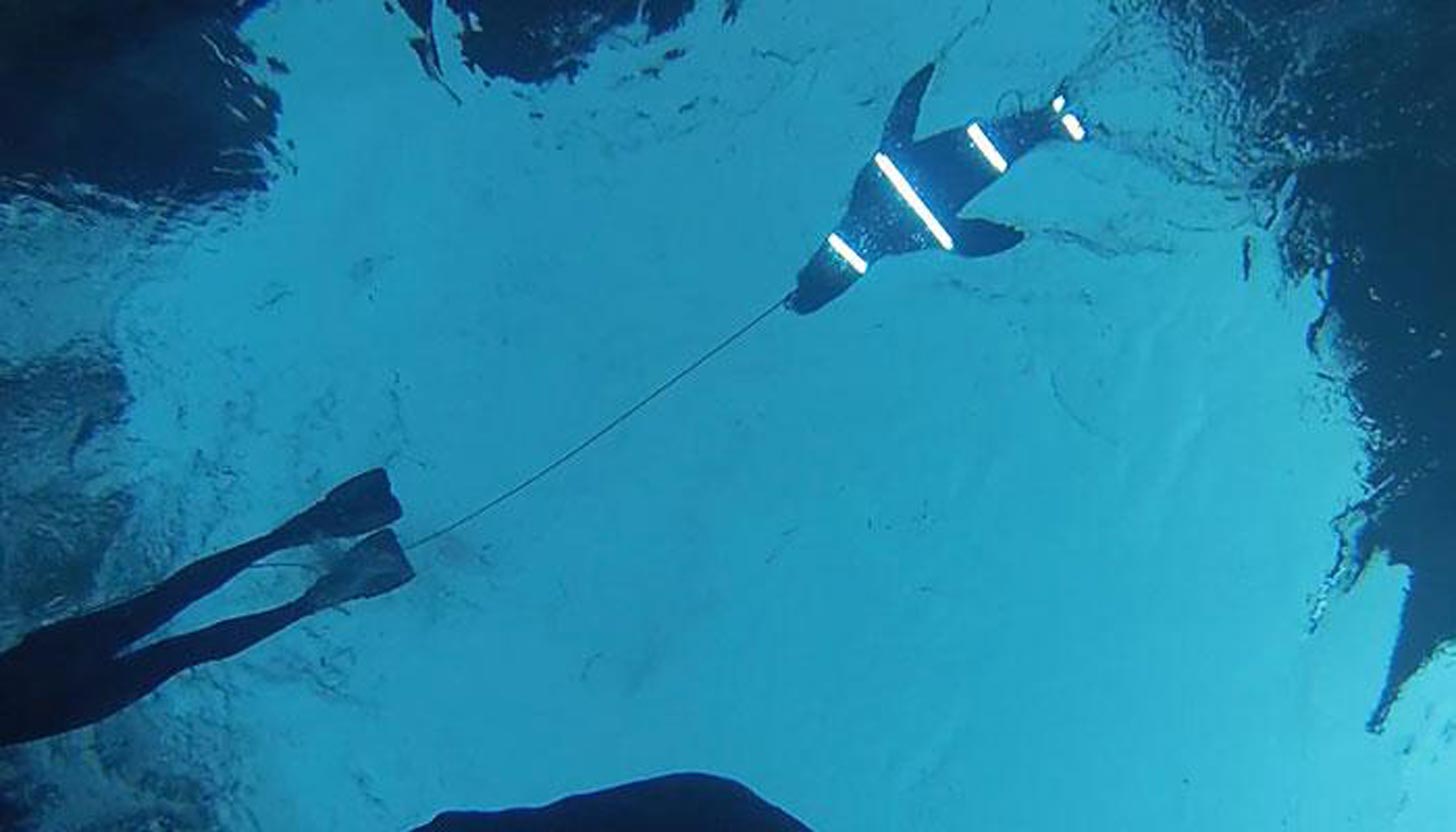
The study’s authors have previously discovered that great white sharks heavily rely on their eyes to locate prey and lunge upwards, chomping down on potential food.
Other research has also found that these sharks are likely completely colorblind and have poor "visual acuity,” which is why they often spot their prey based on shape or silhouette.
Unfortunately, that lack of keen vision means sometimes, sharks mistake humans for their natural prey (like seals or large fish).
But Ryan and Hart realized they might be able to use that weakness to their advantage.
They took inspiration from the plainfin midshipman fish, which has a natural defense to produce light and disrupt the shape of its silhouette, deterring predators. This led to the idea of disguising human silhouettes on the surface of the water using lights so that sharks would not mistake them or their surfboards for food.
Their “counter-illumination” strategy was studied over the course of six years at Mossel Bay in South Africa — a notorious great white shark hot spot.

“There’s an island there called Seal Island,” Hart said in a video for the university. “The sharks are there to hunt the seals, and it’s a great place to do this kind of testing.”
Hart and team towed seal-shaped foam decoys on a 20-meter line behind a boat to attract sharks to attack, using LED lights in different configurations to break up the silhouette of the decoys.
“What we found is that if you put lights on the bottom of the decoys, the sharks leave them alone,” Hart continued. “We think this tells us a lot about how sharks see the world and how they detect and target their prey.”
Lights placed in stripes across the bodies of the seal decoys — perpendicular to their movement — were among the most effective deterrents. The brighter the lights, the more sharks were deterred.

“It’s sort of like an invisibility cloak but with the exception that we are splitting the object, the visual silhouette, into smaller bits,” Hart said in a statement.
“It’s a complex interaction with the shark’s behavior. The lights have to be a certain pattern, a certain brightness.”
This research could lead to new designs for surfboards and wetsuits to protect surfers from attacks.
In fact, the team is testing a surfboard prototype with fitted lighting now, according to The Guardian. As surfers themselves, the researchers are hoping to create something practical that doesn’t require too much battery power.
“Surfers can be a little bit fussy with their surfboards,” Ryan told The Guardian. “As a surfer, I want it to be usable.”
Header image courtesy of Macquarie University
Chappell Roan doesn’t have to be dressed in a gingham two-piece on the “Saturday Night Live” stage to be considered “The Giver.”
With a long history of charitable contributions and a devoted outspokenness about social justice, particularly among the LGBTQ+ community, her newest endeavor comes as no surprise.
Dr. Kara and Dwight Amstutz, Roan’s parents, have donated a signed copy of the singer’s Rolling Stone magazine cover for an annual local gala: Springfield Black Tie.
The gala includes a silent auction (that takes place both in-person and online) to raise funds for southwest Missouri LGBTQ+ organizations.

“I signed a limited number of Rolling Stone covers for my hometown’s… queer charity event,” Roan posted in an Instagram story Tuesday morning.
“Online bidding starts November 13 at 6 p.m. Central Time. 100% of proceeds go to local queer charities/initiatives.”
A listing for the magazine starts at a bid of $250, but it’s unclear just how much it might raise. Past beneficiaries of Springfield Black Tie include PFLAG Springfield, AIDS Project of the Ozarks, and The Glo Center, which Roan has supported proudly in the past.
Roan is from Willard, Missouri, which is a little over ten miles Northwest of Springfield.
“Chappell Roan, a native of Willard, MO, has risen to national prominence, known for her powerful voice and commitment to LGBTQIA+ advocacy through her music,” Black Tie’s listing for the autographed magazine says.
“Her recognition as MTV’s Best New Artist solidifies her influence in the music world and her role as a powerful voice for inclusivity. The autographed Rolling Stone magazine captures a defining moment in her career and offers a rare opportunity for fans and supporters.”
In a 2021 report, LGBTQ+ suicide prevention organization The Trevor Project found that nearly half of all LGBTQ+ youth in rural areas and small towns stated that their community was “somewhat” or “very unaccepting” of LGBTQ+ people, compared to just over a quarter of those in urban and suburban areas.
Roan has been vocal in the past — especially through her title as the “Midwest Princess” — about the struggle young, queer people face in unaccepting parts of the country.
“For all the queer kids in the Midwest watching right now,” Roan said, upon accepting an MTV Video Music Award this fall, “I see you, I understand you, because I’m one of you. And don’t ever let anyone tell you that you can’t be exactly who you want to be.”
Coming from a town with a population of about 6,500 makes Roan’s trajectory that much more impressive — and her loyalty to all other LGBTQ+ Midwesterners that much more impactful.
“Chappell’s rise… is a proud moment for the community,” Amy Tignor, Springfield Black Tie spokesperson, said. “The funds raised will enable us to continue supporting essential LGBTQIA+ services in southwest Missouri.”
Header image courtesy of Springfield Black Tie
Every spring, about two billion birds fly through Texas. In urban areas like downtown Fort Worth and Dallas, light pollution can be a deadly hurdle for many migratory species.
Cataloging hundreds of bird collision deaths in the DFW area — which contribute to an estimate of about 3.5 billion deadly bird collisions in the country every year — experts from the Texas Conservation Alliance found that the Dallas-Fort Worth metroplex was the third most dangerous area for avian migration nationwide.
So, they tried something new.
The alliance’s Lights Out team convinced downtown businesses to turn down their brightly-lit buildings, reducing light pollution that is otherwise disorienting to birds.

As of Oct. 31 of this year, the team recorded 42 bird mortalities, which is down from the 110 mortalities documented in the fall of 2023.
These deaths are up from springtime records, which counted 33 deadly collisions months prior. But Texas Conservation Alliance community conservation director Mei Ling Lui told the Fort Worth Report that this is still a win, given that fall and winter migration numbers are often higher than spring.
“Because North America is a breeding ground in the summer, there are a lot of birds that actually migrate with their parents or their flock (in the fall),” Ling Liu explained.
Her colleague, Mia Schlicke, a Lights Out, Fort Worth coordinator, said this year’s reported mortalities are still low, considering peak migration runs from Oct. 16 to Nov. 16.
Ling Liu and Schlicke believe this decline in deaths is at least partly thanks to the support of downtown Fort Worth building owners who have agreed to turn off lights overnight after joining the national Lights Out program in 2021.

In addition to making the very simple (literal) switch, Lights Out teaches city officials and other stakeholders how to decrease light pollution and save urban wildlife.
Program leaders also survey other areas in the city to bring into the fold, like suburban areas and college campuses.
“Our campaign is moving toward not just advocacy or talking to city officials. We are actually going to work with the community,” said Ling Liu.
“I think there’s a lot of work to do in the surrounding areas,” added Schlicke.
Fortunately, they can take inspiration from a sundry of other cities and regions.
Lights Out comes from the National Audubon Society, which has spread its efforts across the country, with over 50 cities now participating.
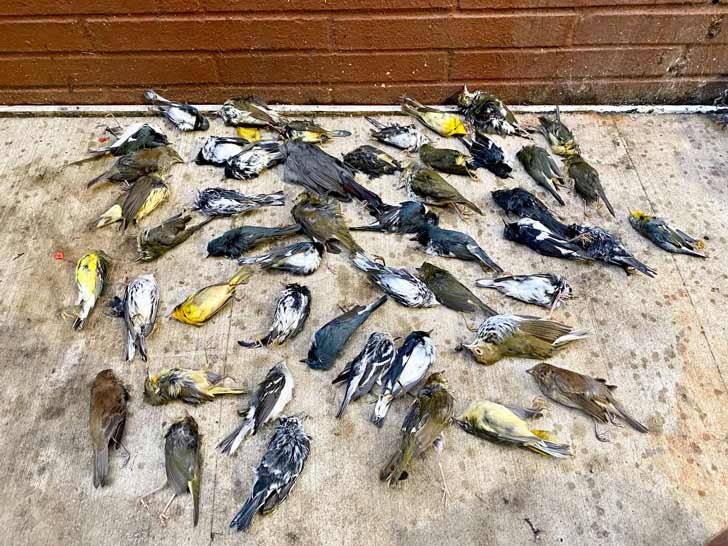
“We want to bring those successful cases to the DFW area and see if we can have [a] similar concept to bring into the city,” said Ling Liu.
Galveston and Houston, Texas have also introduced similar methods, switching off non-essential lighting from 11 p.m. to 6 a.m. during spring and autumn migration.
The Cornell Lab of Ornithology has also developed a way to forecast bird migration during specific times and in specific locations, helping property owners and businesses predict when birds may pass so they can activate Lights Out precautions more accurately.
“Texas is a place where we want to make sure that passage is as easy and safe as possible,” Andrew Farnsworth, a migration ecologist at the Cornell Lab of Ornithology told the BBC earlier this year.
Along with the recent introductions in the DFW area, most of Texas’s major cities have integrated the Lights Out program, which according to data collection in cities like Chicago, could lead to a 60% decrease in bird mortality.
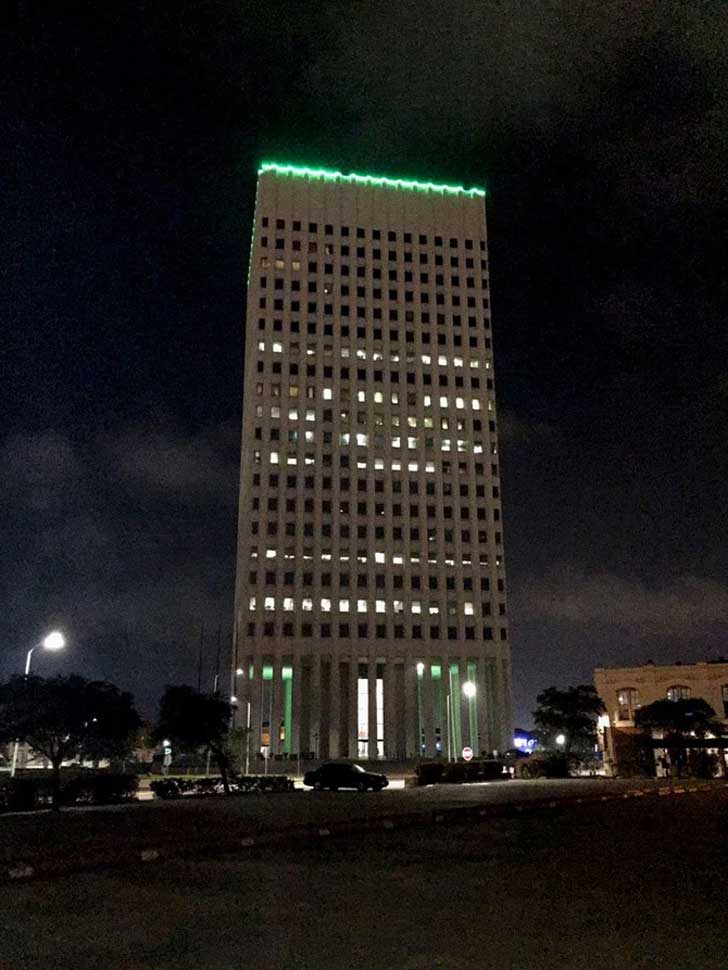
And it’s not just a win for the birds, but for everyone who shares an ecosystem with them.
“The whole canary-in-the-coal-mine euphemism is true,” Farnsworth told the BBC. “Birds are good bioindicators and proxies for ecosystem health. Plus, birds look really cool, sound really cool, and have really interesting behaviors.”
Bird lovers in North Texas (and any other participating Lights Out cities) can do their part, too. Lights Out, Fort Worth, for instance, has started using dBird, a website where residents can submit incidents of dead and injured birds, which helps experts target their efforts.
Audubon chapters across the country are also working to introduce Lights Out to even more communities nationwide.
“We’re only one team. We can’t collect all the data on the building collisions. We know there is more happening,” Schlicke told the Fort Worth Reporter.
“So spreading the word that anyone can report a bird collision and help us collect this data is what we’re trying to do with this deeper initiative.”
Header image courtesy of Agha Zain (CC BY-NC-SA 2.0)
This year, 14-year-old Yash Mehta flew to Old Delhi, India to visit his grandfather, who helps run a school for the blind.
During his visit, Mehta questioned why none of the students had access to modern electronic braille readers. He was told that most braille readers cost upwards of $3,000 (with some priced as high as $15,000).
As he reeled from the high price, a lightbulb went off in Mehta’s brain: He wanted to make an electronic braille reader that anyone could afford.
His original goal? Make a model that costs less than $50.
In the end, he invented a small model that cost $20 and a larger model priced at $35.
In his project submission video for Society for Science — which hosts an annual STEM competition called the Thermo Fisher Scientific Junior Innovators Challenge — Mehta showed off his invention and explained the importance of expanding access to braille readers.
“This is crucial, because there are currently 36 million visually impaired individuals around the world, and this number is projected to increase by 55% over the next 30 years,” Mehta explained.
“Additionally, 89% of blind individuals live in low and medium income countries, where access to braille is very limited.”

Citing a study by the National Federation of the Blind, Mehta also pointed out that 1.3 million people in the United States alone are severely visually impaired — and 31.2% of those people live below the poverty line.
A shortage of qualified teachers and a growing reliance on text-to-speech technology has greatly reduced the population of individuals who can read braille, but the cost of braille readers is an added barrier that discourages education and adoption.
In fact, only 10% of blind Americans can read braille.
“Reducing the cost of braille displays is critical to making education more accessible for everyone,” Mehta said.
In his video, Mehta explained that braille “cells” consist of six dots arranged in two columns and three rows, and every combination of dots corresponds with letters, numbers, math symbols, and even musical notes.
Mehta went on to say that it’s not simply a matter of users opting out of electronic devices to curtail costs because books written in braille can be “six times” more expensive than a typical book, due to the specialized manufacturing process involved.
Conversely, electronic braille readers have the benefit of reusability — but that initial price point is still a non-starter for most users.
“Braille displays are expensive because they rely on piezoelectric crystals, which require complex hardware, driving up costs and leading to mechanical failures,” Mehta said, showing how he used readily available parts like motor drives and brush motors to optimize the cost of his model.
Another problem Mehta wanted to address was the lack of accessibility in typical braille readers when it came to individuals with decreased sensitivity in their hands and fingertips.
With this in mind, he fine-tuned his models with a potentiometer — a small instrument that could allow users to increase the speed, vibration, and pressure of their device.
After finalizing his invention, Mehta put it to the test against 29 other finalists at the Thermo Fisher Scientific JIC in Washington, D.C. in late October — and emerged with a first-place technology award.
Encouraged by his win, Mehta hopes to patent his invention and make it even better.
His current model can translate computer text into braille letters, but he wants to add optical character recognition which would allow his invention to also translate printed text and handwritten notes.
“I would probably go back to the Blind Relief Association and get more feedback with my new prototype,” Mehta told Science News Explores in early November, saying that his biggest asset has been community support.
“I think that’s the most important part — getting first-hand feedback.”
Header image via Kristina Tsvetanova, Slavi Slavev / BLITAB Technology GmbH (CC BY-NC-ND 2.0)
Two new bombshells have entered the villa.
Well, they’re Amur tigers, their names are Bodhana and Kuma, and they’ve just returned to Kazakhstan after their species has been extinct from the area for over 70 years.
In a historic reintroduction effort led by the Government of Kazakhstan, the World Wildlife Fund, and the United Nations Development Program, the male and female tigers were brought to the Ile-Balkhash State Nature Reserve earlier this year in hopes of restoring the region’s ecosystem.
“It is a high priority for Kazakhstan to work on the restoration of rare species,” Daniyar Turgambayev, the vice-minister of the Ministry of Ecology and Natural Resources of Kazakhstan, said in a statement for WWF.
“For ecological value it is important that our biodiversity chain is restored. And that the tiger that once lived in this area is reintroduced here.”

Bodhana and Kuma were driven from their former home at the Anna Paulowna Sanctuary in the Netherlands, to Germany, where they boarded a six-hour flight in the hold of a commercial plane to Kazakhstan. Their journey ended, finally, with a 20-minute helicopter ride to the reserve.
If you couldn’t tell by the transportation efforts, this is an ambitious initiative — and has been years in the making. Along with years of planning and negotiation, the nature reserve, spanning a vast 4,151 square kilometers, has been rewilded over the past six years to prepare for the tigers’ reintroduction.
Other endangered species like the Bukhara deer and Kulan have already been reintroduced to the reserve, accompanying the reforestation of over 50 hectares of native trees.
“Today marks a monumental conservation milestone to bring tigers back to Kazakhstan and Central Asia,” said Stuart Chapman, leader of WWF Tigers Alive. “This tiger translocation is a critical step to not only bring back the big cat to its historic homeland but also to rewild an entire ecosystem.”

The Amur tigers are central to this biodiversity boom, playing a significant role in sustaining the ecosystem. Bodhana and Kuma will live in a spacious, “semi-natural” three-hectare enclosure. Any cubs they birth will be released into the wild and become the first tigers to roam freely in Kazakhstan in decades.
They could also represent the first-ever international wild tiger reintroduction.
Tigers once roamed across Central Asia all the time, but now they occupy less than 7% of the range they used to. In Kazakhstan especially, massive hunting sprees and the systematic reduction of tiger prey led to their declared extinction in the Caspian region in the 1950s.
“These tigers were selected because they’re very similar to what would have been found in the Caspian region (before their extinction),” Chapman told CNN.
“Tigers have been translocated within country boundaries, and zoo tigers cross international borders all the time, but that’s for them to remain in captivity,” he continued. “This is the first time that tigers have crossed international borders to reintroduce them into the wild.”
According to WWF, the translocation of these tigers is the first of several planned in the coming years, ultimately aiming to build a healthy population of about 50 wild tigers in the region by 2035.
And it’s not only good for the tigers; local communities have seen a clear improvement in their environment. The rewilding of the Ile-Balkhash Nature Reserve also includes support for improved agricultural techniques and priming the area of nature tourism.
“With the launch of the tiger reintroduction program, we have witnessed a significant change — the revival of nature and our village of Karoi,” Adilbaev Zhasar, the head of the local community group Auyldastar, said in a statement.
“This project not only restores lost ecosystems, but also fills us with pride in participating in a historic process. Because of small grants from WWF, we have the opportunity to do what we love, develop small businesses, and create jobs in the village, which brings joy and confidence in the future.”

WWF and local partners will also manage human-wildlife conflict in the area, including education and compensation programs to help the nearly 6,000 area residents live in harmony with growing wildlife populations.
Chapman also told CNN that they will radio-collar the tigers to set up an early warning system that will help nearby villagers know when a big cat is nearby, keeping both humans and felines at a safe distance.
“This initiative is not only a testament to the resilience of the species,” the WWF press release said, “but also a powerful example of governments, conservation organizations, and local communities cooperating in wildlife and nature conservation.”
Chapman, for one, doesn’t take that lightly.
“It’s not often, in conservation terms, the wildlife gets a second chance,” he told CNN. “Bringing back tigers to Kazakhstan is so significant in conservation terms, I have to pinch myself that this is happening.”
Header image ©WWF/Vijay Nagarajan