On April 21, the Bronx Zoo welcomed a new foal to its herd of endangered Przewalski’s horses.
“This foal is wildlife conservation in action — fewer than 2,000 Przewalski's horses exist globally,” a media contact said on behalf of The Wildlife Conservation Society.
The Przewalski’s horse (pronounced “shuh-VAL-skees”) is widely considered to be the world’s last “truly wild” horse, having diverged from the domestic horse over 5,000 years ago.
Compared to typical horses, Przewalski's horses are small and stocky, with a large head, thick neck, and short legs.
In addition to their dusky brown coat, they have yellowish-white bellies, dark legs, and stripes behind their knees. They also have no forelock — hair that falls between their ears — and sport a zebra-like mane instead.

The Przewalski’s horse once ranged throughout Europe and Asia, but human settlements drove them further east. Eventually, they could only be found in the Mongolian steppes of the Gobi Desert.
By 1969, the Przewalski's horse was officially declared extinct in the wild. At that point, conservation efforts turned to captive breeding efforts.
“Through breeding programs aimed at maintaining a genetically diverse population of the species and through reintroduction efforts, zoo-bred Przewalski’s horses were successfully returned to their native grasslands in China in 1989 and in Mongolia beginning in 1992,” The WCS said in a press release.
Today, all Przewalski's horses — including the one just born at the Bronx Zoo — are descended from just 14 individuals.
“The Bronx Zoo has played a pivotal role in the conservation of the Przewalski's horse, also known as the Mongolian wild horse,” the WCS said.
The Bronx Zoo has been raising Przewalski's horses for years.

“The birth of an animal that was once extinct in the wild is a cause for celebration!” the Bronx Zoo shared on Facebook when an earlier foal was born in 2022.
But captive breeding is just one part of the species’ conservation plan — the other vital step is reintroduction.
In 2024, three Przewalski’s horses (named Zorro, Zeta II, and Ypsilon) traveled 3,000 miles, by truck and plane, from the Prague Zoo in Czechia to the Altyn Dala reserve in the Kazakh Steppe.
They were the first of 40 horses to join the reserve.
“We have been waiting for this moment for a very long time,” Albert Salemgareyev from the Association for the Conservation of Biodiversity in Kazakhstan told AFP in 2024. “A lot of work has been carried out in recent months in order for the Przewalski horses to come to Kazakhstan.”
In addition to strengthening the horse’s population, conservationists hoped that the reintroduction would also restore the steppe ecosystem. The horses spread seeds, graze vegetation, and play an important role in maintaining biodiversity across the grasslands.
For now, the horses are living in protected areas where veterinarians and researchers can continue monitoring their health and behavior. Once they're fully released, experts will continue keeping an eye on them to ensure that they’re thriving.
“I am very happy that we can return this beautiful animal to the land of its habitat,” Pavol Šepel’ák, an ambassador of the Czech Republic, said in a press statement. “The project itself … has already had great success.”
You may also like: Florida locals had one week to save a cow from slaughter: 'He managed to cross paths with all the right humans'
Header image via WCS / Terria Clay
Suicide isn’t funny. But Angie Belcher’s stand-up course Comedy on Referral is helping men at risk of suicide learn how to laugh through the pain.
The course — which is backed by the charity Rethink Mental Illness — gained funding in 2022 with an NHS grant through the North West London Integrated Care Board. Belcher said that the classes are designed to encourage trauma victims to “process their trauma in a different way” by reclaiming the narrative of their life story.
“This enables survivors to consciously use comedy to change their perspective of their experiences, but it also puts them in a physically powerful position because being on stage is very powerful,” Belcher told The Guardian.
According to the International Association for Suicide Prevention, an estimated 703,000 people die by suicide worldwide each year, and the rate for men is nearly double that of women.
Belcher’s students include men who are over 18 who have attempted suicide, and who have often lost friends and family by suicide as well.
“We’ve never done anything like this before and we’re very excited about it because we’re hoping it will reach men who, even though they’ve been diagnosed as at high risk of suicide, don’t think they have an issue and so won’t go to counselling or attend anything signposted ‘suicide prevention,’” said Lourdes Colclough, head of suicide prevention at Rethink Mental Illness. “This is a different way of engaging with this hard-to-reach group.”
Working alongside psychologists, Belcher and Colclough designed the lessons to gently guide pupils through writing assignments, group games, and one-on-one work. The six-week course ends with a grand finale: a comedy show in front of an audience of 100 people.
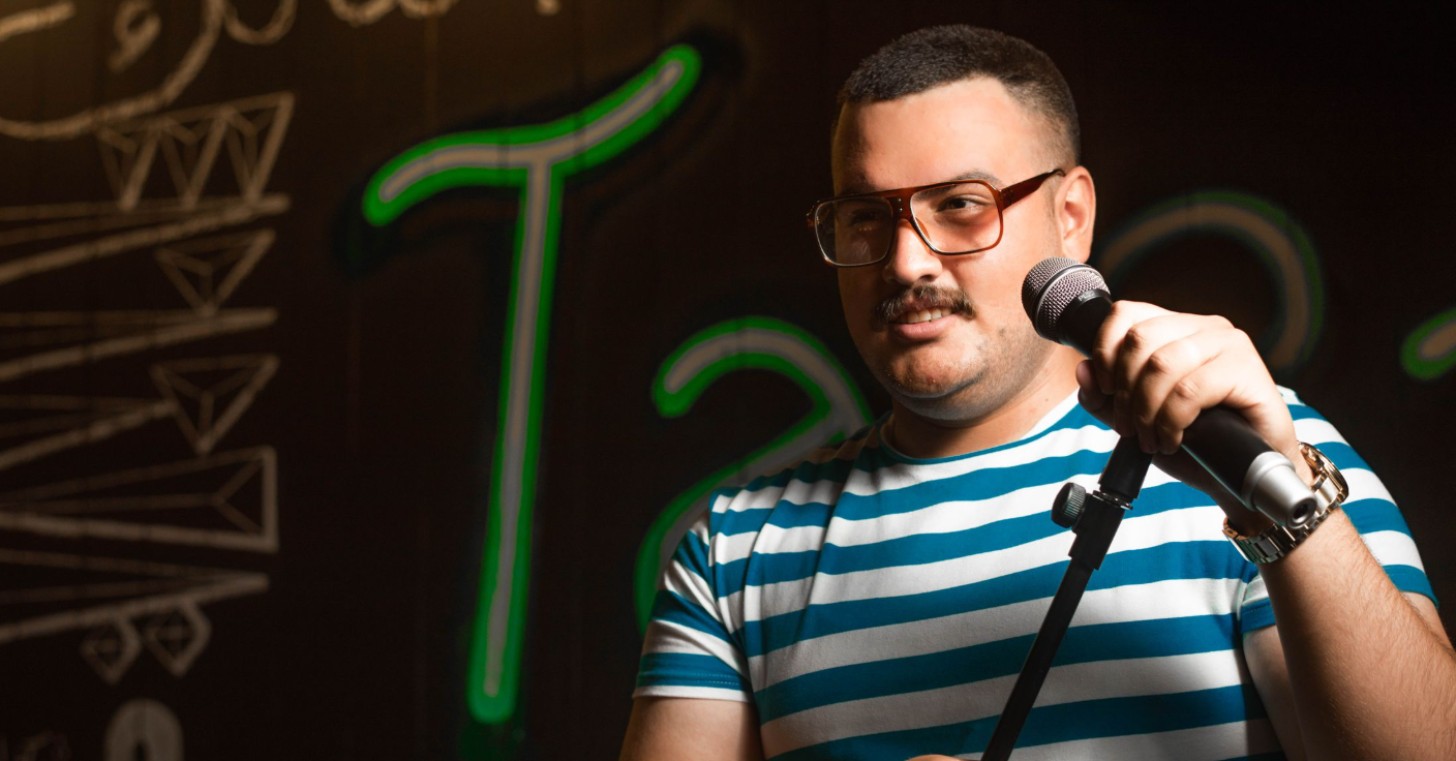
Using comedy as a healing tool is not an entirely novel concept. Stand-up comedian Patton Oswalt has long been vocal about how performing comedy helped him get through the loss of his wife in 2016.
On top of the catharsis that comedy brought him personally, Oswalt said that writing and performing throughout his grief journey helped others heal, too.
“My goal — as always — is I want to be funny, and I want to get laughs,” Oswalt told NPR. “But laughter, I think, can loosen up a lot of poison that has kind of settled into your muscles and your soul; not to get too Oprah about it. And maybe incidentally I'm helping someone out with their grief.”
Belcher knows that her Comedy on Referral classes may be an unconventional way to support people in her Bristol community, but that doesn’t lessen the significance of her mission.
She said: “I want participants to leave the course with a different part of themselves — their comedic persona — so that they can enjoy their lives in a different way and hopefully in a better way.”
A version of this article originally appeared in the 2024 Gender Edition of the Goodnewspaper
You may also like: New campaign challenges men to confront childhood trauma and break generational cycles of domestic violence
Header image via zaid mohammed
For 40 years, broadcaster Bernie Wagenblast had been the voice of New York City’s subway system — a deep yet friendly sound that directed millions of people around the city every day.
And after decades of this work as a man, she shared in 2023 that she was transitioning into womanhood.
At first, she didn’t mind using her assumptively male voice to continue working, but on Trans Day of Visibility in 2024, Wagenblast partnered with NYC’s Metro Transit Authority to launch a new campaign: “In Transit.”
The campaign included a limited podcast series, where Wagenblast discussed trans health, history, and resources.
Additionally, posters across subway stations directed folks to important locations in trans history across the city, with taglines like “trans visibility is now arriving,” and “the next stop is a more inclusive city.”
Perhaps most exciting of all, Wagenblast’s new, more feminized voice was used to record new announcements for the subway.
“I hope that through the work that we’re doing with this campaign, we will be able to raise visibility and increase respect for all different types of people,” she said in an Instagram video for the MTA.
Wagenblast is still the voice of the Subway today and continues to advocate for her trans siblings. She was the announcer at Mayor Zohran Mamdani’s inauguration, and she was just named the 2026 grand marshal of N.Y.C. Pride.
But navigating a voice change isn’t just for trans figures in public life; it’s a form of gender-affirming care for trans and non-binary folks everywhere.
Akin to other types of gender-affirming care, such as laser hair removal, surgeries, and hormone replacement therapy, voice coaching can cost a pretty penny. Working with speech and language pathologists and other professionals may be covered by some insurance plans, but there is still a major gap in folks accessing this kind of support.
That’s why Jess Gibbard, a trans SLP-in-training offers both free and paid voice coaching to trans clientele. She’s based in Victoria, British Columbia but conducts her work with folks around the globe through digital sessions.
Gibbard is able to toe the fine line of this work with people at any stage in their transition, using visual cues and ongoing coaching to help someone feel confident in their new voice.
“It’s really important for trans people like myself to find a voice that feels more comfortable, that doesn’t put us at risk out in public, and to be able to pass more like the person we want to be,” Gibbard told Chek News, a local outlet in Victoria.
Her business, TransVoiceCoach.com, offers paid voice lessons, but will take on some volunteer work or discounted sessions because of the increasing demand for voice coaching in the trans community.
“It’s such an integral, vital aspect of who we are as [people],” she told Chek News. “Having the voice that is your voice, it’s an unparalleled feeling, and it feels really nice being able to make a difference like this.”
A version of this article was originally published in The 2024 Pride Edition of the Goodnewspaper.
You may also like: New study: Most people are not actually worried about trans women in women's bathrooms
Header image by Anna Pou via Pexels
Although some of us might already have a miles-long “to be read” list of books, there’s a pretty good chance it doesn’t include many trans and nonbinary authors.
The publication of LGBTQ+ books is indeed surging: In 2023, the U.S. publishing industry saw a 200% increase in LGBTQ+ fiction sales, compared to the same period in 2019.
And it is more important than ever to learn directly from trans and nonbinary writers. As these groups face increasingly hostile legislation, book bans, and stigmatization, our readership is a financial and social light in the dark.
To make it a bit easier to find your next read, we’re sharing some of our favorite titles by trans and nonbinary authors.
Remember: Always try to shop from independent bookstores or request these reads from your local library!
By the way, some of the links in this article are affiliate links, which means if you make a purchase after clicking a link, we may earn a commission at no extra cost to you. Thank you!
9 must-read books by trans and nonbinary authors
Fiction
“Man o’ War” by Cory McCarthy

“Man o’ War” is a novel about an Arab American trans teen who goes on a journey of self-discovery spanning years in a landlocked Midwestern town. A Stonewall Honor Book, this young adult novel is for everyone itching for a story of trans joy and true love.
Shop: Amazon | Bookshop | Libro.fm
“The Thirty Names of Night” by Zeyn Joukhadar

“The Thirty Names of Night” is an award-winning piece of literary fiction about a closeted Syrian trans boy whose folkloric quest of art, expression, and queer history helps him find his true name, identity, and community.
Shop: Amazon | Bookshop | Libro.fm
“Vagabonds!” by Eloghosa Osunde

“Vagabonds!” is a novel about characters whose existences are outlawed through a lens of myth and fantasy.
Following a wide range of leads, from a lesbian couple to a legendary fashion designer, the book intertwines their stories and challenges social norms with curiosity and imagination.
Shop: Amazon | Bookshop | Libro.fm
Nonfiction
“Paper Doll: Notes From A Late Bloomer” by Dylan Mulvaney

“Paper Doll” is the debut memoir of the breakout social media star we all know and love from her “Days of Girlhood” series.
In it, Mulvaney reflects on life pre- and post-gender-transition and provides an ode to queer joy that is sprinkled with her signature wit and humor.
Shop: Amazon | Bookshop | Libro.fm
“Make It Count: My Fight to Become the First Transgender Olympic Runner” by CeCé Telfer

“Make It Count” is a moving memoir that tells Telfer’s story of being the first openly trans woman to win an NCAA title.
In it, she grapples with her experience as a “walking controversy” in the sports world while trying to find herself amidst it all.
Shop: Amazon | Bookshop | Libro.fm
“Beyond the Gender Binary” by Alok Vaid-Menon

“Beyond the Gender Binary” is an illustrated nonfiction “survival guide” that urges us all not to see gender in black in white. With Vaid-Menon’s iconic humor and creativity, they provide a blueprint for gender that is malleable, expressive, and free.
Shop: Amazon | Bookshop | Libro.fm
Poetry
“All the Flowers Kneeling” by Paul Tran

“All the Flowers Kneeling” is a poetry collection that explores sexual violence and intergenerational trauma, while serving as a vessel for the author to redefine their self and find resilience and love in vulnerability.
Shop: Amazon | Bookshop | Libro.fm
“Falling Back in Love with Being Human: Letters to Lost Souls” by Kai Cheng Thom

“Falling Back in Love with Being Human” is a series of poems and essays about growing up as a Chinese Canadian transgender girl turned activist, conflict mediator, and spiritual healer.
These writings go on a quest to prove the author’s belief that every human being is intrinsically sacred.
Shop: Amazon | Bookshop | Libro.fm
“Take Me With You” by Andrea Gibson

“Take Me With You” is a quintessential poetry anthology by the late Colorado poet laureate, focusing on themes of love, gender, politics, sexuality, family, and forgiveness.
Divided into three sections, pieces take on forms from one-liners to long-form poems that will leave readers with quotable favorites for years to come.
A version of this article was originally published in The 2025 Pride Edition of the Goodnewspaper.
You may also like: 'Gender Queer' is the most banned book in America. Here’s how author Maia Kobabe says you can protect it.
Transgender and nonbinary people across the United States — and across the globe — are in a time of relentless persecution, facing bans to healthcare and participation in athletics, and even being stripped of their very legal identification.
Laws and policies enacted to erase trans lives seem to come from every direction — over 500 bills across 37 states have been introduced to block trans rights in 2026 alone, according to the American Civil Liberties Union.
But as insurmountable as this hate may seem, love and celebration are the mightiest tools at our disposal. And they often win!
Over the last 15 years, advocates have defeated roughly 90% of anti-LGBTQ+ bills introduced across the country, according to Logan Casey, the director of policy research at the Movement Advancement Project.
While these proposed bills are frightening and must be taken seriously, it’s equally important to have context about the effectiveness of fighting back.
Ben Greene, a trans author, advocate, and speaker behind the newsletter “Good Queer News” gives allies 50 introductory actions to take to do just that.
Original content lightly edited for length and clarity.
By the way, some of the links in this article (like books!) are affiliate links, which means if you make a purchase after clicking a link, we may earn a commission at no extra cost to you. Thank you!
50 Things You Can Do For Trans Rights
10 Ways To Learn More About Trans Rights
- Listen to “Tested” by NPR and CBC, a podcast mini-series about the complicated history of sex testing in women’s sports.
- Read “Before We Were Trans: A New History of Gender” by Dr. Kit Heyam for a long-term, global history of trans people. (Bookshop) (Amazon)
- Read “Transgender History: A Resource for Today’s Struggle — And Tomorrow’s” by Susan Stryker for a more recent history of trans communities and advocacy. (Bookshop) (Amazon)
- Read “Marsha: The Joy & Defiance of Marsha P. Johnson” by Tourmaline to learn about Black trans pioneers. (Bookshop) (Amazon)
- Read “Unmasking Autism: Discovering the New Faces of Neurodiversity” by Dr. Devon Price for a primer on the science and sociology of transness and neurodivergence. (Bookshop) (Amazon)
- Read “Stone Butch Blues” by Leslie Feinberg, a pivotal trans historical novel. (Amazon)
- Read “American Teenager: How Trans Kids Are Surviving Hate and Finding Joy in a Turbulent Era” by Nico Lang for a modern-day story of political impact on young trans people. (Bookshop) (Amazon)
- Read “Outspoken: A Decade of Transgender Activism and Trans Feminism” by Julia Serano for a primer on transmisogyny. (Bookshop) (Amazon)
- Read “Who’s Afraid of Gender?” by Judith Butler to understand why people are so upset about trans folks. (Bookshop) (Amazon)
- Read “Transness is Healing,” a zine by psychologists Sebastian Barr and Joonwoo Lee.
10 Ways To Support A Trans Friend
- Send them good news stories whenever you come across them, or let them know about wholesome and exciting allyship interactions you have out in the world.
- Ask: “What's bringing you joy right now?” instead of “How are you?” Lean into that joy with them, or help them find something that can be a source of joy.
- If they are selling art, working on a personal project, have written a book, etc. buy something that they’ve made! Post it all over your social media! Trans small businesses and writers are being actively suppressed by most social media algorithms.
- Send a “support menu” with options of tactical support you are willing and able to provide.
- Offer to go with them to bureaucratic spaces that can be more hostile or stressful, like passport appointments, doctor's offices, DMV, court hearings for name change, etc.
- Remind them that you love them, and that you have their back. Note: this does not need to include reference to “how awful things are lately.” We know.
- Whenever a particularly heinous headline or executive order drops, invite them to hang out for a fun or restorative no-phones-no-news activity.
- Also, when a piece of bad news comes out, don’t send it to them unless they’ve specifically asked for it, but reach out to check in and ask how they're doing or if they need anything.
- Venmo them $10 for ice cream or buy them a copy of your favorite book. This is a personal favorite.
- Ask them! I don't know what your specific friends need! My favorite question these days is: “What does a good friend look like to you right now?”
10 Ways to Support Trans Youth
- Buy, read, and share “My Child is Trans, Now What?” (by me)
- Use Rebecca Minor’s website to donate copies of her amazing new book, “Raising Trans Kids” to community centers, libraries, and families in need.
- If you’re in a blue state, research whether your hospitals have stopped providing gender-affirming care. Reach out to your attorney general to encourage them to enforce state law and demand those hospitals restore legal, safe healthcare.
- Research the school boards in your area. Are there any that seem more hostile? Any with important elections coming up? Attend a meeting to speak up, or volunteer to help with a campaign.
- Create a space where young trans folks in your life can feel completely seen and completely safe: A fancy dress up dinner either in town or in your home, a spa/manicure day, a fashion show.
- Learn about their interests, passions, and joys. Then search online for trans adults who are living those futures or have lived them in the past. help them see what is possible.
- Engage with your local PFLAG or TransParent chapter. Some chapters focus only on support, but many have undertaken many advocacy initiatives as well. Volunteer!
- Buy them a book with a trans character who shares as many identity characteristics with them as possible. Help them see themselves in stories.
- Follow Tina from Tertium Quid on Substack, who does amazing, tactical writing about how we can prepare ourselves and our loved ones for the challenges that are present and that lie ahead.
- Help them find safe and affirming spaces where they can gather. For me, I love to support Proud Art St. Louis or Transforming Families Minnesota. If you don't have a trans youth in your personal or local life, donate to orgs like this, or reach out to ask how you can volunteer to support their work!
10 Ways to Support Trans Rights With Your Money
- Find out what the important local races are in your state or community: State house, school board, library board, city council — it all counts. Donate to the campaign of an explicitly pro-trans candidate. (Bonus points: Reach out to that candidate to let them know you donated because you appreciate their support for the trans community. They will shape their campaign based on the issues they hear about!)
- Purchase books by trans authors. Good sales numbers not only support our careers, they also convince publishers that it is still worth publishing trans books in general.
- Shop at trans-owned and allied businesses! Boycotting is hard, and rather than focusing on changing your habits around avoidance, pick one or two local trans owned/affirming businesses and make visiting them a regular habit.
- Buy trans art! Wear it! Hang it in your home! Beautiful trans art is everywhere, and helping support those artists and increase visibility of trans art will inspire more people to care.
- Donate to a mutual aid fund, which helps meet urgent needs for people in your community.
- Donate to PROMO Missouri, an organization building an ambitious strategy to change the landscape of trans rights in Missouri, which could change the realm of what's possible for trans rights across the country.
- Donate to your state or local equality organization, or a local direct services organization providing resources to the local community.
- Have big money to donate? Find someone on GoFundMe who is fundraising for gender-affirming surgery, or for a cross-country move for safety. Pay the gap.
- Buy 10 copies of your favorite trans-authored book from a local bookstore, then drop them off in Little Free Libraries around your city or town.
- Pick a trans person in your life and ask them what organization has made the biggest difference for them. Then, donate to that organization!
10 Creative Ways To Show Up For Trans Rights
- Get on the distribution lists of the trans and queer rights organizations in your area. Try to find at least one state-level equality organization, and one local, municipal, or county-level organization. Commit to joining at least one call to action from each.
- Sign up for the mailing list for Advocates For Trans Equality and engage with their volunteer actions to build trans power across the United States!
- Extrovert or storyteller? Look up if a local organization is doing any deep canvassing in your area and join in.
- Are there any ballot initiatives in your state for trans/queer equality? Sign up to collect signatures!
- Write an op-ed or letter to the editor to your local paper. Focus on telling stories and highlighting that this is a community of people who deserves safety, privacy, and freedom like anyone else.
- Especially for more privileged allies, stop transphobic (or misinformed) comments when you hear them from friends and community members. Afraid to stir the pot? Remember: If you're trying to be my ally and the stones thrown at me aren't hitting you, you aren't standing close enough.
- Encourage your workplace to host events about trans inclusion and storytelling. Pushing for overall cultural change, building environments where positive policies are more well received, and creating safer workplaces for trans people is critical in pushing for trans rights. (And I have the perfect speaker for you! It’s me. Please hire me!)
- Do you work with any non-trans-related nonprofits or community serving organizations? How can you encourage them to ensure their services are inclusive of the trans community?
- Pick a local body: school board, library board, PTA, or city council — and learn more about their history. Show up to meetings so that you can let local organizers know when something is coming up that will need a crowd rallied for it.
- Don't wait for someone else to do it. This is an “all hands on deck” situation. There is no such thing as the right person at the right time, there is only you, now. Don't feel ready/smart enough/brave enough? I get it. Ask yourself: How did I need to grow to meet this moment?
A version of this article was originally published in The 2026 Pride Edition of the Goodnewspaper.
You may also like: Comedian Caleb Hearon matches $15K in fan donations for Transgender Day of Visibility
Header image by Patrick Perkins on Unsplash
It’s clear that LGBTQ+ folks have a lot to navigate.
From finding social and familial acceptance, exploring their own identities, and protecting their safety every single day, the last thing this community has time for is myth-busting.
Unfortunately, though, there is a lot of misinformation in the world that dehumanizes queer and trans folks. And a lot of times, it’s up to queer and trans folks to defend themselves or “explain” why things are the way they are. And that’s a lot of emotional labor!
Plus, sometimes, when someone’s curiosity sounds a lot more like judgment, we don’t have the best words to offer them.
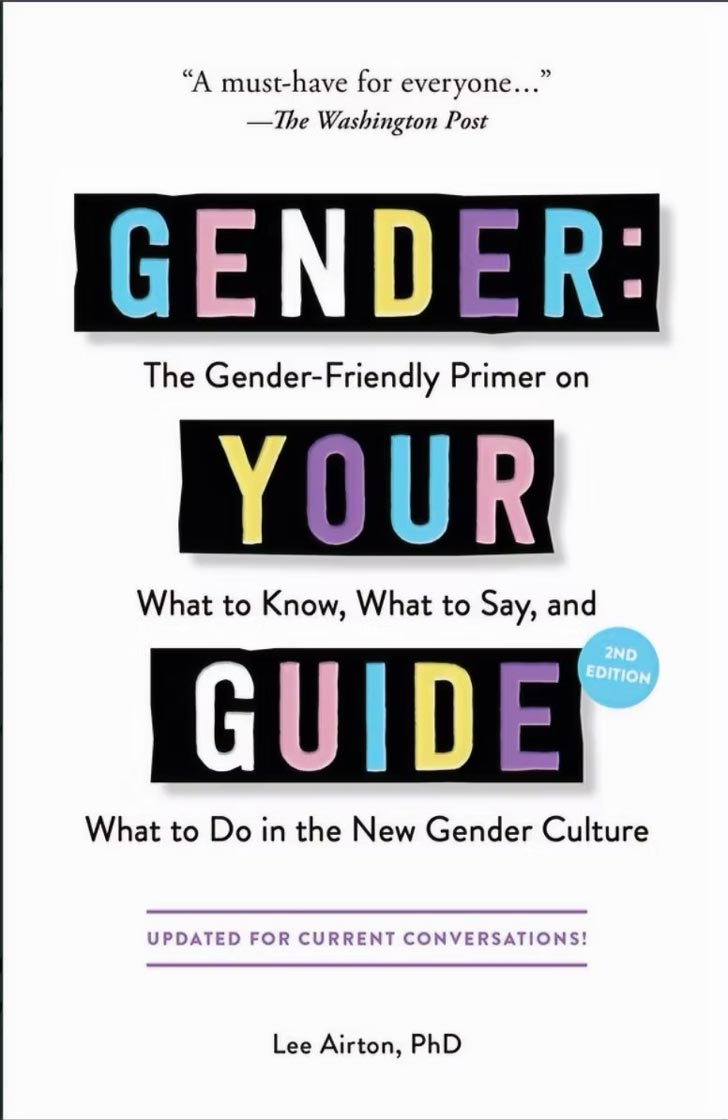
So, we created this resource, with the help of Lee Airton, the author of “Gender: Your Guide, 2nd Edition: The Gender-Friendly Primer on What to Know, What to Say, and What to Do in the New Gender Culture.”
In addition to being an author, Dr. Airton is an associate professor of gender and sexuality studies in education at Queen's University in Kingston, Ontario. A teacher educator for over 15 years, Dr. Airton has also worked with hundreds of new and veteran teachers to “widen the circle of belonging” for all people in schools.
And now, they’re here to teach you, too.
Our goal was to take some of the most prevalent (though, often unfounded) concerns of the moment, answer them in a clear and concise way, and provide queer and trans folks (and their loved ones) with a script for the questions they frankly shouldn’t have to answer.
Dr. Airton’s answers have been edited for length and clarity.
5 myths about queer and trans people: Debunked
Myth #1: Why is everyone suddenly saying they're queer or trans?
Dr. Airton: I totally get how, if you aren’t someone who has LGBTQ+ people in your family or among your friends, it can feel like a lot more people are queer or trans these days. There’s an important difference between queer/trans people existing, and queer/trans people being out as who we are in all areas of our lives.
The first isn’t new, but the second is.
Over the past decade in Canada and the U.S., and until the recent backlash in some states, it was becoming more possible to be out and also keep your job, housing, friends and family.
This is because societal acceptance of gender and sexual diversity has grown so much, as have legal protections from discrimination. LGBTQ+ people have always been here, only now we can grow up knowing who we are.
Myth #2: Why are “pronouns” such a big deal these days?
Dr. Airton: Research has shown that meeting a trans person really makes a difference in how you feel about transgender people: more comfortable with and holding more favorable attitudes toward us.
When you get to know a trans person and say their pronouns, you’ll see that this is (a) no big deal, actually, and (b) a really kind, impactful and easy thing to do.
You don’t need to completely understand the science behind human sex, gender, and sexuality or figure out exactly where you stand politically before you do this one simple thing: Say a pronoun that feels right to someone else.
But for most people, it’s something new and weird. That will change as time goes on.
Myth #3: Should I be worried about my kids being exposed to LGBTQ+ people?
Dr. Airton: People who worry about this typically think being transgender isn’t real (it is), or that same-sex relationships are sinful or wrong (they aren’t), and that they can somehow keep their kids away from the normal range of human gender and sexual variation that they’ll encounter online, in media, at school, and someday their workplace, if not within themselves.
The only risk of ‘exposing kids to LGBTQ+ people’ is exposing them to what freedom looks like, and many people with rigid views of gender and sexuality would rather their kids not experience that.
They worry that their kids will “become gay” or “become trans,” but research has shown that you can’t change someone’s sexual orientation or gender identity — you can only make them miserable.
Parents have a lot of power to decide the kind of relationship they have with their kid, but not whether their kid is queer or trans.
Myth #4: What is gender-affirming care for kids, exactly? Are kids actually changing their genitals?
Dr. Airton: Unequivocally, no — zero children have surgeries on their genitals because they’re trans. Gender-affirming care for children is limited to hormone suppression to delay puberty, because puberty produces irreversible effects on the body that often can’t be reversed later without a lot of expensive and complex medical treatment.
A very tiny number of transgender adolescents with significant gender dysphoria choose to have a gender-affirming surgery, but this happens with caution and after a lot of exploratory consultation. It’s also typically limited to chest surgeries like breast removal or breast enhancement, which do not touch fertility or sexual function.
Myth #5: Is being trans or gender nonconforming a mental illness?
Dr. Airton: Easy! No. The Diagnostic and Statistical Manual of the American Psychiatric Association is the touchstone of what is and is not a mental illness, and being transgender is not in there.
Transgender people do have higher-than-average rates of mental illnesses like depression and anxiety, but these are typically linked to experiencing discrimination and harassment for being trans.
Some trans people experience gender dysphoria — acute distress because their body does not match up with their gender identity — but not all trans people do.
Gender dysphoria is in the current DSM, but simply being transgender is not. This makes sense because transgender people are a historically documented phenomenon and part of the normal spectrum of human diversity, across time and across cultures.
A version of this article was originally published in The 2024 Pride Edition of the Goodnewspaper.
You may also like: New study: Most people are not actually worried about trans women in women's bathrooms
Header image by charliewarl on Unsplash
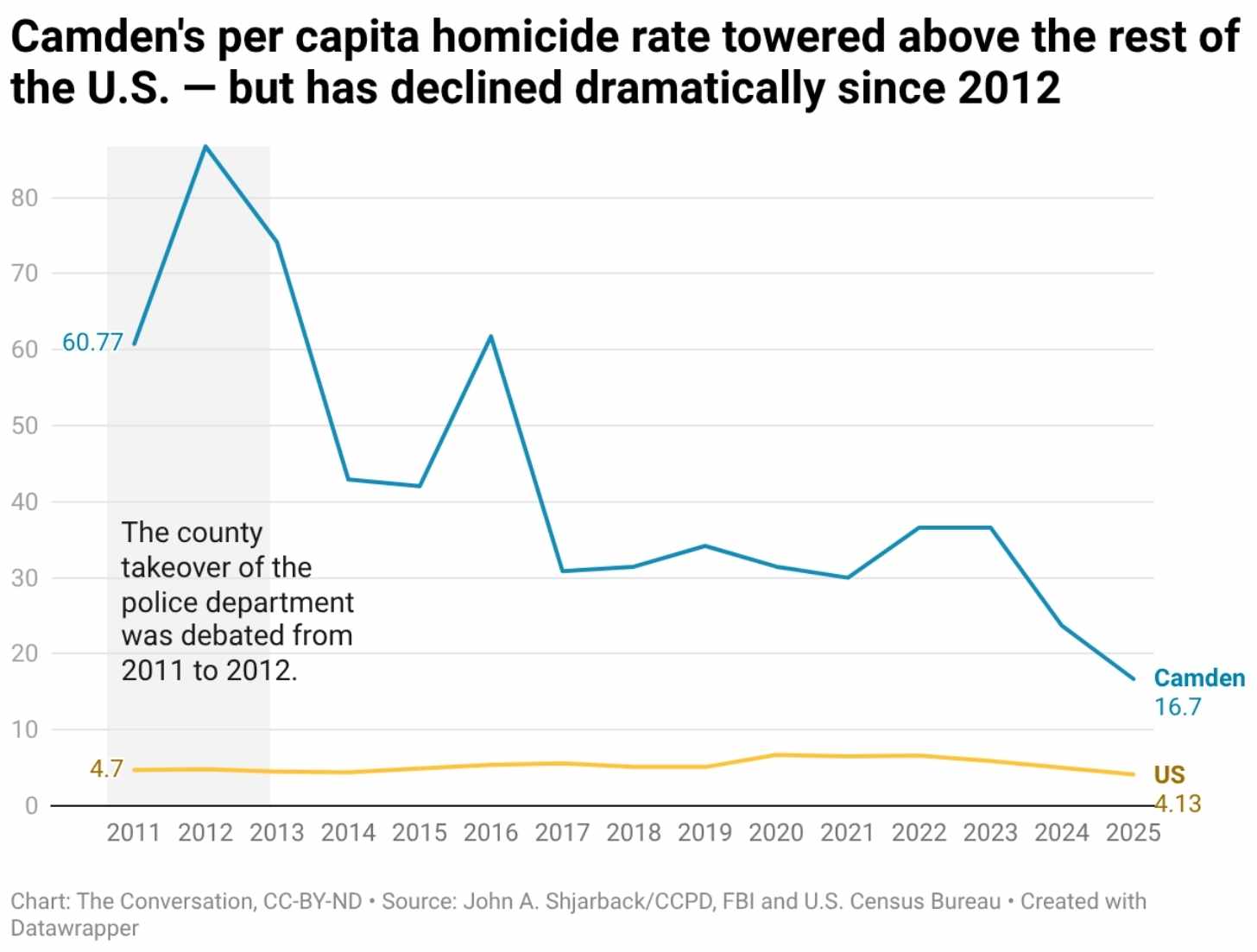
In 2025, Camden, New Jersey — a city of about 72,000 residents that sits across the Delaware River from Philadelphia — experienced its first homicide-free summer in nearly 50 years.
The city ended the year with 12 homicides — a stark drop from 2012 when it recorded 67, a per capita rate 18 times the national average at the time.
I’m a professor of criminal justice who wrote a book on police reform efforts in Camden over the last 15 years. The stunning turnaround in violent crime has led Camden and its newly formed Camden County Police Department, which was established in 2013 and replaced the Camden City Police Department, to be hailed as a model of reform. In 2015, then-President Obama visited the city to highlight the progress made.
Positive national and international attention on police reform in Camden continued in 2020 following the murder of George Floyd. This attention stemmed from the Minneapolis city council’s unanimous decision to dissolve the Minneapolis Police Department and start anew — much as Camden had done seven years earlier.
Yet one topic that I believe such discussions and commentary often overlook is the role that community and activist groups, as well as local media, played in better policing by the Camden County Police Department.
County takeover of city police department
Under-policing came to define the final years of the Camden City Police Department, or CPD. Police presence in the community was largely absent.
In contrast, the Camden County Police Department, or CCPD, began its new mandate with an aggressive, broken-windows style of policing that included targeting low levels of disorder and quality-of-life offenses, like loitering.
Residents were concerned about this new aggressive stance. The American Civil Liberties Union of New Jersey, researchers, and local media used New Jersey’s Open Public Records Act to collect measures of the CCPD’s activity.
This data pointed to a troubling rise in officer-initiated vehicle and pedestrian stops, tickets for low-level violations, use of force, and citizen complaints of excessive force through 2014 and 2015.
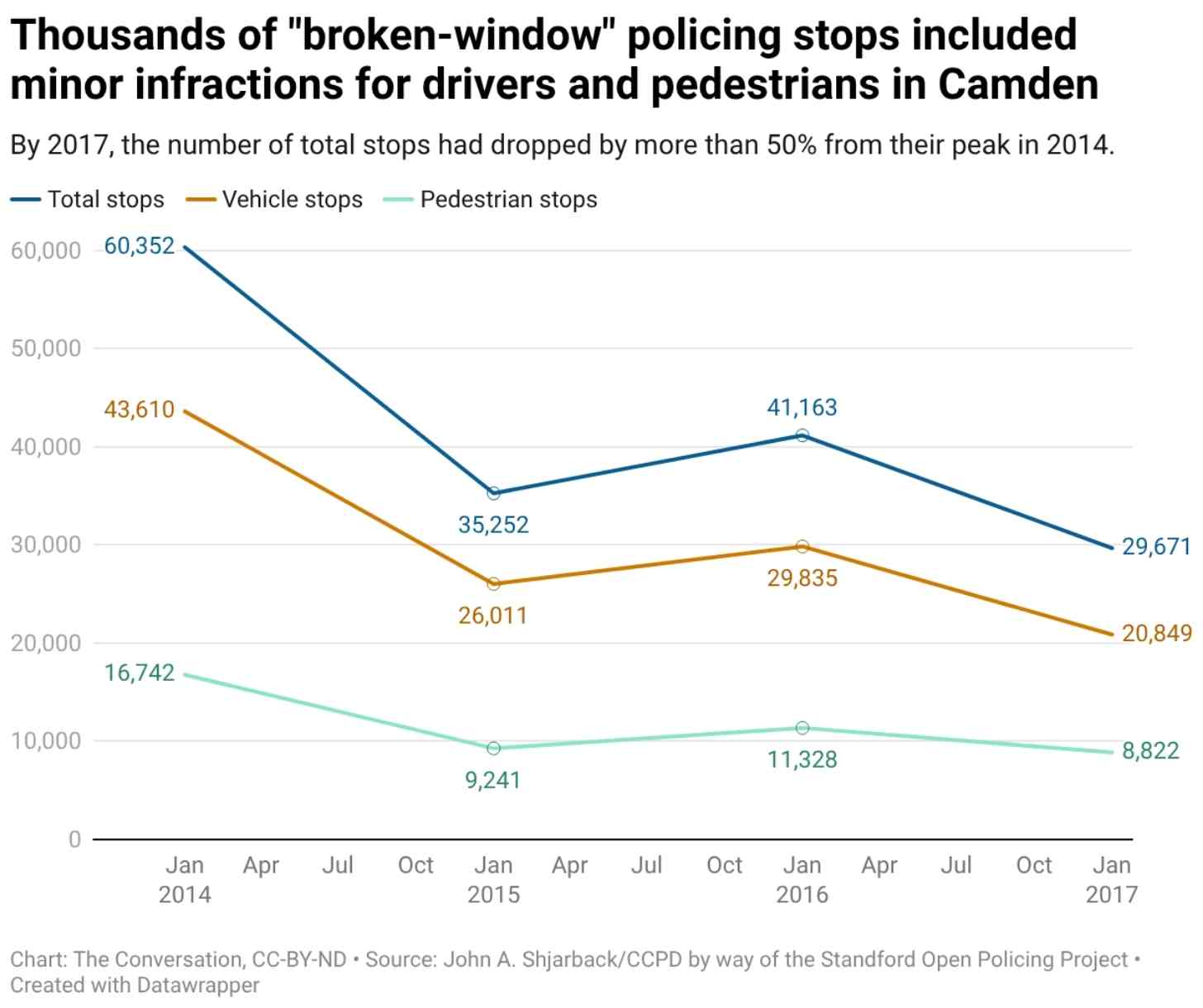
CCPD officers in 2014 made 60,352 total stops, including 16,742 of people on foot. The per capita rate of pedestrian stops exceeded the rates in both New York City and Philadelphia during those cities’ peak stop-and-frisk years in 2011 and 2009, respectively, before stop-and-frisk tactics spurred court-ordered reforms.
Beyond the stops, CCPD officers issued more than 6,000 citations from May 1, 2013, when the new department launched, through the end of the year. They issued over 19,000 citations in 2014. During its first year or so, the CCPD’s total number of cases in municipal court increased by nearly 30% relative to the year prior.
Similarly, the number of tickets issued for minor infractions — such as riding a bicycle without a bell or a light, and disorderly conduct — rose steeply. For example, the number of citations for having tinted car windows more than tripled, while citations for not having proper car lights or reflectors more than quadrupled.
Backlash to broken-windows policing
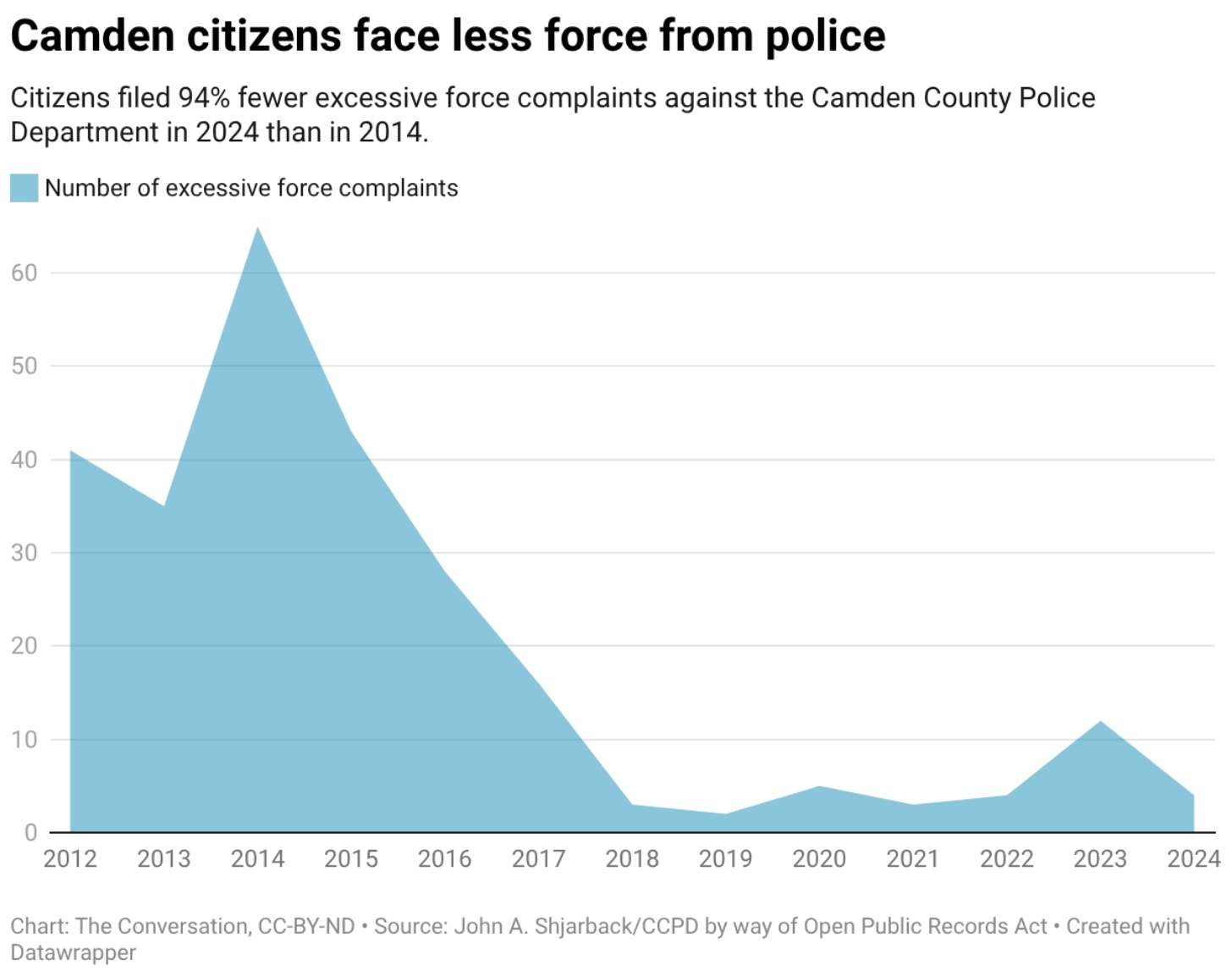
Citizen complaints against CCPD alleging excessive use of force increased from 35 in 2013 to 65 in 2014.
Organizations like the Camden County chapter of the NAACP and the ACLU-NJ drummed up attention to these figures by issuing announcements and press briefings. On the same day in May 2015 that President Obama heralded the CCPD, the ACLU-NJ issued a scathing rebuke to the President’s message.
It read, in part: “Before we hold Camden up as a model of community policing, we must address the troubling indicators that point to Camden’s use of practices that appear to take a page from a broken windows approach to policing.”
Mobilized residents and groups, including clergy members, made it clear that they did not appreciate this level and type of aggressive policing. The Philadelphia Inquirer and the Star-Ledger/NJ Advance Media amplified the coverage of Camden’s heavy-handed tactics.
What followed was a complete change in behavior among the CCPD from an activity, training and policy perspective. The numbers and rates of police stops declined. CCPD officers began issuing more warnings compared to tickets, to the point that “warnings over summonses” became an unofficial slogan of the department.
The top brass at CCPD sought out and implemented two types of de-escalation training, starting in the spring of 2015, for all officers. The CCPD also started to explore a complete overhaul of the agency’s use of force policy.
It eventually adopted a more restrictive policy that emphasized de-escalation and the sanctity of life, while prohibiting tactics like chokeholds and shooting at moving vehicles. The CCPD’s innovative policy even inspired the New Jersey Attorney General to revamp its statewide policy years later.
As a result, complaints of use of force, in general, and of excessive force dropped from 43 in 2015 to 28 in 2016, and declined to 16 in 2017, and just three in 2018. Such complaints have usually been in the single digits each year since.
The CCPD deserves credit for course-correcting. But I believe it’s important to remember where that impetus came from: community and activist groups, as well as local media attention.
Many fewer murders, but persistent challenges
Camden has undoubtedly made progress. The city’s homicide rate in 2025 was four times the national average — a marked change from 18 times the national average in 2012. Homicides across the country have also declined in recent years.
Yet, problems persist.
Camden is still a perennial contender for the most violent city in New Jersey. Despite a $1.6 billion economic package from the state to the city during the 2010s, which overwhelmingly took the form of tax subsidies to encourage businesses to either stay in or relocate to Camden, almost every census tract is among the most socially and economically disadvantaged in the state. Most companies that receive tax breaks do not employ a meaningful number of Camden residents.
The city is racially segregated from the rest of Camden County and the broader South Jersey region.
In my opinion, Camden, like most other cities, relies too much on the police, giving them a monopoly on public safety.
I believe both the city and the CCPD should take a cue from places like Newark, New Jersey, and St. Louis, Missouri, to find innovative ways to collaborate and engage more with community groups, business associations, and other non-police entities.
Together they can co-produce public safety and take a more holistic approach to reducing crime, violence, and disorder.
This article was written by John A. Shjarback from Rowan University, and was originally published on The Conversation.
Header Image by Jimmy Woo on Unsplash

[Haz clic aquí para leer en español]
Six days a week, María Hernández wakes up at 5 a.m. to get herself and her family ready for the day.
“You have to be very organized,” she said by phone on a Sunday — the only day she typically doesn’t work.
A mother of four, she lives in Salemburg, North Carolina, and has worked in agriculture for decades in a state that has drawn thousands of farmworkers.
The 53-year-old has diabetes, which makes her worry about working summers in tobacco fields, where temperatures can spike higher than the surrounding area.
“It might be 98 degrees, but in a tobacco field it can be over 110 degrees,” Hernández said.
Extreme temperatures can leave workers dangerously overheated and dehydrated, a problem set to get worse as the climate heats up.
That’s where Elizabeth Mizelle, a nurse and professor at East Carolina University, comes in. Inspired by hydration backpacks her brothers wore while serving in the military, she’s been collaborating with farmworkers to test similar $20 backpacks in the fields. It’s likely the first experiment of its kind in the United States, and if it succeeds, it could help agricultural workers across the country stay healthy in increasingly hot weather.
A hot state with few worker protections
Average spring temperatures in North Carolina have increased by 2.5°F (1.5°C), and summer temperatures have increased by 2.3°F (1.28°C) since 1970, according to Climate Central, a nonprofit that researches climate change and its real-time impacts.
The summer of 2025 was far hotter than usual, according to the North Carolina Division of Public Health, with dire consequences for workers and other state residents. Between May and September, 5,748 emergency room visits were recorded for heat-related illness.
“This figure is considerably higher than the average of the past five summers,” the division wrote on its website.
Outdoor workers, particularly agricultural workers, are among the most vulnerable. When body temperature rises above 104°F (40°C), it triggers heat stroke, which impairs organ function and, if not properly managed, can be fatal.
Read: How to spot the symptoms of heat stroke and heat exhaustion
But North Carolina offers little protection to farm workers. Oxfam ranked the state last in the country for working conditions in 2024 due to its lax labor policies.
That leaves workers at the mercy of their employers to stay safe. There is not much they can do beyond drinking water, but storing water bottles or taking breaks to get water is not always easy.
And the pressure to keep working, no matter what, is immense. Some workers ignore symptoms of heat exhaustion or heat stroke because they risk losing their jobs if they stop working.
Mizelle said she heard of a case in which a farmworker fell ill from the heat and had to return to his home country — and as a result, his employer did not rehire him the following year.
The backpack solution
Mizelle has spent the last decade studying the effects of climate change on public health and, over the past five years, examining the effects of extreme heat on health.
“Every summer I have done this research, we have broken more and more records,” she said.
She explained that the law requires employers to provide access to water. But workers often can’t easily access it because they work in large fields, sometimes far away from the water supply. During breaks, Mizelle said, workers sometimes don’t want to drink too much because it makes their stomachs uncomfortable.
In 2020, Mizelle studied the hydration levels of a group of outdoor workers. She found that about 46% of workers were dehydrated before their shift, and all of them were dehydrated by the end of it. Dehydration is dangerous because it reduces the body’s ability to cool itself by sweating and can lead to permanent organ damage and even organ failure.
Mizelle has two brothers who have served in the military, where they used hydration backpacks. That gave her the idea to study whether similar backpacks could give farmworkers easy access to water.
A commercially available hydration pack system typically consists of a protective outer backpack and an inner water bladder holding two to three liters of water, with a flexible tube and connected mouthpiece. The cheapest backpack costs about $20.
Mizelle conducted her first study with the backpacks in 2022, distributing them to 47 male workers. Results showed that most of the participants found them useful and comfortable in the fields. And 90% said the backpacks helped them stay hydrated. Preliminary data from a follow-up study in 2025 show similar results.

Although the backpacks might seem like a simple and easy solution to a serious problem, there are some drawbacks.
Lower back pain is common among U.S. farmworkers, and that could be worsened by the 8.8 pound weight of a fully filled backpack.
Cost is also an issue, along with the question of who should buy the backpacks. When farmworkers’ minimum wage is $12.78 (reduced from $16.16 in late 2025), it can be difficult to motivate workers to purchase them.
What Mizelle would like to see is farmers and workers sharing the cost of the backpacks so that both parties feel invested in the solution.
Policy could also help. In California, employers are required to provide workers with training on heat-related illness, a supply of cool fresh water, rest breaks in shaded areas, and to develop and implement a heat illness prevention plan.
Mizelle would like to see state lawmakers and growers adopt the backpack to prevent heat illness in outdoor workers. If even one worker were spared from heat illness, the price of the backpack would prove its worth, she says.
Back in Salemburg, Hernández heads to the field to start work at 7 each morning. She wears a watch that counts her steps. At the end of the day, it sometimes tells her she has walked more than 19 miles as she plants tobacco, cleans lettuce, or picks blueberries, depending on the season.
She said that if she had the opportunity to use a hydration backpack, she absolutely would. But for now, she will keep tucking her plastic bottle inside her clothing and praying she doesn’t suffer a heat stroke.
The Solutions Journalism Network and the CO2 Foundation supported this story.
This article was originally published by Yale Climate Connections.
Header Image by taşkın mişe via Pexels.
This story was originally published by Grist. Sign up for Grist’s weekly newsletter here.
Higher gas prices are bringing some Americans back to public transit.
The increase in ridership comes as the war in Iran has disrupted oil shipments through the Strait of Hormuz, pushing the national average price of gasoline beyond $4.50 per gallon. In California, drivers are paying more than $6.15 per gallon on average.
Rising fuel prices have historically pushed at least some Americans toward buses and trains, particularly commuter rail. But experts caution that decades of car-oriented development and inconsistent transit funding still leave most people with few practical alternatives to driving.
For those reasons, ridership is rising most sharply in places with robust transit systems and steep fuel prices.
California is a clear example. Transit agencies in San Diego, Los Angeles County, and the San Francisco Bay Area have seen ridership jump in recent weeks. The San Francisco Municipal Transportation Agency –– which, like others in California, received an emergency loan from the state in February –– saw its highest ridership totals since the pandemic in March.
Mark Olson, a spokesman for the San Diego Metropolitan Transit System, said gas prices probably drove the 6.5% jump in ridership it experienced in March compared to the previous year. Until the agency surveys riders, however, that remains an educated guess.
“A lot of our riders are low-income, and certainly gas prices can be much more sensitive to lower-income residents and riders,” Olson said.
In an effort to court riders, the agency, which faces a $500 million budget deficit over the next four years, has launched a commute calculator that compares the cost of driving and public transit.
Michael Roccaforte, a spokesman for the San Francisco MTA, said it is too early to link higher gas prices to ridership increases but called the return of riders to Muni — which has undergone speed and reliability upgrades in recent years — “a promising sign.”
“It’s a service that really matters to everyone here in San Francisco,” he said.
The ridership gains aren’t limited to California. The Washington Metropolitan Area Transit Authority in the Washington, D.C., region and Valley Metro in Texas also reported increases. Intercity passenger rail operators Amtrak and Brightline have seen a boost, too.
The trend mirrors past research showing that sustained increases in fuel costs can push some people toward public transit.
Hiroyuki Iseki, an urban studies and planning professor at the University of Maryland, co-authored a study on how gasoline prices affected public transit in 10 cities between 2002 and 2011. He found that when gas prices climbed 10% over the course of 13 months, light rail ridership increased by 1.2% and bus ridership by 0.8%.
Iseki’s study also found psychological effects as gas prices passed different thresholds. For example, when gas prices rose by 10% and topped $3 per gallon, ridership of all forms of mass transit increased by about 1.2%. A 10% increase that pushed prices beyond $4 led to a 9.3% jump for light rail.
“Usually the people who use commuter rail take rail only for commuting, just one round trip between home and their work location,” Iseki said. “Commuter rail, the travel distance is longer than other transit trips, so the longer the distance of travel the more pricey the gasoline cost.”
Some people are better positioned to leave their cars at home, said UCLA urban planning professor Michael Manville. Those with access to commuter rail, which tends to be time competitive with driving, might make a change.
But the more likely outcome is people continue driving to work and make shorter or fewer trips or even cut back on other expenses, he said. That’s because of the cognitive hurdle often required to make a switch to mass transit.
“It’s one thing to say, ‘Look, I’m just not going to drive quite as much as I used to,’ in a discretionary way,” Manville said. “It’s quite another for the typical person to then say, ‘I’m not gonna drive to work. I’m gonna figure out how the bus works.’”
There is a societal challenge as well. The U.S. has since the end of World War II made cars the focal point of city planning.
“We made a bunch of policy decisions that turned them into bad masters, but they are also good servants,” Manville said of automobiles. “You throw the family in them, and you don’t have to worry about the chaos of your kids and all their stuff.”
A fundamental shift from car travel to public transit would require better-funded systems that offer greater reliability and convenience. Transit has accounted for less than a third of federal transportation funding since 1956. As of 2017, 87% of trips in the U.S. were taken by car.
Federal policy has an enormous impact on who does and does not have access to something like commuter rail. Elisa Ramirez, who works on policy for Transportation for America, would like to see the federal government treat mass transit as a core priority with consistent funding. Until that happens, car travel will likely continue to be the dominant mode of transport.
“Time is money, and even though people can afford a $2 fare, they can’t afford to be late for work or miss doctors appointments,” she said. “For most Americans, driving is not optional, and that’s my big thing. How much does gas impact people moving to transit? First we need to have reliable transit.”
Header Image by J. Conrad Williams Jr. / Newsday RM via Getty Images for Grist
In October 2025, Oklahoma’s elected officials gathered to break ground on a new Tulsa City-County Library branch in the city of Owasso.
The new Eddy Gibbs Library would be twice as big as the original branch, adding more study spaces, more room for kids to play, and a drive-up service window.
But the groundbreaking ceremony drew added buzz. That’s because, for the first time in state history, housing units would be built directly above a public library. 59 of them, in fact.
The future residents of the building will also have access to 119 new parking spots, a courtyard, an outdoor kitchen, and a pickleball court.
The library will be in the same location, in the city’s Redbud District, a downtown area where locals can eat, shop, and visit Redbud Festival Park, a public green space that hosts numerous events throughout the year.
“I think it’s going to be a staple in our Redbud District,” Owasso Mayor Alvin Fruga said at the groundbreaking ceremony.
After the original library was built in 1989, Owasso's population grew considerably.
“The city of Owasso already has one of the busiest libraries in our system,” Tulsa-City County Library CEO Kimberly Johnson told News On 6, adding that the branch has more than 8,000 monthly visitors.
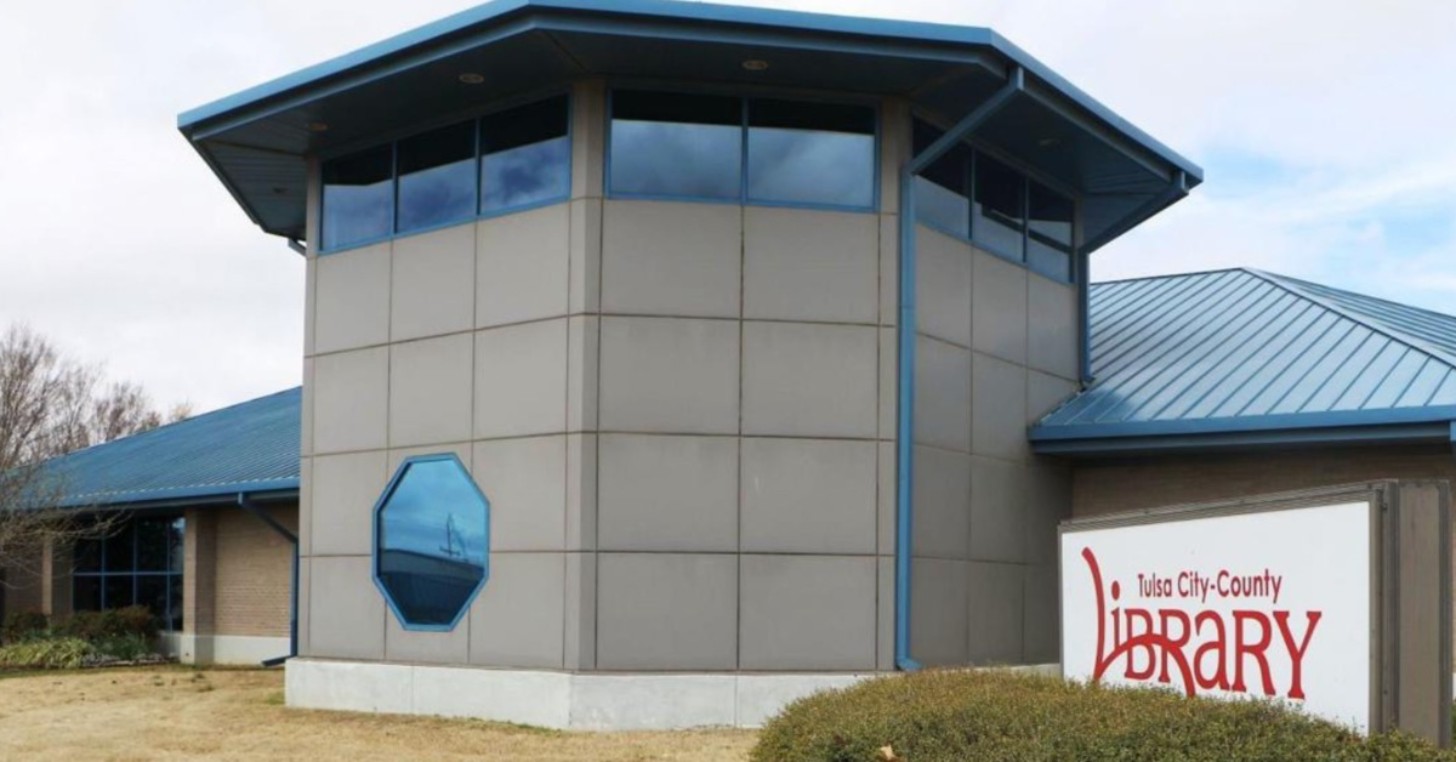
The new mixed-use building is projected to be completed and open to the public in early 2027. While construction is underway, a temporary library location has opened to continue serving the public.
The project is part of the Tulsa City-County Library’s “My Library, OUR Future” campaign to replace four of its most-used branches.
“These four heavily used branches had shown a severe need of replacement due to outdated infrastructure and technology, size limitations for current usage, and parking limitations,” reads a statement on the campaign’s website.

“Through this campaign, TCCL’s overall collection will increase by approximately 45,000 items, representing an approximate 30-percent increase for each of these four locations.”
The library will be on the first level, topped by three floors of apartment units. For the community’s safety, there will be separate entries for library patrons and residents.
“It’s done well in other areas of the country,” Owasso Assistant City Manager JJ Dossett told News On 6. “We’re excited the Tulsa City Library is using Owasso as the first opportunity to try it here in Oklahoma.”

Across the US and Canada, more than 20 libraries have been integrated into apartment complexes
Redesigning aging public libraries helps cities tackle two major challenges at once: housing shortages and outdated public infrastructure.
According to the Urban Institute, at least 23 combined library-housing developments have been completed in the U.S. and Canada since 2000. These mixed-use projects have created nearly 1,850 apartments, many of them affordable housing units, and also strengthened neighborhoods by adding amenities like daycares and community centers.
In 2019, the Chicago Public Library system partnered with the local housing authority to develop a seven-story mixed-use building on the site of a former public housing complex in the city’s Little Italy neighborhood.
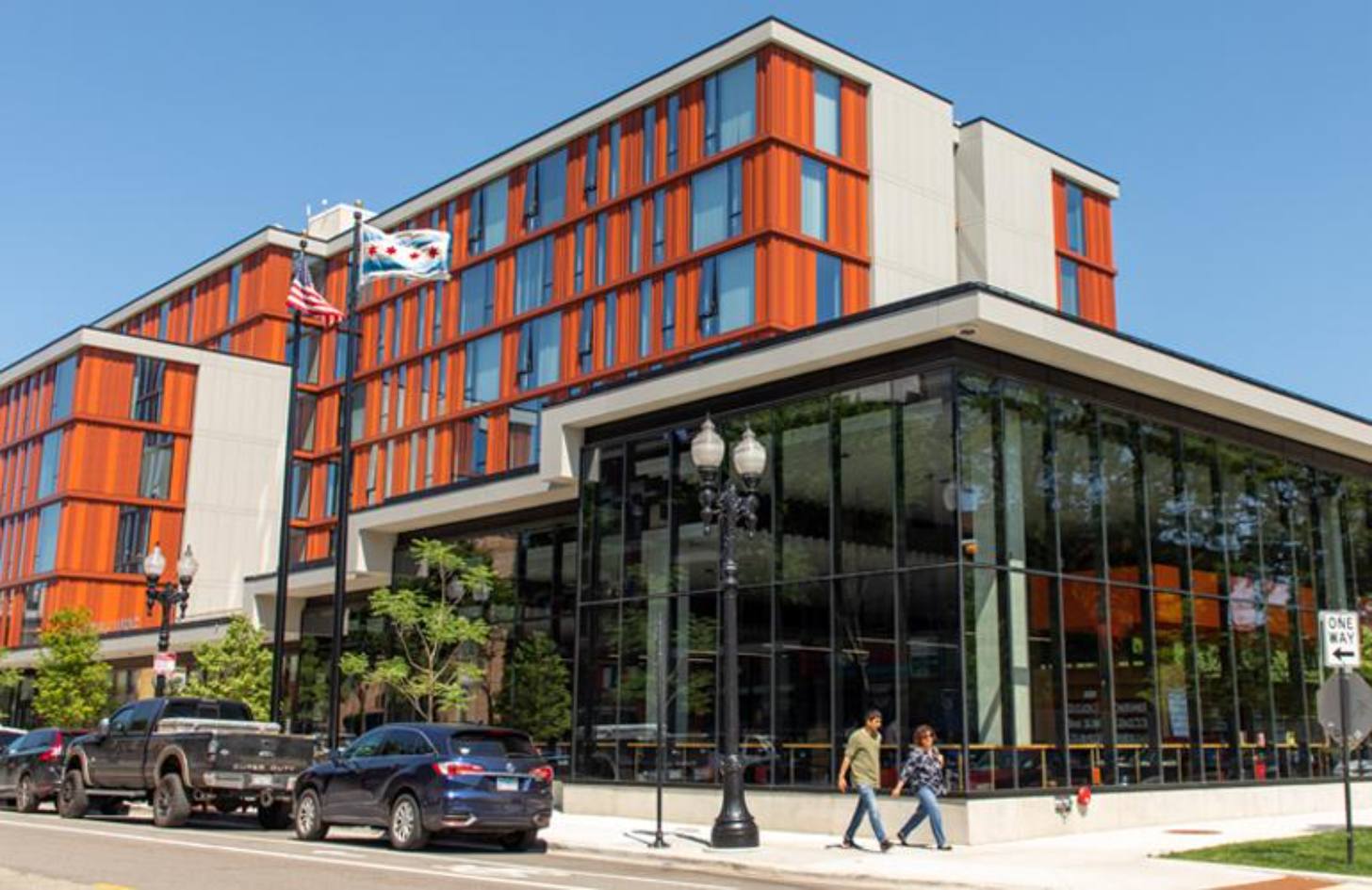
By using publicly owned land and funding through the Low-Income Housing Tax Credit program, the library was able to add 73 affordable housing units above its service floor.
“Bringing world-class libraries together with housing builds strong neighborhoods and provides a place for all community residents to gather, share and succeed,” Rahm Emanuel, who served as mayor in 2019, said in a statement when the project went public.
You may also like: Libraries across the US install 'cubicles' for parents who need to study but can't find childcare
Header image via Tulsa City-County Library
As people with dementia and Alzheimer’s age, they often find themselves living in memory care facilities, places that work hard to focus on their safety and medical needs, but often feel institutionalized and sterile.
At the Hogeweyk Dementia Village in the Netherlands, however, a different kind of memory care has paved the way for an improved quality of life for older adults across the globe.
The idea of the Hogeweyk model is to create a normal neighborhood — not a nursing home. In a small town with independent living quarters, supermarkets, restaurants, and theaters, people living with severe dementia can find support from trained professionals while living normal lives.
The model has created a “paradigm shift” in memory care and is gaining popularity in Europe, Australia, China, and Canada. But now, the first dementia village in the United States has broken ground in Madison, Wisconsin.

It’s called The Ellen & Peter Johnson Dementia Village at Agrace, and it will support the nearly 11% of Wisconsinites above the age of 65 living with Alzheimer’s disease.
“Even with deeply committed caregivers, traditional memory care often limits how fully people can continue to live with purpose, personal choice and variety,” Agrace shared in a statement.
“The Hogeweyk-inspired model imagines something more: a community designed around living, not just care, where people with dementia can continue to feel the rhythms of real life.”
The Madison campus, which touts a “Main Street USA” look and feel, will provide communal housing to its residents, along with the amenities of a walkable town: A theater, parks, and a cozy, idyllic main street full of shops.

“Living at this campus will not feel like an institution — we are building individual households that look and feel just like a home,” Agrace president and CEO Lynne Sexten said in a statement.
“Residents will have eight housemates, a kitchen, their own bedroom and a living room. All the things that you have in a traditional home today will be replicated here within the village.”
The idea is to design the village to support those with dementia in a way that keeps them safe, while still providing them with access to a “robust social network,” Sexten said.
Each home will have a full-time caretaker for residents, and roommates will be assessed for interests and lifestyle, so they have a real chance at building meaningful relationships.

“It will look like any regular ranch house in any neighborhood in the U.S.,” Sexten told Realtor.com. “People will cook and clean and live normal lives like they usually do.”
The campus will also host 40 to 50 “day club” members who don’t live on-site but will spend the day at the village for dementia-friendly recreation and support.
On-site caregivers will also have their own housing inside the campus, and a Grief Support Center will also be available for families and caregivers navigating inpatient hospice care with Agrace.
The Agrace Dementia Village will be built on the hospital’s 6-acre campus and cost $40 million to build. Much of the investment stems from a $30 million community capital campaign called Revolutionizing Life with Dementia, and some of the biggest supporters were local philanthropists Ellen and Peter Johnson.

“The need is so incredible, and this project demonstrates that Agrace is a leader in memory care,” the Johnsons said in a statement. “To be able to say that Madison is going to have this extraordinary project is something that the whole community can be very, very proud of and we’re delighted to be a part of it.”
Agrace’s Dementia Village is planned to open in the fall of 2027, though Sexten anticipates a large wait-list, like many memory care facilities in the country.

But, she hopes that the neighborhood model will multiply, meeting the need for memory care across the country.
“This is an approach whose time has come,” Sexten told Realtor.com. “People with dementia are your neighbors — they are just regular people who need to live in an environment that is a bit different.”
You may also like: They turned an old convent into an all-women apartment complex: 'It's about taking control of our lives'
Header image courtesy of Agrace Hospice
On September 9, 2025, an endangered loggerhead sea turtle washed ashore on the Virginia Beach Oceanfront with a stingray barb lodged in his tongue.
When the Virginia Aquarium's Stranding Response Team first responded to the call, they weren’t sure if he was going to make it.
“He had a low heart rate and no observable respirations, but was responsive to stimulus,” Claire, an assistant stranding technician at the Virginia Aquarium’s Darden Marine Animal Conservation Center, shared in a Facebook video.
“After two rounds of ER medications, Diamond [the loggerhead] made attempts to breathe, but was unable to have air pump in and out, so they rushed to intubate and discovered that his trachea was full of sand, water, and mucus.”
During intubation, the care team suctioned out over 1.5 liters of “that sand, water, and mucus mixture.”
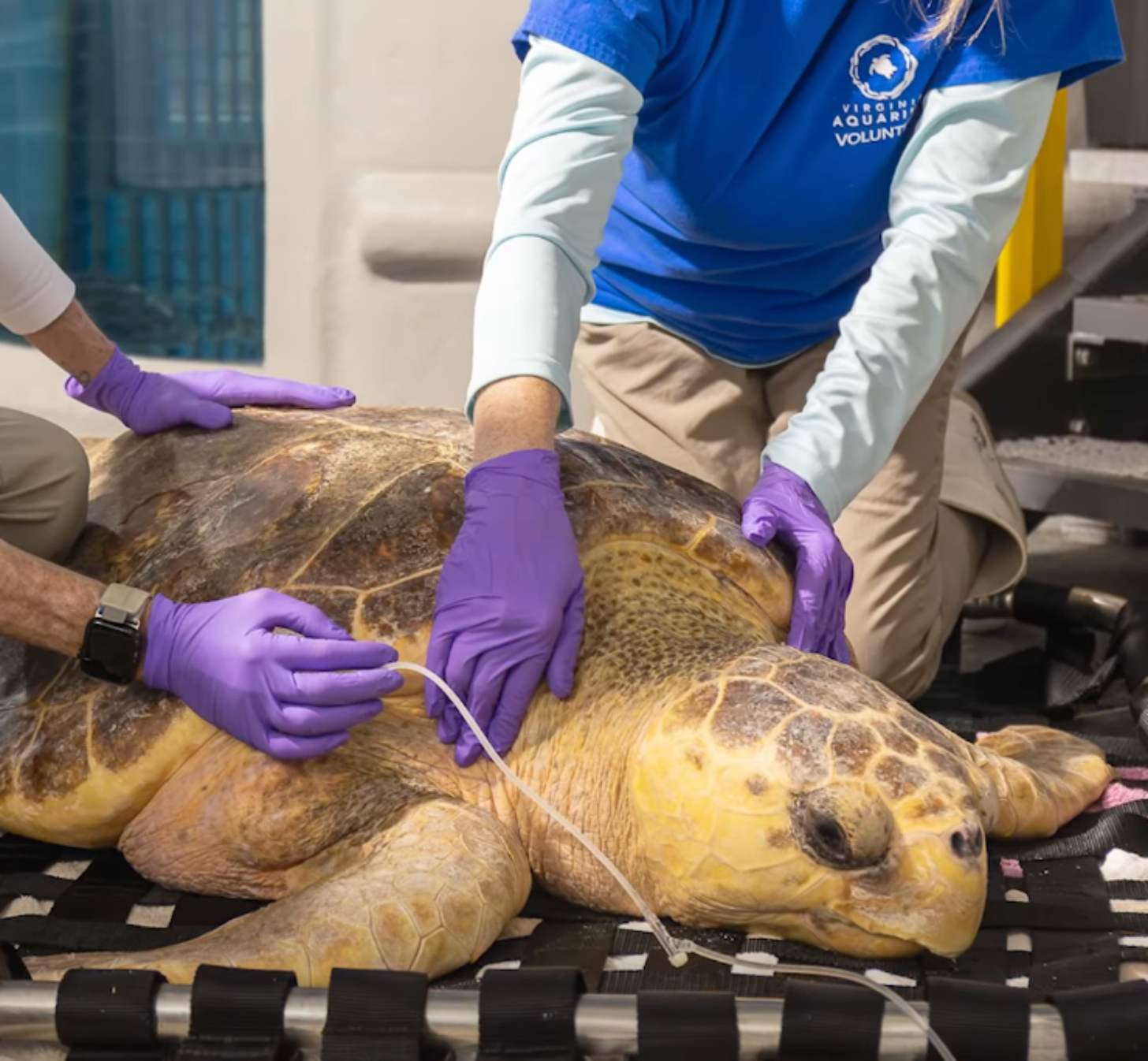
After the stingray barb was removed and his trachea cleared, the marine biologists at the Darden Marine Animal Conservation Center hoped that Diamond would have an easier road towards recovery.
But even though he could breathe again, Diamond was still struggling to swim and eat.
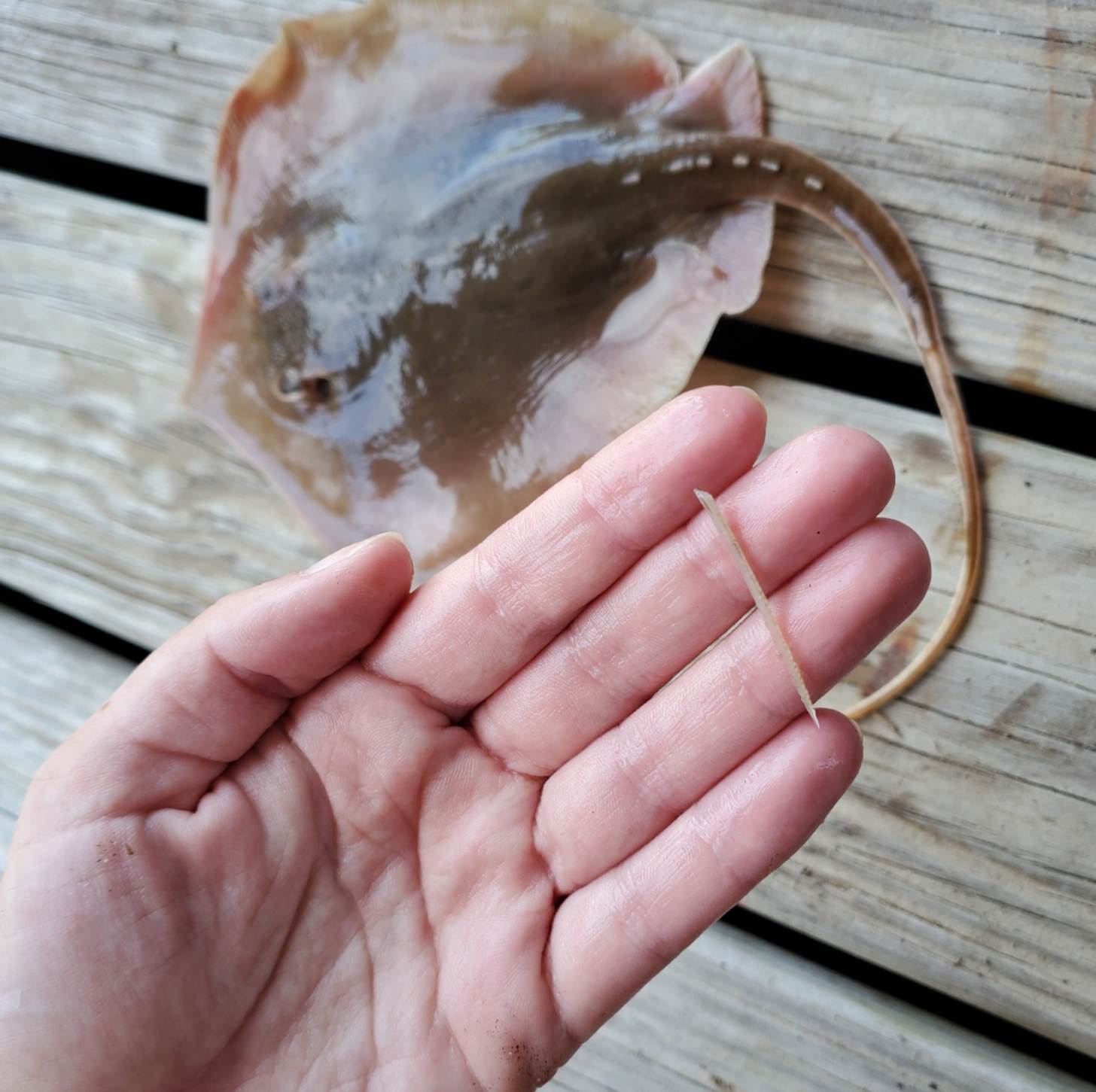
“For about two months, he was inappetent, so we would offer food and he didn't eat,” Claire explained. “So we provided supportive care during that time, other than antibiotics and fluids.”
In addition to steady medical treatment, the team performed physical therapy on his jaw.
By the end of November, when he still wasn’t eating, the vet team and rehab team tried a “scatter only” method. Instead of trying to feed Diamond by hand, caretakers tossed the food — such as fish and squid — throughout his water tank.
And it worked.
“We provide for our animals here,” Claire emphasized. “Without our intervention, Diamond would have washed up and, unfortunately, suffocated and perished.”
“It's really wild, because he started out as thin, inappetent, unable to breathe, unable to control buoyancy, to a diagnostically healthy turtle performing normal behaviors and being able to be on his own.”
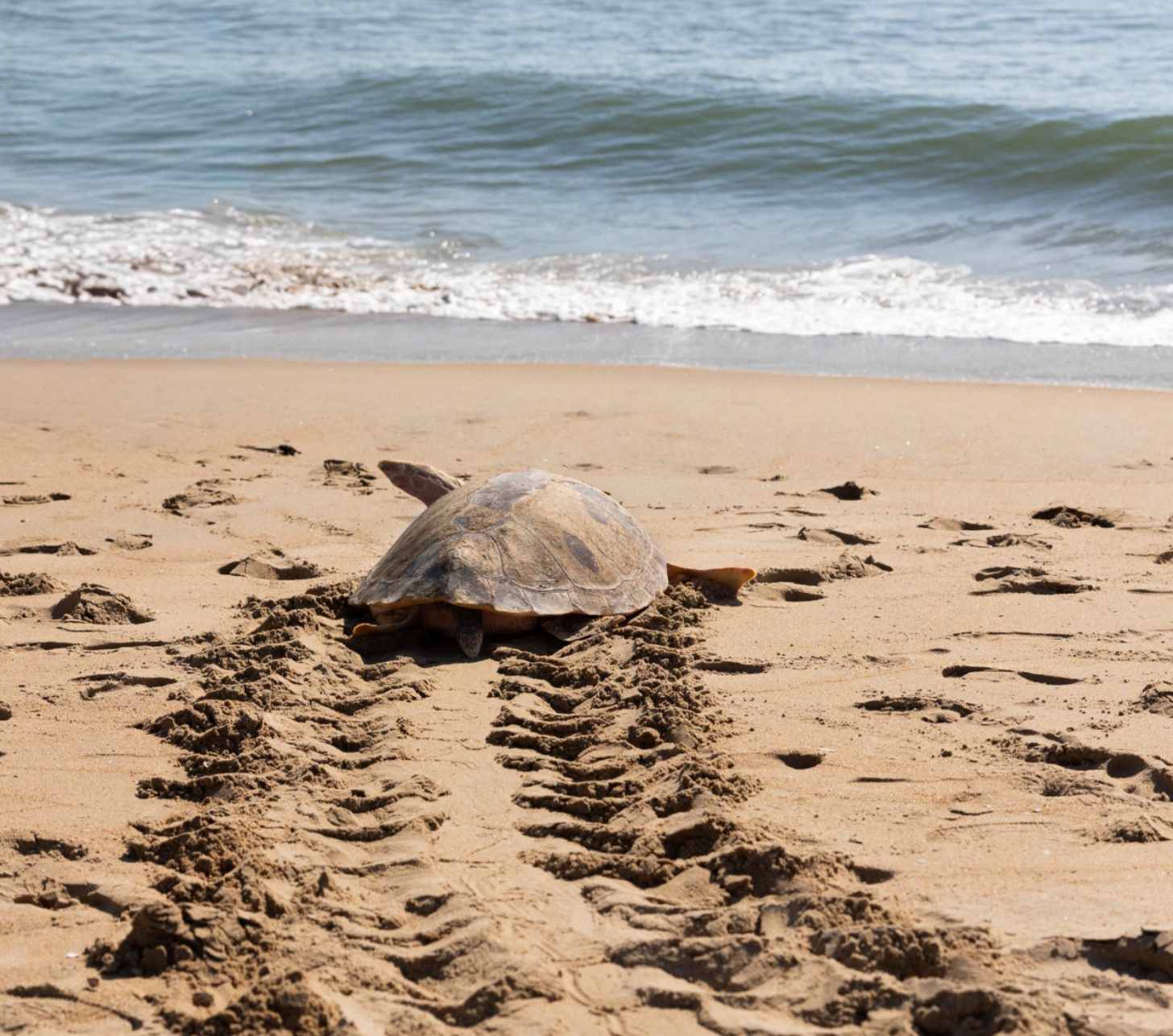
On May 24, after eight months of rehabilitation, the Stranding Response Team gathered to cheer him on as he made his way back to the ocean.
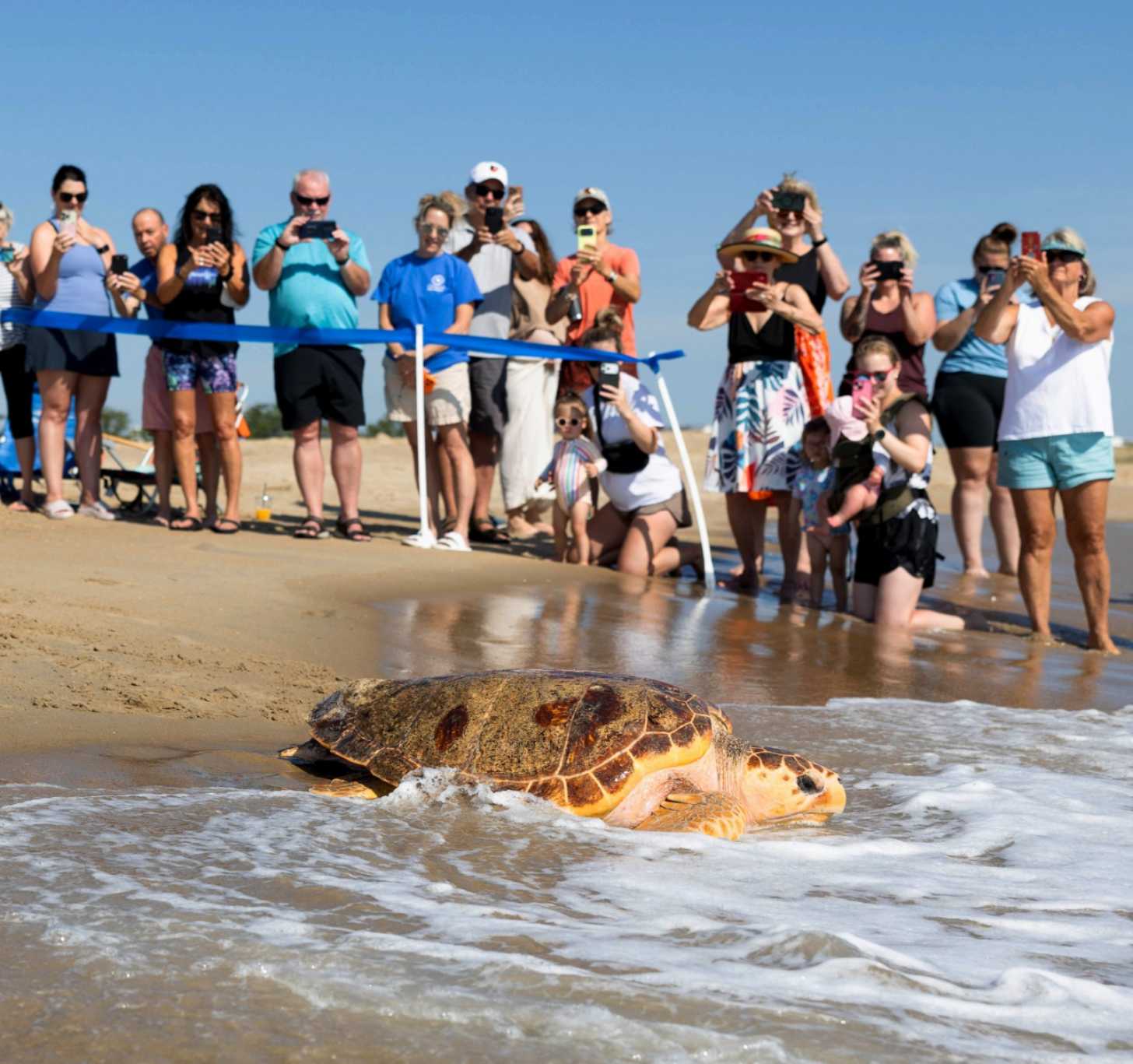
Claire explained that cases like Diamond’s wouldn’t be possible without an “all hands on deck” approach.
“We're very grateful for our callers, our volunteers, our staff, and any and all support,” she said. “We could not do it without our local population of people who care about these animals as much as we do.”
You may also like: This sea turtle hatchling was barely a pound when he was rescued. 6 years later, the 220-pound loggerhead is ready to swim free
Header image via the Virginia Aquarium & Marine Science Center
Every year, the National Oceanic and Atmospheric Administration tracks green sea turtle migration.
During nesting season, these turtles swim up to 1,200 miles to find a place to lay their eggs, often ending up on the French Frigate Shoals, an atoll in the Papahānaumokuākea Marine National Monument in the Northwestern Hawaiian Islands.
Nesting season is particularly important for these endangered sea creatures, as it could support species recovery and conservation — but only if they are protected and safe to reproduce.
So, NOAA biologists conduct field research and surveys in these areas to track turtle populations year over year. To do this, they carefully etch letters and numbers into the shells of these turtles using a dremel tool “similar to those used by nail technicians,” NOAA explains.
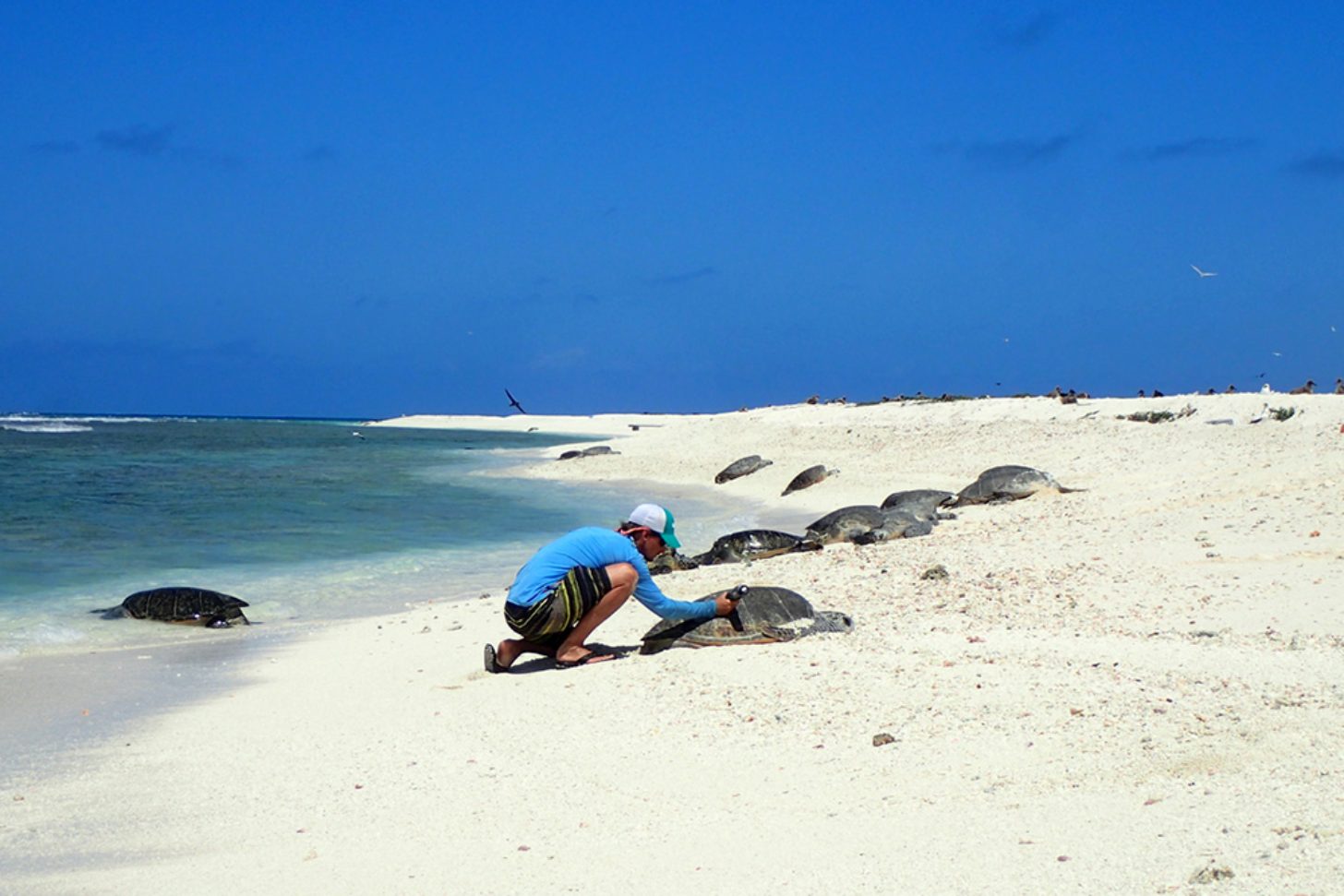
“Using the clean, dremeled area as a guide, they apply non-toxic paint to the turtles’ shells to make it visible from afar,” an explainer from the agency continues. “The etch indicates where the turtle was found. This is a painless process, and many turtles actually sleep through it!”
Though this process has been in place for decades, in 2017, some concerned citizens assumed these markings to be graffiti tags drawn onto the sea turtles. They began to report the etchings, and it ultimately inspired NOAA to start the Honu Count.
The Honu Count (named after the Hawaiian word for green sea turtles), encourages locals to document any sightings of turtles with white alpha-numeric etching on the right side of their shells. This helps biologists understand the foraging habitats, migration, distribution, and survival status of these turtles.

To participate, locals simply look for the turtles with etchings, keep a respectful distance while taking a photo on land or in water, record the date, time, and location of the sighting, and upload the information to the Honu Count Sighting Survey.
Since the beginning of the Honu Count in 2017, nearly 600 people have reported 688 sightings of 253 individual turtles, according to NOAA.
And it’s made a real difference.
Brittany Clemans, a wildlife biologist who spent six months tracking these turtles in the Northwest Hawaiian Islands, has published a new study using the crowdsourced data of the Honu Count to inform the boundaries of protected habitat for the species.
“The data that was submitted by the community of our honu helped us essentially determine these important foraging sites, so we were able to really get the density of certain places that the majority of honu were frequenting,” Clemans told Hawai’i Public Radio.

Her research helps determine where critical habitats are for the honu, making it that much easier for NOAA and other environmental officials to determine what areas are most in need of support to ensure the turtles’ survival.
Plus, it builds trust between the science community and the general public.
“It's important for the community to know that they are having a really positive impact on increasing this data set, which helps us understand this species more,” Clemans told Hawai’i Public Radio.
“This species is part of Hawaiʻi and part of the ocean as a whole, and I think it's also very important for people to just be excited and ask questions.”
You may also like: This sea turtle nest would have washed away without intervention. Thanks to a conservation team, hundreds of sea turtle hatchlings were saved
Header image by Honu Count sighting survey participant D. McLeish
In 2023, GLAAD released their annual Studio Responsibility Index, which tracks the metrics of LGBTQ+ representation in films released by Hollywood’s 10 biggest film distributors.
The study revealed that 28.5% of tracked films in 2022 featured a character that identified as queer. Additionally, 12 films included transgender characters, and 10 featured non-binary characters — both record highs.
As representation in media expands across gender, race, sexuality, and more, these celebrities have been the faces of that new movement.
Iconic stars who are paving the way in the world of film, TV, music, comedy, and more
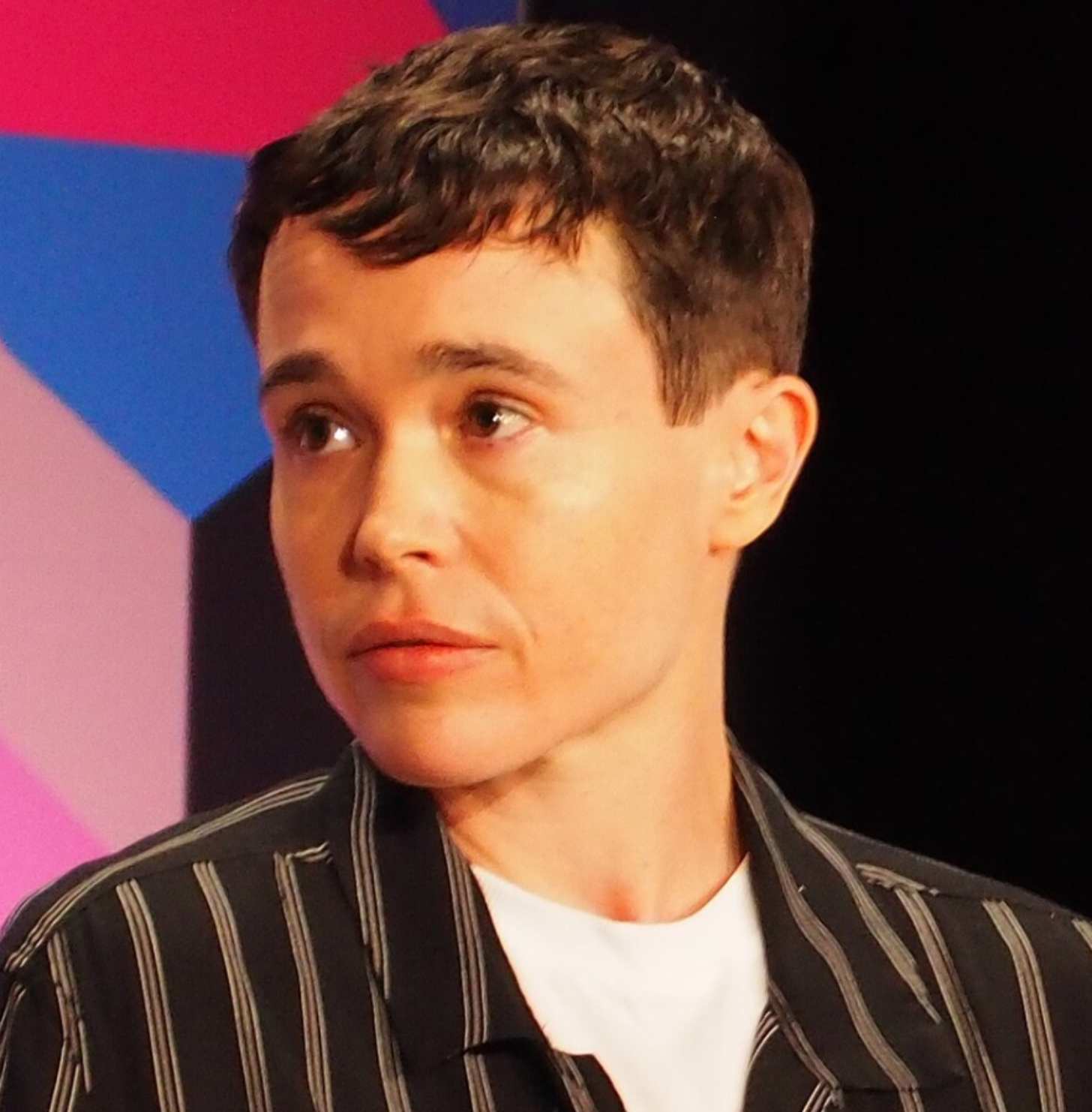
Elliot Page
Elliot Page is entering a new chapter in his acting career. Prior to coming out as transgender in 2020, Page had starred in nearly 50 projects and was no stranger to the silver screen. But the 2023 unscripted drama “Close To You” marked Page’s first time playing a trans man, and he says he has never felt more “liberated” as an actor.
“The way I get to feel working now is far more embodied coming from that foundation, versus entering [a set] and not feeling that way. It's a huge shift,” he told People. “Doing something like this, complete improv, before, would've been close to impossible.”
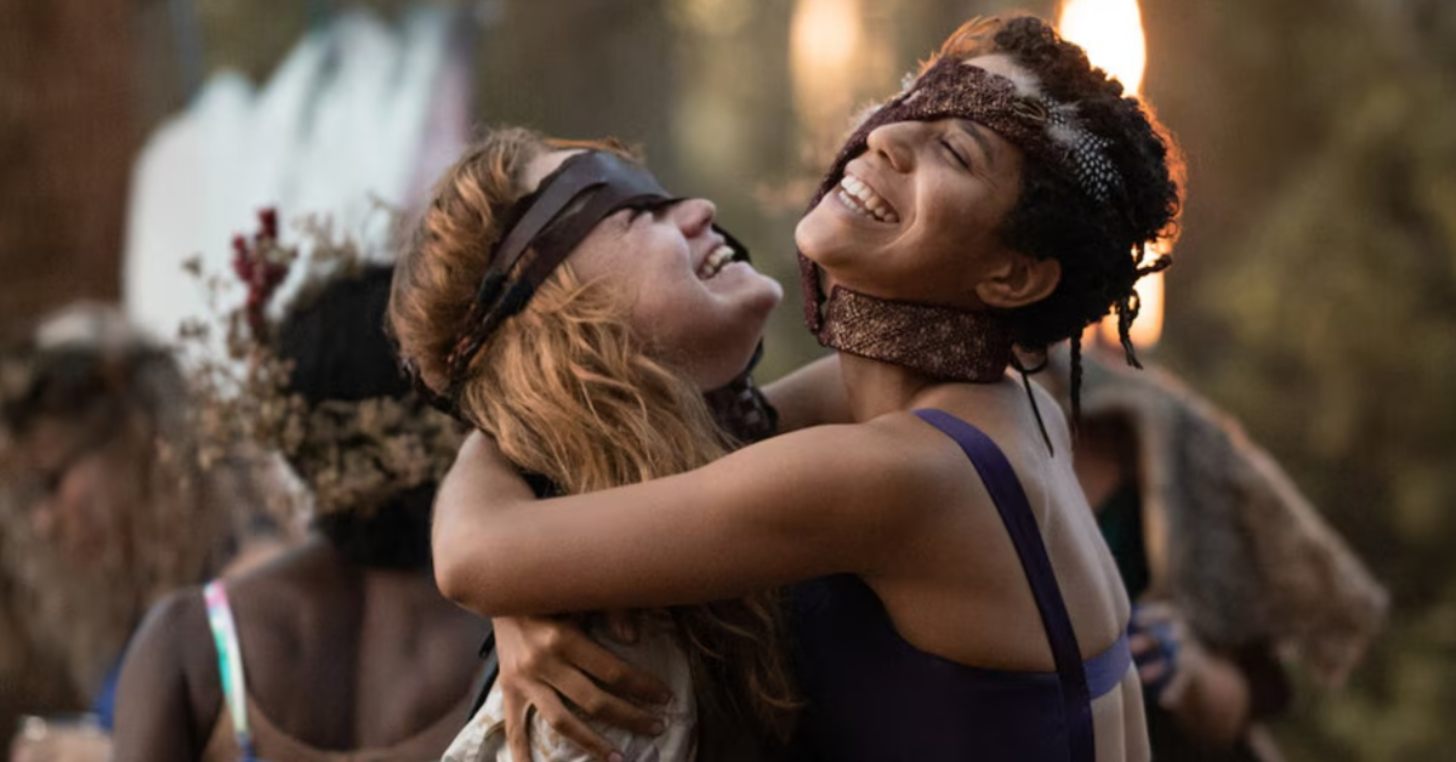
Jasmin Savoy Brown
Jasmin Savoy Brown currently stars as Taissa Turner in “Yellowjackets,” a high-octane series that centers on a girl’s soccer team struggling to survive in the wild after a plane crash. Amidst wolf attacks and infighting, Taissa finds unexpected love with her teammate Van Palmer (Liv Hewson).
After “Yellowjackets” received the GLAAD Media Award for Outstanding Drama Series in March, Brown praised the show’s queer, interracial love — and expressed the relief of starring in a horror series that doesn’t glorify or exploit queer trauma.
“The trauma of our show isn’t the queerness,” Brown told GLAAD backstage. “It happens to be one of the only pockets of joy.”
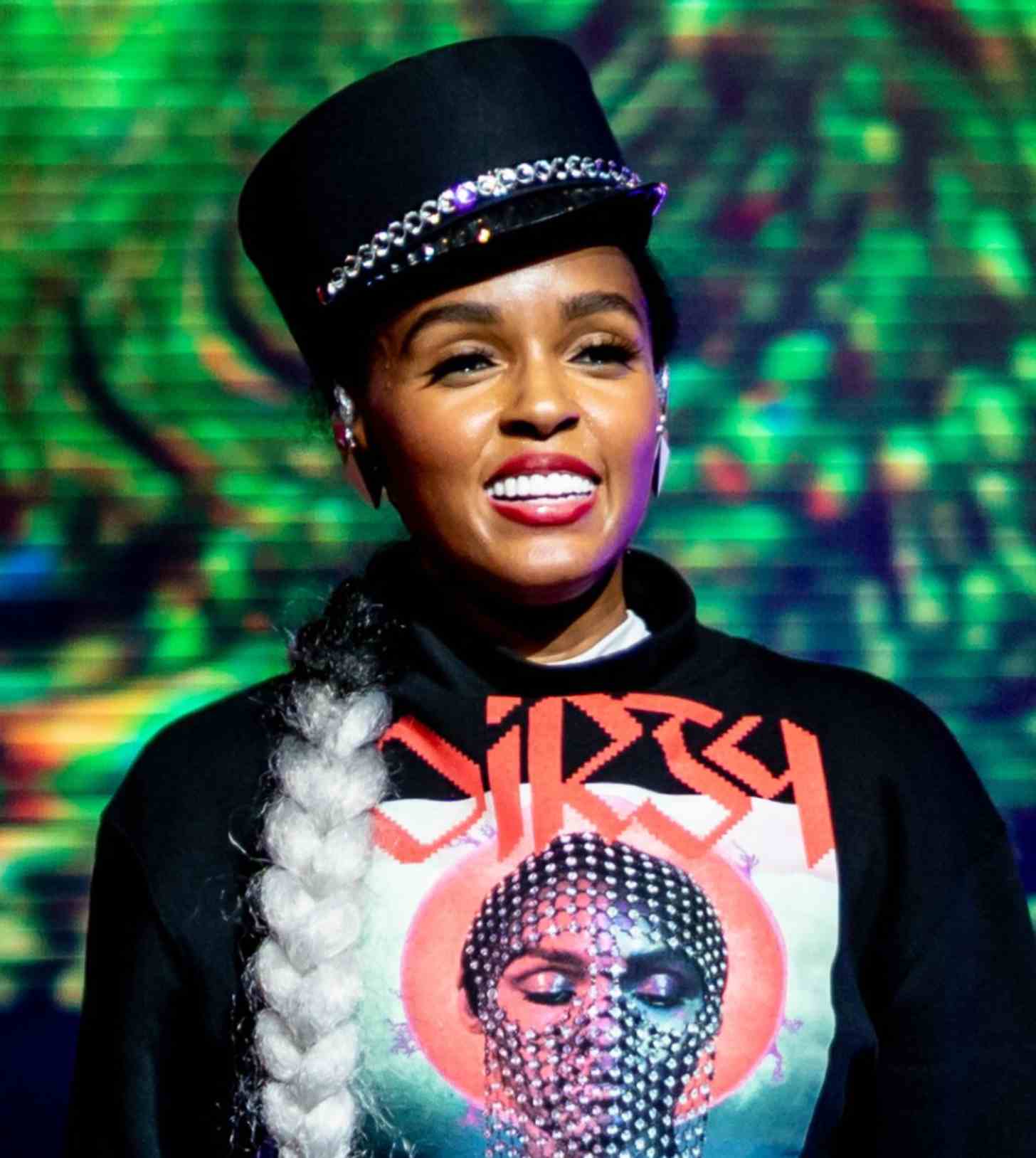
Janelle Monáe
Janelle Monáe is a Grammy-award winning singer, actor, and staunch supporter of LGBTQ+ rights, women’s rights, and racial justice. In 2023, the Soul Train Awards degendered the “Lady of Soul” category in Monáe’s honor when they bestowed the non-binary icon with the “Spirit of Soul” accolade.
In recent years, when their gender identity was questioned, Monáe responded with warmth and grace.
“Allow yourself to discover something new about yourself,” Monae said in an interview with Jess Cagle. “Open up your mind to different possibilities, and listen to folks who are saying ‘hey, this is who I am. This is how I feel inside and outside.’”
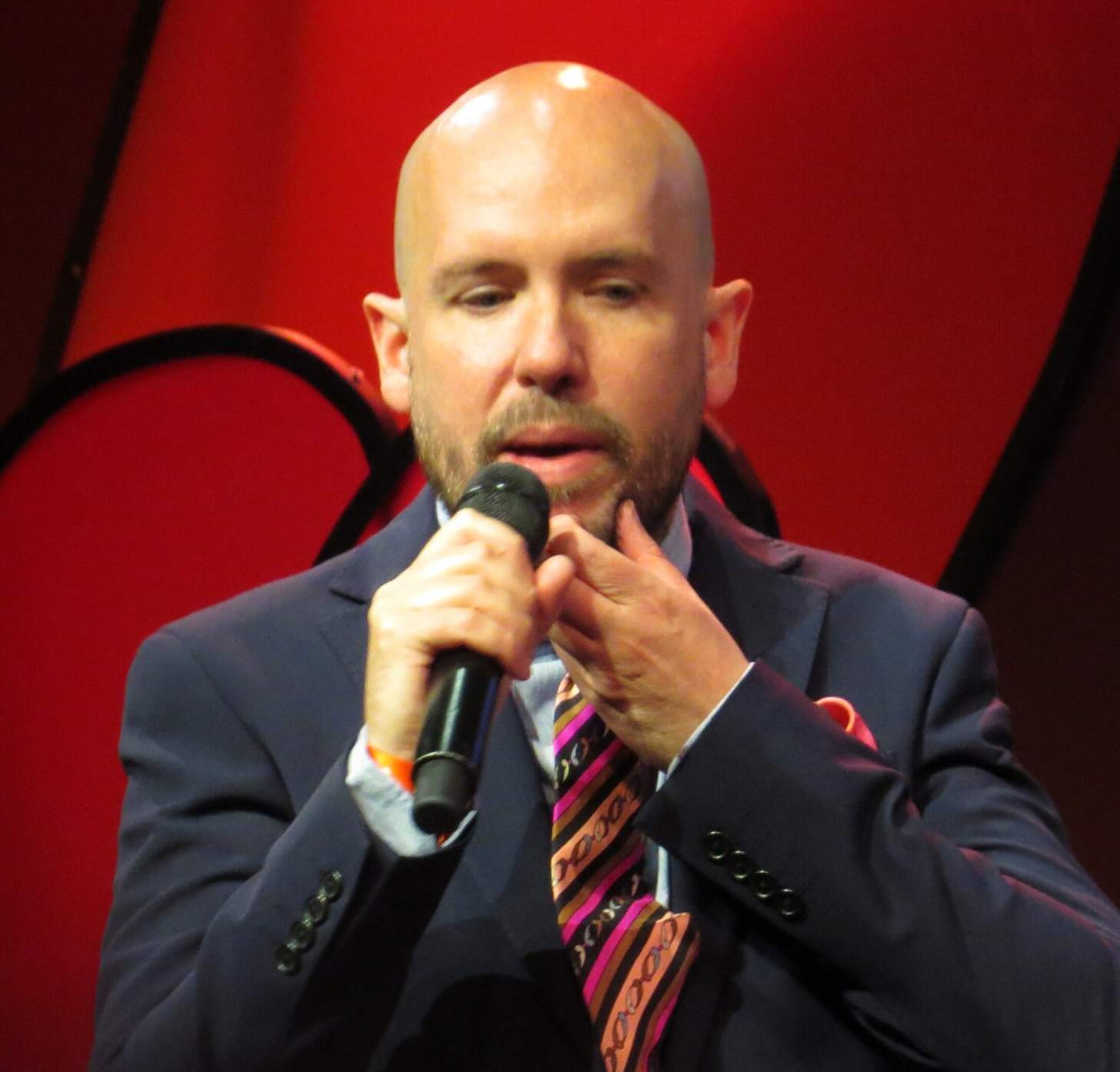
Tom Allen
Tom Allen is out, proud, and loud about gay rights. In March 2024, in celebration of the 10th anniversary of same-sex marriage passing in England and Wales, the British comedian starred in “Big Gay Wedding with Tom Allen,” pulling out all the stops for a couple planning their dream wedding.
Throughout the documentary, Allen also interviews politicians behind the landmark same-sex bill, highlights LGBTQ+ trailblazers, and celebrates the queer community as a whole.
“Why do I talk about being gay all the time?” Allen told I News. “Because I wasn’t allowed for half of my life!”
Kristen Stewart
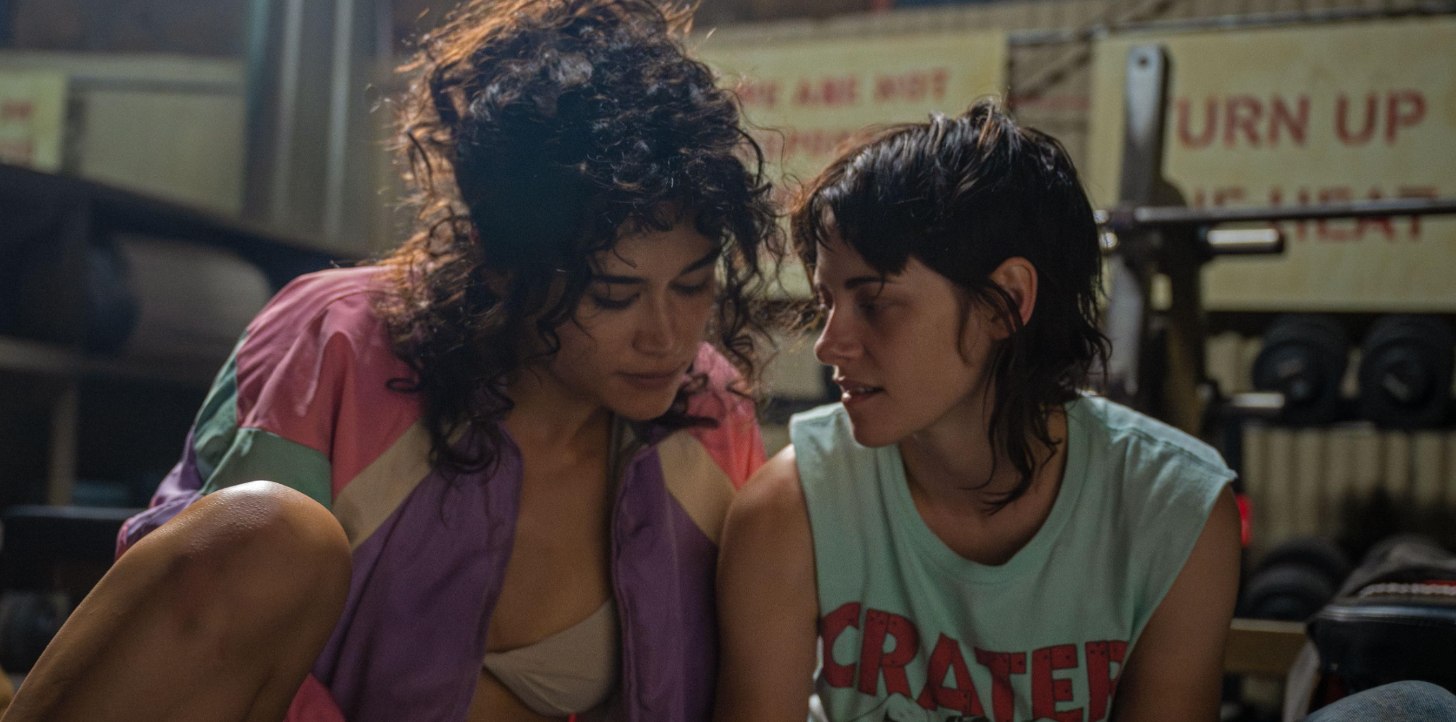
Kristen Stewart is known for her roles in everything from “Panic Room” to “Twilight.” But the actor recently turned heads for her role opposite Katy O’Brian in “Love Lies Bleeding,” a propulsive crime drama filled with bloody knuckles and high-wire tension.
It’s also a lesbian love story, adding to a growing catalog of unabashedly queer characters in wide-release epics.
“We just functioned from a place of pure curiosity and desire and just went, like, well, I don't know. What do you think? What do you want? … What I want is so gay and queer,” Stewart told NPR. “And here we are being gay and queer, like, unapologetically.”
Hannah Gadsby
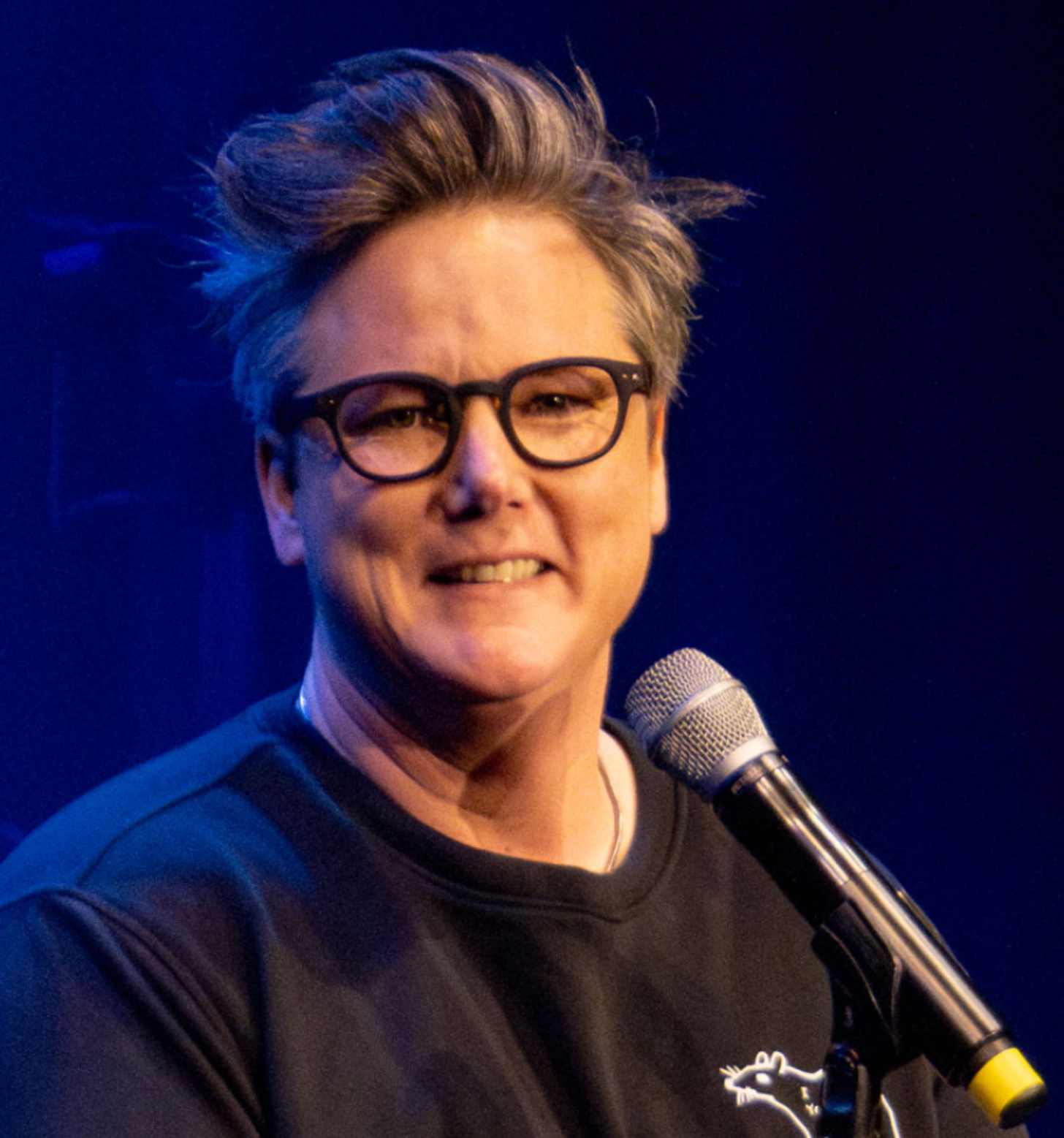
Hannah Gadsby played double duty as both comedian and curator in their latest Netflix special, “Gender Agenda,” by sharing the stage with genderqueer comics Alok, Mx. Dahlia Belle, Krishna Istha, DeAnne Smith, Jes Tom, Asha Ward, and Chloe Petts.
For Gadsby, inclusion is not a lecture; it’s a way to introduce viewers to lesser-known comedians who have been waiting in the wings.
“We all know that representation of one is not gonna do anything. But when you get a group of us together, the diversity is just apparent, and it’s not forced,” Gadsby told the LA Times. “It’s just a bunch of individuals with such distinct individual lives.”
A version of this article originally appeared in the 2024 Pride Edition of the Goodnewspaper
Header image via Showtime
Rachael Harms Mahlandt specializes in “sidewalk joy.”
For years, the Portland artist, who goes by @pdxdinorama on social media, has been helping her neighbors transform ordinary walkways, curb gardens, and front yards into colorful, interactive art installations.
Through the Worldwide Sidewalk Joy Map, Harms Mahlandt encourages artists around the world to “add whimsy” to their own neighborhoods with tiny puzzle libraries, Wishing Trees, toy swaps, miniature art museums, plant exchanges, dino dioramas — and, of course, little free libraries.
And one of her latest additions to the list isn’t just sparking joy; it’s helping the pollinators in her neighborhood thrive.
On May 5, Manlandt shared a video of a Little Bee Library, a bookbox that had been transformed into a miniature garden for local pollinators to rest and recharge.
“Send this to whoever needs a sweet lil’ bee break today!” Harms Mahlandt wrote in the Instagram caption.
In the video, several bees could be seen flitting around the tiny library that was filled with purple wildflowers, as a ladybug rested on the roof.
Small pollinator-friendly hubs like this can have a surprisingly meaningful impact on local ecosystems.
Native flowers provide an important food source for bees, butterflies, and other pollinators by offering nectar and pollen in an area where those resources may be scarce.
Below the video, viewers were delighted by Harms Mahlandt’s latest craft.

“I know what my garden is missing, and that will be fixed immediately,” one Instagram user replied.
Another commenter wrote: “Our trinket box tree is actually on a tree that bees and wasps LOVE LOVE LOVE, so I will be making one for ours and crediting you!”
“Perfect for a tiny copy of the ‘Great Gats-Bee,’” another joked.
Other artists have been inspired by Harms Mahlandt’s creation, sharing their own Little Bee Libraries online. Soon, more pollinator-friendly libraries may find their way onto her Worldwide Sidewalk Joy map.
And when it comes to her map, Harms Mahlandt said it’s been a whirlwind success.
“I kept getting messages from people who were either visiting from far away, like visitors from Japan, Australia, stuff like that, coming to see the scene we had here, or people messaging me, saying, I created something like this based on what I heard about in Portland,” she told NPR.
You may also like: Abandoned rodent dens make happy homes for bee colonies
Header image via Little Free Library
Miss Toto is a triple threat: a drag queen, a marine animal conservationist, and a driving force for LGBTQ+ youth.
In her annual Drag N’ Tag event, Miss Toto teams up with scientists from the Field School Foundation to take boats out of Biscayne Bay, Florida and tag sharks for hands-on marine science research.
While attendees wait for the sharks to appear, Miss Toto treats them to a drag show on the water.
To top it all off, proceeds from the event go directly to Pridelines, a community center for LGBTQ+ youth in Florida.
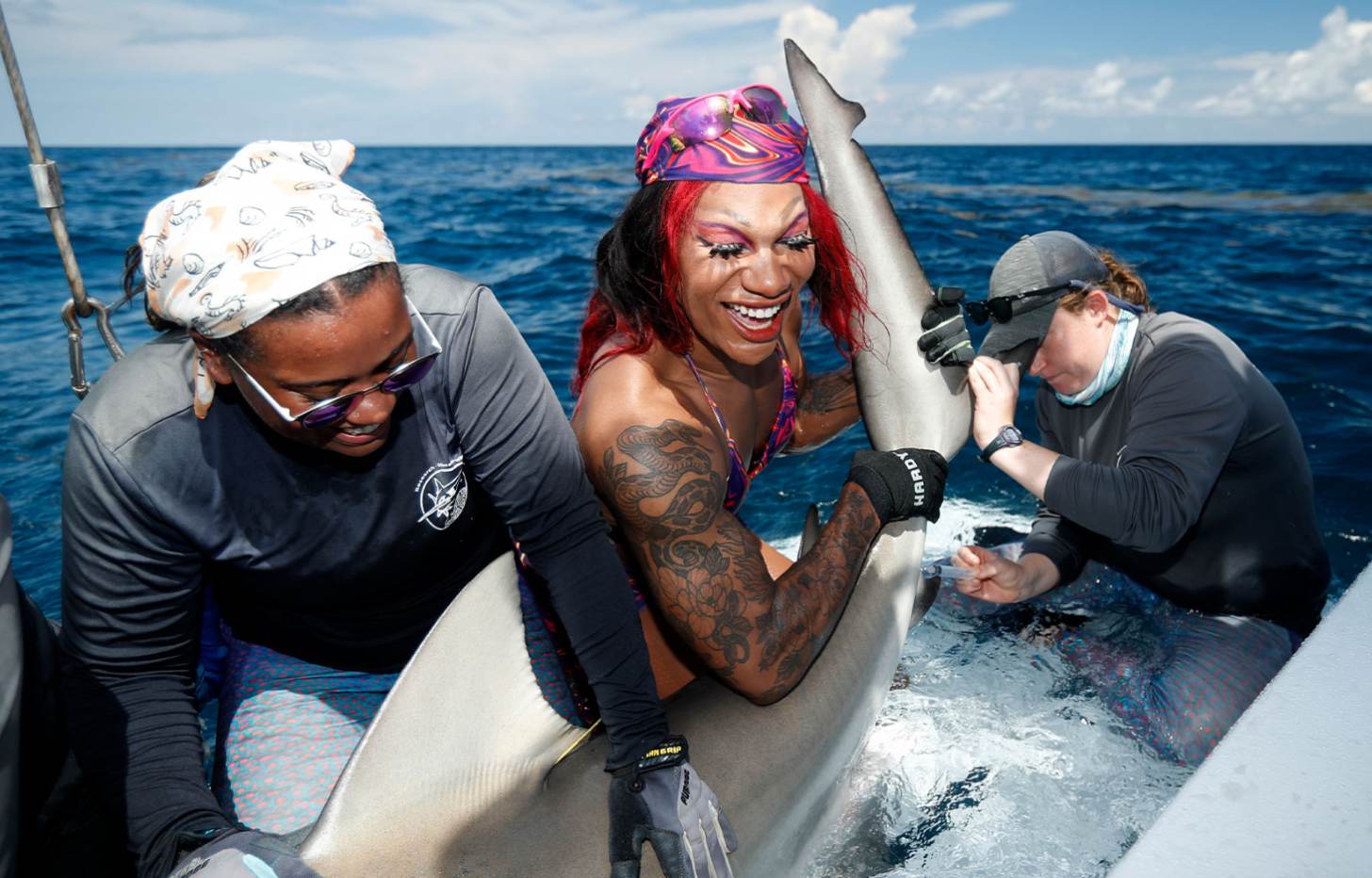
“Thank you Field School for another successful year fundraising for Pridelines with my favorite event to ever exist,” Miss Toto wrote in an Instagram caption after one event. “It’s more important now, than ever before, to do this type of work and be vigilant and visible, especially in Florida.”
In an interview with Attitude, Miss Toto said that Steve Irwin was her “biggest inspiration” growing up, and she had early dreams of pursuing marine science as a career. But for now, events like Drag N’ Tag keep that love alive.
“Maybe one day down the road I will fall back on my science career and my Master’s,” Miss Toto said. “But my ultimate goal is to be able to do a Steve Irwin-type show with wildlife and sharks, but with me as a drag queen.”

A version of this article originally appeared in the 2024 Pride Edition of the Goodnewspaper
You may also like: Bull sharks are big, aggressive predators — but they can still make friends, according to new research
Header image via the University of Miami
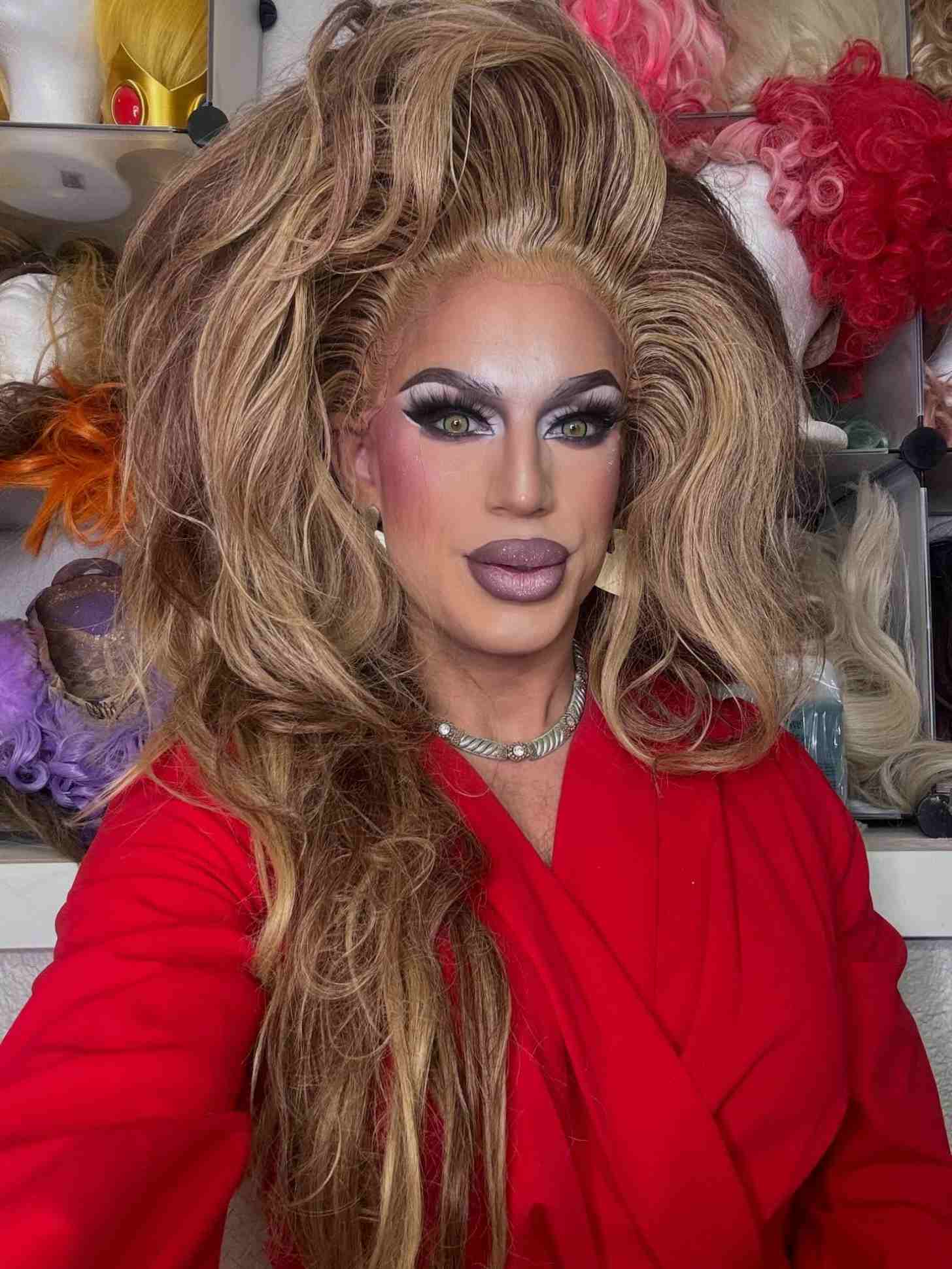
Most times when drag queen Jessica L’Whor is in full makeup, she entertains adult crowds across Colorado. But every so often, she sets up camp outside of Denver’s Union Station — or other crowded city centers — with a sign that reads “Ask A Queen Anything.”
She offers passersby a spare dollar bill to learn more about the art of drag. As of June 2025, she had given away over $1,000 from this act alone.
L’Whor’s videos have gone viral on TikTok and Instagram, showcasing young people asking for advice on how to work up the courage to become a drag performer, or curious young women wondering “how do you get your lashes to stick?”
One time, a stranger even prayed for L’Whor — not so she would change, or leave the public space — but for her safety in a world that doesn’t always protect its queer folks.
“Lord, would you protect Jessica? She’s out here spreading good things and good cheer,” the stranger said in a video.
@jessicalwhor Christian prays for drag queen. 😱 Out on the streets of Denver again, & got approached by this kind woman. She said I was spreading good things & cheer to people, but she brought me the exact thing 🩷 #JessicaLWhor #wholesome #christian #dragqueen #lovewins #denver #happiness #lovetrumpshate ♬ original sound - Jessica L'Whor
The drag queen has even taken the Q&A bit on the road, dressing as a female pope (Moira Rose-style) in front of a church in Salt Lake City, Utah.
Once, a child approached L’Whor and asked why she was handing out dollar bills to question askers.
“I wanted to show that drag queens can go out like anyone else and just have conversations with people,” she responded.
“Usually, we get tipped dollars, so I thought it would be fun to give dollars to people … and I get to meet people like you and laugh and get asked really cool questions.”
Ultimately, as L’Whor wrote in a TikTok caption: “Ask A Queen is all about getting the world to know that drag queens are just like everyone else; we’re just a little more glittery.”

While Denver’s drag scene isn’t as robust as cities like New York City, San Francisco, or Chicago, L’Whor has been a devoted ambassador for her community.
“Drag in Denver is so overlooked, it’s as wonderfully prominent as other cities,” L’Whor told local magazine 5280 last year. “It’s such a huge community aspect here. I could move, but I’m so invested in this scene and supporting local artists.”
A couple of years ago, she launched a local competition called “Colorado’s Next Drag Superstar,” but people who aren’t embedded with LGBTQ+ culture still might not totally understand her vision.
So that’s why she continues to take to the streets for “Ask A Queen Anything,” now nearly three years into the project.
“Wearing full glam on the streets is a way to show people that we exist, and offering them money is a way to see if we can get some healthy conversations going,” she told 5280.
“I’ve gotten such a broad spectrum of questions; it’s been one of my favorite projects.”
A version of this article was originally published in The 2024 Pride Edition of the Goodnewspaper.
You may also like: Imogen Heap joins activist drag queen Pattie Gonia to release new song about climate anxiety
Header image courtesy of Jessica L’Whore/Instagram
Fewer than 1,000 leatherback sea turtles remain in the Eastern Pacific, nesting along the coastline that runs from Mexico to Ecuador.
Scientists have previously fitted tracking devices to leatherbacks on other beaches across Latin America and from bycatch near Ecuador. However, they recently tagged the first nesting leatherback in Ecuador, the southern limit of the species’ nesting range.
Scientists named the turtle Lucero, “morning star” in Spanish, and estimated her age at 25-40 years. They plan to gather data on her migration and feeding patterns, which should help inform conservation policies for the critically endangered subpopulation. (Globally, the species, Dermochelys coriacea, is listed as vulnerable.)
Researchers from Ecuador-based Fundacion Reina Laud were at sea when they first spotted Lucero heading toward a remote stretch of beach to nest. They alerted Callie Veelenturf, a marine conservation biologist and founder of the U.S.-based Leatherback Project.
The team didn’t know where Lucero would emerge, so they stationed people the length of the beach with radios to watch out for her, according to Veelenturf.
“It was really quite an adventure because we just spent multiple nights out on the beach waiting for her,” she told Mongabay in a video call.
When sea turtles lay eggs, they enter a trance-like state in which they don’t seem to notice activity around them, Veelenturf said.
That’s when the team attached a satellite tag to the top of Lucero’s shell. Now, each time she surfaces to breathe, the tag pings a satellite and transmits information about her movements.

Leatherbacks can be found across most of the world’s oceans, but the eastern Pacific subpopulation has declined by roughly 98% over the last several decades. One of their biggest threats is getting caught in fishing nets as bycatch, which can be deadly for turtles and expensive for fishers, whose nets get damaged in these entanglements.
By tagging Lucero, the researchers want to learn where she travels, when, and how deep she dives. With that information, they can better advise fishers on how to avoid areas frequented by sea turtles.
“We wanted to understand how the habitat use and the fishing grounds use is overlapping,” Veelenturf said.
She added that fishers have another practical motivation for helping the 900-kilogram (2,000-pound) turtles: “They can eat their weight in jellyfish every single day, and jellyfish consume juvenile fish and fish larvae. So when you have a healthy leatherback population, [it] supports healthy fish stocks and fishing communities in turn.”
Since laying her eggs, Lucero has migrated south to coastal Peru, her tracker shows. The tag will likely stay attached for a year or two, though Veelenturf said she hopes it lasts long enough to trace Lucero’s migration route and foraging grounds.
“Every day I check it and hold my breath and wait to see the transmitting signal,” she said.
This article was originally published on Mongabay.
Header image: Callie Veelenturf and Kerly Briones with Lucero on Playa Pajonal, Ecuador. Photo by Nikki Riddy.
The “No Kings” nationwide protest is back.
The first event, held on President Donald J. Trump’s birthday on June 14, 2025, drew an estimated 5 million people nationwide. In subsequent gatherings — October 2025 and March 2026 — 7 million and 8 million people across the country, respectively.
This fourth event is also scheduled for Trump’s birthday this year, his 80th, which will reportedly be accompanied by lavish plans, ahead of the country’s 250th birthday celebration.
But No Kings organizers are taking a new approach this year.
“On June 14, we rise up, we sing out, and we keep organizing,” a webpage for the upcoming event states.
Instead of explicitly planning protest marches across the country, No Kings is hosting a 90-minute concert in New York City, with watch parties scattered throughout the country.
The concert, called “Rise Up, Sing Out,” will take place at The Town Hall in midtown Manhattan, featuring performances from Bette Midler, Rufus Wainwright, Patti Smith, Sasha Allen, and commentary by Joy Reid and Jane Fonda.
Organizers call the event “an uplifting evening of song, solidarity, and action.”

Fonda’s Committee for the First Amendment will be sponsoring the concert. The organization will also benefit from ticket purchases for the in-person concert.
“Featuring an all-star line-up of performers, this 90-minute concert event will celebrate the freedoms guaranteed by our First Amendment — of speech, religion, press, assembly, and protest — and the people power that both fuels these rights and is essential to guarantee them,” organizers share.
So far, No Kings organizers have announced 18 watch parties in 11 different states, though anyone interested in hosting another party of their own can fill out a form to be formally registered with the nationwide event.
“Parties can be hosted by individuals or organizations, they can be private or public; all you need is a place where you can stream the show, have good audio, and make guests feel welcome,” the form states.
While it’s unclear if those watch parties may lead to further picketing or the funny protest signs activists have come to love, one thing is clear from organizers: This is a non-violent event designed to build community.
The decentralized approach, gathering people across the country to watch a broadcast and participate in tailored civic engagement activities, is intended to make participation more accessible, “while emphasizing community-building over spectacle,” Newsweek reports.
“Even as authoritarians increase their attacks on our freedoms and communities, we see examples across the country of people rising up together, taking action, and turning back those forces,” a web page for the concert reads.
“The event will be streamed with watch parties all across the country — so wherever you are, you can sing along, find inspiration in the performances, build community, and take meaningful action together.”
Those interested in buying tickets to the concert, finding or hosting a watch party, or just streaming the concert on their own can do so online.
“Each time we show up, we disrupt President Trump’s attempts to rule through repression and remind the country, and the world, that people power is our path to a truly free America. Authoritarians want fear, silence, and isolation. We choose joy. We choose community. We choose people power,” organizers share on the No Kings website.
“Rise Up, Sing Out is about reclaiming patriotism as something inclusive, participatory, and rooted in care for one another — not power, pageantry, or one person’s spotlight.”
You may also like: Here are 50+ of the best No Kings protest sign ideas
Header image by Santuit Studio (Public Domain)
Getting tickets to Harry Styles’ latest concert tour, “Together Together” was not an easy — or inexpensive — feat. Just ask any devoted fan.
But as the tour kicked off in Amsterdam earlier this month, some fans found a way into the Johan Cruijff Arena.
How’d they do it? By volunteering.
Thanks to a service called Earnt, which trialed this offer for Styles’ coveted “One Night Only” show in Manchester this past March, fans were able to put in some volunteer hours in exchange for a ticket to the singer’s show.
Here’s how it works: Earnt partners with brands, artists, hotels, and other “VIP” experiences to offer volunteer opportunities in exchange for what they call “ETYs,” or “earned thank-yous.” Then, volunteers sign up to support a cause, and if the opportunity is popular enough, they’ll be added to a lottery for the chance to participate.
If selected, volunteers simply show up, get to work, and when everything is done, they get their reward.

It was the best-case scenario for fan Fauve Walkerdamarell, who was selected to be one of 100 out of 16,000 applicants for Styles’ “One Night Only” Earnt campaign.
After a day volunteering to restore a playground and outdoor space at a local charity in Manchester, she and her friend were emailed tickets to see Harry perform.
“Everyone was very happy and excited that we were doing something great for the community and we got tickets out of it,” she told the BBC. “It was just kind of insane.”
Earnt established the program again in Amsterdam and just announced a new batch of opportunities in the United Kingdom ahead of Styles’ Wembley Stadium residency in June.
At this time, it is unclear if the volunteer opportunities will be available outside of the U.K. and Europe for Styles’ other tour stops in Brazil, Mexico, Australia, or the United States.
But for now, four volunteer dates are available in London. (Though Earnt adds in the fine print: “Harry will not be at the activities.”)

“Harry's giving his fans the chance to leave their mark on London in the best way possible, and it's now the only way to get tickets to the sold-out tour,” the sign-up page stated.
“You’re invited to join Earnt as we team up with schools and community centers across the city, showing some love and upgrading spaces used by thousands of young Londoners every day,” it added.
“By the time the lights go down, you won't just be another person in the crowd. You'll be someone who showed up for London the way London showed up for Harry. Music has always generated energy. This is what happens when that energy is given back.”
In Amsterdam, 200 fans helped serve meals with the Salvation Army, and while it’s unclear exactly what service projects will be achieved in the U.K., Earnt is confident the fans will show up to “treat people with kindness.”
“I did this in Amsterdam three weeks ago and will celebrate my Earnt ticket at tonight's show,” one fan commented on Earnt’s recent Instagram post. “I can highly recommend everyone to participate in this, we had so much fun together.”
“This is a fantastic way to harness the passion of a fandom for good,” another person chimed in.
According to Onolla Magazine, over 21,000 people have volunteered through Earnt for 60 events, delivering 6,500 hours of volunteering to causes in need of people power.
“We believe that great brands don’t just have followers; they have an army. An ‘army’ who camp outside stores to wait for a drop, who buy bots to beat the queue and who will refresh browsers thousands of times to get the product or experience they want. It’s time to convert this energy into positive action,” Earnt’s website explains.
“We match the needs of charities and causes to an army of volunteers; if they need hands, we’ll call up the masses.”
You may also like: After Harry Styles was photographed with this tote bag, he unknowingly paid for hundreds of people's therapy
Header photo by Anthony Pham