According to the Xerces Society for Invertebrate Conservation, the circle of life also seemingly extends to the housing market of the animal kingdom.
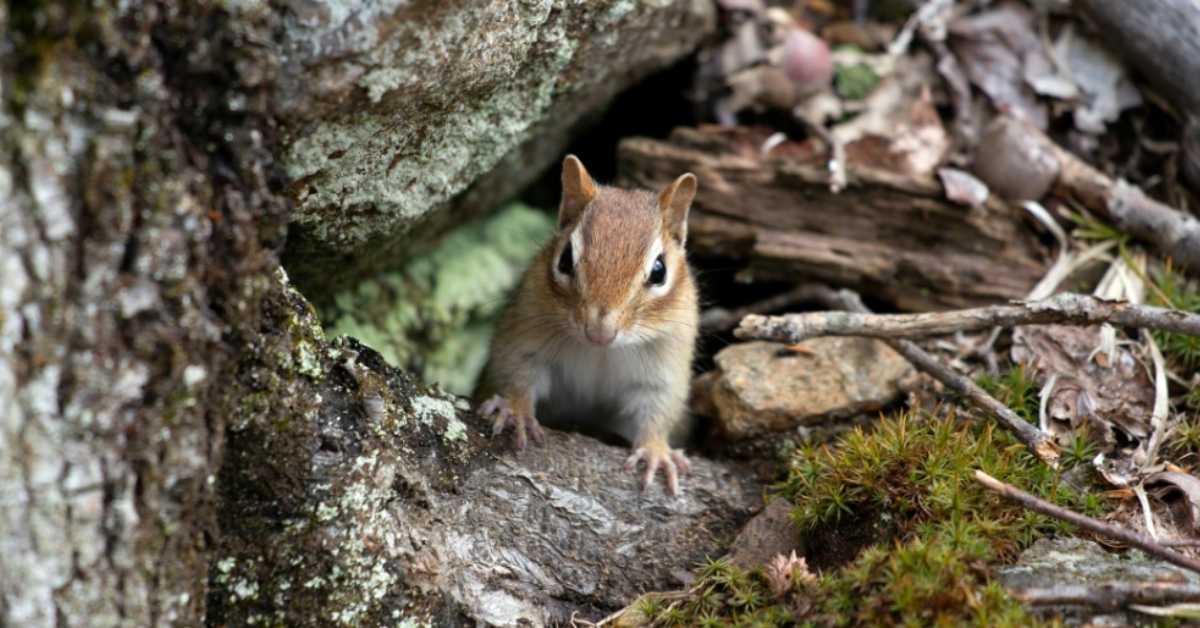
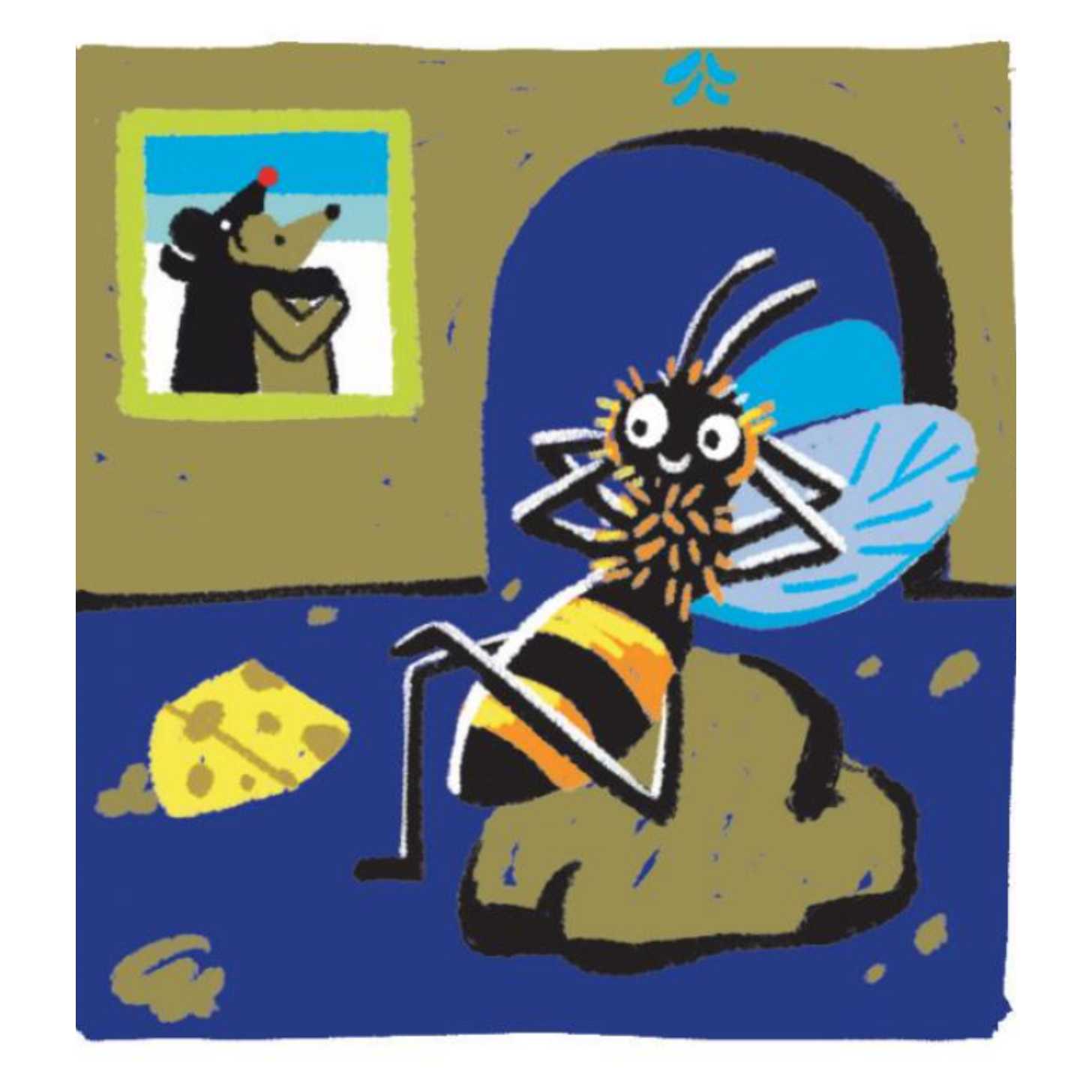
Recent studies show that when native bees across North America are on the lookout for a new home, they prefer something that’s well-loved, recently vacated — and preferably dug by a rodent.
“For queen bumblebees, who seek pre-made spots to start colonies, there’s nothing cozier than an abandoned mouse or squirrel nest or a burrow dug by a chipmunk,” wrote Nancy Lawson, a staff writer for the Humane Society of the U.S.
Unlike wasps and carpenter bees, bumblebees don’t eat or chew wood, so they rely on native wildlife to construct — and eventually abandon — the cavities they’ll move into.
Lawson also noted that small mammals such as squirrels, mice, and chipmunks play a dual role in safeguarding biodiversity by dispersing seed trees and fungi every time they dig.
“Making room for these rodents not only helps important pollinators, but it also nurtures the plants they depend on,” Lawson explained.
A version of this article originally appeared in the 2024 Animals Edition of the Goodnewspaper.
Header image via Free Nature Stock / Pexels