Teacher Appreciation Week is celebrated during the first full week of May — in 2026, it’s celebrated from Monday, May 4 through Friday, May 8. This annual week-long celebration is an opportunity to show teachers they are valued, appreciated, and deserving of more support.
Parents, students, administrators, and community members alike often use Teacher Appreciation Week as an opportunity to celebrate and honor educators who have made an impact on the lives of students, but it’s also a great occasion to improve the lives of teachers, too.
Ahead of Teacher Appreciation Week, we spoke with Sheryl Lee Ralph, the Broadway legend who plays Ms. Barbara Howard on the hit sitcom “Abbott Elementary.” (She’s just as delightful in person, we promise.)
Ralph has spoken at length, including in her 2023 TED Talk, about the power of believing in oneself, but we were curious: How can we let our teachers know we believe in them, too?
After all, surveys from the National Education Association indicate that over 55% of teachers plan to leave the profession sooner than they planned. And with threats to the Department of Education looming and teacher shortages impacting our communities, improving teacher well-being is the first way to protect and uplift public education.
"Show up and give support to your teachers ...
How is it that every day we can give teachers our greatest natural resource — our children's brains — and not think they deserve more of everything?"
— Sheryl Lee Ralph
(Ms. Barbara Howard on Abbott Elementary)
“Show up and give support to your teachers,” Ralph told Good Good Good in an interview. “Please, respect the teachers. Pay them the money that they deserve. How is it that every day we can give teachers our greatest natural resource — our children’s brains — and not think they deserve more of everything?”
Take it from Ms. Howard herself; Teacher appreciation is important — vital, even — but it’s the first step in building a world where educators are supported, cherished, and funded wholeheartedly.
While it’s important to uplift teachers every single day, it’s helpful to have somewhere to start. We’ve created a guide on how to meaningfully celebrate Teacher Appreciation Week this year.
By the way, some of the links in this article (like books!) are affiliate links, which means if you make a purchase after clicking a link, we may earn a commission at no extra cost to you. Thank you!
Activities and Ideas: How To Recognize Teacher Appreciation Week
1. Learn
Read books about education and educators.
A great way to celebrate Teacher Appreciation Week is to add some helpful books about education, teaching, and learning to your shelf. Consider using one of these in your book club this month as a way to discuss with others!
- “Because of a Teacher: Stories of the Past to Inspire the Future of Education” by George Couros (Bookshop) (Amazon)
- “The Teachers: A Year Inside America’s Most Vulnerable, Important Profession” by Alexandra Robbins (Bookshop) (Amazon)
- “Educated: A Memoir” by Tara Westover (Bookshop) (Amazon)
- “Teaching to Transgress: Education as the Practice of Freedom” by bell hooks (Amazon)
- “The Power of Their Ideas: Lessons for America from a Small School in Harlem” by Deborah Meier (Bookshop) (Amazon)
- “Creative Schools: The Grassroots Revolution That’s Transforming Education” by Lou Aronica and Ken Robinson (Bookshop) (Amazon)
- “The Knowledge Gap: The Hidden Cause of America’s Broken Education System — and How to Fix it” by Natalie Wexler (Bookshop) (Amazon)
Subscribe to podcasts by and about teachers.
We’ll let you in on a little secret: The best way to learn about the experiences of educators is to listen to educators. We know — shocker.
In the age of podcasting, you’re in luck. There are so many amazing shows that provide insights into teaching and its intersections with all other aspects of life (like race, class, mental health, or creativity!) Here are a few to add to your list:
- Teachers Off Duty
- Teacher Quit Talk
- The Cult of Pedagogy Podcast
- TED Talks: Education
- Black Educators Matter
Read good news about teachers and education.
Part of the fun of celebrating teachers also means celebrating good news about teachers — and education as a whole.
We’re all about good news at Good Good Good — and we’ve even created an Education Edition of our Goodnewspaper!
Here are a few education-focused good news stories to get you started:
- A Washington school district worked to help homeless students graduate at the same rate as their peers
- Hank Green created a project that helps you get college credit when you watch educational YouTube videos
- This teacher has raised thousands to pay off student lunch debt by dancing on TikTok
- 'Abbott Elementary' brings mobile STEM lab to students across the country
- Solar power in US schools has quadrupled in the last decade, new report finds
Plus, we have a whole library of good news stories about education to inspire you, too.
2. Give a Gift
Write a thank you note.
The power of gratitude is tried and true; there are even health benefits that demonstrate how much a simple thank-you note can impact us!
While a short and sweet message can carry a big amount of significance, it’s still important to be thoughtful and intentional. (Feel free to take inspiration from our teacher affirmations article.)
Give specific examples of how a teacher has made a difference in your life, connect over a shared memory — or hey, even break out the fancy eco-friendly stationery for the special occasion.
Give your teachers a gift card.
While Pinterest is indeed full of fun, cute crafts for Teacher Appreciation Week, sometimes the most impactful gift you can give is a gift card — so teachers can spend money how they’d like.
Really think about what would make the teacher in question feel seen and appreciated. We suggest considering something universal and helpful, like a gift card to a grocery or department store, or even a gas station — or get specific and target a teacher’s hobbies, interests, or needs.
Explore Teacher Appreciation Week gift ideas.
Like we said, shopping for gifts teachers actually want is the key to a meaningful present (that means no more coffee mugs). Plus, we’re pretty positive most parents don’t have hours to spend creating an elaborate craft out of No. 2 pencils.
So, here are a few gift ideas that tap into a teacher’s real wants and needs, all while helping busy parents along the way:
Simple Individual Gifts:
- Gift cards to local cafes, restaurants, or lunch spots
- Gift cards to major retailers that help pay for groceries, gas, or other necessities
- Items from your teacher’s Amazon wish list or DonorsChoose classroom
- Little treats! (Examples: A 12-pack of their favorite soda, snacks, a made-with-love pastry, or — you didn’t hear it from us — a bottle of wine)
- A pack of every teacher’s favorite pens
- High-quality self-care items (Examples: Moisturizers, face masks, cozy socks, or anything else that can help them relax at the end of the day)
Bigger Individual Gifts:
- Personalized keepsakes (Examples: Photo books, customized lanyards, a name plaque, or a big tote bag)
- A flower bouquet, delivered with a note of gratitude
- Gift cards for experiences, like a movie night or spa day
- Volunteer hours!
Simple Group Gifts:
- Gift cards for a larger amount of money
- Framed photo or photo album of the whole class
- A charcuterie board to graze on
- A donation to a cause or charity close to your teacher’s heart
Bigger Group Gifts:
- A fancy new desk chair
- Classroom items, like a new bookshelf, reading nook furniture, or decor items
Bonus idea: If you’re involved in the school community or part of the PTA, consider making a directory or spreadsheet with gift ideas or favorites for each teacher in the school. Digital forms make this super easy and can help you find personalized gifts for next year!
Donate classroom supplies.
Did you know that teachers in America spend an average of $500 a year on classroom supplies with their own money? If that number sounds overwhelming, we’ll give you some extra perspective: In total, American teachers spend $1.6 billion on materials that schools do not budget for each year.
These can include additional instructional supplies like pencils, markers, or notebooks — or care items like tissues, hand sanitizer, or cleaning products.
If you’re a parent, or just a community member who cares about teachers (and their students!), consider donating classroom supplies. Check out a teacher’s Amazon wish list, find them on DonorsChoose, or just ask what they could use more of.
Something as small as a box of crayons or some granola bars can truly make a huge difference.
Consider past teachers.
If you have the means, consider continuing to support the teachers who made a difference in your or your kids’ lives in the past with a small token of appreciation. We’re sure they’ll feel extra special that you thought of them again this year.
Consider other educators.
There are so many amazing individuals who contribute to a school community.
During Teacher Appreciation Week, make sure you include secretaries, paraprofessionals, teaching assistants, elective teachers, music teachers, coaches, administrators, counselors, janitors, or cafeteria teams who have made an impact.
3. Take Action
Donate to nonprofits that support teachers.
Beyond our own classroom experiences, teachers around the country — and around the globe — need our support to continue providing safe, meaningful, and inclusive educational experiences to students of all backgrounds.
Here are a few organizations dedicated to teachers and education that could use a little love:
- Teach For America
- Donors Choose
- AdoptAClassroom
- Teach For All
- Teaching For Change
- National Prism Alliances
- National Environmental Education Foundation
- Educators Without Borders
- Mr. Holland’s Opus Foundation
- Malala Fund
- College Promise
Advocate for policies that support teachers.
Across the country, teachers face policies that slash school budgets, attack diverse curricula, and discriminate against teachers and students in marginalized communities. Not to mention, of course, the sobering reality that teachers are on the front lines of gun violence in schools.
Along with all the other regular stressors teachers face, putting educators at the helm of these issues keeps them from doing what they do best: Teaching their students.
Along with the very obvious need to advocate for policies that financially support teachers, it’s also important to advocate against policies that make their jobs even harder — or potentially put them and their students in harm’s way.
Whether it’s showing up to school board meetings, calling your elected officials, or testifying before your state legislature, teachers need your help to make schools a better and safer place.
Show your support for teachers by volunteering or joining the PTA.
The best gift you can give a teacher? Taking some work off their plate. If you’re a parent or community member with some time on your hands, see if you can volunteer regularly to support your teachers.
From making copies or hanging bulletin boards, to helping lead small groups or facilitate spelling tests, your work shows teachers (and your own kiddos!) that you care.
You can also consider joining parent groups like a PTA or PTO to help coordinate more teacher appreciation initiatives, activities, or fundraisers.
Make your teachers’ lives easier.
Even if you don’t have a lot of time to give to a special group like the PTA, or even if you’re a student or administrator, there are so many little acts of kindness you can do to make a teacher’s life easier.
If you’re an administrator, you could consider turning a meeting into an email (if possible), allowing a jeans-free-for-all dress code during the week, or even host an open forum for teachers to discuss their needs and wants, and see what you can do.
Students can contribute by cleaning up the classroom, coming in before or after school to arrange activities for the day, or just be on their extra best behavior.
Think about the best days you’ve had in a classroom; what made it the best? How can you do your part to help your teachers do their very best jobs?
4. Celebrate
Decorate classroom doors.
At the start of Teacher Appreciation Week, throw your teachers a mini individual “we appreciate you!” party by decorating their classroom doors. Go all out with the themes, colors, and symbols they love most — but just be sure to clean up by the end of the week, so they don’t have to.
Better yet? Go undercover and ask students (or other parents) to write some reasons they love and appreciate their teachers and use them as decorations, too.
Create a Teacher Appreciation Week theme.
Whether you plan a special theme for each day of Teacher Appreciation Week, or go all-out with a theme for the whole week, this can be a fun way to plan events, brainstorm decorations, give special gifts, or execute small surprises throughout the week.
A few ideas for Teacher Appreciation Week themes include:
- You’re A Star (think: celestial, space, or Hollywood)
- Major League Appreciation (think: sports)
- Teachers Are Real Heroes (think: superheroes)
- You Deserve Some R&R (think: self-care or spa-related activities)
- We Couldn’t Have Picked A Better Teacher (think: flowers, apples, picnics)
5. Post on Social Media
Follow teachers on social media.
The power of social media is not to be underestimated. With such a recent, quick pivot to digital learning opportunities, social media has become a space for teachers to share meaningful insights to their work, lives, and classrooms.
Find a diverse bunch of teachers to follow on social media, and let yourself learn a little more every day — even if you haven’t done algebra in decades.
→ Check out our guide to some of the best (and most entertaining) teachers to follow on TikTok
Post about the power of teachers.
After you’ve shared your hand-written thank you note or catered a yummy meal for your teachers, it’s helpful to remember that a public act of appreciation also goes a long way.
Do you have a story of a teacher who made an impact on your life many moons ago? (We’re sure you do.)
Do you have an anecdote about a time your child’s teacher saved the day? (We’re sure you do.)
Do you have a gallery of first-day-of-school memories that are that much more special when you think of the teacher at the front of the classroom? (We’re sure you do.)
Take Teacher Appreciation Week as an opportunity to share those stories, thank a teacher who paved the way for your future, and honor those who continue to uplift and encourage our young people every day.
Frequently Asked Questions
When is Teacher Appreciation Day?
Teacher Appreciation Day (sometimes called National Teacher Day) typically occurs on the first Tuesday in May — or the Tuesday of Teacher Appreciation Week — every year. In 2026, Teacher Appreciation Day falls on Tuesday, May 5.
Teacher Appreciation Day Dates
| Year | Date | Day |
|---|---|---|
| 2026 | May 5 | Tuesday |
| 2027 | May 4 | Tuesday |
Is Teacher Appreciation Week the same every year?
Teacher Appreciation Week is usually celebrated in the first full week of May every year. In 2026, Teacher Appreciation Week will take place between May 4 and May 8. The week-long celebration has been recognized since the National PTA established the event in 1985. Since 1984, Teacher Appreciation Week has always taken place the first full week of May.
Teacher Appreciation Week Dates
| Year | Begins On | Ends On |
|---|---|---|
| 2026 | Monday, May 4 | Friday, May 8 |
| 2027 | Monday, May 3 | Friday, May 7 |
| 2028 | Monday, May 8 | Friday, May 12 |
How much should you give for Teacher Appreciation Week?
It’s always up to you, your relationship with a teacher, and your personal financial situation to give a token of appreciation from the heart. However, most individual teacher appreciation gifts range between $20 and $50. Group gifts can be between $50 and $150, depending on the teacher or the gift.
Why is Teacher Appreciation Week in May?
There doesn’t seem to be a specific reason why Teacher Appreciation Week occurs in May. However, National Teacher Day used to take place on March 7, until 1985, when it was moved to May to accompany Teacher Appreciation Week, as per the campaigning of the National PTA.
Is Teacher Appreciation Week capitalized?
Teacher Appreciation Week is capitalized — not only because it follows English grammar rules for proper nouns, but it also conveys the unique nature of the event. By capitalizing the title, we emphasize the week-long celebration of educators and their critical role in fostering intellectual growth and shaping the future of countless individuals.
Header photo by Allison Shelley/The Verbatim Agency for EDUimages
Hannah Rothstein is giving us the imaginary festival of our dreams: Goodstock.
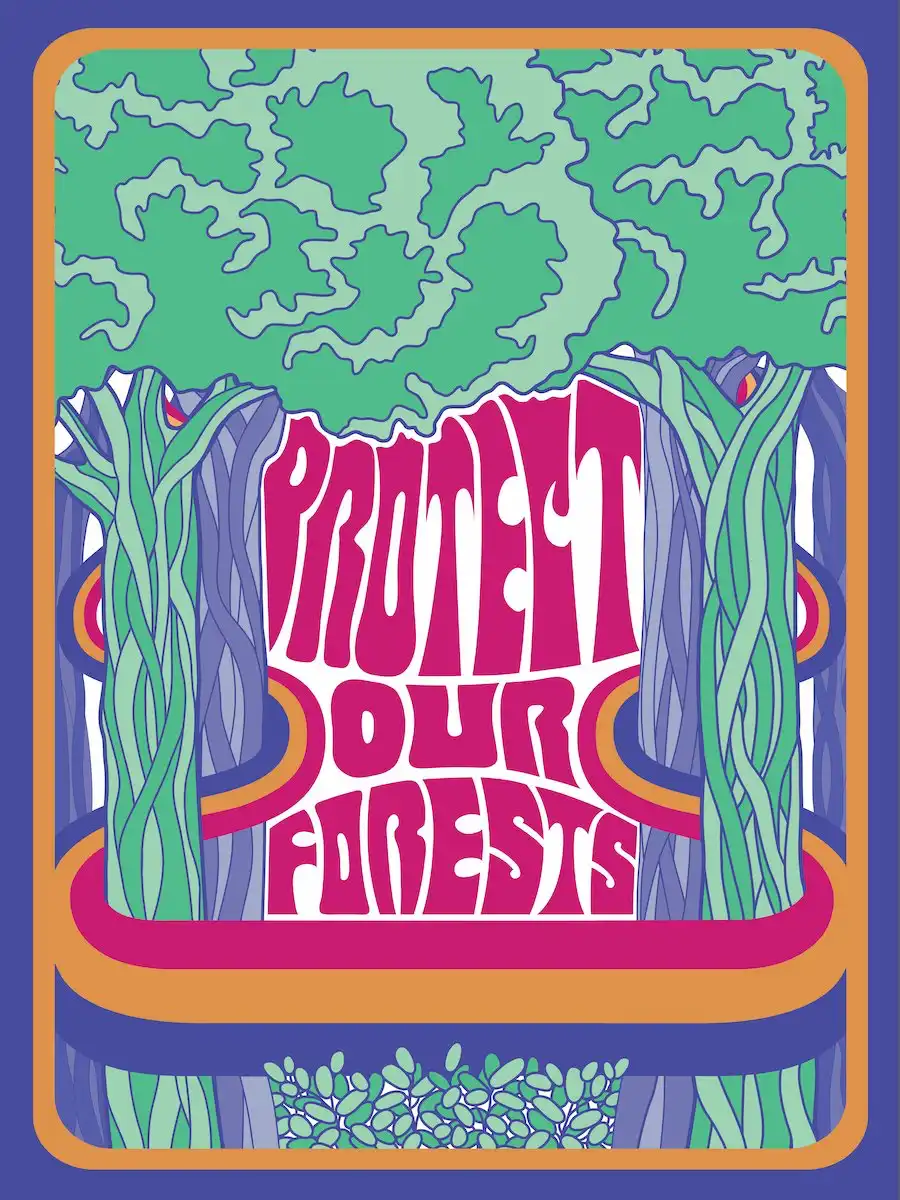
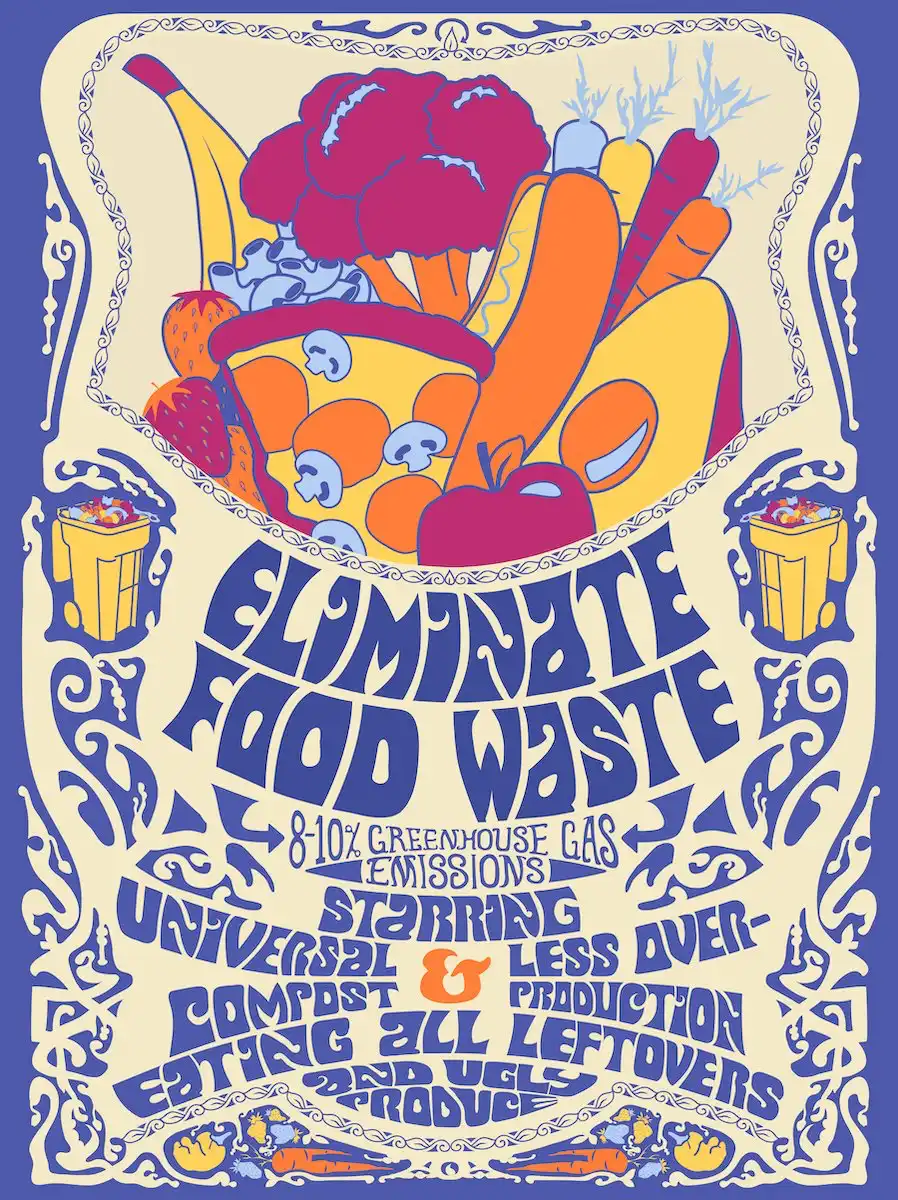
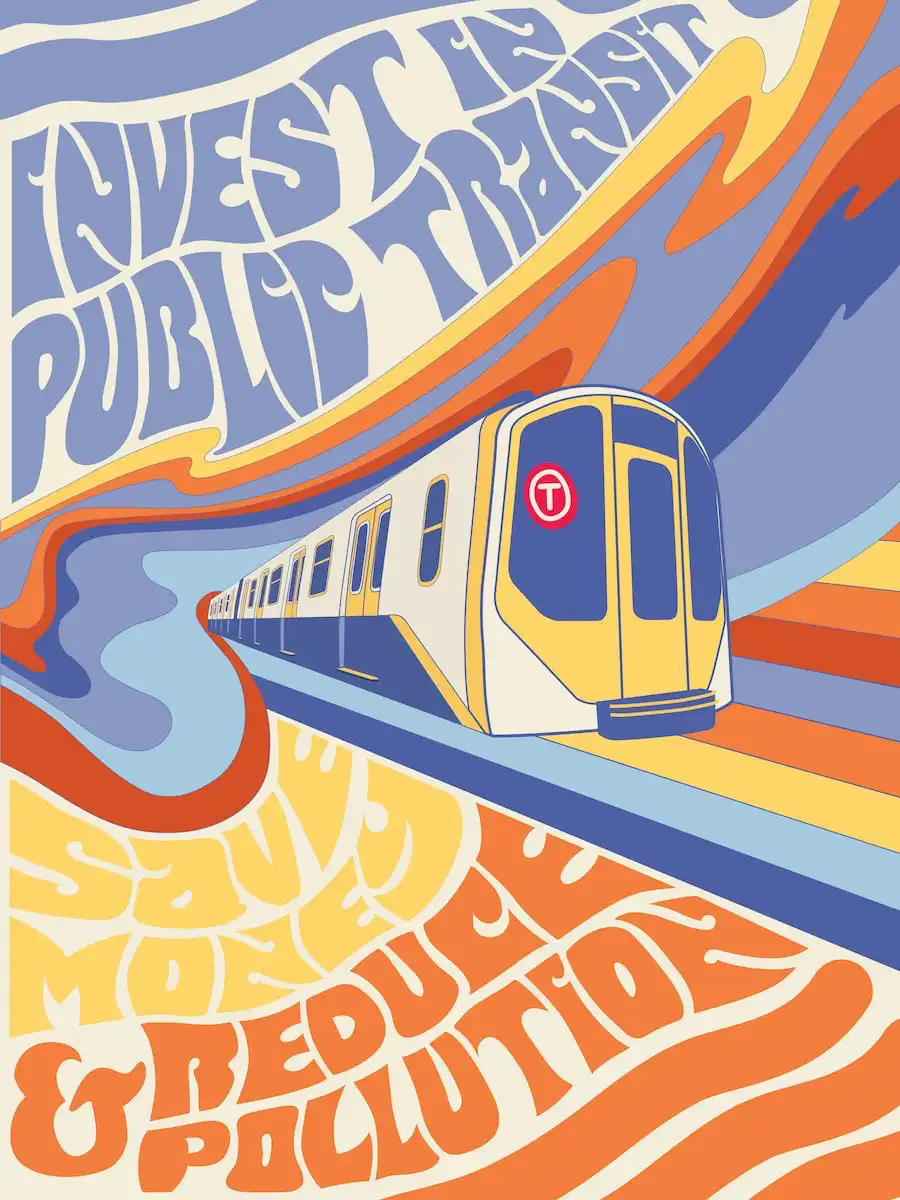
The artist, who has been making climate-focused art for years, has unveiled her latest body of work: a series of 60s rock n roll-inspired posters highlighting climate solutions. It’s called “Goodstock: Putting Climate Solutions Center Stage,” and it features psychedelic elements and climate good news phrases.
It’s safe to say we’re big fans.
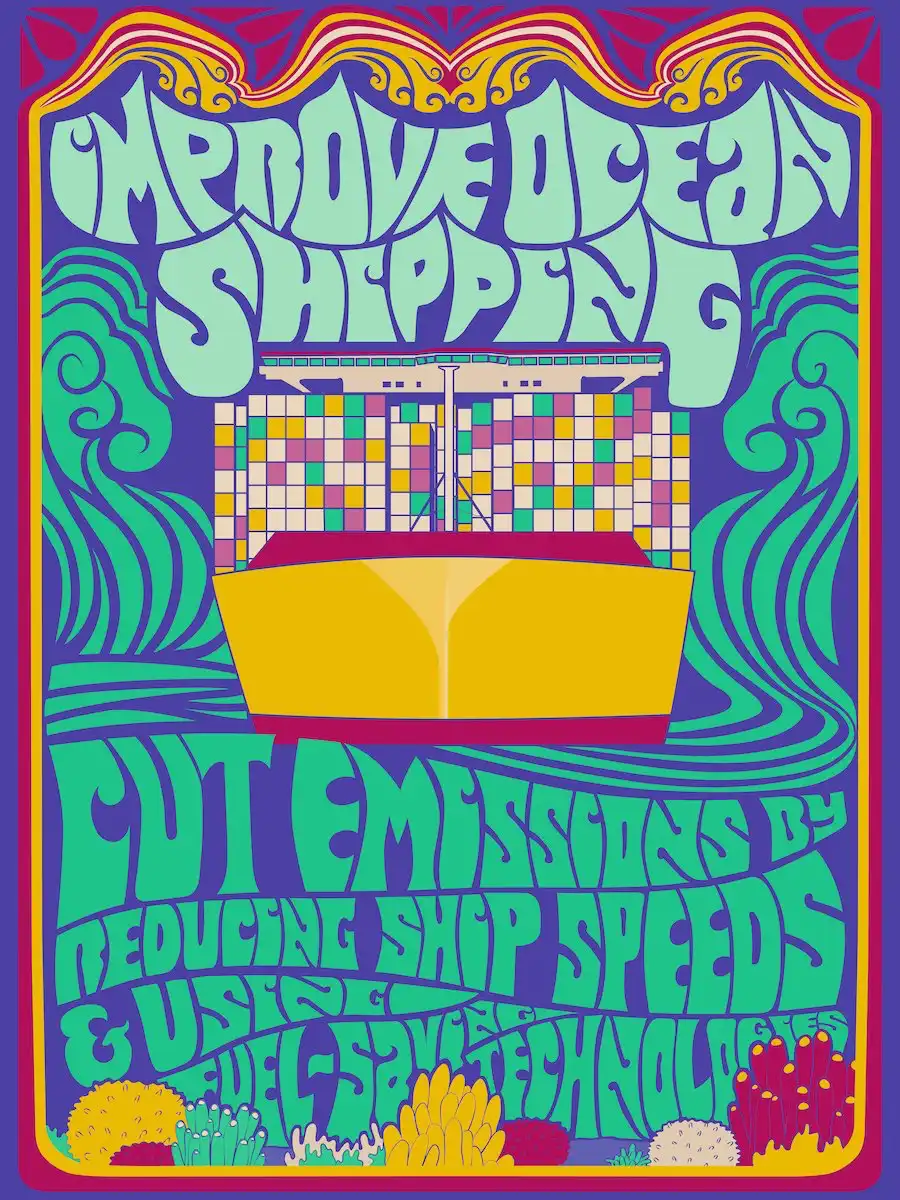
“It’s time to face the music,” Rothstein’s artist statement says. “Climate change is here, and we need to work in concert to combat it. ‘Goodstock: Putting Climate Solutions Center Stage’ reminds us of that by celebrating seven of the solutions to climate change.”
The posters laud solutions-focused climate calls to action, with phrases like:
“Protect our forests”
“Eliminate food waste”
“Invest in public transit. Save money & reduce pollution”
“Biochar: Increase soil fertility & decrease fertilizer use”
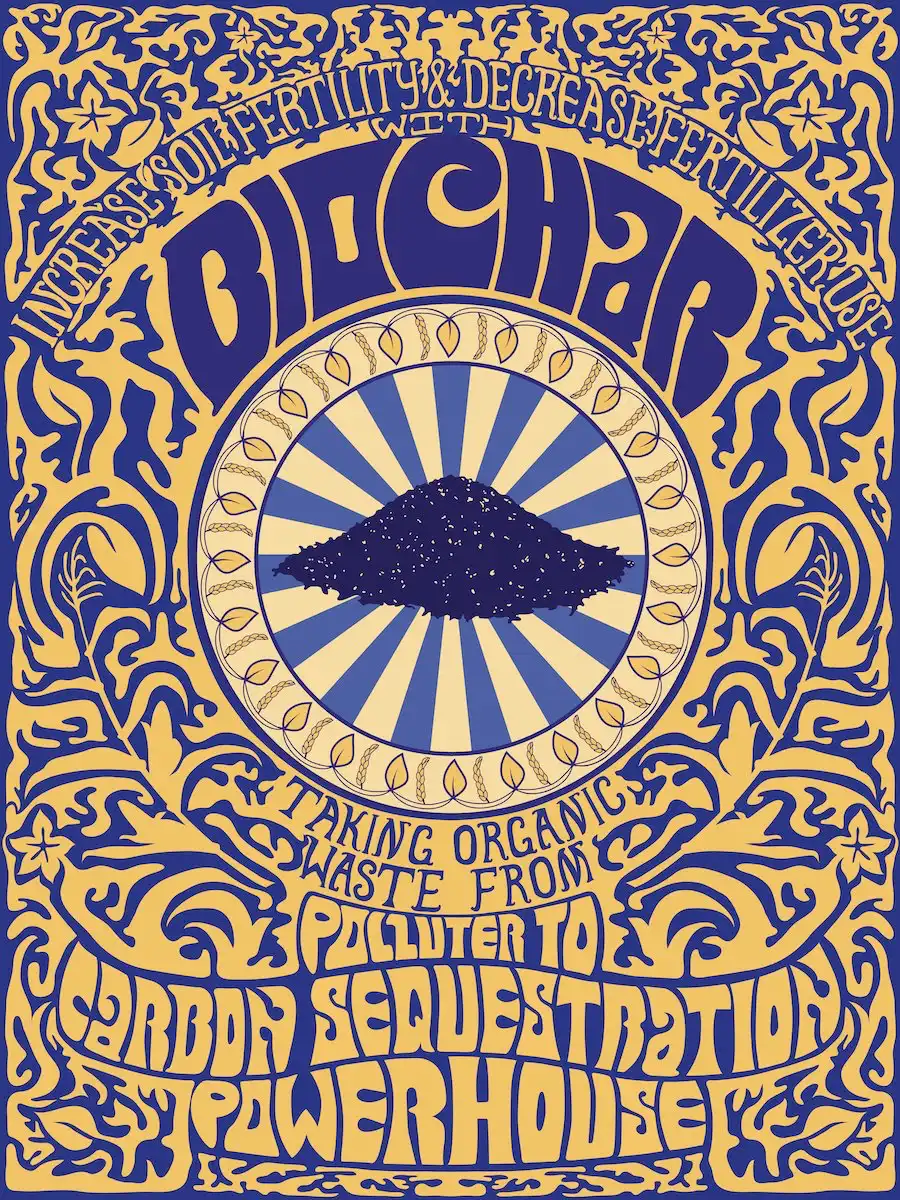
Rothstein said the idea for the posters came when she was working on a contract with Google, and she was in a lounge area decorated with vintage rock posters.
“You usually see rock posters one at a time, but seeing several together made me realize what power they hold; their aesthetic oozed the sexy, glamorous aura of rock and roll,” Rothstein said in an email to Good Good Good. “I realized it would be great to apply this cachet to climate solutions in order to drum up enthusiasm for them.”
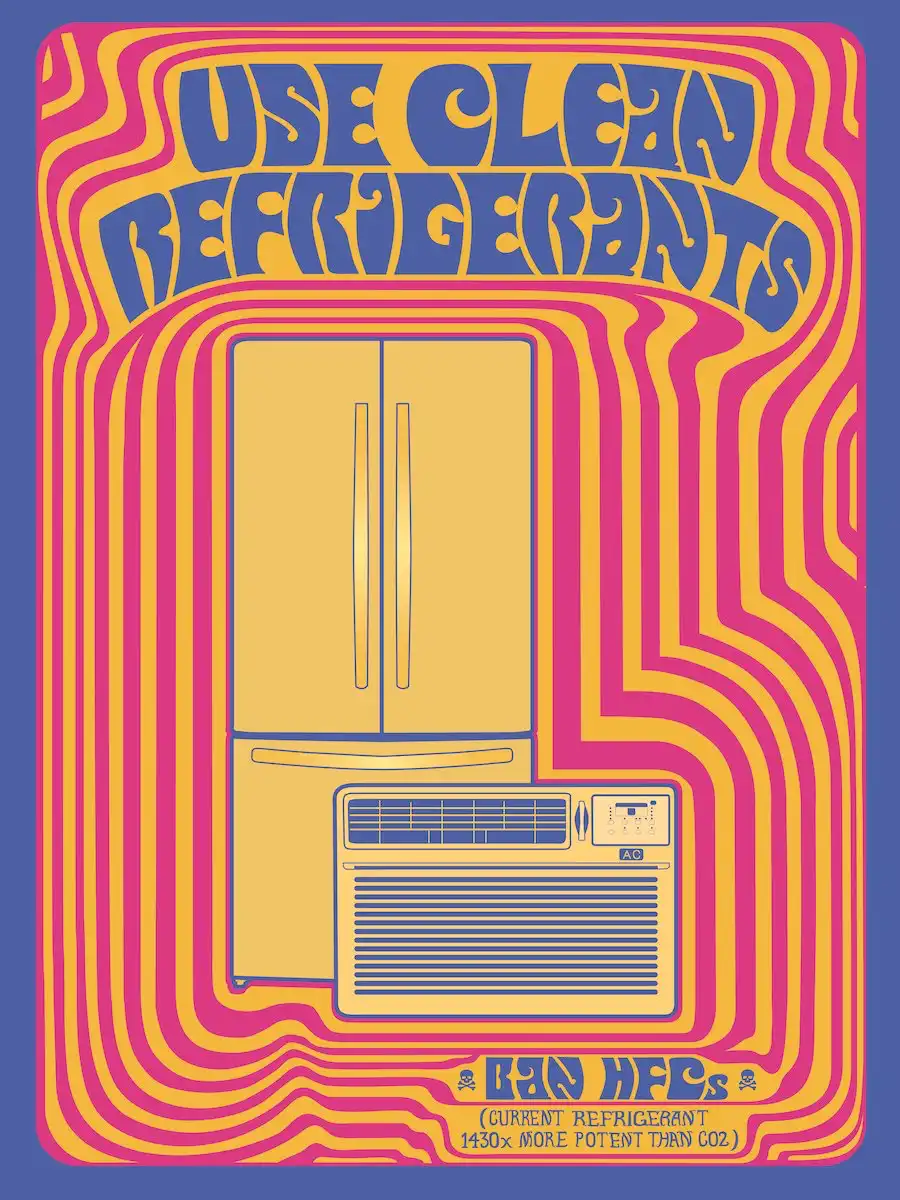
The posters were created digitally, leaning into vibrant colors, groovy shapes, and warped letters. Some are even inspired by specific songs and symbols of the time (“Moonage Daydream” by Bowie, anyone?)
With seven designs in the series — and the potential to add more — Rothstein hopes to inspire action.
“I’d like to generate vocal support for climate change solutions and get people excited about the steps we can take to protect our planet,” she shared. “By rallying behind climate solutions, we can put pressure on corporations and governments to act.”
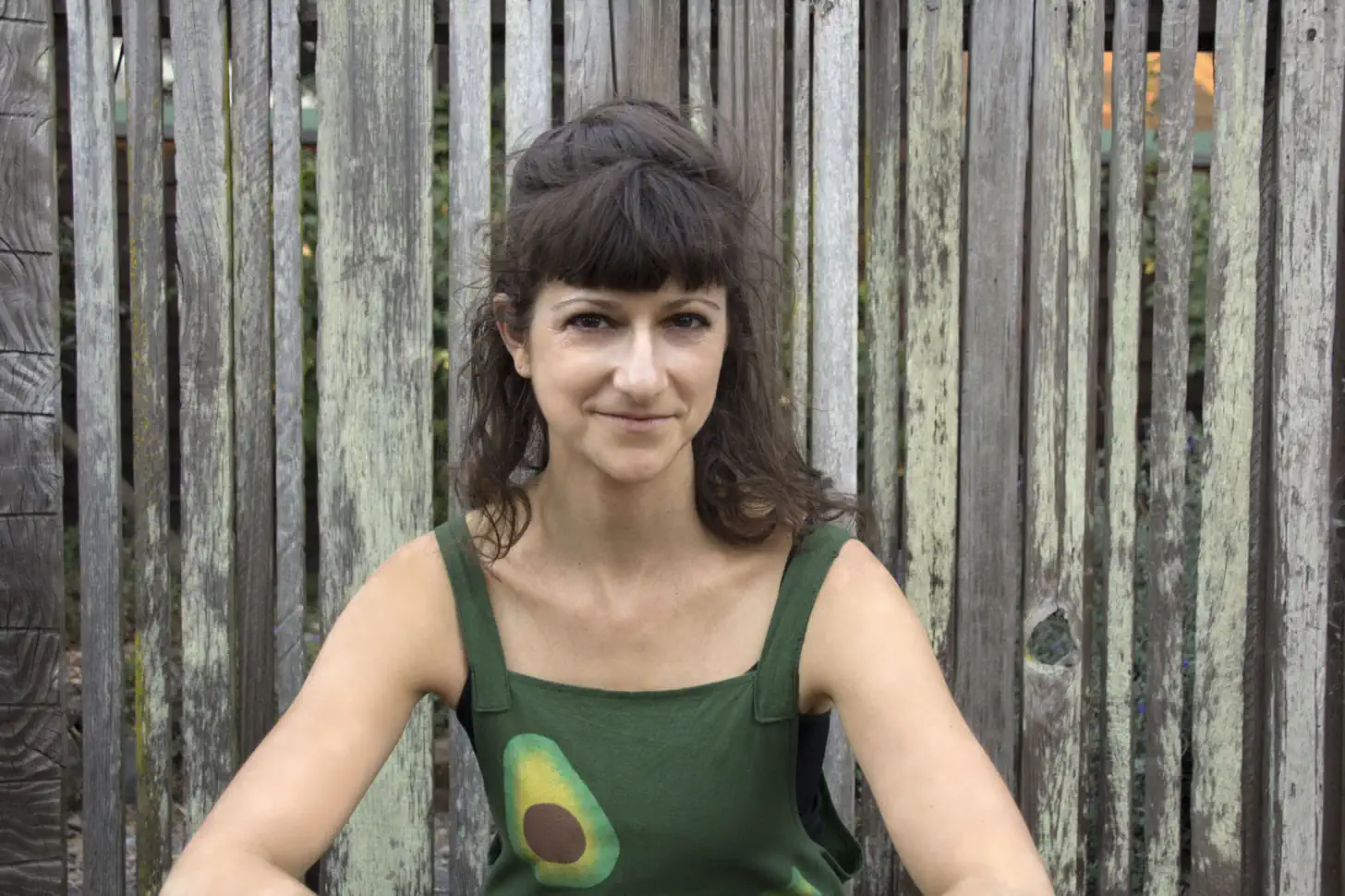
Rothstein knows climate action is more than a handful of trippy posters — but she also knows that art has power to move people (and perhaps systems).
Her previous works have done the same, often plucking approaches from historical or existing designs in the wider zeitgeist.
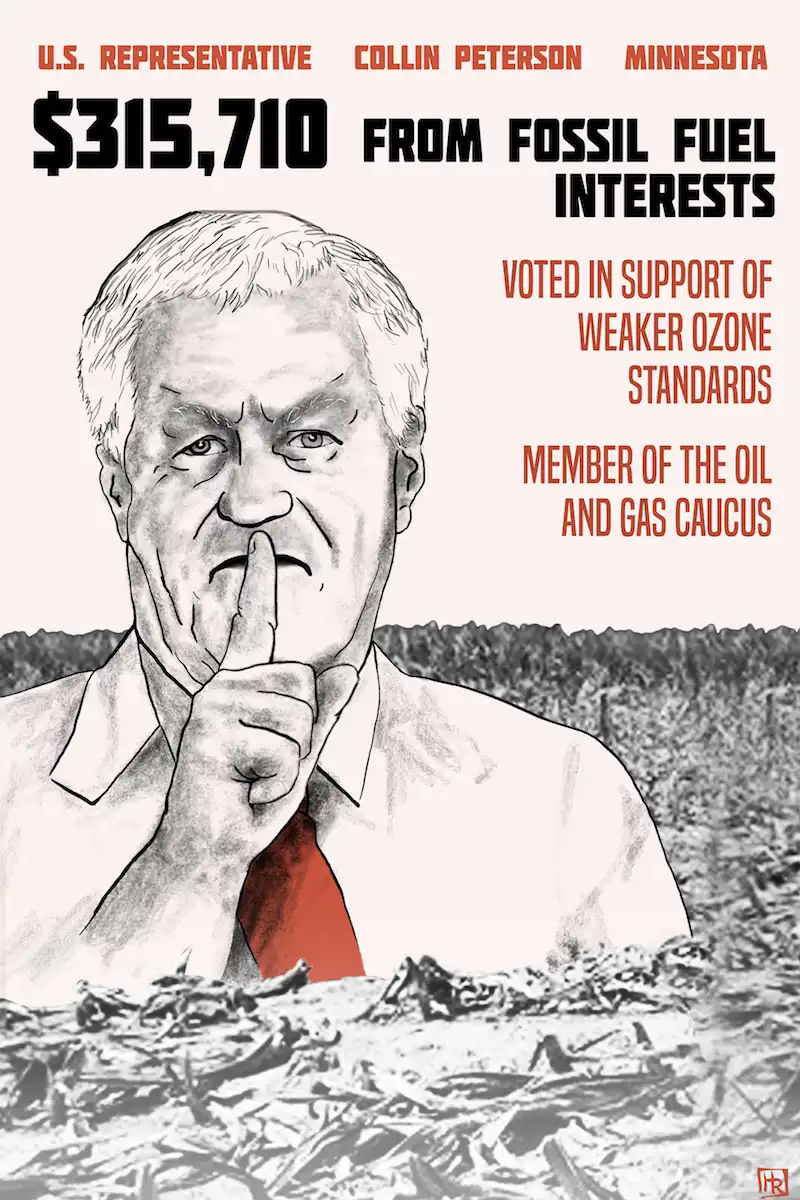
Her series “The Cost of Denial” puts the spotlight on the campaign finances of 10 climate-denying politicians, drawing vision from Soviet-era propaganda posters.
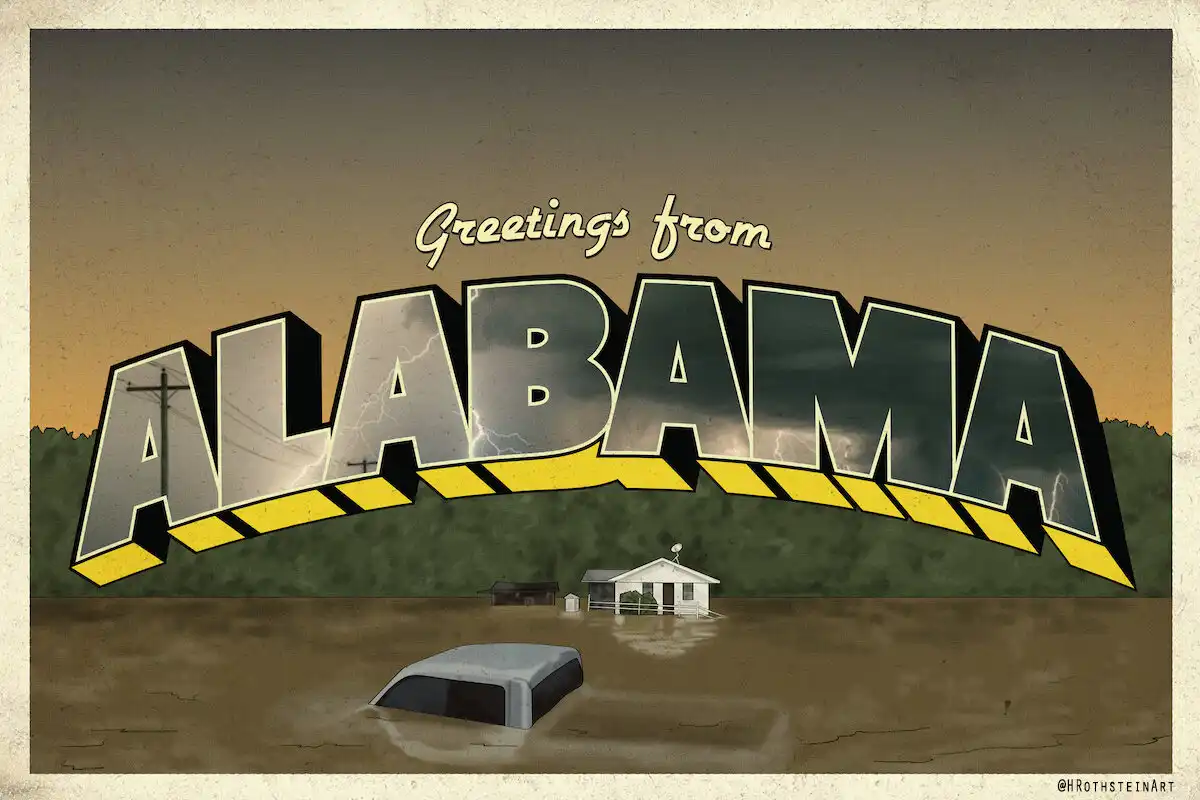
“50 States of Change,” which Rothstein released in collaboration with Greenpeace USA, takes the composition of classic state postcards and entwines them with images of human-made climate disasters: Lifeless turtles in Hawaii’s water, flooded taxicabs in New York, and melting glaciers slipping through Alaska.
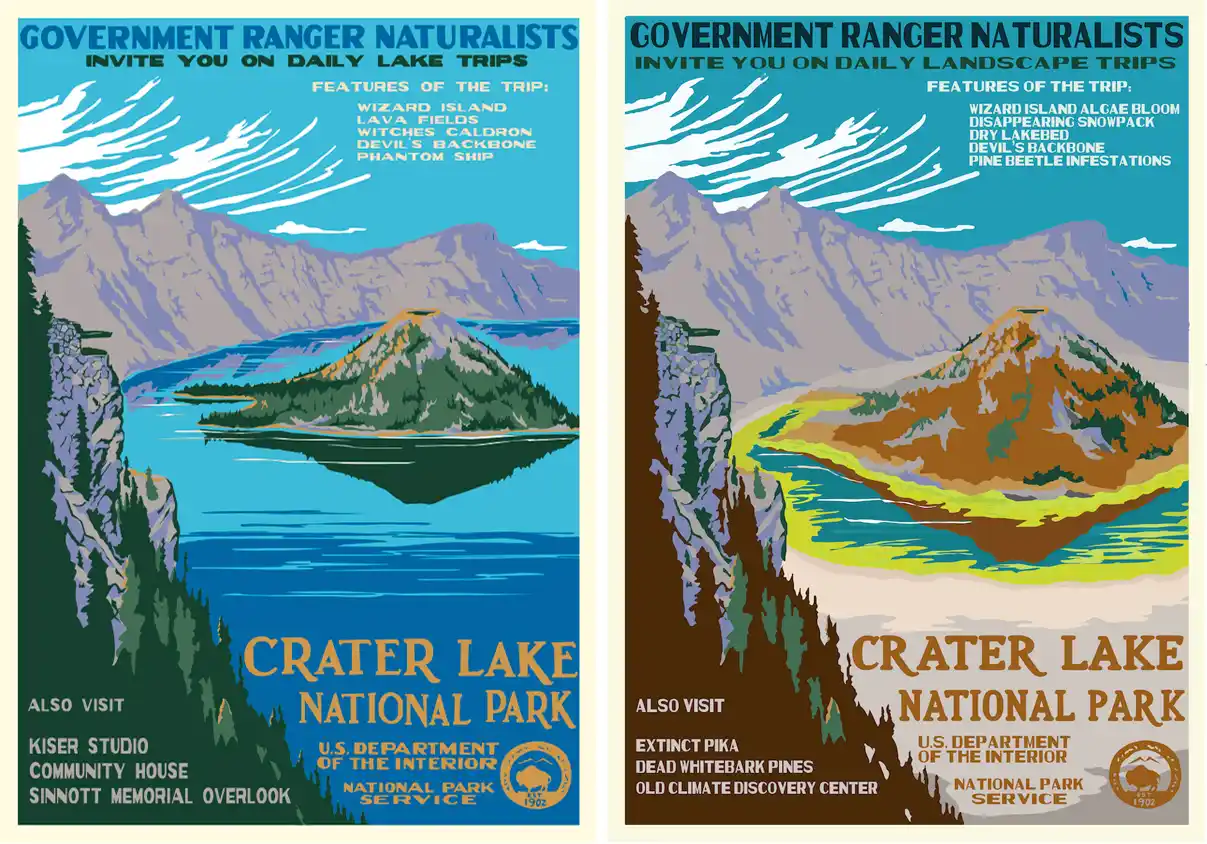
Similarly, her series “National Parks 2050” reimagines time-honored national park posters to show the reality of what our most beloved national parks might look like in the future if we don’t act now to combat climate change.
While previous renditions of her climate-inspired art are a little more bleak, Rothstein is motivated by “Goodstock” as a way to keep hope — and the planet — alive and well.
“Every great movement has art that galvanizes it, whether music, posters, or theater” Rothstein said. “I hope that by creating climate art, I can play a small part keeping people inspired and moving them toward positive change.”
“Goodstock” prints are available for purchase through Rothstein’s website, starting at $60 for a nine-by-twelve-inch piece. She told Good Good Good that she donates a portion of her income every year to benefit climate activism groups.
Saturday, April 25 is Independent Bookstore Day! This annual celebration is an opportunity to celebrate and support independent bookshops across the United States — both online and in your community.
Book lovers of all stripes know the power of finding a new favorite read, spending hours sifting through shelves to find a story (or, like, dozens of stories) that pique your interest and teach you something new.
Perhaps a bookseller will provide recommendations, or there will be a cozy corner to duck into once you’ve found your next novel. That kind of magic just doesn’t happen on Amazon.
Local independent bookstores are essential community hubs and serve as inclusive and welcoming spaces for people of all backgrounds. Many indie bookshops take on the role of a town square, offering events, discussions, and connections that bring together communities of all ages.
Even if books aren’t your thing (you just haven’t found the right one; it’s fine), independent bookstores can be great places to discover other finds, like art, gifts, and other creative supplies, so you’re bound to find something you love.
Independent Bookstore Day started in 2013, making 2026 the 13-year anniversary of the annual event. Bust out those TBR lists, grab a buddy, and get to your local bookstore!
While it’s important to learn more about and uplift independent bookstores all year long, it’s helpful to have somewhere to start. We’ve created a guide on how to celebrate Independent Bookstore Day this year.
By the way, some of the links in this article are affiliate links, which means if you make a purchase after clicking a link, we may earn a commission at no extra cost to you. Thank you!
Activities and Ideas: How To Celebrate Independent Bookstore Day
Find your local independent bookstores.
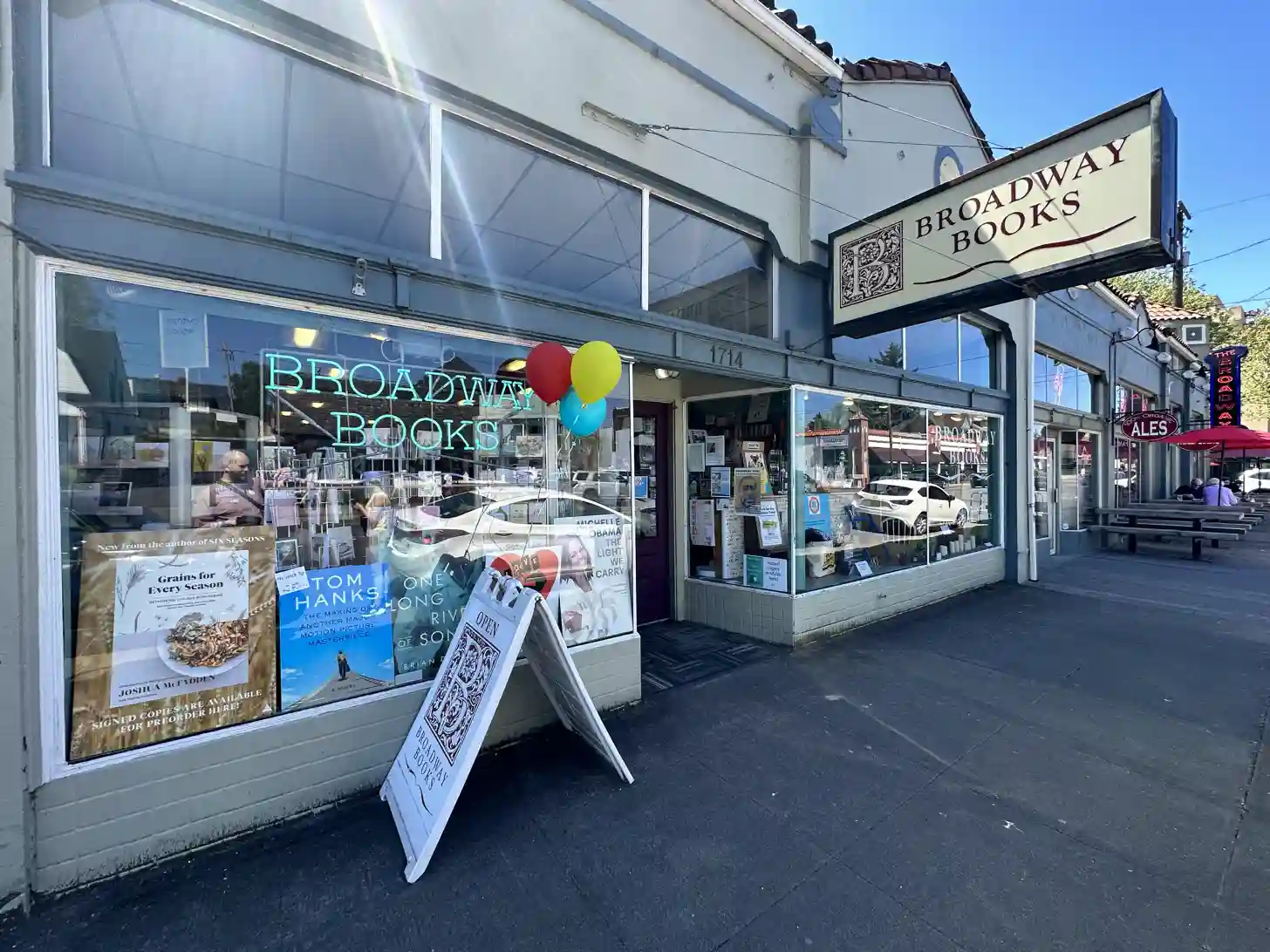
Your community almost certainly has an independent bookstore. In fact, it probably has several. One of the best ways you can celebrate Independent Bookstore Day is to look up the indie booksellers in your community!
Whether you visit them in-person this weekend or not, knowing what they are will make it so much easier for you to visit, support, and recommend them throughout the rest of the year!
→ Simply Google ‘independent bookstore’ or visit IndieBound’s indie bookstore finder
Attend a local event at a bookstore.
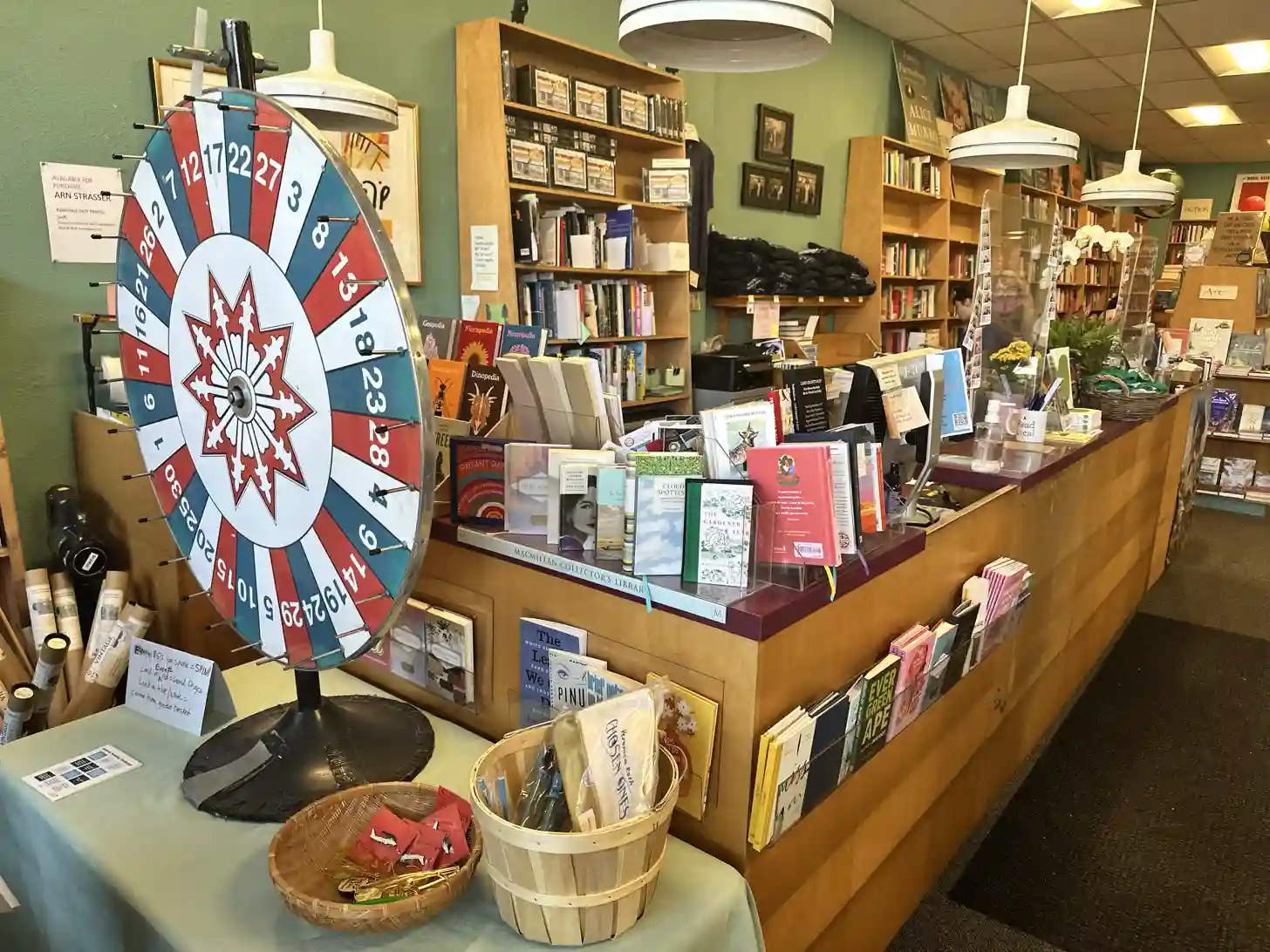
Independent Bookstore Day is essentially a nationwide party that takes place at thousands of independent bookstores in all 50 states.
Events range from author meet-and-greets and live music to children’s events and block parties. Plus, many bookstores are offering limited-edition products, books, and gifts!
→ Explore a full list of state-by-state celebrations to find an event near you via IndieBound’s event guide.
Set up Bookshop.org to support your favorite local, independent bookstore.
Bookshop.org was founded in 2020 as a way to connect readers with independent booksellers around the world.
It’s challenging for a local bookseller to build and manage an e-commerce store that competes with Amazon — so Bookshop.org makes it easy for readers to buy books online without giving money to Jeff Bezos’ trillion dollar corporation.
Create an account with Bookshop.org and then pick out any independent bookstore you’d like to support.
Every time you order a book, your order will be fulfilled by Bookshop.org’s distributor and then the full profit from your purchase will go directly to your chosen bookstore!
(If you don’t select a bookstore, the profits from your purchases will be shared among all independent bookstores on the platform, so that’s still a win, too.)
→ Take a moment to familiarize yourself with Bookshop.org and then pick which independent bookstore you want to support.
Switch to Libro.fm for audiobooks.
Are you an audiobook lover? Regardless, you’re probably familiar with Audible — Amazon’s audiobook platform that critics say is harmful to the book industry.
Independent Bookstore Day is the perfect opportunity to try out Libro.fm — an ethical audiobook platform that supports an independent bookstore of your choosing every time you download a new audiobook!
Libro.fm works just like Audible in that most users subscribe for monthly credits. (Basically the same price as Audible!) You can then use those credits to get any audiobook you want.
The app works great, their audiobook selection is delightful — plus they have the added perks of being able to fill their Discover page with actual recommendations from indie booksellers with fantastic taste and every purchase supports a local bookshop!
Plus, on Independent Bookstore Day, participating shops across the country will be hiding “golden tickets,” for a select few shoppers to find and redeem for a free year of audiobook credits from Libro.fm!
→ Sign up for Libro.fm (and get a bonus audiobook of your choice for free with our code GOOD)
Consider Amazon alternatives for book shopping.
Amazon makes it easy to shop — but its (unsustainably) low costs and fast shipping actually harm the book industry, authors, Amazon workers, and the environment.
We’re just saying, it can be hard to kick back and relax with a good book when you don’t really agree with how it got to you in the first place.
There are so many amazing alternatives and Independent Bookstore Day is the perfect opportunity to explore them.
→ Check out the best online Amazon alternatives for books
(Plus, check out our guide to Amazon alternatives (in general) aaaaand our guides on the best Audible alternatives, Kindle e-reader alternatives, and Goodreads alternatives.)
Buy books from independent bookstores.
Last but not least, today is a great day to buy a new book (or 20!) from an independent bookstore! Whether you do it online or IRL, know that it makes a difference for the bookstore, its employees, and your community.
And is there any greater serotonin boost than a fresh stack of books?
While you’re at it, consider telling a friend or posting on social media. The more people getting involved, the better!
→ Explore Good Good Good’s guides to all things books
→ Explore top recommendations from indie booksellers on Bookshop.org
→ Explore top recommendations from indie booksellers on Libro.fm
Keep celebrating independent bookstores and reading all year long.
The Good Good Good team put together a full breakdown of every book-related holiday. The guide includes everything from J.R.R. Tolkein’s birthday and Children’s Authors and Illustrators Week to World Read Aloud Day and Short Story Month. Even after Independent Bookstore Day is over, there are dozens of awareness days to encourage you to pick up a new book at your local bookshop.
→ Explore the full list of book holidays and months
Frequently Asked Questions
What defines an independent bookstore?
An independent bookstore is a privately-owned shop, not linked to any big chains. They offer a unique and curated selection of books, often cater to local interests, and provide personalized customer service — creating a sense of community among book enthusiasts in the community.
Where can I find 2026 Independent Bookstore Day merchandise?
The American Booksellers Association creates exclusive merch ahead of Independent Bookstore Day, but these products can only be ordered by booksellers. Your best bet will be to visit your local participating bookstore early on Saturday to see if they’re gifting or selling some of these items.
Independent Bookstore Day is also selling official apparel on Bonfire, available online for a limited time.
When is Independent Bookstore Day?
Every year, Independent Bookstore Day is celebrated on the final Saturday of April.
| Year | Date | Day |
|---|---|---|
| 2024 | April 27 | Saturday |
| 2025 | April 26 | Saturday |
| 2026 | April 25 | Saturday |
What’s the largest independently owned bookstore in the world?
The world’s largest independent bookstore is none other than Powell’s City of Books, located in Portland, Oregon. Taking up an entire city block with its multi-story building, the shop offers a vast collection of over one million books — both new and used.
Sleep is something we all need, but it certainly isn’t a one-size-fits-all experience — especially when you’re looking to incorporate your values of health and sustainability to your nighttime routine.
If you’re not ready to buy a new mattress, if you want to extend the life of your current mattress, or if you just need a little extra boost of comfort and support, mattress toppers are the key to improved sleep hygiene.
Although it can be tempting to purchase a $30 foam mattress topper from your nearest big box store, we highly recommend researching to find the right fit — for your benefit, as well as the environment’s.
It goes without saying: If you already love your bedroom sleep setup, there’s no need to buy something new. But if you’re looking to get more comfortable sleep or prolong the life of your mattress — without causing harm to the environment — we’re here to make it easier!
Read on for some mattress topper tidbits — and, of course, our recommendations for the best organic and non-toxic choices on the market.
You might also like our deep-dives on:
- Sustainable Bed Frames
- Sustainable Mattresses
- Sustainable Bedding
- Sustainable Weighted Blankets
- Sustainable Dog Beds
- Sustainable Pillows
By the way, some of the products and links in this article are partners and affiliates, which means we may earn a commission at no extra cost to you. Everything in this article was independently and honestly written by the Good Good Good team. Thank you for your support!
Our reviews of organic and non-toxic mattress toppers
This section contains honest reviews of mattress toppers our team actually reviewed. We unboxed, set up, and slept on each of these mattress toppers — and broke down their impact on the environment, health, and, of course, our sleep.
The brands you see listed in this section sent members of our team sample mattress toppers to review for this article.
(Our reviews are always honest. Receiving free products for testing never impacts our writing — and brands don’t have any influence on our writing or editorial process.)
Savvy Rest

What’s good: Savvy Rest is one of our favorite bedding and mattress companies at this point. As a certified B Corp, the brand has a large catalog of natural latex mattresses and other bedding accessories that are all certified by trusted parties.
Savvy Rest prioritizes values like health impact, the ability to reuse materials, investments in renewable energy, water stewardship, social fairness, and more. Additionally, through a partnership with Carbon Fund, the company offsets its annual estimated carbon emissions.
Materials: Savvy Rest uses materials like all natural or organic latex, organic cotton, and wool in its mattress topper offerings.

Mattress Topper Options:
- Harmony (customizable latex)
- Vitality (non-customizable latex)
- Organic Savvy Woolsy (organic wool)
- Natural Savvy Woolsy (all-natural wool)
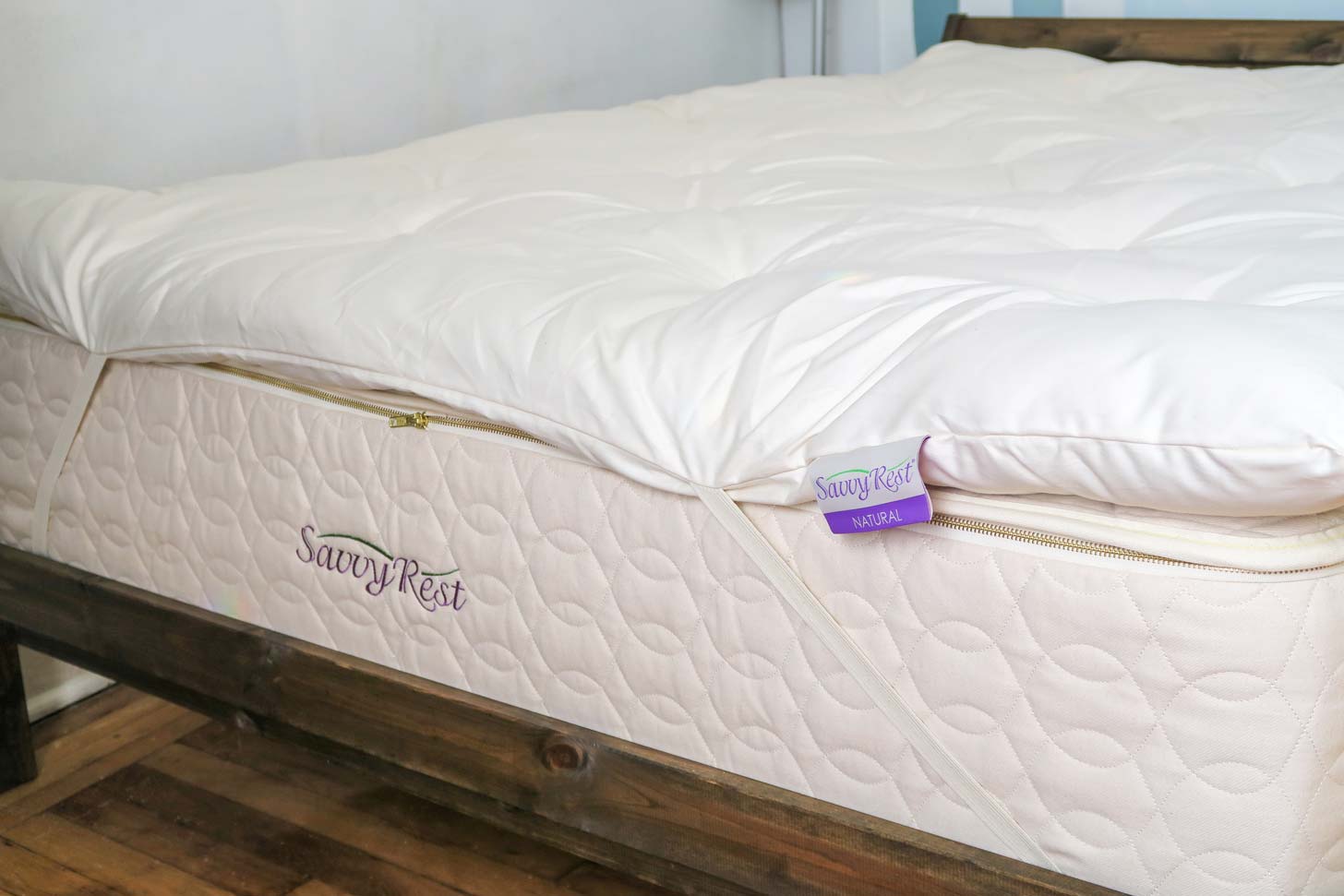
Johnathan’s Thoughts: Savvy Rest sent me the Natural Savvy Woolsy, which is a wool-filled mattress topper with four elastic corner straps to secure it to your mattress. It came minimally wrapped in plastic, in a cardboard box.
The outside cotton casing feels very soft, yet thick and durable. I was a little skeptical on how the “quilted” squares would feel, as I thought it might feel like an uneven layer under my back. As someone who prefers their mattress on the firm side, I was also worried that adding a plush mattress topper would make it feel too soft. But — wow — I was wrong.
After putting a fitted sheet over top and laying down to try it, it felt heavenly. It was like a cloud, but a cloud that still had the firm support of my mattress underneath. It allowed my body to sink in just enough without feeling overwhelming. Even though the material is durable, it doesn’t feel dense or heavy, but light, fluffy, and cool.
I have no doubt this will last a long time, though I do wonder if it will get flatter where my body weight is applied each night — but so far it has remained just as comfortable as the first time I tried it. Savvy Rest’s products are always of such a nice quality, on top of the organic and ethical materials and sourcing. I’m excited to say I am now a mattress topper convert!
→ Shop mattress toppers from Savvy Rest
Holy Lamb Organics

What’s good: Holy Lamb Organics creates bed and bath staples, with a mission of “strengthening the economy based on ecology.” The Fair Trade company has a small and sustainable operation out of Oakville, Washington and practices zero waste initiatives throughout production.
None of Holy Lamb’s raw materials ever go into a landfill; instead, the brand upcycles fabric and wool through a ReKindle Program, compost or mulch tiny scraps, and donates extras to schools for creative projects.
With a plastic-free packaging policy and Cradle to Cradle practice, Holy Lamb ensures that your bedding can be recycled and repurposed without doing harm to the land, animals, or people.
This is thanks to the certified organic materials used in manufacturing; Holy Lamb has a partnership with California mill Woolgatherer to ensure ethical wool practices, as well as certifications and testing clearance from GOTS, OEKO-TEX, Eco Wool, UC Davis Toxicology Lab, and Element Materials Technology.
Materials: Holy Lamb utilizes organic cotton fabric, organic latex, premium natural American wool, and certified organic New Zealand wool.
Mattress Topper Options:
- All-Natural Quilted Topper
- Certified Organic Quilt Topper
- Natural Wool & Latex Topper
- Organic Latex Topper
- Happy Lamb Fleece

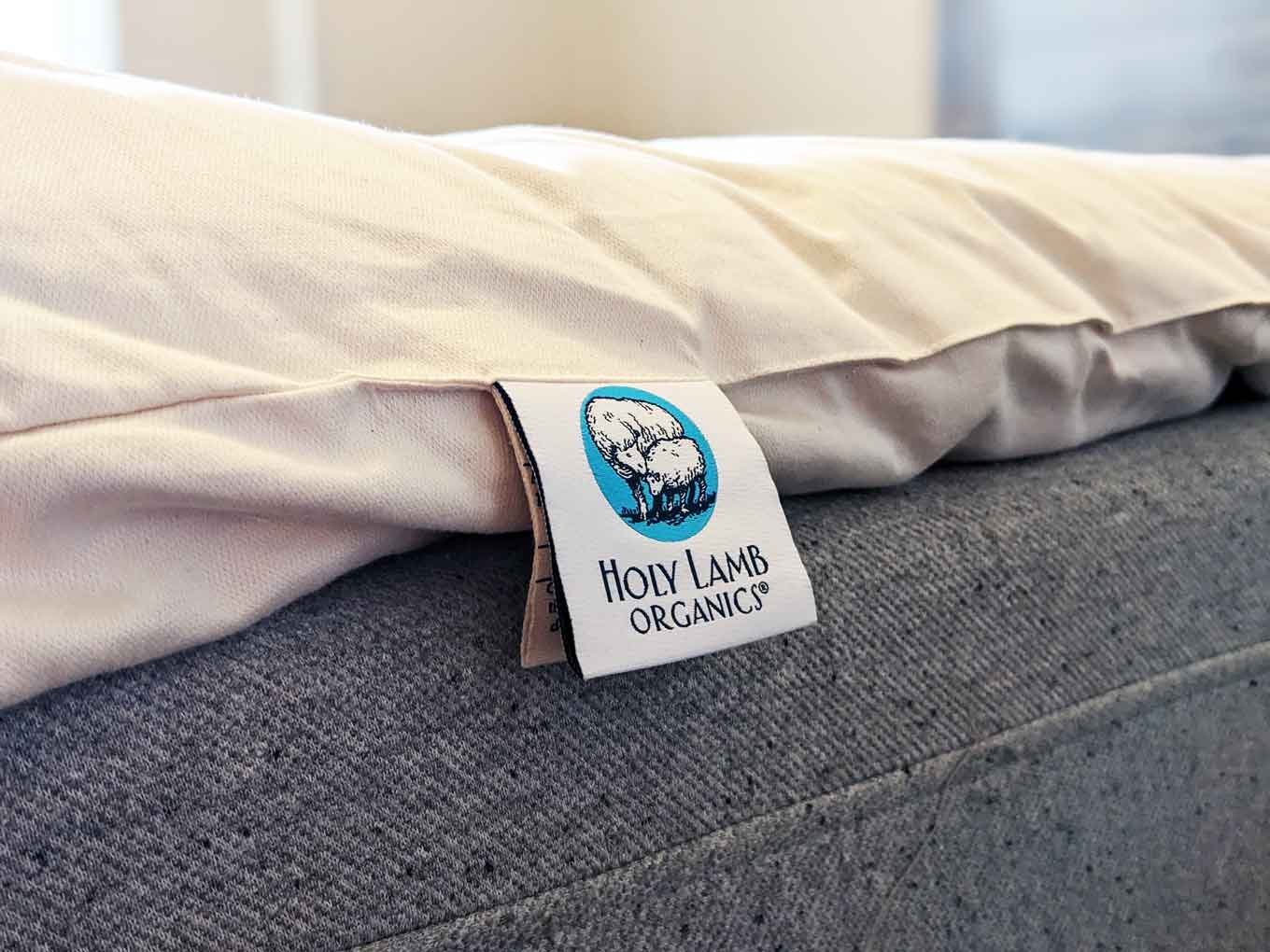
Kamrin’s Thoughts: Holy Lamb sent me the All-Natural Quilted Topper, which is made with organic cotton and filled with eco-conscious natural wool. Prior to getting this new topper, I regrettably had a cheap foam mattress topper I got from a department store, and that old one truly pales in comparison to the Holy Lamb mattress topper.
The topper came in a large cardboard box with no other additional packaging materials (the giant box came in handy when I moved recently, too!), and it was super easy to transfer onto my queen mattress.
Every night when I get into bed, I feel so soothed and supported, and it truly is like landing on a cloud. My sleeping experience has been improved by the soft and gentle bolster (which still feels supportive), and I love that the topper doesn’t have that weird egg carton shape of a mass-manufactured foam option.
It feels natural — like it’s supposed to be there — and I really feel like it gives me the added cushion I need to get a good night’s rest.
That being said, if you’re looking for a firmer option, you’d probably want to check out a latex option with more resistance; in my experience, this one is rather plush. The topper does occasionally shift under my fitted sheet, but it just takes some brief adjusting to get it back to where it needs to be.
→ Shop mattress toppers from Holy Lamb Organics
Saatva

What’s good: Saatva is known for its eco-conscious mattresses, but the brand offers more than just a place to rest your head. Saatva sources Fair Trade and certified organic materials, and plants trees with Evertreen, all while adhering to ethical labor standards.
Talk about a guilt-free nap!
Materials: Saatva’s mattress toppers are made with either perforated natural latex foam, or chemical-free memory foam, and they are all wrapped with certified organic, moisture-wicking cotton.

Mattress Topper Options:

Jessica’s Thoughts: Saatva sent me the Natural Latex Topper and it was a great upgrade to my (already comfortable) Saatva Latex Hybrid mattress.
The topper arrived in minimal packaging, wrapped in a single layer of plastic. The elastic bands in the corners are easily slipped under the mattress while still holding the topper securely in place. I haven't had any issues with the topper shifting around like I have with other toppers.
It has added extra softness to my mattress, but is still firmer than a lot of topper options on the market.
If you’re looking for something more plush, you might opt for a different topper, but this provides a great, firm cushion if you’re looking for some additional support.
→ Shop mattress toppers from Saatva
Other eco-friendly mattress toppers to consider
For this section, we’ve conducted research, read dozens of reviews, and included a breakdown of the environmental considerations of each mattress topper — but we have not yet slept on these ourselves.
We will continue to update this article over time.
Avocado Green Mattress

What’s good: Avocado Green Mattress is a leader in the sustainable sleep space and has a mantra of “natural, safe, and responsible.”
This is carried out through B Corp and Climate Neutral certifications, as well as a vast array of products that are certified by GOTS, GOLS, Made Safe, and Greenguard.
Avocado also works with 1% for the Planet to donate one percent of its annual revenue to environmental organizations like SolarBuddy, Brave Trails, Protect Our Winters, and more. We love to see it!
It is worth noting that Avocado's mattress toppers are specifically mentioned in a 2023 class action lawsuit claiming the brand is not as green as it claims. The suit hasn't been settled or closed yet, but it's definitely something to keep in mind as you're making your purchasing decisions.
Materials: Avocado’s mattress toppers are made with certified organic materials like latex, wool, and cotton.
Mattress Topper Options:
- Eco Organic Mattress Topper (latex and cotton)
- Organic Latex Mattress Topper (latex and wool)
- Alpaca Wool Mattress Topper (cotton and wool)
- Vegan Mattress Topper (the same as the organic latex topper but with no wool)
→ Shop mattress toppers from Avocado
Brentwood Home

What’s good: Brentwood Home is owned by Avocado and echoes its parent company’s priorities of inventive and eco-conscious materials that are all trusted and certified (by organizations like Fiar Trade, FSC, Greenguard, GOTS, and more).
Brentwood Home is Climate Neutral certified and offsets emissions to be 100% carbon negative.
Materials: Brentwood Home carries a variety of mattress toppers, either made with organic latex, or BioFoam, a memory foam that is biologically made using vegetable materials, such as corn, sunflower seeds, castor oil beans, and soybeans.
The brand’s mattress toppers also include materials like organic cotton or tencel.
Mattress Topper Options:
→ Shop mattress toppers from Brentwood Home
Parachute Home

What’s good: Parachute is a Climate Neutral certified company that utilizes circular programs, partners with Fair Trade and GOTS certified manufacturers, uses thoughtfully-selected textiles, and has long-term goals for sustainability.
With a number of carbon offset projects and a diversity initiative that provides capital and mentorship for Black-owned startups, Parachute is showing us all how to be intersectional environmentalists. Now that’s what we call dreaming big.
Materials: Cuddled into a 100% cotton exterior, Parachute uses down (certified by the Responsible Down Standard), and hypoallergenic microfiber down alternative.
Mattress Topper Options:
→ Shop mattress toppers from Parachute
Birch

What’s good: Birch, a bedding company by Helix, creates recyclable, health and environment-conscious bedding goods. With materials certified by the Rainforest Alliance, Greenguard, Forest Stewardship Council, Fair Trade, GOTS, and GOLS, Birch keeps you comfortable with natural, non-toxic design.
Materials: Birch’s organic mattress topper is made with organic cotton, wool, and natural latex.
Mattress Topper Options:
→ Shop mattress toppers from Birch
Coyuchi

What’s good: Coyuchi is a nature-inspired design haven that has a circular business model and recycling program that encourages shoppers to recycle their textiles and shop new products made from those recycled fibers.
For new goods, the brand only sources organic materials and has a number of certifications, like those from GOTS, GOLS, Fair Trade, and Made Safe.
As a member of 1% for the Planet, Coyuchi and champions climate nonprofits, as well.
Materials: Coyuchi’s wool mattress topper is made with 100% climate beneficial wool sourced from a ranch in northern California, as well as 100% GOTS certified organic cotton.
Mattress Topper Options:
→ Shop mattress toppers from Coyuchi
Happsy
What’s good: Happsy hits it out of the park with health and comfort — all without harming the planet. As a member of 1% for the Planet, Happsy financially supports a variety of sustainability initiatives, as well as ensuring the use of certified organic materials.
Materials: Happsy keeps it simple with one organic mattress topper offering. It’s made with organic latex, wrapped in organic cotton. Simple as that!
Mattress Topper Options:
→ Shop mattress toppers from Happsy
Boll & Branch

What’s good: Boll & Branch specializes in Fair Trade bed and bath goods that are totally traceable from start to finish, working with family-owned farms and factories who prioritize the use of organic and non-toxic materials — as well as fair and ethical labor standards.
Materials: Boll & Brand mattress toppers are aptly titled “Cloud Covers” and are made with soft and sustainable materials.
With certified ethically sourced down, 100% organic cotton, non-toxic down alternative, or humanely sourced wool, you’re sure to find a topper that fits your sleep needs.
Mattress Topper Options:
- Cloud Cover Mattress Topper (cotton and wool)
- Cloud Cover Featherbed (down)
- Cloud Cover Fiberbed (down alternative)
→ Shop mattress toppers from Boll & Branch
PlushBeds
What’s good: From its certified organic manufacturing factory in California, PlushBeds makes handcrafted natural and organic sleep essentials. The brand is certified by an impressive list of third-party regulators, like GOLS, GOTS, Greenguard, Certi-PUR, and more.
The company maintains transparent, eco- and worker-friendly business practices and donates a portion of each sale to a nonprofit partner.
Materials: Whether it’s GOLS certified organic latex, ethically-sourced organic wool, hypoallergenic down alternative, non-toxic foams, or organic cotton exteriors, PlushBeds has a material available for every kind of sleeper.
Mattress Topper Options:
- 100% Natural Latex Mattress Topper
- Natural Wool Mattress Topper
- Quilted Organic Mattress Topper
- Down Alternative Mattress Topper
- Luxury Memory Foam Mattress Topper
- Cooling Gel Mattress Topper
→ Shop mattress toppers from PlushBeds
Turmerry
What’s good: Turmerry’s driving belief is that “home is a sanctuary.” The brand is dedicated to rigorous organic standards, as well as sustainable social change, and healthy lifestyle choices. The company has certifications from GOLS, GOTS, OEKO-TEX, and The Eco-Institut.
In addition, Turmerry plants a tree with every order! Through partnerships with groups like American Forests and Trees For The Future, the brand has planted over 3o,000 trees in the U.S. and Africa in the last three years.
Materials: Turmerry uses GOLS certified latex in both of its mattress topper options. Shoppers can also get an optional organic cotton cover for their mattress topper, too.
Mattress Topper Options:
→ Shop mattress toppers from Turmerry
My Green Mattress

What’s good: My Green Mattress came to be when founder Tim Masters wanted to help his daughter, who suffered from eczema and environmental allergies, have a better sleep experience.
Now, the brand creates eco-friendly and health-conscious mattresses and accessories from hand in their organic factory in Illinois. With certifications from GOLS, GOTS, Made Safe, and Greenguard, My Green Mattress lives up to its name.
Materials: My Green Mattress offers one type of mattress topper: an all-natural approach made with two inches of GOLS certified organic latex with a removable GOTS certified organic cotton cover.
Mattress Topper Options:
→ Shop mattress toppers from My Green Mattress
What should I look for in an organic mattress topper?
If you’ve explored our roundup of sustainable mattresses, you already know that the sourcing, manufacturing, and distribution of your bed essentials really do impact your dreamworld — and the world we all share.
Lots of standard mattress toppers are made from foams and materials that are not sustainably sourced, and might even include petroleum-based polyurethane or other toxic chemicals. Here are a few helpful insights on your eco-friendly mattress topper search to help you stay away from those not-so-friendly features:
Materials
The mattress toppers we’ve selected only use natural and organic materials. If you’re doing more research on your own, some solid eco-friendly fibers to search for include:
- Certified organic cotton
- Certified organic latex
- Certified ethical wool
- Bio-engineered foams
Certifications
Eco-friendly and organic mattresses are certified by trusted independent organizations that provide rigorous testing and regulations.
These third-party environmental and health groups ensure strong standards for sourcing and manufacturing, keeping companies accountable so you can have the best product out there.
Non-toxic mattress toppers are often certified or endorsed with the following labels:
- Global Organic Textile Standard (GOTS)
- Global Organic Latex Standard (GOLS)
- OEKO-TEX
- Made Safe
- GreenGuard Gold
- CertiPUR-US
Environmental Impact
Like with any ethical shopping choices, you should always keep a keen eye on a brand’s environmental impact reports and initiatives. Those who are truly dedicated to sustainability will share transparent information about carbon offsets, packaging, sourcing, and manufacturing, and more.
Some may also have partnerships with environmental nonprofits like 1% for the Planet or Climate Neutral.
Social Impact
Lastly, another green flag for an ethical brand is the transparent reporting of supply chain and labor practices. Lots of these companies might have B Corp and Fair Trade certifications, so keep those at the front of your mind!
Every day the Good Good Good team collects the best good news in the world and shares it with our community. Here are the highlights for this week!
If you want to get good news in your inbox every day, join the Goodnewsletter — the free daily newsletter designed to leave you feeling hopeful.
The Best Positive News We’re Celebrating This Week —
Scientists discovered pristine deep-sea coral reefs ‘teeming with life' in the Galápagos marine preserve
In a previously unexplored part of a marine preserve in the Galápagos, scientists descended to 1,970-foot depths and discovered a coral reef in pristine condition. The reef was “teeming with life” and full of octopus, lobster, and fish.
The scientists said the discovery is raising hopes that reefs can still thrive, even as reefs around the world are threatened by record sea temperatures and ocean acidification. It’s also proof, they say, that conservation and reef management strategies are effective.
Currently, Ecuador (which owns the Galápagos) is working to establish more marine protected areas. It’s even collaborating with neighboring countries Panama, Costa Rica, and Colombia on a regional marine corridor initiative to protect and responsibly manage the ocean.
Why is this good news? While this good news certainly doesn’t negate the bleaching and dying coral reefs around the world due to climate change, it does offer some hope for preserving and even restoring threatened reefs. The scientists plan to study how the reef has survived rising temperatures, acidification, and even extreme weather events throughout history.
Norway just opened the world’s longest tunnel built specifically for pedestrians
The city of Bergen in Norway just opened 1.8-mile-long tunnel specifically for cycling and pedestrians constructed through the base of Løvstakken mountain. The team that made it say it’s the longest purpose-built tunnel of its kind in the world.
Following four years of construction, Fyllingsdalstunnelen, as it’s called, officially opened on April 15 with a family day of activities. The tunnel features two lanes so both bikers and runners or walkers can enjoy the tunnel side-by-side.
In place of windows, the tunnel has art installations on the walls, including a “sundial” installation to mark the halfway point of the tunnel. There’s technically a longer tunnel in Washington state, but the 2.2-mile-long Snoqualmie Tunnel was a former train tunnel that had been converted for pedestrians.
Why is this good news? Bergen had to build an evacuation tunnel for its new tram line, so they decided to make it something the entire community could enjoy! We love when cities use infrastructure plans to prioritize giving people car-free activities to enjoy — and make a community more pedestrian- and bike-friendly at the same time.
Washington just became the 23rd state in the U.S. to abolish the death penalty
The state of Washington has had a death penalty moratorium in place since 2014 — and now, it just made it permanent. Governor Jay Inslee signed a bill into law to end the death penalty, making it the 23rd state to outlaw it.
In 2018, the state’s Supreme Court outlawed the death penalty, ruling that it was inconsistently applied. It found factors like the location of the crime and race often determined whether someone would receive a death penalty or life sentence conviction.
Inslee said before signing the bill about that ruling, “They made clear, and we know this to be true, that the penalty has been applied unequally and in a racially insensitive manner.”
We’re celebrating with everyone in Washington for helping the U.S. get one step closer to ending the death penalty nationwide.
The viral ‘If I Were A Fish” song is the world’s new mental health anthem — and it’s healing millions
If you’ve been on TikTok for more than a minute in the last couple of weeks, there’s a solid chance you’ve gotten a little melody stuck in your head recently. It goes something like… “If I were a fish and you caught me, you’d say ‘look at that fish’...”.
Indie musicians Corook and their partner Olivia Barton shared a video of them singing the happy, acoustic song in a video on April 11, which has since garnered over 2 million likes and over 13 million views.
And in the caption, Corook shares that they were “having a very emotional day, feeling insecure and out of place” — and then the pair wrote the tune in 10 minutes “to remember the joy in being different.”
The song immediately became a hit, and comments, stitches, and duets came pouring in, from people rejoicing in the song, adding their own musical flair — and even a children’s choir singing the song in school. And Corook and Barton just released a full-length version of it on streaming platforms — with more delightful verses and kazoos.
Why is this good news? Aside from Corook and Barton simply sharing space together to “feel through” their not-so-great day — their vulnerability in sharing the song with the world has led to it providing real connection, hope, joy, and healing — for singers and listeners alike.
John and Hank Green just launched their newest charity project: soap that supports maternal health in Sierra Leone
Now this is some “Green washing” we can get behind. The duo that brought us socks and coffee that gives back just added another project to their roster of charitable businesses: Sun Basin Soap!
Known for their careers in writing, science, and media, in recent years, brothers Hank and John Green have become huge advocates for advancing healthcare in Sierra Leone by partnering with nonprofit Partners In Health to build the Maternal Center of Excellence.
The center broke ground in April of 2021, and a major contributor to this milestone is the success of the Greens’ charitable businesses, the Awesome Socks Club and Awesome Coffee Club. And now, Sun Basin Soap will support that work too by giving 100% of profits to charity.
And aside from doing good, the soap is really good, too. It’s made by a family-run business in Montana using only natural ingredients, certified organic base oils (and sustainably harvested palm oil!), and more.
Why is this good news? Sun Basin Soap’s 100% of profits to charity model will support the ongoing construction of the Maternal Center of Excellence in Sierra Leone, a country with one of the highest maternal mortality rates in the world.
A Fort Worth woman is helping give warm, comfortable beds to young children who don’t have one
Spurred by the desire to make a difference during the pandemic, and grateful for her own comfortable place to get some rest at night, Amy West wanted to do something to help young kids who didn’t have that.
So, she started Cots4Tots, a nonprofit which provides beds for young children. They especially look to help kids in foster care, since the need for care and resources can come up super quickly.
West was also inspired to make a difference this way, ultimately, to reduce infant mortality and injury, since it’s critical for a baby to have a good bed to reduce the risk of sleep-related death from SIDS, or accidental suffocation.
And for toddlers, enough sleep is important for their development — something that may not happen if they don’t have a comfortable, safe place to sleep. And according to another nonprofit that helps provides beds to kids, an estimated 1.5 to 2 million children sleep on the floor every night.
The Australian Parliament just passed a landmark bill requiring massive industrial emissions reductions by 2030
Australia, still massively reliant on coal for energy production, just took its most significant step in years in addressing the climate crisis. The country’s parliament just passed an emissions reduction bill that would require the highest-emitting industrial facilities to reduce their emissions by around 30% by 2030.
After the bill was passed in the lower house, Prime Minister Anthony Albanese said, “After a wasted decade, today is a great day for action on climate change.”
The result of these emissions reductions are estimated to be equivalent to taking two-thirds of all the cars in the country off the road, according to the country’s minister of climate change.
Why is this good news? Coal and climate change have been touchy subjects for decades in Australia, which is the world’s second-largest exporter of coal, and largest of liquefied natural gas. Climate policy had long been weaponized politically, so this legislation marks a major shift for the nation.
And it was driven largely by a shift in public opinion (and by extension, voting patterns), in the aftermath of increasingly frequent and intense natural disasters.
More good news of the week —
Scientists discovered ancient, million-year-old viruses can help the body fight cancer. Once dormant, these viruses are “woken up” when cancer cells spiral out of control, unintentionally helping the immune system attack the tumor.
A new initiative in Washington state will equitably boost urban tree cover. The Washington Tree Equity Collaborative is a first-of-its-kind initiative to ensure vulnerable communities have clean are and are protected from extreme heat.
Minnesota just passed bills that preserve reproductive freedom, ban conversion therapy, and make the state a “refuge” for trans people. The legislature passed all three bills in a single day, and the governor says he will sign them.
The creator of the ‘Birds Aren’t Real’ conspiracy parody turned it into a movement for compassion. Peter McIndoe’s comedy project gave him a new point of view on conspiracy theories and how we as a society treat those on the fringe.
Taylor Swift is donating to food banks all along her stops on the Eras Tour. From Glendale and Las Vegas, to Tampa and Houston, Swift has made surprise donations to local area food banks.
A drag show fundraiser in New York raised nearly $14,000 to support a local animal rescue. The Rainbow of Hope Animal Rescue helps find foster dogs their forever homes, and has hosted the drag show fundraiser for seven years.
Writers started a campaign to help authors push their publishers toward carbon neutrality. The Tree to Me project helps authors prepare for and have productive conversations regarding the sustainability of their published work.
The world’s first carbon import tax was just approved by European Union lawmakers. The law would impose tariffs based on the amount of emissions generated in production, and could be effective in reducing industrial carbon emissions.
A couple in Oregon spent $48,000 to convert their home to net-zero — and they’re helping others make the switch, too. They took advantage of incentives, rebates, and tax credits, and want to show others that the future is efficient and renewable.
San Antonio just launched its Cool Pavement Pilot Program to help cool off some of the city’s hottest neighborhoods. The city will test different cool pavement products equitably throughout the city to see which are best at reflecting sunlight and absorbing heat.
The World Health Organization certified Azerbaijan and Tajikistan as officially malaria-free. Forty-two countries have now achieved the milestone, the latest two after a century-long sustained, collaborative fight against the deadly parasite.
Pope Francis just gave women the right to vote at a bishop’s meeting for the first time. The unprecedented change reflects his hopes to give women greater decision-making responsibilities, and expand it to even more people who have historically not had a vote.
The Citizens’ Climate Lobby just hosted a conference for conservatives who care about climate action. The more than 100 participants then spoke to two dozen Republican lawmakers following the conference about taking action on climate.
A Black woman-led organization is helping equip frontline communities fighting for environmental and racial justice. The Solutions Project creates opportunities for women of color to both gain access to funding while ensuring their voices are heard where it matters most.
The EPA just proposed improved wastewater treatment standards for coal-fired power plants. The decision was a legal victory decades in the making, thanks to the persistent work of groups like Earthjustice.
Teachers are the glue that hold our communities together. You shape the world, one generation at a time — and you do it for less money and appreciation than you deserve.
It’s not easy to show up every day and teach — but you do it every day. And sometimes, you might just need some positive affirmations to help you start your day, end your day, or get through your lunch break.
Affirmations are an incredible tool in our self-care practices. They help us build confidence, reduce stress, and increase our emotional resilience as we deal with all the new things life throws our way.
They’re also kind of fun to find, create, and fine-tune to fit our own unique circumstances and help us feel supported and grounded as we all navigate the delicate terrain of our individual mental health.
As lovers and sharers of positive news (we publish good news online, in our free newsletter, on our positive podcast, and our beautiful monthly Goodnewspaper), we’re big positive affirmation enthusiasts and have helped collect some affirmation quotes to help you find what sticks for you.
Explore our main article of The Best Positive Affirmations and all of our other collections of positive affirmations:
- Positive Morning Affirmations
- Positive Affirmations for Men
- Positive Affirmations for Anxiety
- Motivational Positive Affirmations
- Self-Confidence Positive Affirmations
- Short Positive Affirmations
- Self-Care Affirmations
- Affirmation Quotes
P.S. Depending on what grade or grades you teach, you might want to check out our guide to Positive Affirmations for Kids, too.
As you delve into these teacher affirmations, think about why you got into teaching in the first place, the moments along the way when you knew you were making an impact, and your hopes for the futures your students will inherit.
Find your favorite affirmation and use it every day, or bookmark this page and go through it slowly over time. Hold onto what feels good, and release what doesn’t.
This is a list designed to make your affirmation practice less overwhelming, and we hope we leave you feeling energized and grounded as you step into the classroom each day. Let’s get to it!
Teacher Affirmations for Educators Making the World a Better Place
I recognize and value the unique qualities of each of my students.
I create meaningful and engaging lessons that inspire curiosity.
I am open-minded and embrace diversity in my classroom.
I empower my students to become independent thinkers and problem solvers.
I am an active listener, giving my students the attention and support they deserve.
I am patient with myself, recognizing that growth takes time and effort.
I approach each day with a positive attitude, ready to make a difference.
I have the power to change lives through education.
I stay focused on what truly matters: the growth and success of my students.
I am a caring and empathetic teacher, understanding the needs of my students.
I set high expectations for myself and my students, encouraging them to reach their full potential.
I am a source of encouragement and motivation for my students.
I find creative ways to address challenges and find solutions.
I build strong relationships with my students, fostering trust and respect.
I am committed to my professional development, constantly learning and evolving.
I maintain a healthy balance between work and personal life, nurturing my own well-being.
I advocate for my students and their needs, both inside and outside the classroom.
I embrace change and continuously seek new ways to improve my teaching practice.
I take pride in the impact I have on my students and their futures.
I am an effective communicator, clearly conveying expectations and feedback.
I am resilient and persevere through difficult situations.
I cultivate a positive and collaborative classroom culture.
I approach each challenge with a growth mindset, eager to learn and improve.
I acknowledge the successes, both big and small, that I achieve as an educator.
I am grateful for the privilege to inspire, educate, and shape the lives of my students.
I am a dedicated educator, driven by a strong sense of purpose and integrity.
I possess the skills and expertise to excel in my teaching career.
I approach myself and my students with empathy and appreciation.
Each day, I grow and develop as a more effective teacher.
I play an essential role in shaping my students' lives and futures.
My work as an educator is significant and valuable.
I am grateful for the opportunity to engage in a fulfilling and stimulating profession.
I inspire and uplift my students, helping them to recognize their potential.
I have faith in my talents and skills as an educator.
I maintain a state of tranquility and composure, welcoming each day with confidence.
I am a positive force in the lives of my students.
I create a welcoming and nurturing environment for learning.
I have the knowledge and skills to help my students succeed.
I am patient, understanding, and compassionate with my students.
I believe in the potential of every student and inspire them to achieve greatness.
I am a lifelong learner, always growing and improving as a teacher.
I make a meaningful impact on the lives of my students.
I am grateful for the opportunity to teach and make a difference.
I foster creativity, curiosity, and a love for learning in my students.
I am confident in my abilities as an educator.
I am flexible and adapt to the unique needs of each student.
I encourage my students to believe in themselves and their abilities.
I am a role model for my students, demonstrating kindness, integrity, and perseverance.
I communicate effectively with students, parents, and colleagues.
I am open to feedback and continually strive to improve my teaching methods.
I celebrate the achievements and progress of my students.
I create a safe and supportive space for students to express themselves.
I am prepared and organized, setting my students up for success.
I trust in my ability to guide my students toward academic and personal growth.
I collaborate with my colleagues to enhance the educational experience for my students.
I maintain a healthy work-life balance, prioritizing self-care and well-being.
I am passionate about teaching and dedicated to my profession.
I find joy and fulfillment in helping my students learn and grow.
I am committed to making a positive impact on future generations.
I am proud to be a teacher.
I cherish the opportunity to shape young minds.
Explore more of Good Good Good’s teacher-related content including good news about teachers making a difference and our guide to Teacher Appreciation Week.
It was the iconic Fred Rogers — who donned the equally iconic red cardigan — that told us, “Look for the helpers. You will always find people who are helping.”
Here at Good Good Good, we use that timeless philosophy as a guide and reminder that even in times of crisis, there are always people looking to do good.
Fred Rogers (affectionately known as Mister Rogers) was a pioneer in children’s television and dedicated his career to creating meaningful, educational content for young viewers. His show, “Mister Rogers’ Neighborhood,” aired for over 30 years. He not only hosted all 895 episodes, but he composed more than 200 songs and imagined 14 uniquely dynamic puppets into existence.
Mister Rogers’ impact goes beyond his television show, though.
His direct, slow, gentle, and compassionate approach earned him the trust and respect of parents, children, and lawmakers alike. He often used his platform to speak out against violence and other social injustices, as well as advocate for education and children’s rights.
His messages of kindness and acceptance taught a generation of children (and adults) how to openly discuss complex topics like divorce, death, war, disabilities, and racism, while providing them with the tools and language needed to understand and process these issues.
His legacy continues to inspire and influence people of all ages and backgrounds, and his message of kindness, empathy, and commitment to educating and uplifting young people remains just as relevant today as it was during his lifetime.
Whether you grew up watching “Mister Rogers’ Neighborhood” or are interested in dissecting his legacy, there’s a treasure trove of books (over 50 books penned by Rogers himself!) for young and adult readers to enjoy.
We’ve narrowed down that list for you by sharing some of the best books out there about Mister Rogers that we hope serve as gentle reminders to look for the good in the world — and how we can become it.
Some of our links are affiliate links, which means that we may earn a commission if you buy something via this list. Thanks for supporting Good Good Good’s mission at no extra cost to you!
P.S. We’ve linked Amazon for convenience and accessibility, but we’re also linking to our favorite Amazon alternatives: Bookshop and Libro.fm, which are both great ways to support small, independent bookstores when you buy physical books and audiobooks.
(Learn more about Amazon alternatives for books and audiobooks)
The Top Books To Help You Channel Your Inner Mister Rogers
Books by Fred Rogers
“The World According to Mister Rogers: Important Things to Remember” by Fred Rogers

Published posthumously, this book collects some of Mister Rogers’ timeless wisdom from speeches, books, interviews, letters, and transcripts.
The book emphasizes the importance of treating yourself and others with respect and compassion. From coping with loss to facing adversity, Rogers offers advice on navigating difficult times with courage and a whole lot of grace.
“You Are Special: Neighborly Words of Wisdom from Mister Rogers” by Fred Rogers

This collection of inspiring quotes and wisdom from Fred Rogers is filled with words of encouragement, compassion, and kindness, created to uplift and inspire readers of all ages.
Each chapter is organized thematically, covering topics like love, acceptance, and self-worth. With its simple, yet powerful, messages, “You Are Special” is a big cozy hug from which all of us could benefit.
“Dear Mister Rogers, Does It Ever Rain in Your Neighborhood?: Letters to Mister Rogers” by Fred Rogers
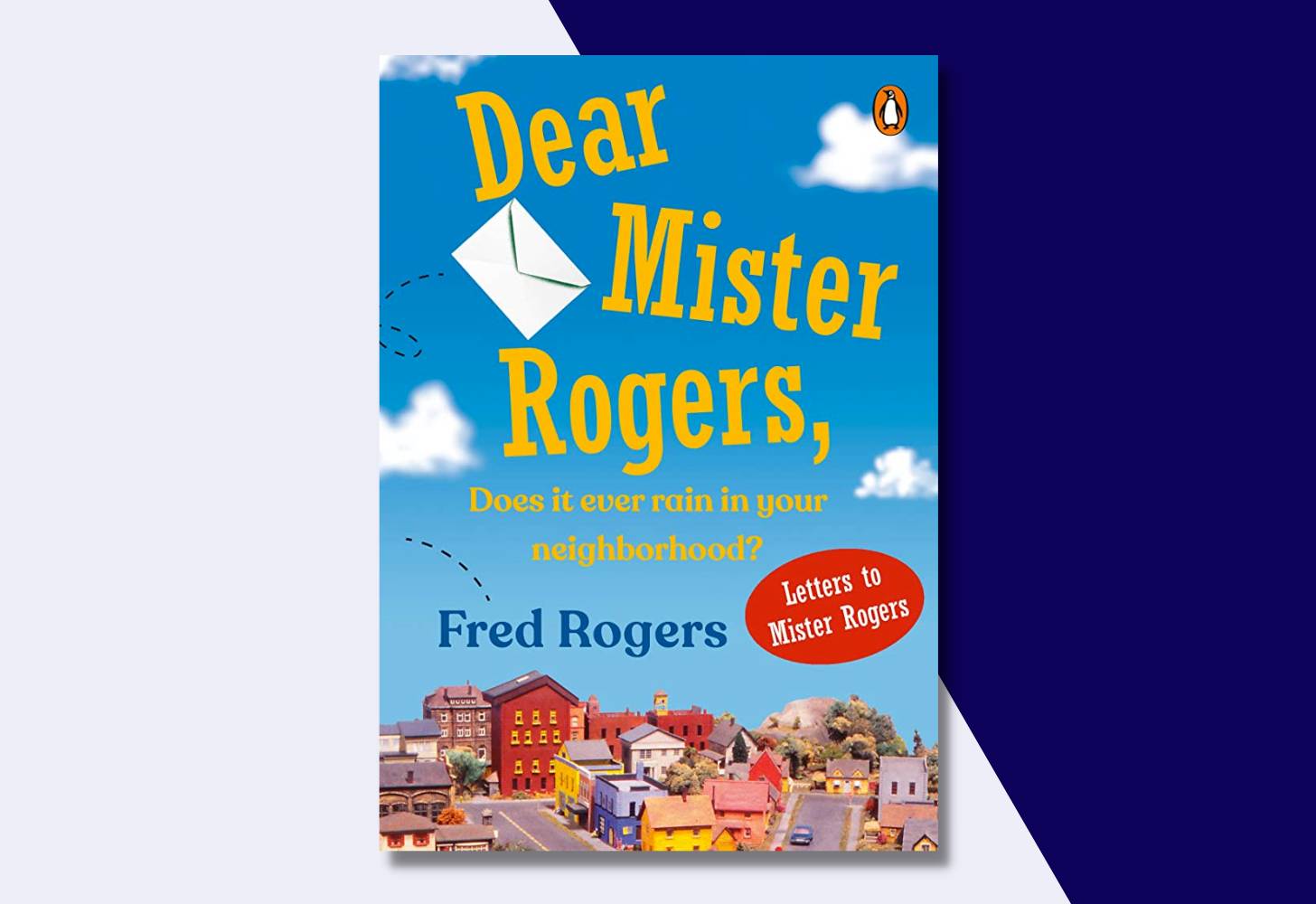
“Dear Mister Rogers, Does It Ever Rain in Your Neighborhood?” is a collection of letters addressed to Rogers, along with his caring and thoughtful responses. Through these letters, Mister Rogers encourages parents and teachers to cherish the questions and comments that come from children, providing insightful advice on real-life issues that affect us all.
Arranged thematically, this unique collection offers a timeless guide to childhood and parenting. Whether it’s talking about feelings and fears, family relationships, or even grief, Mister Rogers’ deep sensitivity and thoughtfulness can be found on every page.
“Life’s Journeys According to Mister Rogers: Things to Remember Along the Way” by Fred Rogers
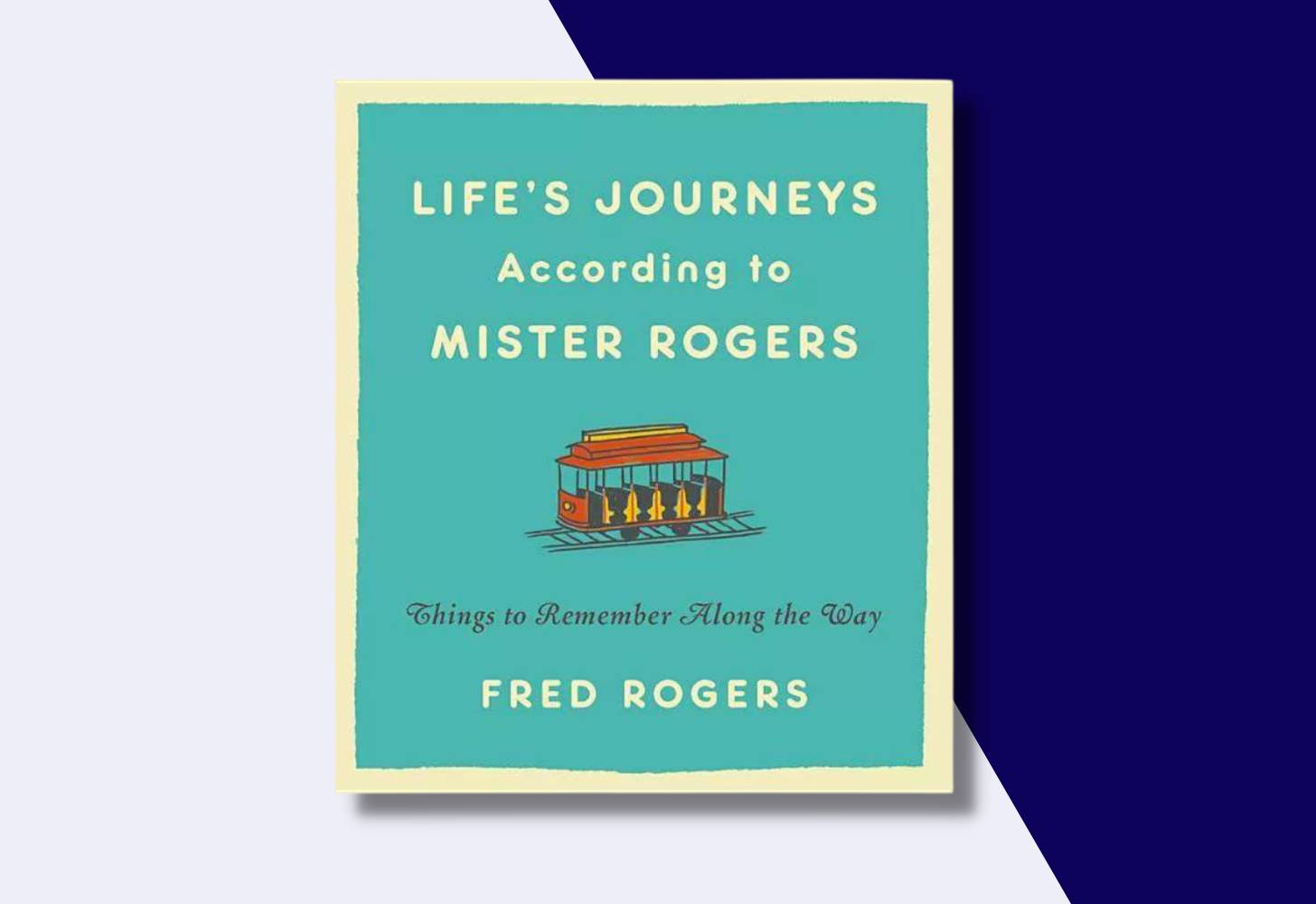
Through his collection of anecdotes, quotes, and reflections, Mister Rogers provides guidance and encouragement to readers as they navigate life's inevitable challenges and transitions.
From his thoughts on love and relationships to grief and loss, Rogers covers various topics in this book. With his gentle and uplifting tone, he emphasizes the importance of self-care and self-acceptance, while encouraging readers to embrace their emotions and experiences with openness and empathy.
The book also features a foreword by his wife, Joanne Rogers, who shares personal stories of her life with Mister Rogers — including insights into the joys and struggles they faced together.
“Many Ways to Say I Love You: Wisdom for Parents and Children from Mister Rogers” by Fred Rogers

“Many Ways to Say I Love You” is a practical resource for parents and caregivers on how to express love and affection to their children — and a reminder that there are many ways to do that.
From simple gestures like hugs and kisses to more meaningful expressions of support and understanding, Mister Rogers provides guidance on creating safe and nurturing environments for children and how to help them navigate the challenges of growing up.
Books by People Associated with Fred Rogers
“Officer Clemmons: A Memoir” by Dr. François S. Clemmons

Dr. François S. Clemmons — known to many as Officer Clemmons on “Mister Rogers’ Neighborhood” — made history as the first Black actor to have a recurring role on a children’s television program. Sharing details of his lifelong friendship with Fred Rogers, Dr. Clemmons discusses the challenges and joys of working on the show — and the profound impact that Rogers had on his life both personally and professionally.
The author’s candid reflections on race, identity, and friendship provide a profoundly moving and important memoir that offers a uniquely beautiful perspective on the life and legacy of one of the most beloved and influential figures in children’s television.
“Mister Rogers’ Neighborhood: A Visual History” by Fred Rogers Productions, Tim Lybarger, Melissa Wagner, foreword by Tom Hanks

Instead of exploring the life and lessons of Fred Rogers, this book gives us a behind-the-scenes look into what it took to make “Mister Rogers’ Neighborhood” so iconic. The book, authored by Fred Rogers Productions, Tim Lybarger, and Melissa Wagner, features photographs, interviews, illustrations, insights, and commentary from the show’s creators and performers.
Each chapter explores the cast and crew, set design, puppets, and the lasting cultural and social impact the show has had on generations of viewers that still holds today.
“When You Wonder, You’re Learning: Mister Rogers’ Enduring Lessons for Raising Creative, Curious, Caring Kids” by Gregg Behr and Ryan Rydzewski, foreword by Joanne Rogers
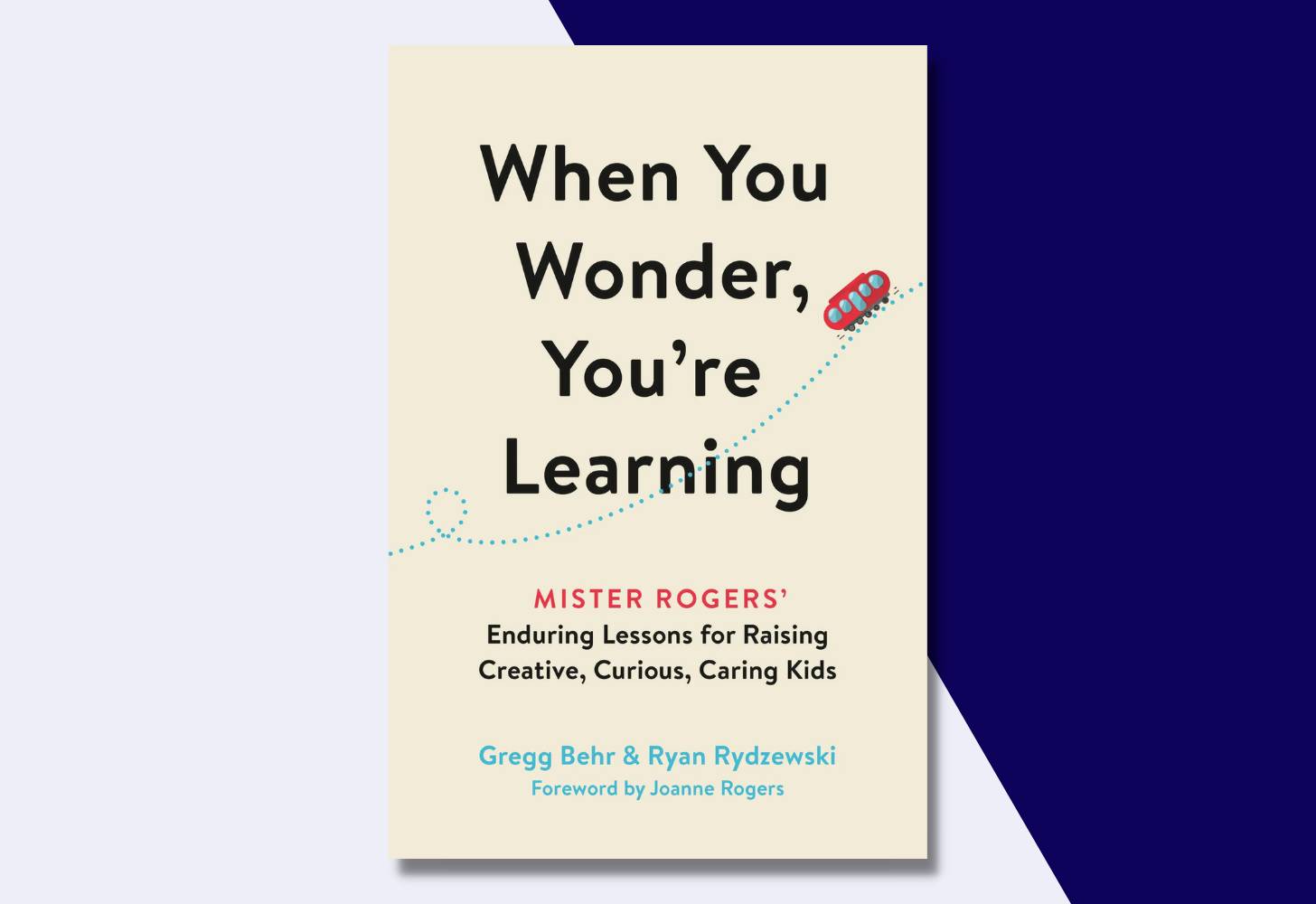
Written by Gregg Behr and Ryan Rydzewski, with a special foreword by THE Joanne Rogers (aka Fred Rogers’ wife), this book explores the timeless wisdom of Mister Rogers and his ability to inspire children to be creative, curious, and caring.
Drawing on their experiences as educators and parents, Behr and Rydzewski examine how Fred Rogers’ messages can be applied to modern parenting and education. They provide practical advice and strategies for fostering curiosity, creativity, and empathy in children, and share insights into the importance of play, imagination, and exploration in the learning process.
“Everything I Need to Know I Learned from Mister Rogers’ Neighborhood: Wonderful Wisdom from Everyone’s Favorite Neighbor” by Melissa Wagner with Fred Rogers Productions, illustrated by Max Dalton

“Everything I Need to Know I Learned from Mister Rogers’ Neighborhood” revisits lessons that the late Fred Rogers shared with his audience and the world. Paired with beautiful illustrations, this book is for those who grew up watching Mister Rogers.
Serving as more than just a trip down memory lane, it aims to be a daily reminder of how important kindness, respect, and self-care are in practice.
Books About Fred Rogers
“Kindness and Wonder: Why Mister Rogers Matters Now More Than Ever” by Gavin Edwards
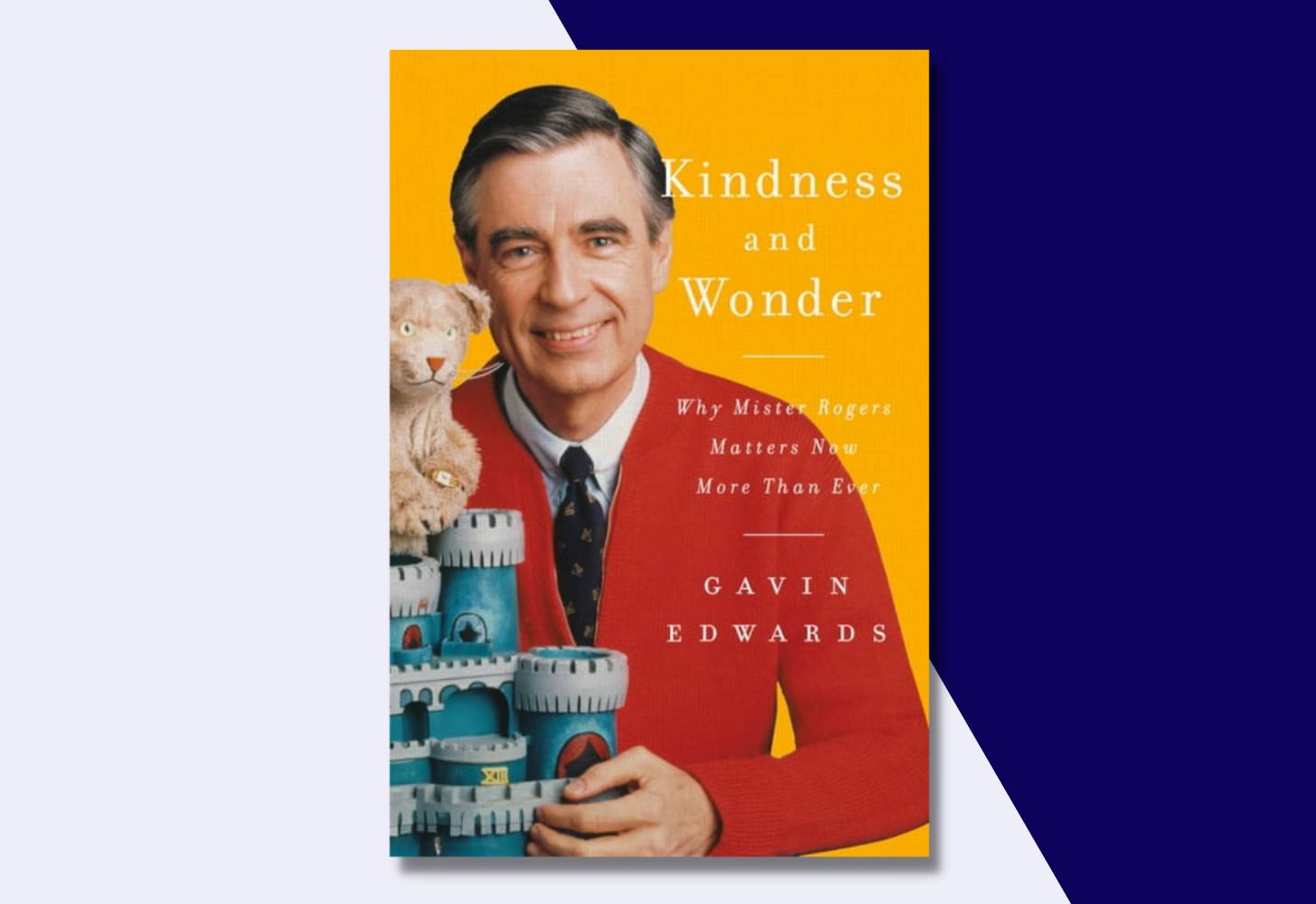
Through interviews with Rogers’ family members, colleagues, and friends, as well as insights from cultural critics and child development experts, author Gavin Edwards paints a portrait of a man who dedicated his life to promoting compassion and understanding.
“Kindness and Wonder” examines Mister Rogers’ legacy in the decades since his show first premiered and explores the enduring appeal of Rogers’ message of kindness, empathy, and self-acceptance — and ultimately argues that his message is just as important today as it was then.
“The Good Neighbor: The Life and Work of Fred Rogers” by Maxwell King
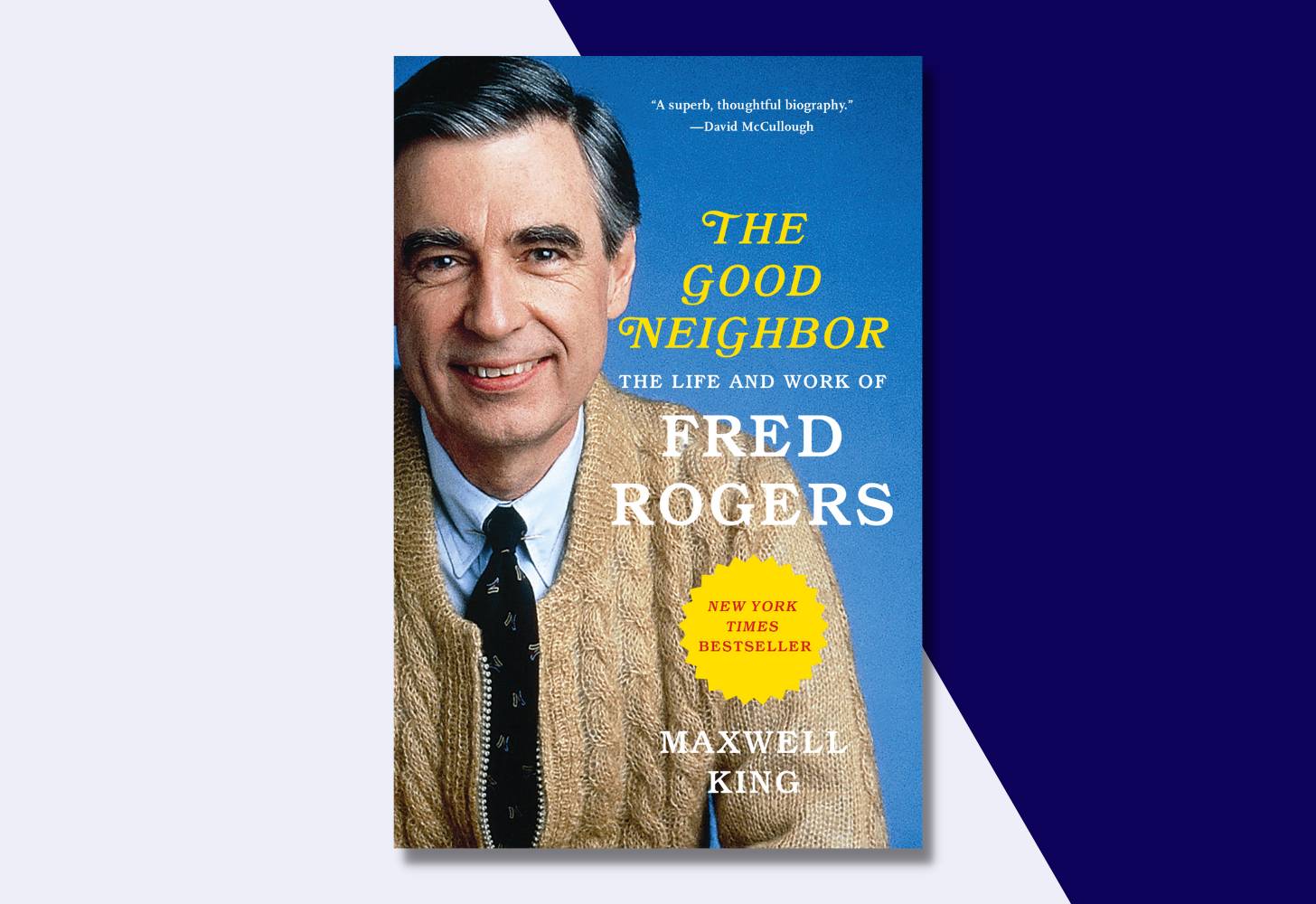
Through interviews with family members, colleagues, and friends, Maxwell King explores Mister Rogers’ childhood, career as a television host and producer, and his tireless commitment to kindness and compassion. This is a great read for those seeking to be reminded of just how powerful kindness, empathy, and compassion can be in our world.
“The Mister Rogers Effect: 7 Secrets to Bringing Out the Best in Yourself and Others from America’s Beloved Neighbor” by Dr. Anita Knight Kuhnley

Whether you’re a parent, teacher, or someone who wants to bring more kindness and compassion into the world, this book provides a practical guide to applying the timeless lessons Mister Rogers shared throughout his life and career.
“The Mister Rogers Effect” by Dr. Anita Knight Kuhnley shows us how to use the transformative psychological principles that Mister Rogers masterfully used to make a difference — and how we can do the same.
Children’s Books About Mister Rogers
“When a Pet Dies” by Fred Rogers

Written by the one and only Fred Rogers, “When a Pet Dies” is a compassionate and thoughtful book that offers comfort and support to children experiencing the loss of a beloved pet.
With gentle guidance and practical advice, this is a great resource for parents, educators, and anyone wanting to help a child navigate complex emotions (like grief and loss).
Recommended for children three years old and up.
“A Beautiful Day In the Neighborhood: The Poetry of Mister Rogers” by Fred Rogers, illustrated by Luke Flowers

This New York Times bestseller — beautifully illustrated by Luke Flowers — features some of Rogers’ most thoughtful and uplifting poems.
From poems about the changing seasons to lyrical verses about the joy of friendship, this poetry collection encourages young (and older) readers to celebrate the beauty and wonder of the world around us while embracing the power of kindness, empathy, and love.
Recommended for children three years old and up.
“Who Was Mister Rogers?” by Diane Bailey, illustrated by Dede Putra

Looking for a great (easy to read) introduction to the life and legacy of Mister Rogers? “Who Was Mister Rogers?” by Diane Bailey introduces and celebrates the late TV host’s quest to make the world a better place for children and motivates young readers to follow in his footsteps by practicing kindness, empathy, and compassion in their own lives.
Recommended for children eight years old and up.
“Be My Neighbor” by Maya Ajmera and John D. Ivanko
This picture book celebrates the power of community and the importance of being a good neighbor. Complete with a foreword and words of wisdom by Fred Rogers, young readers learn and celebrate diversity as they travel around the world to study what it means to be a good neighbor in communities across the globe.
The illustrations highlight the diversity of cultures and experiences around the world and emphasize the universal values of empathy, respect, and compassion.
Recommended for children five years old and up.
“Fred’s Big Feelings: The Life and Legacy of Mister Rogers” by Laura Renauld, illustrated by Brigette Barrager
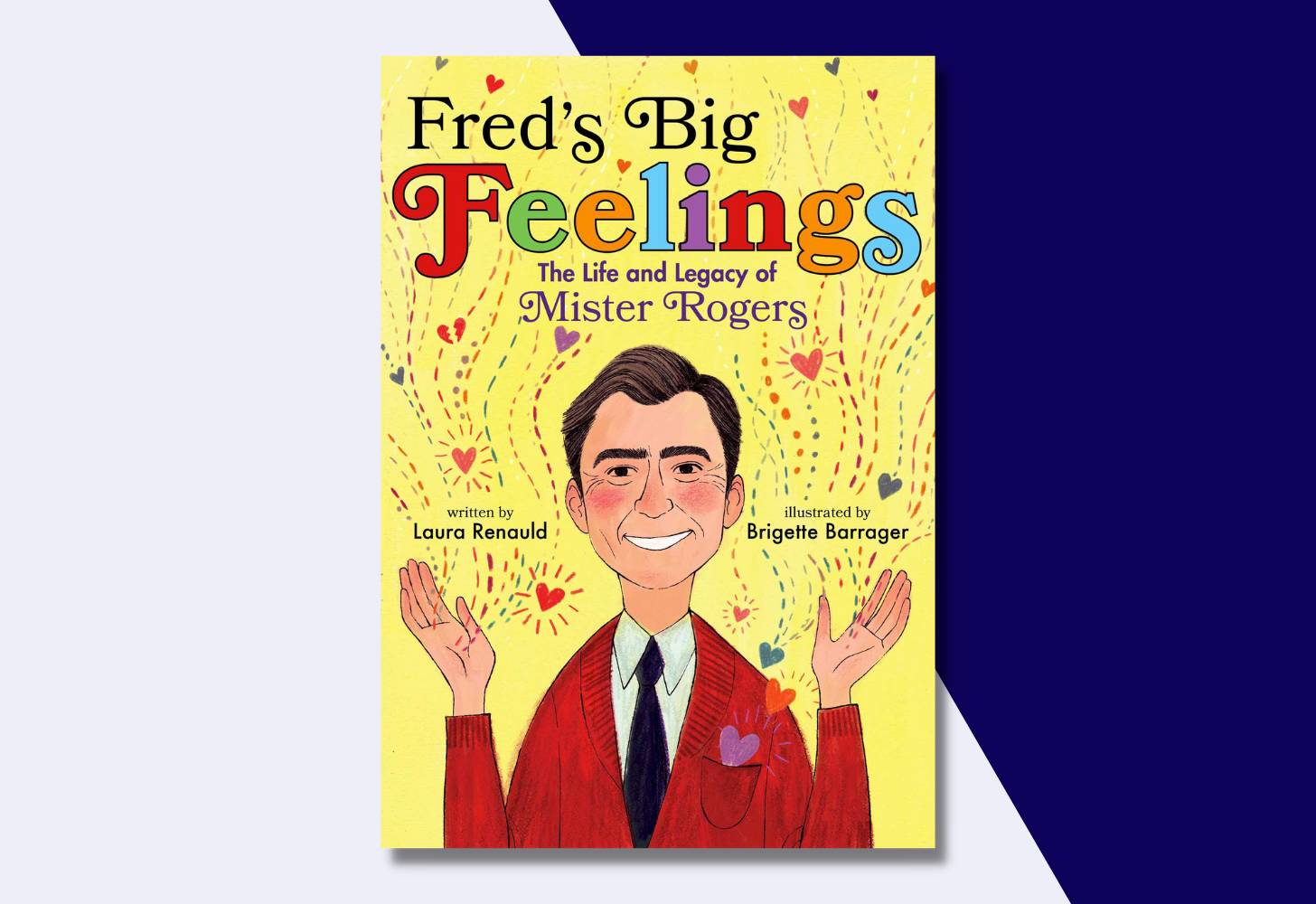
One of Mister Rogers’ biggest priorities was to help children better understand and embrace their feelings. In a portrait full of warmth and feeling, Laura Renauld and award-winning illustrator Brigette Barrager tell the story of Mister Rogers: a quiet, compassionate hero whose message of self-expression still resonates today.
This picture book dives into emotions while introducing young readers to Rogers’ life and how he used his platform to promote kindness and understanding.
Recommended for children four years old and up.
“Hello, Neighbor!” written and illustrated by Matthew Cordell

This picture book features the beloved cast of characters — both human and puppet — of “Mister Rogers’ Neighborhood.” Author Matthew Cordell takes us on a beautifully visual tour of Mister Rogers’ life, career, and studio, while sharing the impact his work had on children all over the world.
Recommended for children four years old and up.
In a January 2022 National Education Association survey of its members, 90% of educators called burnout a significant problem.
Teacher burnout has existed for years, but the COVID-19 pandemic intensified it for many.
More than half of NEA survey respondents said they're likelier to leave the field sooner than anticipated.
According to Bureau of Labor Statistics data, the June quit rate for state and local government education employees was lower than the quit rate for all occupations. But at above 1% for most of 2022, the quit rate has been generally higher than in pre-pandemic years.
Teachers need help — perhaps more now than ever in recent memory.
Once the pandemic hit, anxiety levels rose for many educators who had to quickly adjust to an unprecedented teaching model, shifting from a traditional classroom to a virtual learning experience.
Many teachers quit due to fear of exposure to COVID-19, and some simply pivoted to other professions. There were also a high number of absences among teachers. As a result, staffing shortages ensued, which caused existing teachers to work longer hours with higher demands, which spiraled into a heavier workload.
Many educators have also confessed to feeling undervalued socially and by administrative staff.
While most school staff, parents, and students have returned to in-person learning schedules, the pandemic's impact on the American education system lingers, with students months behind on learning. Noticeable test score gaps also continue to affect disadvantaged students disproportionately.
As students fall behind academically, educators' mental health is simultaneously taking a hit. A 2022 Rand Corp. study found that "teachers and principals reported worse well-being than other working adults."
Teachercertification.com compiled the following actions that educators said would alleviate teacher burnout based on that National Education Association survey.
#5. Fewer paperwork requirements
About 90% of teachers support this measure
Reducing paperwork for teachers could allow more time to focus on the needs of their students.
Teachers are often overwhelmed by paperwork, whether it's regarding disciplinary issues or covering for absent coworkers.
The teaching profession is a heavily legislated one, for special education teachers in particular. The Individuals with Disabilities Education Act requires students with special needs to have detailed documentation of their educational curriculum.
#4. Hire more support staff
About 92% of teachers support this measure
The NEA survey found that 55% of school teachers said they are more likely to leave education or retire earlier than planned due to, among other reasons, "an unprecedented level of strain made worse by recent dire staff shortages."
(That's almost double the figure NEA found in a July 2020 survey.)
Teachers said they would benefit tremendously from having more support from colleagues. That includes access to mentorship opportunities that can help new teachers grow and develop.
A 2011 study by Ingersoll & Strong found mentorship from veteran educators greatly benefited new teachers and increased teacher retention rates.
#3. Provide additional mental health and behavioral supports for students
About 94% of teachers support this measure
Teachers believe addressing student behavioral issues can help in combating staff burnout. The COVID-19 pandemic has contributed to increased behavioral problems as students find ways to cope after the pandemic disrupted their educational and social lives.
In addition to teacher fatigue, behavioral issues displayed by some students have made learning environments more challenging.
While resources can guide teachers in handling mental health and behavioral issues, on-site support from counselors and social workers provides crucial aid to students and reduces the burden on teachers.
#2. Hire more teachers
About 93% of teachers support this measure
School districts nationwide have been battling staffing shortages in recent years — shortages that the COVID-19 pandemic exacerbated.
According to a June 2022 Institute of Education Sciences finding, 62% of public schools are concerned about filling vacant staffing roles.
Among all subject areas reporting present vacancies, special education and elementary school posts are in dire need, with 47% and 45% unfilled nationwide, respectively.
The shortages are so dire that some districts across rural Texas have shifted to a four-day school week as they struggle with retention issues and the ability to hire new teachers.
There's been a growing popularity of rural districts adopting a four-day school week to avoid staffing burnout and to remain competitive in the hiring market. Unfortunately, there hasn't been conclusive data on how this affects learning outcomes.
To attract more teachers, states such as California have allowed prospective educators to bypass basic skills if they've taken eligible college courses. California has also allowed teaching candidates more time to complete required tests to obtain teaching credentials.
#1. Raise educator salaries
About 96% of teachers support this measure
In most industries, wages are not keeping up with inflation. That includes teachers' salaries.
In 2022, the NEA released an updated report on educators' salaries showing the average annual salary at $66,432 for the 2021-22 school year, which, while up $10,000 since 2021, nonetheless represents a $2,150 reduction in earnings when adjusted for inflation.
In March 2018, West Virginia teachers went on a nine-school-day strike, which caused closures in K-12 classrooms across the state's 55 counties.
The teacher walkout wasn't just about compensation; teachers wanted to raise awareness about their daily challenges in helping students achieve positive educational outcomes.
The strike ended when the state's governor increased teachers' earnings by 5%.
This story was originally published by Stacker and republished pursuant to a CC BY-NC 4.0 License.
Despite being a source of constant bad news, the internet is also awash with attempts at countering negativity.
A quick search for “inspirational” content yields heaps of speeches, songs, and sayings intended to make sense of tough times.
Lists of the latter will typically include things like “Imagination is more important than knowledge”, attributed to Albert Einstein, or the Nicki Minaj lyric, “Everybody dies, but not everybody lives.”
You might also like: 101 Best Positive Affirmations | The Best Positive Quotes
Self-help specialists, talk-show hosts, Instagram influencers, and even former U.S. first ladies have been known to pen positive affirmations.
One such list published on the Oprah Daily website during the darker days of the pandemic, featured a quote by the author Maya Angelou, which reminds us that “Nothing can dim the light that shines from within”.
Angelou wrote compellingly about her experiences of racism and trauma. What she wrote then can resonate with us even now, wherever we are in the world.
Hearing or seeing this kind of brief and memorable phrase can help us to get into a more positive mindset.
Whether a call to action or a reminder of the values that we hold dear, affirmations can act as a counterbalance to what psychologists refer to as ruminations (repetitive patterns of negative thinking). They do so by getting us to focus on what matters in our lives.
How to tap into positive feelings
Positive emotions can be extremely powerful. Research shows that when we are primed to feel joy, curiosity, gratitude, and other types of positive feelings, we have what psychologists term “broader thought-action repertoires”.
This means that we can imagine new possibilities and try out new things.
We become more creative and better at solving problems.
In 2011, US psychologist Martin Seligman came up with what he called the Perma model of wellbeing. It emphasizes five main elements: positive emotion, engagement, relationships, meaning, and achievement.
This model is a helpful tool for understanding the various ways in which we can trigger more positive ways of thinking.
These run the gamut from experiencing a positive emotion to being fully absorbed in a challenging task, creating a more loving connection with someone, trying to make sense of a difficult situation, or even simply ticking off jobs on a to-do list.
Positive affirmations have the potential to tap into these various elements of our wellbeing. They can be empowering when we are able to identify with the content of the message, when it has a moral, and when it is memorable.
Some can prompt us to be hopeful and focus on the here-and-now. A common saying in Alcoholics Anonymous addiction recovery circles is “One day at a time”.
Others urge us to become absorbed in an important task (“You’re more likely to act yourself into feeling than feel yourself into action”, from American psychologist Jerome Bruner).
Others still can focus on developing positive relationships (“People who are truly strong lift others up. People who are truly powerful bring others together,” from Michelle Obama).
In this way, positive affirmations function like the secular version of religious or spiritual prayer. Research shows that when spoken out loud, prayers can be uplifting, comforting, and create a hopeful attitude.
Likewise, speaking or singing an insightful quote or lyric to yourself can be extremely empowering.
Affirmations are often used to help us make sense of disappointments and stresses and keep striving to reach our goals — like a pep talk, only, not from a coach but to ourselves.
Research has shown that people who regularly use encouraging self-talk are more likely to perform better, to be satisfied in their jobs, and to want to stay in their positions.
This process can be vital for endurance athletes in maintaining stamina.
Ultimately it is an intentional state of mind, which can be helpful in balancing out the challenges we face with these positives we’re acknowledging.
Whether we are fighting for social justice, or simply struggling to make ends meet, there are often small glimpses of joy to be found in life’s simple moments. As Aretha Franklin once sang:
"You got to spread joy up to the maximum
Bring gloom down to the minimum
And have faith, or pandemonium
Liable to walk upon the scene"
So look for quotes and lyrics that inspire you. Store them in a place you can regularly access — on your bedroom wall, in a notebook you keep in your bag. And dig into them when you’re experiencing tough times or when you need prompts for thinking about the bigger picture, the purpose for your life.
Share them with others, either through social media or in person. Take pleasure in being part of a connected and inspired community.
And have a go at reading them out loud. You might be surprised at how it can make you feel more energized or hopeful.
It can be exciting to know speaking words of hope and encouragement can help you — and those around you — on your journey.
Climate change and environmental disasters are tough subjects to broach with children. But they have become unavoidable topics as we continue facing environmental crises every day, and headlines swarm our newsfeeds warning of global warming's impact.
However, there is a way to start conversations with children about our relationship with nature, hopefully leading to questions about human influence, delicate ecosystems needing protection, and climate change, all with deserved and informed hopefulness.
The team at Stacker took a look at kid-friendly films that educate children on the environment and spotlighted 25.
The films range from animated musicals to live-action documentaries and are entertaining for all ages. Films are listed in order of IMDb user rating, with the last film being the highest. Metascore is provided for critical context.
To qualify, the movie had to have messaging about the environment or insight into different ecosystems, species, natural processes, contemporary environmental issues, and the like.
The Best Kids Movies To Teach Kids About the Environment, Nature, and Climate Change —
Hoot (2006)
- Director: Wil Shriner
- IMDb user rating: 5.5
- Metascore: 46
- Runtime: 91 minutes
"Hoot" tells the story of Roy Eberhardt (Logan Lerman), who moves from Montana to Florida and initiates an effort to protect an endangered species of owls. The film is based on a novel by Carl Hiaasen and has fun, family-friendly music by Jimmy Buffett. "Hoot" is an age-appropriate introduction to the importance of preserving animal habitats.
Shark Tale (2004)
- Directors: Bibo Bergeron, Vicky Jenson, Rob Letterman
- IMDb user rating: 6.0
- Metascore: 48
- Runtime: 90 minutes
An animated film with an all-star voice cast, including Will Smith and Robert De Niro, "Shark Tale" is set in the ocean with biologically diverse sea creatures as the leading characters. The plot centers around a world of gangsters and gambling — not exactly what you might expect from a children's film — but it is still able to convey an important message of self-acceptance. Its colorful cast, led by Oscar (Smith), a bluestreak cleaner wrasse, and beautiful underwater animation also spark interest in the sea.
Happy Feet (2006)
- Directors: George Miller, Warren Coleman, Judy Morris
- IMDb user rating: 6.4
- Metascore: 77
- Runtime: 108 minutes
Another animated film, this time set in the harsh environment of Antarctica and starring a cast of penguins, "Happy Feet" follows the story of Mumble, an emperor penguin who can't sing like the rest of his species but finds his talent in dancing instead. Watching the world of "Happy Feet" is a great way to educate little ones on the Antarctic ecosystem and human impact there. Animals are trapped in plastic rings, Mumble temporarily winds up at a Florida zoo, and, in the end, the penguins are able to prompt human researchers to influence a debate that ends overfishing in their habitat. All of this is seamlessly told via singing and dancing penguins.
FernGully: The Last Rainforest (1992)
- Director: Bill Kroyer
- IMDb user rating: 6.5
- Metascore: 67
- Runtime: 76 minutes
"FernGully: The Last Rainforest" is an animated musical film starring a group of fairies that live in an Australian rainforest. The magical creatures — and one human logger accidentally shrunk to the size of a fairy — are compelled to protect their home from other loggers and a polluting evil known as Hexxus. The family-friendly film teaches children the importance of rainforest preservation and respecting nature.
Over the Hedge (2006)
- Directors: Tim Johnson, Karey Kirkpatrick
- IMDb user rating: 6.7
- Metascore: 67
- Runtime: 83 minutes
Based on a comic strip by Michael Fry and T. Lewis, "Over the Hedge" deals with themes of human impact on natural habitats. While a raccoon gathers a group of forest inhabitants to help him repay some food he stole from a bear, the creatures realize that a housing development has taken over their forest habitat while hibernating.
Pocahontas (1995)
- Directors: Mike Gabriel, Eric Goldberg
- IMDb user rating: 6.7
- Metascore: 58
- Runtime: 81 minutes
Though culturally debated, the film "Pocahontas" does hold a powerful message for children on the importance of valuing nature. While the Native Americans, including Pocahontas, respect and live parallel to their natural environment, the British colonizers, including Pocahontas' love interest, John Smith, seem only to want to take and destroy. Environmental greed plays a big role in the otherwise historically not-so-accurate film.
Fly Away Home (1996)
- Director: Carroll Ballard
- IMDb user rating: 6.9
- Metascore: 77
- Runtime: 107 minutes
The live-action film, "Fly Away Home," provides a good lesson in how humankind and technology can actually be helpful to the animal population. When a young girl (Anna Paquin), newly transplanted in Canada, finds a flock of orphaned goose eggs, she incubates and raises them on her own. When she learns that they have imprinted on her and must learn their migratory route from her, she and her father (Jeff Daniels) lead the geese to North Carolina via a homemade aircraft.
Atlantis: The Lost Empire (2001)
- Directors: Gary Trousdale, Kirk Wise
- IMDb user rating: 6.9
- Metascore: 52
- Runtime: 95 minutes
An animated film in the Disney canon, "Atlantis: The Lost Empire" follows the journey of Milo Thatch (voiced by Michael J. Fox) and his fellow explorers as they stumble upon the lost city of Atlantis and are introduced to the Atlantean culture and ecosystem. Milo learns that a large crystal gives the Atlanteans longevity and powers their machines, but some explorers want to use the crystal for their own gain. Though completely fictional, the film warns against this kind of exploitation of natural elements.
Madagascar (2005)
- Directors: Eric Darnell, Tom McGrath
- IMDb user rating: 6.9
- Metascore: 57
- Runtime: 86 minutes
In "Madagascar," a group of New York City zoo animals wind up in the jungles of Madagascar and must adapt to life in the wild. The movie provokes questions about animals in captivity versus the wild with a lighthearted and amusing tone. "Madagascar" also spawned two sequels, a spinoff film and a series featuring the penguins in the movie.
Pom Poko (1994)
- Director: Isao Takahata
- IMDb user rating: 7.3
- Metascore: 77
- Runtime: 119 minutes
Animated by Studio Ghibli, "Pom Poko" follows a group of magical raccoon dogs who fight to protect their forest home from the threat of urban development. The creatures, called tanuki, come from Japanese folklore and are mischievous and fun-loving. The English dubbed version stars Jonathan Taylor Thomas, which may interest some millennial parents.
The Land Before Time (1988)
- Director: Don Bluth
- IMDb user rating: 7.4
- Metascore: 66
- Runtime: 69 minutes
Produced by George Lucas and Steven Spielberg, "The Land Before Time" stars a cast of young dinosaurs on the quest to find a place called the "Great Valley." The dinosaurs journey through harsh conditions and endure intense survival efforts, which can help educate viewers about the history of the earth's environment and introduce the concept of climate change. This film is the first in a series of 14 total "Land Before Time" films.
Luca (2021)
- Director: Enrico Casarosa
- IMDb user rating: 7.4
- Metascore: 71
- Runtime: 95 minutes
Luca befriends an orphaned Alberto in 1959 Italy. Together, the two sea monsters pass off as humans on dry land and go on adventures until Luca's antics are discovered by his parents, who try to send him away to a distant relative. Luca runs away to dry land with Alberto.
After going to lengths to hide their sea monster side, Luca and Alberto reveal who they really are and are welcomed and embraced by the humans. This film will have kids asking to spend time by the sea exploring the creatures within.
The Red Turtle (2016)
- Director: Michaël Dudok de Wit
- IMDb user rating: 7.5
- Metascore: 86
- Runtime: 80 minutes
Co-produced by Studio Ghibli, the complex storyline of "The Red Turtle" might be best for older children or teenagers. The plot follows a man stranded on a deserted island and falls in love with a woman who was once a red turtle.
They have a son who becomes a natural swimmer and eventually returns to the sea, as does the woman after her human love passes on. The film is visually and thematically inspired by the beauty of the natural world.
March of the Penguins (2005)
- Director: Luc Jacquet
- IMDb user rating: 7.5
- Metascore: 79
- Runtime: 80 minutes
"March of the Penguins" won Best Documentary Feature at the Academy Awards in 2006 and continues to capture the hearts and attention of audiences both young and old. The documentary follows the very real narrative of the emperor penguin's fight for survival, from mating to breeding to rearing young chicks. The film pulls at heartstrings while educating viewers about the ingenuity of natural instincts.
Ice Age (2002)
- Directors: Chris Wedge, Carlos Saldanha
- IMDb user rating: 7.5
- Metascore: 61
- Runtime: 81 minutes
Like "The Land Before Time," "Ice Age" is a kid-friendly way to learn about the history of the natural world. Set prehistorically, the film follows a misfit group of prehistoric animals as they migrate south to escape the onset of the ice age. The film spawned several sequels, all dealing with ideas of extinction, global warming, and other natural occurrences.
Ponyo (2008)
- Director: Hayao Miyazaki
- IMDb user rating: 7.6
- Metascore: 86
- Runtime: 101 minutes
Animated by Studio Ghibli and from the same writer and director as award-winning films like "Spirited Away" and "Howl's Moving Castle," "Ponyo" follows a magical goldfish who longs to become a human like the boy who rescued her, Sōsuke. However, as Ponyo transitions to being human, the natural world falls out of balance—a tsunami destroys the land, and satellites begin to fall from the sky. The balance is restored after Sōsuke passes a test agreeing to love Ponyo no matter what, and Ponyo gives up her magical powers to remain a human.
Moana (2016)
- Directors: Ron Clements, John Musker, Don Hall, Chris Williams
- IMDb user rating: 7.6
- Metascore: 81
- Runtime: 107 minutes
A Disney animated film set on a Polynesian island, "Moana" follows the titular character as she is chosen by the ocean to return the lost heart of the goddess, Te Fiti. With a fun cast of characters joining her, Moana's story is another that focuses on the relationship humans have with the natural world. The film also features a catchy soundtrack by Mark Mancina, Opetaia Foa'i, and Lin-Manuel Miranda.
Jane (2017)
- Director: Brett Morgen
- IMDb user rating: 7.8
- Metascore: 87
- Runtime: 90 minutes
"Jane" is a documentary film that tells the story of the life and work of Jane Goodall. The film's footage shows Goodall's groundbreaking work studying chimpanzees: the observations and discoveries of how the chimpanzees socially and biologically function and their similarities to humans. The film is a perfect introduction to Goodall's lifelong work.
The Lorax (1972)
- Director: Hawley Pratt
- IMDb user rating: 7.9
- Metascore: data not available
- Runtime: 25 minutes
"The Lorax" is based on the book of the same name by Dr. Seuss. A musical, animated film, "The Lorax" tells of a boy who lives in a land with no trees and learns the story of the titular grumpy creature who once tried to protect the Truffula trees before an evil corporation destroyed them. The boy is then given the last Truffula tree seed to plant and return the world to its former glory.
Castle in the Sky (1986)
- Director: Hayao Miyazaki
- IMDb user rating: 8.0
- Metascore: 78
- Runtime: 125 minutes
Another Studio Ghibli-Miyazaki collaboration, "Castle in the Sky" is set in a steampunk version of the 19th century. The film follows a boy and girl as they search for a fictional floating castle where nature thrives while attempting to protect a powerful crystal from getting into the destructive hands of the army. The film thematically wrestles with how humans can use technology for good or evil and how that choice can affect the world.
Nausicaa of the Valley of the Wind (1984)
- Director: Hayao Miyazaki
- IMDb user rating: 8.0
- Metascore: 86
- Runtime: 117 minutes
A classic in the Miyazaki collection, "Nausicaä of the Valley of the Wind" is based on his 1982 manga and is set in a post-apocalyptic world. While her planet is dying, Princess Nausicaä leads an effort to end a war that might completely destroy the world and its inhabitants. Nausicaä is an empathetic pacifist who discovers the secret to reclaiming the earth as it was before its decay.
My Neighbor Totoro (1988)
- Director: Hayao Miyazaki
- IMDb user rating: 8.1
- Metascore: 86
- Runtime: 86 minutes
Hayao Miyazaki continues to be inspired by the natural world with his film "My Neighbor Totoro." The movie follows two girls who move to a new home and find a magical world of creatures and spirits in the surrounding forest. The film celebrates the joy and magic of nature—the growing, living things that are part and parcel of the human world.
Finding Nemo (2003)
- Directors: Andrew Stanton, Lee Unkrich
- IMDb user rating: 8.2
- Metascore: 90
- Runtime: 100 minutes
"Finding Nemo," a Pixar film, follows a father clown fish who leaves his reef to search the vast ocean to find his lost son Nemo. The film is heavily researched and is just as educational about the ocean as it is entertaining. Young viewers will learn about different sea environments, how sea turtles migrate, and how humans can negatively and positively affect the ocean.
Princess Mononoke (1997)
- Director: Hayao Miyazaki
- IMDb user rating: 8.3
- Metascore: 76
- Runtime: 134 minutes
The final Hayao Miyazaki film on this list, "Princess Mononoke" is another of his films centered on environmentalist themes. Set in the Muromachi period of Japan, the film follows Ashitaka, a prince, who is on a quest to cure a curse when he winds up in the middle of a war between the forest gods and a mining colony. The film explores the idea that it is possible to balance humanity with nature.
WALL·E (2008)
- Director: Andrew Stanton
- IMDb user rating: 8.4
- Metascore: 95
- Runtime: 98 minutes
A Disney Pixar film, "WALL·E" is a computer-animated film set in a future where Earth is nothing but a landfill and a big corporation has evacuated all humans into space. A small trash compacting robot, WALL·E, and a newer model of robot, EVE, find a small plant on Earth and begin an adventure to save the plant and humans from an evil robot that is out to stop them. In the end, humans learn to work with robots to restore the planet.
This story was originally published by Stacker and republished pursuant to a CC BY-NC 4.0 License.
A seemingly slight temperature change of five and a half degrees Fahrenheit may not feel significant to most of us but climate experts project should global emissions continue on their current path, this small rise in temperature will hold serious consequences for ecosystems and all living things that live within them — including human beings.
Though many of us are ready to put on our activism hats, it’s important to understand the factors, science, and nuance behind the movement and people affected.
One of the many struggles with communicating this issue is that climate change exacerbates naturally occurring events, like: floods, droughts, hurricanes, disease spread, and more.
One of the main culprits? Human activity — or more specifically, the greenhouse gas emissions we generate.
A great way to learn more (and at your own pace) is by reading. And lucky for us, there’s an increasingly growing group of writers who have taken on the challenge to tell stories about climate change.
From academic research conducted by scientists in the environmental field to personal narratives from individuals living in frontline communities, there’s a wealth of information available on climate change — many of which may even be available to you for free at your local library!
We’ve gathered some of the best, most thought-provoking books out there providing inspiration, knowledge, and practical advice on how to be good neighbors and stewards of this beautiful resilient planet.
This article is organized into:
- Nonfiction
- Fiction (or Cli-Fi — as some people call it)
- Children’s Books
P.S. We’ve linked Amazon for convenience and accessibility purposes, but we’re also linking to our favorite Amazon alternatives: Bookshop and Libro.fm, which are both great ways to support small, independent bookstores when you buy physical books and audiobooks.
(Learn more about Amazon alternatives for books and audiobooks)
Some of our links are affiliate links, which means that we may earn a commission if you buy something via this list. Thanks for supporting Good Good Good’s mission at no extra cost to you!
Best Books About Climate Change That Help You Learn More & Take Action
Nonfiction Books About Climate Change
“Don’t Even Think About It: Why Our Brains Are Wired To Ignore Climate Change” by George Marshall
From the founder of the Climate Outreach and Information Network, a striking take on the most urgent question of our time: Why, despite overwhelming scientific evidence, do we still ignore climate change?
The book explores the psychological and social factors that prevent us from taking action on climate change. It also examines the role of the media and political leaders in shaping public opinion and discusses strategies for overcoming these barriers.
Author George Marshall hopes to provide readers with a deeper understanding of the complex reasons why climate change is so often ignored while urging us to work on overcoming these obstacles to take meaningful action on this pressing global issue.
“The Future We Choose: The Stubborn Optimist’s Guide to the Climate Crisis” by Christiana Figueres and Tom Rivett-Carnac
“The Future We Choose” by Christiana Figueres and Tom Rivett-Carnac is a cautionary (but optimistic) book about the world’s changing climate and the fate of our world. It offers practical solutions to the global climate crisis, while providing insight into the authors’ firsthand experience of leading the Paris Agreement negotiations.
The authors share their optimism that humanity can rise to the challenge of climate change while emphasizing the importance of individual action.
“No One Is Too Small to Make a Difference” by Greta Thunberg
“No One Is Too Small to Make a Difference” is a collection of speeches by the young climate activist Greta Thunberg. The book covers her journey from starting a one-person school strike for the climate to addressing world leaders at the United Nations. The book emphasizes the urgency of immediate action on the climate crisis and the power of youth activism.
Covering topics ranging from the climate crisis to racism and economic inequality. Thunberg boldly calls out governments, corporations, and individuals for their inaction on the climate crisis, and for their failure to recognize the urgency of the situation. Her writing is both inspiring and challenging, and her message of hope and determination is a direct call to action for readers to start (or continue) making a difference.
“Climate Justice: Hope, Resilience, and the Fight for a Sustainable Future” by Mary Robinson
Mary Robinson, former President of Ireland and former UN High Commissioner for Human Rights, examines the global impact of climate change and argues that the fight against it is a matter of justice — as many living in poverty and developing countries are disproportionately affected.
Robinson provides a historical perspective on the issue and examines the political and social factors hindering progress in addressing climate change. She also shares a vision of collective resilience and hope that’s driving change, and the role civil society, global governments, and individuals play in achieving a sustainable future.
“Saving Us: A Climate Scientist’s Case for Hope and Healing in a Divided World” by Katharine Hayhoe
Called “one of the nation’s most effective communicators on climate change” by The New York Times, Katharine Hayhoe knows how to navigate all sides of the conversation on our changing planet. She challenges readers to move beyond the politics and polarization that tend to divide us and encourages us to embrace the common values that unite us: justice and compassion.
Hayhoe’s book offers a compelling argument for why we must act now, and how we can do so with a renewed sense of hope and purpose. Through hard data, personal stories, and her own faith-based perspective, Hayhoe demonstrates that by understanding and engaging with each other, we can work together to create a sustainable future.
“The Uninhabitable Earth: Life After Warming” by David Wallace-Wells
In “The Uninhabitable Earth: Life After Warming,” author David Wallace-Wells explores the potential consequences of global warming and climate change. He delves into the science behind climate change, as well as its likely impacts on human society, including food and water shortages, extreme weather events, and rising sea levels.
The book also examines how climate change disproportionately affects marginalized communities. Ultimately, Wallace-Wells is urging people toward immediate and decisive action to address the climate crisis.
“The Hidden Life of Trees” by Tim Flannery
In “The Hidden Life of Trees,” acclaimed Australian scientist and author Tim Flannery explores the complex and fascinating world of trees and their vital role in the ecosystem. He examines how trees communicate and cooperate with one another, and how they are integral to the planet’s health — including their role in regulating the Earth’s climate.
Readers are also brought into the cultural and historical significance of trees and the importance of protecting and preserving them for future generations. Through his research, Flannery presents a new understanding of the natural world and how it functions, as well as encourages readers to appreciate the complexity and beauty of the trees around us.
“The Climate Book: The Facts and the Solutions” by Greta Thunberg
Greta Thunberg — one of the most well-known activists today — was only 15 years old when she protested outside the Swedish parliament in 2018. Her efforts to pressure political leaders to meet carbon emissions targets inspired other youth activists around the world to create similar protests in their communities.
In Greta Thunberg’s “The Climate Book: The Facts and The Solutions” she lays out an informative and accessible guide to understanding the climate crisis and the potential solutions. This book is an essential resource for anyone looking to understand and take action on the climate crisis.
“The Sixth Extinction: An Unnatural History” by Elizabeth Kolbert
Elizabeth Kolbert’s “The Sixth Extinction: An Unnatural History” explores the current mass extinction of species, as well as its causes — and potential solutions. Kolbert details the catastrophic effects of human activity on the environment and how this has contributed to species extinction.
Kolbert weaves together insights from various fields of study, along with accounts of lost species and the history of extinction, to create a comprehensive and impactful overview of the ongoing sixth extinction caused by human activity. Through her work, she challenges us to reexamine what it means to be human and highlights the lasting impact this extinction will have on the planet.
“This Changes Everything: Capitalism vs. the Climate” by Naomi Klien
Award-winning journalist and New York Times bestselling author, Naomi Klein posits the efforts needed to address the climate crisis can be seen as an opportunity for positive change rather than a crisis. She highlights the various initiatives that have taken hold, demonstrating how communities are rejecting the continuation of fossil fuel extraction and instead, creating new economies based on sustainable practices.
Klein also examines the climate justice movement — which connects economic and environmental justice — and challenges the idea that our current economic system is the only option forward. Klein’s work is a call to action for all of us to transform our economy and society to ultimately save our planet.
“All We Can Save: Truth, Courage, and Solutions for the Climate Crisis” edited by Ayana Elizabeth Johnson and Katharine K. Wilkinson
“All We Can Save: Truth, Courage, and Solutions for the Climate Crisis,” edited by Ayana Elizabeth Johnson and Katharine K. Wilkinson, is a collection of essays by powerhouse women leading the charge on climate action.
The essays focus on the intersection of climate change, justice, and culture, exploring the psychology of the climate crisis and the power of storytelling, art, and activism. Through a mix of personal stories, hard science, and practical guidance, the book provides an urgent call to action and offers hope for building resilient communities.
“How to Avoid a Climate Disaster: The Solutions We Have and the Breakthroughs We Need” by Bill Gates
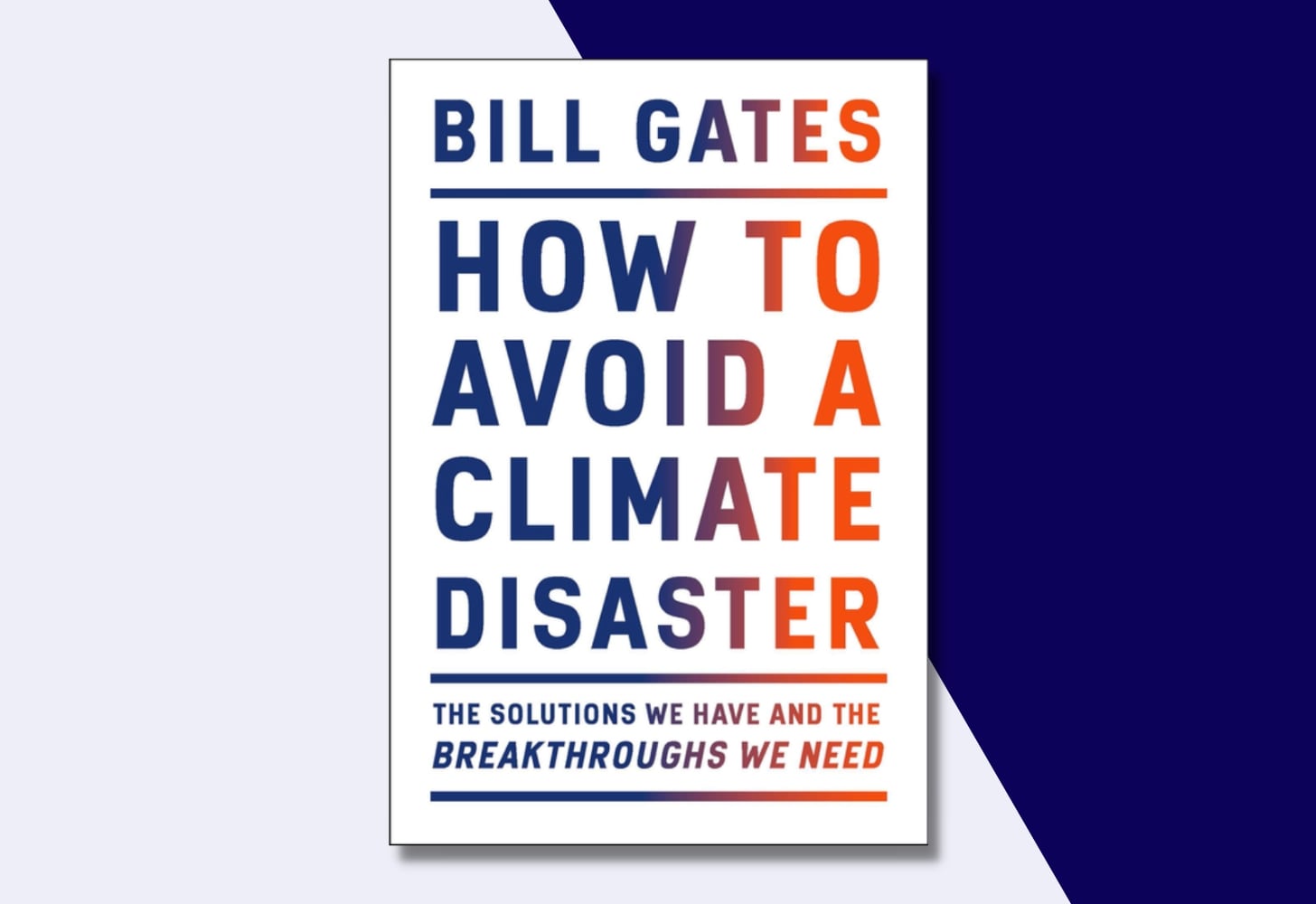
Bill Gates provides a comprehensive overview of the current state of global efforts to combat climate change and the technological advancements needed to mitigate its impacts. He outlines specific solutions, including the transition to clean energy, the improvement of energy efficiency, and the development of new technologies, and provides a roadmap for individuals, businesses, and governments to take action and avoid a climate disaster.
Gates offers a clear and compelling call to action, encouraging readers to become part of the solution and join the global effort to reduce emissions and prevent a climate disaster.
“Drawdown: The Most Comprehensive Plan Ever Proposed to Reverse Global Warming” by Paul Hawken
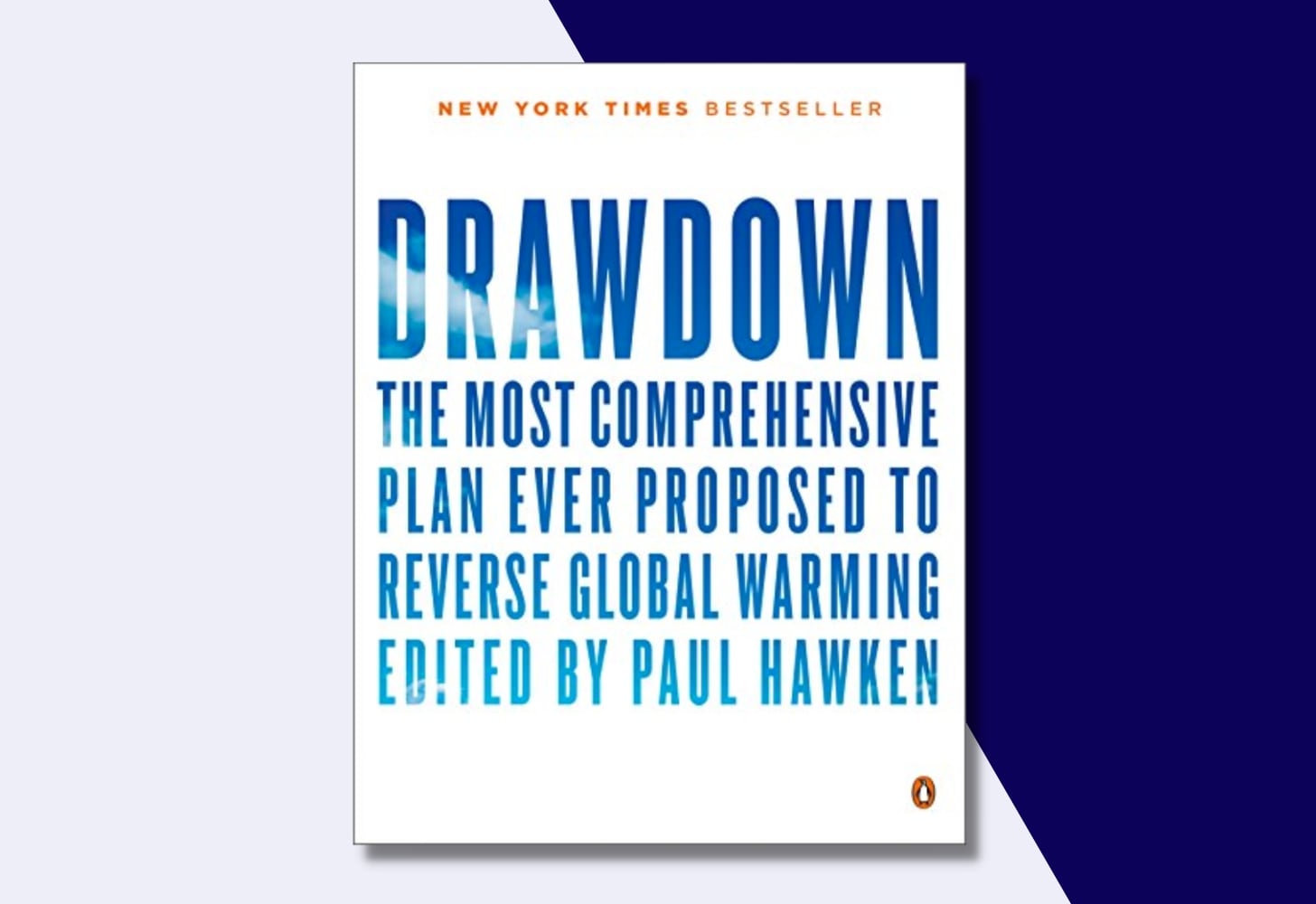
Paul Hawken — environmentalist, entrepreneur, author, and activist — has dedicated his life to environmental sustainability. “Drawdown” is his comprehensive plan to reverse the effects of global warming, which include 100 of the most substantive solutions to reverse global warming — based on meticulous research by leading scientists and policymakers around the world.
The book also provides an in-depth analysis of each solution’s economic and social benefits, as well as the challenges and obstacles that must be overcome to implement them. “Drawdown” is a valuable resource for concrete, actionable solutions to address global warming.
“A Bigger Picture: My Fight to Bring a New African Voice to the Climate Crisis” by Vanessa Nakate
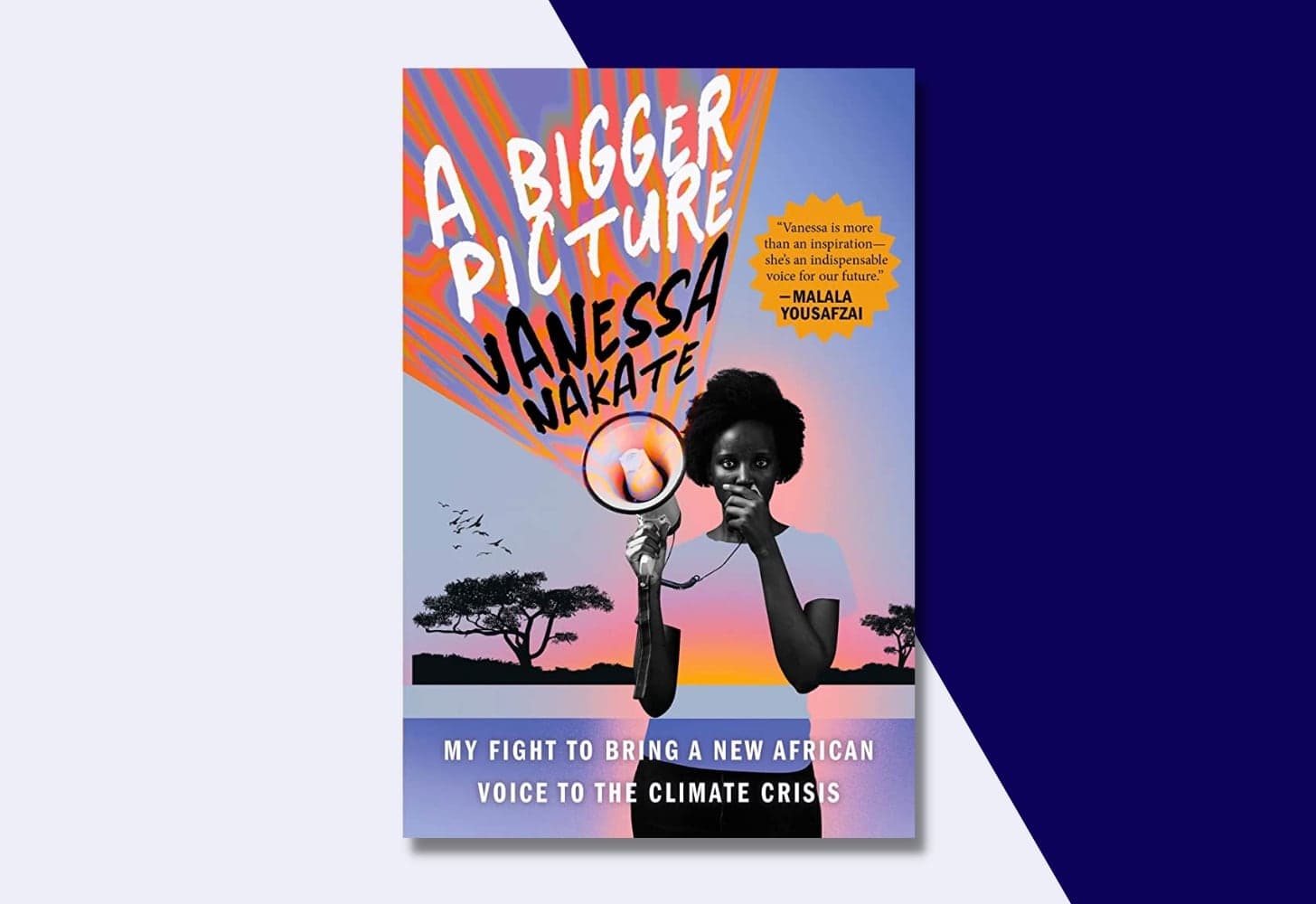
Vanessa Nakate, a young Black environmental activist, was catapulted into the world stage after she was cropped out of a group photo with five white climate activists — including Swedish activist Greta Thunberg — at the 2020 World Economic Forum in Switzerland.
After the Associated Press published the now infamous cropped photo, Nakate tweeted: “You didn’t just erase a photo, you erased a continent, but I am stronger than ever.” Her response created a larger, very important international conversation on erasure and diversity within the environmental movement and space. She shares her personal fight to bring an African perspective to the global climate crisis and calls for the inclusion of African voices in the fight against the climate crisis, emphasizing the need to recognize the unique challenges and experiences of African countries.
Losing Earth: A Recent History by Nathaniel Rich
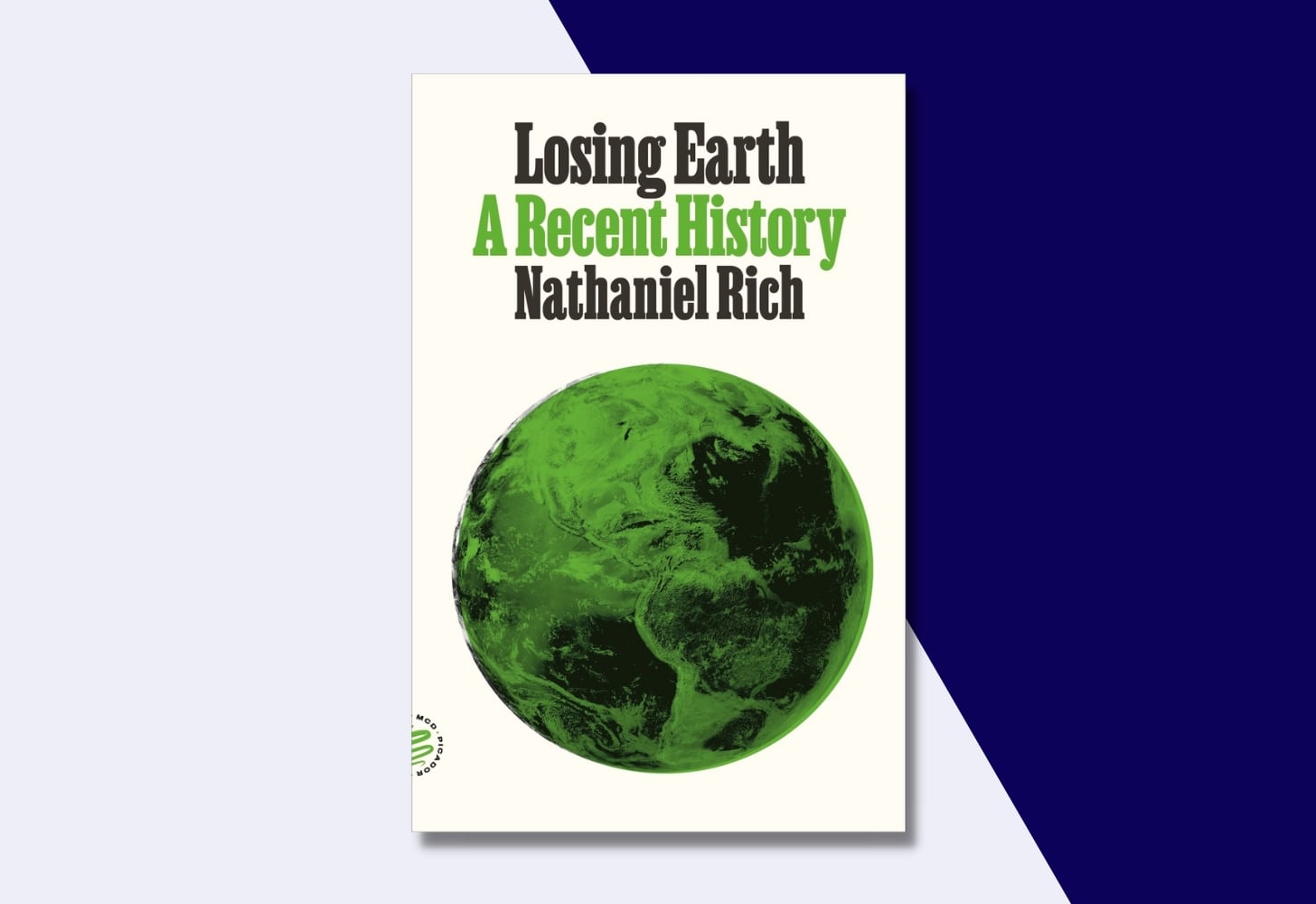
Nathaniel Rich’s “Losing Earth: A Recent History” chronicles the decades-long efforts to address climate change, beginning in the late 1970s. The book paints a vivid picture of the people, events, and forces that shaped the climate crisis and the missed opportunities on the way to a solution.
He offers a hopeful blueprint for how humanity can still make a difference, emphasizing that there is still time to act and avoid the most devastating consequences of climate change.
“Consumed: The Need for Collective Change: Colonialism, Climate Change, and Consumerism” by Aja Barber
Aja Barber, a renowned writer, and stylist, examines the interconnectedness of colonialism, climate change, and consumerism and how we interact with them in the modern world. “Consumed” is a call to action for consumers everywhere to look at how and why we buy what we buy, how it’s created, who it benefits, and how we can solve the problems created by a wasteful system.
Barber also dissects the current climate crisis and its direct connection to capitalism — which was built on the exploitation of marginalized people and precious resources. Ultimately, Barber aims to teach readers how to become citizens, not consumers.
“Regenesis: Feeding the World Without Devouring the Planet” by George Monbiot
We’ve plowed, fenced, and grazed beautifully vibrant areas of the planet, felling forests, killing wildlife, and poisoning rivers and oceans to feed ourselves. Yet, millions still go hungry.
“Regenesis” reimagines a future for food and humanity. Author George Monbiot draws on promising advances in soil ecology and reveals how our changing understanding of the environment could open doors for the agriculture industry to grow more food with less farming.
Fiction Books About Climate Change (Cli-Fi)
“The Ministry for the Future: A Novel” by Kim Stanley Robinson
Kim Stanley Robinson — renowned science fiction novelist — imagines a not-so-distant world ravaged by climate change. The book follows Mary Murphy, a climate policy advocate who becomes the head of a new UN agency, the Ministry for the Future, tasked with combating climate change and working towards a sustainable future for humanity.
Robinson uses a blend of fictional characters and real-world policies and technologies to show what a world battling climate change might look like and why it’s so crucial to act now. The book has been praised by people like former president Barack Obama for its powerful vision of a possible future.
“Dune” by Frank Herbert
Before “Dune” was made into a major motion picture, starring some of Hollywood’s biggest A-list celebrities, author Frank Herbert introduced the world to the devastating potential of climate change and resource scarcity in his 1965 sci-fi classic.
Set in the desolate, resource-drained planet of Arrakis this book has become a standard feature of the cli-fi genre and influenced countless books and movies since. Herbert — an environmentalist — spent over five years creating Dune’s complex ecosystem and complex storylines that blend adventure and mysticism, environmentalism, and politics.
“Parable of the Sower” by Octavia Butler
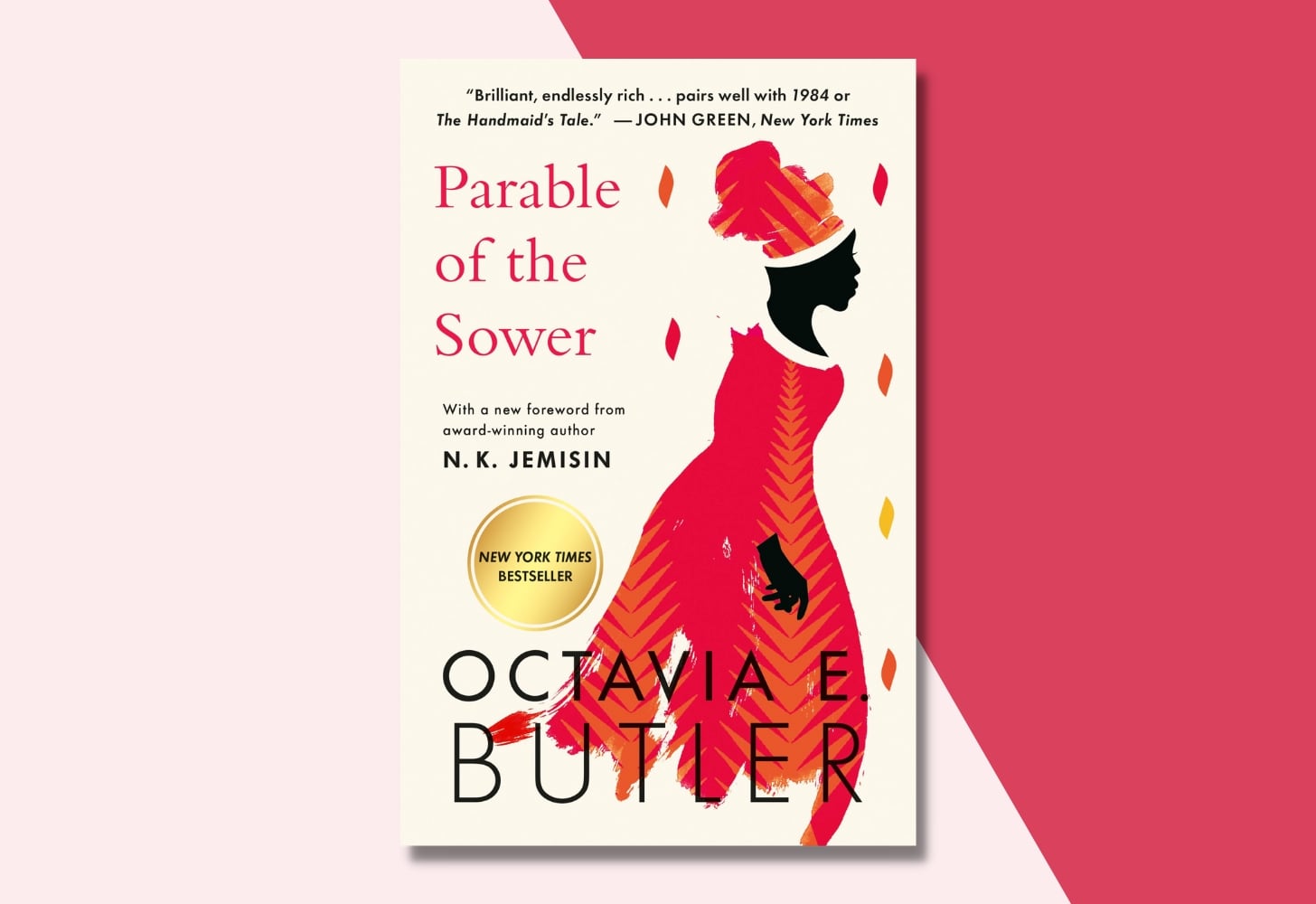
Set in the U.S. during the 2020s, “Parable of the Sower” by Octavia Butler is a near-future dystopian novel set in a time of environmental and societal collapse. While the science fiction category historically features white male heroes, what we love about Butler is that she often chooses to write diverse characters for diverse audiences, and brings nuance and depth to her work.
In “Parable of the Sower,” we follow the life of Lauren Olamina as she navigates a world devastated by climate change, resource scarcity, and economic inequality. Lauren has “hyperempathy,” a condition that forces her to feel the physical and emotional pain of others. Through her journey, the novel explores themes of survival, community, power, and resilience in the face of climate change and societal collapse.
“Flight Behavior” by Barbara Kingsolver
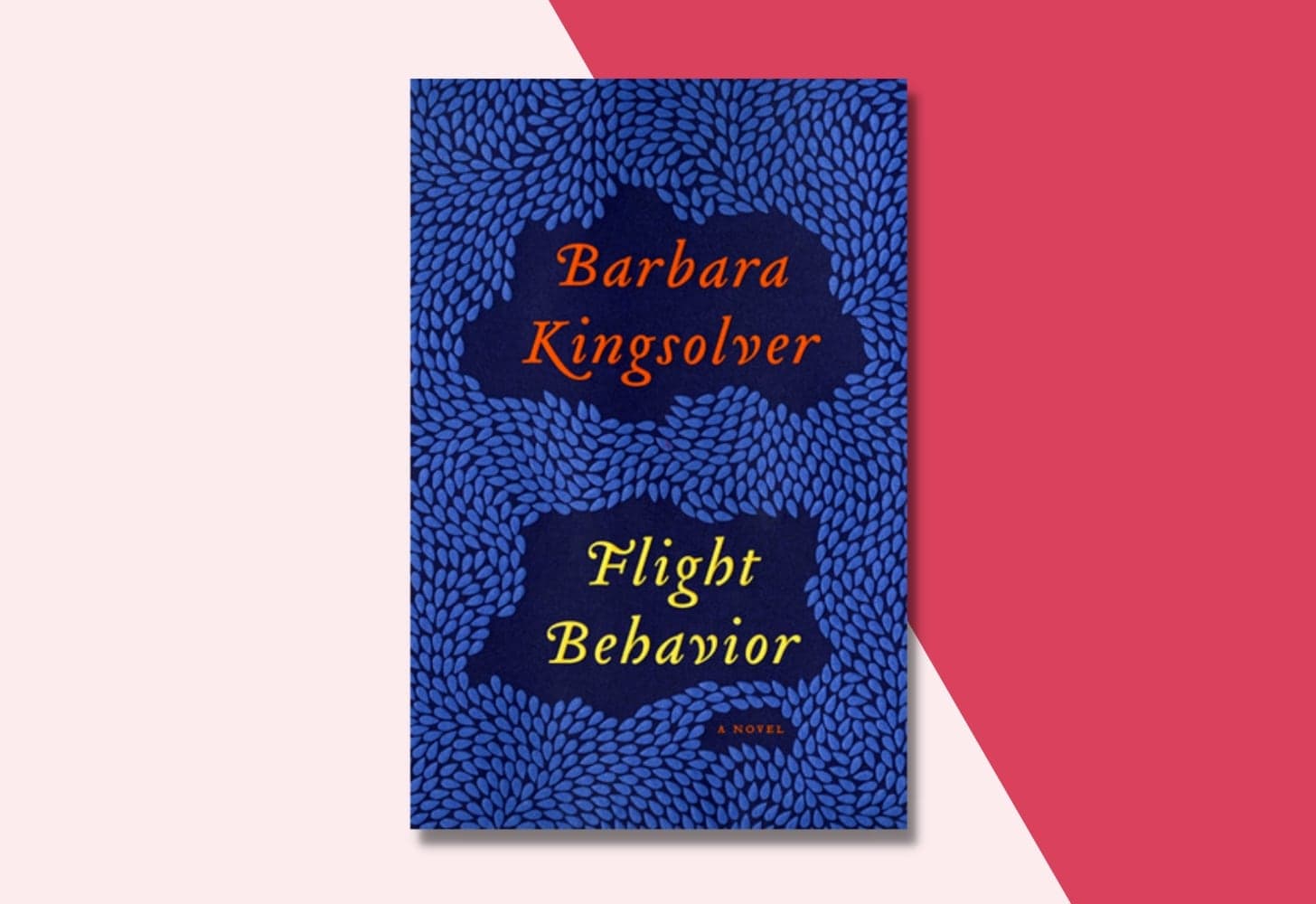
New York Times Bestseller “Flight Behavior” by prize-winning author Barbara Kingsolver explores parallel stories about a colony of butterflies and a young woman who have both deviated from their flight paths. The story revolves around Dellarobia Turnbow, a 28-year-old who encounters the migration of the Monarch butterflies in rural Tennessee — which normally migrate from Canada to Mexico.
The novel focuses on the impact that climate change has on our planet and its inhabitants and emphasizes the need for cooperation and understanding.
“American War” by Omar El Akkad

“American War” is a dystopian novel by best-selling author Omar El Akkad that imagines a second American Civil War in the late 21st century. Set in a world where climate change has caused massive disruptions — including flooding and the displacement of millions — the story follows the life of Sarat Chestnut, a young girl from the South who becomes a key player in the war.
Through her experiences, the novel explores themes of identity, loyalty, and the consequences of violence. At its core, “American War” is a warning about the dangers of failing to address climate change and paints a vivid picture of a world where the effects of climate change are so severe that they lead to a catastrophic conflict.
“Blackfish City” by Sam J. Miller
Set in a post-apocalyptic world affected by climate change, “Blackfish City” by Sam J. Miller transports readers to the floating city of Qaanaaq, located in the Arctic. Built after the melting of the polar ice caps, we follow the lives of intersecting characters who navigate the political and environmental challenges of the city. The novel explores themes of power, class, and identity, as well as the impact of climate change on its fragile society.
“The Overstory” by Richard Powers
This Pulitzer Prize-winning novel follows the interconnected lives of five trees and nine people across generations to show how both deforestation and disregard for the complexity of nature led to the existential crisis we now face.
Through the character of Patricia Westerford, a scientist studying trees and their communication networks, the novel highlights the crucial role that trees play in maintaining the health of the planet’s ecosystems. Touching on deforestation, habitat loss, and the impact that human activity has on the environment, “The Overstory” serves as a powerful critique of our current human-centered worldview and the environmental damage that happens as a result of that perspective.
“Odds Against Tomorrow: A Novel” by Nathaniel Rich
“Odds Against Tomorrow” by Nathaniel Rich follows the life of Mitchell Zukor, a young mathematician hired by a consulting firm that specializes in predicting worst-case scenarios. When a massive hurricane hits New York City, Zukor’s predictions stunningly prove accurate, and he finds himself in the midst of a city struggling to survive.
The novel highlights the consequences of climate change and the failure of society to prepare for the impact of extreme weather events. It also explores themes of corporate greed, political corruption, and the power dynamics of disaster response.
“Gold Fame Citrus” by Claire Vaye Watkins
Set in a near-future American West ravaged by drought and climate change, this story follows the lives of Luz Dunn and Ray Hollis, who live in a California desert community. When they come across a mysterious child, they embark on a dangerous journey through the desert in search of a better life. Author Claire Vaye Watkins explores themes of survival, identity, and the human impact on the environment — a reality not too far from our own today.
“The New Wilderness” by Diane Cook
“The New Wilderness” by Diane Cook follows the lives of a group of people who have been chosen to participate in a government experiment to live in a wilderness reserve. The reserve, called The Wilderness State, is the last remaining untouched ecosystem in the world, and the group is tasked with living there for several years in order to study its ecology and determine whether it is a viable solution for humanity’s future.
Cook raises questions about the role of humans in nature and the impact climate change has on our planet. The book offers a compelling vision of a world that is both fragile and resilient, and raises important questions about how we can create a sustainable future for ourselves and the planet.
“New York 2140” by Kim Stanley Robinson
New York Times bestselling author Kim Stanley Robinson explores a future New York City that has been drastically impacted by rising sea levels due to climate change. The story is set in a world where much of the city is underwater, but people continue to live in skyscrapers that function like islands.
The novel follows the lives of a diverse group of characters, including a hedge fund manager, a building superintendent, and a pair of orphaned children, as they navigate the challenges of life in this new reality.
Children’s Books About About the Environment
“The Lorax” by Dr. Seuss

Arguably one of the most recognizable climate-related children’s books, “The Lorax” written by Dr. Seuss tells the story of the Once-ler, a character who destroys a forest of Truffula trees to make “Thneeds,” a product that everyone wants. This classic children’s book highlights the importance of environmental conservation and the devastating consequences of greed and over-consumption.
Published in 1971, this timeless storybook serves as a powerful introduction to the complex issue of climate change and a hopeful call to action for people of any age to our part in protecting our planet.
Recommended for children three years old and up.
“The Magic School Bus and the Climate Challenge” by Joanna Cole
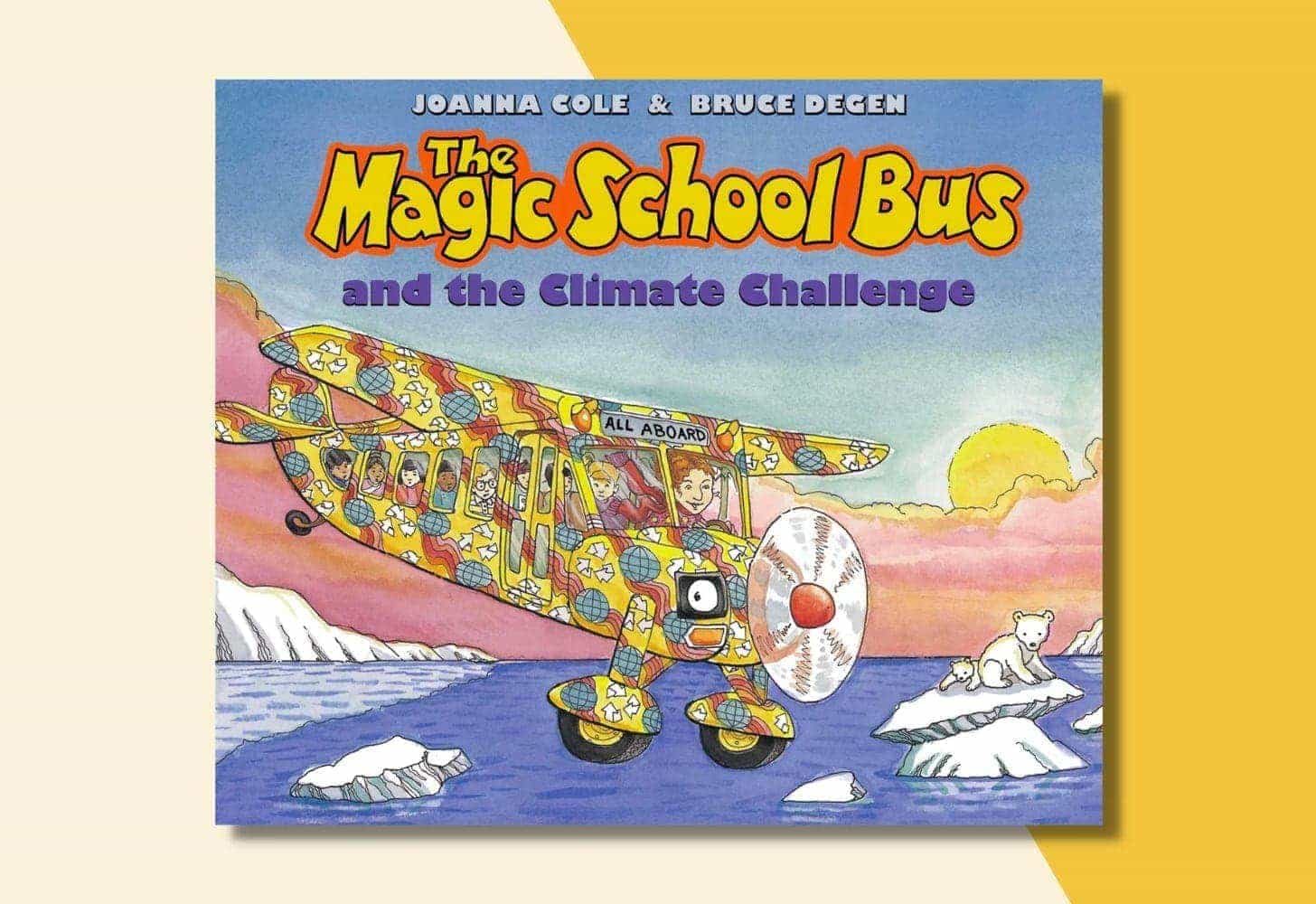
Who better to teach such a complex issue like climate change than the curious and fun-loving Ms. Frizzle of “The Magic School Bus” TV series? “The Magic School Bus and the Climate Challenge” by Joanna Cole follows Ms. Frizzle and her class as they venture on an action-packed journey to learn more about climate change, its causes, and its effects — and how we can help solve it.
Ms. Frizzle and her class travel through different ecosystems and observe the changes caused by climate change, like, melting ice caps, sea level rise, and extreme weather events. They also learn about the importance of reducing carbon emissions, conserving energy, and living sustainably.
Recommended for children four years old and up.
“Meltdown: Discover Earth’s Irreplaceable Glaciers and Learn What You Can Do to Save Them” by Anita Sanchez
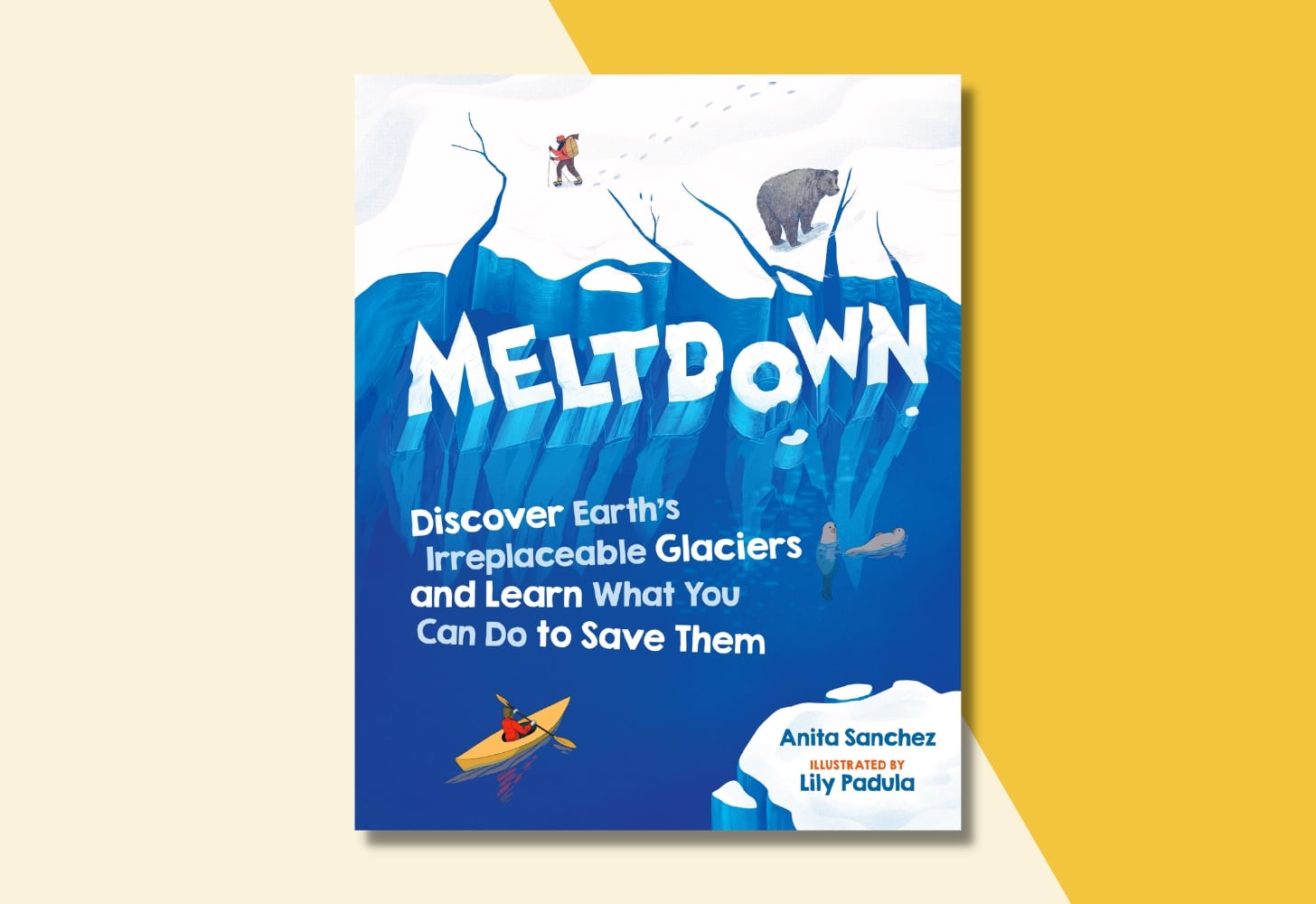
“Meltdown” is a kids’ guide to the glorious (but endangered) world of glaciers. Glaciers may not be as well-known as rainforests or coral reefs, but they are just as vital to the health of the planet, and just as threatened by climate change. Packed with information, grounded in the latest science, “Meltdown” gives young readers an eye-opening overview of glaciers, why they are so important to combatting climate change, and a hopeful path to protect them.
Recommended for children eight years old and up.
“Climate Change, the Choice Is Ours: The Facts, Our Future, and Why There’s Hope!” David Miles, illustrated by Albert Pinilla
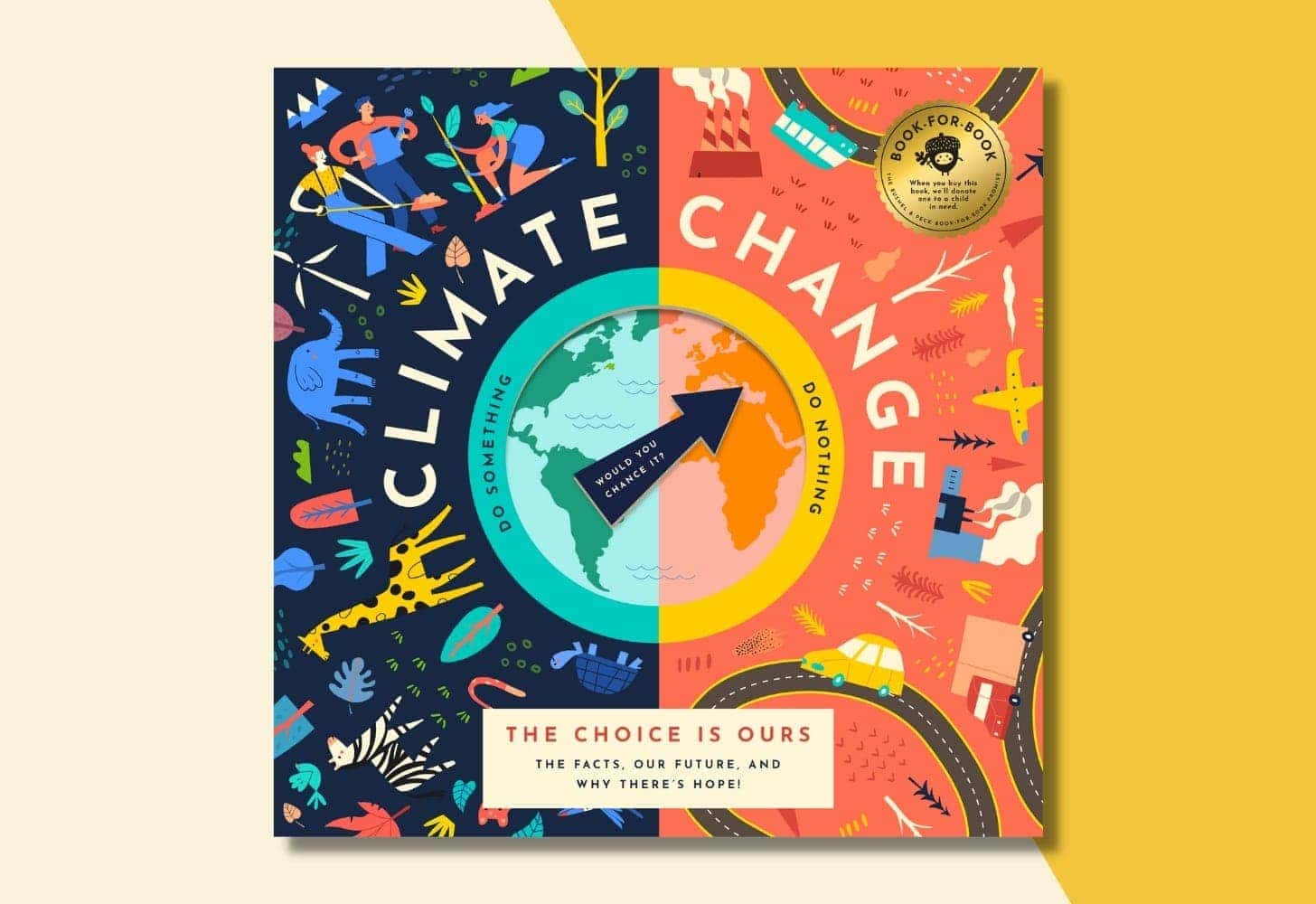
With fun illustrations, and easy-to-follow information from sources like NASA, NOAA, and the United Nations, “Climate Change: The Choice is Ours” is an interactive book (that has a built-in spinner!) that outlines the causes of climate change and gently explores its consequences like rising sea levels, increased extreme weather, and more.
Though the author is not shy about explaining uncomfortable realities, this book focuses on hope for the future and includes practical recommendations for what kids and their families can do to help.
Recommended for children seven years old and up.
“A Kids Book About Climate Change” by Zanagee Artis and Olivia Greenspan
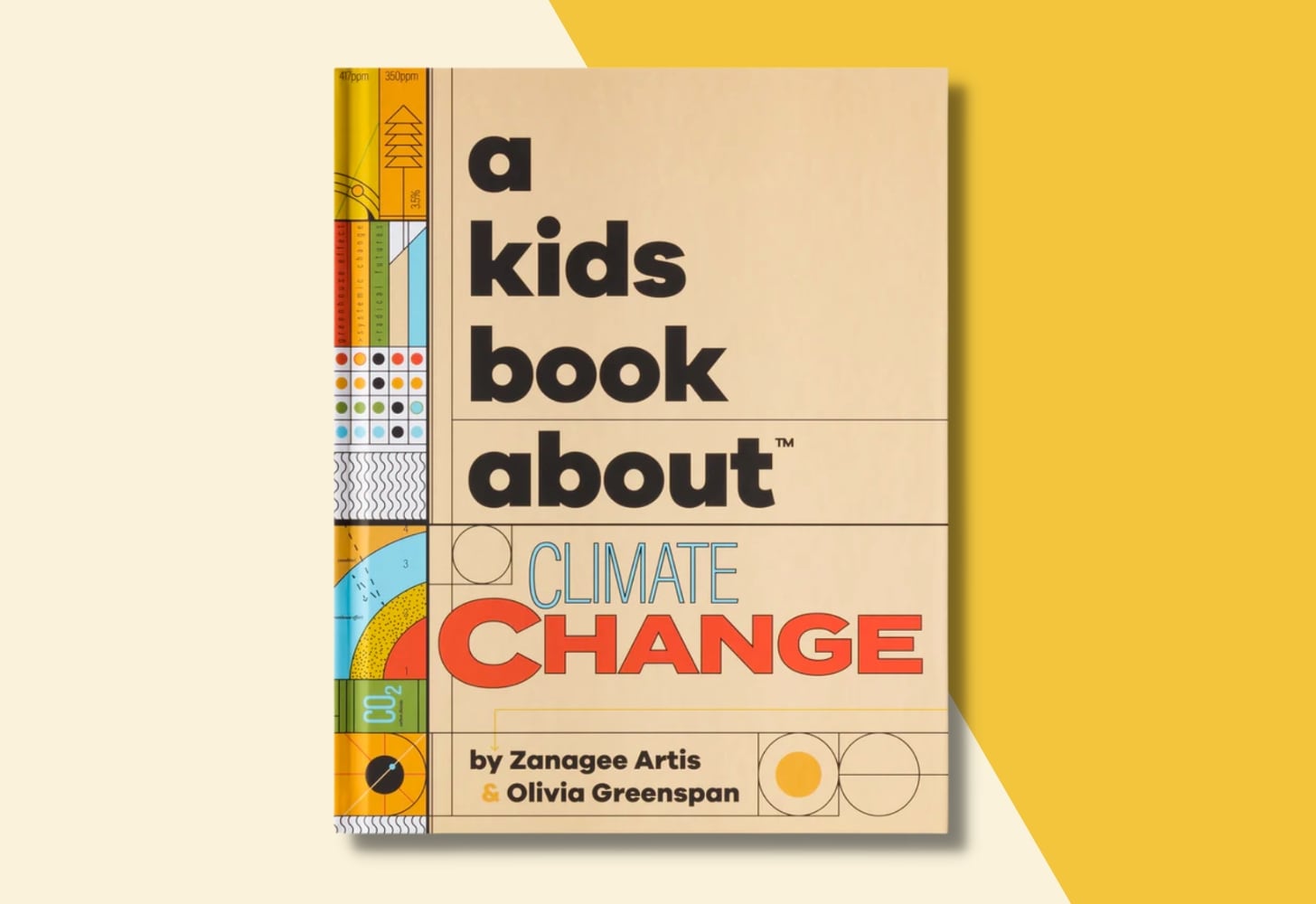
Let’s be real: climate change is hard enough to digest as a grownup, much less a child. “A Kids Book About Climate Change” by Zanagee Artis and Olivia Greenspan uses the book as a tool to empower kids to become environmental activists. It includes simple calls to action while explaining the current state of our planet, how we got here, and hope for the future.
The book is a great resource for parents and educators looking to start a conversation about climate change with their children, and a valuable tool for helping raise the next generation of climate leaders.
Recommended for children five years old and up.
“What Is Climate Change? (What Was?)” by Gail Herman
Gail Herman provides an introduction to climate change in her children’s book, “What Is Climate Change? (What Was?)” and its impact on the planet. The book explains the science behind climate change, including the greenhouse effect, and the causes and effects of global warming.
While providing a critical foundation for children to learn more and become curious about climate change, this book also touches on actions we can take to help reduce our everyday impact on the environment.
Recommended for children eight years old and up.
“The Fog” by Kyo Maclear
Told from the perspective of Warbler — an itty bitty yellow bird — this children’s book explores the power of what can happen when collective action is taken to solve an issue. In Kyo Maclear’s picture book, Warbler, a self-proclaimed expert people-watcher, gets concerned when a mysterious fog interrupts his beloved hobby. Though he tries to get the other birds to help him get rid of it, they don’t care as much.
He finally finds a friend in a little girl who helps him rally creatures from all over the world to help fight back against the fog. The book explores themes of environmental conservation and the impact of human activities on the environment in an approachable way.
Recommended for children four years old and up.
“The Polar Bears’ Home: A Story About Global Warming” by Lara Bergen
If you’re in search of a book that can introduce preschoolers to climate change, this book is a great start. “The Polar Bears’ Home” takes readers on an adventure with a little girl and her dad while they learn more about the impact that climate change has on two polar bear cubs and their family.
It also encourages kids to make small, practical changes to their lifestyles (like using reusable bags and turning off lights when not using them) to help fight climate change. Even better, the book is printed on 100% post-consumer waste, FSC-certified recycled paper with soy-based ink.
Recommended for children ages four years old and up.
“Under the Weather: Stories About Climate Change” edited by Tony Bradman
If your kids are comfortable reading chapter books, this collection of short stories edited by Tony Bradman explores the impact climate change has on individuals and communities around the world. The book introduces stories from unique perspectives centered around the impacts that extreme weather events have on people’s lives.
Whether read from cover to cover or concentrating on one or two stories, parents, educators, and young readers are encouraged to consider their own role in addressing this pressing issue in a warm and light-hearted way.
Recommended for children 10 years old and up.
“A Hot Planet Needs Cool Kids: Understanding Climate Change and What You Can Do About It” by Julie Hall
“A Hot Planet Needs Cool Kids,” provides young students with information on the causes and impacts of climate change, and how people are working to reduce it. The book features clear and concise writing, fun illustrations, and activities, as well as “eco-hero” profiles and interesting facts. Teachers can even access additional resources to help their in-class lessons.
Recommended for children nine years and up.
In southern Africa, leopards have long been harvested for their beautiful spotted furs. These coveted furs are often used in ceremonial regalia by cultural and religious groups in the area, making it difficult to address the dwindling wild cat population in the area.
Bridging the gap between animal conservation and cultural heritage, Panthera — a global wild cat conservation organization — has partnered with area communities and world-class designers to instead distribute synthetic furs for ceremonial garb.
This approach is ground-breaking and shows potential to be replicated in other areas of the world. In fact, new data shows that these initiatives have tripled the leopard population in the region.
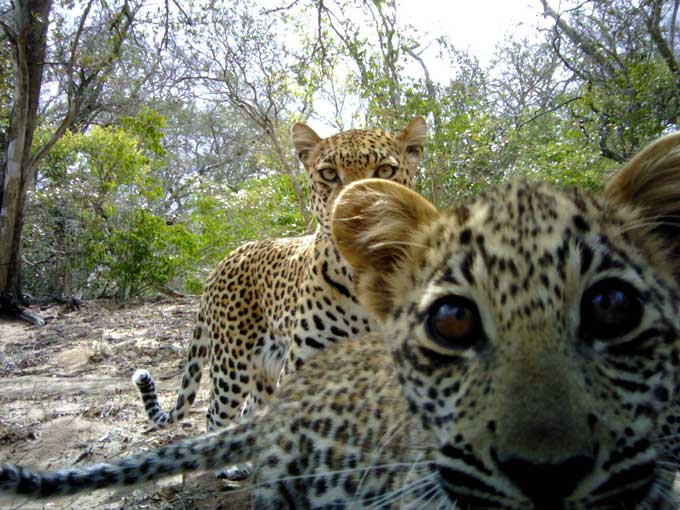
It started in 2013 when Panthera began its Furs For Life program when it was discovered that members of the Shembe Church were using as many as 15,000 leopard furs during religious gatherings.
Working with the Shembe community, Panthera created high-quality (and affordable!) synthetic leopard fur capes — amambatha — known as Heritage Furs. Since then, more than 18,500 capes have been distributed.
In 2019, Panthera extended these efforts with the Saving Spots initiative. The program was created in conjunction with the Barotse Royal Establishment of the Lozi people with the mission to preserve rich cultural traditions and declining wild cat populations.
Every year, hundreds of Lozi community members wear lipatelo, elaborate full-length skirts made of leopard and other animal furs, as well as mishukwe, lion-mane trimmed berets, as they gather for the Kuomboka Festival.

“We had a worry: If the animals are no longer there, what will happen to the tradition?” Maswabi Lishandu, Panthera’s community engagement officer, said in a video.
“The Lozi people are actually conservationists, and they realize when something is going wrong,” Professor Andrew Nambota, the Peace Parks Foundation country manager of Zambia, continued. “With the dwindling number of leopards, the best is to find an alternative.”
Since implementing the Saving Spots program, the Barotse Royal Establishment has switched to over 1,350 synthetic fur lipatelo and 600 synthetic fur mishukwe. At a recent Lozi gathering, nearly 70% of participants wore garments of synthetic furs.
The idea was to maintain the sacred relationship the Lozi people have with these animals. By using a high-accuracy design, these synthetic furs have become trusted regalia to pass through future generations — all without causing harm to the animals they revere.
“It is important to conserve nature. If you don’t take care of nature, then you are headed for doom,” Lubinda Nyaywa, the chairperson of the Mwandi Council District said. “It’s a learning process for our young generations, teaching them that they must preserve, one, their culture, and, two, their natural resources.”
With the support of both the Lozi and Shembe leaders, affordable synthetic furs are gaining increased acceptance and popularity as alternatives to authentic furs. Some groups have even banned the use of authentic wild cat skins at future gatherings.
This, in turn, majorly contributes to the protection and stabilization of wild cat populations in the region.
As mentioned, new data suggests that Saving Spots has helped triple leopard densities in the southern region of Kafue National Park.

In 2019, estimates counted 1.5 leopards per 100 square kilometers, and in 2022, researchers saw a boost to approximately 4.4 leopards per 100 square kilometers.
Saving Spots, which is supported by Cartier and Peace Parks Foundation, also fuels educational conservation outreach and a robust leopard monitoring program in Zambia, Zimbabwe, and Namibia.
“You can imagine how many leopards, how many lives, we’re going to save,” Nambota continued in the video. “I think it’s really wonderful to be part of such a story. We hope it can spread to the rest of the country.”
Header image courtesy of Gareth Whittington-Jones/Panthera
Tuberculosis (TB) is a disease that spreads through the air when people cough, sneeze, or spit, meaning a person only needs to inhale a few germs to become infected.
It’s a disease that has plagued human history — and continues to kill people in swaths.
The World Health Organization (WHO) calculates that 10 million people across the globe fall ill with TB every year. And, although it is a highly preventable and curable disease, 1.5 million people still die each year because of it — making TB the world’s top infectious killer, only falling short of COVID-19.
John Green, an author and philanthropist who often talks about TB on TikTok, puts it into perspective:
“If you add up all the people who, in 2022, passed away due to conflict, homicide, malaria, typhoid, and cholera combined, it is still fewer than the number of people who died of Tuberculosis in 2022. What makes that fact crazy, of course, is that Tuberculosis is curable,” he said in a video. “Tuberculosis is caused by injustice; it is caused by inequitable access to healthcare.”
But the WHO aims to end the TB epidemic by 2030 — and researchers around the world are using the highest levels of technology to do so.
Take Vietnam, for example, one of 30 countries with the highest burden of TB globally. (An estimated 169,000 people became sick with TB in Vietnam in 2021).
FHI 360, a global organization that mobilizes research and resources to help people have access to healthy lives, and the National TB Control Program of Vietnam are starting at the helm: Accurately diagnosing TB so it can be treated expeditiously.

This effort, which employs the use of artificial intelligence to create a double detection system, works to diagnose and treat TB — all while ensuring that patients receive high-quality care without suffering catastrophic costs.
“You can’t diagnose TB through a self-test, like you can with HIV,” Anh Innes, MD, FHI 360’s senior technical advisor for Tuberculosis says. “You have to have an X-ray. So, to eliminate the disease, we must find the people with TB. We’re trying to simplify the diagnosis to make it more point-of-care within the community.”
This streamlined diagnosis uses an innovative approach called the Double X Strategy.
How does the Double X Strategy detect Tuberculosis?
FHI 360, along with the U.S. Agency for International Development (USAID) Support to End Tuberculosis project, utilizes the Double X Strategy to combine AI data and direct human professional support to rapidly and accurately detect TB.
The approach uses both X-ray machines and rapid diagnostic machines, called GeneXpert — reaching people both in hospitals and in community events with mobile units. It’s a win-win-win-win, if we did our calculations correctly.
To detect the disease (or lack thereof), a person at risk of having TB receives a chest X-ray. If the X-ray is abnormal, that person then receives a sputum test with GeneXpert, which can identify M. Tuberculosis DNA.
The test is completed in two hours and results are returned in one to two days. If the test results indicate that the patient has TB, they are started on treatment right away.
In 2020, these partner organizations held 18 community health events in seven Vietnamese provinces, reaching people who live with a TB patient, as well as those with higher TB risks. This led to 52,868 chest X-rays.
Of those scans, 7,968 were determined to be “abnormal” for TB, and 7,747 people were then tested with GeneXpert, leading to 723 bacteriologically confirmed TB patients.

But where does AI come into play? As experts reach more people through high-volume mobile health screening events, X-ray analyses are aided by AI. Radiologists are able to interpret chest X-rays and quickly compare it with the findings developed by AI software for more accurate results.
In a recent study led by Dr. Frauke Rudolf from Aarhus University, researchers determined that the AI technology was able to match — or even outperform — professional radiologists in detecting TB.
In an analysis of the X-rays of 498 patients, including 57 diagnosed with TB, the AI software correctly identified 75% of the positive cases and showed an 85.7% accuracy rate in detecting negative results for patients who did not have TB.
The experiment was conducted on mobile phone photographs of chest X-rays, meaning this tech can be applied in underserved areas, where doctors can get a “second opinion” remotely by sending the scans to the AI.
FHI 360 and USAID use this technology in the Double X Strategy to maximize detection — and subsequent treatment.
“Using AI with chest X-rays helps ensure that people with TB are identified at all facilities, including lower levels of the health system where staff may have less experience interpreting chest X-rays,” an FHI 360 blog post reads.
“At community mobile health screening events, where one or two technicians may read hundreds of chest X-rays per day, AI helps avoid decision fatigue and over- or under-selection.”
Since 2022, the project has utilized AI to read more than 100,000 X-rays.
“These innovations are finding more people in need of TB care and preventative treatment, as well as finding more people who may not necessarily have classic TB symptoms. They have early-stage, subclinical TB, which is an area of emerging research,” an FHI 360 press release states. “In the past, many early-stage cases would not have been detected without current technology.”
The Double X strategy has become Vietnam’s national TB screening strategy, allowing experts to meet people where they are and create the blueprint to a more holistic approach to battling the world’s deadliest infectious disease.
“Developing comprehensive, flexible TB strategies that address all stages of the disease is the way to end TB,” the FHI 360 blog post concludes. “We must continue updating practices and leveraging new technologies to detect, cure, and prevent this ancient disease that continues to affect communities today.”
Single-use plastics are finally starting to disappear from the market, as countries like Canada, China, India, Japan, and more implement single-use plastic bans and regulations.
But — humans still crave their to-go orders and morning coffee, and sometimes you just forget to grab the travel mug on the way out the door.
So, what’s the alternative? We’ve all experienced the sensory nightmare of drinking from a disintegrating plastic straw, and strawless plastic and paper cups are often still made with materials and chemicals that harm the planet.
The Good Cup (great name, if we do say so ourselves!) is on its way to edging out the plastic to-go cup industry.
What is The Good Cup?
Designed by Cyril Drouet, a packaging design expert, and co-founder of Hong Kong-based sustainable packaging startup Choose Planet A, The Good Cup is a foldable, recyclable vessel that acts as a mini takeout container for hot and cold drinks.
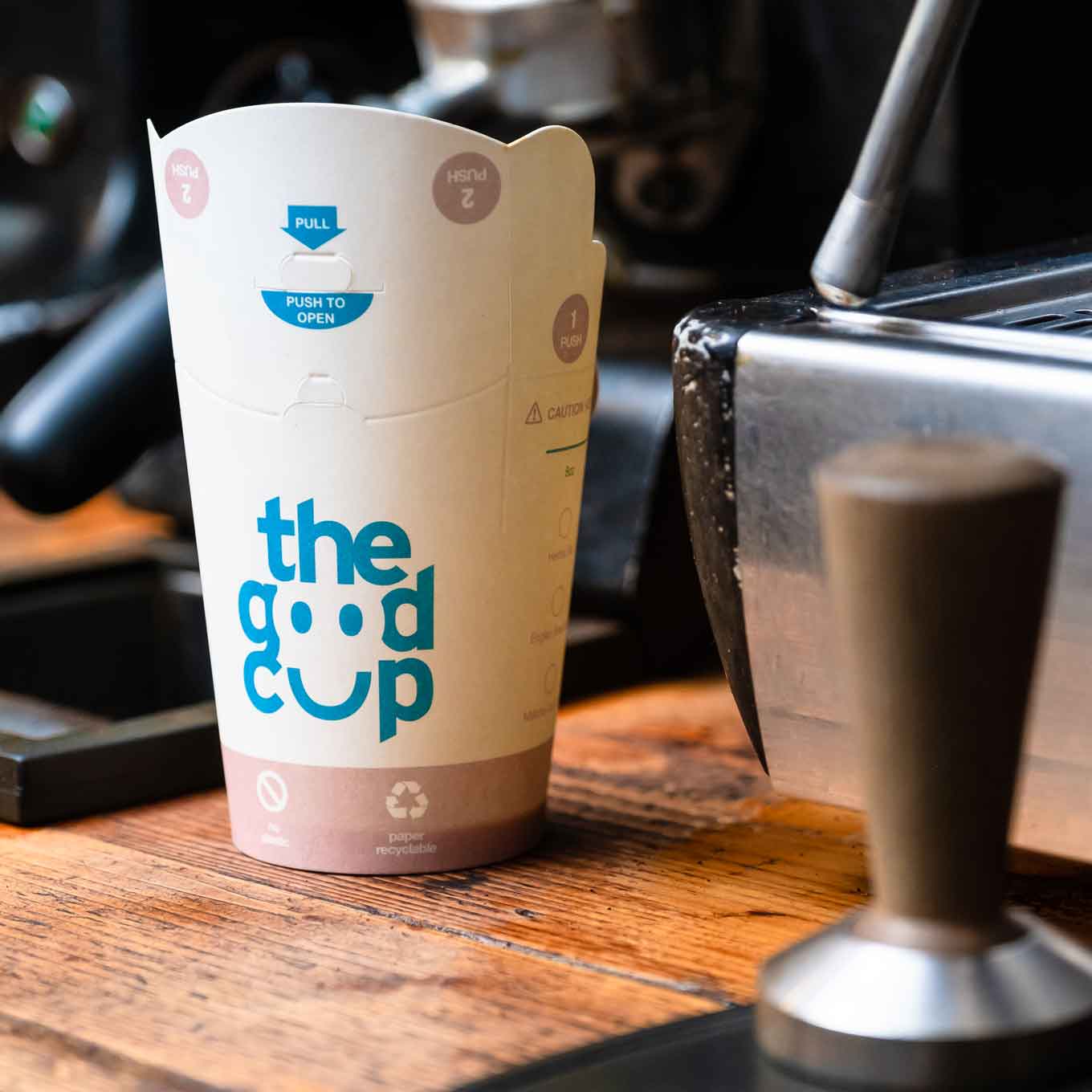
Recently featured on “The Drew Barrymore Show,” the cup eliminates the need for a separate lid, as the folding design features a notch that locks into place to maintain that on-the-go reliability — without crowding landfills.
Drouet spent years perfecting the design, knowing other “paper” cups use a plastic lining, and aren’t always accessible to use.
The Good Cup is fully recyclable and repulpable, made with compostable paper and recyclable bio-based coating. It can be composted at home or sent to recycling facilities — where the paper can be recycled up to seven times before heading back to the Earth.
It’s also shaped differently than a standard cylindrical cup, taking on a more rectangular shape that curves up and contours a person’s face as they sip on their beverage of choice.
Although the convenient drinking experience sounds great, the Good Cup’s impact on plastic waste is what takes the cake (er… the oat milk latte).
If one million 12-ounce Good Cups are used, the brand calculates 4,325 kilograms of plastic would be saved (that’s nearly 10,000 pounds). Consider one billion Good Cups, and the world sees a reduction of 4,325,000 kilograms (or nearly 10 million pounds) of plastic.
Where can I get The Good Cup?
“The product is meeting the moment,” a press release for The Good Cup said, “as governments across the globe are already banning — or are planning to ban — plastic-lined cups and lids.”
Of course, those single-use plastic bans haven’t made their way to the United States quite yet (you can do it, Joe!), so The Good Cup currently exists mainly in distribution chains in Canada, Japan, Australia, China, and the UK.
“The interest in The Good Cup has been exceeding even our most optimistic expectations,” Drouet said in an email to Good Good Good. “The biggest considerations were that a sustainable cup such as this is something the world needed and we believe is finally ready for.”
Drouet’s been ready for over 16 years now, when his light-bulb moment at the GLASTONBURY music festival in the UK spurred the idea of decreasing paper and plastic cup waste at major events.
The idea took shape throughout various moments in his career, but it wasn’t until 2019 when he started his own green design studio that he got serious about the invention, beginning a journey of over 1,000 tests and hand-made samples.

“Previous attempts at creating integrated lids have not been consumer-friendly, and in many cases, were unsafe, due to the potential of the cups opening up and spilling extremely hot beverages on customers,” Drouet explained.
The Good Cup is not only a solid, consumer-safe option — its design is versatile, so it can be used for anything that might be packaged in a cup and sealed with a plastic lid. (Soup, anyone?!)
While the newly designed cup is making its foray into hundreds of coffee shops worldwide, the brand and its designers continue to conduct consumer trials to better adapt the design to meet the needs of customers.
Drouet said The Good Cup is on its fourth generation, which now includes various “spout” designs, varnishes to prevent stains, and improved accessibility.
“Accessibility has been at the forefront of The Good Cup design,” Drouet said. “All the other cups on the market have a circular profile, which is tricky to hold in large sizes if you have a small hand. The Good Cup has a rectangular profile on the top, meaning it’s extremely ergonomic.”
Other accessibility factors include the need for straws, and The Good Cup is working to perfect sustainable straw options, too, working with European company Hello Straw, which also uses a bio-based coating for a “less soggy” experience.

Drouet said The Good Cup fields over 100 requests from different coffee shops and cafes asking for samples of the cups globally every day, and he hopes Americans will see The Good Cup in their own local coffee shops by 2024.
“Our goal and mission is to eradicate plastic in disposable cups globally,” Drouet said. “The market is ready, the consumers are even more ready — now we need the industry to adapt and change from the things they have been doing for decades.”
Header image courtesy of The Good Cup
Every day the Good Good Good team collects the best good news in the world and shares it with our community. Here are the highlights for this week!
If you want to get good news in your inbox every day, join the Goodnewsletter — the free daily newsletter designed to leave you feeling hopeful.
The Best Positive News We’re Celebrating This Week —
A viral TikTok invention is “single-handedly” offering improved accessibility for everyday tasks
Robert Simpson’s “Grip Toggle” is just his latest accessibility invention under his brand Single Handed. The company is a “small and innovative home and hospitality brand” that creates simple, sustainably-designed products that make life easier for able-bodied and disabled folks alike.
The Grip Toggle includes a suction cup and pulley mechanism that allows people with limited grip ability or hand motor function to open cabinets or gain a better grasp on cooking utensils.
It’s intended to “make life a little easier” for folks living with arthritis, carpal tunnel, old age, “or even missing digits,” Simpson said in a now-viral TikTok video. And actually, it's what all of Single Handed’s products are designed to do.
Why is this good news? If the comment section of Simpson’s viral video is any indication (and it usually is), this device is already and will continue to help so many people. Commenters shared stories of their parent with MS, their own struggle with rare diseases, and more — and how the Grip Toggle would make a difference in their life.
An artist created a Woodstock-inspired collection of poster prints to put a spotlight on climate solutions
Hannah Rothstein has been making climate-focused art for years and unveiled her latest body of work: a series of 60s rock n roll-inspired posters highlighting climate solutions. It’s called “Goodstock: Putting Climate Solutions Center Stage,” and it features psychedelic elements and climate good news phrases. As lovers of all things Good, we're big fans.
The posters laud solutions-focused climate calls to action, with phrases like “Protect our forests,” “Eliminate food waste,” and more. And while Rothstein knows climate action is more than a handful of trippy posters — she also knows that art has the power to move people (and perhaps systems).
In one previous series “The Cost of Denial,” for example, she put the spotlight on the campaign finances of 10 climate-denying politicians, drawing vision from Soviet-era propaganda posters.
Why is this good news? We’ll let the artist take this one: “Every great movement has art that galvanizes it, whether music, posters, or theater,” Rothstein told us. “I hope that by creating climate art, I can play a small part in keeping people inspired and moving them toward positive change.”
A Philadelphia-based drag troupe created a new children's show about a worm living inside a banned book
Loretta, a well-read bookworm, wears a fun hat and scarf while she looks for “friendly places” to chew pages. When a bookmobile comes to her library to pick up banned books and bring them to libraries that want them, Loretta ends up a stowaway in one of them — a commonly banned book in real life called “Julián Is a Mermaid.”
That story is the premise of a new performance called “Check It Out!!!” developed by Philadelphia-based drag troupe Bearded Ladies Cabaret — and it’s now touring through branches of the Free Library of Philadelphia.
The show will be performed outdoors on the troupe’s Beardmobile, a mobile stage they built on a commercial truck during the pandemic. It will be accompanied by live music, and children will watch Loretta find books that are “delicious and nutritious for a bookworm.”
Why is this good news? While LGBTQ-themed programming isn’t new to libraries, one branch manager said “it does feel extra important right now.” That’s because the past year has seen an unprecedented number of anti-LGBTQ laws proposed by state legislators across the country.
Like in Tennessee, where lawmakers passed laws restricting drag performances and health care for trans people — and heartbreakingly, other states are following their lead.
A five-year study found that Indigenous territories offer the best protection for the Amazon rainforest
A new report highlighting results of a five-year study of the Amazon, found that, when compared to non-protected areas of the Amazon rainforest, protected areas and Indigenous territories saw one-third of the loss of primary forest. And while protected areas slightly less forest, Indigenous territories saw lower deforestation, which is differentiated by intentional tree felling.
The study took place between 2017 and 2021, and estimates that 27 million acres of primary forest (about one-fourth the size of California) were lost in those five years, 71% to deforestation and 29% to fire. It’s important to note fires don’t naturally occur in the Amazon, but are set to clear land for cattle ranching and soy farming.
Why is this good news? An estimated 70% of all deforestation in the Amazon has been linked to clearing land for cattle. While we didn’t necessarily need more evidence that Indigenous peoples are the best land guardians and stewards — some folks do. And these findings add to a growing mountain of evidence to support it (and make the good news below even more encouraging!).
→ Read more
A synthetic fur distribution program is protecting a sacred connection to African leopards — and the animals themselves
In southern Africa, leopards have long been harvested for their beautiful spotted furs, which are often used in ceremonies by cultural and religious groups in the area. But it’s also making it difficult to address the region’s dwindling leopard population.
Bridging the gap between animal conservation and cultural heritage, Panthera — a global wild cat conservation organization — has partnered with area communities and world-class designers to instead distribute synthetic furs for ceremonial garb. Since it
This approach is ground-breaking and has the potential to be replicated in other areas of the world. New data even shows that these initiatives have tripled the leopard population in the region.
Why is this good news? Cultural traditions and practices are incredibly important to preserve — but we need to do our best to ensure it doesn’t come at the cost of conservation. Panthera’s work to protect both tradition and wildlife is such good news to celebrate — and apply to other cultural practices that impact wildlife and local ecosystems!
A Portland woman used her life savings to open a sports bar that only played women’s sports — it’s already brought in $1 million
In 2018, Jenny Nguyen wanted to watch the NCAA women’s championship basketball game with friends at a bar, and had to plead with a bartender to swap the men’s game on a small, no-sound television for it. Frustrated with this recurring experience, she came up with a solution: she opened her own bar.
The Sports Bra in Portland, Oregon plays exclusively women’s sports on TV, and while Nguyen believed her idea was important — she admittedly didn’t think it would catch on. She anticipated it would only stay open for a few months.
She was happy to be proven wrong: the bar just celebrated its one-year anniversary. And that’s not all: in the 8 months it was open in 2022, it brought in nearly $1 million, making it profitable within a year.
Nguyen, her team, and the customers that frequent The Sports Bra are helping elevate women’s sports to the level of access they more than deserve. We hope to see more bars like it popping up around the country!
More good news of the week —
Mattel unveiled a new Barbie doll with Down syndrome “to allow even more children to see themselves in Barbie.” Criticized in the past for perpetuating unrealistic beauty standards with its dolls, Mattel has changed course and introduced many more diverse dolls.
Sweden is building the world’s first permanent electrified road for electric vehicles to charge while driving. The e-motorway may lead to an expansion of a further 3,000 km of electric roads in Sweden by 2045.
Down from 12.5% in 2020 and 2021, the U.S. adult cigarette smoking rate just hit a new all-time low of 11%. Long considered the leading cause of preventable death, it’s also down from around 42% in the mid-1960s — however, e-cigarette smoking rose to nearly 6%.
A Bay area diner gives free, hot meals to anyone in need — no questions asked. And paying customers can help support the Homemade Cafe’s “Everybody Eats” program by adding $5 to their bill — many of which are happy to do.
A new treatment has been found to dramatically improve the survival chance of babies with acute leukemia. Combined with chemotherapy, the new drug resulted in 93% of babies still alive two years after diagnosis compared to a 66 % survival rate with chemo alone.
In an effort to save Hawaii’s rare koa tree, two ukelele makers ended up restoring an entire tropical forest. Located on the slopes of the Big Island’s Mauna Loa volcano, the forest is a critical part of Hawaii’s fragile and unique ecosystem.
A bipartisan group of lawmakers unveiled a bill to ban members of Congress from owning and trading individual stocks. Encouragingly, the Bipartisan Restoring Faith in Government Act is supported by lawmakers across the ideological spectrum.
The world’s deepest offshore wind turbine was installed off the coast of Scotland. The Seagreen project will deliver enough energy to power more than 1.6 million homes.
Pope Francis revealed that the Vatican is involved in a “peace mission” to end the war in Ukraine. Francis said he was also doing “all that is humanly possible” to help return Ukrainian children taken to Russia and urged Hungary to welcome migrants.
Reversing the policy of his predecessor, Brazil’s Luiz Inacio Lula da Silva just legally recognized six Indigenous territories. It’s crucial to protect Indigenous lands from increasing encroachment by farming, gold miners, and loggers in the Amazon rainforest.
New York passed the nation’s first statewide ban on gas in all new buildings starting in 2026. While it won’t impact existing buildings, the ban aims to tackle a major source of carbon emissions and air pollution.
Philadelphia’s ban on single-use bags that went into effect in 2021 has already prevented the use of 200 million plastic bags. That would be the equivalent of filling City Hall with plastic bags every eight months.
California just became the first state in the world to ban new diesel medium- and heavy-duty trucks. The decision was unanimous, goes into effect in 2036, and will require a switch to zero-emission big rigs, garbage trucks, and other heavy-duty vehicles.
The FDA just approved a the first RSV vaccine in the world intended for older adults. While it usually causes mild, cold-like symptoms, each year RSV kills 6,000 to 10,000 seniors and a few hundred children younger than 5.
The new bullet train connecting Los Angeles to Las Vegas is now moving forward thanks to bipartisan support. In addition to being a blueprint for more like it, the project is projected to create 35,000 construction jobs, 1,000 permanent jobs, and significantly reduce planet-warming greenhouse gas emissions from vehicles.
Teachers play a unique and powerful role in our lives, leaving lasting impressions that continue to shape us long after we've left their classrooms. Whether through a carefully crafted lesson plan, a word of encouragement, or a keen insight that sparks our curiosity, these educators have the ability to unlock our potential and guide us toward a life of learning and growth.
The value of an exceptional teacher cannot be overstated, as they impact not only their students but also the communities in which they serve.
By fostering a love for learning, cultivating critical thinking, and nurturing empathy, educators lay the groundwork for a brighter, more compassionate future.
As you explore this compilation of the best quotes for, about, and by teachers — we hope you'll be reminded of the remarkable educators who have crossed your path and feel inspired to share these words with others.
For teachers, these quotes serve as a testament to the meaningful work they do and the difference they make every day.
And for the rest of us, these words offer a renewed appreciation for the teachers in our lives, as well as a gentle reminder of the lessons they've imparted.
So, let's dive in and rediscover the magic that lies at the heart of education — the boundless wisdom, inspiration, and love that teachers share with their students every single day:
The Best Quotes For, By, and About Teachers
Famous Quotes
“One child, one teacher, one book, one pen can change the world.”
— Malala Yousafzai, I Am Malala: The Story of the Girl Who Stood Up for Education and Was Shot by the Taliban
“The function of education is to teach one to think intensively and to think critically. Intelligence plus character — that is the goal of true education.”
— Martin Luther King Jr.
“The beautiful thing about learning is that no one can take it away from you.”
— B.B. King
“Free the child’s potential, and you will transform him into the world.”
— Maria Montessori
“Anyone who does anything to help a child in his life is a hero to me.”
— Fred Rogers
“Good teaching is more a giving of right questions than a giving of right answers.”
— Josef Albers
“Education is the most powerful weapon which you can use to change the world.”
— Nelson Mandela
“It is the supreme art of a teacher to awaken joy in creative expression and knowledge.”
— Albert Einstein
“Be who you needed when you were younger.”
— Brad Montague
“When educating the minds of our youth, we must not forget to educate their hearts.”
— Dalai Lama
Inspirational Quotes
“The task of the excellent teacher is to stimulate “apparently ordinary” people to unusual effort. The tough problem is not in identifying winners: it is in making winners out of ordinary people.”
— K. Patricia Cross
“Ideal teachers are those who use themselves as bridges over which they invite their students to cross, then having facilitated their crossing, joyfully collapse, encouraging them to create bridges of their own.”
— Nikos Kazantzakis
“The duties of a teacher are neither few nor small, but they elevate the mind and give energy to the character.”
— Dorothea Dix
“The teacher who is indeed wise does not bid you to enter the house of his wisdom but rather leads you to the threshold of your mind.”
— Khalil Gibran
“Education is a social process; education is growth; education is not preparation for life but is life itself.”
— John Dewey
“The child is capable of developing and giving us tangible proof of the possibility of a better humanity. He has shown us the true process of construction of the human being.”
— Maria Montessori
“It shouldn’t matter how slowly a child learns as long as we are encouraging them not to stop.”
— Robert John Meehan
“Education is the passport to the future, for tomorrow belongs to those who prepare for it today.”
— Malcolm X
“The word “education” comes from the root e from ex, out, and duco, I lead. It means a leading out. To me education is a leading out of what is already there in the pupil’s soul.”
— Muriel Spark
Short Quotes
“In learning you will teach, and in teaching you will learn.”
— Phil Collins
“I like a teacher who gives you something to take home to think about besides homework.”
— Lily Tomlin
“The secret in education lies in respecting the student.”
— Ralph Waldo Emerson
“To teach is to learn twice.”
— Joseph Joubert
“Children must be taught how to think, not what to think.”
— Margaret Mead
“The more that you read, the more things you will know. The more you learn, the more places you’ll go.”
— Dr. Seuss
“Those who know, do. Those who understand, teach.”
— Aristotle
“Education is not the filling of a pail, but the lighting of a fire.”
— William Butler Yeats
“Children are likely to live up to what you believe of them.”
— Lady Bird Johnson
“Nine-tenths of education is encouragement.”
— Anatole France
“To teach is to learn twice over.”
— Joseph Joubert
More Quotes
“The more I live, the more I learn. The more I learn, the more I realize, the less I know.”
— Michel Legrand
“If kids come to us from strong, healthy functioning families, it makes our job easier. If they do not come from strong, healthy functioning families, it makes our job more important.”
— Barbara Colorose
“The object of education is to prepare the young to educate themselves throughout their lives.”
— Robert M. Hutchins
“The task of the modern educator is not to cut down jungles, but to irrigate deserts.”
— C.S. Lewis
“I’ve learned that people will forget what you said, people will forget what you did, but people will never forget how you made them feel.”
— Maya Angelou
“You can teach a student a lesson for a day, but if you can teach him to learn by creating curiosity, he will continue the learning process as long as he lives.”
— Clay P. Bedford
“Teaching is not just a job. It is a human service, and it must be thought of as a mission.”
— Ralph Tyler
“Every child deserves a champion; an adult who will never give up on them, who understands the power of connection and insists that they become the best they can possibly be.”
— Rita Pierson
We all have stories of teachers who have made a profound impact on our lives, shaping who we are and the paths we choose to follow.
These dedicated educators are the unsung heroes, working tirelessly behind the scenes to impart knowledge and inspire the next generation of leaders, thinkers, and innovators.
Whether you're celebrating Teacher Appreciation Week or simply showing gratitude for educators throughout the year — let's take a moment to reflect on the crucial role teachers play in our communities and the lives of our children.
The influence of a great teacher extends far beyond the boundaries of the classroom. They provide the foundation for our children's intellectual growth and emotional well-being, often becoming mentors, guides, and trusted confidants.
Our educators face countless challenges every day, including limited resources, crowded classrooms, and a rapidly changing world. Yet, they remain steadfast in their commitment to create a brighter future for each and every student.
This collection of teacher appreciation quotes is a small token of gratitude for the incredible work teachers do every day.
As you read through these inspiring words, we hope you'll be reminded of the immense value of the educators in your life and feel motivated to express your thanks to them.
Additionally, we hope these quotes will serve as a source of inspiration for educators, reminding them of the powerful impact they have on their students' lives.
In this ever-evolving world, it's important to remember that teachers truly are the architects of our future – nurturing, guiding, and shaping the minds that will one day lead us forward.
The Best Teacher Appreciation Quotes
Famous Quotes
“Teacher appreciation makes the world of education go around.”
— Helen Peters
“Most of us end up with no more than five or six people who remember us. Teachers have thousands of people who remember them for the rest of their lives.”
— Andy Rooney
“Everyone who remembers his own education remembers teachers, not methods and techniques. The teacher is the heart of the educational system.”
— Sidney Hook
“I have come to believe that a great teacher is a great artist and that there are as few as there are any other great artists. Teaching might even be the greatest of the arts since the medium is the human mind and spirit.”
— John Steinbeck
“One looks back with appreciation to the brilliant teachers, but with gratitude to those who touched our human feelings. The curriculum is so much necessary raw material, but warmth is the vital element for the growing plant and for the soul of the child.”
— Carl Jung
“Education is for improving the lives of others and for leaving your community and world better than you found it.”
— Marian Wright Edelman
“A good teacher isn’t someone who gives the answers out to their kids but is understanding of needs and challenges and gives tools to help other people succeed.”
— Justin Trudeau
“Teachers, I believe, are the most responsible and important members of society because their professional efforts affect the fate of the earth.”
— Helen Caldicott
→ Read more ‘thank you’ quotes
Inspirational Quotes
“They inspire you, they entertain you, and you end up learning a ton even when you don’t know it.”
— Nicholas Sparks
“Proper teaching is recognized with ease. You can know it without fail because it awakens within you that sensation which tells you this is something you have always known.”
— Frank Herbert
“What sculpture is to a block of marble, education is to a human soul.”
— Joseph Addison
“The best thing about being a teacher is that it matters. The hardest thing about being a teacher is that it matters every day.”
— Todd Whitaker
“What you leave behind is not what is engraved in stone monuments, but what is woven into the lives of others.”
— Pericles
“Teaching is more than imparting knowledge; it is inspiring change. Learning is more than absorbing facts; it is acquiring understanding.”
— William Arthur Ward
“This Teacher Appreciation Week and every week, I’m thankful for America’s teachers. But they deserve more than thanks. Teachers go above and beyond their job for their students every day — they deserve higher wages and better working conditions.”
— Vice President Kamala Harris
“Wherever you find something extraordinary, you’ll find the fingerprints of a great teacher.”
— Arne Duncan
Quotes for Teachers, From Students
“Some people change the world. And some people change the people who change the world, and that’s you.”
— Kij Johnson
“A teacher affects eternity; he can never tell where his influence stops.”
— Henry Adams
“It’s easy to make a buck. It’s a lot tougher to make a difference.”
— Tom Brokaw
“The great teacher is not the man who supplies the most facts, but the one in whose presence we become different people.”
— Ralph Waldo Emerson
“Education breeds confidence. Confidence breeds hope. Hope breeds peace.”
— Confucius
Quotes of Gratitude for Teachers
“My English teacher, Mrs. Bodey, was instrumental in the educational journey that carried me through school and into my career. Until her class, I hadn’t believed in my ability as a writer. She recognized my potential and showed me that I could write with creativity, with clarity, with passion.”
— John Legend
“I am indebted to my father for living, but to my teacher for living well.”
— Alexander the Great
“The great teachers fill you up with hope and shower you with a thousand reasons to embrace all aspects of life. I wanted to follow Mr. Monte around for the rest of my life, learning everything he wished to share of impart, but I didn’t know how to ask.”
— Pat Conroy, My Losing Season: A Memoir
“The human mind is an incredible thing. It can conceive of the magnificence of the heavens and the intricacies of the basic components of matter. Yet for each mind to achieve its full potential, it needs a spark. The spark of enquiry and wonder. Often that spark comes from a teacher… If you look behind every exceptional person there is an exceptional teacher. When each of us thinks about what we can do in life, chances are we can do it because of a teacher.”
— Stephen Hawking, Brief Answers to the Big Questions
“When she chose to smile on me, I always wanted to thank her. The action was so graceful and inclusively benign.”
— Maya Angelou, I Know Why the Caged Bird Sings
Short Quotes
“Anyone who does anything to help a child in his life is a hero to me.”
— Fred Rogers
“I think the teaching profession contributes more to the future of our society than any other single profession.”
— John Wooden
“Invest in our teachers, and our children will succeed.”
— Barack Obama
“A good teacher can inspire hope, ignite the imagination, and instill a love of learning.”
— Brad Henry
“Teaching is a creative profession.”
— Sir Ken Robinson
“Show me a school where the teachers are happy, and I’ll show you a school where the teachers are trusted.”
— Dwayne Reed
“The art of teaching is the art of assisting discovery.”
— Mark Van Doren
“[Teachers’] devotion to our children embodies the best of America — ready to serve and eager to see others thrive.”
— President Joe Biden
“Students don’t care how much you know until they know how much you care.”
— John C. Maxwell
More Quotes
“Teachers teach because they care. Teaching young people is what they do best. It requires long hours, patience, and care.”
— Horace Mann
“Teachers play such an enormous role in forming, not just teaching them, but forming character in our kids. We really have to thank them for what they do. They are really the core that makes our society work.”
— Jeanine Pirro
“You can’t stop a teacher when they want to do something. They just do it.”
— J.D. Salinger
“Great teachers empathize with kids, respect them, and believe that each one has something special that can be built upon.”
— Ann Lieberman
“Teaching is a calling too. And I’ve always thought that teachers in their way are holy — angels leading their flocks out of the darkness.”
— Jeannette Walls
“To me, there is nothing more exciting, fulfilling, and wonderful than watching a kid finally grasp a concept, then take the information and use it in the real world. Teachers make this happen. Teachers motivate. Teachers synthesize information to help students understand. Teachers listen, coach, and mentor. Teachers matter.”
— George Lucas
Upon visiting The Outdoorist Oath’s website, a popup window currently greets the new guest: “Are you even part of a thriving meadow, bro?”
The Outdoorist Oath, a young, year-old organization created in collaboration with environmental justice leaders Pattie Gonia, Teresa Baker and José González, pedals a simple mission: “A commitment to Planet, Inclusion, and Adventure.”
The Oath itself is an educational model grounded by the Reasonable Person Model and Systems Change thinking, that offer theories and practices, peer-reviewed and proven successful at facilitating social change.
Essentially, The Oath is a workshop where people can better understand and be agents of change in protecting the planet and making the outdoors a diverse and inclusive place. Plus, it ends with a cool ceremony. Over 2,200 folks have taken The Oath so far.

But in the organization’s first year of workshops and community building, its founders (and growing team) found that people who took The Oath were still hungry for more events centered around the intersections of people and planet.
So, back to the pop-up window.
It advertises an upcoming event (both virtual and IRL) called a Stretch Session, which builds upon themes first touched on in The Oath Workshop.
“The workshops are a way to bring people into what the Outdoorist Oath is, as a call to action and setup to practice; To live The Oath and share #HowIOath,” co-founder González said in an email to Good Good Good.
“Like setting up people to exercise: the stretch sessions are very much like when you exercise; it's important to stretch throughout to support growth. To lean into a stretch in order to be ready to do more. It's an additional way to support the community in how they Oath.”
It’s always free to attend both Stretch Sessions and Oath workshops, but in order to make these events accessible to a growing community of intersectional environmentalists, The Outdoorist Oath needs support.
Hydro Flask, a stainless steel water bottle brand,just announced its “Let’s Go Together” line, featuring sleek beverage containers displaying illustrated trees holding hands. Along with the new design, the brand is also making a $25,000 donation to The Outdoorist Oath.

“The donation as financial support is critical to sustain our work… Our teams are invested in community and movement building, and this donation aids such efforts,” González said. “Beyond that, it matters when a brand as notable as Hydro Flask uses its social capital to support us in this way, and it’s reciprocal.”
Part of the inspiration for founding The Outdoorist Oath came from co-founder Teresa Baker’s work creating a pledge for outdoorist companies to improve their diversity and inclusion efforts. The Outdoorist Oath builds on the mission to make outdoor spaces safe and equitable for all.
“This is a way we collectively lift inclusion in the outdoors for all, and the Outdoorist Oath is leaning into it with online sessions, community connection, in-person events, and tangible resources that support individuals aligned to systemic change,” González continued.
Why is this good news?
While it might initially just seem like a cute water bottle, the collaboration behind Hydro Flask’s collection really does matter.
By bringing a large, corporate platform together with a grassroots movement, the collaborative efforts of inclusive environmental advocacy expand even further.

“We sometimes say that it’s important for us to ‘verbalize to internalize’ in how we embody this work,” González said. “The statement ‘Let’s Go Together’ is a very tangible way to practice inclusion and spaces of welcoming and belonging.”
“We can ask ourselves, ‘when do I say that, to who, with what intent?’ he continued. “It’s an invitation to think not simply if we are inviting people into our version of the outdoors, but also how they are contributing to this, and we’re celebrating that, as well.”
The “outdoors for all” mentality, González emphasized, is not just an allowance or acceptance of diverse faces and bodies in outdoor spaces, but a true celebration of the multitudes both nature and humanity contain.
“We’re not simply inviting people to a party to dance like us, but we’re actually supporting how they dance… being willing to change the way we dance in joyful and community-building ways.”
On the first Earth Day, inspired by the Santa Barbara oil spill of 1969 and other disasters caused by growing pollution in the U.S., 20 million Americans gathered in streets and parks to call for more environmental regulation. As Earth Day actions span the globe, environmental activists' demands have grown to include jobs, education, and environmental justice.
It may surprise you to learn that you don't need a degree in environmental science to fight climate change. Much of the work that must be done to make our country more sustainable will be accomplished by farmers, construction workers, and electricians — and much of that work is starting at the local level already.
Inspired by a list of green jobs in Data for Progress' report, Stacker explains which occupations are on the front line against climate emergency. Read on to learn about everything from energy auditing to tree planting, and how you can get involved.
Green Careers & Job Examples
Administrative support
Administrative support is a crucial, albeit often thankless, role in any industry. As climate change and sustainability become higher priorities in both the private and public sectors in the coming years, the roles of many administrative workers may change from traditional clerical duties to include more work with large-scale environmental data, communication, and grassroots organizing.
Brownfield restoration
The Environmental Protection Agency (EPA) defines a brownfield as a property, once used for commercial or industrial purposes, which cannot easily be expanded, developed, or reused due to pollutants or other hazardous substances.
There are over 450,000 such properties in the U.S., ranging from large former factory sites to smaller abandoned gas stations. The EPA’s Brownfields Program started in 1995; it aims to help property owners and other stakeholders safely assess, clean, and redevelop their brownfields in a sustainable manner. This program has fostered the revitalization of more than 7,000 properties since its inception and has supported almost 150,000 administrative roles and manual labor jobs.
Building electrification
One way to reduce American reliance on fossil fuels is by building electrification. Workers are brought in to construct new buildings and convert old ones to be entirely reliant on electric sources, such as electric air source heat pumps and heat pump water heaters, which conserve energy and may increasingly be powered by renewable sources.
Several local governments across the country, including Marin County and Palo Alto in California, have updated their building ordinances to require electric power for new buildings. Such electrification requires electrical engineers, architects, and construction workers alike to gain expertise in sustainable heating technology.
Building rehabilitation, remediation, and hardening
Building rehabilitation, remediation, and hardening involve the preservation of old buildings to bring them up to modern health and sustainability standards. This may include removing dangerous substances that were used in previous construction efforts, such as asbestos, chlordane, lead, and polychlorinated biphenyls (or PCBs), organic compounds that cause a wide range of health problems in animals and humans.
Similar to building electrification, this job may require people with different levels of education or specialized expertise, from environmental specialists (who need at least a bachelor’s degree) to construction laborers.
Communications
For humanity to turn things around and protect the planet from the impending dangers of climate change, we must first collectively get on the same page about what those dangers entail.
To that end, science communicators have a key role in helping members of the public, from lawmakers to ordinary voters, understand how their communities are impacted by climate change and what they can do to help. Science communicators may start with a background in science, communication, or a combination of the two, and may work as journalists, for government agencies, or in other multimedia roles.
Community education
Similar to science communicators, community educators help fight climate change by providing people with the necessary knowledge and skills to get active in their own backyards. Community educators may work with schools, government agencies, activist groups, and other local institutions to lead workshops and other types of training events.
The Bureau of Labor Statistics predicts that job opportunities for this occupation, which usually require a bachelor’s degree, will grow by 18% from 2016 to 2026 — much faster than the average.
Disaster preparedness training
One inescapable impact of climate change is its effect on extreme weather: A March 2019 study by Carbon Brief suggests that 68% of all extreme weather events investigated to date, including heatwaves, droughts, and hurricanes, have been made more likely or more severe by human-caused climate change.
The field of emergency preparation must then grow in kind, to help the government and other public safety workers respond to emergencies as quickly and effectively as possible. And disaster preparedness doesn’t just apply to weather, either — climate change is also tied to more long-lasting natural disasters, such as disease epidemics, which can spread much more rapidly in our increasingly globalized world.
Electric vehicle and biofuel integration
Electric cars and hybrids are becoming increasingly affordable: While Tesla’s first electric car, the Roadster, cost over $100,000 at its release in 2008, consumers may now purchase a Hyundai, Chevrolet, or Volkswagen model for a third of that price. Electric cars reduce pollution, save their owners money, and may now be charged at home or on the road. The automobile industry is also shifting to develop and rely on biofuels, or fuels made out of sustainable plant and animal materials, which cut down our reliance on oil.
Energy auditing
Energy auditing, similar to its financial counterpart, involves the official inspection and assessment of the energy that specific homes or other buildings are using. Professional energy auditors may conduct such an inspection by examining each room of a building, using equipment such as blower doors (to measure how airtight different rooms are) and infrared cameras (to detect hot and cold areas around doors, windows, and walls).
The U.S. Department of Energy recommends that homeowners conduct an energy audit before making energy-saving home improvements, such as installing solar panels or changing heating systems.
Energy storage technology
The U.S. electricity grid has the overall capacity to store about 23 gigawatts of energy: approximately the capacity of 38 typical coal plants, according to the Union of Concerned Scientists. This storage, which primarily relies on nuclear power, is currently serving us well: At night, when demand for electricity is low, the energy from nuclear power plants is built up and stored for high-demand hours the next day.
However, renewable energy sources such as solar and wind power produce energy at more variable rates; as a result, if our energy reliance shifts further toward these methods, expert engineers will need to increase our storage capacity. New energy storage methods currently under development include thermal storage, compressed air, and large-scale batteries.
Grid modernization and resilience
Just as U.S. energy storage technology needs to be updated to serve the needs of renewable energy sources, our national power grid will need to be updated so that energy can be efficiently and reliably distributed around the country. Although many of the technical aspects of grid modernization will fall on electrical engineers, this industry also has opportunities for people interested in communications and marketing.
Invasive and exotic species removal
In ecology, the term “invasive” refers to an animal or plant species introduced to a region outside of its home range and has become a threat to naturally occurring wildlife or agricultural production in that new area.
In the U.S., particularly invasive species include the Chinese privet, a shrub that now dominates more than 1 million hectares of land across the southern U.S., and Burmese pythons, which threaten the birds, mammals, and even crocodiles in Florida. Wildlife experts in the National Parks Service and private organizations are coming up with increasingly creative measures to control the spread of invasive species; in New York City, for example, goat populations have been established in city parks to dispose of invasive plants.
Landfill upgrades and methane capture
Landfills full of municipal solid waste are the third-largest source of human-related methane emissions in the U.S., according to the EPA. This methane doesn’t need to float up into the atmosphere as a dangerous greenhouse gas, though — a landfill gas treatment system installed over the trash site can clean and process the methane, allowing it to be reused as vehicle fuel or to produce electricity. As of February 2019, EPA engineers had helped transform more than 600 landfills with these eco-friendly treatment systems.
Mass transport electrification
Just as buildings can be made more sustainable when they rely on electric power, so too can public transportation. Major cities around the world are electrifying their public transportation systems: For example, every five weeks, 9,500 electric buses are deployed in China, helping to combat the country's problem with urban air pollution.
In addition to sustainability benefits, electric buses are more comfortable, as they generate less noise and vibrations than diesel buses. The U.S. is due to follow this trend as well; Bloomberg predicts 84% of the entire world's buses will be electric by 2030.
Mass transport maintenance
Repairing buses or performing maintenance on the subway may seem like a mundane job, but it is in fact vital to helping millions of Americans live more sustainable lifestyles.
Riding a subway system such as San Francisco’s BART to work emits about three times less carbon dioxide per mile than driving a standard sedan. Thus, everyone from the city planners who develop new subway lines to the drivers who remind you to ‘stand clear of the closing doors, please’ plays a role in reducing overall greenhouse gas emissions for urban communities.
Open and recreational space creation
Green spaces such as parks and community gardens can combat the effects of climate change: Trees, grasses, and other vegetation clean carbon dioxide from the air and add nutrients to the soil, preventing runoff.
In cities, shaded areas and bodies of water in parks can help keep the air cool. And green spaces have been linked to a variety of health benefits, including better cardiovascular health, mental health, and opportunities for social contact. As a result, many American cities are developing new green spaces and improving upon old ones.
Pedestrian and bike lane construction
The city planners, local government workers, and construction workers who develop new pedestrian and bike lanes help Americans save gas and money: In one cost-benefit analysis, researchers found that planned investments in bike lanes in Portland, Oregon, could save the city’s residents more than $500 million in health care costs.
Pest management
Pest control workers typically require a high school diploma and on-the-job training. Controlling the spread of locusts, beetles, rootworms, and other insects is becoming vitally important to agricultural production as rising temperatures enable these pests in reproducing more rapidly and widening their ranges. Agricultural scientists recommend that farmers and farm policy specialists look into new pest management strategies and new, more resilient genetically modified crops.
Public green space maintenance
Public green space maintenance includes everything from botanist surveys of all the plants in New York City to snowplows clearing the paths of Central Park after a blizzard. Some of these maintenance jobs are entry-level, while others require specialized training in areas such as plumbing and horticulture. In addition, green space maintenance can be permanent or flexible: The National Parks Service offers seasonal park ranger opportunities for those who want to spend a summer in nature.
Renewable energy systems installation: solar, wind, and geothermal
Rep. Alexandria Ocasio-Cortez and Sen. Ed Markey’s proposed Green New Deal called for all energy consumption to come from “clean, renewable, and zero-emission” sources by 2030; other politicians have proposed similar legislation. It is safe to say that engineers and technicians with expertise in solar panel installation, wind turbines, and geothermal energy will soon be in high demand. Jobs in solar energy, for example, grew by 159% from 2010 to 2018, according to the National Solar Foundation.
Resilient road construction
As climate change increases the frequency and severity of severe weather events, both highways and local roadways are more at risk of damage.
A week of severe rain and flooding in Colorado in September 2013, for example, destroyed or damaged nearly 500 miles of public roads, costing more than $500 million in damages. As a result, local governments are concerned with rebuilding old roads and constructing new roads to be more stable in the face of disaster; such construction involves collaboration between government officials, other landowners, engineers, hydrologists, and construction workers.
Sewer and water main upgrades
Extreme weather events such as severe rainstorms don’t only damage roads; they also cause sewer systems to overflow, releasing millions of gallons of untreated sewage water into homes and businesses.
For instance, 681 million gallons of sewage were released in April 2015 in Milwaukee after only three days of rain. In order to prepare for such flooding, some cities are employing engineers and hydrologists to design more resilient sewer systems. New York City in January 2019 invested $28 million in a new project to install new storm sewers, sanitary sewers, water mains, catch basins, and wetland protection systems on Staten Island.
Soil health testing and remediation
We usually think of the atmosphere as the primary source of carbon on Earth, but that’s a myth: The Earth’s soils contain two to three times more of this vital element. Yet one-third of these soils have been damaged by poor farming practices, industry, and urbanization.
Testing the health of and putting carbon back into our soils is thus a key strategy for revitalizing the planet, Dr. Cornelia Rumpel of the French National Centre for Scientific Research and several colleagues argued in a December 2018 Nature article. These scientists suggest protecting peatlands (which have high soil carbon), promoting carbon intake in soils through better farming strategies, and monitoring soils more closely year-round.
Stormwater management
Upgrading and maintaining city-wide sewers is not the only task involved in keeping polluted water from seeping into streets and soils. In fact, the environmental consulting firm EEC Environmental recommends every homeowner takes time to investigate where rainwater and stormwater flow on their property in order to make construction or landscaping adjustments to reduce runoff and protect their land. Environmental consultants, as well as developers and contractors, may be involved in this work.
Sustainable agriculture and soil restoration
The Great Plains in the 1930s — after about a decade of intense, mechanized farming techniques — was struck by an intense period of drought, crop failure, and economic depression known as the Dust Bowl, which stands as one of the worst ecological disasters in human history.
Today, many farmers and agricultural scientists work to ensure a disaster like the Dust Bowl never happens again through more sustainable farming practices. These sustainable techniques include growing multiple crops in the same area to increase soil nutrients, planting cover crops (like clover and hairy vetch) during the off-season, and integrating livestock with crops to create more ecologically natural environments for plants and animals.
Tree-planting
Tree planting is perhaps the job on this list that requires the least amount of expertise: Anyone can buy a sapling, plant it in their backyard, and help it grow. But this small task, if multiplied on a grand scale, can transform urban and rural neighborhoods alike, as trees filter pollutants from the air, provide habitats and food for other plants and animals, and even save energy by insulating buildings.
Some cities are mobilizing their citizens to plant and take care of trees in their neighborhoods: In 2016, New York City completed its initiative to plant 1 million trees across the city.
Waste removal and recycling
Recycling has become fairly ubiquitous in American culture: Many people are used to separating out paper from plastic and checking for little triangular symbols on the bottoms of containers. In 2018, the U.S. recycled and composted a total of 94 million tons of municipal solid waste, according to the EPA: That’s a lot of job opportunities — collecting, sorting, processing, and recycling 94 million tons of waste is no easy feat, especially after China stopped importing several key American recyclables.
Water and wastewater treatment
Communities from Flint, Michigan, to Pittsburgh to Brady, Texas, have been exposed to hazardous compounds in their tap water, many of which enter water systems through accidental chemical spills, sewage runoff, and atmospheric deposition. Scientists, engineers, and machinery operators alike play roles in addressing these water quality issue. A high school diploma is usually required to become a water and wastewater treatment plant and system operator.
Weatherization and energy efficiency improvements
Weatherization is a common practice in modern construction; the term refers to a variety of home improvements that protect buildings from sunlight, precipitation, and wind. After performing an energy audit, you can hire an expert or engage in some do-it-yourself remodeling to weatherize your home through reducing air leaks, controlling moisture, regulating ventilation, and other techniques.
Wetland restoration
You’ve likely been to a wetland, even if you don't know it: This category includes marshes, mudflats, swamps, river basins, and bogs—basically any land area that's covered by water for most of the year. Many wetlands are priority areas for conservation because they act as natural buffers, absorbing floodwater from tropical storms and hurricanes.
American wetlands are also home to many endangered plants and animals, such as the bald eagle, whooping crane, and swamp rose. Ecologists, environmental scientists, parks workers, and environmental policy experts are all involved in studying and protecting America's wetlands.
This story was originally published by Stacker and republished pursuant to a CC BY-NC 4.0 License.
The energy the earth absorbs from the sun in just hour is enough to power the planet for a year. Why, then, is the world not taking greater advantage of this renewable energy source?
Despite the detrimental environmental effects, fossil fuel infrastructure is well-established and difficult to phase out. On top of that, humans have only recently managed to harness the sun's energy in a way that is also efficient, scalable, and relatively affordable. About 80% of the world's energy still comes from fossil fuels like oil, coal, and natural gas.
Solar energy capacity in the United States is made up of large- and small-scale systems. Solar energy at utility scale — large facilities that generate at least 1 megawatt of power for the grid — represents the largest solar market in the U.S. The second largest market is residential, followed by commercial and community.
Rocket Solar cited data from the Energy Information Administration to look at how the cost of solar panels has fallen and what that means for electric power in the U.S.
At one time, solar-generated electricity was cost-prohibitive; however, it became increasingly attainable as its price decreased by about 90% between 2009 and 2019. One of the main reasons the costs have fallen so dramatically is that the photovoltaic solar panels became more efficient and less expensive.
Similarly, as efforts to increase solar energy production have grown, the cost of necessary components has decreased. Private and government-funded research and development also played a key role in reducing solar costs.
Keep reading to discover how the cost of solar panels has fallen.
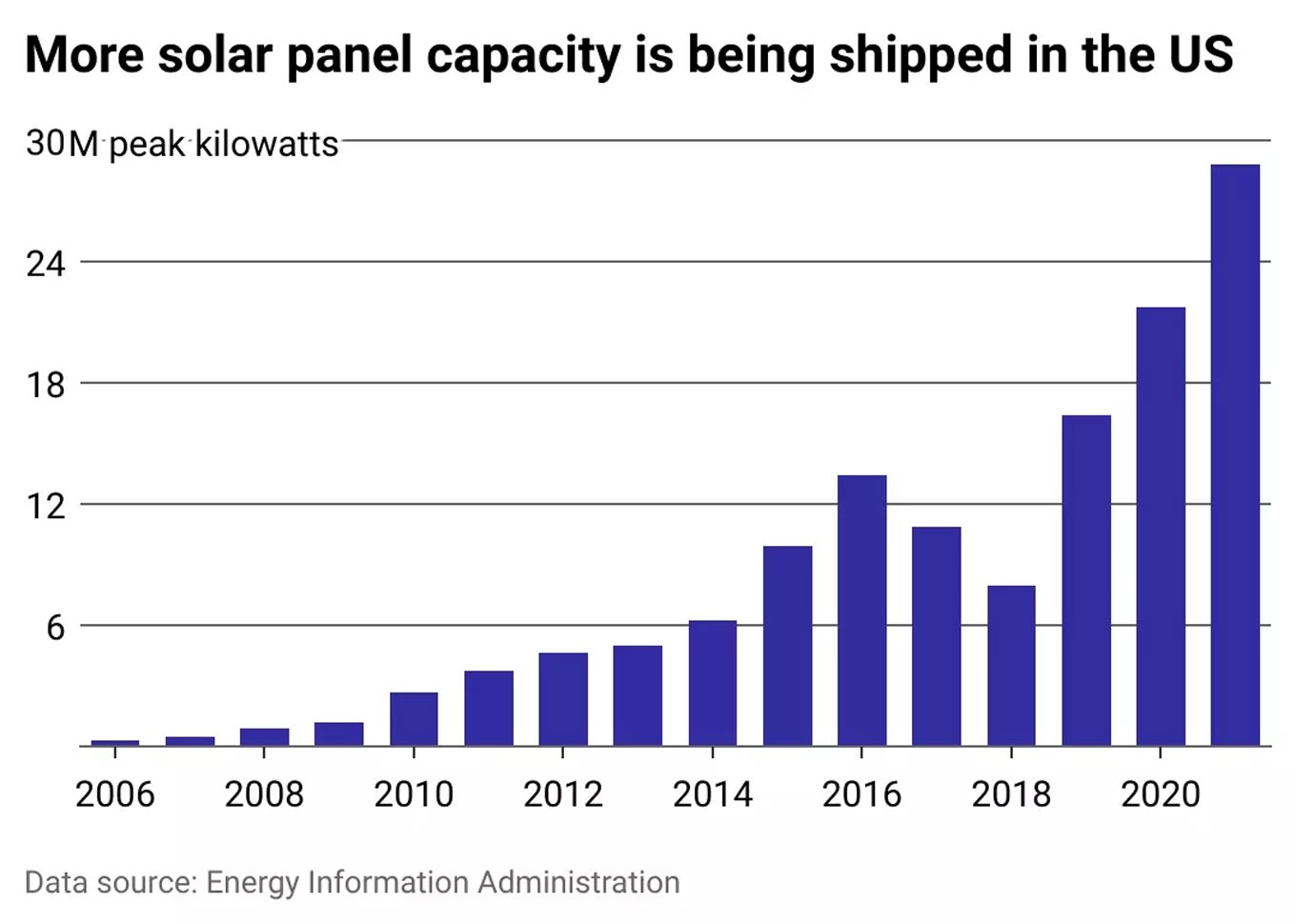
Solar panel shipments have grown significantly in the last 15 years
Solar panels shipped to the U.S., measured in electricity-generating capacity, rose to a record 28.8 million peak kilowatts in 2021, according to the EIA. This unprecedented high was achieved despite supply chain constraints and higher-than-usual material costs over the last several years.
About 80% of solar panels shipped in the U.S. were imported from Asia. California, Texas, Florida, Georgia, and Illinois accounted for roughly half of all received shipments in 2021. Utility-scale and residential solar installations have grown substantially year over year, up 25% and 34%, respectively.
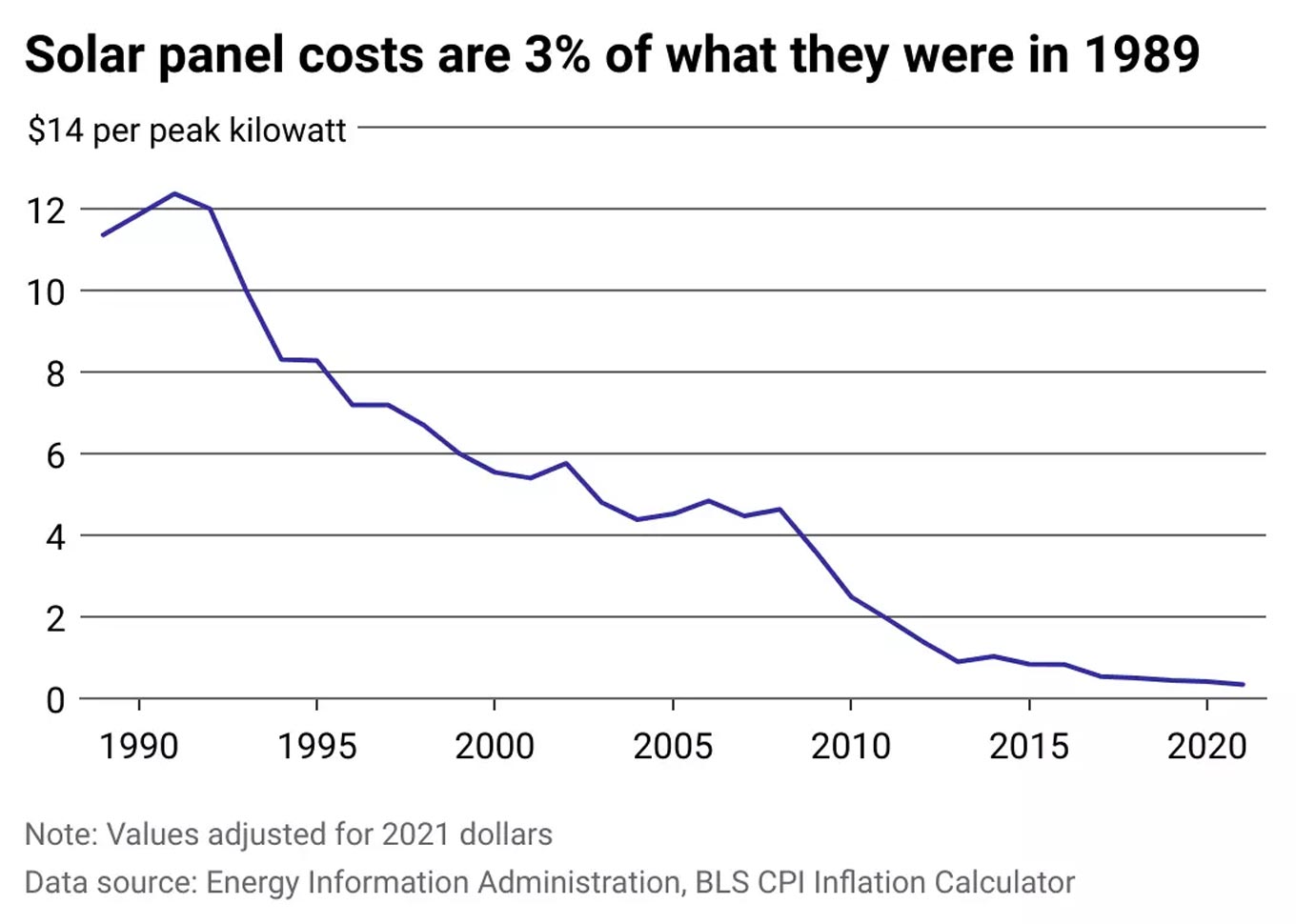
Lower prices have followed that growth
Today, solar panels are 94% cheaper than they were in 1989. As the production and energy-generating capacity of solar panels has improved over the last few decades, the cost has dropped significantly.
This is a quintessential example of economies of scale in manufacturing. Dating back even further to the mid-1970s, every time the global cumulative capacity of photovoltaic cells doubled, prices saw the same relative decline, according to cost and capacity data analyzed by Our World in Data.
Over the last several years, construction costs for renewable energy have increased in line with record-high demand and project delays, rising raw material costs, supply chain and shipping constraints, and increased solar construction contracts. This has made new solar construction more expensive than other forms of renewable energy at a utility scale, despite dramatic cost reductions.
Falling prices made solar a competitive electricity source with fossil fuels
The efficiency and affordability of solar, combined with the skyrocketing costs of fossil fuels, have made solar a competitive electricity source on a large and small scale.
Roughly 50 years ago, solar technology was so expensive that it could only be used on satellites. Over the next 20 years, costs fell dramatically. In 1976, solar panels cost $106 per watt and had a capacity of 0.3 megawatts — enough to provide electricity for only 20 people annually — which was highly impractical.
Today, they cost less than 50 cents per watt with a capacity of more than 100,000 megawatts. While solar energy has become more affordable, global events over the last several years have created huge volatility in the crude oil market, driving up the cost of energy derived from fossil fuels.
This story was originally published by Stacker and republished pursuant to a CC BY-NC 4.0 License.