With over one-third of Americans eager to abandon their vehicles and new car-free neighborhoods popping up to meet the demand — our partners at HVAC Gnome ranked the best cities for car-free living.
They compared the 200 biggest U.S. cities based on 4 categories: walkability, bikeability, transit ridership, and pedestrian safety — among 23 total metrics.
Take a stroll through their rankings and learn how they ranked these cities in their methodology below.
You might also like: How To Get Around Without a Car
2024’s best cities for car-free living —
| Overall Rank | City | Overall Score | Access Rank | Commute Culture Rank | Safety Rank | Climate Rank |
|---|---|---|---|---|---|---|
| 1 | San Francisco, CA | 57.67 | 1 | 2 | 193 | 10 |
| 2 | Boston, MA | 57.41 | 5 | 3 | 66 | 120 |
| 3 | New York, NY | 55.57 | 3 | 5 | 49 | 191 |
| 4 | Washington, DC | 55.10 | 2 | 1 | 171 | 106 |
| 5 | Honolulu, HI | 53.26 | 29 | 9 | 74 | 2 |
| 6 | Chicago, IL | 49.89 | 4 | 17 | 100 | 174 |
| 7 | Jersey City, NJ | 49.37 | 13 | 14 | 46 | 188 |
| 8 | Seattle, WA | 48.75 | 8 | 7 | 189 | 73 |
| 9 | Richmond, VA | 48.71 | 9 | 26 | 52 | 95 |
| 10 | Pittsburgh, PA | 48.63 | 17 | 16 | 54 | 181 |
| 11 | Oakland, CA | 48.63 | 16 | 20 | 159 | 10 |
| 12 | Fort Collins, CO | 48.15 | 31 | 11 | 76 | 55 |
| 13 | Minneapolis, MN | 48.14 | 12 | 12 | 143 | 101 |
| 14 | Alexandria, VA | 47.96 | 6 | 47 | 58 | 106 |
| 15 | Madison, WI | 47.64 | 50 | 6 | 75 | 117 |
| 16 | Philadelphia, PA | 47.46 | 18 | 8 | 120 | 153 |
| 17 | Portland, OR | 46.77 | 10 | 199 | 48 | 5 |
| 18 | Providence, RI | 45.72 | 25 | 22 | 56 | 152 |
| 19 | Worcester, MA | 45.04 | 24 | 38 | 28 | 168 |
| 20 | Sunnyvale, CA | 45.00 | 32 | 52 | 95 | 10 |
Top 5 Cities for Car-Free Living —
1: San Francisco
Overall Score: 57.67
Walk Score: 89 (Rank: 1)
Transit Score: 77 (Rank: 2)
Bike Rental Facilities per 100,000 Residents: 5.27 (Rank: 3)
Share of Residents Who Ride Public Transit to Work: 27.8% (Rank: 4)
Share of Residents Who Walk to Work: 11% (Rank: 3)
Fun Fact: JFK Promenade is a car-free route running through the iconic Golden Gate Park.
2: Boston
Overall Score: 57.41
Walk Score: 83 (Rank: 4)
Transit Score: 72 (Rank: 3)
Share of Residents Who Ride Public Transit to Work: 28% (Rank: 3)
Share of Residents Who Walk to Work: 14.4% (Rank: 1)
Share of Residents Who Bike to Work: 2%(Rank: 13)
Fun Fact: Boston claims to be "the birthplace of public transit in America" and is home to the first subway tunnel in North America.
3: New York
Overall Score: 55.57
Walk Score: 88 (Rank: 2)
Transit Score: 89 (Rank: 1)
Number of Scooter Rentals: 2 (Rank: 4)
Share of Residents Who Ride Public Transit to Work: 49.7% (Rank: 1)
Pedestrian Fatalities per 100,000 Residents: 1.36 (Rank: 49)
Fun Fact: New York has been bringing music underground — literally, to its subway — since 1987 with the MTA MUSIC program. Hundreds of artists audition annually to entertain riders across 40 locations in NYC's transit system.
4: Washington D.C.
Overall Score: 55.10
Bike Score: 70 (Rank: 13)
Walk Score: 77 (Rank: 5)
Transit Score: 69 (Rank: 5)
Number of Scooter Rentals: 4 (Rank: 1)
Share of Residents Who Walk to Work: 11.3% (Rank: 2)
Fun Fact: Beach Drive at Rock Creek Park was made fully car-free in 2022.
5: Honolulu
Overall Score: 53.26
Walk Score: 66 (Rank: 26)
Transit Score: 56 (Rank: 12)
Bike Rental Facilities per 100,000 Residents: 4.05 (Rank: 9)
Share of Residents Who Walk to Work: 8.2% (Rank: 10)
Share of Residents Who Carpool to Work: 13.1% (Rank: 9)
Fun Fact: Honolulu opened its first metro rail system in the summer of 2023, making it the first new rapid transit system to open in the U.S. in nearly 20 years.

Public transit, dedicated bike lanes are key in car-free cities, no matter the size —
Dense, walkable cities like San Francisco (No. 1), Boston (No. 2), and New York (No. 3) walked, bused, and biked to the top of our ranking, with impressive public transit and substantial communities living car-free.
- Richmond, Virginia (No. 9), stands out as the only city in the top 10 without a light rail or street trolley system. River City rolled to the top due to its big biking culture and acclaimed rapid bus transit system.
- Many top-ranking cities, such as San Francisco (No. 1), Washington (No. 4), and Seattle (No. 8), also faced some of the highest rates of bike thefts. Residents of Portland, Oregon (No. 17), dealt with the most bike thefts — nearly 296 per 100,000 residents.
- In 2019, the Kansas City Metro pioneered the zero-fare bus movement. Nine cities in this ranking — such as Richmond, Virginia (No. 9), Worcester, Massachusetts (No. 19), and Tucson, Arizona (No. 25) — were fare-free at the time of writing.
- Sprawling Southern cities, such as Jackson, Mississippi (No. 198), and Memphis, Tennessee (No. 199), swerved to the bottom of our ranking, alongside Mobile, Alabama, in last place. Carless residents aren't so mobile in these cities, which lack the infrastructure to keep pedestrians and cyclists safe.
- Memphis disappoints with the 3rd-highest rate of pedestrian fatalities behind Macon, Georgia (No. 192), and Fort Lauderdale, Florida (No. 150). Thankfully, local organizations in Memphis are making efforts to curb traffic violence with streetscaping projects.
- 3 Texas suburbs — McKinney (No. 117), Grand Prairie (No. 158), and Pasadena (No. 182) — lack a public bus service, leaving residents disconnected from the greater Dallas-Fort Worth and Houston metros. Having no bus transit access can be particularly challenging for low-income families living in McKinney's food desert.

Behind the Ranking —
First, we determined the factors (metrics) that are most relevant to rank the best cities for car-free living, and then assigned a weight to each factor based on its importance and grouped those factors into four categories:
- Access
- Commute Culture
- Safety
- Climate
For each of the 200 biggest U.S. cities, we then gathered data on each factor from the sources listed below the table here.
Finally, we calculated scores (out of 100 points) for each city to determine its rank in each factor, each category, and overall. A city's Overall Score is the average of its scores across all factors and categories. The highest Overall Score ranked "Best" (No. 1) and the lowest "Worst" (No. 200). Note: The "Worst" among individual factors may not be No. 200 due to ties.
Final Thoughts —
No one likes sitting in traffic — especially with today's gas prices.
Gas aside, owning a vehicle can be a big burden on your bank account. Car ownership costs increased by over 13% between 2022 and 2023, after increasing by 11% the year before.
Researchers have found that public transportation is both cheaper and safer. Some cities are experimenting with bold "open streets" concepts, designating temporary or permanent car-free spaces to improve pedestrian and cyclist safety.
Choosing public transportation over taking your personal vehicle is a better option for the environment, too, reducing emissions by 45%. Cities participating in car-free days saw significant improvements in air quality, with carbon dioxide levels reduced by as much as 60% on the event days.
This story was originally published by Stacker and republished pursuant to a CC BY-NC 4.0 License.
LGBTQ+ people across the U.S. today are coming out at much younger ages compared to prior generations.
Even among Gen Zers, the age is trending downward. LGBTQ+ youth between the ages of 13 and 17 are coming out at 13 on average compared to those between 18 and 24 who said they came out at 16 on average, according to a 2022 survey from The Trevor Project, a nonprofit focused on suicide prevention among LGBTQ+ youth.
Of course, when you look at older generations, that number rises even more — older millennials and younger Gen Xers, on average, reported coming out to family at 22 years old while younger baby boomers said it was around 26 years old for them, based on a 2018 study from the Williams Institute at UCLA.
Publicly discussing gender identity and sexual orientation can be sensitive. Even though society is progressing when it comes to acceptance, there are still social and political factors that can make it hard or even dangerous for people to live their lives authentically — which is also true for celebrities.
To acknowledge those challenges and to celebrate being LGBTQ+ at any age, our partners at Stacker compiled a list of 20 celebrities who first came out publicly after turning 30, drawing from news accounts, biographies, and interviews with the stars themselves.
Of course, some stories on this list are pretty well-known — like that of Ellen DeGeneres or Elliot Page — while others may be less familiar.
Meet these celebrities who came out as LGBTQ+ later in life

Ian McKellen
British icon Sir Ian McKellen, known for his role in the "Lord of the Rings" series, came out as gay in 1988. He shared the news publicly at 48 during a protest against a controversial bill in the U.K. called Section 28 that would've banned local authorities from "promoting homosexuality."
"I certainly would [like to see it repealed]," the actor said at the time. "It's offensive to anyone who is — like myself — homosexual, apart from the whole business of what can and cannot be taught to children."
In 2000, McKellen wrote in The Independent, "The only good thing I can think to say about Section 28 is that it finally encouraged me to come out. A bit late in the day, but it remains the best thing I ever did." The bill was eventually fully repealed in 2003.

Jodie Foster
Jodie Foster started acting when she was a toddler, but it wasn't until she turned 50 that she confirmed a longstanding rumor about her sexuality. During her acceptance speech at the 2013 Golden Globe Awards, Foster said that her coming out was more for people who didn't know her and that those within her everyday life were aware of her sexuality.
"I already did my coming out about a thousand years ago, back in the stone age," she said. "But now, apparently, I'm told, that every celebrity is expected to honor the details of their private life with a press conference, a fragrance, and a primetime reality show. … If you had been a public figure by the time you were a toddler, if you had had to fight for a life that felt real, and honest, and normal against all odds, then you too might value privacy above all else."

Anderson Cooper
News anchor and TV host Anderson Cooper came out publicly as gay at the age of 45. In a 2012 statement to friend and blogger Andrew Sullivan, Cooper, whose sexuality had also long been speculated about, wrote, "It's become clear to me that by remaining silent on certain aspects of my personal life for so long, I have given some the mistaken impression that I am trying to hide something… The fact is, I'm gay, always have been, always will be, and I couldn't be any more happy, comfortable with myself, and proud."
Like Foster, Cooper noted that family, friends, and colleagues had known he was gay for a long time. In a 2021 CNN interview, he said he'd had trouble accepting and embracing his sexuality fully until after he attended college. Now, he says, "I think being gay is one of the blessings of my life. And it made me a better person."

Da Brat
In March 2020, rapper Da Brat came out just before her 46th birthday via Instagram, sharing an emotional post about her girlfriend, Jesseca "Judy" Dupart, and the birthday gift she received from her (a Bentley).
According to the artist, despite speculation about her sexuality over the years, she was comfortable keeping things private. However, because her partner is very active on social media, she felt she needed to "meet [her] in the middle," she told Variety in June 2020. (Dupart had also shared a sentimental message and video on Instagram of her gift for Da Brat the day before the rapper shared her post.) The couple eventually married in February 2022.
While it wasn't Da Brat's original plan to go public with her relationship, she told Variety that she feels a weight has been lifted, and she hopes to encourage others to live their truth. "It feels good to share with the world when you're happy," she said.

David Hyde Pierce
"Frasier" actor David Hyde Pierce came out publicly in 2007. For years, there was growing speculation about the actor's sexuality, which he addressed when accepting a Tony Award for his performance in the musical "Curtains" at the age of 48. At the end of his speech, Pierce thanked his partner Brian Hargrove, sharing that they'd been together for 24 years.
"I will readily admit that I probably should've been more vocally public sooner than I was," Pierce said when asked about coming out in an interview with Vulture in 2017. "Part of that was my upbringing. Part of it was the desire of an actor to not be pigeonholed."
In the small window in 2008 when it was possible, shortly before California banned same-sex marriage via Proposition 8, Pierce and Hargrove got married. After the proposition was passed, Pierce was vocal about his frustration surrounding the ruling, which was eventually repealed. "Can you imagine if you're married the people in your state getting together and saying, 'No, you're not'?" he said on "The View" in 2009. "It was a very angry-making decision."

Wanda Sykes
Comedian Wanda Sykes also came out in her 40s during a speech in 2008 at a rally in Las Vegas, protesting Proposition 8. It was something she hadn't planned on doing. "I kind of shocked myself," the comedian told Piers Morgan in 2011 looking back on coming out at 44. "I was in the middle of it, and it was from anger." During the rally, Sykes revealed she'd married her wife, Alex, a few weeks prior.
In 2013, Sykes shared with Oprah Winfrey that she'd repressed her sexuality into her adulthood before coming out to her parents at 40. In an essay for Winfrey's OprahMag.com, Sykes wrote: "My advice for anyone in the process of coming out?… Know that there's places and people who will love you — and you can and you will have an amazing life."

George Takei
Like Sykes, gay marriage laws moved "Star Trek" actor George Takei to come out in 2005. In an interview with Frontiers magazine, the then-68-year-old actor revealed he had been in a relationship with his partner, Brad Altman, for 18 years. Though Takei acknowledged their relationship was an open secret of sorts in Hollywood and in the Japanese American community, he said he came out in the hopes he "might be able to contribute to the gay community as [he has] to the Japanese American community and to the Civil Rights Movement."
At the time, he was more subtle about that choice, saying, "Because of the changing public and political climate I think we need to get the numbers." But 18 years later, in a 2023 interview with The Stage, Takei revealed that his decision was specifically spurred by then-California Gov. Arnold Schwarzenegger rejecting a bill to legalize gay marriage. "I was so angry that I spoke to the press for the first time as a gay man at the age of 68," he said.

Robin Roberts
After surviving breast cancer and a life-saving bone marrow transplant (which she needed as a result of myelodysplastic syndrome, a rare blood disorder), news anchor Robin Roberts revealed her sexuality subtly, but publicly, in a 2013 Facebook post at the age of 53.
"At this moment I am at peace and filled with joy and gratitude," the "Good Morning America" host wrote. "I am grateful for my entire family, my longtime girlfriend, Amber, and friends as we prepare to celebrate a glorious new year together."
A decade later, Roberts and Amber Laign got married. "I could not have imagined as a young girl growing up in Mississippi that I'd be sitting here with you in New York City, with my fiancée who is a woman, and freely, openly and passionately talking about it," Roberts told The New York Times just before their September 2023 wedding.

Clive Davis
Grammy-winning producer and music mogul Clive Davis was 80 when he came out as bisexual in his 2013 autobiography "The Soundtrack of My Life." After being married to two women and having four children between 1956 and 1985, Davis wrote that he entered into a monogamous relationship with a man from 1990 to 2004. He also said he'd been in subsequent relationships with men since.
While promoting the book, Katie Couric asked Davis why it took him so long to come out. He clarified that he didn't hide his relationships with men from his children or close friends, but was nervous to come out as bisexual due to the "pervasive attitude" that, "You're either gay, you're straight, or you're lying." Davis added that he hoped coming out publicly would lead to a better understanding of bisexuality in general. "You don't have to be only one thing or another," he told Couric. "For me, it's the person."

Rebel Wilson
Australian actor and comedian Rebel Wilson came out publicly at the age of 42, but it wasn't exactly her choice. In 2022, she posted a photo on Instagram with her now-fiancée Ramona Agruma with a caption that read, "I thought I was searching for a Disney Prince… but maybe what I really needed all this time was a Disney Princess." Unfortunately, it came to light that Wilson was forced to speak about their relationship after an Australian publication reached out to her about it and she feared being outed.
In a 2023 interview with People magazine, Wilson further defined her sexuality a bit. "I think sexuality is so complex and nuanced than just saying straight or gay. I like the word fluid," she said. "I still don't know 100 percent what category I would fit in. I'm just in a great same-sex relationship now, and it's awesome."

Neil Patrick Harris
It was in 1986 that teen actor Neil Patrick Harris first realized he was attracted to men in a "tingly kind of way," he wrote in his 2014 autobiography. A few years later, while filming the TV series "B.L. Stryker," actor Burt Reynolds jokingly kissed the young Harris, and then, he joked, it was sealed.
But it took until 2006 for Harris — who was dating his now-husband David Burtka — to officially come out at the age of 33 in a statement to People magazine. "I am happy to dispel any rumors or misconceptions and am quite proud to say that I am a very content gay man living my life to the fullest," the "How I Met Your Mother" star said.

Mo'Nique
Comedian and actor Mo'Nique revealed her sexuality in her 2023 Netflix special, titled "My Name is Mo'Nique." At 55, Mo'Nique shared the fear and shame she felt from her family about queerness, but how she ultimately came out to her husband, Sidney. During the special, she recounted the details of the conversation, telling him that she wanted to be "with another woman, sexually." Describing her husband's reaction, the comedian joked, "And he looked at me, so beautifully and so patient and so loving, and said, 'B----, me too!'"
When asked what inspired her to come out in the special, Mo'Nique told Vulture that her goal was to feel liberated and to inspire others to do the same. "It's just time," she said. "It is time for us to live in freedom. So many of us are still enslaved. So many of us are still fearful. So many of us are still embarrassed. So many of us are still ashamed. Once you get to a place of freedom, you truly start living."

Ricky Martin
There were decades of speculation surrounding Latin pop star Ricky Martin's sexuality, including an infamous interview with Barbara Walters in 2000. A decade later, at the age of 38, Martin shared that he was a proud gay man on his website. "I am proud to say that I am a fortunate homosexual man," he wrote in March 2010. "I am very blessed to be who I am."
Martin shared that he kept his sexual orientation a secret for fear that his career would suffer, but as he started to write about his life in his memoir, which was published that year, he decided it was time for him to be honest. "From the moment I wrote the first phrase I was sure the book was the tool that was going to help me free myself from things I was carrying within me for a long time. Things that were too heavy for me to keep inside," he explained. "Writing this account of my life, I got very close to my truth. And this is something worth celebrating."

Cynthia Nixon
"Sex and the City" star Cynthia Nixon began dating education activist Christine Marinoni in 2004 when she was 38. Rumors quickly spread about the couple after her split from her longtime partner Danny Mozes, and it didn't take long for Nixon to confirm them.
While she now identifies as queer, in 2012, Nixon shared with The Advocate that she identified as bisexual when clarifying a statement she gave to The New York Times magazine that "homosexuality can be a choice," subsequently stirring up backlash. "I believe bisexuality is not a choice, it is a fact," she later told The Advocate. Also in 2012, Nixon and Marinoni got married and eventually had one child together.
When "Sex and the City" was revived for the 2021 HBO series "And Just Like That…," Nixon's character, Miranda Hobbes, long suspected to be a lesbian, also came out as queer.

Elliot Page
"Umbrella Academy" actor Elliot Page came out as a lesbian in 2014, but later shared with the world that he was transgender in 2020.
Then-33-year-old Page posted a letter on X, then called Twitter, reintroducing himself with his name and pronouns (he/they). "I feel lucky to be writing this. To be here. To have arrived at this place in my life," he wrote in part. "I love that I am trans. And I love that I am queer. And the more I hold myself close and fully embrace who I am, the more I dream, the more my heart grows, and the more I thrive."
A year later, Page became the first trans man to be featured on the cover of Time magazine.

Rosie O'Donnell
Rosie O'Donnell played a lesbian mom on the show "Will & Grace" in 2002, and she shared her own sexuality shortly thereafter.
The comedian and actor had initially planned to come out in a 1992 Cosmopolitan article, but the magazine's editor-in-chief removed her declaration from the piece. "She was protecting me because at that time it would've been a huge issue," O'Donnell later said in 2014.
It took 10 more years after the first attempt for O'Donnell to publicly confirm that she's a lesbian in 2002, as part of her act at Caroline's Comedy Club in New York. The news didn't cause a stir, which O'Donnell attributes to coming out in the wake of 9/11, which gave Americans a new perspective. Frankly, she said on "Red Table Talk" in 2020, "I was surprised that people thought I was not gay."

Joel Grey
Broadway star Joel Grey was 82 when he came out publicly in 2015. The actor said that those close to him knew about his sexuality, but he decided to be open with the public in the mid-2010s in an interview with People magazine. "I don't like labels, but if you have to put a label on it, I'm a gay man," he said.
Grey further discussed his personal life, including his sexuality, in his memoir that came out in 2016, and continues to embrace it now in his 90s. In a 2018 interview with The Daily Beast, Grey said he doesn't regret coming out when he did ("I never have those thoughts: coulda, shoulda, woulda.") and is loving single life ("I have great friends and a great life. I'm not waiting for anything.").

Jena Malone
"Hunger Games" actor Jena Malone came out in August 2022 through Instagram. At 37, she shared with her fans that she identifies as pansexual (attraction to people regardless of their gender), sapiosexual (attraction to highly intelligent people), and polyamorous (having multiple romantic relationships at the same). "My sexual identity has more to teach and to tell me. Finding words that feel more right to explore in my telling. … A fuller spectrum of understanding that my story is demanding of me," she wrote in a since-deleted post.
Around the same time, Malone told The Hollywood Reporter that she'd been working on overcoming some shame surrounding her sexuality. "I've been loving the process of learning more about myself and others through different terms that open windows," she said. "Those windows then turn into doors and then I arrive at a place to find all this cool stuff out there."

Richard Chamberlain
Richard Chamberlain was a movie heartthrob in the '70s and '80s. Unfortunately, not long after the height of his fame, he was outed by French magazine Nous Deux in 1989, but the actor did not confirm the publication's story.
It wasn't until 2003, at the age of 68, that he decided to share the truth with his fans in his autobiography, "Shattered Love." Chamberlain said he was concerned about the industry and the public's reaction and the potential effect it could have on his career.
That fear continued even after coming out publicly, with Chamberlain advising other actors to stay in the closet in 2010. "There's still a tremendous amount of homophobia in our culture. It's regrettable, it's stupid, it's heartless, and it's immoral, but there it is," he told The Advocate at the time. "For an actor to be working is a kind of miracle, because most actors aren't, so it's just silly for a working actor to say, 'Oh, I don't care if anybody knows I'm gay' — especially if you're a leading man. Personally, I wouldn't advise a gay leading man-type actor to come out."

Ellen DeGeneres
Of course, no list of celebrities who came out later in life would be complete without the inclusion of Ellen DeGeneres. At 39, DeGeneres came out and so did the character she played on her TV sitcom "Ellen." The week before the fictional Ellen Morgan came out, DeGeneres was featured on the cover of Time magazine next to the words, "Yep, I'm gay."
"I never wanted to be 'the lesbian actress,'" she told the magazine of why she didn't come out sooner. "I never wanted to be the spokesperson for the gay community. Ever. I did it for my own truth."
In the interview, DeGeneres said getting in front of the story made her less "fearful about something damaging [her] career if it gets out." But initially, the opposite proved to be true. Sponsors pulled ads from "Ellen" and the show was canceled the following season. It took a few years for DeGeneres to regain her footing. Her successful titular talk show launched in 2003 and ran until 2022, when she ended it amid reports of behind-the-scenes toxicity.
Banner Image: Portraits of George Takei, Rebel Wilson, and Wanda Sykes. (Tommaso Boddi/WireImage/Getty Images; Mike Marsland/WireImage/Getty Images; ANGELA WEISS/AFP via Getty Images)
This story was originally published by Stacker and republished pursuant to a CC BY-NC 4.0 License.
A smile — often considered the universal language of kindness — has the power to brighten days and bridge gaps.
It’s a simple gesture that can have profound effects on both the giver and the receiver.
Smiling is not just an expression of happiness; it’s also a catalyst for it, capable of transforming our mood and perspective — and often, that of those around us.
Throughout history, poets, philosophers, comedians, and numerous influential figures have mused about the significance and impact of a smile.
In this collection, we’ve curated quotes that celebrate the power of a smile.
Whether you’re looking for a reminder of the good a smile can do, seeking inspiration to spread a little happiness, or simply in need of a reason to smile, these quotes are sure to uplift and inspire.
Let these words remind you of the magic that can be found in a smile, and encourage you to share yours with the world:
The Best Smile Quotes
Famous Smile Quotes
“Count your age by friends, not years. Count your life by smiles, not tears.”
— John Lennon
“I always just thought if you see somebody without a smile, give ’em yours!”
— Dolly Parton
“Life is a mirror: If you frown at it, it frowns back; if you smile, it returns the greeting.”
— William Makepeace Thackeray
“Life is like a mirror. Smile at it and it smiles back at you.”
— Peace Pilgrim
“A simple smile. That’s the start of opening your heart and being compassionate to others.”
— The Dalai Lama
“Keep smiling, because life is a beautiful thing and there’s so much to smile about.”
— Marilyn Monroe
“I love those who can smile in trouble.”
— Leonardo da Vinci
“Just smiling at someone walking down the street can make the person’s day. It’s all about paying it forward.”
— Mariska Hargitay
“Remember to smile.”
— Nelson Mandela
“Peace begins with a smile.”
— Mother Teresa
“Everyone smiles in the same language.”
— George Carlin
“If you have only one smile in you, give it to the people you love.”
— Maya Angelou
“A smile is the universal welcome.”
— Max Eastman
“A smile cures the wounding of a frown.”
— William Shakespeare
“Smile in the mirror. Do that every morning and you’ll start to see a big difference in your life.”
— Yoko Ono
“Don’t cry because it’s over, smile because it happened.”
— Dr. Seuss
Love Quotes
“Whenever I see your smiling face, I have to smile myself, because I love you.”
— James Taylor, Your Smiling Face
“My mom smiled at me. Her smile kind of hugged me.”
— R.J. Palacio, Wonder
“But, my God, it’s so beautiful when the boy smiles”
— Anna Nalick, Breathe (2 AM)
“It was only a sunny smile, and little it cost in the giving, but like morning light it scattered the night and made the day worth living.”
— F. Scott Fitzgerald
“And then he gives me a smile that just seems so genuinely sweet with just the right touch of shyness that unexpected warmth rushes through me.”
— Suzanne Collins, The Hunger Games
“Be the reason someone smiles. Be the reason someone feels loved and believes in the goodness in people.”
— Roy T. Bennett, The Light in the Heart
Beautiful Smile Quotes
“Smiling is definitely one of the best beauty remedies. If you have a good sense of humor and a good approach to life, that’s beautiful.”
— Rashida Jones
“Nothing you wear is more important than your smile.”
— Connie Stevens
“It seems to me that what we call beauty in a face lies in the smile.”
— Leo Tolstoy
“Nothing is more beautiful than a smile that has struggled through tears.”
— Demi Lovato
“I wondered if my smile was as big as hers. Maybe as big. But not as beautiful.”
— Benjamin Alire Sáenz, Aristotle and Dante Discover the Secrets of the Universe
“You smiled then, and your whole face changed with it. It kind of lit up, like there were sunbeams coming from inside you.”
— Lucy Christopher
“The smile that is worth the praises of earth is the smile that shines through tears.”
— Ella Wheeler Wilcox
“Smile is the beauty of the soul.”
— Lailah Gifty Akita
Happiness Quotes
“Ah, what happiness it is to be with people who are all happy, to press hands, press cheeks, smile into eyes.”
— Katherine Mansfield
“Happiness is a journey, not a destination.”
— Buddha
“Smile, what’s the use of crying? You’ll find that life is still worthwhile, if you just smile.”
— Nat King Cole, Smile
“Lighten up, just enjoy life, smile more, laugh more, and don’t get so worked up about things.”
— Kenneth Branagh
“No matter where life takes me, you’ll find me with a smile. Presumed to be happy, always laughing like a child. I never thought life could be this sweet! It’s got me cheesing from cheek to cheek!”
— Mac Miller, Best Day Ever
“Someday, everything will make perfect sense. So for now, laugh at the confusion, smile through the tears, be strong and keep reminding yourself that everything happens for a reason.”
— John Mayer
“Sometimes your joy is the source of your smile, but sometimes your smile can be the source of your joy.”
— Thich Nhat Hanh
Funny Smile Quotes
“Smile well and often, it makes people wonder what you’ve been up to.”
— Satchel Paige
“You can only hold a smile for so long, after that it’s just teeth.”
— Chuck Palahniuk, Invisible Monsters
“A smile is a facelift that’s in everyone’s price range!”
— Tom Wilson
“People who keep stiff upper lips find that it’s damn hard to smile.”
— Judith Guest, Ordinary People
“Hide your craziness behind a beautiful smile. That’s all you need.”
— Paulo Coelho
“Smile. Have you ever noticed how easily puppies make human friends? Yet all they do is wag their tails and fall over.”
— Walter Inglis Anderson
“Laughter and tears are both responses to frustration and exhaustion. I myself prefer to laugh, since there is less cleaning up to do afterward.”
— Kurt Vonnegut
“Smiling is confusing, she thought. This is why I don’t do it.”
— Rainbow Rowell, Fangirl
“A smile is the best way to get away with trouble even if it’s a fake one.”
— Masashi Kishimoto, Naruto, Vol. 1: Uzumaki Naruto
“If you haven’t seen your wife smile at a traffic cop, you haven’t seen her smile her prettiest.”
— Kin Hubbard
“Keep smiling — it takes 10 years off!”
— Jane Birkin
Short Smile Quotes
“You’ll find that life is still worthwhile, if you just smile.”
— Charlie Chaplin
“When you smile at a stranger, there is already a minute outflow of energy. You become a giver.”
— Eckhart Tolle
“You can’t deny laughter; when it comes, it plops down in your favorite chair and stays as long as it wants.”
— Stephen King
“Wrinkles will only go where the smiles have been.”
— Jimmy Buffett
“People seldom notice old clothes if you wear a big smile.”
— Milton A. Lee
“Never regret anything that made you smile.”
— Mark Twain
“Keep walking and keep smiling.”
— Tiny Tim
“The most wasted of all days is one without laughter.”
— E. E. Cummings
“The shortest distance between two people is a smile.”
— Victor Borge
“The living should smile, for the dead cannot.”
— George R.R. Martin
“A smile is a curve that sets everything straight.”
— Phyllis Diller
“Anyone who has a continuous smile on his face conceals a toughness that is almost frightening.”
— Greta Garbo
“You shouldn’t never regret something that made you smile.”
— Bei Maejor
“The robbed that smiles, steals something from the thief.”
— William Shakespeare
More Smile Quotes
“Few things in the world are more powerful than a positive push. A smile. A world of optimism and hope. A ‘you can do it’ when things are tough.”
— Richard M. Devos
“I think everything in life is art. What you do. How you dress. The way you love someone, and how you talk. Your smile and your personality. What you believe in, and all your dreams. The way you drink your tea. How you decorate your home. Or party. Your grocery list. The food you make. How your writing looks. And the way you feel. Life is art.”
— Helena Bonham Carter
“What sunshine is to flowers, smiles are to humanity. These are but trifles, to be sure; but scattered along life’s pathway, the good they do is inconceivable.”
— Joseph Addison
“The struggles we endure today will be the ‘good old days’ we laugh about tomorrow.”
— Aaron Lauritsen, 100 Days Drive: The Great North American Road Trip
“To be a smile on the face of a woman
And shine in her memory
As a moment saved without planning.”
— Dejan Stojanovic
“Let my soul smile through my heart and my heart smile through my eyes, that I may scatter rich smiles in sad hearts.”
— Paramahansa Yogananda
“Live life to the fullest. You have to color outside the lines once in a while if you want to make your life a masterpiece. Laugh some every day. Keep growing, keep dreaming, keep following your heart. The important thing is not to stop questioning.”
— Albert Einstein
“A warm smile is the universal language of kindness.”
— William Arthur Ward
“What sunshine is to flowers, smiles are to humanity. These are but trifles, to be sure; but scattered along life’s pathway, the good they do is inconceivable.”
— Joseph Addison
“Too often we underestimate the power of a touch, a smile, a kind word, a listening ear, an honest compliment, or the smallest act of caring, all of which have the potential to turn a life around.”
— Leo F. Buscaglia
“I’ve had to learn to fight all my life — got to learn to keep smiling. If you smile, things will work out.”
— Serena Williams
“A kind heart is a fountain of gladness, making everything in its vicinity freshen into smiles.”
— Washington Irving
“But you’re so busy changing the world
Just one smile can change all of mine”
— Jack Johnson
“Anyone can smile on their best day. I like to meet a man who can smile on his worst.”
— Lauren Graham, Someday, Someday, Maybe
“I smiled back and I thought how incredible that was, that they would find the time to smile. There was goodness in the world still, even if you couldn’t always see it.”
— Jenny Valentine, Broken Soup
“I like it when my mother smiles. And I especially like it when I make her smile.”
— Adriana Trigiani, Viola in Reel Life
“Be nice to everyone, always smile and appreciate things, because it could all be gone tomorrow.”
— Ed Sheeran
The invention and accessibility of 3D printing has been an amazing help to humanity.
Whether printers are using their machines to extend the lifespan of damaged goods, personalize toys for children with disabilities, or even build schools and bridges, the power of 3D printing is a great example of using creativity for good.
But there is still a fundamental problem when it comes to multi-color 3D printing: printer poop.
For the 3D printing novices, “printer poop” is the plastic waste that is purged from a 3D printer’s nozzle when changing filaments.
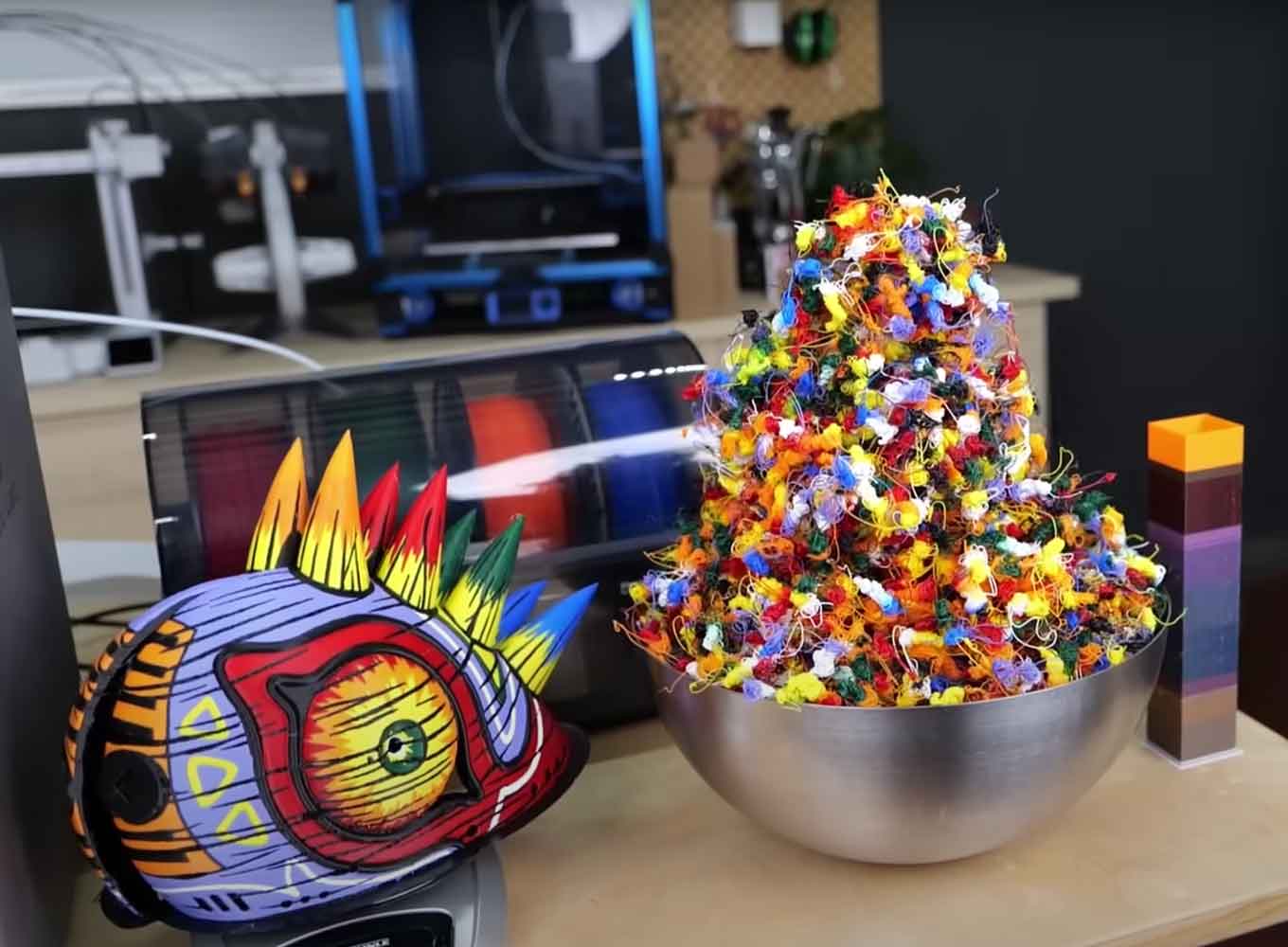
When folks create multi-colored designs, these “purge poops” come out of the printer in technicolor clumps and strands (try not to think too much about it), which usually cannot be reused or recycled.
So, Stefan Hermann of CNC Kitchen, an educational 3D printing channel on YouTube, decided to try his hand at eliminating his printer poop through new recycling methods.
What spurred Hermann’s experimentation was his experience generating over a kilogram (that’s more than two pounds) of printer poop after creating a 500-gram multi-colored print. That’s a lot of 3D doo-doo.
“Instead of throwing them in the trash, I wanted to use some of my collected filament poop and make new filament from it,” he says in a YouTube video.
In order to recycle his 3D printer poop, he used his filament extruder, which turns plastic pellets and other raw materials into filament. However, the texture of printer poop doesn’t exactly lend itself to the normal extruding process, so he had to shred his waste material instead.
Another key element is ensuring that the printer poop is not cross-contaminated with other plastics or water.
“Cleanliness is of utmost importance,” Hermann explained. “Anything that’s in the shredded material will later land in our filament.”
This is important because various plastics have different melting points, meaning a mis-match of plastic materials could render the new materials useless — or damage and clog 3D printer nozzles.
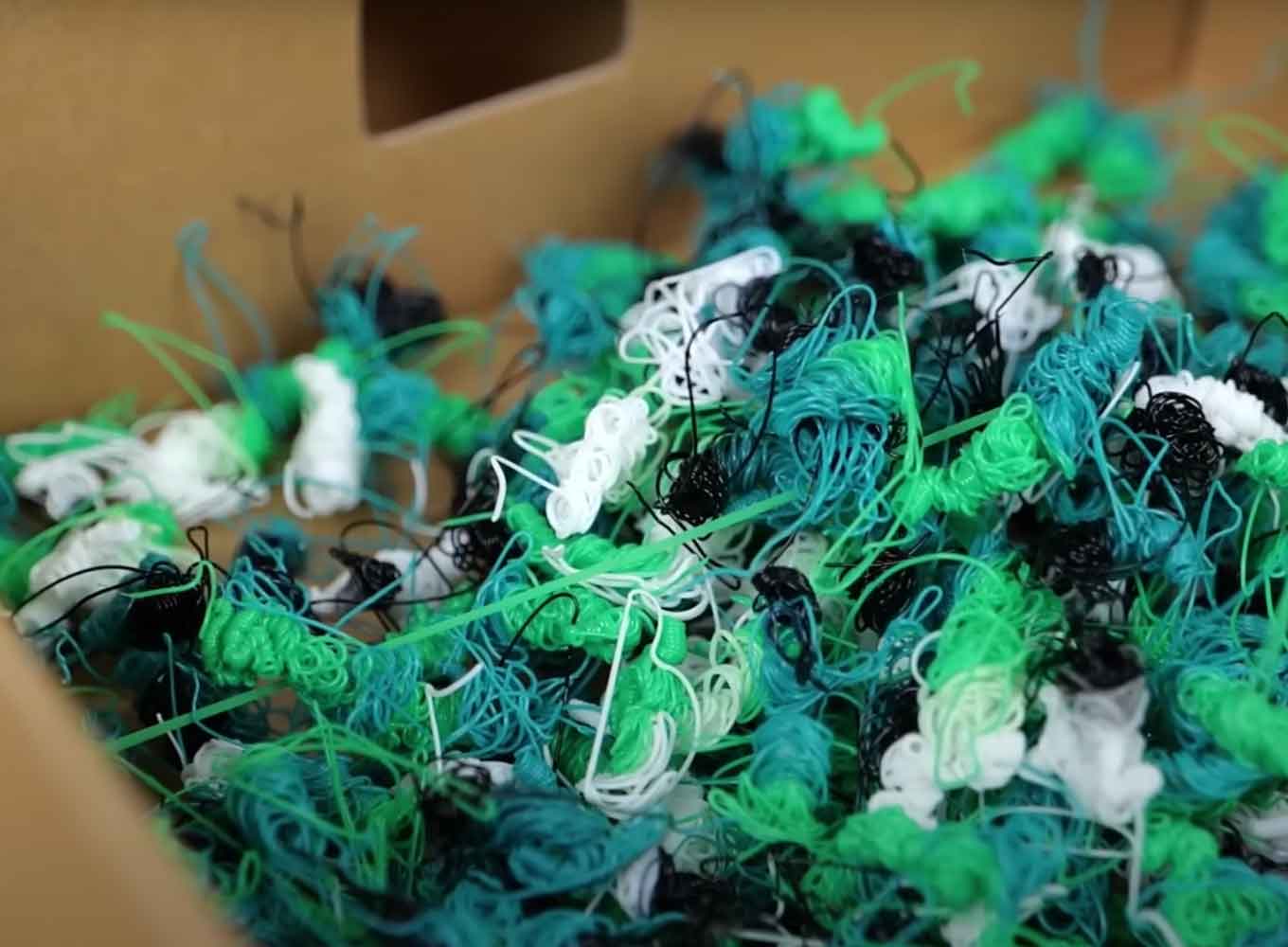
Water and moisture, on the other hand, can make the filament inconsistent, which results in jammed printers.
Ultimately, Hermann found that the best source of printer poop for recycling was the waste that was freshly purged from a print run.
And, as with any mix of all kinds of colors, the results weren’t exactly … vibrant.
“Unfortunately, we probably can’t expect a rainbow-color filament coming out of the extruder, but rather a mix of all colors that we’ve shredded,” Hermann reminded viewers.
“And what do we get when we mix all of these colors? Yes, exactly: poop brown. Which is kind of on-theme if we remember that this used to be printer poop.”
After running the waste material through the extruder a couple of times and making adjustments, Hermann was able to create a decent, usable filament from recycled printer poop. And it even turned out as more of a green color than brown.
“I had no hiccups at all and ended with a very nice and clean print. I could see tiny variances in the extrusion rate, but other than that, it seemed to be a well usable material made from 100% 3D printing waste,” Hermann exclaimed. “Remarkable!”
Hermann used a number of commercial-grade supplies to test out these solutions, which may not be in the price range for at-home 3D printers.
However, his proof of concept shows great promise in recycling printer poop and eradicating huge amounts of plastic waste from the 3D printing world.
Header image courtesy of Stefan Hermann/CNC Kitchen
On Saturday, November 11th, all U.S. national parks — including Yellowstone, Zion, Yosemite, and 400 more! — will offer free admission to everyone.
At the start of 2023, the National Park Service introduced “fee-free dates” where all national park sites waive entrance fees to the public on select holidays. This Saturday — Veteran’s Day — marks the last fee-free date of the year.
While some park sites are free to visit annually, admission in over 100 popular spots like Yellowstone National Park can cost as much as $35 per vehicle.
Those national park admission fees go towards habitat preservation, park expansion, and recreational opportunities for visitors.
According to the NPS, 80% of fees go directly to the park where it was collected and the remaining 20% are dispersed to parks that are free to visit year-round.
When announcing the launch of fee-free dates last December, NPS Director Chuck Sams said that the campaign will make parks more accessible to people across the U.S.
“National parks are really amazing places and we want everyone to experience them,” said Sams. “The entrance fee-free days encourage people to discover the beauty, history and inspiration awaiting them in more than 400 national parks throughout the country.”
This isn’t the first time that the NPS has offered free admission to the public.
Thanks to bipartisan Public Lands legislation passed in 2019, parents can also take advantage of the Every Kid Outdoors Act, which allows fourth-graders to get free entry into national parks from September 1 through August 31, corresponding with the standard school year.
Even better? That free entry extends to everyone traveling with that child in the same vehicle, so family and friends can also get in for free.
In addition to military veterans, current U.S. military members and their dependents, Reserve, and National Guard members can get a free America the Beautiful - National Parks & Federal Recreational Lands Military Pass.
The National Park Service also offers a free lifetime Access Pass to any U.S. citizen or permanent resident who “has been medically determined to have a permanent disability… that severely limits one or more major life activities.”
While the passes themselves are free, there is a shipping and processing cost to get a pass online or through the mail. To learn how to qualify for and access the National Parks & Federal Recreational Lands Access Pass, you can visit the National Park Service Accessibility page.
To the general public, a variety of discounted annual memberships and passes are available for National parks across the country.
In 2024, fee-free National park days are projected to remain the same. The first free day of the year is expected to be Martin Luther King, Jr. Day on Monday, January 15, 2024.
Header image courtesy of NPS/Jacob W. Frank (PDM 1.0)
Rustling leaves in luscious green trees. Well-maintained hiking trails that lead to astonishing views. Clear, untamed water rushing down a waterfall. Everyone deserves access to the beautiful experiences of nature and outdoor activity.
Inequity in outdoor spaces reaches nearly every marginalized community, from predominantly Black neighborhoods designed without green spaces, to the destruction of Indigenous lands and sacred waterways.
Another community deeply impacted by inaccessibility to nature is people with disabilities. Between a lack of structural and logistical accessibility (like ramps, inclusive outdoor gear, and more), as well as increasingly extreme weather events, it has never been more important to create a new outdoor reality for disabled individuals.
The Christopher & Dana Reeve Foundation — a nonprofit that works to cure spinal cord injury and improve the quality of life for individuals and families impacted by paralysis — is taking a multi-pronged approach to equitable access to the outdoors.
“Everyone of all abilities deserves to experience the great outdoors, as it is essential to our mental and physical well-being,” Mark Bogosian, the director of engagement of the Reeve Foundation’s National Paralysis Resource Center, told Good Good Good.
“However, the outdoors and accessibility oftentimes come into conflict, making it difficult for people living with paralysis and other disabilities to reap its benefits.”
The Accessible Outdoor Checklist
The first approach to bridging this gap is the Foundation’s Accessible Outdoor Checklist. As part of its Outdoors for Everyone initiative, this checklist is a straightforward resource aimed to encourage parks, trails, and organizations across the U.S. to create inclusive and adaptable outdoor experiences.
The checklist “outlines opportunities for parks to go beyond just ADA-compliance and create an on-the-trail experience where everyone feels safe and included,” Bogosian said.
Although Bogosian said there is “no one-size-fits-all solution to making the great outdoors accessible,” the checklist includes key guidelines about what parks and recreation centers should consider so that all disabled visitors can have a “seamless and safe” experience.
The checklist helps outdoor spaces learn how to:
- Provide proper assistance upon arrival
- Create a truly wheelchair-friendly trail
- Install accessible signage
- Remove barriers to scenery at sitting height
- Widen trail barriers to fit wheelchairs
- Clearly denote locations of accessible bathrooms, trails, side paths, etc.
Ultimately, what the Reeve Foundation hopes to accomplish is increased information across the board.
“Accessibility overall is often not considered in the way it should be, and outdoor spaces are no exception,” Bogosian said. “One of the biggest and most preventable barriers to outdoor recreation is lack of readily available information about an outdoor location — whether that be online, with customer service, or at a trailhead.”
Information like where to find accessible amenities, what potential barriers are part of a space, and where folks will encounter unpredictable terrain can create a much more inclusive and safe experience for disabled outdoorists.
“Folks living with disabilities all have different mobility levels and varying access needs. That’s why easily accessible information is essential; so the individual can determine for themselves if a site is usable for them,” Bogosian said.
“Our goal is to have parks utilize the Accessible Outdoors Checklist to maximize accessibility in all ways possible, and take accessible considerations into account in construction and renovation, as well.”
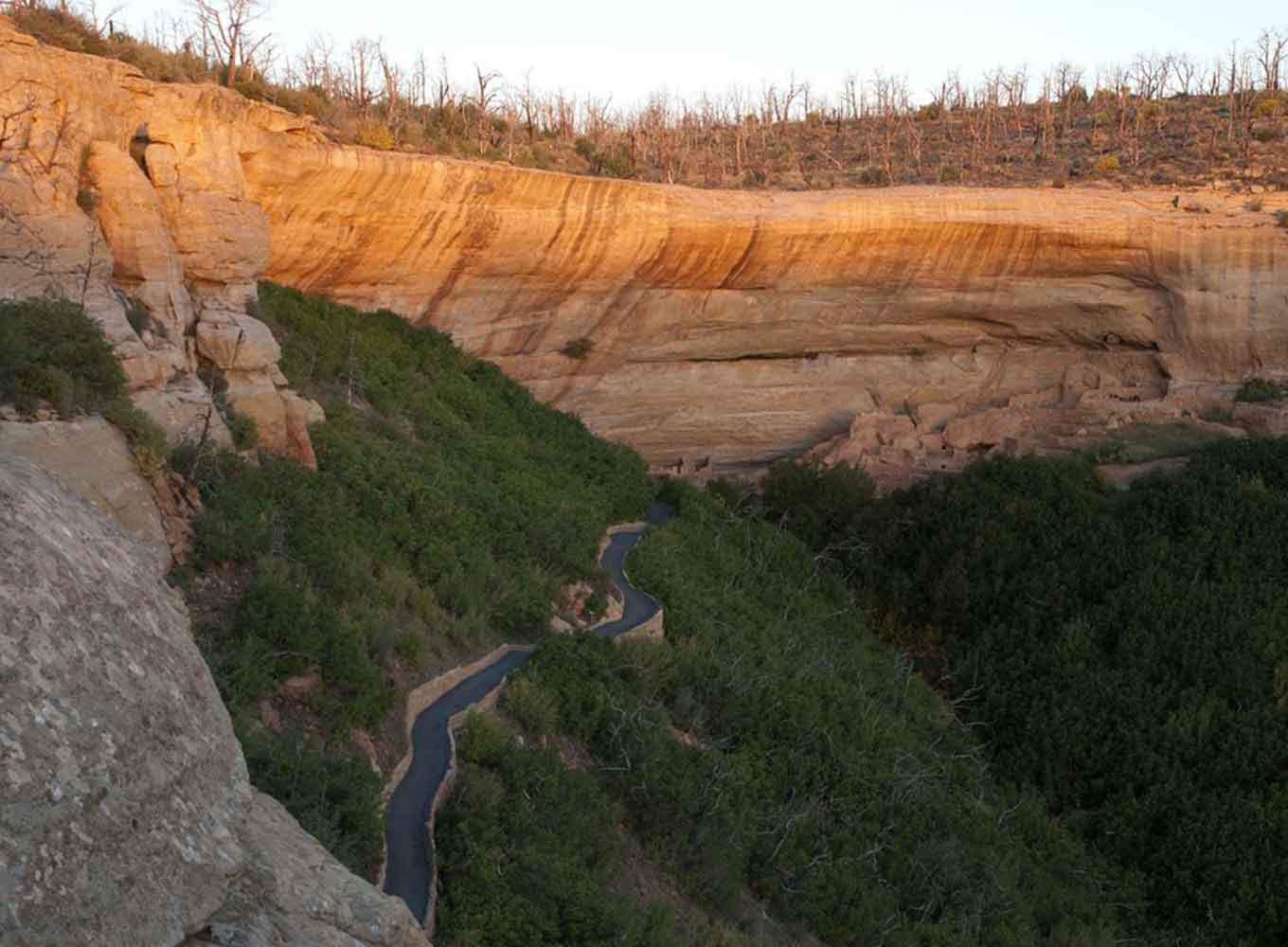
To kick the Accessible Outdoor Checklist into gear, the Reeve Foundation has formed partnerships with organizations like the Mesa Verde Foundation, Westchester Parks Foundation, First Descents, and Glacier National Park Conservancy.
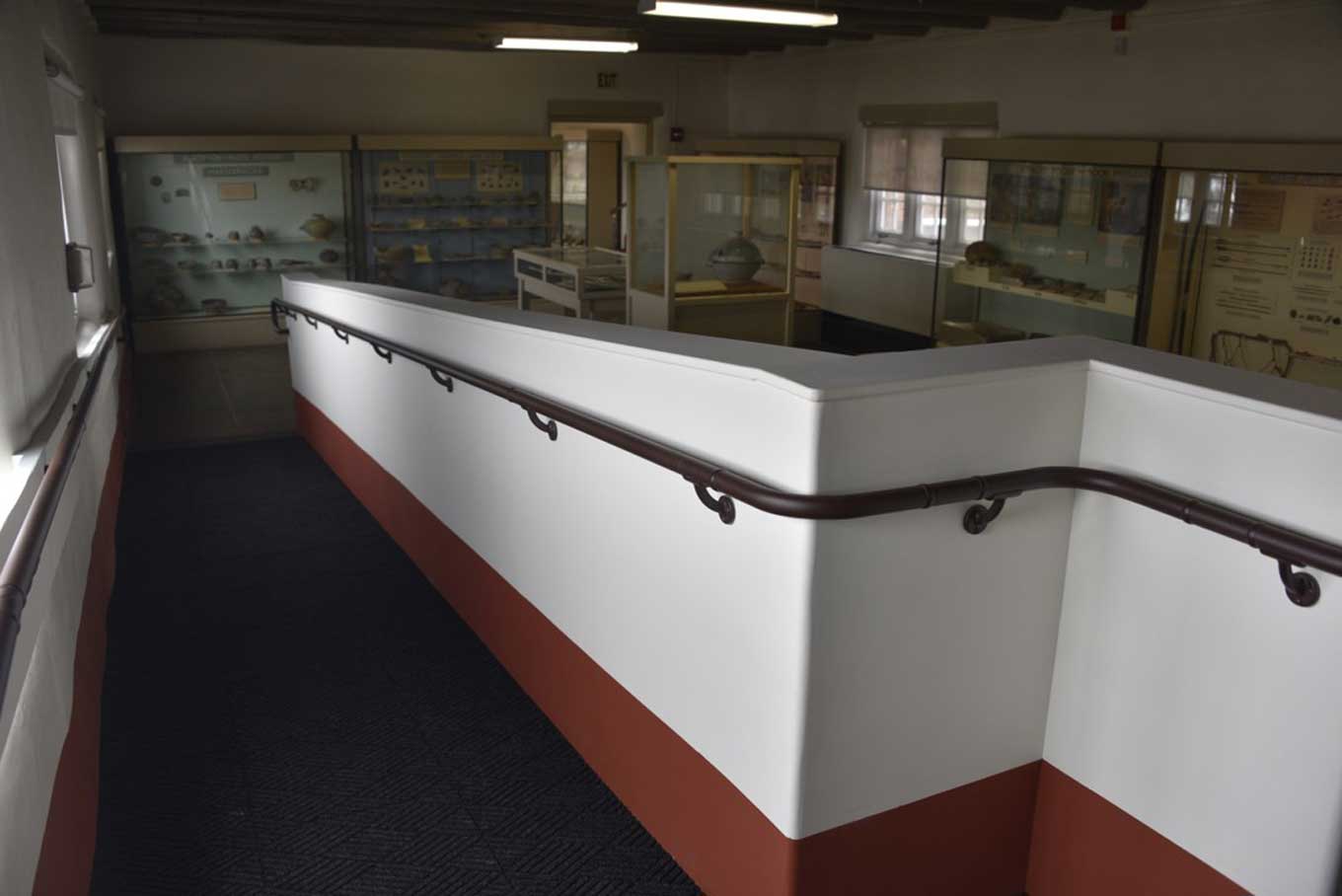
As part of the Foundation’s grant program focusing on quality of life enrichment for the community it serves, these organizations are among the first to implement more accessibility changes.
“These organizations are already working to make the outdoors more accessible by implementing assistive gear like all-terrain wheelchairs and renovating trails to incorporate aspects outlined in the checklist,” Bogosian said.
More Resources for Inclusive Outdoor Experiences
As helpful as the Accessible Outdoor Checklist is, folks with disabilities still need other comprehensive resources to make outdoor recreation accessible.
Another part of the Outdoors for Everyone program is the Adaptable Recreation Resource pamphlet, which provides information on existing accessible activities and leisure programs for anyone living with paralysis or other mobility-impacting disabilities.
The pamphlet is sent to clients who seek assistance from The Reeve Foundation's Information Specialists hotline, which has been providing folks with information on accessible spaces since 2002.
“Our highly-trained Information Specialists are well-versed in educating the community on accessibility, especially in parks and outdoor spaces, by providing insight on what to look for and how to prepare for their outdoor adventures,” Bogosian explained.
The team of specialists also supports people by answering general questions and concerns about navigating life with a disability. They can be reached via phone at 1-800-539-7309, or by submitting a question online.
“Recreation, leisure, and play activities are a great equalizer,” Bogosian said. “Outdoors for Everyone aims to address the preventable limitations of those impacted by paralysis. We hope to expand this initiative in years to come, as it’s on all of us to make the outdoors more accessible.”
Header image courtesy of Daniel Moorefield/First Descents

Today, at least half of U.S. adults get their news “at least sometimes” from social media, according to the Pew Research Center.
With a constant stream of information coming from every which way, though, it can be exceedingly difficult to sort through accurate and reliable news sources — and incredibly easy to share anything that crosses one’s path.
In the onslaught of global crises — like those in Palestine, Ukraine, The Democratic Republic of Congo, or Sudan — as well as divisive political climates and an unrelenting pandemic, misinformation is abundant.
And whether it’s real, fake, or a bit of a gray area, there is also a lot of graphic, unsettling content that is disseminated through our feeds regularly.
As much as it is important to bear witness to tragedy in the world, to take action and make a difference, it is also important to know our limits. And no, those limits do not include disregard or disengagement. But they do include intentionality, sustainability, and purpose.
We must identify and hold firm our digital boundaries to keep our humanity intact, to maintain momentum and energy, and to be alert and aware of what really matters.
What is the downside to getting news from social media?
First and foremost, it’s important to consider the role of media literacy when it comes to finding our news every day.
The Center for Media Literacy defines this as “a framework to access, analyze, evaluate, create, and participate with messages in a variety of forms — from print, to video, to the internet.”
The organization also stresses that building media literacy skills are necessary for “skills of inquiry and self-expression necessary for citizens of a democracy.”
As easy as it is to scroll through a singular feed to curate your information diet, consuming the news with intentionality takes effort. You have to seek out a variety of sources, actually digest and process information, and ask questions to keep your skills sharp.
And, while it’s an amazing tool that can be a great piece of your news routine, social media doesn’t exactly lend itself to that.
According to an article from Stanford Medicine, social media triggers the production of dopamine, a feel-good — and occasionally addictive — chemical that your brain releases when it learns something new or attention-grabbing.
Moreover, our social media apps are designed with an “infinite scroll,” meaning there is no end in sight to the amount of dopamine our brain can find when we spend hours feeding it new information.
As much as it may feel good (or, uh, numbing), this is detrimental to our mental health.
“We know that watching negatively valenced news can affect everyone’s mood, making them sad or anxious depending on the nature of that news,” Graham Davey, a professor emeritus of psychology at the University of Sussex, told Inverse.
Davey even went on to explain that this kind of news consumption can cause symptoms “very similar to post-traumatic stress disorder.”
And if someone already lives in an environment with stress, conflict, or injustice, these experiences are even more likely.
“The more the viewer feels threatened by the visual images they see — if, for example, the images resonate with what is happening in their lives — the more likely they are to experience stress-related responses,” says Davey.
So, while new information and empathy are vital in staying abreast of global events, there is indeed a fine line in how to balance those levels — for our own sake, and for the sake of our activism.
But, how do I stay informed without being consumed by social media?
Check in with yourself.
We understand that reading and amplifying lived experiences and important information is a great way to be an advocate in times of crisis.
But we also know that when enormous tragedies take hold, it can be very easy to fall into a routine of doom-scrolling — and doom-sharing.
Instead of immediately contributing to the noise online, think of the ways you can create an internal review before you share something, or even before you read or watch something on social media.
One of the most simple things you can do is ask: Is this helping?
Katie Boué is an outdoorist and activist who talks about activism burnout on her social media pages and newsletter. In a newsletter she shared recently, Boué explained why Instagram is now the “last place” she goes, in times when she needs to process her feelings about the world.
“Sharing hot takes on the internet won’t save us,” she wrote. “That’s not to say that amplifying, sharing, [and] posting isn’t valuable.”
“But I fear we let performative displays of ‘our values’ outweigh the smaller, more meaningful, more impactful actions like having a tough conversation with a neighbor, calling your representatives every day, and even putting down the doom-scroll to stop absorbing more information and instead go back to that thing you usually spend your energy on to contribute good to this world.”
Boué has a point. While learning more through on-the-ground information shared online is crucial to our modern social justice movements, our doom-scroll dependence keeps us from actually doing the things that make us good global citizens in the first place.
To that end, one of the hardest pills to swallow is realizing that the things we share online might just be helping us process or feel like we’ve done something right when everything in the world feels so wrong — and not so much helping the people who are actually harmed by global crises.
There is nothing morally bad or wrong about sharing or processing in a public manner, especially when it feels like there’s not much else we can do to help others who are logistically very far away from us. And sharing new information can definitely help!
But how do we internally tell the difference between active amplification and passive performance?
While the answer to that question is different for everyone, we invite you to consider how you want to show up in the digital world, what your goals are in helping or amplifying an issue, and how you can do that in a sustainable and substantive way.
Consult situational reports.
It’s also perfectly acceptable to reconsider your media diet for certain periods of time.
Whether you’re overwhelmed by the graphic imagery you’re seeing on social media or just want to get your information in a more straightforward way, a great alternative is reading situational reports.
“These reports are usually found on the websites of UN agencies like UNICEF or OCHA or are reposted on platforms like ReliefWeb,” Bria Justus, the media relations manager at humanitarian organization Project HOPE, said.
“These reports offer a valuable way to grasp the current situation without being inundated with distressing images or heartbreaking quotes – which are important but can have a heavy emotional toll.”
In fact, Justus said that many reporters use these reports as foundational elements of their articles because they provide “straightforward, easy-to-digest information.”
While every report typically uses a slightly different format, Justus also recommends looking at the “highlights” sections of these reports, where you will likely find essential details about a crisis, like the number of displaced individuals, death tolls, urgent needs, and recent developments.
Reading a situational report will give you information from on-the-ground organizations and can share timely data without any fluff or commentary.
Once you’ve gotten that information, you can consider how much further you’d like to pursue it by gathering information from a variety of diverse news sources (like traditional newswires such as the Associate Press and Reuters; US-based media outlets; international sources; and independent media).
“It’s crucial to strike a balance between facts and human stories. While centering humanity is vital when dealing with crises, exclusively reading articles with sensational headlines or tragic stories can be emotionally draining,” Justus added.
“To maintain a healthy perspective, seek out both personal narratives and information about the situation at a broader scale.”
Make your breaks matter.
Of course, it’s important to take the occasional break from a near-constant barrage of media. But it’s also vital to use those interludes to think, reflect, and feel.
“Immersing yourself in the news constantly can become overwhelming. Instead of trying to know everything right when it happens, aim to consistently read or listen to a few articles or podcasts a day, and then step away,” Justus advised.
“Use the information you’ve gathered and act, whether that means contacting your local representatives, donating to a humanitarian organization, or sharing what you’ve learned with friends and family.”
The very human instinct you have to stay connected is a beautiful thing, but it can be put to use in other ways when you begin to feel overwhelmed.
Consider writing or journaling about your perspectives and experiences, talking with a loved one about the global heartbreak you’re witnessing, or maybe even head to the gym and take your rage out on a punching bag.
And like Justus said, use that offline time to make your voice heard or share your resources with those most impacted by global events.
Talk to other people in real life.
To maintain context, connection, and nuance, we need people — IRL.
Even if it’s just your roommate, a family member, or a good friend, meeting up with someone to talk is a great way to stay grounded in your humanity — and subsequently, the part of you that cares about things going on in the world.
You can talk about world events, or you can just ask the other person how they’re doing. Building empathy is vital in these moments that often seem so large and unfathomable. It might even feel silly or trivial to just talk to someone, to socialize “like normal.” But it helps.
Boué — the activist healing from burnout from earlier — wrote in her newsletter about what she thinks “advocacy should ultimately feel like.” She included a short list:
“Contributing to the solutions we want to see. Exercising creativity as a tool for doing good. Holding space for each other’s humanity and goopy feelings. Sitting together in heavy moments. Holding it all up together,” she detailed in her newsletter. “Strangers, friends, lovers, farmers, moms, daughters, together.”
That togetherness might even lead you to other people in your community who can work together with you to take action about the issue or crisis you care about.
Regardless, we hope extending a real, human hand will help you meet people with other relevant perspectives, build solidarity, or simply maintain empathy and community with those you love.
Balance the bad with a little bit of good.
We know that humans have a negativity bias, meaning the survival instincts in our brain — that have kept us alive for millions of years — are always vigilant for danger, or bad news.
It also means that our brains react more strongly to bad or negative news, as opposed to good news, or even neutral stimuli. So we have to work extra hard to make the good stuff stick.
In order to do that, we need to lean more deeply into the “good news,” or the hope and optimism that is harder to find in these scary global crises.
Essentially, a balanced media diet does not only include various, diverse sources of reporting — but it also means intentionally seeking out good news, too.
We also know that good news can be hard to find, especially in the face of war or conflict. Our advice? Start small. Embrace the moments of humanity you see in everyday interactions, and then work your way up to exciting updates in disbursement of humanitarian aid, or geopolitical milestones.
“It’s okay to be overwhelmed. Do your best to read what you can, but also give yourself the time and space to digest the jarring stats and information,” Justus, from Project HOPE, said.
“While it can feel like there is only ‘bad news’ available during a crisis, there are always people stepping up and offering help.”
The reality is, there's a lot of bad news in the world. The last several weeks have felt especially heartbreaking.
But, as experts in positive news, we feel inclined to offer the reminder that there is always more good news happening in the world than bad news.
We're inspired by the words of Mister Rogers when he said, “When I was a boy and I would see scary things in the news, my mother would say to me, ‘Look for the helpers. You will always find people who are helping.’” Every day, when bad things happen, countless Helpers step up and look for ways to make a difference.
And every day the Good Good Good’s team of journalists works hard to collect the best good news in the world — the stories of Helpers showing up to do good — and then we share it with our community. Here are the highlights for this week!
If you want to get good news in your inbox every day, join the Goodnewsletter — the free daily newsletter designed to leave you feeling hopeful. These stories are all sourced from this week's emails.
The Best Positive News We’re Celebrating This Week —
Thanks to advocacy efforts, the New York City Marathon introduced new supports for moms during this year’s race
Many athletes set their sights on athletic goals while navigating the challenges of motherhood. This year, the New York City Marathon introduced lactation stations along the course and provided facilities for nursing mothers to pump breast milk during the race.
The lactation stations are a result of advocacy efforts by athletes such as accomplished middle distance runner Alysia Montaño and the nonprofit she co-founded, &Mother, which works to change the landscape of women's sports and advocate for better maternity accommodations.
Olympian sprinter Allyson Felix and elite marathoners Kellyn Taylor and Molly Huddle have also been vocal advocates for maternity rights in sports and advocated for the addition of the stations.
The introduction of lactation stations at the New York City Marathon highlights the importance of accommodating and supporting women in sports who are also mothers — promoting inclusivity and success for all athletes. These stations are part of a broader movement to advocate for maternity accommodations for women in sport.
Why is this good news? Historically, many female athletes have successfully returned to sport after giving birth, but accommodations for new mothers have been limited. The introduction of lactation stations at the New York City Marathon represents a significant step toward making sports more inclusive and supportive of female athletes and helping them thrive both as athletes and as mothers.
By addressing the needs of mother-athletes, this initiative can encourage more women to participate in sports and pursue their athletic dreams, knowing that they will receive the necessary support.
Women now constitute 35% of workers in top-paying occupations in the U.S., up from 13% in 1980
Women have increased their presence in America’s top 10 highest-paying occupations. Women now constitute 35% of workers in these fields — which includes physicians, lawyers, and pharmacists — up from 13% in 1980.
Women have also made progress in earning advanced degrees required for these high-paying jobs, with women now constituting about half of the recipients of degrees such as Juris Doctor (J.D.), Doctor of Dental Surgery or Doctor of Dental Medicine (D.D.S. or D.M.D.), and Doctor of Medicine (M.D.).
The progress made so far is a positive sign that efforts to promote diversity and gender equality in the workplace can yield results. With continued focus on these goals, there is hope for further improvement in the representation of women in high-paying jobs and a more balanced workforce.
What’s the nuance? While progress has been made, women still remain the minority in nine out of the ten high-paying occupations, with pharmacists being the exception at 61% female representation. Despite improvements, the overall share of women in these occupations (35%) lags behind their share in the overall U.S. workforce (47%). Barriers to women entering high-paying occupations, such as gender differences in household and parenting responsibilities, as well as potential gender discrimination, still exist.
Damar Hamlin funded scholarships in the names of 10 'heroes' who saved his life
Buffalo Bills safety Damar Hamlin announced he is funding 10 scholarships in the names of medical staffers who saved his life during a cardiac arrest incident in January.
The 10 men and women helped Hamlin on the field, in the operating room, and in his recovery at the University of Cincinnati Medical Center.
“Last night I had dinner with my heroes,” Hamlin said. “10 of the UC Medical Staff that helped save my life. I surprised them with a scholarship named after each of them that will support youth in Cincy to chase their dreams. Wouldn’t be here if it wasn’t for them!”
Hamlin’s Chasing M's foundation will award $1,000 scholarships to 10 under-served young people in the Cincinnati area over the next three years, supporting those who aspire to attend private high schools or local trade schools and universities. Hamlin himself benefited from a scholarship that paved the way for his education and football career.
He's also been active in charity work, including a CPR tour with the American Heart Association to bring free CPR training to hundreds of people and distribute AEDs to youth sports groups.
Why is this good news? These scholarships will provide opportunities for underprivileged young people to pursue higher education — leaving a lasting and positive impact on the Cincinnati community by supporting local youth and their educational aspirations. Additionally, Hamlin's story and his foundation's work in promoting CPR training, distributing defibrillators, and publicly recognizing the healthcare workers who saved his life all raise awareness about the importance of preparedness in cases of sudden cardiac arrest.
This author fought back against book bans by opening a bookstore that highlights marginalized writers
In response to legislative attacks, book bans, and threats to LGBTQ+ rights and marginalized voices, author Leah Johnson opened Loudmouth Books, an independent bookstore and community space based in Indianapolis.
Johnson’s goal is to uplift banned books and promote the work of marginalized writers. She sees Loudmouth as a means of asserting the resilience of marginalized communities against attempts to silence their voices.
One of Johnson’s own books, "You Should See Me in a Crown," which is a Reese’s Book Club Young Adult pick and a 2021 Stonewall Honor Book, was among the 50+ books put under investigation by the Oklahoma Attorney General.
Johnson's work as an author and educator has influenced her role as a bookseller — with a focus on community and providing a space for marginalized voices. The store also aims to make books accessible by giving back to the community through initiatives like a "clear the shelves" program.
An Indigenous-led effort in Canada offers a hopeful alternative to traditional conservation practices
A landmark conservation agreement signed 30 years ago between the Haida Nation and the Canadian government has become a model for Indigenous stewardship of lands and waters, now serving as a blueprint for global conservation efforts.
The Haida's resistance to clearcut logging in the 1980s, which involved blockades and international outrage, eventually led to the Gwaii Haanas agreement in 1993. The agreement formalized protections for almost 2,000 square miles of land and ocean, preserving vital habitats, protecting endangered species, and allowing Indigenous peoples to continue their traditional practices.
The protected area encompasses nearly half of Haida Gwaii, a unique ecosystem rich in biodiversity. The agreement has led to the protection of 42 at-risk species and the revival of various marine life, including sea otters and kelp forests.
It deviates from the traditional conservation model by allowing Indigenous peoples to harvest in their traditional territory without needing permission — aligning with Indigenous philosophies of coexistence with the ecosystem.
Why is this good news? The success of Gwaii Haanas has become a model for Indigenous-led conservation efforts in Canada and has influenced other coastal nations. Gwaii Haanas is a model for Indigenous stewardship of lands and waters in the face of global biodiversity loss and environmental threats, offering hope for a planet in need of sustainable conservation practices.
Kauai, Hawaii rapidly transitioned to greener energy by shifting from a for-profit utility to a locally owned cooperative
The people of Kauai, Hawaii have achieved rapid progress in greening their electricity supply by collectively owning and operating their utility.
Their transformation involved transitioning from a Wall Street-owned, for-profit utility to a locally owned cooperative. The cooperative set ambitious renewable energy goals, pioneering the use of solar power paired with lithium-ion batteries. They now generate 60% of their electricity from renewables, primarily solar.
Although Kauai faces challenges related to using water for hydropower generation, their pioneering efforts provide a potential model for communities nationwide seeking cleaner energy solutions through local utility control.
Why is this good news? Kauai's success in achieving cleaner and cheaper power through local ownership serves as a potential model for communities across the U.S. debating control of their utilities to combat climate change. Local, community-driven ownership allows the utility to align with the community's renewable energy goals and foster economic stability.
All national parks, including Yellowstone and Zion, will be free to visit on Saturday
Tomorrow, November 11th, all U.S. national parks — including Yellowstone, Zion, Yosemite, and 400 more! — will offer free admission to everyone.
At the start of 2023, the National Park Service introduced “fee-free dates” where all national park sites waive entrance fees to the public on select holidays. Tomorrow, Veterans Day, marks the last fee-free date of the year.
While some park sites are free to visit annually, admission in over 100 popular spots like Yellowstone National Park can cost as much as $35 per vehicle. Those national park admission fees go toward habitat preservation, park expansion, and recreational opportunities for visitors.
According to the NPS, 80% of fees go directly to the park where it was collected and the remaining 20% are dispersed to parks that are free to visit year-round.
Why is this good news? Fee-free days promote greater access to the natural beauty and historical significance of U.S. national parks. This initiative allows more people, including those who might not typically visit national parks, to explore and appreciate these natural wonders. Free admission on these fee-free days makes national parks more inclusive to a wider range of people, allowing individuals and families from various backgrounds and income levels to enjoy the benefits of these parks.
→ Read more
More good news of the week —
Portland, Oregon residents successfully protested the unannounced removal of a recently installed bike lane in their city. Protestors stood in front of a truck that was sent out to remove the bike lane.
Boston’s high school dropout rate has fallen by more than 50%. Re-engagement programs have worked by visiting the homes of chronically absent or disengaged students and encouraging them to continue their education.
U.S. cities are getting creative in addressing the need to create green spaces for community members while staying on budget. Haywood, California, for example, used native plants and repurposed materials from construction waste and urban cast-offs to create a mile-long park.
A city in Germany has gained recognition as a "zero waste city" thanks to its innovative efforts to reduce waste and promote recycling. Kiel has implemented various creative strategies, such as repurposing discarded human hair into fabric for filtering oil from water and offering grants for cloth diapers to reduce disposable diaper use.
A program in Boston and Baltimore has seen success in using cognitive behavioral therapy (CBT) to reduce gun violence. The program helps high-risk young individuals develop impulse control and reasoning, which can be underdeveloped because of exposure to trauma and violence.
With the help of local organizations, a village in Indonesia has become a model for living in harmony with elephants — while protecting their crops and prioritizing species conservation. Their initiative has inspired other villages facing similar challenges to seek sustainable solutions to human-elephant conflicts.
More states in the U.S. are incorporating financial literacy education into high school curriculums, covering topics such as earning income, budgeting, saving, investing, and managing credit and financial risk. As of 2023, 30 states have implemented laws or policies mandating personal finance education before high school graduation, up from 21 in 2020.
Volunteers picked up more than 10,000 pounds of trash during the Yosemite Facelift, a yearly trash clean-up event that takes place on National Public Lands Day. Other special projects included collections for Yosemite’s seed banking program, installing campground food lockers, maintenance of climbing trails, and planting native grasses in the park’s meadows.
An Irish startup is spreading concrete dust onto farmland to help combat climate change. The concrete breaks down in the soil, initiating an accelerated form of natural chemical weathering and removing carbon dioxide from the air.
The Canadian federal government signed a major nature agreement with the province of British Columbia and First Nations to jointly support the goal of protecting 30% of lands and waters by 2030. The $500-million commitment from both governments aims to conserve and protect land, species, and biodiversity in B.C. and is part of a collaboration with First Nations to reverse the loss of nature.
An experimental spinal cord neuroprosthesis has shown success in alleviating walking disorders in individuals with Parkinson's disease. The device, which targets specific areas of the spinal cord with electrical stimulation associated with walking, could be a game-changer for restoring movement when medications are no longer effective.
For the first time in three years, California is drought-free. And the state is forecast to receive above-average rainfall for the winter season!
A biologist single-handedly revitalized a butterfly species in San Francisco. He established a butterfly garden, sourced caterpillars, nurtured their life cycle, and effectively reintroduced the species to the city.
Scientists have achieved a groundbreaking milestone in gene therapy by successfully restoring the natural hearing pathway in deaf children with a new technique. The success may encourage research into gene therapy for other causes of deafness and provide an alternative to cochlear implants in the future.
A Canadian start-up has developed floating desalination systems that use wave energy to convert seawater into fresh water. The company's system is designed to be marine-life friendly and, unlike other conventional desalination plants, doesn’t rely on fossil fuels.
David Attenborough has spent a lifetime bringing the wonders of the natural world into our homes. His dulcet tones have narrated the lives of countless creatures, and his words have raised the alarm about our planet’s fragility and the urgent need for conservation. Through his documentaries, he has not only educated, inspired, and imparted a deep appreciation for the beauty and complexity of Earth’s ecosystems.
His messages remind us that we are not apart from nature, but a part of it — and that the stewardship of this planet is not just an environmental concern but a matter of our own survival.
Below, we’ve curated a selection of David Attenborough’s most poignant and impactful quotes.
Whether you’re a nature enthusiast, a conservationist, or someone looking for inspiration to live more harmoniously with the Earth, Attenborough’s insights offer timeless guidance.
Attenborough’s words reflect his deep wisdom, his unwavering dedication to conservation, and his hopeful vision for the future:
Explore our curated list of the best Sir David Attenborough quotes
Famous Quotes
“It’s surely our responsibility to do everything within our power to create a planet that provides a home not just for us, but for all life on Earth.”
— Sir David Attenborough
“Real success can only come if there is a change in our societies and in our economics and in our politics.”
— Sir David Attenborough
“What humans do over the next 50 years will determine the fate of all life on the planet.”
— Sir David Attenborough
“Until humanity manages to sort itself out and get a coordinated view about the planet it’s going to get worse and worse.”
— Sir David Attenborough
“No one will protect what they don’t care about, and no one will care about what they have never experienced.”
— Sir David Attenborough
“Nature once determined how we survive. Now we determine how nature survives.”
— Sir David Attenborough, From Our Planet premiere speech
“I’m sure things are going to get worse before they get better. But I believe they can get better.”
— Sir David Attenborough
“We have a finite environment — the planet. Anyone who thinks that you can have infinite growth in a finite environment is either a madman or an economist.”
— Sir David Attenborough
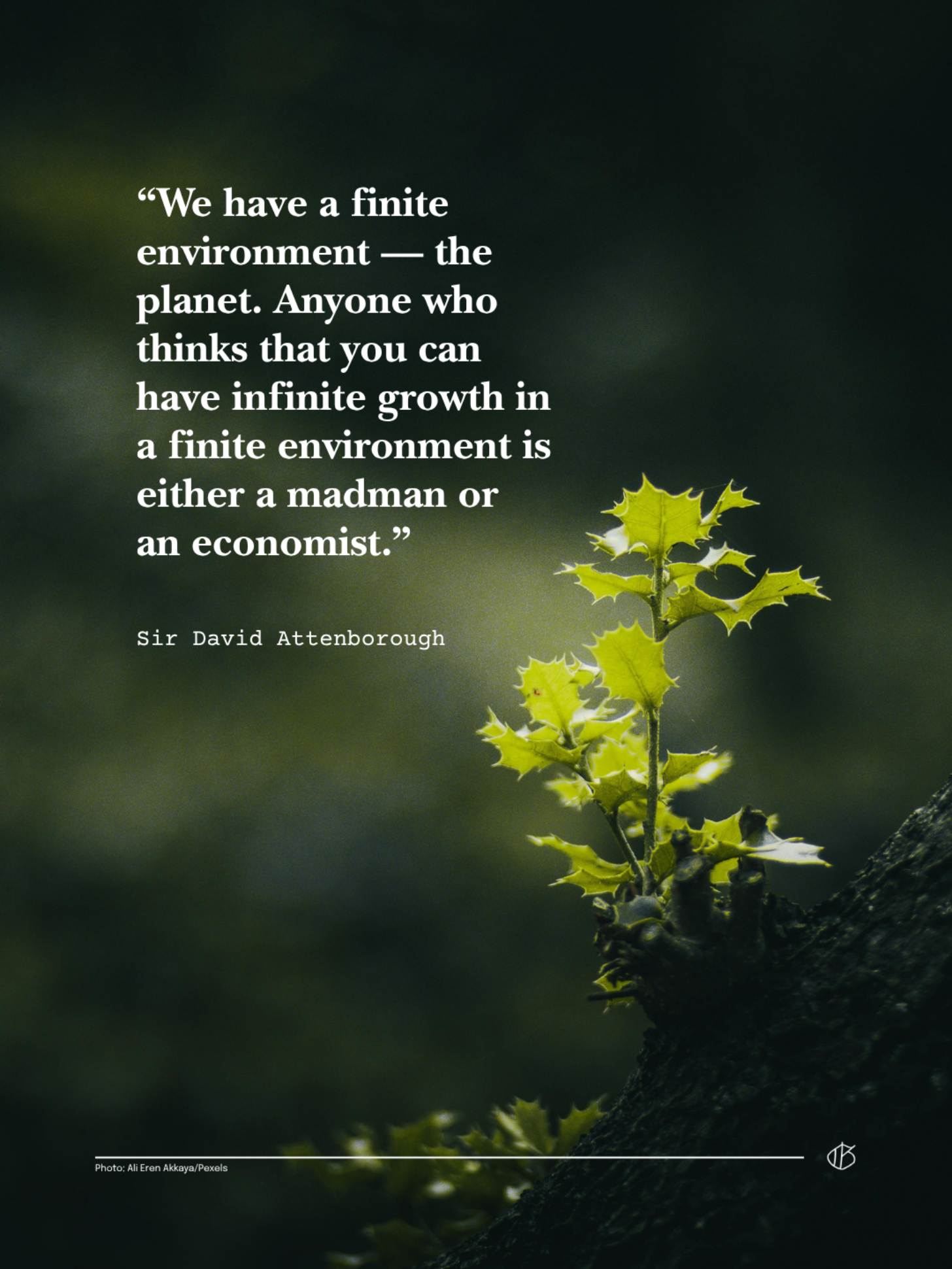
“We need to work with nature, not against it.”
— Sir David Attenborough, A Life on Our Planet
On Saving the Planet
“We often talk of saving the planet, but the truth is that we must do these things to save ourselves. With or without us, the wild will return.”
— Sir David Attenborough, A Life on Our Planet
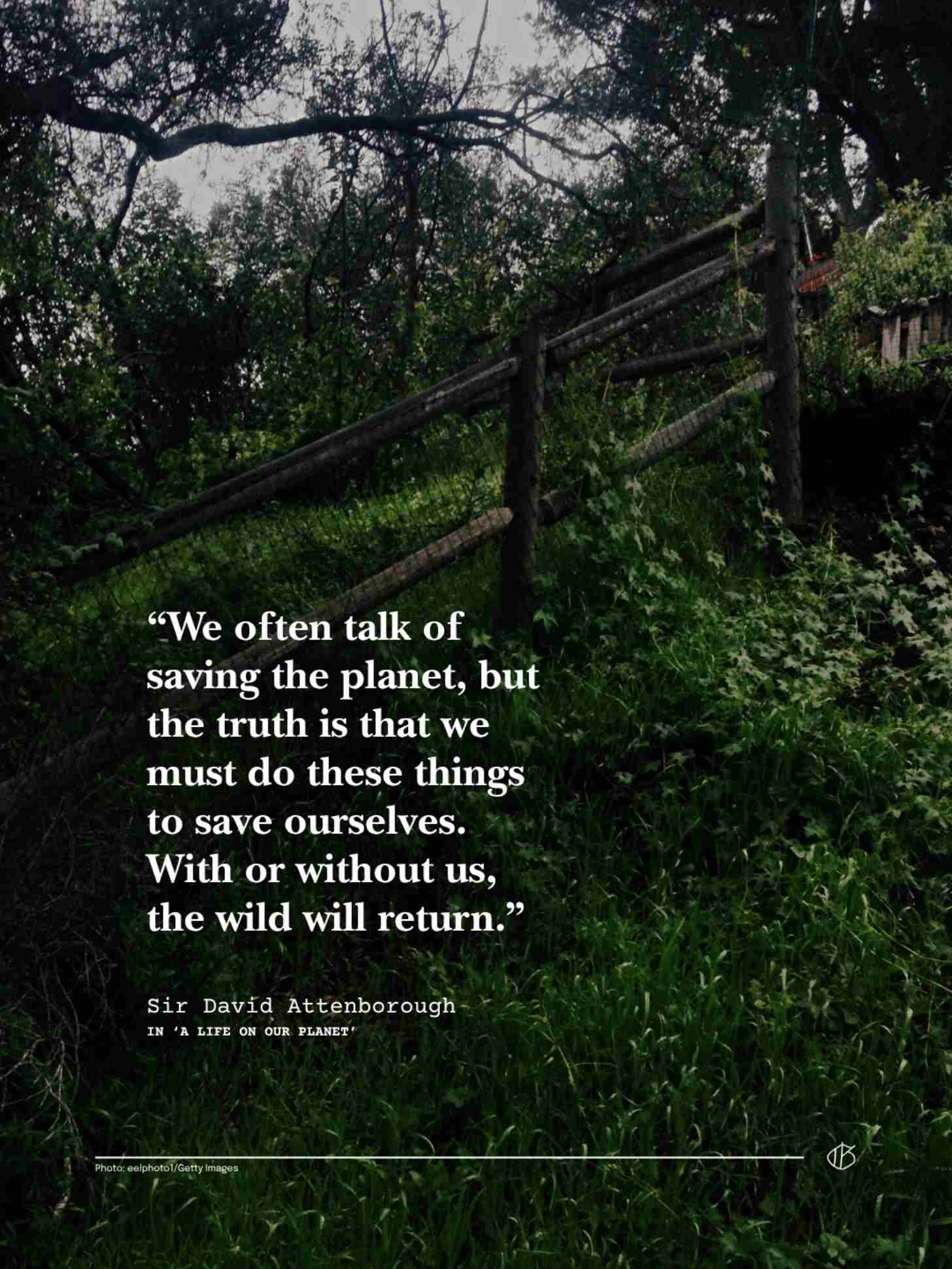
“The greater the biodiversity, the more secure will be all life on Earth.”
— Sir David Attenborough, A Life on Our Planet: My Witness Statement and a Vision for the Future
“To restore stability to our planet, therefore, we must restore its biodiversity, the very thing we have removed. It is the only way out of this crisis that we ourselves have created. We must rewild the world!”
— Sir David Attenborough
“The fact is that no species has ever had such wholesale control over everything on Earth, living or dead, as we now have. That lays upon us, whether we like it or not, an awesome responsibility. In our hands now lies not only our own future, but that of all other living creatures with whom we share the Earth.”
— Sir David Attenborough
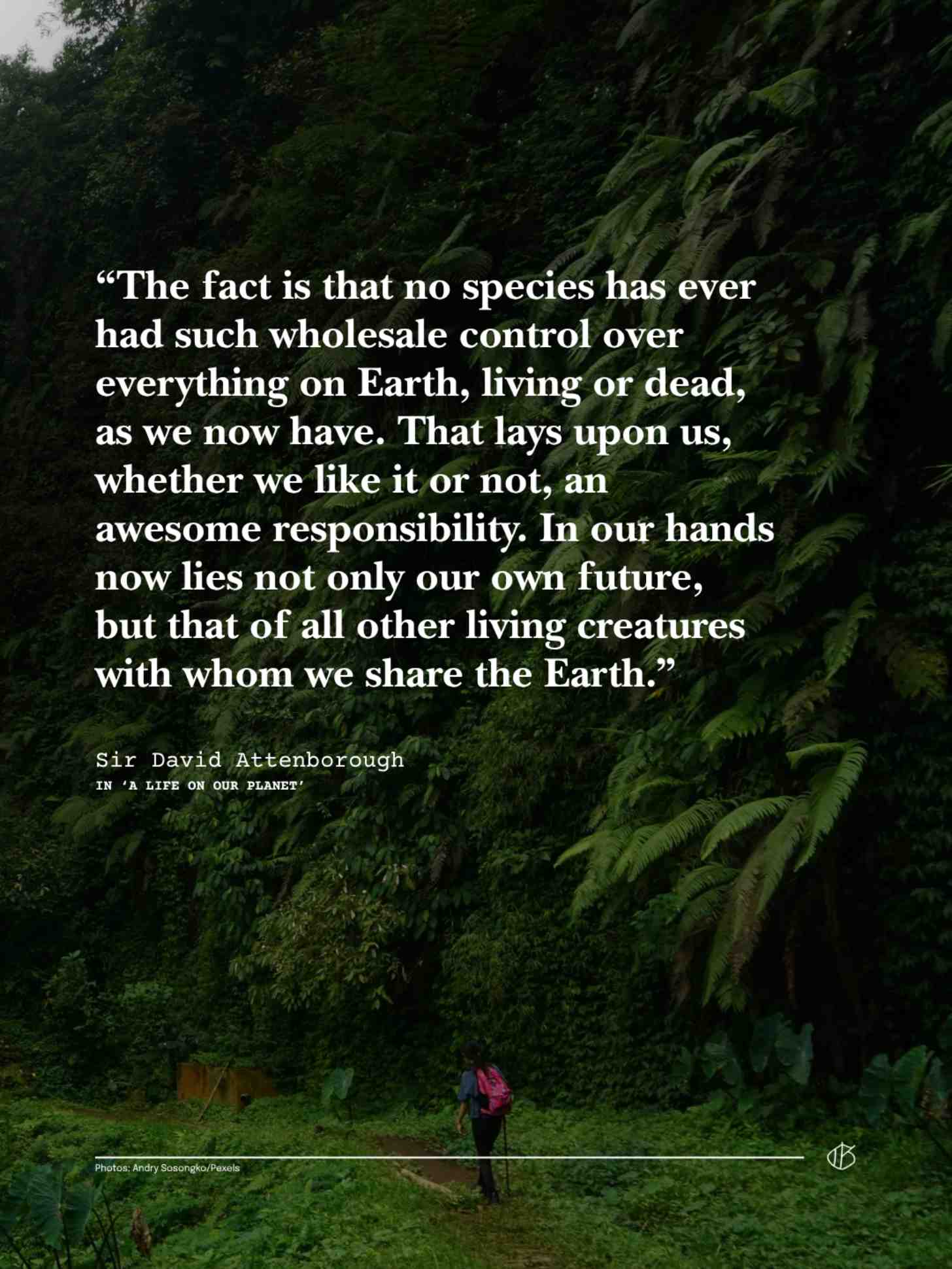
“Everything is set for us to win this future. We have a plan. We know what to do. There is a path to sustainability. It is a path that could lead to a better future for all life on Earth. We must let our politicians and business leaders know that we understand this, that this vision for the future is not just something we need, it is something, above all, that we want.”
— Sir David Attenborough, A Life on Our Planet
“The best motto to think about is not to waste things. Don’t waste electricity; don’t waste paper; don’t waste food. Live the way you want to live but just don’t waste. Look after the natural world and the animals in it and the plants in it too. This is their planet as well as ours. Don’t waste them.”
— Sir David Attenborough
“We are going to have to live more economically than we do. And we can do that and, I believe we will do it more happily, not less happily. And that the excesses the capitalist system has brought us, have got to be curbed somehow.”
— Sir David Attenborough, in an interview
“The truth is: the natural world is changing. And we are totally dependent on that world. It provides our food, water, and air. It is the most precious thing we have and we need to defend it.”
— Sir David Attenborough
“As I see it, humanity needs to reduce its impact on the earth urgently and there are three ways to achieve this: we can stop consuming so many resources, we can change our technology and we can reduce the growth of our population. We probably need to do all three.”
— Sir David Attenborough
“As a species, we are expert problem solvers. But we haven’t yet applied ourselves to this problem with the focus it requires.”
— Sir David Attenborough
On Climate Change
“You can wreck one rainforest then move, drain one area of resources and move onto another, but climate change is global.”
— Sir David Attenborough
“It’s not just climate change; it’s sheer space, places to grow food for this enormous horde.”
— Sir David Attenborough
“We really need to kick the carbon habit and stop making our energy from burning things. Climate change is also really important. You can wreck one rainforest then move, drain one area of resources and move onto another but climate change is global.”
— Sir David Attenborough, in an interview
“Right now, eight million tonnes of plastics end up in the oceans every year… the actions of just one of us may seem to be trivial and to have no effect. But the knowledge that there are thousands of, hundreds of thousands of people who are doing the same thing — that really does have an effect.”
— Sir David Attenborough
“We have less than a decade to switch from fossil fuels to clean energy. We have already increased global temperature by 1o°C from pre-industrial levels. If we are to halt its increase at 1.5o°C, there is a limit to the amount of carbon we can yet add to the atmosphere — our carbon budget — and, at current emissions rates, we will add this amount before the end of the decade. Our careless use of fossil fuels has set us the greatest and most urgent challenge we have ever faced. If we do make the transition to renewables at the lightning speed required, humankind will forever look back on this generation with gratitude, for we are indeed the first to truly understand the problem — and the last with a chance to do anything about it.”
— Sir David Attenborough, A Life on Our Planet
“One hundred hectares of standing rainforest has less value on paper than an oil palm plantation. Tearing down wilderness is therefore seen as worthwhile. The only practical way to change this situation is to change the meaning of value.”
— Sir David Attenborough, A Life on Our Planet
“Many individuals are doing what they can. But real success can only come if there is a change in our societies and in our economics and in our politics.”
— Sir David Attenborough
About Nature
“Nature is our biggest ally and greatest inspiration.”
— Sir David Attenborough

“I know of no pleasure deeper than that which comes from contemplating the natural world and trying to understand it.”
— Sir David Attenborough
“It seems to me that the natural world is the great source of excitement: the greatest source of visual beauty; the greatest source of intellectual interest. It is the greatest source of so much in life that makes life worth living.”
— Sir David Attenborough
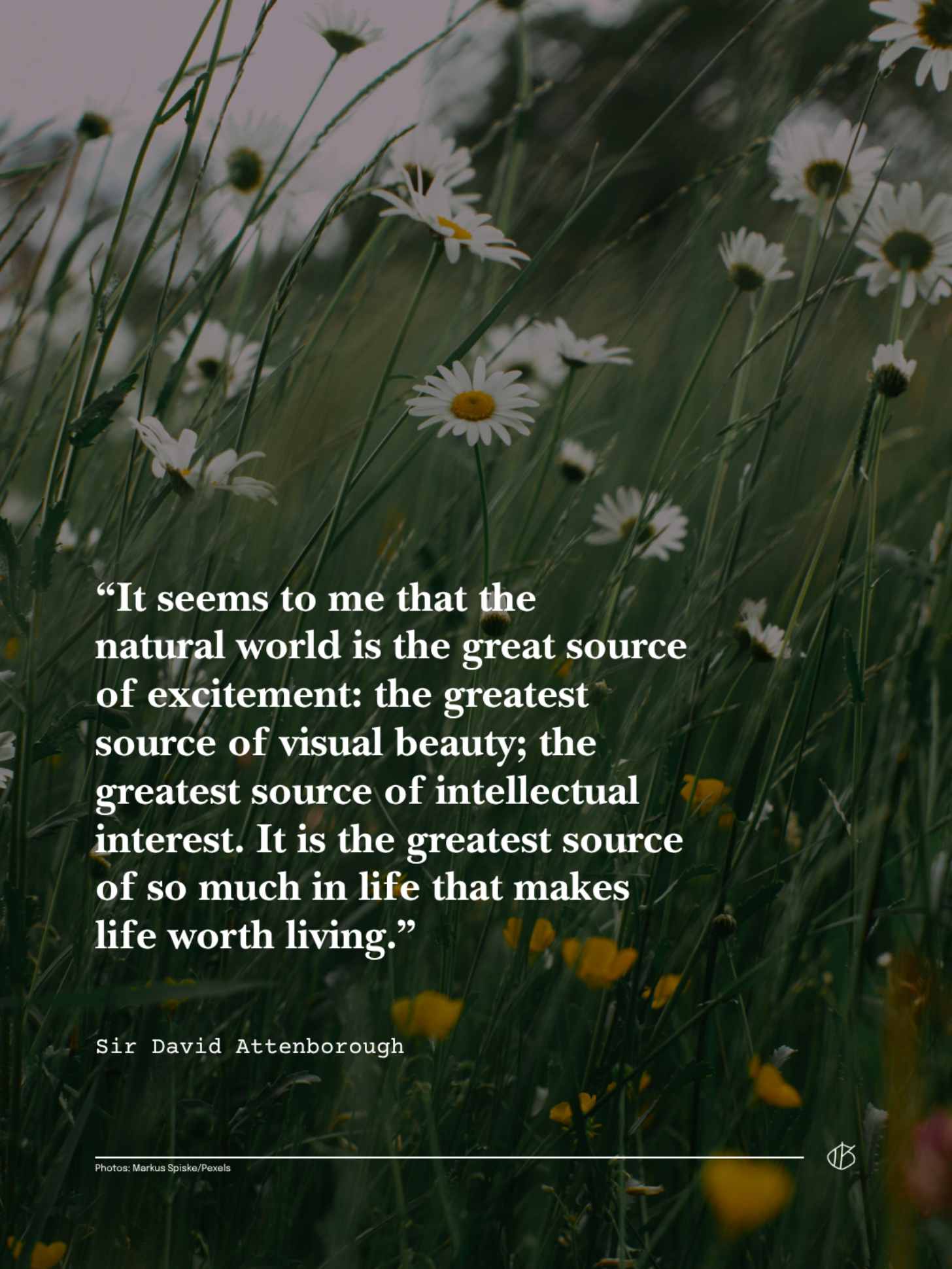
“Bringing nature into the classroom can kindle a fascination and passion for the diversity of life on earth and can motivate a sense of responsibility to safeguard it.”
— Sir David Attenborough
“We can’t cut down rainforests forever. And anything that we can’t do forever is by definition, unsustainable. If we do things that are unsustainable, the damage accumulates, ultimately, to a point where the whole system collapses. No ecosystem, not matter how big, is secure. Even one as vast as the ocean.”
— Sir David Attenborough, A Life on Our Planet
“If people lose knowledge, sympathy and understanding of the natural world, they’re going to mistreat it and will not ask their politicians to care for it.”
— Sir David Attenborough
“An understanding of the natural world, and what’s in it as a source of not only great curiosity but great fulfillment.”
— Sir David Attenborough
“It seems that, however grave our mistakes, nature will be able to overcome them, given the chance.”
— Sir David Attenborough, A Life on Our Planet
→ Read more quotes about nature
About Animals
“People are not going to care about animal conservation unless they think that animals are worthwhile.”
— Sir David Attenborough
“I’m not an animal lover if that means you think things are nice if you can pat them, but I am intoxicated by animals.”
— Sir David Attenborough
“The fun is in delighting in the animals, but if you do that, you owe them something, so you have an obligation to speak out and to do what you can to protect them.”
— Sir David Attenborough
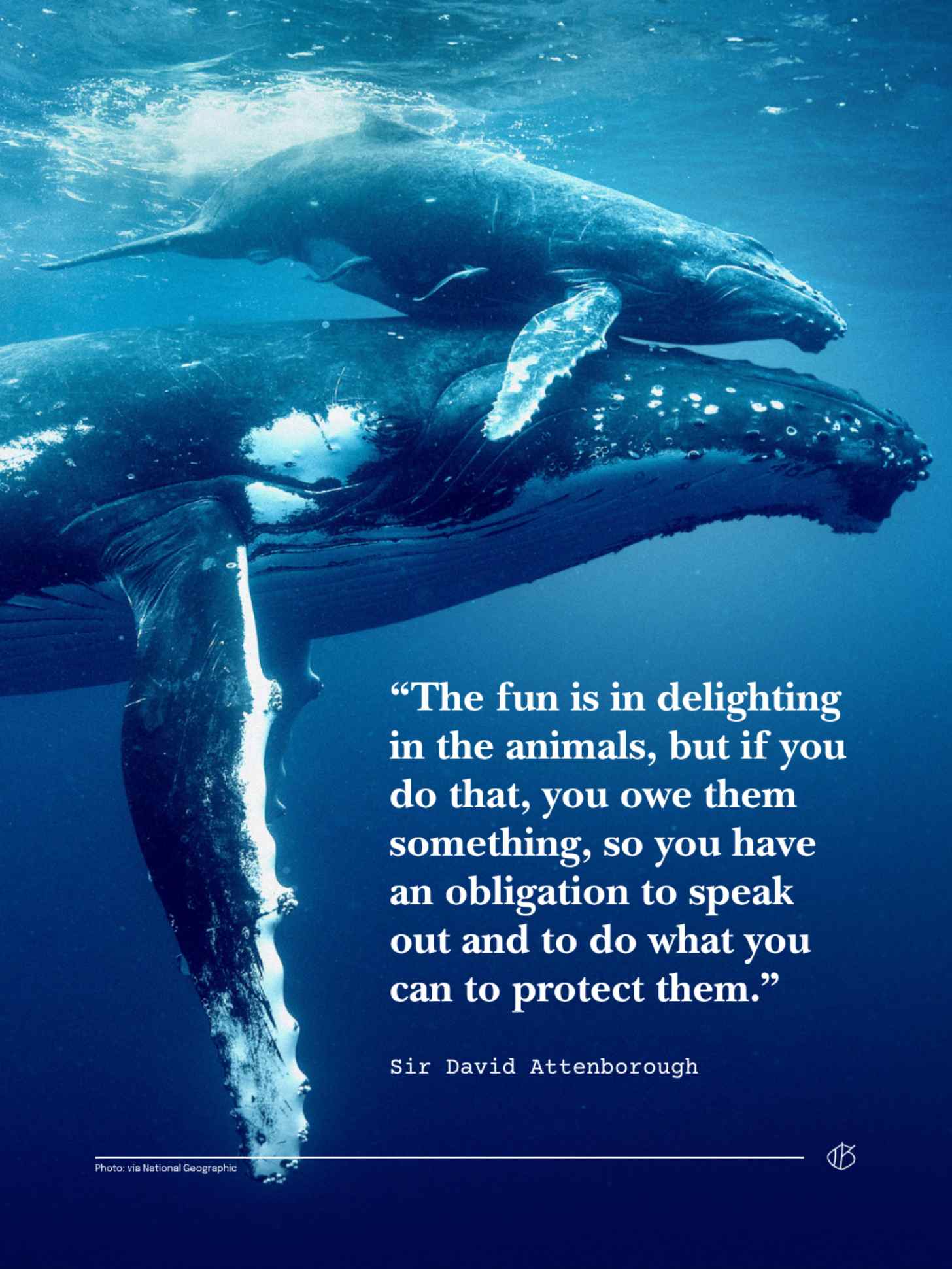
“Ninety-six percent of the mass of all the mammals on Earth is made up of our bodies and those of the animals that we raise to eat.”
— Sir David Attenborough, A Life on Our Planet
“We’re replacing the wild with the tame. Half of the fertile land on earth is now farmland. 70% of the mass of birds on this planet are domestic birds. The vast majority, chickens. We account for over one-third of the weight of mammals on earth. A further 60% are the animals we raise to eat. The rest, from mice to whales, make up just 4%.”
— Sir David Attenborough, A Life on Our Planet
“The process of making natural history films is to try to prevent the animal knowing you are there, so you get glimpses of a non-human world, and that is a transporting thing.”
— Sir David Attenborough
“The question is, are we happy to suppose that our grandchild may never be able to see an elephant except in a picture book?”
— Sir David Attenborough
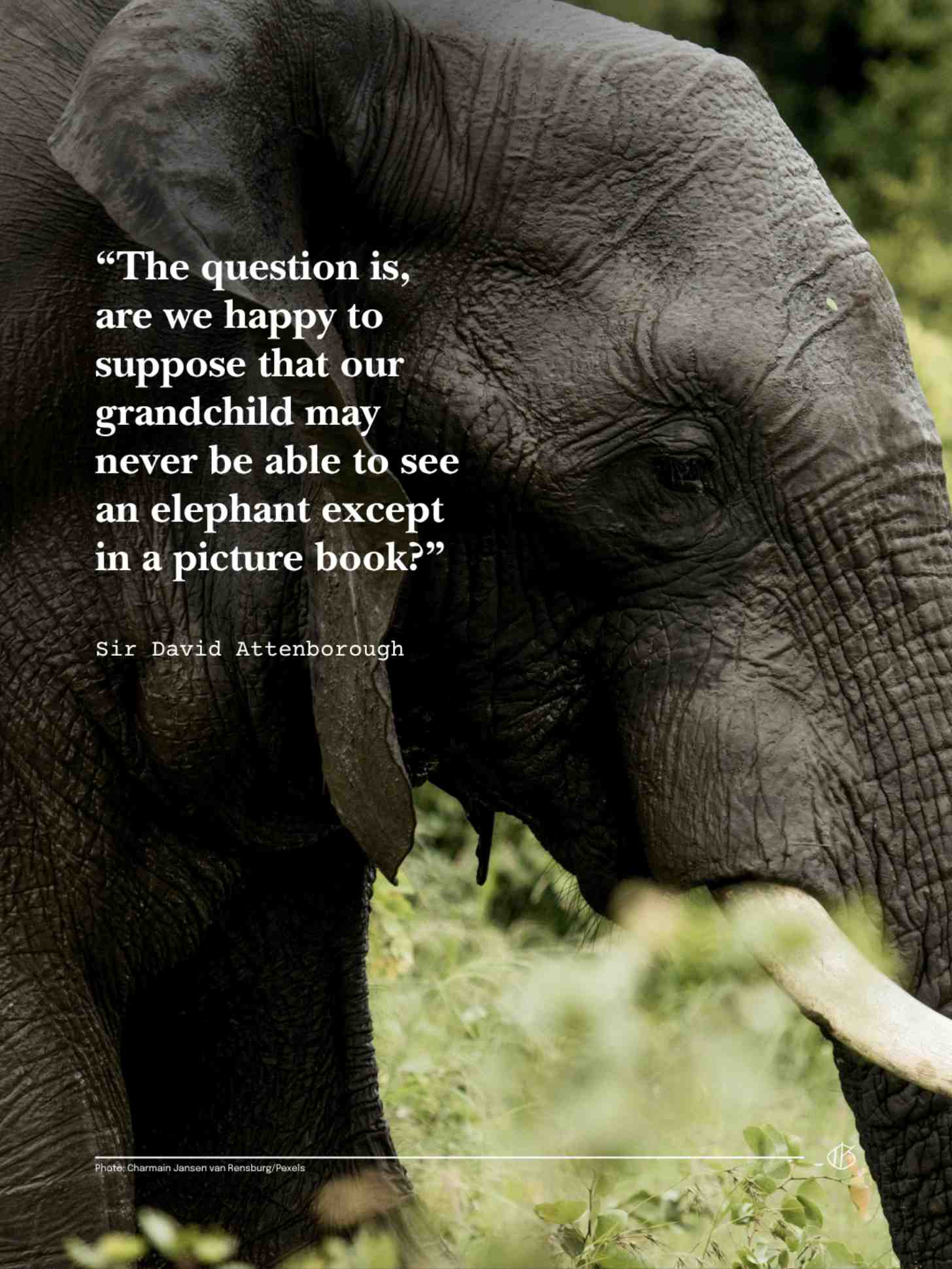
“I’m not over-fond of animals. I am merely astounded by them.”
— Sir David Attenborough
“Since I started filming in the 1950s, on average, wild animal populations have more than halved. I look at these images now and I realize that, although as a young man I felt I was out there in the wild experiencing the untouched natural world… it was an illusion. Those forests and plains and seas were already emptying.”
— Sir David Attenborough, A Life on Our Planet
“There are some four million different kinds of animals and plants in the world. Four million different solutions to the problems of staying alive.”
— Sir David Attenborough
→ Read more quotes about animals
Short Quotes
“Cherish the natural world, because you’re a part of it and you depend on it.”
— Sir David Attenborough
“We can now destroy or we can cherish, the choice is ours.”
— Sir David Attenborough

“There is no reason to suppose that our stay here will be any more permanent than that of the dinosaur.”
— Sir David Attenborough
“Give and take, that is the essence of what balance is all about.”
— Sir David Attenborough
“Human beings are good at many things, but thinking about our species as a whole is not one of our strong points.”
— Sir David Attenborough, in an interview
“We moved from being a part of nature to being apart from nature.”
— Sir David Attenborough, A Life on Our Planet
“We must change our diet. The planet can’t support billions of meat-eaters.”
— Sir David Attenborough, in an interview
“We humans, alone on Earth, are powerful enough to create worlds, and then to destroy them.”
— Sir David Attenborough, A Life on Our Planet
“People must feel that the natural world is important and valuable and beautiful and wonderful and an amazement and a pleasure.”
— Sir David Attenborough
→ Read more short quotes
More Quotes & Captions
“The whole of life is coming to terms with yourself and the natural world. Why are you here? How do you fit in? What’s it all about?”
— Sir David Attenborough
“It seems to me that an understanding of the natural world is crucial for all of us — after all we depend upon it for our food, for the air we breathe and, some would say, for our very sanity.”
— Sir David Attenborough
“If working apart we are a force powerful to destabilize our planet, surely working together we are powerful enough to save it… in my lifetime I’ve witnessed a terrible decline. In yours, you could and should witness a wonderful recovery.”
— Sir David Attenborough, in a speech
“Instead of controlling the environment for the benefit of the population, perhaps it’s time we control the population to allow the survival of the environment.”
— Sir David Attenborough, The Life of Mammals
“Young people: They care. They know that this is the world that they’re going to grow up in, that they’re going to spend the rest of their lives in. But, I think it’s more idealistic than that. They actually believe that humanity, human species, has no right to destroy and despoil regardless.”
— Sir David Attenborough
“We only know a tiny proportion about the complexity of the natural world. Wherever you look, there are still things we don’t know about and don’t understand. There are always new things to find out if you go looking for them.”
— Sir David Attenborough
“We are a plague on the Earth. It’s coming home to roost over the next 50 years or so… either we limit our population growth or the natural world will do it for us.”
— Sir David Attenborough, in an interview
“Today we’re living in an era in which the biggest threat to human well-being, to other species and to the Earth as we know it might well be ourselves. The issue of population size is always controversial because it touches on the most personal decisions we make, but we ignore it at our peril.”
— Sir David Attenborough
“We live our comfortable lives in the shadow of a disaster of our own making. That disaster is being brought about by the very things that allow us to live our comfortable lives.”
— Sir David Attenborough
“We are at a unique stage in our history. Never before have we had such an awareness of what we are doing to the planet, and never before have we had the power to do something about that. Surely we all have a responsibility to care for our Blue Planet. The future of humanity and indeed, all life on earth, now depends on us.”
— Sir David Attenborough
“Every breath of air we take, every mouthful of food that we take, comes from the natural world. And if we damage the natural world, we damage ourselves.”
— Sir David Attenborough
Rosa Parks — often referred to as “the mother of the civil rights movement” — is celebrated for her courageous act of defiance on December 1, 1955, when she refused to give up her seat on a bus in Montgomery, Alabama, to a white man.
Her quiet strength and determined resistance became a pivotal symbol in the fight against racial segregation and helped to ignite the Montgomery Bus Boycott.
Beyond this historic moment, Parks continued to be an active advocate for civil rights throughout her life, inspiring countless individuals to stand up against injustice.
In this collection, we’ve curated some of Rosa Parks’ most memorable quotes. May these words offer a glimpse into her character and convictions — and serve as a source of inspiration for all who fight for equality and social justice.
The Best Quotes from Rosa Parks
Famous Quotes
“Stand for something or you will fall for anything. Today’s mighty oak is yesterday’s nut that held its ground.”
— Rosa Parks
“Life is to be lived to its fullest so that death is just another chapter. Memories of our lives, of our works and our deeds will continue in others.”
— Rosa Parks
“We still have a long way to go, we still have many obstacles and many challenges to face. It’s far from perfect, and it may never be, but I think as long as we do the best we can to improve conditions, then people will be benefited.”
— Rosa Parks, in a 1995 interview with the Academy of Achievement
“There were times when it would have been easy to fall apart or to go in the opposite direction, but somehow I felt that if I took one more step, someone would come along to join me.”
— Rosa Parks
“I believe there is only one race — The Human Race.”
— Rosa Parks
“Without vision, people perish, and without courage and inspiration dreams die.”
— Rosa Parks
“Differences of race, nationality or religion should not be used to deny any human being citizenship rights or privileges.”
— Rosa Parks
“What really matters is not whether we have problems, but whether we go through them. We must keep going on to make it through whatever we are facing.”
— Rosa Parks
About Equality
“It is better to teach or live equality and love… than to have hatred and prejudice.”
— Rosa Parks
“I would like to be remembered as a person who wanted to be free… so other people would also be free.”
— Rosa Parks
“As I look back on those days, it’s just like a dream. The only thing that bothered me was that we waited so long to make this protest and to let it be known wherever we go that all of us should be free and equal and have all opportunities that others should have.”
— Rosa Parks
“Racism is still with us. But it is up to us to prepare our children for what they have to meet, and, hopefully, we shall overcome.”
— Rosa Parks
“Whatever my individual desires were to be free, I was not alone. There were many others who felt the same way.”
— Rosa Parks
“I would like to be known as a person who is concerned about freedom and equality and justice and prosperity for all people.”
— Rosa Parks
“I believe we are here on the planet Earth to live grow up and do what we can to make this world a better place for all people to enjoy freedom.”
— Rosa Parks
About Change
“I see the energy of young people as a real force for positive change.”
— Rosa Parks
“I knew someone had to take the first step and I made up my mind not to move.”
— Rosa Parks
“From the time I was a child, I tried to protest against disrespectful treatment.”
— Rosa Parks
“I don’t think well of people who are prejudiced against people because of race. The only way for prejudiced people to change is for them to decide for themselves that all human beings should be treated fairly. We can’t force them to think that way.”
— Rosa Parks
“To bring about change, you must not be afraid to take the first step. We will fail when we fail to try.”
— Rosa Parks
“The advice I would give any young person is, first of all, to rid themselves of prejudice against other people and to be concerned about what they can do to help others. And of course, to get a good education, and take advantage of the opportunities that they have. In fact, there are more opportunities today than when I was young. And whatever they do, to think positively and be concerned about other people, to think in terms of them being able to not succumb to many of the temptations, especially the use of drugs and substances that will destroy the physical health, as well as mental health.”
— Rosa Parks, in a 1995 interview with the Academy of Achievement
→ Read more quotes about change
→ Read more quotes about making a difference in the world
On Her Refusal To Move — On the Bus
“I knew someone had to take the first step and I made up my mind not to move.”
— Rosa Parks
“I was arrested on December 1st, 1955 for refusing to stand up on the order of the bus driver, after the white seats had been occupied in the front. And of course, I was not in the front of the bus as many people have written and spoken that I was — that I got on the bus and took the front seat, but I did not. I took a seat that was just back of where the white people were sitting, in fact, the last seat. A man was next to the window, and I took an aisle seat and there were two women across. We went on undisturbed until about the second or third stop when some white people boarded the bus and left one man standing. And when the driver noticed him standing, he told us to stand up and let him have those seats. He referred to them as front seats. And when the other three people — after some hesitancy — stood up, he wanted to know if I was going to stand up, and I was not. And he told me he would have me arrested. And I told him he may do that. And of course, he did.”
— Rosa Parks, in a 1995 interview with the Academy of Achievement
“People always say that I didn’t give up my seat because I was tired, but that isn’t true. I was not tired physically, or no more tired than I usually was at the end of a working day. I was not old, although some people have an image of me as being old then. I was forty-two. No, the only tired I was, was tired of giving in.”
— Rosa Parks, Rosa Parks: My Story
“I had given up my seat before, but this day, I was especially tired. Tired from my work as a seamstress, and tired from the ache in my heart.”
— Rosa Parks
“At the time I was arrested, I had no idea it would turn into this. It was just a day like any other day. The only thing that made it significant was that the masses of the people joined in.”
— Rosa Parks
“You spend your whole lifetime in your occupation, actually making life clever, easy and convenient for white people. But when you have to get transportation home, you are denied an equal accommodation. Our existence was for the white man’s comfort and well-being; we had to accept being deprived of just being human.”
— Rosa Parks
“I did not want to be mistreated, I did not want to be deprived of a seat that I had paid for. It was just time… there was an opportunity for me to take a stand to express the way I felt about being treated in that manner. I had not planned to get arrested. I had plenty to do without having to end up in jail. But when I had to face that decision, I didn’t hesitate to do so because I felt that we had endured that too long. The more we gave in, the more we complied with that kind of treatment, the more oppressive it became.”
— Rosa Parks
Short Rosa Parks Quotes
“You must never be fearful about what you are doing when it is right.”
— Rosa Parks
“Each person must live their life as a model for others.”
— Rosa Parks
“I’m tired of being treated like a second-class citizen.”
— Rosa Parks
“I am proud to be an American. America is a wonderful country.”
— Rosa Parks, Dear Mrs. Parks: A Dialogue With Today’s Youth
“There is no future without education.”
— Rosa Parks
“Our mistreatment was just not right, and I was tired of it.”
— Rosa Parks
→ Read more short quotes
More Rosa Parks Quotes
“I have learned over the years that when one’s mind is made up, this diminishes the fear; knowing what must be done does away with fear.”
— Rosa Parks
“I try to not think of those things that we cannot control, but I think if we continue to work with positive attitudes, conditions will be better for more people.”
— Rosa Parks, in a 1995 interview with the Academy of Achievement
“Time begins the healing process of wounds cut deeply by oppression. We soothe ourselves with the salve of attempted indifference.”
— Rosa Parks
“I do the very best I can to look upon life with optimism and hope and looking forward to a better day, but I don’t think there is any such thing as complete happiness. It pains me that there is still a lot of Klan activity and racism. I think when you say you’re happy, you have everything that you need and everything that you want, and nothing more to wish for. I haven’t reached that stage yet.”
— Rosa Parks
“Our freedom is threatened every time one of our young people is killed by another child… every time a person gets stopped and beaten by the police because of the color of their skin.”
— Rosa Parks
“There is just so much hurt, disappointment, and oppression one can take… The line between reason and madness grows thinner.”
— Rosa Parks
“I will no longer act on the outside in a way that contradicts the truth that I hold deeply inside. I will no longer act as if I were less than the whole person I know myself inwardly to be.”
— Rosa Parks
You might also like: Ruth Bader Ginsburg Quotes | Madeleine Albright Quotes | Malala Yousafzai Quotes | Amanda Gorman Quotes | Coretta Scott King Quotes | Maya Angelou Quotes | Marsha P. Johnson Quotes | Glennon Doyle Quotes | Dolly Parton Quotes | Eleanor Roosevelt Quotes
Hank Green is a “long-time internet guy” of many talents.
For years, fans (affectionately referred to as Nerdfighters) have followed Hank for his educational videos on both YouTube and TikTok, read his novels, and supported his charitable endeavors.
But it wasn’t until he was going through cancer treatment, he says, that he leaned into his sock-designing skills.

Hank was diagnosed with Hodgkin's Lymphoma about five months ago and quickly used his platform to educate people about cancer, cancer treatments — and of course, his own unique cancer journey.
Having a history of educating and advocating for public health, Hank — and his brother, John Green — have spent years fundraising alongside in Health to build the Maternal Center of Excellence in Sierra Leone.
This has been done through their annual Project For Awesome fundraising marathon, as well as their charity shop: Good Store, an online marketplace that houses projects like the Awesome Coffee Club, Sun Basin Soap, and the Awesome Socks Club.
The Awesome Socks Club, which donates 100% of its profits to charity, usually hires independent artists to design new socks every month, but during treatment, Hank realized he wanted to give it a shot.
These socks were designed as Hank was receiving treatment for Hodgkin’s Lymphoma.
Hank was active on social media throughout his cancer journey, sharing updates and memes during chemotherapy sessions. Now in remission, he revealed his “final chemo secret” this weekend.
“When I was getting chemo, I found that my brain was incapable of most creative tasks, which was a real bummer for me,” Hank tweeted. “One of the only things that kept my brain on the rails was that I could (for some reason) design socks.”
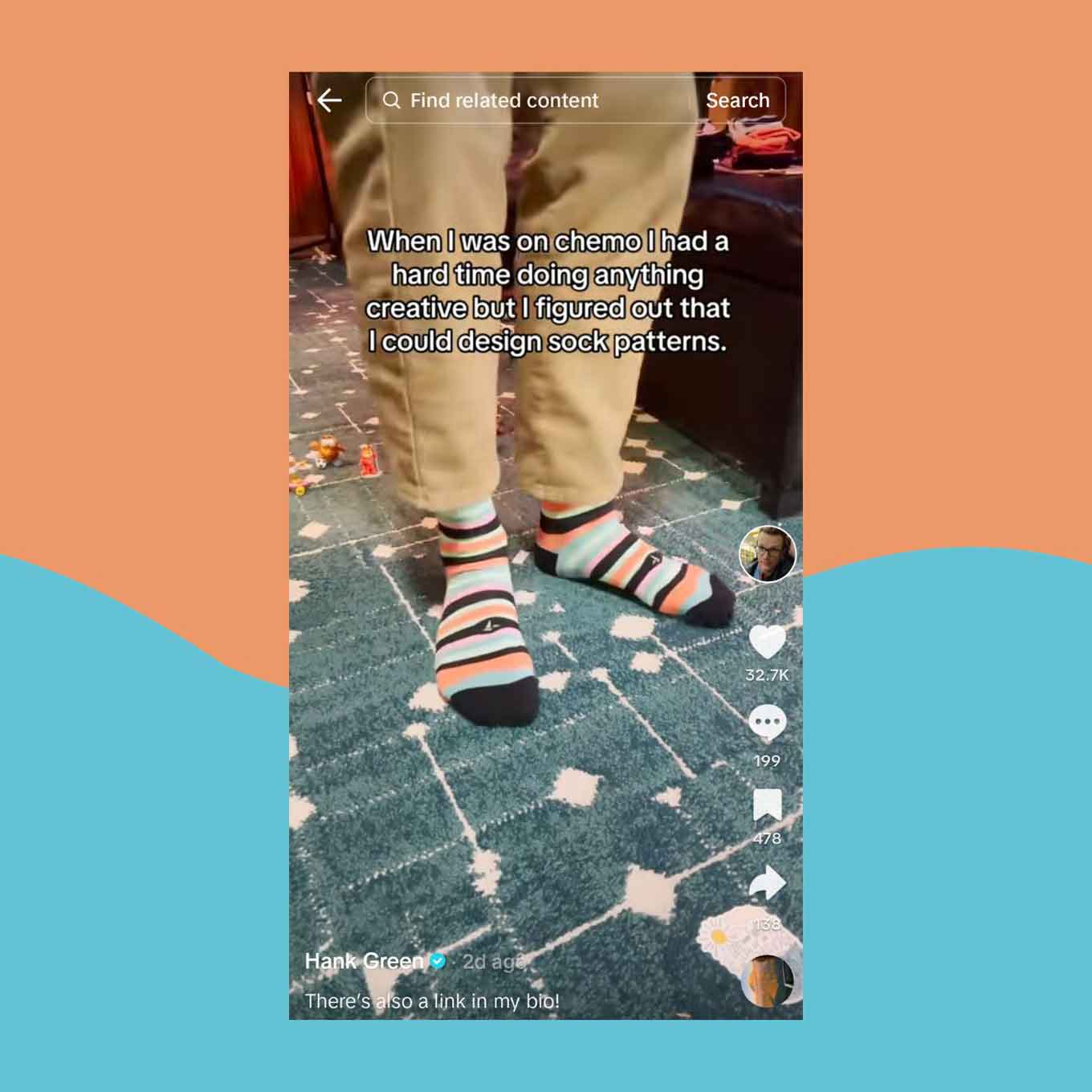
Contrary to the standard speed of his creative process, Hank loved that he could take his time with these designs, having “infinite time” to tweak small details — and listen to podcasts — while recovering.
“It was very easy to pick up and put down. It was easy to see the next step. Just one more line, one more shape, [one] more little change,” he tweeted.
All of the socks include patterns and have the same color scheme for prime mixing and matching.

Now, they are available for purchase through the Good Store. Hank (and his trusted confidants) narrowed down the designs to eight pairs and split them into two boxes for purchase.
Those two boxes are themed as the Morning Socks Box, with pastel pink and blue hues, or the Evening Socks Box, which are made with bolder oranges and “rich nighttime blues.”
Hank’s “Cancer Socks” will help people around the globe access treatment.
Consistent with the Awesome Socks Club mission to donate 100% of profits to charity, Hank’s special edition “cancer socks” will support Partners in Health’s work to “increase access to the kinds of cancer treatments that save lives and dramatically decrease human suffering,” according to a tweet from Hank.
Throughout treatment, Hank has expressed how fortunate he was to have a very treatable form of cancer — but his positive outcomes were also due, in part, to how easily accessible treatment was for him.
In a recent video, John Green shared a story about a child he met in Sierra Leone in 2018, Mondeh. He also had Hodgkins Lymphoma — but didn’t actually receive a diagnosis until two years later.
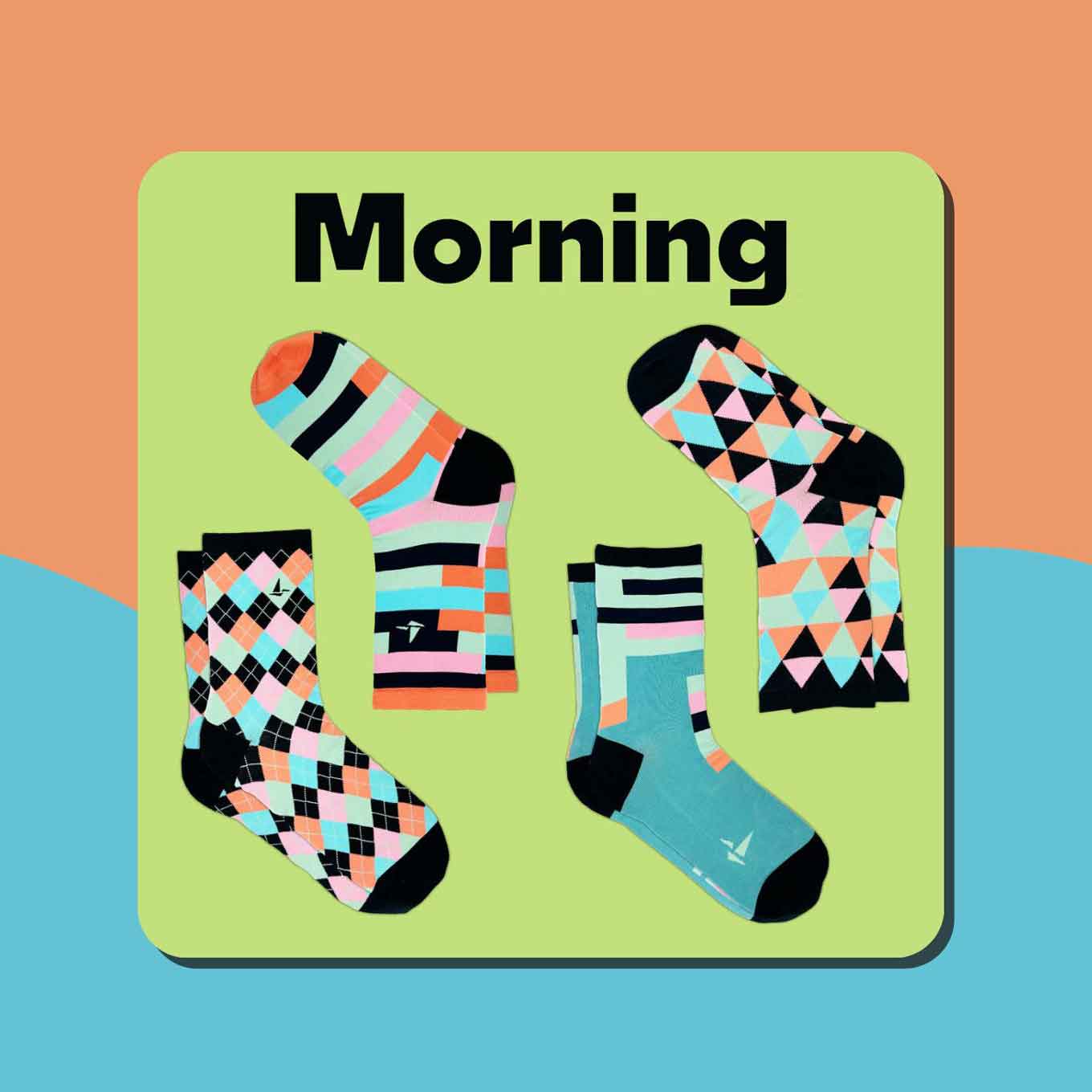
“The five year survival rate for someone diagnosed with HL who gets treatment is around 90%,” Hank tweeted. “For someone who doesn’t get treatment, it’s around 6%.”
Mondeh is still alive and in remission, despite these odds, and Hank says it’s “in large part because of chemo he received at the Burato Cancer Center in Rwanda.”
But that treatment required Mondeh to travel a great distance, as the Rwandan Cancer Center is “further from Sierra Leone than any place in the continental U.S. is from any other place in the continental U.S.”
The funds Hank aims to raise will help increase access to cancer treatment globally, meaning the next child like Mondeh can increase their chances at survival — and remission — too.
“I was lucky,” Hank said in a recent TikTok. A lot of people don’t have access to cancer treatment, which is ridiculous.”
Header images courtesy of Hank Green/Good Store
An ancient mammal species that first evolved 200 million years ago — when dinosaurs roamed the Earth — still exists today, and scientists finally have proof.
The animal — named “Attenborough’s long-beaked echidna” — was finally spotted on camera, thanks to the hard work of researchers. The findings were shared by Oxford University researchers this week.
The discovery has captured the world’s attention — prompting news articles, social media posts, and celebrations by conservationists. Here’s what all the excitement is about:
What to know about Attenborough’s long-beaked echidna:
1. Cameras captured footage of the animal this past summer.
During a harrowing month-long expedition in Indonesia’s Cyclops Mountains this past summer, a 25-person team of researchers set out to find Attenborough’s long-beaked echidna.
The multi-national team set up over 80 remote trail cameras in an attempt to capture a rare glimpse of the creature. On the final day of the expedition — in the very last frames of their last memory card — the team caught the echidna on camera.
“The first feeling was one of great relief, because we had tried so hard and thought they were there, but we needed concrete evidence for the scientific proof,” team leader Dr. James Kempton told NBC News. “That was followed by extreme euphoria.”
🎉 Attenborough's long-beaked echidna, lost to science since 1961, has been rediscovered!
— Oxford Biology (@OxfordBiology) November 10, 2023
The team battled leeches, malaria, and >11,000m of climbing in the Cyclops Mountains to capture the first ever images of the species 👇
Read the incredible story ⏩ https://t.co/r4DdKXLjLc pic.twitter.com/hzlyw5a2Ax
2. The echidna hasn’t been seen in 62 years.
Attenborough’s long-beaked echidna — named after British broadcaster and “Planet Earth” narrator Sir David Attenborough — hasn’t been spotted since 1961.
For decades, the only proof that the creature existed could be found in the Treasure Room of Naturalis in the Natural History Museum of the Netherlands.
When the specimen was first gathered by Dutch botanist Peter van Royen, it was thought to be a juvenile of another echidna species. In 1998, X-rays revealed that it was a fully grown and distinct mammal, and it was then re-named after Attenborough.
3. It’s a rare mammal that can lay eggs.
Kempton, who is a biologist from the University of Oxford, described Attenborough’s long-beaked echidna as having “the spines of a hedgehog, the snout of an anteater, and the feet of a mole.”
Kempton explained that echidnas are edge species that are evolutionarily distinct.

“The reason it appears so unlike other mammals is because it is a member of the monotremes—an egg-laying group that separated from the rest of the mammal tree-of-life about 200 million years ago,” Kempton explained.
Only five mammal species in the world have the ability to lay eggs: the duck-billed platypus, the western long-beaked echidna, the eastern long-beaked echidna, the short-beaked echidna, and Attenborough’s long-beaked echidna.
4. The echidna is still critically endangered.
Attenborough’s long-beaked echidna has never been recorded outside of the Cyclops Mountains of Indonesia. Unfortunately, the mountain range is still subject to illegal hunting.
Currently, the echidna is on the International Union for the Conservation of Nature’s Red List of Threatened Species. Kempton said that the echidna’s critically endangered status is not likely to change for some time because it is not protected under Indonesian law.
5. Another sighting could be years in the future.
Although the rediscovery of Attenborough’s long-beaked echidna is a win for the scientific community, it may be a long time before another sighting occurs.
Echidnas, in general, are difficult to find and track, because they are shy, nocturnal creatures that live in burrows underground.
“The discovery is the result of a lot of hard work and over three and a half years of planning,” Kempton said. “A key reason why we succeeded is because, with the help of YAPPENDA, we have spent years building a relationship with the community of Yongsu Sapari, a village on the north coast of the Cyclops Mountains.
6. The echidna’s namesake is thrilled.
Attenborough’s long-beaked echidna was long thought to be extinct, and its namesake could not be happier to hear that it still exists.
In an interview with the BBC, Kempton said that as soon as he returned home from his expedition, he sent a letter to Sir David Attenborough about the rediscovery.
In correspondence back, Attenborough said he was “absolutely delighted.”
Header photo courtesy of David Attenborough/Twitter and Expedition Cyclops
So many of us know Hank Green as an internet educator, author, or philanthropist. But he’s also just a dude who loves a good word game.
This is so true, in fact, that he has bought into a new word game called Gubbins.
As word games rise in popularity — like the New York Times’ Wordle, Connections, and Spelling Bee — mobile gamers may be excited to add another program to their daily roster.
But Gubbins isn’t just any word game. With Green’s help, it’s a word game for good.
It all started when Green saw some game play footage on TikTok and immediately followed the production studio that made Gubbins: Studio Folly, a small, independent game development company in Australia.
Soon after, Green reached out to the studio and excitedly started a relationship. He was able to play a pre-release version of the game and then, as he recalls it, “I said to them the following weird sentence: Can I buy 10% of the revenue of your game and then donate that to charity?”
And they said yes.

Darcy Smith, the lead game designer, and his partner Jessica Shipard, who was responsible for the art and creative direction, were floored when they got those fateful TikTok notifications from Hank.
According to a post Smith shared on Reddit, the duo hopped on a call with Green, spoke for about 90 minutes, gave him the early version of the game, and after a few weeks, received his generous offer.
“All of the lovely things folks say about Hank Green are undoubtedly true because here are the terms we ended up landing on,” Smith wrote on Reddit. “He gives us some cash up front and agrees to post about Gubbins sharing it with his community and the world. In return, we dedicate 10% of the game’s money to a charity. Wild.”
In a November 14 tweet, Green said that donations from Gubbins’ revenue would go toward his organization, The Foundation to Decrease Worldsuck. Every year, during the Green brothers’ annual Project For Awesome event, community members vote on which organizations the foundation's funds go toward. 100% of the foundation’s funds are donated.
Green has spent the last several years helping raise millions of dollars for Partners in Health and other charities through initiatives like Pizzamas, Good.Store, Awesome Socks Club, Awesome Coffee Club, and Sun Basin Soap. Gubbins is another piece of the puzzle.
“As such, [much of] the money will be directed towards reducing child and maternal death in Sierra Leone via Partners in Health,” Smith told Good Good Good. “To simplify, we’re just going to tally up what we make and send [The Foundation to Decrease Worldsuck] 10%!”
And for Studio Folly, it means their tiny team can carry on creating in an industry that is especially delicate to infiltrate at this moment in time.
“During development, our largest concern has been connecting with an audience,” Smith told Good Good Good. “Making a great game is hard enough, juggling marketing alongside it with a tiny team is unfathomable for a lot of folks. We never expected Hank Green to just find us.”
With this brand new release, Smith and Shipard are eager to make their partnership with Green count.
“Now we have a partner on board who has enabled a dream of ours, mitigated our biggest risk of not connecting with an audience, and gave us a bit of money in the process,” Smith wrote on Reddit. “We’re incredibly thankful and hopefully we make Hank proud.”
Just like many of Green’s endeavors, Gubbins has already piqued the interest of the Nerdfighters, his notoriously passionate fan community.
“The money was a nice safety buffer at a precarious time, but the biggest value add is just his involvement and his community, the Nerdfighters,” Smith told Good Good Good.
“They are so overwhelmingly smart, lovely, positive, and supportive — and I hope the interest overlap is strong, too.”
So… what even is Gubbins?
Gubbins is a “friendly puzzle game” that includes placing tiles to construct works. It’s a lot like Scrabble — but you’ll have to work around “weird little pals” called Gubbins, who are either a help or hindrance to puzzle solving. Plus, it gives back to charity.
“Minimalist typography alongside mischievous cartoons serve as a kooky canvas for moreish wordplay,” the Studio Folly website states. “It’s essentially Solitaire meets Scrabble with hilarious friends wreaking havoc.”

Upon launch, there will be 25 Gubbins to “find, collect, and master,” and players can even share their in-game milestones with custom-built postcards.
According to Smith, the postcard feature of the game has elevated the whole experience.
“After every game, you get the opportunity to make a little postcard with the words you’ve made,” he explained to Good Good Good.
“For some, the game isn’t about striving for an impressive high score; the game is now about finding funny, silly, personal, or absurd words to construct the wildest postcards you can imagine. I’m most excited to see folks posting their postcards.”

While Smith shared on Reddit that he predicts minimal monetization from the game in its initial launch, supporters are already sharing their excitement.
“Big shout out to Studio Folly for putting together such a sweet and charming game in Gubbins,” Twitter user @stimkygarbeige shared. “You can see how much joy has been baked into every element of the game, and I honestly couldn’t love it more.”
On Reddit, user u/SanatanaMishra cheered on Smith and Shipard from the comments.
“I hope you find all the success in the world and get a chance to enact your kindness vengeance,” they said.
Additionally, according to a 2022 survey, puzzles (like Sudoku) and word games (like Spelling Bee and Wordle) were the top two mobile gaming genres among Americans, with puzzles reaching 63% of gamers, and word games reaching 52%.
The popularity of these favorites — which have no charitable aspects — indicate that Gubbins could very well be the next big player in the word game scene.
Imagine Gubbins postcards alongside shared Wordle streaks in your group chats; competitions to see who can get the next high score; and persuading friends to download the game to further the cause of Green’s philanthropy.
And of course, Green also continues to sing the game’s praises.
“It looked really beautiful and fun,” he said in a TikTok. “And I’ve been playing it now for months.”
As of November 14, 2023, Gubbins is now available to download for both iOS and Android.
This article has been updated to more accurately reflect where donations from Gubbins will go.
Header photos courtesy of Studio Folly and Hank Green/TikTok
Jourdan Johnson is an AR creator and immersive art director based in Southern California. What exactly does that mean? She’s a pro at creating those fun, interactive filters you might use on apps like TikTok and Instagram.
In fact, as of August of this year, she became part of the top 1% of effect creators on TikTok, meaning her filters aren’t just fun; they’re a way for her to generate income.
It also means she can use her platform (she has over 148,000 followers on TikTok) to raise funds for people in need.
In response to the ongoing humanitarian crisis in the Gaza Strip, where over 10,000 Palestinians have been killed, she created an AR filter that would generate funds to provide essential aid to Palestine.
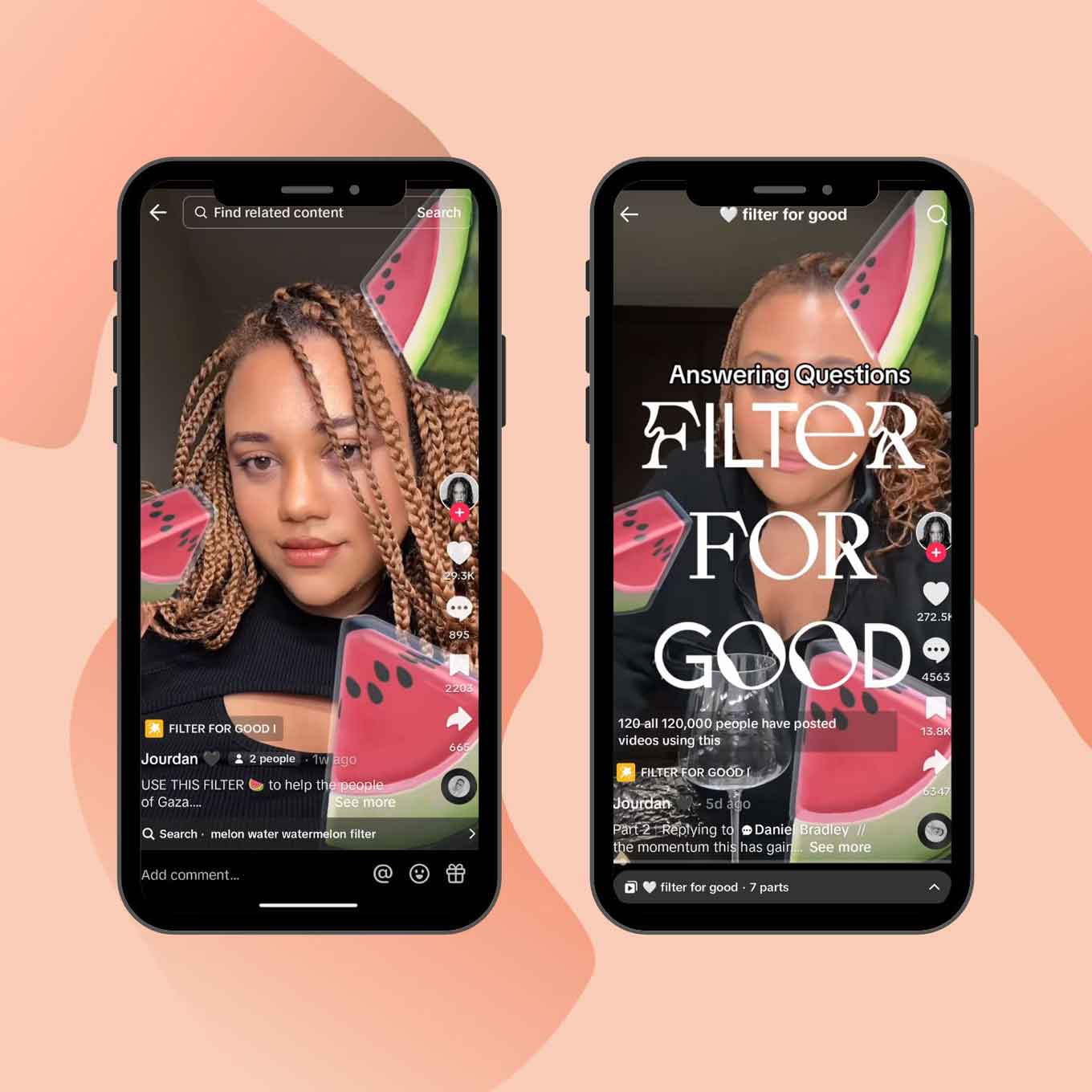
“I have created this FILTER FOR GOOD effect and will be donating the rewards earned to charities providing aid in Gaza,” she wrote in the caption of her first TikTok video debuting the effect.
“I know many of us don’t know how to help, but it can be as simple as posting a video with this filter!”
The filter includes a simple “game” that has users tap a watermelon icon and drag it through a small squiggle. The watermelon has become a symbol of solidarity for Palestinians, as some posts including the Palestinian flag have been censored.
Since watermelons are known for having the same colors as the flag (red, black, and green), they have become a more discreet way to show support on social media.
All users have to do is record a video with the filter and post it — even privately — for it to count toward the fundraiser. No trending sounds are required, though Johnson encourages people to share any helpful information they can in their videos.
“When using this filter, let’s make sure we’re making informative videos. We don’t want to lose sight of why this filter was created and what is happening,” she said in a TikTok posted on November 13.
“BookTok has been using this to share recommended readings by Palestinian authors. If you like to cook, use this filter while you’re sharing with us Palestinian recipes. And for all my beauty and fashion girlies… use it with a ‘get ready with me.’ Share with us what brands we should be supporting and why.”
@xojourdanlouise USE THIS FILTER 🍉 to help the people of Gaza. As an AR creator, I am part of the Effect Creator Rewards program - basically like the creativity fund but for effect creators. This allows me to earn money for each unique video published using my effects*. I have created this FILTER FOR GOOD effect and will be donating the rewards earned to charities providing aid in Gaza. I know many of us don’t know how to help, but it can be as simple as posting a video with this filter! *Effects only can start earning rewards once 200,000 people have posted a video using it, so we need 199,999 more — which seems like a lot but it can easily be achieved! Please comments, save, and share to boost and encourage everyone to use this filter 🍉 #newfilter #effecthouse #watermelon #free #blackgirlsintech #activism #augmentedreality #socialchange #filterforgood ♬ original sound - nemahsis
According to Johnson, who is a member of TikTok’s Effect Creator Rewards program, effects can only start earning rewards once 200,000 people have posted a video using it. Fortunately, just a week after she launched the effect, over 5 million videos (and counting) have been shared.
As of November 13, this has equated to over $7,000 in rewards. Johnson has transparently shared with her audience how earnings populate in the app and how they are dispersed, so she can keep viewers updated about when and where these funds are at all times.
Effects can generate up to $14,000 in the span of three months, meaning this effect is well on its way to reaching its maximum influence in just a week of use.
Johnson announced that half of the funds would be going to Doctors Without Borders, and the other half would help fund the disbursement of eSIM cards for people in Palestine.
However, organizations collecting eSIMs have recently reached their capacity and are pausing donations.
With the ever-evolving nature of the situation — and the fact that the payout period for the Effect Creator Rewards program is delayed from the actual creation of videos — Johnson shared that she wants to wait to decide where some of the funds will go once the money is available.
“I think it might be more efficient to determine where the funds will be donated closer to when the funds will actually be available and those donations will be made, so we can prioritize what they’re saying they need at that time,” she said in a recent update video.
Some other charities Johnson has mentioned include the Palestine Children’s Relief Fund and Human Appeal.
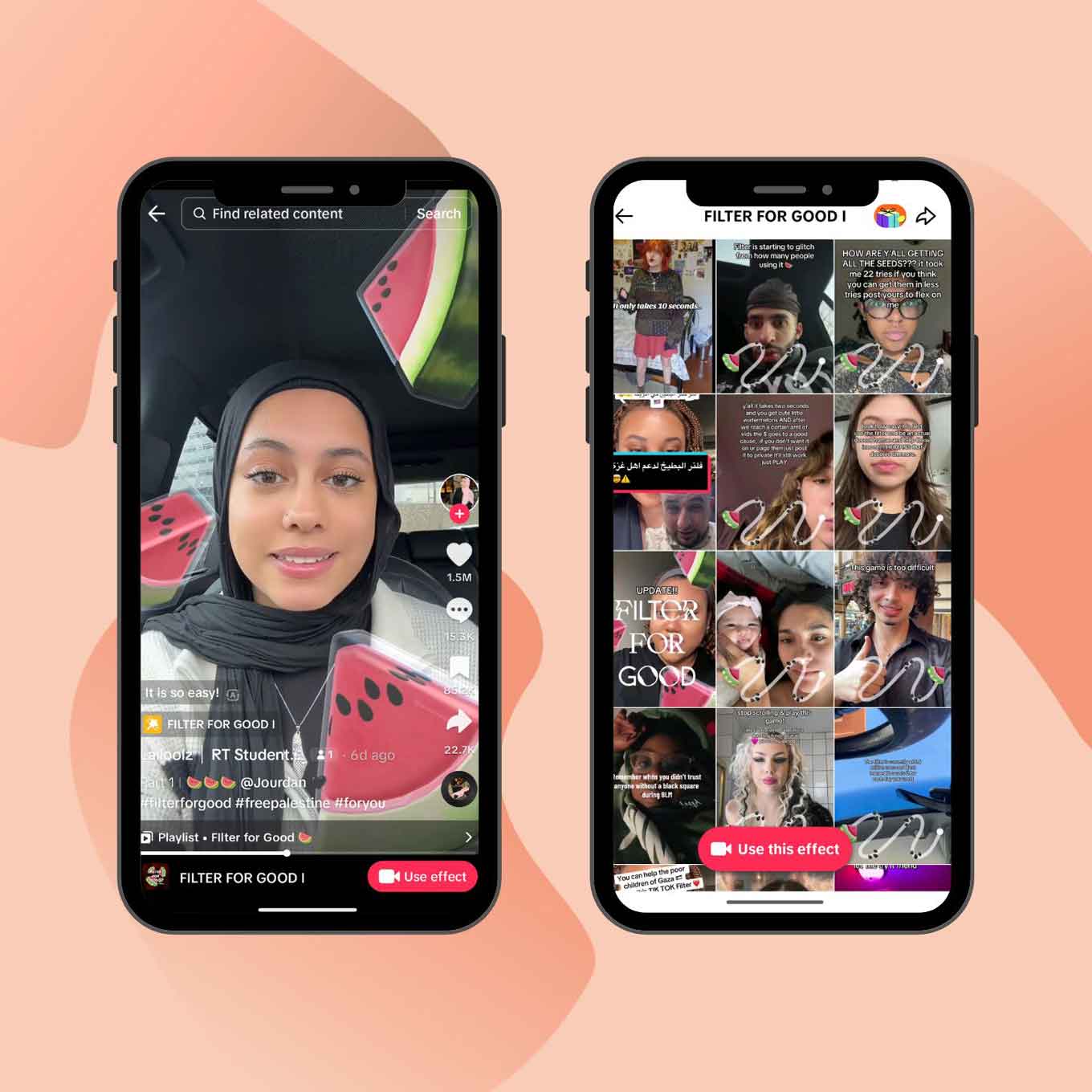
In one comment, a TikTok user asked Johnson if she would be making a similar filter to support folks in the Democratic Republic of Congo, where millions have been displaced in the wake of violent conflict.
“Yes, I plan to,” she replied. “Purposely named this ‘Filter for Good 1’ to continue making filters to support different causes if we find this to be successful!”
While other commenters continue to boost Johnson’s work by excitedly watching numbers increase, others are using these videos to share additional resources and ways to help.
Johnson is also directing viewers to other action items and providing encouragement to digital activists who want to use their skills for good.
“I believe that an effective way to make an impact is by utilizing what you know. … I’ve been an AR creator for over two years now. That is something that I know; it’s a skill I can contribute, and something I can use to do something good,” she said in a recent video.
“I knew I could utilize my skills as a filter creator with the knowledge that people are going to be using filters … to create one that has the potential to earn money that can result in direct aid. I never said that this was all you could or should do; it’s just something you can do.”
Header images courtesy of Jourdan Johnson/TikTok
— A rewilding project in Africa aims to release 2,000 white rhinos bred in captivity into national parks over the next decade.
— The World Economic Forum’s Global Risks Report 2023 has identified loss of biodiversity and ecosystem collapse as one of the top global risk factors over the next decade.
— The white rhinoceros has clawed its way back from near extinction over the last century but a major rewilding project will see 2,000 white rhinos bred at a rhino farm released in national parks across Africa over the next decade — a major boost to biodiversity.

Rewilding to protect the species’ future
The 2,000 rhinos now being released were bred in captivity at a large-scale farm dedicated to the species’ conservation. The operation ran into financial difficulties and the entire farm was put up for auction, Euronews reports.
African Parks, a non-profit conservation organization that works throughout the continent, came to the rhinos’ rescue. With the endorsement of the South African government and emergency funding from its donors, African Parks acquired the farm.
The plan is to release the animals – and their future offspring — in groups of around 300 a year over the next 10 years. They will be rehomed in protected conservation areas, either to boost existing populations or create new ones to ensure the future of the species.
The non-profit operates 22 national parks across the continent and has experience of rewilding large numbers of rhinos in countries such as Malawi, Rwanda and the Democratic Republic of Congo.
The CEO of African Parks, Peter Fearnhead, stated: “We will be working with multiple government partners, donors and conservation organizations who are committed to making this rewilding vision a reality. Sourcing additional funding will be key in ensuring that these animals can once again play an integral role in fully functioning eco-systems.”
The rhinos will contribute to Africa’s ecosystems by aiding nutrient cycling, storing carbon, and creating new sources of tourism revenues for local communities, African Parks has said.
White rhinos: Coming back from the brink
White rhinos, desired for their horns, were believed hunted to extinction in the late 19th century. However, in 1895, a small pocket of fewer than 100 animals was discovered in Kwazulu-Natal, South Africa.
Since then, conservation efforts have raised their numbers back to around 16,000, according to the WWF.
Most of these are southern white rhinos, as only a couple of females of the northern subspecies still exist.
They currently occur in just four countries: South Africa, Namibia, Zimbabwe and Kenya and are still considered “near threatened” by the World Wildlife Fund (WWF).

Biodiversity — at risk
According to the WWF, global biodiversity has fallen over 68% in the past four decades. In its Global Risks Report 2023, the World Economic Forum identifies loss of biodiversity and ecosystem collapse as one of the top risk factors over the next decade.
The report underlines the close relationship between nature loss and climate change, with a failure in one area directly affecting the other.
It recommends a focus on community resilience and local adaptation in preserving biodiversity — both significant factors in the success of the rhino rewilding project — as a way of contributing to climate change mitigation globally.
This article was originally published by the World Economic Forum on September 26th, 2023 — and was made available to Good Good Good.
More than 22 million people living in the United States are categorized as Asian Americans, and they are by no means a monolith.
According to Pew Research, their origins can be traced back to more than 20 countries, each with its own distinct cultural practices and histories that have shaped their American experience.
While it is a challenge to grasp the full spectrum of what it means to be Asian in America, documentaries have been produced to give viewers a glimpse of how this growing population in the U.S. experiences life in a multitude of ways and through different historical lenses and generations, navigating discrimination and pivotal political events in the country.
Stacker compiled a list of 25 feature-length documentaries, organized by their release date, to watch that explore themes and tackle issues that continue to impact the lives of this changing population in the United States, including cultural identity, generational division, and racial discrimination, as well as social justice, healing, determination, and resilience.
Through these documentaries, you'll meet kids at a public school's award-winning theater program in New York's Chinatown, follow filmmakers traveling and collecting personal stories across the country, see adoptees returning to their birthplace, watch a basketball star dunking on national TV, and witness a family of lawyers challenging the American judicial system.
These aren't just Asian American stories; these are American stories.

Explore these documentaries to watch about Asian American life
Who Killed Vincent Chin? (1987)
- Directors: Christine Choy, Renee Tajima-Pena
- Runtime: 82 minutes
Violent attacks against Asian Americans have been part of the American landscape since Chinese immigrants first arrived in the mid-1800s, with the perpetrators of some of the most horrifying attacks — the Chinese Massacre of 1871, for instance — walking free. More than a century later, that was still the case in Detroit.
Twenty-seven-year-old Vincent Chin was beaten to death with a baseball bat in 1982 by white assailants, a father and his stepson, who eventually confessed to the crime and were charged with manslaughter (rather than murder)—but never served any time.
Through archival footage, interviews with those connected to the murder and the cases that followed, Christine Choy and Renee Tajima-Pena's Oscar-nominated doc examines factors that may have led to the murder and weak sentencing and how Asian Americans (who formed the American Citizens for Justice) and other communities came together to demand justice for Chin in the first civil rights case in history to involve an Asian American.
Forbidden City, U.S.A. (1989)
- Director: Arthur Dong
- Runtime: 56 minutes
San Francisco has been home to generations of Chinese Americans, but what's not as widely known is there was a Chinese nightclub that opened in 1938 that broke all perceived stereotypes of what it meant to be Chinese. At Charlie Low's Forbidden City, dancers and singers performed nightly (some scantily clad) to packed houses, featuring stars such as the Bubble Dancer, the Chinese Fred Astaire, and Chinese Sally Rand. "Forbidden City, U.S.A." gives viewers a look at the lively Chinese-owned and operated nightclub scene of the 1940s and its importance to the community through interviews with those who frequented Forbidden City and tells the goings-on inside what one woman described as "a three-ring circus every day."
My America… or Honk If You Love Buddha (1997)
- Director: Renee Tajima-Peña
- Runtime: 87 minutes
Travel across the country with filmmaker Renee Tajima-Peña in this Sundance Award-winning project profiling different Asian Americans who uncover buried histories — one such discovery involves the site of a former Japanese American concentration camp she visits with activist Yuri Kochiyama — to document the changing Asian American population, both in size and diversity.
It's an America vastly different from the one Tajima-Peña remembers decades ago on family vacations as a child, when they crossed different state lines without seeing another Asian.
Multihyphenate personality Victor Wong (known most for his acting work) inspired the film and is prominently featured, memorably sharing how he became a beatnik and befriended Jack Kerouac. Questions Wong poses in the doc: "What is an Asian American? Am I Asian? Or am I an American?"
First Person Plural (2000)
- Directors: Deann Borshay Liem, Jefferson Spady
- Runtime: 60 minutes
In this poignant documentary, Deann Borshay Liem reflects on her upbringing in a middle-class American family by white parents who adopted her from a South Korean orphanage when she was 8 years old and the motivation that led her to find her birth parents as an adult.
Her "American" childhood is shown through family photos and her father's film footage, one devoid of a Korean identity.
Early on, she reveals startling details about her adoption story (further explored in her 2010 documentary "In the Matter of Cha Jung Hee") and historical events in South Korea that led to a wave of transnational adoption.
Frank conversations with her American family members are also captured, leading up to and during the first meeting of both her families in South Korea. The documentary brought attention to the complex issues of transnational and transracial adoption — loss of language, culture, and birth name, among them, as well as adoptees feeling torn between cultures and families.
Saigon, U.S.A. (2004)
- Directors: Lindsey Jang, Robert C. Winn
- Runtime: 57 minutes
"We are all these things that other Americans are… but we are also refugees" is a sentiment expressed in the opening of the documentary set in Little Saigon, a neighborhood in Orange County, California, home to the largest population of Vietnamese Americans in the country and the biggest Vietnamese community outside of Vietnam.
"Saigon, U.S.A." recounts the history of Vietnamese people fleeing the country to the U.S. through painful personal accounts and how their refugee status from a war-torn country has impacted their lives. It also examines the importance of the 53 days of protests in early 1999 in Little Saigon — sparked by a shopkeeper's public display of support for Ho Chi Minh — that made national headlines and divided the community.
Contrasting views from different generations are expressed about what freedom and being American mean to them in light of the man's demonstration of his First Amendment rights, but also how the event unexpectedly led the community to heal old wounds.
Grassroots Rising (2005)
- Director: Robert C. Winn
- Runtime: 56 minutes
The struggle of Los Angeles' working-class immigrant communities for the American Dream is examined through the stories of workers fighting together for better pay, working conditions, and equal rights with such organizations as the Asian Pacific American Labor Alliance and Garment Worker Center.
Providing a better future for their kids was the motivation for many of the workers — day laborers, caregivers, garment, and restaurant workers — who spoke about the sacrifices that goal entailed, as well as how they were deceived by companies that brought them to the United States to work.
The words of artist Alison de la Cruz also give voice to their hopes, disappointments, and resilience, as the doc reveals the power of Asian American labor movements, past and present.
The Grace Lee Project (2005)
- Director: Grace Lee
- Runtime: 68 minutes
Growing up in Columbia, Missouri, there weren't many kids who looked like Lee, a uniqueness she'd come to embrace. But when she moved away, director Grace Lee discovered her name was ubiquitous: tens of thousands shared her name and primarily left positive impressions on acquaintances and colleagues.
In an effort to delve deeper (and hopefully find Graces who didn't fit that mold), the documentary follows the director as she launches an online project that connects her to hundreds of others who share her name.
In "The Grace Lee Project," viewers watch her travel across the country to meet them and learn their personal stories and motivations — including activist Grace Lee Boggs, who would be the subject of a future doc — in this extraordinary exploration of how Asian American women are perceived and see themselves.
Hollywood Chinese (2007)
- Director: Arthur Dong
- Runtime: 90 minutes
Being an actor of Asian descent in America has historically been (and continues to be) a career full of obstacles, with few roles to choose from—often as sidekicks, one-dimensional or stereotypical "exotic" beauties, perennial foreigners, or worse.
"Hollywood Chinese" shows how the Chinese have been depicted on the big screen, starting with the silent era, including how white actors performing in yellowface were the status quo and were even awarded Oscars for doing so.
Film clips and stills from numerous films are featured — starring such screen icons as Anna May Wong, Nancy Kwan, and James Hong — and commentary from well-known actors of the day, along with other industry professionals who provide additional perspectives on the impact of Chinese in Hollywood and vice versa.
Somewhere Between (2011)
- Director: Linda Goldstein Knowlton
- Runtime: 88 minutes
See Asian American and transracial adoptee life through the stories of four teenagers who were adopted from China when they were young. At the time of the film's release, they were among the estimated 80,000 girls adopted from the country since 1989.
The documentary shows slices of their everyday lives in different parts of the U.S., offering their very personal takes on being adoptees from a different country raised in white families while also chronicling their journeys to their birthplace. What they share in common and what distinguishes the girls is revealed over the course of the film, as well as their hopes for the future during a pivotal time in their lives.
Filmmaker Linda Goldstein Knowlton, who is white, was compelled to embark on this ambitious project partly because of her adopted Chinese daughter, Ruby. "How could I be there for her? I realized that I had the opportunity to explore my questions with many 'experts,'" she told Women in Hollywood. "I chose to follow four girls, trying to represent a diversity of experience and geography, and see what they had to say."
Uploaded: The Asian American Movement (2012)
- Director: Kane Diep
- Runtime: 75 minutes
Today, filmmaker Kane Diep is known for the viral video content he has produced, with such internet-friendly titles as "I Asked My Mom 11 Intimate Questions Before It's Too Late," "Short Guys Try Being Tall for the First Time," and "Asian Americans Recreate Iconic Magazine Covers."
A little over a decade ago, he was also responsible for creating an important time capsule about Asian American pop culture with "Uploaded: The Asian American Movement," which features interviews with 60 Asian American creatives — from dancers and directors to content producers and cultural critics — who share their varied experiences.
The experiences covered in the project include being the token Asian in their respective industries, the limited "other" roles available to them (often stereotypical), the movies and TV shows that influenced them, and how digital platforms helped them reach global audiences on their own. You'll inevitably wonder as you listen to their stories, has much changed for Asian Americans in entertainment in the past decade?
American Revolutionary: The Evolution of Grace Lee Boggs (2013)
- Director: Grace Lee
- Runtime: 82 minutes
Filmmaker Grace Lee Boggs paints a remarkable portrait in "American Revolutionary: The Evolution of Grace Lee Boggs," tracing the Boggs' involvement in radical movements for more than 70 years, beginning with meeting Black activists in Chicago and then in Detroit. Lee interviewed Boggs over the course of 10 years, following the spirited Boggs as she taught classes and visited with friends (often arguing with them). You'll even see the director giving Boggs a haircut. That's how personal this work is.
Within the first few minutes of the film, you'll be hooked on Boggs' voice. The activist recalls how she and her husband, Alabama native and author James Boggs, met and would become pivotal figures in the grassroots Black power movement during the 1960s that would include launching an all-Black political party. (The FBI had thick files on both of them.)
One of the scenes that stands out is when Boggs, then in her late 80s, passionately says while pounding her hands on the table, "I think that if we stick to those categories of race and class and gender, we are stuck."
Linsanity (2013)
- Director: Evan Jackson Leong
- Runtime: 89 minutes
Basketball player Jeremy Lin's rise from relative obscurity to starting point guard for the New York Knicks was a story not even the most imaginative writer could have scripted: an Asian American NBA star? As one broadcaster said, "He just didn't fit the mold."
In "Linsanity," Lin shares how this widespread sentiment played out in his life, having been doubted as a player by staff whenever he visited gyms for practice and enduring a barrage of racist taunts and slurs as a point guard for Harvard — never knowing unexpected stardom would greet him on the other side.
For people who lived through "Linsanity" and those who have yet to hear his story, the documentary has all the spectacular footage that made him an international sensation and a source of Asian American pride. In the doc, Lin says, "I know God orchestrated this whole thing."
Still, interviews with family and his early coaches speak to Lin's determination and potential while acknowledging that the path to college ball — much less the NBA — for an Asian American had yet to be paved until his arrival.
9-Man (2014)
- Director: Ursula Liang
- Runtime: 89 minutes
Sports and camaraderie are at the heart of this documentary, following teams of Chinese American men competing in the annual tournament of 9-Man, a form of volleyball played with nine players on each side of the net.
The streetball game first developed in China and became a pastime for early Chinese immigrant men in the U.S. wanting a respite from grueling, low-paying jobs in restaurants and laundromats; the pervasive anti-Chinese sentiment; and laws such as the 1882 Chinese Exclusion Act.
Decades later, the game is still a source of pride for Chinese American men committed to keeping the sport alive in parking lots and city streets across the country.
Essential Arrival: Michigan's Indian Immigrants in the 21st Century (2014)
- Director: Merajur Rahman Baruah
- Runtime: 61 minutes
In 2012, Indian immigrants accounted for approximately 14% of the immigrant population in the United States and tended to be highly educated and pursued work in the STEM and health care fields. But such data provides a limited, simplistic view of the growing population, as do the popular cultural images of Bollywood performers, the IT guys, and people wearing turbans or saris.
Adding depth and nuance to these oversimplifications, producer-professor Arifaa Javed's project lets individuals of different generations in Michigan express who Indian Americans are by sharing their immigration stories, what matters to them, and the dreams they pursue, along with interviews with those from outside the community.
Abacus: Small Enough to Jail (2016)
- Director: Steve James
- Runtime: 88 minutes
During the mortgage crisis of the late 2000s, a small, Chinese family-owned bank, Abacus Federal Savings Bank, became the focus of a criminal indictment threatening not only the family's livelihood but the lives of everyone the family served in New York's Chinatown community.
Despite the Abacus owners taking the proper actions to report and fire the loan officers who had committed fraud at their bank, the bank was treated far more harshly than larger banks, with far-reaching fraud schemes affecting thousands across the nation.
Here, we watch how the founder Thomas Sung and his three lawyer daughters (one of whom had worked in the district attorney's office) respond in this real-life David-and-Goliath legal tale of an immigrant family's bank that provided loans to an overlooked and underserved community when no one did.
The district attorney's unjust treatment of all parties of Chinese descent is particularly underscored—while other institutions were let off with fines—and how it affected people's view of the larger community and themselves.
Mixed Match (2016)
- Director: Jeff Chiba Stearns
- Runtime: 95 minutes
Asian Americans are the group with one of the lowest percentages of people on national donor registries, providing little hope for those of Asian descent suffering from life-threatening blood diseases of finding a match. The chances are bleaker for Asian Americans of mixed backgrounds looking for a donor.
In "Mixed Match," we hear the stories of hopeful patients, those on the donor registry who gave patients a chance at survival, and meet Athena Asklipiadis (who has Japanese and Greek heritage), the founder of Mixed Marrow, whose mission is to increase the number of multiethnic and minority bone marrow and blood cell donors.
The award-winning doc by Japanese Canadian filmmaker Jeff Chiba Stearns features not only those patients of Asian descent but those of other ethnicities as well while addressing how their multiracial identity is viewed differently because the treatment of their illnesses is intimately tied to it.
The Chinese Exclusion Act (2017)
- Directors: Ric Burns, Li-Shin Yu
- Runtime: 114 minutes
Most Americans wouldn't be able to tell you what the Chinese Exclusion Act of 1882 was. The federal law restricted Chinese workers from both entering the United States and prevented Chinese people already in the country from becoming American citizens. It was the first law in the United States government to prohibit immigration based on race or ethnicity—yet far from the last to single out Asian Americans.
The documentary delves into what factors led the act to become law (despite being unconstitutional), how it impacted American demographics, and who was considered American for decades.
Ulam: Main Dish (2018)
- Director: Alexandra Cuerdo
- Runtime: 90 minutes
Until recently, Filipino cuisine got little love beyond the Filipino American community. "Ulam" was released as these chefs started to make headlines regularly.
In the film, Alexandra Cuerdo visits some of the most well-known chefs and restaurateurs to learn how they got their start in the culinary industry, what led them to serve their Filipino and Filipino-inspired dishes, and the support systems (including other FilAm chefs) that helped make their dream ventures possible. Count on seeing some behind-the-scenes cooking and many tantalizing dish shots that will have you craving Filipino food for your next meal.
Asian Americans (2020-present)
The must-watch five-part film series from PBS is one of the most comprehensive looks at Asian American history, detailing the arrival of early immigrants and the building of the country's railroads to leading farm labor movements, while also examining the laws that restricted where Asian Americans could live to whom they could marry. It's daunting to learn how much of this history has largely gone untold or taught in schools.
Throughout the docuseries, you'll begin to speculate why that's the case and how it affects the Asian American experience. The series also takes us to present-day America, where issues faced by previous generations (racial discrimination and hate crimes, among them) continue to loom. Still, it also celebrates the many figures from the community who have fought such injustices and other trailblazers who have made a place for themselves in different fields and industries.
Cane Fire (2020)
- Director: Anthony Banua-Simon
- Runtime: 90 minutes
Kaua'i has served as the backdrop for Hollywood productions for ages, but its working-class residents and Indigenous communities were never the main attraction, nor were they historically represented in accurate or flattering ways. Sound familiar? Instead, they were constantly relegated to mere extra roles—including the filmmaker's Filipino great-grandfather — or worked behind the scenes while witnessing the destruction of their land and the erasure of their histories on screen.
Anthony Banua-Simon covers this in "Cane Fire" by setting off in search of lost footage of a film in which his great-grandfather appeared. Learn about the history of Hollywood on the island (and its exploitative practices) and how the industry impacted local agriculture and spawned a massive tourism industry through film clips and interviews with impacted locals, such as his family members and activists working to reclaim lands from developers.
Curtain Up! (2020)
- Directors: Kelly Ng, Hui Tong
- Runtime: 69 minutes
Follow a loveable and talented group of elementary school performers from PS 124 in New York's Chinatown as they prepare for their school's production of "Frozen" in Kelly Ng and Hui Tong's "Curtain Up!" The film showcases the kids' lively auditions and rehearsals with their supportive instructors leading up to opening night. Elsewhere, we meet generations of the kids' families in the comfort of their homes, including the comedic and tender interactions between them and the heartfelt conversations they have.
Throughout the doc, the kids' perspectives on the world and each other are especially memorable and as critical as they come, including this reflection by one of the fifth-grade stars: "I like being Asian because it's where I'm from. It's pretty weird, because, like, curriculum in Chinatown, why don't they teach about Chinese people? All they teach about is Christopher Columbus. … They don't show what kind of people we were back then."
The Donut King (2020)
- Director: Alice Gu
- Runtime: 90 minutes
Cambodians own approximately 80% to 90% of the independently owned donut shops in Southern California. This is the story of how that came to be, and it begins with a Cambodian refugee, called "Uncle Ted," who built a donut empire. Getting his start learning the business in a Winchell's training program before starting his own chain, Ted Ngoy soon helped other refugees and family members own their own donut businesses. Ngoy also introduced the pink doughnut box that has become iconic in the Southland.
Betrayed: Surviving an American Concentration Camp (2022)
- Director: Rory Banyard
- Runtime: 56 minutes
During World War II, more than 100,000 Japanese Americans were unjustly placed in concentration camps. But only the Japanese living in the country were targeted: not the Italians, nor the Germans. "Betrayed" revisits that time in history through archival footage and interviews with families. The survivors talk about the many challenges their community faced prior to being placed in camps, what they endured, and the devastating losses of their civil rights, property, and businesses.
It was a traumatic experience that was difficult for generations of those incarcerated to discuss. "We were stripped of everything," one survivor says in the project, with another noting the trauma it caused families even afterward was "shut out of our life because it was horrible. It was more merciful to us to forget than to talk about it."
Giant Robot: Asian Pop Culture and Beyond (2022)
- Directors: Dennis Nishi, Dylan Robertson
- Runtime: 56 minutes
When LA punk rockers Eric Nakamura and Martin Wong launched "Giant Robot," a 1994 zine-turned-full-color bimonthly magazine about "Asian pop culture and beyond," no one was covering it. "In the '90s being Japanese American wasn't cool, but it was cool to me," Nakamura said.
The publication would give ink to movements and celebrated figures of Asian descent when there was little (if any) Asian American representation in mainstream media. They would publish stories on Hong Kong cinema, Japanese American concentration camps, Asian subculture stars, and more, reaching audiences on a global scale and helping launch the careers of many artists and actors.
The film chronicles how it all came to be, in their words, with previously unseen video footage dating back to the mag's inception and insightful interviews with Takashi Murakami, Margaret Cho, James Jean, and Daniel Wu. As Wong says in the doc, "It feels good to see someone who looks like you" — and no one did it like "Giant Robot" did for Asians and Asian Americans.
Like a Rolling Stone: The Life & Times of Ben Fong-Torres (2022)
- Director: Suzanne Joe Kai
- Runtime: 99 mins
One of the most influential music journalists and editors of our time, and called by a colleague as "King of 'Tell Me More,'" Ben Fong-Torres interviewed numerous legendary musicians for Rolling Stone, including Marvin Gaye, the Doors' Jim Morrison, Elton John, and Steven Wonder.
In "Like a Rolling Stone," music fans will instantly be drawn to the archival video footage and interview recordings of such icons, but equally thrilling is getting a peek at his archives of hundreds of cassette tapes and seeing a master interviewer at work unearthing previously untold stories.
Among other interesting details revealed in the doc includes one such account of the origin of his name — created to circumvent the Chinese Exclusion Act, his father purchased a Filipino birth certificate to immigrate to the States as Ricardo Torres.
This story was originally published by Stacker and republished pursuant to a CC BY-NC 4.0 License.
Kathryn Bowen is a retired pediatrician who now spends much of her week volunteering at Casa Alitas, a shelter and welcome center for migrant families in Tucson, Arizona.
Bowen works in the shelter’s medical clinic, which is a small portion of the overall program at Casa Alitas and is managed by the Southeast Arizona Health Education Center. There, she uses her long-time health care skills to address any medical concern that clients might have.
Casa Alitas is a temporary shelter, especially for migrant asylum seekers who have been released by ICE or Border Patrol.
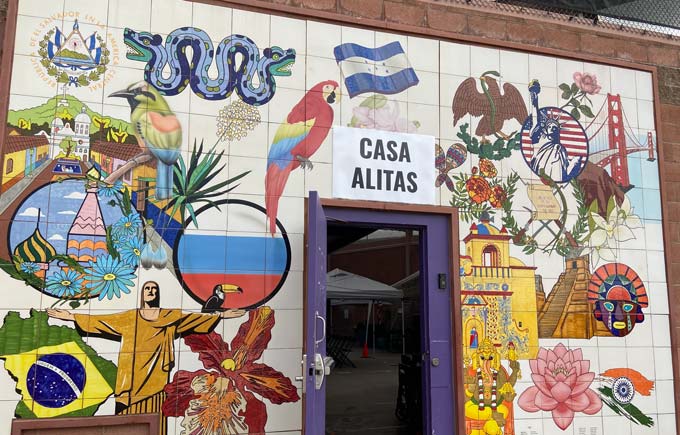
This means that the people Bowen helps are often ready to move onto the next step in their journeys. Accommodations, she said, “are basic but secure,” and guests are provided with regular meals, clean donated clothes, and toiletries.
On average, guests stay in the shelter for 24 hours to a few days, while they make accommodations for their final destinations.
During this time, however, many folks need a little care and support from experts like Bowen. She and other providers help connect guests with treatment for various conditions, such as rashes, tooth aches, minor viral illnesses, muscle aches, and more.
“I can provide over-the-counter medications such as analgesics for headaches, prescription refills that were confiscated at the border, and new prescriptions for acute illnesses, such as ear infections,” Bowen told Good Good Good. “We also dress minor wounds like blisters or burns, and we can do some minor tests.”
If a visitor needs more complex support, they will be referred to another clinic or emergency department.
A lot of the time, Bowen said, the folks she has seen come from countries like Venezuela, Ecuador, Guatemala, Senegal, Mauritania, and Mali, and are glad to just have a listening ear.
“The guests have often traveled for weeks to months, sometimes in very harsh conditions, so stress and anxiety are often a component of their complaints, and the chance to be listened to can be part of the treatment,” Bowen said.
While many of the medical providers who volunteer with Casa Alitas have been providing medical services to migrants since the organization even existed, Bowen said she’s a new member of the team. She joined the efforts after she was connected with the health and humanitarian organization Project HOPE.
While Casa Alitas is a program of Catholic Community Services of Southern Arizona, it works in partnership with other faith communities, government agencies, educational institutions, and NGOs — like Project HOPE.
Project HOPE’s involvement is specific to Casa Alita and SEAHEC’s Health Care Coordinator program, which helps train providers to help guests who have passed through the shelter find low cost or free medical care when they reach their destinations.
In a full circle moment, Bowen realized she would be working with Amy Pacheco — the program’s migrant coordinator — who was a patient at the clinic Bowen spent 25 years serving as pediatrician.
“While I saw many great families in that clinic, it served a mostly lower-income, sometimes fragile population,” Bowen said. “I am so thrilled when I see how successful some of those kids have been.”
Alongside Pacheco and other volunteer providers, Bowen is part of a well-oiled machine that generously welcomes new community members.
“Most of Casa Alitas’ guests are headed somewhere else. The most common destinations I see are New York and Atlanta. Often, they have family or friends in these locations, but many of them will end up in shelters elsewhere,” Bowen said.
She encourages people all over the country to consider how they can use their unique skills to support migrant individuals and families during these adjustment periods.
“I had the opportunity as a pediatrician to work in many different settings including as a pediatric emergency department physician, as a primary care provider, as a hospitalist and as an urgent care provider,” Bowen said. “This diverse background provides me with skills and confidence as I work in a shelter setting.”
While Bowen is a skilled medical professional, she knows that there are a myriad of opportunities for people to support migrant and refugee communities in their own ways.
“I am sure there are many other volunteer opportunities to work with migrants in shelters and programs in cities far from the border,” she said. “Working with literacy programs in your own town could [also] give these asylum seekers many opportunities to become better acquainted with the U.S. and its citizens.”
We grew up learning about the “three R’s” — reduce, reuse, recycle. But have you ever considered the significance of the order of the three?
Of the plastic waste produced between 1950 and 2015, only 9 percent was recycled, according to a 2017 study published in Science Advances. The EPA estimates that every American produces more than two tons of waste yearly, with more than 200 pounds of that being food.
tl;dr: we recycle only about one-third of our waste!
Waste management is an increasingly troubling problem for countries to tackle. Many plastics take anywhere from a decade to a few hundred years to degrade in sunlight — that is, if they even get sunlight. Much of this trash is hidden under piles in landfills.
This is why the order of the familiar turn of phrase is significant: reducing and reusing ought to come before we even think about the recycling bin.
Consider it a waste hierarchy of sorts, with recycling as a last resort. Our efforts would be best spent by prioritizing reducing our waste, reusing what we already have, and only recycling if we absolutely need to discard something.
The problem of plastic and other recycling waste is massive, but if we can make individual lifestyle changes (while pushing for larger, systemic change!), we can make a real, meaningful difference for a massive problem.
And don’t be fooled by the myth that recycling doesn’t matter: when we recycle, we’re still reducing the extraction creation of virgin materials, conserving energy, reducing air and water pollution, reducing greenhouse gases, and more.
There are also a few other important R’s to the mix.
Here are some ways you can meaningfully engage with the growing waste problem by refusing, reducing, reusing, recycling, repairing, and a couple extras, too.
What Are the 5 R’s?
The 5 Rs are Refuse, Reduce, Reuse, Repair, and Recycle. Though the list can often continue with even more Rs, like Resist, Rot, Repaint, Repurpose, Reclaim, and Refurbish.
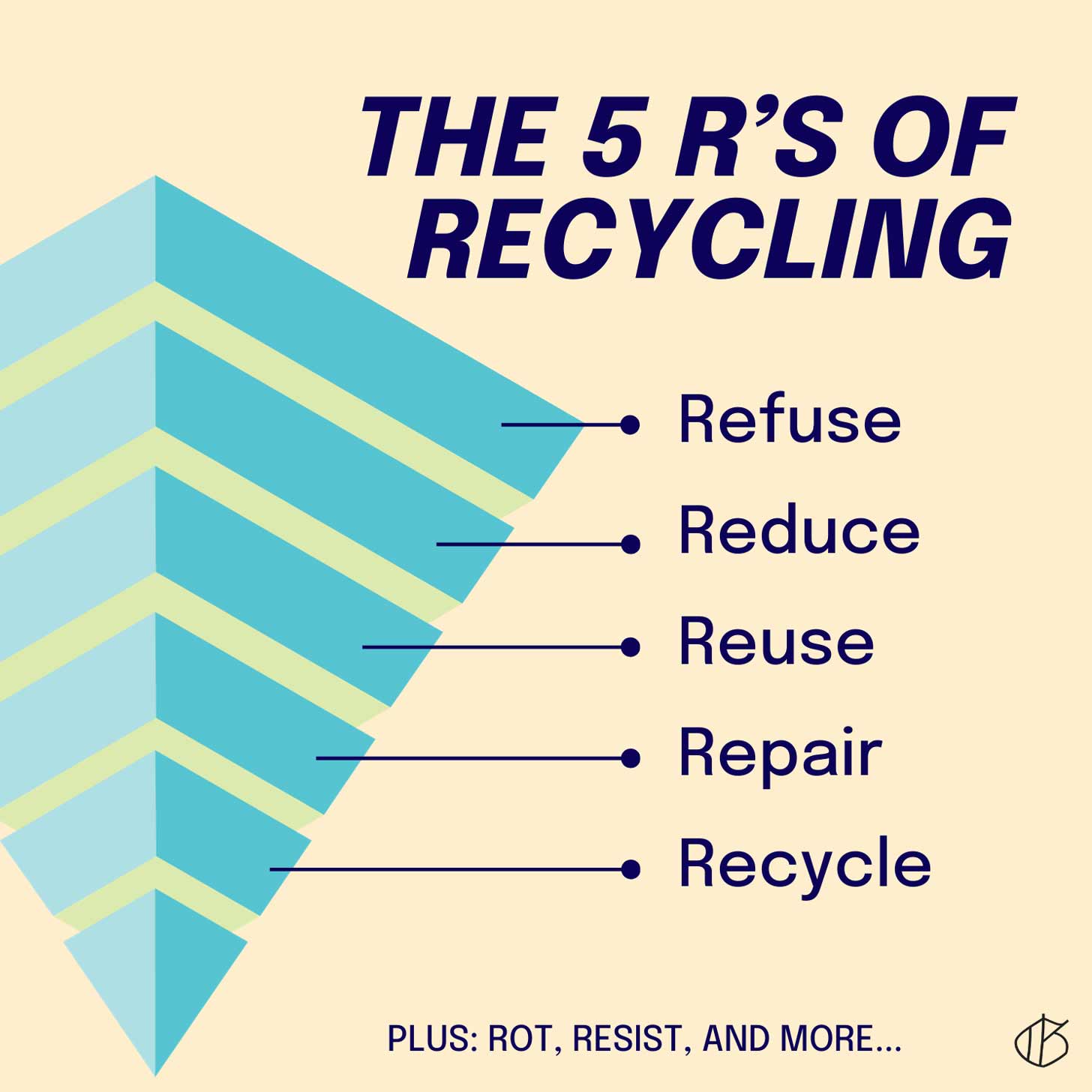
We’ve created a breakdown of these, along with simple tips to help you get started:
Refuse
A great way to take waste out of the equation: refusing items altogether! Refusing can mean either declining to participatein a waste-generating activity, or refusing to accumulate what we don’t need. Refusing also looks like declining to buy or use products that harm you or the environment.
Use the power of your dollar — in this case, withholding that power — to tell companies what you want. It may feel tempting to tell yourself, “Well, the item’s already created, what harm will it do.” But remember: supply is driven by demand, and you can decrease demand for something by declining to purchase it.
Refusing doesn’t have to be complicated. Sometimes it’s a simple “no, thanks.”
We’ve been conditioned to consume things because they’re cheap (or even free!), but this isn’t a good reason to purchase or consume something. Especially if you have a similar item that works perfectly for your needs already — refuse the new item!
Refusing also doesn’t have to happen all at once: it’s a constant process of examining your lifestyle, trash can, and recycle bin and looking for ways you can refuse things in the future. (Same goes for reducing, the next R in the process!)
Tips To Help You Refuse:
Tip #1: Refuse to accumulate what you don’t need, such as free water bottles, pens, or other swag. If you’ll use it, then take it, but if it’ll end up in trash, it’s better not to. It can feel weird to refuse gifts — but if they aren’t necessary, just say no (and communicate your desire for consumable gifts, instead!).
Tip #2: When you order takeout from a restaurant, ask the server to skip the plastic bag, cutlery, and napkins. Refusing is about preventing ownership altogether so that items never enter the reduce/reuse/recycle lifecycle at all.
Reduce

Reducing is about limiting our accumulation and lessening our impact. It can be overwhelming to quit anything cold turkey, so reducing our consumptive habits is a great place to start. Because the reality is, there are things we need to go about our day-to-day lives — we just may not need as much as we think we do!
When you do have to accumulate something, make a strategic choice to lessen your environmental impact. There are so many great resources online for making more sustainable lifestyle choices, and incredible online shops that offer low- or zero-waste products.
When you can’t refuse something altogether, you have the buying power to choose to buy less — and buy better.
5 Things To Reduce This Month:
Do you think you can go a whole month without each of these?
You’ll probably find that it’s easier than you expect if you’re paying attention to opportunities to reduce.
- Single-use silverware
- Single-use bags (plastic or otherwise)
- Disposable straws
- Plastic cups
- Single-use water bottles
Tips To Help You Reduce:
Tip #1: “Zero waste” and refill stores, where you can buy low-or-no waste, eco-friendly products, are rising in popularity. See if there’s one in your area, or shop online at some of our favorites such as Package Free Shop and Zero Waste Store.
Tip #2: Buy products like food, laundry, and cleaning products in bulk, economy sizes, or concentrate to reduce the amount of packaging that comes with your purchase.
Reuse
Reusing means using something you’ve purchased more than once rather than tossing it after a single use. Simple, right? There are clever ways to reuse that you might’ve never heard of.
Once you have purchased or own something, reusing is simply about extending the life of that item — whether it’s reusing a glass jam jar for storage (who wants to compare glass container collections?), a cozy winter sweater for multiple seasons, or a gift bag you received to use for your own gifting!
A synonym for reusing is upcycling! Upcycling reuses discarded items or materials and turns them into something with a higher value than what it originally had. In short, before you toss an item in the bin, ask yourself how you might creatively upcycle or reuse it.
The concepts of reusing and upcycling are catching on at a larger scale, too, from the fashion industry and building construction, to wind turbines, food, and even beer! Cheers to that.
Examples of Things You Could Definitely Reuse Instead of Throwing Away:
- Coffee grounds can be used to create a body scrub. It’s exfoliating and smells amazing.
- Your old toothbrush can be used to scrub grout around tile and underneath sink fixtures.
- At the end of the growing season, let some of your veggies and flowers go to seed, collect the seeds, and use them next season for free.
- Blankets and towels can be donated to animal shelters, where they will be reused to keep animals warm.
- Used pieces of paper and junk mail can be used as scrap paper.
- Reuse your food scraps by composting them.
- Yard debris like grass cuttings, leaves, and wood chips naturally fertilize and add nutrients to your soil.
- Egg cartons can be used as a palette for paint or a place to store seedlings.
- When you get a gift, save the bag and use it the next time you need to give a gift.
- Use your Goodnewspaper as wrapping paper — the recipient gets a gift wrapped in good news.
- Sell your used clothes online (or IRL!) to ensure they get to live another life in a new home.
Tip To Help You Reuse:
You often don’t need to buy anything new — you probably have what you need at home. But if you need to buy something, make sure you’ll use it more than once. Substitute a plastic shopping bag for a reusable one (we like Baggu), plastic food wrap for beeswax wrap, and plastic Ziploc bags for silicone food bags (such as Stasher). Carry a water bottle, cutlery, and shopping bags with you so you’re never without an eco-friendly option.
Repair
A natural side effect of owning things and using those things: they have the potential to break!
While consumerism tends to force us into a throw-away mindset when something rips, gets worn, stops working, or otherwise breaks — there’s a much better, less wasteful alternative. Repair it!
It can take a little more time, money, and energy (arguably still less, though when you consider the cost to replace and dispose of the item) to fix something before throwing it out, but you’ll get a whole lot more out of the process, and you might learn a useful skill in the process.
Repairing has caught on in the fashion industry in particular, as consumers swap the lure of fast fashion for a slower shopping experience — one that prioritizes investing in high-quality pieces that can be worn, repaired, and reworn.
Brands are taking repairs seriously in-house, too: Patagonia offers repair services for their garments — communicating to customers that it stands by the quality and longevity of their items.
It’s important to note: Many industries, like cars and electronics, offer repairs exclusively through the manufacturers themselves or authorized agents, which can be costly. When the cost of repairing an item is barely less than replacing the item altogether, many consumers choose to just buy a new gadget instead.
Thankfully, the “right to repair” movement is gaining ground globally, too, advocating for consumers’ right to fix the items they own.
Tips To Help You Repair:
Tip #1: Treat it like a hobby! Instead of replacing an item, learn to repair it. You’ll feel a sense of accomplishment when you do and will be more likely to care for the item in the future.
Tip #2: Before you toss your shirt with snag, rip, or pull, consider taking the time to repair it instead. Learning how to sew, hem, or patch will serve as a useful skill and could even turn into a hobby. Plus, how rewarding would it be to wear an item that your time and energy went into repairing? If you really don’t want to fix it, see if there’s a way to repurpose the fabric before you ditch it. Old clothing can often be reused as rags.
The Only Things You Need In Your Home To Create a Toolkit:
A well-equipped toolkit is essential for completing everyday jobs around the home — from putting together furniture to home improvements.
Here’s what you need to create a toolkit that should maintain and repair most items in your home.
- Hammer
- Screwdriver
- Pliers
- Wrench
- Tape Measure Level
- Utility Knife
- Sewing Kit
- Electric Drill
- Hacksaw
- YouTube
Recycle
After all that: we’ve reached the fifth R… recycle. Recycling is the act of converting waste into usable materials. Sometimes it’s returning a material back into what it once was, or maybe it’s turning it into something brand new. The most common items found in recycling bins are paper, plastic, glass, and aluminum.
Honest moment: recycling statistics in the U.S. aren’t super encouraging (it’s why we encourage doing all of the above first!), and there are a lot of contributing factors, like confusion around local recycling rules, changes in accepted materials, contaminated recycling loads, “wishcycling,” and more.
This shouldn’t stop us from recycling, though. Look into what your local recycling guidelines are, and stick to them! If your local municipality has a recycling service, it’s because they’re invested in it, and we can be good community participants.
The Good News on Recycling:
Recycling is also important because it really can have a profound effect on reducing greenhouse gas emissions. According to the EPA, municipal solid waste recycling in 2006 eliminated almost 183 million metric tons of carbon dioxide equivalent in greenhouse gas emissions.
The company RecycleBank has partnered with over 300 communities since its inception in 2004. Gamifying the process, RecycleBank gives people points for recycling, which they can then use toward discounts at businesses such as Kashi, Footlocker, and Dunkin’ Donuts.
After realizing their city didn’t offer glass recycling, two college students in New Orleans decided they wanted to fill that gap. They started a company that exclusively recycles glass and turns it into sand for coastal restoration projects — a much-needed product in the hurricane-prone region.
And others are working to clear up the confusion around recycling. The nonprofit The Recycling Partnership launched a new program called Recycle Check, which will put a QR code on consumer products with hyper-local instructions on how to recycle that item.
Rot
Extra credit time! We’ve got a couple bonus R’s for you to consider as you work to reduce waste. The first is a pretty big one though, and even with a little bit of effort, can make a really big difference for reducing waste and lowering greenhouse gas emissions.
It’s rot, or composting, and it’s all about reducing the amount of organic waste that ends up in your trash bin. Think paper bags, tissues, and food scraps the stuff that comes from Earth’s trees and plants.
Rotting is a great way to lower the amount of methane produced in landfills. When we send organic waste to the landfills, as it decomposes it produces methane — a greenhouse gas that’s 28 times more effective at trapping heat in the atmosphere than carbon dioxide.
There are a few different ways to start incorporating composting into your routine:
- City composting: While not available for everyone, the easiest way to reduce waste is to put your organic waste in the compost bin (sometimes called the “green bin”) provided by your local municipality.
- Local composting service: This may take a little searching, but search for “composting service near me” and you may find a local business that offers composting pickup for a small fee. Bonus: You may also be able to request some of the completed compost to use in your plants or garden!
- Compost at home: This one takes the most time and energy, but there are lots of different methods — some more, some less intensive — to start composting your organic waste at home, whether you have a little or a lot of space!
- Countertop composting: There are new devices on the market that make composting at home quick and simple. The Lomi and Foodcyler are a couple new options. Fair warning: the initial investment on this one could be cost-prohibitive!
Tip To Help You Rot:
Especially if you don’t have access to city composting, store your food scraps in a container in the fridge or freezer until you’re ready to add them to your compost! It helps keeps the smells at bay.
Resist

This “R” is all about using your voice to make a difference. Resistance is an act of speaking to the powers that be of the world to fight for change on a large-scale, systemic level.
And the reality is that our waste systems need big change — from cleaning up production of the materials that end up in our landfills, to holding corporations that generate that waste accountable for disposing of it.
In the U.S., a majority of registered voters now say climate change is an emergency — and waste is a big contributor to the climate crisis.
We know that personal responsibility and consumer decisions are important parts of addressing climate change. We certainly shouldn’t stop bringing reusable bags to the grocery store, driving less, recycling, and changing to energy-efficient lightbulbs.
But the problem is much larger than that.
To make the greatest impact, we have to hold larger institutions and corporations accountable because they have the largest carbon footprints.
Just like we have the ability to do our part in our homes, we have the ability to make an impact on the largest scale by voting at the polls and with our dollar to support the politicians and businesses that are making strides to protect our planet.
The smaller, personal lifestyle changes — although important — don’t always equate to social change. If every American chose to live a zero waste lifestyle, it would be a massive feat, but some estimates show that if every American did everything they could to reduce their carbon footprint, it would only reduce U.S. gross emissions by about 22 percent.
There would be far more work left to do to get corporations and governments to behave just as fervently to care for the environment.
Instead of blaming individuals for their environmental responsibility, our energy would be more effectively spent engaging politicians and corporations — the people who wield substantial power (and also create substantial waste and do substantial harm).
The answer is activism. Call your representatives, petition companies, and participate in rallies and demonstrations. It works. It matters.
Tips To Help You Resist:
Tip #1: If you’ve got a favorite clothing brand, look them up on goodonyou.eco’s sustainable brand guide. They give brands a rating from “We Avoid” to “It’s a start” to “Great” — once you learn where your brand of choice stacks up, you can contact them to share your concerns and demand change.
Tip #2: When it comes to voting, choose a candidate that prioritizes climate action. The League of Conservation Voters has a resource that shows you how your current, incumbent elected officials have supported (or not supported) climate policies. And for new candidates, especially at the local level, pay attention to how they talk about and make climate action a part of their platform.
We get it: considering each of these R’s takes a lot more energy and effort than simply tossing something in the trash or recycling bin would. But we can also say, from personal experience, that these steps will start to feel just as simple and straightforward the more you implement them.
It’s borderline addicting to see how little waste you can produce!
Again, we hope that by making these individual lifestyle changes, it inspires you to take your action to a more macro level: resisting and fighting for systemic change that leads to a more sustainable, circular waste stream.
It’s already happening — and we all have the opportunity to help that progress continue.
A version of this article first ran in The Sustainability Edition of the Goodnewspaper in March 2020. It has been adapted and updated.
You can join thousands of people who get the Goodnewspaper by becoming a subscriber.
Casey McIntyre was a beloved mother, wife, and book publisher when she died at 38 earlier this week.
The cause of her death was stage four ovarian cancer. Although the disease took her life, it seems that she refused to surrender her autonomy. McIntyre authored the announcement of her death, which was shared on Twitter and Instagram on November 14.
“A note to my friends: if you’re reading this I have passed away,” the post reads. “I’m so sorry, it’s horsesh*t and we both know it.”
“I loved each and every one of you with my whole heart and I promise you, I knew how deeply I was loved.”
The post is accompanied by a number of heartwarming images; McIntyre smiling joyfully with her husband and daughter on the beach, the birth of her child, her wedding, and more.
The post continues to share her wishes.
“To celebrate my life, I’ve arranged to buy up others’ medical debt and then destroy the debt,” it states. “I am so lucky to have access to the best medical care at [Memorial Sloan Kettering Cancer Center] and am keenly aware that so many in our country don’t have access to good care.”
Attached to the message is a link for loved ones and supporters to donate to this fund to pay off the medical debt of strangers. As of the morning of November 15, nearly $28,000 in donations have been made, surpassing McIntyre’s original $20,000 goal and nearly meeting the updated threshold of $30,000.
An addendum to McIntyre’s post is added, sharing plans for her final farewell, which will include a memorial service and “debt jubilee.”
a note to my friends: if you’re reading this I have passed away. I’m so sorry, it’s horseshit and we both know it. The cause was stage four ovarian cancer.
— Casey McIntyre (@caseyrmcintyre) November 14, 2023
I loved each and every one of you with my whole heart and I promise you, I knew how deeply I was loved. pic.twitter.com/xCtiD93S7T
“We will celebrate her life by anonymously purchasing medical debt and then anonymously forgiving it, hopefully with a bonfire if they let us,” the post reads.
Attendees of the event are then encouraged to “wear something that expresses your deep sorrow at our loss, as well as something that expresses the joy you feel for having ever known Casey.”
The debt relief fund was created with nonprofit RIP Medical Debt, which buys medical debt at cost to help millions of people pay off their thousands in debt. For every $100 donated, RIP Medical Debt is able to relieve $10,000 in debt.
This kind of generosity has not gone unnoticed. Under the Twitter thread, comments have flooded in, expressing grief — and gratitude — for McIntyre’s final wish.
“I did not know you, Casey, but your very generous gift to buy up others’ medical debt as a memorial moved me,” Twitter user Laura McConnell wrote. “You won’t get to see the impact of your legacy, but your family will, and so will the families of all the people you help.”
“I can’t breathe around the lump in my throat,” another user, WetlanderNW wrote. “What a legacy. This will be a change in my will when I update it.”
While McIntyre did draft this fond farewell post, it was edited by her husband, Andrew, to include a bit more information — celebrating her final months and reminiscing on the things that brought her the most joy.
“Casey meant to finish this post with a list of things that were a comfort and a joy to her during her life, and I am heartbroken that I will never see that list,” Andrew adds in an “editor’s note.”
“I imagine it would’ve included our daughter Grace, whales, ice cream, her beloved friends, being at the beach, her niece and nephews she incorrigibly doted on, reading 10 books on a weeklong vacation, her beloved parents and sister and their amazing extended family, swimming, a perfect roast beef sandwich, and me, her sweet sweet honey.”
The charitable action of forgiving medical debt is one many will not soon forget, but of course, McIntyre will be most fondly remembered by those who loved her most.
“Oh Casey,” Andrew’s note ends, “I don’t know how we will do it without you but we will.”
December is here — bringing with it the end of the year and a festive energy that makes us want to revel in every moment of winter’s charm!
It’s a month of joyful celebrations, reflective moments, and the warmth of time shared together by the fireside.
To help you embrace the spirit of December, we’ve curated a selection of heartwarming and motivational quotes (and poems!) about the twelfth and final month of the year.
And because we’re Good Good Good — we’ve also highlighted the best quotes around December’s significant days and awareness observances — like World AIDS Day, International Day of Persons with Disabilities, and Human Rights Day. Plus, of course, Hanukkah, Christmas, Kwanzaa, and New Year’s Eve. We’ve also included quotes from influential celebrities and leaders who celebrate their birthdays in December.
Whether you’re wrapping up the year, commemorating a December birthday, or just seeking to infuse these 31 days with a burst of end-of-year positivity, these quotes are for you. Scroll all the way through to uncover some festive gems.
Here’s to making the most of December!
Explore more monthly quotes: January | February | March | April | May | June | July | August | September | October | November | December
The Best December Quotes
Famous Quotes About December
“December is the time for remembering the past and reaching toward the future.”
— Ralph Waldo Emerson
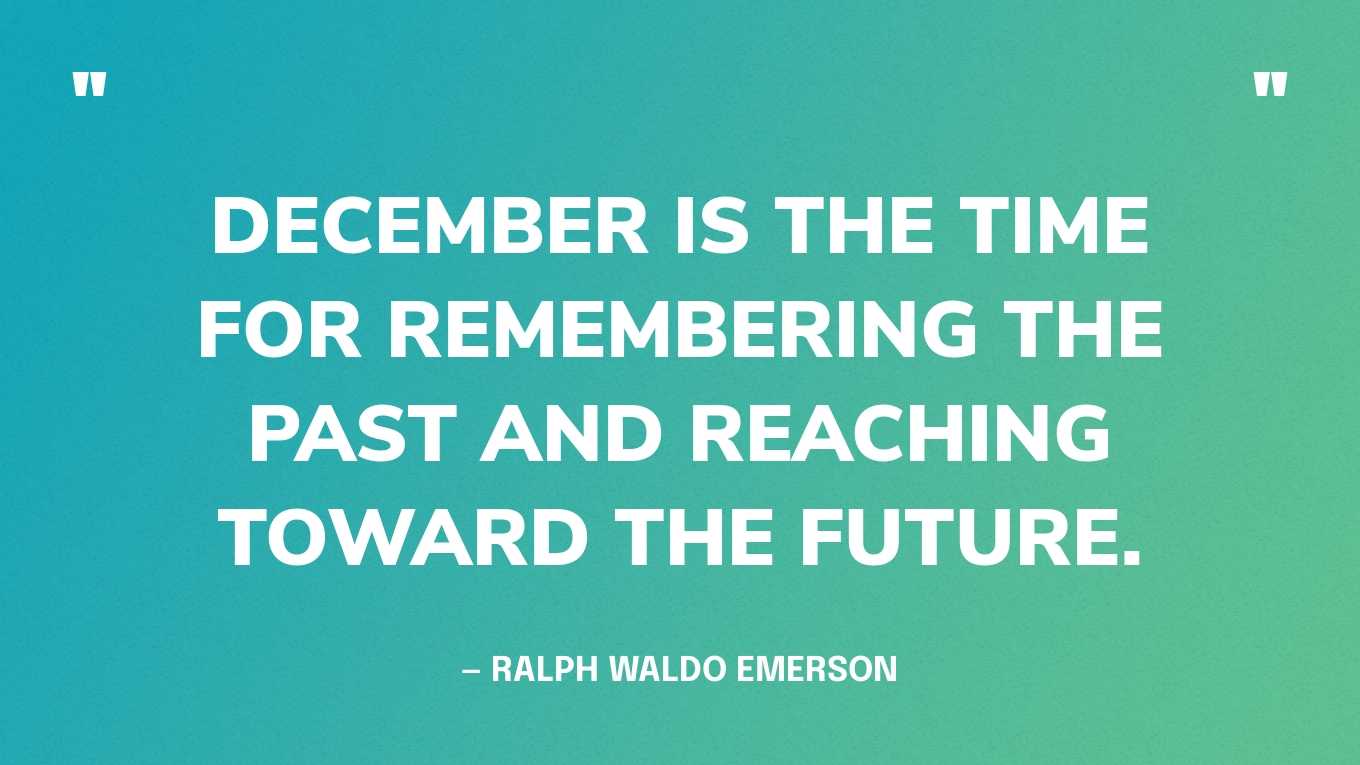
“Good morning, happy first day of December. Keep looking up. That’s the secret of life.”
— Charles M. Schulz
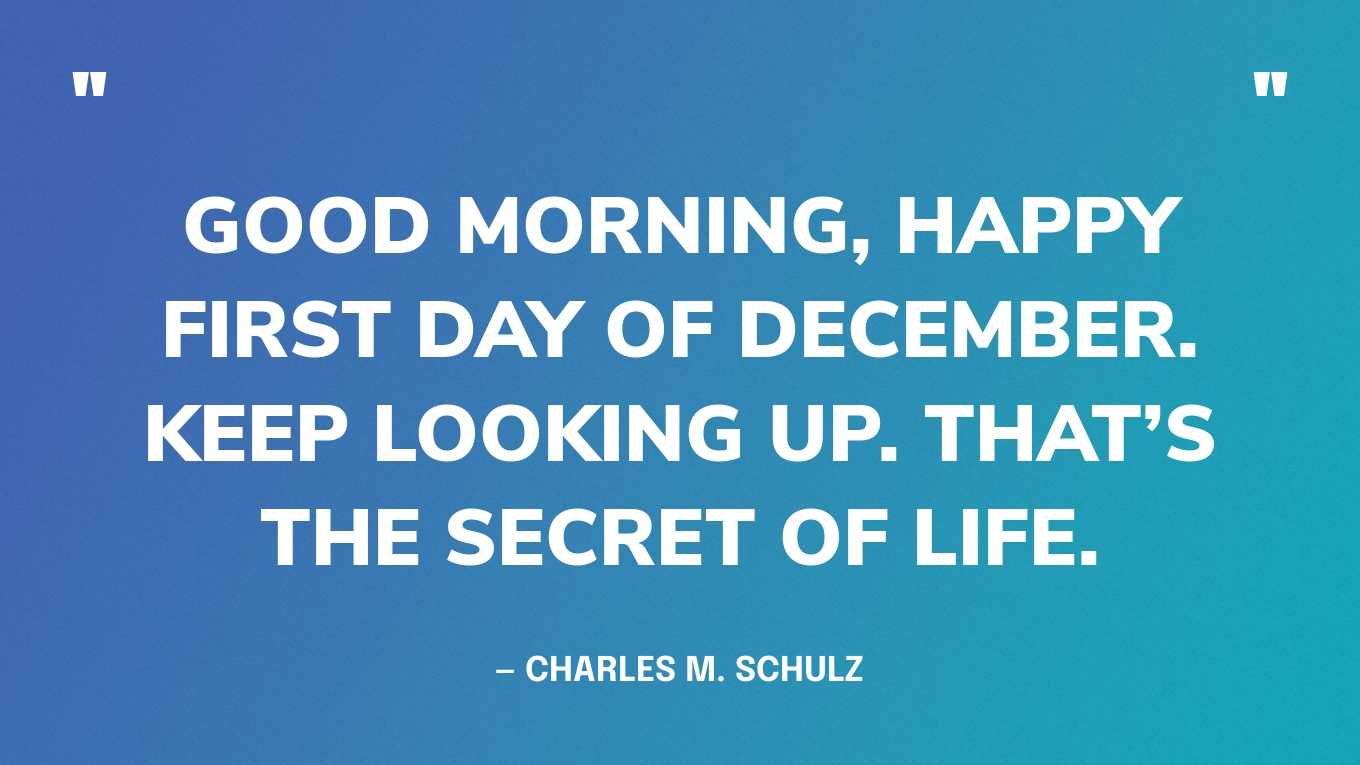
“Of all the months of the year there is not a month one half so welcome to the young, or so full of happy associations, as the last month of the year.”
— Charles Dickens
“December is a time to reflect on the blessings of the past year and to embrace the opportunities of the coming one.”
— Oprah Winfrey
“What good is the warmth of summer, without the cold of winter to give it sweetness.”
— John Steinbeck
“The best and most beautiful things in the world cannot be seen or even touched. They must be felt with the heart. Wishing you happiness.”
— Helen Keller
“Yet my heart loves December’s smile as much as July’s golden beam; then let us sit and watch the while the blue ice curdling on the stream.”
— Emily Brontë
“December is a month of invitation to forget ourselves in the service of others.”
— Robert Louis Stevenson
“I’d go back to December, turn around and make it alright
I’d go back to December, turn around and change my own mind
I go back to December all the time”
— Taylor Swift
Inspirational December Quotes
“December, being the last month of the year, cannot help but make us think of what is to come.”
— Fennel Hudson
“So quiet and subtle is the beauty of December that escapes the notice of many people their whole lives through. Colour gives way to form: every branch distinct, in a delicate tracery against the sky.”
— Flora Thompson
“If we make it through December, everything’s gonna be alright I know; it’s the coldest time of winter and I shiver when I see the falling snow.”
— Merle Haggard
“December is a month of enormous potential. It’s a time when we can all give and receive, a time when the spirit of humanity shines brightest.”
— Michael Josephson
→ Read and share more quotes about the end of the year
Quotes for Awareness Holidays in December
A collection of quotes to celebrate December’s awareness months and national days.
→ Explore more of this month’s awareness days in our December calendar
World AIDS Day
December 1
“Compassion and empathy are powerful forces in the fight against HIV/AIDS. Let us use them to break down barriers and create a more inclusive world.”
— Kiyoshi Kuromiya
“HIV does not make people dangerous to know, so you can shake their hands and give them a hug; Heaven knows they need it.”
— Princess Diana
“I don’t think you should be ashamed of anybody you know that has AIDS. You should stand as close to them as you can and help them out as much as you can. I’m a strong believer in that and that’s why I try to do that for everyone I know has the virus.”
— Marsha P. Johnson
→ Read and share these HIV/AIDS good news stories
International Day of Persons with Disabilities
December 3
“There’s no more innovative group of people that I’ve met than disabled people because our innovation, our creativity, our community is how we survive.”
— Imani Barbarin, on a podcast
“There is wisdom and beauty from disabled people everywhere. We just have to look and have the humility to learn.”
— Alice Wong, Year of the Tiger: An Activist’s Life
“People with disabilities are not looking for charity; they are looking for dignity.”
— Aimee Mullins
Hanukkah
December 7 - December 15
“The proper response, as Hanukkah teaches, is not to curse the darkness but to light a candle.”
— Irving Greenberg
“Blessed is the match consumed in kindling flame. Blessed is the flame that burns in the secret fastness of the heart.”
— Hannah Senesh
“Sometimes, a flame can be utterly extinguished. Sometimes, a flame can shrink and waver, but sometimes a flame refuses to go out. It flares up from the faintest ember to illuminate the darkness, to burn in spite of overwhelming odds.”
— Karen Hesse
Human Rights Day
December 10
“The rights of every man are diminished when the rights of one man are threatened.”
— John F. Kennedy
“We declare that human rights are for all of us, all the time: whoever we are and wherever we are from; no matter our class, our opinions, our sexual orientation.”
— Ban Ki-moon
“Peace can only last where human rights are respected, where the people are fed, and where individuals and nations are free.”
— The Dalai Lama
Christmas
December 25
“Christmas is a season not only of rejoicing but of reflection.”
— Winston Churchill
“Christmas will always be as long as we stand heart to heart and hand in hand.”
— Dr. Seuss
“There are three stages of man: he believes in Santa Claus; he does not believe in Santa Claus; he is Santa Claus.”
— Bob Phillips
Kwanzaa
December 26 - January 1
“We have religious holidays and we have secular holidays. I see Kwanzaa as an opportunity for African Americans to reaffirm ourselves if we choose to, a chance to rebuild and renew our focus. I see Kwanzaa as a holiday of the spirit.”
— Jessica Harris
“Kwanzaa is a celebration of freedom, of the free space we have created to honor ourselves, to remember, reflect and recommit ourselves.”
— Maulana Karenga
“Kwanzaa is a special time to remember the ancestors, the bridge builders, and the leaders.”
— Dorothy Winbush Riley
New Year’s Eve
December 31
“Cheers to a new year and another chance for us to get it right.”
— Oprah Winfrey
“Year’s end is neither an end nor a beginning but a going on, with all the wisdom that experience can instill in us.”
— Hal Borland
“In our perfect ways. In the ways we are beautiful. In the ways we are human. We are here. Happy New Year’s. Let’s make it ours.”
— Beyoncé
→ Read and share more quotes about the new year
→ Explore this list of New Year’s resolutions and word of the year ideas
Quotes from Inspiring People with December Birthdays
Janelle Monáe
December 1
“I believe it’s time that women truly owned their superpowers and used their beauty and strength to change the world around them.”
— Janelle Monáe
“One of my mantras is, ‘Embrace what makes you unique, even if it makes others uncomfortable.’ I keep that with me in my back pocket. Shoot, I keep it in my front pocket! I keep it in my hair.”
— Janelle Monáe
“I feel myself becoming the fearless person I have dreamt of being. Have I arrived? No. But I'm constantly evolving and challenging myself to be unafraid to make mistakes.”
— Janelle Monáe
Terence Lester
December 4
“‘Everyone is welcome’ is drastically different from “we built this with you in mind.” People do not want to go where they are merely tolerated; they want to go where they are included.”
— Terence Lester, in a tweet
“The empowerment, the affirmation of the dignity of all people, is that which makes true community. it is that which helps make every member flourish.”
— Terence Lester, When We Stand: The Power of Seeking Justice Together
“I think the real power of social change comes through the power of community. That when I offer my gifts and skill sets in collaboration with other people who were being responsible for the role they play in the larger fabric of social change, then together we make a difference.”
— Terence Lester, in a podcast interview with Good Good Good
Pope Francis
December 17
“Authentic dialogue also demands a capacity for empathy. For dialogue to take place, there has to be this empathy.”
— Pope Francis
“Human rights are not only violated by terrorism, repression or assassination, but also by unfair economic structures that creates huge inequalities.”
— Pope Francis
“Education, work, and access to health care for all are key elements for development and the just distribution of goods, for the attainment of social justice, for membership in society, and for free and responsible participation in political life.”
— Pope Francis
Jane Fonda
December 21
“Stay curious, keep learning and keep growing. And always strive to be more interested than interesting.”
— Jane Fonda
“Perfection is a toxic desire. We are not supposed to be perfect. The challenge is not to be perfect, it’s to be whole.”
— Jane Fonda
“We cannot always control our thoughts, but we can control our words, and repetition impresses the subconscious, and we are then master of the situation.”
— Jane Fonda
→ Read and share more quotes from Jane Fonda
December Love Quotes
“Blessed is the season which engages the whole world in a conspiracy of love.”
— Hamilton Wright Mabie
“December is a time for family, for love, and for forgiveness.”
— Caroline Myss
“Will you love me in December as you do in May?”
— Jack Kerouac
“Remember this December, That love weighs more than gold!”
— Josephine Dodge Daskam Bacon
“I find that it’s the simple things that remind you of family around the holidays.”
— Amy Adams
“Snow falling softly on lashes of eyes you love, and a cold cheek growing warm next to your own in hushed dark familial December.”
— James Schuyler
December Poems
“December drops no weak, relenting tear, By our fond Summer sympathies ensnared. Nor from the perfect circle of the year Can even Winter’s crystal gems be spared.”
— Christopher Pearce Cranch
“Ah, distinctly I remember it was in the bleak December. And each separate dying ember wrought its ghost upon the floor.”
— Edgar Allan Poe, The Raven
“As soon
Seek roses in December
ice in June;
Hope constancy in wind, or corn in chaff;
Believe a woman or an epitaph,
Or any other thing that’s false, before
You trust in critics.”
— Lord Byron
“And last December drear, with piteous low-drooped head. In a voice of desolation crying out, ‘The year is dead. And so, with changeful gear, with smile or frown or song, the months, in strange variation, are ever gliding along.”
— Edgar Fawcett
“December is a bewitching month.
The grey of cold teases
to explode into something worthwhile,
into a dream of cold,
a starlight shower you can taste,
a cold that does not chill.”
— Joseph Coelho, A Year of Nature Poems
“In drear-nighted December,
Too happy, happy brook,
Thy bubblings ne’er remember
Apollo’s summer look;
But with a sweet forgetting,
They stay their crystal fretting,
Never, never petting
About the frozen time.”
— John Keats
“I heard a bird sing
In the dark of December.
A magical thing
And sweet to remember.
”We are nearer to Spring
Than we were in September,”
I heard a bird sing
In the dark of December.”
— Oliver Herford
“At Christmas I no more desire a rose
Than wish a snow in May’s new-fangled mirth;
But like of each thing that in season grows.”
— William Shakespeare
Funny December Quotes
“You can tell a lot about a person by the way they handle three things: a rainy day, lost luggage, and tangled Christmas tree lights.”
— Maya Angelou
“The hard soil and four months of snow make the inhabitants of the northern temperate zone wiser and abler than his fellow who enjoys the fixed smile of the tropics.”
— Ralph Waldo Emerson
“It is December, and nobody asked if I was ready.”
— Sarah Kay
“I’m bad on Valentine’s Day, but even worse on Christmas. I go shopping at nine o’clock on December 24th every year. Nobody else is there. I’m in Toys’R’Us all by myself. I get there five minutes before closing.”
— Jamie Foxx
“That’s the thing about December: it goes by you in a flash. If you just close your eyes, it’s gone. And it’s like you were never there.”
— Donal Ryan
“December is the toughest month of the year. Others are July, January, September, April, November, May, March, June, October, August, and February.”
— Mark Twain
Winter Quotes
“To appreciate the beauty of a snowflake it is necessary to stand out in the cold.”
— Aristotle
“Winter is the time for comfort, for good food and warmth, for the touch of a friendly hand and for a talk beside the fire: it is time for home.”
— Edith Sitwell
“Winter is a season of recovery and preparation.”
— Paul Theroux
“It is the life of the crystal, the architect of the flake, the fire of the frost, the soul of the sunbeam. This crisp winter air is full of it.”
— John Burroughs
“Snow flurries began to fall and they swirled around people’s legs like house cats. It was magical, this snow globe world.”
— Sarah Addison Allen
“In seed time learn, in harvest teach, in winter enjoy.”
— William Blake
“Winter forms our character and brings out our best.”
— Tom Allen
“In the depth of winter, I finally learned that there was in me an invincible summer.”
— Albert Camus
“I wonder if the snow loves the trees and fields that it kisses them so gently? And then it covers them up snug, you know, with a white quilt; and perhaps it says, ‘Go to sleep, darlings, till the summer comes again.”
— Lewis Carroll
“Autumn arrives in early morning, but spring at the close of a winter day.”
— Elizabeth Bowen
“Wisdom comes with winters.”
— Oscar Wilde
“Winter, a lingering season, is a time to gather golden moments, embark upon a sentimental journey, and enjoy every idle hour.”
— John Boswellhele
Short December Quotes
“A long December and there’s reason to believe, maybe this year will be better than the last.”
— Adam Duritz
“God gave us memory so that we might have roses in December.”
— James M. Barrie
“Chill December brings the sleet, Blazing fire, and Christmas treat.”
— Sara Coleridge
“In the winter she curls up around a good book and dreams away the cold.”
— Ben Aaronovitch, Broken Homes
“In cold December fragrant chaplets blow, and heavy harvests nod beneath the snow.”
— Alexander Pope
“You want to be playing your best in December and hopefully it’ll carry over into January.”
— Philip Rivers
“December is a magical time of the year, with all the Christmas lights and the snow. It’s like a fairytale.”
— Brittany Murphy
→ Read more short quotes
More December Quotes
“Snow falling in the middle of a December night will always fill my heart with sweet clarity.”
— Novala Takemoto
“December is a month that is rife with nostalgia. If there’s anything deep in your heart that you want to keep buried, you can count on December to bring it to the surface”
— Lois Duncan
“From December to March, there are for many of us three gardens – the garden outdoors, the garden of pots and bowls in the house, and the garden of the mind’s eye.”
— Katherine S. White
“December doesn’t change your neurochemistry. If your brain isn’t made for an overload of alcohol, parties, passive aggressive relatives, general socialising with people you like but still get exhausted by, relentless routine rearrangement, it should be okay to say no to things. There is nothing festive about burnouts and breakdowns.”
— Matt Haig, on self care
“Men are April when they woo, December when they wed. Maids are May when they are maids, but the sky changes when they are wives.”
— William Shakespeare
“The crisp path through the field in this December snow, in the deep dark, where we trod the buried grass like ghosts on dry toast.”
— Dylan Thomas
“December’s wintery breath is already clouding the pond, frosting the pane, obscuring summer’s memory…”
— John Geddes, A Familiar Rain