As the world continues to experience more frequent and impactful weather-related disasters — often caused and intensified by climate change — it’s clear we all need to be prepared for when our own realities may be affected.
However, it can be easy to descend into a spiral of hypervigilance and ultra-preparedness, or conversely, debilitating fear.
We’re here to tell you that there is indeed a balanced middle ground!
Being prepared is a gift to your future self, as well as a strategic action for your current self. Once you know you have what you need, you can both take solace in that small amount of personal agency — and have more energy to act when you really need it.
Plus, the better prepared you are, the more resources are available to others during a crisis. And if you do a really good job gathering everything you need, you’ll be confident in your own skills and can help others do the same.
Just like we’ve been instructed time and time again to put on our oxygen masks before helping others, fulfilling our own immediate safety in times of distress or evacuation makes us all that much more resilient in getting through a crisis together.
Here are a few ways to feel prepared, ideally without descending into a panic attack.
8 small ways to prepare for disaster
Prepare your home for extreme weather.
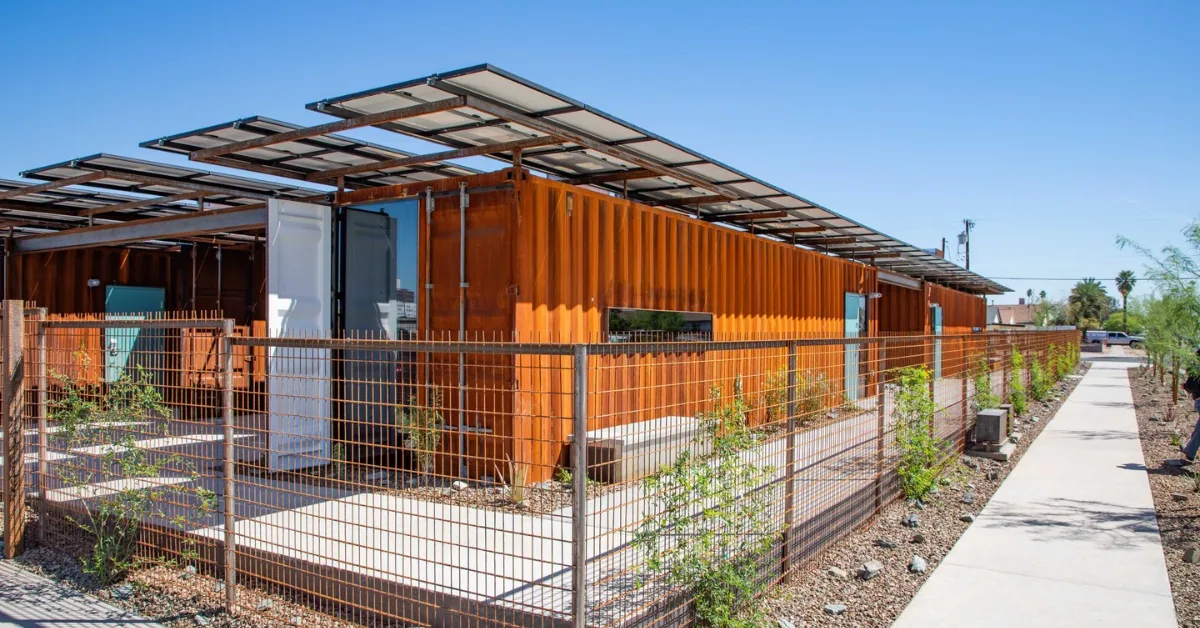
If you own your home, invest in upgraded insulation and energy efficiency, alternative energy sources like solar, and install impact-resistant doors, windows, and roofs.
A good place to get started is Energy Star’s home upgrade hub, where you can learn about alternative energy sources, find rebates to make changes to your home more affordable, and even access tax credits for energy efficiency.
Know your insurance policy’s disaster coverage.
Look into your home or renter’s insurance coverage for disaster-related claims. While it’s up to insurance companies to improve their offerings, you can still make informed decisions that will help you feel more protected.
Does your insurance policy feel like another language? Same.
Check out Insurance Information Institute’s guide to understanding policy types and trends to start understanding it all.
Make a home inventory.
Take photos and videos of your home and belongings before an emergency situation. Doing this prior to a disaster will make it exponentially easier to process insurance claims down the road.
Insurance Information Institute also has a resource to make the home inventory process easier.
Pack a go-bag or disaster pack.
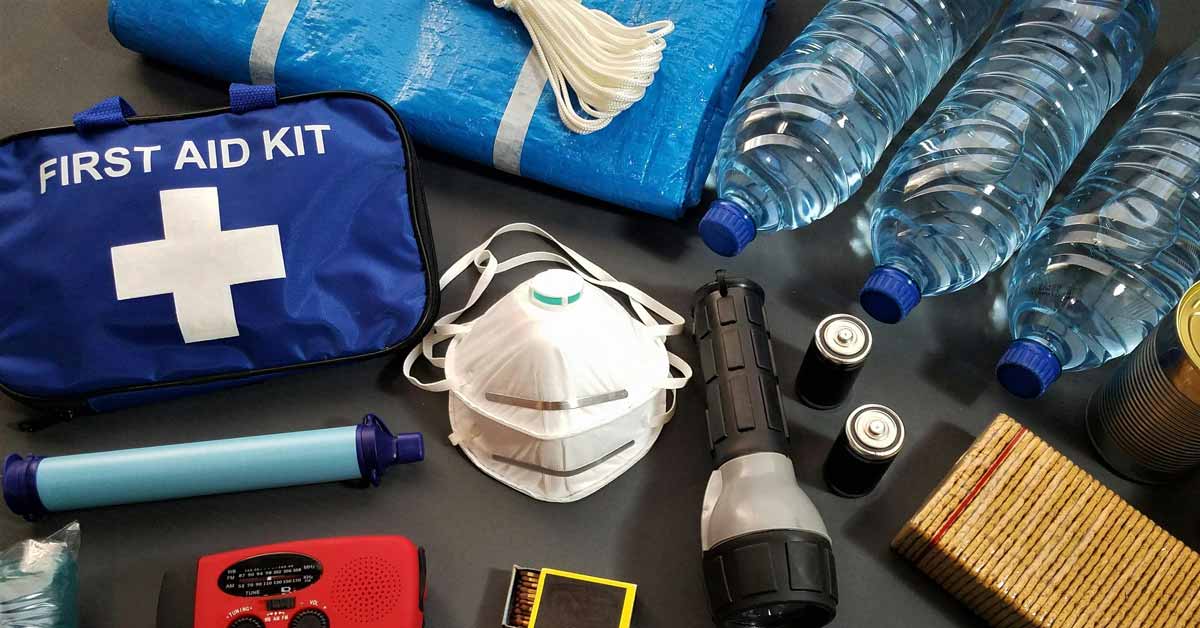
Everyone should have an emergency kit ready for an unforeseen crisis. Online, you can find a list of emergency supplies to include in your pack, as well as suggestions for families with pets, babies, or seniors.
For an abbreviated list of supplies, you can also remember the “6 P’s of Evacuation:”
- People, pets, and papers
- Phone numbers and important documents
- Prescriptions, vitamins, and glasses
- Pictures and irreplaceable items
- Personal computer, hard drives
- “Plastic” (credit cards and cash)
Know how to read a map.
Have printed maps of your area for easy tech-free navigation, or download offline maps ahead of time.
You can find state maps available to purchase online, but if you’re not confident in your map-reading skills, we suggest starting at your local library!
Know who to contact.
Write down the phone numbers of people, agencies, or organizations you may need to contact in the event of an emergency.
A good way to know who you may need to reach out to is by doing a Pod-Mapping Exercise to define who your immediate support system is.
Take a first aid course.
Knowing basic first aid, like CPR or wound-dressing, is a vital life skill that can come in handy at any time. The Red Cross offers in-person, online, and hybrid first aid courses.
Download the FEMA app.
The Federal Emergency Management Agency has an app for both iPhone and Android that will help you if a disaster hits your area.
The agency will send location-specific weather warnings and other information in emergencies, like nearby shelters, disaster resources, evacuation notices, and more. It also includes handy checklists to prepare ahead of time.
You may also like: A practical guide to calming your climate anxiety
A version of this article was originally published in The 2025 Environment Edition of the Goodnewspaper.
Header image by Roger Brown via Pexels