Jerome Lorenz, PhD recently retired as the State Research Director for Audubon Florida after more than 35 years performing applied ecological studies in Florida Bay and the Everglades. His primary research focus has been on the effect of water management practices on Florida Bay by examining food web dynamics of the Roseate Spoonbill.
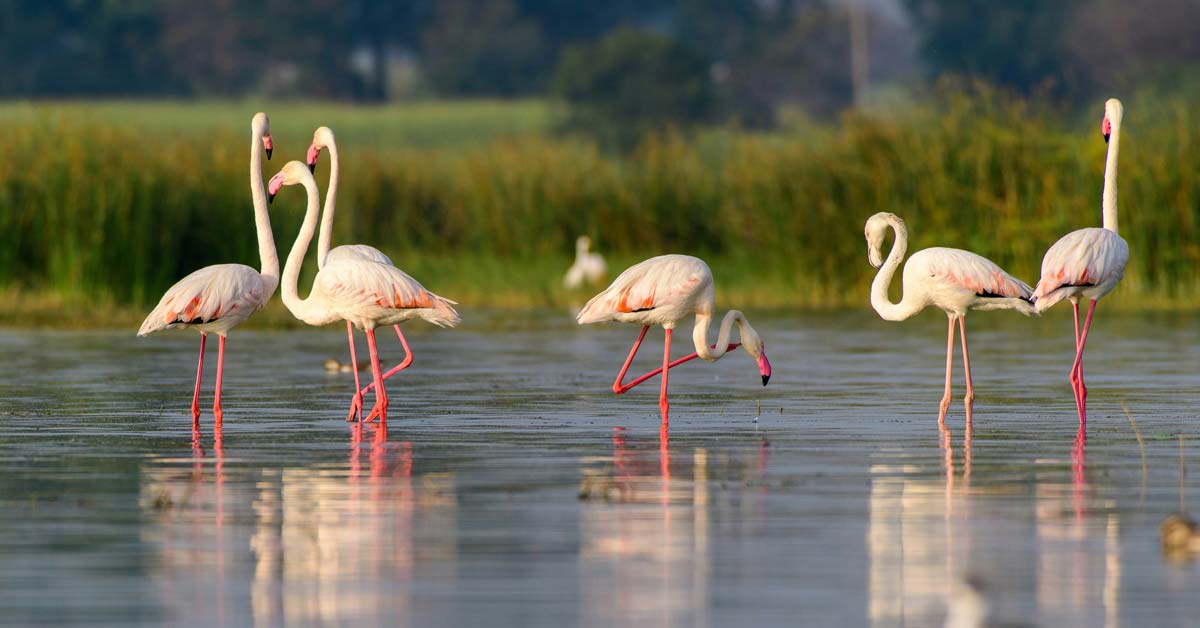
One of Florida's most recognizable species, the flamboyantly colored spoonbill is sensitive to myriad structural and operational changes in water management practices. By directly tracing how these practices change the hydrology and water quality of the bay and subsequently changes in the plants, and prey animals on the spoonbill's foraging ground, Dr. Lorenz has firmly established the spoonbill as primary indicator of ecosystem health. His results have been used to design structural and operational changes that benefit ailing Florida Bay and are used to guide future restoration efforts as part of the $10 billion Comprehensive Everglades Restoration Plan (CERP). He earned a doctorate in Marine Biology from the University of Miami and was awarded the H.G. Walton Smith Prize for most outstanding dissertation. In his last decade before retiring, he also began studying Florida Bay's other pink wading bird, the American Flamingos and helped establish that this species is a native part of Florida's avifauna and that it is finally beginning to re-establish a resident population after being extirpated in Florida more than 125 years ago.
Dr. Lorenz provides expert testimony to decision makers through CERP, a multi-billion joint venture between the state of Florida and the federal government to restore one of the nation’s most imperiled ecosystems. He serves as a member of the Florida Keys National Marine Sanctuary Advisory Council and is a founding member of the Florida Oceans and Coastal Resources Council.