Vladimir Kara-Murza is a Pulitzer Prize-winning columnist. The Russian-British activist was jailed in 2022 for criticizing Russia’s invasion of Ukraine.
Before he was released in a historic prisoner exchange in early August 2024, Kara-Murza was serving a 25-year sentence for treason.
When Alexei Navalny’s death was announced in February 2024, Kara-Murza did not abandon hope, even while he sat in prison wrestling with an unknown future.
In a message to reporter Sarah Rainsford, he urged fellow activists to “work even harder” to achieve what Navalny — and his mentor Boris Nemtsov — had fought for: freedom.
“The price of speaking out is high,” Kara-Murza said in 2022, soon after his arrest. “But the price of silence is unacceptable.”
Even as Kara-Murza returned to his family and was granted asylum, he immediately started looking for a way to return to his home country.
After everything he had been through — including a targeted poisoning in 2015 which led to organ failure — he still carried optimism for a freer, more peaceful Russia. So he went back.
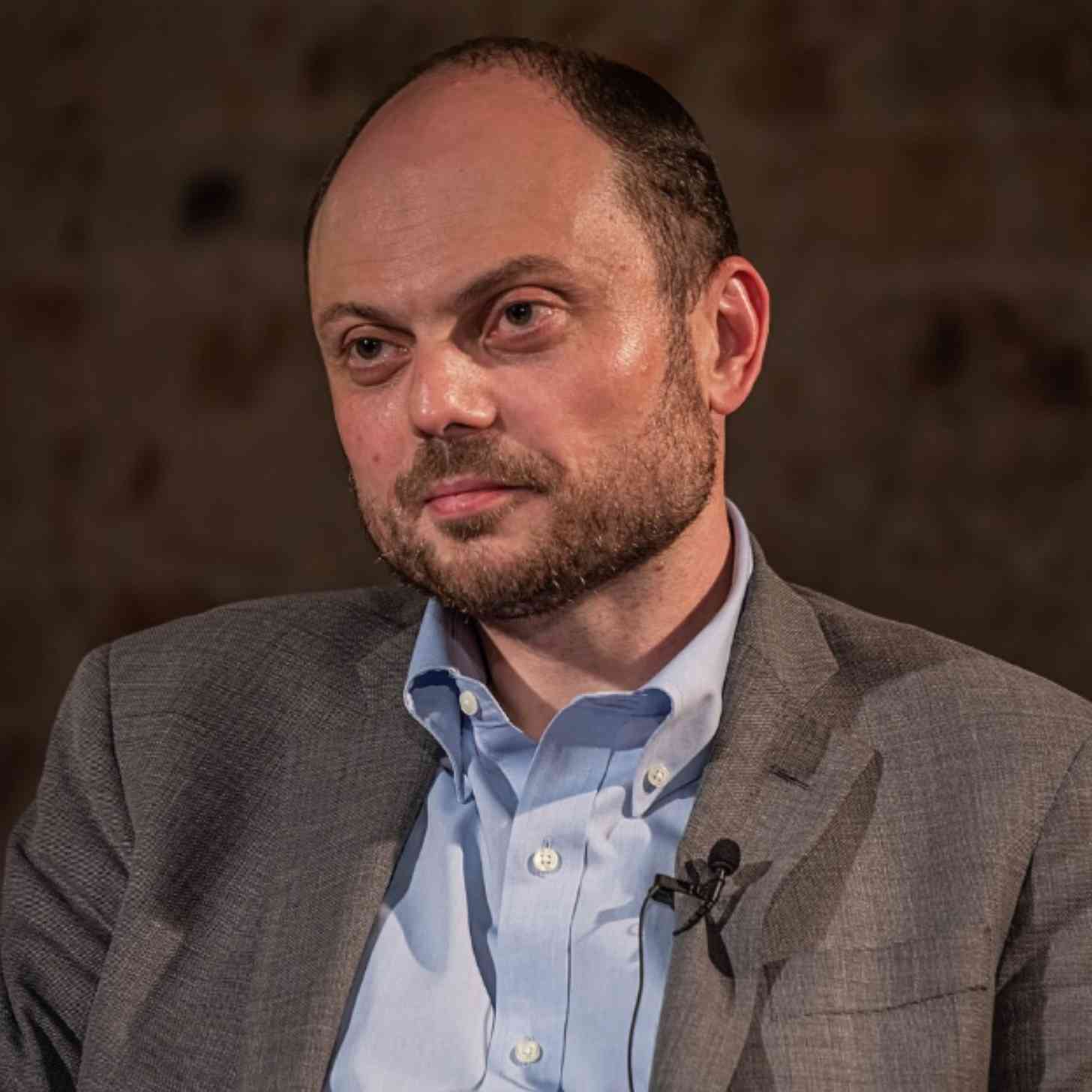
This past December, Monocle Radio’s Andrew Mueller asked Kara-Murza why he returned.
“Russia is my country, my home,” he said. “I love Russia. It’s a beautiful nation with a lot of talented people. It just happens to be ruled by a criminal, murderous, kleptocratic, KGB-led dictatorship. I want my country to be better than it is today. And unless we do something to bring about change, it won’t happen.”
“I’ve always believed that the only way politicians can truly lead is by personal example,” he continued. “What right would I have to tell my fellow citizens to stand up to the Putin dictatorship if I were too scared to do it myself?”
Remembering Navalny’s legacy
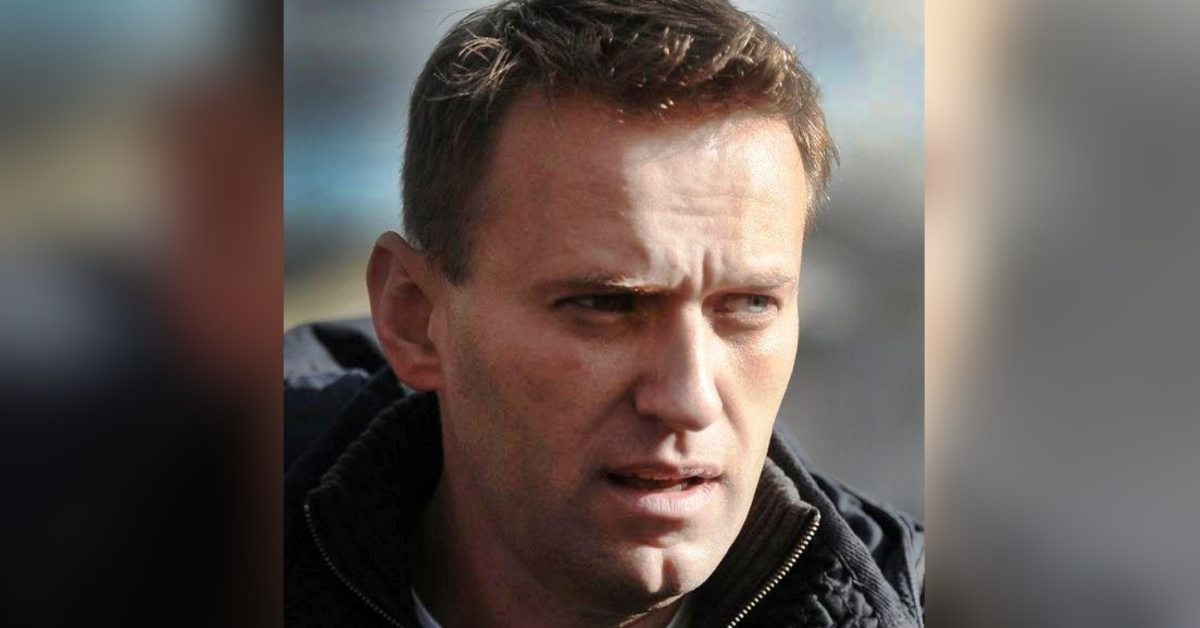
Navalny was 47 years old when he died in an Arctic prison under shadowy circumstances. The activist had been a vocal opponent of Vladimir Putin during his decade-long career as a politician, wielding social media as a tool after Russian outlets blacklisted him.
The Oscar-winning documentary Navalny profiled Navalny’s unrelenting determination to expose corruption. He even proved — on camera — that he had been poisoned with the chemical weapon Novichok by the shadowy organization he fought to oppose.
At the end of the documentary, director Daniel Roher asked Navalny what message he wanted to relay to the people of Russia, in the event that he was captured or killed.
“Very simple, do not give up,” he responded.
Roher prompted again, asking him to answer this time in Russian.
Navalny paused, then looked down the barrel of the camera.
“Listen, I’ve got something very obvious to tell you,” he said. “You’re not allowed to give up. If they decide to kill me, it means that we are incredibly strong. We need to utilize this power to not give up. … We don’t realize how strong we actually are. The only thing necessary for the triumph of evil, is for good people to do nothing.”
In the wake of his death, outcry cascaded through the world. In Russia alone, 32 cities lit up with memorials and chants: “One for all, and all for one.”
A version of this article originally appeared in the 2024 Courage Edition of the Goodnewspaper
Header image via Mitya Aleshkovskiy (CC BY-SA 4.0)