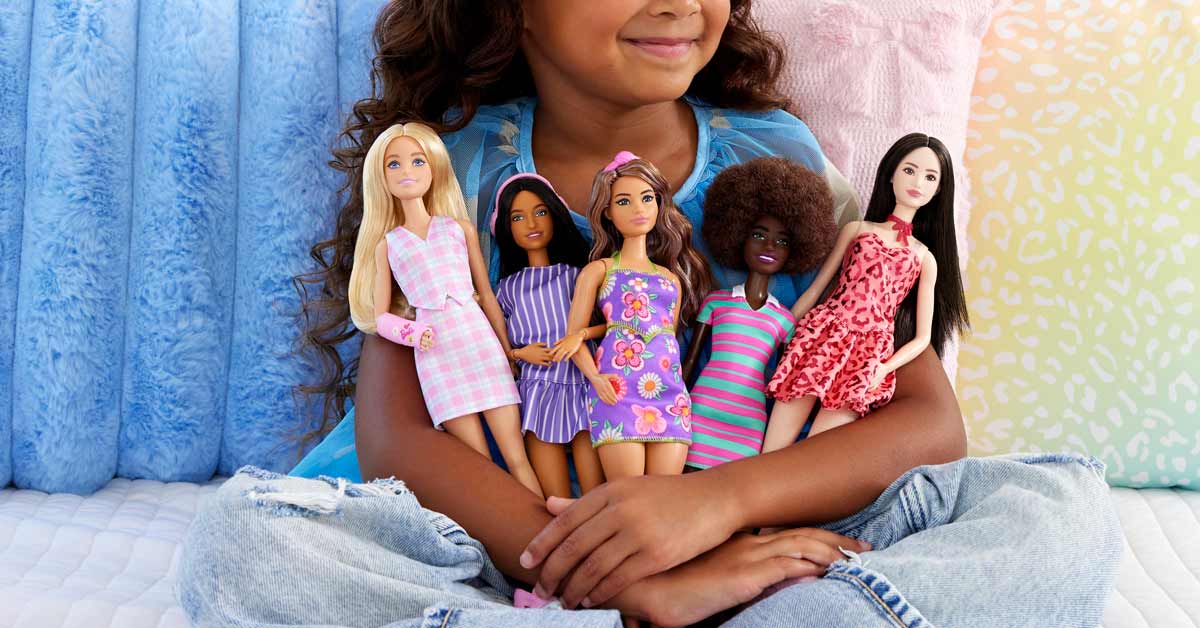
In recent years, following the smash acclaim of the “Barbie” movie, toymaker Mattel has doubled down on making even more Barbie dolls that represent kids of all kinds, including a Blind Barbie, a Barbie with Down syndrome, and a diabetic Barbie.
Its latest rollout? A first-of-its-kind autistic Barbie.
Created over the course of 18 months in collaboration with the Autistic Self Advocacy Network, the doll aims to represent common ways autistic people may experience, process, and communicate about the world around them, according to a press release from Mattel.
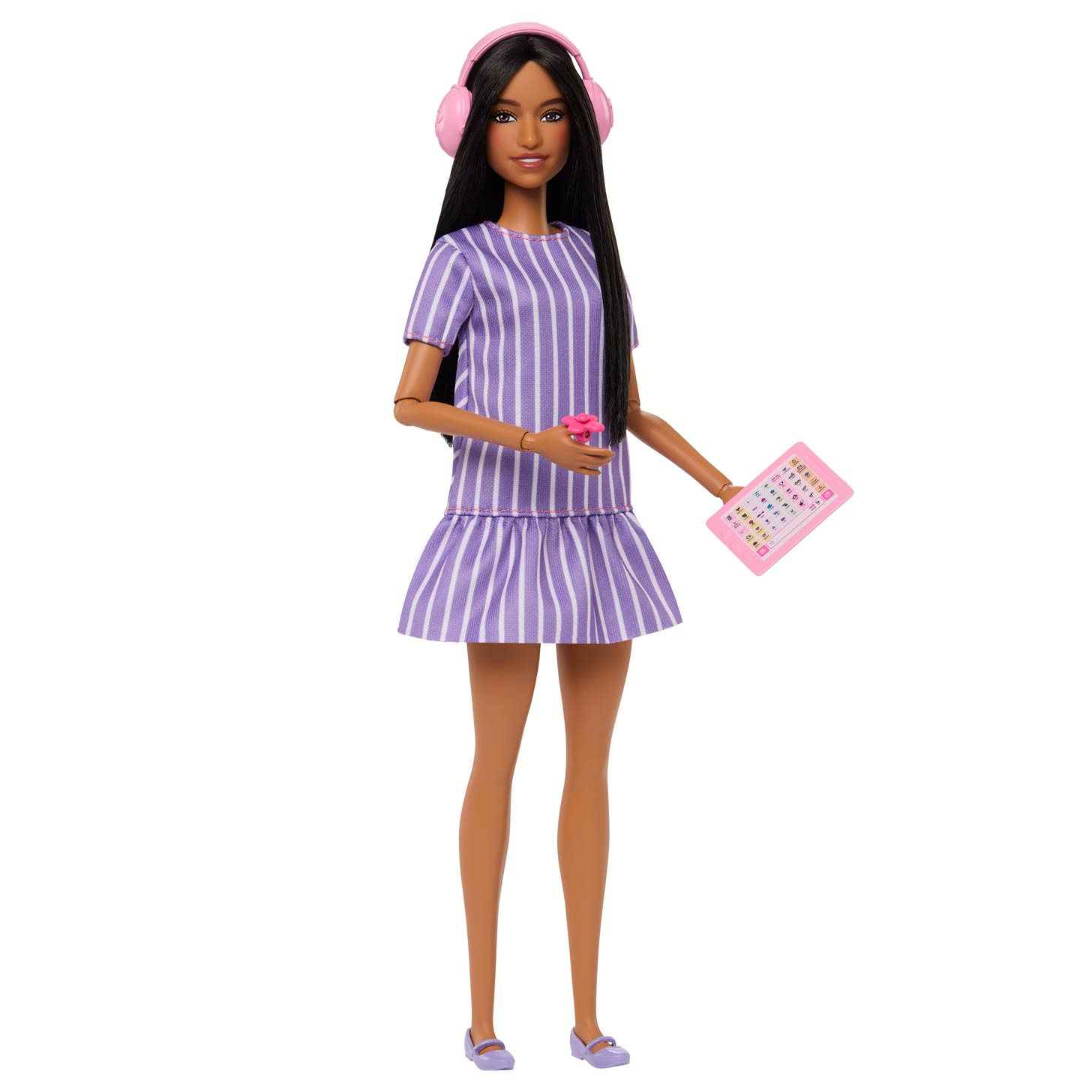
With experts at ASAN, doll designers included unique features, including:
- A new face sculpt and an eye gaze where the doll’s eyes are shifted slightly to the side to reflect how autistic people may avoid direct eye contact
- Articulation at the elbows and wrists, “allowing for stimming, hand flapping and other hand gestures … as a way to process sensory information or to share excitement”
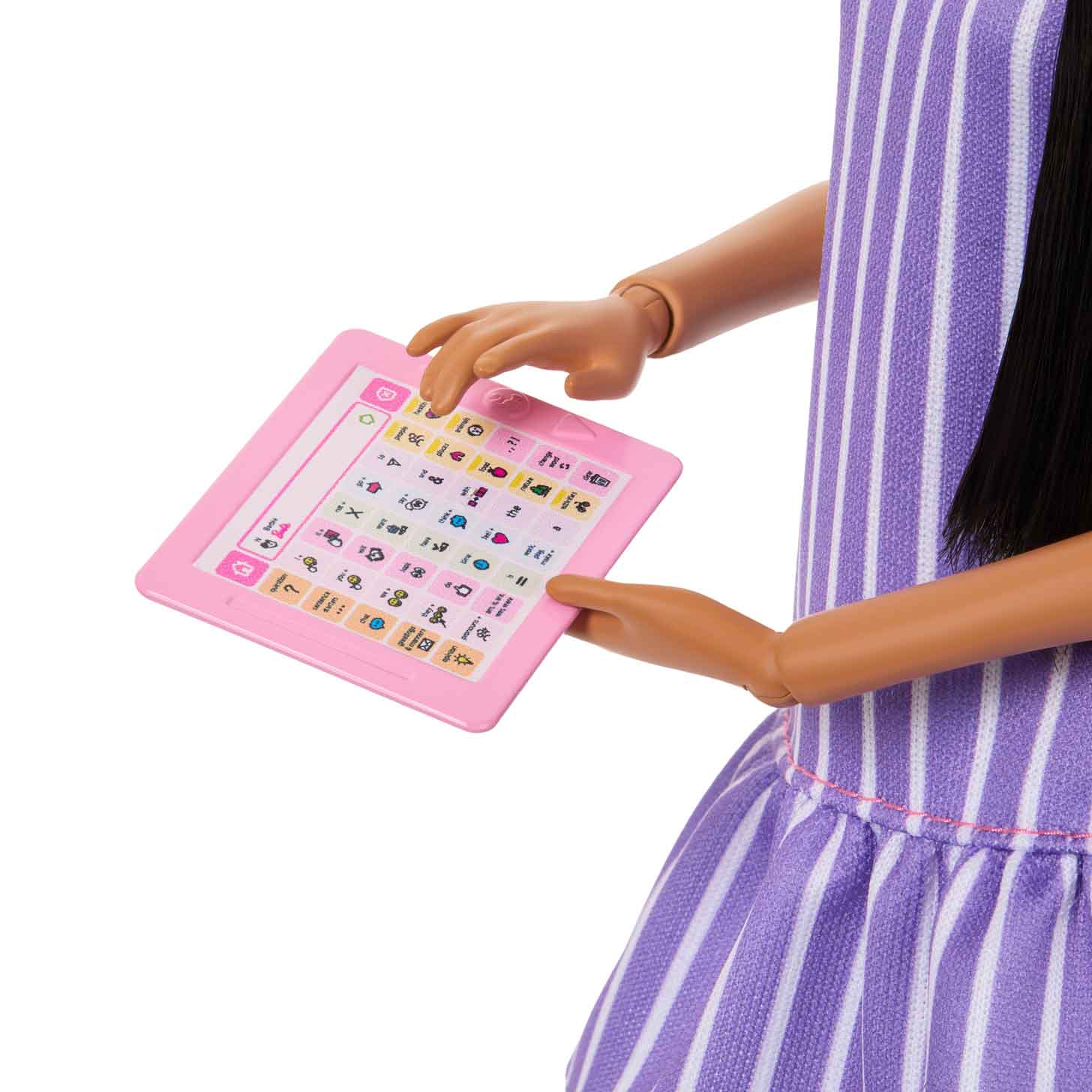
- Accessories, such as a pink finger clip fidget spinner, noise-cancelling headphones, and a symbol-based Augmentative and Alternative Communication tablet
- Sensory-sensitive clothing, including a loose-fitting purple dress, and flat-soled shoes to promote stability
“As proud members of the autistic community, our ASAN team was thrilled to help create the first-ever autistic Barbie doll. It is so important for young autistic people to see authentic, joyful representations of themselves, and that’s exactly what this doll is,” Colin Killnick, the executive director of ASAN, said in a statement.
“Partnering with Barbie allowed us to share insights and guidance throughout the design process to ensure the doll fully represents and celebrates the autistic community, including the tools that help us be independent. We’re honored to see this milestone come to life, and we will keep pushing for more representation like this that supports our community in dreaming big and living proud.”

The autistic Barbie joins Mattel’s 2026 Fashionistas collection, which features the brand’s most diverse range of skin tones, hair textures, body types, and various medical conditions and disabilities.
It hits shelves at the Mattel Shop and Target starting January 12, at a suggested retail price of $11.87. Mattel said it will have a larger rollout at Walmart nationwide in March.
In the meantime, Barbie is working with autistic advocates to celebrate their lived experiences and the milestone of the doll’s release.
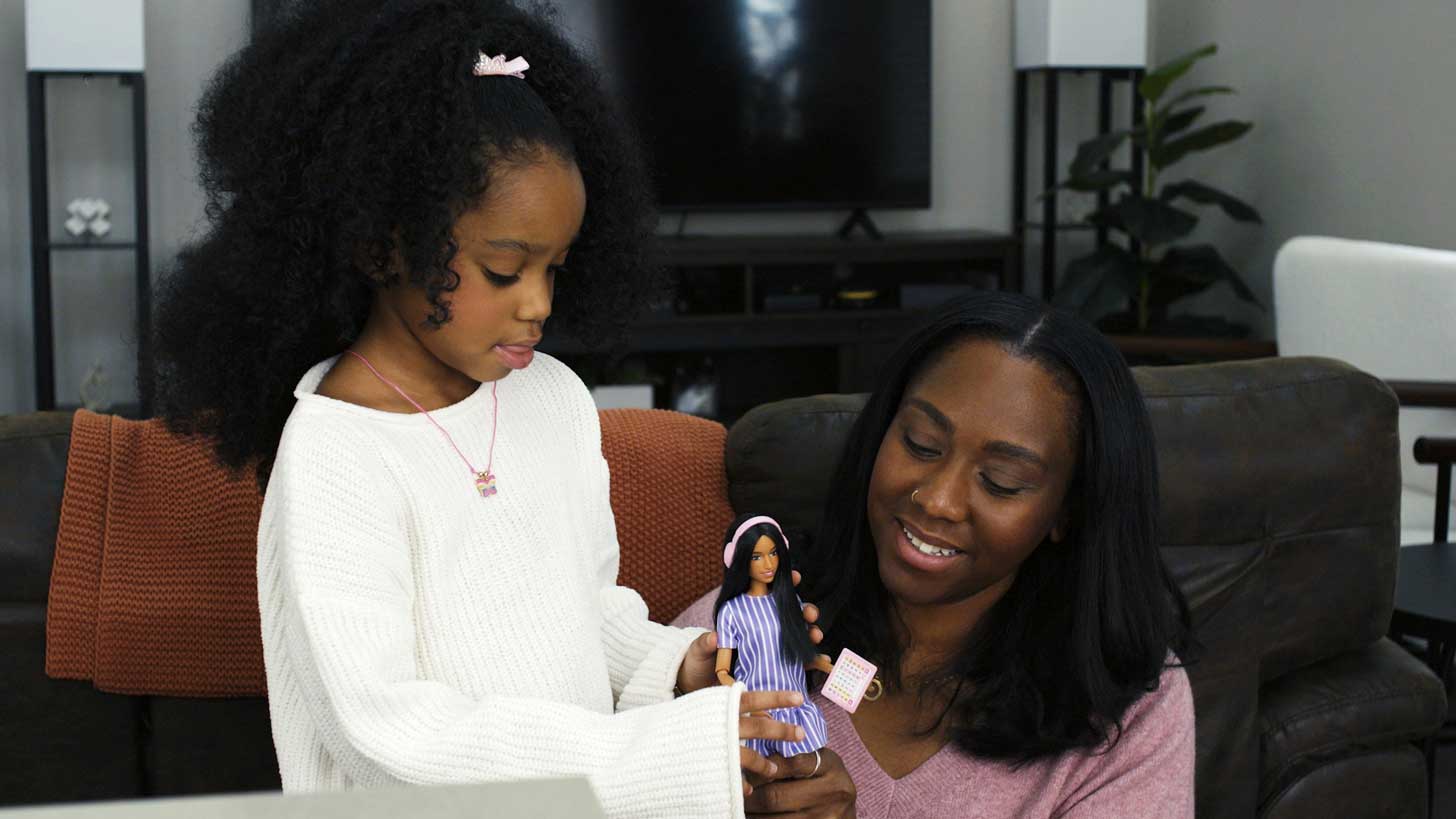
One pair of advocates includes Precious and Mikko Mirage. Mikko is a five-year-old, non-speaking autistic girl who communicates with her AAC tablet, and her mother, Precious, is an autistic woman who discovered her own neurodivergence while understanding her daughter’s. On their YouTube channel, The Gentle Life, they explore communication and share their journey as a neurodiverse family.
“Having a Barbie doll that represents autism feels like we’re being heard. It feels like inclusion and acceptance. Autism is often invisible and seeing a doll that truly represents parts of the spectrum makes us feel understood,” Precious said in a statement.
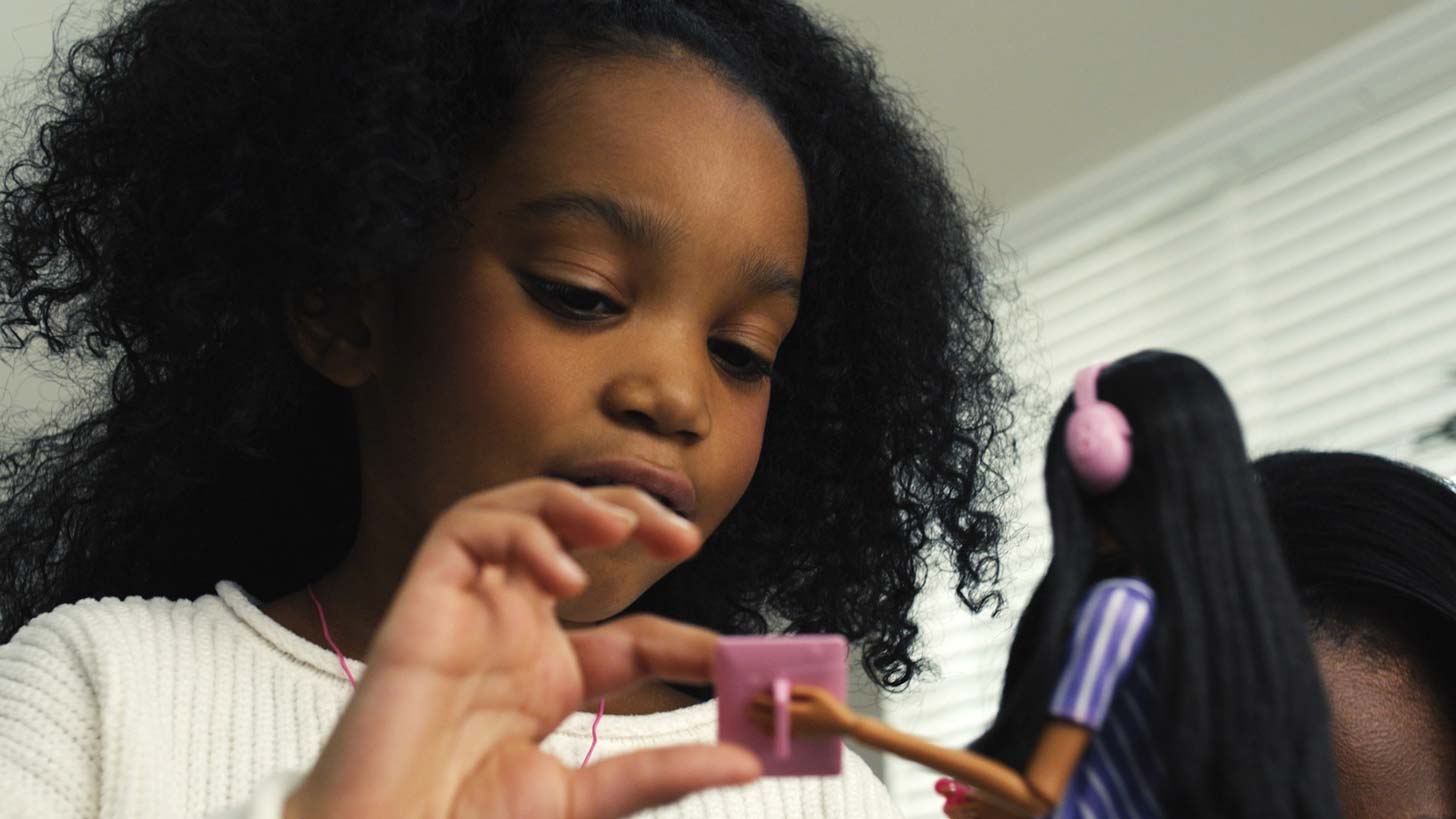
“When other families see this Barbie, I hope it helps bridge the gap. I hope they feel included in the conversation and in the spaces where neurotypical individuals already belong. Because we belong here too.”
Other advocates part of the campaign include Aarushi Pratap, an autistic fashion designer, and Madison Marilla from Netflix’s “Love on the Spectrum.”
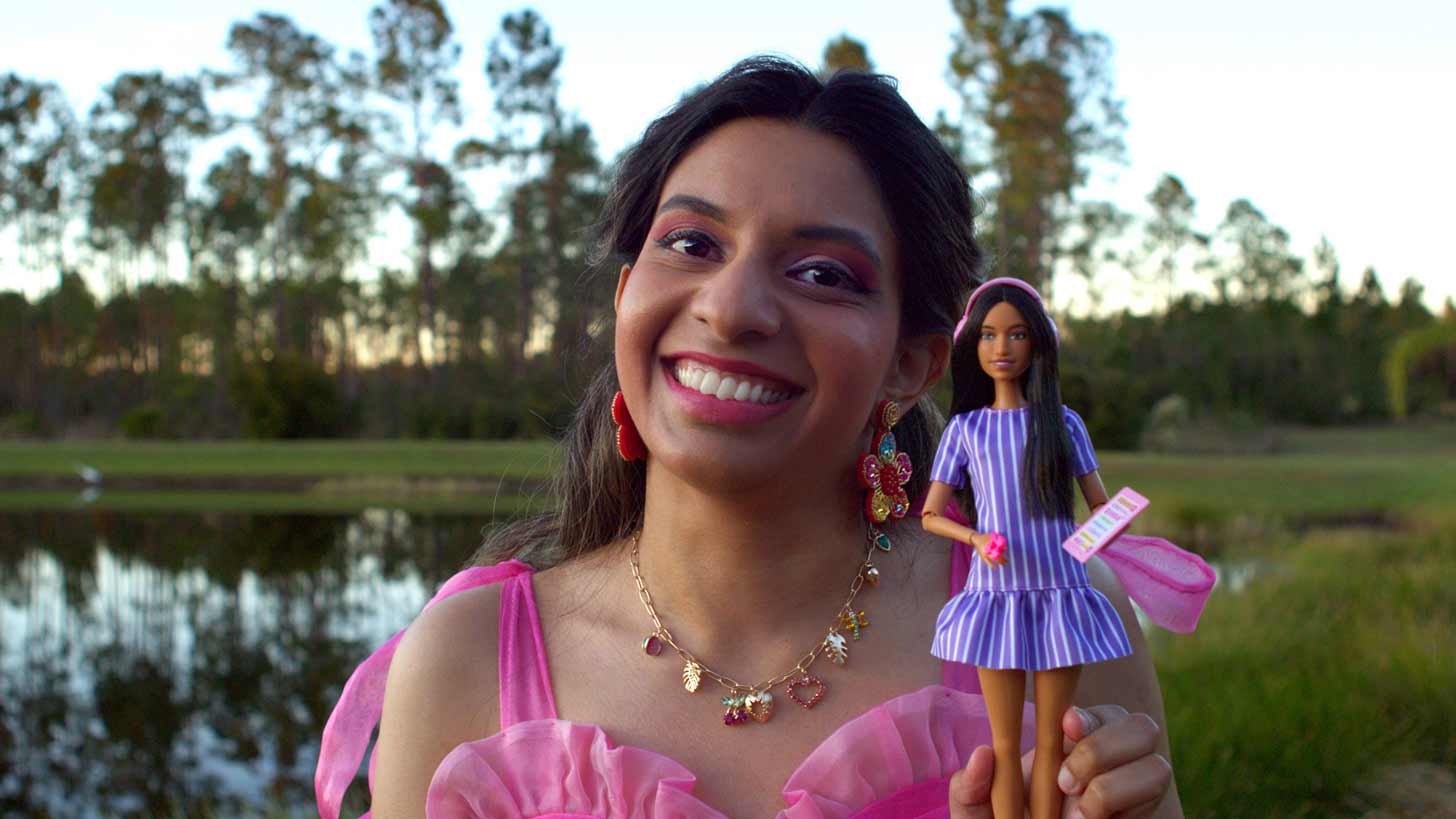
“This Barbie can help autistic people feel understood,” Pratap said in a statement. “We can do amazing things and I want others like me to feel proud and express themselves.”
This doll represents a particularly special full-circle moment for Marilla, too, who has collected Barbies for much of her life.
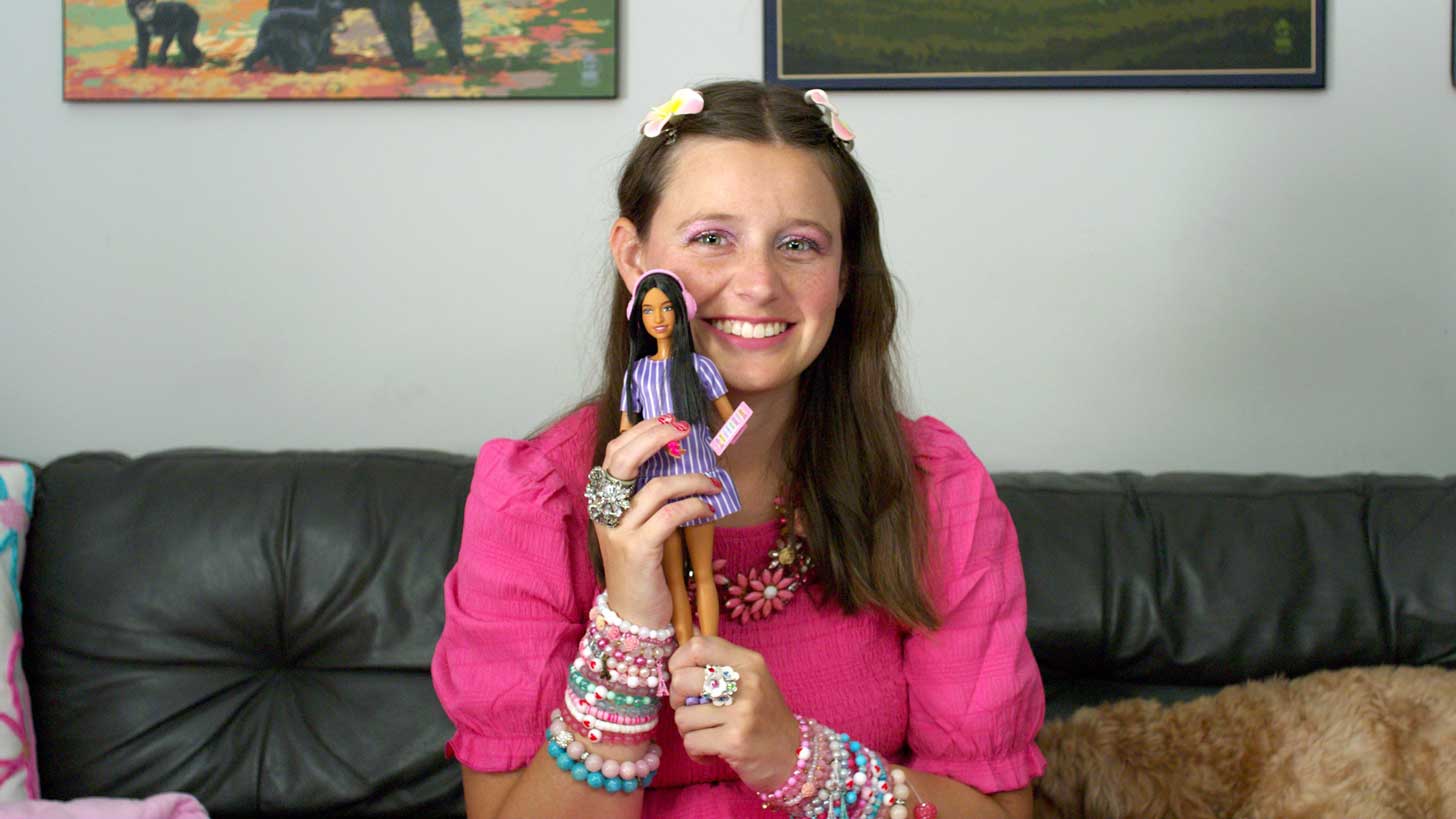
“Dolls have always brought me comfort, stability, and joy. I’ve been collecting Barbie dolls since I was four years old, and now this autistic Barbie will be one of my favorites,” Marilla said in a statement.
“This autistic Barbie makes me feel truly seen and heard. I hope all the kids I’ve mentored feel the same when they see her and I hope people who aren’t autistic feel educated and gain a better understanding of autism when they see this doll.”
You may also like: Ilona Maher gets her own Barbie doll, complete with broad shoulders, to inspire young athletes
Header image courtesy of Mattel