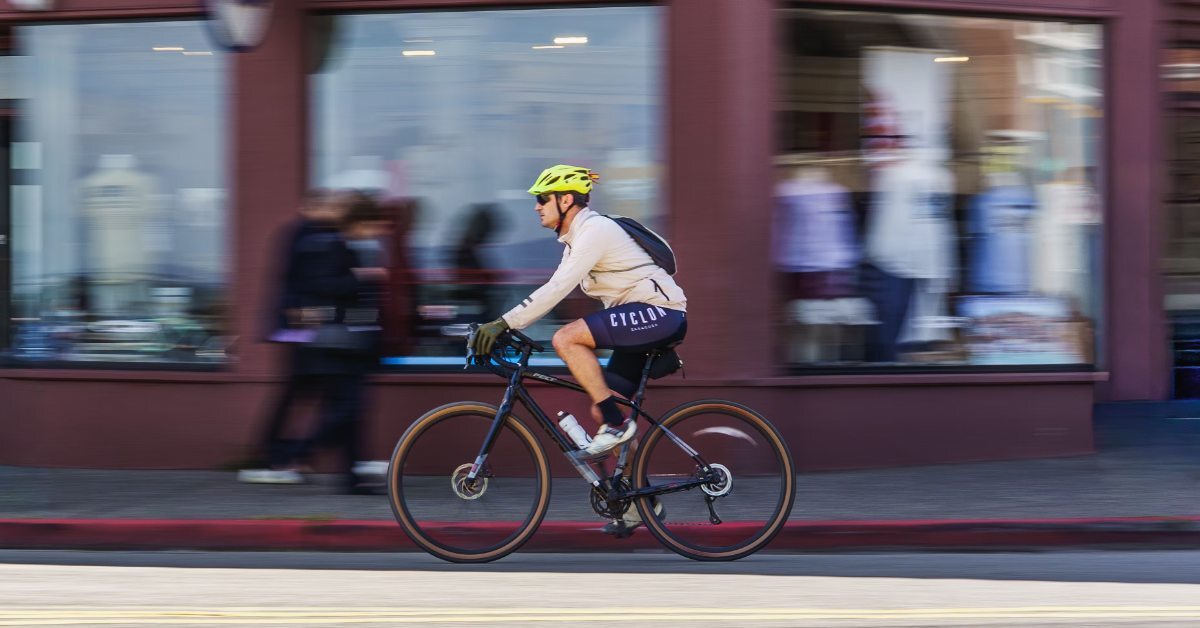
For almost a decade, the nonprofit PeopleForBikes has been evaluating cities and communities across the United States based on their bikability.
To qualify as a “great place to bike,” a community must score 50 or higher on a scale from zero to 100.
This year, 555 U.S. cities scored 50 or higher, a massive leap from 2025, when only 234 met the benchmark, and from 2024, when it was just 183.
Bikeability scores are based on how easily cyclists can access connected, low-stress infrastructure such as bike paths, lanes, and safe streets.
But it goes deeper than that: cities are also evaluated on factors like traffic speeds, protected bike lane coverage, connectivity to key destinations, reallocated street space, and intersection safety treatments.
“Communities across the country are proving that investments in safe, connected bike infrastructure deliver real results,” Jenn Dice, president and CEO of PeopleForBikes, said in a press release. “More cities are reaching the point where biking becomes an easy choice to get where you need to go.”
“When we make biking safe, accessible, and fun, more people ride,” she continued. “One of the best parts? People also arrive happier. These results show that communities of all sizes can make meaningful progress when they prioritize connected networks that work for everyone — making biking not just a practical way to get around, but also a great way to enjoy everyday life.”
But PeopleForBikes is more than a ratings system. It’s a nonprofit whose work is rooted in accelerating the infrastructure of bikeways, keeping local legislation accountable for its proposals and promises, and reducing barriers to access through community outreach.
PeopleForBikes is also set to release International City Ratings in late 2026, broadening the scope of its bikability metrics to thousands of cities around the world.
“City Ratings is more than a ranking. It’s a roadmap,” said Dice. “By helping communities understand where they are today and where opportunities exist for improvement, we’re giving local leaders and advocates a powerful tool and action plan to build safer, more connected places to ride.”
Top U.S. Cities for Bicycling in 2026
Small Cities (<50,000 population)
1. Mackinac Island, Michigan: 100
2. Old Orchard, Pennsylvania: 100
3. Crested Butte, Colorado: 100
4. Washburn, Wisconsin: 98
5. Kent Narrows, Maryland: 97
6. Earlysville, Virginia: 97
7. Isla Vista, California: 95
8. Berkley, Michigan: 93
9. Sunset, Utah: 93
10. Springdale, Utah: 92

Medium Cities (50,000–300,000 population)
1. Hoboken, New Jersey: 83
2. Rochester Hills, Michigan: 80
3. Anchorage, Alaska: 72
4. Ames, Iowa: 68
5. Grand Forks, North Dakota: 67
6. Fargo, North Dakota: 67
7. West Bloomfield, Michigan: 67
8. Ankeny, Iowa: 66
9. La Crosse, Wisconsin: 66
10. Boulder, Colorado: 66
Large Cities (>300,000 population)
1. Brooklyn, New York: 70
2. Minneapolis, Minnesota: 68
3. Seattle, Washington: 66
4. Queens, New York: 63
5. San Francisco, California: 61
6. Milwaukee, Wisconsin: 57
7. St. Paul, Minnesota: 56
8. Portland, Oregon: 55
9. Detroit, Michigan: 55
10. Philadelphia, Pennsylvania: 54
Didn’t see your city listed above? You can visit the PeopleForBikes website to see how your community compares.
You may also like: These 'bicycle mayors' are chosen with one task in mind: Make cities safer for cycling
Header image via Robert So