When people imagine national park sites, they probably envision the geysers of Yellowstone or the crisp ocean breeze of Acadia.
But national park sites aren’t just a feature of the great outdoors. Of the 433 park sites in the National Park System, only 63 are actually parks.
The rest are a mix of national historic sites, memorials, preserves, or other designations — all full of rich, nuanced American history and cultural significance.
National monuments in particular are areas of federal land protected for their significant historical, cultural, or scientific importance, established under the Antiquities Act of 1906, which preserves and protects the archeological heritage of the U.S.
Though many might get their first taste of national monuments on a tour of Washington, D.C., they also include land, buildings, statues, or even underwater areas all over the country.
Unlike national parks, which are known for their natural beauty, national monuments are dedicated to preserving the stories and legacies of people and events responsible for shaping the land and history of the U.S.
Some major monuments that immediately come to mind include the Martin Luther King Jr. Memorial, Abraham Lincoln’s Birthplace, and Mount Rushmore. But here are 10 others that are must-visits.
10 must-visit national monuments
Stonewall National Monument | New York, NY

A 7.7-acre national monument in Greenwich Village honors The Stonewall Uprising of 1969, which paved the way for LGBTQ+ equality in the U.S. It includes an immersive museum, educational center, and art programming.
Montezuma Castle National Monument | Camp Verde, AZ
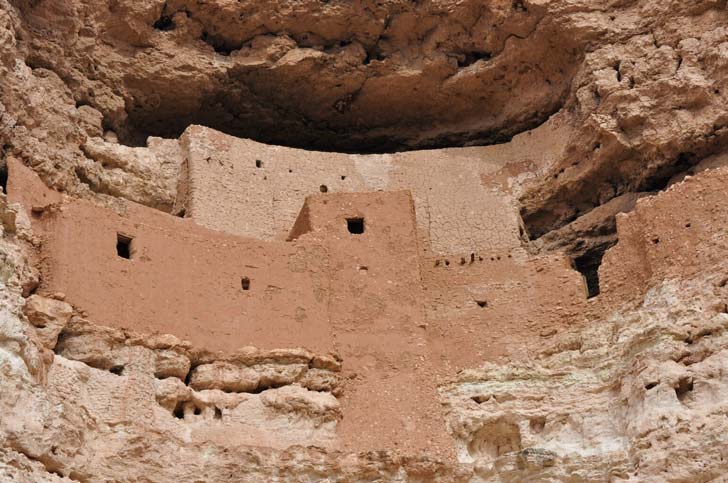
The country’s third-ever national monument, Montezuma Castle preserves Native American culture found in a 20-room home nestled in a limestone cliff overlooking an unforgiving desert.
Birmingham Civil Rights National Monument | Birmingham, AL

This monument preserves and commemorates the work of the 1963 Birmingham campaign, with a number of sites that served as a crucial setting to the Civil Rights Movement.
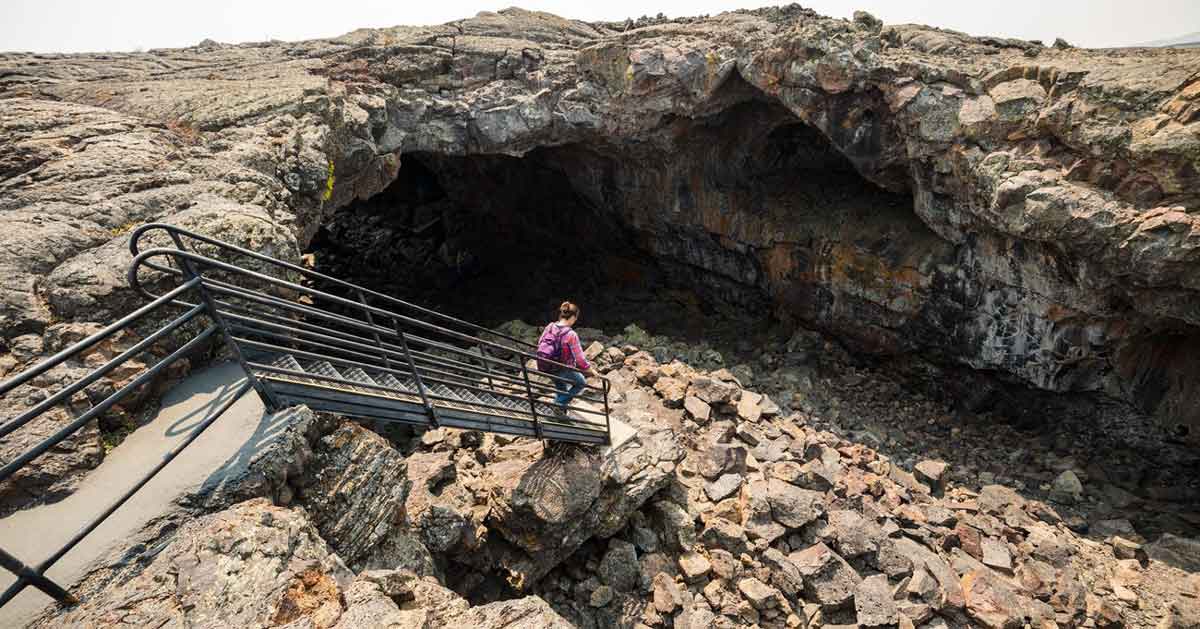
Craters of the Moon National Monument | Acro and Carey, ID

A unique geological monument and preserve, Craters of the Moon includes three lava fields and grasslands that cover over 1,000 square miles. The monument sits along the Great Rift of Idaho, home to the deepest known open rift crack on Earth.
African Burial Ground National Monument | New York, NY

Located in the Financial District, this monument contains the remains of more than 419 Africans buried during the late 17th and 18th centuries, some of whom were free, though most were enslaved.
Carlisle Federal Indian Boarding School National Monument | Carlisle Barracks, PA
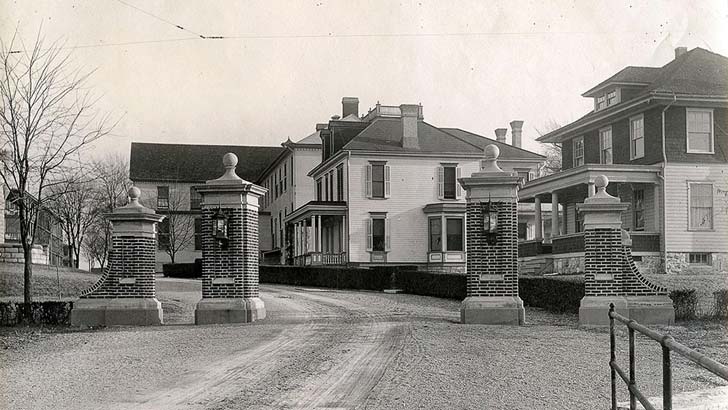
One of the newest national monuments, this site tells the shameful and traumatic history of family separation and abuse within Native communities. Established in December 2024, it is being preserved in close consultation with Tribal Nations.
Katahdin Woods and Waters National Monument | Stacyville, ME

87,500 acres of Maine’s North Woods are protected through the designation of this national monument. A beloved recreation area, it is also home to a rich 11,000-year history of the Wabanaki people.
Emmett Till and Mamie Till-Mobley National Monument | Chicago, IL
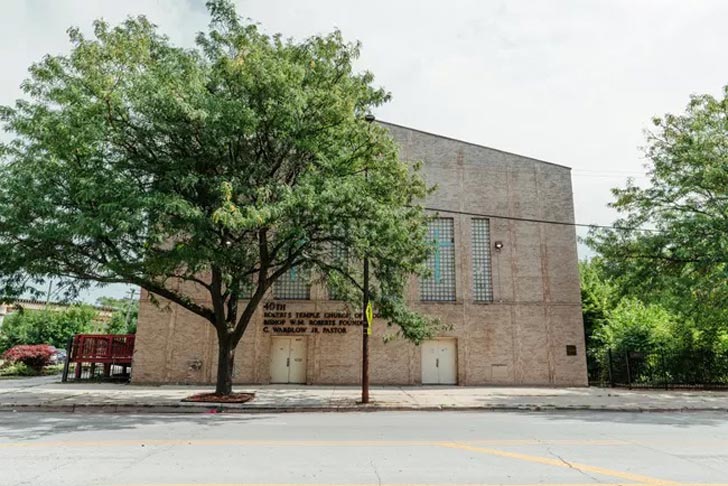
Including three sites, this monument occupies a total of 5.7 acres in Illinois and Mississippi, documenting the heartbreaking torture and lynching of 14-year-old Emmett Till, and the brave actions of his mother, Mamie Till-Mobley, which set the Civil Rights Movement in motion.
César E. Chávez National Monument | Keene, CA
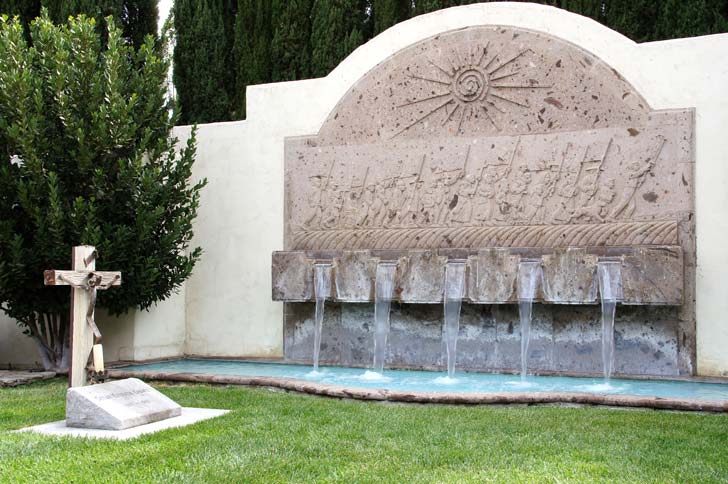
This monument commemorates the home and final resting place of Latino civil rights and labor activist César E. Chávez. The property also served as the former headquarters for the labor movement he helped create: the United Farm Workers of America.
Dinosaur National Monument | Vernal, Utah
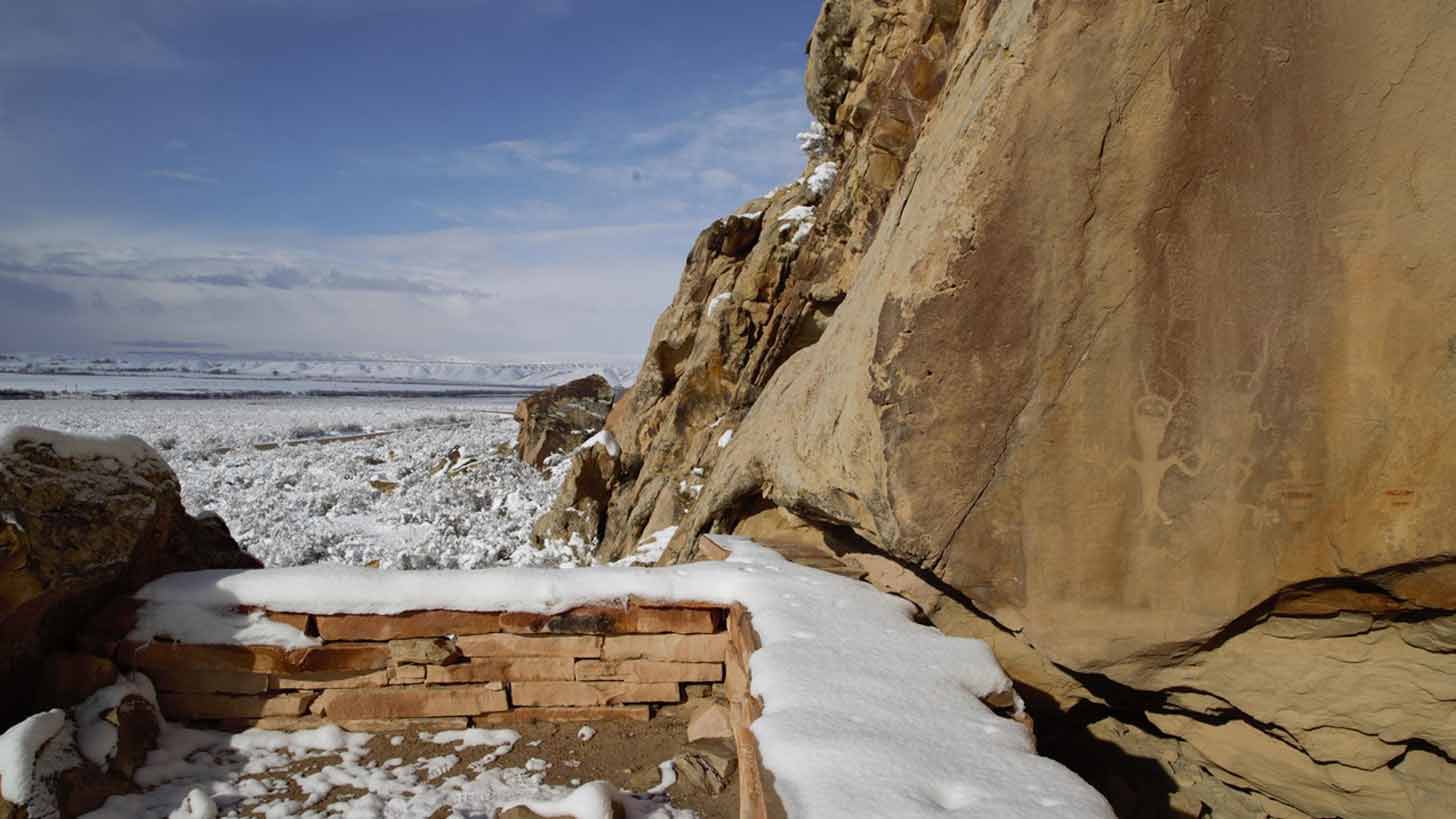
Situated on the border between Colorado and Utah, this national monument is home to rich scientific, geological, and paleontological history. Containing over 800 sites, visitors can view fossils of dinosaurs that roamed the region over 150 million years ago.
A version of this article was originally published in The 2025 National Parks Edition of the Goodnewspaper.
You may also like: Yosemite National Park puts mules to work in the busy season: 'If you've used the bathrooms, thank a mule'
Header image: NPS Photo / Jacob W. Frank