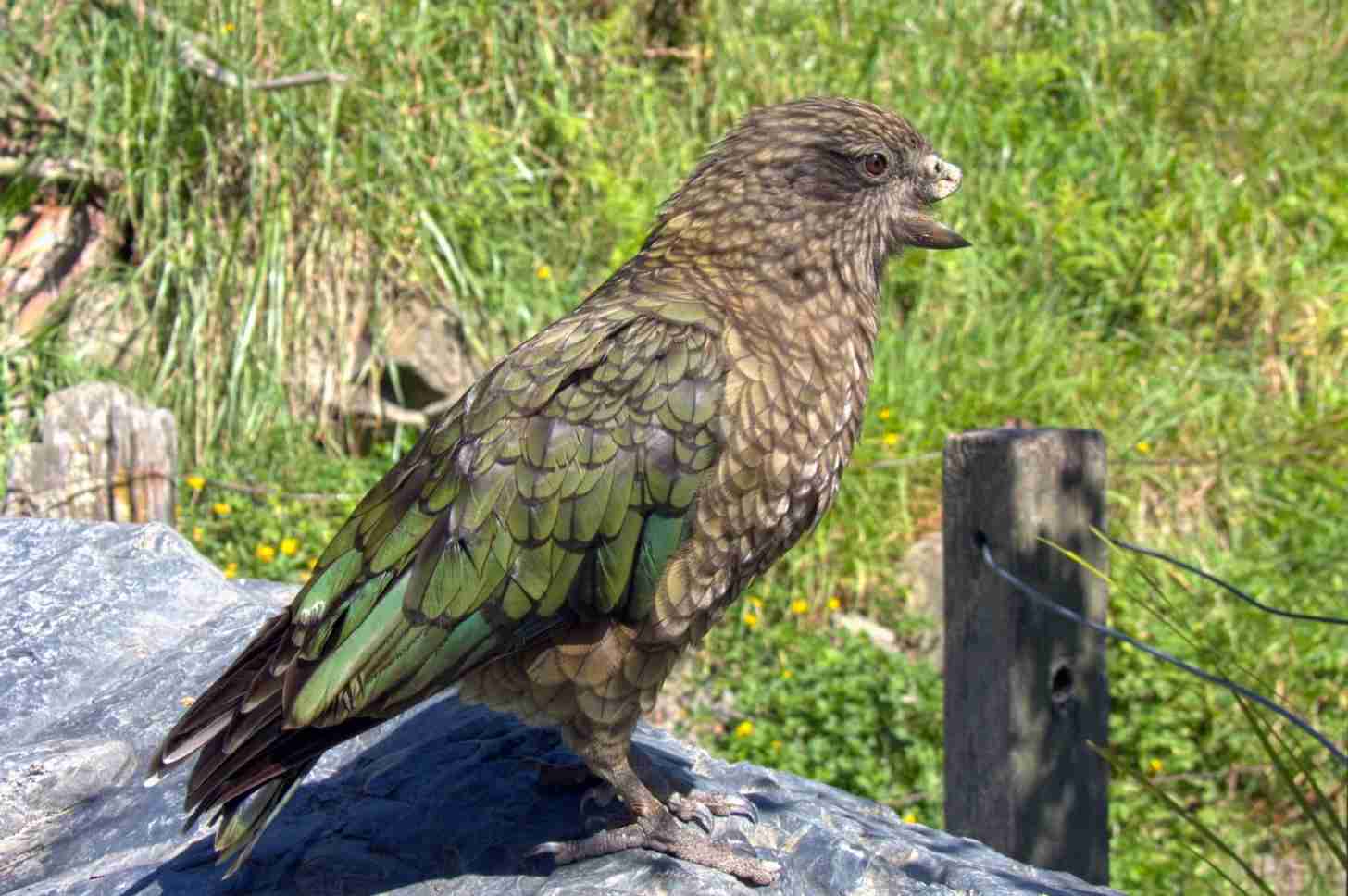
For many birds, survival depends heavily on their beaks. Beaks are used for eating, hygiene and even fighting, so a broken or deformed beak can often be a death sentence.
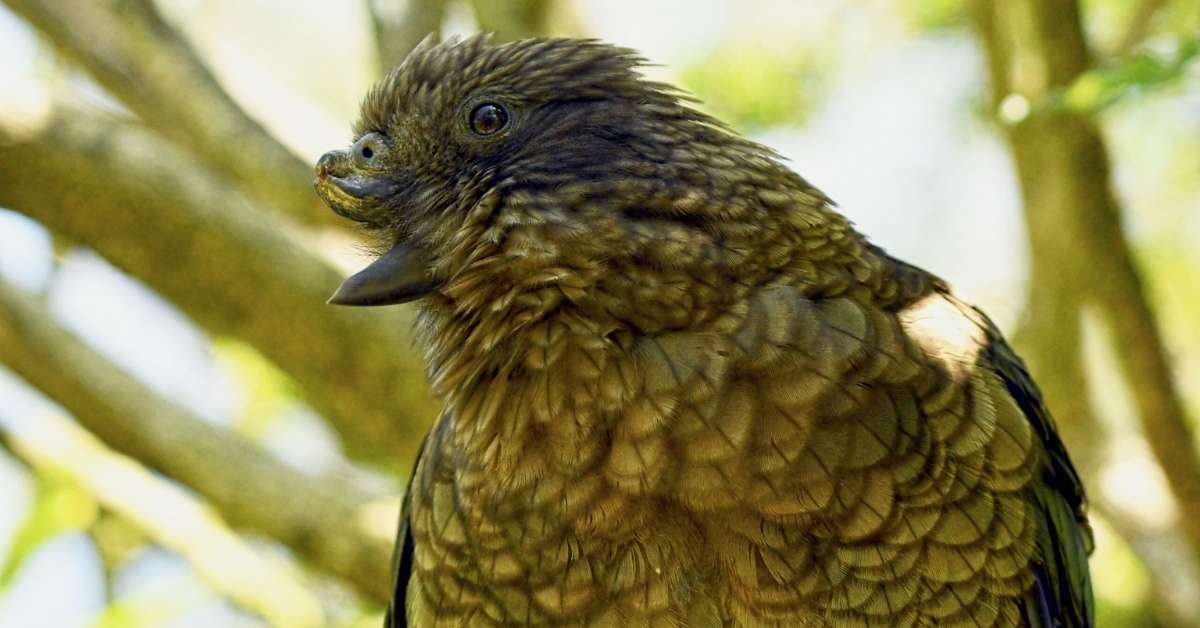
But for one kea parrot, an endangered species endemic to Aotearoa New Zealand, scientists observed the exact opposite, despite the bird missing its entire upper beak.
Scientists found that the male kea parrot (Nestor notabilis), which they named Bruce, was using his lower beak as a jousting weapon, thrusting the implement forward — a behavior that other parrots with intact beaks did not replicate. Researchers observed Bruce participate in 36 combative interactions — and win all of them.
“Bruce shows us that behavioral innovation can help bypass physical disability, at least in species with the cognitive flexibility to develop new solutions,” Alexander Grabham, lead author of a recently published study describing the findings, said in a statement.
“Previous research has shown links between large brains, behavioral flexibility, and survival at the species level.”
Kea parrots are listed as endangered on the IUCN Red List, with an estimated 4,000 adults left in the wild.
Bruce was born in the wild but was taken into captivity around 12 years ago, after he was found with his entire upper beak missing. He has since lived in the Willowbank Wildlife Reserve in Christchurch, where the study was carried out.
Researchers found that Bruce was jousting more frequently than other keas, using different techniques and targeting different areas of his opponents’ body. Usually, keas target the neck, but Bruce distributed his attacks across the back, head, wings, and legs.
In total, researchers recorded 227 combative interactions among 12 different parrots, nine males and three females. Bruce participated in around 16% of them.
Fecal testing showed that Bruce had the lowest levels of a stress hormone metabolite called corticosterone in his group. They also noted that he had priority access to feeders, and he was the only male groomed by other males. In fact, four other males participated in his grooming.
“Bruce is the alpha male of his group,” said Grabham, a behavioral ecologist at the University of Canterbury.
“Our findings also raise an important welfare question: if a disabled animal can innovate its way to success, well-intentioned interventions like prosthetics might not always improve their quality of life. Sometimes the animal can do better without help.”
A previous study, published in 2021, recorded another innovative behavioral adaptation by Bruce: He used pebbles to preen his feathers, a behavior that had never been seen before by other individuals of his species with intact beaks.
This article was originally published on Mongabay.
Header Image by Alexander Grabham