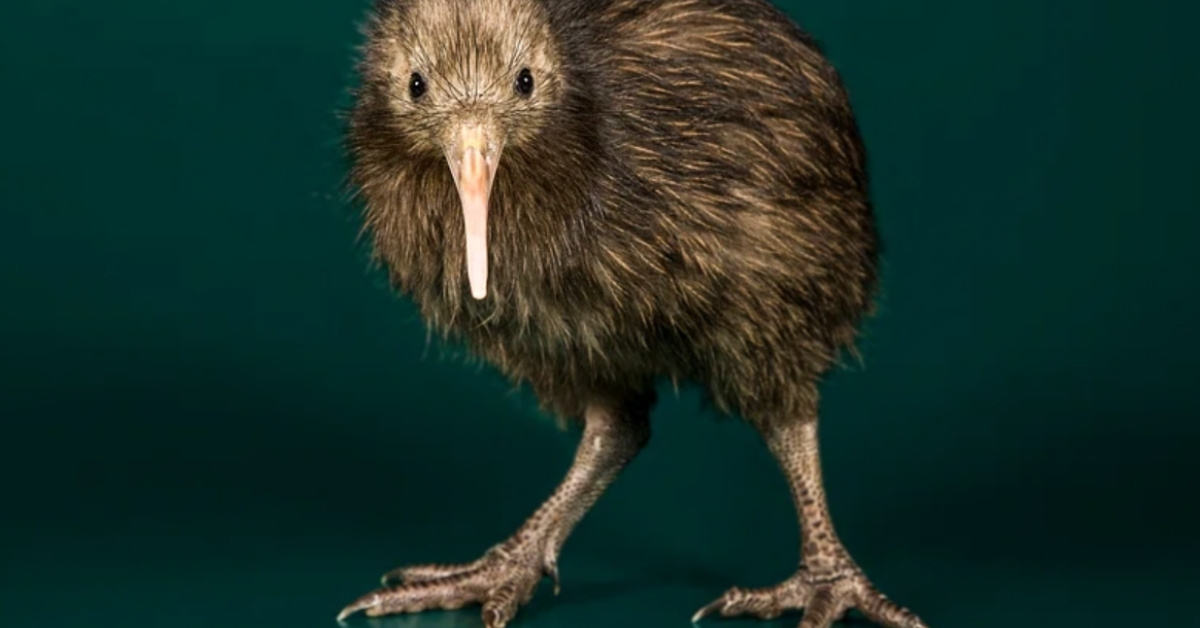
Before humans arrived in New Zealand, an estimated 12 million kiwi birds roamed the Oceaniac island country. Now, only about 70,000 remain, with the population continuing to decline by roughly 2% each year.
A century ago, the species all but disappeared from the hills of Wellington, New Zealand’s capital city. The surviving birds were moved offshore to predator-free sanctuaries where they could be monitored and protected.
Today, a grassroots initiative called the Capital Kiwi Project is bringing them home.
“They are a part of who we are and our sense of belonging here,” Paul Ward, founder of the Capital Kiwi Project, told the Associated Press. “But they’ve been gone from these hills for well over a century, and we decided as Wellingtonians that wasn’t right.”
Recently, volunteers carefully carried seven crates of kiwis through the hillside to relocate them in Wellington.
One kiwi was carried into the Parliament’s grand banquet hall to mark the arrival of the 250th bird to return to its natural habitat. A few people in the quiet crowd were in tears, while a man recited a karakia, a traditional Māori prayer.
Kiwi birds may be small and unassuming, but they play a big role in the food web as ecosystem engineers. By eating fruits along the forest floor, they help disperse seeds as they snack, which aids forest growth.
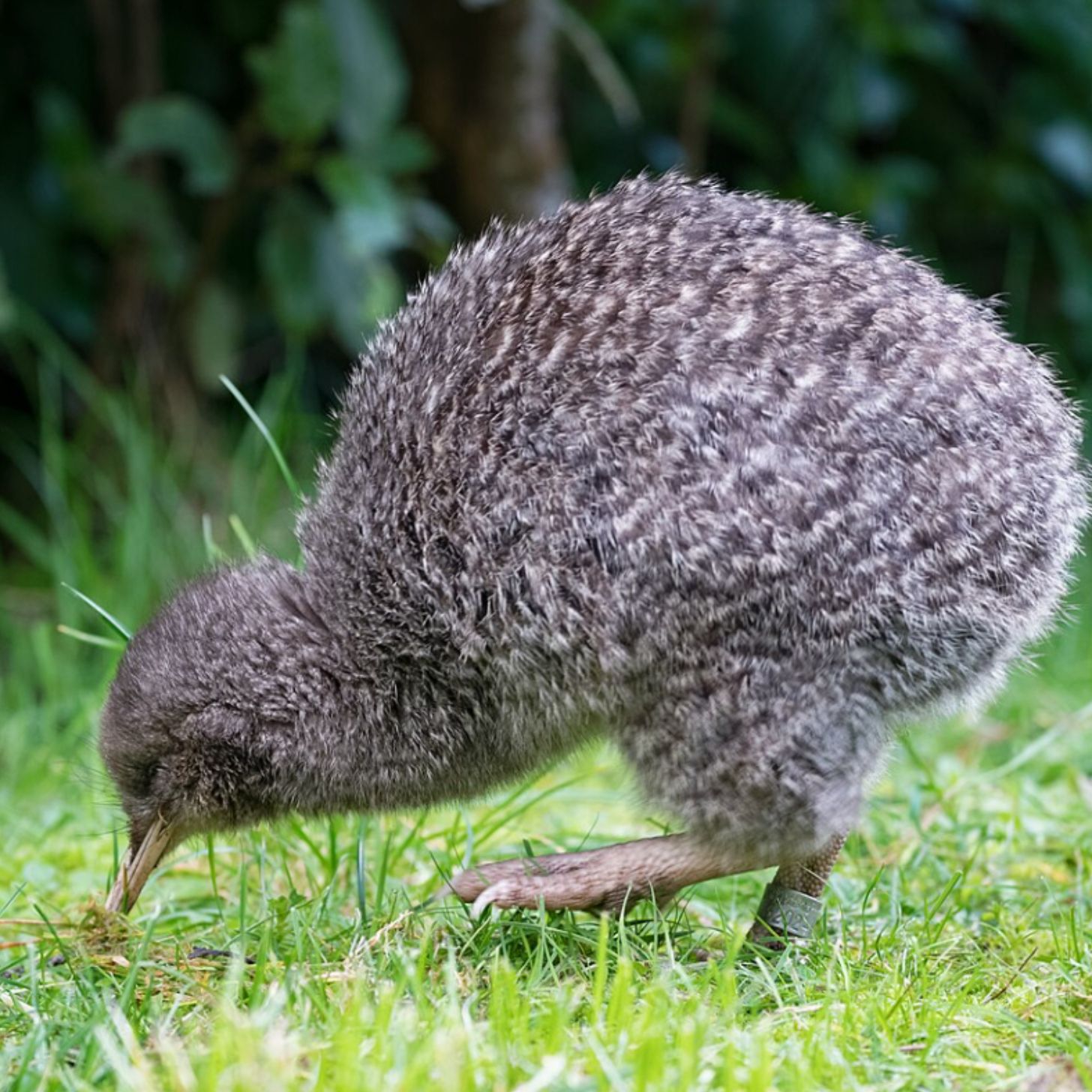
In addition to fruits, kiwis eat bugs — such as cicadas, beetles, and larvae — helping keep local insect populations in check. They poke their noses through leaf litter as they look for worms and insects to eat, which in turn helps aerate the soil.
But in New Zealand, kiwis are more than native birds. They are also symbols of the nation.
“This animal has given us as a people so much in terms of our sense of identity,” Ward said. “We want to challenge our civic leaders, our politicians, and say this is a relationship we need to honor.”
The kiwi initiative is part of New Zealand’s ambitious goal to eliminate introduced predators, including feral cats, possums, rats, and stoats, by 2050.
The ambitious goal was first set in 2016. Now a decade in, community groups have embraced the effort wholeheartedly.
Thanks to eagle-eyed volunteers, some areas — like Wellington — are now largely free of predators aside from pets. It’s a measure that helps local birds, including kiwis, thrive.
‟I grew up roaming around these hills as a kid,” Ward said. “It’s awesome that, if we do the work, my children will soon hear kiwi calling from them.”
You may also like: Scientists calculated how much money it would take to save every single threatened species in Australia. It's lower than you'd think
Header image via Rawpixel (CC0 1.0)