According to the Office of Management and Budget, only 18% of Americans believe that their tax dollars are being spent “the right way,” while 27% admitted that they don’t know how their money is being spent.
But when tax season officially kicks off on January 26, a new tax return option will be available for North Carolinians — one that lets them know exactly where that money is going.
By checking a single box, taxpayers will be able to donate all or part of their tax refund to the N.C. Nongame and Endangered Wildlife Fund. They will join residents of California, Colorado, and Wisconsin as taxpayers who can directly fund conservation efforts that are matched by the federal government.
“Funds donated using the tax-checkoff program amplify those provided by a federal grant for species of greatest conservation need, including listed species in North Carolina,” Dr. Sara Schweitzer, assistant chief of The N.C. Wildlife Resources Commission’s Wildlife Management Division, said in a statement.
Schweitzer said that every $100 received through the program will be matched with $186 or grant funding, “truly boosting wildlife conservation in North Carolina.”
“Our dedicated and passionate biologists, agency partners, and volunteers work tirelessly to ensure wildlife and their habitats will persist into the future for North Carolinians to enjoy,” she said.
From the coastal plains of Wilmington to the rippling mountains of Asheville, the state boasts four eco-regions brimming with wildlife.
Furthermore, over 11% of North Carolina’s land is home to protected wildlife areas, from 14 National Park Service locations (including Cape Hatteras National Seashore, Blue Ridge Parkway), four national forests (Pisgah, Nantahala, Croatan, Uwharrie), and 11 national wildlife refuges.
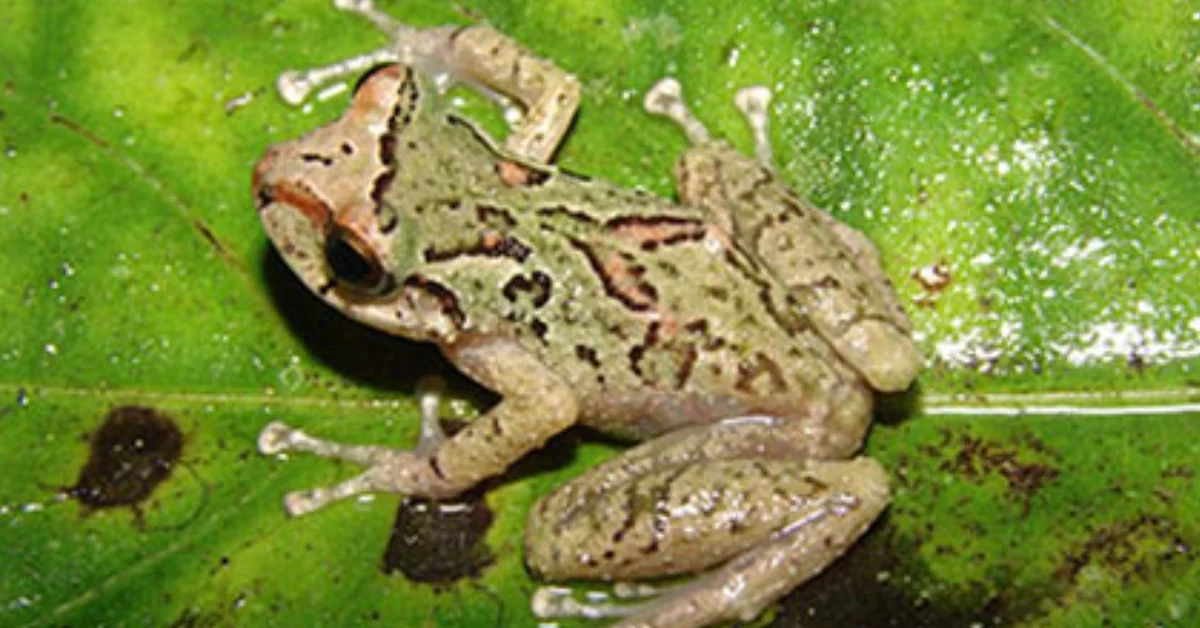
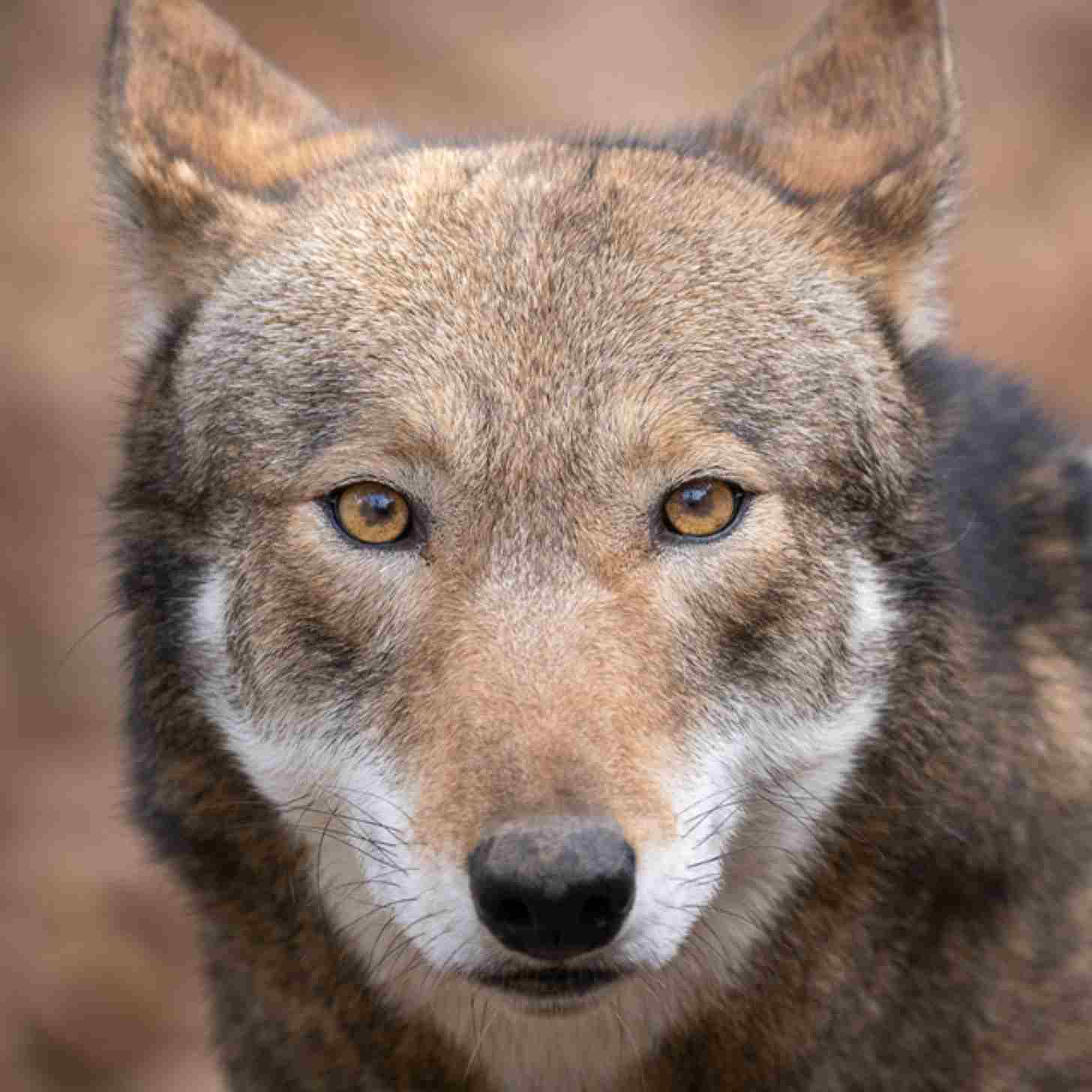
Funds from the tax program will go towards wildlife monitoring efforts for endangered species such as the red wolf, the Hickory Nut Gorge green salamander, river frog, diamondback terrapin, and Northern gray treefrog.
Schweitzer said that the majority of conservation efforts will be centered on the state’s western Appalachian region, where vulnerable species are still recovering from the devastation of Hurricane Helene.
“In western North Carolina especially,” she said, “donations will help us address the immense impacts of Hurricane Helene on species such as the Eastern hellbender, bog turtle, gray bat, Carolina Northern flying squirrel and several high-elevation migratory birds.”
You may also like: These taxpayers overwhelmingly voted for a tax hike. It went toward boosting teacher paychecks
Header image via Keenan Adams (Public Domain)