On Sunday, March 29, the United Nations Convention on the Conservation of Migratory Species of Wild Animals introduced and enhanced treaty protections for 40 species.
The decision came at the end of the COP15 summit on migratory species in Campo Verde, Brazil. The weeklong summit was attended by representatives from 132 nations and the European Union.
It was a meeting underscored by a sense of urgency from officials.
“We came to Campo Grande knowing that the populations of half the species protected under this treaty are in decline,” said Amy Fraenkel, the executive secretary of the CMS.
“We leave with stronger protections and more ambitious plans, but the species themselves are not waiting for our next meeting. Implementation has to begin tomorrow.”
Under the agreement, 40 species were added to CMS Appendices I (species in danger of extinction) or II (species in need of coordinated international action), joining 1,200 other species that were already protected.
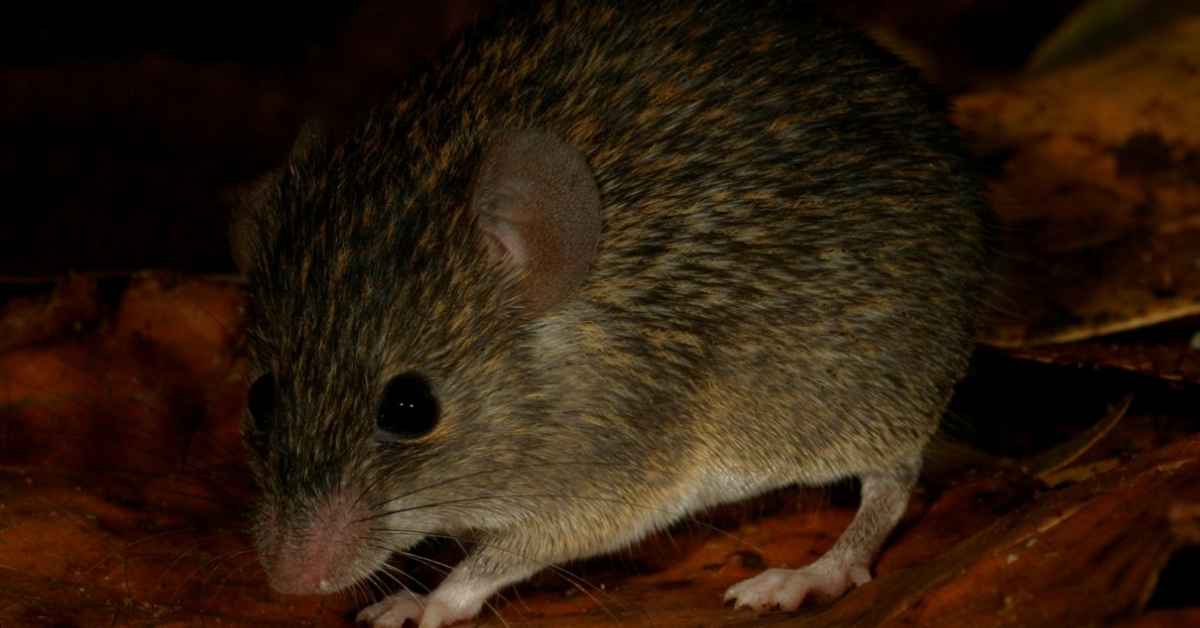
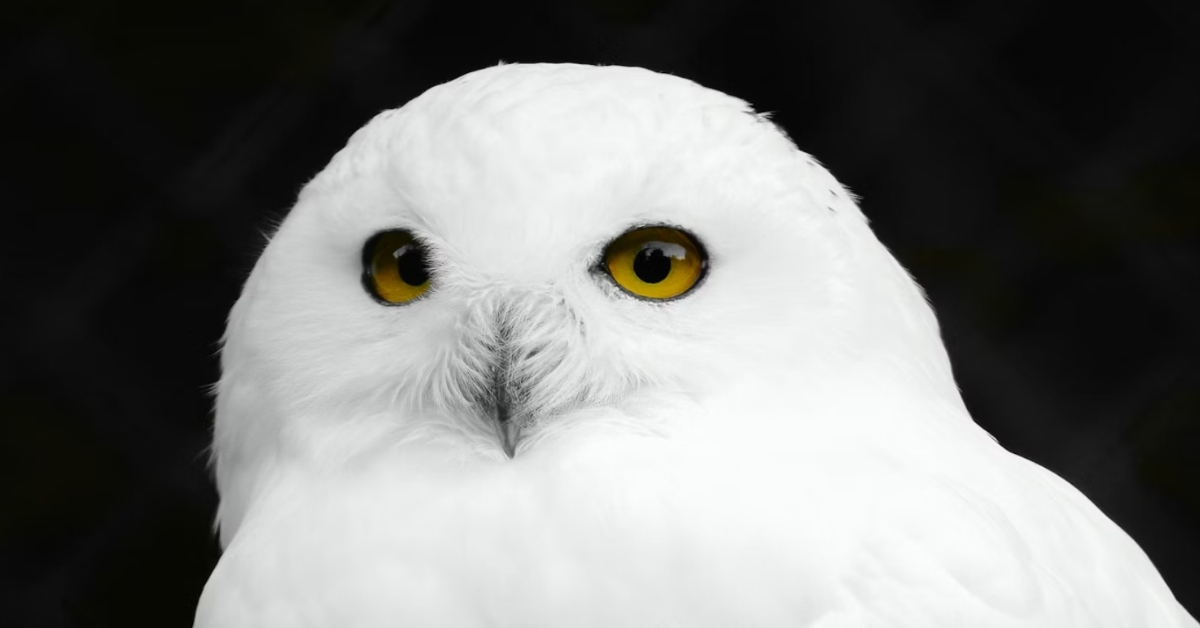
“Expanded protections for striped hyena, snowy owls, giant otters, great hammerhead sharks, and many more, demonstrate that nations can act when the science is clear,” Fraenkel said. “Our duty now is to close the distance between what we’ve agreed and what happens on the ground for these animals.”
Other protected species included the flesh-footed shearwater, the Patagonian narrownose smoothhound, and three kinds of thresher shark.
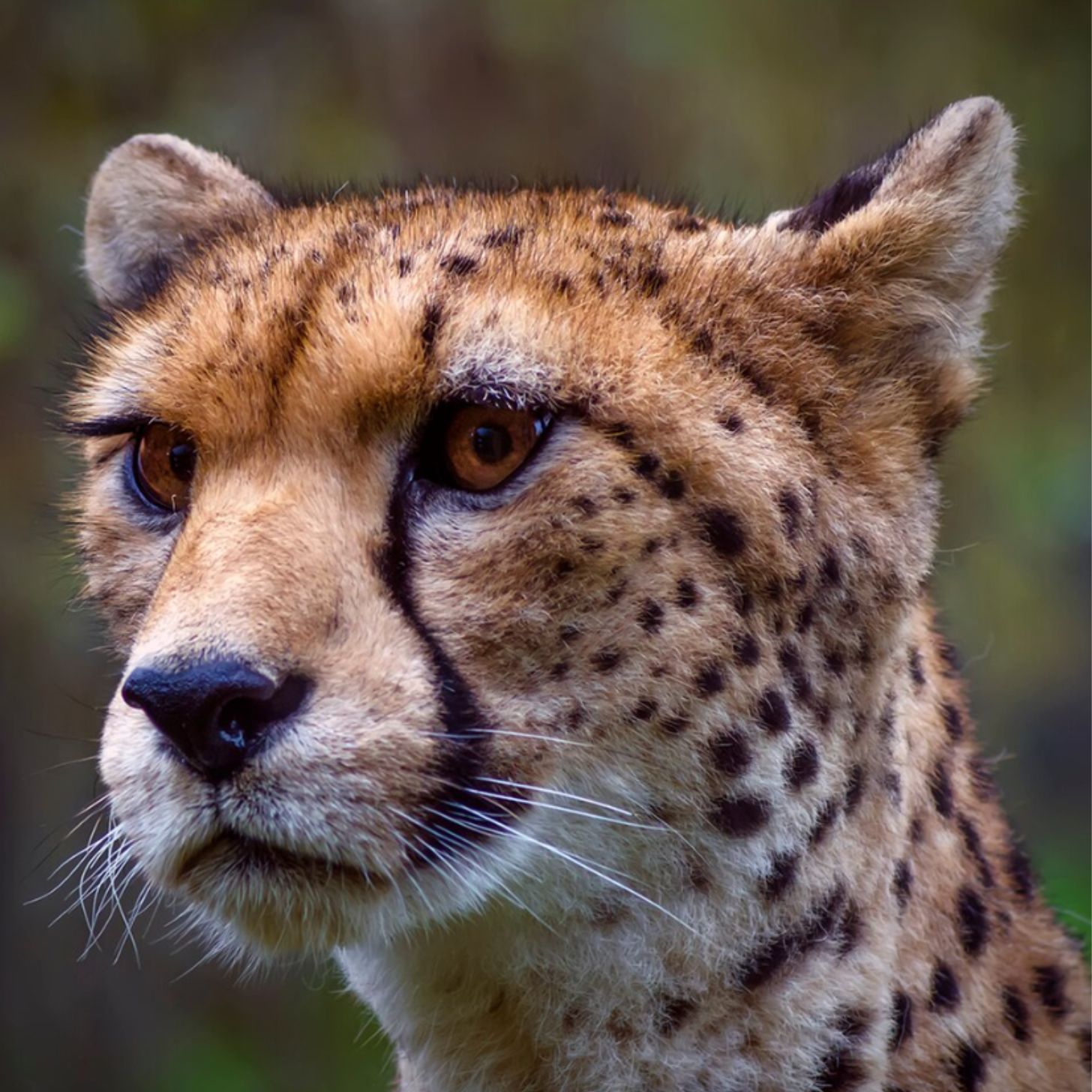
Although cheetahs were already listed in the appendices, the U.N. made note to add Zimbabwe’s cheetah population, which only has 150 to 170 individuals left.
Appendix I includes migratory species that are endangered across all or much of where they live. Under the new protections, threats against the species have been amplified in an effort to boost conservation efforts.
Countries where these animals are found must strictly protect them by banning actions like killing, capturing, or disturbing them, with only rare exceptions. They must also work to protect and restore habitats, remove barriers to migration, and reduce other threats to the species.
Appendix II includes migratory species that need countries to work together to protect and manage them. It also covers species that would benefit from international teamwork, like setting shared goals, creating joint action plans, and sharing research and data.
The officials noted that the nature of migratory species required international cooperation to protect them.
“We protect species that may never remain within our borders,” said João Paulo Capobianco, Chair of COP15 and Executive Secretary, Ministry of the Environment and Climate Change, Brazil.
“We invest in a natural heritage we do not own, but are all responsible for. In doing so, we give concrete meaning to global solidarity, recognizing that migratory species transcend nations, jurisdictions, and generations.”
The United States did not send a representative to the COP15 summit in Brazil, and the Trump administration is currently exploring revoking protections for endangered species in the Gulf of Mexico.
But through the U.N.’s latest protections, 132 nations — and 27 member countries in the European Union — are showing how species conservation is bigger than any one country.
“From the Pantanal to the Arctic, from the oceans to the savannas, migratory species connect our planet in ways no political map ever could,” Capobianco emphasized. “They remind us that ecological integrity depends on continuity, on flows that must remain alive, uninterrupted, and resilient.”
Header image via Simon Schwyter