Growing up, conversations about mental health were off-limits in Pastor Michael A. Walrond, Jr.’s West Indian Caribbean household. In fact, it took over three decades for Walrond to heed his calling in the field of mental healthcare, and it came after a distressing revelation.
“Out of nowhere, I had a suicidal ideation,” Walrond told NPR. His first instinct was to keep his thoughts to himself — but instead, he found the strength to reach out to a therapist. He said it was a decision that ultimately saved his life.
“ I think in the African American community, historically, there’s been the normalization of trauma,” he says. “You don’t really see the mental health impact.”
That’s when the pastor started a new initiative within his congregation at First Corinthian Baptist Church.
Over 20 years, he turned a small corner office into the H.O.P.E. Center, the first faith-based mental health facility in Harlem.
“We currently have seven clinicians on staff: three doctors, one psychiatrist, three social workers, one psychologist,” said Lena Green, the executive director of the center.
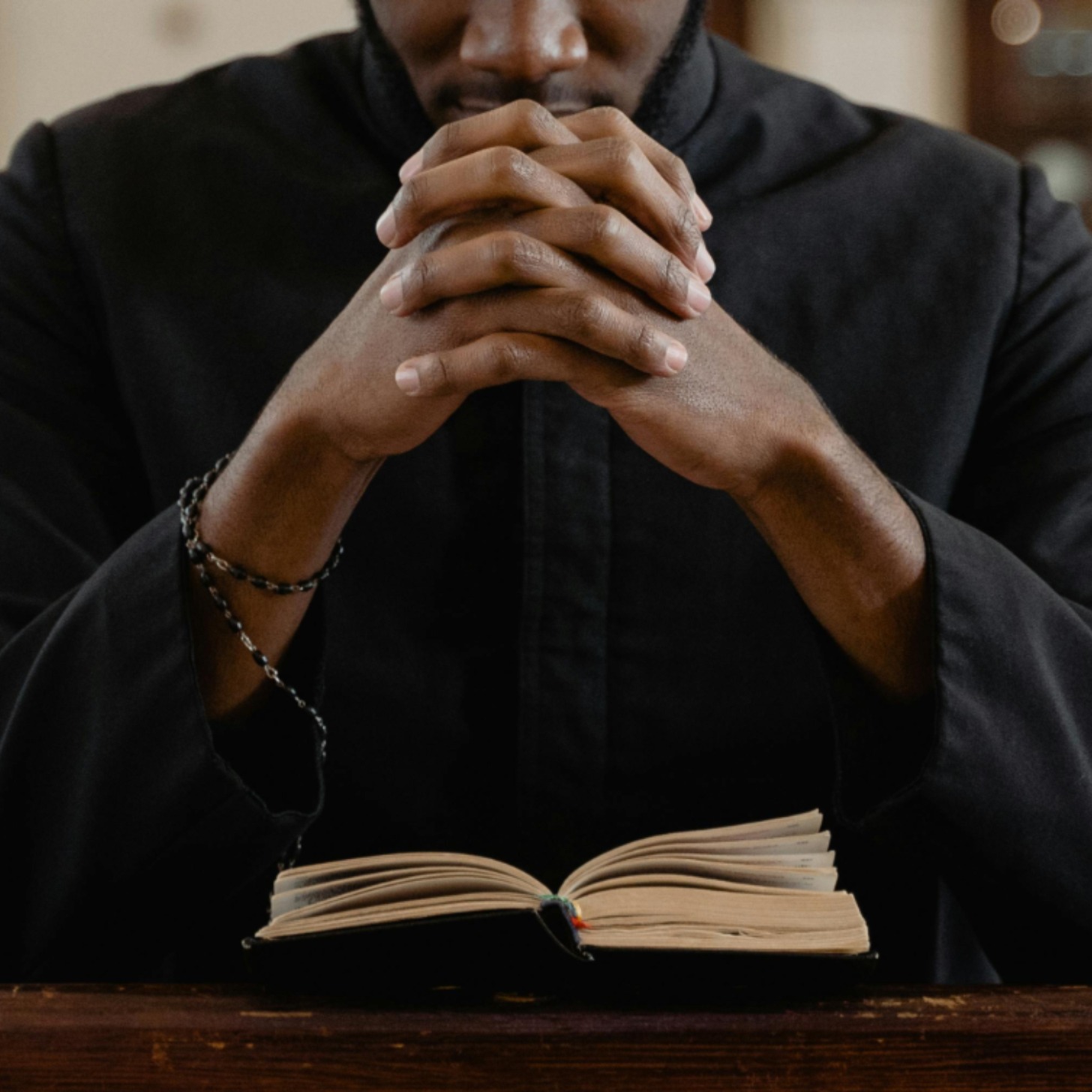
Green has seen firsthand how Walrond has transformed First Corinthian Baptist into a safe space for churchgoers to open up.
In addition to connecting community members with essential services, Walrond chips away at stigmas surrounding mental illness by seamlessly working messages of well-being, mindfulness, and compassion into his services.
“Part of the responsibility,” Walrond said, “is to treat the needs of the people as holy.”
A version of this article originally appeared in the 2026 Mental Health Edition of the Goodnewspaper.
Header image via MART PRODUCTION