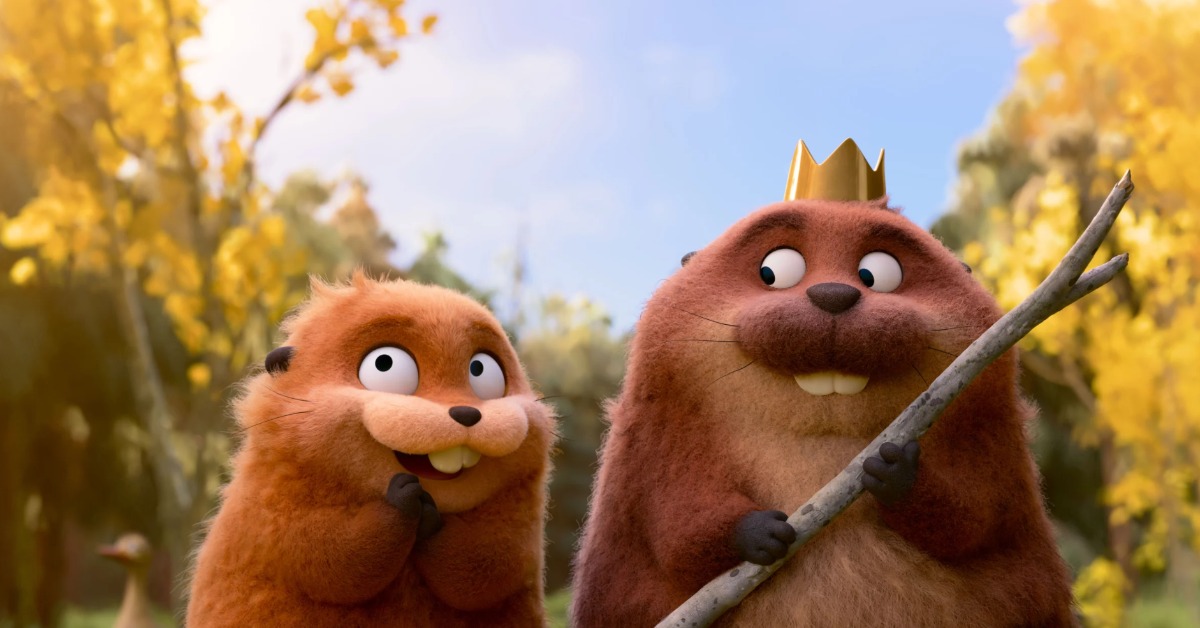
When animation director Daniel Chong first started brainstorming for the Pixar film “Hoppers,” penguins kept popping up on his drawing board.
But after another producer pointed out that animated penguins had become a bit overplayed — à la “Happy Feet,” “Surf’s Up,” and “Penguins of Madagascar” — Chong realized he had to look for inspiration elsewhere.
That’s when he came across an astonishing good news story: After an 80-year absence, golden yellow aspen trees were flourishing again in Yellowstone National Park. And it was all thanks to two unlikely heroes: gray wolves and beavers.
“When I was trying to figure out who’s the star of our movie, who’s the main animal, I came across the story at Yellowstone, where they rewilded, because they had lost all these wolves and the ecosystem had gone out of whack,” Chong said in a press interview.
“They rewilded Yellowstone with all these wolves, and slowly the ecosystem started coming back — they would eat deer, and suddenly the grasses would grow back again.”
And beavers were a huge part of that equation, too.
“When the beavers return, they create these ponds and dams,” he continued. “Basically, when you have that, all the animals return, because you’ve got a water source and you’ve got this place for all this biodiversity to exist. And once I started seeing that, I thought, ‘these beavers, they’re ecosystem engineers. They shift the land.’”
“And then on top of that,” he admitted, “they’re super cute.”
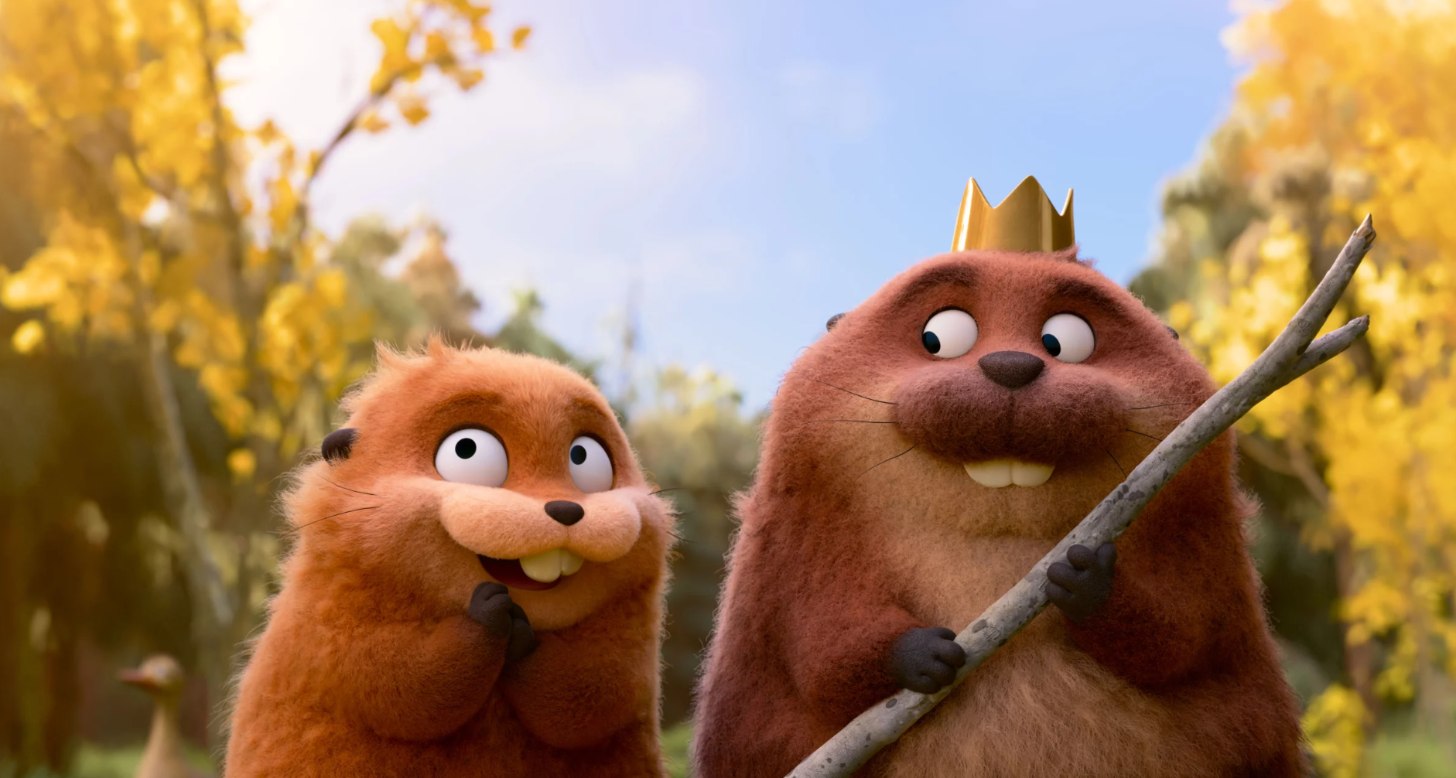
Pixar is no stranger to environmental messaging, producing films like “Finding Nemo” and “WALL-E.”
But “Hoppers” is the first time that the creative team has taken such a deep dive into the importance of biodiversity. In it, a 19-year-old animal lover named Mabel is transported into the consciousness of a robotic beaver to better understand her animal counterparts.
Chong said the heart of the film lies in Mabel’s desperate need to protect the wild world around her — a message that feels particularly resonant in modern times.
“Mabel is this woman who loves nature, loves animals, and she desperately wants to protect them,” Chong told Empire Magazine. “There's a specific place in the movie, a glade, that she cares a lot about, so the movie is really about her trying to protect this natural space. She loves nature, but she is also a chaotic energy herself. She has wildness in her.”
A version of this article originally appeared in the 2026 Environment Edition of the Goodnewspaper
Header image via Disney / Pixar