In 2005, after Hurricanes Ivan and Katrina devastated the state, then-Alabama Department of Insurance commissioner Jim Ridling was surveying storm damage when a thought dawned on him.
Realizing that the storms would come no matter what, he aimed to make roofs stronger — and safer — to weather future hurricanes. His recommended roof improvements were simple: Seal the roof deck and use stronger nails.
Ridling’s standards later set the foundation for the Strengthen Alabama Homes program.
Since 2016, the program has installed fortified roofs on more than 53,000 homes in the state — all funded by insurance companies, not homeowners.
In 2025, a study from the Center for Risk and Insurance Research at the University of Alabama analyzed thousands of claims to see how the improved roofs — and homes — held up in the aftermath of Hurricane Sally in 2020.
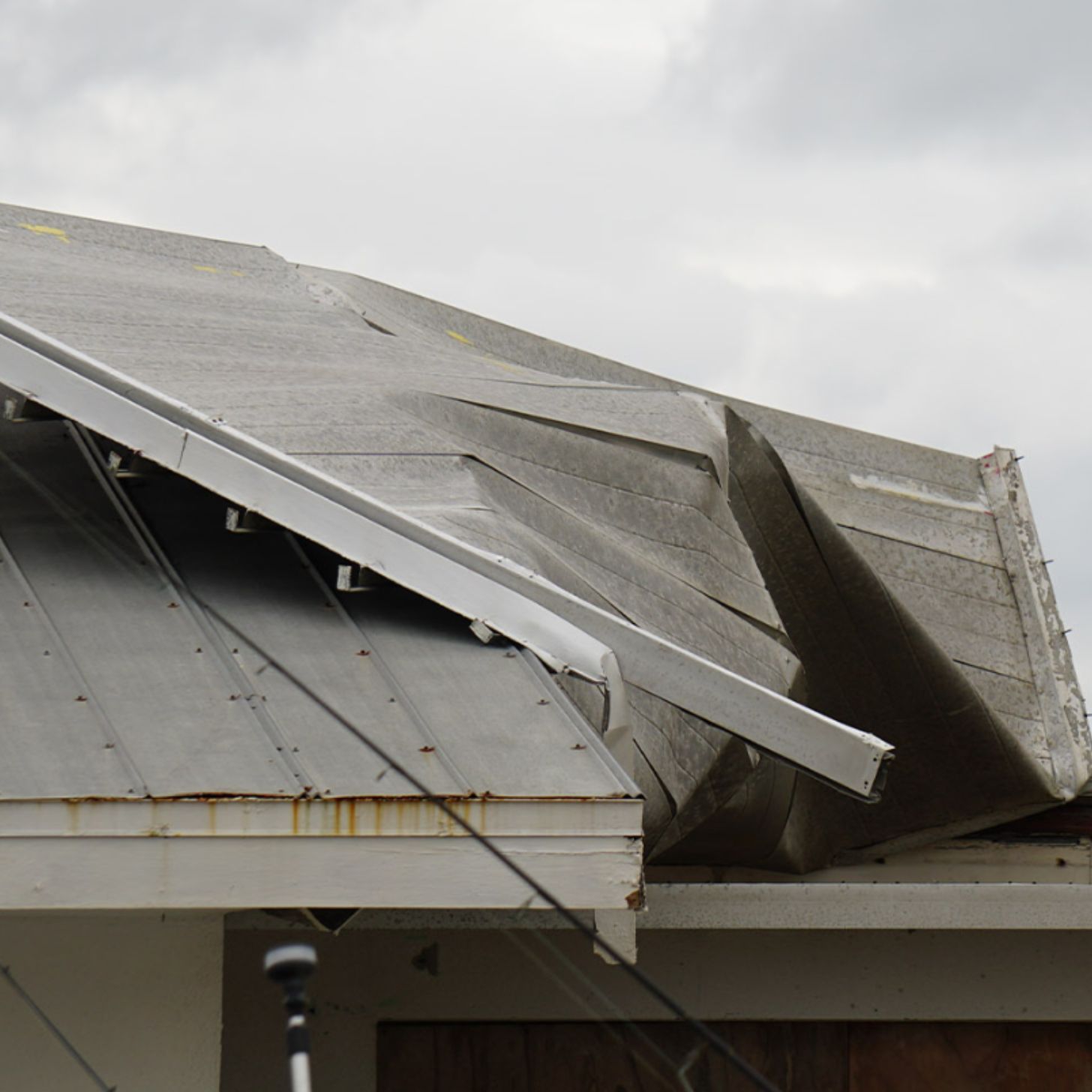
The researchers found that the fortified roofs reduced claim frequency by 56%. And when fortified homes were damaged, the losses were much less pronounced.
“Less damage means fewer displaced residents,” stated Mark Fowler, the department’s current insurance commissioner. “Less damage means students can go back to school. Less damage means local businesses stay open for business … Less damage means life can go on. Less damage means lives and livelihoods are potentially saved. The dominoes of progress and positive change just keep on falling.”
A version of this article originally appeared in the 2026 Home Edition.
Header image via Gebler Law Group (CC BY-NC 4.0)