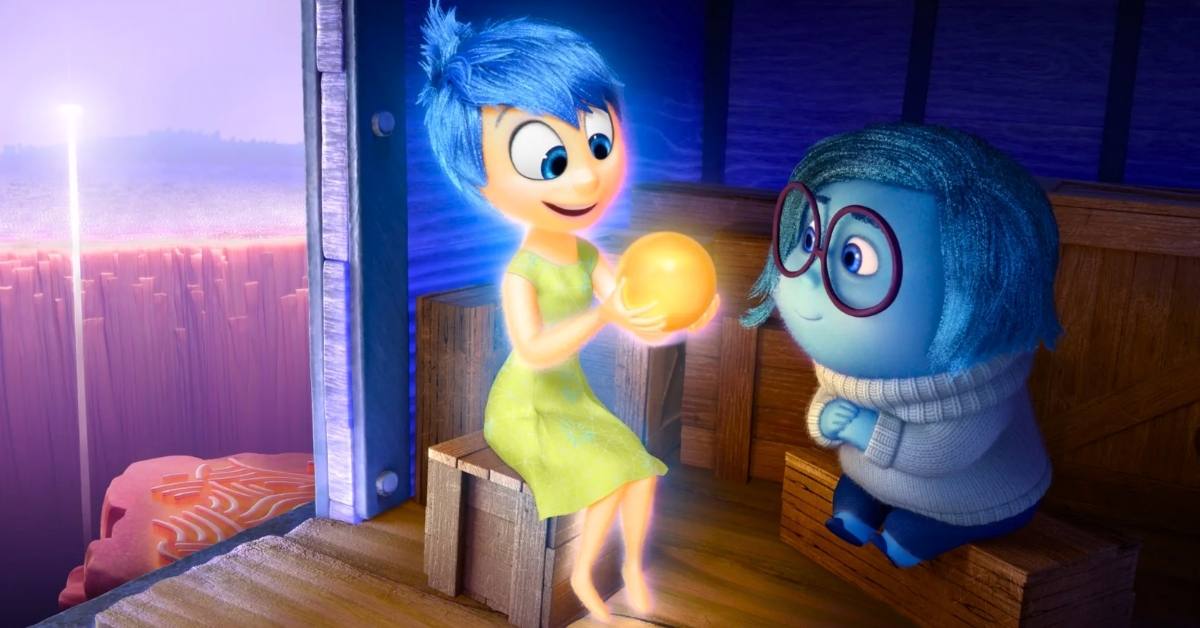
Regardless of age, there’s no denying the relatability of characters like Sadness, Disgust, or Anxiety in Pixar’s “Inside Out” movies.
In fact, beyond the vivid animation, heart-string-tugging score, and sing-songy dialogue delivered by Amy Poehler, the films have become a communication tool for therapists and educators.
“As therapeutic practice, it has become a go-to,” David A. Langer, president of the American Board of Clinical Child and Adolescent Psychology, told the New York Times earlier this year. “The art of ‘Inside Out’ is explicitly helping us understand our internal worlds.”
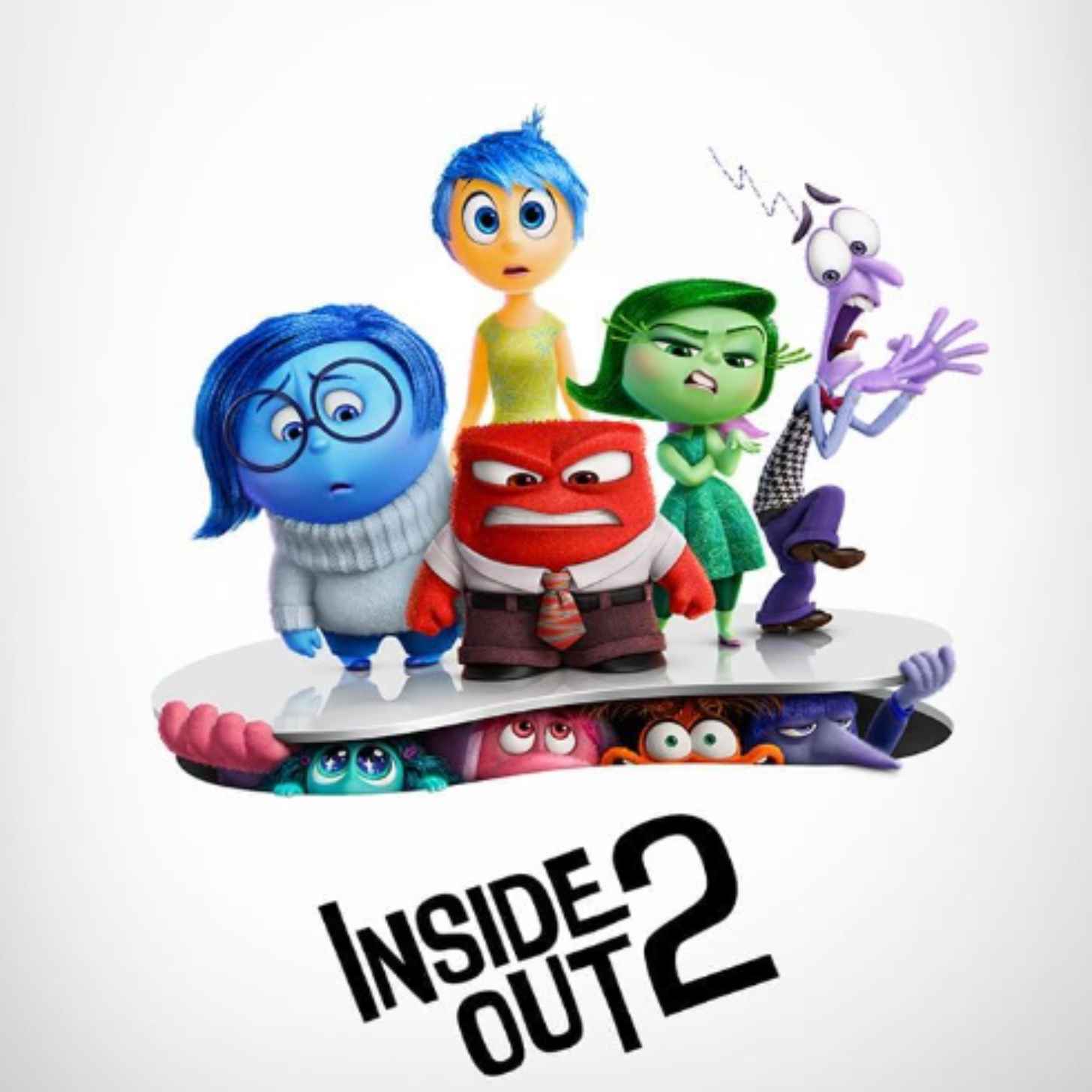
Snagging lines from the movie, using the characters’ emotive finger puppets to communicate with children, or placing figurines of the characters in front of a counselor to show which feeling is behind the “control panel,” the colorful cast of emotions makes the abstract concrete.
According to the New York Times, the movies’ creators didn’t go into the creative process trying to prove a point about mental health, but rather, thought it’d be fun to explore the personification of these feelings — almost like Snow White’s seven Dwarfs.
But as they began to write the script, bring these five big feelings to life, and — later — expand their world with a sequel, the impact became clear.
Meg LeFauve, one of the film’s writers, said she met a psychiatrist at the Academy Awards after being nominated for the first iteration of “Inside Out,” who told her the movie had made her job “so much easier.”
“It got me very choked up,” LeFauve told the New York Times. “Who needs an Academy Award? Honestly, to create something in the world that can be used for children in a moment of trauma is amazing.”
Willough Jenkins, M.D., who is a consultation-liaison psychiatrist at Rady Children’s Hospital in San Diego, said that the two movies have been wholeheartedly embraced by her team.
“One of the biggest messages the movie gave that I really appreciate is that there are no bad emotions,” Jenkins told Psychiatry Online. “Showing that it’s OK to express all your emotions … and that all your emotions have a role is very, very helpful for children and teenagers to see.”
A version of this article originally appeared in the 2024 Art Edition of the Goodnewspaper.
Header image via Pixar / Disney