Comedy comes easily to Maria Bamford, even when the subject matter veers into the dark corners of the psyche. And in the upcoming documentary, “Paralyzed by Hope: The Maria Bamford Story,” that relationship with comedy and mental health takes center stage.
“At age 9 or 10, I started having sort of depressive feelings or episodes and suicidal ideation of sort of not wanting to be here,” the stand-up comedian told Good Good Good. “Along with that, I had obsessive-compulsive behaviors and developed a bit of an eating disorder. And once you start doing that, your brain just kind of struggles anyway.”
“That affected my depression, and then I had some intrusive thoughts that got, well…” Bamford pauses, thinking. “It wasn’t a thing they talked about back then. So my parents sent me to a therapist when I just wasn’t able to sleep at night. I just was too scared that I was gonna harm people, you know, my family.”
“So they sent me to a therapist, and I would just take a nap on her couch, basically,” she joked.
Directed by Judd Apatow and Neil Berkeley, “Paralyzed by Hope: The Maria Bamford Story” premiered at the Sundance Film Festival in January 2026 to rave reviews from critics.
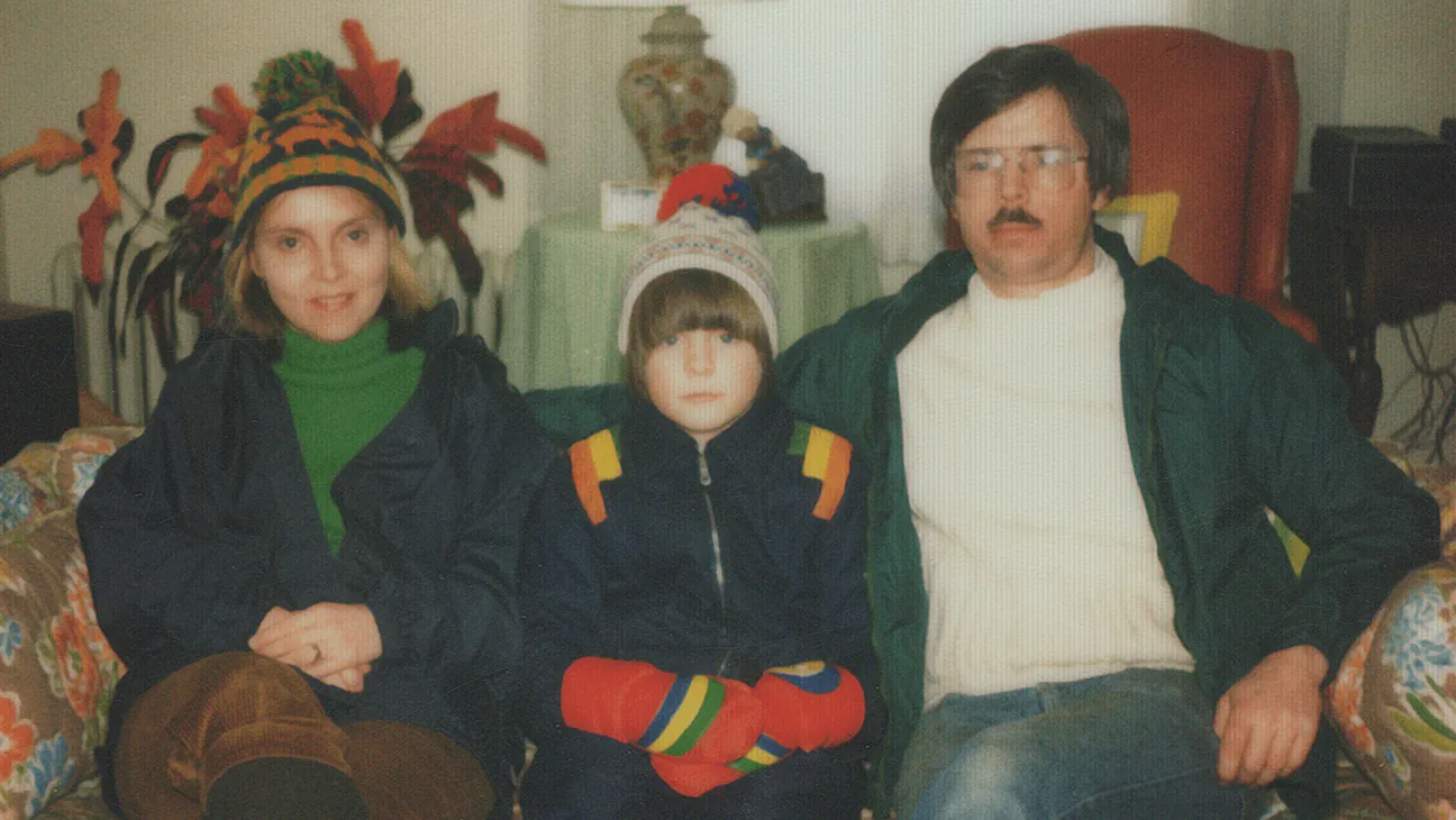
The documentary provides direct insight into Bamford’s long journey with mental health — a subject she was happy to revisit in an interview with Good Good Good.
“I had difficult times on and off,” she explained. “Everything kind of came to a head at one point in college when I called the suicide hotline.”
After college, her relationship with depression and OCD took a turn for the better, as she went on medication and sought treatment. At 35, Bamford began seeing a therapist for her OCD.
But at age 40, when a doctor encouraged her to go on antipsychotics, she balked.
“It felt scary. It felt like ‘Oooh, antipsychotics,’” she said, letting mock judgment leak into her internal dialogue. “Part of the deterioration of my mental health was in my refusal to try mood stabilizers. And then I was trying to work while trying these new meds, which was difficult.”
“I ended up being in hospitals like 3 times in a year,” she added.
When it comes to her OCD and depression, the former has always been the more “misunderstood” of the two. During one hospitalization, Bamford recalled how a gap in psychiatric care resulted in a longer stay.
“I tried to explain to this psychiatrist what intrusive thoughts were, and he thought it was that I was planning to harm people and that I was in danger to myself and others,” she said. “They kept me in the hospital 10 days longer because he didn’t want to let me out until I was for sure not gonna hurt anybody.”
“And I was like, no, no, it’s not that — I've never done anything. I’ve never done any of those things. I’m just worried about doing those things,” she emphasized. “I think the hard thing is finding the right place to go, and you might hit a few real rough spots in trying to find that.”
Following the hospitalizations, she was fortunately put on what she called a “cocktail” of prescription medication that finally felt like a good fit. For the next 15 years, the medicine helped her stay “fairly stable.”
When the depression returned more recently, Bamford turned to hormone replacement therapy through her local Planned Parenthood.
“So I have high hopes for that,” she said.

“Hope” is a recurring theme for Bamford. Apatow explained that the title of the documentary itself stems from an early joke she told on stage: “I never really thought of myself as depressed as much as paralyzed by hope.”
“She’s always been someone who’s been very inspirational because, you know, she is so open and honest and raw in her comedy, which makes it so hilarious and unique, but also very truthful,” Apatow told Good Good Good. “So in some ways it’s surreal, but also touches people.”
Apatow first met Bamford “many years ago” in the Los Angeles comedy club scene.
“I'm just a gigantic fan of hers mainly and have always admired what she's done and hoped that one day we could find a way to work together,” he said. “I was always trying to get her to make a movie, and she didn’t want to. And so one day I thought, ‘Oh, maybe I can get her to let me do a documentary about her.’”
When he called her and asked, he finally got his yes. The next day, Apatow was at her house.
“We wound up following her on and off for a few years,” he said.

In addition to footage of Bamford’s stand-up comedy sets and her personal life, the documentary is interspersed with interviews with comedians like Patton Oswalt, Tig Notaro, Ron Funches, Sarah Silverman, and Stephen Colbert, who pop up to sing her praises.
“In the movie, a lot of the people talked about how she is just completely unique, that there’s no precedent for what she’s doing on stage,” Apatow said. “You know, she’s embodying all these characters from her life. She’s doing impressions of real people and her family — not celebrities. It’s very imaginative, and wildly funny, and outrageous.”
When Apatow first approached Bamford about the documentary years ago, she was just as grateful as she was dumbfounded.
“I thought: It’s an honor that anyone cares, that anybody is interested,” she said. “But then there was also slight shame because I go, ‘Oh, there are a lot of more interesting stories out there, of people overcoming much more difficult circumstances.’”
“I was definitely born with a silver spoon in my mouth,” she stressed. “My dad was a physician, and we lived in a place where public schools were well-funded. I got care in whatever way it was available, as soon as I said I had problems.”
“Those are the kind of feelings that came up, just sort of a mixture of oh my gosh, well, okay, and I guess?” Bamford laughed. “But if it’s helpful to anybody, then I’m glad. I’m so grateful.”
In separate interviews, Good Good Good asked Bamford and Apatow who they look to for hope.
The question prompted a long list of answers, including their friends and family, groups like Mutual Aid LA Network, mental health podcasts like “ShxtsNGigs,” peers like Dave Eggers, who founded the youth writing center 826 Valencia, and Jackie Kashian, who raises money for immigrant defense funds.
Their lists also included each other.
“Judd has an absolutely insane amount of energy and enthusiasm to strongly support so many creatives — I am one of many that he has helped. He also gives so much back to progressive causes, follows his own passions, and is a delight to be around — chipper and cheerful and hilarious always,” Bamford said, adding that co-director Neil Berkeley is “a very hard-working and extremely pleasant person to spend time with.”
“He, like Judd, is the real deal,” she said.
Apatow echoed the same sentiments.
“Maria is one of those people because she’s very charitable,” Apatow said. “As soon as the fire happened in her community in Altadena, she started doing benefits for the theater that she worked at there, this clown theater, and she’s always reaching out and finding ways to help people.”
“She’s always been a comedian, but she's so much more than that, because what she does is so relatable to everybody,” he emphasized. “We are all struggling. We all have our depression. We all have our obstacles. And her comedy gets to the heart of that struggle.”
“Paralyzed by Hope: The Maria Bamford Story” is currently being shown at film festivals in limited screenings and is expected to receive a wider release in the coming year.
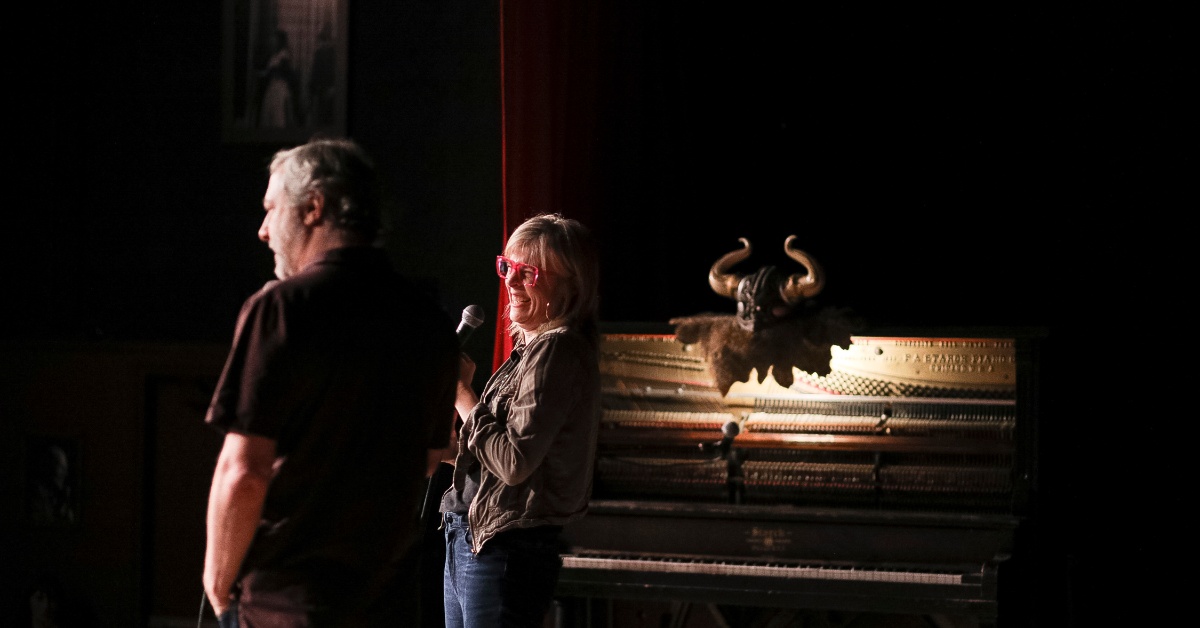
Header image via Largo Apatow / Courtesy of Judd Apatow