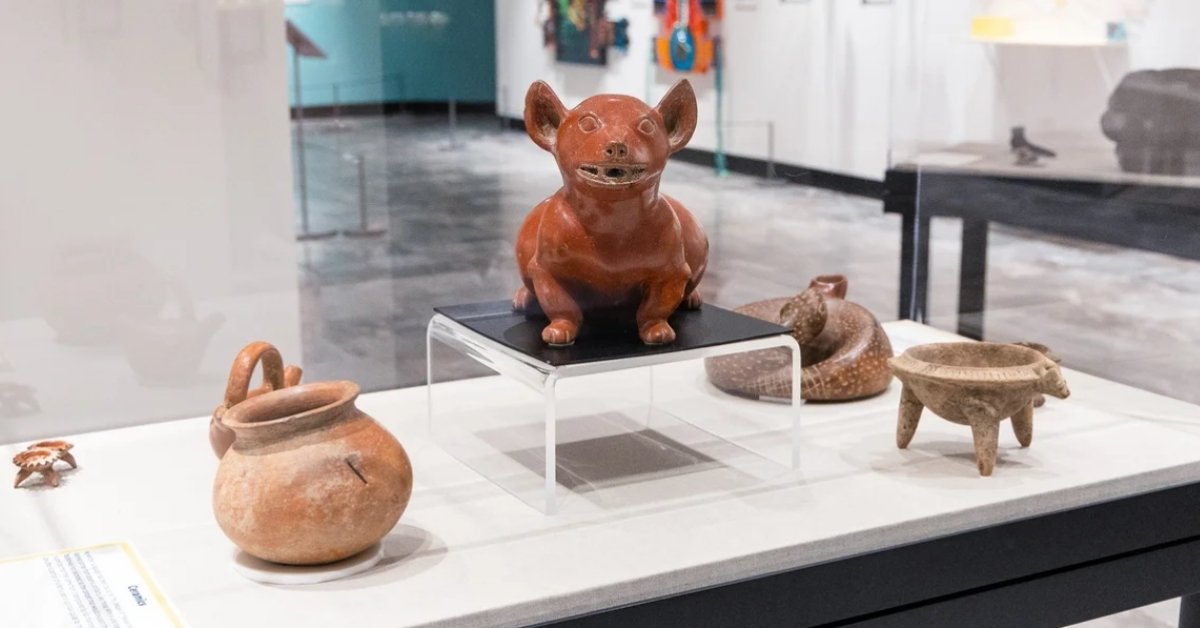
Last summer, inside the yawning halls of the Parthenon Museum in Nashville, Tennessee sat a collection of pre-Columbian artifacts and antiquities.
The 250-piece collection — which includes ancient hand tools, obsidian arrowheads, instruments, and clay sculptures — is part of a temporary exhibit titled “Repatriation and Its Impact.” And at the end of the summer, every item was sent back to Mexico.
“I want people to come in and know exactly that this is about not just our collection, but the world,” said Bonnie Seymour, an assistant curator at the museum, in an interview with NPR. “I want to introduce them to the idea of what repatriation is, and that it's not an abstract idea. That it is something that impacts people on a personal level.”
From her very first day at The Parthenon, Seymour was shocked by the sheer number of collectibles on display that were “stolen.”
“They represent someone's ancestors, and we're not them,” Seymour said.
She soon turned to the Mexican Consulate in Atlanta for help with the official repatriation process, which is the act of returning or restoring property to its place of origin. After its “farewell tour” at The Parthenon, the consulate moved the collection to The Mexican National Institute of Anthropology and History in Mexico City.
“By recovering these pieces, we’re recovering a piece of a memory,” Consul General Javier Díaz de León told NBC. “That way, people who live in Mexico have direct contact with pieces that represent how their ancestors live, where they come from and part of our history.”
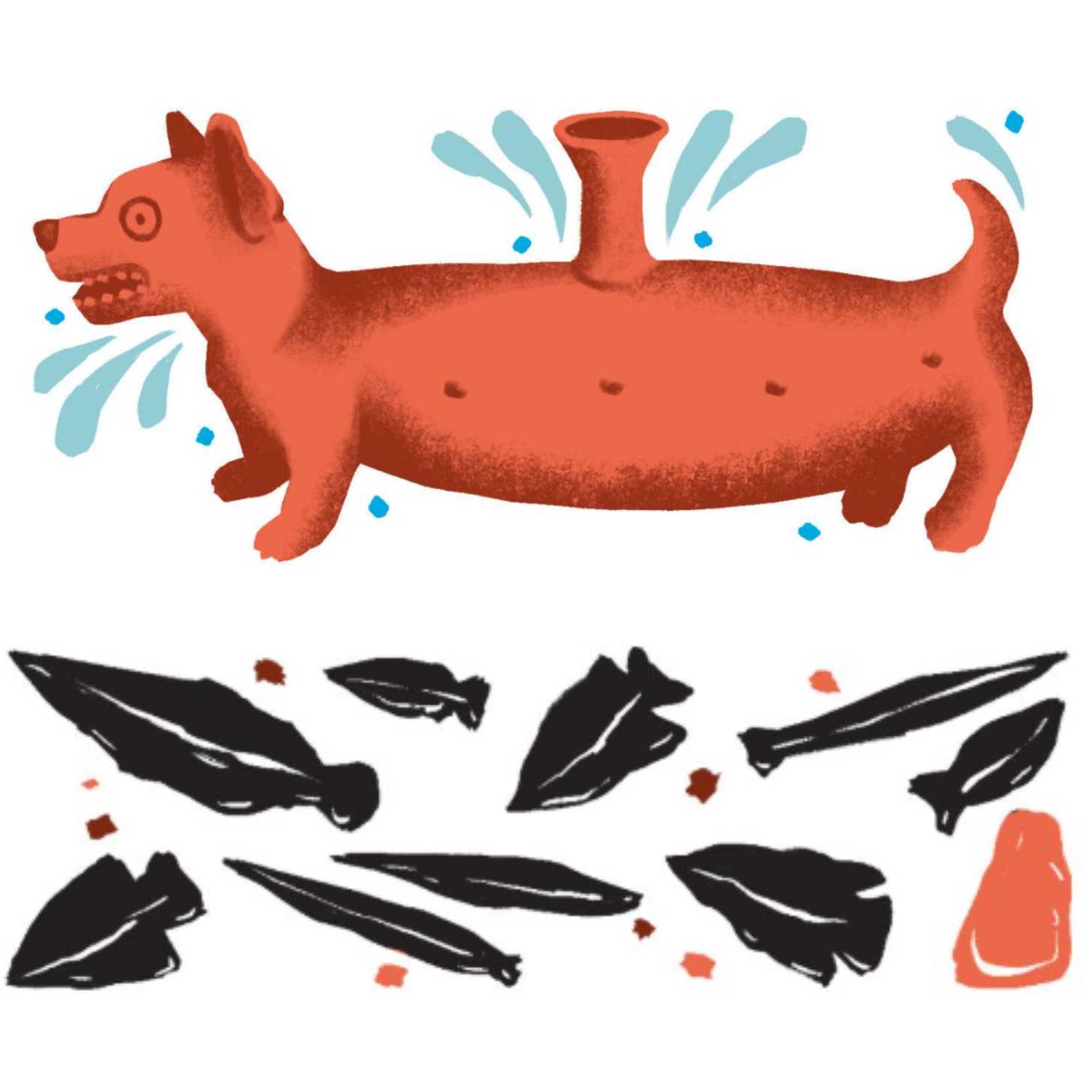
In turn, the Nashville museum was granted permission to make 3D prints of several key artifacts, including Seymour’s favorite: a sculpture of a Mexican hairless dog. The 3D-printed models will live on in the museum as part of a larger, educational exhibit at the Parthenon.
For young students like Paulina Alvarado, the “Repatriation and Its Impact” exhibit opened their eyes to the impact of colonization on the art world.
“It’s nice to see the culture being shared worldwide,” Alvarado told NBC. “[But] having permission from that culture and from the people to be able to share that culture with others — that’s important to me.”
You may also like: In new heist video game, players return museum artifacts stolen from African countries
A version of this article originally appeared in the 2024 Art Edition of the Goodnewspaper.
Header image via Victoria Metzger / Centennial Park Conservancy