
- Mongabay has launched a dedicated Solutions Desk to expand reporting on how people and institutions respond to problems about nature, rather than spotlighting solely the problems themselves.
- The desk reflects a strategic shift toward solutions journalism, emphasizing evidence-based analysis of outcomes, trade-offs, and lessons learned from real-world interventions.
- Mongabay’s solutions journalism has already contributed to tangible outcomes, including influencing Microsoft agroecology investment decisions in Latin America, supporting community-led wildcat conservation initiatives in Peru, and informing policy and accountability in the biomass industry.
- The Solutions Desk strengthens Mongabay’s capacity to deliver rigorous, independent journalism that helps audiences better understand effective responses to environmental challenges and supports more informed decision-making globally.
Think environmental news, and the headlines tend to be bleak: extinctions, habitat loss, unrelenting emissions. And often what gets lost in all the doom and gloom is the potential for solutions to emerge — solutions that, in many cases, hold the promise of hope.
Across environmental and climate actions, a wide range of stakeholders — from local communities to governments to organizations — are working to address the challenges facing nature. Yet, understanding whether these approaches actually work remains a persistent gap.
In response, Mongabay has launched a new Solutions Desk to explore how people are working to address environmental problems and reveal insights into the effectiveness of practices across contexts.
This new desk adopts solutions journalism, focusing on responses to complex problems, assessing evidence of outcomes, and identifying what works and what doesn’t, so that others can learn, iterate, and improve.
In other words, it highlights how people and institutions respond to problems about nature, rather than spotlighting solely the problems themselves.
“Years of grim headlines have revealed an uncomfortable truth: when people are offered only catastrophe, many disengage. They stop reading, stop caring, and, in some cases, stop believing that anything meaningful can still be done,” says Rhett Ayers Butler, Mongabay founder and CEO.
“By launching a dedicated Solutions Desk, Mongabay aims to rigorously document what’s working in conservation and climate, offering readers a sense of agency and grounded inspiration at a time when the challenges can feel overwhelming.”

From an editorial perspective, the desk also reflects a shift in how environmental stories are framed and received.
“At Mongabay we report about the environment on a global scale every day. It is easy to fall into despair and doomerism, so the Solutions Desk exists to bring attention to a world filled with doers and to honestly address the perspective of reasonable doubters,” says Willie Shubert, Mongabay’s executive editor and VP of programs.
“Mongabay’s audience is part of an active global community that’s working to save species from extinction, halt deforestation, reduce the health burdens of pollution, and avoid the worst-case scenario of climate change,” Shubert says. “This community needs inspiration and insight from successful actions to address environmental degradation, and to learn from each other’s triumphs and mistakes.”
In practice, reporting on solutions requires considerable rigor, including careful evaluation of claims and supporting evidence. The desk builds on a core team of six staff, alongside many more journalists across Mongabay’s regional bureaus.
As the first step in strengthening capacity, Mongabay added a dedicated solutions researcher, Marina Martinez, in 2024. This role allows support including scientific evidence and fact-checking claims before publication.
While the Solutions Desk is new, Mongabay has a long history with this brand of journalism. This includes a Special Issue on Conservation Effectiveness and ongoing reporting projects focused on climate solutions, reforestation, fisheries, agroecology, and emerging policy areas such as the European Union Deforestation Regulation (EUDR).
“In the environmental arena, where long odds are the norm, there are meaningful gains underway,” Butler says. “Our Solutions Desk will cover them with the same scrutiny and independence that define all of Mongabay’s journalism, ensuring that hope is earned, not manufactured.”
By organizing this effort into a new desk, Mongabay plans to expand its capacity to produce rigorous, evidence-based reporting and make insights into environmental solutions more accessible to a global audience.
Examples of the Impact of Solutions Journalism
How Mongabay’s reporting led tech giant Microsoft to invest in agroforestry
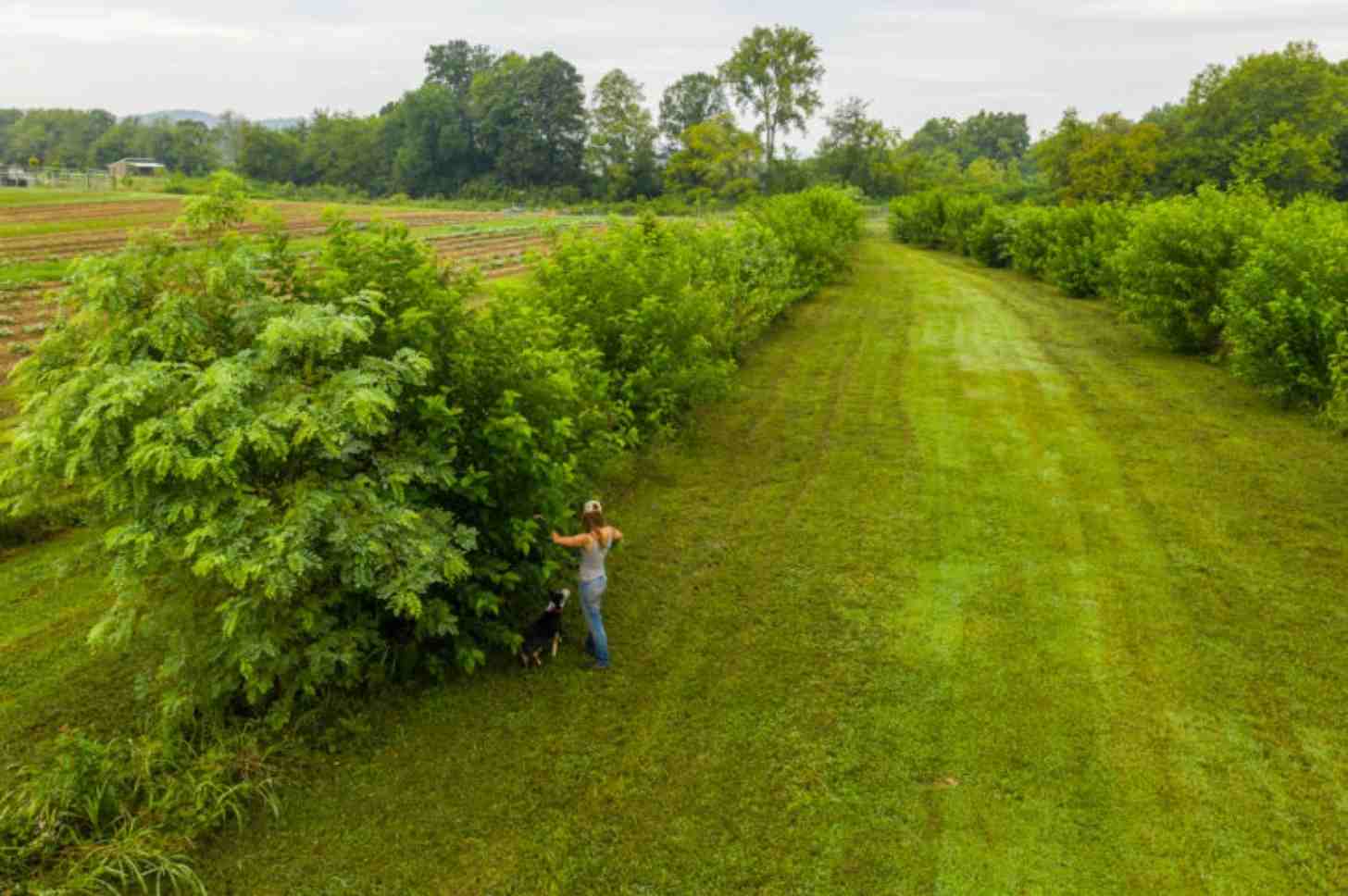
Mongabay’s dedicated series on agroforestry explores how the practice is used to help address widespread challenges like food insecurity, deforestation, and climate change across various sectors, from Indigenous communities and traditional agriculturists to smallholder farmers and large-scale ventures.
As part of Mongabay’s effort to inform evidence-based decision-making, Mongabay senior editor Erik Hoffner shared several articles with tech giant Microsoft’s leadership. Following the interaction, the Fortune 500 company decided to include agroforestry in its request for proposals for carbon investments.
As a result, in 2021, Microsoft announced a first round of investments, which included two agroforestry projects in Peru, Brazil, and Colombia: Jubilación Segura and the Acorn Project. Mongabay’s reporting enabled Microsoft, one of the largest companies in the world, to take informed action on socially responsible investments.
Report on Indigenous women’s wildcat conservation program sparks international support & funding
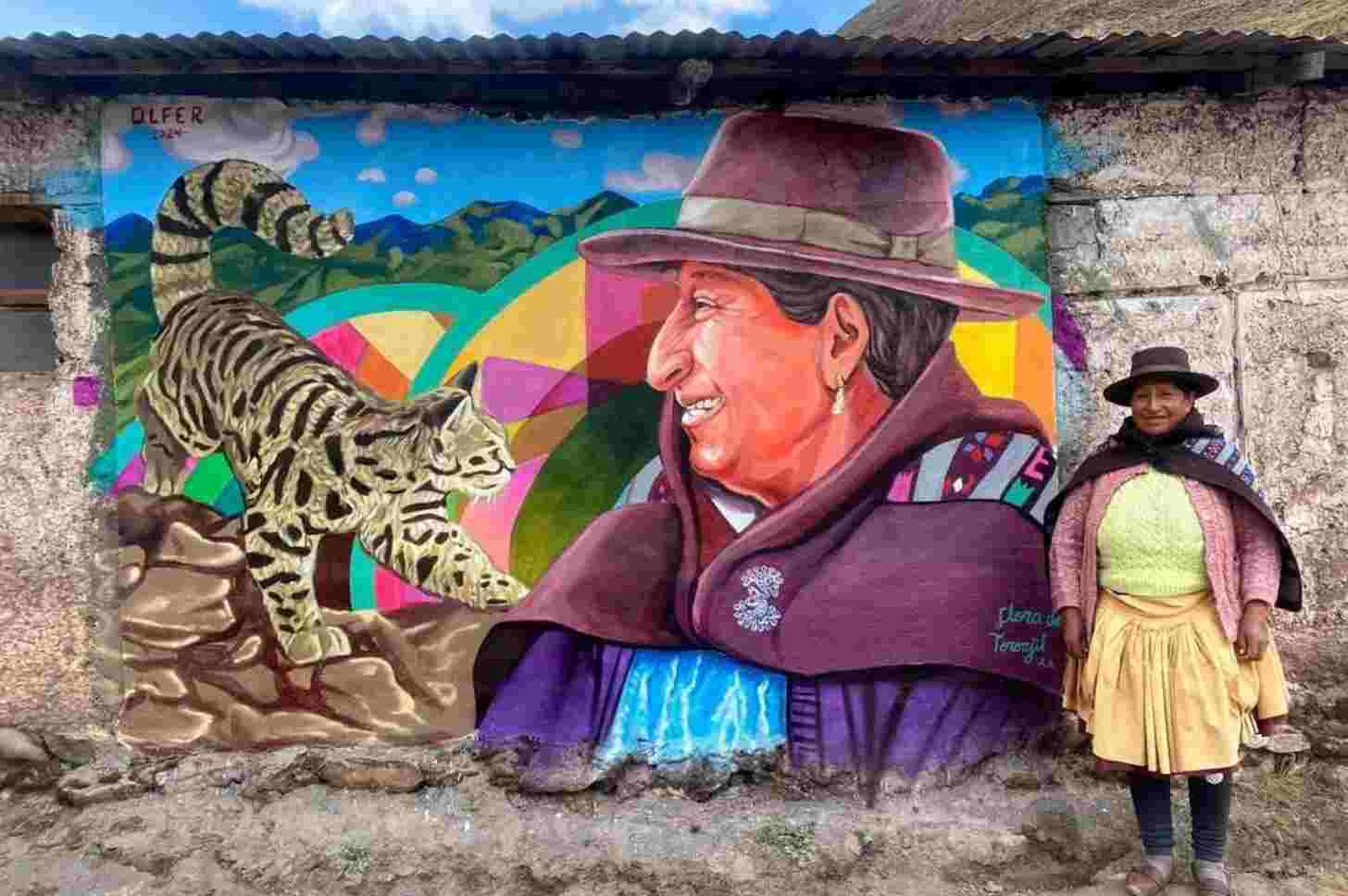
In August 2024, Mongabay reported on Mujeres Quechua por la Conservación (Quechua Women for Conservation), a pioneering women-led citizen science conservation project in central Peru that aims to mitigate conflict with wildcats like the Andean cat, Peruvian desert cat, and puma. The women also produce wildcat handicrafts to help fund their conservation work.
Following publication, the conservation organization Panthera commissioned a batch of handicrafts from the group and provided financial support for materials.
“We went on from this article and commissioned the production of 20 Andean cat stuffed animals made by 12 of the women,” Panthera board chair Jonathan Ayers told Mongabay. “It’s one of the most inspiring connections I’ve ever made.”
Conservationist Jim Sanderson, founding director of the Small Wild Cat Conservation Foundation, funded a workshop for the women to improve their production of stuffed wildcats and fabrics, which now provide a new source of income for the group.
Women from the project told Mongabay the visibility also increased their confidence to keep going and opportunities to strengthen their work. The group then secured another year of financial support from a foundation that Quechua conservation biologist Merinia Mendoza Almeida credited in part to Mongabay’s reporting.
Increased transparency and accountability for decision-makers
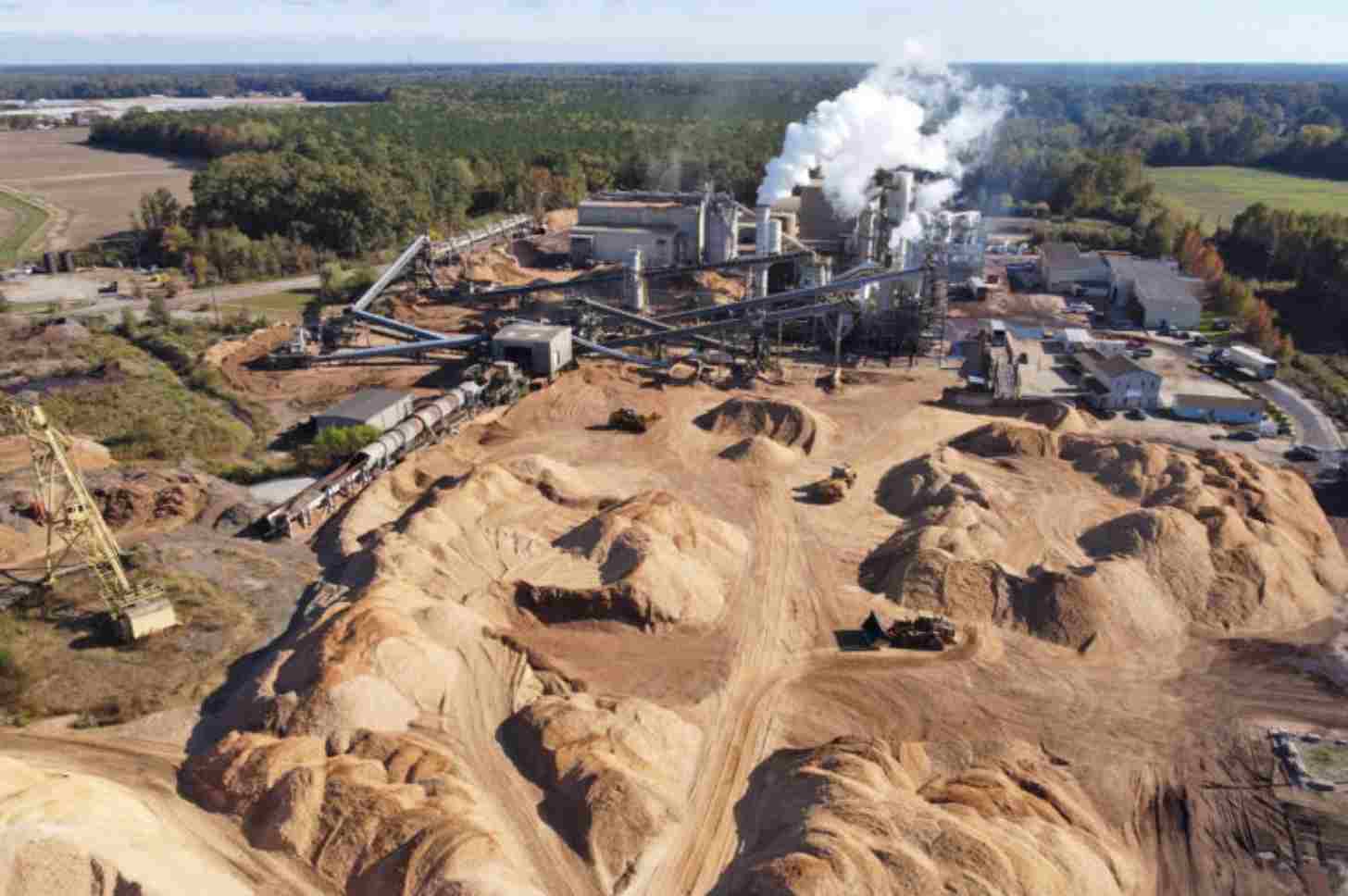
Mongabay is aware that decision-makers use our reporting on the biomass energy industry to improve business practices and advance accountability for profiteering from climate solutions that are dubious at best or outright false at worst.
In early December 2022, Mongabay published an exclusive whistleblower’s account exposing false claims by Enviva, the world’s largest producer of wood pellets burned for energy.
The company has touted its green credentials since its inception, but Mongabay’s reporting showed Enviva’s practices didn’t match its rhetoric. The written report and accompanying video sparked government action when the Netherlands decided to stop paying subsidies to any biomass company found to be untruthful about its wood pellet production methods.
The motion approved by the Dutch parliament to halt subsidies cited Mongabay’s article. We also learned that representatives pursuing a class-action shareholder lawsuit against Enviva contacted the whistleblower after reading Mongabay’s reporting.
This article was originally published on Mongabay.
Header image by Alejandro Prescott-Cornejo