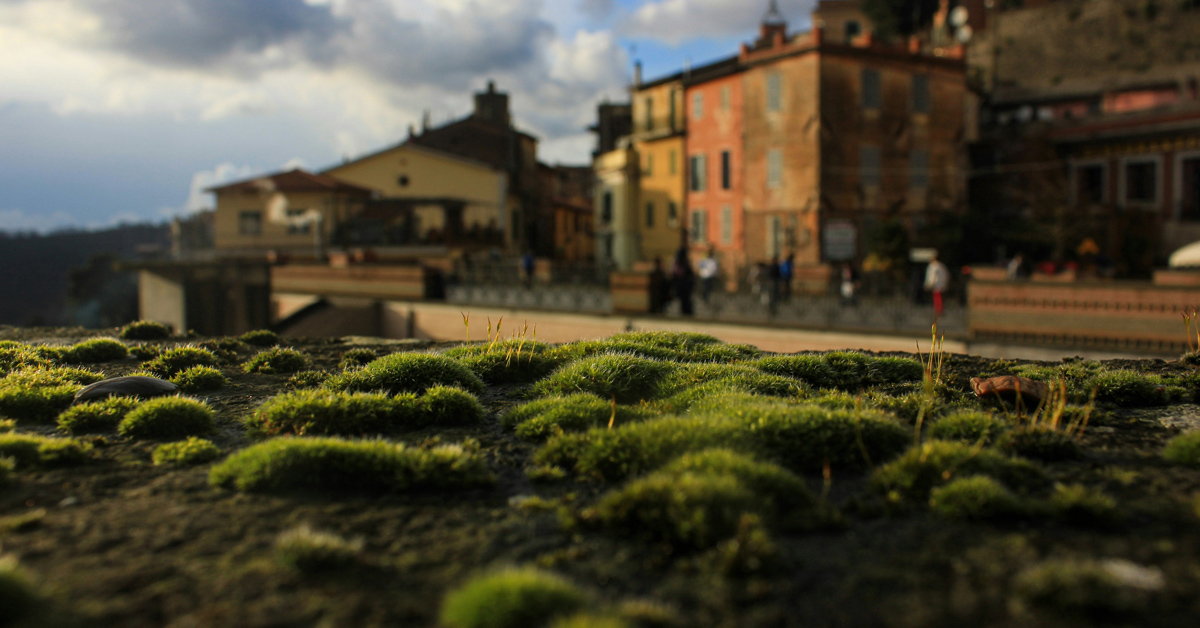
Across Europe, many banks alongside motorways are planted with grass to stabilize soil and keep roadside landscapes tidy.
But there may be a better solution. Already, some countries are experimenting with using moss in built-up areas to absorb air pollution. As countries search for nature-based solutions to climate and environmental challenges, roadside moss is starting to attract attention. So could mossy motorway banks work?
Moss could offer environmental benefits over grass, from trapping air pollution to slowing rainwater runoff during heavy storms.
Mosses are small plants that grow without roots or flowers. Instead of drawing nutrients from soil like most plants do, they absorb water and minerals directly from the air. They can grow in thin soils, shaded areas, and exposed surfaces where grass often struggles.
Once established, moss also requires very little maintenance. Unlike grass, moss grows slowly and stays low to the ground. This means roadside moss would require far less mowing, potentially reducing labor and maintenance costs along thousands of kilometers of roads.
Moss and air pollution
One of moss’s most fascinating features is its ability to absorb substances from the atmosphere. It can accumulate pollutants such as heavy metals.
Scientists have used moss for decades as a bioindicator — a living organism used to monitor environmental pollution. Experimental observations have shown that moss can also exhibit visible physical responses to air pollution. For example, moss exposed to highly polluted environments has been observed to change color from fresh green to brownish.
Across Europe, the European Moss Survey uses moss samples to track air pollution levels in dozens of countries.
Research shows moss can capture pollutants, including nitrogen compounds and particulate matter, both of which are produced by traffic emissions. If moss grows beside busy roads, it may therefore help capture some airborne pollution before it spreads into surrounding ecosystems or nearby communities.
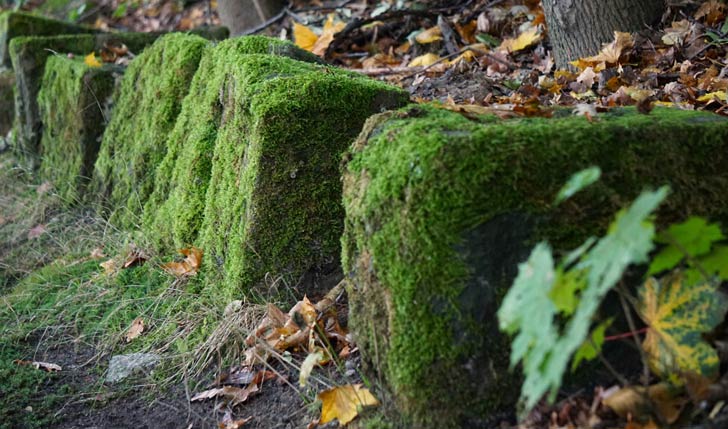
Another potential benefit involves water. Many moss species act like natural sponges. They can absorb several times their own weight in water and release it slowly over time.
On roadside slopes, this property could help slow down rainwater runoff during heavy storms. Fast runoff from roads and embankments can overwhelm drainage systems and contribute to flash flooding.
By temporarily storing water, moss could reduce the speed at which rainwater flows into roadside drains. The United Kingdom, for instance, has one of the densest road networks in Europe, and many major roads run close to towns and residential areas. Vegetation that can reduce pollution and water runoff could therefore provide environmental benefits.
Roadside vegetation can also play an important role in biodiversity. Road verges and embankments form long, connected strips of habitat that can support insects, mosses, lichens, and other small organisms. In landscapes heavily shaped by agriculture or urban development, these narrow corridors can help species move between fragmented habitats.
Moss-dominated banks may provide microhabitats for invertebrates and microorganisms that depend on moist, shaded environments. Although research on mossy roadside systems is still limited, increasing structural diversity along road verges could enhance ecological connectivity and contribute to wider efforts to support biodiversity in managed landscapes.
Moss thrives in cool, damp climates with frequent rainfall, conditions common across much of the U.K., for instance. Shaded roadside slopes, especially where roads cut through hillsides or woodland, also favor moss growth. In such places, grass often struggles because soils are thin and sunlight is limited.
Best in shade
Despite its potential advantages, moss would not be a universal solution.
One problem is it grows slowly. Establishing a stable moss cover on new embankments could take several years. Also, roadside environments can be harsh. Salt used for winter road de-icing can damage many moss species, and prolonged dry conditions may limit growth on exposed slopes.
Another issue is pollutant accumulation. Moss can absorb airborne pollutants, but these substances remain stored within the plant material. Over time this may require monitoring or periodic removal. Finally, moss generally prefers shaded and moist environments. On sunny or dry motorway banks, other vegetation may still be more suitable.
Road networks occupy vast areas of land, yet roadside vegetation is often managed simply to keep it short and tidy. Instead of treating roadside land as space that just needs mowing, it could be designed to capture pollution, manage water, and support biodiversity.
Moss will not transform highways overnight. But small ecological changes along thousands of kilometers of roads could add up to meaningful environmental benefits. Sometimes, even plants at the edges of our motorways may help tackle pollution, flooding, and climate change.
This article was written by Pedram Vousoughi from the University of Limerick, and was originally published by The Conversation.
Header Image by Stepan Konev on Unsplash