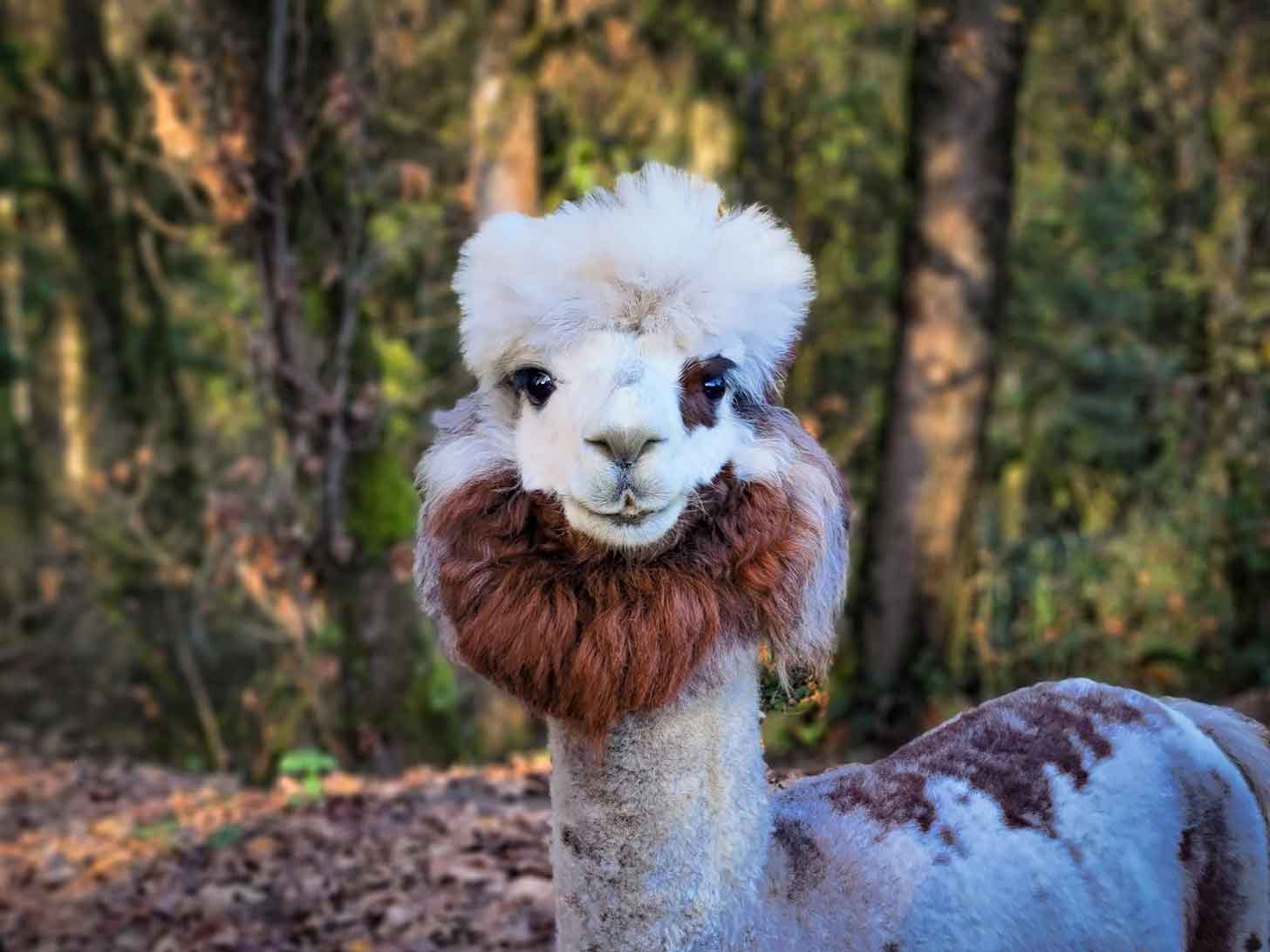
An estimated 40% of the general population has at least some fear of flying, with 2.5% harboring a clinical phobia of getting on an airplane. However, travelers’ stress keeps Beni the llama and Captain Jack the alpaca busy.
The camel-adjacent cousins work at the Portland International Airport as part of the airport’s animal therapy program. Every few weeks, they venture from their full-time farm roles at Mountain Peaks Therapy to reduce stress levels in the busy airport.

Although still filled with the same bustling TSA checkpoints and chatty food courts, PDX has recently undergone a redesign that includes intentional ties to nature — Beni and Captain Jack among the attractions.
“Being in nature is a stress reliever,” Allison Ferre, a spokesperson for the Port of Portland told NPR. “The therapy animals that come in is just one way we kind of deliver on that for the traveler experience.”

Shannon Joy, co-owner of Mountain Peaks Therapy, told NPR that it’s rare for llamas and alpacas to have the level of confidence and autonomy that Beni and Captain Jack do. It makes them especially great candidates for this work.
Back in 2007, Shannon and her business partner, Lori began taking their llamas and alpacas to senior communities, disabled groups, and schools for therapeutic and educational visits. A few years later, they started getting inquiries for private parties and events. Now, their animal companions greet travelers from all over the world.
While the emotional impact of such animals has mostly been studied among dogs and horses, the proof is in the petting.
“I think dogs elicit the same emotion,” Lori Sackett, a traveler who was brought to tears by the animals, told NPR. “But isn’t this a million times more magnificent?”
Especially during busy seasons like the holidays, the camelids play a key role in reducing traveler tensions.
“My favorite response is when we are walking down to a concourse, and you have people with their blank stares just trying to make their way to luggage claim, and they turn around the corner and see a llama and their body just melts in excitement,” Joy told OPB.
Beni and Captain Jack each come with their own trading card, which includes details about their personality. Visitors are encouraged to collect the cards as they meet the animals — and yes, photos are also encouraged.
You may also like: Could otters slow climate change by munching on sea urchins? Scientists think so
A version of this article was originally published in The 2024 Mental Health Edition of the Goodnewspaper.
Header image courtesy of Mountain Peaks Therapy