Ten years ago, eco-activist Wendy Ward purchased a bedsheet from Sainsbury’s, the second largest retailer in the United Kingdom.
After a decade of use, it presented a problem for Ward: it was too damaged to donate, it was not compost-friendly, and it wasn’t absorbent enough to re-purpose as cleaning cloths.
“The only action I can personally take,” Ward wrote in a letter, which was mailed with the bedsheet to Sainsbury’s CEO Simon Roberts. “Is to put it into my general waste bin. I don’t want to do this, as in Sheffield all general waste is incinerated as ‘energy recovery.’”
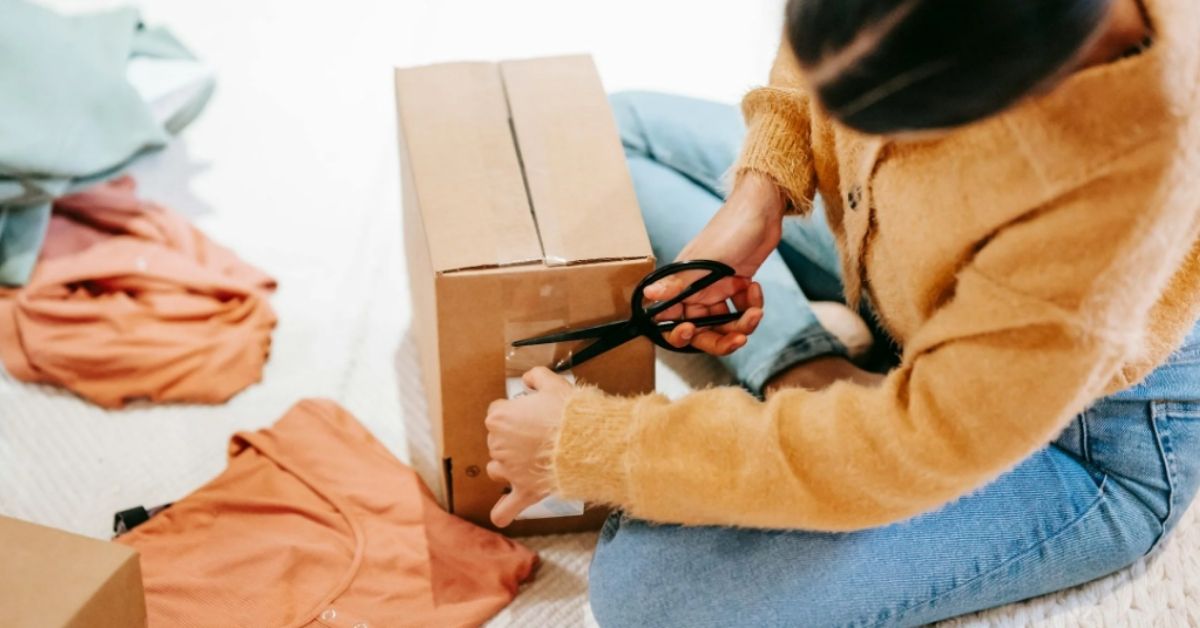
“So,” she continued, “as Sainsbury’s is responsible for designing and manufacturing this product, making decisions to use polycotton with no consideration for what could be done once it reaches the end of its life, I have decided to return it to you.”
Although Ward said her letter of “protest” prompted a dismissive response from Sainsbury’s, she spurred a larger “Take It Back” movement across the U.K., in which consumers began mailing back textiles, fabrics, and clothing items to the companies that manufactured them.
Ward even wrote up a template for protestors to follow, to help hold industry giants accountable for the part they play in contributing to fast fashion.
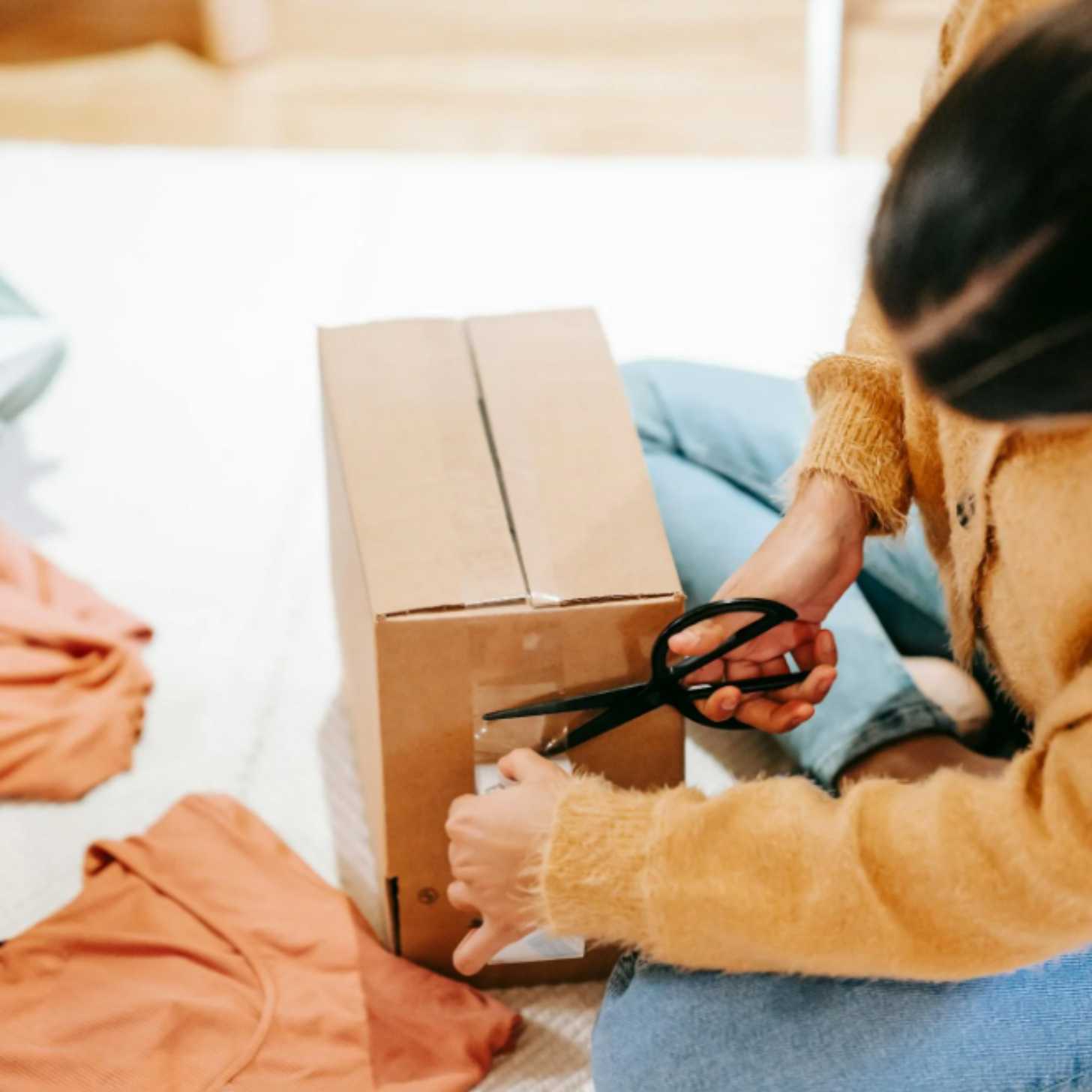
If companies responded with automated responses — or attempted to mail the items back — Ward encouraged her 20,000 followers on social media to push back with thoughtful questions like, “What would you suggest I do with this item?” and “What are you actually doing about this problem?”
“It’s an empowering action,” she told The Guardian. “I was wrestling back a bit of control as a consumer.”
A version of this article originally appeared in the 2025 Fashion Edition of the Goodnewspaper.
Header image via Liza Summer / Pexels