Singapore, one of the most water-stressed countries globally, has long grappled with water scarcity.
In the 1990s, the Public Utilities Board (PUB) implemented a three-pronged strategy: harvesting rainwater, desalinating seawater, and reclaiming wastewater.
This led to the creation of NEWater, a high-grade treated wastewater that has become a cornerstone of Singapore's water sustainability efforts — and in 2018, the Singaporean brewery Brewerkz launched NEWBrew, a craft beer brewed with that very wastewater.
At the 2024 United Nations Climate Change Conference in Baku, Azerbaijan, Brewerkz gave away cans of NEWBrew, and attendees were shocked by the contents of their cans.
"I didn’t know. I was really surprised,” Ignace Urchil Lokouako Mbouamboua, a student from Congo, told the Associated Press. “I can even suggest that they make more and more of this kind of beer.”
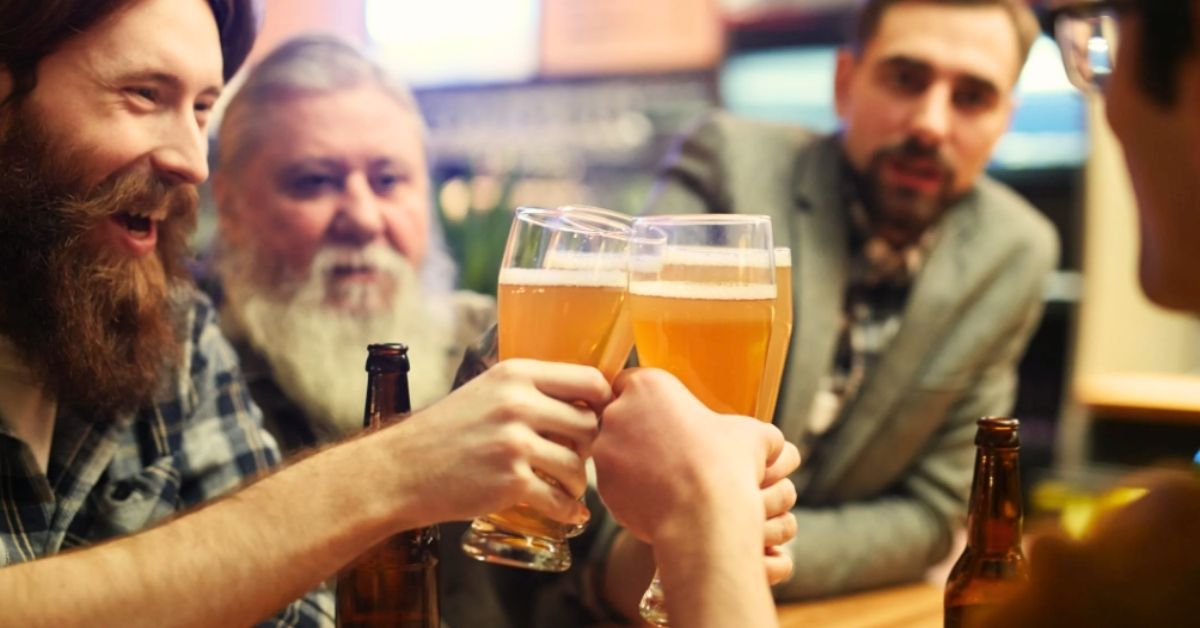
Mbouamboua’s wish has already been granted. Sustainable beer made from recycled wastewater has surged in popularity in recent years, from San Francisco’s Epic OneWater Brew to the Czech Republic’s ERKO beer.
Jessica Popadynetz, a public health inspector based in Alberta, Canada, has seen the growth of “sewage” beer in real-time — and expects it to only trend upward in coming years.

“With the right measures in place alternative water sources, such as wastewater, greywater, rooftop collected rainwater, and stormwater, can be made safe for many potable and non-potable end uses,” Popadynetz told Aquatech.
Jeremy McLaughlin, head brewer at Alberta’s Village Brewery, recently debuted a blonde ale made from recycled wastewater. He has full confidence in his beer — and completely understands why some customers balk at it.
"There's a mental hurdle to get over of how inherently gross this could be,” McLaughlin admitted. “But we know that this water is safe, we know that this beer is safe, and we stand by our process.”
A version of this article originally appeared in the 2025 Food Edition of the Goodnewspaper.
Header image via Pressmaster