In 1977, NASA launched identical Golden Records into the far reaches of space aboard two Voyager spacecraft. The phonographic recording was a cosmic time capsule, carrying images and sounds of everything from human greetings, to songbirds, and even Chuck Berry’s single "Johnny B. Goode.”
Five years later, in 1984, conservationists began storing frozen seeds on the Norwegian island of Spitsbergen in a facility that would later be known as the Svalbard Global Seed Vault. Today, that vault holds duplicates of over 1.3 million seed samples from every nation around the globe — as a safeguard against famine, war, and disaster.
Now, it appears Smithsonian scientists are borrowing inspiration from both the Golden Records and the Global Seed Vault, as they prepare for perhaps humanity’s most ambitious group project: a “Noah’s Ark” in space.
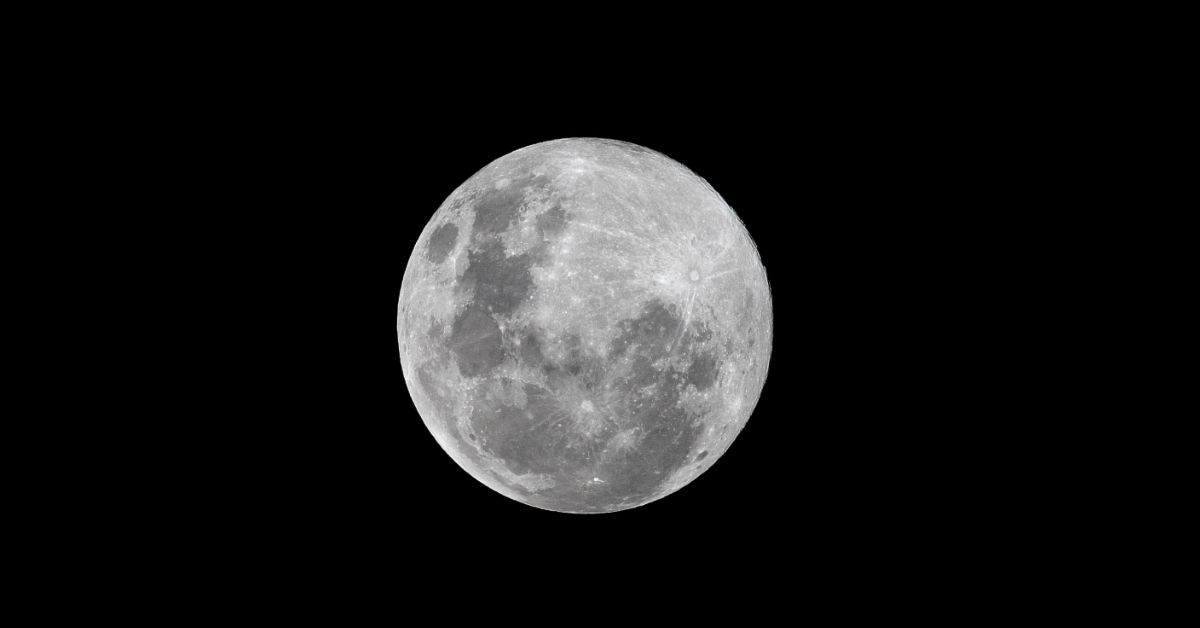
Mary Hagedorn — a research cryobiologist at the Smithsonian’s National Zoo and Conservation Biology Institute — is one of 11 scientists who have been coordinating a decades-long plan to build a “lunar biorepository” of animal cells on the moon.
Last summer, Hagedorn and her colleagues published their findings in an August issue of BioScience.
“Initially, a lunar biorepository would target the most at-risk species on Earth today, but our ultimate goal would be to cryopreserve most species on Earth,” Hagedorn told the Smithsonian.
“We hope that by sharing our vision, our group can find additional partners to expand the conversation, discuss threats and opportunities and conduct the necessary research and testing to make this biorepository a reality.”
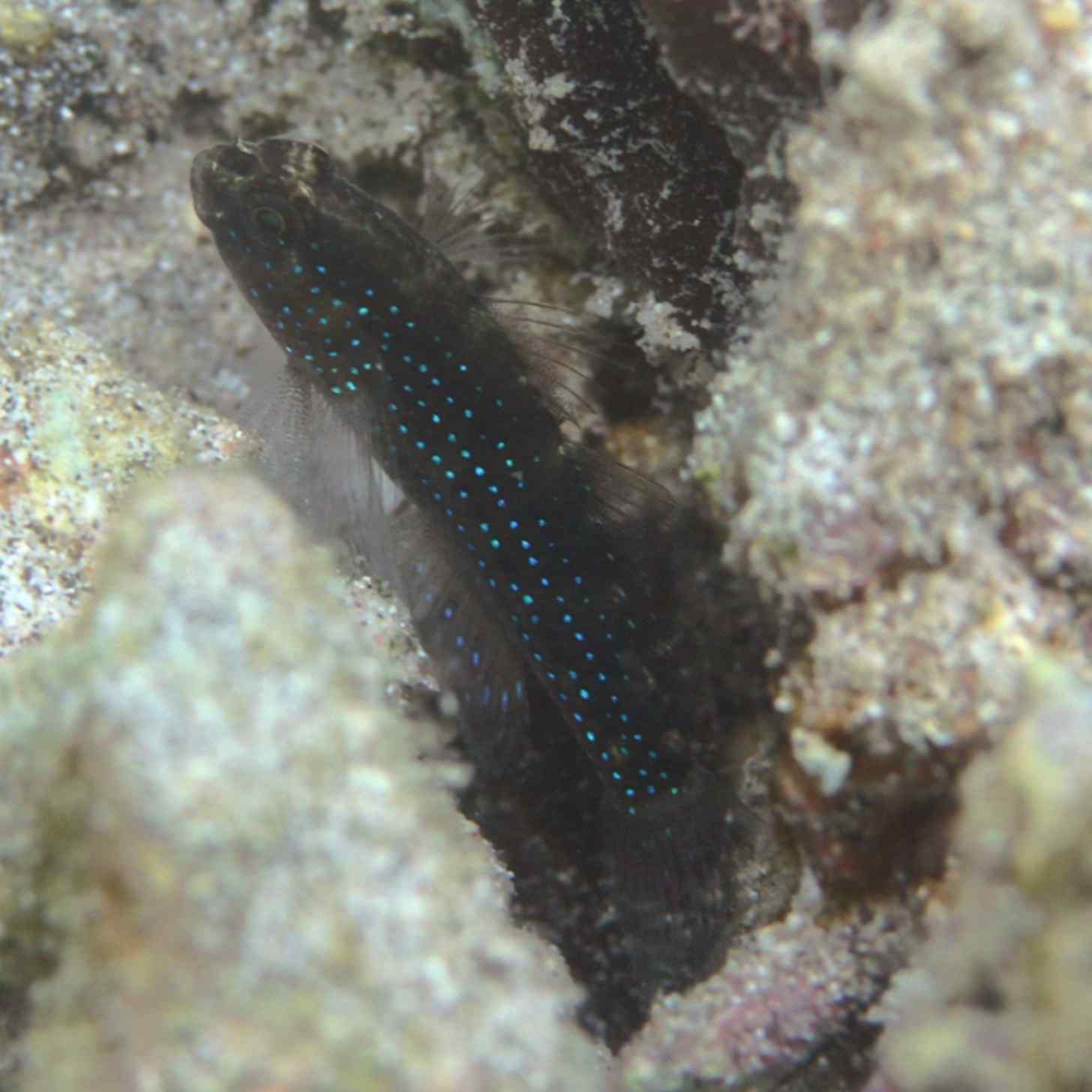
To test their hypotheses, the scientists successfully cryopreserved skin samples of a marine reef fish called a Starry Goby — which are now safely stored at the National Museum of Natural History.
When it comes to getting animal samples on the moon, however, the research team knows that many challenges lie ahead. Their plan requires strong packaging, radiation-proof materials, and extreme care from rovers and astronauts when transporting samples, due to the moon’s dramatic fluctuations in temperature.
Another massive hurdle is the unknown. Scientists are unsure how long-term exposure to microgravity — the low gravity in space — will affect the preserved animal cells.
“Microgravity testing was performed on cryopreserved cardiac cells for only months on Earth,” Hagedorn observed in the paper. “When these cryopreserved cells were launched into space and cultured on the ISS, they lived and expanded.”
“Still,” the scientist admitted, “the long-term effect of microgravity on cryopreserved samples is not known.”
Before the samples even get to the moon, they must first be acquired — and that means navigating the political measures necessary to encourage international cooperation from scientists around the globe.
“Planning and operating a lunar biorepository will require careful consideration of ownership and long-term governance issues,” Hagedorn and her team explained.
So they decided to take a note out of the Svalbard Global Seed Vault’s handbook.
“For the lunar biorepository, we recommend a governance process that mirrors Svalbard's,” Hagedorn continued. “The establishment of a collaborative planning process involving key stakeholders who will include public and private funders, scientific partners, countries, others providing samples, and public representatives.”
For Hagedorn, the biorepository is not fantastical. Unlike the Golden Records, it’s not an attempt to reach potential extraterrestrial life, or repopulate animal species on another planet.
In reality, the project is indeed reminiscent of the biblical Noah’s ark, a grand menagerie of diverse animals — and one that all nations should be able to access, especially as climate change threatens vulnerable species on Earth.
“Life is precious and, as far as we know, rare in the universe,” Hagedorn said. “This biorepository provides another, parallel approach to conserving Earth’s precious biodiversity.”
A version of this article originally appeared in the 2024 Animals Edition of the Goodnewspaper
Header image via Dave Young / dcysurfer (CC BY 2.0)