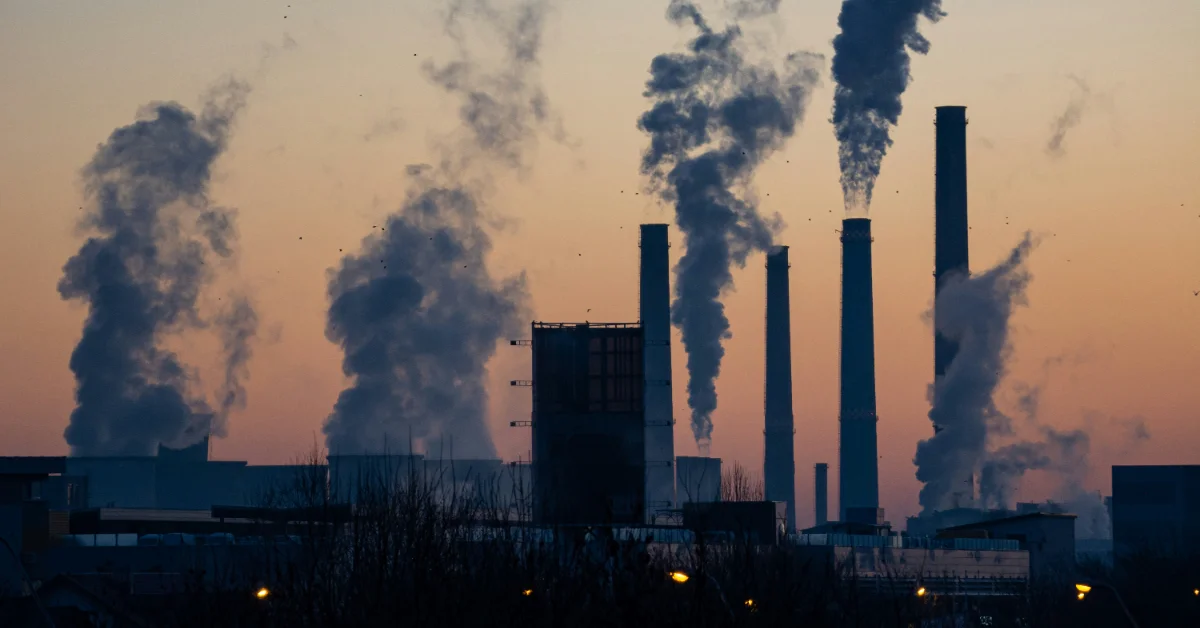
For over a decade, the world has been trying to limit global warming to 1.5°C.
That’s no longer possible, according to a new United Nations report. We will likely pass 1.5°C in 2030. That’s not good news for anyone, least of all Australia’s Pacific Island neighbors who face rapidly rising seas.
In response to the report, Palau’s President Surangel Whipps Jr said:
It is hard to overstate the depth of emotion for those of us living on the frontline after having fought so hard to put the 1.5 degree limit at the heart of the Paris Agreement […] calls for greater ambition are no longer enough — we need to see an urgent and unprecedented increase in political will and investment in a climate safe future.
The small silver lining is that it’s still possible for this to be a temporary overshoot of the target. If nations redouble their efforts to phase out fossil fuels and reduce other sources of emissions, they could limit peak warming to 1.8°C and then use carbon removal methods to bring temperatures back to 1.5°C or below this century.
In 2026, the world is already about 1.4°C warmer than pre-industrial levels, and the damage and death toll from climate-boosted disasters is ramping up. The United Kingdom is warning of possible food shortages amid a historic drought. Wildfires hit new areas in France and Spain, while glaciers are melting rapidly and the oceans are at their hottest level on record. The enormous El Niño event emerging in the Pacific is likely to bring major disruption. Every fraction of a degree makes things worse.
There are no good outcomes if we remain above 1.5°C. Urgent cuts to emissions and efforts to protect the most vulnerable are our best remaining options. Failure to do so risks irreversible harm.
Why does 1.5°C matter so much?
The 2015 Paris Agreement established a shared goal for the world: keep the rise in global average temperatures above pre-industrial levels “well below” 2°C and “pursue efforts” to hold warming to 1.5°C.
This goal was set based on expert scientific assessments that warming of more than 2°C would be dangerous and that limiting warming to 1.5°C was necessary to minimize climate risks.
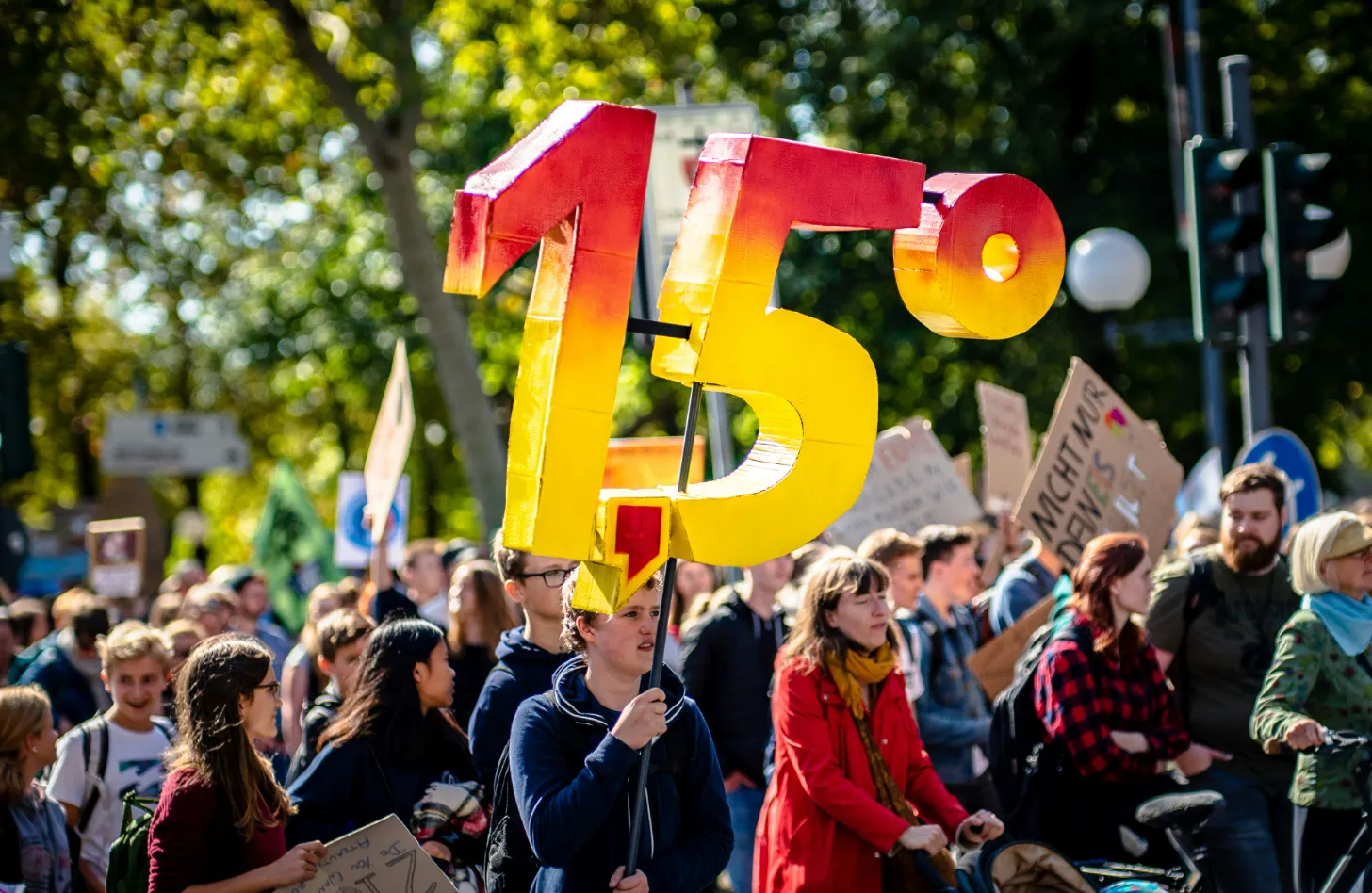
Pacific nations fought hard to include 1.5°C in the agreement, arguing it was essential for their communities to “stay alive” in the face of rising sea levels and other climate-fueled threats.
Last year, the world’s top court — the International Court of Justice — ruled that 1.5°C is the primary temperature limit nations have committed to work towards.
This ruling means that if governments fail to act as ambitiously as they can, they could be sued in international courts.
In May this year, a majority of nations voted in the U.N. General Assembly to endorse the court’s ruling and urge action to keep to 1.5°C.
It’s not time to give up
Warming of 1.5°C will be bad. But 1.6°C will be worse, and 1.7°C worse again. Every increase will bring more extreme weather, more loss of nature, more loss of land to the sea, and more harm to humans.
If we stay over 1.5°C, we risk triggering climate tipping points — sudden shifts which cannot be undone on human timescales. These include the Greenland and West Antarctic ice sheets melting, the collapse of crucial heat-distributing currents in the Atlantic Ocean, or the Amazon rainforest becoming a source of emissions.
Overshooting 1.5°C doesn’t mean it’s time to throw out the Paris Agreement. It’s not working fast enough, but it is working.
Solar power and electric vehicles have boomed and electrification has accelerated. Nations have cut emissions enough to avoid the worst climate futures of a 3°C rise or even higher. According to the Climate Action Tracker, the Paris Agreement has averted the equivalent of 1°C of warming. Rather than hitting 3.6°C by 2100, the world is on track for 2.6°C.
While this is progress, it is not enough. Global emissions are plateauing, but have still not begun to fall in earnest.
As damage from climate change mounts, leaders must do the work and begin rapidly cutting emissions to keep the goal of net-zero by 2050 alive.
To get temperatures back under 1.5°C, we will also need to pull gigatons of carbon dioxide back out of the atmosphere using tree planting and nature restoration. We may also need technological approaches such as rock weathering or ocean alkalinity enhancement, though these are not proven at scale and can come with other risks.
We are all in this together
It may seem as if climate action faces impossible headwinds, as populism surges and the current United States administration doubles down on fossil fuels.
It’s worth looking beyond these headlines. It took almost 70 years for the world to install a terawatt of solar power, but then just two years for the second and another two for the third terawatt. In ten years, that figure will likely have tripled. Developing nations are moving rapidly to take up non-polluting electric transport.
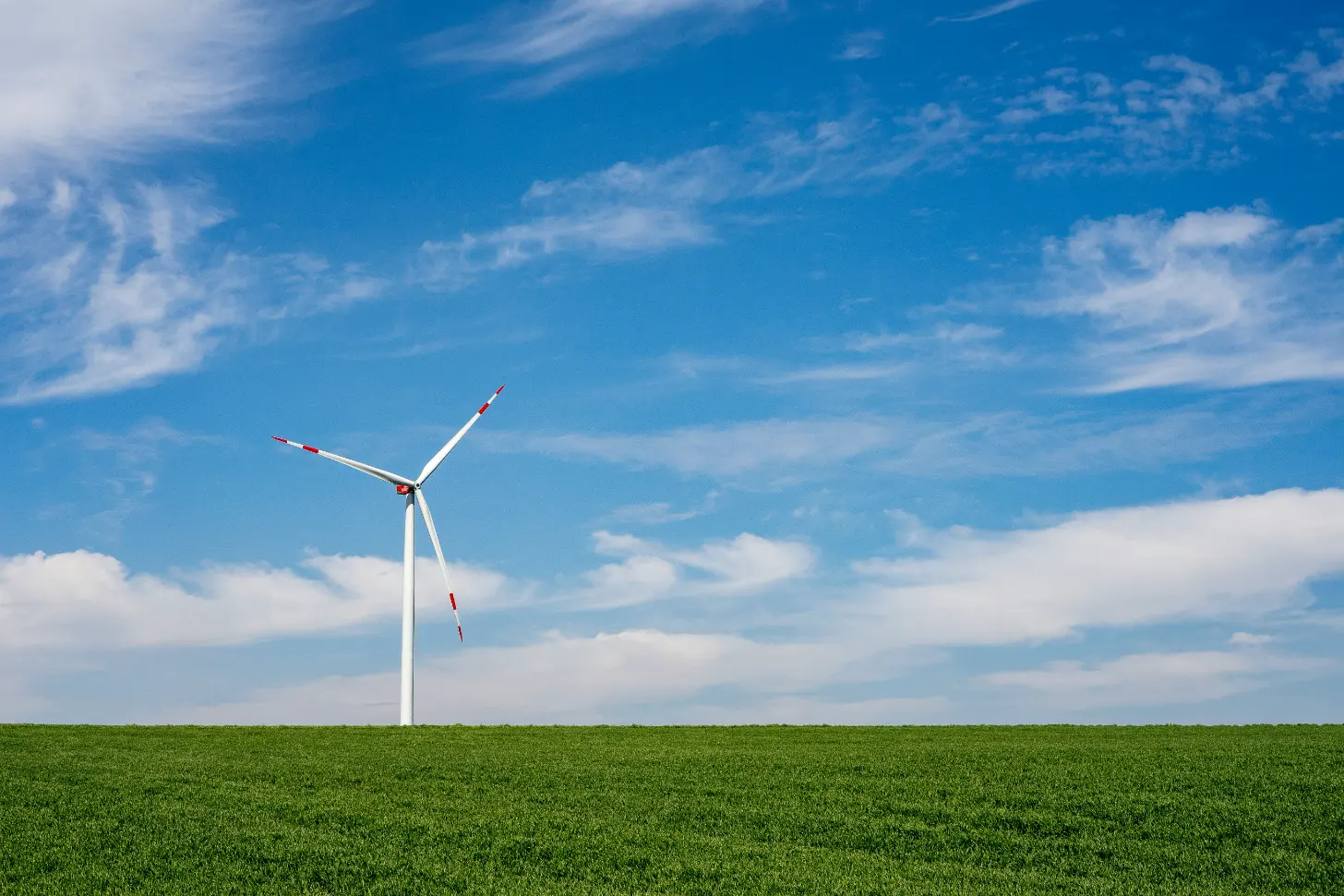
Climate change can no longer be ignored. As damage mounts, nations will have to cooperate to cut emissions as rapidly as possible and figure out how to safely and equitably pull carbon back out of the atmosphere. Action depends on strong political will, inclusive governance, and finance to help developing countries cut emissions and adapt.
In November, Australia will lead negotiations at the next international climate summit, COP31, in Turkey. Leaders and diplomats will work to keep 1.5°C in reach — even after overshoot.
Australia can point to its own rapid clean energy transition and urge others to set clear pathways to go electric — and wean themselves off the production and use of fossil fuels.
Climate change has been described as a super wicked problem — big, complex, and impossible to solve simply. The solution is to see the urgency of the issue and act cooperatively to tackle it. If we make it a problem for the next generation, there may be no way back to a safe climate.
This article was written by Jacqueline Peel from the University of Melbourne and Wesley Morgan from UNSW Sydney and was originally published on The Conversation.

Featured Image: Ella Ivanescu/Unsplash