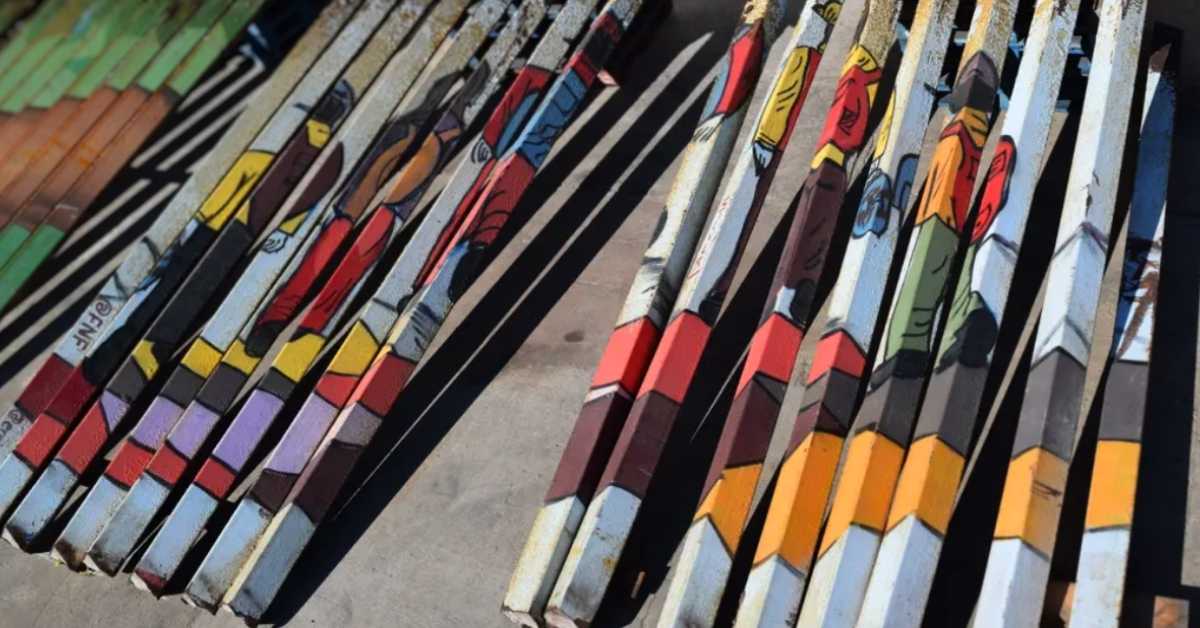
In 2023, the Biden administration began tearing down the border wall between the U.S. and Mexico to start construction on a taller one.
Although Biden campaigned against the border wall in 2020, the President released a press statement in October 2023 that he was required by law to continue certain wall construction because Congress had already appropriated money for it in 2019.
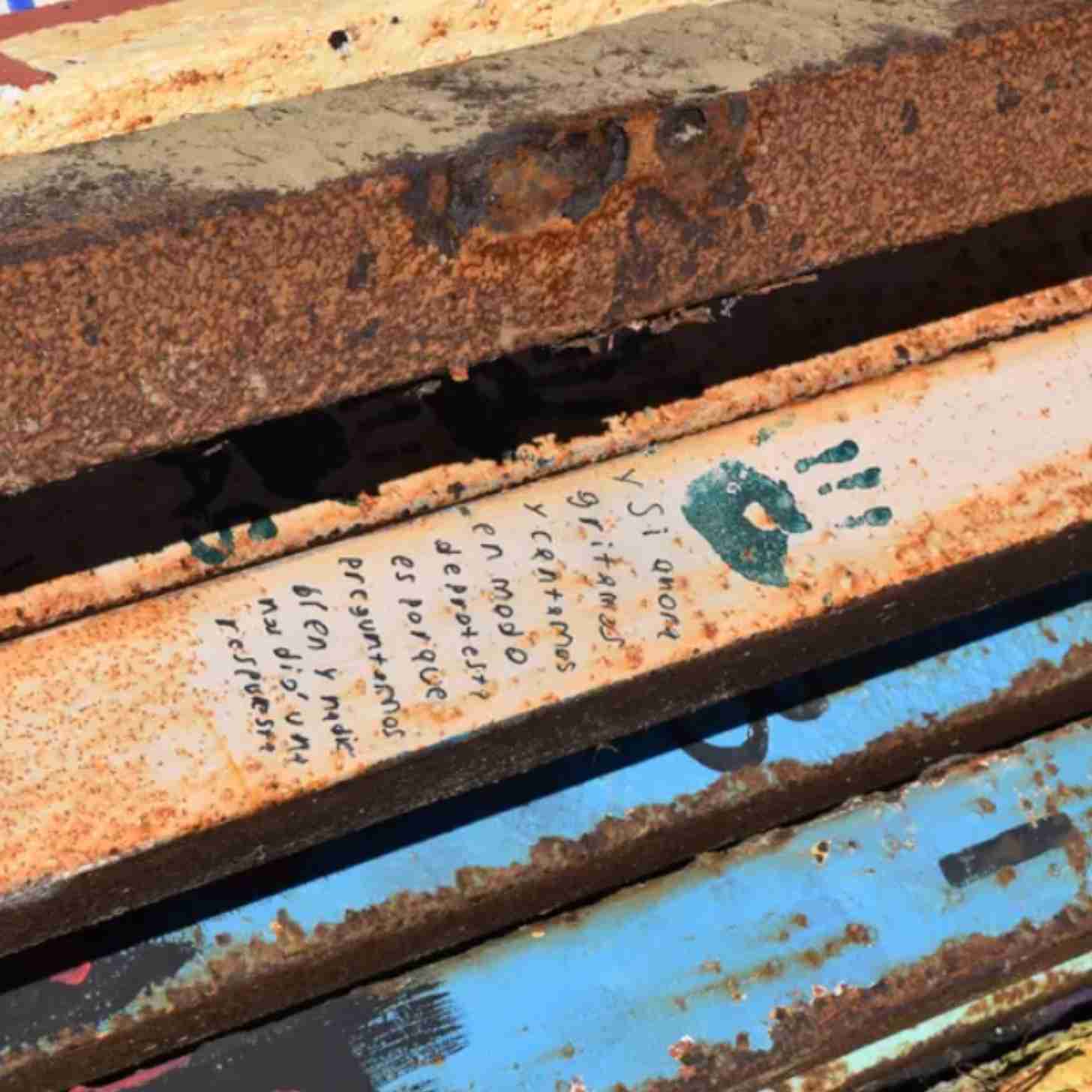
However, as the original walls were destroyed, locals protested, knowing that the wall was more than just slabs of concrete and steel — it was home to community bulletins, missing person posters, and hundreds of colorful murals.
Over the last 25 years, photographer Maria Theresa Fernandez has seen the wall’s evolution firsthand.
“Since I started, I had this feeling that this object, this wall, was alive,” Fernandez told KPBS. “I saw, during all this time, that it was changing.”
Soon, activists like Fernandez gained the attention of the Museum of Us, an anthropology museum based in San Diego. In March 2024, the museum worked out a deal with the Customs and Border Protection to attain 20 sections of the wall before they were torn down.
Now the murals await a second life as a public art installation. But as the museum deliberates its future, they also want to acknowledge its past.
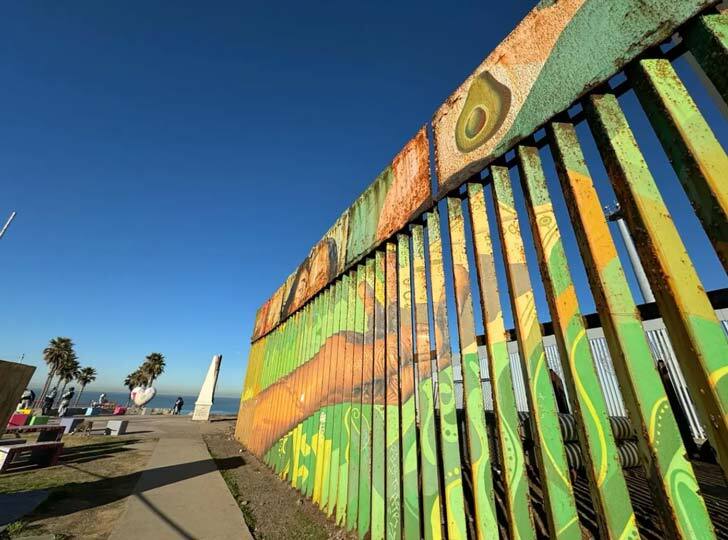
In fact, the border between San Diego and Tijuana doesn’t just separate two nations. It separates three: the United States, Mexico, and the homeland of the Kumeyaay people.
“We originally inhabited the area from down around Ensenada up to Capistrano,” said Brandon Linton, member of the Kumeyaay Nation. “The U.S.-Mexico border, from its conception, split our homeland virtually in half.”
By salvaging the border wall murals, Linton hopes that the museum will also take the opportunity to shed light on the region’s forgotten history.
“I think this project is a great way to bring attention to that,” Linton said.
Although the art is not currently available to the public, it is in safe hands.
As of 2025, the Museum of Us has released this statement on its status: “During the spring of 2024, the project entered a year-long community engagement phase. This process is driven by a Community Advisory Council, which includes community members, activists, and artists from both sides of the border.”
“The council will make several key decisions about the redistribution of these cultural resources back into our larger region,” the Museum of Us stated. “More information about the Border Wall Preservation Project will be announced as decisions are made by the Community Advisory Council.”
A version of this article originally appeared in the 2024 Art Edition of the Goodnewspaper.
Header image via The Museum of Us