Since 1995, the U.S. Department of Agriculture has embarked on a unique yearly mission: dropping millions of edible rabies vaccines — by plane, helicopter, and car — across the eastern seaboard.
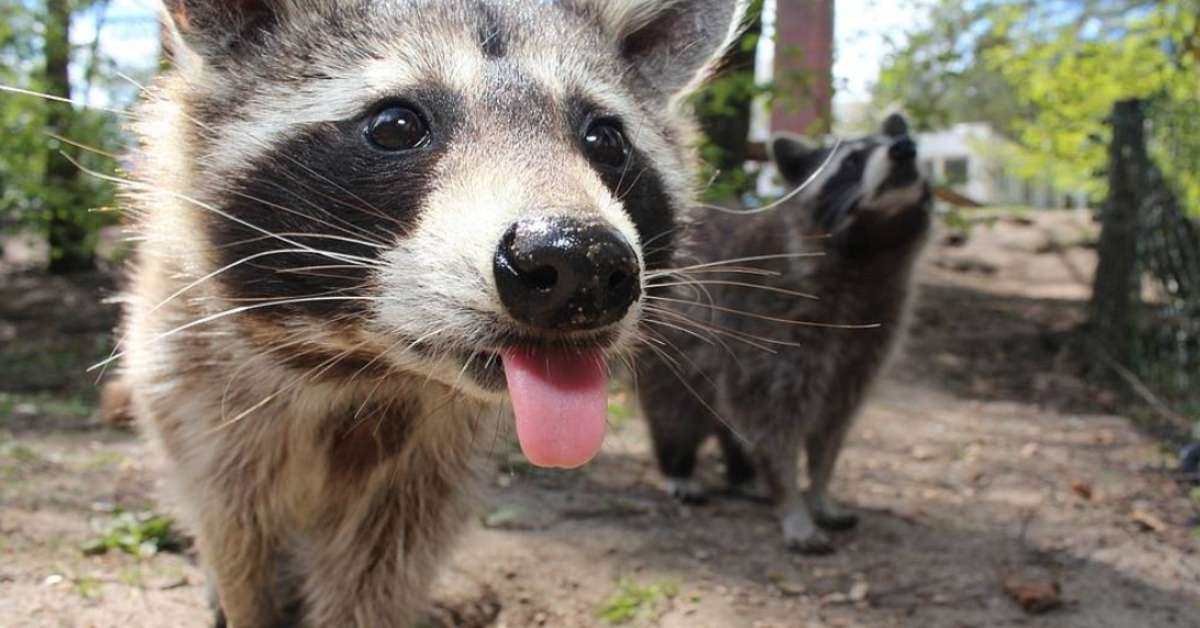
And every year, they get gobbled up by millions of hungry raccoons roaming below.
Due in large part to public health programs (like this one), rabies cases have dropped dramatically in the last century. Since 1900, the rate of rabies-related deaths in the U.S. went from 100 people per year down to fewer than 10, according to the Centers for Disease Control.
Jordona Kirby, a USDA wildlife biologist and field coordinator for the National Rabies Management Program, told NPR that the hope is to one day eradicate rabies in raccoons completely.
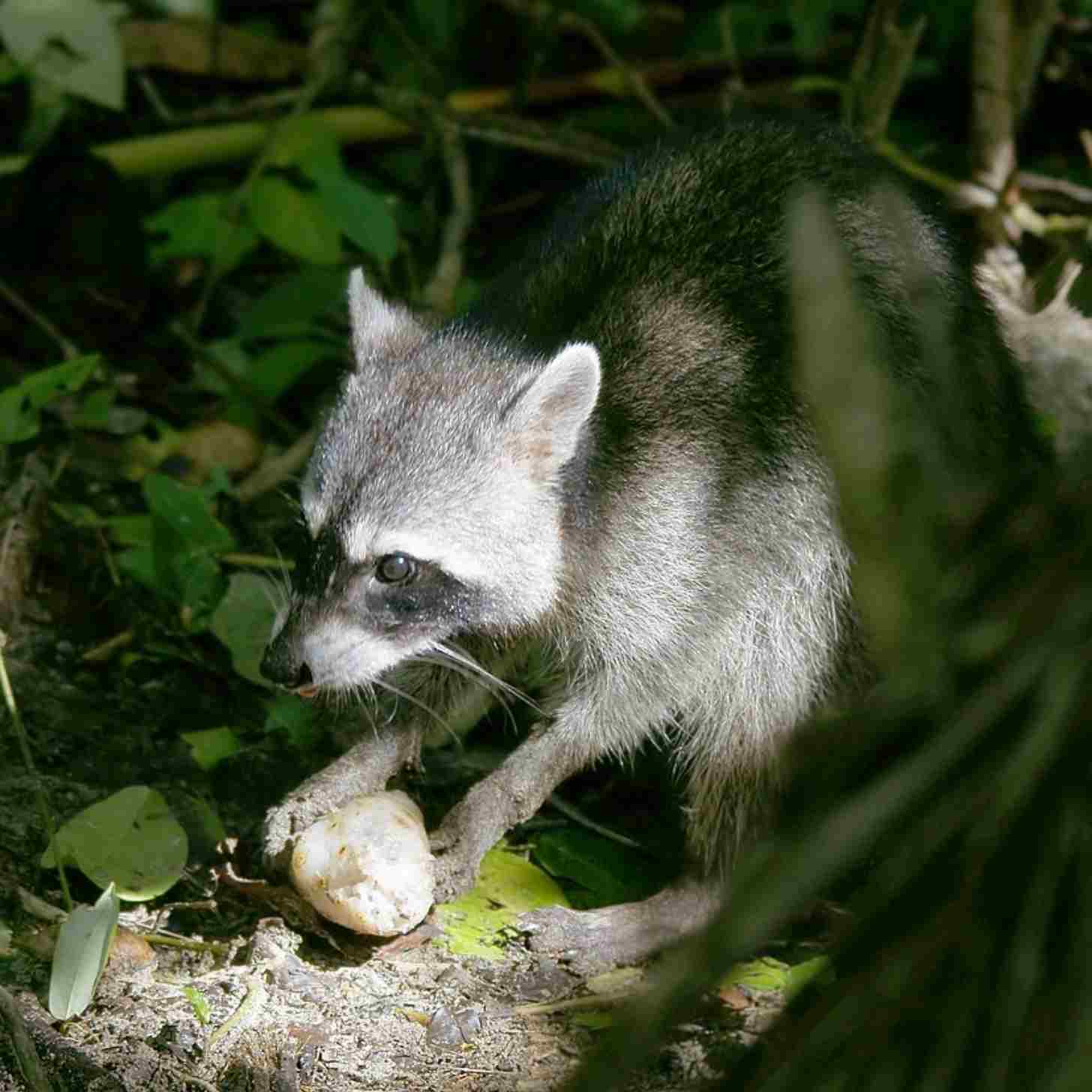
“[It would mean] marching it from its current extent, which is essentially along the Appalachian Mountains running from Maine to Alabama all the way back to the ocean,” Kirby explained. “That is our long term vision.”
Kirby said the rabies treats, which come in “fish” and “vanilla” flavors, are well-loved by raccoons. And although raccoons are the main “super spreaders” of rabies — Kirby doesn’t mind if other animals indulge in the treats dropped from the heavens, too.
“Our feelings are absolutely not hurt if skunks, foxes or coyotes pick them up. And they do,” Kirby said. “So, although raccoons are the reservoir and spread rabies primarily in the east, those other animals, just like any mammal, can contract rabies.”
You may also like: The viral 'drunk raccoon' now has a merch line. So far, it's raised $250K for a local animal shelter
A version of this article originally appeared in the 2024 Animals Edition of the Goodnewspaper
Header image via Pixabay