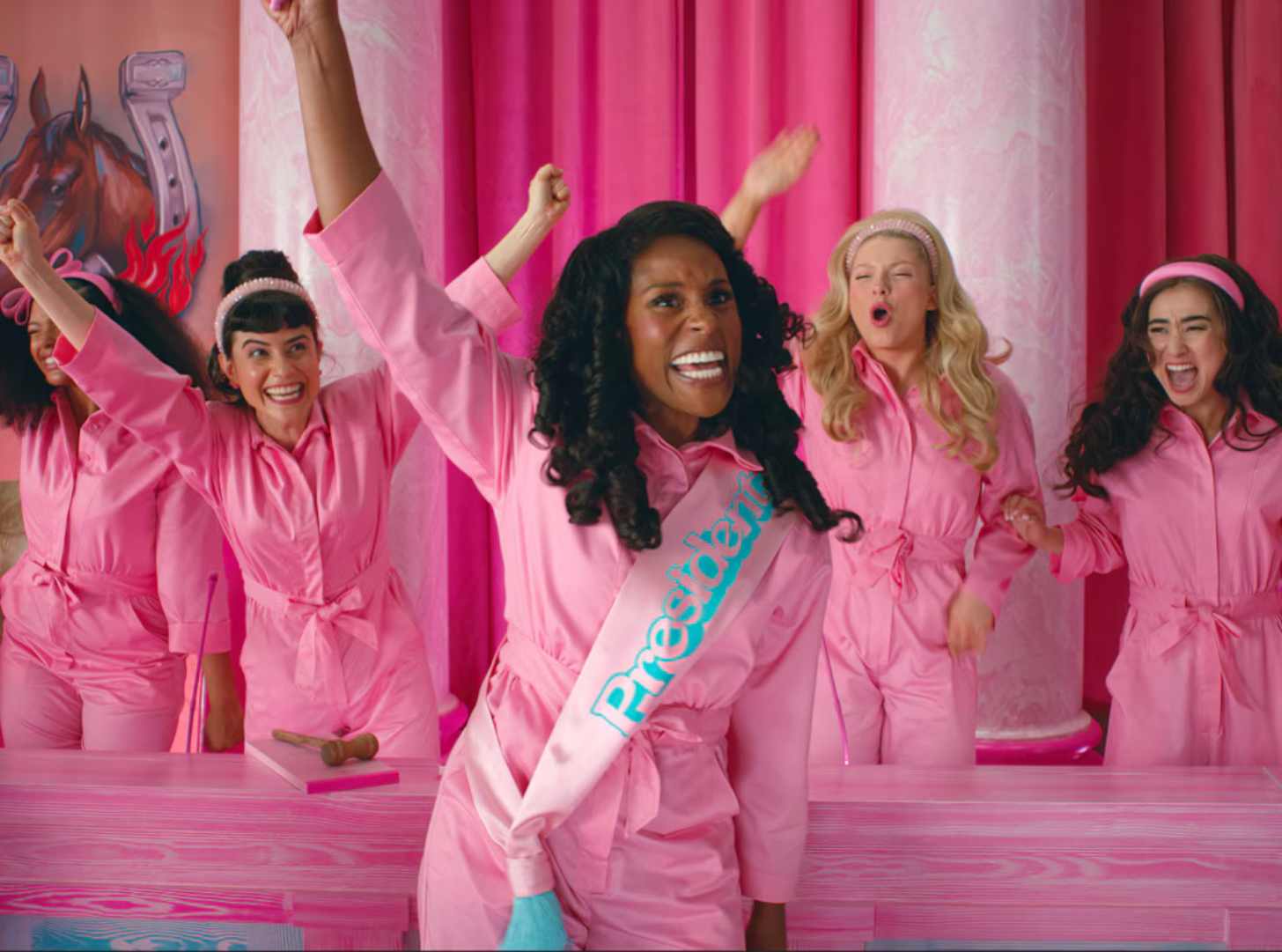
When “Barbie” hit theaters in 2023, think pieces surfaced on nearly every entertainment news website: “Why are so many women crying at the Barbie movie?” they pondered.
It was America Ferrera’s all-too-relatable monologue, they concluded. But Nivi Achanta, a climate activist, novelist, organizer, and CEO of Soapbox Project, knew it was also something else: The exposure to utopian fiction.
In Barbie World, women hold a Supreme Court majority and have dance parties with their friends every night. They live in walkable neighborhoods, share clothes, and seem to have safe working conditions. And when things go awry, they can retake power and make amends with men.
It’s a story that feels so far out of reach, yet so close we can taste it. It gives us a pink, frilly dose of imagination: What if we could disco at the club with our friends without worrying about men spiking our drink?
As CEO and founder of Soapbox Project, Achanta has been featured by The New York Times, Washington Post, Grist, and Nasdaq for her community building and social justice work.
Before this, she worked with companies like Google, Facebook, and The Bill & Melinda Gates Foundation, where she led employee impact work. Now, she leads climate-centric “Dream Sessions” for people to imagine a better future.
And as someone who reads 100+ books a year, she thinks utopian fiction fills a gap in the media market — and in our collective imagination.
“We are at a place where we want to know that a better future is possible and what it can look like,” Achanta told Good Good Good. “I think dystopia needs to die. It had its time and its place, like, ‘Wall-E’ changed my life. But if it came out now, I wouldn’t watch it because I could just go outside and look around.”
“I think we are past the point where we need warnings,” she added. “I believe we have all been sufficiently warned about the perils of the world. What we need are pathways forward.”
“Black Panther” provides a similar outlet for Black and African viewers, who see an autonomous and resilient world where people like them are free to thrive, in harmony with nature and innovation.
Another example, “Project Hail Mary,” also offers readers (and now, viewers) hope and collaboration in an apocalyptic landscape. While beloved science fiction classics like “Star Trek” carry utopian themes that have inspired viewers for generations, optimistic, speculative fiction also lives in the more realistic, less sci-fi-forward stories that many of us know and love.
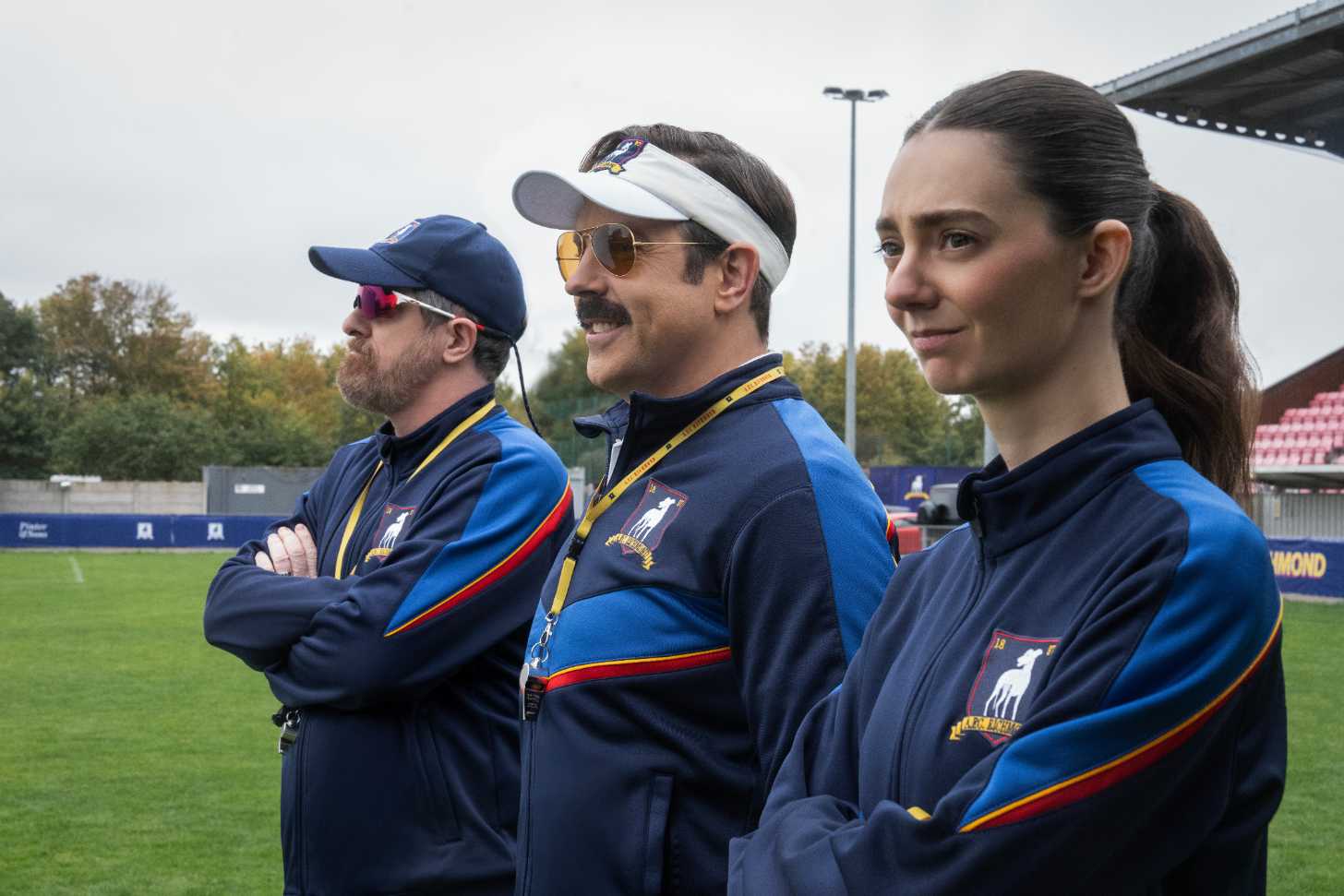
“I think this is why ‘Ted Lasso’ did so well. The one big speculative aspect of that show is healthy masculinity,” Achanta said. “‘Bridgerton’ is another example, completely reinventing the racial dynamics of Regency London.”
These media examples are pieces of a larger puzzle, one where the stories we, as a society, create and consume are a reflection of the future we want to build. They are an invitation to radical imagination.
Planting The Seed Of Radical Imagination
The roots of radical imagination stem from French-Greek philosopher Cornelius Castoriadis, who spoke of the concept as a sort of magma that flows beneath the Earth’s surface, something that was always simmering and able to change, even if humans saw the landscape before them as something eternal and unyielding.
But, Castoriadis posited, the world as we know it came from eruptions of the imagination, and it can be washed away by eruptions of imagination, too.
The term — and practice — of radical imagination has been popularized even more by other thought leaders and activists of our time, like adrienne maree brown, who argues that the social systems under which we currently operate were imagined into being, so a new — and ideally, better — way of thinking, living, and governing, can also be imagined.
“I believe that all organizing is science fiction — that we are shaping the future we long for and have not yet experienced,” brown writes in “Pleasure Activism.”
“I believe that we are in an imagination battle, and almost everything about how we orient toward … is shaped by fearful imaginations. Imaginations that fear Blackness, brownness, fatness, queerness, disability, difference. Our radical imagination is a tool for decolonization, for reclaiming our right to shape our lived reality.”
Practicing Dreaming Up Something New
Achanta’s Soapbox Project offers local, immersive concert experiences around the country, where, in between performances from musical artists, attendees are given prompts to imagine what a better world could look like in 100 years.
“What the moment calls for is for us to build a new world. We need to be able to explain what the future looks like and feels like, and what richness we will gain while having a clear picture of what we’ll have to give up or change,” Achanta said.
“If you think about the various challenges of the meta-crisis we’re mired in now, it’s someone else’s radical imagination that we’re living in. So when I think about radical imagination, it’s a process of casting away all of our assumptions and, in some ways, starting from scratch to figure out what we actually want.”
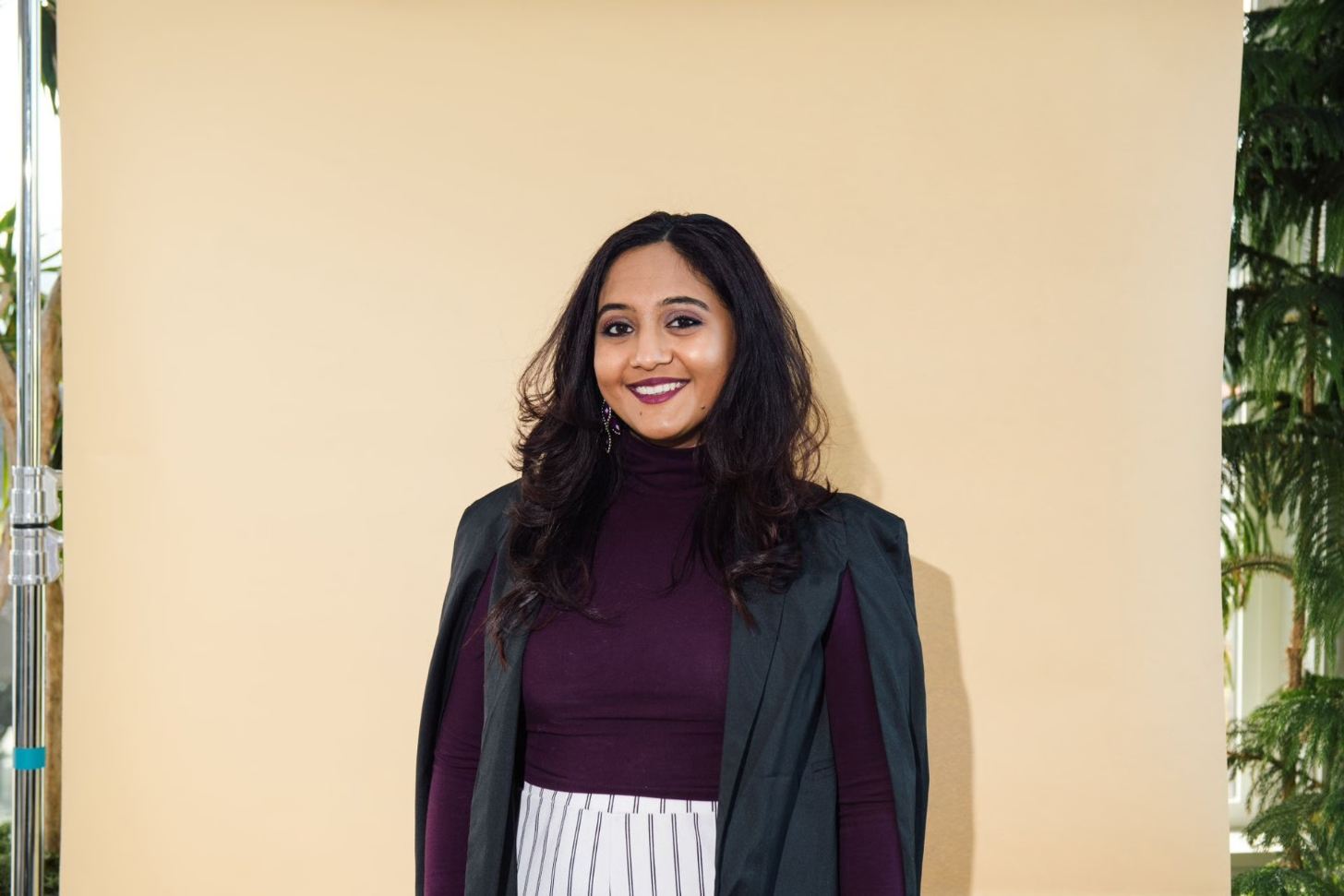
But, she said, it’s not an easy task. People struggle to come up with answers. So much of what they can imagine comes back to a prophecy of fear, a belief of implausibility under society’s current conditions.
Part of the reason, she believes, that people have trouble with this is that they don’t have access to many examples — and that “politicians, and billionaires, the fossil fuel lobby, and all of these bad guys have a hold of our imagination.”
“But imagination is literally free,” she said. “You are in the comfort of your own brain, where nobody is currently monitoring you. You can dream about anything. You just need practice.”
Breathing Life Into A New World
In the years she has hosted Dream Sessions with Soapbox Project, Achanta has also been conjuring up her own stories about a better world.
She moonlights as a novelist and will debut a “solarpunk romance” in 2027 under the pen name Raveena Raju. Her creative writing journey came from that desire to see a larger offering of utopian fiction that actually felt realistic.
“I think we have ideas of, like, really radically different futures, but what could be possible of the worlds we live in already?” she asked.
“My own storytelling practice came out of the frustration of wishing for something different. I love that, overall, many romance novels teach you to expect better from your romantic partners. A lot of them confront mental health in really great ways. We’re already packaging difficult topics into a delicious, fluffy cake, so why not climate?”
It boils down to simple switches, she said, like a character taking the bus or riding a bike, side plots about heat pumps, and settings in cooperative housing.
And these concepts don’t just live in books; they are stories pulled from the past, from other countries — fictional ideas borne out of real-world solutions.
As someone who wouldn’t have identified as a “storyteller” a mere three years ago, Achanta said, the practice of radical imagination can be as simple as providing the people in your life with real, bite-sized scenarios that could alter the way they think, like suggesting a trip to the local thrift shop instead of purchasing from a fast fashion brand.
“In the smallest ways, we can practice alternatives to our current reality,” Achanta said. “It could mean looking outside your window and seeing cars parked up and down the street. What if I took 30 seconds to think like, ‘What could my street look like without cars?’ Or, ‘What if I took five minutes to actually research what this street looked like before we had cars?’”
The goal is to fill the void between the thoughts of, “The current way of doing things sucks,” and “What do we want next?”
That exercise, she said, is an act of storytelling — whether or not people call it that.
“You don’t have to be a writer to know that stories shape our thinking, and therefore, shape our world. We are all living in someone else’s story of what they want to happen. Inevitability is a myth; it’s usually just some dude telling us, ‘Here’s my idea. It’s going to happen, and you must accept it or die,’” Achanta said.
“If we could all identify what in our society is just some dude telling a myth of inevitability, we could all learn that we can tell our own myths and bring those into existence instead.”
Her favorite example, one she says “lives rent-free” in her head, is Mr. Bloom, a man in San Francisco who dresses up in a bumblebee costume, takes his one-wheeler to the streets, and sprinkles seeds on any patch of open dirt he can find.
“He’s just some guy, too,” she said. “But he saw a patch of land and asked, ‘What if this could be wildflowers?’”
A version of this article was originally published in The 2026 Storytelling Edition of the Goodnewspaper.
You may also like: Built with books found in the rubble, these two men have opened Gaza's first new library
Header image courtesy of Apple TV+