


According to the United Nations Human Rights Office of the High Commissioner, Israel has destroyed 90% of Gaza’s schools, all of its universities, numerous archives, museums, and historical sites, and at least 13 libraries since October 2023.
While violence has not entirely stopped, ceasefires have allowed some Palestinians to begin to rebuild — even without the guarantee that it will last.
One such example is the Phoenix Library, a project of Omar Hamad and his friend, Ibrahim Massri. Together, the pair has raised over $100,000 and secured a location to rebuild Gaza’s first new public library.
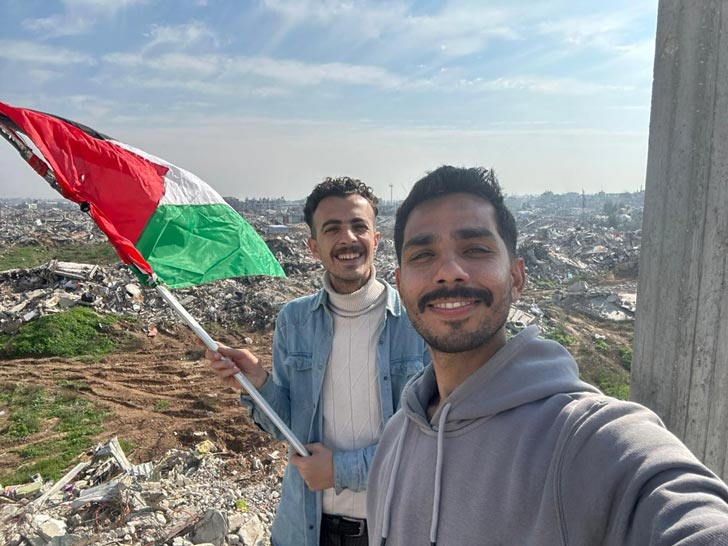
“There are moments in history when the creation of a library becomes an act of freedom itself,” the duo shared on a fundraising page.
“Here in Gaza, after the genocide, Omar and Ibrahim understood that dreams protected by books do not yield — that knowledge has the strength to pull a city back from ruin.”
Hamad has always been a devoted reader. As a child, when he first learned that Israel monitored curriculum in Palestinian schools, he would hide pocket money until he could buy a few books at the end of each month, which he describes as “the first seed of rebellion.”
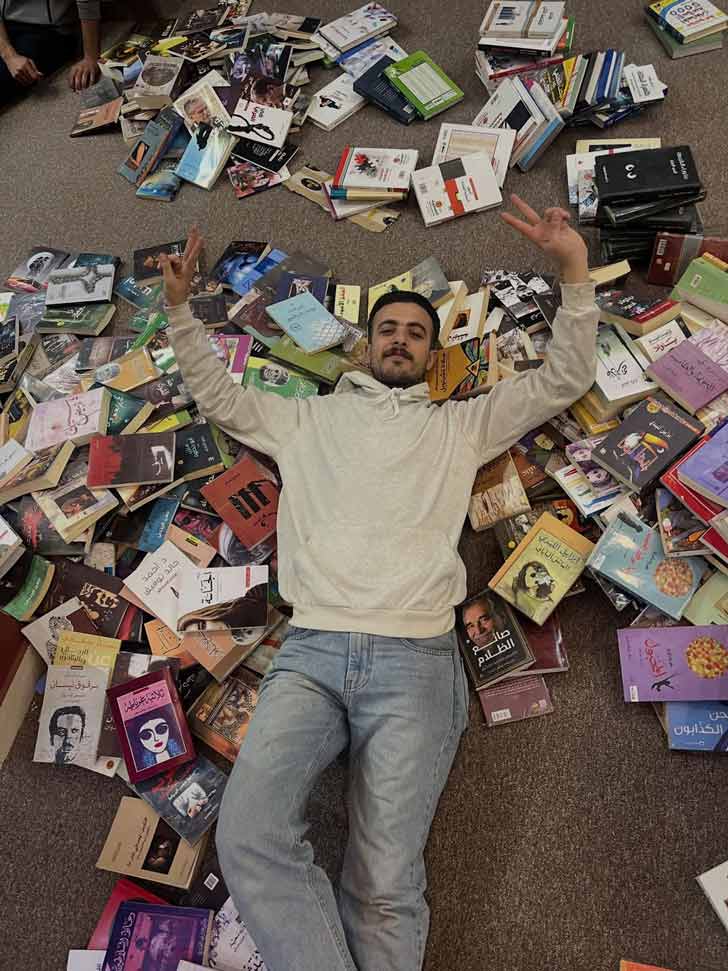
Later, when he received an evacuation order on October 8, 2023, he packed up the books he collected over the years — as many as he could carry as he fled his home. His collection dwindled as he was forced to evacuate numerous times.
When a hospital he was sheltering in was attacked, he left his books behind with a note: “Whoever finds these books, please take care of them.”
Miraculously, the books survived and became the foundation of the Phoenix Library, which is growing every day with new books donated from around the world, along with 1,000 collected from rubble throughout Gaza.
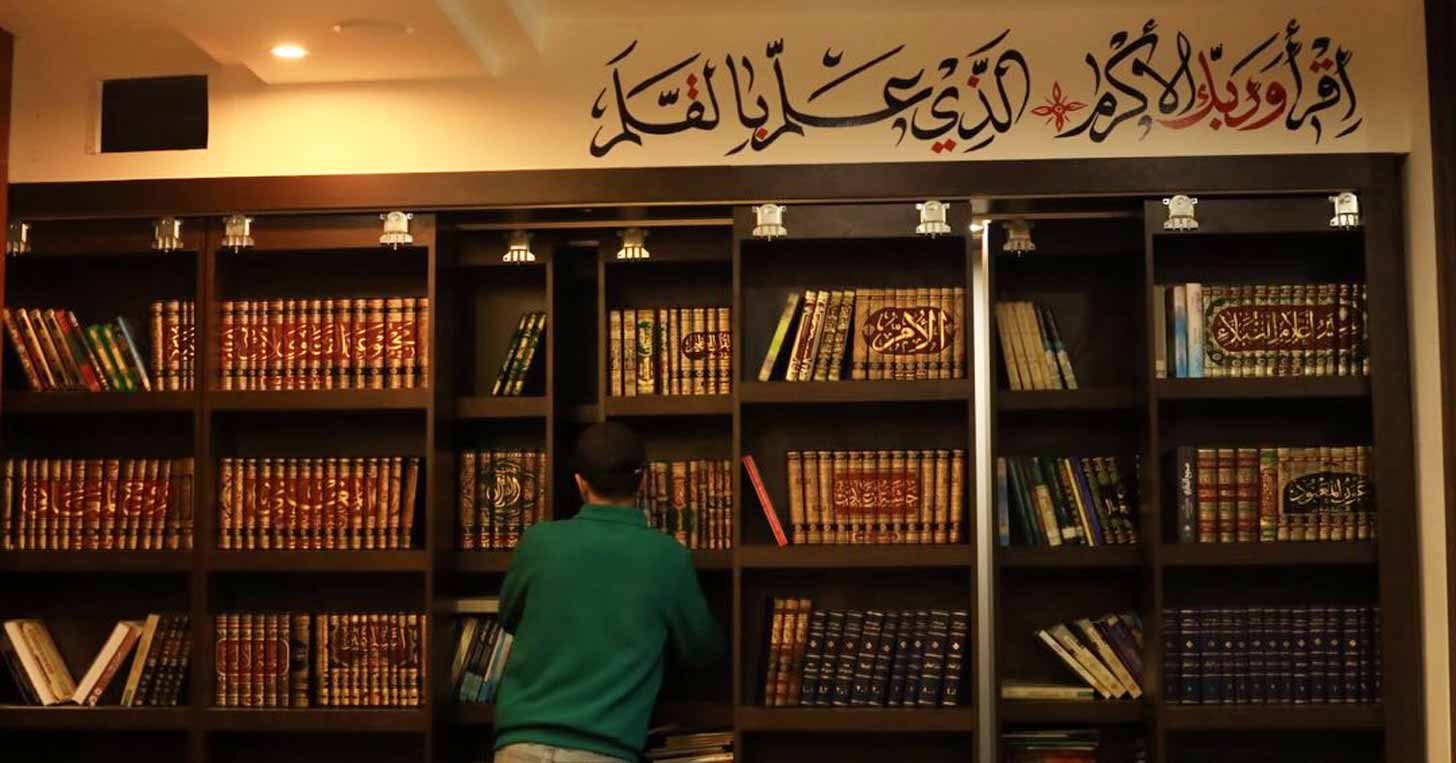
And as of April 21, 2026, the library is now open to the public.
In addition to being home to a dedicated collection of books, the founders say the library is there to be a haven for Palestinian writers and poets, as well as children and students whose education has been stalled amid what human rights experts assert is a genocide.
For Massri, who studied English Language Teaching at Al-Aqsa University and later became a teacher, freelance translator, and writer, the Phoenix Library is a return home.
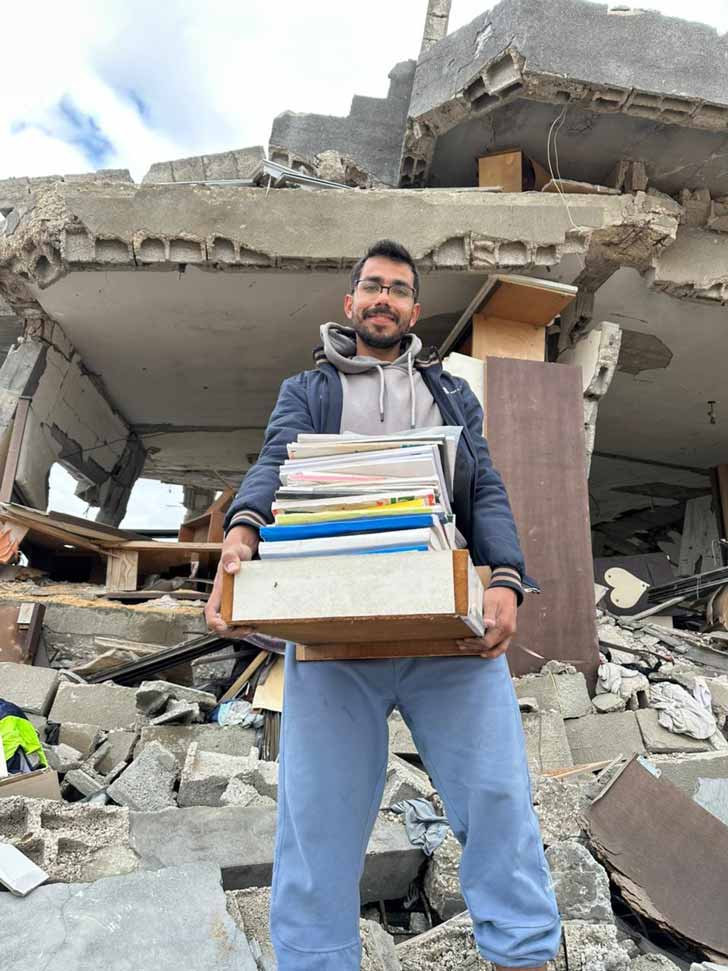
“Through it all, I never let go of the belief that we would rise again. I wrote my story and the stories around me, hoping the world would finally see the truth of our stolen homeland — a truth the occupation has tried to silence for decades,” Massri shared in a written fundraising statement.
“I believed, and still believe, that every destroyed home carries the seed of a new library, and that the word itself is a form of resistance.”
A version of this article was originally published in The 2026 Storytelling Edition of the Goodnewspaper.
You may also like: She was the first female CEO of an Afghan tech company. Now she teaches girls under Taliban rule in secret classrooms
Header image courtesy of Phoenix Library/Instagram


