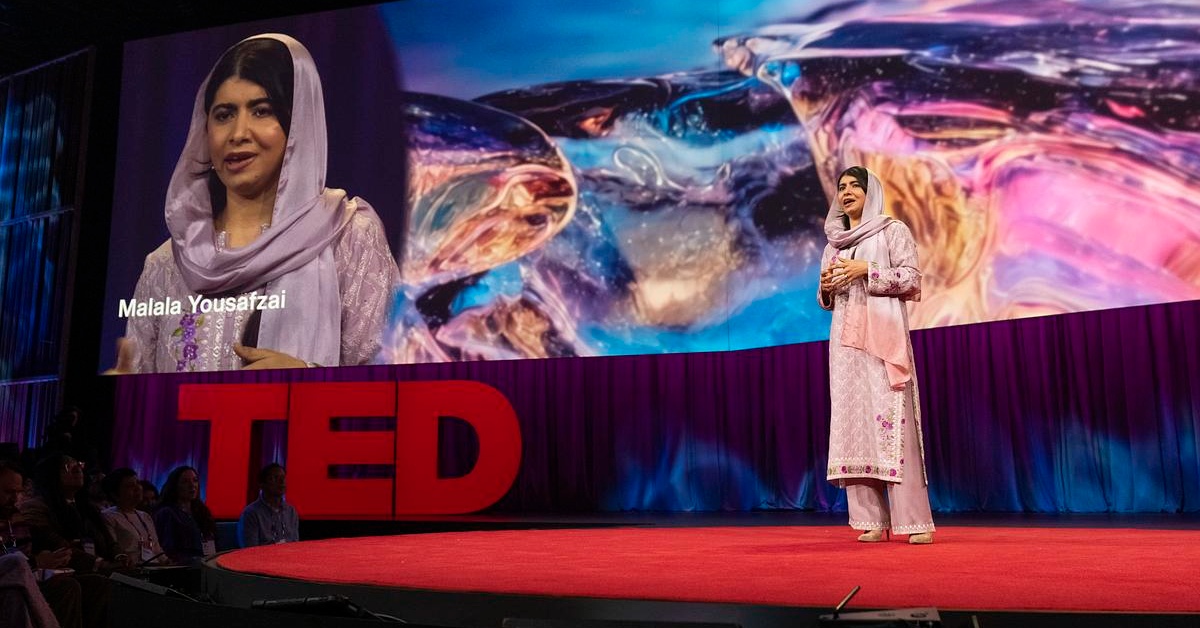
On Monday, April 13, Malala Yousafzai gave her first-ever TED Talk.
Many already know her as the Pakistani activist who, at just 15 years old, was shot in the face by the Taliban for her outspoken advocacy for girls' education.
After miraculously surviving the attack, she has continued to speak out about the importance of education for all children, regardless of gender.
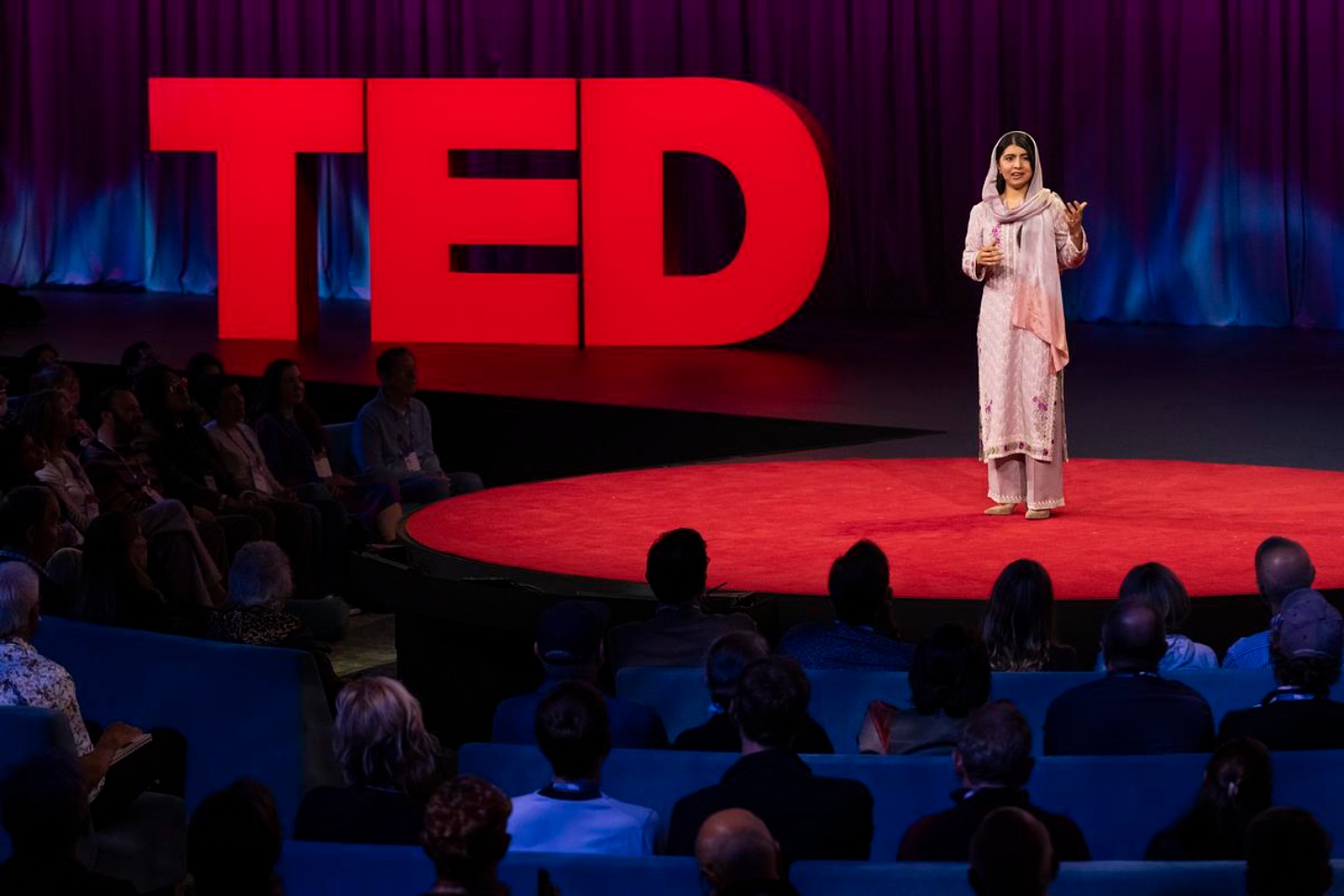
In October of 2014, she became the youngest person ever to win the Nobel Peace Prize and later co-founded the Malala Fund, a nonprofit organization that provides girls with access to quality education. She graduated from Oxford University in 2020, and now supports the development of women’s sports teams, helps produce feminist films, and even Broadway productions.
Over the years, she said, “I came to believe that change was slow, but steady, incremental, but thankfully inevitable. My foundation had been hope and optimism. Faith that people would do the right thing. Trust that when leaders said they cared about making our lives better, they meant it, even if it took longer than I wished.”

But even amid all of this success, she revealed in her TED Talk, Yousafzai has often felt like she’s lost hope.
This became especially clear in 2021.
“But then in a single day, my belief in progress shattered,” she said.
In August 2021, when she was recovering from one final facial paralysis surgery, she saw the news that the Taliban had taken control of Afghanistan.
“I was stunned, shattered, terrified, angry,” she said in her TED Talk. “How could I continue to have faith that things would improve? How could anyone believe that leaders were committed to girls' education when they handed over an entire country to the men who pointed a gun at my head and pulled the trigger?”
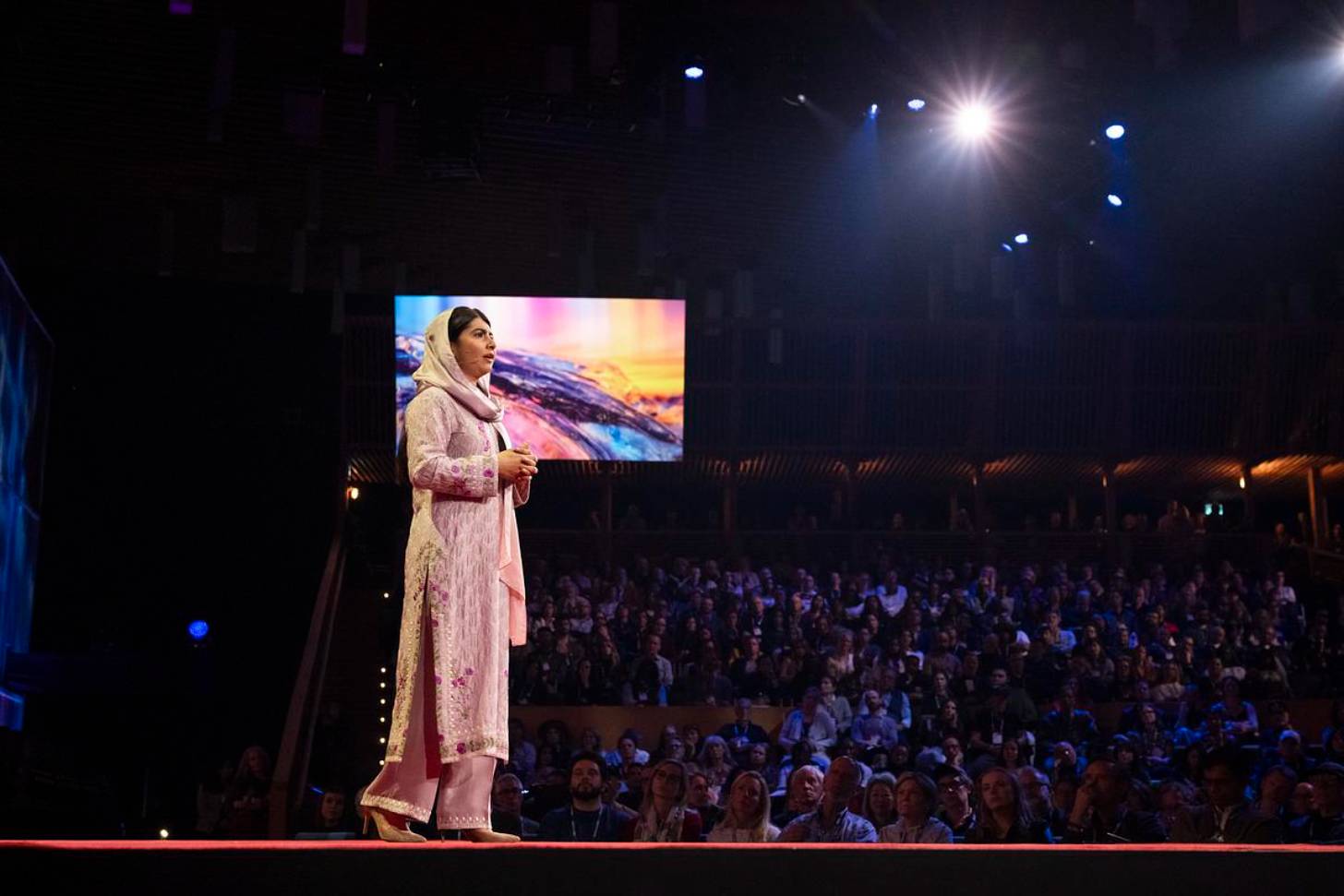
Today, Taliban rule in Afghanistan has led to girls being unable to attend school past sixth grade, and women with careers being banned from attending college or working. A woman speaking in public is a crime in itself, Yousafzai said.
In fact, earlier this year, the Taliban decreed that it is legal for men to beat their wives, “as long as they don’t break bones or leave open wounds.”
“The Taliban have imposed a system of segregation and domination, a gender apartheid on millions of women and girls,” Yousafzai said.
The optimism she once had as a young woman has dulled, she added. But then she provided three tips for people to still make an impact when the problems of the world seem existentially unmanageable.
Malala’s tips to keep fighting for change when all hope is lost
1) Start with something.
“You have to start with something,” Yousafzai said in her TED Talk.
In immediate response to the Taliban takeover in Afghanistan, Yousafzai began by supporting underground schools.
“The Afghan girls are not giving up on learning, even if it means risking their lives,” she said. “Across the country today, they are listening to lessons on the radio, discreetly passing cassette tapes and books to each other, and trying to keep studying in secret. It is far from the education that they deserve, but it's a start.”
In 2025, the Malala Fund made a $3 million investment in alternative forms of learning in Afghanistan. Among the grantees of this investment was Education Bridge for Afghanistan, an organization providing 10,000 girls access to comprehensive secondary education in pre-recorded and live online classes with a pre-Taliban curriculum.
Other programs like Learn Afghan’s virtual Girls’ School offer similar learning opportunities for women and girls living under Taliban rule.
“Learning with other Afghan girls online fills my heart with pride,” one student, Pashtana, shared with the Malala Fund. “When I see my classmates smiling, answering questions and dreaming aloud, I know that Afghanistan’s future is still alive.”
2) Work with others.
Yousafzai’s second lesson was to embrace working with others, even in unexpected places, “like movie theaters and football fields.”
She spoke about the two films she produced, “Bread & Roses” and “Champions of the Golden Valley.”
“Bread & Roses” was co-produced with Jennifer Lawrence and told the stories of Afghan women fighting back against the Taliban. “Champions of the Golden Valley,” on the other hand, ties in Yousafzai’s love of sports and tells the story of Afghan skier Alishah Farhang.
In addition to telling these stories, Yousafzai is working hard to support women athletes, joining the campaign of the Afghan Women’s National Football Team to persuade FIFA to allow the team to compete in exile.
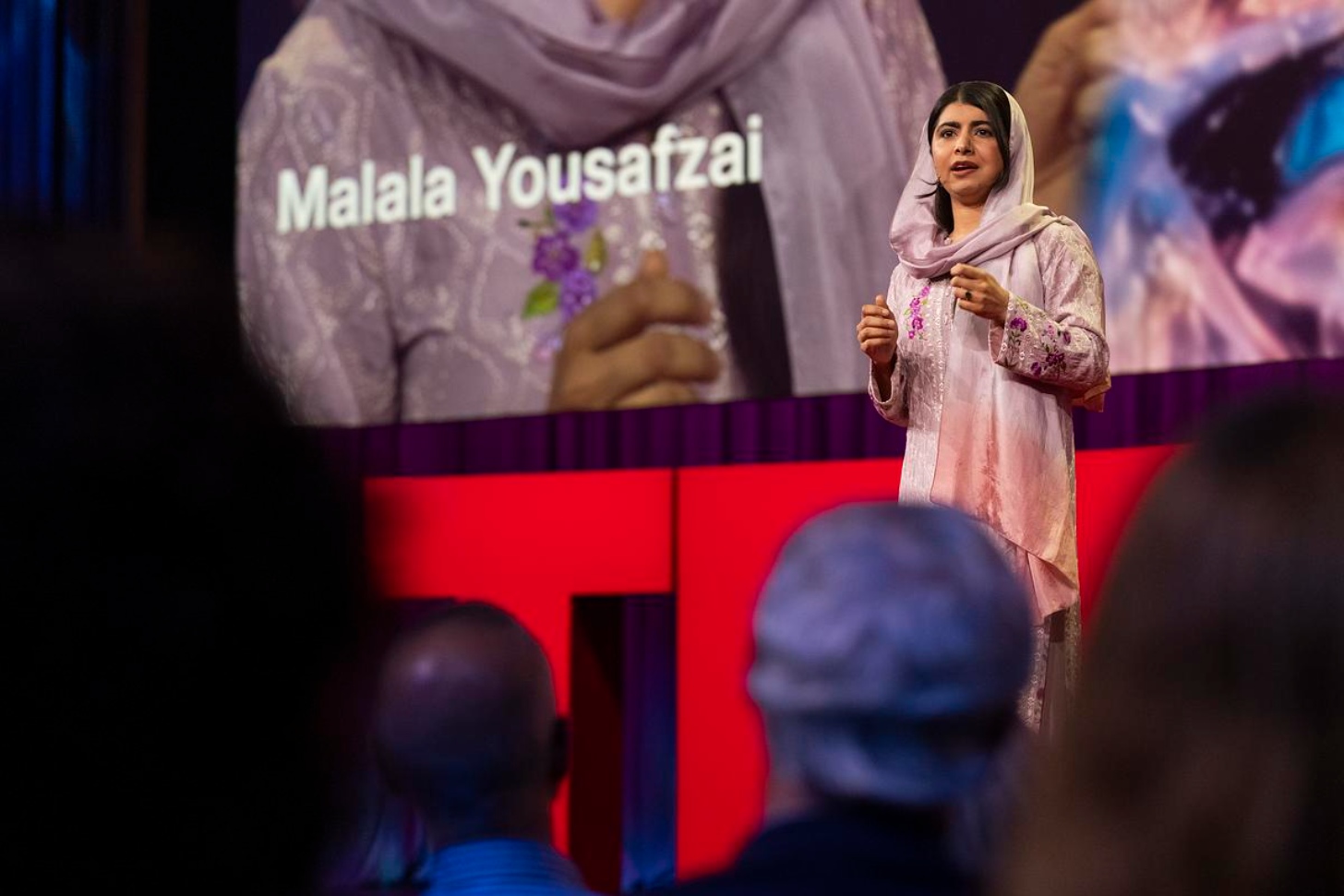
“The Taliban are erasing women from public life, but I am here to do the opposite of what the Taliban want,” Yousafzai said in her TED Talk. “That is why I am taking every opportunity to show Afghan women, speaking, singing, kicking the ball, and standing up for their rights.”
But Yousafzai’s investment in women’s sports doesn’t stop in the Middle East. In 2025, she and her husband, Asser Malik, co-founded an investment initiative called Recess, which aims to boost women's sports and promote gender equality.
“I started Recess to invest in ... the whole women's sport ecosystem," Yousafzai told Olympics.com. “I feel that sometimes [young girls] are asking us like, ‘Okay. You're telling us to follow our dreams, but where are the opportunities where we can really make our dreams come true?’”
3) Stay ambitious.
Yousafzai’s final word of advice was to confront the big problems of the world with big solutions.
“I know it might sound foolish to be setting high goals when you are losing a battle, but the bigger the fight, the bolder you have to be,” she said.
In the case of fighting the Taliban in Afghanistan, Yousafzai wants to end what she calls “gender apartheid” once and for all.
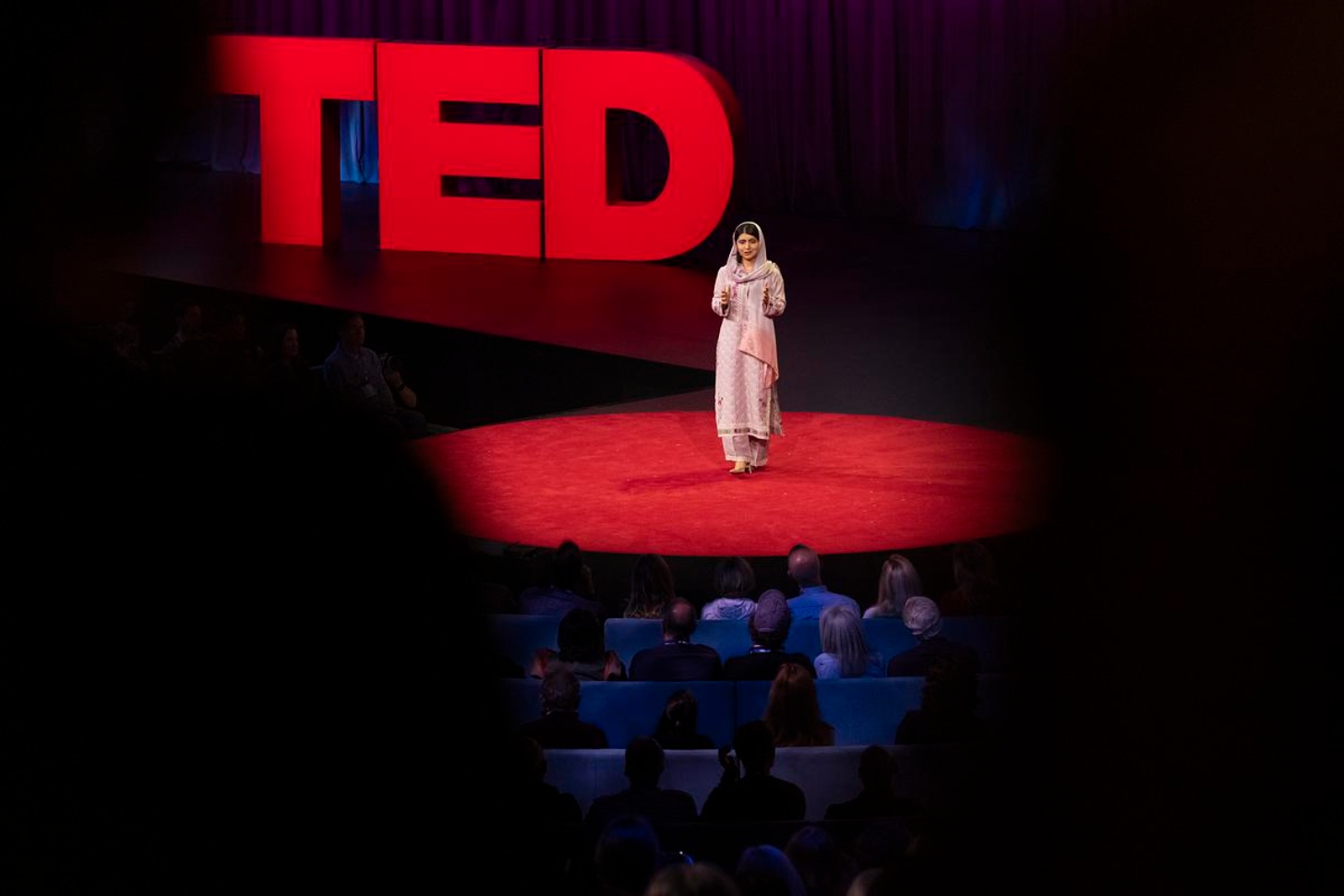
“We have no international laws against gender apartheid, no way to hold the perpetrators and their sympathizers accountable,” she said. “That is why Afghan women are campaigning to add these abuses to the UN's crimes against humanity treaty.”
Earlier this year, Yousafzai spoke at the United Nations General Assembly about this topic.
“This is not culture. It is not religion,” she said in March 2026. “It is a system of segregation and domination — we must call the regime in Afghanistan by its true name: gender apartheid.”
Adding gender apartheid to the U.N.’s Crimes Against Humanity Treaty is a “big goal,” Yousafzai said.
“I know it may take many years to see the Taliban brought to justice, but I will keep fighting so that these crimes are not committed against another generation of girls anywhere in the world,” she said in her TED Talk.
And that commitment to justice, even when things feel insurmountable, is what keeps Yousafzai moving forward.
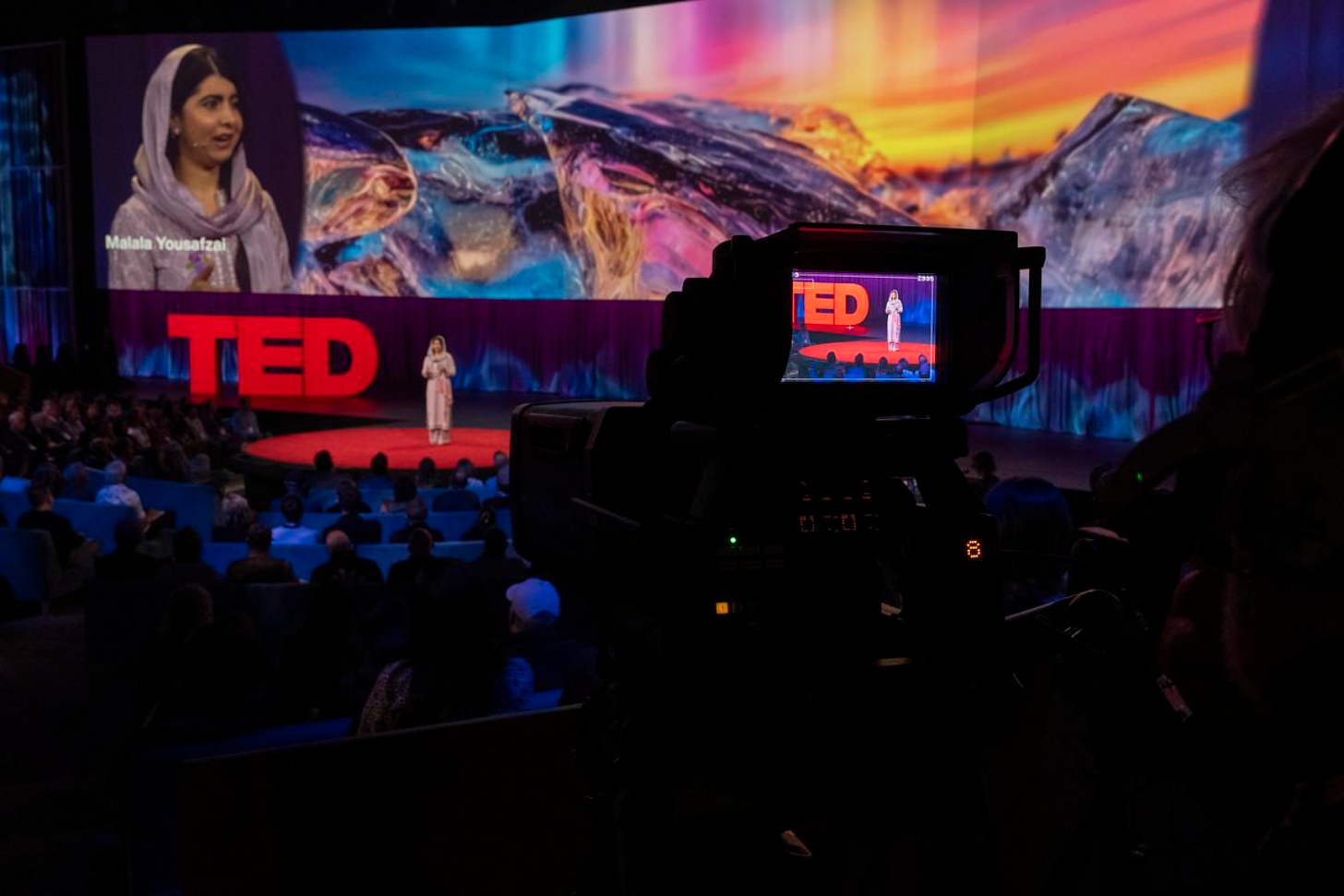
“I don't have all the answers on how to change the world, and I don't believe anyone else does either. If I have learned anything, it is that progress is never guaranteed. There isn't one speech or one story, one moment, or one person that can bend the arc of history on their own,” she concluded.
“But if we start with something, work together, and stay ambitious, hope stops being a thing we wait to feel and becomes something we create.”
You may also like: Malala Yousafzai shares powerful story of how a Taylor Swift era gave her strength under the Taliban
Header photo by Ryan Lash / TED
Good Good Good has been covering TED's annual conference and spinoff events — like TED Women, TED Next, and TED Countdown — as press since 2023. Our journalists watch TED Talks live and interview speakers after they get off stage, giving Good Good Good the opportunity to share stories like this before TED Talks are released online.