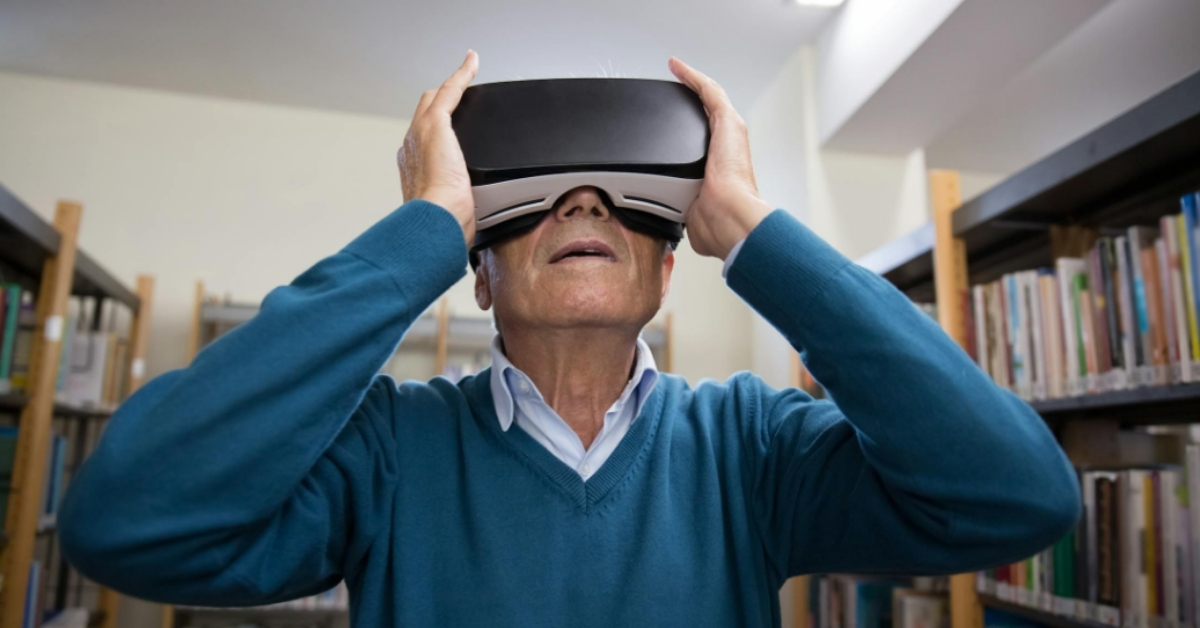
A new study from researchers at the Hong Kong University of Science and Technology found that virtual reality gaming can reduce social isolation in seniors and boost their mental fitness.
With input from 18 older adults, the researchers created a virtual space modeled after a public park where those adults would play Xiangqi, or Chinese Chess, and mingle in a “Cultural Corridor” to chat post-game.
Overall, users felt more connected after playing, with many noting that having the option to be a player or a spectator made the experience more engaging.
“In China, Chinese chess is a highly popular form of social entertainment among older adults, as it offers a familiar and intellectually stimulating pastime. In order to win or play well in the game, players need to coordinate and work with various abilities such as attention, memory, logical thinking, and decision-making,” wrote lead author Qianjie Wei, who is now enrolled as a PhD student in Computer Science at the University of Rochester.
“Repeated use of these abilities during gameplay can help maintain and improve cognitive functioning in older adults. Moreover, the social aspect of the game is equally significant; Chinese chess facilitates social interaction, providing a platform for emotional support and community bonding among seniors.”
When it came to long-term use, Wei and her peers recommended that researchers continue branching out to even more social games and hobbies.
“Future work could explore a wider variety of cultural activities, such as music, calligraphy, or other highly interactive cultural projects,” Wei said, who has also studied how virtual shuttlecock games can help improve balance in older adults. “This would help cater to the interests of older adults from different backgrounds and provide a richer social experience.”
You may also like: They throw it away virtually, then they toss it in real life. How VR is helping people with hoarding disorders declutter
A version of this article originally appeared in the 2026 Mental Health Edition of the Goodnewspaper.
Header image via Kampus Production