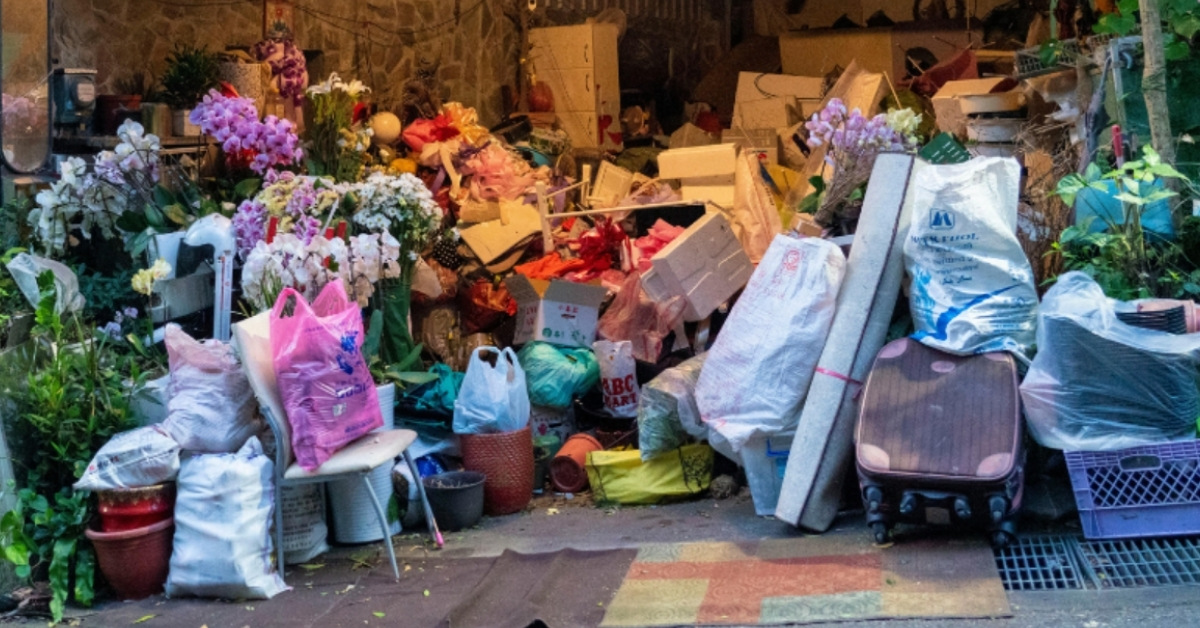
In a recent Stanford University study, nine adults with diagnosed hoarding disorders were asked to create 3D VR versions of their most cluttered rooms.
With the guidance of a clinician, the patients — all of whom were over age 55 — then spent weeks navigating the space, handling virtual versions of their belongings, and throwing them away.
Carolyn Rodriguez, a professor of psychiatry and behavioral sciences and senior author of the study, said the virtual experience can serve as “a kind of stepping stone,” or a less intense version of real-life discarding.
“It's nice to be able to [practice] in a virtual space for people who experience considerable distress even attempting to part with possessions,” she said.
The first-of-its-kind study took place over 16 weeks. In the first six weeks, each patient attended an online support group to gain the skills needed to tackle their hoarding through cognitive behavioral therapy.
In weeks seven through 14, they practiced decluttering in their virtual room.
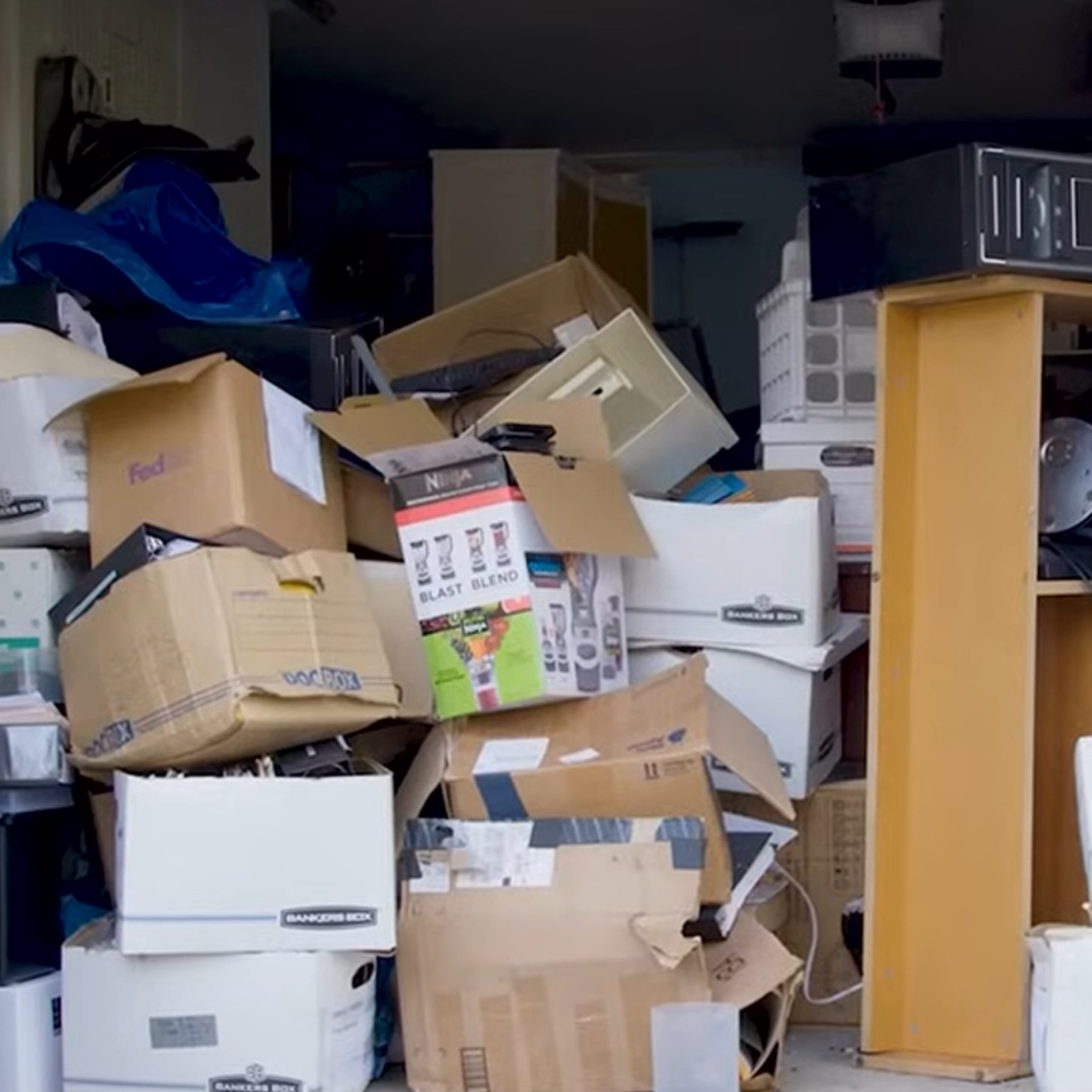
By the end of the study, the majority of participants were able to part with the items in real life, too.
“People tend to have a lot of biases against hoarding disorder and see it as a personal limitation instead of a neurobiological entity,” Rodriguez said. “We just really want to get the word out that there's hope and treatment for people who suffer from this. They don't have to go it alone.”
You may also like: Interactive video game shows everyday reality of raising a trans teen in Texas
A version of this article originally appeared in the 2026 Mental Health Edition of the Goodnewspaper
Header image via Platinum (CC BY-NC 4.0)