Leopards need our help. While they’re not considered “endangered” on a global scale, several species (Amur, Arabian, and West African leopards) are critically endangered. And across South Asia, leopards at large have grown increasingly vulnerable.
“Leopards are found throughout India. India is the most populated country in the world, so their natural habitat is shrinking,” Nikki Sharp, the executive director of Wildlife SOS-USA, told Good Good Good.
Sharp explained that habitat degradation has forced leopards to adapt to the changing landscape, “where there are people and farmland.”
“When they live in these environments, their normal prey base is not usually available,” she said. “This leads them to find other food sources that include domestic livestock like goats, which then leads to conflicts with people.”
Those conflicts, in turn, threaten local leopard populations.
“Leopard populations in India have been declining in recent years,” Sharp said. “This contrasts with tigers that have actually been increasing.”
To limit human-leopard conflict, Wildlife SOS has been running conservation campaigns throughout India for over a decade, which highlight the benefits that leopards have on the environment.
As top predators, leopards regulate the prey populations of smaller herbivores and rodents, in turn preventing overgrazing and protecting local landscapes.
“Leopards are one of several large wild cat species found in India that play a critical role in a healthy ecosystem,” Sharp emphasized.
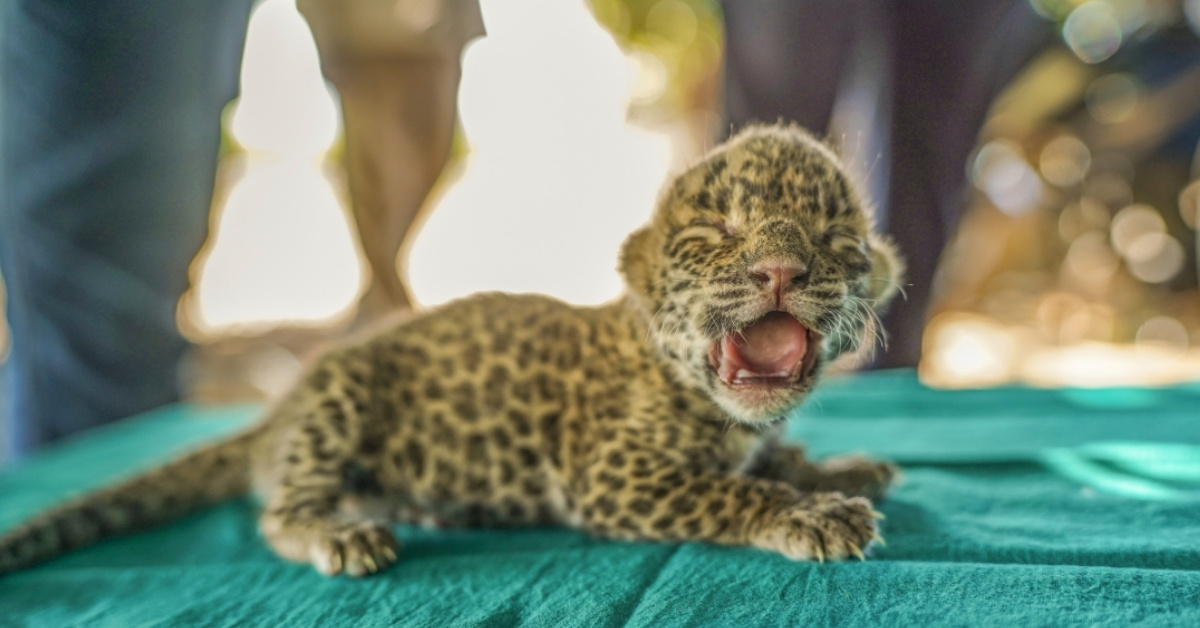
In addition to raising awareness for the species, Wildlife SOS has played a direct role in aiding leopards and their cubs.
Shrinking habitats force leopardesses to roam widely when they hunt, increasing the time between their separation. Additionally, as habitat loss pushes wildlife closer to people, leopard cubs are increasingly being found in sugarcane and cornfields, which leopards use for cover and shelter.
During harvest, well-meaning farmers may move the cubs beyond the fields, unintentionally separating them from their mothers.
“Wildlife SOS works to reunite them by carefully placing the cubs back where they were found and monitoring [them] from a distance, so the mother can locate them by their cries,” Wildlife SOS said in a statement. “In most cases, she returns within just a few nights.”
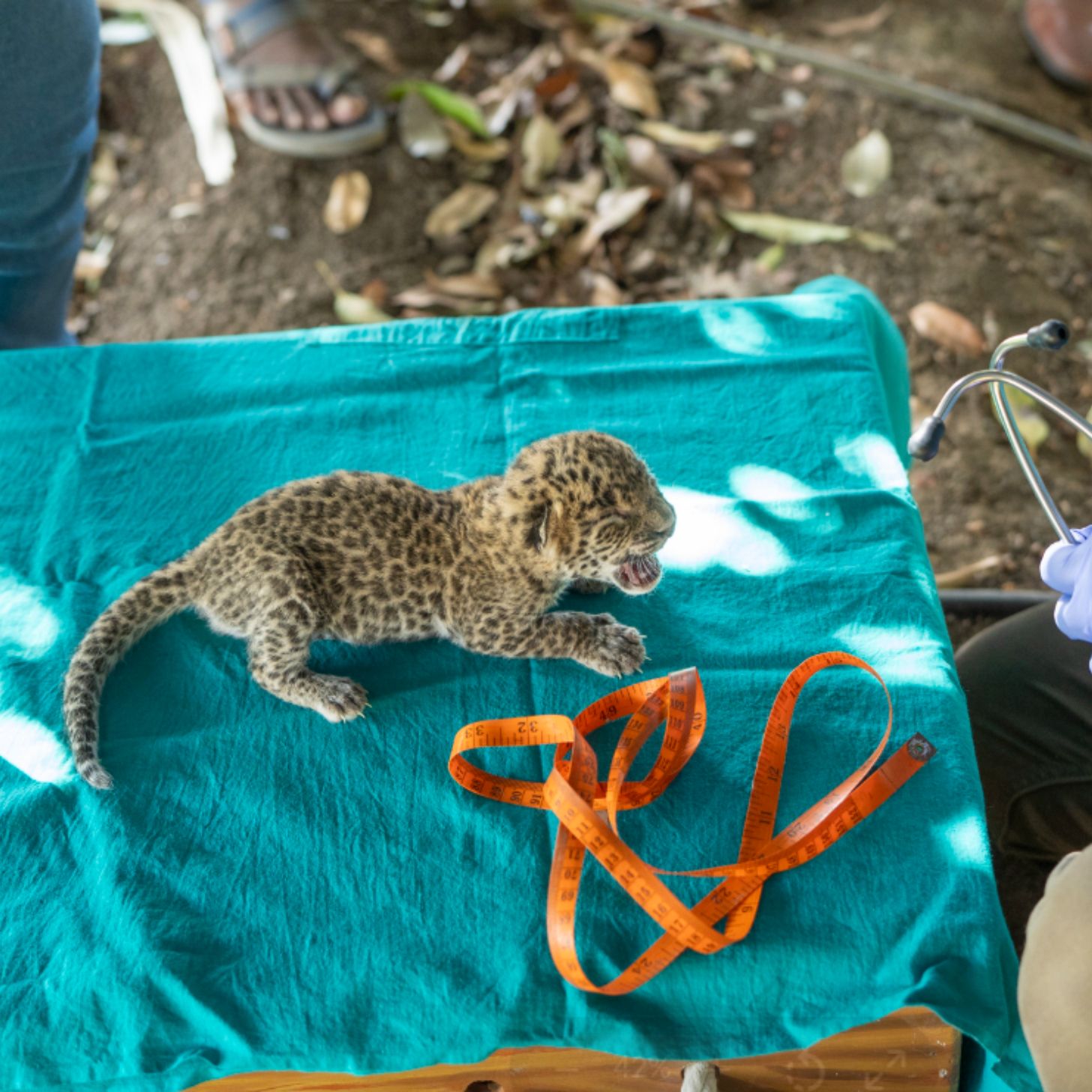
When abandoned cubs are found, experts examine the young for health issues. Then they place the cubs in a “safe box” and monitor them from afar until the mother can return.
“We have been doing these cub reunifications successfully for over 15 years,” Sharp said. “Cubs learn from their mother for up to two years, and without this education, they won't survive on their own.”
“Wildlife SOS operates a rescue center for leopards, so if the mothers do not return for their young, the cubs are brought there to receive lifelong care,” she continued.
At the moment, Sharp said they have “a few” cubs under their care.
“However, over 95% of the attempts have been successful,” she stressed. “That is over 100 cubs who remain in the wild.”
In addition to protecting leopards and their cubs, Wildlife SOS has several animal campaigns in action.
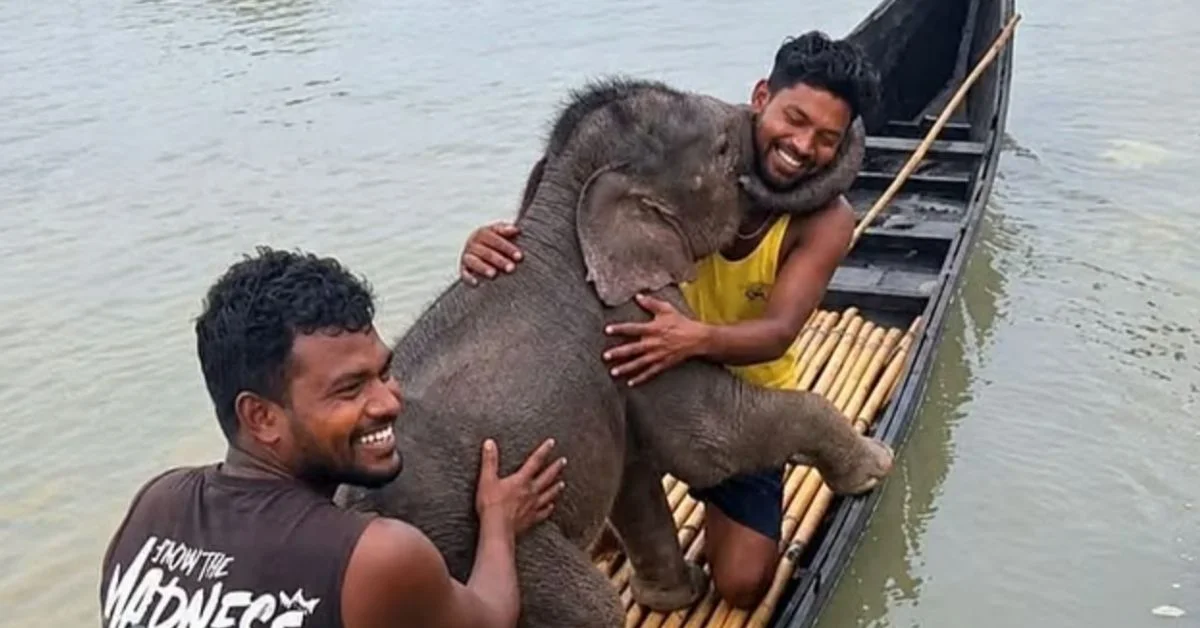
“Currently, we have a big focus on saving India’s elephants. That includes efforts to protect elephants in the wild and to rescue all of India’s captive begging elephants,” Sharp said, alluding to the illegal practice of forcing elephants to perform tricks and solicit money in the streets.
“We also have several campaigns to protect and conserve bears,” she said. “Many people don’t know that there are four species of bears in India, and we are working with all four of them.”
For people looking to support Wildlife SOS’s conservation efforts, Sharp said it all starts with education.
“People can help by taking the first step to be informed about the challenges facing India's wildlife,” she said, adding that readers can learn more on their official website.
You may also like: Scientists use 'house cat' behavior to help jaguars
Header image via Wildlife SOS