In 2013, park ranger Dale Osborne noticed that the plains of Watermead Country Park North in Leicestershire, England were constantly flooding.
As torrential rain poured down, the floodplains failed to drain properly — and local harvest mice lost their nests.
"I was picking mice up swimming around in the water and putting them on dry land because some had been washed out of their homes,” Osborne told the BBC.
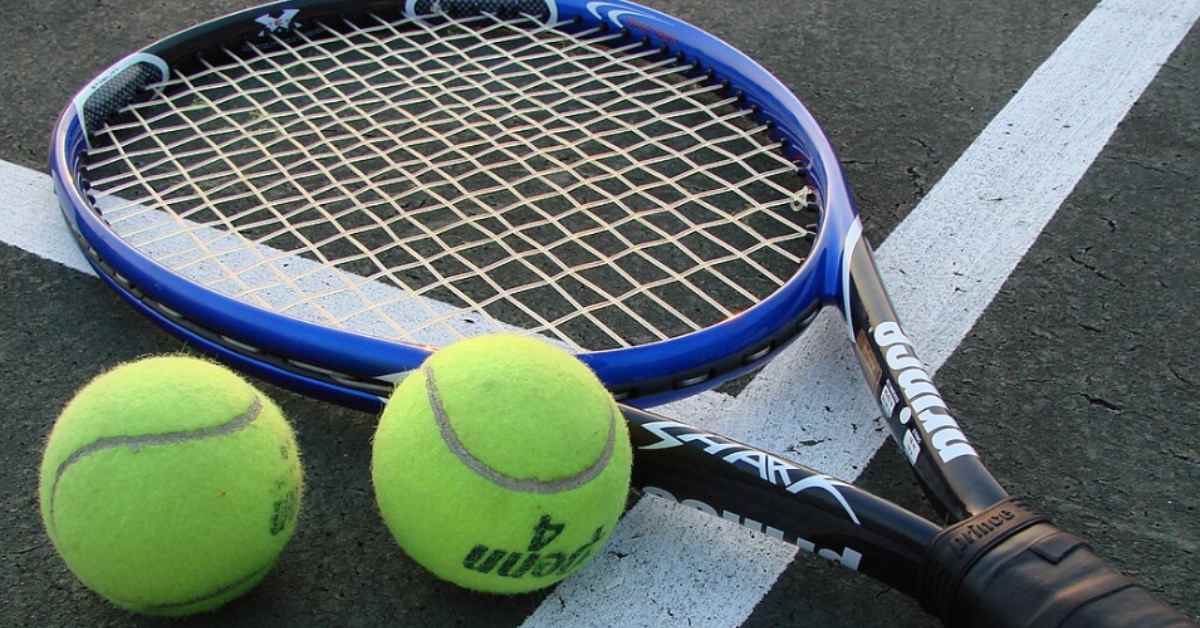
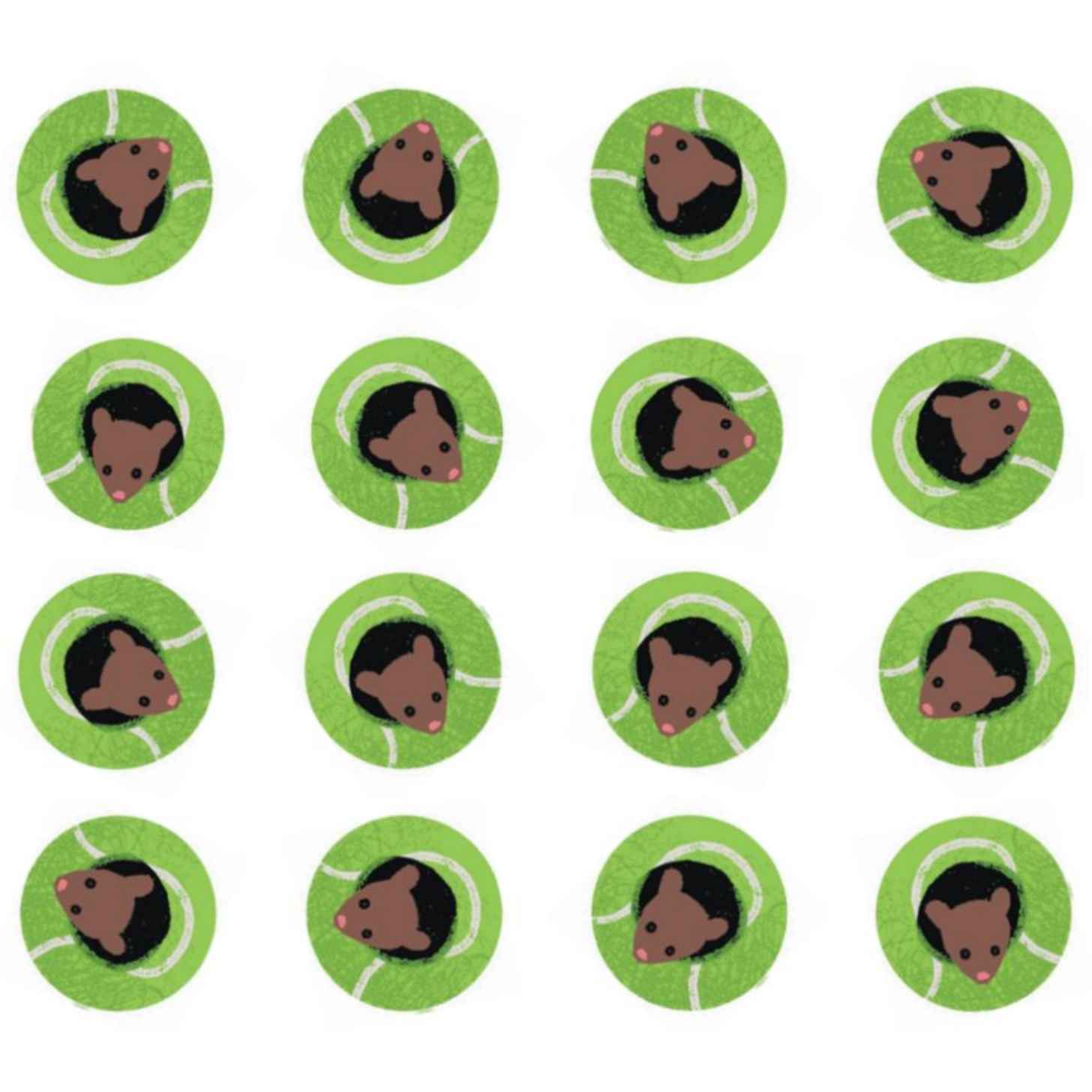
To help the harvest mice survive, Osborne and his colleague employed a conservation tactic that had been slowly circulating in Britain for years: rehoming rodents in used tennis balls.
The team cut small openings in the rubber-core balls and propped them up on raised stakes throughout the park.
"They will lay their young in there and they are so small you could probably get 10 in a tennis ball,” Osborne said.
The new nests also granted them safety from prowling predators and birds of prey — giving the local population a boost in numbers despite the constant floods.
That summer, Osborne and his colleagues received 550 tennis balls from the public to help rehome the rodents.
A decade later, the initiative is still going strong — now with support from the iconic Wimbledon Championships. The tennis tournament cycles through over 50,000 tennis balls every year, many of them donated to the cause.
Diverting tennis balls from landfills — and rehoming mice in the process — is just one small way that Wimbledon has helped the environment.
As it aims for net-zero emissions by 2030, the tournament is working to generate as little waste as possible, increase recycled content, and reuse materials.
“What I try to demonstrate in a holistic way is that there is something that every single one of us can do to be part of the solution to help the environment,” Hattie Park, the sustainability manager at Wimbledon’s famous All England Club venue, told ABC News.
“Ultimately, we want to build a community of environment-positive champions and get everyone involved.”
A version of this article originally appeared in the 2025 Sports Edition of the Goodnewspaper.
Header image via Vladsinger (CC BY-SA 3.0)