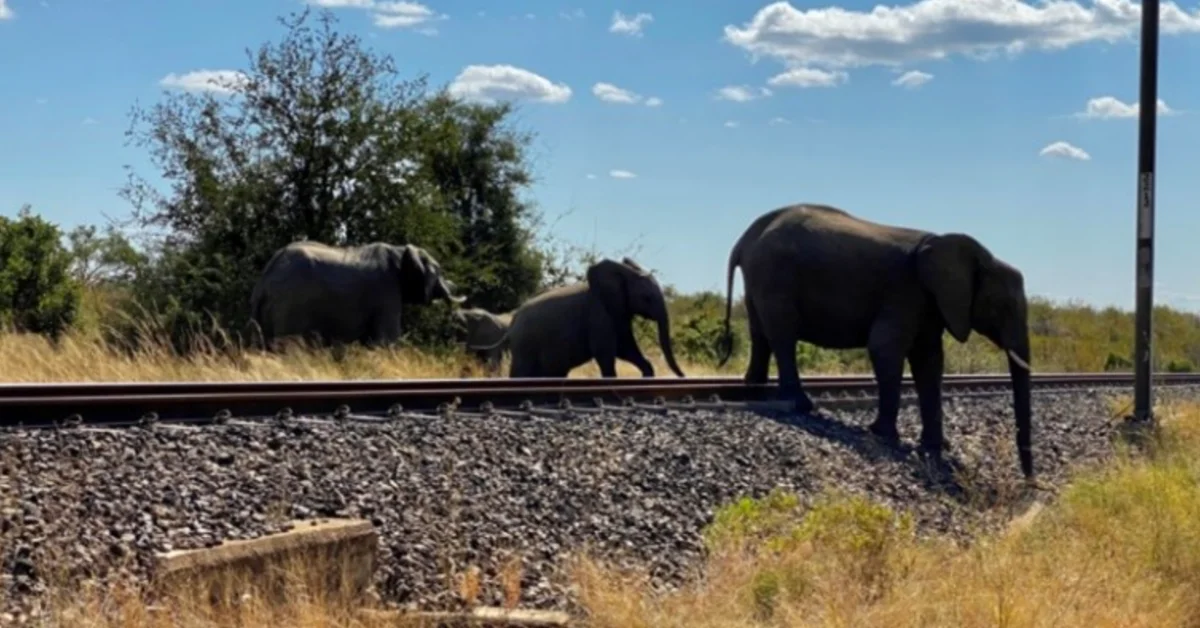
Traipsing through entire clearings of trees may sound like it does more harm than good, but every time elephants pluck their favorite fruit and trample trees, they’re contributing to a cleaner environment.
In a Saint Louis University study, Stephen Blake — an assistant professor of biology at SLU — collected data on the ecological impacts of megaherbivores and found that “the role of forest elephants in our global environment is too important to ignore.”
“Elephants are the gardeners of the forest,” Blake wrote, explaining that when elephants eat the fruit from high carbon density trees, they then disperse the seeds of new trees through their dung.
And they do this all while trampling lower density trees, and thinning forests for the better.
“They plant the forest with high carbon density trees and they get rid of the ‘weeds,’ which are the low carbon density trees. They do a tremendous amount of work maintaining the diversity of the forest.”
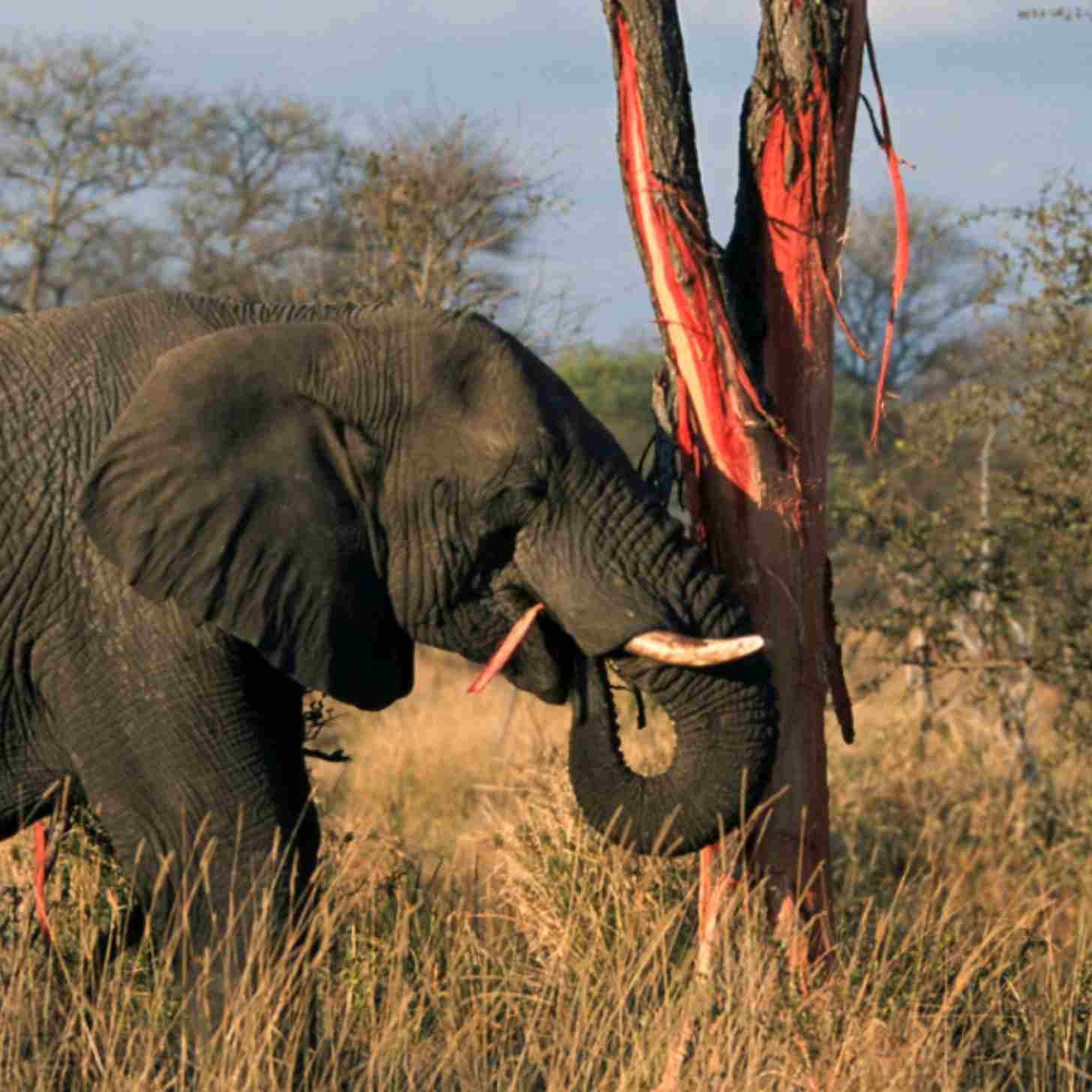
And Blake said the implications of the study extend far beyond the forest elephants of Africa.
“Those findings imply that other large herbivores, such as primates or the Asian elephant, could also contribute to the growth of high carbon density trees in other tropical forests. Our aim is to expand on this by investigating those other species and regions.”
A version of this article originally appeared in the 2024 Animals Edition of the Goodnewspaper
Header image via Pixabay